
Matador Network's Blog, page 262
August 22, 2023
At This Pay-What-You-Want Chicago Museum, Even the Restaurant Has World-Class Art
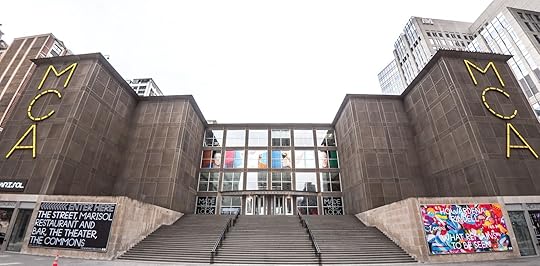
“Come for the pizza, stay for the first-rate museums” could easily be Chicago’s motto. The city has many great pizza joints, but there’s only so many pies one can eat, so when you’re satiated in the space of a vacation, make your way to one of the best museums in Chicago. Some Chicagoan museums are free, other not so much, but the Museum of Contemporary Art Chicago (MCA) is both. There’s a suggested admission fee, but you can also pay what you want and not only access the excellent permanent collection and great exhibitions, but you can also enjoy the fine cuisine of the on-site, art-filled restaurant.
Where is the Museum of Contemporary Art Chicago located?How to get to the Museum of Contemporary Art Chicago?Parking at the Museum of Contemporary Art ChicagoMuseum of Contemporary Art Chicago ticketsMuseum of Contemporary Art Chicago free daysMuseum of Contemporary Art Chicago hours of operationCollection and exhibitions at Chicago’s Museum of Contemporary ArtMuseum of Contemporary Art Chicago restaurantMuseum of Contemporary Art Chicago storeHotels near the Museum of Contemporary Art ChicagoWhere is the Museum of Contemporary Art Chicago located?The MCA is located in the Streeterville neighborhood of Chicago. It is 30 minutes away on foot from Millennium Park, 10 minutes from Oak Street Beach, and just four minutes from 360 Chicago, the famously thrilling observation deck inside of Park Tower.
The exact address of the MCA is: 220 E Chicago Ave, Chicago, IL 60611, United States
How to get to the Museum of Contemporary Art Chicago?The blue line of the CTA L train travels between O’Hare International Airport and Forest Park via downtown. You’ll want to stop at the Chicago station to be as close as possible to the MCA. It’s a seven minute walk from the station to the museum.
If you prefer taking the bus, the #66 which runs along Chicago Avenue can drop you off right by the museum. Watch for the Chicago & Mies Van Der Rohe stop.
Consult the L trains and buses map made by the Chicago Transit Authority (CTA) to plan your journey.
Parking at the Museum of Contemporary Art ChicagoIf you opt to drive to the MCA rather than use public transportation, you’ll need to park your vehicle. There are multiple 24-hour parking garages in the area around the museum, but the closest is the InterPark lot located at the back of MCA on East Chicago Avenue. (See map above.) Validate your ticket at the museum for a discounted rate.
Museum of Contemporary Art Chicago ticketsView this post on InstagramA post shared by Museum of Contemporary Art Chicago (@mcachicago)
General admission for non-Chicago resident is $22 for adults; $14 for students, teachers, and seniors above the age of 65; children 18 and under enter for free.
Chicago residents get discounted rates: $19 for adults; $10 for students, teachers, and seniors above the age of 65; children 18 and under enter for free.
The MCA is a participant in the Museum for All program and allows visitors to pay what they want. The museum’s website explains that “no one will be turned away.” That said, the suggested admission fees help support the museum so if you can afford to pay the regular admission price, you are encouraged to do so.
It is recommended to purchase your ticket online in advance to secure your visit.
Museum of Contemporary Art Chicago free daysThe MCA is free every day for:
People 18 and underIllinois elementary and high-school teachersVisitors with disabilities and those caring for themActive military personnel, police officers, members of fire departments, and veteransMembers of the MCAResidents of the state of Illinois can access the museum for free on Tuesday.
Museum of Contemporary Art Chicago hours of operationThe MCA is open from 10 AM to 5 PM on Wednesday, Thursday, Friday, Saturday, and Sunday. On Tuesday, the museum is open from 10 AM to 9 PM.
The museum is closed on Monday, Thanksgiving Day, Christmas Day (December 25), and New Year’s Day (January 1).
Collection and exhibitions at Chicago’s Museum of Contemporary ArtView this post on InstagramA post shared by Museum of Contemporary Art Chicago (@mcachicago)
The MCA has a permanent collection of around 2,500 pieces, including works by Andy Warhol, Edward Krasinski, and Marisol Escobar. These artworks date from the 1920s to today and cover a large range of media — paintings, sculptures, videos, performances, installations, and more.
Not all the works in the MCA collection is on permanent display, only a handful of them are on view. The displays rotate regularly.
Works from the permanent collection are also included in the multiple rotating exhibitions that take place throughout the year at the MCA.
Museum of Contemporary Art Chicago restaurantView this post on InstagramA post shared by Marisol (@marisol.chicago)
The MCA has an on-site restaurant named Marisol after Marisol Escobar, the Venezuelan-American sculptor whose work is part of the museum’s permanent collection. Marisol does not feature work by the eponymous artists, but rather big and colorful pieces by artist Chris Ofili.
Marisol is a joyful dining venue whose chef is no other than Jason Hammel, a celebrated Chicago chef who favors innovative, seasonal, farm-to-table cuisine. Marisol is open from Tuesday to Friday for lunch, dinner, drinks, and brunch on Saturday and Sunday. The Counter at Marisol is a casual café where you’ll find snacks and hot beverages.
If you’d rather try something outside of MCA, consult Matador’s selection of iconic seven fine dining restaurants in the city.
Chicago’s Museum of Contemporary Art storeIf there’s one place where you’re sure to find pieces that are unusual and fun, it’s the shop of a contemporary art museum, and the MCA is no exception — actually, it’s probably one of the best museum shops out there, so don’t skip it.
You’ll find books, jewellery, fashion pieces and accessories, home decor (think deigner pizza cutters and great tea kettles), kids toys like Andy Warhol paint by number kits, funky office supplies, and much, much more. The shop also carries pieces by local Chicago artists.
The MCA store is open from 10 AM to 5:30 PM on Wednesday, Thursday, Friday, Saturday, and Sunday. On Tuesday, the museum is open from 10 AM to 9 PM.
If you can’t visit the store in person, visit the online version.
Hotels near the Museum of Contemporary Art ChicagoThe museum being close to downtown, there are many hotels that will suit visitors who wish to be near the MCA. That said, if you’re looking for a long-term place to stay, check out Matador’s selection of Chicago hotel that combine apartment comfort with skyscraper views and upscale amenities. If you want to be close to the action, Matador’s list of outstanding Chicago hotels within walking distance to must-see sights should help. 
More like thisTravelThe Best Things To Do in Chicago That Prove the City Is the Perfect Year-Round Destination

This Giant Boston Museum Has the Largest Collection of Monet Paintings Outside of France

There’s no need to buy a flight to Europe to see a world-class museum. The Louvre and the British Museum may be immense historical buildings filled with paintings by the great masters, Egyptian mummies, and Greek antiquities, but so is the Museum of Fine Arts in Boston (also known as MFA), and getting there is much easier than making your way to Paris or London. Actually, the MFA, is on par with many reputed museums: it has the largest collection of Monet paintings outside of France, for example, and that alone is reason enough to pay it a visit. Add to it the fact that it’s got over 65,000 pieces of art from Ancient Egypt, Nubia, and the Near East and you’ve got yourself a bucket-list museum.
Where is the Museum of Fine Arts Boston?How to get to the Museum of Fine Arts Boston?Parking at the Museum of Fine Arts BostonMuseum of Fine Arts Boston ticketsMuseum of Fine Arts Boston free admissionMuseum of Fine Arts Boston hours of operationMuseum of Fine Arts Boston late night visitsThe most famous pieces at the Museum of Fine Arts BostonMuseum of Fine Arts Boston restaurantsMuseum of Fine Arts Boston gift shopCan you get married at the Museum of Fine Arts Boston?Hotels near the Museum of Fine Arts BostonWhere is the Museum of Fine Arts Boston?The museum is located in the Fenway-Kenmore area of the city, just 10 minutes on foot from Fenway Park, the famous baseball stadium that is home to the Red Sox.
The exact address of the MFA Boston is: 465 Huntington Ave, Boston, MA 02115, United States
How to get to the MFA Boston?The subway station “Museum of Fine Arts Boston”, located four minutes on foot from the entrance to the museum, is serviced by branch E of the Green Line (GLE). The Green Line easily connects with the Orange Line and Red Line that serve downtown, and with the Blue Line that serves Logan International Airport. Consult Boston’s map of public transports to plan your journey.
Parking at the Museum of Fine Arts BostonThere are three parking garages on Museum Road, just a couple of minutes on foot from the entrance to the museum:
The Museum of Fine Arts Parking GarageThe Museum of Fine Arts – Fenway LotThe Museum of Fine Arts – Huntington LotAll three parking lots charge the same rate: $12 for one hour; $24 for two hours; $32 for two to five hours; $36 for more than five hours.
Museum of Fine Arts Boston ticketsGeneral admission to the museum is $27 for adults; $10 for children between the age of seven and 17; children aged six and under enter for free.
Everyone who wants to visit the Museum of Fine Arts must get a ticket, even those for whom admission is free. Note that certain exhibitions require a timed-entry ticket. Timed-entry tickets for special exhibitions include access to the museum’s permanent collection.
Museum of Fine Arts Boston free admissionMembers of the Museum of Fine Arts, and children aged six and under enter for free.
Massachusetts residents can enter the museum for free on:
Martin Luther King Jr. Day (third Monday of January)Memorial Day (last Monday of May)Juneteenth (June 19)Indigenous Peoples’ Day (second Monday in October)Discounted admission ($5 minimum) is available after 5 PM on specific Thursdays throughout the year. Consult the museum’s website to plan your discounted museum visit.
Museum of Fine Arts Boston hours of operationThe museum is open from 10 AM to 5 PM on Monday, Wednesday, Saturday, and Sunday. On Thursday and Friday, the museum is open from 10 AM to 10 PM.
The museum is closed every Tuesday, and on New Year’s Day, Patriots’ Day, Fourth of July, Thanksgiving, and Christmas.
Last entry is 30 minutes before closing.
Museum of Fine Arts Boston late night visitsThe museum is open late, until 10 PM, on Thursday and Friday.
The most famous pieces at the Museum of Fine Arts BostonView this post on InstagramA post shared by Museum of Fine Arts, Boston (@mfaboston)
The Museum of Fine Arts is home to many world-famous pieces, including, but not limited to:
Katsushika Hokusai’s Under the Wave off Kanagawa also know as The Great WaveFrida Khalo’s Dos MujeresGauguin’s Where Do We Come From?John Singer Sargent’s The Daughters of Edward Darley BoitVincent Van Gogh’s Postman Joseph RoulinPierre-Auguste Renoir’s Dance at BougivalClaude Monet’s Water Lilies, among many other renowned pieces by the artistWhile the museum’s world-famous pieces are some of the most popular, don’t focus on them only. There are plenty of smaller, lesser-known works that will capture your imagination and likely win your heart, like the 14th-century-BC drinking vessel in the shape of a fist in the Ancient Near Eastern collection; the ivory and horn netsuke in the shape of a hare holding three fruit under its paw in the Japanese Art collection; or even the wool and mohair tapestry titled Tapestry: Greenery depicting a idyllic forest scene on view in the European Textile collection.
View this post on InstagramA post shared by Museum of Fine Arts, Boston (@mfaboston)
To protect all of the art works in the museum against pests, in 2018 the FMA hired a special worker: Riley, a Weimaraner. Although Riley works behind the scene, you may catch a glimpse of this adorable museum mascot during your visit.
Museum of Fine Arts Boston restaurantsThere are three food and drinks options on site at the museum:
Taste: For pastries, snacks, and beverages (hot, cold, and alcoholic)Garden Cafeteria: For pizzas, salads, bagels, soup, ice cream, and various beveragesNew American Café: A tableside service venue that offers hot and cold dishes, and mouth-watering dessertsMuseum of Fine Arts Boston gift shopThere are three gift shops within the museum, offering various items from books to prints, home decor, jewellery, and even pieces branded with the MFA logo. Make sure you stop by the shops after your visit — you might find a book about or a poster of a piece that caught your eye, or just a fun mug. Note that the museum also offers custom prints and framing.
Can you get married at the Museum of Fine Arts Boston?
The Linde Family Wing for Contemporary Art. Photo: Jay Yuan/Shutterstock
Three of the museum’s spaces are available for rent for special events such as weddings, holiday parties, etc.:
The William I. Koch Gallery, a large, high-ceilinged room with dusty pink walls where European paintings from 1550 to 1700 are displayed.The Ruth and Carl J. Shapiro Family Courtyard, a modern glass-covered courtyard built in 2010.The Linde Family Wing for Contemporary Art, a modern structure with a vaulted glass ceiling.Hotels near the Museum of Fine Arts BostonIf you’re looking for a rental in Boston, consult Matador’s selection of the best Airbnbs in Boston, from Beacon Hill to a ship in the Harbor. If you’d rather stay in a fancy hotel, Matador’s list of perfectly located striking Boston hotel should help.
We hope you love the spaces and stays we recommend! Just so you know, Matador may collect a small commission from the links on this page if you decide to book a stay. Listed prices are accurate as of the time of publication.
The Verb Hotel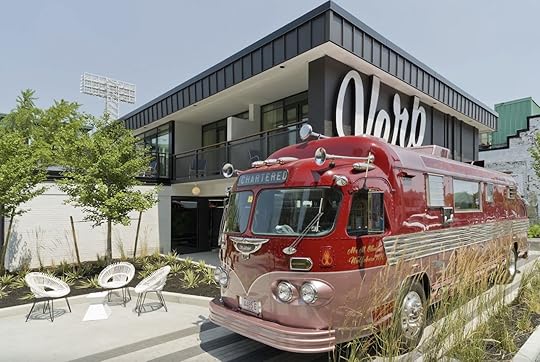 Photo: Expedia
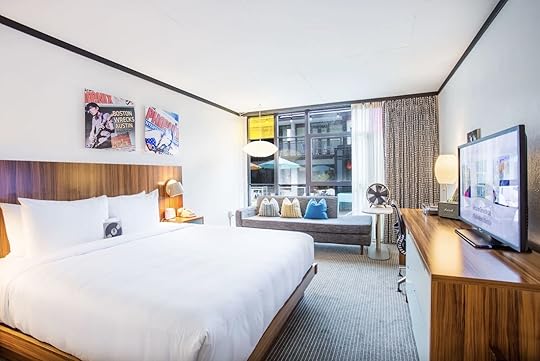 Photo: Expedia
 Photo: Expedia
 Photo: Expedia
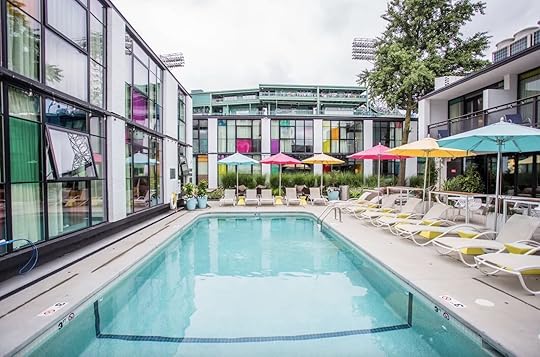 Photo: Expedia
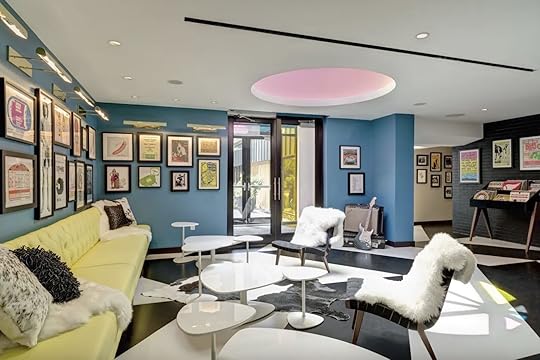 Photo: ExpediaSee more photos
What started as a small motor hotel in 1959 is now one of the trendiest and most fun places to stay in Boston. The Verb Hotel is all about keeping the spirit of Rock N’ Roll alive in the Fenway-Kenmore neighborhood and it sure works. All 93 of the hotel’s guest rooms are modern and well appointed with turntables, Marshalls speakers, and Rock N’ Roll posters on the walls, but it’s the Backstage Trailers — actual fancy trailers where guest can spend the night — that win visitors’ heart. The fact that there’s an immaculate 1947 Greyhound bus that could pass for a band’s tour bus keep the coolometer high, but the pool, sundeck, and on-site Japanese tavern help, too. The Verb Hotel is 11 minutes on foot from the MFA.
Book NowHotel Commonwealth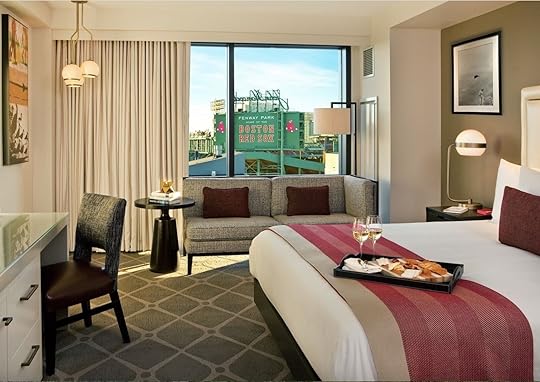 Photo: Expedia
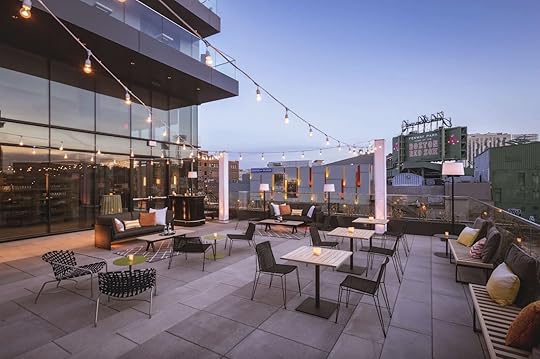 Photo: Expedia
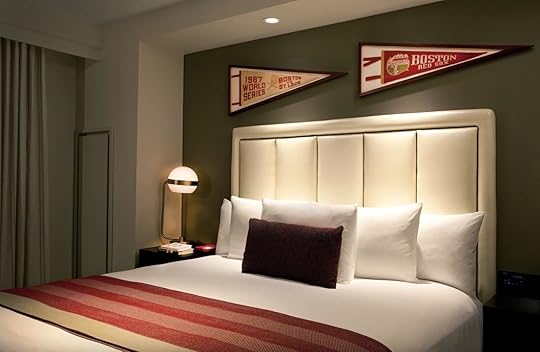 Photo: Expedia
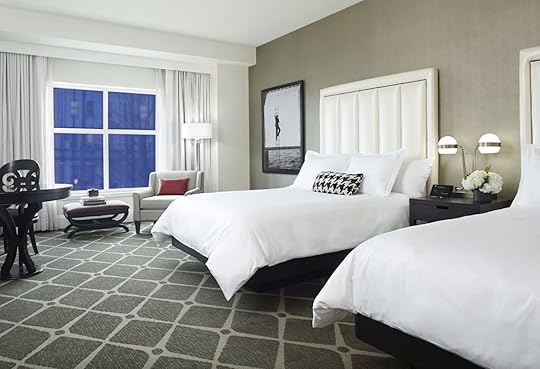 Photo: ExpediaSee more photos
Located 18 minutes on foot away from the FMA, the Hotel Commonwealth is not just any luxurious accommodation: It’s the official hotel of the Boston Red Sox, making it the place to stay for many out-of-towners. The property has 245 plush and elegant rooms and suites, some with views of Fenway Park and Kenmore Square, and all with superb amenities: wardrobe steamers, Malin+Goetz bath products, coffee makers, and more. There are three dining venues on site, including a sushi restaurant, an udon noodle brasserie, and a seafood-focused grill.
See the Best of Chiang Mai From These Luxurious Airbnbs

Press pause on the pulsating Bangkok and southern islands for a soul-renewing stay in Thailand’s northern highlands. Once the capital of the Lanna Kingdom, Chiang Mai is heralded for its ancient pagodas and remote valleys inhabited by hill tribes. Whereas, the moated Old City will quench your appetite for culture and cuisine, the landscape beyond the walls will leave you agog. Experience mountains, waterfalls, stupas, and bazaars from these unbelievable Airbnbs in Chiang Mai.
Luxury Chiang Mai Airbnb near mountains and markets
Traveling to Thailand? Check out Matador’s Thailand accommodations guides: Soak in Bangkok’s Epic Skyline From These Airbnbs Across the City The best Chiang Mai hotels inside and outside the walls Everything you need in your pack to travel to Southeast Asia
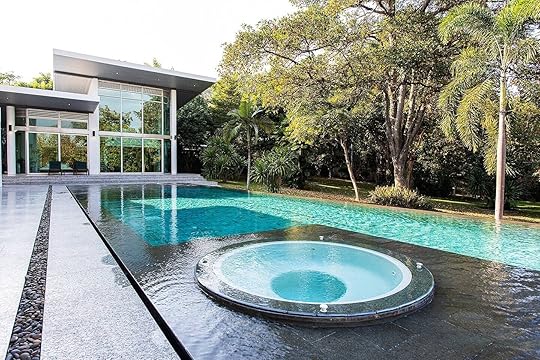 Photo: Airbnb
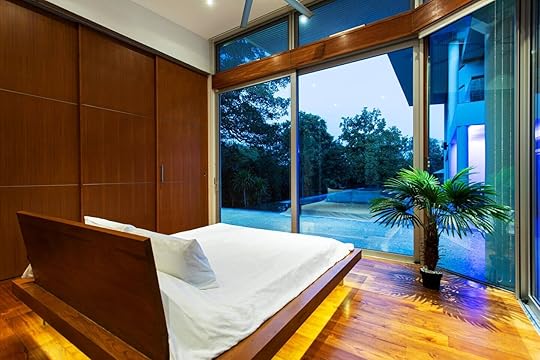 Photo: Airbnb
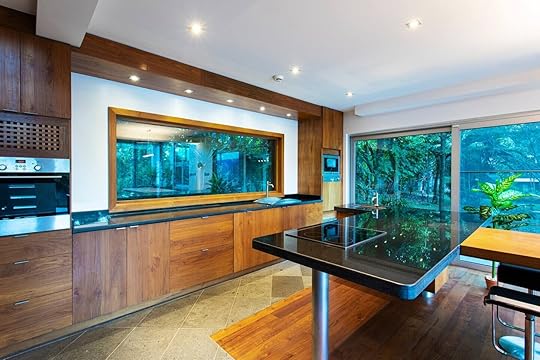 Photo: Airbnb
 Photo: Airbnb
See more photos
Six miles from the Old City, this knockout home at the base of Doi Suthep gives you the best of rural and urban Chiang Mai. Minimalist styling, ample windows, and a Balinese bathroom place full attention on the natural environment. The loft may be used as a second bedroom, yoga den, or movie lounge. Although technically shared with the host couple, you’ll likely have the swimming pool and hot tub all to yourselves. Free airport pick-up is offered alongside a medley of services to help you plan your time up north.
Four guests, two bedrooms
Price: $279 per night
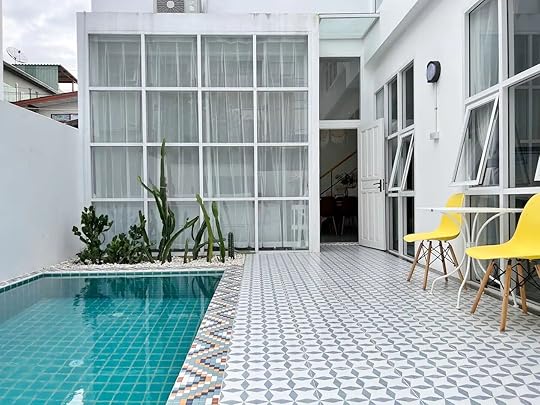 Photo: Airbnb
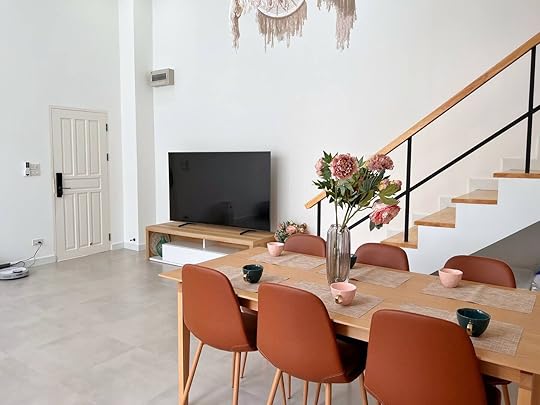 Photo: Airbnb
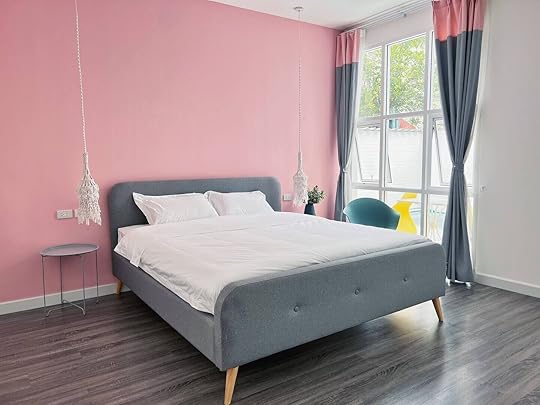 Photo: Airbnb
See more photos
One of the most family-friendly Airbnbs in Chiang Mai’s moated old city, this spacious and modern vacation rental consists of three en-suite bedrooms. Walled and totally secluded, the private pool is a sight for sore eyes after a day of exploring the nearby pagodas. The kitchen is fitted with a huge fridge, stove, and barbecue grill for nights when you feel like dining in. Fast Wi-Fi, a Smart TV, and a washing machine ensure you have all the conveniences necessary for a short or long stay.
Six guests, three bedrooms
Price: $161 per night
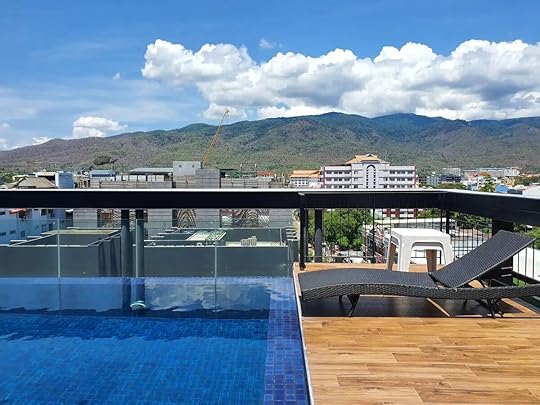 Photo: Airbnb
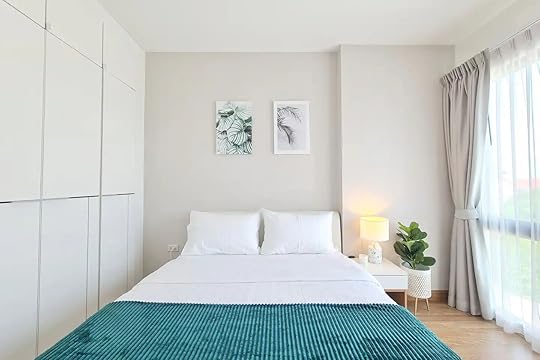 Photo: Airbnb
 Photo: Airbnb
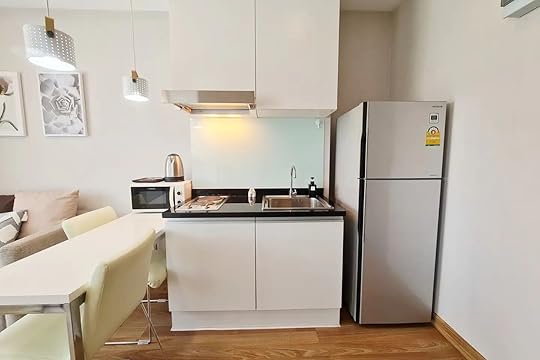 Photo: Airbnb
See more photos
Staying at this cute and comfy one-bedroom condo in “Nimman” lets you call the hippest part of Chiang Mai home. Suitable for a couple or solo digital nomad, the high-floor apartment is divided into a bedroom and an open-plan kitchen/lounge with a breakfast balcony. There’s no fee to use the rooftop pool or gym although utilities will be added for stays exceeding one month. One Nimman and MAYA are each a five-minute walk while Old City is doable on foot.
Two guests, one bedroom
Price: $40 per night
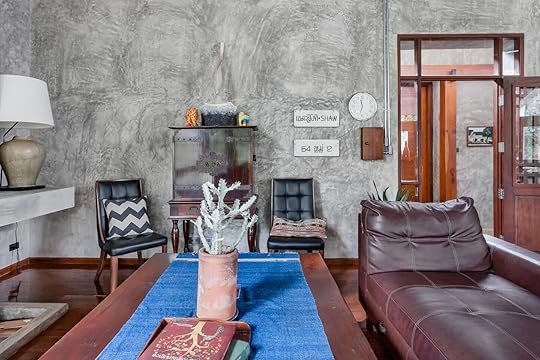 Photo: Airbnb
 Photo: Airbnb
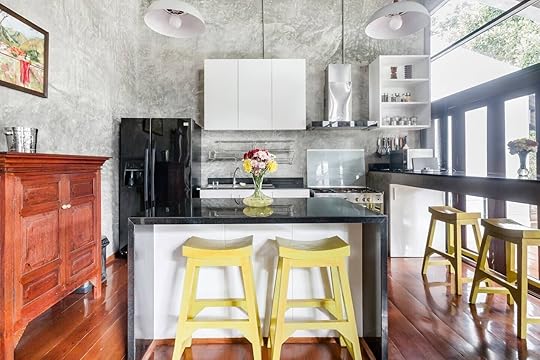 Photo: Airbnb
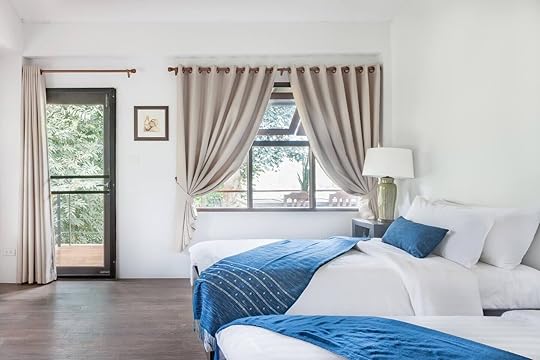 Photo: Airbnb
See more photos
Located in Mae Sa Valley, this is the best Airbnb in Chiang Mai near waterfalls, ziplines, and breathtaking viewpoints. The fully-equipped kitchen (oven included!) earns its stripes in this remote setting while the fireplace keeps the mountain chill at bay in this high-altitude part of Thailand. When you’re not adventuring, the plunge pool and hammock will ease you into vacation mode. Breakfast and any orchard fruits that catch your eye are on the house. The host can assist with vehicle rentals (essential) plus food deliveries, massage treatments, and private chefs.
Ten guests, five bedrooms
Price: $343 per night
Photo: Airbnb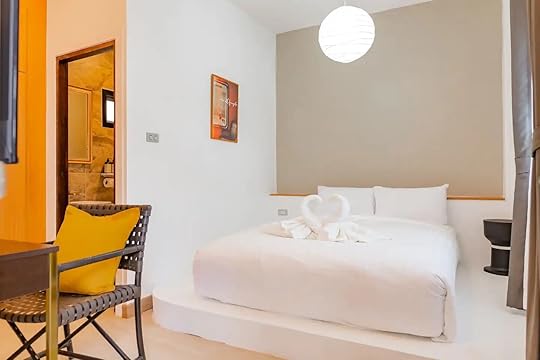 Photo: Airbnb
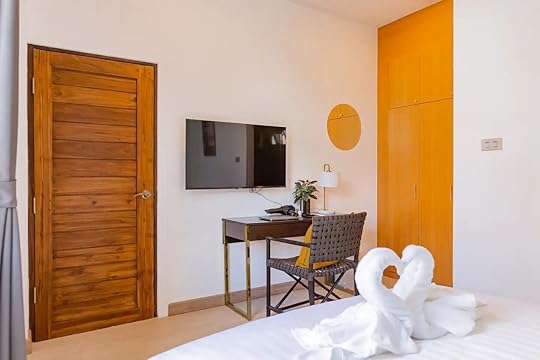 Photo: Airbnb
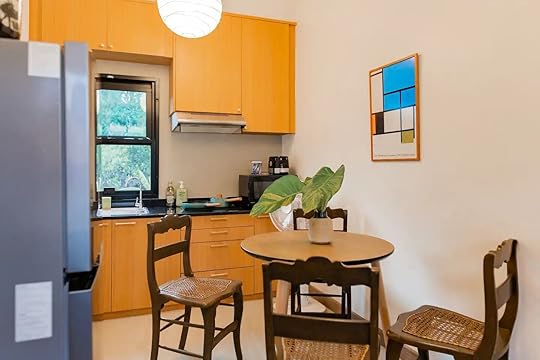 Photo: Airbnb
See more photos
Convenient for the Old City, Tha Phae Road, and the Chiang Mai Night Bazaar, this luxurious villa fuses Lanna and Tuscan architecture. As both floors mirror one another and have a separate kitchen, it feels more like two apartments and will therefore suit traveling friends or couples. Interiors are furnished with state-of-the-art appliances and there’s a barbecue for al fresco dining. The lighted pool means you can practice laps at any time of day or indulge in moonlit swims.
Eight guests, four bedrooms
Price: $170 per night
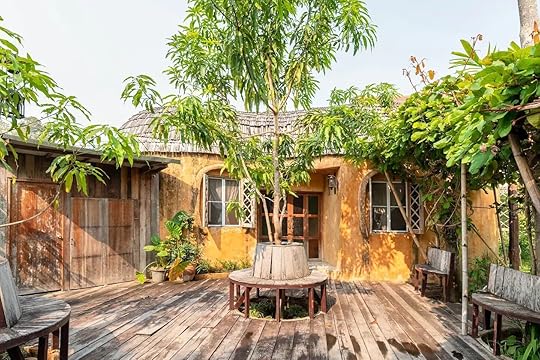 Photo: Airbnb
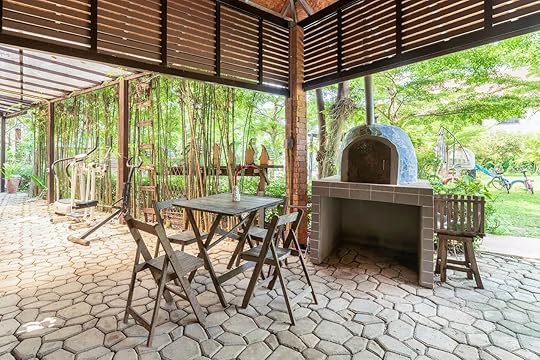 Photo: Airbnb
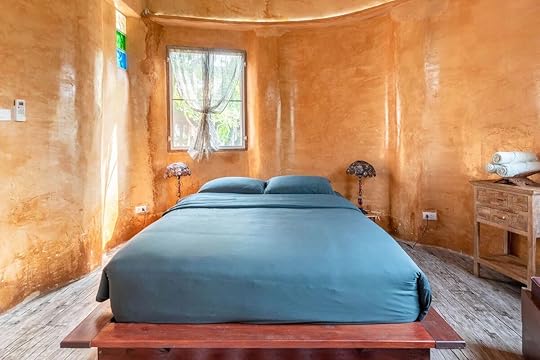 Photo: Airbnb
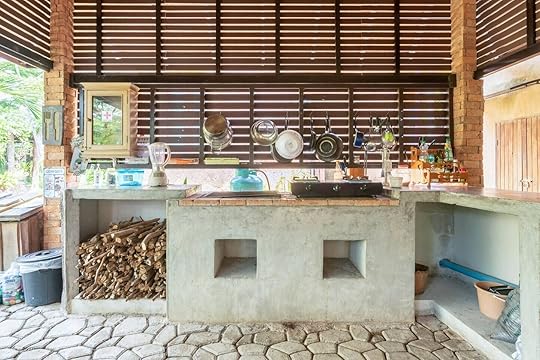 Photo: Airbnb
See more photos
One of the kookiest Airbnbs in Chiang Mai, “Peanut” is one component of the Leafy Greens retreat. Originally designed for meditation retreats, these clay huts have found a new leash of life as Northern Thailand’s answer to Bag End. As the most deluxe cob house, Peanut comprises two stories with two bathrooms and basic kitchenware. You’re welcome to pluck veggies from the garden and prepare meals in the shared outdoor kitchen. It’s recommended to rent a motorcycle while staying at the hobbit house otherwise the Grab taxi app has you covered.
Five guests, two bedrooms
Price: $43 per night
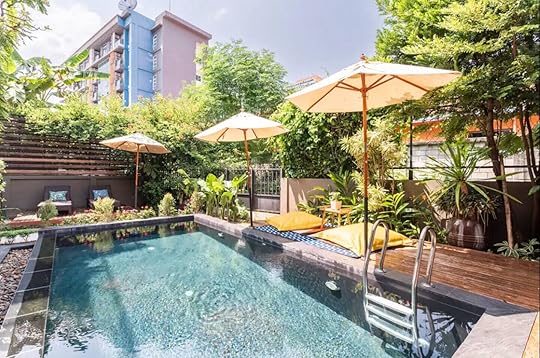 Photo: Airbnb
 Photo: Airbnb
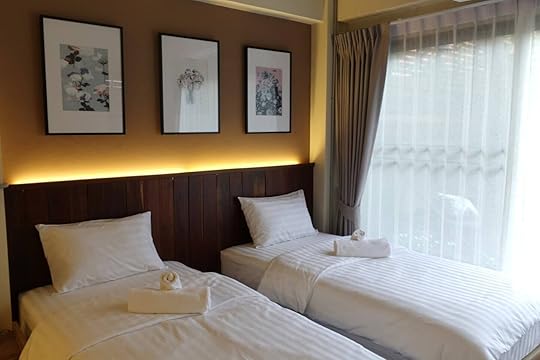 Photo: Airbnb
 Photo: Airbnb
See more photos
One of the best Chiang Mai Airbnbs for larger families and groups, this vacation rental is spread across two three-story villas. The interiors mimic one another with each having its own accessible first-floor suite plus a kitchen, living room, and a top-floor den with a hot tub. Attention to comfort and hygiene can’t be faulted and secure parking for up to two cars is a benefit. Out in the yard, a stunning pool swallowed up by tropical flora will make it tough to venture off the premises.
Twelve guests, five bedrooms
Price: $253 per night
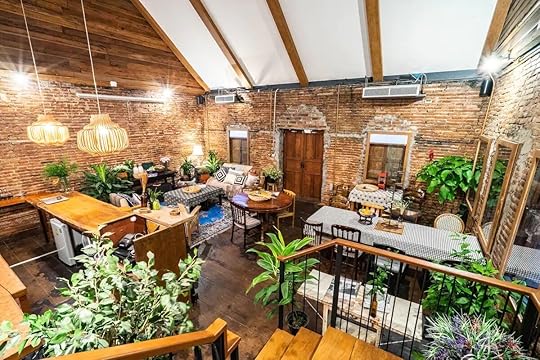 Photo: Airbnb
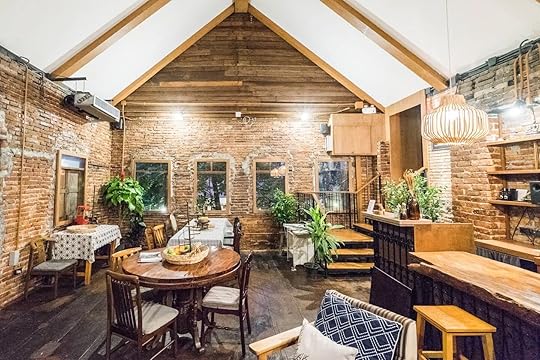 Photo: Airbnb
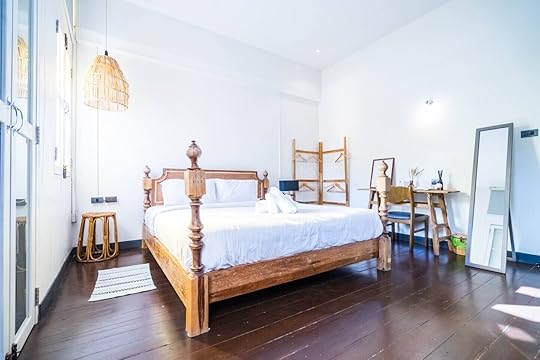 Photo: Airbnb
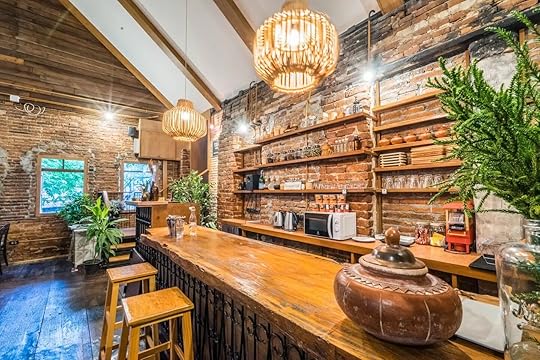 Photo: Airbnb
See more photos
Installed above the Thapae East jazz bar, this chic Chiang Mai Airbnb is perfect for sociable groups hungry for street food, markets, and late nights. The six-bedroom loft occupies one floor of a residence built in the early 20th century. Award-winning interiors spoil you with vaulted ceilings, exposed brick, woody furnishings, and plant life. Turn your ear to what’s playing downstairs while dozing in the hallway hammock and enjoy having the pubs and coffee houses of Tha Phae Road at your fingertips.
Twelve guests, six bedrooms
Price: $202 per night
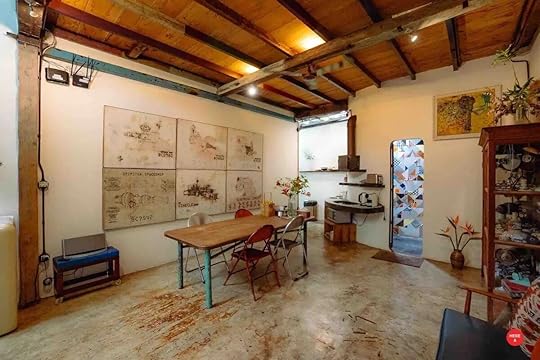 Photo: Airbnb
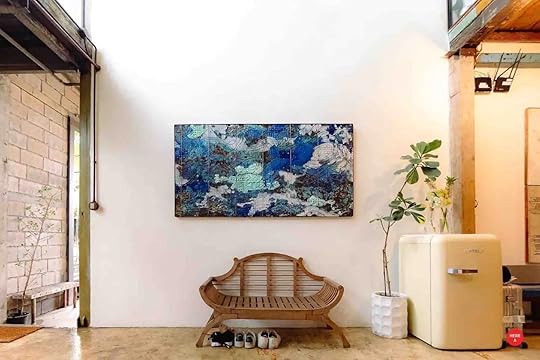 Photo: Airbnb
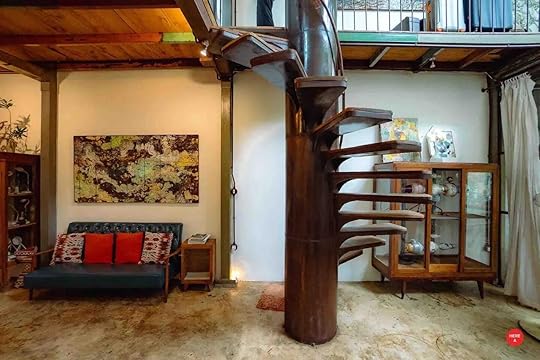 Photo: Airbnb
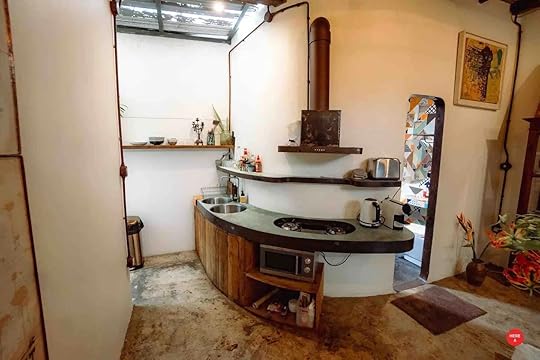 Photo: Airbnb
See more photos
Kindle your imagination with a stay above a functioning workshop hosted by an artist/chef couple. Fashioned from recycled materials, this romantic Chiang Mai Airbnb was respectfully assembled so as not to dislodge the giant trees that poke through parts of the space. Paintings and sculptures by Torlarp himself adorn the treehouse while the bedroom floats in the loft among the treetops. During the day, you can peep at the artist in action but nights may be spent in total solitude.
Three guests, one bedroom
Price: $101 per night
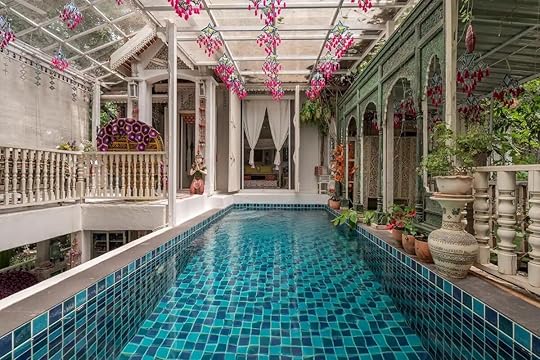 Photo: Airbnb
 Photo: Airbnb
 Photo: Airbnb
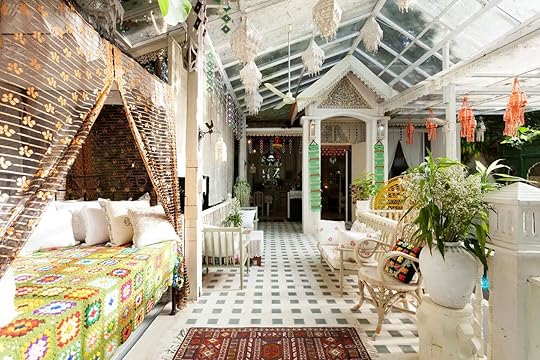 Photo: Airbnb
See more photos
Ever fancied living in a doll’s house? This bohemian mansion north of the walled city will make that dream come true. An original Lanna residence, this reimagined home has been gussied up with woven handicrafts, vintage finds, and one-of-a-kind treasures. Two en-suite bedrooms come with four-poster beds while the living areas curl around an ornate patio and private pool. A personal kayak is docked ready for Ping River paddles once you’ve polished off your complimentary breakfast.
Four guests, two bedrooms
Price: $160 per night
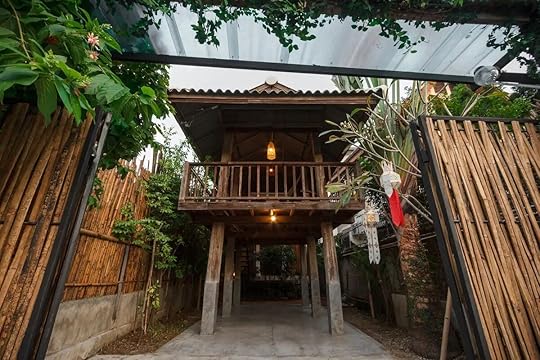 Photo: Airbnb
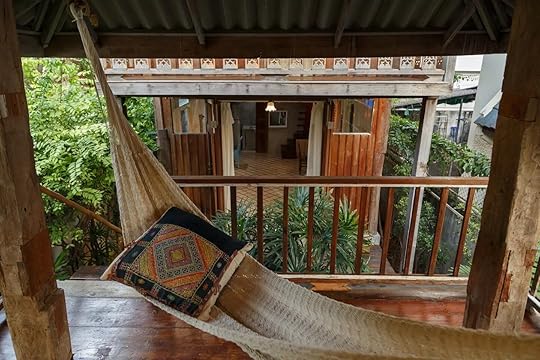 Photo: Airbnb
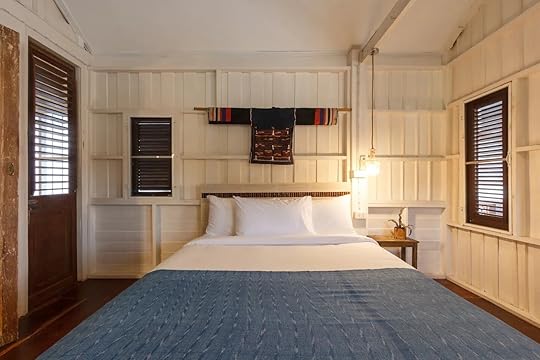 Photo: Airbnb
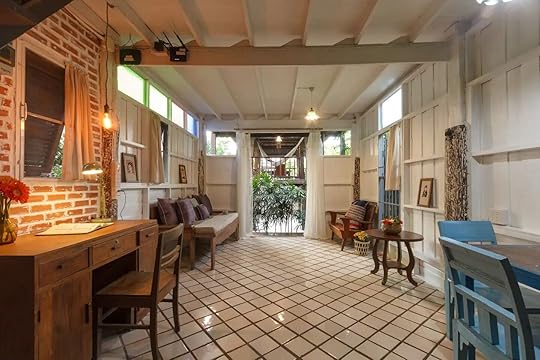 Photo: Airbnb
See more photos
A short walk from Wat Chedi Luang and the Gate Market, this unique Chiang Mai Airbnb in a quiet part of the Old City even affords a peek at the mountains. The two-story Lanna dwelling comprises a salon, kitchen, and upstairs en suite bedroom. A separate rice barn provides extra space for relaxing, dining, or working. Carefully appointed with handcrafted furniture and decor, thoughtful touches include a pair of bikes and handwritten insider tips on where to eat.
Two guests, one bedroom
Price: $75 per night
Three miles from the airport, Chiang Mai’s Old City is bounded by monumental gates. This moated district overflows with temples, markets, massage parlors, and eateries. Attractive to first-time visitors and families, this part of Chiang Mai is relatively walkable although a bicycle or motorcycle wouldn’t hurt. By night, the Old City is hushed while outer areas beckon revelers.
Stay east of the walls near Phae Road for easy access to the chief night bazaar and accompanying bars. Lying to the west, Nimmanhaemin is one of the most popular neighborhoods to stay in Chiang Mai. The namesake road thrums with cafes frequented by young Thais and remote workers. Airbnbs in Chiang Mai’s “Nimman” cater to longer stays while the nightlife scene strikes a balance between the Old City and Phrae Road.
Widen the search and you can stay in the foothills of the sacred mountain, Doi Suthep, or in one of the peaceful communities along the Ping River. Choosing accommodation further out means you’ll need to rent a vehicle or rely on Grab to get around.
What is there to do in Chiang Mai?Chiang Mai is a multi-faceted province where you’ll blend outdoor adventures with cultural immersion and exciting nightlife. Here’s what to bump to the top of your itinerary.
Bounce around the Old City temples as Wat Chedi LuangRide the songthaew up Doi Suthep to Wat Phra That and Bhubing PalaceExplore the stupas, falls, and trails of Doi Inthanon National Park – home to Thailand’s tallest peakWalk alongside elephants at the ethical, ‘hands-off’ Elephant Nature ParkSwim at the Bua Tong, Mae Sa, and Huai Kaeo waterfallsLearn to cook khao soi and other Northern Thai dishesTake a Muay Thai class – or watch a contestUnwind on the banks of the Huay Tueng Thao ReservoirInhale rare plants at the Queen Sirikit Botanic GardenBrave the Jungle Coaster at Pong Yang Adventure ParkGo rafting on the Mae Taeng RiverSurf harem pants, silks, and crafts at daily and weekly markets in and around the Old CityStay out all night in the bars near Phae RoadBring your license and embark on the Mae Hong Son Loop road trip by scooterMore like thisOutdoorThe Best Outdoor Adventures in Chiang Mai, Thailand
Solo but Never Alone: Why You Should See the World Via Group Travel

In Australia, “Contiki” is a noun, a verb, and a rite of passage. Travelers — specifically those ages 18 to 35 — go on Contiki, which originally meant embarking on a big trip across Europe. It’s a play on the brand Contiki, which has been taking young people around Europe since 1962. Today, Contikis are still for this Gen Z/Millennial age group, but they happen all around the globe.
Americans are just now discovering the joys of Contiki-ing. You travel in a group — typically 70% solo travelers, 30% established friends or couples — for a few days to a few weeks, from African safaris to island-hopping through the Galapagos. More accurately called social travel, Contiki’s group trips hold several advantages over solo and independent travel. Here are some big pros:
1. Convenience: All your travel plans are sorted for you.
Photo: NDAB Creativity/Shutterstock
The hours it takes to find flight deals, arrange accommodations, scope out decent restaurants and events, and research discount cards, open hours, and public transit, never mind figure out transfers between destinations — planning a big international trip is pretty much a full-time job. With Contiki, you get a built-in, pro-level travel agent with no strings attached.
Not only are all the logistics taken care of for you, but many come bundled in the price — comfy accommodations are included, local experiences are included, some dining is included, and anything you’ll need in order to explore (e.g., rail cards) is typically included, too. Best part: You’ll have a Trip Manager traveling with you, someone who’s well-versed in your destinations, knows the best secret spots, and can help you navigate the local environment — without micromanaging your time or how you prefer to experience a destination.
Note: Trips can be by destination, sure, but they can also be by style — check out Contiki’s small-group trips, one-week trips, beach trips, hiking trips, Pride trips, Christmas trips, even trips on sale…you get it.
2. Companionship: You can travel solo without traveling alone.
Photo: Monkey Business Images/Shutterstock
Coordinating schedules, budgets, and interests, lassoing up friends or family to do a big trip is an absolute chore. On the flip side, traveling solo can feel uncomfortable, unsafe, or just unfun — which makes group travel a natural solution. Contiki’s focus on solo travelers ages 18–35 practically guarantees an engaging, lively, common-ground atmosphere. In fact, lifelong friendships and even marriages can all start on Contiki.
3. Comprehensiveness: You’ll see more, do more, and travel more sustainably.
Photo: CC7/Shutterstock
Imagine planning a nine-day adventure across Italy, hitting six different cities from north to south. Imagine 13 days in Japan, including stays in traditional ryokan. Or how about a Grecian experience, hopping across half a dozen different islands? With Contiki, the trips are often elaborate and truly grand — in many cases, grander than you might have planned yourself.
And yet, as you see and do more, your travel impact is less. With fewer rental cars, private shuttles, and taxis, you’re contributing fewer emissions and leaving these unforgettable destinations a bit more navigable for everyone else. Contiki has ambitious sustainability goals, and on-trip you can enjoy their award-winning Make Travel Matter experiences: fun and immersive ways to give something back to the planet, as well as the people and wildlife you interact with.
Note: Contiki is on the path to zero emissions. Read more about their climate action plan to feel that much better about your next trip.
4. Confidence: You can travel with trust — no matter where you go.
Photo: BublikHaus/Shutterstock
Contiki’s been around since 1962 — they’ve got the social travel thing down to an art. What started out as trips around Europe has blossomed to 350 different tours in 75+ countries. With Contiki as your executive assistant, you can rest assured your trip will go off without a hitch. No subpar hotel rooms, no shady tour companies, no questionable restaurants, no price-hiked taxi cabs.
What’s more, there’s no swiping your credit card infinite times, no dealing with international websites and foreign fees, no hoping for the best. When you travel with Contiki, there’s only knowing that the best is what you’re going to get.
August 21, 2023
This Car-Free Florida Island Is Only Open 7 Hours Per Day

On a map, Pigeon Key doesn’t look like much more than a tiny dot to the east of Big Pine Key. At just five acres, it’s one of the smaller islands among the Florida Keys and lacks the cafes, bars, and swanky boats that made the southern Florida island chain famous. But when it comes to history and nature, the tiny island with a funny name has quite the claim to fame.
Pigeon Key’s remarkable history dates to the early 1900s. Between 1908 and 1912, 400 workers lived there while taking part in one of the most significant engineering projects in American history: the Key West extension of the Florida East Coast Railway, also known as the Seven Mile Bridge.
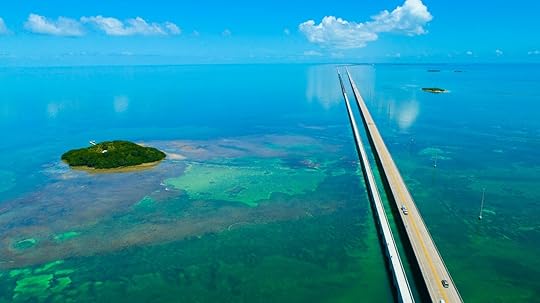
Photo: Mia2You/Shutterstock
Prior to this project, the Keys were unattached to the mainland (and each other). Boats were the only way to move both people and goods and freight; it was a slow and cumbersome process. However, connecting the island of the Keys by rail and rail bridges was no easy feat, as there was little land and huge sections of water to build across. Today, their remarkable achievements are commemorated with eight historic buildings listed on the National Register of Historic Places – and exploring those buildings is just the beginning of what you can see and do on the island.
How to get to Pigeon Key
The prettiest way to visit Pigeon Key is under your own steam. You can get there on foot or by cycling along the old Seven Mile Bridge. Despite the name, the distance to Pigeon Key from Marathon (the nearest neighboring Key) is only two miles each way, so you’re not committing to an entire seven-mile walk. It takes about 2.5 hours to drive to Marathon Key from Miami, home to the closest major airport.
On any given morning, you’ll see walkers, joggers, and cyclists enjoying the car-free space and the gorgeous views. When a new bridge was built for motorists, the old Seven Mile Bridge was converted into a fitness path, proving to be hugely popular. Bikes are available from Bike Marathon Bike Rentals.
Alternatively, you can hitch a ride on the Pigeon Key train trolley. It’s a bright blue-and-gold trolley pulled by a train engine on wheels. It’s the only passenger vehicle authorized on the old bridge, so you’ll probably want to buy tickets in advance as it only departs four times per day from Marathon Key.
Pigeon Key tours and activities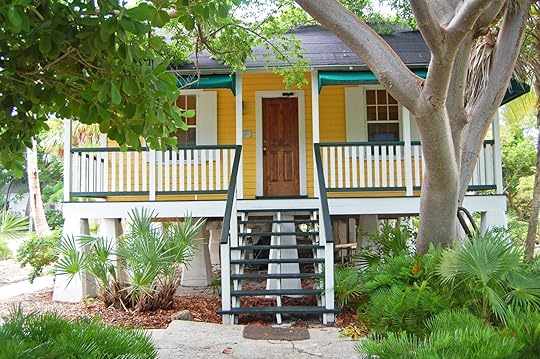
Photo: Deatonphotos/Shutterstock
The island, its historic structures, and its programming are maintained and managed primarily by the Pigeon Key Foundation, which runs daily Pigeon Key tours, overnight marine science field trips, special events, and summer camps. Admission is charged to access the island and costs $25 for adults, $23 for veterans, and $20 for children aged 13 and under. If you don’t take the Pigeon Key train across the bridge, admission is cheaper, at $15 for adults.
Visitors can book online as early as two weeks ahead of time. You can also book in person by dropping by the Pigeon Key Visitors Center (1090 Overseas Hwy., Marathon, FL 33050). The Pigeon Key train only seats about 20 people, so it’s best to book early if that’s your preference.
Join a guided history tourGuided history tours of Pigeon Key take about one hour and are timed to coincide with the trolly rides. The experience consists of a guided walk through the grounds and buildings with an expert from the Pigeon Key Foundation. Guides share the stories behind the buildings that housed railway workers and played a key role in seeing the project through to completion. In the tour, you’ll learn why connecting the Keys first by rail and later by highway was such a significant engineering accomplishment (and financial gamble).
After the tour, swing by the nearby Pigeon Key History Museum to see artifacts from the island’s development in person. The tour is included in the island’s cost of admission.
Feed the sharksWhile on Pigeon Key, you’ll likely notice the island’s saltwater pool. It’s not for people to enjoy a refreshing swim, but instead, for sea creatures to enjoy. After the 1:00 PM history tour, the group heads to the pool to feed the animals. As the pool is open to the ocean and animals can come and go as they please, you might see sharks, large fish like groupers or tarpon, and species like moray eels or hermit crabs.
Go snorkelingView this post on Instagram
A post shared by Pigeon Key (@pigeonkey)
While you can’t swim or snorkel in the pool, you can enjoy time in the water at other locations around the island. Sea turtles are abundant in the water off Pigeon Key, and you might also spot angelfish, parrotfish, grouper, or queen conch.
You’ll need to bring your own snorkel gear and “swimmer/diver in the water” flag (which you can buy on Marathon Key). You also need to check in at the Visitors Center to sign a liability waiver. Visitor center staff can also advise on the best spots to go, though the area around the island’s dock is usually a safe bet.
Go fishingCatch-and-release fishing is permitted off the small dock on the opposite side of the island from the saltwater pool. Fishers aged 16 and old require a fishing license and everyone must bring their own fishing gear. You can buy a fishing license in person from an authorized retailer or buy it in advance online.
Do some birdwatchingView this post on Instagram
A post shared by Pigeon Key (@pigeonkey)
The wildlife on Pigeon Key isn’t limited to the sea. The island is a flightless bird rehabilitation center and home to osprey, pelicans, a great white heron named Edgar (a favorite among the staff), and many other species. For this reason, pets are not allowed on Pigeon Key. You may want to also download an app to help you identify birds you see while exploring the island, even if you’re not there specifically to find feathered friends.
You can visit the dining hall once used by railway workers on Pigeon Key, but the only thing it serves anymore are stories from the bygone era. So if you want to eat or drink on the island, you’ll need to bring it with you. Fortunately, there are plenty of shady spots on the island ideal for a picnic lunch.
If you rent bicycles from Bike Marathon, you’ll want to visit its next-door neighbor, Mr. Beans’ Books and Beans. Its coffee is highly rated, and it has a good selection of bagels, muffins, and pastries. (Plus, you get to say hello to Mr. Beans, the adorable black-and-white shop cat).
Tips for visiting Pigeon Key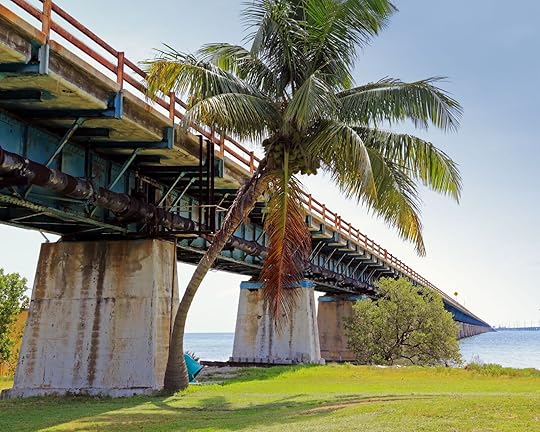
Photo: Bill Florence/Shutterstockgoog
The breezes across the island can make it feel cool, but you’ll still want to bring water, sunscreen, and a sun hat to visit Pigeon Key. You can’t buy those things on the island, so if you don’t have them, you’re out of luck.Keep an eye on the Facebook page, as Pigeon Key often hosts special events open to all visitors (like movie nights).Arrive about 10 minutes before your tour begins to check in.Bring a bag you can comfortably carry with you all day. There aren’t any shops on the island, and if you’re headed to the beach, you’ll need to carry everything you’ll need (like a towel and sunscreen) with you for the whole day.The historic island isn’t open 24/7. Pigeon Key’s hours are 9 AM to 4 PM year-round.Where to stay on Pigeon KeyUnfortunately, you cannot stay overnight on Pigeon Key. The island doesn’t have any hotels or rentals, so the only way to stay there is to be a junior camper in one of the children’s overnight marine programs. But you can stay on nearby islands like Marathon Key and Duck Key, which will put you pretty close to Pigeon Key.
We hope you love the spaces and stays we recommend! Just so you know, Matador may collect a small commission from the links on this page if you decide to book a stay. Listed prices are accurate as of the time of publication.
Airbnb at the Florida Keys Brewing Company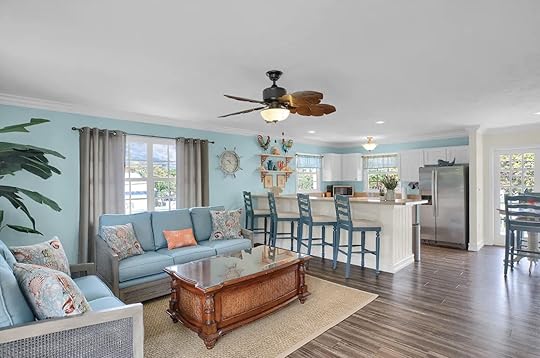
Photo: Airbnb
If you’d like a twist on the traditional bed and breakfast concept, check out the Florida Keys Brewing Company Airbnb. At this cute rental, B&B stands for “bed and beer,” not “bed and breakfast.” The community-minded brewery on Islamorada has a two-bedroom, one-bath vacation rental apartment directly above the tasting room. It’s clean, affordable, and eco-friendly (four bikes are included in your rental). The “bed and beer” starts around $150 per night.
Hawks Cay Resort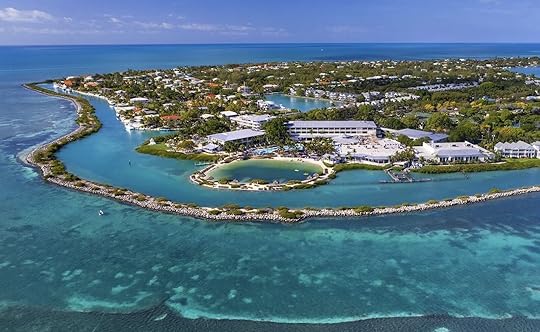
Photo: Expedia
Hawks Cay Resort on nearby Marathon is a full-service resort with pools, a lagoon, a spa, several restaurants, a marina, and hotel and villa-style accommodations. It’s an excellent base for exploring the central Florida Keys, and rooms start around $223 per night.
Isla Bella Beach Resort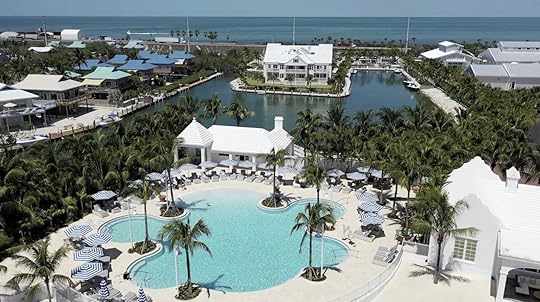
Photo: Expedia
Isla Bella Beach Resort is about as close to the Seven Mile Bridge as it gets. But that would mean pulling yourself away from the resort’s gorgeous views, as each room has an oceanfront view and a private terrace. Rooms start around $247 per night but can be much more expensive in the peak season (winter).
What Happens When an AI Travel Assistant Goes Wrong
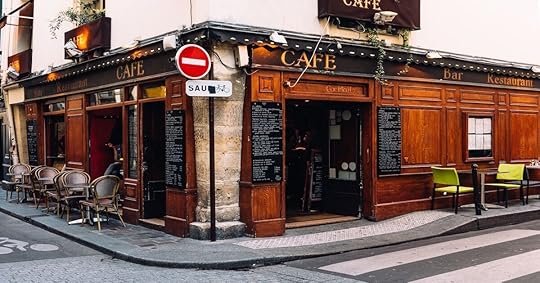
Some of us watch these viral videos lauding the impressiveness of AI with a futurist’s optimism and excitement. Others watch with skepticism, and maybe a little fear. True believers say that soon enough, AI will be able to do it all in the realm of travel, possibly even take some of our jobs. Whether or not that’s true, it can be reassuring to remember that we’re not quite there yet, and that AI can make very human mistakes.
Travel influencer Michael Motamedi is using GuideGeek, Matador Network’s AI travel concierge, to plan his entire six-month trip with his family, using the app for activity, restaurant, bar, and hotel recommendations. While GuideGeek has certainly provided many useful suggestions, and brought him to some of the most interesting places in the world, that doesn’t mean mistakes aren’t possible, as Motamedi discovered in Paris.
@michaelmotamedi These four Paris cocktail bars are a must if you’re in the city. I went out looking for some classic French Cocktails and ended up having one of my favorite nights in Paris yet! Here’s where to go and in what order, trust me you won’t be disappointed: First head to The Little Red Door in the third arrondissement. Order the Olive cocktail. Get a boulevardier too (this was a GuideGeek rec and I’m so glad for it, their boulevardier is top notch). Then walk over to Candelaria. Get some tacos at the front if you’re in the mood but if you’re there for a cocktail like me, walk through the secret door at the very back of the kitchen and order a Corpse Reviver No. 2. You won’t regret it. From here, stop at Bar Nouveau. This place is owned by some of the best bartenders in the city and naturally, it’s got great cocktails. Head downstairs to see a new menu appear by black light. Make Le Syndicat your last stop. Literally get anything they recommend. And also a Wet White Shirt. If you want to make everyone laugh, tell them it’s Dmitri’s favorite. Between the bars, the cocktails and the people that run them, this was hands down my favorite night in Paris so far. #michaelmotamedi #traveltiktok #foodtiktok #paris #france #cocktails #guidegeek ♬ French scented fashionable accordion waltz(874070) – Single Origin Music
He wanted to know the top three best Parisian cocktails, and where to get them. One of the recommendations, however, a “Corpse Reviver No. 2” at a place called Candelaria, wasn’t actually Parisian at all. As Motamedi learned when he went to the bar, Corpse Reviver No. 2 is a British drink, originating in London.
“This happens sometimes with AI,” Motamedi says in the video. “It makes mistakes. This is all an experiment. For me, right now, AI is all about connecting with people.”
Indeed, AI might have messed up the Parisian drink recommendation, but it still brought Motamedi somewhere in Paris he otherwise would have never visited. Not your typical walk-in-the-front-door-and-order bar, Candelaria is only accessible by entering a taco bar, going into the kitchen, and walking through a door in the back. The memorable experience of getting to the bar alone was probably worth the mix-up.
To follow Motamedi’s AI-planned adventures, check out his show No Fixed Address, airing on GuideGeek’s Instagram.
Why St. Louis Should Be on Every Art-Lover’s Travel List
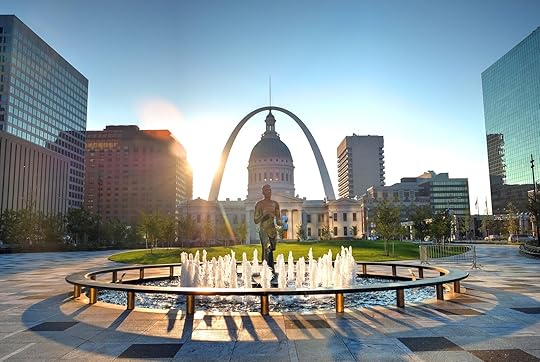
St. Louis is known as the Gateway to the West. A major stop on the Mississippi River and just south of the Missouri River, it was the jumping-off point as the United States expanded its border westward and the city boomed in 19th and 20th centuries. Today, you can see vestiges of an affluent past mix with a forward-thinking, artistic community that make St. Louis an exciting destination year-round.
This city of approximately 300,000 (the greater St. Louis area has about 2.8 million) is full of surprises. There are renowned chefs serving up farm to table fare, world-class free museums, local art endeavors providing complimentary workspaces for up-and-coming artists, and factories that have been repurposed into art museums and trendy food halls. St. Louis also a stop along Route 66 (and the largest Route 66 stop between Chicago and Los Angeles), making it an excellent road trip destination as well as having easy to access from the international airport with direct flights from around the country and Europe.
Embracing the visual arts in St. LouisContemporary Art Museum St. LouisNear the Pulitzer Arts Foundation is The Contemporary Art Museum St. Louis, a non-collecting museum that presents temporary exhibitions around contemporary art and culture. Designed by renowned American architect Brad Cloepfil, the museum occupies a striking building in a former electrical substation, with a design that retains industrial character fused with modern minimalist elements. A work of art in itself, the building provides a dynamic space for artworks with high ceilings and large open galleries with glass, concrete, and steel as well as expansive windows and skylights that allow natural light to flood the interior spaces. Free to all visitors, the exhibition program showcases emerging and underrepresented artists, as well as established figures in the contemporary art world and explores artistic mediums ranging from painting, sculpture, and installation art, to photography, video, and performance.
Contemporary Art Museum St. Louis: 3750 Washington Ave, St. Louis, MO 63108
Pulitzer Arts Foundation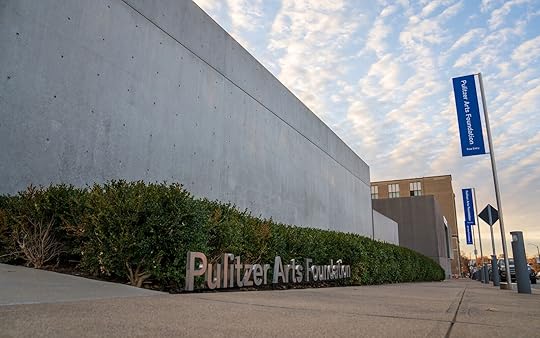
Photo: Mark Hermes
Open and free to all, the Pulitzer Arts Foundation for contemporary art presents temporary art collections and permanent sculptures in an expansive light-filled gallery. Works are placed in conversation with the building, designed by celebrated Japanese architect Tadao Ando. The building is a stunning example of minimalist architecture with clean lines, smooth concrete, geometric shapes, tranquil reflecting pools, and abundant use of natural light. Of particular note when it comes to the artworks interplaying with the building is “Joe” by Richard Serra, a 13-feet-tall steel sculpture spiraled into a massive snail-like shape that totally engulfs the viewer while walking both inside and around the structure.
Pulitzer Arts Foundation: 3716 Washington Ave, St. Louis, MO 63108
Walls of Washington
Photo: Explore St. Louis
Art isn’t only confined to museums in St. Louis. Case in point: the Walls of Washington, an outdoor exhibition featuring 20 massive murals from local, national, and international artists. The project allows for a space of vibrancy and color in the Grand Center district, helping beautify the neighborhood and becoming a source of civic pride and outdoor engagement. Artists are fairly compensated for their work here. One mural is even entitled “Lift Others as you Climb,” a motto that seems to be ever present in this collaborative city.
Walls of Washington: The alleyway off Washington Blvd between Josephine Baker Blvd and N. Leonard
Saint Louis Art Museum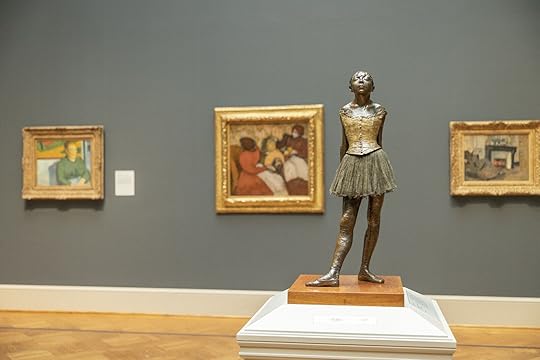
Photo: Judd Demaline
To see more classical art forms, head to the free Saint Louis Art Museum. The collection here holds more than 34,000 works of art spanning thousands of years of artistic expression from ancient Egyptian, Greek, and Roman art, to European paintings and sculptures, to contemporary art, American, African and Oceanic art, and more. You can see impressionist paintings from Monet, Degas, Renoir, and Pissarro, as well as modernist artists such as Kandinsky, Dali and Chagall. Contemporary artists like Warhol, Koons, and Lichtenstein also have a place here.
In addition to these renowned free permanent exhibitions, the museum also hosts temporary exhibitions that bring in artworks from around the world that can be seen for a small fee. The building itself is a stunning example of Beaux-Arts architecture featuring soaring ceilings, ornate moldings, grand spaces, and beautiful details that provide an exquisite backdrop for the art on display. It was designed by Cass Gilbert, the same architect responsible for the Woolworth Building in New York City.
Saint Louis Art Museum: 1 Fine Arts Dr, St. Louis, MO 63110
The City Museum
Photo: McElroy Fine Art Photography
For something offbeat, The City Museum is an unconventional museum offering an interactive experience in a former shoe factory. This sprawling playground and architectural marvel is made from reclaimed materials, salvaged architectural elements, and found objects. This approach gives the museum an eclectic and creative atmosphere, where visitors are encouraged to climb, crawl, and explore their surroundings. With elements like a 10-story spiral slide, an intricate explorable cave system, and a life-size whale suspended from the ceiling, it’s a trippy and eccentric experience like none other.
The City Museum: 750 N 16th St, St. Louis, MO 63103
Music, opera, and theater in St. LouisOpera Theatre of Saint Louis
Photo: Explore St. Louis
The Opera Theatre of Saint Louis is a leading regional opera company known for its commitment to American composers and the American operatic tradition as well as an annual summer festival. The repertoire encompasses classic works from the standard opera cannon as well as contemporary operas including world premieres of modern works.
Opera Theater of Saint Louis: 210 Hazel Ave, St. Louis, MO 63119
St. Louis Symphony OrchestraFounded in 1880, the St. Louis Symphony is the second-oldest orchestra in the United States, after the New York Philharmonic, and is one of the leading symphonies in the country. Performing a wide range of classical music under the instruction of world-class conductors and accomplished musicians, most concerts take place in the acoustically acclaimed Powell Symphony Hall. This world-class venue was originally constructed in 1925 and rivals celebrated European concert halls with excellent acoustics and a stunning Spanish Renaissance Revival architectural style.
The exterior features a grand façade with intricate detailing and decorative elements while the interior hall showcases a stunning combination of Spanish and Italian architectural influences. Elaborate molding, gold and red details, a beautifully designed ceiling, elegant chandeliers, and ornate plasterwork surround traditional opera boxes and balconies providing a beautiful window into the city’s affluent past. A $100 million expansion and renovation by renowned Norwegian architects Snøhetta will further develop this extravagant concert hall, adding modern elements like glass facades and gracefully curved stairways to this stunning historic venue. With concerts starting from just $15 per ticket, the Symphony helps make classical music accessible to a wide range of audiences and fosters an appreciation for orchestral music among people of all ages.
St. Louis Symphony Orchestra: 718 N Grand Blvd, St. Louis, MO 63103
Black Repertory Theatre of St. LouisThe Black Repertory Theatre of St. Louis, commonly referred to as the Black Rep Theater, is a prominent company dedicated to producing shows that highlight the Black cultural heritage. The company presents a diverse range of theatrical productions, including classics, contemporary works, original plays, and musicals. The shows often address social, political, and historical themes that resonate with the Black community as well as a wider audience.
Black Repertory Theatre of St. Louis: 813 Skinker Blvd, St. Louis, MO 63130
Outdoor arts and sights in St. LouisMissouri Botanical GardenThose who would prefer to explore world-class art while immersed in nature should visit the Missouri Botanical Garden. Founded in 1859, the garden covers 79 acres and features over 6.6 million plant specimens, including rare and endangered species, and a diverse range of flora from various ecosystems. Visitors can explore themed gardens, such as the Japanese Garden, English Woodland Garden, and the Climatron, a geodesic dome housing tropical plants. There’s also an impressive research and conservation center devoted to botanical research, conservation efforts, and plant exploration, and a herbarium with a vast collection of plant specimens that supports scientific studies and participates in global conservation initiatives.
Along with plants, there is art to be seen. On a recent visit, a temporary exhibit called “Chihuly in the Garden” showcased the captivating large-scale blown glass sculptures and installations of prominent American artist Dale Chihuly. Strategically placed throughout the garden’s outdoor spaces, such as in reflecting pools, flower beds, and amidst lush greenery, the intricate glass forms in vibrant colors and organic shapes enhance the existing natural beauty of the garden and create a harmonious interplay between the glass art and the botanical environment.
Missouri Botanical Garden: 4344 Shaw Blvd, St. Louis, MO 63110
Gateway ArchThere’s one attraction that is unavoidable in St. Louis, and just because it’s popular and well known national landmark doesn’t make it any less worthy of a close-up visit. Visitors can take the tram up to the observation area at the renowned Gateway Arch, a bizarre experience that feels part Disneyworld, part Ferris wheel, part James Bond villain lair, but nonetheless provides stunning views of the city and a fascinating, well thought-out historical museum presenting the history of St. Louis and its role as The Gateway to the West.
Where to eat and drink in St. LouisLucky AccompliceView this post on InstagramA post shared by The Lucky Accomplice (@theluckyaccomplice)
This upscale craft drink and food establishment has a focus on farm-to-table, locally driven fare and creative drinks by chefs Logan Ely and Justin Bell. When Ely opened Lucky Accomplice in 2022, he wanted to create a place where friends and regulars and people from the neighborhood could stop in without a reservation and have a fun and casual, yet elevated, meal without sacrificing the brilliance of his older, high end, tasting-menu-focused restaurant, Shift. He achieved that in spades, with dishes that rival an upscale establishment without the bank-breaking pomp and circumstance of fine dining. Menu highlights include pork collar served with creamy pesto and marinated turnips, kanpachi crudo topped with strawberry aquachile and jalapeno, and fresh focaccia with fermented tomato butter.
Lucky Accomplice: 2501 S Jefferson Ave, St. Louis, MO 63104
City Foundry STLView this post on InstagramA post shared by City Foundry STL Public Market (@cityfoundrystl)
This highly anticipated food hall is located in an old manufacturing facility. After a $210 million redevelopment, the chic industrial space ,which operated as an automotive factory for more than 70 years, has a new lease on life providing a stage for chefs from around the city and region to showcase their talents and the great diversity of cuisines the city has to offer. No two vendors are alike and most offer small bites and shareables, allowing guests to take a trip around the world without leaving St. Louis. Think Argentinian empanadas, Yucatan tacos, Afro-Caribbean samosas, and Bombay sliders – perfect for sharing and building a meal while strolling through the food hall. What’s more, the owners of City Foundry STL have taken care to ensure that the food hall supports small local restauranters, with many of the vendors taking their first step toward a brick-and-mortar location.
The structure itself is a modern, industrial hall full of character, with soaring ceilings, plant-wrapped columns, exposed brickwork under glass patches set amid the concrete floor. Century-old, riveted beams, steel trestles, and towering columns which provided the original structure of the foundry remain in place for an ode to the bygone industrial era.
City Foundry STL: 3730 Foundry Way, St. Louis, MO 63110
4 Hands BreweryView this post on InstagramA post shared by 4 Hands Brewing Co. (@4handsbrewingco)
With a long and storied history in the beer industry, St. Louis has been a hub of brewing since the 19th century. Anheuser-Busch of Budweiser fame was founded in 1852 and is now among the largest brewing companies in the world. Today, the city’s tradition of innovative brewing continues to evolve via numerous craft breweries many of which are open for tastings.
4 Hands Brewery, for example, has a diverse selection of beers, from hop-forward IPAs to rich stouts, refreshing wheat beers, and experimental brews that utilize unique ingredients and brewing techniques to create distinctive and memorable flavors. Visitors to the taproom have the opportunity to try exclusive releases and engage with knowledgeable staff, in an inviting atmosphere serving up tasty American fare for lunch or dinner.
4 Hands Brewery: 1220 S 8th St, St. Louis, MO 63104
Still 360View this post on InstagramA post shared by StilL 630 Distillery (@still630)
For something a little stronger, a Grain to Glass Tour at Still 360 provides an in-depth look at the entire distillation process and a tour of their “indomitable distillery” set in an old gourmet restaurant. Confluence Gin, the team’s latest award-winning creation, is a unique blend of horseradish, pink peppercorn, and galangal root that is not to be missed.
The distillery primarily uses organic, local ingredients to produce award-winning gins, whiskeys, rums, and bourbons. The brand worked together with other local distillers to help lobby and create the first official Missouri bourbon using 100-percent Missouri grown corn that is mashed, fermented, and distilled in Missouri, then aged in new barrels made from Missouri oak trees.
Still 360: 1000 S 4th St, St. Louis, MO 63104
Elevated accommodations in St. Louis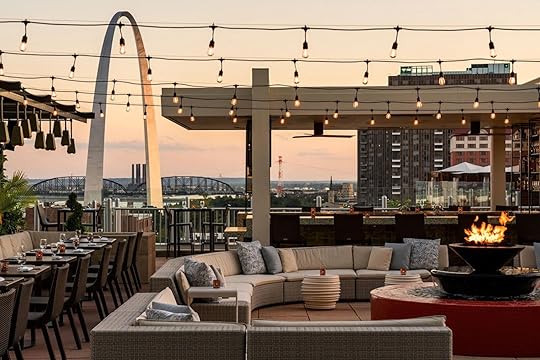
Photo: Expedia
We hope you love the spaces we recommend! Just so you know, Matador may collect a small commission from the links on this page if you decide to book a stay.
Four Seasons Hotel St. Louis is ideally located along the Mississippi River with a view of the Gateway Arch. Epic views of the expansive Mississippi await at the rooftop pool complete with private poolside cabanas and a hot tub. An extensive spa and fitness center sees to guests’ relaxation needs, exuding an atmosphere of refined luxury that combines comfort with upscale aesthetics. As the sun sets, the adjacent Cinder Bar and Sky Terrace serves up stylish cocktails by talented mixologists alongside sleek furnishings, cozy fire pits, and an open-air layout.
James Beard winner Gerard Craft blends the traditions and flavors of South America with bold international flavors at Cinder House, the hotel’s sophisticated on-site restaurant. Keep an eye out for live fire cooking and Brazilian-inspired shareables like cheese pastels, empanadas, and ceviche as well as heartier dishes like feijoada, piri piri chicken, and New York Strip served with yuca frites, chimi-rojo bearnaise and a side of manioc polenta.
The hotel has a contemporary and sophisticated architectural design, with a sleek and stylish exterior that reflects the modern, upscale ambiance within. Spacious and well-appointed guest rooms and suites feature contemporary artwork, plush post-modern furnishings, and luxe amenities. Floor-to-ceiling windows offer breathtaking views of the city skyline, the Mississippi River, or the surrounding landscape, providing a peaceful and indulgent retreat for guests.
How to get to St. LouisGetting to St. Louis is easy. Visitors can fly to St. Louis from most major U.S. cities in three hours or less. St. Louis Lambert International Airport is situated just 13 miles from downtown St. Louis and is connected via MetroLink light. Visitors can also take a quick ride share or taxi, arriving downtown and checking into a hotel in 15 to 20 minutes. If driving to St. Louis, there is an easy-to-use network of interest highways. I-44 begins in downtown St. Louis and runs southwest along the former path of Route 66 to Springfield, Missouri, making for an iconic route.
This Central California Winery Hosts the Best Lobsterfest on the West Coast

If, like me a few months ago, your only concept of an American lobsterfest came from reading David Foster Wallace’s 2005 essay on the Maine Lobster Festival, you might have shown up to Chamisal Vineyards’ 15th annual Lobsterfest in San Luis Obispo, California, expecting a carnival of literal and touristic gluttony, as I did in May.
My first hint that Chamisal’s Lobsterfest would be unlike the “enormous, pungent, and extremely well-marketed” festival that Foster Wallace describes in “Consider the Lobster” should have been its location. Far from Maine, where lobster is practically the state bird, San Luis Obispo is a city in California’s Central Coast region that’s primarily known for four things: the 18th-century Spanish mission that anchors the downtown core; nearby beaches, such as Pismo and Avila; Cal Poly university and its pervasive student presence; and, more recently, wine.
San Luis Obispo’s SLO Coast American Viticultural Area (AVA) is among California’s newest AVAs, having been awarded the designation in 2022. Positioned between the Monterey and Santa Barbara county lines, the appellation spans roughly 60 miles, houses 78 vineyards, and includes some 30 member wineries. In addition to the signature chardonnay and pinot noir grapes that thrive so close to the Pacific Ocean, SLO Coast wineries experiment with varieties such as grenache, syrah, zinfandel, albariño, and riesling.

Photo: Alex Bresler
Chamisal Vineyards is one of the oldest wineries in the region. It planted its first vines in Edna Valley in 1973. Now a subregion of the SLO Coast AVA, Edna Valley went on to become San Luis Obispo’s very first AVA in 1982. Chamisal celebrated its 50th anniversary this past weekend.
The celebration that I attended centered on seafood, but as you’d expect from any event hosted at a vineyard’s production facilities, wine shared the spotlight. This was my second hint that Chamisal’s crustacean-focused affair would be a far cry from the beer-swigging lobster festivals that spread across large New England fairgrounds.
Only 260 guests attended Chamisal’s Lobsterfest in May. The event’s second weekend in July saw 388 attendees. Ticket caps help to keep the event exclusive, as does the price tag. Tickets for the general public cost $265 per person, with discounts available for winery members.
Admission, of course, includes unlimited wine. Upon arrival, guests are greeted with aprons and wine glasses, then ushered toward tables lined with pinot noir, chardonnay, and sparkling wine, which I favored for a welcome drink.
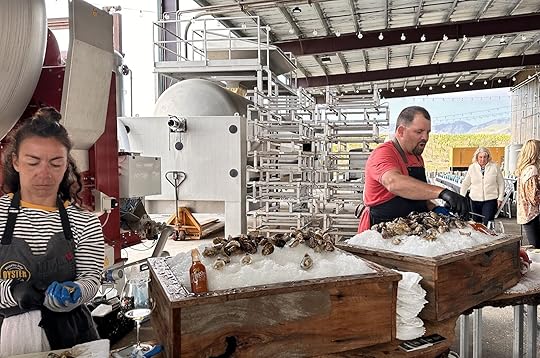
Photo: Alex Bresler
I’d sampled two of Chamisal’s chardonnays at a tasting event earlier that day, but as a longtime chardonnaysayer, I didn’t fully appreciate the winery’s signature white varietal until I wandered over to the fresh oyster bar and tasted a chardonnay-based mignonette made with four types of citrus and a variety of herbs and aromatics that I’ve been dying to recreate ever since. The oysters, unlike the Maine lobsters that were served for the main event, were sourced and supplied locally by San Luis Obispo County’s Morro Bay Oyster Company.
Were it not for the vats of crustacean being boiled behind the butcher-paper-protected banquet tables beyond the amuse booths, I might have mistaken the dining setup for white-table-cloth service. Upon closer inspection, however, I saw that the tables were not set with delicate flower arrangements but bouquets of wine, hot sauce, and other condiments, complete with name cards for each attendee.
Admiring the surrounding vineyard as I took my seat, I wondered if the string-lighted setting might be too elegant for a first-timer’s American lobster festival experience. My worries were quickly assuaged when, after a few words from Chamisal’s newly appointed head winemaker Brianne Engels, guests were as to stand as the boil team from Napa-based Menegon Catering spilled the contents of their vats across the clean white tables.
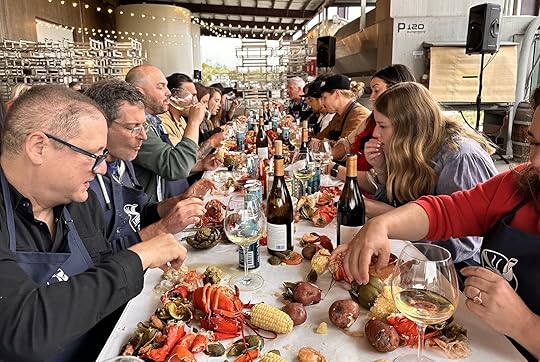
Photo: Alex Bresler
We ate with our hands, hungrily ripping lobster meat from shells, shucking corn with our teeth, popping entire potatoes and half sausages into our mouths, indelicately unsheathing artichoke hearts, and sopping up juices with crudely torn baguettes. No one cared that the wine we sipped now imparted notes of Old Bay seasoning that earlier glasses had not. It was as down-home as the backyard crayfish boil I attended in New Orleans the same time last year.
Chamisal’s classy yet casual Lobsterfest is a perfect representation of the winery’s ethos and SLO Coast AVA tastings at large. For another example, all you have to do is look at the winery’s Malene label.
Malene is Chamisal’s Provençal-inspired rosé label, headquartered in a vintage Airstream that’s usually parked adjacent to the main winery but doubles as a mobile tasting room. The pink-accented trailer and its peachy draught wines are Instagrammable enough for a bachelorette’s Pinterest board yet equally inviting of a quiet afternoon kick back. The Malene Scene, as the trailer is affectionately known, is reminiscent of the retro chic motor lodge renaissance that’s been sweeping the hospitality industry — rustic yet refined, curated but not overly aesthetic.

Photo: Alex Bresler
Fringing the lawn where the Malene Scene is typically stationed, there’s another landscape feature that captures Chamisal’s values: one of the first Miyawaki Forests in the US. The Miyawaki forestation method is designed to sequester carbon through the strategic planting of native, fast-growing flora. In Chamisal’s case, that includes 45 different species of native oak trees and a variety of attractive shrubs whose presence reminds visitors of the winery’s dedication to sustainability, regenerative agriculture, carbon neutrality, and biodynamic practices.
Ask about it if you’re lucky enough to attend next year’s Lobsterfest. Better yet, make a weekend out of the event to experience all that Chamisal Vineyards, the SLO Coast AVA, and San Luis Obispo have to offer.
Where to stay in San Luis ObispoBetween its touristic appeal, position on Amtrak’s popular Surfliner Route, and revolving door of friends and family who come to visit Cal Poly students, San Luis Obispo is flush with charming hotels, inns, and Airbnbs. I spent the weekend of Lobsterfest at Hotel SLO, a trendy downtown hotel that’s quite popular with wedding guests, if my stay was any indication.
Hotel San Luis Obispo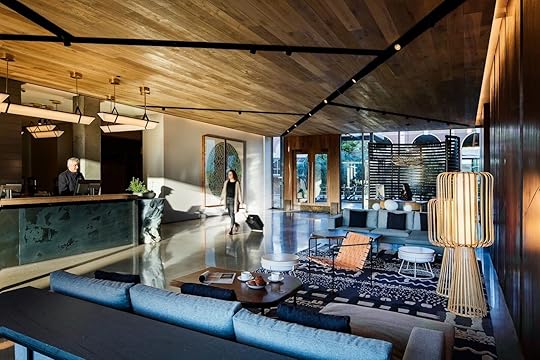
Photo: Expedia
Conveniently located a few minutes on foot from the Mission San Luis Obispo and everything else downtown, Hotel SLO is equipped with all the staples you’d desire in a Central California accommodation, including a pool and jacuzzi, full-service spa, two restaurants and bars, a rooftop terrace, and complimentary bikes. It’s located less than 10 miles from Chamisal vineyards and takes approximately 15 minutes to get there by car.
Where: 877 Palm Street, San Luis Obispo, CA 93401
Price per night: From $324
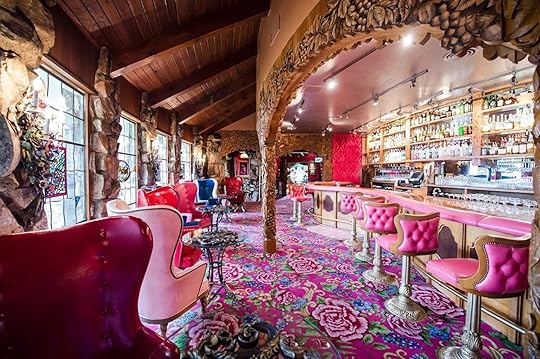
Photo: Expedia
For the quintessential San Luis Obispo experience, however, there’s really only one place to stay: the Madonna Inn. The landmark inn is an icon of kitsch, so much so that it’s treated as an attraction, as well as an accommodation. The Madonna Inn is located a little bit outside of downtown San Luis Obispo off Highway 101 — approximately five minutes away by car — but takes roughly the same amount of time to get to Chamisal Vineyards as Hotel SLO.
Where: 100 Madonna Rd, San Luis Obispo, CA 93405
Price per night: From $164
Immerse Yourself in Japanese Hospitality at These Kyoto Ryokan
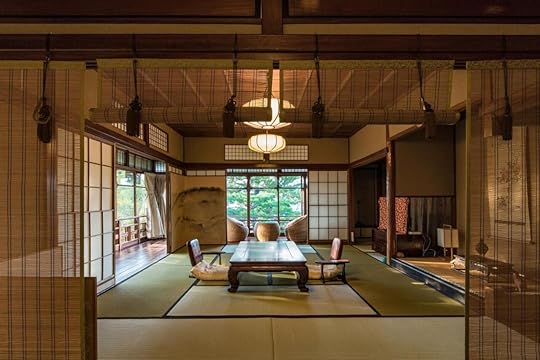
It’s tough to say you’ve seen Japan if you haven’t been to Kyoto. To go deeper, it’s tough to say you’ve experienced Kyoto if you haven’t stayed in a traditional ryokan. There are many reasons why it is a good idea to stay in a ryokan in Kyoto. Here are a few of them:
To experience traditional Japanese culture. Ryokans are a great way to experience traditional Japanese culture. They typically feature tatami mats, futon beds, and other traditional Japanese furnishings. You will also be able to enjoy traditional Japanese meals and participate in traditional Japanese activities, such as bathing in an onsen.To relax and rejuvenate. Ryokans are a great place to relax and rejuvenate. They offer a quiet and peaceful environment, and they often have onsen baths that can help you to relax and de-stress.To be close to Kyoto’s many attractions. Kyoto is a city with a rich history and culture, and there are many attractions to see and do. Staying in a ryokan in Kyoto will put you close to many of these attractions, such as Kiyomizu-dera Temple, Arashiyama Bamboo Forest, and Kinkaku-ji Temple.To get a taste of Kyoto’s hospitality. Ryokans are known for their excellent hospitality. The staff will go out of their way to make your stay enjoyable, and they will often offer you traditional Japanese amenities, such as slippers and yukatas.These Kyoto ryokan are worth booking whether it’s your first time in the city or your 100th.
Traveling to Japan? Check out Matador’s Japan accommodations guides: These Tokyo Ryokan Make for the Perfect Traditional Stay in Japan The Top Tokyo Hotels in Each Must-See Neighborhood 12 Tokyo Airbnbs in the Heart of the Incredible City These Kyoto Airbnbs let you experience traditional Japanese hospitality
We hope you love these Kyoto ryokan! Just so you know, Matador may collect a small commission from the links on this page if you decide to book a stay. Listed prices are accurate as of the time of publication.
Ryokan Genhouin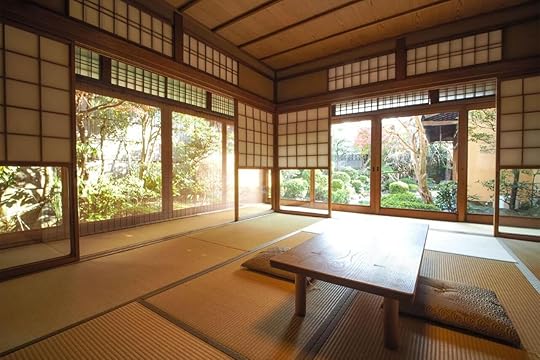 Photo: Booking
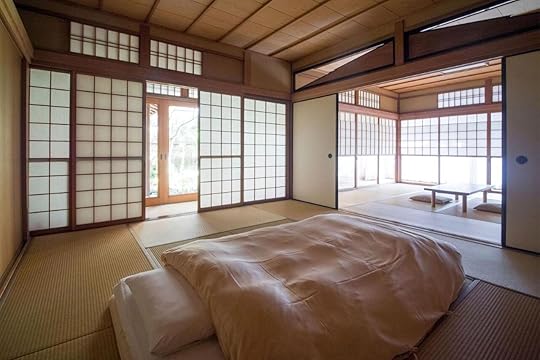 Photo: Booking
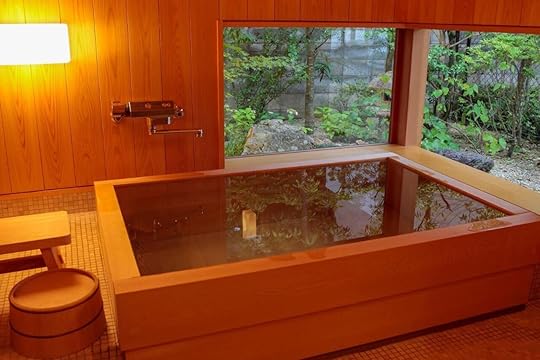 Photo: Booking
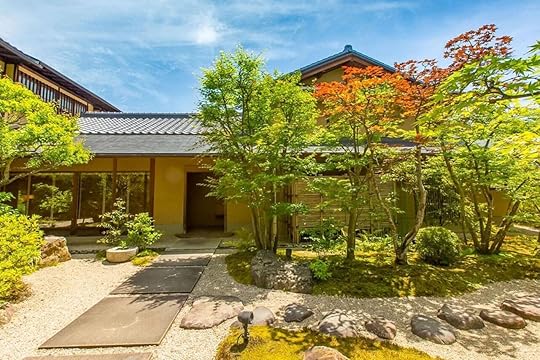 Photo: Booking
See more photosRyokan Genhouin is a fantastic spot to spend a night in Kyoto, near popular attractions like the Eikan-do Zenrin-ji Temple, the Heian Shrine, Shoren-in Temple, and Samurai Kembu Kyoto. The property is air conditioned and features amenities like a hot tub and a public bath. Every room in this ryokan has a wardrobe and is equipped with a kettle and a flat-screen TV — and certain rooms come with a terrace. Other added amenities on-site include bike rentals and massage services.
Price: From $150 per night
Ryokan Motonago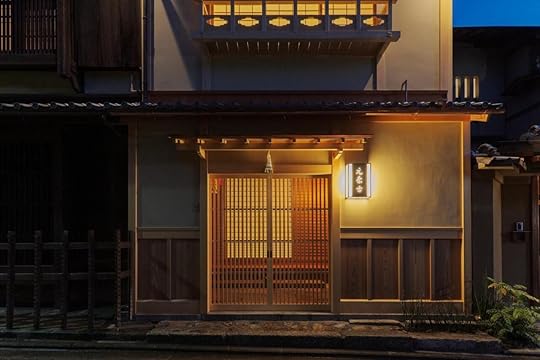 Photo: Booking
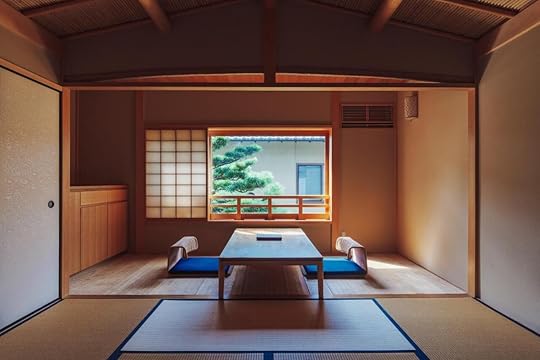 Photo: Booking
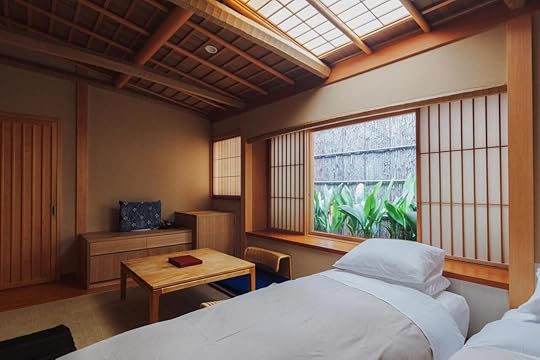 Photo: Booking
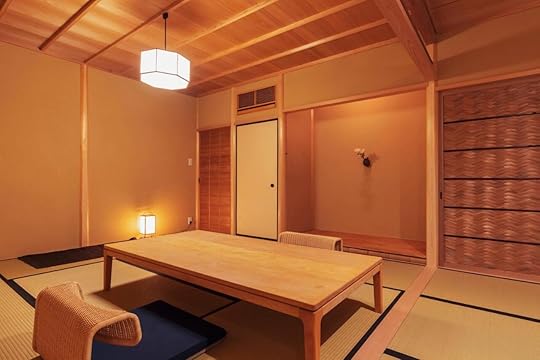 Photo: Booking
See more photosThis authentic inn is just a 5-minute walk from attractions like the Yasaka Shrine and Kiyomizu-dera Temple — and the Shijo Station and Kawaramachi Station are a 5-minute drive away. Guests will relax in traditional Japanese-style accommodations and experience traditional Kyoto dining options. There is a public bath on-site, massage treatments are available upon request, and each room is air-conditioned and outfitted with tatami-mat (woven-straw) flooring and traditional futon bedding. Each room has a fridge, an electric kettle and a flat-screen TV. Guests should be aware that the bathroom facilities are shared.
Price: From $250 per night
Ryokan Ryokufuso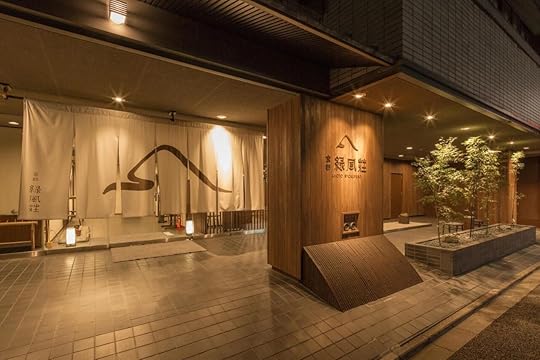 Photo: Booking
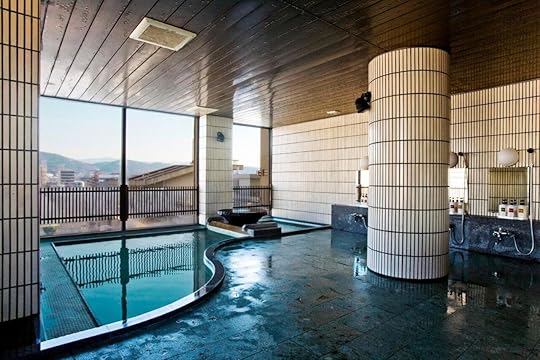 Photo: Booking
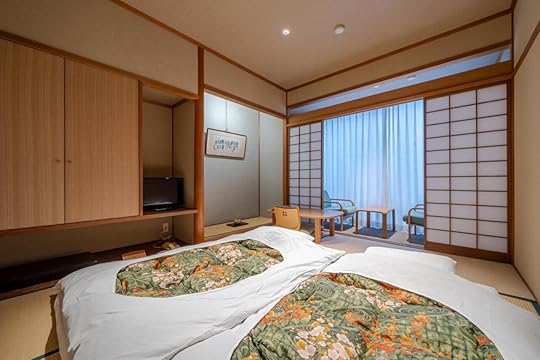 Photo: Booking
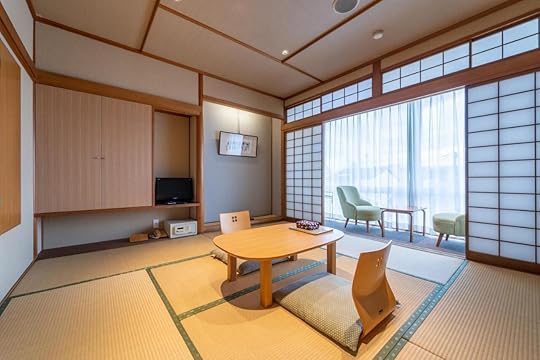 Photo: Booking
See more photosRyokan Ryokufuso is 15 minutes on foot from Kyoto Station. The rooms are air-conditioned and come with a TV and a private bathroom. There’s an on-site gift shop to browse for souvenirs, and those seeking some extra relaxation can book a massage for an extra fee. The inn also offers guests Kyoto kaiseki (a traditional Japanese coursed out meal) cuisine with changing menus every month.
Price: From $141 per night
Kyoto Nanzenji Ryokan YachiyoPhoto: Booking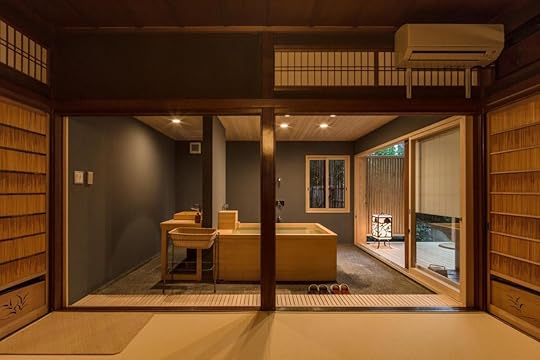 Photo: Booking
 Photo: Booking
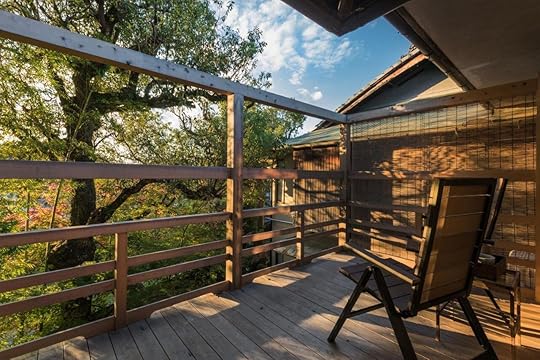 Photo: Booking
See more photosThis traditional, relaxing property is located next to the Nanzen-ji Temple and is designed with a chic aesthetic featuring traditional Japanese-style rooms and large public baths. Scenic Japanese gardens surround the inn’s grounds, providing a gorgeous backdrop of colors that change with the seasons. The rooms are outfitted with tatami floors, a futon bed and a flat-screen TV. Some of the rooms offer scenic views of the grounds, and some of them have their own private bathroom. Relax in the public baths or book a massage for an extra fee. There’s even an on-site restaurant that overlooks the gardens and offers tasty, traditional Japanese cuisine.
Price: From $214 per night
Seikoro Ryokan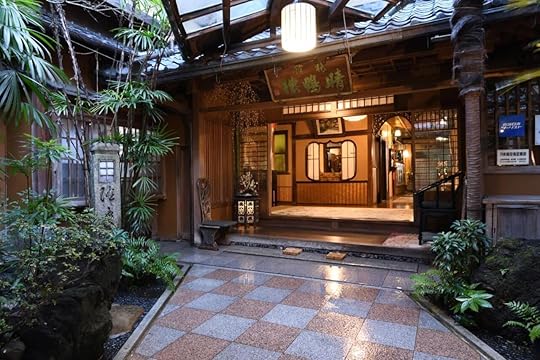 Photo: Booking
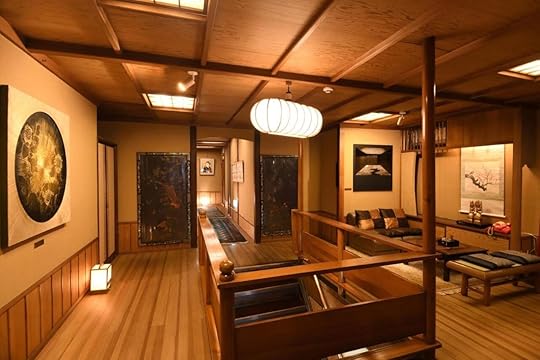 Photo: Booking
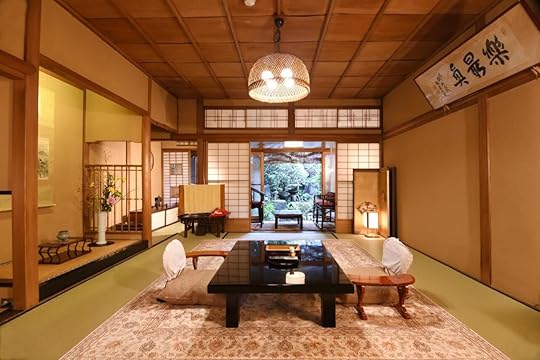 Photo: Booking
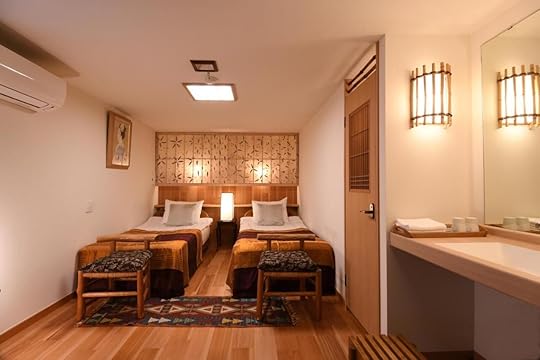 Photo: Booking
See more photosSeikoro Ryokan, established in 1831, features traditional Japanese-style accommodations, a public bath, and the opportunity to book massage services. There are private bathrooms, as well as a public bath area with spa offerings and wooden bathtubs. The inn serves a traditional Japanese or Western breakfast, as well as authentic local dishes and dinner in a traditional Japanese setting. It’s a 5-minute drive from Sanjusangen-do Temple and Kiyomizu-dera Temple and a 10-minute walk from the Shichijo Train Station.
Price: From $292 per night
Ryokan Sanga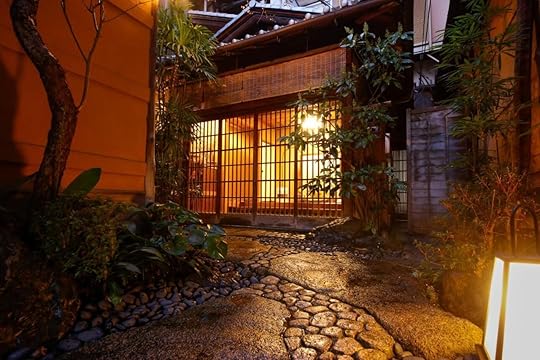 Photo: Booking
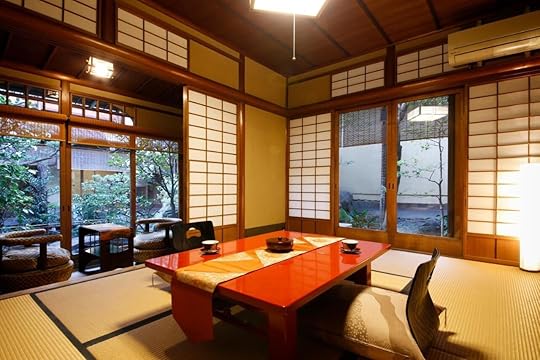 Photo: Booking
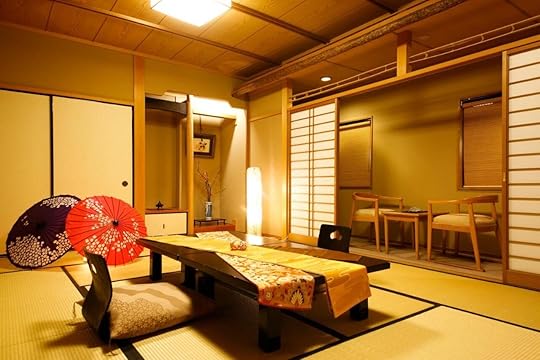 Photo: Booking
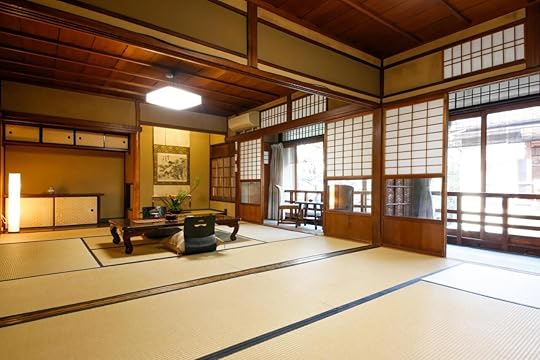 Photo: Booking
See more photosRyokan Sanga is located in the heart of Kyoto, hosting a comfortable Japanese-style overnight experience, including traditional bedding and furnishings. There’s even an on-site restaurant. Karasuma Oike Subway Station is just a 7-minute walk from the property, the Kyoto Nishiki Market is a five-minute walk, and the Kiyomizu-Dera Temple is a 15-minute drive from the inn. All the rooms at the ryokan are air-conditioned and feature a TV, Japanese yukata robes, a kettle, and tea bags. This property prepares special amenities for men and women depending on gender identity, so indicate this in the “Special Requests” box when booking.
Price: From $107 per night
Nishiyama Ryokan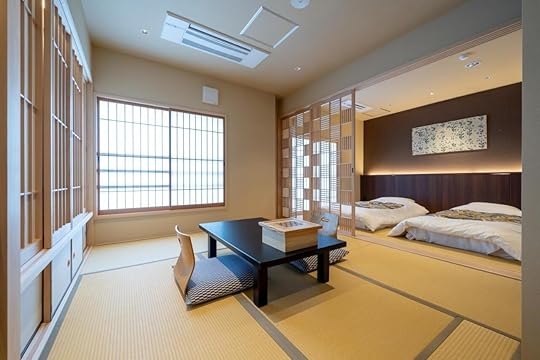 Photo: Booking
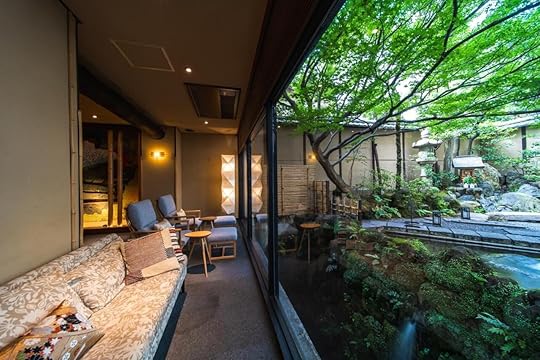 Photo: Booking
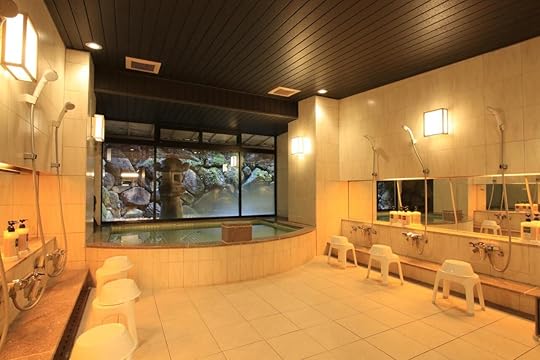 Photo: Booking
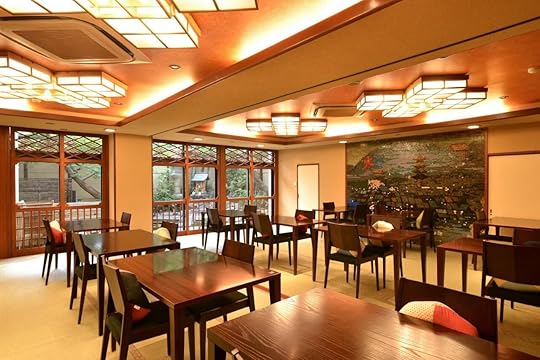 Photo: Booking
See more photosJust a 5-minute walk from Shiyakusho-Mae Subway Station, Nishiyama Ryokan hosts comfortable Japanese-style rooms outfitted with tatami and traditional futon bedding. The property features a garden, traditional kaiseki multi-course dinners, in-room massages, and rental bicycles. It’s a 15-minute taxi ride from JR Kyoto Station and a 10-minute walk to Honno-ji Temple and Kamogawa River. Guests can lounge in the yukata robes and enjoy a traditional Japanese breakfast with boiled tofu in the morning and dive into a traditional multi-course dinner with seasonal local specialties in the evening.
Price: From $331 per night
Ryokan Tori Photo: Booking
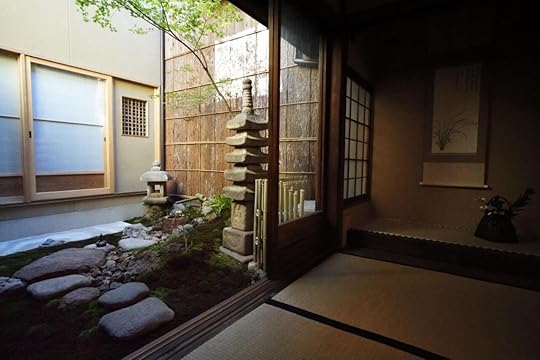 Photo: Booking
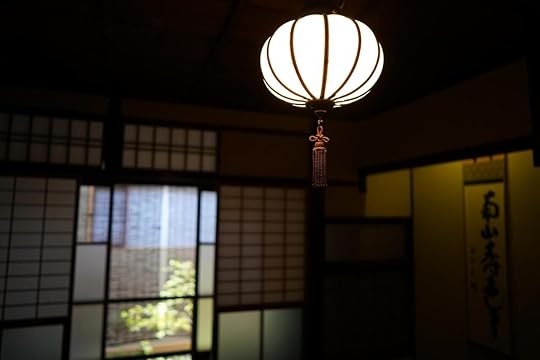 Photo: Booking
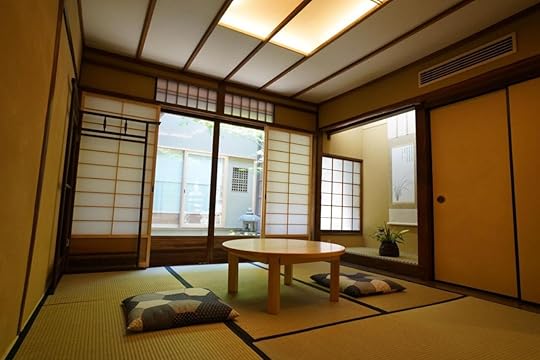 Photo: Booking
See more photosRyokan Tori is within a mile’s walking distance of the Shoneizan Byodoji Chiekoin Temple and the Koshoin Temple, making it a great place to set as a home base when visiting the Kamigyo ward of Kyoto. Ryokan Tori rooms are outfitted with a fridge, a kettle, and air conditioning — and either features a balcony or a garden view. Guests can enjoy a prepared traditional Japanese breakfast and encounter a traditional welcoming Japanese tea ceremony and bath experience while on-site.
Price: From $140 per night
Ryokan Tanoya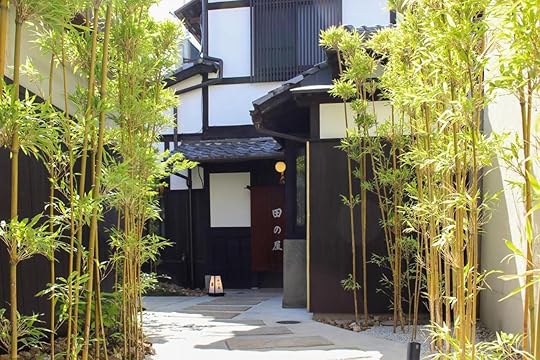 Photo: Booking
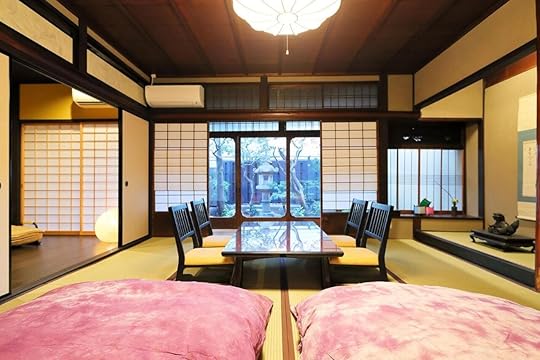 Photo: Booking
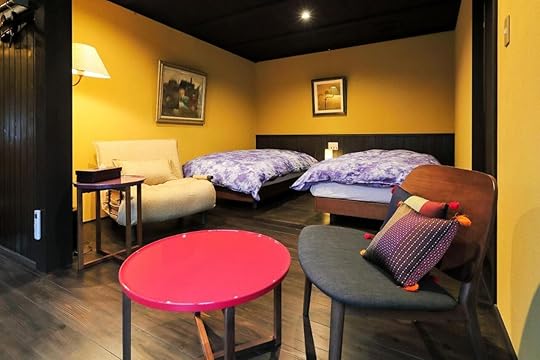 Photo: Booking
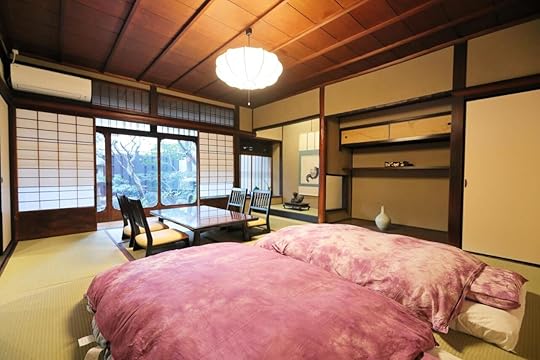 Photo: Booking
See more photosThe Ryokan Tanoya is in a great location in the center of Kyoto, less than two miles from the city center, roughly a 16-minute walk from Nijo Castle and one mile from Kitano Tenmangu Shrine. On-site, some rooms are outfitted with private bathrooms and walk-in showers. There’s a tranquil garden on-site, and guests are served breakfast made with local specialties (there’s also an on-site coffee shop).
Price: From $134 per night
Ryokan Mugen (Adults Only)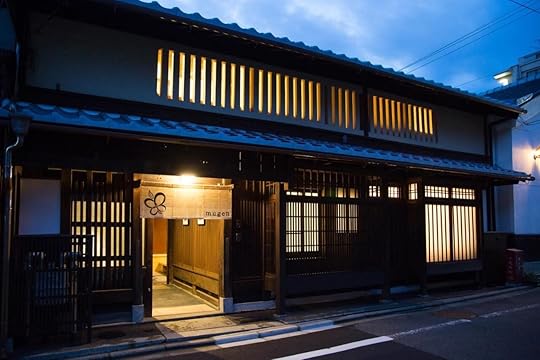 Photo: Booking
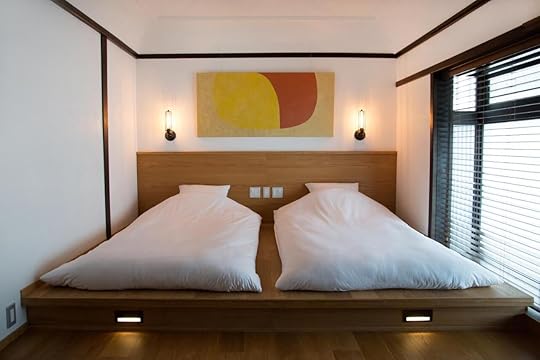 Photo: Booking
 Photo: Booking
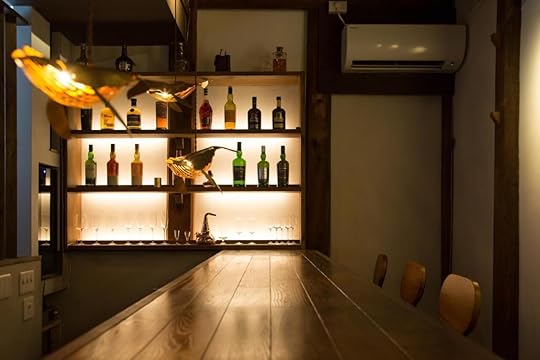 Photo: Booking
See more photosThe historic, adults-only Ryokan Mugen was built 160 years ago. It’s about half a mile from Nijo Castle and less than a mile walking distance from Imperial Palace. Each room boasts an en suite shower room with toiletries. Spend time in the shared lounge on-site or at the bar at the annex building. The property rents out bicycles for exploring further into the city.
Price: From $200 per night
What is a ryokan?A ryokan is a traditional Japanese inn that hosts travelers in an authentic Japanese space to experience the country’s culture in an immersive experience.
What is ryokan in English?Ryokan just translates to mean “a traditional Japanese inn.”
Is it worth staying in a ryokan in Kyoto?A Ryokan is a great choice for travelers seeking to really immerse themselves into the culture of Japan or experience more “luxurious” accommodations. They can also be a great option for groups, like families because guests can all sleep in the same room.
How much is a ryokan inn?Ryokans traditionally cost between 15,000 and 25,000 yen (about $175) per person per night, which is more expensive than a hotel but worth the added cost for those who want an immersive experience.
Is a ryokan cheaper than a hotel?Traditionally, ryokans are a bit more expensive than regular hotels. However, you tend to get much more value for your dollar, as amenities including meals and other aspects are included.
How many days should I spend in Kyoto?Travelers should plan to spend at least two days minimum to explore Kyoto’s culture and attractions — but can easily spend a week in the city and still have plenty of things to do and see.
What area of Kyoto is best to stay in?According to Insidekyoto.com, Downtown Kyoto is the best place in the city to be based for those who want to be within walking distance of many local restaurants, shops and bars, and tourist attractions. Southern Higashiyama is another top place to set as a home base, as well as Kyoto Station.
August 18, 2023
Base Your Bleisure Trip To Phoenix at These Gorgeous Lifestyle Hotels

From world-class museums and cultural sites to great outdoor activities like hiking and biking in South Mountain Park, there’s no shortage of things to do in Phoenix. These Phoenix hotels give you easy access to the best of the city and its surrounds.
Traveling in Arizona? Check out Matador’s Arizona accommodations guides: 11 Phoenix Airbnbs With Luxury Pools, Putting Greens and Artsy Vibes Phoenix airport hotels that put you close to your flight and the entire city These Large, Family-Friendly Airbnbs in the Southwest Make the Perfect Holiday Getaway 12 top-rated Airbnbs in Tucson for a charming southwest adventure The Best Airbnbs in Scottsdale, Arizona, for a Bachelorette Party 14 Scottsdale Airbnbs With Pools for a Southwestern Escape
We hope you love these Phoenix hotels! Just so you know, Matador may collect a small commission from the links on this page if you decide to book a stay. Listed prices are accurate as of the time of publication.
Arizona Biltmore A Waldorf Astoria Resort Photo:
  Photo:
  Photo:
  Photo:
 The upscale Arizona Biltmore, A Waldorf Astoria Resort isn’t just a hotel property — for celebrities and travelers that’s stood the test of time for nearly a century. Guests can’t miss the property’s iconic Frank Lloyd Wright-influenced architecture on this site that’s spread across 39 acres with 700-plus guest rooms featuring a flat-screen TV — some with a private patio or balcony or a full kitchen — as well as more than half a dozen refreshing swimming pools (and a 65-foot waterslide!), multiple restaurants, two championship golf courses and the luxurious Tierra Luna Spa. It’s a great spot for children and adults to enjoy a relaxing and adventurous vacation.
Price: From $261 per night
JW Marriott Phoenix Desert Ridge Resort & Spa Photo:
  Photo:
  Photo:
  Photo:
 The JW Marriott Phoenix Desert Ridge Resort & Spa is perched on 316 acres of scenic Sonoran Desert, offering fantastic activities and entertainment on-site. There’s an on-site spa, a golf course, multiple places to dine, an assortment of dining options, and acres of open grounds for exploring. But might just be that it hosts the most pickleball courts at a luxury resort in the country (17 world-class courts) or the recent installation of AquaRidge WaterPark — an enormous, 140,000-square-foot pool experience featuring the only dual-person vertical wall tube slide at a resort west of the Mississippi.
Price: From $279 per night
The Phoenician, a Luxury Collection Resort, ScottsdalePhoto:  Photo:
  Photo:
  Photo:
 The Phoenician is a AAA Five Diamond resort set on 50 acres at the base of Camelback Mountain — but feels both approachable and upscale at the same time. Modern Southwestern artwork adorns the walls of each clean and spacious guest room, which also hosts luxurious bathrooms with Italian marble accents, large bathtubs, and plush bathrooms for lounging. The property boasts known for its incredible, luxurious facilities, as well as an 18-hole golf course, a state-of-the-art athletic center featuring tennis courts and pickleball courts, and of course, an exceptional, multi-tiered pool complex.
Price: From $359 per night
Royal Palms Resort and Spa, part of Hyatt Photo:
  Photo:
  Photo:
  Photo:
 The historic Royal Palms Resort and Spa sits in a great location between the upscale neighborhoods of Biltmore and Scottsdale City and dates all the way back to 1929. feels like a charming Spanish Mediterranean mansion with classic European architecture. There are more than 100 casitas, estate rooms and villas to spend the night in between walking the romantic cobblestone pathways and discovering the magical little touches on-site like blooming gardens, sparkling fountains, cozy nooks, and fireplaces. There’s also a well-appointed on-site spa, as well as a restaurant and bar.
Price: From $229 per night
Sheraton Grand at Wild Horse Pass Photo:
  Photo:
  Photo:
  Photo:
 is just a short ride from downtown Phoenix but lets guests become educated on authentic Native American customs and traditions in an immersive experience. It was designed to be an accurate representation of the Gila River Indian Community’s heritage and culture. Guests can enjoy unique experiences including a locally sourced five-course dinner inspired by the people of the Gila River Indian Community at Kai, get a spa treatment, explore some of the hiking trails just behind the property, or play a round of golf. Or, rent kayaks and pedal boats at The Adventure Club to explore the property’s river (which is closed to the public) that reaches a mile from the property.
Price: From $229 per night
Found Re Phoenix Photo: Expedia
 Photo: Expedia
 Photo: Expedia
 Photo: Expedia
See more photosFound Re Phenix is in an awesome location near the Roosevelt Row district in downtown Phenix. This property feels like a bohemian, eclectic boutique spot to spend the night close to this trendy neighborhood, just waiting to be explored. Each room offers its own style and contemporary, unique artwork and emits an industrial chic vibe. The property also features an on-site restaurant serving a tasty selection of hearty food.
Price: From $199 per night
Sheraton Phoenix Downtown Photo:
  Photo:
  Photo:
  Photo:
 is just a five-minute walk from the convention center and an array of trendy bars and restaurants — and it’s currently considered Arizona’s largest hotel boasting more than 1,000 rooms. Inside, guests will enjoy a stylish and modern design. Discover the new, open public “social areas” which include soundproof booths, and a “community table” for people to gather. There’s also an upscale signature restaurant, a fitness center with state-of-the-art equipment, and an outdoor pool.
Price: From $169 per night
Kimpton Hotel Palomar Phoenix Cityscape, an IHG Hotel Photo: Expedia
 Photo: Expedia
 Photo: Expedia
 Photo: Expedia
See more photosThis trendy boutique property is located at CityScape in the heart of downtown Phoenix, in close proximity to Chase Field and the Phoenix Convention Center. There are more than 240 rooms and suits with a contemporary design and views of the skyline and mountain landscapes, beyond. Guests can dine at the on-site restaurant which serves American cuisine, or visit the newly opened rooftop bar. There’s also a pool terrace and in-room spa services for those seeking to relax.
Price: From $118 per night
Cambria Hotel Downtown Phoenix Photo: Expedia
 Photo: Expedia
 Photo: Expedia
 Photo: Expedia
See more photosCambria Hotel Downtown Phoenix is perched in the center of downtown, close to landmarks like Arizona State University, the Phoenix Art Museum, and Historic Heritage Square. The property feels like a modern, buzzy spot to spend a night with an eclectic character and youthful, artsy deign. There’s an on-site restaurant and rooftop bar which boasts gorgeous sights of the city. Guest rooms feature modern technology and urban-inspired artwork, making an overnight stay feel like a vibrant and memorable experience.
Price: From $99 per night
What time zone is Phoenix?Phoenix observes Mountain Standard Time year-round — and doesn’t recognize daylight savings time, which means the state doesn’t fall back or spring forward. As a result, Arizona is on the same time as its neighboring state of California from March to November.
How far is Sedona from Phoenix?Sedona is about 115 miles from Phoenix, which is typically about a two-hour drive.
How far is Tucson from Phoenix?It’s about 112 miles from Phoenix to Tuscon, which typically takes just about one hour and 45 minutes to drive.
Matador Network's Blog

- Matador Network's profile
- 6 followers

