
Matador Network's Blog, page 2137
February 27, 2015
What Americans can learn from Chile
Photos: francisco_osorio
1. Greater consciousness of indigenous past
Aside from a quick nod to Squanto on Thanksgiving (who, frankly, may as well be that holiday’s equivalent of the Easter Bunny), the US largely fails to keep its original settlers alive in its collective conscious. This is undoubtedly due to the fact that 90 percent of those original populations were decimated by European newcomers whose descendants, today, form a solid majority of the US’ current populace. You’re just not likely to see an Iroquois or Navajo face on your daily hop over to Starbucks.
Chilean society, on the other hand — though considered significantly more “European” than other South American nations such as Bolivia and Peru — appears to make a greater effort to keep both the memory and vestiges of its ancient cultures alive, whether these be the Mapuche on the mainland or the Rapa Nui on Easter Island (yes, the giant heads).
(Of course, nothing is perfect: Southern Chile is ablaze with violence as Mapuche activists fight to reclaim land that was seized from them generations ago.)
2. Youth political participation/smoking hot government representatives
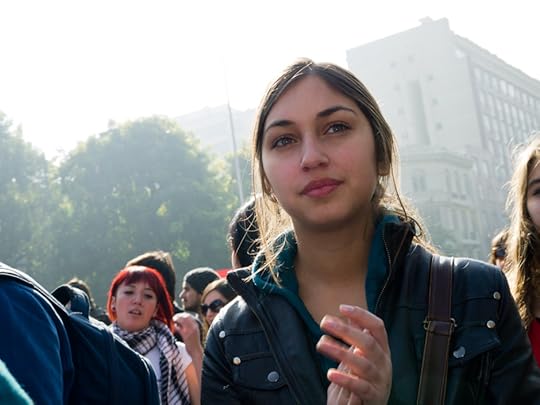
Ever since 2006 and spiking in 2011, Chilean university students have led a charge to reform a series of antiquated policies, from nonexistent abortion rights to access to better education. Spend a few weeks in Santiago and you’ll become all too familiar with the smell of tear gas, liberally deployed by law enforcers during protests.
While the effectiveness of taking to the streets is certainly a whole conversation in and of itself, it’s undeniable that Chilean youth are much more politically active than their US counterparts — so much so, in fact, that a few former student leaders, all shy of 30, today are parliamentary deputies. It certainly doesn’t hurt to have some parliamentary eye candy. (Who said deputies couldn’t be devastatingly attractive while implementing education reform? Looking at you, Camila Vallejo).

More like this: 12 side effects of living in Chile
3. Actually good graffiti
Never one to seek out street art, I’ve become a hardcore fan ever since I moved to Chile. I never tire of strolling through Bella Vista and Yungay in Santiago and fell in love with Valparaíso the first time I visited.
While certain urban areas in the US definitely have their own brands of masterful graffiti, the sheer quantity and craftsmanship just doesn’t compare. I’m not talking about “Juan Pablo + Maria 4 eva” — torrid high school romance it may be — or the avant garde sketches of a bored teenager. Chilean murals are masterful and provocative works of art.

This story was produced through the travel journalism programs at MatadorU. Learn More
4. Sense of community and solidarity
Twice a week, I attend a Zumba class in my neighborhood. Approximately 15 of us are packed into a small, unventilated room and made to follow a series of jumps and gyrations without crashing into each other (something that inevitably happens every few minutes). The whole thing is made doubly more challenging by the number of toddlers running among us as we dance, like mobile landmines on a spandex-infested terrain.
Many of the women are young mothers and bring their children with them to class. While US mothers would probably ship their kids off to some sort of childcare facility or consign a nanny, Chileans view childcare as a more communal undertaking. It’s a given that neighbors and family will pitch in — or in this case, your fellow Zumba-ers.
So we waste approximately 15 minutes of Zumba cooing over infants and passing them from one set of arms to another, but it’s a relief to know that a child protection S.W.A.T. team won’t parachute in to save the children from us “strangers.” 


Guide for cussing in Spanish
Photos: Fotos Gutierrez
A Spaniard doesn’t say “something is cool.”
He says that “is the bomb” (Es la bomba) or that “is the milk” (Es la leche) or that “is the glass of beer” (Es la caña) or that “is the lemony pear” (Es la pera limonera).
A Spaniard isn’t crazy.
He “is like a goat” (Está como una cabra) or “is like a cowbell” (Está como un cencerro) or “is like a watering can” (Está como una regadera).
A Spaniard doesn’t have nice muscles or is fit.
He is like a thick, long book (Está tocho).
A Spaniard doesn’t say senseless words when he’s older or senile.
He just pussy jibber-jabbering (chochea). [Author’s note: use only the verb chochear. Do not use the noun “ch*cho”. Again, do not use the noun “ch*cho”. Seriously guys, it’s very vulgar. I’m feeling even bad trying to explain it].
A Spaniard doesn’t say some place “is really far away.”
He says, the place “is in the fifth pine tree” (Está en el quinto pino) or “is in the fifth hell” (Está en el quinto infierno) or “is in the fifth pussy” (Está en el quinto coño) or “is a tomar por culo” (something kinda untranslatable related with “taking-the-ass business”).
A Spanish kid doesn’t go to the bathroom.
He just goes “to do pipi or popo.”
A Spanish man doesn’t pee.
He “goes to change the water to the canary” (Va a cambiar el agua al canario).
Spanish people don’t do their best.
They do things “with two big balls” (Con dos cojones).
More like this: 9 ridiculously useful Spanish expressions
A Spaniard doesn’t just lack interest in something.
It’s just like he really “cares a cucumber about it” (Le importa un pepino) or “cares a pepper about it” (Le importa un pimiento) or in a more disrespectful way, “Se la repanpinfla / Se la sopla” which means that “he doesn’t really give a fuck.”
A Spaniard doesn’t have a big car.
He has “un coche de la hostia.” [Note: Hostia means “communion bread” but informally it’s used as “damn / damn it / bloody hell.” Note 2: Do not ask why].
A Spaniard doesn’t go fast.
He goes “all pill’s way” (A toda pastilla).
A Spaniard doesn’t forget something.
“His head just goes” (Se le va la cabeza) or “his clothespin just goes” (Se le va la pinza) or “his pot just goes” (Se le va la olla).
A Spaniard doesn’t say “the weather is very hot.”
He says “wow, Lorenzo is hitting” (Como pega Lorenzo). [Note: Yes, we call the sun “Lorenzo” sometimes. Note 2: Here’s an extra witty and naughty Spanish saying related to the hot weather and voluptuous girls being around: If you are in a very hot place and there are some beautiful women with big boobs nearby, you can joke — read carefully, this is important — with your friends (if you dare to tell the woman, she will slap you, so watch out!) saying “hace una calor que te torras.”
You don’t get it, do you? OK, it literally means “it’s hot like you are toasting yourself” but — again, read carefully, this is important — “te + torras = tetorras = very informal way to say big tits.” Got it now? Pretty cool, eh?]
A Spaniard doesn’t only get surprised when something happens.
He also says, “that’s hard, dude!” (¡Qué fuerte, tío!)
Spaniards don’t have a good time.
They just “have a mother f*cker time” (Se lo pasan de puta madre) or “have a sunflower seed time” (Se lo pasan pipa) or “have a tit time” (Se lo pasan teta).
A Spaniard is not tired.
He’s “made of dust” (Está hecho polvo).
A Spaniard doesn’t say “I don’t want to do something”.
He says, “it gives me a stick” (Me da palo).
A Spaniard never disturbs.
He just “gives you the tin” (Te da la lata).
Spaniards don’t say “I don’t like you”.
They say “you fall fat to me” (Me caes gordo) or “you fall like the ass to me” (Me caes como el culo).
This story was produced through the travel journalism programs at MatadorU. Learn More
A Spaniard doesn’t try to seduce a woman.
He “throws her pieces of tiles” (Le tira los tejos).
A Spaniard never arouses you into doing something awesome.
He just “makes your teeth longer” (Te pone los dientes largos).
A Spaniard doesn’t do things on his own.
He “goes in his ball” (Va a su bola).
A Spaniard doesn’t “get distracted.”
He “is in the silly soup” (Está en la sopa boba).
Young Spanish people don’t live with their parents.
They just “live of storytelling” (Viven del cuento). [Note: Just forget this one. It’s too autobiographical].
A Spaniard doesn’t fall in love.
He’s “filtered for your bones” (Está colado por tus huesos).
And a important one, Spanish people don’t tell you, “go away,” in a disrespectful manner.
They just tell you, “go to fry asparagus” (Vete a freir espárragos) or “go to dig scallion” (Vete a escarbar cebollino) or “go to take the sack” (Vete a tomar por saco) or something like — OK, this might be a bit more disrespectful — “go take the ass” (Vete a tomar por culo).
February 26, 2015
Side effects of moving to the Bronx

Photo by susanrm
Your friends will only meet up with you in the city.
They’re outsiders now. They haven’t been introduced to the majesty and magic of the Bronx, so to them it’s a faraway land at the extremities of the MTA’s reach. They probably won’t be willing to take the two/three hour subway ride from Brooklyn or to give away part of their soul to pay the bridge tolls. My advice, get used to taking the 1,4,5,6, B or D, because they’re going to be your only connection to other-borough friends. And you will quickly learn to read the service changes posters, because you will get screwed (I’m looking at you, 6 train).
You will eventually, maybe, possibly, somewhat, get to know which neighborhood is where.
Throggs Neck, Pelham Bay, Fordham, Riverdale, East Tremont, Castle Hill, Co-Op City: the Bronx is a patchwork of different neighborhoods that seem to just mesh right into each other without any official warning that you have left one neighborhood and have entered another (except for City Island, that being an island and all).
You pick up some Spanish whether you want to or not.
With over 50% of The Bronx’s population being Hispanic or Latino, chances are you’re going to pick up some basic Spanish. After a few weeks of shopping at the deli on the corner, going to the taqueria down the block, or even just interacting with your landlord/lady, soon you will be able to at least exchange some pleasantries without the locals laughing at you. Hey, maybe you’ll even learn some bachata.
You’ll discover some New York history that you never knew about.
Did you know that salsa (the dance) originated in the Bronx? Or that Edgar Allen Poe wrote his famous poem Annabel Lee, among others, from his cottage there? How about that the real Little Italy isn’t in “the city” (Manhattan for all you non-NYC natives), but actually on Belmont/Arthur Ave? The Bronx is a goldmine of some of the most interesting historical tidbits of New York City’s past.
You may never go back to Queens again.
It’s so close, just on the other side of the river, but so far. Damn you MTA, why are there no buses that go over the Throggs Neck?
This story was produced through the travel journalism programs at MatadorU. Learn More
You’ll be called crazy…
The Bronx has a tough reputation. Just by saying you live there, you have more street cred than Drake. It’s a name that evokes Fort Apache-esque imagery of cops hopelessly waging a war on crime from outposts reminiscent of soldiers in a hostile country. Your loved ones will be concerned for your safety, so expect a couple hundred “be safe” messages when you so much as voice the thought of going out past dark.
…But soon, you’ll see you aren’t.
However, the first morning that you wake up and hear birds singing in the nearby trees, or the first time you lie in the grass beneath a clear blue sky in Pelham Bay Park or when you sit down at Orchard Beach in the spring with a nice book, the cool sand between your toes, you’ll realize that you’d have been crazy to have listened to the horror stories. The Bronx is full of hope, determination, and some of the nicest people this great city has to offer.
Signs you were born to hike the AT
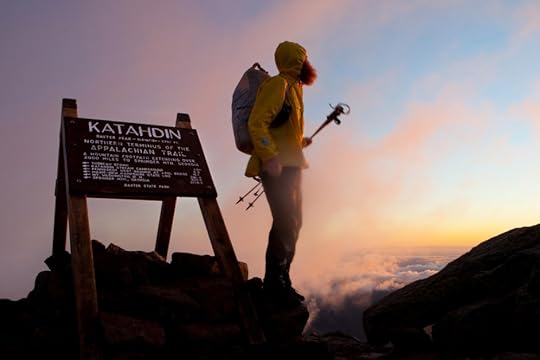
Photo by Jeffrey Stylos
1. You’ve always been very comfortable with your personal funk.
On the AT, showers are kind of like rainbows — infrequent, highly coveted, and more often than not delivered by the sky.
2. You are more than willing to spend $500 on the perfect tent. But more than $30 for a hotel room?
Absolutely not.
3. You always want to go further, further, further.
If you know that familiar feeling of getting to the top of a mountain out of pure curiosity, or walking beyond the halfway point because you just have to know what’s around the bend, you are made for thru-hiking.
4. You’re a whiz at recycling old things into new things.
A proclivity for re-purposing is a big plus on the AT when you’re reusing that disgusting Ziploc bag for the twelfth time or turning a piece of duct tape into an emergency spork.
5. You prefer the smell of campfire on your clothes to the smell of detergent.
More like this: 11 things I wish I'd known before hiking the Appalachian Trail
6. Referring to food by color instead of flavor doesn’t seem that weird to you.
A popular meal on the AT was called ‘Brown’. It consisted of all things brown — instant oatmeal, instant coffee, brown sugar, maple syrup, soy sauce, instant hot cocoa, nuts, gravy — you name it and it was probably in Brown. If this doesn’t sound appealing, don’t worry — you can wash down your Brown with a tasty energy drink that’s the flavor of Blue.
7. Your coworkers have awarded you the superlative “Most Likely to Break Down.”
Do you go home every night and watch that scene from Office Space where they destroy the fax machine? Or have you simply started to feel the cold futility of the daily grind slowly reshaping you into someone you never intended to be? It might be time to go for a long walk.
8. You are flexible and ingenious.
It takes an adaptable person to push themselves those last few miles even when they are unsure of where they will sleep that night or what they will eat tomorrow. It takes ingenuity to rig up a good bear bag. And it takes an absolute MacGuyver to set three guylines and four corners of a non-freestanding tent with only one stake — in the rain.
9. Fashion has never been your top priority.
On the runway of the AT, your clothing options will be limited. With a typical outfit of neon spandex and mud, you will often have to weigh the impressiveness of your activity against the humiliation of your clothes while posting pictures online.
This story was produced through the travel journalism programs at MatadorU. Learn More
10. You’ve always been able to keep yourself entertained.
You’re going to have a lot of hours alone with your own thoughts, so make them interesting.
11. You’re okay with people mistaking you for a homeless person.
No matter how you look when you start the trail, people are definitely going to think you’re homeless at some point. It will feel a little bizarre at first when people drop change in the coffee cup you’re drinking from outside of a gas station or hand you a candy bar through their car window, but sometimes the trail forces you to accept kindness from strangers.
12. You’ve never been that modest.
Being able to strip your wet clothes off in front of people is a must for hiking long distance. But don’t worry, you’ll find more of your modesty wear off every time someone discovers you peeing on what you didn’t realize was a switchback in the trail.
13. You’re a very patient person.
Walking 2,000 miles is not a quick matter. Knowing how to break that time commitment up into manageable chunks in your mind is invaluable, and having the wisdom to know when you need to stop and listen to your body is what allows you to finish the trail.
14. You have a strong desire to rise above the normal and to explore.
There are many physical and mental unpleasantries in travel, but sometimes these tangible realities can make the romance of your trip more real by comparison, rather than diminishing it. A yearning for greatness is healthier than greed or any other hunger. Don’t deny it — challenge yourself to an adventure.
Realities of the US-Mexico border

Photo by dianatung
After President Obama’s executive announcement, the US-Mexican border dilemma filled our TV screens and newspaper headlines. But if you think that a border is confined to a mere line, think again: the southern border with Mexico is a culminating points of centuries of political realities.
A lot of confusion and especially fear surrounds the US-Mexican border. We’ve heard about the north-bound trains carrying Central American refugees on their dangerous backs, or the illegal river crossing in southeast Texas. According to El Paso immigrations lawyers, however, the Juarez regions turns out to be a gateway for the world: not only Latin American migrants, but nationals from around the world head toward the border region, looking to cross the bridge into the ‘American Dream’ – a dream many Americans feel they woke up from long ago.
My three semesters studying immigration policy and multiple research trips to border regions still couldn’t do what growing up as an immigrant did: make clear the struggle, but also the beauty, of belonging nowhere and everywhere. By the words of former US President FDR: “Remember always that all of us, and you and I especially, are descended from immigrants and revolutionists.”
1. Free trade isn’t free – or fair.
What looks like a North American Free Trade Agreement from US perspective looks more like a North American Unfair Trade Agreement from Mexico. The 1994 agreement moved many US factories into northern Mexico. If you think this to be good for Mexican employment, think again: under the agreement, the US factories, or maquiladoras, operate under Mexican workplace wage and safety regulations without having to pay an international tax. The result is a slim and selective economic benefit. While families in Juarez, Mexico earn their $45 per week, the American factories make big bucks selling their cheaply-made ‘North American’ products to US consumers at full price. Ca-ching! The best part is, under the same agreement, the northern Mexican sells products at the same US price. In other words, the maquiladoras pay bare bones wages in Mexico, and milk in Juarez is still $5 per gallon. Americans may not have heard this saying, but our southern neighbors certainly have: “Povre Mexico: so far from God, so close to the United States.”
2. “American” jobs are being given, not taken away.
That’s when the debate around south-north immigration gets hotter than red chile. Are Latin American immigrants really taking US jobs? If “US” jobs are the black market exploitations open to workers without papers, then yes, undocumented immigrants are showing up for those 10-plus hour days and getting paid half a wage or less. If they complain, the US employer, knowing the worker to be undocumented, will simply call ICE (Immigration and Customs Enforcement) and have them deported. In the meantime, the US administration expanded and extended visas for Chinese business partners and students.
3. The economy can’t be “drained” by those who can’t access it.
Even if undocumented immigrants could access the US welfare system (or even a soup kitchen) without an ID, they wouldn’t drain it: according to Washington, D.C.’s CATO Institute, immigrants and their children ‘out-benefit’ their societal ‘cost’ quicker than US citizens. Perhaps if those exploited workers were given legal status, the US could collect taxes from their work and they could send their children to college to become employment lawyers.
4. Human rights depend on citizenship status.
But wait, aren’t all the “illegal” immigrants criminals? While Border Patrol, or the Migra, may have ‘sophisticated’ ways of tracking down fence-jumpers — such as matching the work boot-footprints in the border sand to the only pair of work boots walking through town — the agents don’t always process recognizable coyote drug-runners separately from refugees. According to an El Paso border patrol agent, group apprehensions of women, children, and drug-runners lump all immigrants into the drug-related criminal category. Thanks to the Real ID Act of 2005, those border agents, self-reportedly ill-trained in recognizing mental illness, humanitarian exceptions, or any of the other internationally recognized barriers to removal, have the authority to sign a deportation authorization on the spot. Why clog US courts with due process of law?
5. Legal entry is a long time coming.
For every time an immigrant hears the question: “why don’t they just come in legally?” another Latin American asylum-seeker is turned down by the United States. According to lawyers in the border region, a Mexican applicant has less than 1% chance of winning their case in an El Paso immigration court. Of course, immigrants can apply for a visa under certain family-related conditions; they can then check the US-government website, updated every month, to check the status of their application. As of December 2014, the US is currently processing visa applications for Mexican nationals from 1994! Chances look good that immigrant entry may be approved before the end of the century.
6. Border security and human security are two different things.
As violence in Central America remains a brilliant motivator to head north, President Obama’s recently announced plan, while granting some immigrants access to human rights, would also bolster border “security” — meaning a stark increase in border patrol. So, as the US beefs up on the Migra, the southwestern US is still barely able to keep up with the demand for immigration court judges and houses of refuge for weary families.
Following the example of countries such as Canada and Australia, whose regionally-empowering visa programs have led to more successful immigration policies in the areas of immigrant labor and rights access, US state-level lawmakers have proposed reform that makes sense both economically and humanely. In the meantime, furthering economic and political policies that increase poverty and insecurity, while building a fence and jailing anyone who scales it, is not the answer; neither is building detention facilities for families and children and then denying media and legal access to them.
February 25, 2015
13 epic Nevada landscapes
1. Red Rock Canyon
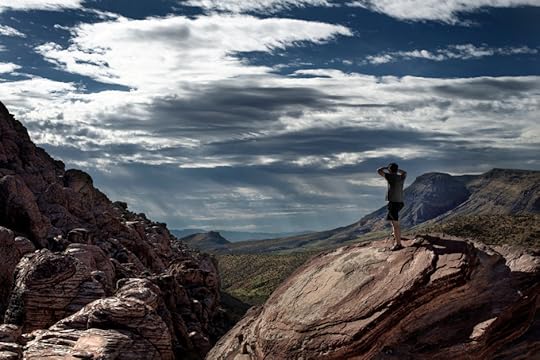
Photo: Jesus Solana
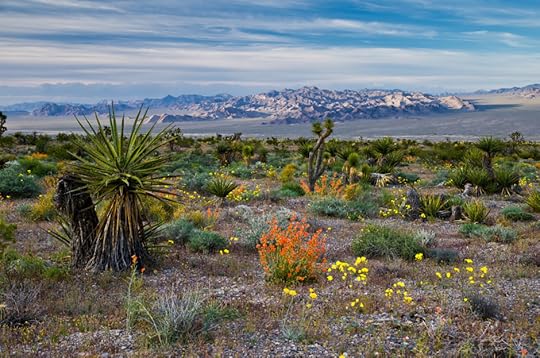
Photo: BLM Nevada
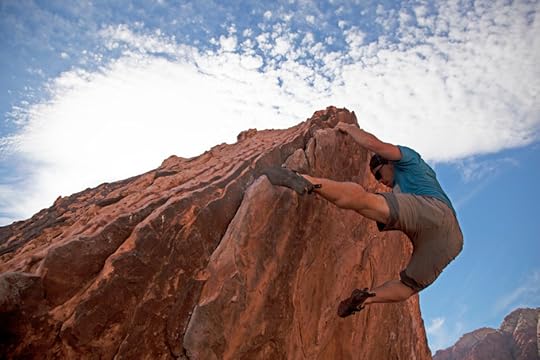
Photo courtesy of TravelNevada
The sandstone playground that is Red Rock Canyon National Conservation Area is located a ridiculously short 17 miles due west of downtown Las Vegas, and is actually visible from the Strip. A unique slice of the Mojave Desert, Red Rock features 3,000ft cliffs that provide incredible climbing routes, 30+ miles of hiking trails, road and mountain biking opportunities, a scenic loop drive, and camping options…all less than 30 minutes outside of Vegas.
2. Black Rock Desert
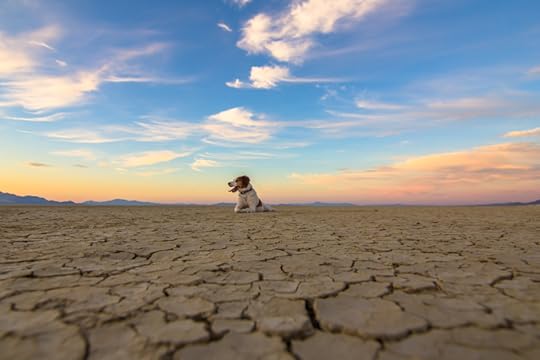
Photo: Trevor Bexon

Photo: Steve Jurvetson
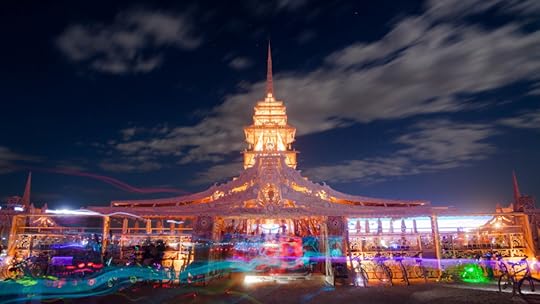
Photo: Ian Norman
The awkwardly named Black Rock Desert-High Rock Canyon Emigrant Trails National Conservation Area actually encompasses 380,000 acres of mountains, canyons, hot springs, and wilderness trails, but it’s the vast alkali flats — or playa — that gets most of the attention, thanks to the inspiring ways in which we interact with it. This is where people come to launch homemade rockets, race landsailing craft, and, for one week each summer, construct and inhabit the creative-living community that is Burning Man.
3. Lake Tahoe
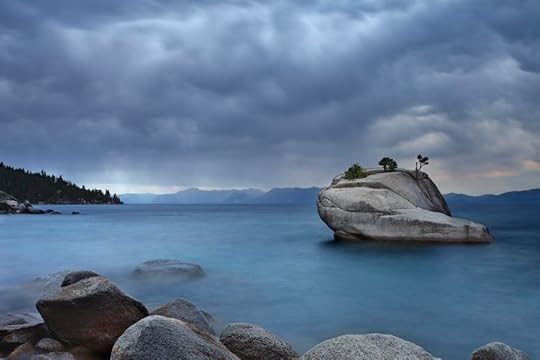
Photo: the_tahoe_guy
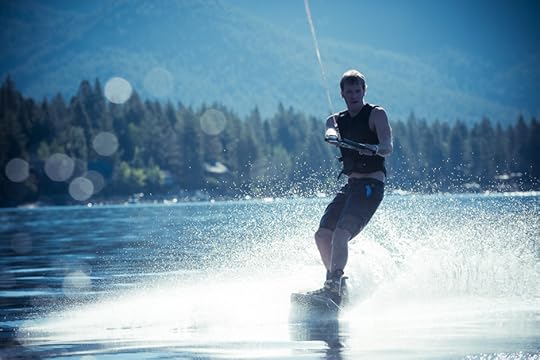
Photo: Sean O’Shaughnessy
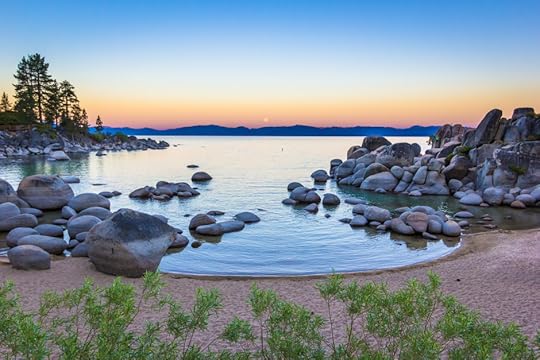
Photo: Trevor Bexon
North America’s largest alpine lake stretches for 22 miles along the Nevada-California border and is actually the largest US lake by volume after the Great Lakes. It’s ringed by ski resorts, postcard mountain peaks, and both resort and local communities. Here are just a few places you should check out, in the order shown above: Bonsai Rock, Crystal Bay, and Sand Harbor.
4. Great Basin
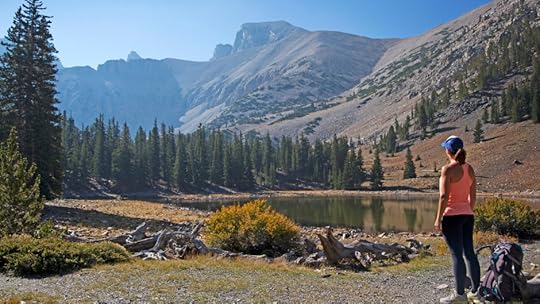
Photo courtesy of TravelNevada
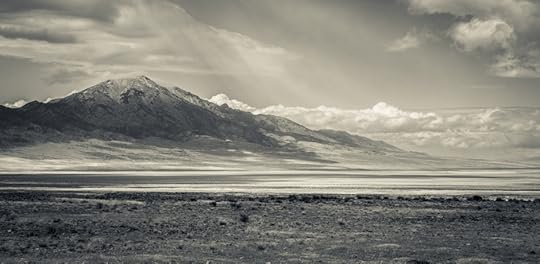
Photo: Andrew Smith

Photo: NPCA Photos
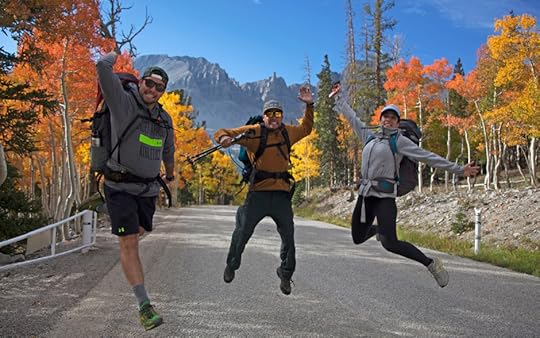
Photo courtesy of TravelNevada
The Great Basin is a massive geographic region of the American West that covers the majority of Nevada, as well as significant chunks of neighboring states. But for those traveling to Nevada, there’s one section in particular that should be of interest: Great Basin National Park, located on the state’s eastern border. The park protects the high peaks of the Snake Range and their alpine lakes and creeks (great for fishing), extensive underground passages of the Lehman Cave System, stands of ancient bristlecone pine (oldest known organisms on the planet), and some of the best stargazing skies in the nation. The gateway towns of Baker and Ely give you access to this spectacular place.
5. Little Finland
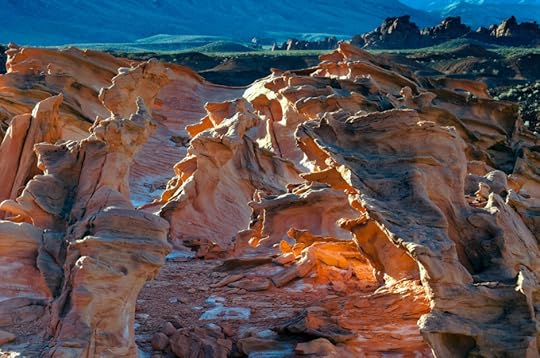
Photo: John Fowler
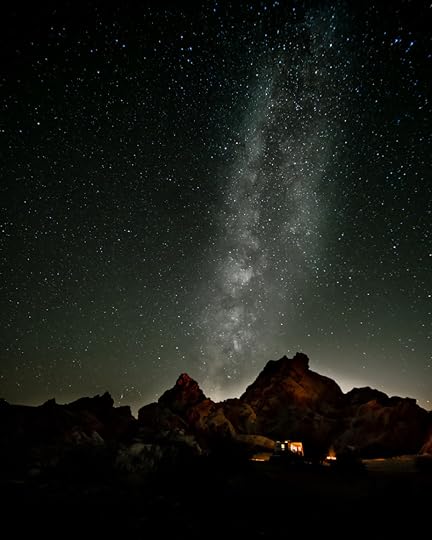
Photo: BLM Nevada
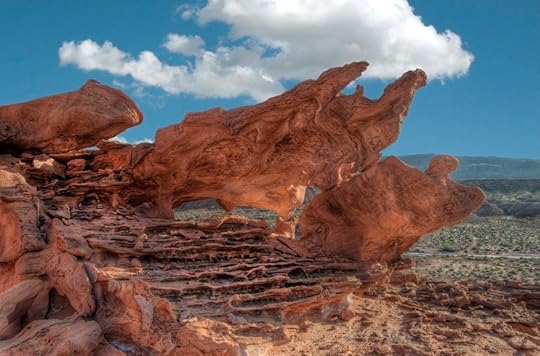
Photo: John Fowler
The oddities and diversity of sandstone geology are on full display in the remote pocket of southeastern Nevada that sits between the northern arm of Lake Mead and the Utah border. One such area is known as Little Finland (named for a rock feature called a “fin,” not the Nordic country), a natural sculpture gallery showcasing the versatility of the red Navajo sandstone. Find it south of Mesquite via the BLM’s Gold Butte Backcountry Byway, near the ghost town of Gold Butte.
6. Central Nevada ranges and valleys
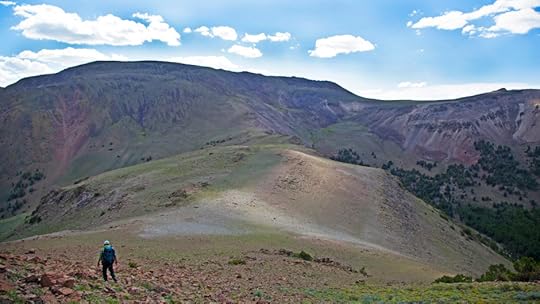
Photo courtesy of TravelNevada
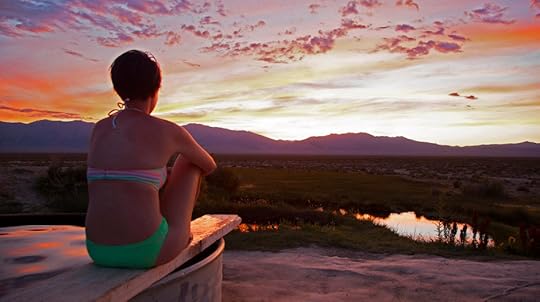
Photo courtesy of TravelNevada
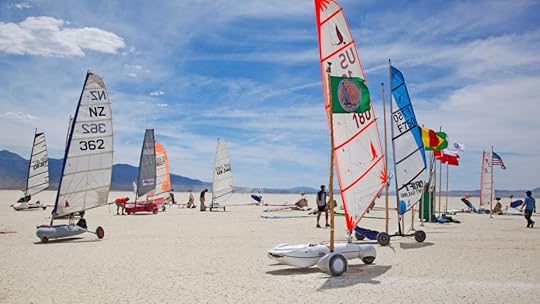
Photo courtesy of TravelNevada
If you pull up a terrain map of Nevada, you’ll see the state is dominated by 150+ distinct mountain ranges separated by low desert valleys and the remnants of ancient inland seas. For the best thumbnail of this geographic phenomenon, look to the state’s central region where the Toiyabe, Toquima, and Monitor Ranges rise. The subsequent diversity of landscapes — and associated adventure opportunities — is staggering. Within a matter of miles you can go from the high peaks of the Alta Toquima Wilderness, to the desert flats of the Smith Creek Playa (site of the 2014 Landsailing World Championship), to geologic features such as Spencer Hot Springs. Find it all in the backyard of the cool little town of Austin.
7. Pyramid Lake
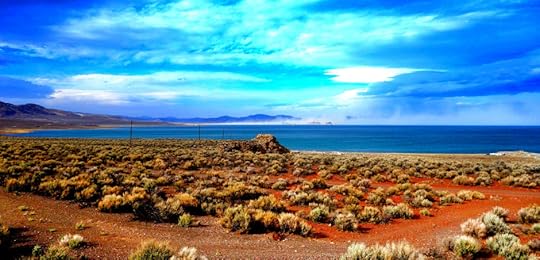
Photo: RodMob Fishing Podcast
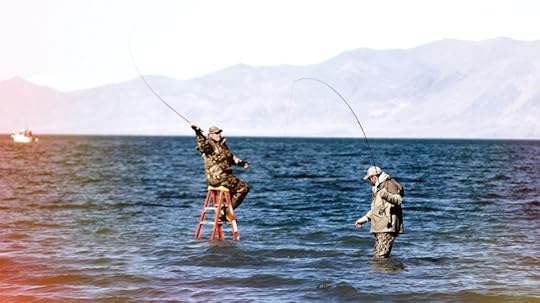
Photo: RodMob Fishing Podcast
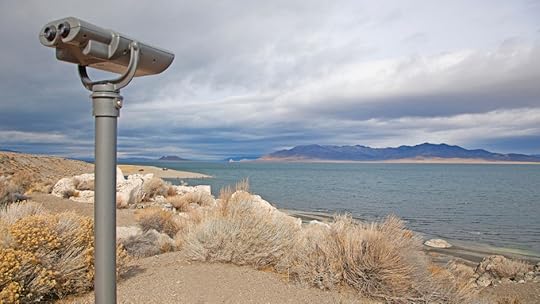
Photo courtesy of TravelNevada
From Lake Tahoe, the Truckee River flows through downtown Reno and then, after tracing I-80 east for a ways, cuts north to empty into Pyramid Lake. The most sizable remnant of the ancient Lake Lahontan, Pyramid Lake is today most important for its role in helping to preserve different subspecies of cutthroat trout, including the Lahontan. This attribute puts the lake on the map for some of the best trout fishing anywhere — the world record cutthroat was caught here.
8. Spring Mountain Ranch
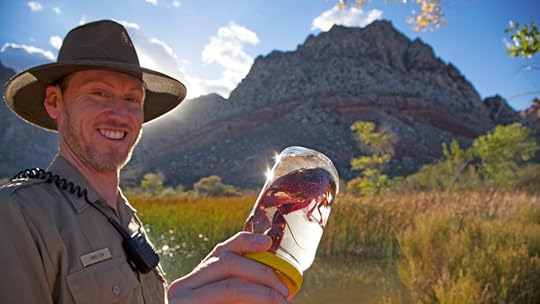
Photo courtesy of TravelNevada
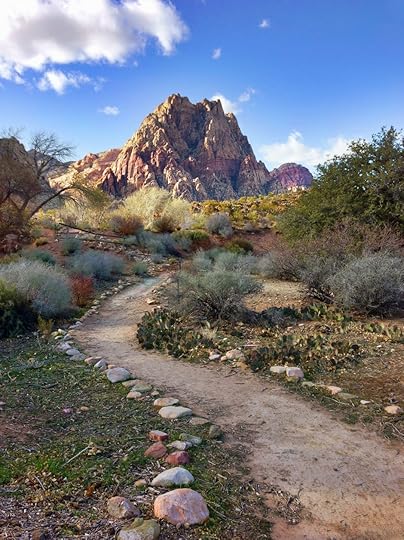
Photo: O Palsson
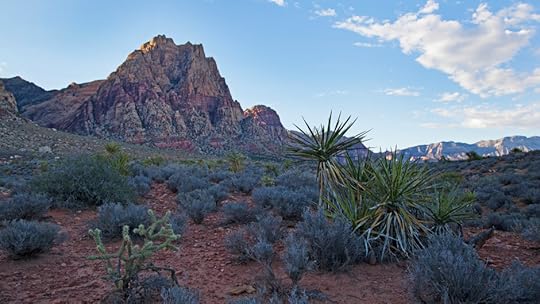
Photo courtesy of TravelNevada
In 1876, Spring Mountain Ranch (then called Sandstone Ranch) was established in Cottonwood Valley, an oasis created by a spring-fed creek 15 miles west of Las Vegas. Today, you can visit the historic site as part of Spring Mountain Ranch State Park, which itself is contained within Red Rock Canyon National Conservation Area. Hike, explore the ranch’s connection to the Golden Age of Hollywood, and attend a summer theater performance — again, all just a quick drive from the Strip.
9. Valley of Fire
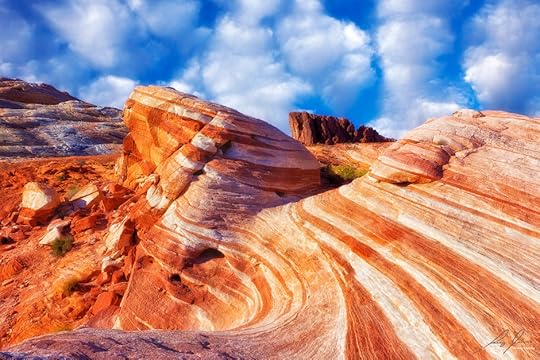
Photo: cjarv2010
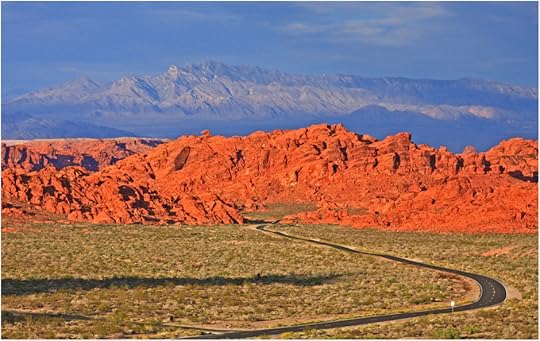
Photo: Don Graham
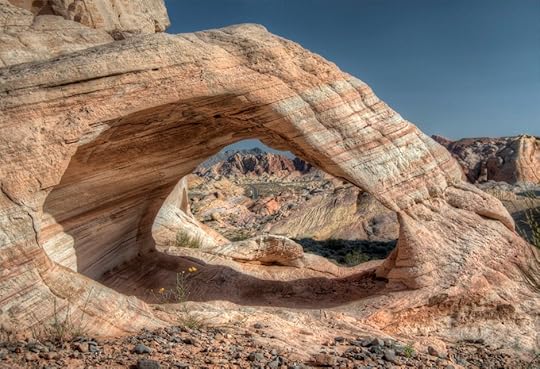
Photo: John Fowler
Travel out of Vegas in the other direction for about an hour and you’ll find Valley of Fire State Park, adjacent to the northern reaches of Lake Mead. Multicolored swirls of rock, fiery red cliffs, and arches and other spectacular eroded features mark this state park with hiking, camping, and picnic facilities. Temperatures get can pretty steamy in summer, but a visit to Valley of Fire in the cooler months is one excellent reason to hit Las Vegas in winter.
10. Lake Mead
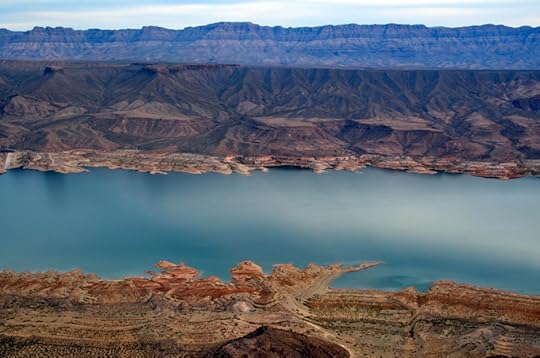
Photo: Xiquinho Silva
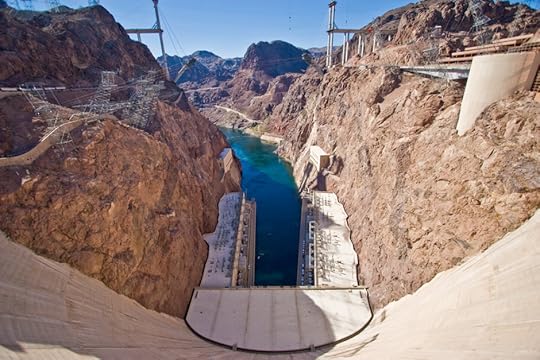
Photo courtesy of TravelNevada
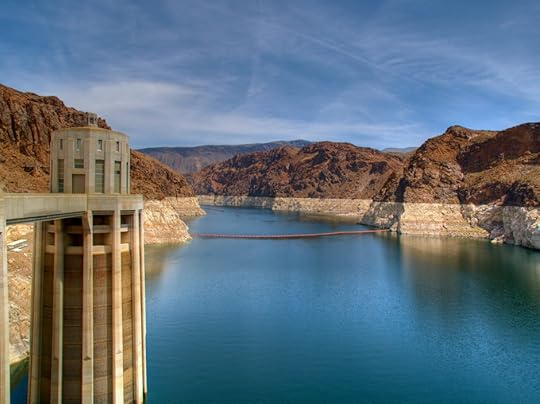
Photo: Andrew Parnell
In 1936, the completion of the Hoover Dam in the Black Canyon of the Colorado River created Lake Mead, the largest-capacity reservoir in the US. Today it’s the centerpiece of Lake Mead National Recreation Area, which includes the smaller Lake Mohave to the south and features miles of scenic desert hiking and camping in addition to pretty much whatever type of water recreation you’re looking for. The Hoover Dam is a destination in itself, just a couple minutes east of Boulder City (and 40 minutes outside of Vegas) on US-93.
11. Cathedral Gorge
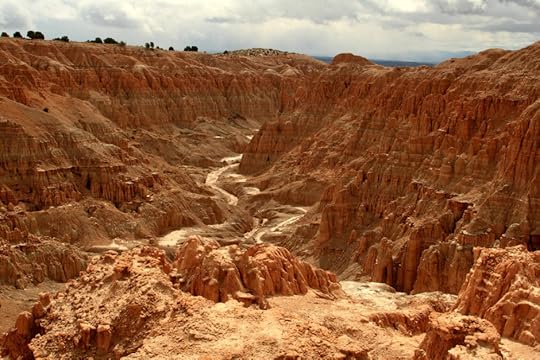
Photo: Frank Kovalchek
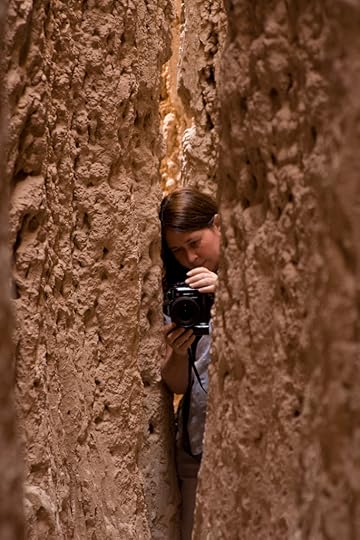
Photo: Jeff
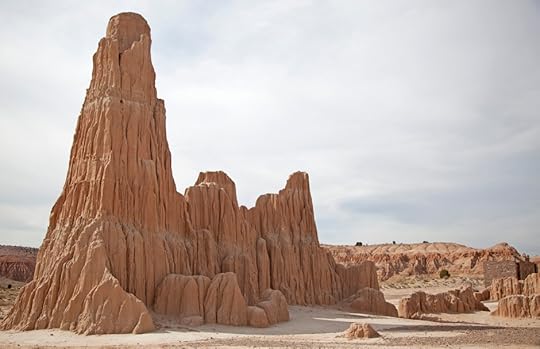
Photo courtesy of TravelNevada
Leave the state’s signature sandstone behind and check out a different type of geological formation in Cathedral Gorge State Park, in central-eastern Nevada between the towns of Panaca and Pioche on US-93. Here, deposits of soft clay that once formed a freshwater lakebed have eroded into countless spires, columns, and gullies. Camp overnight at the 22-site campground, and hike up to the Miller Point overlook for a panorama of this unique Nevada landscape.
12. Ruby Mountains
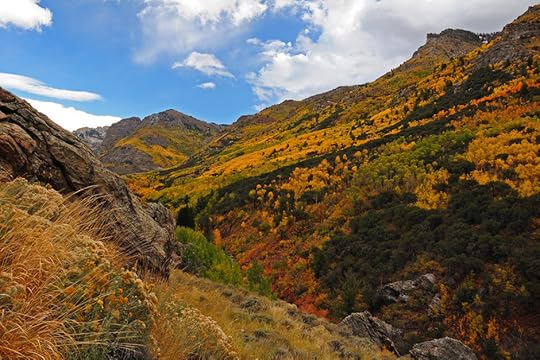
Photo: U.S. Department of Agriculture
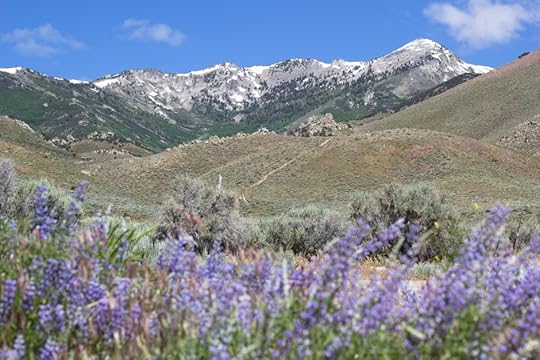
Photo: Trevor Bexon
One of the state’s most prominent high desert ranges, the Rubies stretch for 80 miles near the northeastern corner of the state, immediately south of I-80 and the towns of Elko and Wells. In winter, 100+ inches of average snowfall make for some truly excellent backcountry skiing — check out Terminal Cancer, a 1,800ft couloir that stays between 12 and 20 feet wide for its entire length. If you’re traveling without a snowmobile, best turn to the guides at Ruby Mountains Heli-Experience to get you where you want to go. In summer, there’s paved-road access to trailheads via the Lamoille Canyon Scenic Byway (FR-660 out of Lamoille).
13. Las Vegas
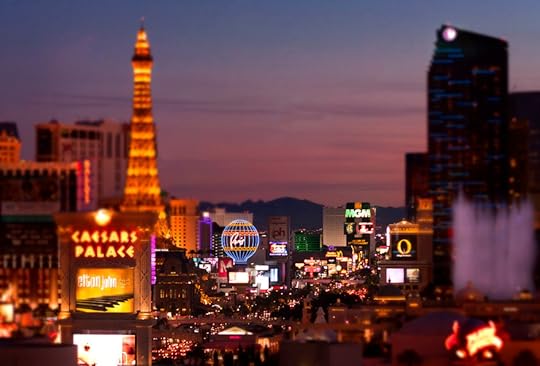
Photo: Joseph De Palma
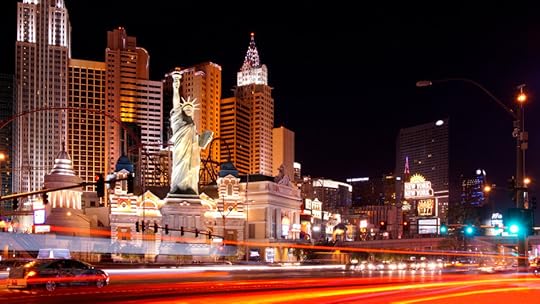
Photo: PiConsti
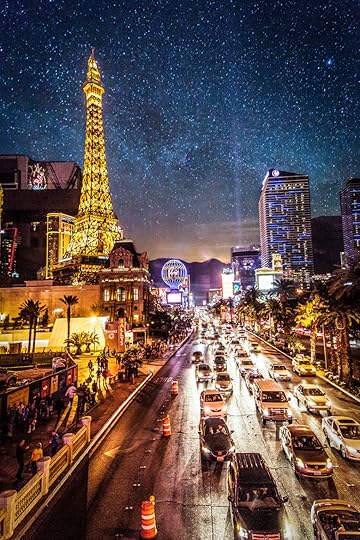
Photo: Andrés Nieto Porras
Regardless of what you think of the Vegas Strip in comparison to the other entries on this list, you can’t argue this: It is one epic landscape, and one that defines the modern state of Nevada. The natural and the artificial, the awesomely remote and the exorbitantly hedonistic, side by side in the Silver State.

This post is proudly produced in partnership with our friends at TravelNevada.

10 best countries for expats
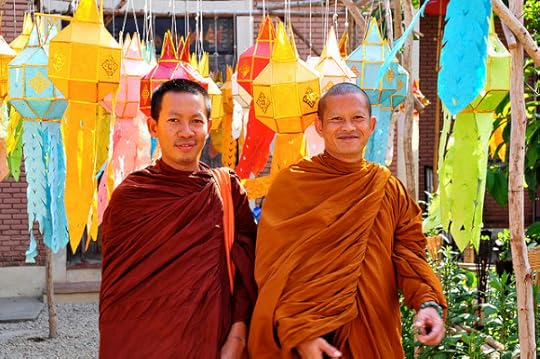
Photo: Henrik Berger Jørgensen
Over the last year, we’ve seen several ‘best places for expat living’ type lists. More often than not, these have been based on HSBC’s Expat Explorer study (e.g. WSJ, Business Insider, HuffPo). Rather predictably for a bank, it seems to value economic strength extremely highly: Switzerland, Singapore, China, Germany, and Bahrain take the top five places in its overall list.
Now we’re not saying that these countries aren’t full of colour, flavour, passion, and soul but they’re not the first ones that come to mind when you think of the je ne sais quoi that attracts creative people and fosters a thriving community. And, so, we turned to Nomad List, a super-informative, crowdsourced list of the best and worst places in which to live and work remotely.
It’s not foolproof (Thailand with its hard-partying, beer-swilling reputation has no fewer than four cities in the top 10) but it is a better indicator for backpackers that want to settle somewhere other than home. The list uses a number of factors in its ratings including cost of living, weather, safety, size of expat community and internet speed — an important factor for remote workers. It gives extra weighting to financial considerations but this is more can-I-afford-some-beans-on-toast than can-we-usurp-the-USA.
And, so, without further preamble, here are the top 10 countries for expat living and working.
1. Thailand
City: Chiang Mai
Cost of living (pm): $641 USD
Temperature: 28°c
Internet speed: 20mbps
Also on Thailand’s list: Bangkok ($1,353), Phuket ($995) and Pai ($1,007)
Thailand ranks highly due to its extremely low cost of living and beautiful weather. It is a secular country that is friendly toward foreigners, making it an attractive option for expats. Chiang Mai (pictured at top) is the fifth largest city in Thailand with a population of 170,000. That said, it is much greener and quieter than Bangkok and is located on a plain at 316m, surrounded by mountains and lush countryside.
2. Czech Republic

Photo: Miroslav Petrasko
City: Prague
Cost of living (pm): $1,133 USD
Temperature: 5°c
Internet speed: 40mbps
We’re not convinced that a temperature of 5°C makes for good living, but Prague is said to be one of Europe’s most charming cities. With cobbled alleyways, walled courtyards, intricate cathedrals, and imposing spires, the city has an old-world romantic feel complemented by modern art, culture, music, and energy.
3. Indonesia

Photo: Mariska Richters
City: Ubud in Bali
Cost of living (pm): $1,145 USD
Temperature: 30°c
Internet speed: 5mbps
Ubud is a charming town, far from Bali’s Kuta where drunken trysts and ill-advised antics abound. A collection of 14 villages, Ubud is an arts-and-crafts hub, brimming with workshops and galleries. Its infrastructure is starting to struggle with the number of visitors but locals continue to welcome new additions with friendly smiles and open arms.
4. South Korea

Photo: CheWei Chang
City: Jeju Island
Cost of living (pm): $1,903 USD
Temperature: 8°c
Internet speed: 60mbps
Jeju is an island off the southern coast of South Korea. Named “the Hawaii of Korea,” it is a popular honeymoon destination for both Koreans and tourists alike. Dominated by Halla-san, a volcano that stands at 1,950 metres, Jeju has a dramatic landscape perfect for hiking.
5. Rwanda
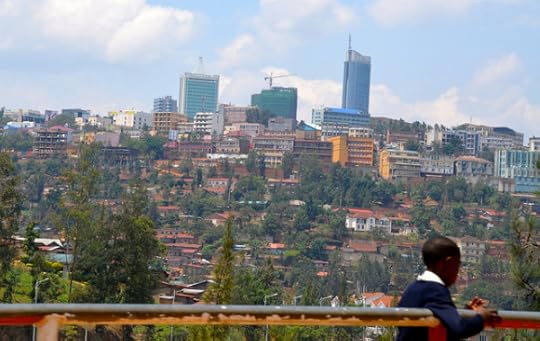
Photo: Lori Howe
City: Kigali
Cost of living (pm): $1,537 USD
Temperature: 24°c
Internet speed: 10mbps
Kigali is developing fast and is said to be a “showpiece capital” designed to impress tourists, investors, and dignitaries. It is a clean and comfortable city, home to a large expat community of NGO volunteers and young church workers. Modern conveniences like coffee shops and restaurants abound. Perhaps the only criticism of it is that it makes you forget you’re in Africa.
6. Philippines
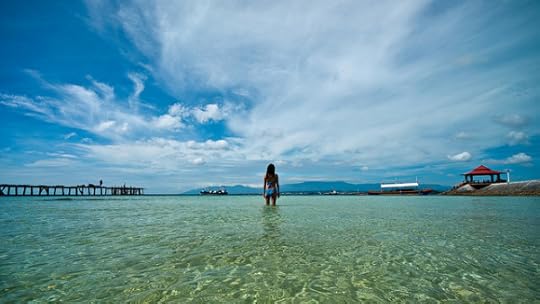
Photo: Cj Jimenez
City: Davao
Cost of living (pm): $1,023 USD
Temperature: 32°c
Internet speed: 5mbps
Davao is the Philippines’ fourth most populous city, known for activities like wild river rafting, river tubing, wakeboarding, and mountain trekking. Unfortunately, at the time of writing, many governments including that of the UK, US, and Australia discourage any travel to the area due to terrorist threat.
7. Malaysia
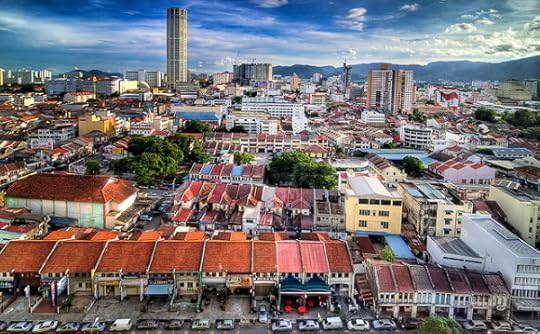
Photo: Marcus Tan
City: Penang
Cost of living (pm): $1,023 USD
Temperature: 27°c
Internet speed: 5mbps
Also on Malaysia’s list: Kuala Lumpur ($1,157)
Penang is an island off the northwestern coast of Malaysia. It is known for its rich multicultural history which takes in Malay, Chinese, Indian, and European influences. Although its beaches aren’t as stunning as others in Malaysia, it is known as the “food paradise” of Malaysia, which goes a long way to balancing out its disadvantage.
8. Cambodia
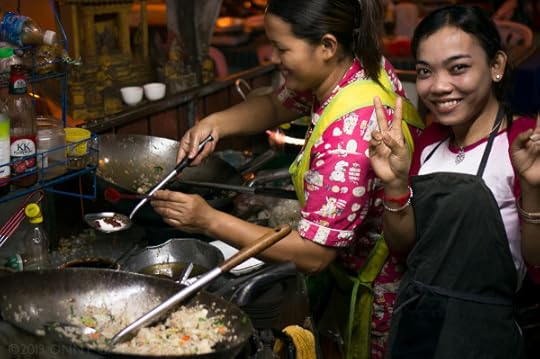
Photo: killerturnip
City: Siem Reap
Cost of living (pm): $1,040 USD
Temperature: 31°c
Internet speed: 5mbps
Siem Reap is Cambodia’s biggest tourist stop due to its world-renowned Angkor temples. Despite the throngs, it maintains a laidback attitude and offers a good compromise between local Cambodian life and modern conveniences. Plus, being a stone’s throw away from Angkor can’t be a bad thing.
9. Taiwan
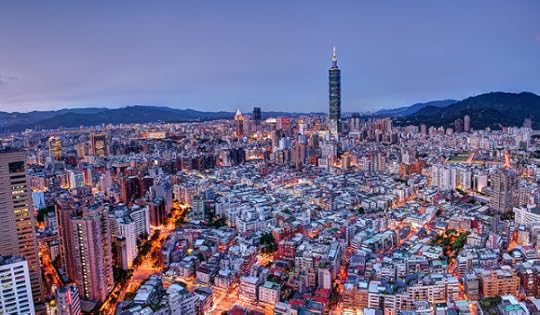
Photo: Dave Wilson
City: Taipei
Cost of living (pm): $2,096
Temperature: 15°c
Internet speed: 40mbps
One of the more expensive cities in the top 10, Taipei’s inclusion on the list is a testament to its rich history and contemporary allure. A mixture of Chinese, Japanese and Western influences, it boasts vibrant energy, fantastic food, and lots of free wifi.
10. Portugal
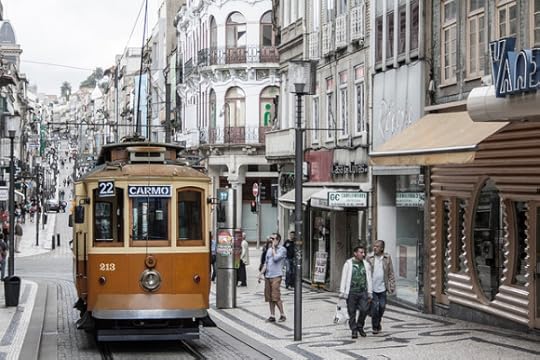
Photo: Filip Knežić
City: Porto
Cost of living (pm): $2,562
Temperature: 23°c
Internet speed: 30mbps
Porto on Nomad List
Porto is one of the oldest European settlements, dating back centuries to when it was an outpost of the Roman Empire. In 1996, its historical core was proclaimed a World Heritage Site by UNESCO. Today, it is a city of two halves: medieval architecture sits alongside modern city living atop its extremely hilly landscape. With its mild climate and peaceful atmosphere, it’s a perfect place for the backpacker no longer interested in wild parties and excess alcohol.
This article originally appeared on Atlas & Boots — Travel with Abandon and is republished here with permission.
Hungry Gaza starts urban gardening
Urban aquaponic farms have the potential to curb food insecurity in the Gaza Strip, experts say. See how it all works below.
All photos by Rebecca Collard, GlobalPost.
This article is syndicated from GlobalPost.
1
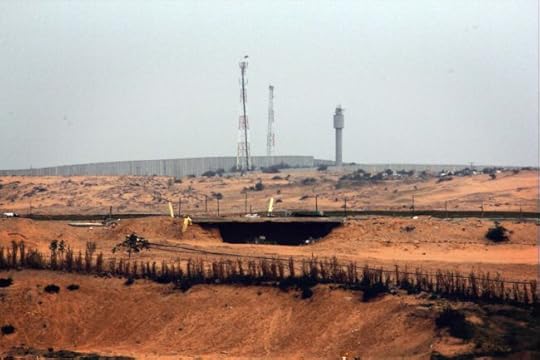
The buffer zone along the wall that separates the Gaza Strip from Israel. Israeli troops enforce the zone with live fire to thwart militant attacks, but much of Gaza's farmland is in this area along the border.

2
Abu Ahmed pulls lettuce from his rooftop aquaponic farm in the Daraj area of Gaza City. He uses this small, urban space to grow tomatoes, parsley, red cabbage and onions, all of which feed his family. He belongs to a long generation of farmers who tilled the land in a village now located in present-day Israel.
3
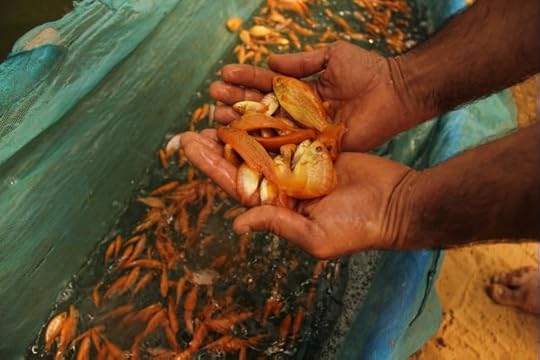
A fish farmer in Beit Lahia in the northern Gaza Strip scoops Red Tilapia fingerlings (baby fish) from a pool at his fish hatchery, and which provides fingerlings to most of Gaza's urban farms. There, the fish pools provide the nutrient-rich water that help both save scarce water resources and produce high-quality protein for the urban crops without chemical fertilizers or pesticides.
Intermission
186
12 differences between a normal friend and a Spanish friend
by Ana Bulnes
1
What every American should know about the Middle East
by Joshywashington
Inside Charlie Hebdo: The Paris attack targeted paper that mocked fundamentalists
by Paul Ames

4
Iyad Deeb Al-Attar feeds fish in outdoor pool at his fish hatchery in Beit Lahia in the northern Gaza Strip in March 2011. Al-Attar raises six species of fingerlings (baby fish) which he sells to a dozen Gaza fish farms. Gaza is cut off from much of its farmland and also its coastline, hemmed in by an Israeli blockade.
5
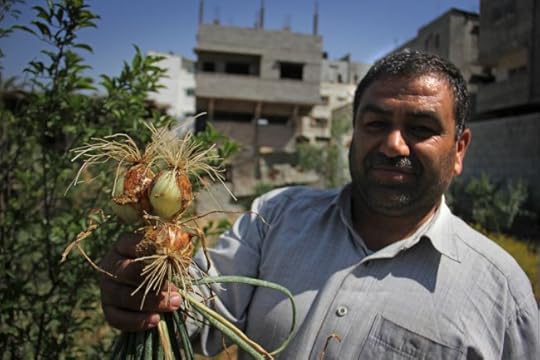
Abu Mahmoud pulls onions from his urban farm in the Zeitoun area east of Gaza City. For years, he worked in construction in Israel, but during the Second Intifada, he and thousands of Gazans lost their jobs when Israel shut the border. Now, he produces enough onions, sweet fennel, beans, tomatoes and other vegetables to feed the 11 members of his family.

6
A man in Gaza City tends to chickens who produce eggs for him and his family. The Cooperative Housing Foundation, a US non-profit, provide Gazan families with chickens or rabbits to help them produce their own protein source at home. The United Nations says more than half of Gaza's 1.7 million people are food insecure.

7
Abu Ahmed's rooftop garden in the Daraj area of Gaza City. An Israeli-imposed buffer zone eats up much of the territory's farmland, but the urban population is growing. At least half of Gaza's 1.7 million people are food insecure, according to the United Nations.
8
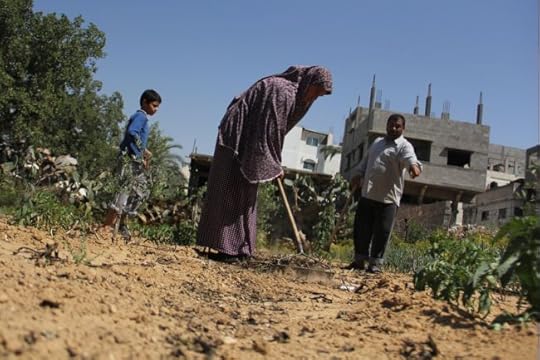
Abu Mahmoud, his wife and son are receiving urban farming assistance from the Cooperative Housing Foundation (CHF), a US organization that provides food aid and housing assistance to Gazans. Rows of organic sweet fennel, beans and tomatoes fill the space the family once used as a garbage dump in the Zeitoun neighborhood east of Gaza City.
9
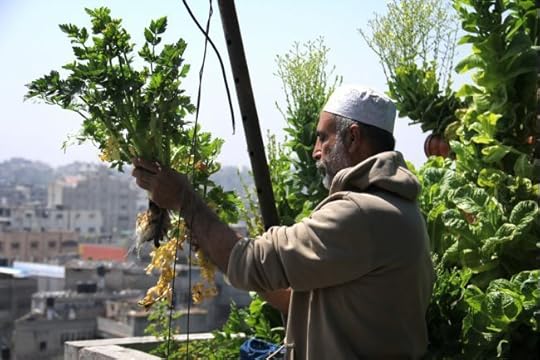
Abu Ahmed's rooftop garden in the Daraj area of Gaza City. With no land to farm, and only sporadic employment, Abu Ahmed had been struggling to feed his family. But now, he uses his roof to grow tomatoes, parsley, red cabbage and onions, all of which feed his family and creates a lush green space overlooking the otherwise drab cityscape.
What German friends are like
Photo by NeilGHamilton
1.
A normal friend wants to immediately hear your entire history.
A German friend wants to look at you suspiciously then slowly get to know you.
Germans are not open books. They can initially come off as a little humorless and somewhat suspicious, particularly to overly gregarious Americans. My main take-away regarding the people I met during my first few months in Germany was that these people are not willing to “play along” — if they don’t like something, they’re going to let you know, bluntly and immediately.
As I got to know some of my coworkers better, my impression changed radically. After I took the time to get to know people slowly, I learned that the friendship was worth the wait.
A few liters of pils also helps this process along.
2.
A normal friend will say they like your outfit when they really don’t.
A German friend will tell you that what you’re wearing looks like shit.
Bluntness has its place. If you’re waffling about whether or not to try and bring back the dresses-over-jeans look, ask a close German friend for their opinion.
3.
A normal friend will brag about their extended weekend at an all-inclusive resort in the Bahamas.
A German friend will take off for vacation and you won’t see or talk to them for a month.
I flew standby out of Germany on August 1st once, and it was a huge mistake. Everyone was off for a month of vacation, and all the flights were booked solid for days. In Germany, people cherish traveling with family and friends. They actually use their vacation benefits and return to work weeks later energized from it.
In the US, perpetual, very vocal “busyness” is a way of life, leading most people to fret over taking even a week off.
More like this: 19 signs you learned to drink in Germany
4.
A normal friend will lend you their latest diet book.
A German friend will talk to you about the American obesity crisis with a cigarette in one hand.
Germans and Americans have very different ideas about health. Americans, particularly those in the northeast and west, tend to abhor cigarettes, while smoking is much more accepted in Germany. Americans eat more and poorer-quality food and get much less exercise than Germans, and regulations on soda sizes and trans fats are hotly debated as limitations on personal freedom.
These cultural proclivities shape views about healthy lifestyles in interesting, mutually biased ways. American health outcomes are pretty universally terrible compared to the rest of the developed world, so maybe there’s something to the German attitude.
5.
A normal friend will wish you a quick happy birthday on Facebook.
A German friend will be expecting a cake — from you on your birthday.
On my 24th birthday in Leipzig, I was scrambling to finish up some final lab work before I left for Ethiopia for two months. I knew from observing other people’s birthdays that it was my responsibility to bring a cake for my coworkers, but in my haste to wrap up work, I had completely forgotten. I barricaded myself in the windowless DNA extraction room all day, hoping to fly under the radar.
In the late morning, I heard some rustling at the door and turned to see my coworker’s head peeping in.
“Today is your birthday?” she asked.
“Yes,” I reluctantly admitted.
“Happy birthday! When shall we meet for cake?”
I paused. “I’m really busy today, could we maybe do it another time?”
She looked at me blankly.
After another long, uncomfortable pause, I capitulated. “Okay, two hours?” I asked.
“Sure — see you in the kitchen. I’ll bring tea.”
Two hours later, I was sprinting up the walkway to my building with a hastily purchased cake in my arms, sweating and cursing the whole way. German cakes are damn good, though, and getting to cash in on all the other birthday cakes throughout the year was pretty awesome.
6.
A normal friend won’t think it’s weird if you don’t want to have kids.
A German friend might ask you: “Why not?”
When I was back in the US, I had a German co-worker who was expecting a child. She and her husband were both genetics researchers, but their salaries were not nearly enough to live off of in Boston, and so they were returning home soon after the baby was born.
“Do you want to have kids?” she asked, patting her stomach.
“Uh, I don’t know. I’ll be about 36 when I’m done with med school and residency, so probably not.”
It blew her mind that these details entered into the equation, particularly for women — that, in order to pursue education and a career, family was often put off indefinitely.
In Germany, parents are very well supported in their efforts to start families. Many women that I worked with in Leipzig took well over a year off work during their baby’s early life, and their company simply hired a temporary worker until the mother decided to return to work.
This story was produced through the travel journalism programs at MatadorU. Learn More
7.
A normal friend just wants to watch television alone in bed on a winter’s day.
A German friend wants to sit with you at an outdoor café.
Winters in Leipzig are similar to those in Boston — cold, snowy, and by February, pretty bleak. In Leipzig, however, the bad weather is made a little more bearable by outdoor activities.
Restaurants keep their outdoor areas open as long as possible and use heaters and blankets to entice customers outside. From roughly November to January, you can find a Weihnachtsmarkt in most cities. At these winter markets, people can sip Glühwein (mulled wine), eat Lebkuchen (gingerbread cookies) and Bratwurst, and buy handmade gifts at the stalls.
It sure beats my method of surviving winter back home: stuffing myself into a onesie and watching Netflix in bed until April.
8.
A normal friend won’t go anywhere without looking at its Yelp reviews.
A German friend knows that the best parties happen in unlikely places.
I was pretty skeptical about many things when I first moved to Leipzig, and the nightlife was no exception. The first “club” I went to was called the Staubsauger, which translates to “vacuum” in German. The tiny, dim room housed a small bar and a couple of video games, at which a few angsty-looking youths lounged apathetically.
“I thought we were going out dancing,” I muttered to my friends as I distastefully scanned the room.
“Oh, the dance floor is down here,” my friend said, gesturing to a small door at the back. We opened it and climbed down rickety stairs to a tiny, windowless concrete basement. The DJ was setting up atop an unfinished plywood loft, and a few grimy couches slumped underneath the structure.
“This looks like my grandmother’s basement,” I muttered, sinking into one of the couches.
Over the next half hour, the dank, empty little room filled with people, the dimming lights camouflaged the concrete and shitty furniture, and the music began to pulse through the small, acoustically ideal space. From that night on, the Staubi became my group of friends’ go-to bar.
9.
A normal friend will get uncomfortable when someone’s naked.
A German friend will tell you to stop clutching your pearls about everything.
There’s an odd overlap of puritanism and hedonism in the US — a drinking age of 21 juxtaposed with a massive binge drinking culture, panic over nudity coupled with overtly sexual advertisements inundating every form of media, harsh judgment of parents who have kids out of wedlock existing uneasily with high teen pregnancy and divorce rates.
I find German straightforwardness about these issues to be refreshing. Many events in Germany involved both beer and families, including small children. Naked bodies are neither deified nor shamed. If parents want to have kids, they choose when and how.
10.
A normal friend will assume they’re the one who’s normal.
A German friend will tell you to take your “American exceptionalism” attitude down a notch.
When I picture an old friend from Germany reading this, I know that the first thing out of their mouth would be, “What the fuck is a normal friend?”
Americans tend to be an egocentric bunch, and our focus on our own importance can lead us to default to our own culture a universal point of reference. But the more we travel and meet new people, the more we learn how big the world is. America certainly does not equal normal, because there is no such thing. And that’s a beautiful thing.
12 signs you're South African

Photo by remythequill
1. You frequently use and understand the meaning of “just now” and “now now.”
You know “I’m coming just now” means expect me when you see me. This can be anything from 5 minutes to a couple of hours from now.
“Dinner will be ready now now.” Translated this means you should have a snack in the meantime before you pass out from hunger. Why do we say now twice? We have no idea…
2. Friend or foe is addressed as ‘brother’ using the terms bro, bra, bru, or broe.
“My Bru, I must tell you what happened last night!”
“Bra, if you do that one more time I’m gonna kick your teeth in.”
3. You don’t speak any of the African languages, but aikona, hayibo, and hawu are part of your daily vocabulary.
They’re our way of expressing shock, surprise, indignation, or simply just WTF?!
4. You braai at least once a week.
You just have to. It’s like brushing your teeth. Every boy is taught to braai from the time he is allowed to play with fire. It’s a fine art with many layers to it, starting with building the perfect fire and making sure the temperature of the coals is just right before placing the meat. Relentless taunting, social shame, and disgrace await you should your meat be overdone, dry, or charred. Many girls braai too, but we at least have the option to just sit back and enjoy the outputs of the oh-so-masculine “braai masters.”
5. You’ve heard of / seen the following bands / artists: Fokopolsiekar, Snotkop, Johannes Kerkorrel, Cheezkop, and Bongo Muffin.
Translated:
Fokofpolisiekar: F* off Police Car
Snotkop: Mucus Head
Johannes Kerkorrel: John Church Organ
Cheezkop: Cheese Head
6. You know someone named Patience, Innocence, Wisdom, Charity, Happiness, Goodwill…
In traditional languages (9 official traditional African languages in SA), names bestowed usually mean something. If you don’t speak the language, these names can be hard / impossible to pronounce or spell. To facilitate communication, they are generally directly translated into English.
More like this: 11 signs you learned to drink in Cape Town
7. Your teacher was crazy.
One of my high school teachers was a very prim and proper English lady. She was always perfectly groomed and her hair was perfectly coiffed. She only ever wore pastel blue with white stockings and laid down the rule that we were NEVER to bring anything orange in colour into the classroom.
Another teacher, as perfectly groomed and meticulous, told us daily that she would kill us. Literally, her words as she looked you dead in the eye, were spoken seriously, softly, clearly and slowly: “I WILL KILL YOU.” We loved them dearly!
8. You blow the vuvuzela.
We love soccer and are highly patriotic, but Bafana Bafana hardly ever win. So we devised an instrument to drown out the victory cries of the opposing team’s supporters and irritate them to high hell at the same time. It’s as good as a win in our books.
9. You know the festive season has begun when Boney M and “Last Christmas” by Wham blares from every radio station.
These are our Christmas anthems. Mariah Carey’s “All I want for Christmas” is also featured on every DJ’s playlist, but Boney M and George Michael reign supreme. They are rarely played during the rest of the year, but come Christmas, your life is incomplete until you’ve heard those songs.
This story was produced through the travel journalism programs at MatadorU. Learn More
10. You’re a born storyteller and communicate that way.
Particularly in the rural areas, people tend to converse animatedly and in metaphors.
Overheard: As a particularly gossipy hairdresser was trying to regale an unappreciative, captive client with the latest town scandal, the client politely responded that the things on the sides of her head were not garbage cans and were not to be filled with rubbish.
11. You know the Boogey Man ain’t got nothing on the Tokoloshe.
Say someone dislikes you intensely. They can go to their local Sangoma (healer / witchdoctor) and have them put a Tokoloshe on you. The Tokoloshe is an evil little creature who becomes invisible by drinking water. He is wicked and plays nasty pranks to scare you, irritate you, and generally ruin your life. He can also cause illness and death depending on his mandate from the Sangoma.
Examples:
You’ll be in bed at night and hear footsteps running across the roof. That’s the Tokoloshe.
You’ll wake up in the middle of the night and all the lights in the house will be on. That’s the Tokoloshe.
Your car breaks down. You get pneumonia. You know what it is…
12. When the clouds (tablecloth) roll over Table Mountain, you know it’s Van Hunks and the Devil still at it.
Jan van Hunks was a retired pirate who settled in the Cape in the 1700s. He fancied himself as and boasted about being the best smoker around. One day a mysterious stranger challenged him to a smoking contest on Table Mountain which went on for days. The ensuing smoke covered the mountain like a tablecloth. Turns out the mysterious stranger was the Devil himself. Van Hunks won the initial contest, and with the Devil being a sore loser and all, he forced a re-match…for all eternity.
Matador Network's Blog

- Matador Network's profile
- 6 followers

