
Winn Collier's Blog, page 55
April 27, 2011
Easter Light
We have stepped into the bright land of Resurrection. Whether we feel it or not, Resurrection has come. Easter is not our annual occasion for turning a naive eye away from the truth, all the while humming and smiling and refusing to stare reality in the face. Easter is the season where we yield to the Story that begins to make sense of all this madness, all this glory, all these dreams and disappointments that are forever colliding, forever giving us existential whiplash.
Easter doesn't deny death or ruin. Easter says that death is so powerful, such an enemy, that God entered the fray. God still enters the fray. Easter tells us there is reason for joy. Easter reminds us that while we certainly have reasons for tears, we also have much reason for laughter. Easter insists that we refuse despair, we kick cynicism to the curb, we pick up our saggy bones and dance.
With Easter, we have an invitation to come out into the bright light, to believe that the God who raised Jesus from the dead can (and will) raise every kind of thing from the dead.

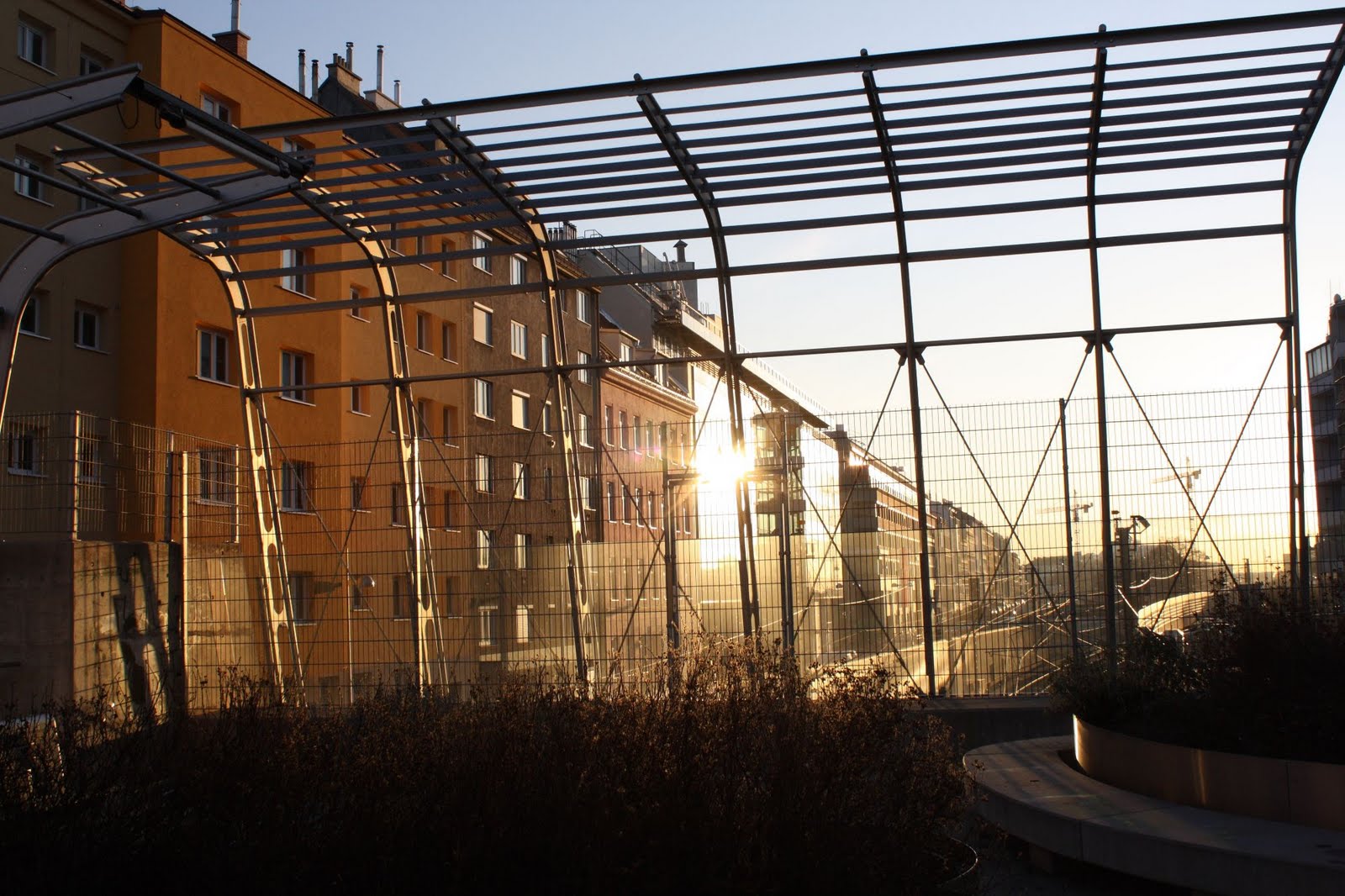
Easter doesn't deny death or ruin. Easter says that death is so powerful, such an enemy, that God entered the fray. God still enters the fray. Easter tells us there is reason for joy. Easter reminds us that while we certainly have reasons for tears, we also have much reason for laughter. Easter insists that we refuse despair, we kick cynicism to the curb, we pick up our saggy bones and dance.
With Easter, we have an invitation to come out into the bright light, to believe that the God who raised Jesus from the dead can (and will) raise every kind of thing from the dead.


April 23, 2011
The Saturday Between
On this day of stone-silence,
We sit fixed in the Saturday between.
Between tears and joy.
Between poverty and plenty.
Between ruin and triumph.
Between despair and delight.
Between forgotten and welcomed.
Between fearful and joyful.
Between war and war no more.
Between dark and light.
Between gloom and glory.
Between tears and laughter.
Between death. And life.
We sit fixed, riveted, in this Saturday between.
And this moment
Casts a pale, hallow light
Over the Long Saturday,
The many days
Where the world waits. Between.
But between is not the end, never is.
It is only between.

We sit fixed in the Saturday between.
Between tears and joy.
Between poverty and plenty.
Between ruin and triumph.
Between despair and delight.
Between forgotten and welcomed.
Between fearful and joyful.
Between war and war no more.
Between dark and light.
Between gloom and glory.
Between tears and laughter.
Between death. And life.
We sit fixed, riveted, in this Saturday between.
And this moment
Casts a pale, hallow light
Over the Long Saturday,
The many days
Where the world waits. Between.
But between is not the end, never is.
It is only between.
April 18, 2011
The Soil of a Man, the final part
[from the the beginning, if you missed it...]
McCann was a man in cadence. It wasn't a cadence you could map or chart; there was no orientation that could devise a schedule so you could memorize where to be, when to be or how to be. McCann's rhythm was something you had to live. There was a time to work, a time to rest. A time to talk and a time for quiet. A time to laugh and, of course, a time for tears. Most important, there was always time for tea.
Every afternoon, though we never had a precise hour, we'd halt our work and head to the porch. We'd sip tea (Earl Grey, always Earl Grey) and eat Mrs. McCann's cold biscuits leftover from breakfast. It took me the longest time to get the hang of when teatime arrived. Sometimes it would be late afternoon, after we had finished our tilling or our weeding or our picking and we would drag our tired bones to our ritual. Other days, we'd stop right in the middle of a job and "go get refreshed," as Thomas would say.
One afternoon, McCann abruptly stopped the tractor right it the middle of the field, shut the engine off and climbed down. I trotted over, wondering what was wrong. "Nothing's wrong," he said. "Teatime."
"Now?"
"Exactly now."
Thomas McCann was the most unhurried, unbothered person I'd ever known. It was odd, even for a Presbyterian. I've never known a man to be less beholden to – and at the same time more attentive to -- time than McCann. Thomas didn't watch the clock; his rhythm ran deeper. You got the sense he was listening, always listening.
During tea that day we left the tractor in the field, I asked him why we had to have tea just then. "I had something to say," he answered.
"Why didn't you just say it? We didn't have to come all the way to the house for that."
"Of course we did," McCann replied. "This is our talking place."
And it was. For over a year, we chatted at this same spot, in these same chairs, mugs of steaming tea in our hands. The porch had transformed into a sacred space. This was why I was so attentive every afternoon, wondering when McCann would make the call to head to the house. This was why I'd come to love Earl Grey tea, even though I'd never had a single drop previous. I don't remember what Thomas had to say that was so damn important, but I remember that he had to say it. And I remember that he had to say it on the porch with the tea. I remember that, if he had never moved from his chair, I would have sat there with him all day and all night. I remember he left that tractor sitting in the middle of the field.
And I remember that I felt like I was wading into the water, and fear would not stop me.
[the end]
*if you'd like the story in print format, you may download it.

McCann was a man in cadence. It wasn't a cadence you could map or chart; there was no orientation that could devise a schedule so you could memorize where to be, when to be or how to be. McCann's rhythm was something you had to live. There was a time to work, a time to rest. A time to talk and a time for quiet. A time to laugh and, of course, a time for tears. Most important, there was always time for tea.
Every afternoon, though we never had a precise hour, we'd halt our work and head to the porch. We'd sip tea (Earl Grey, always Earl Grey) and eat Mrs. McCann's cold biscuits leftover from breakfast. It took me the longest time to get the hang of when teatime arrived. Sometimes it would be late afternoon, after we had finished our tilling or our weeding or our picking and we would drag our tired bones to our ritual. Other days, we'd stop right in the middle of a job and "go get refreshed," as Thomas would say.
One afternoon, McCann abruptly stopped the tractor right it the middle of the field, shut the engine off and climbed down. I trotted over, wondering what was wrong. "Nothing's wrong," he said. "Teatime."
"Now?"
"Exactly now."
Thomas McCann was the most unhurried, unbothered person I'd ever known. It was odd, even for a Presbyterian. I've never known a man to be less beholden to – and at the same time more attentive to -- time than McCann. Thomas didn't watch the clock; his rhythm ran deeper. You got the sense he was listening, always listening.
During tea that day we left the tractor in the field, I asked him why we had to have tea just then. "I had something to say," he answered.
"Why didn't you just say it? We didn't have to come all the way to the house for that."
"Of course we did," McCann replied. "This is our talking place."
And it was. For over a year, we chatted at this same spot, in these same chairs, mugs of steaming tea in our hands. The porch had transformed into a sacred space. This was why I was so attentive every afternoon, wondering when McCann would make the call to head to the house. This was why I'd come to love Earl Grey tea, even though I'd never had a single drop previous. I don't remember what Thomas had to say that was so damn important, but I remember that he had to say it. And I remember that he had to say it on the porch with the tea. I remember that, if he had never moved from his chair, I would have sat there with him all day and all night. I remember he left that tractor sitting in the middle of the field.
And I remember that I felt like I was wading into the water, and fear would not stop me.
[the end]
*if you'd like the story in print format, you may download it.
April 11, 2011
The Soil of a Man, the 6th part
[from the the beginning, if you missed it...]
Of course, McCann was particular with me. The angriest I've ever seen him was one afternoon when we were digging trench for a water line. The work had been quiet and steady when McCann asked a question. "Where do you think you want to go in this world, Thad?"
"I don't know, haven't thought about it much," I answered, disinterested.
Over the past months, McCann had asked something similar a number of ways, and I had always blown him off.
"Well, Thad, I think it's time you think about it a little."
I surprised myself with the heat in my voice. "I don't want to think about it, Thomas. I've got no plans. I like it that way."
Thomas pushed his shovel to the ground, landing with a sharp ring as the iron edge glanced off a buried rock. He turned toward me. His voice was calm, but his eyes were fierce. "Thad, you act like nothing matters to you, but that's a heap of shit. You act like nothing matters because you're afraid that someday something will."
I looked right at him, couldn't look away. What was this pressure in my chest? Grabbing my insides and squeezing, squeezing, squeezing.
"Son, you're scared. I get that. Most days, I'm scared too. And with the cards you've been dealt, you've earned the right to have a little fear. But fear isn't the end. You've got a strong heart. You've got courage you don't know you have. I see it. I want you to see it. It's time you get on with being the man this world needs you to be."
I felt – I wasn't sure exactly what but now I know the feeling well – I felt the front edge of tears. We picked our shovels back up, and we began to dig, side by side.
[next week, the conclusion...]

Of course, McCann was particular with me. The angriest I've ever seen him was one afternoon when we were digging trench for a water line. The work had been quiet and steady when McCann asked a question. "Where do you think you want to go in this world, Thad?"
"I don't know, haven't thought about it much," I answered, disinterested.
Over the past months, McCann had asked something similar a number of ways, and I had always blown him off.
"Well, Thad, I think it's time you think about it a little."
I surprised myself with the heat in my voice. "I don't want to think about it, Thomas. I've got no plans. I like it that way."
Thomas pushed his shovel to the ground, landing with a sharp ring as the iron edge glanced off a buried rock. He turned toward me. His voice was calm, but his eyes were fierce. "Thad, you act like nothing matters to you, but that's a heap of shit. You act like nothing matters because you're afraid that someday something will."
I looked right at him, couldn't look away. What was this pressure in my chest? Grabbing my insides and squeezing, squeezing, squeezing.
"Son, you're scared. I get that. Most days, I'm scared too. And with the cards you've been dealt, you've earned the right to have a little fear. But fear isn't the end. You've got a strong heart. You've got courage you don't know you have. I see it. I want you to see it. It's time you get on with being the man this world needs you to be."
I felt – I wasn't sure exactly what but now I know the feeling well – I felt the front edge of tears. We picked our shovels back up, and we began to dig, side by side.
[next week, the conclusion...]
April 3, 2011
The Soil of a Man, the 5th part
[from the the beginning, if you missed it...]
McCann's sermons made you think, made you wonder, hinted that some of what you'd always suspected to be true just might actually be. His words danced. That afternoon after lunch, I asked him why he took up farming when he already had a job at the church.
"Well," he said, giving pause for a deep pull on his pipe, "when I moved to Abingdon, half the town trusted me because I was a preacher. But then half the town didn't trust me for the same reason. I took up farming so I could be friends with that other half."
McCann chuckled, took another pull and added. "But mainly, I like the dirt."
I thought I might know what he meant, why a farmer would see value in his soil. However, with McCann you were never quite sure. I learned right off that he had a different kind of eyes from most people. He saw things you'd never noticed, but after he pointed it out, you wondered how you'd ever seen anything else. "What do you like about the dirt?"
"I like that it's here. I like that it was here long before me, and it will be here long after I'm gone. I like that it takes the scorching heat and the bitter cold, the dryness that would ruin any man and the torrential wet that would drown any man – it takes it all, absorbs it, and lives on. It lives on – and, year after year after year, it keeps bringing life out of its bosom."
McCann bent down and dug his fingers in the rich black ground, scooping up handfuls and letting it run through his fingers back to the earth. "And I like that this dirt that's sitting here is only sitting right here, nowhere else. It has its own story. This dirt is for this place. This dirt is particular."
That first year, I learned that everything about McCann was particular. He cared little for vague ideas or general assumptions. He dug into the dirt wherever he went. For instance, McCann was at the Coffee Cup, every Friday at 7 a.m., sharp. It wasn't that the other diners weren't every bit as worthy, and it certainly wasn't that he was a man of mindless habit. Rather, McCann believed that showing up at the same time at the same place with the same people was the only way you ever get past the offhand greetings and into the thick of things.
How else would McCann have known that Maurice had a daughter in L.A. trying to scrape up rent and kick heroine so she could get back into film school? Or that Tubby, the sarcastic cook at the grill, had reasons for his orneriness. He never wanted the diner. He was living his father's dream. How else would McCann have known that Margaret laughed too loudly – and too often – because she didn't know what else to do with herself, never had? How else would he know that Tucker dreamed of Alaska and reeling in the big one and that Rhoda dreamed of white dresses and reeling in Tucker? How else would he have known the joy and the sadness that walked through those doors every Friday? But he did know. He showed up so he could.
[to be continued...]

McCann's sermons made you think, made you wonder, hinted that some of what you'd always suspected to be true just might actually be. His words danced. That afternoon after lunch, I asked him why he took up farming when he already had a job at the church.
"Well," he said, giving pause for a deep pull on his pipe, "when I moved to Abingdon, half the town trusted me because I was a preacher. But then half the town didn't trust me for the same reason. I took up farming so I could be friends with that other half."
McCann chuckled, took another pull and added. "But mainly, I like the dirt."
I thought I might know what he meant, why a farmer would see value in his soil. However, with McCann you were never quite sure. I learned right off that he had a different kind of eyes from most people. He saw things you'd never noticed, but after he pointed it out, you wondered how you'd ever seen anything else. "What do you like about the dirt?"
"I like that it's here. I like that it was here long before me, and it will be here long after I'm gone. I like that it takes the scorching heat and the bitter cold, the dryness that would ruin any man and the torrential wet that would drown any man – it takes it all, absorbs it, and lives on. It lives on – and, year after year after year, it keeps bringing life out of its bosom."
McCann bent down and dug his fingers in the rich black ground, scooping up handfuls and letting it run through his fingers back to the earth. "And I like that this dirt that's sitting here is only sitting right here, nowhere else. It has its own story. This dirt is for this place. This dirt is particular."
That first year, I learned that everything about McCann was particular. He cared little for vague ideas or general assumptions. He dug into the dirt wherever he went. For instance, McCann was at the Coffee Cup, every Friday at 7 a.m., sharp. It wasn't that the other diners weren't every bit as worthy, and it certainly wasn't that he was a man of mindless habit. Rather, McCann believed that showing up at the same time at the same place with the same people was the only way you ever get past the offhand greetings and into the thick of things.
How else would McCann have known that Maurice had a daughter in L.A. trying to scrape up rent and kick heroine so she could get back into film school? Or that Tubby, the sarcastic cook at the grill, had reasons for his orneriness. He never wanted the diner. He was living his father's dream. How else would McCann have known that Margaret laughed too loudly – and too often – because she didn't know what else to do with herself, never had? How else would he know that Tucker dreamed of Alaska and reeling in the big one and that Rhoda dreamed of white dresses and reeling in Tucker? How else would he have known the joy and the sadness that walked through those doors every Friday? But he did know. He showed up so he could.
[to be continued...]
March 28, 2011
The Soil of a Man, the 4th part
[from the the beginning, if you missed it...]
When Emilie left that Fall, I left too. Uncle Calvin knew a man, his childhood minister actually, who owned a small farm on the other side of the state. Thomas McCann needed help, and Uncle Cal arranged for me to get the job. I packed up everything that mattered into two army surplus duffle bags, fueled up my rusted Ford and made the long drive to Abingdon, a town with one stoplight but two barbershops and five diners. A hand-scribbled chalkboard straddled the sidewalk in front of The Coffee Cup: Chicken and Dumplings / Hot Apple Strudel.
I turned west at the square and followed my directions out of town, down a dirt two-lane a couple miles to the clean, straight line of white fencing that marked the small but well kept McCann parcel. I rolled to a stop at the gate and looked up at the hand-lettered sign hanging over the entrance: Give it a Rest.
I drove in and stepped out of the truck. Three barking dogs darted up, licking and yelping as though I'd been separated from the litter. "Go easy, boys, don't smother him all at once." A man stepped off the porch, giving a wave with one hand and working his pipe with the other. Thomas McCann was sixty-something, a head brimming with unruly grey hair, a stride strong but relaxed and a wide grin that suggested he'd been waiting for you his whole life. "You must be Thad," he said, draping his arm around my shoulder and pulling me close before I had any chance to misdirect him with a handshake.
"Uh, yeah, that's me."
"It sure is. It sure is. Glad you found us all right." Unfazed by my obvious discomfort, his grip only tightened. He walked me into the house, squeezing my shoulder all the way. It was as if the dogs and McCann were in cahoots, neither one keen on giving me space. I would discover that up-close physicality wasn't a style of greeting for McCann; it was a philosophy. He didn't like anything that sniffed of pretense or fraud, and he believed the kind of distance most humans expect was a sham all the way down, a subconscious scheme for keeping people far enough away so we can keep on pretending, while no one ever gets close enough to know.
The first week, we walked over the farm, and he showed me around town. On Sunday, we went to Mt. Carmel Presbyterian Church where he served as the minister. The sermon was unlike any sermon I'd ever endured. I actually listened to this one. McCann spoke slow and gentle, like he was talking with you, not at you. There was gravity to his words, but it was the kind of seriousness that didn't seem at odds with laughter -- which is a good thing because there was a lot of laughter happening in those pews, particularly when Old Miss Gabney's snoring took off. As the snoring grew, so did the snickers. Mrs. Carter started to lean over to tap her on the shoulder, but McCann stopped her. "Don't wake her," he said, "I never like to bother a person at peace."
"In fact," he added, "maybe a few of you should stretch out and join her."
[to be continued...]

When Emilie left that Fall, I left too. Uncle Calvin knew a man, his childhood minister actually, who owned a small farm on the other side of the state. Thomas McCann needed help, and Uncle Cal arranged for me to get the job. I packed up everything that mattered into two army surplus duffle bags, fueled up my rusted Ford and made the long drive to Abingdon, a town with one stoplight but two barbershops and five diners. A hand-scribbled chalkboard straddled the sidewalk in front of The Coffee Cup: Chicken and Dumplings / Hot Apple Strudel.
I turned west at the square and followed my directions out of town, down a dirt two-lane a couple miles to the clean, straight line of white fencing that marked the small but well kept McCann parcel. I rolled to a stop at the gate and looked up at the hand-lettered sign hanging over the entrance: Give it a Rest.
I drove in and stepped out of the truck. Three barking dogs darted up, licking and yelping as though I'd been separated from the litter. "Go easy, boys, don't smother him all at once." A man stepped off the porch, giving a wave with one hand and working his pipe with the other. Thomas McCann was sixty-something, a head brimming with unruly grey hair, a stride strong but relaxed and a wide grin that suggested he'd been waiting for you his whole life. "You must be Thad," he said, draping his arm around my shoulder and pulling me close before I had any chance to misdirect him with a handshake.
"Uh, yeah, that's me."
"It sure is. It sure is. Glad you found us all right." Unfazed by my obvious discomfort, his grip only tightened. He walked me into the house, squeezing my shoulder all the way. It was as if the dogs and McCann were in cahoots, neither one keen on giving me space. I would discover that up-close physicality wasn't a style of greeting for McCann; it was a philosophy. He didn't like anything that sniffed of pretense or fraud, and he believed the kind of distance most humans expect was a sham all the way down, a subconscious scheme for keeping people far enough away so we can keep on pretending, while no one ever gets close enough to know.
The first week, we walked over the farm, and he showed me around town. On Sunday, we went to Mt. Carmel Presbyterian Church where he served as the minister. The sermon was unlike any sermon I'd ever endured. I actually listened to this one. McCann spoke slow and gentle, like he was talking with you, not at you. There was gravity to his words, but it was the kind of seriousness that didn't seem at odds with laughter -- which is a good thing because there was a lot of laughter happening in those pews, particularly when Old Miss Gabney's snoring took off. As the snoring grew, so did the snickers. Mrs. Carter started to lean over to tap her on the shoulder, but McCann stopped her. "Don't wake her," he said, "I never like to bother a person at peace."
"In fact," he added, "maybe a few of you should stretch out and join her."
[to be continued...]
March 23, 2011
Evil and Religion
First, this is post #250. If someone would please blow-up a balloon or send out a little woot! woot! right there in front of your screen, I'd appreciate it. I'm curious if any of you have been reading along from the beginning. If so, (1) May God grant you mercy for the words you've endured, and (2) A very sincere thanks. A writer has a rough time if there's no place for his words to land. I'm glad, every now and then, some of them land here.
Second, I have a piece over at CSLewis.com on Lent, Dickens, Temptation and, of course, Lewis.
And now, the primary reason I'm typing on the ol' keyboard today...
Last week, I was privileged to enjoy my second year as an author at the Virginia Festival of the Book (which, by the way, provides three days of absolute joy for any book lover - you'll have to visit). This year's event, Speaking of God, cast five authors writing from various vantage points. Reading the bios and book blurbs ahead of time, I knew the conversation would by spicy. I had no idea...
At one end of the table sat two smart and highly credentialed authors proposing that their work surveyed the most recent research in neuroscience, proving (in 144 pages, which I thought quite a feat) that God is merely a construct of the human mind and suggesting that the world would be a far better place if religion simply evaporated. Seated next to them, in the worst possible position if we wanted any chance at an evening of peace and harmony, was a philosopher whose brand new Oxford Press book argues that human morality is impossible and nonsensical without a theistic worldview. Meanwhile the two authors remaining (myself and another fellow) sat on the far end, which turned out to be a good vantage, out of the line of fire but close enough to watch the steam blow.
Needless to say, at some point the conversation ceased to be about the books.
I was struck, however, by the dogmatic, unequivocal claim that the world would be a kindler, gentler place if we simply abandoned our naive religious commitments and recognized science for the Almighty that it is. By this view, the evil in our world is fueled by religion, and science is the savior.
 I'm hearing this claim as I'm immersed in Bonhoeffer's Letters and Papers from Prison, penned before the SS hung him by a thin wire in the grey courtyard of a Nazi concentration camp. Hitler did not heat up the smoke stacks because he was compelled by religious fervor. Hitler, madman that he was, was driven by a worldview he found compatible with the social science of his day. I'm not suggesting it was good science (it wasn't - it was bad science. Good science and good religion are friends, not foes - neither have anything to fear if what we're aiming for is simply the truth). I'm not suggesting that science gave us Hitler. I'm simply noting that if you were forced to choose between religion and science to find blame for the Third Reich, it would be science, hands down.
Six million Jews herded to the gas chambers had religious faith. Bonhoeffer had religious faith. Hitler had another kind of faith altogether.
I'm quick to admit, sadly and with horror, that much evil has been done in the name of Christianity (and other faiths too). This is to our great shame. However, in such moments, we stand judged - and rightly so -- by the claims of our faith. It is precisely the view of God as a God of justice that allows someone to (rightly) name our actions evil. If everything is simply something we dream up, then the concept of evil is also something we conjure. When someone names these evil moments evil, they affirm the fact that some authority in the universe has named certain actions just and certain actions diabolical. You can't insist religion a farce on the basis of religions' criteria for what is right and what is wrong. Good science wouldn't allow that double standard.

Second, I have a piece over at CSLewis.com on Lent, Dickens, Temptation and, of course, Lewis.
And now, the primary reason I'm typing on the ol' keyboard today...
Last week, I was privileged to enjoy my second year as an author at the Virginia Festival of the Book (which, by the way, provides three days of absolute joy for any book lover - you'll have to visit). This year's event, Speaking of God, cast five authors writing from various vantage points. Reading the bios and book blurbs ahead of time, I knew the conversation would by spicy. I had no idea...
At one end of the table sat two smart and highly credentialed authors proposing that their work surveyed the most recent research in neuroscience, proving (in 144 pages, which I thought quite a feat) that God is merely a construct of the human mind and suggesting that the world would be a far better place if religion simply evaporated. Seated next to them, in the worst possible position if we wanted any chance at an evening of peace and harmony, was a philosopher whose brand new Oxford Press book argues that human morality is impossible and nonsensical without a theistic worldview. Meanwhile the two authors remaining (myself and another fellow) sat on the far end, which turned out to be a good vantage, out of the line of fire but close enough to watch the steam blow.
Needless to say, at some point the conversation ceased to be about the books.
I was struck, however, by the dogmatic, unequivocal claim that the world would be a kindler, gentler place if we simply abandoned our naive religious commitments and recognized science for the Almighty that it is. By this view, the evil in our world is fueled by religion, and science is the savior.
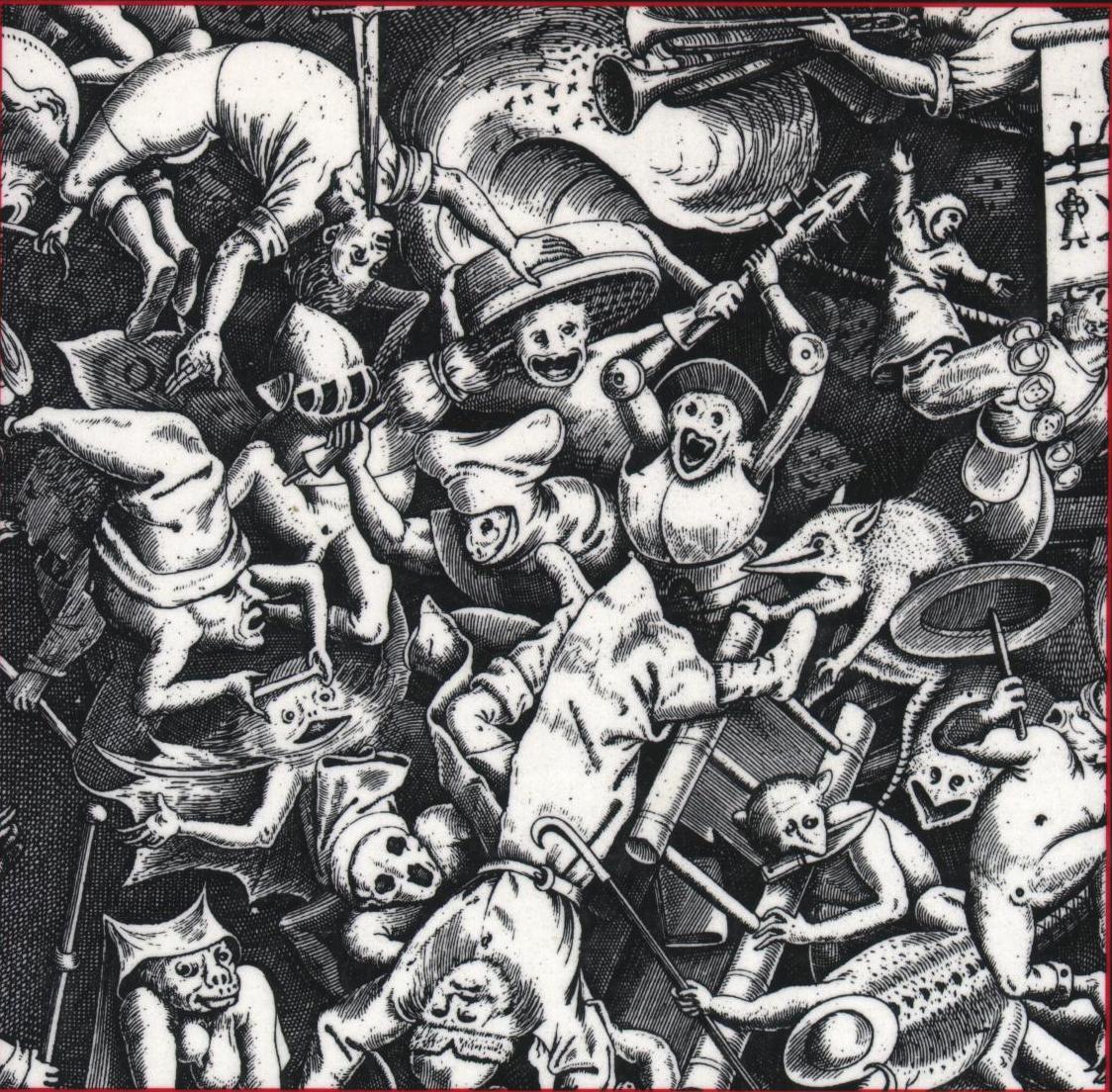 I'm hearing this claim as I'm immersed in Bonhoeffer's Letters and Papers from Prison, penned before the SS hung him by a thin wire in the grey courtyard of a Nazi concentration camp. Hitler did not heat up the smoke stacks because he was compelled by religious fervor. Hitler, madman that he was, was driven by a worldview he found compatible with the social science of his day. I'm not suggesting it was good science (it wasn't - it was bad science. Good science and good religion are friends, not foes - neither have anything to fear if what we're aiming for is simply the truth). I'm not suggesting that science gave us Hitler. I'm simply noting that if you were forced to choose between religion and science to find blame for the Third Reich, it would be science, hands down.
Six million Jews herded to the gas chambers had religious faith. Bonhoeffer had religious faith. Hitler had another kind of faith altogether.
I'm quick to admit, sadly and with horror, that much evil has been done in the name of Christianity (and other faiths too). This is to our great shame. However, in such moments, we stand judged - and rightly so -- by the claims of our faith. It is precisely the view of God as a God of justice that allows someone to (rightly) name our actions evil. If everything is simply something we dream up, then the concept of evil is also something we conjure. When someone names these evil moments evil, they affirm the fact that some authority in the universe has named certain actions just and certain actions diabolical. You can't insist religion a farce on the basis of religions' criteria for what is right and what is wrong. Good science wouldn't allow that double standard.
March 21, 2011
The Soil of a Man, the 3rd part
[from the the beginning, if you missed it...]
The next years were hard. We learned how to pick up our life and prod it forward, but I carried a steady hollowness. As every boy who's growing past being a boy does, I had lots of questions. But no one to ask them to. What do you do when the man you're following disappears? My mom loved me well, but she had her own grief to carry. We did the best we could. While everyone else was throwing themselves into college or at least pretending to figure out their life, I watched it all, just watched.
When I was with Emilie, though, I felt the things that remind us why we are alive: joy, hope, even fear – the fear that comes from worrying a good thing will go away. For a while, Emilie and I were inseparable. I may have loved her. One August, before Emilie left for her junior year at the University of Connecticut, we spent the night in the back of my truck, under the stars. We laughed and talked, words and kisses intermingling. Just before sunrise, Emilie rolled over and placed her hand on my chest, looking at me as if there was something hidden she was searching to find. She watched me silently for a few moments, then asked, "Thad, what do you want?"
"What do you mean?"
"What do you want?" she repeated.
"I want this."
"This?" She was searching, but I didn't know for what.
"You. I want you."
"Do you really? What else do you want?"
I sat up on my elbows. I hadn't seen this coming. "I don't know. Get a job, I guess. Figure out how to get married. You know, all that."
Emilie looked at me with kindness. "Thad, you don't know what you want. And until you know that, you can't know if you want me."
[to be continued...]

The next years were hard. We learned how to pick up our life and prod it forward, but I carried a steady hollowness. As every boy who's growing past being a boy does, I had lots of questions. But no one to ask them to. What do you do when the man you're following disappears? My mom loved me well, but she had her own grief to carry. We did the best we could. While everyone else was throwing themselves into college or at least pretending to figure out their life, I watched it all, just watched.
When I was with Emilie, though, I felt the things that remind us why we are alive: joy, hope, even fear – the fear that comes from worrying a good thing will go away. For a while, Emilie and I were inseparable. I may have loved her. One August, before Emilie left for her junior year at the University of Connecticut, we spent the night in the back of my truck, under the stars. We laughed and talked, words and kisses intermingling. Just before sunrise, Emilie rolled over and placed her hand on my chest, looking at me as if there was something hidden she was searching to find. She watched me silently for a few moments, then asked, "Thad, what do you want?"
"What do you mean?"
"What do you want?" she repeated.
"I want this."
"This?" She was searching, but I didn't know for what.
"You. I want you."
"Do you really? What else do you want?"
I sat up on my elbows. I hadn't seen this coming. "I don't know. Get a job, I guess. Figure out how to get married. You know, all that."
Emilie looked at me with kindness. "Thad, you don't know what you want. And until you know that, you can't know if you want me."
[to be continued...]
March 14, 2011
The Soil of a Man, the 2nd part
[the first part, if you missed it...]
So yes, I wanted to beat this thing. I wanted to swim. I wanted to show my dad that I could do it. This way, if he ever wanted to get tossed out of a pool again, it would be for his own battles, not mine.
Uncle Calvin climbed out of the pond and stood beside me. "There's only one trick to swimming."
That sounded good. No one else made it so simple. "Okay," I said, nervous but determined. "I'm ready."
"Are you sure?"
"Sure as I'm gonna be. What's the trick?"
"The only trick to swimming is . . ." And he grabbed my left arm with one hand and the back of my underwear with the other, lifting me and swinging me back like he was about to toss a bale of hay out of the barn. "The only trick to swimming is you got to swim." Uncle Calvin flung me high in the air, like a catapult over the water. I crashed into the cold blackness, trapped by darkness and fear. My limbs thrashed, but I couldn't control them. I clawed at the water and took in great gulps. With each mouthful, I felt heavy needles stabbing my chest. Once or twice, I fought to the surface, but I couldn't catch my breath. They say my Uncle pulled me out, but I don't remember. I only remember going under and not being able to come back up.
Traumatic as nearly drowning was, I've actually never forgotten that day for another reason. As Uncle Calvin pulled onto our street, I saw our driveway full of cars. A police cruiser sat next to the curb. I walked up the front steps, and my mom, eyes puffy and red, met me at the door. She pulled me into her arms, and when I looked up, tears dripped off her chin.
"Dad had an accident today," she said. "Thad, dad is dead." Only nine, and my world had just been forever altered. There are more ways than one to hurl a boy alone into deep water.
[to be continued...]

So yes, I wanted to beat this thing. I wanted to swim. I wanted to show my dad that I could do it. This way, if he ever wanted to get tossed out of a pool again, it would be for his own battles, not mine.
Uncle Calvin climbed out of the pond and stood beside me. "There's only one trick to swimming."
That sounded good. No one else made it so simple. "Okay," I said, nervous but determined. "I'm ready."
"Are you sure?"
"Sure as I'm gonna be. What's the trick?"
"The only trick to swimming is . . ." And he grabbed my left arm with one hand and the back of my underwear with the other, lifting me and swinging me back like he was about to toss a bale of hay out of the barn. "The only trick to swimming is you got to swim." Uncle Calvin flung me high in the air, like a catapult over the water. I crashed into the cold blackness, trapped by darkness and fear. My limbs thrashed, but I couldn't control them. I clawed at the water and took in great gulps. With each mouthful, I felt heavy needles stabbing my chest. Once or twice, I fought to the surface, but I couldn't catch my breath. They say my Uncle pulled me out, but I don't remember. I only remember going under and not being able to come back up.
Traumatic as nearly drowning was, I've actually never forgotten that day for another reason. As Uncle Calvin pulled onto our street, I saw our driveway full of cars. A police cruiser sat next to the curb. I walked up the front steps, and my mom, eyes puffy and red, met me at the door. She pulled me into her arms, and when I looked up, tears dripped off her chin.
"Dad had an accident today," she said. "Thad, dad is dead." Only nine, and my world had just been forever altered. There are more ways than one to hurl a boy alone into deep water.
[to be continued...]
March 9, 2011
The Soil of a Man
Lent begins today. For this stretch of time, I'd like to tell you a story. I'll offer it in parts, a little each week. I'd love to have you read along...
_____
A boy remembers the day a man nearly killed him, particularly if that man was his uncle. My day was July 17th, 1952, and Uncle Calvin was the man. Uncle Calvin wasn't angry or drunk or suffering from what Aunt Glenda called a "hiccup into ass-crazy." He was actually trying to do good.
Uncle Calvin took my three cousins and me fishing at Bisby Pond outside town. The fish weren't biting, but the sun certainly was. Before long, we'd all peeled down to our skivvies, and everyone was splashing in the cool water. Everyone except me. I sat on the bank, burying my toes in the grass and fiddling with a stray twig. It was the family scandal that I was nine years old and still couldn't swim. I was terrified of the water. No reason I know to explain why, I just was.
"Come on in," said Uncle Calvin lazily. "Nothing in here but a good time."
"Nah, I don't feel like it. " I traced dirt back and forth with my stick, as if I were busy doing something that couldn't be interrupted. Everyone knew the truth, but it was easier to pretend that I refused the water only because I had something better to do.
Uncle Calvin stood out of the pond and looked directly at me. "Thad, don't you think it's time you beat this thing?"
I did think it was time. I'd thought it was time ever since I was five and realized I was the only kid I knew who wasn't begging his mom to take him to the pool. I begged not to go. I'd accepted the fact that I was the strange kid. I was the one afraid of a thing some babies and most pups do naturally. Lots of folks encouraged me to learn to swim. Lots of folks. Why does some people's encouragement leave you lonelier than you were before? I think my cousins half hoped I'd never swim; if I did, they'd have to come up with a whole new string of jokes. My grandma simply denied the evidence. "Can't be, just not right, " she said whenever the topic came up.
The past two summers, every Tuesday and Saturday, my dad took me to the city pool. He'd hold me in the water, twirling me round, making waves. He'd show me the strokes again and again. If fear overwhelmed me, he'd hold me tight until my panic calmed. Whenever kids would point and snicker, he'd say, "You're not learning to swim for them, Thad. You do it for you."
One time this happened, dad set me on the side and, after making sure the boys were still watching, he went under and flipped at just the right angle so that his butt peeked above the water on the turn. Only, his butt was bare. A wide, white moon for the entire world to see. A few mothers went wide-eyed (appalled or intrigued, I couldn't say), and we were escorted out of the pool -- but that slow walk side by side, past those speechless boys and out the front entrance, was the happiest and the safest I've ever felt.
[to be continued...]

_____
A boy remembers the day a man nearly killed him, particularly if that man was his uncle. My day was July 17th, 1952, and Uncle Calvin was the man. Uncle Calvin wasn't angry or drunk or suffering from what Aunt Glenda called a "hiccup into ass-crazy." He was actually trying to do good.
Uncle Calvin took my three cousins and me fishing at Bisby Pond outside town. The fish weren't biting, but the sun certainly was. Before long, we'd all peeled down to our skivvies, and everyone was splashing in the cool water. Everyone except me. I sat on the bank, burying my toes in the grass and fiddling with a stray twig. It was the family scandal that I was nine years old and still couldn't swim. I was terrified of the water. No reason I know to explain why, I just was.
"Come on in," said Uncle Calvin lazily. "Nothing in here but a good time."
"Nah, I don't feel like it. " I traced dirt back and forth with my stick, as if I were busy doing something that couldn't be interrupted. Everyone knew the truth, but it was easier to pretend that I refused the water only because I had something better to do.
Uncle Calvin stood out of the pond and looked directly at me. "Thad, don't you think it's time you beat this thing?"
I did think it was time. I'd thought it was time ever since I was five and realized I was the only kid I knew who wasn't begging his mom to take him to the pool. I begged not to go. I'd accepted the fact that I was the strange kid. I was the one afraid of a thing some babies and most pups do naturally. Lots of folks encouraged me to learn to swim. Lots of folks. Why does some people's encouragement leave you lonelier than you were before? I think my cousins half hoped I'd never swim; if I did, they'd have to come up with a whole new string of jokes. My grandma simply denied the evidence. "Can't be, just not right, " she said whenever the topic came up.
The past two summers, every Tuesday and Saturday, my dad took me to the city pool. He'd hold me in the water, twirling me round, making waves. He'd show me the strokes again and again. If fear overwhelmed me, he'd hold me tight until my panic calmed. Whenever kids would point and snicker, he'd say, "You're not learning to swim for them, Thad. You do it for you."
One time this happened, dad set me on the side and, after making sure the boys were still watching, he went under and flipped at just the right angle so that his butt peeked above the water on the turn. Only, his butt was bare. A wide, white moon for the entire world to see. A few mothers went wide-eyed (appalled or intrigued, I couldn't say), and we were escorted out of the pool -- but that slow walk side by side, past those speechless boys and out the front entrance, was the happiest and the safest I've ever felt.
[to be continued...]


