
Lara Zielinsky's Blog: Newsletter, page 37
November 6, 2018
Cover Reveal and novel news!
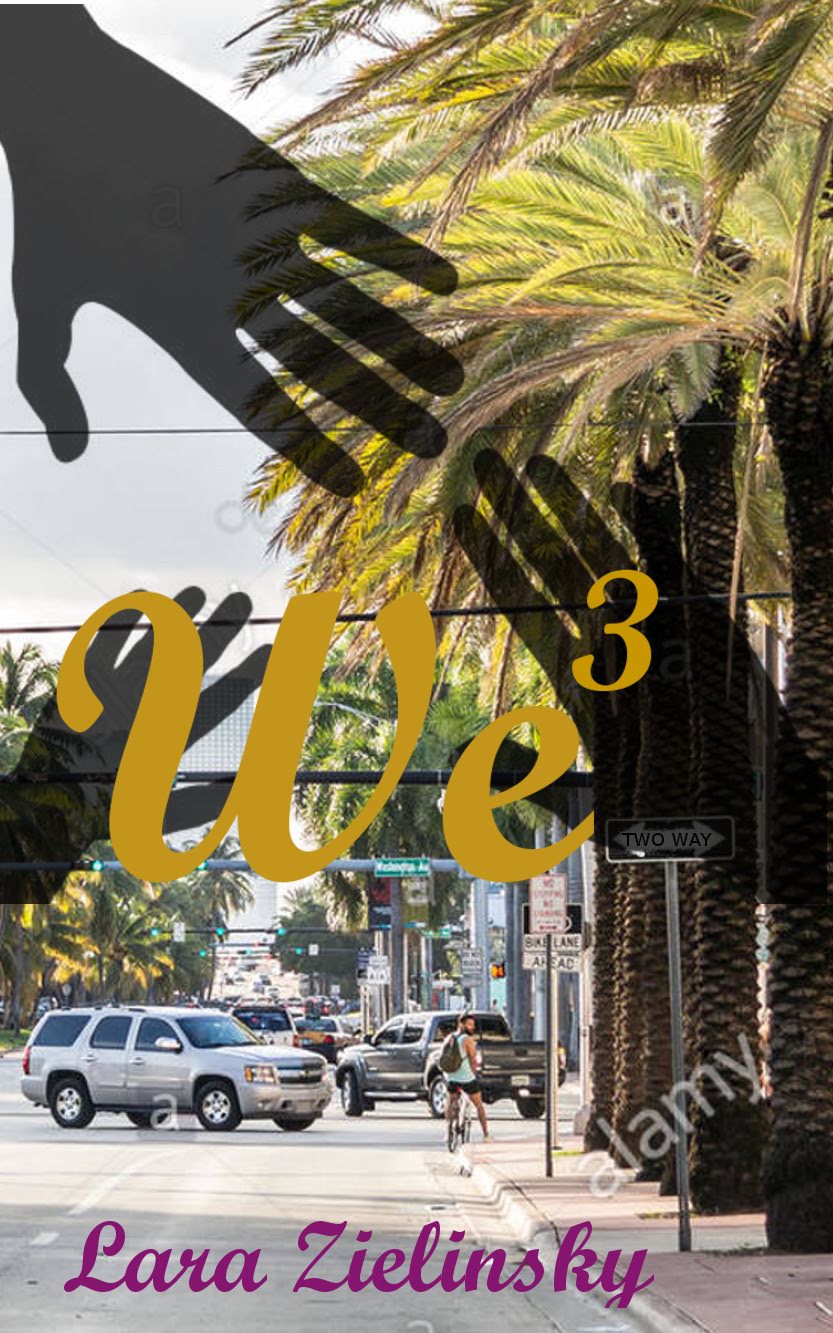
now for something that isn't political talk!Check out this gorgeous cover!
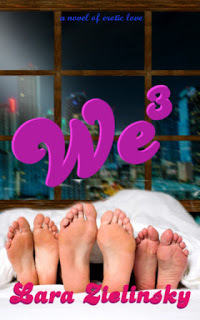 My bisexual erotic romance novel featuring swinging and polyamory (not to mention three of my favorite characters ever!) is just about ready.
My publisher Supposed Crimes has created the catalog page here.
We Three One and One and One Makes Three
Release is scheduled for February 1, 2019 just in time for Valentine's Day. The ebook will be available first on Amazon and then other formats and outlets will have it after that. A paperback edition is planned at some point, too.
Mark your calendars now with a reminder to pick up this sexy and romantic read.
Like my page on Facebook or follow me on Twitter for the latest news.
One ...
He was handsome...
[Eric] had blond hair mixed with strands of brown. She didn’t think he colored it, since his mustache was similar. It was also trimmed neatly, and he wore his suit comfortably, a clue that he was used to wearing good clothes. She had looked him over pretty thoroughly when she'd turned to his voice in the art gallery.
... and One ...
She was breathtaking...
[Jess] caught her breath. There was no mistaking that face; even with the unmasked lines of her bow-like lips and the tawny tan of her Latina skin. This was Elena from Eric's photographs. Jess's pulse sped up as she regarded the brunette.
... and One ...
They both wanted her...
"Jess," Eric said, "was just refreshing our drinks."
"He’s an incredible photographer," Elena said. Jess was deeply affected by the woman’s lightly accented tones. The woman's lips curled into a secret smile while she held Jess’s gaze. “It isn’t just the camera that gets so deep inside you," she added.
Elena's fingers drifted across the bar top. Tingles erupted up Jess's arm on contact and flowed into her chest. Stifling a moan, Jess rolled her bottom lip between her teeth. “Perhaps I might still have a chance?” Elena said, her gaze staying on Jess. "Making out is hot, but sometimes I do love to fuck." The last word was so bare, spoken huskily. Seductive.
All she had to do was say yes.
... Makes Three
Get caught up in Eric, Elena, and Jess's story beginningFebruary 1, 2019
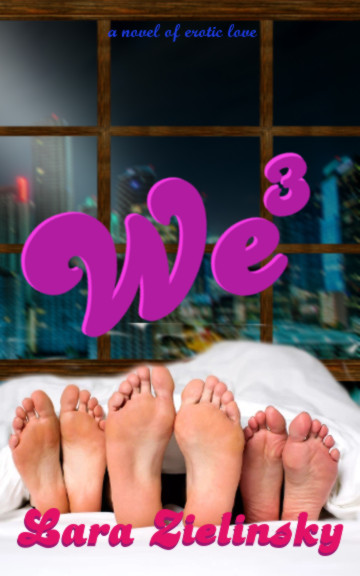 My bisexual erotic romance novel featuring swinging and polyamory (not to mention three of my favorite characters ever!) is just about ready.
My publisher Supposed Crimes has created the catalog page here.
We Three One and One and One Makes Three
Release is scheduled for February 1, 2019 just in time for Valentine's Day. The ebook will be available first on Amazon and then other formats and outlets will have it after that. A paperback edition is planned at some point, too.
Mark your calendars now with a reminder to pick up this sexy and romantic read.
Like my page on Facebook or follow me on Twitter for the latest news.
One ...
He was handsome...
[Eric] had blond hair mixed with strands of brown. She didn’t think he colored it, since his mustache was similar. It was also trimmed neatly, and he wore his suit comfortably, a clue that he was used to wearing good clothes. She had looked him over pretty thoroughly when she'd turned to his voice in the art gallery.
... and One ...
She was breathtaking...
[Jess] caught her breath. There was no mistaking that face; even with the unmasked lines of her bow-like lips and the tawny tan of her Latina skin. This was Elena from Eric's photographs. Jess's pulse sped up as she regarded the brunette.
... and One ...
They both wanted her...
"Jess," Eric said, "was just refreshing our drinks."
"He’s an incredible photographer," Elena said. Jess was deeply affected by the woman’s lightly accented tones. The woman's lips curled into a secret smile while she held Jess’s gaze. “It isn’t just the camera that gets so deep inside you," she added.
Elena's fingers drifted across the bar top. Tingles erupted up Jess's arm on contact and flowed into her chest. Stifling a moan, Jess rolled her bottom lip between her teeth. “Perhaps I might still have a chance?” Elena said, her gaze staying on Jess. "Making out is hot, but sometimes I do love to fuck." The last word was so bare, spoken huskily. Seductive.
All she had to do was say yes.
... Makes Three
Get caught up in Eric, Elena, and Jess's story beginningFebruary 1, 2019


November 3, 2018
Day 3 of NNWM
Today's post is a status report on many things. Happy Saturday!
Day 3 of NaNoWriMo.
Day 3 of NaNoWriMo.
Yes, I'm taking another stab at this month of writing madness. I have yet to complete the challenge successfully, but later today I have dedicated time available AND I've gotten 4,400 words so far. (not great, but it's on pace, so...)
MY NNWM project is titled "The Hurricane" and has the simple plot premise of a coastal Florida community facing a hurricane. I live in Florida and have, for years, been trying to re/create a small Gulf town, populating it on and off with personalities. The chief goal of this month's writing is literally to meet the people in the town and explore some of their relationships, interactions, and mine the situation for as much conflict as possible. There's a central character I've had sketched for almost 15 years, a female Sheriff's Deputy. I've always wanted to create a series and this is hopefully that start.
If you're participating in NaNoWriMo too, find me on NNWM.org and offer to connect.The latest book news...
Should be able to reveal the cover of "We^3" shortly. I think it accurately advertises both plot and tone as sexy and fun, but also filled with deep emotion.A final word... November 6, is Election Day in the United States.
I've already voted early. It's an option in my area, and it keeps the lines shorter for the actual day of voting. Almost a full third of the eligible voters state-wide have cast ballots. I am a fan of early voting over mail-in ballots for the directness, the ballot went from my hand, directly into the locked ballot machine. I've worked as an election services volunteer before (about 10 years ago) and the physicality of my county's ballot system, basically Scantron style, is very reassuring and reliable. It makes hand recounts fast and easy. Our county is usually one of the first in the state to have all votes counted and reported, and we've had recounts done in record time when it's been necessary.
Computers can too easily hide the real vote and be hacked or compromised. Paper provides a verification (and I don't mean punch card ballots -- hanging chads were a NIGHTMARE).
October 25, 2018
Word-ly inspiration
One of the ways I suggested for writers work to rejuvenate their inspiration was to read. Here's another: listen. I love words, I love the etymology of words, learning the origin stories of phrases. I love, honestly, how examining someone's words can tell you more about the person speaking than just what they are talking about. (Body language is rich for discovering personality like this, too, but I'll save that for another post.)
In looking around for inspiration, I stumbled across a new (to me) podcast "A Way With Words" which -- be still my linguistic heart -- does exactly that, examining the English lexicon. I linked it above. Maybe you'll find inspiration, too.
This is the one I listened to today. "Oh, for cute!"
October 24, 2018
Filling the well
 A writer who is published by my same publisher was recently lamenting a not-writing phase. In the comments I offered advice I'd read somewhere: sometimes a writer needs to "refill the well."
I think this advice is sound. Because it makes sense in the context of what a writer does. A writer conveys experiences, recasting, retelling, creating wholly new, experiences for readers. But to detail in all the senses and richness for immersion, one must have them. This is not to say "write what you know" -- ie. a go out and climb that mountain so you can tell your reader exactly what it smells, sounds, and feels like to do so.
Instead, I think it is encouragement to experience one's own life fully. To be able to convey joy, once must experience joy. To be able to convey sadness, one must experience sadness. The same goes for exhaustion, achievement, anger, jealousy, confusion, injustice, justice, and more.
To write about anything effectively, you can't just experience it. A writer is a teacher. You must completely comprehend not only the what, but the where, why, when, how, causes AND effects. You have to process it, too. You must live the experience and then spend the reflective time afterward to process it, to comprehend it from all angles, to divine it from all angles.
In order to have depth in your writing, you must live in the moment for a while, you must fill up your body with experiences to examine.
This is not only done by experiencing your own life, but also experiencing the lives of others. In other words: READ. Even better if you can read and then discuss. Just like having a friend or a lover to reflect on a trip's events, having a reading friend to reflect on the events and themes in a book is part of the absorption process.
In short, when you feel your well of ideas is running dry, or the ideas you have are just not interesting you, absorb more life to refill your well. Go someplace new, do something new, or reexperience something from long ago to deepen your intimate and personal understanding of a time or place.
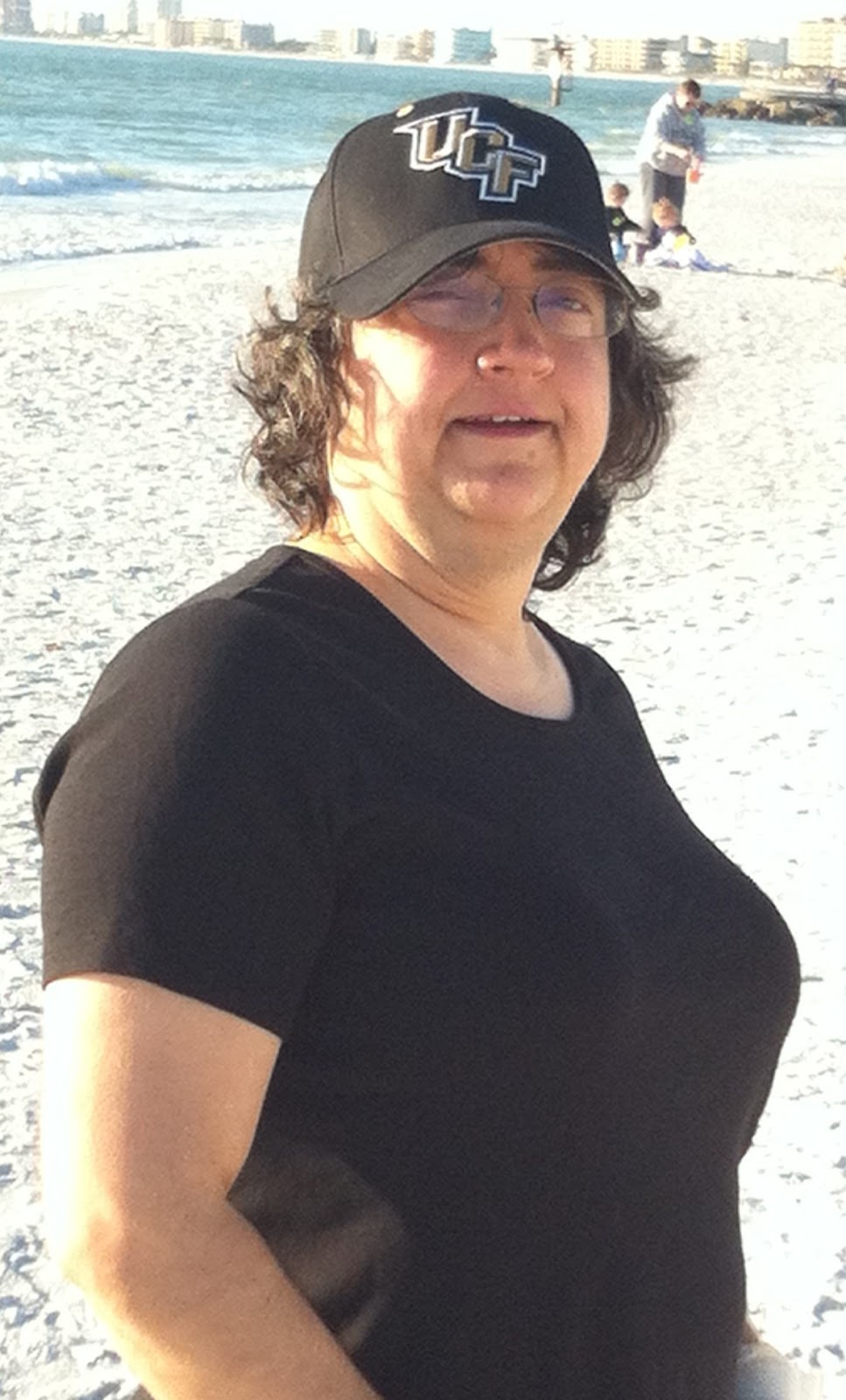
Halloween's around the corner, so here's a thought: costume yourself as a vampire and spend suck the marrow from life to extend your own.
Happy living, reading, and writing! And Happy October!
Lara
PS - I've been refilling my well of late, too. Follow me on Goodreads to see some of the reading I've done this year.
PPS - NaNoWriMo starts November 1. I've never been successful, and this will only be my second try in five years, but there's no reason not to attempt it. However, if you are NaNo'ing this year, friend me on NaNoWriMo.org (LCZielinsky).
October 6, 2018
playing with cover ideas
While I'm still adding to "We Fit," the sequel to "We3" (another 1,000 words this past week, since I lost my job), I also played around with details for "We3" coming out next year.
I've talked about the concepts of cover design before. I'm still playing with ideas for my forthcoming novel "We3."
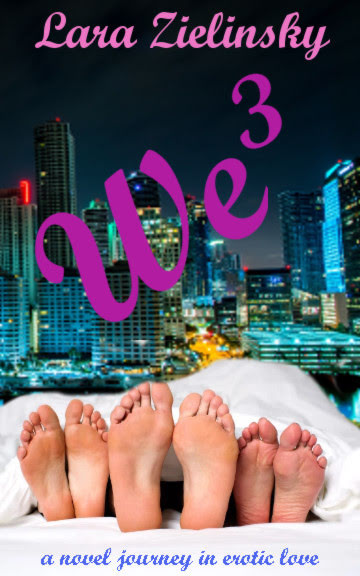
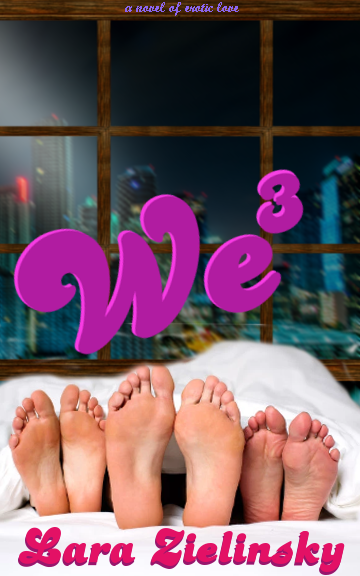
Royalty free images are preferred, and the other books by this publisher suggest more "atmospheric" elements rather than raw sexuality elements. I had torsos and lingerie in other concept ideas. But, while my story does contain erotic and detailed sex, it is not solely a piece of erotica. The sex is not just for titillation, but part of a story exploring relationship possibilities.
Here are a few of my latest ideas. If you have comments, or thoughts, please leave them below.

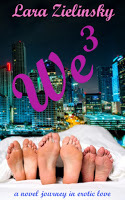
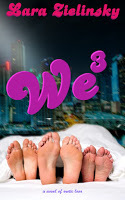
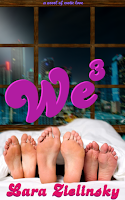
I like each of them for different reasons, but so far those I've talked to are favoring the last two conceptualizations. What do you think?
Do you like one more than the others? Would some elements in one combine better with other elements from a different image?
I've talked about the concepts of cover design before. I'm still playing with ideas for my forthcoming novel "We3."
Royalty free images are preferred, and the other books by this publisher suggest more "atmospheric" elements rather than raw sexuality elements. I had torsos and lingerie in other concept ideas. But, while my story does contain erotic and detailed sex, it is not solely a piece of erotica. The sex is not just for titillation, but part of a story exploring relationship possibilities.
Here are a few of my latest ideas. If you have comments, or thoughts, please leave them below.

I like each of them for different reasons, but so far those I've talked to are favoring the last two conceptualizations. What do you think?
Do you like one more than the others? Would some elements in one combine better with other elements from a different image?
September 27, 2018
Relateable characters
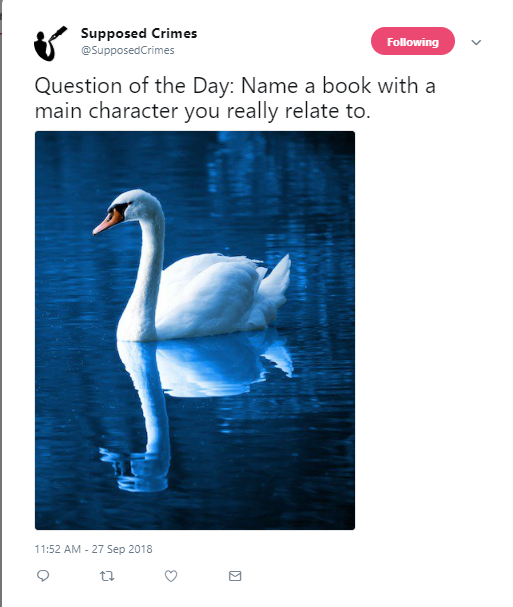
What makes a character relate-able?My publisher's #QOTD is about relating to characters. I think this is an important question not just for readers, but writers, too.
 Readers, particular those of us in minority groups, need to see our selves reflected in the fiction we read. Hence all the calls to diversify English literature curricula and include titles with more POC, LGBTQ, non-cisgender, non-white characters.
However, a story, and its characters, begin within the author's mind. If you are a member of a minority it can feel "easy" to write characters who can claim membership in your same minority group(s). You think: "I'm powerful reppin'!"
But is that truly creating relate-able characters? If you are writing for an "echo chamber" audience, people who are exactly like you, then, yes, you get feedback from readers that sounds something like this: "Oh, man, I can so relate! Character is so like me!" Everyone gets these characters because they "read" them as themselves.
And quirky. God, every writer help article tells you to give your characters quirks and unique "ticks." I don't disagree that characters should be unique, but too unique and you no longer have a character anyone can relate to.
Writing great stories should being about writing universally relate-able struggles, where the focus isn't a character's "nicheness," bur rather the universal challenge(s) the character faces: Loss, Redemption, Acceptance, Success.
For example, take a story where a character returns home to the town of their birth, facing old school enemies, or family members who shunned them. Or they face down greed or avarice to protect something -- and has their sexuality decried in the public forum by the leading opponent, making it personal. It isn't the sexuality challenge that a straight reader would relate to, but the fact that ad hominem attacks are universally abhorred, even while they're prevalent in everyday life (see our current American political system for a million examples). It doesn't matter the name called or the point of personality called out, what people relate to is the disregard for the substance of one's debate position. That gets people mad.
As a writer striving for a universally relate-able character, consider this. Rather than have the character react from the place of "being LGBTQ isn't bad, stop making it sound like it" call out the nemesis/antagonist on the fact that they are not addressing the substance of the issue. ("Calling me names isn't going to resolve the redtide issue killing both fish and the tourism industry in South Florida.")
I have always striven to create characters with wide rather than narrow relate-ability. In my novel "Turning Point" the main characters are both mothers. At one point, the youngest child is lost in a superstore and they are searching for him. The attraction between the characters is barely in its fledgling stages, and in normal circumstances they are skittish and confused about touching, but one mother to another there's a powerful comforting hug and grasping hands to give support. Motherhood trumped that discomfort.
By allowing the characters to act universally -- dealing with the fear all parents have in a situation like that -- I gathered in every mother (and parent) reader I had. They were absolutely along for every moment thereafter. I got dozens of emails (and even actual written letters) from completely straight readers who read through the entire story, feeling (and relating to) everything the characters went through. Almost every single one stated that the superstore scene was when they were hooked. At that moment, I hadn't created two women falling in love, but two PARENTS/MOMS. Relateable people, regardless of sexuality.
Last post, I shared the comments of a draft reader of my next book. They had never read a story before with three people in a relationship. Could've been off-putting. Could've put it down. But the universal issues I gave each one drew this reader in and held their attention throughout the entire story, so they could experience, could RELATE to, the central plot of three people falling in love.
If I'd made the story just about the sex, about the titillation, or the "taboo", I'd have probably lost this reader. Instead, I had made sure that readers could relate to each main character in ways that were not necessarily central to the plot, but things that made the readers getting to know them the same journey the characters themselves were on getting to know each other.
Here are just some of those universals:Jess struggles with money, job, and shelter. Elena struggles with making a life of meaning not working full-time for someone else. Eric struggles with existing in many different communities (pilot, swinger, ex-military).
 Here's as good a moment as any to point out that "We^3" will be out in early 2019 through my publisher, Supposed Crimes.See you next time. Signing off from sunny south Florida,Lara
 Readers, particular those of us in minority groups, need to see our selves reflected in the fiction we read. Hence all the calls to diversify English literature curricula and include titles with more POC, LGBTQ, non-cisgender, non-white characters.
However, a story, and its characters, begin within the author's mind. If you are a member of a minority it can feel "easy" to write characters who can claim membership in your same minority group(s). You think: "I'm powerful reppin'!"
But is that truly creating relate-able characters? If you are writing for an "echo chamber" audience, people who are exactly like you, then, yes, you get feedback from readers that sounds something like this: "Oh, man, I can so relate! Character is so like me!" Everyone gets these characters because they "read" them as themselves.
And quirky. God, every writer help article tells you to give your characters quirks and unique "ticks." I don't disagree that characters should be unique, but too unique and you no longer have a character anyone can relate to.
Writing great stories should being about writing universally relate-able struggles, where the focus isn't a character's "nicheness," bur rather the universal challenge(s) the character faces: Loss, Redemption, Acceptance, Success.
For example, take a story where a character returns home to the town of their birth, facing old school enemies, or family members who shunned them. Or they face down greed or avarice to protect something -- and has their sexuality decried in the public forum by the leading opponent, making it personal. It isn't the sexuality challenge that a straight reader would relate to, but the fact that ad hominem attacks are universally abhorred, even while they're prevalent in everyday life (see our current American political system for a million examples). It doesn't matter the name called or the point of personality called out, what people relate to is the disregard for the substance of one's debate position. That gets people mad.
As a writer striving for a universally relate-able character, consider this. Rather than have the character react from the place of "being LGBTQ isn't bad, stop making it sound like it" call out the nemesis/antagonist on the fact that they are not addressing the substance of the issue. ("Calling me names isn't going to resolve the redtide issue killing both fish and the tourism industry in South Florida.")
I have always striven to create characters with wide rather than narrow relate-ability. In my novel "Turning Point" the main characters are both mothers. At one point, the youngest child is lost in a superstore and they are searching for him. The attraction between the characters is barely in its fledgling stages, and in normal circumstances they are skittish and confused about touching, but one mother to another there's a powerful comforting hug and grasping hands to give support. Motherhood trumped that discomfort.
By allowing the characters to act universally -- dealing with the fear all parents have in a situation like that -- I gathered in every mother (and parent) reader I had. They were absolutely along for every moment thereafter. I got dozens of emails (and even actual written letters) from completely straight readers who read through the entire story, feeling (and relating to) everything the characters went through. Almost every single one stated that the superstore scene was when they were hooked. At that moment, I hadn't created two women falling in love, but two PARENTS/MOMS. Relateable people, regardless of sexuality.
Last post, I shared the comments of a draft reader of my next book. They had never read a story before with three people in a relationship. Could've been off-putting. Could've put it down. But the universal issues I gave each one drew this reader in and held their attention throughout the entire story, so they could experience, could RELATE to, the central plot of three people falling in love.
If I'd made the story just about the sex, about the titillation, or the "taboo", I'd have probably lost this reader. Instead, I had made sure that readers could relate to each main character in ways that were not necessarily central to the plot, but things that made the readers getting to know them the same journey the characters themselves were on getting to know each other.
Here are just some of those universals:Jess struggles with money, job, and shelter. Elena struggles with making a life of meaning not working full-time for someone else. Eric struggles with existing in many different communities (pilot, swinger, ex-military).
 Here's as good a moment as any to point out that "We^3" will be out in early 2019 through my publisher, Supposed Crimes.See you next time. Signing off from sunny south Florida,Lara
September 23, 2018
Bi Visibility Day 2018

Roughly 20 years ago I began identifying as bisexual. It wasn't the movement. I didn't know about it then. Rather I had been writing same-sex stories as a bard in the Xenaverse and a personal acknowledgement that I had been attracted to both men and women throughout my sexual life. I wasn't attracted to someone at the time other than my husband, but I had not been entirely open with him about my sexual history prior to meeting him. It felt like I had locked a part of myself away.
I spent the next six months coming out in bits and pieces to him. I started to share more details about past relationships, and the sex of my partner would be an incidental part of those details. I started writing more detailed sex in my stories. I began making friends with lesbians who were writing similar fandom stories.
Then I sought out in-person LGBT community connection. I participated for a while in a Bi Women's book group I had to start myself. I joined a social group, the "Women Here and There" (WHAT) which was lesbian and bisexual women gathering a social spots. By the end of the second year though, I felt only pushed out, marginalized. The WHAT group had become something of a singles mingle. Most women didn't accept my bisexual as valid because I was married to a man. It seemed that my bisexuality would only be accepted if I "took up" with a woman.
There was no way, after experiencing that reception, that I was even going to attempt to come out to my parents, in-laws, or other family. My coming out stalled. I continued a somewhat anonymous life online, contributing writings, but very little personal life. Only a couple people knew I was married.
In my writing I was able to be wholly "me" expressing my same-sex attractions through the veil of fanfic and a few short stories with original characters. I ended up with a short story in a charity anthology. I decided I wanted to create an original novel. I worked at it for a year, got a draft, but then sat on it for quite some time before deciding to seek out a publisher.
Why was I reluctant to publish? It came down to the fact I've have to have an author biography. My spouse had been enormously supportive of me being fully myself. I wouldn't have finished the novel if not for days and nights when he cleaned dishes, or tended our son, so I could keep writing, revising, and editing. I went to a couple conferences about the "business" of publishing and he stayed home. My author bio needed to be authentically me. He supported me not publishing under a pseudonym, which also meant that anyone looking me up on the internet would find my book. The content would cause assumptions about me. That could make life difficult.
But I did it. I wrote the author bio that was really me: writer, mom, wife. The content was marketed as lesbian, two women leaving men for love with one another. I thought of them as bisexual, but the story line dictated the labeling. My second lesson in LGBT: actions define you. If you're not engaging in sex with a same sex partner, you're not lesbian or gay.
My in-laws wondered if I was planning to leave my husband for a woman. But in a weird twist, every woman in my extended family bought and read the book. They began sharing the book with everyone they knew. It was, and to some extent remains, surreal to think about. I had cousins of my husband, and friends of my sister, contacting me through them asking for autographs, offering to help organize getting my book into their local bookstores who represented me at local Pride festivals, selling a few copies consignment style. Again, surreal.
My second novel took four years to make print. By then, my first had sold strongly enough that royalties afforded new laptops for my husband, son, and myself.
Now, it's been more than 10 years since the first book. I've finally penned a book with a self-identified bisexual woman character -- two actually. And in wanting to market it as such, I received comments that few of my current readership would read such "crossover" material. I have my fingers crossed that the world has changed in ten years. Hopefully it will be the idea of a story with my writing style which will entice readers to my new book, letting the content open their eyes and minds.
One of my draft readers: "Really enjoyed this story. I have never read a story with more than two people in a relationship of any sort;however, read this story to complete."
So 20 years after I identified as bi, I'm finally making it, and myself, wholly visible.
Hooray for Bi Visibility Day!
 Some of my favorite books with bisexual women characters:All Inclusive by Farzana DoctorSilver Moon by Catherine LundoffOrlando by Virginia WoolfBlack Girl in Paris by Shay YoungbloodGive It To Me by Ana CastilloHild: A Novel by Nicola Griffith
Related articles:LGBT Nation: Bi Visibility Day is turning 20 & here’s what you should know about itBroadly: The 10 Most Bisexual Things You Can Watch on Netflix Right Now
September 16, 2018
Rhythm and listening
This was supposed to be coherent, but it's more of a ramble.
I am a morning person. Yes, I said it. I don't need coffee (though I enjoy it, I prefer tea.) I am up way before dawn, and it has never had anything to do with needing to report early to a job. My circadian rhythm is simply set to rise earlier than anyone else's. I've been this way since I could crawl out of my crib according to my mother. She'd find me playing on the floor of my room when she came in to get my sister and I up for the day.
I have always preferred my exercise in the mornings. Though in Florida it's kind of helpful, to be out before the heat of the day has a chance to settle in, I simply function better in the mornings.
I like the ability to take in things wholly in the less rushed spaces of the day. Early mornings, because most people aren't around, is a great time for observation. For me, there's just enough input that I can process something deeply rather than have to skim it. It's like it's the only time of the day I really get to revel in the deeper parts of life, rather than getting the feeling I'm splashing around in the shallows, like the rest of the day.
I have always preferred to write in the mornings. After a work day I am too exhausted to do much more than poke around my social networks or read quietly.
There are few exceptions. Unless I am in the manic writing phase of a story, I can't remain awake much past nine p.m. I can push it to ten if I have something to get done, but the consequence is often that the quality of my work declines. It really is just better to go to sleep. When I'm socializing in the evenings, I can usually tell when I've gone way too long/late. I start to quietly shut down and disengage from conversations. Thank goodness, I have a partner who has figured out the signs and will orchestrate our departure as politely as possible.
On the other hand, my spouse is a night owl and always has been. While getting up in the mornings has been easier since resolving his sleep apnea/snoring with a CPAP machine, he is more inclined to be up until midnight doing his "thing" and then goes to bed. When he isn't working, or isn't expected to be up for work the next day, he'll often not come to bed until 2:00 or 3:00 a.m.
We've last 25 years on these slipped-out-of-sync schedules and people wonder how. One part of the secret is I think is that we didn't get together thinking to change one another. We got into the marriage because when we do spend time together, there simply was no other place we wanted to be, or anyone else we wanted to be with. We were comfortable simply being in the same space even if we weren't doing the same thing. In fact, it has always been a way for us to connect and process, getting a chance to talk to someone so close who wasn't there, about an experience, and learning new things about each other's perspectives in this way.
He's an ambivert, able to gain energy from being around others, but enjoys quiet recharge time. I'm an introvert and am frequently just drained, even when I've been enjoying myself, and simply need silence to recharge. But we get that about each other and we appreciate that quality, not out of obligation, but a true appreciation.
Today for example, he's off rehearsing with a band for a gig in a couple weeks. I'll probably go to the gig if it isn't in a bar that more smoke than air. But when he gets home today and wants to tell me all about the practice as his way to unwind, I'll be listening. And I'll probably learn something new about him and what makes him tick, even after 25 years.
When was the last time you simply listened to your significant other? Not for the break in the narrative so you can share your experiences, but just quietly processing theirs.
I am a morning person. Yes, I said it. I don't need coffee (though I enjoy it, I prefer tea.) I am up way before dawn, and it has never had anything to do with needing to report early to a job. My circadian rhythm is simply set to rise earlier than anyone else's. I've been this way since I could crawl out of my crib according to my mother. She'd find me playing on the floor of my room when she came in to get my sister and I up for the day.
I have always preferred my exercise in the mornings. Though in Florida it's kind of helpful, to be out before the heat of the day has a chance to settle in, I simply function better in the mornings.
I like the ability to take in things wholly in the less rushed spaces of the day. Early mornings, because most people aren't around, is a great time for observation. For me, there's just enough input that I can process something deeply rather than have to skim it. It's like it's the only time of the day I really get to revel in the deeper parts of life, rather than getting the feeling I'm splashing around in the shallows, like the rest of the day.
I have always preferred to write in the mornings. After a work day I am too exhausted to do much more than poke around my social networks or read quietly.
There are few exceptions. Unless I am in the manic writing phase of a story, I can't remain awake much past nine p.m. I can push it to ten if I have something to get done, but the consequence is often that the quality of my work declines. It really is just better to go to sleep. When I'm socializing in the evenings, I can usually tell when I've gone way too long/late. I start to quietly shut down and disengage from conversations. Thank goodness, I have a partner who has figured out the signs and will orchestrate our departure as politely as possible.
On the other hand, my spouse is a night owl and always has been. While getting up in the mornings has been easier since resolving his sleep apnea/snoring with a CPAP machine, he is more inclined to be up until midnight doing his "thing" and then goes to bed. When he isn't working, or isn't expected to be up for work the next day, he'll often not come to bed until 2:00 or 3:00 a.m.
We've last 25 years on these slipped-out-of-sync schedules and people wonder how. One part of the secret is I think is that we didn't get together thinking to change one another. We got into the marriage because when we do spend time together, there simply was no other place we wanted to be, or anyone else we wanted to be with. We were comfortable simply being in the same space even if we weren't doing the same thing. In fact, it has always been a way for us to connect and process, getting a chance to talk to someone so close who wasn't there, about an experience, and learning new things about each other's perspectives in this way.
He's an ambivert, able to gain energy from being around others, but enjoys quiet recharge time. I'm an introvert and am frequently just drained, even when I've been enjoying myself, and simply need silence to recharge. But we get that about each other and we appreciate that quality, not out of obligation, but a true appreciation.
Today for example, he's off rehearsing with a band for a gig in a couple weeks. I'll probably go to the gig if it isn't in a bar that more smoke than air. But when he gets home today and wants to tell me all about the practice as his way to unwind, I'll be listening. And I'll probably learn something new about him and what makes him tick, even after 25 years.
When was the last time you simply listened to your significant other? Not for the break in the narrative so you can share your experiences, but just quietly processing theirs.
September 11, 2018
9/11 and the Power of Memory
There are a lot of intersectional thoughts on a day like today.
Yesterday was the first day of Rosh Hashanah, the Jewish New Year. I'm Jewish. So it begins a traditional 10-day period of reflection to look forward, look back, reconcile, review, and repent by the Fast Day, Yom Kippur (in 10 days, starting on the evening of Sept. 19, which this year falls on "Talk Like A Pirate" Day. Another coincidence providing strange memes appearing in my Facebook timeline.)
Today is September 11. In 2001, I was in the middle of my morning routine at a public high school, walking through the media center, which always had morning news show tuned in as the librarian and her assistant went about their "bookkeeping." I'm pretty sure it was NBC's Today program, but a calm group of reporters talking with the latest celebrity, or touting an upcoming news segment was not onscreen.
There was a tower. Someone was saying there was smoke. In the next moment a camera panned up and there was a trail of smoke leading from the skyscraper's upper floors. All the major networks had offices in New York City. It was "local news" to them: a plane had crashed into a towering skyscraper). Somebody suggested a flight navigator had gotten off-track from JFK. No one knew.
I stopped walking through the library and sat down at a table. The librarian said hello. I said, there seems to be a plane crash. The assistant paused. "Where?" "New York," I answered.
The three of us were still watching coverage of emergency crews arriving at the scene when bystanders screamed about a second plane that was traveling between the buildings. And the cameras this time caught the impact, showing the second plane rolling slightly, making a much bigger gash in the side of the second tower.
Freakish, but still, it wasn't until the plane approaching the Pentagon was news -- and the Pennsylvania field saw the heroism of passengers aboard the aptly named United Flight 93, that the word "terrorism" was spoken. The United States airspace was closed while we still had few answers. First piece of coherent connection: all four planes had apparently originated from Logan Airport in Boston. A few people had been contacted by loved ones on Flight 93 to confirm that crash was the results of fighting back against hijackers.
Over the ensuing three days as the skies over the United States remained cleared, all flights grounded, investigators, rescuers, volunteers, converged on the scenes. No matter what cameras can bring to those of us who were not there, the nightmare experience of those who were there can never truly be captured. Sights, sounds, smells go as deep as bone for all of them.
The remainder of that first day though I spent watching school officials stress and parents demanding to collect their kids from school. I heard whispers that Disney World was a target too.
Within weeks, an "official" response came through the U.S. Legislature -- the Patriot Act: a series of suppression laws that more rightly belonged in a police state, was passed lightning fast under the guise of "this will never happen again." We found out most of the hijackers were Saudi nationals, but the mastermind was Osama bin Laden, and so we declared war on Afghanistan and not Saudi Arabia. Then the news reported that Arab-Americans were attacked on their hometown streets in "middle America."
I kept thinking we're not solving anything; we're just creating more problems. Years later, we have reaped what we have sown: identity politics that seeks and exploits division, separation, isolation, panic-response, stand your ground. We are being driven, as a country, assuredly off a cliff right now as those planes were directed, by intent, into those buildings all those years ago.
I think memory is a good thing. Children without it cannot learn not to make the same mistake twice. However, I think sometimes as we grow up, we forget this first most important lesson of memory. It is not to wallow or justify pain, but to learn, to improve, and to become better.
Becoming worse means they win. They wanted to take down American ideals. We have, unfortunately, let them.
This November, stop the march to the cliff: vote for reasonable, rational, thoughtful leaders. Become one yourself. Stop listening to the hatred, and start speaking with love.
Yesterday was the first day of Rosh Hashanah, the Jewish New Year. I'm Jewish. So it begins a traditional 10-day period of reflection to look forward, look back, reconcile, review, and repent by the Fast Day, Yom Kippur (in 10 days, starting on the evening of Sept. 19, which this year falls on "Talk Like A Pirate" Day. Another coincidence providing strange memes appearing in my Facebook timeline.)
Today is September 11. In 2001, I was in the middle of my morning routine at a public high school, walking through the media center, which always had morning news show tuned in as the librarian and her assistant went about their "bookkeeping." I'm pretty sure it was NBC's Today program, but a calm group of reporters talking with the latest celebrity, or touting an upcoming news segment was not onscreen.
There was a tower. Someone was saying there was smoke. In the next moment a camera panned up and there was a trail of smoke leading from the skyscraper's upper floors. All the major networks had offices in New York City. It was "local news" to them: a plane had crashed into a towering skyscraper). Somebody suggested a flight navigator had gotten off-track from JFK. No one knew.
I stopped walking through the library and sat down at a table. The librarian said hello. I said, there seems to be a plane crash. The assistant paused. "Where?" "New York," I answered.
The three of us were still watching coverage of emergency crews arriving at the scene when bystanders screamed about a second plane that was traveling between the buildings. And the cameras this time caught the impact, showing the second plane rolling slightly, making a much bigger gash in the side of the second tower.
Freakish, but still, it wasn't until the plane approaching the Pentagon was news -- and the Pennsylvania field saw the heroism of passengers aboard the aptly named United Flight 93, that the word "terrorism" was spoken. The United States airspace was closed while we still had few answers. First piece of coherent connection: all four planes had apparently originated from Logan Airport in Boston. A few people had been contacted by loved ones on Flight 93 to confirm that crash was the results of fighting back against hijackers.
Over the ensuing three days as the skies over the United States remained cleared, all flights grounded, investigators, rescuers, volunteers, converged on the scenes. No matter what cameras can bring to those of us who were not there, the nightmare experience of those who were there can never truly be captured. Sights, sounds, smells go as deep as bone for all of them.
The remainder of that first day though I spent watching school officials stress and parents demanding to collect their kids from school. I heard whispers that Disney World was a target too.
Within weeks, an "official" response came through the U.S. Legislature -- the Patriot Act: a series of suppression laws that more rightly belonged in a police state, was passed lightning fast under the guise of "this will never happen again." We found out most of the hijackers were Saudi nationals, but the mastermind was Osama bin Laden, and so we declared war on Afghanistan and not Saudi Arabia. Then the news reported that Arab-Americans were attacked on their hometown streets in "middle America."
I kept thinking we're not solving anything; we're just creating more problems. Years later, we have reaped what we have sown: identity politics that seeks and exploits division, separation, isolation, panic-response, stand your ground. We are being driven, as a country, assuredly off a cliff right now as those planes were directed, by intent, into those buildings all those years ago.
I think memory is a good thing. Children without it cannot learn not to make the same mistake twice. However, I think sometimes as we grow up, we forget this first most important lesson of memory. It is not to wallow or justify pain, but to learn, to improve, and to become better.
Becoming worse means they win. They wanted to take down American ideals. We have, unfortunately, let them.
This November, stop the march to the cliff: vote for reasonable, rational, thoughtful leaders. Become one yourself. Stop listening to the hatred, and start speaking with love.
August 31, 2018
Labor Day and the work of characters
[image error]
With the long holiday weekend honoring workers upon me, I am thankfully in a workplace that gives us that day off to spend with family and friends.
Thinking personally, I've done a lot of different sorts of jobs over the span of my working life, but have not ever had a job where I worked the "typical" Federal (U.S.) holidays, like Labor Day, Christmas, New Year's Day, or Memorial Day. But I know many do, from hospital workers and first responders to shift workers in all those stores and tourist attractions where everyone else expects to visit and spend money.
[image error] Thinking politically, realize that Labor Day was established by those who wanted to celebrate and honor the workers used/abused by employers. The fact there is a "weekend" (simply days off) at all is because of organized labor demanding changes as the reality of the Industrial Age set in for people working at the rapidly multiplying factories.
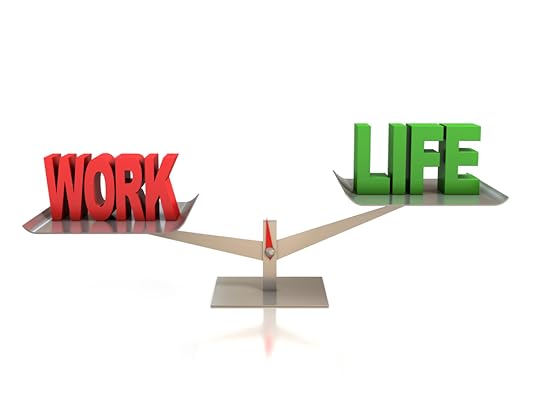
Thinking mathematically, most of us will spend more than half of our waking lives at some form of work or another. (and that's disregarding commute time). Love it or hate it, work has a major impact on how we view ourselves, and how we view others.
Finally, thinking like a writer, I considered the kinds of jobs which I have written characters doing. I can't help but note how, for many of them, their work gives them self-definition: "I work, therefore I am." I have had plots which turned on the loss of work or the gaining of it. I have had other stories showcase the disparity between a person at one type of work (and thus income) and another.
Confession, I generally enter the process of creating characters with a discovery of the work or job they are doing, or the work that they want to do and aren't for some reason or another. I begin shaping their skillsets, deciding how they were educated or trained to do that work, why they chose that job (or sometimes how that job chose them). This process backtracks me through the character's life and I write out character sketches before I begin their "present moment" stories.
 Sometimes this education-work-life path is explained on the page, as I do with my forthcoming novel's characters Jess, Elena, and Eric. It's naturally occurring because they are getting to know each other and building their relationships. Sometimes this education-work-life exploration will only inform me so that I can write dialogue and inner monologue, select words that capture their unique voices or convey their perceptions and method of dealing with the rest of the world. Hours of research becomes just the unseen muscle filling out and strengthening a narrative shape.
Because characters DO work, some portion of this work needs, in my opinion to be on the page, otherwise as someone noted recently -- how in the heck did the playboy manage to write a 100,000 word book only saying periodically he was a writer to whoever he was with at the time? We might not write every time a character goes to the bathroom -- but we all know they go. But woe to the author who only has a character mention their job and we readers never get to see the character DO it.
On the other hand, how much work in a story that's not about the work, do you bear before you wonder what's really the plot to focus on? Are you meant to care most about the project their rushing against deadlines to complete at work or the budding romance their having with the late night delivery girl who's always bringing by food ordered by their secretary just before leaving for her own home "because she hasn't eaten all day."
[image error] Just a few thoughts I'm having as I head into my weekend. Enjoy your time off if you have it (and remember the workers who can't take the time). If you are working, I offer support that you are treated well by those you encounter this weekend. I won't be among them.
I intend to stay in and spend time at my other "job": writing about my characters and their work and life.
Thinking personally, I've done a lot of different sorts of jobs over the span of my working life, but have not ever had a job where I worked the "typical" Federal (U.S.) holidays, like Labor Day, Christmas, New Year's Day, or Memorial Day. But I know many do, from hospital workers and first responders to shift workers in all those stores and tourist attractions where everyone else expects to visit and spend money.
[image error] Thinking politically, realize that Labor Day was established by those who wanted to celebrate and honor the workers used/abused by employers. The fact there is a "weekend" (simply days off) at all is because of organized labor demanding changes as the reality of the Industrial Age set in for people working at the rapidly multiplying factories.
Thinking mathematically, most of us will spend more than half of our waking lives at some form of work or another. (and that's disregarding commute time). Love it or hate it, work has a major impact on how we view ourselves, and how we view others.
Finally, thinking like a writer, I considered the kinds of jobs which I have written characters doing. I can't help but note how, for many of them, their work gives them self-definition: "I work, therefore I am." I have had plots which turned on the loss of work or the gaining of it. I have had other stories showcase the disparity between a person at one type of work (and thus income) and another.
Confession, I generally enter the process of creating characters with a discovery of the work or job they are doing, or the work that they want to do and aren't for some reason or another. I begin shaping their skillsets, deciding how they were educated or trained to do that work, why they chose that job (or sometimes how that job chose them). This process backtracks me through the character's life and I write out character sketches before I begin their "present moment" stories.
 Sometimes this education-work-life path is explained on the page, as I do with my forthcoming novel's characters Jess, Elena, and Eric. It's naturally occurring because they are getting to know each other and building their relationships. Sometimes this education-work-life exploration will only inform me so that I can write dialogue and inner monologue, select words that capture their unique voices or convey their perceptions and method of dealing with the rest of the world. Hours of research becomes just the unseen muscle filling out and strengthening a narrative shape.
Because characters DO work, some portion of this work needs, in my opinion to be on the page, otherwise as someone noted recently -- how in the heck did the playboy manage to write a 100,000 word book only saying periodically he was a writer to whoever he was with at the time? We might not write every time a character goes to the bathroom -- but we all know they go. But woe to the author who only has a character mention their job and we readers never get to see the character DO it.
On the other hand, how much work in a story that's not about the work, do you bear before you wonder what's really the plot to focus on? Are you meant to care most about the project their rushing against deadlines to complete at work or the budding romance their having with the late night delivery girl who's always bringing by food ordered by their secretary just before leaving for her own home "because she hasn't eaten all day."
[image error] Just a few thoughts I'm having as I head into my weekend. Enjoy your time off if you have it (and remember the workers who can't take the time). If you are working, I offer support that you are treated well by those you encounter this weekend. I won't be among them.
I intend to stay in and spend time at my other "job": writing about my characters and their work and life.
Newsletter
Follow my newsletter over on Substack. In addition to sales and promotions details, I post updates about my works in progress, including audio excerpts. https://larazielinsky.substack.com.
...more
- Lara Zielinsky's profile
- 62 followers

