
Michael Allen's Blog: Michael Allen Online, page 4
September 1, 2025
The Rookie Is Castle Part II if You Think About It
This is not just another wild fan theory. This is the truth nobody wants to admit. Richard Castle never really retired from crime-solving. He didn’t just fade away after Beckett’s death. He went underground, built himself a new identity, and resurfaced in Los Angeles as the rookie Officer John Nolan of the LAPD.
You know him as the old man among young officers in The Rookie. I know him as Castle in disguise.
The Fall of Beckett
Let’s start with the obvious. Beckett’s obsession with Senator Bracken and the endless chain of conspiracies that followed was going to end badly. She solved the case, but she couldn’t let it go. Castle begged her to slow down. She couldn’t.
The ending moments of the finale were all a dream. There in the kitchen, bleeding out, she passed away. Miraculously, Castle was able to survive that gun battle.
He was shattered. He had built his whole life around her. The writing, the investigations, even the idea of family. Without her, New York became a graveyard of memories. He couldn’t keep living there. He couldn’t keep being Richard Castle.
So he ran.
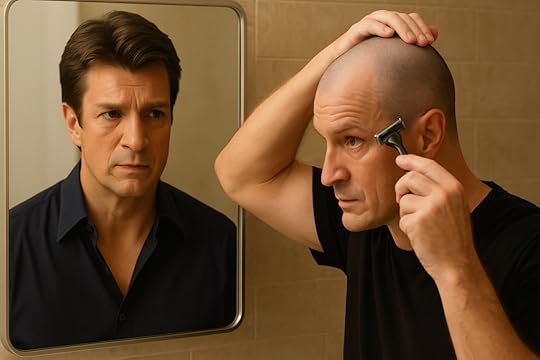
A New Identity
Castle didn’t just disappear. He created. That’s what he always did best. He was a novelist who made worlds out of thin air. Why not make a new one for himself?
He picked Los Angeles, far from his old life. He wrote himself a backstory. Not a writer this time. Too dangerous. Too many people would know his face. He decided to be a small-town contractor who wanted to chase his dream. It was plain, believable, forgettable.
But the real twist? He didn’t just write it. He lived it. He became John Nolan.
The Rookie Years
So now Castle, disguised as Nolan, walks into the LAPD academy. Everyone looks at him like a middle-aged rookie with no chance. But Castle has been living this life for years. He knows more about chasing suspects, talking down killers, and navigating police work than half the officers there.
He’s not really a rookie. He’s Castle playing the role of a rookie. It’s method acting on steroids.
The Fake Family
Of course, an identity that big needs anchors. Nolan had an ex-wife named Sarah and a son named Henry. But if you look closely, something is off. The son pops up at key moments, then vanishes again. He’s never around long.
That’s because he’s not real.
Castle hired an actor to play his son. He had the money. He had the connections. He could make it work. Every once in a while, when the lie needed to be kept alive, the actor showed up. Photos, dinners, the occasional father-son talk. All of it staged.
Sarah, the ex-wife, was part of the script too. A background character that made Nolan’s story more grounded. But Castle was always in control of the casting. He knew how to keep the story believable.
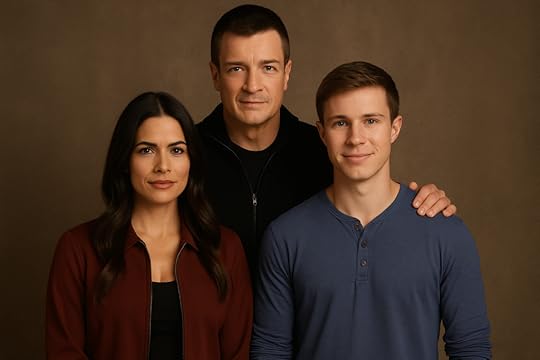
Bailey Complicates the Plot
When Nolan married Bailey, things got harder. Suddenly, the fake son had to reappear more often. Castle had to keep juggling the performance. Imagine it. He is lying to his wife, lying to his colleagues, lying to everyone around him.
But isn’t that exactly what Castle always did best? He lived half in truth and half in fiction. He thrived on it.
Why He Did It
You might ask why. Why would Castle go this far?
The answer is simple. He couldn’t stop. Being a writer wasn’t enough anymore. Watching Beckett die showed him how fragile everything was. He didn’t want to sit behind a desk and type stories. He wanted to live them.
And so he became his own novel. John Nolan is just another character Castle created. The Rookie is the book Castle is still writing, chapter by chapter, call by call, case by case.
The Clues
If you watch The Rookie with this theory in mind, the clues are everywhere.
Nolan always has the same Nathan Fillion charm Castle had. He cracks jokes in the middle of serious moments. He bonds with strong women who push him to be better. He is underestimated at first, but always rises to the moment.
It’s Castle. He didn’t change. He just swapped names.
The Conspiracy Nobody Talks About
Of course, ABC will never admit this. They sold The Rookie as a brand-new show. They told us it had nothing to do with Castle. But look at the timing. Look at the details. Look at the man.
Castle is alive. Castle is Nolan. And The Rookie is Castle Part II, whether they want to admit it or not.
The Ongoing Story
The best part of this theory is that it never has to end. Castle is still out there, wearing a badge, chasing criminals, and spinning the biggest lie of his life. Every new season of The Rookie is another volume in the Castle saga.
We thought Castle was a TV show. It was only the beginning.
The writer became the story.
If you want to read more about The Rookie: The Rookie Review: Focus on Wesley’s Fatal Flaw
If you want more fan-fiction, I love writing it: Leonard and Sheldon: The Big Bang Theory Reimagining
Read more: Why the Quietly Powerful Togetherness Deserved More Than Two Seasons
The post The Rookie Is Castle Part II if You Think About It appeared first on Michael Allen.


August 10, 2025
The Rappahannock River Signed Me in Permanent Ink
The river wrote its name on me a long time ago. Not with a pen. With rocks, cold shock, and that deep, thunder-in-your-ribs sound you feel before you hear. The Rappahannock River signed me in permanent ink.
Back then we were a crew of water-dumb kids who thought gravity was a dare. We’d climb, count, and jump, aiming for the boil, not the calm. You hit the skin of the river, and it hits back, slap, tumble, spin. The world goes bubbles and roar. You surface laughing, coughing, louder than the water. Someone yells, “Again.” Someone else is already running. That’s how scars happen. That’s also how you learn what your body can take, and what it can’t.
Years later, Fredericksburg changed. The old Embrey Dam, with its concrete spine across the river, came down. On February 23, 2004, they blew a hole in it with a controlled explosion and set the flow free. It had been there since around 1910, first built for power and water, then hanging on mostly as a landmark when those jobs moved elsewhere.
I remember thinking, the river’s about to remember itself.
Dams do more than hold back water. They hold back stories. Fish that used to run upstream to spawn hit a wall and turn into a rumor. Anglers talk about how it “used to be.” Kids grow up thinking the river is supposed to stop there. But once Embrey cracked, the Rappahannock River and Rapidan re-opened, miles and miles of old routes breathing again, something like 106 miles of main river made passable for migratory fish. Shad. Herring. Eel. The old names coming home.
[image error]I didn’t watch the blast in person, but I’ve replayed the footage more than once. That white bloom of spray, the puff of dust, the crowd noise folding into the river’s roar. You don’t often get to see a barrier become a current. You don’t often get to watch a place heal on a schedule.
If you grew up here, the river’s part of your internal map. It’s the smell after a storm. It’s the first cold shock of spring that says, “Wake up.” It’s the hush under a bridge and the shout at the fall line. It’s the tacky scrape on your shin that never quite fades, the one that makes you grin when your fingers find it. That scar is a receipt. You were there; you paid in skin; you belonged.
I’ve thought about why the river gets louder in memory. Part of it is simple, youth makes every echo longer. But part of it is that water is honest. A river doesn’t care if you’re tough. It doesn’t care if you’re scared. It cares if you respect it, and it teaches you fast if you don’t. The first lessons are practical. Read the current, watch the feet, don’t show off for the wrong reasons, keep your buddy in sight. The later lessons land softer and stick deeper. The momentum beats brute force, small adjustments save big problems, and most fights aren’t worth having if you can just move around them.
When Embrey fell, I heard people say the river wouldn’t feel the same without the drop, less drama, less spectacle. Maybe. But “same” was never the point. Rivers aren’t meant to stay the same. They’re meant to move, to take a thousand tiny paths to the same end, to change you as you walk alongside them year after year. We trade the big white fan of water the dam forced for a different kind of beauty, the kind you don’t stage, the kind that sneaks up on you when a shadow slips under your feet and you remember shad used to run here in numbers, then you see them actually doing it now because the way is clear again.
I go back when I can. I find a quiet bend where the city noise can’t quite reach and let the river do its old work, scrubbing the static, sanding down the edges. I watch the surface for tells. A wrinkle where a rock shoulders through, a slick where the water quickens, a dimple against an eddy line. The language comes back fast. You don’t forget. Your body remembers the angles and the timing, how to plant a foot and lean, how to ride a push without fighting it.
People ask why I talk about the Rappahannock River like it’s a person. Easy! Because it talked to me first. It taught me consequences and calm. It gave me places to test myself that weren’t about trophies, just showing up, getting wet, climbing out, doing it again. When the dam went, it taught me one more thing. Sometimes the right move is subtraction. Take the weight off the flow, and life finds the old channel on its own.
The Rappahannock River doesn’t sign everyone. That’s fine. Not everyone wants the same kind of story. But if you grew up in its orbit, if you ever counted to three and jumped because your friends were counting with you, you know what I mean. You can still hear the low thunder. You can still taste the river when rain is in the air. And if you run a finger over a thin pale line on your knee or your shin and catch yourself smiling, that’s the card in your wallet.
Keep reading: Broke Keyboard, New Brain: The Making of Franken-Laptop
The post The Rappahannock River Signed Me in Permanent Ink appeared first on Michael Allen.
August 2, 2025
Sydney Sweeney and the Weaponization of “Wrongthink”
It started with a joke about jeans. Not a great joke, maybe not even a good one, but certainly not the kind of thing anyone expected would launch a wave of backlash. Sydney Sweeney, in a playful American Eagle ad, made a pun about her “genes,” a nod to family and heritage, while wearing blue denim jeans. Cue the outrage machine.
People groaned, rolled their eyes, and some even accused her of perpetuating a conservative dog whistle. Never mind that the ad was harmless. Never mind that no one raised an eyebrow when dozens of other celebrities made similar pun-heavy ads in the name of fashion branding. Sweeney’s offense wasn’t the pun. It was what the internet thought it meant. And now, it’s not just about a pair of jeans, it’s about a person’s right to exist in public while holding private beliefs.
This week, BuzzFeed reported that Sydney Sweeney is a registered Republican in the state of Florida. That’s it. No illegal behavior. No scandal. No story, really. Just a line drawn in the sand, an insinuation that her personal political affiliation is not just newsworthy, but somehow dangerous. The framing was subtle but clear. This is who she really is. As if party registration defines someone’s entire moral character.
It would be really funny if it weren’t so creepy.
 via American Eagle
Let’s get a few things straight. First, political affiliation in America is not a crime. Second, freedom of thought and freedom of association are supposed to be one of the cornerstones of a healthy democracy. Yet more and more, we’re watching public figures be dragged into cultural tribunals for “wrongthink.” Not for actions. Not for harm done. But for the possibility that their beliefs might not align with a specific online consensus.
This isn’t journalism. It’s ideological gatekeeping dressed up as reporting.
Sydney Sweeney didn’t commit some moral failure. She didn’t incite violence. She didn’t take a public stance on a controversial issue. She didn’t say anything political at all. What she did was exist as a working actress in an industry increasingly hostile to anyone who falls outside its narrow definition of acceptable opinion. That her voter registration became a headline says less about her and more about the culture trying to eat itself.
People can disagree about policy. They can debate values. But this isn’t a debate. This is digital McCarthyism, fueled by platforms that profit off clicks, outrage, and tribalism. It’s the same energy that once tried to cancel Chris Pratt for going to a church they didn’t like, not because of his statements, but because of guilt by association. It’s a formula. Find a target, assign a label, and let the algorithm do the rest.
What makes this even more unsettling is how selective the outrage tends to be. Hollywood is full of people with questionable personal histories, some who have actually harmed others, yet many of them get a pass because they say the “right” things on social media. But someone like Sydney Sweeney, whose only crime is existing with unapproved politics? She’s suddenly a target for cancellation.
[image error]And here’s the kicker. The same people calling for her head are the ones who constantly preach tolerance, inclusion, and kindness. They talk about standing up to bullies, but only when it’s convenient. Because when they decide someone is “on the wrong side,” they become the bullies themselves. Loud, ruthless, and proud of it.
You can’t claim to fight for compassion while treating ideological differences like moral crimes. You can’t champion diversity while silencing anyone who doesn’t parrot your worldview. And you definitely can’t claim the moral high ground while digging up voter registration records to try and publicly shame someone for what box they checked.
It’s hypocrisy at its finest. Not thoughtful discourse. Not meaningful accountability. Just another way to say, we only tolerate you if you agree with us.
There’s also a deeper, more uncomfortable truth beneath all of this. The entertainment industry has quietly become a place where conformity is prized over authenticity. The message is clear, you’re allowed to be bold, edgy, and rebellious so long as it’s the correct kind of rebellion. Step outside the narrative, even silently, and your job, your reputation, and your privacy are suddenly on the table.
Is that really the culture we want to build?
Sydney Sweeney doesn’t owe anyone an explanation for her voter registration. Just like you don’t owe one for yours. What she does deserve is the same courtesy we all expect, the right to live, work, and speak without being demonized for her internal thoughts or quiet affiliations. There’s no scandal here. There’s just the creeping normalization of weaponized identity politics, and the media’s willingness to turn anyone into clickbait if it serves the narrative.
You don’t have to agree with her. You don’t have to like her work. But if we’ve reached a place where someone’s name can trend simply because of how they’re registered to vote, we should probably take a long, hard look at what we’re becoming.
Because this isn’t activism. It’s surveillance culture with a smile. And no one is safe from it, not even the girl in the jeans.
Read more:
Hawk Tuah Haliey Welch Bouncing Back After Crypto Fiasco
The World Has Embraced The Unlimited Fake
The post Sydney Sweeney and the Weaponization of “Wrongthink” appeared first on Michael Allen.
July 28, 2025
Scare Over Plastoline Inventor Making Plastic Into Fuel
Julian Brown stood in front of a classic truck with a gas can, and a crowd gathered around him, everyone with a phone in their hand. In fact, he invited them to record this historical moment where he was going to fuel the truck with Plastoline, gasoline made from plastic. Groundbreaking work that would greatly impact the world we live in, but that would call for a lot of change, and some people just aren’t trying to have it.
On July 9, he left a very cryptic message on his Instagram, and then, he was gone. Of course, everyone’s mind went straight to what the government might have done with him. That’s how low we think of our government these days. But others thought more clearly that it might be the gasoline companies themselves who weren’t too happy with his invention. Either way, he was gone, and no one knew where he was.
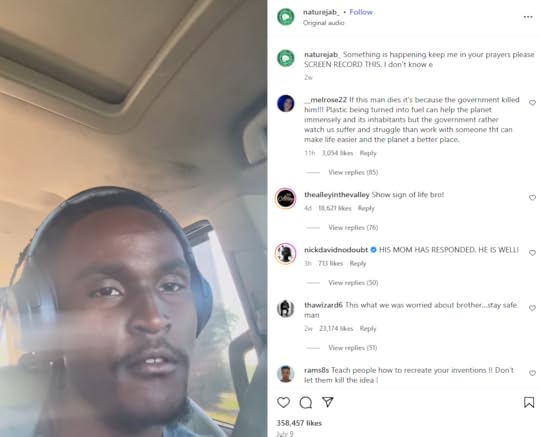 via Instagram/naturejab_
“If this man dies it’s because the government killed him!!! Plastic being turned into fuel can help the planet immensely and its inhabitants but the government rather watch us suffer and struggle than work with someone tht can make life easier and the planet a better place.” _melrose22
You can’t stop people from going there when something like this happens. It’s happened too many times, and the government has been behind some of these things. Other times, it’s been the corporation itself.
An Invention the World Desperately Needs
Before his disappearance, Brown had claimed to have developed a method to convert plastic waste into fuel. Not a theoretical model. Not a lab-bound prototype. A working solution, he called Plastoline.
According to people close to him, Plastoline could process everything from single-use bags to broken toys and ocean debris, and refine it into a burnable liquid that powers cars, trucks, and even planes.
In other words, the very thing we’ve been throwing away for decades could now power the machines that run the modern world. If real, it would be one of the most disruptive inventions since the internal combustion engine.
Plastic: Our Greatest Curse… or Secret Weapon?
Every year, humanity generates more than 400 million tons of plastic waste. We recycle less than 10%. The rest is buried, burned, or dumped into the environment. Over 11 million metric tons of plastic flow into our oceans annually. If trends continue, that number could nearly triple by 2040. Right now, there are more than 170 trillion plastic particles swirling in our seas.
We’ve turned Earth into a landfill. But if Plastoline works, every bottle, wrapper, and straw becomes a potential barrel of fuel. Suddenly, the mountains of trash become mines of untapped energy. Cleanup becomes profitable. Pollution becomes power. And maybe, just maybe, we get a shot at reversing the damage.
Too Big to Bury
But with great disruption comes danger. The oil and plastic industries are deeply linked. Most plastics are derived from petrochemicals. Fossil fuel companies don’t just pump gas, they manufacture plastic, too. Billions of dollars are tied up in keeping things just the way they are.
If Plastoline takes off, it doesn’t just clean up the environment. It upends the system. No more dependence on drilling. No more plastic bans that barely scratch the surface. And no more pretending that recycling programs are enough. Julian’s invention threatened to rewrite the rules, and those who profit from the old ones might not take that lightly.
Plastoline Appears to Work
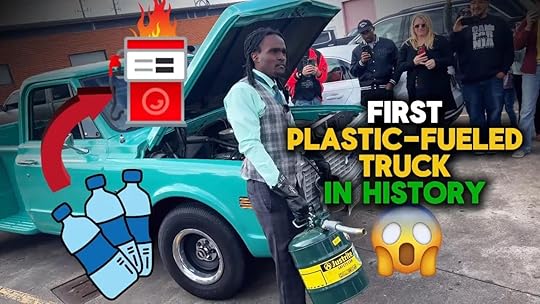
The worries lasted weeks. The thoughts about what could have happened to Julian circled the internet again and again. No one had a clue, and Julian wasn’t putting out any more signals that he was okay after his message went viral.
That is until his mom finally put everyone’s minds at ease, “I can confirm Julian is safe but in the best interest of his security I’m not able to provide any more information.” Nia Brown, Julian’s mother, reached out and informed DailyMail.
All of the conspiracy theories can fade away. Plastoline is still safe. The company Julian founded, NatureJab is safe. At least for now.
I’d prefer we cleaned up the oceans and cleared the land, using all that plastic to fuel the cars we drive. That sounds like a win-win to me. But of course, there are billionaires who would lose some money, and they can’t be having that. So if it wasn’t just him being paranoid and Julian’s life was in danger, he’s not out of the woods yet. Even with the eyes of the world on him, they could still find a way to get to him.
Read more:
Hawk Tuah Haliey Welch Bouncing Back After Crypto Fiasco
The post Scare Over Plastoline Inventor Making Plastic Into Fuel appeared first on Michael Allen.
July 26, 2025
Hawk Tuah Haliey Welch Bouncing Back After Crypto Fiasco
Named Hawk Tuah from a viral video that went crazy, Haliey Welch has seen the ups and downs of stardom. While the internet has launched many a meme into orbit, few have flamed out quite as spectacularly as her crypto career. Spoiler alert: she’s okay now. But let’s take a look at how a factory worker from Tennessee rode a meme to meme-coin disaster, and why she’s still standing.
After her viral moment shook TikTok, Haliey did what any viral sensation might do. She leaned into it. She launched a podcast, grabbed some endorsement deals, and then, somehow, found herself jumping into the world of cryptocurrency. That’s when $HAWK was born.
On December 4, 2024, Welch’s meme-coin officially launched on the Solana blockchain, with nothing but a bird name, a lot of hype, and dreams of moon landings. And moon it did, at least for a moment. Within hours, the coin skyrocketed to a nearly $490 million market cap. Not bad for a coin with absolutely zero utility other than vibes.
But by the next day? Crashed. Like, “I lost my kid’s college fund and my dog won’t look me in the eye anymore” crashed. The value plummeted by over 90%, settling somewhere between a sad $25–60 million. Redditors cried foul. X users screamed “rug pull.” And Haliey? Well, she went radio silent.
@michaelallenonlineHaliey Welch – Influence for Good! We know her story but look what she’s doing with it. I can only applaud… #fun #influencer #celebrity #viralvideo #fyp Photos courtesy of Haliey Welch: https://www.instagram.com/hay_welch/
♬ original sound – Michael Allen – 300 Beer Weekend
Before December, I had no idea that a coin was in development. I was watching her rise, writing about her, putting videos together about her, and still had no clue there was a crypto in the making. When I finally heard the news, I smelled trolls all over it.
Hawk Tuah was a brand. Trolls who have nothing better to do than take advantage of others came along and talked her into putting her brand on a coin she knew nothing about. In fact, creating the coin takes a level of coding proficiency to make happen. Doing a rug pull takes a really high level of understanding the world of finance and the marketplace. Not only that, orchestrating a rug pull is like flying a plane, which means you have to understand the physics of the wind in order to stay up there.
I don’t know Haliey. But I was quite sure that her knowledge of crypto and finance was not on the level it needed to be to mastermind such a trick. Plus, it just didn’t make sense. Why would someone put their name on a coin only to rip people off a day after it launched?
Scam artists and trolls keep themselves anonymous. You don’t see anyone else’s name on that coin, do you? That’s because those trolls taking advantage of her and trying to get rich while destroying her name weren’t about to come out of the shadows and expose themselves. But they were fine with letting her hold the bag.
Things got serious when the FBI showed up at her grandmother’s house the very next day. Yep. They knocked on the door, asked for her phone, and later interviewed her in Nashville. As far as worst-possible-follow-ups to internet fame go, that one’s up there.
To her credit, Welch cooperated fully. The SEC and FBI launched an investigation, and after months of poking around in her DMs and wallet history, both agencies cleared her of wrongdoing. No charges. No sanctions. Just a very expensive lesson and some PR cleanup.
According to Welch, she made nothing off the coin’s price surge, just a small marketing fee that she says was immediately swallowed up by legal costs and damage control. In other words, she barely broke even on the most chaotic get-rich-quick scheme of 2024.
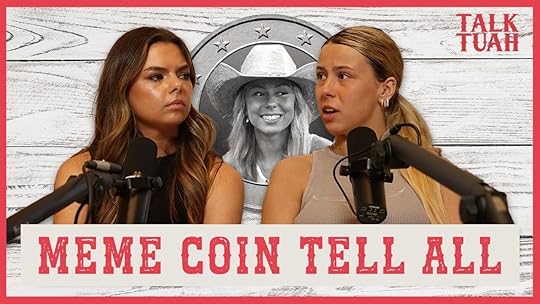
Welch eventually resurfaced in April 2025, relaunching her podcast, Talk Tuah, and addressing the elephant in the blockchain.
“I couldn’t tell you how crypto worked,” she admitted. “I got talked into it, and I trusted the wrong people.”
via Brittany Bell
And honestly? That tracks. Welch has always been more Bud Light than Bitcoin, more trucker hat than tech startup. The crypto thing wasn’t her lane. She just got handed the keys and told it was a Lambo.
She says she’s cut ties with everyone involved in $HAWK and won’t be dabbling in crypto again. Which, all things considered, might be the smartest investment decision she’s made yet.
Meanwhile, back in the Eastern District of New York, a class-action lawsuit was filed against the people behind the $HAWK coin. Welch wasn’t named in the suit, but the complaint laid out what most investors already suspected. The coin was promoted as a joke, spiked in value, and left a lot of people holding the digital bag. It’s worth noting again, because lawyers get twitchy about this stuff, Haliey Welch was never charged with a crime and remains free to “hawk tuah” on mic as much as she pleases.
Welch is now in rebuilding mode, and she seems to be doing just fine. She’s ended her media partnership with Betr Holdings and is steering her podcast independently. There’s even a documentary in the works by Bungalow Media & Entertainment that promises to go behind the scenes of her rise, fall, and second act.
Will she ever reach $490 million again? Doubtful. But will she continue to live rent-free in our cultural lexicon for at least the next fiscal quarter? Absolutely.
In fact, if the internet has taught us anything, it’s that authenticity and a well-timed spit joke go a long way. Welch may have stumbled hard in the crypto world, but she’s bounced back the same way she entered our lives, full force, Southern charm, and just the right mix of chaos and charisma.
So here’s to the bounce back. And here’s hoping she sticks to the kind of Hawk Tuah that made her famous in the first place, the viral kind, not the volatile kind.
Every word she says is backed up by legal documentation:
The Hawk Tuah class‐action lawsuit, Albouni et al. v. Schultz et al., filed on December 19, 2024, in the U.S. District Court for the Eastern District of New York, named the following defendants:
Troll #1 – Tuah The Moon Foundation (a Cayman Islands‑registered entity), alleged to have handled token sales and fund flows.
Troll #2 – overHere Limited, a Hong Kong–based Web3 launchpad and token arranger.
Troll #3 – Clinton So, the founder and key executive of overHere Limited.
Troll #4 – Alex Larson Schultz, also known as “Doc Hollywood,” an influencer who promoted the $HAWK token online and hosted related discussions.
Any one of you celebrities or influencers see these guys coming with their bright ideas and lofty ambitions, slam the door and lock it. Then, lock it again!
Making Money On Facebook By Being Absolutely Ridiculous
The post Hawk Tuah Haliey Welch Bouncing Back After Crypto Fiasco appeared first on Michael Allen.
July 22, 2025
Broke Keyboard, New Brain: The Making of Franken-Laptop
Franken-Laptop was born on a particularly challenging day for me because I was up against a deadline. I was not only burning the midnight oil, but I was putting some major wear and tear on the machine. This is how it all happened.
I was writing and burning through the keys like I always do. Sometimes, I notice myself hitting the keys a little hard. They make a thud as I’m writing a hundred miles an hour. I can’t help it, though, because keyboard discipline is not my strong suit. I know where all the keys are, and that’s the only thing that matters to me. How I treat them is not going through my mind while I’m writing a book or an article.
I first noticed the “s” key getting difficult. It wouldn’t work sometimes. I’d have to go back and hit it again as I was typing. Then, that would go away, and I’d be thankful. But it would start again. Then, the “w” started getting difficult. The “2” followed.
But at least, they were still working. I just had to have patience and hit them a few additional times. It was when they stopped working altogether that I became frustrated. The computer was still good. It was only the keyboard. I’m not the kind of guy to throw something out or buy something new if I can still use it.
The fix was getting a wireless keyboard and mouse. That way, I didn’t have to start over with a new computer. Actually, I love doing that. But only when mine goes down and I need a new one. I didn’t need a new one. All I needed was a working keyboard with a mouse to go with it.
When I plugged them in, I brought Franken-Laptop to life. That was the beginning stages, though, because my station had grown twice its size. What I used to have was just a laptop on my lap. What I had now was a laptop so that I could see the screen, and an additional keyboard with an additional mouse, taking up twice as much space.

That’s when it dawned on me that this new technology these geniuses brought into the world will cast what’s on my laptop up onto my Roku TV screen, a 65″ by the way. I immediately got excited about the idea. I pushed Windows+K and boom, I was in business. I chose the 65″ and my whole world was up on the TV screen in front of me. I admired my work for a moment. But that was just the beginning of Franken-Laptop.
I put the laptop in the corner. The keyboard and the mouse were all I needed to get my work done. The huge screen in front of me was how I could watch it getting done. But as I worked, thoughts started spawning in my head.
What if I ripped the laptop apart and started adding body parts? I could get a new processor and increase speed. I could add a hard drive to the one I already have and seamlessly increase storage space. It would never be able to walk again. But it would be buff as hell.
One trip to Best Buy and I was like a kid in a toy store. I wanted everything, but I knew my capabilities and my limits. I wasn’t there to buy a brand-new computer. I was there to bring my old one back to life. I had to keep reminding myself of that.
The only thing that was a letdown since I set out on this journey was that I couldn’t upgrade the CPU. Mine’s soldered, and every resource online I could find about it literally screamed at me that it couldn’t be done. I couldn’t find one source on my side on that. Even when I learned about an external GPU upgrade. I don’t have a Thunderbolt USB, so no joy there either.
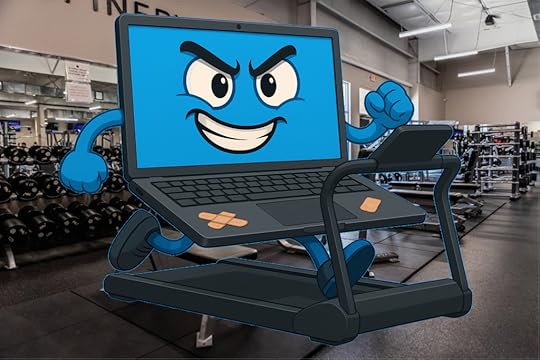
What I could do, though, made all the difference. I maxed out the RAM by adding a stick to the empty slot. Then, I added more storage by popping in a 2.5” SSD alongside my existing NVMe drive. The final thing I did was put some thermal paste on the CPU, which bumped up the performance and brought my temps back down.
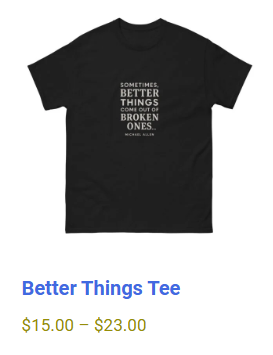
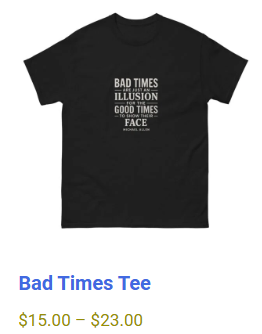
Franken-Laptop was buzzing like new. FL reminded me that better things sometimes come out of broken ones. So if I were to add a moral to this story, which I’m not because I’m not that kind of guy, this story goes along with a shirt I made one time.
I was evacuated out of Florida a few years ago because a huge storm was coming through. They closed I-95 South to inbound traffic, allowing us to use the North and the South side of the highway to get out of the state. I was with my friends, and we pulled into the hotel in Tennessee around 3 am.
It was a tough time for me because I wasn’t financially prepared for a two-week stay out of town. But I worked while staying in the hotel and made my money as I went. I stayed afloat, and it wasn’t long before the ads for FEMA started hitting emails, Facebook feeds, and the radio while we were traveling from Tennessee to Georgia, when the storm started to make its way toward us there.
I applied one day and received the money the next. They weren’t playing around. In all of this, a thought occurred to me on a particular stop at a Big Lots while passing through a small town along the way, “Bad times are just an illusion for the good times to show their face.”
Turning my laptop into FL is a bit different than trying to survive on the road after being evacuated from your home. But the same lesson, the same message. When bad things happen, it’s not the end of the world. Keep your head on straight. Learn about all the options and think them through. Don’t make any decisions while you’re frustrated. Wait until you’ve had a chance to digest the situation. Sometimes, better things come out of broken ones.
If you thought this message was relatable or helpful in any way, you might also like In the Walk, my latest novel that talks theology without beating readers over the head with weighed-down beliefs.
The post Broke Keyboard, New Brain: The Making of Franken-Laptop appeared first on Michael Allen.
July 17, 2025
When Your Emotions Aren’t Cooperating With Your Stupid Face
Sometimes you know exactly how you’re supposed to feel. You know the mature, emotionally intelligent emotions that you should have. And then your actual feelings walk in and do a completely different thing.
You might nod and smile like everything is fine. You might even repeat little phrases to yourself like “this is okay” or “I’m not bothered.” But somewhere inside, your emotions are shaking their heads and refusing to cooperate.
This happens more often than we like to admit. And it is not because we are bad people. It is because feelings are messy and stubborn, and they don’t always play well with others.
You know the moments when this emotional mismatch shows up. You’re trying really hard not to show it. But your face isn’t backing up what you’re saying.
When We Are Jealous of a Friend’s Achievements
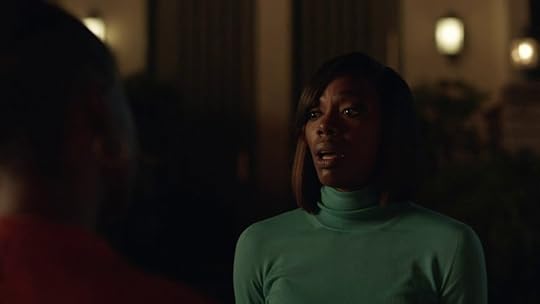 via HBO
It happened in Insecure when Molly was promoted and Issa was trying to celebrate. But those emotions weren’t real, and it came through. It can happen with anything.
Your friend just got engaged, or found the best apartment, or was just given a free cruise. You clap and say congratulations, and you want to mean it. But something else is taking place in your head.
There is a weird knot in your stomach. It doesn’t feel good, and you know it shouldn’t be there. But there it is, twisting and turning and whispering something about how you’re falling behind.
Jealousy doesn’t make you a villain. It just means there is something you deeply want. If you can sit with that feeling for a second and figure out what it’s pointing to, you may learn something important about yourself.
When We Know We Shouldn’t Be Mad But We Are
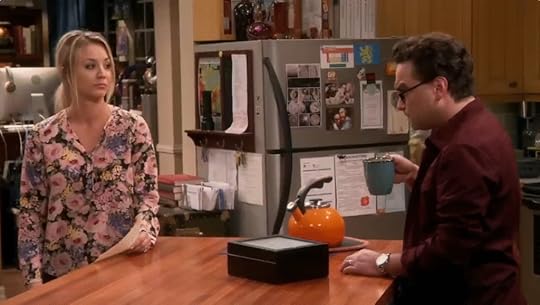 via CBS
There is a scene in The Big Bang Theory when Penny’s brother is coming to live with them, and Leonard is not a fan of the idea. He says he’s cool with it. But in walks Sheldon with a machine that can accurately read emotions. That’s the worst-case scenario. He can’t hide his anger because Sheldon keeps telling on him, and it leads to a fight.
There are so many moments in that show where Leonard and Sheldon had serious issues, and their relationship could have ended up entirely different. Sheldon had the most annoying way of telling on people while not picking up on the social clues. Sometimes, that’s part of the problem. Although it might not be as drastic as Sheldon’s case.
Maybe your partner left a dish in the sink after saying they wouldn’t. Or your friend canceled plans again for the third time this month. You know these are small things, and yet you are fuming.
You tell yourself to chill out. You remind yourself that people are human. But inside, you are imagining a very dramatic speech where you lay down the law and storm out of the room. You might even have that same imaginary conversation over and over until it keeps you up all night.
Being mad does not mean you are being irrational. It means something rubbed you the wrong way, and your emotions have not caught up with your values yet. That’s okay, just don’t let the anger unpack a suitcase and move in with you.
When We Know We Shouldn’t Judge Someone, But We Do
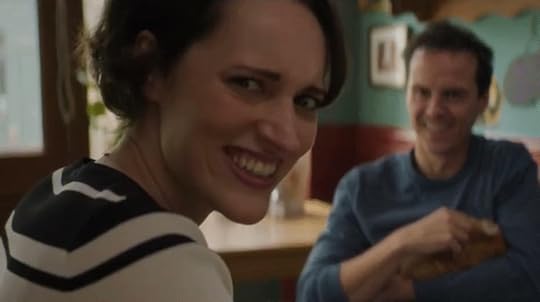 via BBC
If you haven’t already, catch Fleabag on Amazon or Apple TV. When you see Phoebe Waller-Bridge’s side eye, you’ll immediately get what this one is about.
You meet someone and immediately think, nope. Maybe it’s their outfit or the way they talk. Maybe they chew too loudly or brag about something weird.
You know judging people is not the best look. You try to stop. But your brain keeps making little comments like a very unhelpful peanut gallery.
Instead of pretending those thoughts are not happening, just notice them. You can call yourself out gently and laugh a little. And then try being curious instead of critical.
When Someone Gets Something We Wanted
 via Summit Entertainment
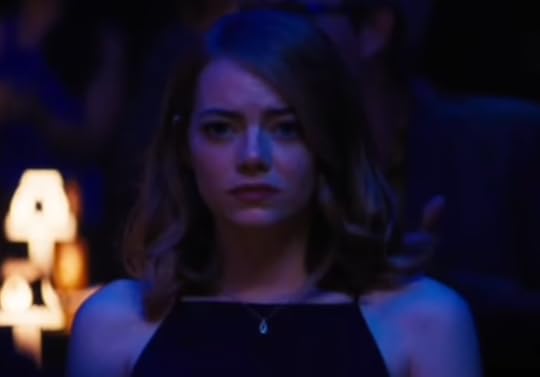
When Ryan Gosling is on stage performing and Emma Stone is sitting in the audience at the end of La La Land, her look says it all. Her face could not betray her feelings.
This one stings. You worked hard for something. You wanted it badly. And then someone else gets it.
You tell yourself to be happy for them. You try to smile and say, “Well deserved.” But behind your eyes, your hopes are packing their bags and stomping out the door.
It’s hard to see someone else living out your dream. But just because they got there first doesn’t mean you never will. Your story is still happening, even if someone else is having their moment right now.
When We Resent Someone We Love
 via HBO
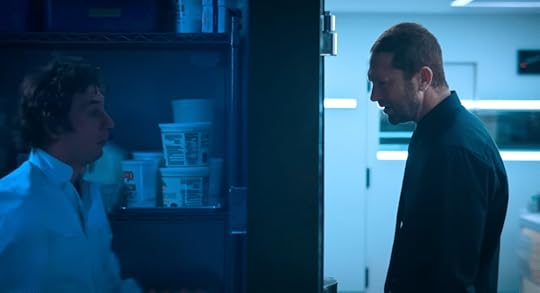
If you’ve watched The Bear, you’ve seen Carmy and Richie go at it. That’s how they get along. But those emotions run deep and sometimes, go off the rails.
This one is tough. You love them. You care. But something they did still hurts.
Maybe they forgot something important. Maybe they let you down when you needed them most. Even if you understand why it happened, that little storm cloud is still hovering.
Loving someone doesn’t mean pretending everything is okay. It just means you are willing to work through the mess instead of pretending it’s not there. Talk about it if you can. If not, give yourself the space to process your emotions.
When We Are Annoyed by Someone Who Is Doing Nothing Wrong
 via NBC
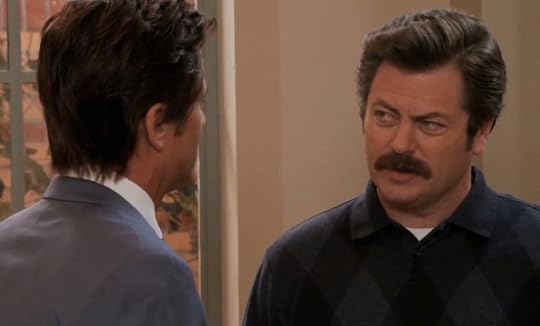
Ron Swanson was like this with just about everyone in Parks and Recreation. April was probably the only one who didn’t annoy him.
Some people just get on your nerves. They talk too much. Or laugh too loud. Or they’re always too cheerful, and you’re not in the mood.
You know they’re not doing anything wrong. You know it’s probably a “you” thing. But that doesn’t stop you from wanting to walk out of the room when they walk into it.
This is your cue to check in with yourself. Maybe you’re stressed or tired. Or maybe you see something in them that reminds you of yourself. Either way, the annoyance is a signal, not a sentence.
When We Feel Obligated to Be Happy for Someone Who Hurt Us
 via HBO
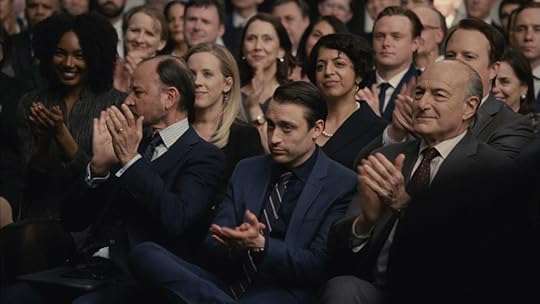
Watching Succession, you know the relationship between Roman and Shiv. Was there any real love between them at all? Between anyone in the family? I can’t imagine a family acting like this without there having been some kind of bad blood to go with it. That’s sort of where I’m going with this one.
Someone from your past is thriving now. They look great. Their life seems amazing. And you are supposed to be happy for them.
The problem is they hurt you. Maybe they never apologized. Maybe they acted like nothing ever happened. And now you are expected to cheer them on, like everything’s fine.
You don’t have to clap for people who never made things right. You also don’t have to hang on to bitterness forever. But you’re allowed to take your time and be honest about what you feel. There is no rush to feel better before you are ready.
Putting Your Emotions In Check
It is completely normal to feel something different than what you think you’re supposed to feel. That is part of being human. We are not robots who respond to life with perfect emotional reactions every time.
The trick is not to hide those feelings and pretend they don’t exist. The real magic happens when we notice them, name them, and work on understanding them. Slowly, with patience, our emotions can catch up to our values.
You’re not a bad person because your first feeling is messy. What matters is what you do next. And that starts with honesty and a little kindness to yourself.
~~~
If you found yourself relating to anything I had to say here, then you already know the struggle I talk about in my latest book.
In the Walk is about wrestling with what you believe, even when your emotions try to pull you in other directions.
The post When Your Emotions Aren’t Cooperating With Your Stupid Face appeared first on Michael Allen.
July 2, 2025
When Bryan Kohberger Finally Faced The Judge
Bryan Kohberger stood with his hand raised, fingers straight and pale like bones under the courtroom lights. His shirt was pressed, his tie neatly cinched, and yet something about him felt hollow. It was as if he had been dressed by someone else and dropped into the moment without instructions.
Bryan Kohberger did not blink as the oath was read to him, “Do you swear to tell the truth, the whole truth, and nothing but the truth, so help you God?”
“I do,” he said. His voice was calm. Too calm.
Room 203 of the Latah County Courthouse had seen its share of tragedy. But it had never seen this.
His attorneys flanked him like gray shadows. One leaned in to whisper something, but he did not respond. His gaze was fixed. Not on the judge, not on the prosecutors, but somewhere just above the gallery. He was not quite looking at the families, but close enough to make them shift in their seats.
In the second row, a woman gripped a tissue so hard it tore in half. She did not cry. She just watched him like she had watched the door of her daughter’s bedroom every day since November thirteen.
The clerk cleared his throat, “State of Idaho versus Bryan Kohberger. Case number CR28221148.”
The number did not matter. The charges did. Four counts of first-degree murder. One count of felony burglary. And a plea that had been more than a year in the making.
“Mr. Bryan Kohberger,” the judge said, “you are now prepared to enter a plea?”
Bryan nodded. Once. “Guilty.”
Gasps. Then silence. A strange vacuum pulled at the air in the courtroom as if everyone had exhaled at once and forgotten how to breathe back in.
He did not elaborate. He did not explain. He did not apologize.
He lowered his hand and sat down.
But there was a time, not long ago, when Bryan Kohberger was just another doctoral student in criminology. When the streets of Moscow, Idaho, were still quiet. When Madison Mogen was still alive.
November 12 — early hours of the 13thMadison Mogen had closed up her shift at the local restaurant around 10 p.m. She and Kaylee Goncalves laughed their way down Main Street, stopping at the food truck. The crisp night air carried their chatter as they shared fries and secrets at 1:41 a.m., proud of Kaylee’s new car and the future ahead.
They made it back to the four-bedroom house, sleepy from a long week. By 4:00 a.m., everything was still, too still.
Madison dreamed of spring blossoms. Kaylee nearly drifted off to a podcast until a thud snapped her awake. Somewhere down the hall, a whispered male voice said, “It’s okay, I’m going to help you.” Her heart thudded against her ribs. Confused.
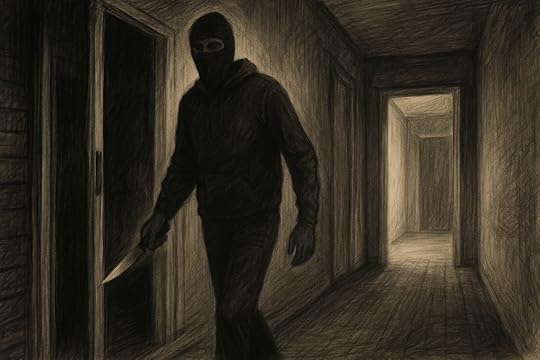
Madison heard it too. She turned toward the door, mind half-awash in sleep. By the time she was fully awake, steps, soft and relentless, passed her doorway. A figure clad in black, masked, stopped at the threshold. She tried to scream, but her throat failed. The man turned, passed, and disappeared down the dark hallway.
Madison jolted upright, adrenaline rushing. She glanced beside her. Kaylee was awake, terror in her eyes. They moved to help Xana and Ethan, but something whispered in Madison’s mind, Get out of here. Her legs obeyed, heart pounding.
Sirens were far away. She reached the hallway where the masked man had lingered, not a flicker of humanity in his gait. Just cold purpose. The hallway lights cast distorted shapes across his face-concealed features. His black clothes, as silent as death.
After he left, minutes or hours slowly passed. Kaylee squeezed her hand. They stayed frozen until later, until the call, “Please send someone… someone… unconscious person.” But the damage was done.
 Did Bryan Kohberger Deserve A Deal?
Ben Mogen didn’t flinch when the word came.
“Guilty.”
He had played that moment out in his head a thousand different ways. Sometimes he imagined Bryan Kohberger yelling it, spitting it, dragging it out in defiance. Other times, he pictured the courtroom exploding into noise. But none of that happened.
It was quiet. The kind of quiet that feels like standing at the edge of something you can’t go back from.
Ben stared straight ahead. His jaw was tight. There was nothing triumphant about it. No comfort. Just weight. But behind the weight was something else. Not peace, not yet. But maybe the path toward it.
Across the aisle, Jim Chapin sat with his hands folded. Stacy beside him reached up and dabbed her eyes, though no tears had fallen yet. Not today.
This was not closure. There was no such thing. But it was something.
They had agreed to the plea. The state had asked their blessing, and they had given it. Not because they were soft. Not because they wanted to forget. But because they knew what came with trials like this. The images, the arguments, the games. The endless cycle of appeals. The chance that something small and stupid could unravel the entire case and force them to start again.
Ben had helped write the statement himself, every word carefully, “The plea deal the prosecution has proposed is one that punishes the perpetrator of this horrific crime, protects the public from further harm, and allows all of us who knew and loved these four young people the time to grieve without the anxiety of the long and gruesome trial, years of appeals, and potential mistrials along the way.”
He meant every word. They all did.
Still, hearing it spoken aloud was different. It made the finality real.
Across the courtroom, Kohberger never turned his head. Never once looked at the families.
Which was fine. Ben didn’t need to be looked at. He needed to go home. He needed to sit with the ache in his chest and know that, for now at least, the spinning had slowed.
They would carry this for the rest of their lives. But the story didn’t belong to the killer anymore. It belonged to them.
No Time to ScreamThe stairs creaked under his weight. Bryan moved through the house like a shadow, calm and unhurried. The black gloves on his hands made no sound against the railing. In one hand, the fixed-blade knife. In the other, nothing. He had no need for a second hand. He had done this in his mind a thousand times.
Down the hall, a door was cracked open. Inside, Xana Kernodle sat upright in bed, her phone in her hand. Something had woken her. Maybe a sound. Maybe a feeling. She glanced at the time. Four seventeen.
Next to her, Ethan shifted, groggy, “What’s wrong?”
“I think someone’s here,” Xana whispered.
He sat up, blinking hard. “What?”
Then the door opened. There was no pause, no question. The figure stepped into the room with the kind of confidence that meant he had planned this. Thought it through. Every second. Every step. Every exit.
Ethan stood up first, instinct taking over. He was taller. Broader. But unarmed. He tried to shield Xana, but the knife was fast. Flashing. Controlled.
The first stab hit his chest. Xana screamed. The second cut through his side. The third landed with force that bent him forward. He collapsed halfway over the bed, his arm outstretched toward her.
Bryan turned. Xana was already moving. She had made it to the far side of the room. She grabbed a glass and threw it. It shattered against the wall, far too wide to matter. She tried to scream again, but her voice caught. Her breath was broken by sobs that came too fast to be useful.
He crossed the room quickly. Not a run, but not slow. There was no panic in him, just follow-through.
Xana grabbed her phone. Her thumb hovered over 9. She never made it to 1. The blade found her neck first. Then her side. Then her hands, raised to stop him.
She fought. They would later say she fought more than anyone. Defensive wounds. Skin under her nails. She had not gone quietly. But still, she went.
The hallway was quiet again. Behind him, Ethan lay facedown. Xana beside him, on the carpet. He looked down at his work. His chest rose once, steady. And then he left.
Back down the stairs. Out the sliding door. Into the darkness. In a few hours, the world would know. But for now, King Road slept. Two floors. Four lives. And still, he was not done.
 The Voices That Wanted More
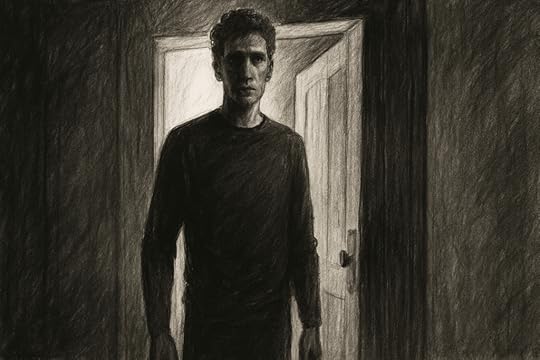
Not everyone sat quietly when the word “guilty” was spoken. Steve Goncalves leaned forward in his seat, his hand gripping the bench in front of him. His face didn’t move, but his eyes burned. His daughter, Kaylee, was one of the four. And to him, this wasn’t justice. It was surrender.
He had posted about it days before the hearing, when word of the plea deal started to spread. In black letters on a white background, his words were sharp, plain, and raw, “This is our last shot. Judge Hippler, you are our only hope that our child murderer isn’t granted control over his destiny in our children’s names. You take control of this deal and make it right because now you OWN IT.”
All caps. Final words underlined in fury. He had asked for a trial. For cross-examinations. For the evidence to be laid out where the world could see it. He had wanted the mask off. Not just the one Bryan Kohberger wore that night, but the one he wore in court, too.
Next to him, family members sat in quiet support. But the grief felt heavier, sharper, like it had been reshaped into something pointed.
Across the courtroom, Jeff Kernodle sat with his arms crossed. His daughter Xana had been the last to die, they believed. She had fought. That word stuck with him more than the others. She fought.
He had stayed mostly quiet until now, but when the plea was announced, he didn’t hold back. He echoed Steve’s anger. The deal felt too easy. Too clean. It let Bryan skip the part where he had to answer for what he did in full daylight. It let him vanish into the system without ever really being seen.
The Chapins and the Mogen family had their reasons, and he respected them. He understood the exhaustion. The need to be done. But he wasn’t done. Not yet.
As the courtroom emptied, Steve stood in place a moment longer. He looked at the bench where Bryan had sat. Looked at the judge. Then back at the door through which he had entered. The man who had taken their children’s lives had just taken control of how his own would end. And Steve couldn’t let that sit.
The Ones Who Stayed SilentBryan stepped over the threshold and pulled the door shut behind him. Not loud. Not rushed. Just closed.
The hallway was quiet again. He listened for movement. Nothing. No doors creaking. No sudden voices. If the other two girls had heard anything, they were hiding. Or they were frozen. Or they were asleep.
He took the stairs slowly. His footsteps were deliberate, but measured. He knew the layout. He had studied it. Hours of scrolling. Watching. Waiting.
On the first floor, a bedroom door sat closed. Inside, one of the surviving roommates lay curled in bed, awake but still. Her phone sat untouched beside her. She had heard something. Not everything. Just a sound. Like a thump upstairs. Then maybe a sob. Then nothing.
She wasn’t sure if it had been a dream. A few minutes earlier, she thought she had heard crying. She opened her door just slightly, just long enough to peek into the dark hallway.
And that was when she saw him. A man, dressed in black. Tall. Wearing a mask that covered everything but his eyes and eyebrows. He did not run. He did not speak. He walked past her and headed for the sliding door.
She had frozen in place, one hand still on the knob. The man left the way he came. Out the back.
She shut her door. Locked it. Sat on the floor and waited. Hours passed before anyone made a call.
Upstairs, the bodies were still. The air was still. The night had stopped.
Bryan returned to his car. He didn’t look back at the house. He didn’t check the time. He already knew it. Four twenty-five. His hands were clean. He had planned for that too.
Back across state lines, he pulled into a parking lot near his WSU apartment, wiped the steering wheel again, then took a photo of himself. He smiled in it.
Later, investigators would say he came back to the house again. Just before nine in the morning. Drove by. Stayed for ten minutes. Watched. But that was later.
For now, the sun began to rise over Moscow. The lights were still off in the King Road house. Inside, the world had changed. And no one knew it yet.
The house on King Road no longer stands. It was torn down months later, not because anyone wanted to forget, but because no one could move forward while it still stood. It had become too quiet. Too known. A place once filled with laughter, with backpacks slung on kitchen chairs and music leaking under bedroom doors, had become something else entirely.
But the people who lived in it are remembered. Madison Mogen. Kaylee Goncalves. Xana Kernodle. Ethan Chapin. Bryan Kohberger will become a footnote and fade away as people move on, but the names of his victims will always be remembered.
Why The Story Of Bryan Kohberger Hit Home For MeWhen the details of the Idaho murders began to unfold, I couldn’t help but feel an uneasy pull. Not because I had predicted them, and certainly not because I wanted to, but because the world I created years earlier in Joker Joker Deuce shared a chilling, accidental overlap.
My screenplay was written long before the 2022 killings in Moscow, Idaho. It was optioned in 2019, well before anyone had heard the name Bryan Kohberger. But even then, the story followed a college town. A loner. A campus community slowly unraveling under the weight of quiet violence. In fiction, it was Jeph. In real life, it was someone else.
Jeph was never one for spree killing. That wasn’t his style. His choices were more calculated, more intimate, more psychological. But the environment, the college town, the students, the disconnected man drifting on the fringe of a youthful world that no longer noticed him, felt eerily familiar when this case broke into headlines.
He walks past them every day. Hears their laughter. Watches the ways they move through life as if it owes them something. He doesn’t belong there, but he stays. That’s Jeph. And that could have been anyone.
The tragedy in Idaho proved what I only played with in fiction: that monsters don’t always look the part. That some of the most dangerous people aren’t hiding in the shadows. They’re sitting in classrooms. Holding degrees. Taking notes.
The story I told in Joker Joker Deuce wasn’t about a true crime. But it could have been. And that’s what haunts me now. Because fiction isn’t supposed to feel real until it suddenly does.
The post When Bryan Kohberger Finally Faced The Judge appeared first on Michael Allen.
June 30, 2025
Why the Quietly Powerful Togetherness Deserved More Than Two Seasons
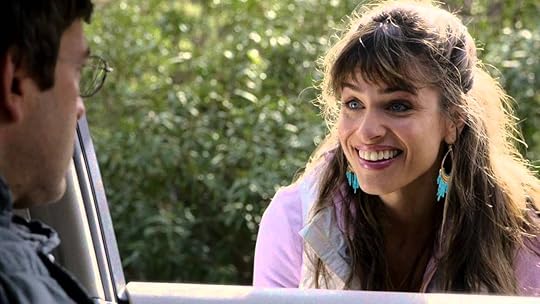
If you’ve just finished watching HBO’s Togetherness, released in 2015, you might be feeling that oddly bittersweet ache familiar to fans of short-lived but brilliant television. The show, created by Jay and Mark Duplass alongside Steve Zissis, starred Mark Duplass, Melanie Lynskey, Amanda Peet, and Zissis himself. It followed the complicated lives of two couples living under one roof in Los Angeles, exploring friendship, marriage, identity, and the quiet desperation of adulthood, all with a thread of subtle humor and realism that made it feel like life itself. So, why was Togetherness cancelled?
That’s right, just as it really started to hit its stride, it ended. Two seasons. Sixteen episodes. That was it.
So why do shows like Togetherness, thoughtful, intimate, and emotionally intelligent, end so soon?
Why Was Togetherness Cancelled?Let’s get the blunt truth out of the way. Why was Togetherness canceled? Because not enough people watched it. Despite glowing reviews and a loyal fanbase, HBO pulled the plug in 2016 due to low viewership. At the time, HBO was pivoting toward high-concept, big-budget series that generated social media buzz and kept audiences hooked in binge cycles. The slow-burn, character-driven vibe of Togetherness simply didn’t align with the network’s evolving strategy.
Mark Duplass himself responded with humble honesty. In interviews, he expressed both disappointment and gratitude, disappointment that the story had to stop, but gratitude that they were given the creative freedom to tell a heartfelt, unflashy story for two full seasons. There was no scandal, no behind-the-scenes drama. Just the cold calculus of the entertainment industry.
 The Tragedy of Quiet Brilliance
Shows like Togetherness don’t often go viral. They don’t rely on cliffhangers, shock twists, or pop-culture cameos. Their beauty lies in nuance, a glance between characters that says more than a monologue, an awkward silence that feels too real, a moment of connection that might go unnoticed by a casual viewer but feels seismic to someone paying attention.
And because of that, because they ask you to feel instead of react, they don’t always find large audiences. They require patience. They’re not built for headline-grabbing moments. They’re built to reflect real life, which is messy, quiet, and hard to market.
That’s the paradox. The very thing that makes these stories beautiful also makes them vulnerable. I feel like I became friends with them. They have their ups and downs, and they go up against villains. But they struggled through, and I was right there with them. So, why the hell? Why was Togetherness cancelled? Why is everything I like cancelled?
The Duplass Legacy Lives OnFortunately, Togetherness wasn’t the end of the Duplass Brothers’ storytelling journey. If you’re mourning the show’s early exit, there’s a wide library of similarly tender, human-centered work to explore. Here are just a few places to start:
Room 104 (HBO): An anthology series created by the Duplass Brothers, each episode taking place in a single motel room. The genres range from horror to comedy to quiet drama, but all keep the emotional depth and creative spirit you’d expect.Paddleton (Netflix): A profoundly moving film starring Mark Duplass and Ray Romano, exploring an unlikely friendship and terminal illness with the same mix of awkward humor and gut-punch emotion.Blue Jay (Netflix): A black-and-white indie film starring Mark Duplass and Sarah Paulson that feels like a slow dance between nostalgia and heartbreak.Somebody Somewhere (HBO): While not created by the Duplass Brothers, they executive produced this gentle dramedy about belonging, grief, and chosen family. If Togetherness hit you in the feelings, this one will, too.The Puffy Chair, Baghead, and other early mumblecore films: These lo-fi indie movies helped define the Duplass style, which is talky, personal, and emotionally raw.A Quiet MasterpieceIn the end, maybe Togetherness didn’t need five seasons to be meaningful. Maybe part of its legacy is that it wasn’t stretched out or diluted. It came, it hit hard, and it left behind a perfectly imperfect snapshot of adult life in flux.
Still, it’s hard not to wish for more. When characters feel this real, you don’t want to let them go.
But if Togetherness taught us anything, it’s that life is full of brief but beautiful connections, and even the ones that don’t last forever can change us for good.
If you’d like to keep reading, Vengeance: A Love Story Hits Harder Than You’d Expect is another great movie to watch.
The post Why the Quietly Powerful Togetherness Deserved More Than Two Seasons appeared first on Michael Allen.
June 23, 2025
The Funniest Autocorrect Mistakes Ever Sent by Accident
We’ve all fallen victim to autocorrect mistakes—those tiny digital betrayals that turn an innocent message into a cringeworthy disaster. One second you’re trying to say “love you,” and the next, your phone decides you meant “lobster you.” Whether it’s a text to your mom, your boss, or a brand-new crush, these autocorrect mistakes have a way of striking when it hurts the most.
Most of these autocorrect mistakes start out innocent enough—a quick reply, a rushed message, a casual “on my way.” But your phone, armed with misplaced confidence and a questionable vocabulary, decides to take over. The result? Texts that ruin family dinners, confuse coworkers, and spark accidental breakups. Whether you’ve sent one or just laughed at someone else’s pain, these ten real-life examples are a reminder that your phone has a sense of humor… and it’s not on your side.
Autocorrect Mistakes 1. “Can’t wait to hold him!”I was talking to my niece about her newborn baby…
What I meant:
So happy for you! Can’t wait to hold him!
What I actually sent:
So happy for you! Can’t wait to mold him!
Nothing says “congratulations on your newborn” like threatening to reshape him like Play-Doh. I tried to fix it, but autocorrect stepped in again:
“I don’t want to bold your baby.”
At this point, I sounded like I was formatting him in Microsoft Word.
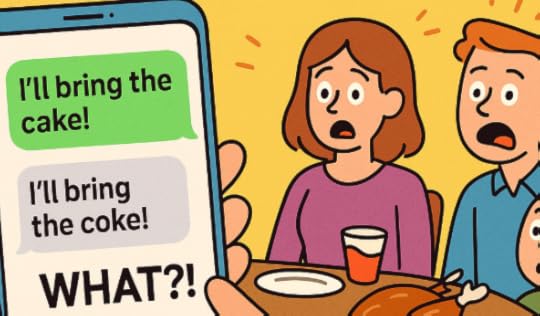
What I meant:
I’ll bring the cake!
What I actually sent:
I’ll bring the coke!
Thanksgiving got real awkward real fast. I’m still on the family group chat, but now my texts get the thumbs-up emoji and nothing else.
3. “I’m stuck in traffic.”What I meant:
Running late, stuck in traffic.
What I actually sent:
Running late, sucking traffic.
Suddenly I’m not just late—I’m deeply misunderstood. My boss read it twice and just replied, “Take your time.”
4. “Want to grab lunch?”What I meant:
Want to grab lunch tomorrow?
What I actually sent:
Want to grab launch tomorrow?
She thought I was inviting her to a missile test. Technically, I was trying to flirt, not start a war.
5. “Happy birthday!”What I meant:
Happy birthday! Hope it’s amazing!
What I actually sent:
Happy birthday! Hope it’s amusing.
Autocorrect just downgraded your entire existence to mild entertainment. You’re welcome.
6. “I’ll be there soon.”What I meant:
On my way. Be there soon!
What I actually sent:
On my way. Be theirs soon!
I accidentally pledged myself to someone else’s family. It felt more like a prophecy than a delay update.
7. “Love you, Mom.”What I meant:
Love you, Mom.
What I actually sent:
Love you, man.
Which is fine if you’re talking to your buddy at a bar. Not so much when it’s the woman who gave birth to you. She responded with a single “K.”
8. “Be safe.”What I meant:
Drive safe, okay?
What I actually sent:
Drive sassy, okay?
Now my friend was expected to roll up to a job interview like RuPaul. Mission not accomplished.
9. “Do you want to hang out?”What I meant:
Hey, do you want to hang out later?
What I actually sent:
Hey, do you want to hang later?
She never texted back. I assume she filed a police report instead.
10. “Let’s grab sushi.”What I meant:
Wanna grab sushi tonight?
What I actually sent:
Wanna grab slushy tonight?
I was trying to sound cool and spontaneous. Instead, I sounded like a 12-year-old asking someone to meet at 7-Eleven. She replied, “Sure… but what’s the occasion?” I said “raw fish,” and she blocked me.
I didn’t even add the snake emoji. Autocorrect just assumed that if raw fish was involved, a reptile might be, too. I’ve never seen someone say “no” so fast.
Autocorrect is like that friend who shows up uninvited, wears Crocs, and still insists they’re doing you a favor. Sure, it fixes typos. But at what cost?
Autocorrect mistakes may be unintentional, but the chaos they leave behind is very, very real. From awkward invitations to downright incriminating messages, these little digital slip-ups remind us that even the smartest tech can have the dumbest ideas. So next time you text, double-check — or don’t, and give the rest of us something to laugh about.
***
Movies With Such Cringeworthy Death Scenes so Bad They’re Great
The Scripted Storm: Why News Chooses Ratings Over Truth
The post The Funniest Autocorrect Mistakes Ever Sent by Accident appeared first on Michael Allen.
Michael Allen Online
- Michael Allen's profile
- 9 followers

