Nicky Peacock's Blog, page 50
March 10, 2013
Writing for Foreign Markets

I’m be guest blogging on The Horror Tree this week with ‘Writing for Foreign Markets’. It’s aimed at writers submitting to the UK market but the advice can also be usefully to UK writers submitting to other English speaking countries.
To read my full blog - please click here…
Filed under: Uncategorized Tagged: blogging, creative writing, finished manuscript, foreign markets, getting published, horror tree, submitting








March 3, 2013
Write what you know

The old adage ‘Write what you know’ crops up a lot in creative writing blogs and advice, and to be fair it can be quite useful to have some background and knowledge on things like location, regional dialect, history and experiences, however when you write horror and paranormal romance, unless you’ve actually been attacked by a vampire or serenaded by a werewolf, you can’t really ‘write what you know’.
So, to counter this, I’ve took to going certain places, sitting with my trusty laptop and soaking up, at the very least, the physical ambiance, to make my stories believable. I love going to churches and graveyards, to stately homes and old forgotten sites. I sit, I take it all in, then I write notes on how I feel, what I can smell, hear, see around me. We may have to wrap up warm now, but soon the summer will be upon us and we can really start doing some exploring for the settings of our stories.
If you’re not in the mood, or position, to escape your writing lair then you can also use the wealth of pictures and information online. Using Google Maps you can see images of places all around the world and explore the streets of London, Madrid or even Transilvania.
Log on and create a Pinterest account - I’ve already started collecting interesting and inspiring paranormal and horror images on mine. Some tourist sites even give you virtual tours, so you can experience the visual wonders without having to stray too from your computer.
Museums are also wonderful places to spend a day with a note pad – you’ll find not only works of art and materials from history, that can add texture and credence to your writing, but also inspiration itself for your stories.
I’ve also found its great to share pictures and experiences with other writers, what might be a fond memory for you can be a rich addition to your fellow writers’ prose. So let’s get talking here – leave me a comment it, you can, about the last interesting place you went to, and don’t forget to add in online links where available.
Filed under: Uncategorized Tagged: creative writing, google, maps, pinterest, write what you know, writing







February 23, 2013
What I’m looking forward to in 2013

What I’m looking forward to in 2013:
Okay, so I love TV, Movies and Books. I also love a good list, so I’ve managed to combine everything here to give you a taster of some things I’m looking forward to watching and reading this year.
TV Series:
Revolution – season 1 – No technology, no power – a concept I used in my short story ‘What they learnt in the dark’ I can’t wait to see what JJ Abrahams does with it!
Game of Thrones – season 3 – If you haven’t watched the other 2 seasons, then you’ve either been living in a cave, or have missed the most amazing series to come out of HBO. Dragons, zombies, warlords, family politics, knights and princesses; if you watch nothing else, watch this series!
The Walking Dead – end of season 3. Will Rick leave them? How closely is it following the graphic novels? It’s already kicked off now, I can’t wait to see how season 3 ends, especially as Walking Dead is now leading US viewing figures.
Utopia – Hopefully a 2nd season…?. A crazy series, that somehow makes perfect sense! Is Janus what they claim it to be? Go onto the website, take the quiz, and see how long it would take for them to find you…It would take them 55 hours to find me.
Hannibal – season 1 – I loved the films and the character of Hannibal Lector is just so delicious, so hopefully this series won’t stray too far. But time will tel
MOVIES:
Beautiful Creatures – They’ve already had some critics at their throats from missing out important characters such Marion, but the effects and trailer look spectacular – so maybe they missed out what they didn’t need? When I watch it, I’ll let you know.
Hansel & Gretel – Witch Hunters Fairy Tales are soooo popular right now and again the trailer looks exciting and filled with wicked witches. Great concept, fingers crossed it lives up to it.
The Host I loved this Stephanie Meyer’s book, a much more developed and deeper plot/ characters than the Twilight Saga. It’s also got Saoirse Ronan in who was brilliant in The Lovely Bones.
The Mortal Instruments City of Bones – I haven’t seen that much on this one, but what I have seen looks amazing, great British cast and, if it’s anything like the books, will be an amazing journey into another world, that sits neatly into our own.
Iron Man 3 I’ve really grown to love Robert Downey Jr. In my opinion he does a great job as Iron Man, and I loved his part in Avengers Assemble. This has also got Guy Pierce in and Ben Kingsley – should be a fab popcorn movie.
Kick Ass 2 – It has Jim Carrey in as Colonel Stars & Stripes – need I say more?
BOOKS:
Once I read these, I intend to review them here, so I’ve just added links so you can pre-order/ buy in the meantime.
Sookie Stackhouse Series – Dead Ever After – Charlaine Harris
Morganville Vampires – Fall of Night – Rachel Caine
Infernal Devices – Clockwork Princess – Cassandra Clare
Masque of the Red Death – Dance of the Red Death – Bethany Griffiths
The Raven Boys – The Dream Thieves – Maggie Stiefvater
And of course, it would be remiss of me to not mention my own book in this list! Bad Blood will be available in May (watch this space for the front reveal and publication date) My vampires VS zombies extravaganza packed with turbulent relationships, un-requited love, and more slathering undead than you can shake a sharp stick at!
Filed under: Uncategorized Tagged: bad blood, Beautiful Creatures, books, Dead Ever After, game of thrones, hannibal, Hansel & Gretel, Iron Man 3, Kick Ass 2, Morganville Vampires, Mortal Instruments, revolution, The Host, The Raven Boys, Utopia, vampires, walking dead, witches







February 16, 2013
Amazon Author Page

Amazon Author Page:
I recently tweeted to ask ‘how do you make the most of your Amazon Author Page’ and was answered with a chorus of ‘not sure, but when you find out, tell us!’
I’ve done some research on the subject and found very little information, so here’s what I know so far…
Credentials:
Having an Amazon Author Page shows potential publishers that you have other books out there and have had some success. Using a link to your page on your email signature, gives them instant access to a lot of relevant information about you. Although it could be argued that your own website can achieve this too, but Amazon check the credentials of anyone claiming they’re included in that book – they check with publishers and only add it to your page when they are sure you are who you say you are.
More fans:
If a reader really likes one of your books, they can visit this page for a full catalogue of your works and can instantly buy said work. It’s always better to engage fans when they’re excited and this then gives them the opportunity to buy more of your books, before they jump onto someone else’s band wagon.
Social Media Applications:
You can add on twitter, RSS feeds and blogs to your page, making finding you online much easier. If you Google my name, other Nicky Peacock’s pop up – you can’t change that, so having everything linked on your Amazon Author Page makes finding your online appearances much easier.
Search Engines:
Amazon pay a large amount of money to be top of search engines – your page will be found higher on searches because of this. In fact, when I Googled myself (that sounds rude!) My Amazon Author Page was the highest ranked of all my pages, that includes my website, blog, twitter, Facebook and Pinterest!
Amazon itself:
Like it not, they are a mighty industry leader, and people all over the world refer to their website when looking for new books. They can browse via genres but also via authors through these pages. They have a review section, which is listened to, and a star system which instantly shows the opinions on a book. I must admit, that as a reader, I don’t dig much deeper on a book that predominately gets 1 star.
You can also type in a name on the search bar, and your page will come up – just in case they know your name, but not your book titles.
Have you anything you can add to this? Have you found another use for Amazon Author Page?
Also don’t forget the other sites out there you need to get listed on:

Filed under: Uncategorized Tagged: amazon, amazon author page, getting published, promotion, search engines, social media, writing







February 9, 2013
Dialogue

Let’s talk about dialogue…
One of things I hate most as a reader, is long winded discussions between random characters that add nothing to the overall plot, yet seem to drag on for eternity. You’ll find this a lot in TV series too – I like to call it ‘The Soap Opera Effect’. This is basically when something happens, let’s say John kisses his best friend’s wife, Sharon – ooooh scandalous action – but then this kiss is discussed for the next 50 pages or so by every character in the book! OK, some discussion is needed to make the most out of this dramatic event, but drawing a line under it sooner rather than later will help to move your story along. Pace is something that comes up a lot when you learn the craft of creative writing, and it really is more important than you think. A well-paced book will be hard for your readers to put down, one that dwindles with un-necessary scenes and dialogue will be thrown violently into the middle distance!
Good Dialogue:
So what makes good dialogue? I can only answer that from my joint reader/ writer point of view. To me, good dialogue should either be giving away necessary plot points/ character information to the reader, or creating tension. In fact, this is something that you should check in your drafting process. Each word uttered by your characters should be scrutinised to ensure that it either adds to the character (or another character they’re talking about) or is pushing the plot forward. If you have a scene where two characters are discussing the weather, you need to delete it, unless of course one of those characters is an evil genius who has harnessed the weather for his own maniacal means. Woo ha ha!
Grammar:
Careful on your grammar in dialogue too. A missing comma or capital can make all the difference.
“I helped my uncle Jack off a horse today.” – What a lovely, helpful nephew.
“I helped my uncle jack off a horse today.” – Oh my God! What book am I reading?
See the difference a capital makes!
Eaves dropping:
One of the best tricks for writing good dialogue is people watching/ eaves dropping. Get yourself in a nice busy place – a coffee shop, a café, a department store – and start listening in on what people are saying. I know it sounds awful, but the best dialogue comes from real life. I try to do this once in a while to keep my own character’s dialogue fresh and realistic; I don’t do it too often as, with my luck, I’d probably overhear a murder plot!
There is also good practice for someone writing YA who isn’t a young adult anymore. Keeping up-to-date with slang and how teenagers speak can make a real difference to your dialogue – it’s just common sense – innit?
Also don’t be afraid to write down things that you come out with. Quite often I’ll reply to a question or be deep in discussion with a friend and come up with a real gem of a sentence that I note down for later use. Just don’t pull out a pad at the time – people will think you’re crazy! Or incredibly forgetful! Or a secret reporter!
Read some scripts:
Scripts are heavy on important dialogue and reading a few can help to improve your overall efforts. Some of the best dialogue I’ve ever read has come from script writers. The BBC Writers’ Room has lots of interesting information, scripts to download, and even some script writing opportunities.
He said, she said:
Another important part of dialogue are the dialogue tags. Don’t just end each speech with ‘said’ try for something more descriptive and mix it up a bit. Here are a few tags to think about:
Acknowledged, admitted, agreed, answered, argued, asked, barked, begged, bellowed, blustered, bragged, complained, confessed, cried, demanded, denied, explained, giggled, hinted, hissed, hollered, howled, inquired, interrupted, laughed, lied, moaned, mumbled, muttered, nagged, pleaded, promised, questioned, remembered, replied, requested, roared, sang, screamed, screeched, shouted, sighed, spat, snarled, sobbed, threatened, wailed, warned, whimpered, whined, whispered, wondered, yelled
Try to avoid too many ‘ly’ words at the end of dialogue such as, ‘he said wistfully’ It falls into the show don’t tell category, so try to catch these in drafts and show the character as ‘wistful’ rather than going for the lazy option of the ‘ly’ word.
Who said what?
Good dialogue should flow, so using tags can be redundant. If you have two characters speaking, then you only need the odd tag, especially if they are using each other’s names e.g.
“Susan, what happened?”
“I’m not sure, it came out of nowhere.”
“What did?”
“The knife, Adam.”
“There’s no knife here…Susan, what’s behind your back?”
If there are more than two characters, that’s when tags become important. There’s nothing more annoying as a reader than being confused as to who is saying what.
Filed under: Uncategorized Tagged: books, creative writing, descriptive prose, dialogue, finished manuscript, gain publishing, getting published, how to get published, Nicky Peacock, writing







February 6, 2013
Technorati – the Blog Directory
Hi guys!
I’m in the process of desperately trying to add my blog to the Technorati website and well its proving more challenging that it first appeared. if you want to promote your blog, you really need to be listed in these kinds of directories. It can really help with potential followers finding you and of course the old search engines!
I’m hoping this post does the trick – let me know if you manage it too, or have already conquered it!
Nicx
Filed under: Uncategorized







February 2, 2013
Genres

How important is knowing your genre? Incredibly, in fact it’s so important that you really should know the genre before you even start writing. Don’t get me wrong, it can evolve as you write, but do identify which one you’re working in sooner rather than later. Writers who don’t know their genres tend to go for the lazy option of saying they write ‘fiction’ or worse ‘general fiction’. As a writer, if you do this, you’ll end up in a massive slush pile of other lazy writers and worse, publishers won’t know what to do with you! When you approach a publisher or an agent you need to be able to tell them what genre your manuscript fits into, and hopefully add in an extra sub-genre to not only make you sound more exciting, but also to describe your work better.
Below you’ll find a sample list of genre/ sub-genres of horror (can also lend themselves to paranormal romance) along with a few links to examples in film, TV and literature. These can be great for inspiration, so pick a few, mash them up, heat it all up in the oven of inspiration, and let your readers feast on what you’ve made for them…
Gothic Blue Book:
These are usually set in a churchyard, a monastery/ convent or a gothic castle. Because of the specific location requirements these can be kind of limiting. There’s not much call for this genre any more, as in the past they were considered the Shilling Shockers/ Penny Dreadful and as such were hard to maintain for longer than novella or short story. At a push I’d say Bram Stoker fits in here – although there are few anthologies worth looking at. Burial Day Books are on their 3rd anthology.
Grind House/ Splatterpunk/ Extreme:
Think gore dripping in blood. Think the literary equivalent of a balls-out slasher film. There are probably small difference between them, but really these 3 genres (in my mind) are in the same camp, sat round the same camp fire telling stories that’ll make you nauseous and downright uncomfortable. Crank it up on these – no holds barred! Grey Matter Press have an anthology of this coming out soon called ‘Splatter Lands’.
Psychological:
More tense than horrific, these are the stories that make you think. Could be stalkers, serial killers, or even supernatural monster lead, but the main difference here is that it relies more on the scare than the gore factor. Go for the twist in the tale and have your characters, and their journey, infect your readers mind – make them sleep with the light on. Sometimes it’s what you don’t say that can be the scariest thing of all! The Dexter series by Jeff Lindsay is a great example of this.
Dark Fantasy:
This is a mash up of fantasy and horror. Usually it’s your typical horror story that unfolds in a fantasy realm with characters who could be elves, orcs, wizards and warriors. A serial killer elf, a wizard summons an army of ancient vampire gods who spread a bloody plague across their fair land – you get the idea. Think Game of Thrones on this one – mixing zombie-like creatures and dragons into an epic family saga.
Time Travel:
This sub-genre has always scared me as a writer, as the plot holes could be the size of trucks! Moving back and forth in time plays major roles in all sorts of genres, specially Sci-Fi, but it can also cover travelling to and from parallel dimensions too. If you take this sub-genre on you need to be meticulous in your planning and structure and stick to your world’s parameters like glue. Of course for the romance side there’s the obvious ‘The Time Traveller’s Wife’ by Audrey Niffennegger.
Supernatural Noir:
This is one of my favourites. Think The Maltese Falcon with vampires or Humphrey Bogart the werewolf. Noir is set in urban surroundings where the very base of human nature takes over: lust, obsession, paranoia, revenge and corruption. Shady characters with limited morals are a bound. Then mix in a supernatural element and/or creature and bingo! Supernatural Noir
Dystopia:
This is the opposite of Utopian. Think of a society where everything is going wrong and the gap between rich and poor is ever-growing. Where the government looking after the people only seem able to look after themselves – well that’s my rant about modern Britain over! Just kidding! Dystopia is a very interesting sub-genre and it’s whole essence is in the hands of the writer. Remember that, when using this, you really need to ensure an appropriate back story of how things ended up that way. Hunger Games by Suzanne Collins is a classic example of this.
Speculative Fiction:
This refers to the fiction which lives so far out of the box, that the box itself is a distance memory. It is the genre that pushes the boundaries of all the sub-genres here and really should only be attached to your genre description if you have really pushed that abnormal boat out.
Urban Fantasy:
The key here is that you have an urban setting with some sort of supernatural or paranormal element – usually monsters. The time period can vary greatly and run from anytime where there’s an urban setting- so from historical to futuristic – so as long as its set in a city, the choice is yours! A great example is Wicked Lovely by Melissa Marr.
Quiet Horror:
The opposite to Extreme and Splatterpunk. Quiet horror is a sneak attack from the writer. There’s no blood and guts or shocking scenes. Here the atmosphere is crucial, build tension and ramp up the reader’s fear. Crank everything up nice and slow until the reader realises their shoulders are hunched up and they’re holding their breath!
Dark Suspense and Thriller:
Here’s where the detective and investigatory angles come in. Throwing in some action will land it more on the thriller side. To me these are where the traditional serial killer crime books come in. They’ve got strong visceral horror in spades but the main draw is the trail of clues, along of course with the trail of dismembered bodies! Kiss The Girls is a great example of this one.
Humorous horror:
This is a fairly common used sub-genre, but can be very dangerous. The whole point of horror is to scare the reader, the whole point of comedy is to make the reader laugh – it’s hard to tie these together, or it use to be. Now the likes of vampires and werewolves have invaded the main stream, its pretty easy to use them as stooges in comedic situations. The new Johnny Depp film ‘Dark Shadows‘ fits this genre perfectly.
Surreal:
This covers everything that is a bit bizarre – dreams for example are usually described as surreal, they don’t make sense yet still leave you feeling a heady cocktail of emotions. Like adding banana to a smoothie, adding this into the mix will overpower any other genre, so do use it sparingly. Think, pretty much, any Terry Gilliam film.
Steam Punk:
This is limited to the time periods of Victorian England and the American Wild West and there has to technology that shouldn’t be there powered by steam. Combining tight corsets, goggles and futuristic technology can make up for the time period restrictions; I particular like adding elements of Steam Punk into other genres, such as Dystopian. There are two strong movie examples of this that I always give when asked about this genre: The Wild Wild West & The League of Extraordinary Gentlemen.
Lovecraft:
H.P. Lovecraft’s work gravitates about the idea that the world is ruled over by an alienesque being which lies just out of sight. Using this as a loose theme can enter in all sorts of possibilities of an outside evil-being pulling man’s strings. It can lend itself to thriller and quiet horrors, where its suggested that there’s a great evil on the other side of the door – but the reader never gets to see it. That can be risky though, as I know when I read stories like this I can feel cheated if I don’t get a good look of the monster.
Post-Apocalyptic:
So the end of the world is not just nigh, its actually happened. There’s a number of ways it could happen, and the reason will have a dramatic effect on both your characters and events. The majority of the population have been taken out of the picture and these stories will fixate on a small band of survivors – think The Walking Dead and Falling Skies.
Erotic Horror:
I hope I don’t have to go too far into this one…that’s really a conversation that your parents should have already broached with you! What I will say is that this is becoming an increasingly popular genre. Make it a good horror and ensure that your explicit sex acts are vital to the plot and not just shoe-horned in there for titillation. You definitely cannot leave the reader at the bedroom door with this one, so find the language that you’re comfortable with and stick with it. Here’s an anthology which is including one of my stories, coming out Valentine’s Day this year: 50 Shades of Decay.
Body Horror:
This encompasses quite a few different angles: disease, parasites, mutation and mutilation. Thinking about it Alien could actually be called a sci-fi body horror, as the most horrific part is that the alien gestates in the human chest, then bursts forth. Also The Tattooist is a great film example.
Mythic:
As it says on the tin… a horror story that is based on a fable or myth. Roman and Greek myths are rich with plots and characters and can be great foundations for other sub-genres. Great journeys seem also to be covered here and so The Hobbit could also be called a Mythic Fantasy Fable. Careful with these ones though, don’t stick word for word to the originals – we’ve all heard them before.
Historical:
Any fiction set in an accurate historical time period can sit in this genre – although the events within don’t have to be at all accurate, however I do find that the more you tie to actual events, the more realistic your story becomes. Do your research on this – unless its Steam Punk – you can’t include anything that comes after your chosen time period. The Historian by Elizabeth Kostava is a great example of this genre.
Supernatural:
Vampires, werewolves, demons, witches, oh my! Well anything beyond the natural applies here. Typically these powerful beings live outside of the normal and have a habit of messing about in human affairs. These are incredibly popular nowadays and adding the Supernatural will spice up any other genre set out here. Not that you need an example, but Anne Rice’s books still rock the supernatural!
Sci-Fi Horror:
The best example of this I can give is the film Event Horizon. It was horrific but set in a Sci-Fi space ship. This can also include alien invasions, science experiments which go horribly wrong, and pretty much any sci-fi theme which can be made scary, fearful or incredibly tense.
Survival Horror
Popular in gaming, these can be amazingly tense too. The trick to a good one, is a large cast of characters which you make the reader care about. Richard Laymon did this to the ‘nth degree. Build up to each death and make them all count, until you you’ve whittled them down to just one survivor – if you want one that is…
Man-Made Horror:
These really drop in to all the above, but are limited to a man made event of horror. The most famous example is Mary Shelley’s Frankenstein – in Man Made horrors the protagonist really brings it upon himself, just like the grave robbing scientist. It can also cover viruses, mutation and general pollution – I have a nasty feeling that right now the world is writing this one as we speak!
Monster Mash:
As much as Supernatural can come into this, think less intelligent and more animal-like monsters. Jaws is a great example and let’s not forget all the cryptoid animals out there in our urban legends: Loch Ness, Big Foot, Chupacabra and even zombies to a degree. Or even create your own monster…
Space Opera:
Set in deepest, darkest space and often on faraway planets where the characters are no strangers to spaceships. Feel free to flaunt the laws of physics here and create intricate character relationships. Aliens are abound and naturally speak English – Star Trek, Star Wars are both loosely under this heading.
Personality horrors:
Usually features people with severe psychological disorders which have been cultivated by society. The film ‘Whatever happened to Baby Jane’ is a great example of this and also the book ‘American Psycho’ by Bret Easton Ellis. If you’re working with a human serial killers, chances are you are writing one of these.
Religious/ Occult
So this would cover all the more religious paranormal and horror concepts such as: possession, devils, witches, demons, angels and even cults with religious ties. These can end up very strong themed stories, so you need to careful if you’re tackling religion – don’t go randomly insulting people and their beliefs for effect. Do your research on this one too, religions have great stories and myths within them and there’s usually a moral component as well. Apex Books have published 2 anthologies called Dark Faith, which are worth a look.
Alternative History
These can be a lot of fun, but also a little scary. What if Hitler won the war? Or if the Guy Fawkes had blown up the Houses of Parliament – the questions themselves open up into rich and horrific stories waiting to be written – Loosely you can count Abraham Lincoln Vampire Hunter in this genre. You can even take famous books and give them an alternative take – just like Pride and Prejudice and Zombies.
Fairy Tale Horror
Becoming very popular with publishers, fairy tale horrors can be atmospheric and dark. Although to be honest some of them are pretty weird and horrific already! The Grimm’s ‘The Mouse, the Bird and the Sausage‘ was just plain crazy and, if you look it up on Wikipedia, you’ll find an incredibly disturbing drawing of it too! There’s hundreds of fairy tales to choose from, so don’t get hung up on the well known Disney ones – look about and let your imagination chew them up and spit out an even more twisted bloody horror.
Now you have a list of sub-genre ingredients you can mix them together and come up with stories that are easy to describe to publishers, and hopefully inspire you to bake up dark batches of yummy scary craziness. Don’t forget your apron, it can get messy!
Filed under: Uncategorized Tagged: alternative history, creative writing, dystopia, genre, historical fiction, horror, Hunger Games, paranorm, quiet horror, splatterpunk, steam punk, supernatural, vampires







January 26, 2013
Publisher Call-Outs and Resources

So, OK one of the most confusing things about being a writer, is the amount of advice and information there is out there. Everyone has a golden nugget they want to pass along – however, not all of it will apply to you and of course even make sense to your personal ambitions. So I want to make this really easy for you…start looking at publisher call-outs.
Publisher call-outs are just that, publishers seeking specific stories and novels for their stable, or a certain anthology. The trick to them is to thoroughly read through all their requirements and give them what they want. Don’t send them a Western Thriller if they’ve asked for a Paranormal Romance – unless of course you’ve done some serious genre mashing up with a werewolf rustler falling in love with the new vampire sheriff who’s in the middle of solving a serial killer case – hang on, that almost writes itself!
Below are some links to publisher call out sites. Now these tend to run to the more horror and paranormal romance side (because that’s what I use) so if you’re more generic in your writing you might have to google farther a field to find your nestled nugget.
Duotrope - by far and away the nest generic call out database online. Contains lots of horror and romance publishers. now as of Jan 2013 it is a paid for site – however $50 a year for this kind of information is an investment in your writing career. Great for all genres!
British Fantasy Society: this links you directly to their call out pages.
Absolute Water Cooler: This takes you to a forum where publishers will list their paid call-outs.
Dark Markets: careful with this one as they list alphabetically, so always check every page, as you might miss something.
The Horror Tree: Soooo one of my favourites! Fab listings and updated daily, and still blissfully free!
Ralan: This is heavy on the Sci-Fi and Fantasy side – but definitely one worth keeping an eye on.
Worlds Without End: They have a great list of publishers on here and the whole website is a fantastic resource for this genre.
Remember when sending your manuscript to check:
1) You’re sending the right manuscript to the right editor/ contact.
2) You’ve formatted it to exactly the publisher’s guidelines. That includes right spellings and terminology for the right country. And you’re sending it in the right format – RTF DOCX etc.
3) You’ve included all relevant information about you in your covering email – contact info, previous publishing credits, links to your websites etc. Also anything the publishers have asked for: e.g. summary, one line promotional blurb…
4) The work you’re sending has been checked for any glaring errors and it’s the best work you’ve ever done!
Good Luck!


January 18, 2013




January 12, 2013
Playing with the Paranormal
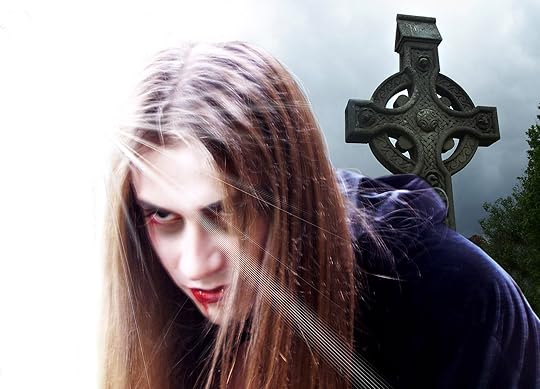
One of my favourite things about horror is that you get to create your own monsters and mayhem. You can design your own death scenes, and even concoct a whole butt puckering apocalypse. The only limits, I’m finding out, are your own.
So how do you go about it? Well, if you’re reading this, you probably have a fairly healthy horror disposition, so let’s get started with myths and legends. These were some of the first stories ever written, these are your foundations. Looking at them, you’ll find most will have some horror or paranormal theme. There’s the obvious Gods & Goddesses and there’s also the familiar creatures we know and love, like vampires and werewolves (I always found it interesting that they appear in every culture, even when the world was confined and countries didn’t know about one another – there’s stories and paintings from all over the world depicting these monsters) Check out the Roman and Greek myths, but don’t get lazy, I’ve discovered some awesome Asian creatures and some downright scary Native American ones too.
There’s also, of course, fairy tales. I have talked about these before, so have a gander at my archives (does that sound rude?) and check them out. Some of the Grimm’s stories were downright gross – in the Red Shoes, a young girl dances till her feet drop off! Again a great source of supernatural creatures and lore for you to paw through and find something of interest.
Moving away from the traditional monsters doesn’t have to be painful for a writer. There’s a wealth of legends available to a writer willing to do a bit of research. Get yourself a decent monster encyclopedia, read a few factual paranormal books. I personally like to keep an eye on Fortean Times – a monthly magazine dedicated to the paranormal and all things weird.
Of course, you can always mix it up a bit. Take two or three legends and mash them up into something scary with sharp edges and a dark appetite. Or even create your own monster and weave a new legend – the urban legend ‘Bloody Mary’ has appeared in countless stories and movies, but is a relatively new creation.
So what sort of monster should you create? Well it all depends on what it’s there to do. If you’re writing a balls-out gore fest adult horror, then you need something that can adequately and quickly bump up the body count. If you’re writing a YA horror story, you need something scary but reasonably easily defeated (my personal opinion on YA horror is that you shouldn’t play it down – they want to be scared too, but making the monster venerable mutes the monster’s presence so they’re not going to be sat up at night worried that it’s still out there and coming to get them!)
Now, one thing to remember while you’re off being a literary Dr. Frankenstein, all monsters need an Achilles Heel. There has to be some way for your hero to beat them, to propel them back into the dark abyss with their hunger un-sated. If you’re writing an adult horror, then really the world is your bloody oyster – have the victims discover the weakness too late, have the reader know it – but keep the characters in the dark. In YA – kill the monster off, we want to scare them – not scar them for life!
So what’s your favourite monster? What have you created?