Sangay Glass's Blog - Posts Tagged "writing"
The Quiet Power of Hope in Storytelling
 We often think of hope as loud. As trumpets blaring in the final act, or a grand speech delivered just in time.
 But in truth, hope is subtle. It's the flicker before the flame, the breath before the leap. And in fiction, it's the one element that can shift an entire narrative with a single line, a glance, or a remembered scent.
Hope is a strange creature. It doesn’t promise success. It doesn’t guarantee a happy ending. But it tells us to keep going. It says, maybe. And sometimes, maybe is enough.
As writers, we often fixate on the stakes—what's to be lost, who gets hurt, where it all goes wrong. But the inverse is equally powerful: what might still be saved.
Who might still be forgiven. What might grow in scorched ground. That slim possibility keeps characters (and readers) moving forward.
Even in the darkest stories, a single flicker of hope—a small gesture, an unexpected kindness, the feel of sun on your face after days of rain—can recalibrate everything. It gives the pain purpose. It makes the fall matter.
And when we remove hope entirely? The story stagnates. It sinks. Because without hope, there’s no reason to turn the page.
Hope isn’t flashy. It’s the softest tool in the kit. But wielded well, it hits the hardest.
Sometimes it shows up as a half-smile. Sometimes, it’s a woman like my character, Jess Taylor, wrapping herself in an old she-wolf pelt. Remembering who she is, and what she still has left to give.
If there’s one lesson I keep learning as a writer, it’s this: Never underestimate the power of hope. Even the smallest drop can change everything.
We Were Meant to Be Wolves an eco-thriller with bite and a little bit of hope is coming this summer.
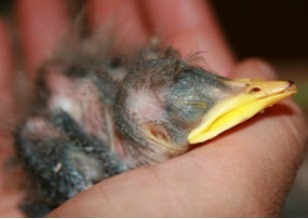
The Starling bird is Salem. I found her as a hatchling. I had no hope she'd live. But she just passed this year after twenty years of bring us joy.


Neurodiverse Main Characters, and Why I Keep Writing Them
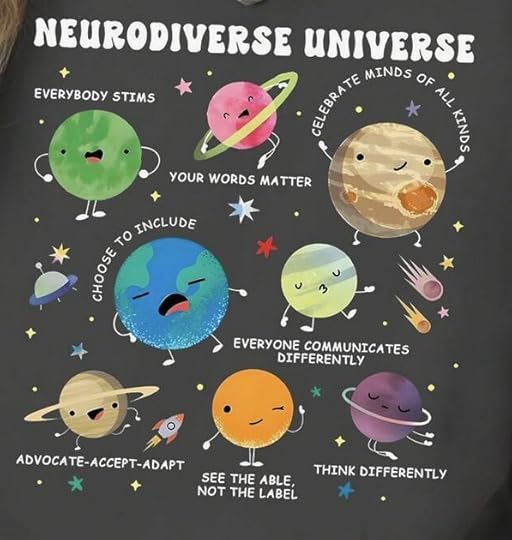 If something feels off kilter, don’t rush to set it straight. Our minds adapt in time. It’s only natural.
I’ve always written characters who live a little sideways from the world, who second-guess their reactions, misread the room, or pull back just when they’re supposed to lean in. I didn’t call it neurodivergence at first. I just wrote people who felt familiar, quietly different.
Jess and Tucker, the leads in The Wolfer’s Daughter, are both on the spectrum.
You may not catch it right away, especially with Jess. She uses humor to deflect in awkward moments. She thinks one thing and says another. She’s observational, intense, and tries hard to stay two steps ahead in conversations that don’t come easy. Because for her, most conversations never reach her lips. That’s how she keeps up. That’s how she survives.
Tucker’s differences show more clearly. He repeats motions, and if they feel right in his mouth, words echo. He asks for clarity instead of pretending he understood the first time. He’s brilliant, literal, loyal, and sometimes misses the social “script.” But that’s part of why Jess trusts him. He doesn’t hide how his mind works, and that makes her feel less alone.
I didn’t write them to teach a lesson. I wrote them because I know people like them. I am people like them. I live in a world that sometimes feels too bright, too fast, too full of noise. And I know the relief of finding someone who doesn’t expect you to mask.
Writing neurodiverse characters matters. Not because they’re flawless or tragic or quirky. but because they show up in stories as full, complex humans. People who love, grieve, screw up, and grow. People who deserve to be at the center of the narrative, not the edge.
So yes, my stories will always have room for the offbeat thinkers, the ones who feel too much, the ones who shut down before they say something they can’t take back. They’re not broken. They’re not “inspirational.” They’re just…real.