Joshua Becker's Blog, page 4
September 20, 2024
10 Things You Think You Need to Organize, But Should Minimize Instead
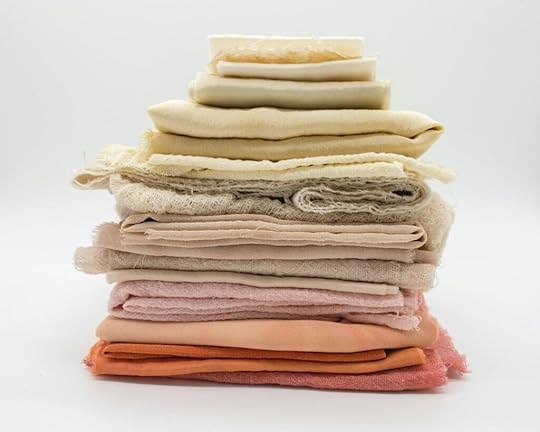
It’s really easy to fall into the thinking that organizing will solve the clutter in our homes. As a result, we buy storage bins, shelves, and labels, believing that if everything has a place, our space will feel more orderly and peaceful.
But organizing is always, only a temporary solution. We can organize everything perfectly today—only to have to organize it again tomorrow.
That is because organizing only treats the symptom, not the problem. No matter how well-organized our home might get, too many possessions still create stress, demand our attention, and consume our time. Physical possessions take up physical space in our home and mental space in our minds.
Minimizing, on the other hand, is a permanent solution. Once an item has been removed from our home, the space is cleared forever.
Instead of focusing on how to store everything, focus on owning less. After all, the fewer things we own, the less time we spend organizing, cleaning, and maintaining them.
To give you an idea of what I mean, here are 10 common things you may feel tempted to organize—but would benefit more from minimizing instead.
1. Bathroom ToiletriesOften, we accumulate lotions, shampoos, and beauty products faster than we use them. Sometimes we buy for ourselves, sometimes they are gifted us, sometimes we take them from the hotel room.
Either way, organizing these items into bins or trays might seem like the solution, but owning fewer toiletries is even better. Use up what you have, and then be intentional about only buying what you need.
A simplified bathroom routine will save you time, reduce clutter, and help you focus on the essentials.
2. TupperwareMost of us have far too many plastic containers crowding our cabinets. We stack them, try to keep the lids in one place, and still end up with mismatched pieces. Instead of trying to organize the chaos, minimize the number of containers you own. Keep only a few versatile sizes and discard the rest.
Fewer containers not only free up space but also reduce the frustration of searching for a lid that fits.
3. Towels and LinensIt’s easy to accumulate more towels, sheets, and blankets than we need. Organizing them in closets or baskets might keep them out of sight, but reducing your collection will make your home feel more spacious and manageable.
Keep just a few high-quality sets, and you’ll save time and effort when it comes to laundry and storage.
4. Kitchen GadgetsDrawer organizers and dividers may help keep kitchen gadgets in order, but they don’t reduce the overwhelming number of tools we often accumulate. Consider which gadgets you actually use and minimize the rest.
Owning fewer, multi-functional tools makes cooking more enjoyable and your kitchen easier to maintain.
5. ClothingCloset organizers and systems might create the illusion of order, but a cluttered wardrobe still leads to decision fatigue and frustration. Minimize your clothing by keeping only what you wear regularly and what makes you feel good.
A simpler wardrobe will reduce the time you spend choosing outfits and give you more mental clarity each morning.
6. ShoesWe often think a shoe rack or closet organizer will bring order to our growing shoe collection. But owning more shoes than we need creates clutter, even if it’s well-organized. Consider the pairs you actually wear regularly and donate the rest.
A smaller, intentional shoe collection makes it easier to find what you need—and simplifies your decision-making every day.
7. JewelryA jewelry box filled with tangled necklaces and unworn bracelets can feel like a mess waiting to be organized. But instead of spending time sorting and storing, minimize your collection. Keep only the pieces that you wear regularly and truly love.
With fewer items, your jewelry will stay organized naturally, and you’ll find joy in wearing what you own.
8. Board GamesBoard games can provide hours of fun, but they also take up valuable space, especially when we keep ones we rarely play. Instead of organizing a shelf full of games, minimize your collection to just the ones you truly enjoy.
You’ll make room for other meaningful activities and be more likely to play the games you love when they’re not buried under ones you don’t.
9. BooksMany of us dream of organizing our bookshelves to display a well-curated collection. But books we don’t read or plan to read just take up space and collect dust. Minimize your bookshelf by keeping only the books that inspire or bring value to your life.
Donate or sell the rest, and you’ll discover more freedom and clarity in your reading life.
10. PhotosMany of us have boxes or hard drives full of old photos, thinking we’ll someday organize them into albums or neatly labeled folders. But instead of holding onto every single picture, minimize your collection by keeping only the ones that bring you joy or represent meaningful memories. Digitize what you can, and let go of duplicates or blurry shots.
Fewer photos make it easier to appreciate and share your most cherished moments.
In each of these areas, the key is recognizing that organizing, while helpful, is not the ultimate solution.
Minimizing—owning fewer items that truly add value to our lives—will bring lasting peace and freedom. When we have less to manage, we can focus more on the things that matter most.
The post 10 Things You Think You Need to Organize, But Should Minimize Instead appeared first on Becoming Minimalist.


September 18, 2024
Home is Where Memories Are Made

There is something powerful about the concept of “home” for us as humans.
It is celebrated in movies (There’s no place like home) immortalized in music (Take Me Home, Country Roads), written about in literature, celebrated in magazines, and enviable in advertisements. Everywhere we turn, we’re reminded that home represents more than a physical space. It is the heart of where we are from and hopefully, the place where we feel safe, connected, and loved.
But not only is home a place of emotion and nostalgia, psychologists tells us the impact goes beyond the physical space. It is a place where we feel rooted and connected. Research shows that our connection to home even impacts our well-being. In a study conducted by the Journal of Environmental Psychology, it was found that people with a strong attachment to their home feel more secure, less stressed, and more content throughout their lives.
The importance of home (and family) is one of the motivating factors behind Kim and I launching The Hope Effect now nearly ten years ago. Home provides stability and serves as the foundation upon which we build our identities and relationships—starting at a very young age. So helping move the world toward care for orphaned children that includes family is deeply important work.
But even apart from nonprofit work, as parents, this truth about the importance of home serves as both an opportunity and responsibility. The homes we create for our children are more than just physical shelter—it is the space within which, our children’s memories are made and identity is formed.
And it is interesting to note, that very few of our most beloved memories from home are focused on the things that we owned. At least, that is the case for me.
When I think of my childhood, I have fond memories. But very few relate to the physical possessions in our closets and garage.
Instead, I remember being in the backyard, with my dad, working in the garden. And for some reason, he’s never wearing a shirt when I recall the memory. I think back fondly and can picture our family tradition of eating cereal for dinner on Sunday night. I remember playing with my friends in the backyard. And I remember playing games with my siblings around our kitchen table.
These memories are both precious and priceless, and they had nothing to do with material possessions. In fact, I remember very few physical possessions from my childhood: my bike, a baseball glove, some G.I. Joe’s, and a baseball card collection show up vividly. But that’s about it.
I don’t remember our couches, curtains, rugs, cookware, or the clothes from my closet. I don’t recall the items in our pantry, the pillows on our couch, or even the decorations that hung on the walls.
They were there, in our home, certainly. But they do not form the foundation for my memories.
I grew up in a lower Middle Class family in the middle of small town America. Maybe kids who had incredibly wealthy parents would tell a different story about remembering all the stuff around them. But something tells me—even in that environment—a child’s most cherished memories have little to do with physical possessions.
The physical objects from our home growing up fade into the background. But the love, the laughter, relationships, and sense of belonging come to the forefront. These were the moments that shaped me and I recall them with fondness and joy.
Our homes are where memories are made.
And I know not everyone got to enjoy that type of home and family growing up, but it is something we can all strive to create for our own.
As parents, the environment we create in our homes will become the backdrop for our children’s memories. The culture we create, the time we spend, the love we show, and the conversations we share. These are the moments that will shape their view of home and family for the rest of their lives.
Too often, we fall into the trap of believing that a home needs to be filled with things to be complete. We think we need the latest gadgets, the trendiest furniture, the largest television, the upgraded countertops, or endless toys for our children. But when we reflect on our own childhoods, we realize that the most meaningful memories had nothing to do with material possessions.
Even worse, sometimes we chase those things at the expense of what our kids needs most from us. The very physical possessions that fade into the back of our kids’ memories take up space in our homes and in our minds, requiring maintenance, organization, money, and time—time that could be spent building memories with our families.
On the other hand, when we live intentionally, we make room for more connection, more love, more experiences, and richer memories that our kids can take with them forever.
Our homes are the canvas upon which our children will paint their memories. Let’s fill them with all the right things.
The post Home is Where Memories Are Made appeared first on Becoming Minimalist.
September 15, 2024
Choosing Your Minimalist Path
Note: This is a guest post from Angela G. Horn of Mostly Mindful.

What started as a design aesthetic has snowballed over the years into a lifestyle movement embraced by people worldwide. It’s easy to see why (or maybe I’m biased?) since minimalism offers a clear path to a more intentional, fulfilling, and sustainable way of life.
The allure of “living with less” has permeated popular culture, from decluttered living spaces to capsule wardrobes. But, like any widespread trend, minimalism has evolved over time.
In this article, I want to examine the different paths of minimalism—from the extreme to a more balanced, rational approach. I also believe it is important to explore how the lifestyle can positively impact our environment and, finally, how to implement minimalism in a way that works best for you.
Three Types of MinimalismNowadays, minimalism falls into three main categories: traditional minimalism, extreme minimalism, and rational minimalism. Ultimately, there is no one-size-fits-all approach. However, by understanding the nuances between the different styles, you can choose or craft one that best aligns with your values, needs, and environmental priorities.
1. Traditional MinimalismTraditional minimalism is the most well-known and widely adopted approach to living with less. It’s where Becoming Minimalist and many other blogs started and, in many cases, still reside.
The focus here is on decluttering physical spaces, emphasizing essentials, reducing unnecessary consumption, and seeking quality over quantity. That’s a mouthful, but the benefits speak for themselves:
Increased mental bandwidthReduced stress from clutterMore time and energy for loved onesSpace for side hustles and other meaningful pursuitsImproved finances (hello, debt-free living)On the downside, you might find letting go of certain things challenging. You may encounter pushback from friends and family members or struggle to balance owning less and still being comfortable. However, it’s all surmountable but worth noting nonetheless.
2. Extreme MinimalismExtreme minimalism takes it to the next level, pushing the boundaries of how little one can live with. Proponents of this approach typically pare down to the bare essentials (often fewer than 100 possessions). If they have a home base, it’ll most likely be devoid of furniture.
For my partner and me, the move from traditional to extreme minimalism aligned with our desire to age well. At almost sixty, going furniture-free seemed like a natural and easy way to achieve that. And that’s just one advantage.
This way of living also comes with several other benefits:
Complete freedom from material possessionsMoving home is a breeze (if you even have a fixed address)A much lower impact on the environment**Assuming you’re not flying to a new destination every other month.
The not-so-great side is that it can lead to social isolation (no furniture will do that!) or becoming obsessive about owning less stuff. A short nose around the internet and you’ll quickly see a competitive pattern emerge among extreme minimalists.
3. Rational MinimalismRational minimalism is the Goldilocks of the three, striking a balance between the desire for simplicity and the practicalities of modern life. It emphasizes thoughtful curation of possessions, focusing on functionality and personal values. It’s a more flexible, you-do-you kind of lifestyle while still maintaining a “less is more” outlook.
Unlike its extreme cousins, rational minimalism allows for some sentimental items and, gasp, some “just in case” possessions. It emphasizes mindful consumption rather than extreme reduction.
As a result, it’s a more attainable lifestyle to adopt and maintain long-term, balancing minimalist principles with practical needs. Some of the benefits include:
Reduces stress without sacrificing comfortEncourages mindful decision-makingPromotes sustainability without extreme deprivationAllows for personal expression within a minimalist frameworkUltimately, your approach to minimalism will depend on your circumstances, goals, and preferences. The key is to explore the different types, consider their pros and cons, and choose the one that aligns with your vision for a more intentional, fulfilling, and sustainable lifestyle.
The Environmental Impact of MinimalismAs we shift our focus to the broader implications of minimalism, it’s crucial to consider its impact on the planet. With environmental challenges on the rise, minimalism is more than a lifestyle choice. It’s also a powerful tool for reducing our ecological footprint. Embracing this way of living allows us to do our bit for Mother Earth.
Resource Consumption and MinimalismThe culture of overconsumption has led to the rapid depletion of natural resources. It’s time to break this cycle and embrace a more sustainable way of living. Minimizing our material possessions reduces the demand for new products, lowering the environmental strain.
It doesn’t stop there. Minimalism also encourages us to be more mindful consumers, choosing quality over quantity and prioritizing experiences over things. This simple shift in mindset can do wonders for our planet’s well-being.
Opting for a capsule wardrobe, for example, simplifies daily choices and significantly reduces the resources required for clothing production, including water, energy, and textiles.
Waste Reduction Through Mindful ConsumptionOne of minimalism’s most significant environmental benefits is its impact on waste reduction. This lifestyle’s mindful consumption naturally leads to less waste in several ways.
First, minimalists purchase fewer items, which generates less packaging waste, a major contributor to landfills and ocean pollution.
Secondly, focusing on quality and durability means that items last longer, reducing the frequency of replacements and the associated waste.
Finally, minimalists are often more inclined to repair items than replace them. This extends product lifecycles and aligns with circular economy principles.
Long-term Environmental Benefits of Adopting Minimalist PracticesIf more people embrace minimalism, it will yield decent environmental benefits in the long run. Minimalists often make more sustainable choices on a personal level, such as living in smaller, energy-efficient homes.
On a larger scale, widespread minimalism has the potential to reduce carbon emissions significantly. Moving away from fast fashion, disposable goods, and unnecessary consumption could shift us towards a more sustainable economic model that values preserving resources.
Aligning our habits with minimalist principles allows us to reduce our individual and collective environmental impact dramatically. Living with less affords us more time, freedom, and money, and it also offers a healthier planet for the future.
Choosing Your Minimalist PathConsider now how you can embark on your minimalist journey. Remember, this is personal, and finding the right approach requires introspection and experimentation. Here’s how you can start:
Reflecting on Personal Values and Lifestyle NeedsTake time to consider what truly matters to you. What brings you joy? What are your long-term goals? Understanding your values will help determine which possessions and activities align with your vision of a fulfilling life.
Assessing Current Habits and Areas for ImprovementEvaluate your daily routines and living spaces. Identify areas where physical and mental clutter hinder your well-being or productivity. This will show you where a more minimalist approach could have the most significant impact.
Tips for Gradually Incorporating Minimalist Practices1. Start small: Declutter one area at a time, such as a drawer or a closet. This approach prevents overwhelming feelings and provides quick wins to motivate further progress.
2. Mindful consumption: Consider whether the item aligns with your values and is necessary. Prioritize quality over quantity to reduce long-term consumption.
3. Regular reassessment: Schedule periodic reviews of your possessions and habits. As your life evolves, so should your approach to minimalism.
4. Finding balance: Minimalism is about curating a life that works for you. Be flexible and adjust your practices as needed to maintain a sustainable lifestyle.
Your Turn to ActNow that you’re familiar with the different minimalism styles, you can choose one that works for you.
Don’t be afraid to experiment. Every small step towards minimalism is a step towards a more intentional, fulfilling, and sustainable lifestyle.
With our mounting environmental challenges, living with less is one of the most impactful ways to reduce our ecological footprint and do our part for the planet. Let’s embrace less and create more—more freedom, more purpose, and a healthier planet for all.
***
Angela lives in Cape Town. She enjoys spending her time drinking coffee and writing about her urban hippie adventures on Mostly Mindful.
The post Choosing Your Minimalist Path appeared first on Becoming Minimalist.
September 13, 2024
Inspiring Simplicity. Weekend Reads.

Minimalism is the intentional promotion of the things we most value and the removal of anything that distracts us from it. It requires a conscious decision because it is a countercultural lifestyle that stands against the culture of overconsumption that surrounds us.
The world we live in is not friendly to the pursuit of minimalism. Its tendencies and relentless advertising campaigns call us to acquire more, better, faster, and newer. The journey of finding simplicity requires consistent inspiration.
For that reason, I hope you will make an effort this weekend to find a quiet moment with a cup of coffee or tea and enjoy some of these hand-picked articles to encourage more simplicity in your life.
My Teenaged Son Still Doesn’t Have a Smartphone. Here’s Why | The Globe and Mail by Katherine Martinko. This is the first in a series of columns on Digital Minimalism from Katherine Martinko. I recommend all of them.
10 Things Minimalists Say You Don’t Need to Be Happy | No Sidebar. In a world that constantly tells us more is better, it’s easy to believe that happiness is just one more purchase away. But minimalists offer a different perspective.
The Junkification of American Life | The New York Times by David Brooks. We have access to wonderful things. But they require effort, so we settle for the junky things that provide the quick dopamine hits. *Due to NYT policies, this article may not be available in every geographic region.
A Lesson in Letting Go | Rich in What Matters by Julia Ubbenga. Are you holding onto items from loved ones out of fear or guilt? My hope is that, if you answered yes, then this lesson in letting go can help you too.
Minimalism and Social Media | Balance Through Simplicity by Antonia Colins. It’s an amazing source of information and inspiration but can also be a tough space to hang out in and can take up our time and energy.
Recently Released Inspiring Videos10 Unnecessary Possessions to Ditch for a Simpler Happier Life | YouTube by Joshua Becker. Most of the stuff we are told to buy and own doesn’t bring us meaning or happiness—it only distracts us from it. Whether you’re already interested in simple living, or just looking for a more peaceful life, here are ten things you can live without and still live a happy life
How to Improve your Self Esteem | YouTube by Joshua Becker. When our self-esteem is healthy, it affects everything about us. Equally so, when our self-esteem is unhealthy, it affects everything about us. If you’ve ever struggled with low self esteem, I want you to know that you aren’t alone. Here are 6 tips to help.
—
Uncluttered. If you’re looking for help trying to minimize your possessions, my 12-week course will help you own less, live more, and discover the life you want. But this is the last weekend to sign-up. Registrations ends Sunday, September 15. The experience begins on Tuesday.
The post Inspiring Simplicity. Weekend Reads. appeared first on Becoming Minimalist.
September 11, 2024
The Problems Minimalism Can’t Solve

I’m a big fan of minimalism. The benefits of owning only what you need to accomplish your greatest purposes are always better than the consequences of buying things you don’t need.
I was introduced to minimalism by my neighbor 16 years ago, and my family of four was changed immediately. As a result, I write often about the benefits of minimalism.
Here are just a few of those articles:
21 Life-Giving Benefits of Owning LessMinimalism vs. Consumerism: The Benefits of Choosing a Simple Life12 Ways My Life Has Changed After 15 Years of MinimalismBut every so often, I am challenged with a comment. The comment, on its premise, is incorrect and any deep-dive into my writing would show that. But still, it persists.
The comment sounds something like this:
Minimalism isn’t a magic solution for happiness, no matter how often you imply it is.
And so I thought it might be helpful, once and for all, to make it clear that I do not believe minimalism is a magic solution for happiness.
By overcoming the pursuit and accumulation of material possessions, we free up valuable resources in our life. By buying less, we have greater flexibility with our limited money. By owning less, we free up time for other things and remove the stress that comes from caring for more than we need. And by desiring less, we are able to direct our affections and passions elsewhere.
But none of those changes automatically result in a better life.
We are still required to be intentional with the lives that we live. If we replace the pursuit of physical possessions with the pursuit of something that is equally fading and stress-enhancing, we have only replaced one distraction with another and our change is in vain.
For that reason, what we do after minimalism is just as important as our discovery of it.
Again, I hope that is reflected in my writing:
Dream Bigger Dreams Than MinimalismWhy We Work9 Ever-Present Distractions That Keep Us From Fully LivingBut let me be crystal-clear, minimalism will not solve every problem in your life.
Here are just a few examples of the problems minimalism cannot solve:
Minimalism will not heal a broken family relationship.
Minimalism will not cure a chronic illness.
Minimalism will not change an unhealthy marriage.
Minimalism will not heal a broken heart.
Minimalism will not overcome grief.
Minimalism will not eliminate anxiety or depression.
Minimalism will not erase past trauma or regrets.
Minimalism will not change your boss.
Minimalism will not resolve societal injustice or inequality.
Minimalism will not show you the meaning of life.
Minimalism will not show you the secret of happiness or contentment.
There are LOTS of problems in life that minimalism cannot solve on its own. This list could even contain hundreds more.
That being said, and this is important, what minimalism can do is free you up to more intentionally address each of those individual (and societal) problems that we encounter. Because once we remove the pursuit of physical possessions as the means to resolve our discontent, we are forced to dig deeper and work harder to find that solution.
Let’s put to rest, once and for all, any insinuation that minimalism will solve all of our problems, both individually and as a society. We’ll need to look elsewhere for that. Minimalism merely frees us up to do it better!
The post The Problems Minimalism Can’t Solve appeared first on Becoming Minimalist.
September 8, 2024
Mindful Consumption: Making Intentional Choices
Note: The following article was published in the September 01 issue of Simplify Magazine.

We often consider our food diet as the primary determinant of our health. And there is a lot of truth to that. What we eat determines quite a bit the physical body we live our lives in. But our “diet” extends beyond just what we eat.
Every day, we consume countless other things: the media we watch, the books we read, the conversations we engage in, the news we encounter, and even the thoughts we entertain. Just as the food we eat impacts our physical health, these other forms of consumption significantly influence our emotional, spiritual, and mental well-being.
And in a world overflowing with information and stimuli, being mindful of our consumption becomes ever more critical.
The choices we make about what to consume shapes our thoughts, attitudes, and ultimately our lives. And by practicing mindful consumption, we not only curate the external influences in our minds but we can also align our daily actions with our deeper values and goals. Mindful consumption may be one of the most important endeavors we can partake in.
Let’s explore how we can approach this concept with intentionality, making choices that lead us toward a more meaningful and fulfilling existence.
The Nature of ConsumptionJust as our physical health is impacted by the nutrients (or lack thereof) in our food, our mental and emotional health is influenced by the quality and type of our mental inputs. But these effects are not always felt right away. The full negative impact of an unhealthy diet isn’t felt the first day, but over a lifetime the cumulative effect determines who we become.
Consider this: if we constantly consume negative news, we may begin to feel anxious or pessimistic about the world. If we follow social media accounts that promote unrealistic standards, we might start to feel inadequate or dissatisfied with our lives. Conversely, if we choose uplifting books, positive podcasts, life-giving spirituality, or meaningful conversations, we can foster a sense of hope, inspiration, and motivation. Not always the first day, but eventually … and always.
Our society, as you know, often equates consumption with identity—what we own, what we wear, and what we showcase on social media. However, our greatest fulfillment in life will never come from external accumulation, but from internal alignment. By choosing mindfully, we can focus on consuming what nourishes our soul and positively impacts our life trajectory rather than what merely fills our time or, even worse, takes us down a road where we don’t want to go.
But here’s the thing: Living with intention takes hard work and effort.
The Importance of IntentionalityMindful consumption requires us to make deliberate choices rather than simply drifting along with the current of societal norms and expectations. It requires us to show up in our own lives every day.
It means taking a step back and evaluating what we allow into our lives, understanding that not all consumption is created equal. It requires us to boldly evaluate when others are choosing unwisely and make decisions for ourselves. The line at the fast-food drive-thru is longer than the checkout at the grocery store produce department, but one reaps long-term health, the other unhealth.
To live intentionally, we must first recognize that our life has value and is worthy of being lived well. And this is not an easy step for everyone.
More than that, we recognize that our life is a sum of our daily choices. Every day presents new opportunities to choose differently, to select what aligns with our values rather than what is convenient or popular. Every new day is also a responsibility, to choose intentionality over and over again. Because if we don’t choose intentionality every day, someone else will begin to steer the ship.
The foundation of mindful consumption begins with self-awareness. We must know who we are, what we value, what we want to accomplish, and whether our lives are moving in that direction. Once we have a clear understanding of these elements, we can make choices that support our goals and aspirations.
Practical Steps for Mindful ConsumptionBefore we go any further, I’d like to offer a list of different areas of life where we can apply mindful consumption (and how to do that):
1. Curate your media diet.
Just as we choose healthy foods, we can choose nourishing media. Seek out news sources that offer balanced perspectives. Follow social media accounts that inspire and uplift rather than provoke comparison and jealousy. Choose books, podcasts, and shows that align with your values and contribute to your growth.
2. Limit negative influences.
Negative influences are pervasive and often subtle. They can be found in the conversations we have, the content we consume, and even the environments we frequent. Identify these influences in your life and take steps to limit their impact. This might mean unfollowing certain social media accounts, avoiding gossip, or spending less time in environments or with people that drain your energy.
3. Engage in positive self-talk.
Not all things we consume come from the outside. The stories we tell ourselves are a crucial part of our mental diet. Practice positive self-talk by affirming your strengths, acknowledging your progress, and being compassionate with yourself. This shift in internal dialogue can dramatically impact your overall well-being.
4. Choose your companions wisely.
The people we spend time with significantly influence our mindset and attitudes. Surround yourself with individuals who support your values, encourage your growth, and challenge you to be better. These relationships are essential for a fulfilling and meaningful life.
5. Simplify your digital space.
Just as we declutter our physical spaces, we can simplify our digital lives. Unsubscribe from unnecessary newsletters, delete apps that distract rather than serve, and organize your digital files. This simplification reduces mental clutter and helps you focus on what’s truly important.
6. Be careful what television you consume.
Entertainment is more than passive. As I learned in my college film appreciation class, every produced piece of content communicates messages to us—sometimes unintentionally, but usually intentionally. And not all television shows and movies are beneficial. Focus more on what is good and less on what takes you away from the person you want to be.
7. Set boundaries for screen time.
Additionally, not just do we need to care about what we watch, but in our digital age, it’s easy to become consumed by screens. Set intentional boundaries for your screen time, whether it’s limiting time on social media, taking regular breaks from work emails, or designating screen-free times of day. This practice helps prevent burnout and promotes more meaningful offline interactions.
8. Prioritize quality over quantity.
Whether it’s the content you consume or the possessions you own, prioritize quality over quantity. Choose items and experiences that truly add value to your life rather than accumulating more for the sake of it. This approach fosters a deeper appreciation for what you have.
9. Reflect regularly.
Take time to reflect on your consumption habits regularly. Are they aligned with your values and goals? Are there areas where you can make changes? Reflection helps you stay intentional and make adjustments as needed.
The Benefits of Mindful ConsumptionEmbracing mindful consumption offers numerous benefits. It is not always easy to be intentional, but it is always worth the effort. It helps us feel more in control of our lives, reduces stress, and fosters a deeper connection with our true selves.
By making intentional choices about what we consume, we can:
Improve our mental clarity. We can think more clearly, make better decisions, and pursue our goals with greater intention.Improve our emotional well-being. It helps us maintain a positive outlook and resilience in the face of challenges.Strengthen our relationships. By choosing to engage with positive influences and supportive people, we can build stronger, more meaningful relationships.Align with values. It allows us to live more authentically and purposefully, creating a life that reflects our true selves.Accomplish more with our lives. Ultimately, by becoming more intentional with the things we choose to consume, we live bigger lives of purpose and meaning.In a world that constantly bombards us with messages of more, more, more, mindful consumption offers a countercultural approach. It invites us to slow down, evaluate our choices, and prioritize what truly matters. By being intentional about what we consume—whether it’s food, media, relationships, or thoughts—we can cultivate a life of greater meaning and fulfillment.
May we all find the courage to make intentional choices and the wisdom to consume mindfully. The quality of our lives depends on it.
—
Simplify Magazine is a quarterly, digital magazine that I started in 2017 to highlight experts and topics not frequently covered here on Becoming Minimalist. To date, we have edited and published 30 issues of the magazine—each covering a different theme.
We just released the September 01, 2024 issue on the topic of Mindfulness. Since it’s founding, Simplify Magazine has offered lifetime subscriptions for a one-time payment of $20 (USD). You can join the community of over 250,000 readers right here.
The post Mindful Consumption: Making Intentional Choices appeared first on Becoming Minimalist.
September 7, 2024
15 Items You Can Declutter in Less Than 10 Minutes

Decluttering can feel overwhelming. We look around our homes and think, “I need to get rid of things,” but are unsure where (or how) to start. The task seems too big, and it becomes too easy to do something else instead.
But getting started on decluttering doesn’t have to be a massive project. The first step doesn’t need to be a big one. In fact, you can start making noticeable progress in just 10 minutes by focusing on some easier decluttering tasks. And once you start, you’ll find it becomes easier to keep going.
I wanted to create a list of items you could minimize in a short time.
Here are 15 specific items you can declutter in less than 10 minutes:1. Clothes You Don’t WearIf there is an article of clothing in your closet (or drawer) that you haven’t worn in the last year, it’s time to let it go. After all, there is a reason you haven’t worn it. Quickly grab a few items from your closet that don’t fit anymore, don’t suit your style, or don’t make you feel your best, and set them aside for donation.
2. Games With Missing PiecesOld board games and puzzles that are missing parts only add frustration to family game night. Pull out the ones that are incomplete and let them go. You’ll clear space for games that everyone can enjoy fully.
3. Toys That Don’t Get Played WithKids outgrow toys faster than we realize. Find a few that have been collecting dust for months and clear them out. Donating unused toys can also bring joy to another child—which is helpful to consider. Additionally, there are benefits for your child to keep fewer toys around.
4. Toiletries You Don’t UseOver time, our bathroom cabinets tend to fill up with half-used products that we never touch. Take a few minutes to toss expired or unwanted toiletries. All those small hotel toiletries you brought home to use but never did fit in this category too :).
5. Food That Has ExpiredCheck your pantry and fridge for expired items. It only takes a few minutes to get rid of food that’s gone bad.
6. Old Magazines and NewspapersStacks of old magazines and newspapers tend to accumulate over time. Take a quick scan around the house and recycle any that you don’t plan to read again. You’ll notice how much cleaner your space feels right away.
7. Duplicate Kitchen UtensilsDo you really need three spatulas? Probably not. Sort through your kitchen drawers and pull out any duplicate utensils. You might also consider duplicate dishware, but let’s just start with duplicate utensils for now. Keep your favorites. And make room in your kitchen for cooking because of it.
8. Mismatched SocksAlthough it is often a joke line, we’ve all got them: socks that have lost their mate. Take a few minutes to sort through them, and if the match hasn’t appeared, it’s time to let go.
9. Books You Won’t Read AgainBooks are wonderful, but if you have some that you know you won’t read again, consider passing them along to someone else. If you loved a book, one of the best things you can do with it is give it to someone else to find the same joy and lifechange that you experienced.
10. Old Electronics and ChargersWe often hold onto old electronics and chargers “just in case.” But they just sit in drawers gathering dust. Find the outdated ones, and recycle them. You’ll clear space and reduce clutter in minutes.
11. Unused Craft SuppliesIf you’ve got craft supplies that you haven’t used in months, they’re probably just taking up space. Gather the ones you no longer need, and donate them to someone who can put them to good use. For some, this might be a more difficult project than ten minutes. But it’s not as difficult for everyone, so I wanted to include it.
12. Takeout Menus and PaperworkWe all have that drawer full of old takeout menus and paperwork that’s no longer needed. Take a few minutes to recycle or toss the unnecessary papers and reclaim that drawer for something more useful.
13. Shoes That Are Worn Out or UncomfortableIf a pair of shoes isn’t comfortable or is too worn out to be fixed, it’s time to let them go. Quickly sort through your shoes and remove the ones that don’t serve you anymore.
14. Expired MedicationsCheck your medicine cabinet for expired medications and safely dispose of them. It’s a quick and easy way to declutter while also making sure you only have what you need on hand.
15. Jewelry You Never WearIt’s common to have jewelry that we no longer love or wear. Take a few minutes to sort through your collection and let go of anything that no longer fits your style. Sentimental jewelry might take more time—but the inexpensive jewelry “that you bought that one time to wear with that one thing” can be decluttered quickly. As a bonus, you’ll have easier access to the pieces you truly enjoy.
By decluttering these 15 items, you’ll start creating space in your home right away. As you see the progress, you’ll feel encouraged to continue—moving on to larger or more difficult areas as you gain momentum and confidence. Every step toward decluttering brings more intentionality (and calm) into your life. And before you know it, you’ll be well on your way to a clutterfree home.
The post 15 Items You Can Declutter in Less Than 10 Minutes appeared first on Becoming Minimalist.
September 4, 2024
Announcing the September Uncluttered Course: Your Path to Clutterfree

There is more joy to be found in owning less than we can ever find in pursuing more.
This sentence is how I begin almost all of my presentations about minimalism. It is a truth, I believe, most of us know in our hearts to be true. But living it out can be a different story.
The culture we live in, the way we measure success, the pressure we feel to compare, even the busy pace of our days often keep us in a cycle of consumption. Deep down we know that owning less is better than constantly accumulating more, but living out that intentional reality feels impossible.
But what if this September, you could change that? What if, over the next 12 weeks, you actually changed your life by owning less?
I’m excited to announce that registration is now open for the next session of the Uncluttered Course—a 12-week journey designed to help you declutter your home, own less, and begin living the life you want.
The course begins on Tuesday, September 17, with registration closing on Sunday, September 15. The cost is only $99 (USD)—it is an investment that could transform not just your home, but your entire approach to life.
Why This Matters NowEverywhere we turn we are told to pursue and accumulate more and more. Even when we know we have enough, we feel inclined to buy more: more possessions, more stuff, and eventually more clutter.
But this pursuit never satisfies. It only leaves us feeling empty, regretful, and overwhelmed. The truth is, there’s a better way to live—a way that prioritizes intentionality in all areas of life, and that begins with owning less.
The Uncluttered Course is more than just a guide to decluttering your home; it’s a pathway to freedom. By removing the excess, we make space for the things that bring joy, meaning, and fulfillment. In fact, the very first weekly challenge of the Course focuses on participants listing out the things in life they could take hold of once they own less stuff.
Let me be very clear: The Uncluttered Course is not about becoming a minimalist. It is about helping you declutter your home to the place you want it to be. Because when you do, the process not only changes your physical surroundings, it changes your life (and your family’s if you have one).
What You’ll ExperienceI have been investing myself into the Uncluttered Course for the last nine years. And over that time, more than 80,000 people have changed their lives through the principles and methods—and I’m more passionate about it today than ever. The Uncluttered Course is designed to walk with you, step by step, room by room, offering a simple approach to owning less that takes away all the overwhelm and replaces it with consistent, weekly, 24/7 encouragement and motivation.
Here’s what you can expect:
Weekly Content: Every week, you will receive a new video or article that addresses a specific aspect of decluttering. These resources and weekly challenges are designed to consistently move you forward without allowing you to feel overwhelmed.Live Webinars and Weekly Q&A: Each week delivers video content. But I also host three LIVE webinars during the course, giving you the opportunity to ask questions and receive personalized advice. And I conduct weekly Q&A sessions to help answer your personal questions throughout.Engaged Community: One of the most powerful aspects of Uncluttered is the community. You’ll join a private group of like-minded individuals who are on the same journey. This community offers support, encouragement, and accountability—a vital component in achieving lasting change.Lifetime Access: Life happens, and sometimes we need to revisit what we’ve learned. With lifetime access to the course materials, you can retake the course as often as you want (or need), ensuring that the changes you make are lasting. More than anything else, I want everyone to be successful in this journey!Real Stories, Real ChangeThe impact of the Uncluttered Course goes far beyond the material itself. It’s about transformation—real, lasting change in the way we live and experience life. Here are just a few stories from past participants:
“This course was life-changing. It gave me the tools and support I needed to finally declutter my home and, in the process, find peace I didn’t know was possible.” — Kathryn W., Los Angeles, CA“I’ve tried to declutter on my own before, but nothing stuck. Uncluttered gave me the guidance and accountability I needed to make real progress. I’m so grateful for this journey.” — Tracy N., Webster, NY“The changes I made through this course have improved every aspect of my life—from my finances to my relationships. I can’t recommend it enough.” — Pam L.These are just a few examples of the many lives that have been touched by Uncluttered. If you really enjoy reading reviews, you can read more here.
The journey isn’t easy, but it’s worth it. And the Uncluttered Course can make it easier for you.
Why Now Is the Perfect TimeIf you want to declutter your home and need a little bit of help to get there, there’s never been a better time to start your journey. There is a beautiful life of simplicity waiting for you on the other side of your clutter. Let’s make it a reality—starting right now!
A Risk-Free OpportunityI believe so strongly in the power of this course that I have offered a full refund guarantee since the course started nine years ago. If you don’t find the course helpful, I’ll refund your money, no questions asked. My goal is to help you succeed, and I want to make sure you feel confident in your decision to join us.
Join Us TodayIf you’re ready to embrace a life with less clutter and more purpose, I encourage you to join the Uncluttered Course. Registration closes on Sunday, September 15, and the course begins on Tuesday, September 17. You can find all the details and sign up here: My Becoming Minimalist.
I can’t wait to help you on your journey in a more personal way.
The post Announcing the September Uncluttered Course: Your Path to Clutterfree appeared first on Becoming Minimalist.
September 1, 2024
8 Ways to Stop Getting Distracted

There is no doubt we live in a world with constant distraction: beeping phones, ever-present social media, streaming services, constant noise, advertisements on every surface in every direction.
But the numbers might be even worse than you’d imagine:
Studies show that the average person gets distracted every 11 minutes.Americans check their phones an average of 144 times a day.We switch activities or applications at work every 3 minutes and 5 seconds.And if that’s not bad enough, the research tells us that after a distraction, it takes 23 minutes to regain focus on the original task.
These constant interruptions don’t just disrupt our workday—they keep us from living our best life and accomplishing our greatest purposes. The hard work of accomplishing meaningful and significant things requires focus—whether that is a project at work or a relationship at home.
Distractions keep us from things that matter. That’s why I wrote a book about it.
But there is good news, we don’t have to let distractions control our lives. Although there is noise and activity all around us—it is up to us whether we are going to give into distractions or not.
If we want to live more intentionally and accomplish what’s most important (and who doesn’t?), we need to take steps to minimize distractions and reclaim our focus.
Here are eight practical and actionable ways to do just that:
1. Close Your Eyes and Countdown from 5 Slowly, Focusing on Your BreathAs soon you notice that your mind has been wandering or you have gotten distracted from meaningful work, try this simple mindfulness technique to help you refocus: Close your eyes, slowly count down from five, and pay attention to your breathing.
Focusing on your breath will help you separate from the distraction in front of you both mentally and visually. When you reach the number one, open your eyes and recenter yourself on the task you need to be focusing on.
2. Remove the Distraction from Your EnvironmentOne of the simplest and most effective ways to avoid distractions is to remove them altogether. There’s a reason so many diet plans encourage you to remove all the unhealthy food from your kitchen. When you change your visuals, you change your habits.
If your phone is the main distraction in your life (which it probably is), put it in another room entirely while you work. That’s the best step. But if you can’t, choosing to silence notifications, turning on “do not disturb” mode, or using apps that block distracting websites during work hours are all forms of this step.
And if the TV, music, or video game console is what pulls your attention away, turn them off or remove them entirely.
3. Craft a 3-Item To-Do List for the DayOne of the most significant distraction-removing routines of my day is The 3-Item To-Do List. Every day, I choose the three most important tasks I need to complete at work. Oftentimes, I accomplish more than those three items, but those are the nonnegotiables for me to feel productive at the end of day.
What I have found so helpful about this practice is how the three items help me overcome distraction. If, for whatever reason, I feel the day slipping away, reminding myself of the three items I need to complete helps center and motivate me.
On the other hand, long to-do lists can be overwhelming and counterproductive, resulting in scattered attention or an “I’m not going to finish all this anyway…” attitude that lends itself to distraction.
It might sound counterintuitive, but if you want to accomplish more each day and remain more effectively focused, determine your three most important tasks you want to complete. This principle can be applied whether you work at a job or not.
4. Choose a 2-Minute Project to Get StartedOften, distractions are just a form of procrastination. Sometimes distraction trips us up when we’re in the midst of important work. But other times we simply turn to distractions as a means to not get started on important work. As the old saying goes, “Nobody has a cleaner home than an author trying to write a book.”
If this is the type of distraction you are dealing with, commit to just two minutes of work. That is the simple tool I use to overcome procrastination. You can read more about it at that link. But just to overcome any misunderstanding, the goal of this tool isn’t to just accomplish two minutes of work. Instead, the mental decision to just commit to two minutes makes the barrier of entry easier—and once you get started on the work, it’s easier to remain engaged.
5. Try the Pomodoro TechniqueThe Pomodoro Technique is a time-management method that encourages working in focused bursts with scheduled breaks in between. Here’s how it works: Set a timer for 25 minutes and commit to working on a single task during that time. When the timer goes off, take a 5-minute break to stretch, grab a drink, or relax.
This technique not only helps you stay focused, but actually allows for short periods of intentional distraction—almost like you are scheduling your distraction—making it easier to maintain concentration throughout the day.
6. Keep a Distraction JournalA distraction journal can also be a helpful tool—especially if the distraction is an important one.
I learned this method from a spiritual mentor. He was advising me on how to stay better focused during solitude and prayer and offered this advice, “Whenever you feel your mind wandering to something you need to do, write the task down on a sheet of paper. The process will tell your mind that you don’t need to keep thinking about it because you wrote it down.”
But I’d like to expand on this idea of writing down our distractions because there are two ways this step can be helpful:
Capturing future tasks: If you’re distracted by thoughts of a task you need to complete later, write it. This practice allows you to refocus on your current work without worrying about what’s next.Tracking your distractions: Each time you get distracted, write down what the distraction was and when it happened in a journal. After a few days, you’ll begin to notice patterns and trends that can help you avoid those distractions in the future.7. Declutter Your Space
Physical clutter can be a significant source of distraction. When your space is filled with unnecessary items, your mind is subconsciously pulled in multiple directions. Decluttering your environment can help reduce these distractions, making it easier to focus on the task at hand.
At work, start by clearing your desk, organizing your workspace, and removing anything that doesn’t serve a purpose. At home, start in often-used spaces like your bedroom or living room to remove visual noise where you spend most of your time.
8. Remind Yourself of What Is Most ImportantWhen you feel distracted, take an intentional moment to remind yourself why you’re doing what you should be doing. Whether it’s providing for your family, making a positive impact, or investing in people, reconnecting with your deeper motivations can help you push past temporary distractions.
C.S. Lewis once said, “There are far, far better things ahead than any we leave behind.” I’ve found this specific thought to be helpful in overcoming distraction. The most significant goals in front of me are worth more than the distraction I leave behind. By centering our mind on what truly matters, we become internally motivated to stay focused and committed to the task at hand.
The distractions in this world are not going away—they are only going to get worse. That’s why controlling your attention may be the most important skill of the 21st Century.
These eight tips will help you (and me) do that better.
The post 8 Ways to Stop Getting Distracted appeared first on Becoming Minimalist.
August 30, 2024
Inspiring Simplicity. Weekend Reads.

For the last ten years, I have been compiling and publishing curated articles that inspire simplicity. At first, it was an exercise in communicating to Becoming Minimalist readers the most popular articles I sent out on X.
But over the years, it has become more than that. It has become a place where people come for a dose of inspiration. And it has become a place to promote and encourage writers around the world who are publishing content about minimalism, simplicity, and intentional living.
I think you will enjoy this collection of articles hand-selected for you this weekend. Grab some coffee, tea, or lemonade and be inspired to live a simpler life today.
Interest in Cheap, Sustainable Tiny Homes Rising in U.S. | Finance and Commerce. As housing prices continue to rise, many people in the United States are veering toward a new-ish style of living space: the tiny house.
Dave Ramsey Says ‘Very Few People’ Who Look Like They Have Money Actually Do | Money Wise by Vishesh Raisinghani. All that glitters is not gold. According to Dave Ramsey, this is also true for personal finances.
8 Tips to Help You Declutter When Your Income is Small | No Sidebar by Karen Trefzger. Minimalism is not just for the wealthy. Decluttering on a low income has its challenges, but it also has great rewards.
10 Great Reasons to Let Go of Things Sooner Rather than Later | Marc and Angel Hack Life by Angel Chernoff. Holding on contributes to stress, unhappiness, relationship problems, and so much more. Yet, as human beings, we cling desperately to almost everything.
12 Monthly Challenges to Declutter Your Spending | Simple Money by Joshua Becker. Take control of your finances with 12 monthly challenges to declutter your spending and align your money with what truly matters in life.
Recently Released Inspiring Videos8 Countercultural Decisions to Find Financial Freedom | YouTube by Joshua Becker. These tips are both bold and unusual, and may not be a fit for everyone, but if you feel like you’ve tried everything to get out of debt or save money, consider these 8 off-the-beaten-path ideas to reach your goals.
9 Common Pursuits That Rob Us of Happiness | YouTube by Joshua Becker. Happiness and a positive mindset is something we all desire. Why then, does it appear at times to be so elusive? How can so many of us not know how to be happy? Maybe it is because the pursuits we have set before us as a means to find it are actually keeping us from it.
The post Inspiring Simplicity. Weekend Reads. appeared first on Becoming Minimalist.