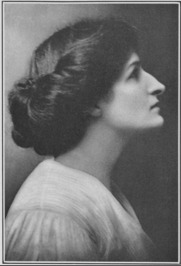
Edith Ellis, also known as Edith Ellis Baker, was an American actress, director, and playwright. Beginning her stage career as a child under the guidance of her Shakespearean actor father, Ellis transitioned into writing and directing after illness in her teens. Over her lifetime, she operated theaters and touring companies and authored more than thirty-five plays, many of which addressed women's issues. Her directing style emphasized the actor's agency and realism in performance, a contrast to traditional male-led methods. Ellis managed several theaters, including Brooklyn’s Park Theatre and Criterion Theatre, often producing, directing, acting, and writing for her companies. After the death of her first husband, Frank Baker, in 1907, she rEdith Ellis, also known as Edith Ellis Baker, was an American actress, director, and playwright. Beginning her stage career as a child under the guidance of her Shakespearean actor father, Ellis transitioned into writing and directing after illness in her teens. Over her lifetime, she operated theaters and touring companies and authored more than thirty-five plays, many of which addressed women's issues. Her directing style emphasized the actor's agency and realism in performance, a contrast to traditional male-led methods. Ellis managed several theaters, including Brooklyn’s Park Theatre and Criterion Theatre, often producing, directing, acting, and writing for her companies. After the death of her first husband, Frank Baker, in 1907, she resumed her maiden name and continued to lead productions. She later married C. Becher Furness. A member of the Society of Dramatic Authors, Ellis networked with other women playwrights and became a strong, if unofficial, voice for feminist themes in American theater. Her plays often explored the realities of marriage, working women, and women over forty, challenging the era’s gender norms. Works like Mary Jane’s Pa, The Point of View, and The White Villa exemplify her commitment to presenting complex female characters. Frequently facing resistance from male producers, Ellis often self-produced her plays to ensure their stories reached the stage. In addition to her theatrical work, Ellis wrote silent film scenarios for Samuel Goldwyn and later authored several books about life after death, inspired by spiritual messages she claimed to receive. Edith Ellis believed that women made better directors due to their emotional intuition and communicative skills, though she acknowledged men’s greater access to leadership roles. She stressed the importance of respecting actors’ intelligence and creativity, especially that of actresses, whom she felt were often undervalued. Throughout her prolific career, Ellis remained a pioneer for women in theater, providing opportunities for female playwrights and performers and challenging societal expectations with her work. Her legacy includes numerous plays, productions, and contributions to early feminist thought in American theater....more

 Sign in with Facebook