Joshua Palmatier's Blog, page 16
February 24, 2015
Newest Book Discussion
I've posted the latest book discussion up at the unofficial DAW Books blog (
 dawbooks
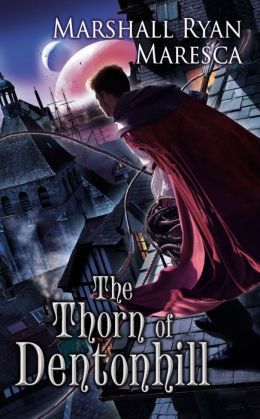
)! We're looking at The Thorn of Dentonhill, a debut novel from Marshall Ryan Maresca. Swing on by and check it out!
dawbooks
)! We're looking at The Thorn of Dentonhill, a debut novel from Marshall Ryan Maresca. Swing on by and check it out!
dawbooks
)! We're looking at The Thorn of Dentonhill, a debut novel from Marshall Ryan Maresca. Swing on by and check it out!

February 19, 2015
Latest Book Discussion
I've just posted the latest book discussion at the unofficial DAW Books blog (
dawbooks
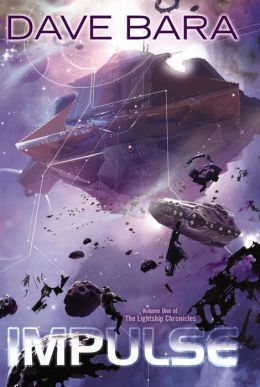
)! We're looking at the debut novel Impulse by Dave Bara. Swing on by and check it out!
dawbooks
)! We're looking at the debut novel Impulse by Dave Bara. Swing on by and check it out!February 10, 2015
Author Interview: Harry Connolly, "The Great Way" Trilogy
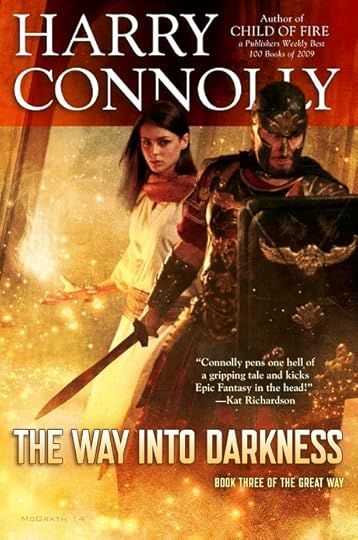
Today we have an interview with Harry Connolly, author of multiple fantasy books, including the new trilogy The Great Way. I've asked him a few questions about himself and the book below. Check it out, and then go check out his books!
1. First, introduce yourself!
I’m Harry Connolly. My debut novel, Child of Fire, was published
by Del Rey and made Publishers Weekly’s Best 100 Books of 2009.
My followup epic fantasy, THE GREAT WAY, was funded through Kickstarter.
As I type this, it’s the ninth-most-funded Kickstarter campaign in the
Fiction category. Book one, The Way Into Chaos, came out in
December, 2014. The Way Into Magic came out in January, 2015. The
final book of the trilogy, The Way Into Darkness, came out last week.
I was born and raised in Philly but I’ve spent most of my life in
Seattle, where I’m a stay-at-home, homeschooling parent.
2. Now give us the Hollywood pitch version of your new book/project.
Two sentences max. Something along the lines of "[Book Title] is
Harry Potter crossed with Aliens, with a touching twist of Knocked Up
humor!"
Wow, I suck at this part. Let me try this: "THE GREAT WAY is about a
sentient curse that causes the collapse of an empire."
3. Give us an expanded description of the book/project. What makes
this project different and worth checking out? What sets it apart from
everything else in the field?
One of the most common tropes in epic fantasy is the Fallen Empire.
Essentially, somewhere in the past there was a continent-spanning empire
that collapsed, leaving nothing behind but a common language, a bunch of
ruins for the characters to explore, and stories of lost art and
technology. George RR Martin’s Valyria (and its Valyrian steel) is a
good example of this.
I thought it would be interesting to show the collapse of an empire like
that.
Not only did this give me a chance to break out of the typical Medieval
setting by drawing on much earlier models, it gave me the opportunity to
write about empire itself, and the way that people find themselves
identifying with power, even if they believe they’re opposed to it.
4. What part of the writing process for this book/project did you
struggle with the most? Why was that particularly difficult? What did
it teach you about the writing process (if anything)?
I have two point of view characters for this trilogy: a middle-aged male
soldier and a teenaged female spell-caster. Being a middle-aged man
myself, capturing the voice of the soldier wasn’t too difficult (even
though we’re nothing alike), but that fifteen-year-old girl required
extra care. Too many adult male authors sound like creeps when they try
to write teenage girls.
Obviously, I needed to draw on my own experiences of my youth, back in
the misty dawn of time, to capture that fierce loyalty to friends and
the tendency toward strong emotional response that every teenager feels.
Also, I decided I was not going to write a romance plot for her;
frankly, too many female characters of every age are defined by who
wants to kiss them. In these books, there’s attraction, but the
main focus is on a small group of female friends. I also tried to make
her character as specific as possible. Readers will sometimes see a
female character as a stand-in for all women and girls, usually because
the female character is the ONLY one. So, not only did I try to make her
situation specific to her, I made sure to include a bunch of female
characters who are just as specific.
Finally, I sought out and read a few online journals written by young women.
Did I mention creepiness above? I felt a little creepy doing that, but I
made sure I was looking only at public accounts and I didn’t interact
with the writers in any way. I looked at the things they shared with the
world and how they talked about it, and I went away.
Based on early responses, it seems to have worked out pretty well.
5. What was your favorite part of writing this book/project? What
gave you chills when you wrote it and made you think, "Oh, this is
GOOD!"?
The climactic confrontation in the second to last chapter of the last book.
I’m not going to spoil it, obviously, but I will say that with the way I
work, I do a fairly detailed outline of the beginning and middle of the
book, then I’ll start on the first draft—well, it’s really the second
draft, since any outline is basically an abbreviated first draft.
Usually, I don’t know what the ending is going to be.
When it suddenly occurred to me how the trilogy should end—how it
had to end, honestly—I was startled and delighted.
Which is perfectly normal for me. I’ve found time and again that, if I
don’t know what the end of a book is going to be, I can trust that the
beginning and middle will provide one. A few books, like my upcoming
pacifist urban fantasy A Key, an Egg, an Unfortunate Remark, come
with an ending already attached. That’s less fun, but every creative
choice an author puts into their work is a resource to be used later,
esp when the ending is needed.
That’s how I work, anyway. It keeps things lively.
Readers interested in learning more about The Great Way, ("Epic Fantasy
that reads like a Thriller" — Kat Richardson) can find out more about
book one, The
Way Into Chaos here, and I offer sample
chapters on my blog.
1. First, introduce yourself!
I’m Harry Connolly. My debut novel, Child of Fire, was published
by Del Rey and made Publishers Weekly’s Best 100 Books of 2009.
My followup epic fantasy, THE GREAT WAY, was funded through Kickstarter.
As I type this, it’s the ninth-most-funded Kickstarter campaign in the
Fiction category. Book one, The Way Into Chaos, came out in
December, 2014. The Way Into Magic came out in January, 2015. The
final book of the trilogy, The Way Into Darkness, came out last week.
I was born and raised in Philly but I’ve spent most of my life in
Seattle, where I’m a stay-at-home, homeschooling parent.
2. Now give us the Hollywood pitch version of your new book/project.
Two sentences max. Something along the lines of "[Book Title] is
Harry Potter crossed with Aliens, with a touching twist of Knocked Up
humor!"
Wow, I suck at this part. Let me try this: "THE GREAT WAY is about a
sentient curse that causes the collapse of an empire."
3. Give us an expanded description of the book/project. What makes
this project different and worth checking out? What sets it apart from
everything else in the field?
One of the most common tropes in epic fantasy is the Fallen Empire.
Essentially, somewhere in the past there was a continent-spanning empire
that collapsed, leaving nothing behind but a common language, a bunch of
ruins for the characters to explore, and stories of lost art and
technology. George RR Martin’s Valyria (and its Valyrian steel) is a
good example of this.
I thought it would be interesting to show the collapse of an empire like
that.
Not only did this give me a chance to break out of the typical Medieval
setting by drawing on much earlier models, it gave me the opportunity to
write about empire itself, and the way that people find themselves
identifying with power, even if they believe they’re opposed to it.
4. What part of the writing process for this book/project did you
struggle with the most? Why was that particularly difficult? What did
it teach you about the writing process (if anything)?
I have two point of view characters for this trilogy: a middle-aged male
soldier and a teenaged female spell-caster. Being a middle-aged man
myself, capturing the voice of the soldier wasn’t too difficult (even
though we’re nothing alike), but that fifteen-year-old girl required
extra care. Too many adult male authors sound like creeps when they try
to write teenage girls.
Obviously, I needed to draw on my own experiences of my youth, back in
the misty dawn of time, to capture that fierce loyalty to friends and
the tendency toward strong emotional response that every teenager feels.
Also, I decided I was not going to write a romance plot for her;
frankly, too many female characters of every age are defined by who
wants to kiss them. In these books, there’s attraction, but the
main focus is on a small group of female friends. I also tried to make
her character as specific as possible. Readers will sometimes see a
female character as a stand-in for all women and girls, usually because
the female character is the ONLY one. So, not only did I try to make her
situation specific to her, I made sure to include a bunch of female
characters who are just as specific.
Finally, I sought out and read a few online journals written by young women.
Did I mention creepiness above? I felt a little creepy doing that, but I
made sure I was looking only at public accounts and I didn’t interact
with the writers in any way. I looked at the things they shared with the
world and how they talked about it, and I went away.
Based on early responses, it seems to have worked out pretty well.
5. What was your favorite part of writing this book/project? What
gave you chills when you wrote it and made you think, "Oh, this is
GOOD!"?
The climactic confrontation in the second to last chapter of the last book.
I’m not going to spoil it, obviously, but I will say that with the way I
work, I do a fairly detailed outline of the beginning and middle of the
book, then I’ll start on the first draft—well, it’s really the second
draft, since any outline is basically an abbreviated first draft.
Usually, I don’t know what the ending is going to be.
When it suddenly occurred to me how the trilogy should end—how it
had to end, honestly—I was startled and delighted.
Which is perfectly normal for me. I’ve found time and again that, if I
don’t know what the end of a book is going to be, I can trust that the
beginning and middle will provide one. A few books, like my upcoming
pacifist urban fantasy A Key, an Egg, an Unfortunate Remark, come
with an ending already attached. That’s less fun, but every creative
choice an author puts into their work is a resource to be used later,
esp when the ending is needed.
That’s how I work, anyway. It keeps things lively.
Readers interested in learning more about The Great Way, ("Epic Fantasy
that reads like a Thriller" — Kat Richardson) can find out more about
book one, The
Way Into Chaos here, and I offer sample
chapters on my blog.
February 5, 2015
HUGO Nomination Potential: "Shattering the Ley"
For those who can nominate/vote for the HUGO awards, Shattering the Ley is eligible in the Best Novel category and the stories contained in the anthology Clockwork Universe: Steampunk vs Aliens are eligible for the Best Short Story category. I'd also like to point out my own editor, Sheila Gilbert at DAW, as eligible for Best Editor Long Form. I strongly encourage everyone who enjoys DAW books to add her to their nomination ballot for that category. Here's some brief info on each of the books mentioned above, along with cover art and appropriate links:
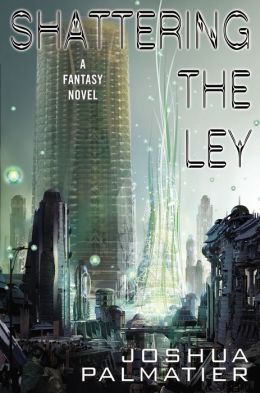
Shattering the Ley: Erenthrall--sprawling city of light and magic, whose streets are packed with traders from a dozen lands and whose buildings and towers are grown and shaped in the space of a day. At the heart of the city is the Nexus, the hub of the ley line system that powers Erenthrall and links the city and the Baronial plains to the rest of the continent and the world beyond. The Prime Wielders control the Nexus with secrecy and lies, but it is the Baron who controls the Wielders and the rest of the Baronies through a web of brutal intimidation enforced by his bloodthirsty guardsmen and unnatural assassins.
When the rebel Kormanley seek to destroy the ley system and the Baron’s chokehold on the continent, two people find themselves caught in the chaos that sweeps through Erenthrall and threatens the entire world: Kara Tremain, a young Wielder coming into her power, who discovers the forbidden truth behind the magic that powers the ley lines, and Alan Garrett, a recruit in the Baron’s guard, who learns that the city holds more mysteries and more danger than he could possibly have imagined . . . and who holds a secret within himself that could mean Erenthrall’s destruction . . . or its salvation.
Buy It Now: Amazon.com, Barnes & Noble, Zombies Need Brains Online Store
*****************
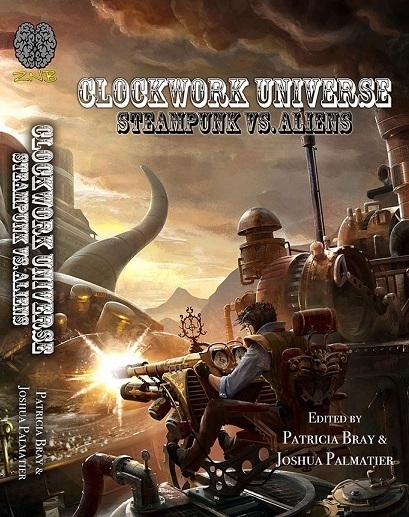
Clockwork Universe: Steampunk vs Aliens: When aliens reach Earth, they encounter the clockwork mechanisms and Victorian sensibilities of a full-blown steampunk society. Inspired by the classic science fiction adventure tales of the nineteenth century, leading fantasy and science fiction authors will bring us tales of first contact with a twist, as steam power meets laser cannons . . . and dirigibles face off against flying saucers.
Clockwork Universe contains fourteen stories from some of the genre’s top authors, including: Ian Tregillis, Leah Cutter, Bradley P. Beaulieu, J.R. Hargenrader, Gini Koch, Jason Palmatier, C.B. Pratt, Jean Marie Ward, Tansy Rayner Roberts, Gail Z. Martin & Larry N. Martin, David J. Fortier, Brad Hafford, S.C. Butler, & Seanan McGuire.
So pour yourself that cup of tea, settle on those spectacles, sit back, and get ready to have your gaskets blown.
Table of Contents: (Each of these stories is eligible individually)
“The Cavorite Job” by Ian Tregillis
“Gracie’s Fire” by Leah Cutter
“Quinta Essentia” by Bradley P. Beaulieu
“When Comrade Ekaterina Died for the Motherland” by J.R. Hargenrader
“A Clockwork Alien” by Gini Koch
“Heart of the Empire” by Jason Palmatier
“The Red Queen and the White” by C.B. Pratt
“The Wizard of Woodrow Park” by Jean Marie Ward
“Of War and Wings” by Tansy Rayner Roberts
“Airship Down: A Sound and Fury Adventure” by Gail Z. Martin & Larry N. Martin
“Steamsuit” by David J. Fortier
“Fingers of Steam, Veins of Gold” by Brad Hafford
“Heart of Clockwork” by S.C. Butler
“Lady Antheia’s Guide to Horticultural Warfare” by Seanan McGuire
Buy It Now: Amazon.com, Barnes & Noble, Zombies Need Brains Online Store
Shattering the Ley: Erenthrall--sprawling city of light and magic, whose streets are packed with traders from a dozen lands and whose buildings and towers are grown and shaped in the space of a day. At the heart of the city is the Nexus, the hub of the ley line system that powers Erenthrall and links the city and the Baronial plains to the rest of the continent and the world beyond. The Prime Wielders control the Nexus with secrecy and lies, but it is the Baron who controls the Wielders and the rest of the Baronies through a web of brutal intimidation enforced by his bloodthirsty guardsmen and unnatural assassins.
When the rebel Kormanley seek to destroy the ley system and the Baron’s chokehold on the continent, two people find themselves caught in the chaos that sweeps through Erenthrall and threatens the entire world: Kara Tremain, a young Wielder coming into her power, who discovers the forbidden truth behind the magic that powers the ley lines, and Alan Garrett, a recruit in the Baron’s guard, who learns that the city holds more mysteries and more danger than he could possibly have imagined . . . and who holds a secret within himself that could mean Erenthrall’s destruction . . . or its salvation.
Buy It Now: Amazon.com, Barnes & Noble, Zombies Need Brains Online Store
*****************
Clockwork Universe: Steampunk vs Aliens: When aliens reach Earth, they encounter the clockwork mechanisms and Victorian sensibilities of a full-blown steampunk society. Inspired by the classic science fiction adventure tales of the nineteenth century, leading fantasy and science fiction authors will bring us tales of first contact with a twist, as steam power meets laser cannons . . . and dirigibles face off against flying saucers.
Clockwork Universe contains fourteen stories from some of the genre’s top authors, including: Ian Tregillis, Leah Cutter, Bradley P. Beaulieu, J.R. Hargenrader, Gini Koch, Jason Palmatier, C.B. Pratt, Jean Marie Ward, Tansy Rayner Roberts, Gail Z. Martin & Larry N. Martin, David J. Fortier, Brad Hafford, S.C. Butler, & Seanan McGuire.
So pour yourself that cup of tea, settle on those spectacles, sit back, and get ready to have your gaskets blown.
Table of Contents: (Each of these stories is eligible individually)
“The Cavorite Job” by Ian Tregillis
“Gracie’s Fire” by Leah Cutter
“Quinta Essentia” by Bradley P. Beaulieu
“When Comrade Ekaterina Died for the Motherland” by J.R. Hargenrader
“A Clockwork Alien” by Gini Koch
“Heart of the Empire” by Jason Palmatier
“The Red Queen and the White” by C.B. Pratt
“The Wizard of Woodrow Park” by Jean Marie Ward
“Of War and Wings” by Tansy Rayner Roberts
“Airship Down: A Sound and Fury Adventure” by Gail Z. Martin & Larry N. Martin
“Steamsuit” by David J. Fortier
“Fingers of Steam, Veins of Gold” by Brad Hafford
“Heart of Clockwork” by S.C. Butler
“Lady Antheia’s Guide to Horticultural Warfare” by Seanan McGuire
Buy It Now: Amazon.com, Barnes & Noble, Zombies Need Brains Online Store
January 29, 2015
Last January Book Discussion
I've posted the last of the January book discussions over at the DAW Books unofficial blog (
 dawbooks
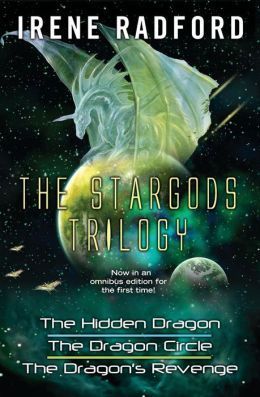
). We're looking at the omnibus trade edition of The Stargods Trilogy by Irene Radford. Swing on by and check it out!
dawbooks
). We're looking at the omnibus trade edition of The Stargods Trilogy by Irene Radford. Swing on by and check it out!
dawbooks
). We're looking at the omnibus trade edition of The Stargods Trilogy by Irene Radford. Swing on by and check it out!January 20, 2015
Latest Book Discussion
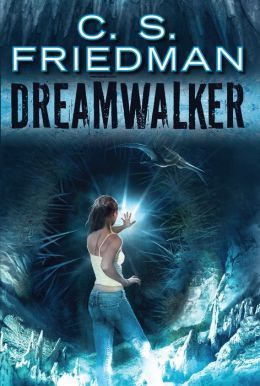
We're looking at Dreamwalker by C.S. Friedman, the first book in the Dreamwalker Chronicles, over at the unofficial DAW Books blog (
 dawbooks
)! Swing on by and check it out!
dawbooks
)! Swing on by and check it out!
dawbooks
)! Swing on by and check it out!January 19, 2015
Book Review: "Half a King" by Joe Abercrombie
Part of my New Year's resolutions this year include reading authors I've never read before. I've never read Joe Abercrombie before, so I picked up Half a King to check it out.
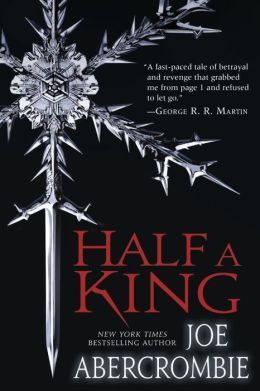
The premise: Yarvi is the son of the king, born with one good hand, and thus considered less than nothing by his father and brother. But no worries, he's not the heir, so he's training to be a minister. Except suddenly both his father and brother are killed and he's next in line. All of his hopes as a minister are dashed and he ascends to the throne and immediately vows revenge. But as he leads his forces on the warpath--under the banner of his uncle, because of his age and his crippled hand--he's betrayed and finds himself sold into slavery. Now Yarvi has to survive slavery, the harsh northern winter wastelands, and somehow fight his way back to his own lands, his own castle, and retake his throne . . . even though he never wanted to rule.
I enjoyed the book. It's, at heart, a simple tale and Yarvi is a very relatable, pragmatic main character. You root for him immediately because of the horrible cards he's been dealt. But he's not stupid and he uses the knowledge he's obtained by training to be a minister effectively. He's a likable character, and the men he befriends as he's taken from king to slave to escapee are also extremely likeable and realistic.
The world and setting are probably the best aspects of the book. It's pseudo-Viking, which isn't used often enough in fantasy novels. The tone is warlike and vicious and the weak are ridiculed--a perfect place for "half a man" to become king, right? A perfect place for Yarvi to be underestimated anyway. There are hints that this is a post-apocalyptic world, with mysterious "elves" referred to, with what appear to be radioactive areas scattered here and there, strange metals, etc. So intriguing possibilities that aren't used in this novel (except possibly the Screaming Gate), but may be used in sequels.
The plot itself is . . . basic. Very straightforward, with few twists except one or two toward the end. For those that like the epic fantasy novels, with multiple POV characters and many plot threads and twists and turns (like me), the book may be too simple. I did, and it was only the smooth writing, interesting world, and the characters that drew me in and kept me reading. But even with the simple plot, I'll likely check out the next book in the series when it comes out.
Overall, a good, fun, quick read.
The premise: Yarvi is the son of the king, born with one good hand, and thus considered less than nothing by his father and brother. But no worries, he's not the heir, so he's training to be a minister. Except suddenly both his father and brother are killed and he's next in line. All of his hopes as a minister are dashed and he ascends to the throne and immediately vows revenge. But as he leads his forces on the warpath--under the banner of his uncle, because of his age and his crippled hand--he's betrayed and finds himself sold into slavery. Now Yarvi has to survive slavery, the harsh northern winter wastelands, and somehow fight his way back to his own lands, his own castle, and retake his throne . . . even though he never wanted to rule.
I enjoyed the book. It's, at heart, a simple tale and Yarvi is a very relatable, pragmatic main character. You root for him immediately because of the horrible cards he's been dealt. But he's not stupid and he uses the knowledge he's obtained by training to be a minister effectively. He's a likable character, and the men he befriends as he's taken from king to slave to escapee are also extremely likeable and realistic.
The world and setting are probably the best aspects of the book. It's pseudo-Viking, which isn't used often enough in fantasy novels. The tone is warlike and vicious and the weak are ridiculed--a perfect place for "half a man" to become king, right? A perfect place for Yarvi to be underestimated anyway. There are hints that this is a post-apocalyptic world, with mysterious "elves" referred to, with what appear to be radioactive areas scattered here and there, strange metals, etc. So intriguing possibilities that aren't used in this novel (except possibly the Screaming Gate), but may be used in sequels.
The plot itself is . . . basic. Very straightforward, with few twists except one or two toward the end. For those that like the epic fantasy novels, with multiple POV characters and many plot threads and twists and turns (like me), the book may be too simple. I did, and it was only the smooth writing, interesting world, and the characters that drew me in and kept me reading. But even with the simple plot, I'll likely check out the next book in the series when it comes out.
Overall, a good, fun, quick read.
The Next Book Discussion
I've posted the latest book discussion at the DAW Books unofficial blog (
 dawbooks
)! We're looking at Ben Aaronovitche's fifth Rivers of London novel, Foxglove Summer. Swing on by and check it out! If you've read it, leave a comment about what you thought.
dawbooks
)! We're looking at Ben Aaronovitche's fifth Rivers of London novel, Foxglove Summer. Swing on by and check it out! If you've read it, leave a comment about what you thought.
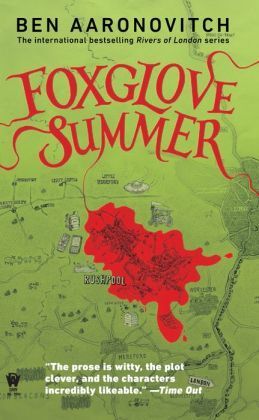
dawbooks
)! We're looking at Ben Aaronovitche's fifth Rivers of London novel, Foxglove Summer. Swing on by and check it out! If you've read it, leave a comment about what you thought.January 14, 2015
First January Book Discussion
I've posted the first of the January book discussions over at the unofficial DAW Books (
dawbooks
) blog! We're looking at Jim C. Hines' third Magic Ex Libris novel, Unbound. Swing on by and check it out!
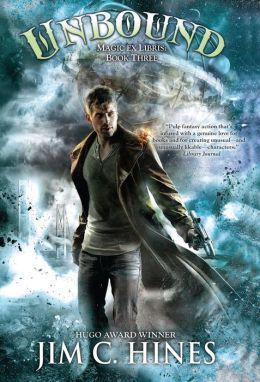
dawbooks
) blog! We're looking at Jim C. Hines' third Magic Ex Libris novel, Unbound. Swing on by and check it out!January 12, 2015
Author Interview: David B. Coe with "Spell Blind"
Today we have an interview with David B. Coe, author of the new novel Spell Blind from Baen Books. I've asked David some questions about the book and his many personalities below. See what he has to say!
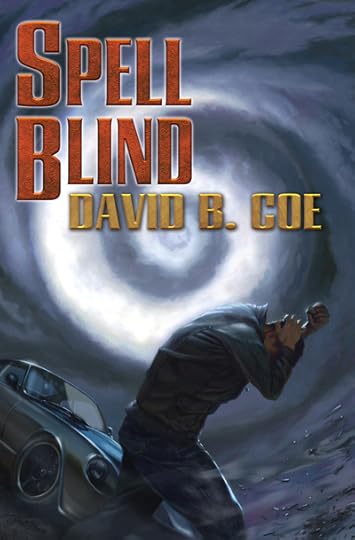
1. First, tell us about the new book, SPELL BLIND!
DBC: SPELL BLIND is the first book in a new contemporary urban fantasy series called The Case Files of Justis Fearsson. My hero, Justis (Jay) Fearsson is a weremyste, a sorcerer whose power and sanity are subject to the pull of the full moon. On the three nights of the phasing--the full moon, and the nights immediately before and after--his magical power is enhanced, but his mind slips, leaving him least able to control his magic when he most needs to. In the long run, the cumulative effect of these phasings will leave him permanently insane, just as it has his father.
Jay is a private detective in Phoenix and was once a cop before his magic-induced psychological problems forced him to quite the force. The one investigation that haunts him most from his time as a cop is the Blind Angel Killer serial murder case, and now the Blind Angel has struck again, killing the daughter of Arizona’s most prominent politician. Jay is called back in to help in the investigation and finally finds the lead he’s been looking for. The Blind Angel has used magic to kill, and Jay thinks he finally understands why and how. But the killer is coming after him, and the full moon is approaching, and . . . well, that’s about as much as I think I should say. It’s a fun book--lots of action, lots of magic, and even a little romance.
2. What was the toughest part of writing this particular book? What gave you the most trouble?
DBC: That’s a more complex question than you know. This book--in a somewhat different form--originally sold to a small press back in 2005, and then that small press went bankrupt. My agent and I managed to get the rights back and we tried to resell the series. But we couldn’t and it soon became apparent to me that the book as first written was deeply flawed. (This may be symptomatic of why that first publisher went under . . .) The magic system didn’t work well, the plot was convoluted, and the narrative dragged in spots. I still LOVED the characters and their interactions, but the rest of the novel needed to be reworked. And so over the course of seven years--as I wrote my Blood of the Southlands trilogy and the books of the Thieftaker Chronicles (published under my pseudonym, D.B. Jackson)--I also rewrote this book. I tore it apart and put it back together, and when that didn’t work, I did it again, and yet again. I think I went through four new incarnations of the book, driven by my passion for and faith in the characters and the basic story that I wanted to tell. Eventually all of that hard work paid off and the book sold (we wound up with more than one publisher bidding on it), but the hardest part about this book, it turns out, was simply getting it right, allowing my creative abilities as a writer to catch up with my creative ambitions for the story I wanted to tell.
3. What makes this book different from all of the others out there? What part of it gave you the shivers and made you go, "Damn, that's good!"
DBC: Again, from the start of the writing process with this book and series, the thing I have loved the most about it is the web of interactions among my characters. Jay Fearsson is a man whose mind is in decline. He feels the effect of the phasings every month, and though he doesn’t yet sense any permanent damage from the pull of a lifetime of full moons, he knows--he KNOWS--that he is destined to go insane. There are drugs he could take--blockers--that would blunt the effects of the phasings, but they would also rob him of all his magical abilities. And he has made a conscious decision not to take them, to wield his magic as a cop and an investigator and live with his inevitable decline.
The relationships I have built around him represent the various implications of that choice. Jay is close to his father, and in every one of their interactions, Jay sees his own future in his dad’s mental problems. He begins a romance in the first book, and he sees in the relationship he wishes to have with Billie Castle, the normal, comfortable, even happy life he might lead if only he would give up magic and take the blockers. And he still works occasionally with his closest friend and former partner on the force, Deandra “Kona” Shaw. With her he sees the reason why he still needs his magic, why he can’t take the blockers and spare his mind. They do important work together; they solve crimes and save lives, and his magic is part of that.
So these relationships interact in a powerful way within the emotions and thoughts of my point of view character, and they make him unlike any other character I’ve created before. I think readers will respond well to Jay and his friends. I know that I’ve loved writing them.
4. You've gone back to the name David B. Coe for this series, while you're still producing books under the D.B. Jackson pseudonym. Why? What are the challenges of being published under two different names?
DBC: To be honest, when we pitched this series I didn’t care which name wound up on the cover. I would have been perfectly happy to publish these books as D.B. Jackson. And actually, since they’re contemporary urban fantasy and the Thieftaker Chronicles are historical urban fantasy (as opposed to the epic fantasy I have previously written under my own name) that might have been the better fit. But Baen Books ended up buying the series and they preferred that we put the books out under the David B. Coe byline. I think this was because I live in the Southeast, and this region is filled with Baen readers. And even though I’ve been writing for Tor, these fans have gotten to know me at conventions and signings and other events as David B. Coe. For Baen’s marketing purposes, writing these books under my real name made more sense.
The biggest challenges for me in maintaining the two writing identities really come down to keeping straight in my own mind “who” I am at any given moment. Most people know that David B. Coe and D.B. Jackson are the same person and so I do plenty of cross-pollination between the two. But there are times when I’ll do blog posts or interviews or appearances and the people hosting me will be more interested in the historical stuff, or perhaps in my epic fantasy backlist, and at those moments I need to take some care in being “the right me,” as it were.
5. SPELL BLIND is sort of a new genre for you. What was the most challenging part of writing in this new genre? What about this genre intrigued you?
DBC: Writing contemporary urban fantasy is something I’d wanted to do for some time. When I first conceived of the series in its original form several years back, I was just finishing up my second epic fantasy series and was gearing up to write a third. I wanted to write the Fearsson books at the same time, in large part because I was desperate to do something different. Now, given the history of these books, it’s obvious that I didn’t get to write the whole series back then, and I wound up finding that “something different” in the Thieftaker books. But still, I wanted to write in the contemporary world. I wanted to use colloquialisms, to bring pop culture references to my work, to make my point of view character snarky and relatable and very much a man of our world and our time.
As it turned out, that proved to be challenging as well as fun. There are lots of characters out there today who live in our world, and I wanted very much to write a character who was of our time and place, but who would also stand out from the crowd. And I think that coming up with the weremyste magic system, and giving Jay these serious and progressive psychological problems, I found a way to make him different even as he remains a familiar archetype. It’s been a fun process, and at this point with the second book in the series in production (HIS FATHER’S EYES will be out in August 2015) and the third book written and waiting to be revised and polished before I submit it to Baen, I find myself not wanting the series to end. I like these characters--all of them--and I want to write more Jay Fearsson books.
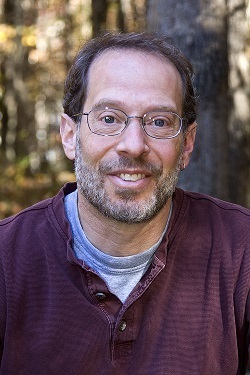
Thanks for the great interview, David! If you'd like to know more about David B. Coe (and D.B. Jackson), check out his author bio below, along with links to his various websites, blogs, etc.
David B. Coe is the award-winning author of more than fifteen fantasy novels. His newest series, a contemporary urban fantasy called The Case Files of Justis Fearsson, debuts with the January 2015 release from Baen Books of Spell Blind. The second book, His Father’s Eyes, will be out in August 2015. Writing as D.B. Jackson, he is the author of the Thieftaker Chronicles, a historical urban fantasy from Tor Books that includes Thieftaker, Thieves’ Quarry, A Plunder of Souls, and Dead Man’s Reach (coming in July 2015). He lives on the Cumberland Plateau with his wife and two teenaged daughters. They’re all smarter and prettier than he is, but they keep him around because he makes a mean vegetarian fajita. When he’s not writing he likes to hike, play guitar, and stalk the perfect image with his camera.
David B. Coe's Website
David B. Coe's Blog
D.B. Jackson's Website
David B. Coe's Facebook Page
David B. Coe's Twitter
David B Coe on Amazon.com
1. First, tell us about the new book, SPELL BLIND!
DBC: SPELL BLIND is the first book in a new contemporary urban fantasy series called The Case Files of Justis Fearsson. My hero, Justis (Jay) Fearsson is a weremyste, a sorcerer whose power and sanity are subject to the pull of the full moon. On the three nights of the phasing--the full moon, and the nights immediately before and after--his magical power is enhanced, but his mind slips, leaving him least able to control his magic when he most needs to. In the long run, the cumulative effect of these phasings will leave him permanently insane, just as it has his father.
Jay is a private detective in Phoenix and was once a cop before his magic-induced psychological problems forced him to quite the force. The one investigation that haunts him most from his time as a cop is the Blind Angel Killer serial murder case, and now the Blind Angel has struck again, killing the daughter of Arizona’s most prominent politician. Jay is called back in to help in the investigation and finally finds the lead he’s been looking for. The Blind Angel has used magic to kill, and Jay thinks he finally understands why and how. But the killer is coming after him, and the full moon is approaching, and . . . well, that’s about as much as I think I should say. It’s a fun book--lots of action, lots of magic, and even a little romance.
2. What was the toughest part of writing this particular book? What gave you the most trouble?
DBC: That’s a more complex question than you know. This book--in a somewhat different form--originally sold to a small press back in 2005, and then that small press went bankrupt. My agent and I managed to get the rights back and we tried to resell the series. But we couldn’t and it soon became apparent to me that the book as first written was deeply flawed. (This may be symptomatic of why that first publisher went under . . .) The magic system didn’t work well, the plot was convoluted, and the narrative dragged in spots. I still LOVED the characters and their interactions, but the rest of the novel needed to be reworked. And so over the course of seven years--as I wrote my Blood of the Southlands trilogy and the books of the Thieftaker Chronicles (published under my pseudonym, D.B. Jackson)--I also rewrote this book. I tore it apart and put it back together, and when that didn’t work, I did it again, and yet again. I think I went through four new incarnations of the book, driven by my passion for and faith in the characters and the basic story that I wanted to tell. Eventually all of that hard work paid off and the book sold (we wound up with more than one publisher bidding on it), but the hardest part about this book, it turns out, was simply getting it right, allowing my creative abilities as a writer to catch up with my creative ambitions for the story I wanted to tell.
3. What makes this book different from all of the others out there? What part of it gave you the shivers and made you go, "Damn, that's good!"
DBC: Again, from the start of the writing process with this book and series, the thing I have loved the most about it is the web of interactions among my characters. Jay Fearsson is a man whose mind is in decline. He feels the effect of the phasings every month, and though he doesn’t yet sense any permanent damage from the pull of a lifetime of full moons, he knows--he KNOWS--that he is destined to go insane. There are drugs he could take--blockers--that would blunt the effects of the phasings, but they would also rob him of all his magical abilities. And he has made a conscious decision not to take them, to wield his magic as a cop and an investigator and live with his inevitable decline.
The relationships I have built around him represent the various implications of that choice. Jay is close to his father, and in every one of their interactions, Jay sees his own future in his dad’s mental problems. He begins a romance in the first book, and he sees in the relationship he wishes to have with Billie Castle, the normal, comfortable, even happy life he might lead if only he would give up magic and take the blockers. And he still works occasionally with his closest friend and former partner on the force, Deandra “Kona” Shaw. With her he sees the reason why he still needs his magic, why he can’t take the blockers and spare his mind. They do important work together; they solve crimes and save lives, and his magic is part of that.
So these relationships interact in a powerful way within the emotions and thoughts of my point of view character, and they make him unlike any other character I’ve created before. I think readers will respond well to Jay and his friends. I know that I’ve loved writing them.
4. You've gone back to the name David B. Coe for this series, while you're still producing books under the D.B. Jackson pseudonym. Why? What are the challenges of being published under two different names?
DBC: To be honest, when we pitched this series I didn’t care which name wound up on the cover. I would have been perfectly happy to publish these books as D.B. Jackson. And actually, since they’re contemporary urban fantasy and the Thieftaker Chronicles are historical urban fantasy (as opposed to the epic fantasy I have previously written under my own name) that might have been the better fit. But Baen Books ended up buying the series and they preferred that we put the books out under the David B. Coe byline. I think this was because I live in the Southeast, and this region is filled with Baen readers. And even though I’ve been writing for Tor, these fans have gotten to know me at conventions and signings and other events as David B. Coe. For Baen’s marketing purposes, writing these books under my real name made more sense.
The biggest challenges for me in maintaining the two writing identities really come down to keeping straight in my own mind “who” I am at any given moment. Most people know that David B. Coe and D.B. Jackson are the same person and so I do plenty of cross-pollination between the two. But there are times when I’ll do blog posts or interviews or appearances and the people hosting me will be more interested in the historical stuff, or perhaps in my epic fantasy backlist, and at those moments I need to take some care in being “the right me,” as it were.
5. SPELL BLIND is sort of a new genre for you. What was the most challenging part of writing in this new genre? What about this genre intrigued you?
DBC: Writing contemporary urban fantasy is something I’d wanted to do for some time. When I first conceived of the series in its original form several years back, I was just finishing up my second epic fantasy series and was gearing up to write a third. I wanted to write the Fearsson books at the same time, in large part because I was desperate to do something different. Now, given the history of these books, it’s obvious that I didn’t get to write the whole series back then, and I wound up finding that “something different” in the Thieftaker books. But still, I wanted to write in the contemporary world. I wanted to use colloquialisms, to bring pop culture references to my work, to make my point of view character snarky and relatable and very much a man of our world and our time.
As it turned out, that proved to be challenging as well as fun. There are lots of characters out there today who live in our world, and I wanted very much to write a character who was of our time and place, but who would also stand out from the crowd. And I think that coming up with the weremyste magic system, and giving Jay these serious and progressive psychological problems, I found a way to make him different even as he remains a familiar archetype. It’s been a fun process, and at this point with the second book in the series in production (HIS FATHER’S EYES will be out in August 2015) and the third book written and waiting to be revised and polished before I submit it to Baen, I find myself not wanting the series to end. I like these characters--all of them--and I want to write more Jay Fearsson books.
Thanks for the great interview, David! If you'd like to know more about David B. Coe (and D.B. Jackson), check out his author bio below, along with links to his various websites, blogs, etc.
David B. Coe is the award-winning author of more than fifteen fantasy novels. His newest series, a contemporary urban fantasy called The Case Files of Justis Fearsson, debuts with the January 2015 release from Baen Books of Spell Blind. The second book, His Father’s Eyes, will be out in August 2015. Writing as D.B. Jackson, he is the author of the Thieftaker Chronicles, a historical urban fantasy from Tor Books that includes Thieftaker, Thieves’ Quarry, A Plunder of Souls, and Dead Man’s Reach (coming in July 2015). He lives on the Cumberland Plateau with his wife and two teenaged daughters. They’re all smarter and prettier than he is, but they keep him around because he makes a mean vegetarian fajita. When he’s not writing he likes to hike, play guitar, and stalk the perfect image with his camera.
David B. Coe's Website
David B. Coe's Blog
D.B. Jackson's Website
David B. Coe's Facebook Page
David B. Coe's Twitter
David B Coe on Amazon.com