Phil Giunta's Blog, page 83
May 22, 2014
About This Writing Stuff...
This week, Mark Coker delivers his "Indie Author Manifesto" and announces a deal between Smashwords and Overdrive to bring indie titles to public libraries. David Gaughran introduces us to NoiseTrade as an option to build readership. Joe Konrath thinks it's time to reform copyright law. Jami Gold explains the character's inner journey and her writing process while Jody Hedlund discusses galley editing. P.J. Parrish encourages us to steal from other writers while Sarah Callendar puts us in our "place". From the Sarcastic Muse, we delve into the strengths of female characters and researching historic settings.
All that and a little more. Enjoy!
Smashwords and Overdrive to Bring 200,000+ Indie Titles to 20,000+ Public Libraries by Mark Coker
Indie Author Manifesto by Mark Coker
NoiseTrade: Build Audience While Boosting Your Mailing List by David Gaughran
Goodreads Adds 'Ask the Author' Functionality by Digital Book World
Time to Reform Copyright and Konrants by Joe Konrath
How Can We Show a Character's Internal Journey? and What Drives You to Write? by Jami Gold
The Nitty-Gritty of Galley Editing by Jody Hedlund
Stealing From Other Writers by P.J. Parrish
Why the Where Matters (Part I) by Sarah Callender
Why the Where Matters (Part II) by Kristin Bair O'Keeffe via Sarah Callender
What is Strength in a Female Character? by Michelle Mueller
Historic Settings: Researching Your Novel by Robyn LaRue
All that and a little more. Enjoy!
Smashwords and Overdrive to Bring 200,000+ Indie Titles to 20,000+ Public Libraries by Mark Coker
Indie Author Manifesto by Mark Coker
NoiseTrade: Build Audience While Boosting Your Mailing List by David Gaughran
Goodreads Adds 'Ask the Author' Functionality by Digital Book World
Time to Reform Copyright and Konrants by Joe Konrath
How Can We Show a Character's Internal Journey? and What Drives You to Write? by Jami Gold
The Nitty-Gritty of Galley Editing by Jody Hedlund
Stealing From Other Writers by P.J. Parrish
Why the Where Matters (Part I) by Sarah Callender
Why the Where Matters (Part II) by Kristin Bair O'Keeffe via Sarah Callender
What is Strength in a Female Character? by Michelle Mueller
Historic Settings: Researching Your Novel by Robyn LaRue


May 13, 2014
About This Writing Stuff...
This week, KB Shaw wants to know why you're not writing or reading sci-fi. Joe Konrath advises writers to tend to their careers like gardens. Jami Gold raises the stakes and discusses when we should skip a scene. Jody Hedlund and Keith Cronin delve into the topic of research. Michael Levin predicts the downfall of Barnes and Noble, and speaking of downfalls, Chris Jones cites an example of how a thin skin and poor etiquette can ruin a writing career.
From Writer Unboxed, we receive words of wisdom on staying published, bolstering that fragile writer's ego, and that plot moment when your character "crosses over".
All that and a bit more. Enjoy!
Are You Afraid of Sci-Fi? by KB Shaw via Sandra Carey Cody
Tend Your Garden by JA Konrath
How to Raise the Stakes in Our Story and When Should We Skip a Scene in Our Story? by Jami Gold
3 Cautions for Adding Research into Stories and The Why's, When's, and What-Not's for Opening a Story by Jody Hedlund
Concocting Fiction from Fact: Using Research to Tell Better Stories by Keith Cronin
Moving from Idea to Novel by Clare Langley-Hawthorne
Will One Bad Book Ruin Your Career? by James Scott Bell
Do You Suffer from Fragile Writer Ego? by Judy Mollen Walters
Today's Challenge: Staying Published by Sophie Masson
Plotting, Pacing, and Crossing Over by Anne Greenwood Brown
Barnes and Noble: Gone by New Year's by Michael Levin
Why Producers Will Not Read Your Script by Chris Jones
From Writer Unboxed, we receive words of wisdom on staying published, bolstering that fragile writer's ego, and that plot moment when your character "crosses over".
All that and a bit more. Enjoy!
Are You Afraid of Sci-Fi? by KB Shaw via Sandra Carey Cody
Tend Your Garden by JA Konrath
How to Raise the Stakes in Our Story and When Should We Skip a Scene in Our Story? by Jami Gold
3 Cautions for Adding Research into Stories and The Why's, When's, and What-Not's for Opening a Story by Jody Hedlund
Concocting Fiction from Fact: Using Research to Tell Better Stories by Keith Cronin
Moving from Idea to Novel by Clare Langley-Hawthorne
Will One Bad Book Ruin Your Career? by James Scott Bell
Do You Suffer from Fragile Writer Ego? by Judy Mollen Walters
Today's Challenge: Staying Published by Sophie Masson
Plotting, Pacing, and Crossing Over by Anne Greenwood Brown
Barnes and Noble: Gone by New Year's by Michael Levin
Why Producers Will Not Read Your Script by Chris Jones
April 29, 2014
Chiller Theatre Autograph Show and Genre Convention
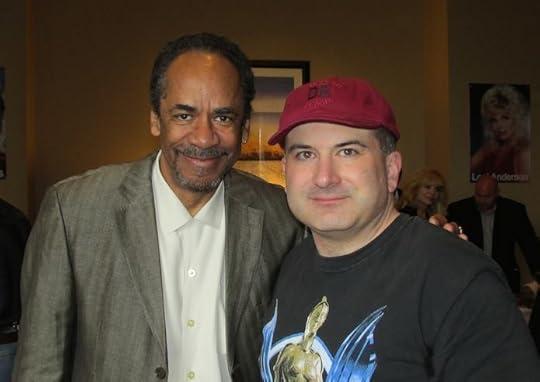
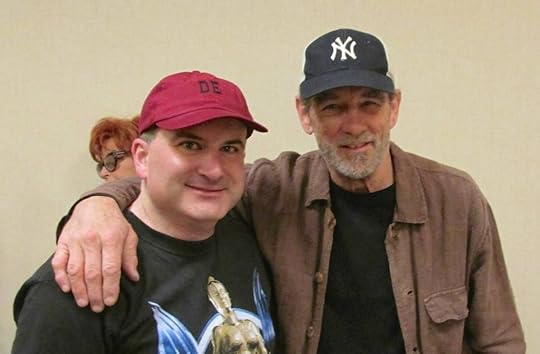
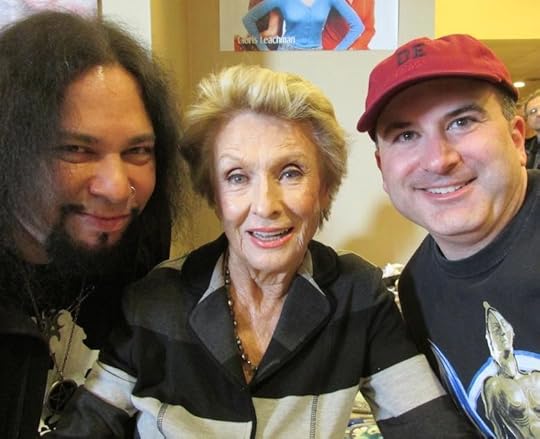
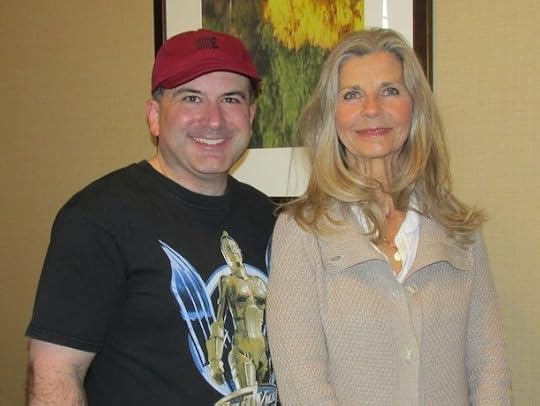
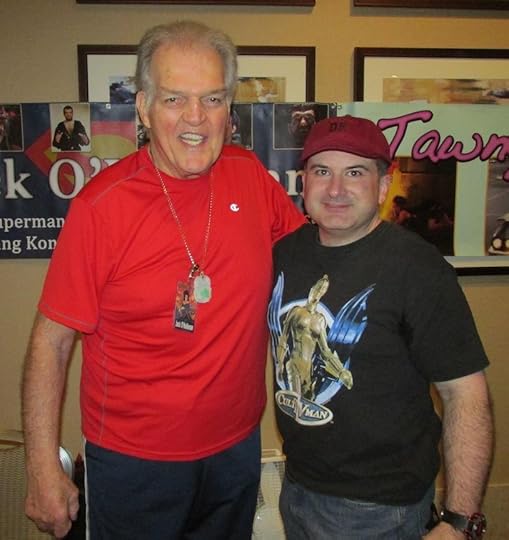
A few photos from one of the SF/Horror conventions I attend regularly, Chiller Theatre. Among the celebrities you might recognize (or not), we have:
Cloris Leachman (Young Frankenstein, Mary Tyler Moore, and too much to list here). The other chap in the pic is my buddy Andre.
Jack O'Halloran (Non from Superman: The Movie and Superman II)
John Diehl- in the NY baseball cap (Kowalski in STARGATE, also Jurassic Park III and more)
Tim Reid - (Venus Flytrap in WKRP in Cincinnati, "Downtown" Brown in Simon & Simon)
Jan Smithers - (Bailey Quarters from WKRP in Cincinnati)
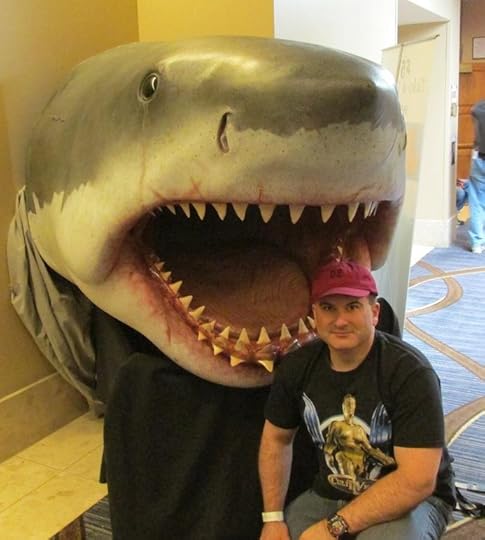
And there's Bruce the Shark as Himself.

April 26, 2014
About This Writing Stuff...
This week, writer pal Kathryn Craft offers advice on writing book club fiction. In the Kill Zone, James Scott Bell shudders at atrocious non-compete clauses in trad publishing contracts while P.J. Parrish explains why you need an editr, uh, editer, I mean, editor! Joanna Penn shares her tactics for productivity as well as Debbie Flint's tips on promoting that first self-pubbed book.
Dianne K. Salemi says yes, you can save that monstrous first-draft! Amanda Headlee extols the virtues of Scrivener. Veronica Sicoe delves into five worldbuilding essentials and examines various degrees of violence in SF. Joseph Ponepinto wants writers to be be paid (what a concept!). He was so adamant, that he created a four-part series on the topic.
Enjoy!
7 Tips for Writing Book Club Fiction by Kathryn Craft
Toward a Fair Non-Compete Clause by James Scott Bell
Why You Need an Editer. Ah, Make That an Editor by P.J. Parrish
Levels of Violence in Science Fiction and Top 5 Worldbuilding Must-Haves by Veronica Sicoe
What to Do with a Franken-Draft by Dianne K. Salerni
Productivity for Authors. Fighting Overwhelm and How I am Refocusing my Workload by Joanna Penn
7 Tips to Help Promote Your First Self-Published Book by Joanna Penn
Changing Ways by Amanda Headlee
A Radical Idea: Pay the Writer by Joseph Ponepinto
Pay the Writer, Part Two: Genre v Literary--Clash of the Cultures by Joseph Ponepinto
Pay the Writer, Part Three: Changes in the Writing Industry and How They Affect a Writer's Economics by Joseph Ponepinto
Pay The Writer, Part 4: Transitions and Other Decisions by Joseph Ponepinto
Dianne K. Salemi says yes, you can save that monstrous first-draft! Amanda Headlee extols the virtues of Scrivener. Veronica Sicoe delves into five worldbuilding essentials and examines various degrees of violence in SF. Joseph Ponepinto wants writers to be be paid (what a concept!). He was so adamant, that he created a four-part series on the topic.
Enjoy!
7 Tips for Writing Book Club Fiction by Kathryn Craft
Toward a Fair Non-Compete Clause by James Scott Bell
Why You Need an Editer. Ah, Make That an Editor by P.J. Parrish
Levels of Violence in Science Fiction and Top 5 Worldbuilding Must-Haves by Veronica Sicoe
What to Do with a Franken-Draft by Dianne K. Salerni
Productivity for Authors. Fighting Overwhelm and How I am Refocusing my Workload by Joanna Penn
7 Tips to Help Promote Your First Self-Published Book by Joanna Penn
Changing Ways by Amanda Headlee
A Radical Idea: Pay the Writer by Joseph Ponepinto
Pay the Writer, Part Two: Genre v Literary--Clash of the Cultures by Joseph Ponepinto
Pay the Writer, Part Three: Changes in the Writing Industry and How They Affect a Writer's Economics by Joseph Ponepinto
Pay The Writer, Part 4: Transitions and Other Decisions by Joseph Ponepinto
April 12, 2014
About This Writing Stuff...
This week, Amanda Headlee blurs the line between literary and genre fictions while Donna Galanti recalls her path to a two-book deal. From Writer Unboxed, Lisa Alber proposes methods for creating memorable baddies. Julia Monroe Martin suggests that writers step outside their comfort zone to experience more thrills.
There is much talk about editors as Beth Bacon provides three steps to choosing one, and Jodie Renner and Victoria Strauss team up to warn us of one fraudulent "editing" service to avoid--WordWorks Publishing Consultants. Kristine Kathryn Rusch urges authors to defend themselves against abusive editors.
And on a more personal note, I will be speaking about Time Management for Writers at the May meeting of the Brandywine Valley Writers Group on Tuesday, 20 May at 7PM. See link below for more details. Several of my writer pals have library talks coming up in Maryland and New York. More info those below.
All that, and a little more...enjoy!
Fiction is not Black and White by Amanda Headlee
Eight Steps to an Agent, a Publisher, and a Two-Book Deal by Donna Galanti
3 Steps to Choosing the Perfect Freelance Editor by Beth Bacon
Amazon Publishing: Authors are Customers by Jeremy Greenfield
5 Insights from Bestselling Authors by Jami Gold
Stand Up For Yourself by Kristine Kathryn Rusch
Looking For an Editor? Check Them Out Very Carefully! by Jodie Renner
Pamela Wray and WordWorks Publishing Consultants: The Amazing Case of the Serial Plagiarizer by Victoria Strauss for Writer Beware
The Thrill of the Write by Julia Monroe Martin
The Art of Creating Memorable Villains Whatever Your Genre by Lisa Alber
Serious Reading Takes a Hit from Online Scanning and Skimming, Researchers Say by Michael S. Rosenwald
Brandywine Valley Writers Group - Time Management for Writers with Phil Giunta
Fantastic Quartet: Four Writers on Creating Strange New Worlds with Dave Galanter, Bob Greenberger, Howard Weinstein, and Steven H. Wilson
Science Fiction at the Long Beach Public Library with Michael Jan Friedman

There is much talk about editors as Beth Bacon provides three steps to choosing one, and Jodie Renner and Victoria Strauss team up to warn us of one fraudulent "editing" service to avoid--WordWorks Publishing Consultants. Kristine Kathryn Rusch urges authors to defend themselves against abusive editors.
And on a more personal note, I will be speaking about Time Management for Writers at the May meeting of the Brandywine Valley Writers Group on Tuesday, 20 May at 7PM. See link below for more details. Several of my writer pals have library talks coming up in Maryland and New York. More info those below.
All that, and a little more...enjoy!
Fiction is not Black and White by Amanda Headlee
Eight Steps to an Agent, a Publisher, and a Two-Book Deal by Donna Galanti
3 Steps to Choosing the Perfect Freelance Editor by Beth Bacon
Amazon Publishing: Authors are Customers by Jeremy Greenfield
5 Insights from Bestselling Authors by Jami Gold
Stand Up For Yourself by Kristine Kathryn Rusch
Looking For an Editor? Check Them Out Very Carefully! by Jodie Renner
Pamela Wray and WordWorks Publishing Consultants: The Amazing Case of the Serial Plagiarizer by Victoria Strauss for Writer Beware
The Thrill of the Write by Julia Monroe Martin
The Art of Creating Memorable Villains Whatever Your Genre by Lisa Alber
Serious Reading Takes a Hit from Online Scanning and Skimming, Researchers Say by Michael S. Rosenwald
Brandywine Valley Writers Group - Time Management for Writers with Phil Giunta
Fantastic Quartet: Four Writers on Creating Strange New Worlds with Dave Galanter, Bob Greenberger, Howard Weinstein, and Steven H. Wilson
Science Fiction at the Long Beach Public Library with Michael Jan Friedman
April 6, 2014
About This Writing Stuff...
This week, Amanda Headlee conveys the joys of her recent writing retreat in Vermont. Danny Heitman talks briefly about brevity, while Brunonia Barry reveals ten aspects of her writing process. Never one to let anything slip by him, Joe Konrath responds to Terry Hickman's lament about the state of traditional publishing, but did Joe get the full story? Tracy responds...
Jordan Dane offers advice on handling reviews--both good and bad. Beth Bacon wants us to ponder a few questions about character, action, and story before delving into self-publishing.
Comic book legend and ReDeus co-creator Paul Kupperberg reminisces about the custom comics he worked on for DC, and I am ecstatic to share some posts from a woman after my own heart, SF writer Veronica Sicoe. Veronica took a maternity leave from blogging, but she's back to talk about the importance of research and the proper use of astronomical measurements of distance when writing SF. Be still my throbbing heart, for I adore this fangirl!
All that and a bit more. Enjoy!
The Enlightenment of Escape by Amanda Headlee
Keep It Short by Danny Heitman
The Independent Bookstore Lives! Why Amazon's Conquest Will Never Be Complete by Andrew Leonard
4 Questions to Ask Before Self-Publishing by Beth Bacon
A Wake Up Call for Tracy Hickman by Joe Konrath
The Wake Up Call Heard Five Years Ago by Tracy Hickman
Building a Theme Through Character Arcs by Jami Gold
We Called 'Em Custom Comics and Custom Comics, Continued by Paul Kupperberg
Anonymous Question Submission: On Reviews by Jordan Dane
Distance Measurements in Science Fiction and The ERROR Terror by Veronica Sicoe
10 Tips About Process by Brunonia Barry
Jordan Dane offers advice on handling reviews--both good and bad. Beth Bacon wants us to ponder a few questions about character, action, and story before delving into self-publishing.
Comic book legend and ReDeus co-creator Paul Kupperberg reminisces about the custom comics he worked on for DC, and I am ecstatic to share some posts from a woman after my own heart, SF writer Veronica Sicoe. Veronica took a maternity leave from blogging, but she's back to talk about the importance of research and the proper use of astronomical measurements of distance when writing SF. Be still my throbbing heart, for I adore this fangirl!
All that and a bit more. Enjoy!
The Enlightenment of Escape by Amanda Headlee
Keep It Short by Danny Heitman
The Independent Bookstore Lives! Why Amazon's Conquest Will Never Be Complete by Andrew Leonard
4 Questions to Ask Before Self-Publishing by Beth Bacon
A Wake Up Call for Tracy Hickman by Joe Konrath
The Wake Up Call Heard Five Years Ago by Tracy Hickman
Building a Theme Through Character Arcs by Jami Gold
We Called 'Em Custom Comics and Custom Comics, Continued by Paul Kupperberg
Anonymous Question Submission: On Reviews by Jordan Dane
Distance Measurements in Science Fiction and The ERROR Terror by Veronica Sicoe
10 Tips About Process by Brunonia Barry
March 24, 2014
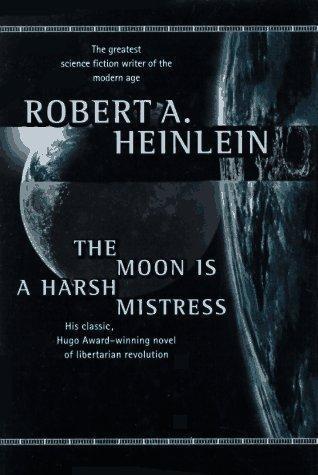
Book Review: The Moon is a Harsh Mistress by Robert A. Heinlein
In 2075, the moon is used as a penal colony, controlled by the Earth-based Lunar Authority. However, the residents of Luna (known as “Loonies”), have grown tired of slaving for the Authority. They have become restive…and a revolution is brewing.
Computer technician Manuel Garcia O’Kelly has developed a friendship with Luna’s central computer. Nicknaming the computer Mycroft—“Mike” for short—Mannie is surprised to find that the computer has been learning human tendencies such as humor, subterfuge…and conspiracy.
Meanwhile, a protest meeting gathers. After his shift ends, Mannie decides to attend the meeting, during which he meets the lovely and outspoken agitator Wyoming Knott (call her Wyoh, call her Wye, but never call her Why Not).
During the meeting, Wyoh speaks her mind about the raw deals dealt to the farmers and laborers on Luna. The Loonies begin to rally behind her—until the Lunar Authority police disrupt the meeting, resulting in a violent and bloody riot.
Mannie and Wyoh escape to a hotel room where they are later joined by the elder scholar, Professor Bernardo de la Paz, who Mannie simply dubs “Prof”. Assisted by “Mike”, the three begin to hatch a plan for revolution.
As time progresses, another violent uprising against the Authority leaves Luna’s warden in a vegetative state. Lunar Authority police are all but completely eliminated by the Loonies. Some of the police are executed for crimes of murder and rape.
Eventually, Mannie and the Prof venture to Earth to negotiate for the independence of Luna and recognition as a free state. Life on the moon renders them incapable of coping with Earth’s gravity, leaving the Prof bedridden and Mannie wheelchair bound throughout their visit. When the negotiations fail and the Federated Nations of Earth plot to have Luna’s ambassadors assassinated, Mannie and the Prof are smuggled off Earth and catapulted back to the moon where they receive a hero’s welcome.
In his advanced years, the Prof barely survives the journey, but survive he does as Luna and Earth prepare for war. With its limited resources, will the Loonies be able to defeat the overwhelming forces of the Lunar Authority and gain their independence? If so, what will be the cost of freedom?
Heinlein’s Hugo-award winning novel is told in the first-person POV of Mannie. While I thoroughly enjoyed the character’s voice and attitude, his outlook on life, his family interactions, and his participation as an officer in the revolution, there were several parts of the story that were told to the reader instead of shown simply because of the chosen POV. Mannie cannot be everywhere at once, so he sometimes imparts to the reader what he learns as if writing in a journal, or speaks of events that happened to other characters, after the fact. The Moon is a Harsh Mistress is also not known for generous portions of white space as most of the chapters, while short, consist of seemingly interminable paragraphs of description.
I did not necessarily mind this, knowing full well that this novel was written in 1966, a time when storytelling styles were much different than what we find in contemporary novels. As a fan of SF’s Golden Age, I’ve become accustomed to it. As a writer, the style differences leap out at me.
All told, I recommend The Moon is a Harsh Mistress. Heinlein’s characters are unique, their story is engaging, and while the plot is sluggish at times, the characters more than make up for it. Heinlein’s world building is exceptionally detailed and believable.
Computer technician Manuel Garcia O’Kelly has developed a friendship with Luna’s central computer. Nicknaming the computer Mycroft—“Mike” for short—Mannie is surprised to find that the computer has been learning human tendencies such as humor, subterfuge…and conspiracy.
Meanwhile, a protest meeting gathers. After his shift ends, Mannie decides to attend the meeting, during which he meets the lovely and outspoken agitator Wyoming Knott (call her Wyoh, call her Wye, but never call her Why Not).
During the meeting, Wyoh speaks her mind about the raw deals dealt to the farmers and laborers on Luna. The Loonies begin to rally behind her—until the Lunar Authority police disrupt the meeting, resulting in a violent and bloody riot.
Mannie and Wyoh escape to a hotel room where they are later joined by the elder scholar, Professor Bernardo de la Paz, who Mannie simply dubs “Prof”. Assisted by “Mike”, the three begin to hatch a plan for revolution.
As time progresses, another violent uprising against the Authority leaves Luna’s warden in a vegetative state. Lunar Authority police are all but completely eliminated by the Loonies. Some of the police are executed for crimes of murder and rape.
Eventually, Mannie and the Prof venture to Earth to negotiate for the independence of Luna and recognition as a free state. Life on the moon renders them incapable of coping with Earth’s gravity, leaving the Prof bedridden and Mannie wheelchair bound throughout their visit. When the negotiations fail and the Federated Nations of Earth plot to have Luna’s ambassadors assassinated, Mannie and the Prof are smuggled off Earth and catapulted back to the moon where they receive a hero’s welcome.
In his advanced years, the Prof barely survives the journey, but survive he does as Luna and Earth prepare for war. With its limited resources, will the Loonies be able to defeat the overwhelming forces of the Lunar Authority and gain their independence? If so, what will be the cost of freedom?
Heinlein’s Hugo-award winning novel is told in the first-person POV of Mannie. While I thoroughly enjoyed the character’s voice and attitude, his outlook on life, his family interactions, and his participation as an officer in the revolution, there were several parts of the story that were told to the reader instead of shown simply because of the chosen POV. Mannie cannot be everywhere at once, so he sometimes imparts to the reader what he learns as if writing in a journal, or speaks of events that happened to other characters, after the fact. The Moon is a Harsh Mistress is also not known for generous portions of white space as most of the chapters, while short, consist of seemingly interminable paragraphs of description.
I did not necessarily mind this, knowing full well that this novel was written in 1966, a time when storytelling styles were much different than what we find in contemporary novels. As a fan of SF’s Golden Age, I’ve become accustomed to it. As a writer, the style differences leap out at me.
All told, I recommend The Moon is a Harsh Mistress. Heinlein’s characters are unique, their story is engaging, and while the plot is sluggish at times, the characters more than make up for it. Heinlein’s world building is exceptionally detailed and believable.
March 17, 2014
About This Writing Stuff...
This week, Steven H. Wilson tells us to get lost--in a story, of course! Amanda Headlee discusses the importance of setting while Michelle Mueller provides tips on naming characters. Bill Ferris offers hilarious advice on how to overcome rejection. Karen Robertson gets technical with book apps, Jody Hedlund dishes on author-agent problems, and Neil Gaiman speaks of ghosts and fear.
All that, and a bit more...enjoy!
Getting Lost in a Story by Steven H. Wilson
The Changing Role of Literary Agents and New Submission Guidelines by Pam van Hylckama Vlieg
Set Your Story for Life by Amanda Headlee
Get Over Rejection in 6 Easy Steps by Bill Ferris
Publishing: Why You Should Care About Ebook vs. Print Formatting by Dean Fetzer via Joanna Penn
Telling the Truth About Client-Agent Problems by Jody Hedlund
Equal but Different by Amy Edelman
Five Myths About Book Apps by Karen Robertson
Five Tips for Naming Characters by Michelle Mueller
Neil Gaiman on Why Scary Stories Appeal to Use, the Art of Fear in Children's Books, and Most Terrifying Ghosts Haunting Society by Maria Popova
Shore Leave Continues to Build an Impressive Author Guest List for its August Show!
All that, and a bit more...enjoy!
Getting Lost in a Story by Steven H. Wilson
The Changing Role of Literary Agents and New Submission Guidelines by Pam van Hylckama Vlieg
Set Your Story for Life by Amanda Headlee
Get Over Rejection in 6 Easy Steps by Bill Ferris
Publishing: Why You Should Care About Ebook vs. Print Formatting by Dean Fetzer via Joanna Penn
Telling the Truth About Client-Agent Problems by Jody Hedlund
Equal but Different by Amy Edelman
Five Myths About Book Apps by Karen Robertson
Five Tips for Naming Characters by Michelle Mueller
Neil Gaiman on Why Scary Stories Appeal to Use, the Art of Fear in Children's Books, and Most Terrifying Ghosts Haunting Society by Maria Popova
Shore Leave Continues to Build an Impressive Author Guest List for its August Show!
March 9, 2014
Our Anthology gets a Cover for all Eternity!
May I present Michael Riehl's phenomenal cover-in-progress for our anthology,
Somewhere in the Middle of Eternity
. The book will launch at
Shore Leave 36
in August. Mike will, of course, be a dealer at the con with his table of amazing ornaments.
So far, in addition to myself, the following writers will be at Shore Leave 36 to sign copies and celebrate our shared achievement: Steven H. Wilson (our esteemed publisher and contributor), Susanna Reilly, Amanda Headlee Sowers, Stuart Roth, and Daniel Patrick Corcoran. Michael Critzer and Lance Woods round out our list of esteemed contributors. Mike will happily sign copies of the anthology as well since he is also supplying all 13 wonderful interior illustrations.
More updates to follow!

So far, in addition to myself, the following writers will be at Shore Leave 36 to sign copies and celebrate our shared achievement: Steven H. Wilson (our esteemed publisher and contributor), Susanna Reilly, Amanda Headlee Sowers, Stuart Roth, and Daniel Patrick Corcoran. Michael Critzer and Lance Woods round out our list of esteemed contributors. Mike will happily sign copies of the anthology as well since he is also supplying all 13 wonderful interior illustrations.
More updates to follow!
March 6, 2014
All The Write Stuff: Meet Paranormal and SF Author Phil Giunta!
The
Write Stuff Conference
coming to Allentown in two weeks will bring an august cadre of talented and knowledgable writers to present on a wide range of topics.
And then there's this schmuck. Click here to read an interview with me about what I'm presenting at the conference, my books, upcoming releases, and even a bit about audio books!

And then there's this schmuck. Click here to read an interview with me about what I'm presenting at the conference, my books, upcoming releases, and even a bit about audio books!