Steven R. Southard's Blog, page 3
August 3, 2025
Music of the Seasteading World
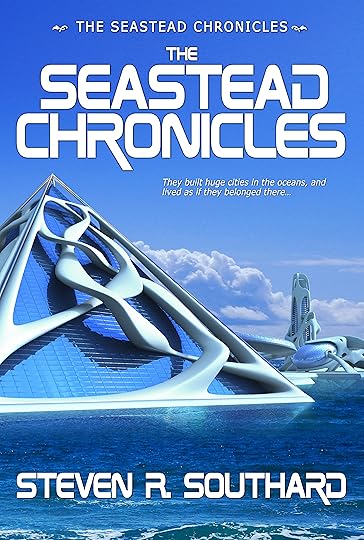
What comes after Rock? In my book The Seastead Chronicles, you’ll find a story about the next sound, the coming musical wave.
The world of The Seastead Chronicles shows much of humanity abandoning the land to live in cities on and under the sea. That new environment shapes them and gives rise to new art, new jargon, a new religion. And new music.
LiquisicThey call it liquid music, or liquisic. I introduce it in my story, “Deep Currents.” Like rock, liquisic employs syncopation. Unl...


July 28, 2025
Author Interview—Rob Jolles
Change of pace today. Most often, I interview fiction authors. Today’s guest has done everything but write fiction. Rob Jolles coaches speaking and writing. He’s written several nonfiction books and hundreds of blogposts he calls “Blarticles®.” He hosts podcasts and was kind enough to interview me on his “A Book Finds You” podcast.
Here’s his bio:
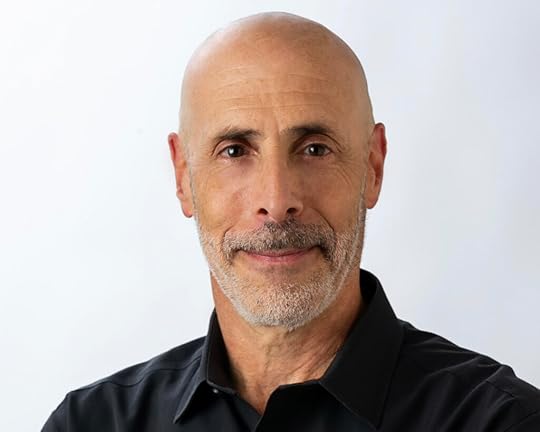 Rob Jolles
A sought-after speaker and five-time Bestselling author, Rob Jolles has spent over three decades traveling close to 3 million miles...
Protected: Author Interview—Rob Jolles
This content is password protected. To view it please enter your password below:
Password:
The post Protected: Author Interview—Rob Jolles first appeared on Steven R. Southard (Poseidon's Scribe).
July 27, 2025
Seasteads—Not Just for Billionaires or Libertarians
Search on the internet for “seasteads” and you’ll soon see mentions of billionaires and libertarians. Why is that? Are seasteads only for people in those small groups? Let’s explore the question.
Billionaires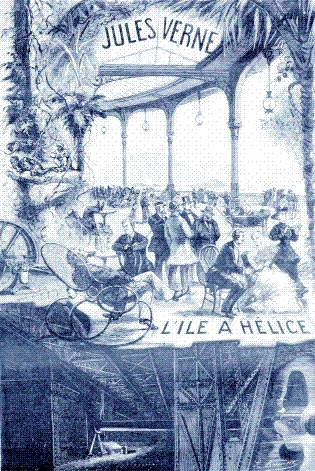 Propeller Island
, by Jules Verne
Propeller Island
, by Jules VerneI believe billionaires get mentioned with seasteads for two reasons: (1) Seasteads cost much more to build than houses on land, and (2) Billionaires often chafe at paying high taxes in their home country and long to escape to a low-tax country, of wh...
July 13, 2025
Author Interview—Fabiana Elisa Martínez
Today I interview an author who writes first drafts like nobody else. Read further to hear about her unique process. I met Fabiana Elisa Martínez at an Afternoon with Authors event at a local bookstore. A polyglot, she doubted her writing abilities at first, but started with one-word prompts and crafted stories that have won numerous awards. Here’s her bio:
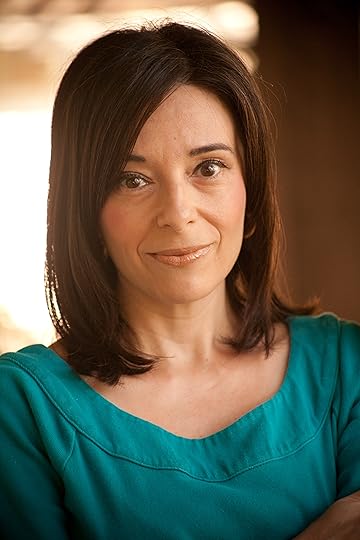 Fabiana Elisa MartínezBio
Fabiana was born and raised in Buenos Aires, Argentina. She graduated from UCA University in Buenos Aires...
Protected: Author Interview—Fabiana Elisa Martínez
This content is password protected. To view it please enter your password below:
Password:
The post Protected: Author Interview—Fabiana Elisa Martínez first appeared on Steven R. Southard (Poseidon's Scribe).
The Other Ink—Tattoos in Fiction
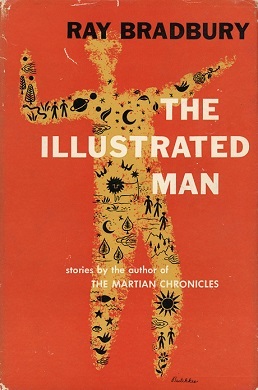
Do one or more tattoos adorn your skin? About a third of Americans can say yes. How many tattooed fictional characters can you name? Today, I’ll discuss the use of tattoos in fiction, and mention how and where I’ve used tattoos in my own writing.
Examples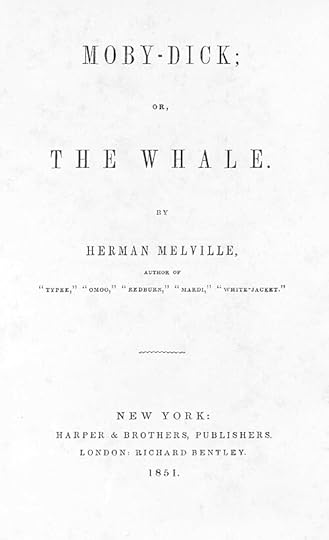
I remembered only two tattooed characters in the books I’ve read. Queequeg, in Moby-Dick by Herman Melville, bore tattoos of mystical symbols theorizing about heaven and earth.
July 6, 2025
How do the Two Chronicles Compare?
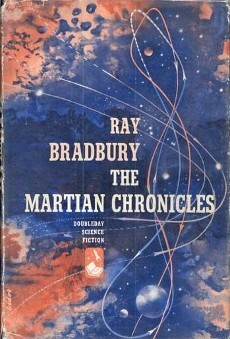
Seventy-five years ago, Doubleday published Ray Bradbury’s The Martian Chronicles (TMC). One month ago, Pole to Pole Publishing released my book, The Seastead Chronicles (TSC). A comparison of similarities and differences follow.
Similarities
Both books (1) contain the word “Chronicles” in their titles, (2) concern colonization, (3) belong in the science fiction genre, and (4) could be classified as fix-ups. I’m hard pressed to think of more similarities. On to the differences.
...June 29, 2025
Who Doesn’t Love a Story with a Map?
Isn’t it fun when a fiction book includes a map? If you’re like me, you linger over the map longer than you do any other page of the story. A map draws you in and makes you feel like you’re there, like you could use it to navigate from any spot to any other. As you read the story, you keep referring to the map to pinpoint the current action.
Maps of Others’ StoriesSarah Laskow wrote a marvelous post about maps associated with fiction. Her article includes maps from The Swiss Family Robins...
June 22, 2025
Will Oceanism Become Your New Religion?
Sometimes science fiction authors create religions for their stories. According to Wikipedia, they do this to satirize, to propose better belief systems, to criticize real religions, to speculate on alien religions, to serve as stand-ins for real religions, or other reasons.
ExamplesI could cite many cases of this, but I’m most familiar with the following:
Church of Science – Foundation (1951) by Isaac AsimovChurch of All Worlds – Stranger in a Strange Land (1961) by Robert A. Hei...