Steven R. Southard's Blog, page 9
July 14, 2024
Dying Writers, Dying Readers
Author Annie Dillard once wrote, “Write as if you were dying. At the same time, assume you write for an audience consisting solely of terminal patients.” The quote intrigued me. What did she mean?
 Source
It’s from a 1989 essay in The New York Times titled “Write Till You Drop.” The paragraph continues, “That is, after all, the case. What would you begin writing if you knew you would die soon? What would you say to a dying patient that would not enrage by its triviality?”
Picture the ...


July 7, 2024
Get Ready for AI Bestsellers
Ask a chatbot to write a story and it will do so. You’ll find the result contains the correct story elements. However, if you do that today, the story won’t move you. You’d rate it at junior high school level, certainly not a classic.
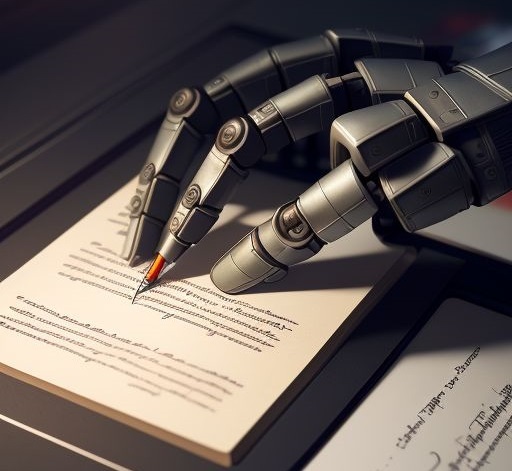 Image created at Perchance.org
That describes the state of artificial intelligence story-writing in mid-2024. From this, you might well conclude that AI will never write stories as well as the best human authors do.
PredictionIndeed, author Fiona M. Jon...
June 30, 2024
Taking Readers on Your Vacation
When a friend or relative offers to tell you about their vacation, or show you photos of it, do you assent with enthusiasm and curiosity?
 Pen and tire images from Pixabay
No, you do not. You agree out of politeness, while praying they give you a two-sentence summary. After all, you can’t be expected to experience their vacation.
Why, then, do we read travel books? We don’t even know these authors, yet we read with eager interest about a trip they once took. They don’t show us their cellp...
June 23, 2024
How You Can Give Better Author Interviews
As an author, you can expect to receive offers from people to interview you. Such interviews can be in person, or remote by phone or email. The offeror might broadcast the interview on TV, radio, podcast, or publish it in print or online in a blogpost. Today I’ll provide guidance about how to make the most of these interviews.
 Images of microphone and pen from PixabayThe Hermit Option
You may refuse interviews, of course. Some authors remain elusive, hidden from the world. They have the...
June 16, 2024
The 10 Most Pioneering Vehicles in Literature
Imagine the joy of blazing a trail in your stories, writing about something nobody has attempted before. Consider the electric thrill when you’re creating, in fiction, a new type of vehicle for your characters (and, by extension, for your readers).
Vehicles hold a special place for all of us, don’t they? The machines that transport us also shield us from the harsh outer world while cocooning us in comparative comfort. They move along at our command, heedless of distance or obstacles, and some...
June 9, 2024
Shadow Theory—Use and Misuse
If you’re a fiction writer wishing to create vivid characters, you’ll like Shadow Theory. But beware of its major pitfall.
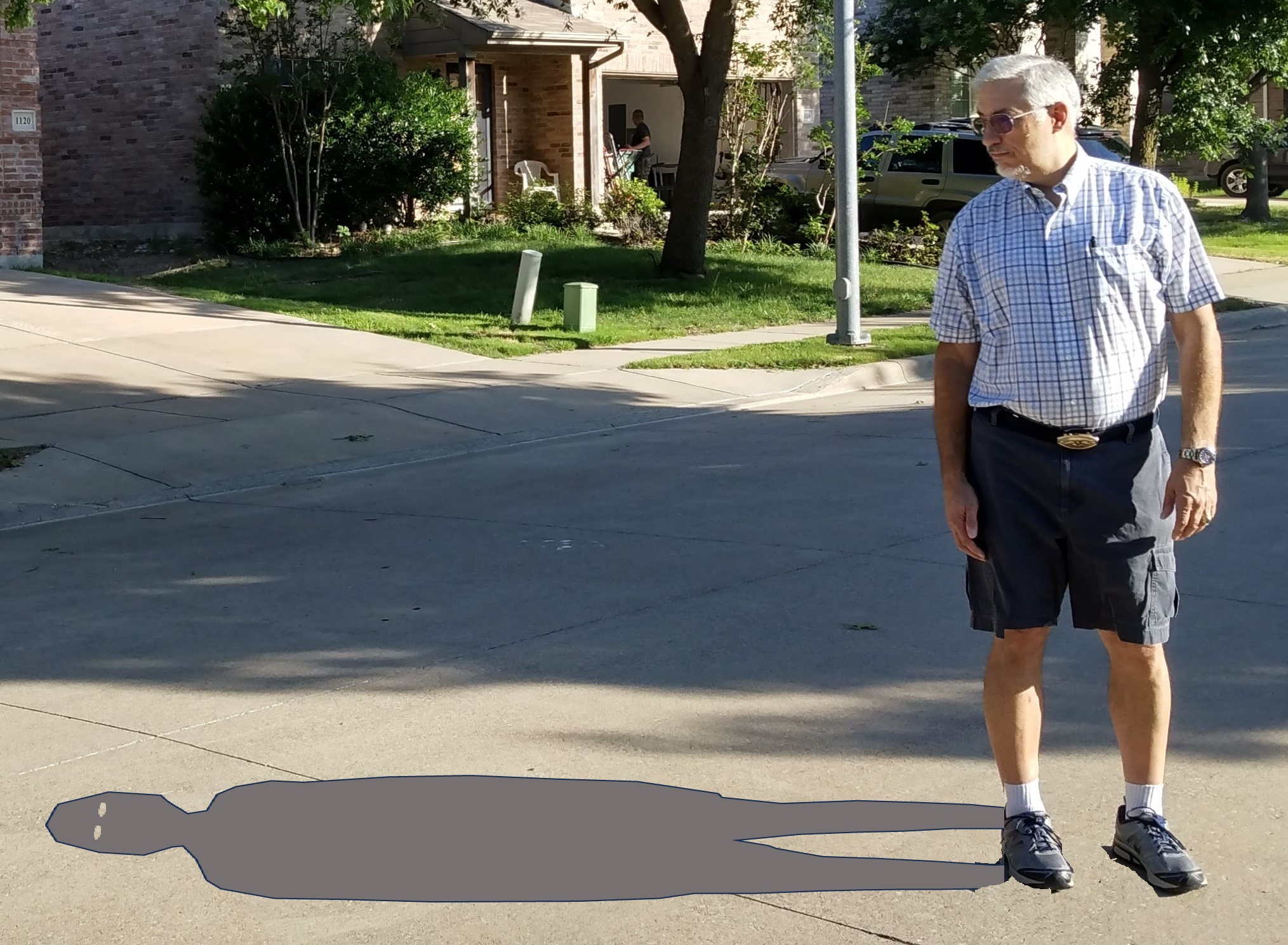
In your first attempts to write stories, you’re likely to invent characters without much nuance. Perhaps they’ll resemble common tropes or stereotypes. Even if you avoid that, your characters may lack the sort of quirks readers enjoy. The characters may seem flat, two-dimensional. Shadow theory can help with that.
 Definition
In this post, author K.M. Weiland pro...
May 28, 2024
Have Computers Made Writing Easier or Harder?
Unlike writers of the past, we own computers to make our lives easier. But the machines arrived with plenty of baggage. Have they been worth it?
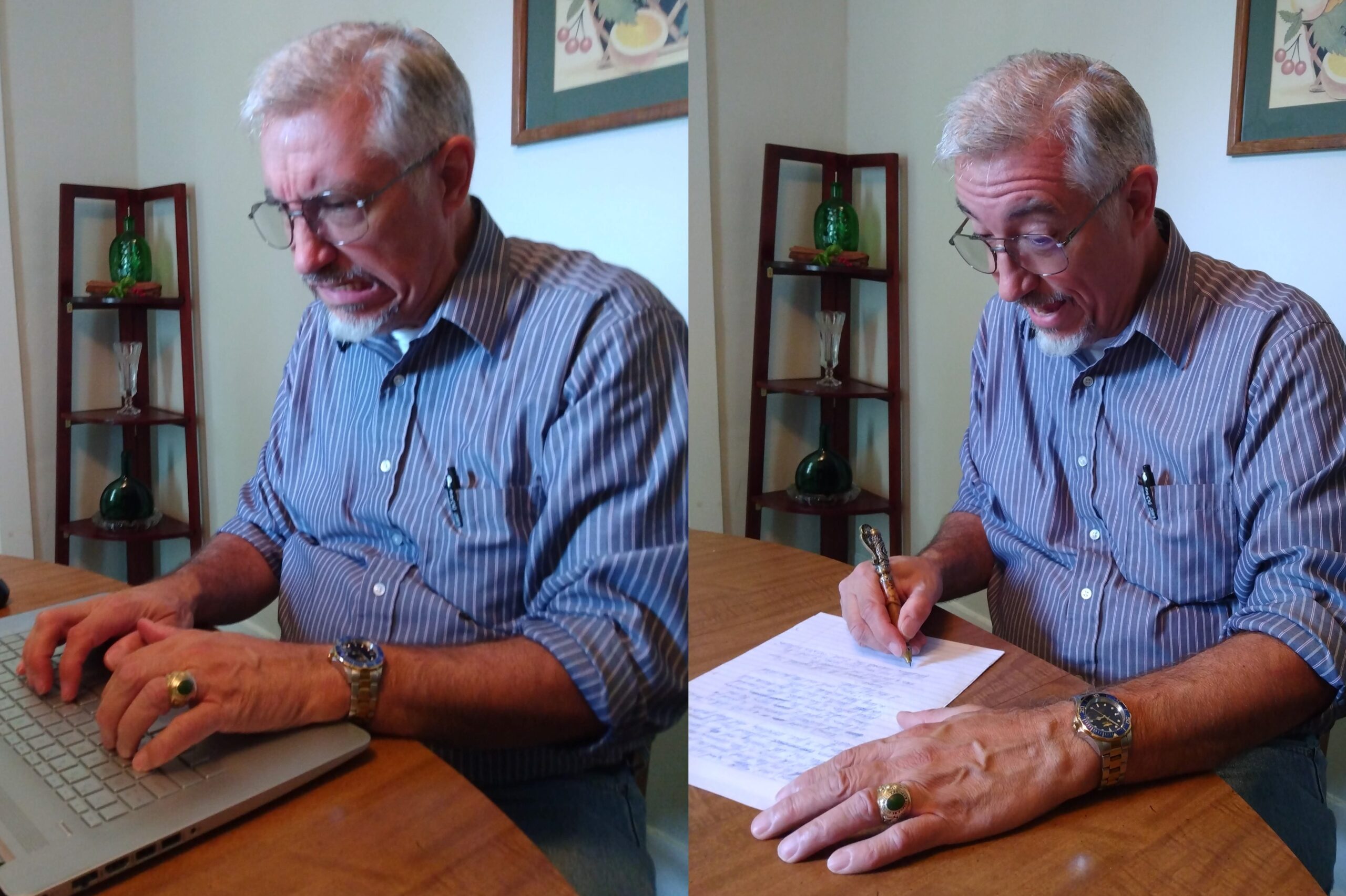
For most of human history, authors wrote by hand with a scribbling implement making marks with ink on some form of paper. (We’ll ignore the ages of chiseling into stone or making impressions on clay.) By the late 1800s, typewriters became commercially available. Only in the last forty years have writers turned to computers.
The Case for the Pe...May 21, 2024
These Days, Character Beats Plot
In a recent post, I mentioned author Shawn Warner said plot-driven stories are dead. Publishers, he advised, want character-driven stories, so, if you want to sell what you write, do the character-driven kind.
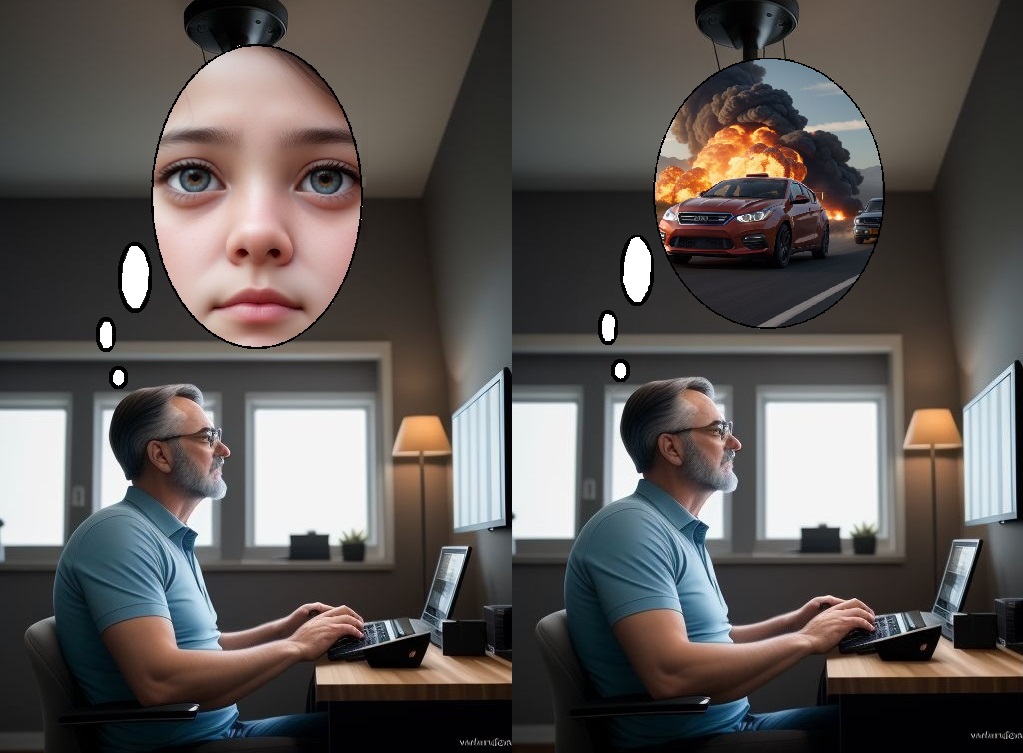 Images generated using perchance.orgDefinitions
What are Character-Driven (C-D) and Plot-Driven (P-D) stories and how are they different? The C-D types focus on the characters—their personalities, thoughts, motivations, changes, and growth. P-D stories emphasize what happens to c...
May 12, 2024
Catalyzing Character Chemistry
Forget your high school chemistry classes. We’re talking fictional character chemistry here—human reactions. More complicated, more dramatic, and potentially more explosive.

You know it when you see it on TV or in the movies. Two actors with great chemistry. Somehow, their interaction sizzles and sparks, even ignites into figurative flame.
Written stories, the good ones, portray this chemistry too. When a reader knows two characters separately, and they’re about to get together and int...
May 5, 2024
Write With Fervor
You long to write stories like the ones you enjoy reading, but doubt you could. Writing seems tedious and you think you lack the required expertise. You just know you’d get bored and disillusioned after a few pages. The late author Ray Bradbury offered some advice that might help you.

In his 2001 lecture at The Sixth Annual Writer’s Symposium by the Sea, sponsored by Point Loma Nazarene University, he provided great tips about writing, including these two gems:
Make a list of ten thing...