
Maggi Andersen's Blog, page 49
August 10, 2014
My first foray into self-publishing!
As my rights return to me from my earlier novels, I am refreshing the stories, giving them great new covers and self-publishing them with the help of my wonderful friend, Anne Marie Brear who is herself a successful self-published author. So far, my first book has proved a run-away success. #19 in the Amazon Regency books and #71 in historical at the moment of writing this!
AMAZON (On sale at 99cents)
SMASHWORDS
BARNES & NOBLE
KOBO
Cover art by Erin Dameron-Hill
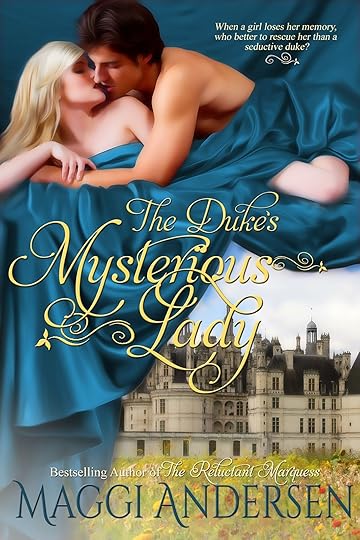
When a lady loses her memory, who better to rescue her than a seductive duke?
Viola, so named by her benefactor, Hugh, Duke of Vale, has lost her memory, along with her respectability, after being found unconscious near his estate dressed in a male servant’s clothes. She is a mystery unto herself, with her knowledge of books and Latin, and her skill at the pianoforte.
Thanks to the duke’s kindness, Viola has found a temporary home with his nanny in a cottage on his estate, while danger lurks in the shadows and darkens her dreams. She must leave beautiful Vale Park before Hugh marries Lady Felicity Beresford, the neighbor’s daughter; their marriage arranged when they were children. And before Viola and Hugh succumb to an impossible passion.
As the announcement of Hugh’s engagement draws near, he tries to accept the inevitable, he must marry a woman he doesn’t love. He is intrigued by Viola. Who is she and what has driven her to such an act? As the Bow Street Runners work to find the answers, Hugh grows more deeply and dangerously drawn to the mysterious lady.
Enjoy and excerpt:
She followed a meandering path around the cottage and down through a meadow of bright yellow buttercups to a river. The wide stretch of water flowed swiftly away through the meadows, its far side rimmed by forest.
A flock of swallows swooped overhead. The peace and beauty of her surroundings revived her. She bent to pick a wild rose. The pink flower had a delicate perfume, a surprise in such a hardy, prickly plant. She stood, pressing its petals to her nose, the scent a wistful hint from her past. Out of nowhere, a rush of fear made her tremble. She had seen these flowers before. Smelled that scent before. Her struggle to remember brought such anguish, she moaned.
At the sound of hoof beats, she swung round. A horse emerged from a copse of trees. The rider saw her and pulled on the reins cursing, as the horse reared. Viola jumped off the path and lost her footing, falling hard on her derriere in a patch of dew-laden grass. Two hounds bolted out of the bushes. One was upon her in an instant, nuzzling and licking her face.
“Oh, stop,” she cried with a laugh, attempting to push it away.
“Down, Henry!” His Grace growled from atop the tall chestnut, and the dog returned to his master’s side.
“What the devil are you doing out so early?” The duke leapt down. “Are you hurt?”
“Only my dignity, I’m afraid.”
He grasped her arm and pulled her to her feet as if she weighed no more than the fluffy head of a dandelion. His hands lingered on her back as if to steady her, but it seemed to have the reverse affect. She moved away her face hot and probably as pink as the rose she held. She dropped the flower and brushed down her skirt.
The duke’s gaze roamed over her sodden slippers and shabby dress with the new damp patch. He brought with him the bitter truth of her predicament, leaving her feeling grubby and foolish, and her brief delight in the morning ruined.
“I apologize for startling you. I never meet a soul on this path. What are you doing wandering around so early?”
“I thought it lovely, with the sleeping world awaking to a new day.” How flighty her words sounded. Did he think her a fool?
“Have you remembered something of your past?”
“No, nothing.” Perhaps he hoped this madwoman would disappear back to where she came from. Viola wrapped the shawl around herself more closely.
“Come, I’ll walk back with you.” He led his horse along the lane, his dogs following. The cottage appeared through the trees. “I assume you’re feeling better?”
“I am thank you. Nanny’s been wonderful. She is well versed in herbs. She gave me something that made me sleep like a baby!”
“Ah, yes. I well remember her potions. I’ll never forget some of the foul brews I was made to swallow as a child.” A devilish look came into his brown eyes, and a smile tugged at his mouth. “I’m sorry you had to endure them.”
Viola couldn’t help smiling back. “I suspect you aren’t sorry at all, Your Grace.”
His smile widened in approval. “One must not discourage Nanny, and I’m sure they are beneficial.” He continued walking. “We must make you well and quickly, Miss Viola. There may be a family somewhere worried about you.”
His words tumbled her back into reality. She trembled with frustration. If only she could remember. How long would it be before she outlived her welcome?


August 2, 2014
Building a Literary World. The Landscape of Jane Austen's England by Maggi Andersen
“I love not Man the less, but Nature more,”
Lord Byron, Childe Harold 1812
Like so many other readers of Jane Austen over the last few centuries, I was captivated by the charm of the Georgian England she wrote about in Pride & Prejudice. Jane Austen’s world was anchored in the turn of the seasons and in the sense of the countryside as a source of nourishment both physical and spiritual.
I thought it interesting to look at what influences brought her settings to life.
When Jane Austen’s fine language transformed the landscape into literature, it was the result of a profound change in man’s attitude to himself and his environment, which had begun some 70 years before her birth. The new way of thinking shaped the landscape, while offering the means to appreciate it.
Not only was the countryside at its most loveliest, but discussion of it at it’s most stimulating.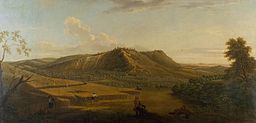
Box Hill, Surrey 1733. The renowned beauty spot which plays an important part in the plot of Emma.
In the past, Man had been a miserable creature, dourly battling against the forces of nature, pre-occupied by the state of his soul, but came to believe that rational happiness was attainable on earth through the cultivation of his mind and senses, and the educated enjoyment of the world’s delights. Guilt and superstition were shaken off. People became more sociable and acquisitive, and the concept of fashion influenced the way the country looked.
One of those places to first reflect this was Brighton. As travel became more popular, the southern English coast turned itself into a fashionable resort. Especially after the Prince of Wales began to build his Royal Pavilion there in 1787.
Two of Austen’s characters, Lydia Bennett and Maria Bertram were among the visitors to Brighton.
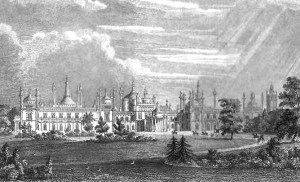 The Brighton Pavilion west front by Pugin. 1824
With fewer than 9 million people, the English countryside was mostly rural and only one-fifth lived in towns, none of which, apart from London, was very large.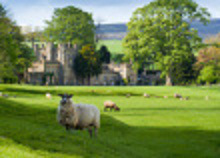 Georgian England was seen as a land of peace and plenty by those visiting the country. Households were self sufficient. The seasons, the weather and the the state of the harvest were of real importance and interest to everybody. Great landowners interested themselves in their estates and almost everybody at every level of society, cultivated something. Cottages grew vegetables and kept a pig, parsons had their glebe lands to farm. The game and garden-stuff furnished by Barton Park, the fruit trees and stew-ponds of Delaford and the greenhouse and poultry yard of Cleveland.
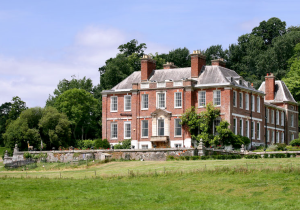
Characteristically, Jane Austen is sparse in her description of Barton Park, the home of the affable Sir John and the sadly less than pleasant Lady Middleton in Sense and Sensibility:
Barton Park was about half a mile from the cottage. The ladies had passed near it in their way along the valley, but it was screened from their view at home by the projection of an hill. The house was large and handsome; and the Middletons lived in a style of equal hospitality and elegance.
Sense and Sensibility, Chapter 7
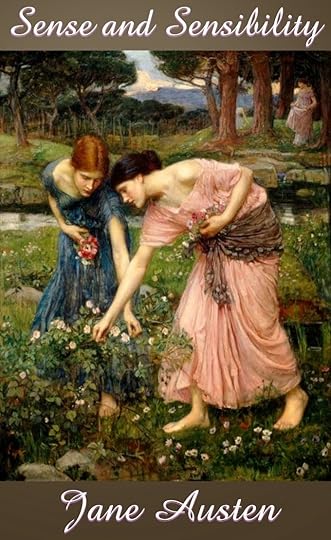
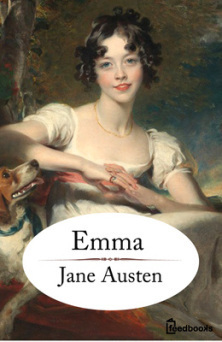
How reminiscent of Emma when Jane writes in a letter: “Tell Henry that a hamper of apples is gone to him from Kintbury.” Food production was the concern of all. A labourer ate better than the period before or afterwards. And while there was certainly poverty, it didn’t overflow into one’s consciousness.
It wasn’t until 1815 that grinding rural poverty became a large-scale problem. By that time, the old interdependence and self-sufficiency of country communities, perhaps under an enlightened, involved and benevolent landlord of whom, in George Knightley, Jane Austen gave such an admirable example, had been irretrievably lost.
The Spies of Mayfair Series
A Baron in Her Bed
Taming a Gentleman Spy
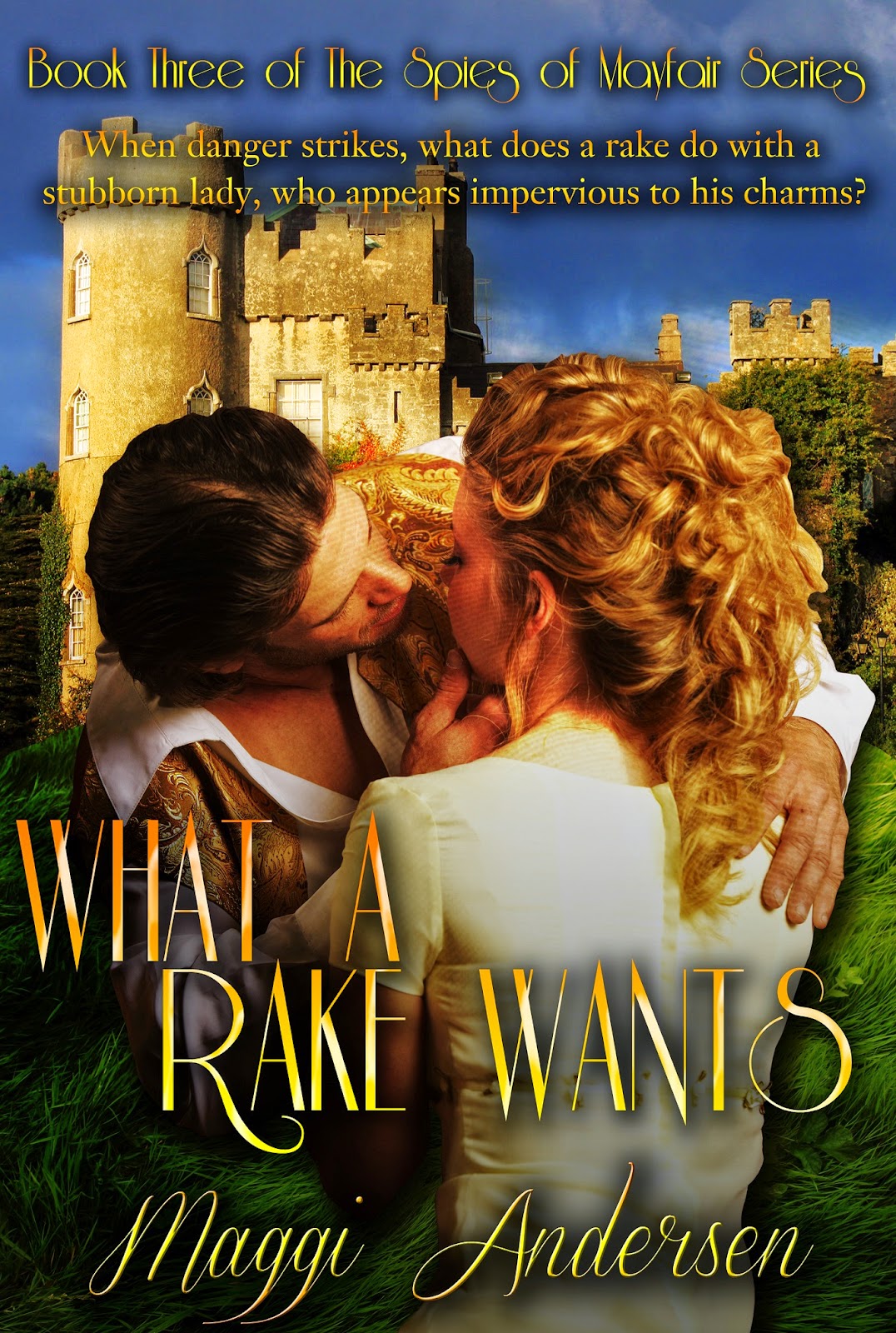
What a Rake Wants (Released 26th August)
Available for pre-order Amazon
More on My Webpage
Lord Byron, Childe Harold 1812
Like so many other readers of Jane Austen over the last few centuries, I was captivated by the charm of the Georgian England she wrote about in Pride & Prejudice. Jane Austen’s world was anchored in the turn of the seasons and in the sense of the countryside as a source of nourishment both physical and spiritual.
I thought it interesting to look at what influences brought her settings to life.
When Jane Austen’s fine language transformed the landscape into literature, it was the result of a profound change in man’s attitude to himself and his environment, which had begun some 70 years before her birth. The new way of thinking shaped the landscape, while offering the means to appreciate it.
Not only was the countryside at its most loveliest, but discussion of it at it’s most stimulating.

Box Hill, Surrey 1733. The renowned beauty spot which plays an important part in the plot of Emma.
In the past, Man had been a miserable creature, dourly battling against the forces of nature, pre-occupied by the state of his soul, but came to believe that rational happiness was attainable on earth through the cultivation of his mind and senses, and the educated enjoyment of the world’s delights. Guilt and superstition were shaken off. People became more sociable and acquisitive, and the concept of fashion influenced the way the country looked.
One of those places to first reflect this was Brighton. As travel became more popular, the southern English coast turned itself into a fashionable resort. Especially after the Prince of Wales began to build his Royal Pavilion there in 1787.
Two of Austen’s characters, Lydia Bennett and Maria Bertram were among the visitors to Brighton.
 The Brighton Pavilion west front by Pugin. 1824
With fewer than 9 million people, the English countryside was mostly rural and only one-fifth lived in towns, none of which, apart from London, was very large.
Georgian England was seen as a land of peace and plenty by those visiting the country. Households were self sufficient. The seasons, the weather and the the state of the harvest were of real importance and interest to everybody. Great landowners interested themselves in their estates and almost everybody at every level of society, cultivated something. Cottages grew vegetables and kept a pig, parsons had their glebe lands to farm. The game and garden-stuff furnished by Barton Park, the fruit trees and stew-ponds of Delaford and the greenhouse and poultry yard of Cleveland.
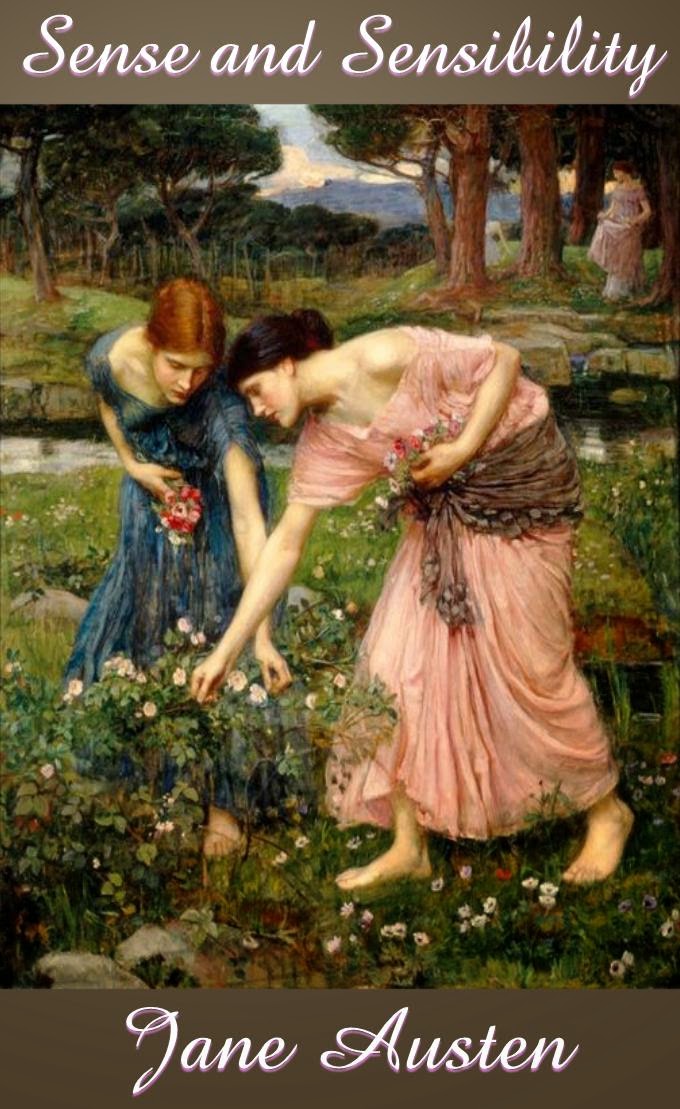
Characteristically, Jane Austen is sparse in her description of Barton Park, the home of the affable Sir John and the sadly less than pleasant Lady Middleton in Sense and Sensibility:
Barton Park was about half a mile from the cottage. The ladies had passed near it in their way along the valley, but it was screened from their view at home by the projection of an hill. The house was large and handsome; and the Middletons lived in a style of equal hospitality and elegance.
Sense and Sensibility, Chapter 7
How reminiscent of Emma when Jane writes in a letter: “Tell Henry that a hamper of apples is gone to him from Kintbury.” Food production was the concern of all. A labourer ate better than the period before or afterwards. And while there was certainly poverty, it didn’t overflow into one’s consciousness.
It wasn’t until 1815 that grinding rural poverty became a large-scale problem. By that time, the old interdependence and self-sufficiency of country communities, perhaps under an enlightened, involved and benevolent landlord of whom, in George Knightley, Jane Austen gave such an admirable example, had been irretrievably lost.

The Spies of Mayfair Series
A Baron in Her Bed
Taming a Gentleman Spy
What a Rake Wants (Released 26th August)
Available for pre-order Amazon

More on My Webpage
July 31, 2014
My 5 star review of THE HEIRESS OF LINN HAGH: The First detective Lavender Mystery.
 The Heiress of Linn Hagh: The First Detective Lavender Mystery (The Detective Lavender Series) by Karen Charlton
My rating: 5 of 5 stars
Karen Charlton's, The Heiress of Linn Hagh is set in a realistic Regency England far from the soiree's of London - very authentic indeed as she has drawn from her own family history. Detective Stephen Lavender and his partner, Constable Woods, of Bow Street, are sent to solve the case of a missing young woman they suspect has been murdered. Their appearance in this cold, inhospitable village causes suspicion and they are made unwelcome among the townsfolk, farmers and gypsies. Helen Carnaby's disappearance immediately points to her decidedly unattractive brother and sister, but there is much more to the story than this. What a great character Charlton has created here in Detective Lavender. We learn more of him as the story unfolds, how cleverly and subtly he goes about conducting his investigation while piecing the clues together and dealing with all types. Woods makes his perfect side-kick, adding a touch of humanity and humor.
Charlton sets the eerie mood early on and gives us little reprieve. I couldn't guess the ending. I liked the touch of romance too! I hope that will develop further in subsequent books, which I look forward to reading.
View all my reviews
July 25, 2014
Goddess Fish Promotions: Virtual NBtM Review Tour: What a Rake Wants by Mag...
 Begins 3rd September 2014! Prize:
 $40 Amazon Gift Card plus one of my other books.
 Goddess Fish Promotions: Virtual NBtM Review Tour: What a Rake Wants by Mag...: Goddess Fish Promotions is organizing a Virtual Name Before the Masses REVIEW ONLY Tour for What a Rake Wants - The Spies of Mayfair Se...
Regency History: Saltram - a Regency History guide - Great article!
Regency History: Saltram - a Regency History guide: Saltram Where is it? Saltram is a Georgian mansion just outside Plymouth in Devon. History Before the civil war, Saltram was owned...
(Well worth a read at the Regency History blog.
(Well worth a read at the Regency History blog.
July 20, 2014
Enjoy some of my mother's paintings.
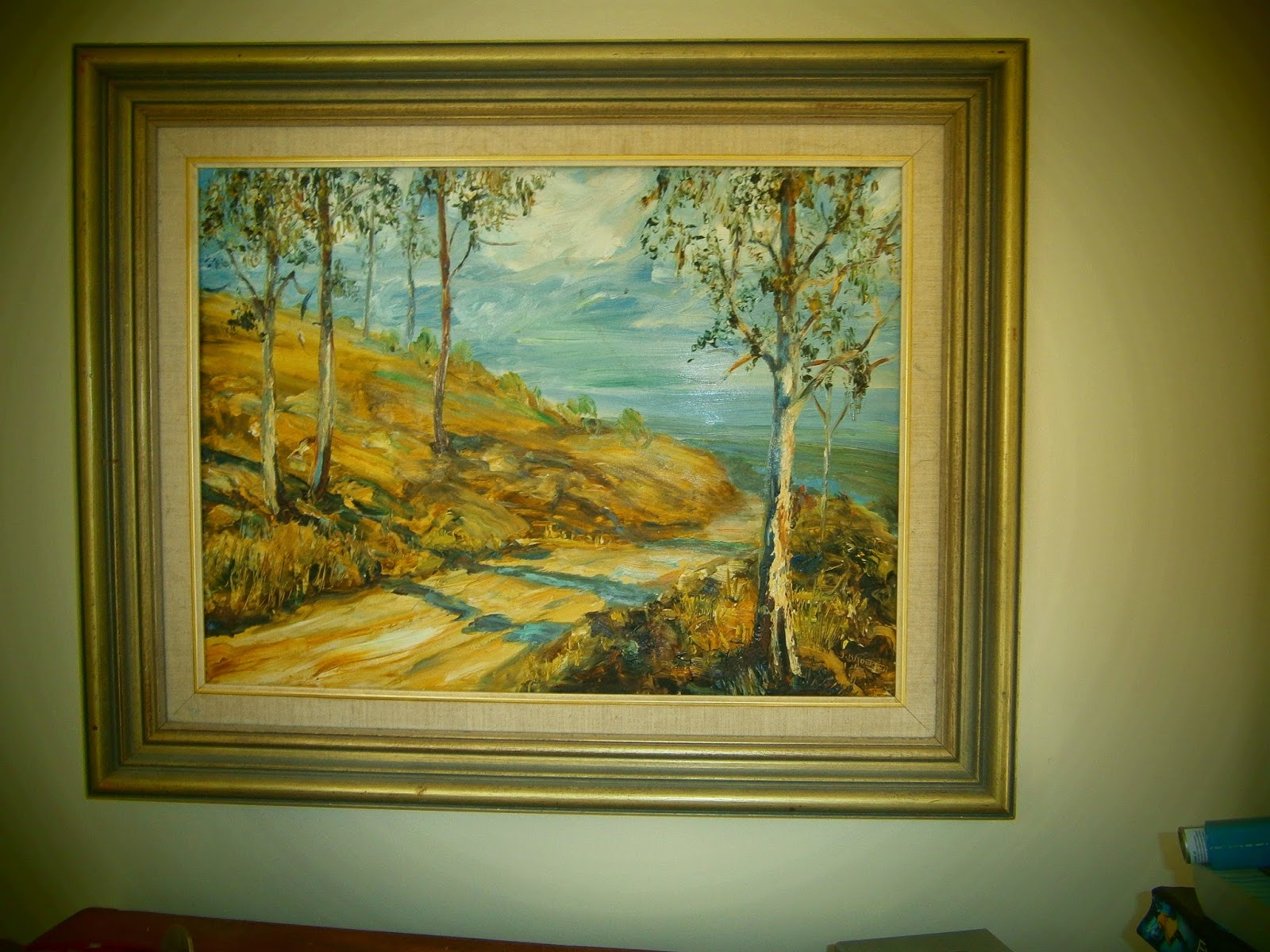
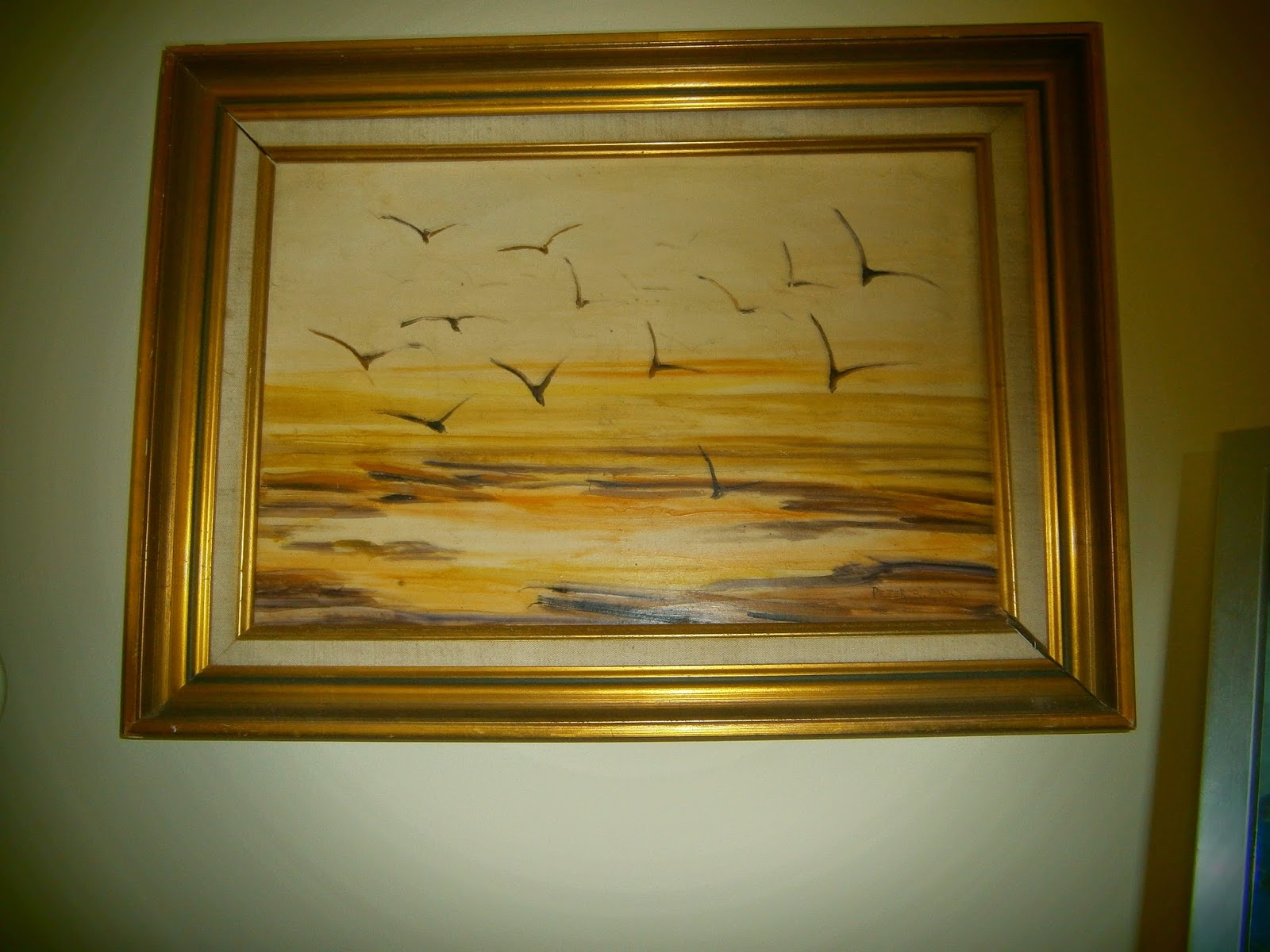
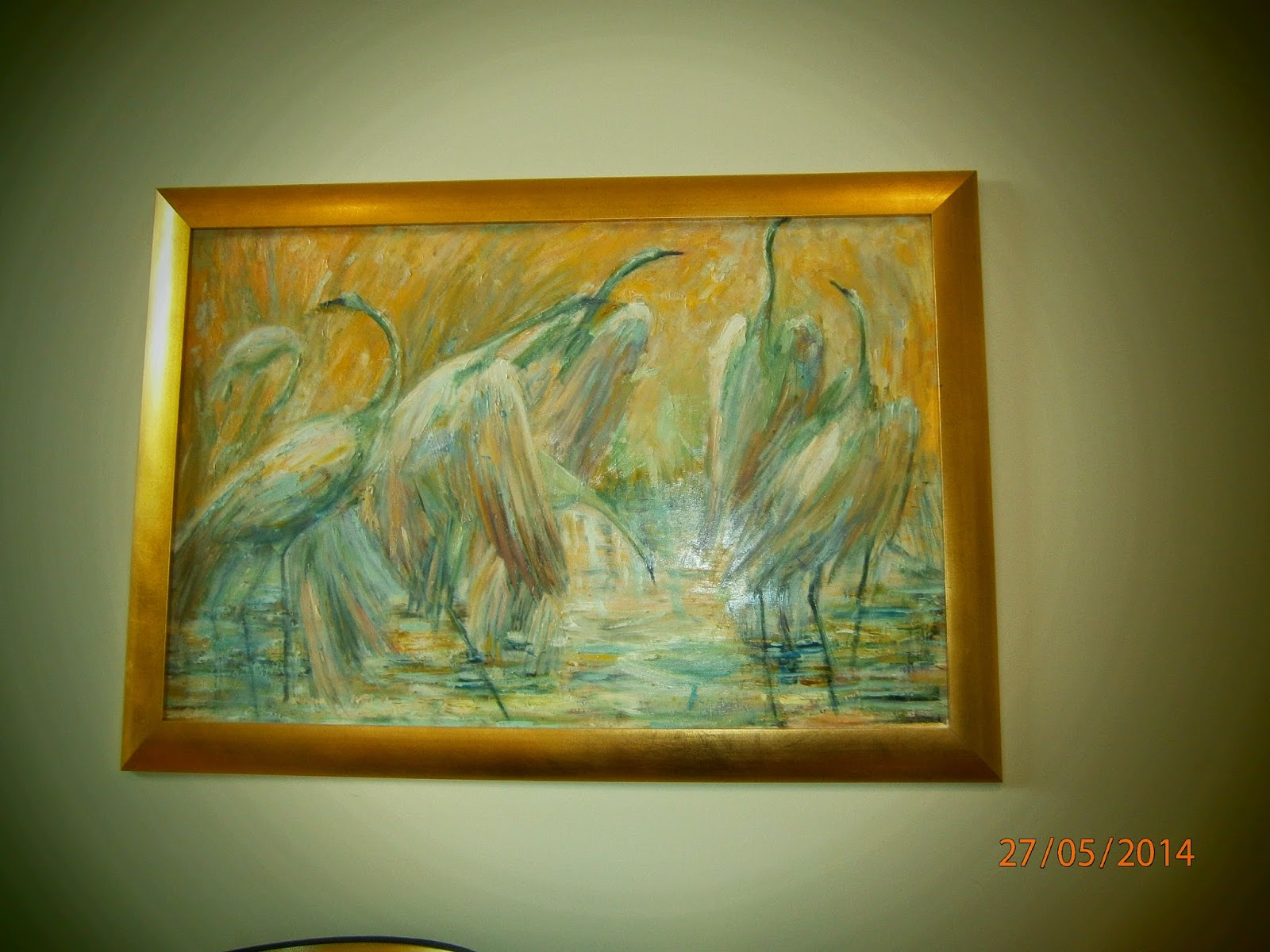
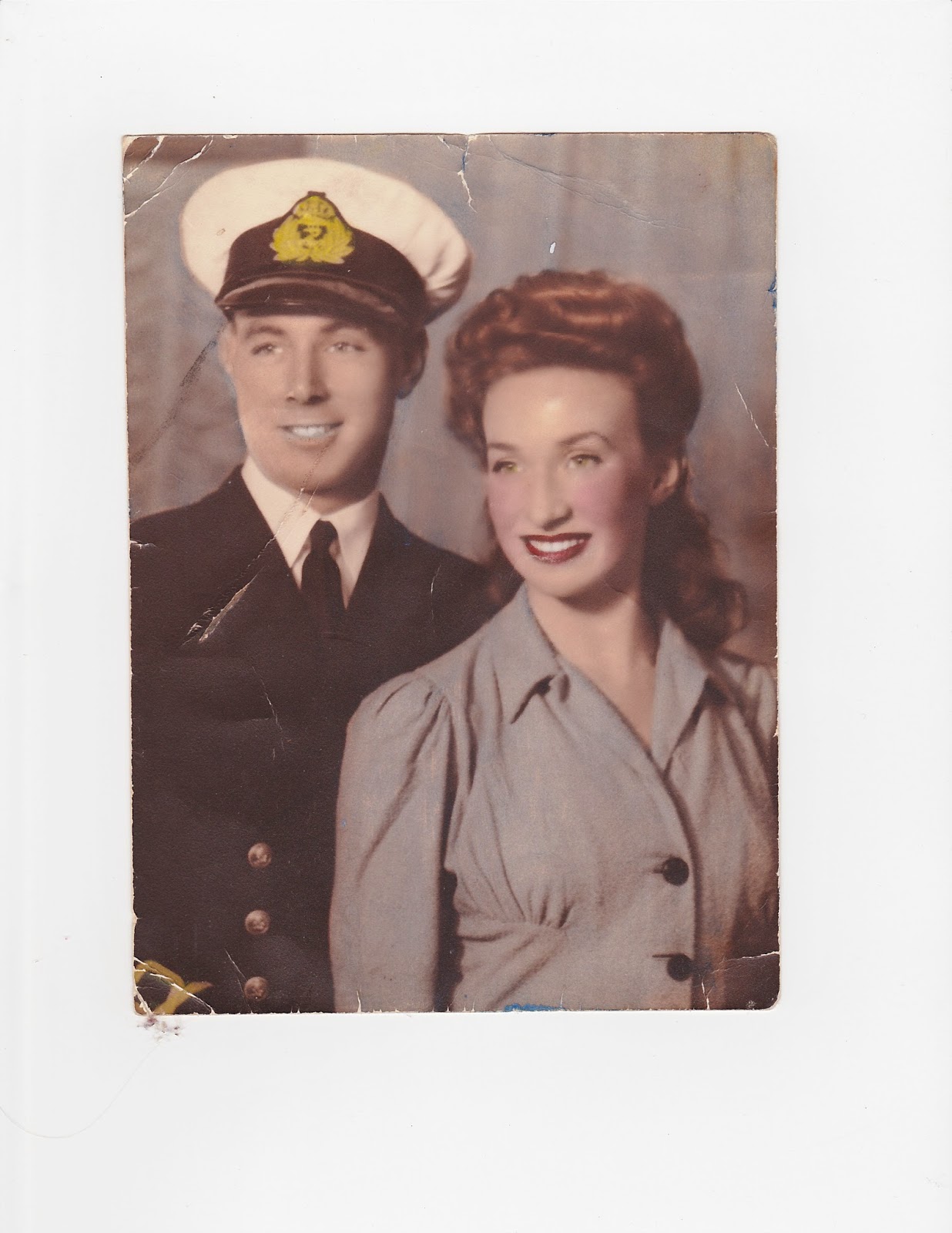
An Award winning artist, Mum is no longer with us in person, but she is still with us in spirit. Here she is with Dad.
July 15, 2014
More on my Regency Spy Series
Marketing for Romance Writers' Books Hooks #MFRWhooks It's Wednesday and time for the Marketing for Romance Writers Books Hooks mini hop! (see linky list below) Participants post 6-8 sentences from their novel.
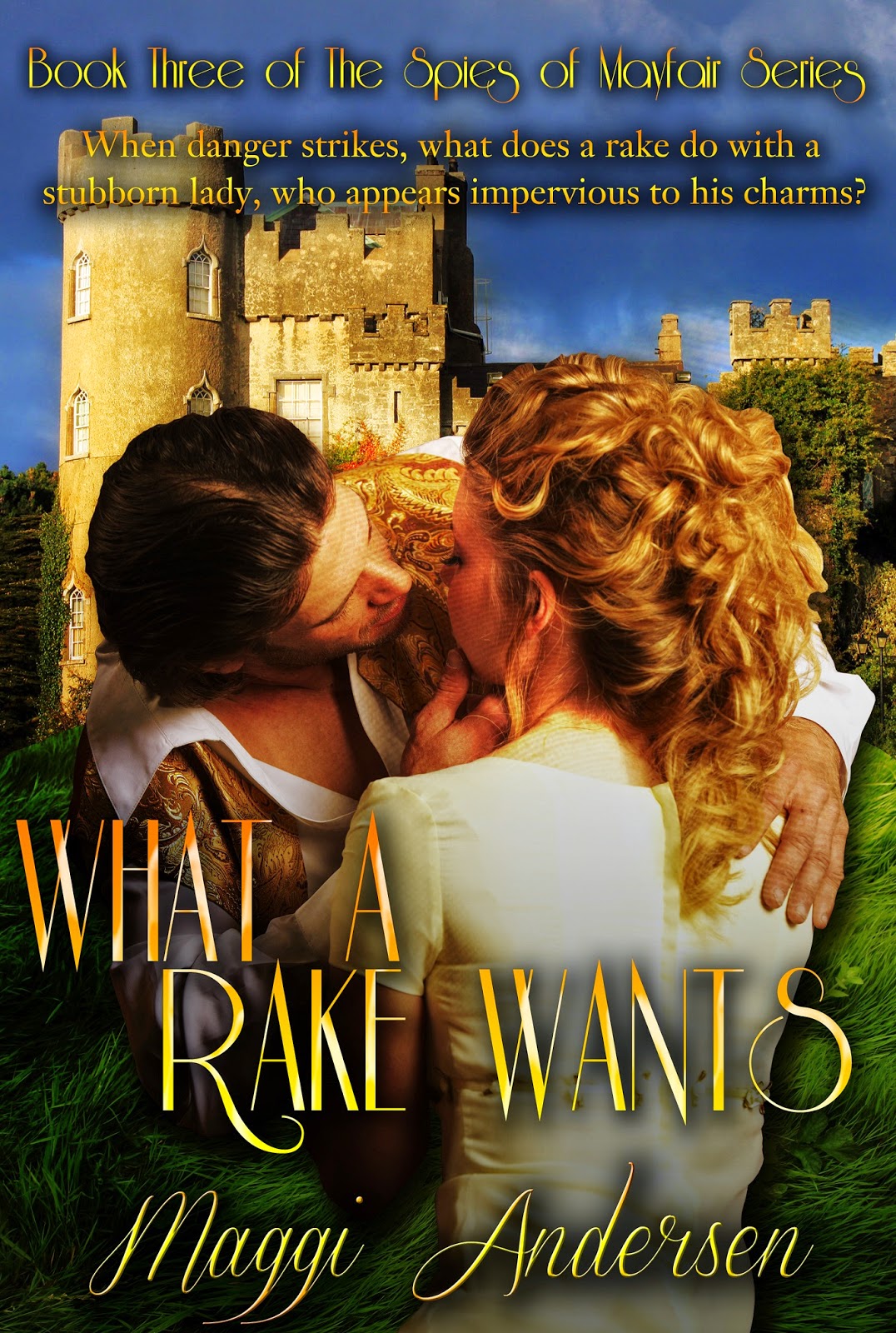
THE SPIES OF MAYFAIR is a Regency series. Members of the ton, my three heroes and heroines all live in Mayfair during the Season, which is the most glamorous area in London. Each book is filled with intrigue, adventure and romance: The first, A BARON IN HER BED, features Guy, Baron Fortescue and Miss Horatia Cavendish. The second, TAMING A GENTLEMAN SPY, John Haldane, Marquess of Strathairn and Lady Sibella Winborne. In WHAT A RAKE WANTS, an Irish diplomat, Flynn,Lord Montsimon and widow, Lady Althea Brookwood tell their story in the final book (Released August 26th with Knox Robinson Publishing) All the stories stand alone, yet all men and women are connected by friendship.
AMAZON: MAGGI ANDERSEN'S WEBPAGE:
King George sends his private investigator, an Irishman, Kieran Flynn, Lord Montsimon, on a mission, the reason for which is unclear. Is it a plot against the Crown? Or something entirely unrelated? Flynn's inquiries lead him to the widow, Lady Althea Brookwood. Known amongst the ton as a rake, Flynn is rarely turned down by a lady, and when Althea refuses not just him but many other men, he becomes intrigued.
How smug he looked. She would love to take men like him down a peg or two. She could never embark on such a scheme as her aunt suggested. It was too devious, even though she liked few men, and as for rakes, they deserved all they got. “Ah, Lady Brookwood, you disappoint me. Here I was thinking there was more to you than being content with the dull life you appear to lead.” He looked down at her as they joined the rest to leave the floor. “I sensed a desire for adventure, romance. I’m sure I glimpsed it in your lovely eyes.” “I am most concerned for your sight, Lord Montsimon. Perhaps a physician?” she said crisply, stung by his assumption that her life was dull.
Free Regency Short Story - Bart Seeks a Bride
Enjoy a free short story featuring Bartholomew Winborne, one of the Brandreth men from TAMING A GENTLEMAN SPY.BART SEEKS A BRIDE
by Maggi Andersen

A stickler for correctness, Lord Bartholomew Winborne, second son of the Marquess of Brandreth, is about to take up his living as a vicar in India. Requiring a suitable wife, he has made a list of the most desirable qualities she must possess. The annoying Miss Emily Isherwood appears to have none of them. Bart Seeks a Bride by Maggi Andersen
http://www.scribd.com/doc/234062910/Bart-Seeks-a-Bride-by-Maggi-Andersen
by Maggi Andersen

A stickler for correctness, Lord Bartholomew Winborne, second son of the Marquess of Brandreth, is about to take up his living as a vicar in India. Requiring a suitable wife, he has made a list of the most desirable qualities she must possess. The annoying Miss Emily Isherwood appears to have none of them. Bart Seeks a Bride by Maggi Andersen
http://www.scribd.com/doc/234062910/Bart-Seeks-a-Bride-by-Maggi-Andersen
July 10, 2014
Great 5 star review of Taming a Gentleman Spy!
Taming a Gentleman Spy by Maggi Andersen – Review July 10, 2014 Lori Zalewski Historical Romance, Regency, Review 1 ★★★★★ 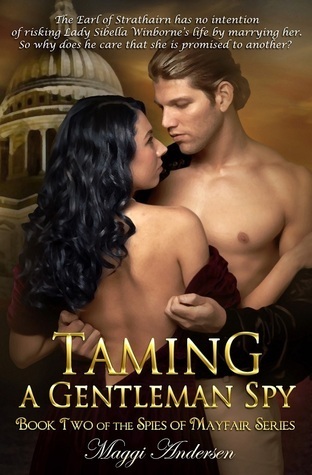
Book Description
Taming a Gentleman Spy
Author: Maggi Andersen
Series: The Spies of Mayfair #2
Published by: Knox Robinson Publishing
Published on: April 17, 2014
Genres: Historical Romance, Regency Romance
Pages: 212
Format: eBook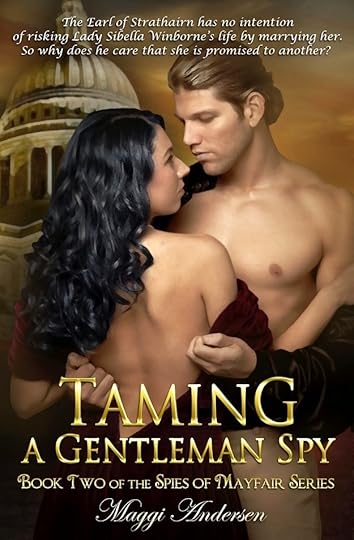
Purchase at: Amazon US • Amazon UK • B&N •
+ Add to: Goodreads


The Review
Taming a Gentleman Spy, the second book in the Spies of Mayfair series, is a spellbinding regency romance filled with mystery and suspense by Maggi Andersen.
John Haldane, the fourth Earl of Strathairn, is a spy who has been enchanted with Lady Sibella Winborne ever since she came out for her first season. While at the same time, Sibella has been attracted to John and wonders why he doesn’t propose. I thoroughly enjoyed the sexual tension that simmers between John and Sibella, especially knowing how strong their feelings are and that they are unable to act upon them. John is a sympathetic character since he truly loves Sibella but can’t see a way to have a wife with the job he has. As Sibella hasn’t accepted a marriage proposal, her older brother arranges for her to marry Lord Coombe. Although not happy about the arranged marriage, Sibella decides to make the best of it. Sibella is a spirited lady who tends to speak her mind, which I just adored about her. Widowed, Lord Coombe hopes to have an heir with Sibella. Since Lord Coombe is arrogant, distant, and secretive, Sibella begins to suspect that the death of Coombe’s first wife wasn’t just a horrible accident. Curious, Sibella investigates Coombe and figures out what happened to his wife, making her a perfect match for John and further endeared her character to me. Along with the love triangle, Andersen, intricately weaves in another mystery into the story, the murder of John’s partner. All of these elements combine to create a intriguing and page-turning novel. Without giving too much away, I loved how Andersen ends Sibella’s relationship with Coombe, a most fitting ending that paves the way for Sibella and John to have their own happily ever after.
With its multilayered plot, magnetic characters, and tense action scenes, Taming a Gentleman Spy is a gripping read from start to finish.
Thanks Lori Zalewski!
Book Description
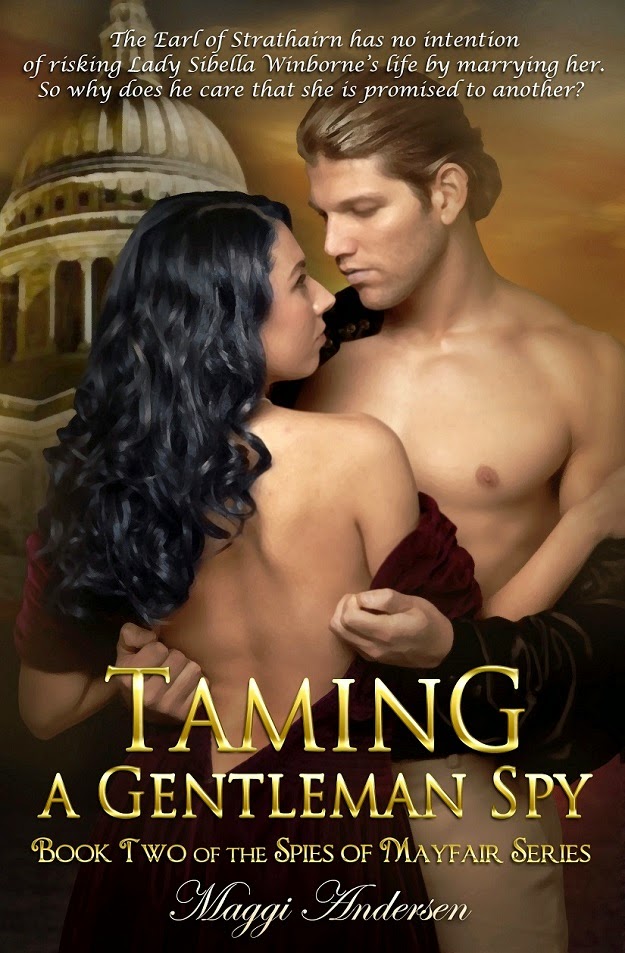
John Haldane, Earl of Strathairn, is on an urgent mission to find the killer of his fellow spy. After visiting the young widow of one of his agents, Strathairn strengthens his resolve. A spy should never marry, and most certainly not to Lady Sibella Winborne, with her romantic ideas of love and marriage. Unable to give Sibella up entirely, he has kept her close as a friend. Then, weak fool that he is, he kissed her.
Lady Sibella Winborne has refused several offers of marriage since she first set eyes on the handsome Earl of Strathairn. Sibella’s many siblings always rush to her aid to discourage an ardent suitor, but not this time. Her elder brother, Chaloner, Marquess of Brandreth, has approved Lord Coombe’s suit. Sibella yearns to set up her own household. She is known to be the sensible member of the family, but she doesn’t feel at all sensible about Lord Strathairn. If only she could forget that kiss.
Taming a Gentleman Spy
Author: Maggi Andersen
Series: The Spies of Mayfair #2
Published by: Knox Robinson Publishing
Published on: April 17, 2014
Genres: Historical Romance, Regency Romance
Pages: 212
Format: eBook
Purchase at: Amazon US • Amazon UK • B&N •
+ Add to: Goodreads
The Review
Taming a Gentleman Spy, the second book in the Spies of Mayfair series, is a spellbinding regency romance filled with mystery and suspense by Maggi Andersen.
John Haldane, the fourth Earl of Strathairn, is a spy who has been enchanted with Lady Sibella Winborne ever since she came out for her first season. While at the same time, Sibella has been attracted to John and wonders why he doesn’t propose. I thoroughly enjoyed the sexual tension that simmers between John and Sibella, especially knowing how strong their feelings are and that they are unable to act upon them. John is a sympathetic character since he truly loves Sibella but can’t see a way to have a wife with the job he has. As Sibella hasn’t accepted a marriage proposal, her older brother arranges for her to marry Lord Coombe. Although not happy about the arranged marriage, Sibella decides to make the best of it. Sibella is a spirited lady who tends to speak her mind, which I just adored about her. Widowed, Lord Coombe hopes to have an heir with Sibella. Since Lord Coombe is arrogant, distant, and secretive, Sibella begins to suspect that the death of Coombe’s first wife wasn’t just a horrible accident. Curious, Sibella investigates Coombe and figures out what happened to his wife, making her a perfect match for John and further endeared her character to me. Along with the love triangle, Andersen, intricately weaves in another mystery into the story, the murder of John’s partner. All of these elements combine to create a intriguing and page-turning novel. Without giving too much away, I loved how Andersen ends Sibella’s relationship with Coombe, a most fitting ending that paves the way for Sibella and John to have their own happily ever after.
With its multilayered plot, magnetic characters, and tense action scenes, Taming a Gentleman Spy is a gripping read from start to finish.
Thanks Lori Zalewski!
July 1, 2014
What a Rake Wants, The Spies of Mayfair Series, Book 3 Available for pre-order!
Amazon Print:
Released with Knox Robinson Publishing in print and e-book 26th August!
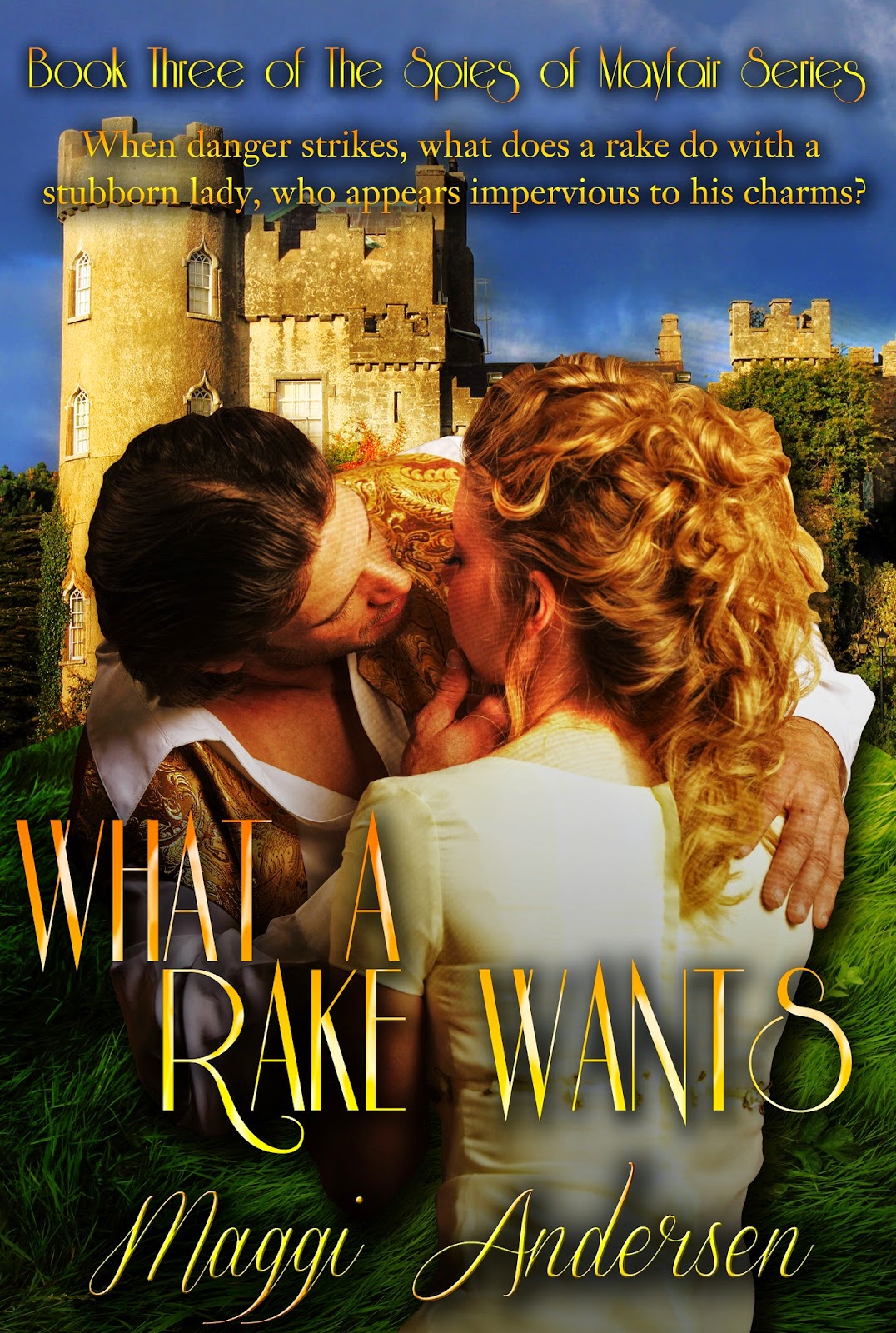
King George sends his private investigator, an Irishman, Kieran Flynn, Lord Montsimon, on a mission, the reason for which is unclear. Is it a plot against the Crown? Or something entirely unrelated? Flynn's inquiries lead him to the widow, Lady Althea Brookwood. Known amongst the ton as a rake, Flynn is rarely turned down by a lady, and when Althea refuses not just him but many other men, he becomes intrigued. After her neighbor, Sir Harold Crowthorne informs Althea that he means to take her country property, Owltree Cottage, by fair means or foul, she must search for help. The first man she turns to is promptly murdered and the second lies to her. That leaves Flynn, Lord Montsimon, a man she has been studiously avoiding. But Montsimon is decidedly unhelpful, and more than a little mysterious. Her only option is to seduce him. Althea has little confidence that she will succeed, especially as before her husband was killed in a duel, he often told her she was quite hopeless at intimacy. When a spy is murdered, Flynn wonders just what Althea knows and what her involvement might be with the man the king wants Flynn to investigate.
Excerpt
Althea danced with several partners. But when the musicians struck up a waltz, Montsimon beat several other men to her side. She held herself stiffly at first, but the skill of both the musicians and Montsimon’s dancing could not be ignored. She began to enjoy herself. “Sir Henry must have brought the musicians from London,” she said. “They are quite superb.”“Accomplished certainly.” Montsimon swept her around the floor. “I find the country air invigorates one. But then, when one is suffused with energy, there is little of the right company with which to enjoy it. What does one do?”Must he make every comment sound suggestive? “One could ride or hunt.” She raised her eyebrows. “Or play cards or backgammon.”“That would certainly account for a few hours.” “I find no difficulty in employing myself.”“How fortunate you are not to suffer ennui by the lack of society.”“Sometimes society can be a bore.”“Really?” He studied her thoughtfully. “You surely can’t be much above six-and-twenty.”A soft gasp escaped her. The devil had added two years to her age. “How old I am has nothing to do with it.”He quickly turned the flash of humor on his face into a concerned frown. “You’re not ill?”She raised a brow. “I’m very well, thank you for your concern.”“Of course you are.” His gaze roamed her face. “You’re positively glowing.”“Dancing with you might contribute to my high color, my lord,” she said, her voice tinged with sarcasm.“I’m pleased to hear it.”“You may not be if I elaborated.” A smile tugged at a corner of his mouth. “Surely you aren’t about to retire and become a recluse? I believe I heard a collective sigh from all the gentlemen in the ballroom.”“Not at all,” she said crisply. Was he working up to request a liaison, as two other men here had done? She tensed, preparing to give him short shrift.“Do you like dogs, Lady Brookwood?” Startled, she gazed into his grey eyes, finding them sharp and
assessing. How unpredictable he was.


