Aaron M. Patterson's Blog, page 8
September 5, 2011
Risky Business: Guest post by J.E. Fishman

I met J.E. in New York at Thriller Fest. He let me butt in on a conversation and I found that he was up to date on the publishing world and was doing things that most authors were scared to do. He is the model for DIY publishing as he has done his research and looks and feels like a New York Press. Great cover, editing and distribution. Take note as this is just the beginning and I am sure we will all see more of this amazing author.
Risky Business
Life is risky. We fall ill, we trust too much, we have business or career setbacks. One accident, one wrong word to our boss, giving in to a single temptation…boom! All of a sudden we're fighting for our lives or watching our bank account empty or our spouse walk out the door. No wonder we avoid additional risk when possible or lay off our risk on others when we can persuade them to take it.
Writing is risky. From deep within us we conjure images and characters and stories, then lay them out for the world to judge. No wonder books like The Courage to Write by Ralph Keyes become perennial bestsellers. Some people find writing so risky that they can't get past the blank page.
Publishing is risky. All that effort and money and time expended up front, then the book put out into a crowded and noisy world where it's just as likely to get swamped as it is to get noticed. No wonder publishers and independent authors so often cut corners on their way to the marketplace.
We know all these things are risky, but here's something we rarely acknowledge: Every time potential book readers consider whether to buy your book, they, too, are weighing risk. Not just the risk of wasting their money, but also the risk of wasting their time, which is usually far more important.
People can judge a picture's value at a glance, judge the quality of a garment at a touch, the taste of a meal perhaps by a single bite, but it can take hours of immersion in a book before we know whether it was worthy of our time.
Thus, before we commit to purchasing a book (or even reading one we acquired for nothing), we look for signals as to its riskiness. Do we know the author's previous work? Are there reviews? What does the jacket tell us? How do the first few pages read?

When I decided to publish independently — and to do so via Verbitrage, the authors' consortium that I founded — I realized I had to find ways to tell readers that their risk would be minimal. Here's what I did:
1. I wrote the best book that I could and solicited feedback from a group of readers to make it better.
2. The manuscript I chose to publish, Primacy, fit into a popular genre — in this case, thrillers.
3. I signed up a professional editor with a stellar reputation.
4. I found a distributor that would offer my book not only through select websites but also through the book trade.
5. I committed to offset printing the physical books, a process that still yields a higher quality product than print-on-demand technology does.
6. I hired two of the best designers in the business for the jacket and interior.
7. Finally, I engaged a world-class publicity firm that could help me get media attention.
These things were all risky because they cost me money, time and other considerations. But they lower the risk my customers must take. The jacket grabs their attention in the familiar way of major commercial fiction. The story engages them and doesn't let go. The book — if they've bought the physical version, not the ebook — feels substantial in their hands and looks like a book should look in all the subtle ways. And they've likely found it through a reputable bookseller rather than in some far-off corner of the blogosphere.
Will it work as a business proposition — this allocation of risk away from the book's purchaser and onto myself? It might not; it's a risk, after all. But early signs are encouraging.
Primacy has received good notices from Publishers Weekly and Kirkus, the latter listing it in mid-August as one of five "Top Books to Pre-Order This Week." Barnes & Noble decided to carry it. Before publication date, I received word that some wholesale warehouses had gone quickly out of stock and re-ordered. Most important, the book will appear on tables and face-outs at 185 Hudson News airport stores this fall.
By now maybe you're wondering about the subject matter. Kirkus succinctly described Primacy this way: "In Fishman's eco-thriller, a voluble primate threatens to bring down the animal-testing industry." Yeah, it's a thriller about a talking ape. Sound familiar?
I didn't have Planet of the Apes in mind when I wrote Primacy, but that doesn't mean I won't benefit from the glow of the film's success. That would be a break I couldn't have anticipated, but as the saying goes, you gotta be in it to win it.
With the movie's success, buying and reading Primacy may seem to strangers like even less of a risk than it would have otherwise. That should be fine with them and it sure is fine with me. As Louis Pasteur said, "Chance favors only the prepared mind."
About the Author
J.E. Fishman's first novel, the mystery Cadaver Blues, was serialized on The Nervous Breakdown in 2010. He is author of Primacy: A Thriller, available wherever books are sold. When he isn't writing fiction or blogging, Fishman — a former Doubleday editor, literary agent, and ghostwriter — works as an entrepreneur, dividing his time between Chadds Ford, Pennsylvania, and New York City. Follow him on Twitter (JEFISHMAN) or Google+ (J.E. Fishman) or find him at Verbitrage (www.Verbitrage.com/jefishman).
If you want to buy PRIMACY you can get it here: Amazon and B&N.
Author Aaron Patterson: Blog: The Worst Book Ever.


September 4, 2011
Writing Contest: Rules and Legalities
 Ever want to write? Ever want to be a published author? Well, here is your chance!
StoneHouse Ink
StoneHouse Inklings Blog
Writing Contest Rules
We're having an open contest to write a new compilation eBook, chapter by chapter. If you want to get noticed, this is a great opportunity to do so. Anyone can enter—published authors, fans, amateurs, even your pet goldfish, provided he can write. We're posting up one chapter per month, and at the end we're going to release the full eBook, edited, polished, and awesome. Each month's contest winner will have their work published, along with all the other monthly winners, in a full length compilation eBook by StoneHouse and/or StoneGate Ink. Who knows where this story's gonna end up? You may get to influence it in a big way if you win. Want the lowdown skinny? Here are the rules:
Follow our lead. Write a follow-up chapter to those that are previously posted on the blog, and try to keep it under 2k words. Submissions should be emailed to us at shwcontest at gmail dot com and sent as a Word doc or .rtf file. Submissions are due by the 20th of each month. You can enter only once per month, so make it good. Just FYI, we're looking for thriller/paranormal type stuff because it fits our brand. We're not looking for sci-fi, fantasy, erotica and all that.
The StoneHouse staff will judge the best 5 entries received each month. Our nominations will be posted on the 25th of each month so you, the blogosphere, can vote. Votes will be tallied by commenting "vote" on the chapter you like best. Get your votes in by the last day of the month, because on the 1st the cycle starts all over again with the winning chapter.
Vote, tell your friends, spread the word, link your blog, share on Facebook, Twitter, Google + and on and on. The post with the most votes wins. And even if you win this month, you can enter again next month.
There are monthly winners and there's an overall winner. Each winner will be credited as a contributing author for their chapter in the final published eBook.
The StoneHouse package prize for monthly winners will be a surprise each month, and you have a little bit of choice in the matter. You can choose a free eBook download, or a print copy if it's available, from any of our superawesome writers. Or maybe you just want us to plug you on Twitter all month long. Be creative. We're open to suggestions/bribes/begging.
The overall winner will receive a professional literary agent representation package. Specifics are TBA.
The legal poop: By submitting your work to this contest you the entrant are granting worldwide rights to use and publish your work in any format now known or to be devised in the future. You also understand and agree that you will not be compensated for any and all earnings produced by your submitted work. You agree further to hold blameless and indemnify StoneHouse Ink and all its affiliates and associated ventures in the event of a dispute. Happy writing!
To read each chapter and follow along and to vote go to the StoneHouse Inklings Blog HERE
Author Aaron Patterson: Blog: The Worst Book Ever.

August 29, 2011
To DRM or not to DRM that is the question. Or is it?

I get asked all the time about DRM and is having your work out in eBook form safe? Will someone copy and steal it and ... and... and what?
Is it really a question anymore? Do we really think that protecting our work is even worth the effort?
I will start off with a question of my own, this goes to you the author. Are you important enough to steal from?
See, the DRM question all leads to this thought. If you are Stephen King yeah I might take some extra steps and maybe put the DRM on my eBooks. But are you Stephen King? And if you are, don't you make enough to not have to worry about it?
Many authors have tested this theory and all came to the same answer. The more people that read your book the more you make. Even if it is stolen you will still get new fans as maybe the next book they but cuz they got a virus from the site where they stole your first book from. Maybe they have friends and the thief talks all about how great you are. In all it is one more person that knows who you are.
Now I am not for stealing but I am not going to stop it by myself. Might as well not worry about it and move on. J.A. Konrath put one book up for free one month and gave the Word doc away so it could be stolen and his sales went up 60%.
What is easier? Cutting the spine on a print book and scanning it in, or trying to get the thing off of a Kindle or Nook?
Is it worth the time and virus you might get to steal it when you can buy it for about 4 bucks or less? Sometimes it is just easier to buy the dang thing. Besides they were never going to buy your book anyway. People who steal are going to steal, just be glad you got another fan if they like your book.
What about free books? If you gave away 100k free books and half of them became fans you would make a good living. How is this different? Yeah, it is wrong but in the end you got your work in the hands of a person.
So, it will not hurt sales
It will not hurt your growth
It will not hurt anyone really... so what was the question again?
Oh, that's right, you are so in demand that everyone is stealing you book! I forgot... lol
I hope this help you sleep a little better at night. I am going to go steal your book now... cuz I'm cool like that! =)
Author Aaron Patterson: Blog: The Worst Book Ever.

August 25, 2011
Guest Post by CJ Lyons: Jack be Kindle, Jack be Nook: What you need to succeed in E-pubbing

Unless you have been hiding under a rock, you have seen the name CJ Lyons in the eBook and publishing new feeds all over the internet. She has a book in the top 10 on Amazon right now and made it to #2 beating out Lee Child. This is no small thing and as a blogger and writer I want to not just talk all about eBooks and the new way to publish, but I want to give you real life examples of other authors doing it.
We have seen Amanda Hocking, john Locke, Vincent Zandri and others all hit the Amazon top 10 list and what happens after that is always fun to watch. CJ was kind enough to grace us with a post so here she is... Thanks again CJ.
Jack be Kindle, Jack be Nook: What you need to succeed in E-pubbing
Aaron asked me to tell you guys how I got my start as an Indy author/publisher. It's one of those a funny thing happened on the way…type of stories.
You see, I initially sold to a major NYC publisher. That book, my dream debut, was a nice hardcover deal, a pre-empt, and garnered cover quotes from a dozen NYC bestsellers, including Sandra Brown. The editor wanted the sequel and it was already in the production line when the first book, my debut, was pulled from publication.
Why? Cover art--something I had no control over. But it meant my dream debut had crashed and burned.
I'd already made a leap of faith and left my medical practice after 17 years to pursue my life-long dream of being a full-time writer. And suddenly I was unemployed with no contract.
So what did I do? I kept writing. A few months later another NYC publisher came to me and offered me even more money to create a new series for them, which led to the Angels of Mercy medical suspense books. With the first book, LIFELINES, I became a National Bestseller.

I was able to pay my bills with my writing but I had several manuscripts that had undergone revisions and edits with NYC editors but never made it to publication for a variety of reasons--including those first two books. It nagged at me that these were books that had passed muster with NYC but the reading public would never see.
Then came Kindle. And Smashwords. And Nook.
Being a total cyber-klutz, I wasn't sure I'd be able to learn how to format and submit manuscripts, but with the help of Mark Coker's Smashword Guide, I mastered it. And so, by January 2010, I had four books on Kindle.
(new to e-book formatting? I made a short video walking you through the basics. You can find it here: http://www.norulesjustwrite.com/break...)
I'd done my homework and read folks like JA Konrath who were true pioneers with self e-pubbing, but I was skeptical about his advice on pricing books at $1.99. So I priced mine between $2.99 and $4.99.
Then the Haiti earthquake struck. I decided since this was all an experiment anyway, I'd have nothing to lose by giving away my proceeds to Doctors Without Borders' relief efforts. In one month I sold 1800 e-books and was feeling pretty good about myself.
Even better was when the reviews began coming in. Not just from readers but from some wonderful bloggers who'd discovered my e-books.
I had several more manuscripts finished, so I hired a freelance editor who'd worked with NYT bestsellers and an artist to create new covers for all my books. By the end of 2010 I had eight books up, with fans clamoring for more, and was poised to make more in a year from my indy e-books than from my NYC contracts.
All this without any advertising other than listing the books on my website and including them in my monthly newsletter.
I continued to experiment with a variety of price points and for the first time ever, actually was able to track sales to see what worked and what didn't--something NYC publishing could take a lesson from! After discovering that one of my books, SNAKE SKIN, had great reviews but lackluster sales, I decided to experiment with giving it away in an effort to help it find its readership.
Giving away books has always been my main promotional effort. Before e-books, I would buy extra copies of my print books and mail them to my newsletter subscribers as special reader appreciation gifts. Now I routinely give away e-books and have built a Street Team of fans eager for a chance to read and review my new books.
(interested in how it works? You can find more info here: http://cjlyons.net/for-readers/join-cjs-street-team/)
Smashwords allows you to give a book away for free, but Kindle and Nook don't. So I set SNAKE SKIN for free on Smashwords and around three weeks later the free price finally propagated to Amazon. I woke up on Saturday morning to find 5,000 people had SNAKE SKIN on their Kindles.
Within 48 hours that number climbed to over 24,000 and at my agent's urging, I changed the price to 0.99. By the end of the month almost 40,000 people had downloaded SNAKE SKIN. Not only had SNAKE SKIN found its readership but sales of the rest of my books increased by 280%

I didn't like the 0.99 price as a full-time price because I thought it was "cheap" and under-valued my work. BUT as a special sale price it certainly was effective--gaining me new readers without losing me any money.
That was on a book that wasn't selling well. Could I risk reducing the price of my bestselling book, the one that paid the mortgage, from $4.99 to 0.99?
I decided it was worth a try. So for a limited time, my bestseller, BLIND FAITH, is on sale for 0.99. I don't know what will happen as far as long term sales, but in the first three weeks I've sold over 35, 000 copies, hit #1 on the Amazon Indie Bestseller list and #2 on the overall Kindle Bestseller list, so I'm pretty darned pleased.
What was the trick? I didn't do any big time promo for the BLIND FAITH sale. Just my normal newsletter and a few tweets and website/Facebook updates. So I can't take credit for this surge of sales.
I think it was a question of SNAKE SKIN already being on a roll, allowing everyone who viewed or bought it to see my name. Plus BLIND FAITH has a great cover and already had stellar reviews, so building on SNAKE SKIN's momentum was easier for it than an unknown book.
Could someone with only one book do this? Honestly, I think it would be very difficult. I'm learning that with online sales momentum builds more momentum until you reach a tipping point. You need plenty of books in your arsenal (I'd recommend at least 5-6) so that you can keep the momentum rolling from one book to the next.
No fancy tricks, no sleazy sales techniques, no expensive ads or trailers or sponsorships. Just readers who resonate with my brand of Thrillers with Heart and keeping an eye on my sales trends, ready to make those price adjustments when need be.
(in my mind, I imagine log rollers dancing across timber streaming down whitewater rapids—try that, NYC publishing conglomerates!)
Bottom line if you want to achieve success as an Indy: be nimble, be quick, be fearless. And never forget: it's ALL about the reader!
Thanks for reading!
CJ
About CJ:
As a pediatric ER doctor, CJ Lyons has lived the life she writes about in her cutting edge thrillers. In addition to being an award-winning, bestselling author, CJ is a nationally known presenter and keynote speaker.
CJ has been called a "master within the genre" (Pittsburgh Magazine) and her work has been praised as "breathtakingly fast-paced" and "riveting" (Publishers Weekly) with "characters with beating hearts and three dimensions" (Newsday).
Her newest project is as co-author of a new suspense series with Erin Brockovich. Learn more about her writing at http://www.cjlyons.net and find the tools you need to help you finish your novel and find your audience at http://www.norulesjustwrite.com
Author Aaron Patterson: Blog: The Worst Book Ever.

August 23, 2011
"I Like Men," Guest Post by Chris Redding
 It is funny to me to see women writers try to write men, and men writing women in fiction. There is that curiosity, a need to get into the head of the opposite sex. I write from a female POV about half the time and I find that I like it a lot more, and it seems, this is also the case for Chris Redding.
 I agree with her, Men need to be Men. I hate TV shows that make men out to be wimps and controlled by their wife or stupid half the time. IMO what woman wants a little man who is stupid? What does that say for their choice? Anyway... I rant on, here is Chris.
I LIKE MEN
First I want to thank Aaron Patterson for having me on his blog today. He invited me after I made a comment here and I thought that was cool.
I like men. I like them to be men.
Not juvenile boys in comedies. Men. In all their flaws and warts and strengths and weaknesses.
For instance, I love the show Top Gear.
There I said it. And I'm not ashamed.
Not the lame American version. Those three guys have no chemistry together.
Nope, I like the original British version.
If you don't know what I'm talking about, go check out BBC America or Netflix because you can get it on there. I'll wait.
(Whistling. Checking Facebook and Twitter.)
Done?
Yeah, I know they trash Americans, but I'm not sure some of their criticisms aren't correct.
I love that Jeremy is bombastic. I like that James is a little flighty and that Richard is earnest. I also like that they all get along and no matter what, even if they don't agree, they are good-natured about it. Ahem.
Anyway. Why am I making this confession?
Because I write a lot about men. I do a workshop called Show Up Naked: Writing the Male POV. One of the suggestions I make to my workshop attendees is to watch Top Gear. (The British Version.) You will see how men interact when women aren't around. Well a G version certainly.
And how do I know all this? I work around men. My department probably has 100 employees and I think there are ten women. Just the other day I related to the men a conversation among female friends about stockings versus not when wearing a dress. I posited that women dress for other women when if we dressed for men it would be easier.
Men like to see skin. End of story. All the men agreed.
Back to Top Gear. I love that the hosts are allowed to be men. Criticisms have been leveled at them for not having a female host. I think it would completely change the dynamic. I want them to be men. I want them to drive the cars fast and careen around the track. I want them to play jokes on each other. I want them to disagree and still be friends and the end of the show.
It's refreshing.
Know what else I want? I want men to be allowed to be men in romance novels. I want them to be strong and weak, but in only the way men are. I want them to goof up and I want them to make up for it and when they decide they want the heroine, I want them to move Heaven and Earth to get her.
In other words, I want them to be real.
Is that too much to ask?
Chris Redding lives in New Jersey with her husband, two kids, one dog, three rabbits. She graduated from Penn State with a degree in Journalism. When she isn't writing, she works for her local hospital part time.
On the web:
www.chrisreddingauthor.com
http://chrisredddingauthor.blogspot.com
www.facebook.com/chrisreddingauthor
www.twitter.com/chrisredding
Buy links:
Corpse Whisperer
http://tinyurl.com/3qccjpt
The Drinking Game
http://tinyurl.com/3jc953b
Incendiary
http://tinyurl.com/3dh4y8o
Author Aaron Patterson: Blog: The Worst Book Ever.

August 18, 2011
Her Story: J Carson Black, Guest Post
Aaron, thank you for inviting me to your blog today.
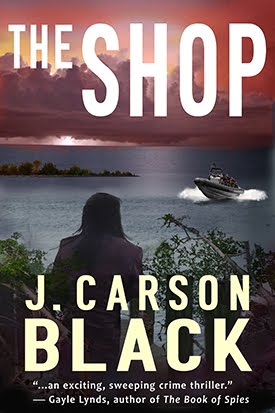
When I decided to write a new thriller, I had several ideas on the table. None of them made the final cut. Then the idea for THE SHOP came out of the blue.
One evening while eating dinner, my husband (and publisher) Glenn and I were watching cable news. John Mark Karr's plane was coming into Boulder, Colorado, where he would face charges for killing JonBenet Ramsey. He'd been flown over from Europe, dining on shrimp cocktail and entertaining his captors—federal marshals—and generally having a great time of it. Now the press was lined up along the airstrip in Boulder to cover his arrival. Picture the private jet coming in for a landing with all the pomp and circumstance of the Space Shuttle. The reporters, the news vans, the cameras, the microphones, the breathless reporting on the ground and in the studio: an absolute frenzy!
Glenn and I looked at each other. This was a farce worthy of commentary. What we were seeing was the new American way: celebrity conjured out of nothing. It turned out later that John Mark Karr was playing everybody. He didn't kill JonBenet Ramsey. But he'd fulfilled his purpose—he'd fed the hungry maw of the media for a short time.
Something could be done with this—the distraction of celebrity. That was the seed for my story, THE SHOP.
In the opening scene of THE SHOP, celebrity Brienne Cross is killed in her Aspen chalet, along with the four finalists of her reality show, SOUL MATE, and the producer of the show.
I knew right away who killed them. But why? Even the killer wants to know why. And so he sets out to find the truth.
Sometimes stories come from strange places, and sometimes they come from cable news.
I've been writing most of my life, and sold my first book, a ghost story, in 1990. My career went like this: I would sell a book or two for very little money, get kicked off the carousel, and then write something much better, get on again, get thrown off, go back to the woodshed and improve my craft, and sell again. I think the important thing here is the "getting better" part.
I ran into a buzz saw when my agent tried to sell my new thriller, THE SHOP. She absolutely believed in the book and thought it would sell very quickly at the highest level. Two miserable years ensued, ending with a whimper, not a bang. She said, "There's just no other place I can try." And so, with her blessing, I put the book up on Kindle at the end of March.
At the beginning of April, THE SHOP spiked. By the end of April I'd sold almost nine thousand copies of THE SHOP alone---and I had other books up as well.
My idea in March had been simple: I wanted a Big Six deal. I would go the Boyd Morrison route and rack up a ton of sales, which would parlay into a six-figure deal with Random House or Penguin. But my thinking changed as I learned how much fun it was to design covers, write cover copy, market a book my way, and, yes, count the money rolling in. It made me feel smart and savvy. And I remembered a road trip two years before, a conversation with my husband all the way from Ruidoso, New Mexico to Lordsburg (that's a good piece of distance) about our strategy for selling THE SHOP. 1) We needed a powerful, top-flight agent. 2) She had to get the book in front of the best editors at the best houses. And we agreed then: we wanted as much money up front as possible, because we knew that by the second book the publisher would be disillusioned and would kick us to the curb. Not the best model for a career, is it?
And so my attitude changed. I no longer wanted to sell to a Big Six publisher. I did sign with Thomas & Mercer (THE SHOP and two other thrillers), but I kept my Laura Cardinal series and plan to keep one foot firmly planted in the indie camp.
You ask me what I did for marketing. I didn't buy any ads. I didn't guest blog a lot. We did Tweet and Facebook the successes as they came, like getting on to the Top 100 list. I spent a lot of time on Kindle Boards Writer's Café, sharing experiences. I truly believe that Writer's Café taught me what was possible. When you see so many people reach 1000 sales, 5000 sales, 10,000 sales and more, you begin to think you can do it. Your own Vince Zandri inspired me. He said he was selling 1000 books a day for a week. So I thought: I'll sell 1000 books a day for one week. And I did. I know it sounds crazy, but just knowing you can do it really helps.

It also has helped tremendously that I have great quotes from John Lescroart, T. Jefferson Parker, Gayle Lynds, and David Morrell.
I think marketing comes down to Joe Konrath's creed: good books, good product descriptions, good covers. I would add that we emulated the look of Big Six covers, because we wanted to capitalize on the familiarity factor. So we studied the Edgar Award book covers, paying particular attention to fonts. We wanted a unified look for our books, but knew they should stand out from one another so no one would be confused and buy a book twice. Hence the colors and different themes: THE SHOP has a thriller look with menace and a silhouetted protagonist. THE DEVIL'S HOUR is blue, DARKNESS ON THE EDGE OF TOWN is red, and DARK SIDE OF THE MOON is mostly yellow, navy and white. We didn't consciously come up with these colors—they just happened. But the art, which I always feel is secondary to the font, fits each book. I see the art as behind the font, which is super-imposed over it. I think books need to have a uniform look. If they're thrillers, they have to look like thrillers. You can be creative, but you have to maintain the brand.
When we were really broke last fall and were coming to the end of the line with publishers, I was within sight of a deal with a real bottom-feeder of a publisher. I figured we'd get $2500, and at that point I was willing to take it.
They turned me down.
Favorite song: Garth Brooks' "Unanswered Prayers."
http://jcarsonblack.com
Author Aaron Patterson: Blog: The Worst Book Ever.

August 14, 2011
BLOGFEST 100! Guest Post by Martin king.

When I think of my childhood I have so many good and funny memories that it is hard to pick just one. If I stick to reading I would say the day I read three books in one sitting and went blond for 24hrs. I had a splitting headache and everything turned white, I freaked out and yes when it went away I went back to reading under the covers with a flashlight.
Here is Martin King:
You may wonder why I am doing this blogfest of 100 mini childhood stories on 100 different websites during the month of August. Well I'm wondering the exact same thing myself... it's killing me!
So while just releasing my first book, launching my new website, having to decorate my mother-in-laws new apartment and working full time, I'm beginning to wonder is being a writer really worth it?
It reminds me of a childhood memory of what happened one day when we were around ten years old. Myself, Holly, Baker and I think my sister too (yes they do bear an uncanny resemblance to the characters in my book), were out walking in a field near where we lived. It was a hot day and we were all just in shorts and trainers.
Half way up the field we stopped to mess around in some trees, we were always clambering around in trees like little spider monkeys. Holly was up in one tree when he slipped and fell. Now he didn't drop far and Holly was made of stern stuff so thankfully he didn't hurt himself badly.
However, I failed to mention he fell into a whole ditch full of nettles. Now just remember back to the start of the story... that's right he was only wearing a pair of shorts. The poor thing was stung on every inch of his body. Can you imagine the pain? And then watching him get covered all over in calamine lotion was probably no fun for him neither.
Well in some ways, trying to get published feels that painful. To everyone else driving around on that day – it was a hot, beautiful day. But nothing is ever what it seems. Writing a book to everyone else seems amazing.
"Wow, you've wrote a book!"
But the hard work and pain, the social networking and marketing... none of that was written on the tin.
But you know what, I watched my mate soon recovered and he still had his mates, his life. After all the hard work of trying to get my books published, no matter what, I've still got my friends and my wife and my life. But now they are written down on paper... and that becomes an eternal memory.
These blogs are all about fun and sharing. Thank you for reading a '#100blogfest' blog. Please follow this link to find the next blog in the series:
http://martinkingauthor.com/blog/7094550076
Author Aaron Patterson: Blog: The Worst Book Ever.

August 10, 2011
Should Agents Publish? (Writers Beware!)
AGENTS, ERR... PUBLISHERS...?
The answer to this question is a resounding don't even try to argue with me NO!
How can I say this when so many have neat little answers? Because it is like having your lawyer be your judge. In the last few months I have seen the book agent turn tail and not only abandon all ethics of their business, but chase the money like so many drowning rats. Am I being to harsh? Maybe, but I have good reason.
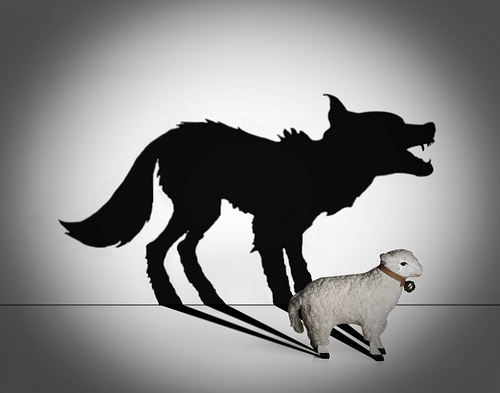
First, your agent has a job. That job is to get you a book deal with a real publisher, and after that to get Sub rights and so on... This job is like having a partner in your corner helping you so you don't get screwed over by a big money-hungry-publisher. NOW, as they turn into publishers they went from your friend and partner, to something resembling a wolf covered in a sheep skin. They make a deal for YOU but with THEIR interest in mind, not yours.
I know, they are good people, they rock, they are nice and have done so much for you and... and... and. It is all the same. A lame argument. And I have seen them all. It is to HELP authors in this changing market. We just provide a service, well... we have a different publishing house, it is not the same... Oh, and we can make sure you have good editing! Don't forget we know the book business!
I am sure you can name a few more, but in the end it is all about the money. Agents are scared, they don't know where their job is going, what will happen as more authors realize that they don't really need agents outside of Sub rights.
*Note: I want to say, I have no problem with a EX-Agent publishing, but not both at the same time. If you want to be a publisher do it, but don't do both.
I work with some of the top agents in the country. You know what they do for me? They do their job, and bring me authors and work with my existing authors to sell Sub rights. But most the time they are not on a book deal as the author can talk to me direct. So they have to work harder, but we all do, it is a job after all.
Now my friends, yes I am talking to you the writer, the one who has stars in your eyes. The one who will take a bad deal because all you want in life is to be published, so you let all reason go out the window. If your agent wants to be a ePublisher ask yourself one thing... What do they know about publishing? Really... what?
They sell books to a publisher, they are in sales. They sell to one-five people at a publishing house. How does that mean they have any skill in selling to the public? To bookstores, to make sure your cover art is good? How can they sell to the public when all they do is sell to a corporation? They, I am sorry to say don't know what books will sell, they just know what books they can sell to a publisher.
I am not discounting their power and pull, but do you see how all of the agents doing this are only going E for the most part? Cuz they don't want to work at the print side of the business, the marketing and distribution. So the end result is a well edited book (MAYBE) with little to no marketing and a bad cover and one super excited author that thinks they will make it big cuz their Publisher is somebody.
So here is what you will get:
*Bad cover art 90% of the time
*Good to fair editing
*Out of touch marketing or no marketing
*eBook only or POD printing
*No print distribution
*Good in with Sub rights (maybe)
lets call a horse a horse. They want a piece of the pie, want to do as little work as they can and pool from the list of authors they have in their pocket, for some easy cash. This is WRONG! In so many ways. I know how authors think, they will jump at almost anything without thinking of the long term. Give away their book all in the name of being published.
So what should you do?
First, do not ever sign up with a agent/publisher. No matter how nice they are, deep down your best interest is not at heart. Second, if you are at that place, just publish on your own and have your agent look for Sub rights. Only pay them when they make a deal. But you hire someone to convert your eBook and do a cool cover. I know a host of cover art people, eBook converters and so on. Most any indie press or author can help you out for free. You can do it for a low price and why give them a % when they offer nothing you can't on your own.
Or... find a small press to work with. I work my tail off for my authors and even behind the scenes I am trying to do even more. But I am a publisher... Do I post all this because I am scared they will take all the good authors? Lol... NO... We are so busy we can't really take on any more new authors this year. I say this cuz I see so many of my fellow authors getting burned and thrown into this mess and I feel for them.
On a side note, please run from these little so-called publishers that are popping up everywhere. Bad covers and poor quality will kill your brand if you are not careful. Just be smart and ask around and don't ask authors, ask people in the business or ask your agent who is not a publisher. One of out agents we work with told me the other day, he said he would never get into publishing, he is an agent, he is good at what he does and will not sell out his clients like that.
I respect him and am glad we still have some agents out there that really do care about their clients and don't talk themselves and others into thinking that this is all okay.
Now to end thins I will say that I know of some publishers that are agents part time. But they were publishers first and the work they do as an agent is for another house and they never refer clients to their own house. I also know of agents that quit and started publishing houses, I have no problem with this, as they are not riding the fence but made a choice.
I could go on and on about this but I leave it to you. What do you think? Why do you think it is okay or not okay? Do you see this as a long term solution to publishing? Why do you think agents should publish? What do they know about publishing outside of selling a title? As a writer do you trust them? Should you trust them?
Cheers
Author Aaron Patterson: Blog: The Worst Book Ever.

July 30, 2011
Why Social Networking is a Must for Authors: Guest post by Dana Lynn Smith, The Savvy Book Marketer
Why Social Networking is a Must for Authors
by Dana Lynn Smith, The Savvy Book Marketer
Over the past couple of years, social networking has become an increasingly essential online book marketing strategy—one that you can't afford to overlook.
Reaching potential book buyers is the most obvious benefit of social networking, but not necessarily the most important one. For many nonfiction authors, developing relationships with peers and influencers is equally important. These contacts may review your book, recommend you to others, participate in your book launch, and publish your articles in their blog or ezine.
Social networking is ideal for generating word-of-mouth online book marketing, where your message gets passed along by others. For example, when people enjoy a book, article, blog, or video, they often recommend it to others online. This type of user endorsement is more effective than traditional marketing.
Here are some other benefits of social networking in your online book marketing plan:
*Building author platforms, expert status, and brand recognition
*Getting endorsements and recommendations for your books
*Driving traffic to websites and blogs
*Subtly promoting books, products, and services
*Learning from other authors in your genre or other experts in your field
*Increasing your opt-in subscriber list
*Getting speaking engagements or consulting customers
*Improving search engine optimization and search results ranking through back links from social sites.
Which social networks are most important for authors? For nonfiction authors, my top choices are Twitter, Facebook, and professional network LinkedIn.
For fiction authors, my top picks are Facebook and virtual reader communities such as GoodReads. Other sites may also be useful, depending on your target audience. For example, if you're writing for young adults, MySpace would be a good choice. Children's book authors can network on JacketFlap. If your target audience is boomers, check out Eons. Also search Ning.com and Google for networks that serve specific niche audiences.
Here are a few tips for getting the most from social networking:
Be selective about which networks you join and who you invite as a friend. Only invite people who appear to share common interests with you.
Send personalized friend requests, introducing yourself and stating why you want to befriend the other person.
Get involved in the community. Add value by helping others, answering questions, and sharing resources and knowledge. Don't forget to share a bit of personal information about yourself.
Be careful not to appear too promotional. It's okay to promote your products and services on occasion, but don't make that your main focus. Sending out an announcement of your book launch is fine; sending frequent promotional messages about your book is not.
While social networking is a terrific online book marketing tool, it's also great fun to meet people all over the world who share your interests. If you haven't already jumped onboard, get started today!
About the Author
Dana Lynn Smith is a book marketing coach and the author of several book marketing guides, including The Savvy Book Marketer's Guide to Successful Social Marketing . For more tips, visit her book marketing blog and get a copy of the Top Book Marketing Tips ebook when you sign up for her free book marketing newsletter.
GoodReads
Myspace
JacketFlap
Enons
Ning.com
Savvy Book Marketer Guide:
Book Marketing Blog:
Newsletter:
Author Aaron Patterson: Blog: The Worst Book Ever.
by Dana Lynn Smith, The Savvy Book Marketer
Over the past couple of years, social networking has become an increasingly essential online book marketing strategy—one that you can't afford to overlook.
Reaching potential book buyers is the most obvious benefit of social networking, but not necessarily the most important one. For many nonfiction authors, developing relationships with peers and influencers is equally important. These contacts may review your book, recommend you to others, participate in your book launch, and publish your articles in their blog or ezine.
Social networking is ideal for generating word-of-mouth online book marketing, where your message gets passed along by others. For example, when people enjoy a book, article, blog, or video, they often recommend it to others online. This type of user endorsement is more effective than traditional marketing.
Here are some other benefits of social networking in your online book marketing plan:
*Building author platforms, expert status, and brand recognition
*Getting endorsements and recommendations for your books
*Driving traffic to websites and blogs
*Subtly promoting books, products, and services
*Learning from other authors in your genre or other experts in your field
*Increasing your opt-in subscriber list
*Getting speaking engagements or consulting customers
*Improving search engine optimization and search results ranking through back links from social sites.
Which social networks are most important for authors? For nonfiction authors, my top choices are Twitter, Facebook, and professional network LinkedIn.
For fiction authors, my top picks are Facebook and virtual reader communities such as GoodReads. Other sites may also be useful, depending on your target audience. For example, if you're writing for young adults, MySpace would be a good choice. Children's book authors can network on JacketFlap. If your target audience is boomers, check out Eons. Also search Ning.com and Google for networks that serve specific niche audiences.
Here are a few tips for getting the most from social networking:
Be selective about which networks you join and who you invite as a friend. Only invite people who appear to share common interests with you.
Send personalized friend requests, introducing yourself and stating why you want to befriend the other person.
Get involved in the community. Add value by helping others, answering questions, and sharing resources and knowledge. Don't forget to share a bit of personal information about yourself.
Be careful not to appear too promotional. It's okay to promote your products and services on occasion, but don't make that your main focus. Sending out an announcement of your book launch is fine; sending frequent promotional messages about your book is not.
While social networking is a terrific online book marketing tool, it's also great fun to meet people all over the world who share your interests. If you haven't already jumped onboard, get started today!
About the Author
Dana Lynn Smith is a book marketing coach and the author of several book marketing guides, including The Savvy Book Marketer's Guide to Successful Social Marketing . For more tips, visit her book marketing blog and get a copy of the Top Book Marketing Tips ebook when you sign up for her free book marketing newsletter.

GoodReads
Myspace
JacketFlap
Enons
Ning.com
Savvy Book Marketer Guide:
Book Marketing Blog:
Newsletter:
Author Aaron Patterson: Blog: The Worst Book Ever.
July 24, 2011
Why all the rules? From eBooks to Writing.

I went to New York for Thriller Fest and had an amazing time. As I talked with people and writers, agents and publishers they all seemed amazed that StoneHouse Ink has done so well even though we are only a year and a half old. The funny looks and long talks made me think.
Why is publishing easy for some and to others it is this huge mystery?
I think I figured it out. I am dumb... that is to say, I didn't know much of anything about publishing or writing or eBooks so I made it up as I went. Running a business from the clean mindset of just trying new things, experimenting and not letting the old rules bog me down, made the difference.
Here is the truth of it all. It really does not matter how the Big 6 have done it... does not matter how publishers think it should be done. If I have to print a book and go eBook later I say no lets go eBook first and print when we have sales. They say you can't do it on your own and outsell them. We outsell them all the time and most of our marketing is free.
All the terms, Traditional, Self publishing, Vanity, all mean nothing. It is a book, a product. How can we sell that product? If you look at it in these simple terms you will see that it is not any different then any other business.
Let us move to another subject. Writing.
Ah... yes, you must have a degree, have a background in English or be super smart to write a book. Let me say that in a different way. You have to have these things to get a big deal and sell enough books to make a living.
Character A must have a conflict with Character B and Character C has to Blah, blah blah! Foreshadowing, conflict, rules and all the things that you need to know to tell a story. I agree a lot of that is important but writing is the art of telling a story. imagine sitting around the camp fire and hearing different stories. Some tell it in a way that you feel like you are there and others tell it and it lacks the punch. This is the base of story. everything else can be taught.
But what if you have no training? What if you just like stories and want to give writing a go? What can you do?
A ton!
The great writers in our world are the people who DO. They learn as they go as the best teacher is yourself. Write, write and write some more. But if you never DO you never will DO anything. If you party every weekend, go out and mess around instead of putting in the WORK you will never be anything more.
J.A. Konrath worte the perfect blog post about this. From publishing to writing to all the new ways to get content, it comes down to as Nike says: Just Do It!
Here is what Konrath said:
Are You Writing?
I've got some bad news for you.
Right now, you're reading one of the most relevant, controversial, popular, and opinionated blogs about the world of publishing, and it is an epic fail on your part.
You want my sales. That's a statement, not a question. Or if you're dreaming even bigger, you want John Locke's or Amanda Hocking's sales. You want to make enough money to retire within the next 12 months. And you've dropped by my blog to learn how.
Maybe you've been following me for years. Maybe you just discovered me via a Twitter mention. Maybe you heard about me from a friend who said you should come here. If that's the case, your friend wasn't doing you any favors.
Because this blog is a time suck. There are hundreds of entries to read, and tens of thousands of comments. It's easy to get pulled in and waste hours, days, weeks.
Here's the bottom line: every minute you spend here is a minute you aren't spending on your writing.
You want my sales? I've got 40 different ebook titles currently selling. I'll have five more by the end of the year.
Amanda Hocking? Eleven so far. That Locke guy? Eleven. My writing partner Blake Crouch has more than 20 titles. That's why he's making over $30k a month, and you're not.
You'll notice Amanda doesn't comment here anymore, when she used to with regularity. Blake will pop in every once and a while and leave a comment, but he doesn't stick around.
That's because they're doing what you should be doing.
They're writing.
I'm lucky enough to be a full time writer, and I'm fast enough that I can waste my time here and still churn out more publishable words than most. And while it tickles me to get hundreds of comments to my posts, and though my message is no doubt being heard by many writers who are benefiting from it, the best thing you can do for your career isn't reading A Newbie's Guide to Publishing.
The best thing you can do is write. The more, the better.
How many words have you written today?
There is only one rule is you want to be a publisher or a full time writer.
DO IT.
When everyone else sleeps you stay up to finish that chapter. When all your friends go out you work your business. I do not ask you to do this forever, but for a short time and once you begin to see the pay off you will be the one going out and drinking in the sun on a exotic beach somewhere as your party friends work for their boss and fight traffic so they can afford to party on Saturday night.
Now is the part where you choose your life. What do you want?
Now, go do it and don't let the rules bog you down... Cheers