
Brandon S. Graham's Blog: FictionDoldrums, page 2
October 24, 2018
Can it be both Egotistical and Altruistic?
This is a simple concept because simple concepts are what I'm capable of. To make things is good. To spend a life making is a good use of time. To make thing with other people is a fine way to build understanding and community. To make things for people to hold and feel is a way to reach out and make connections. To have something to say and attempt to say it in a way that grabs and has the potential to causes people to shift thier perspective is a magic trick.
I moved and it has me unsettled. I watch the news and it has me unsettled. Caring and worry are so entwined it can be difficult to function. So I tried a simple thing: share what I've made. It's about all I'm good at. I started with a series of posts on social media. What you find below is a sample of items posted elsewhere. I hope you like them.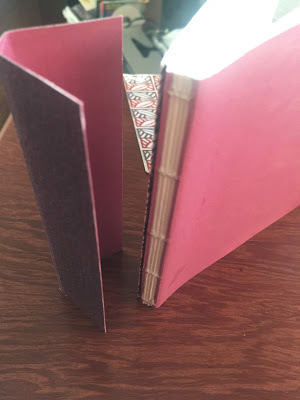 Hand-sewn blank book. Flat back with a folder that tucks around the spine to hold the cover sheets in place. This structure walks a line between traditional craft binding and playful meta-structural constructions that allude to expressive potential.
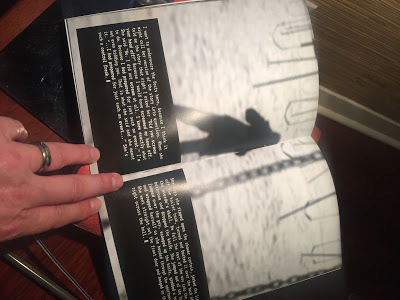 Spread of a photographic artist's book. Images, text, and design are mine. In this book I focused on the ways the spread images brake over the gutter, the figures crammed and askew and uncomfortable in a way that relates to the emotional tone of the text.
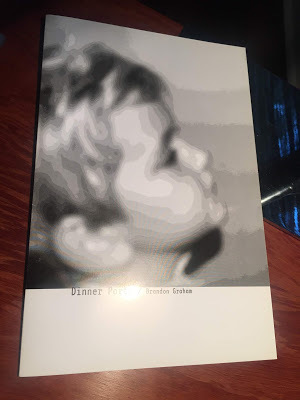 Democratic Multiple is a term applied to inexpensive artists' books printed in an open edition and distributed to readers in non-gallery settings (like workplace or home). Or something like that. The idea is they are portable art for the masses. It's a strata of the AB field that makes the most sense to me.
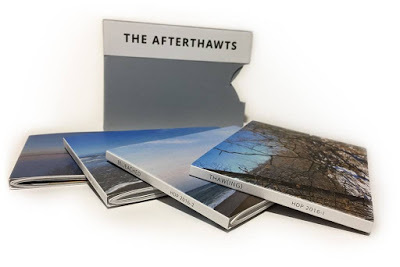 A more recent collaboration with book/collage artist Mike Koppa. Each book is about the size of a stack of postcards, for reasons related to content and source images.
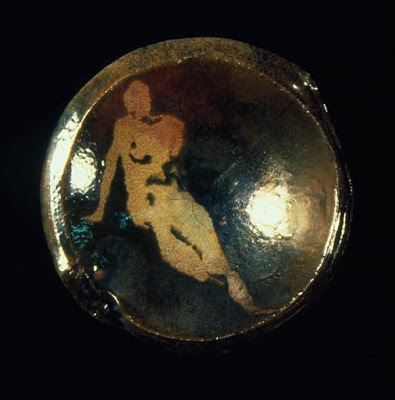 I spent a long while working in ceramics. This Raku platter is twenty-one inches across and made for wall display. The joy of these pieces is playing with the concave curve of the platter and figure placement as it relates to runny, hot glaze and figure abstraction for creative purposes.
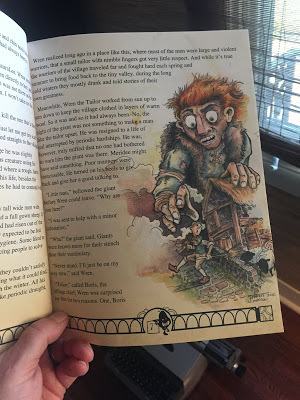 Jeffrey Johnson of RedHerring Jeff is a great illustrator and asked me to participate in a children's book project he orchestrated. I produced a post modern take on the Brave Little Tailor.
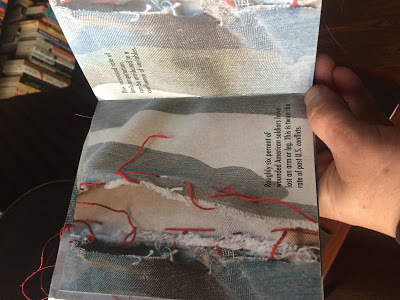 Tear Here is an artists' book with loads of hand craft. It uses images of torn and sewn military uniforms, statistics, perforated pages, book structure, and original narrative to look at the high rate of amputations in the Gulf War.
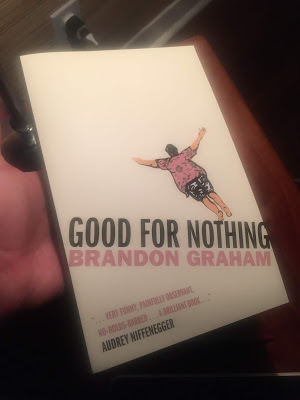 My first novel. Published by Simon and Schuster in the US in early 2017. Cover image by Joseph Lappie. Typography by MaryNeal Meador.
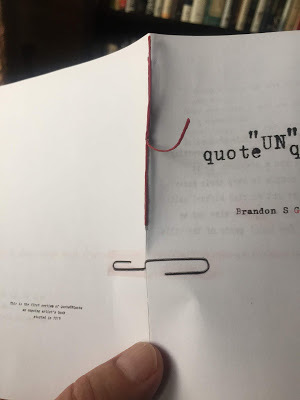 A throwback zine project. I typed the content on an old electric typewriter. Photocopied to increase or decrease font size. Pasted up the layout (including faux paper clip). Scanned and laser printed the finial version on cheap copy paper with a half pamphlet stitch.
I moved and it has me unsettled. I watch the news and it has me unsettled. Caring and worry are so entwined it can be difficult to function. So I tried a simple thing: share what I've made. It's about all I'm good at. I started with a series of posts on social media. What you find below is a sample of items posted elsewhere. I hope you like them.
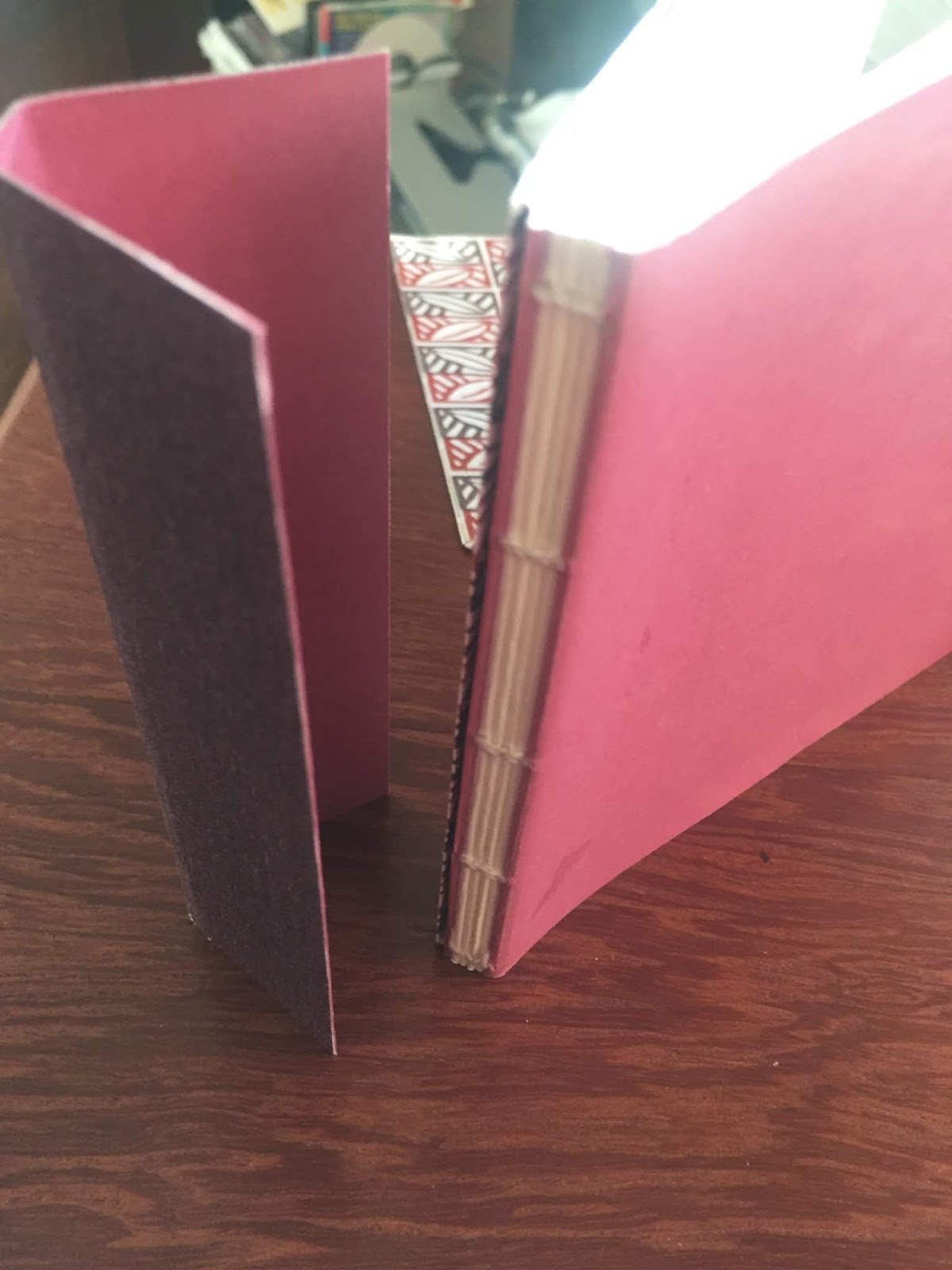 Hand-sewn blank book. Flat back with a folder that tucks around the spine to hold the cover sheets in place. This structure walks a line between traditional craft binding and playful meta-structural constructions that allude to expressive potential.
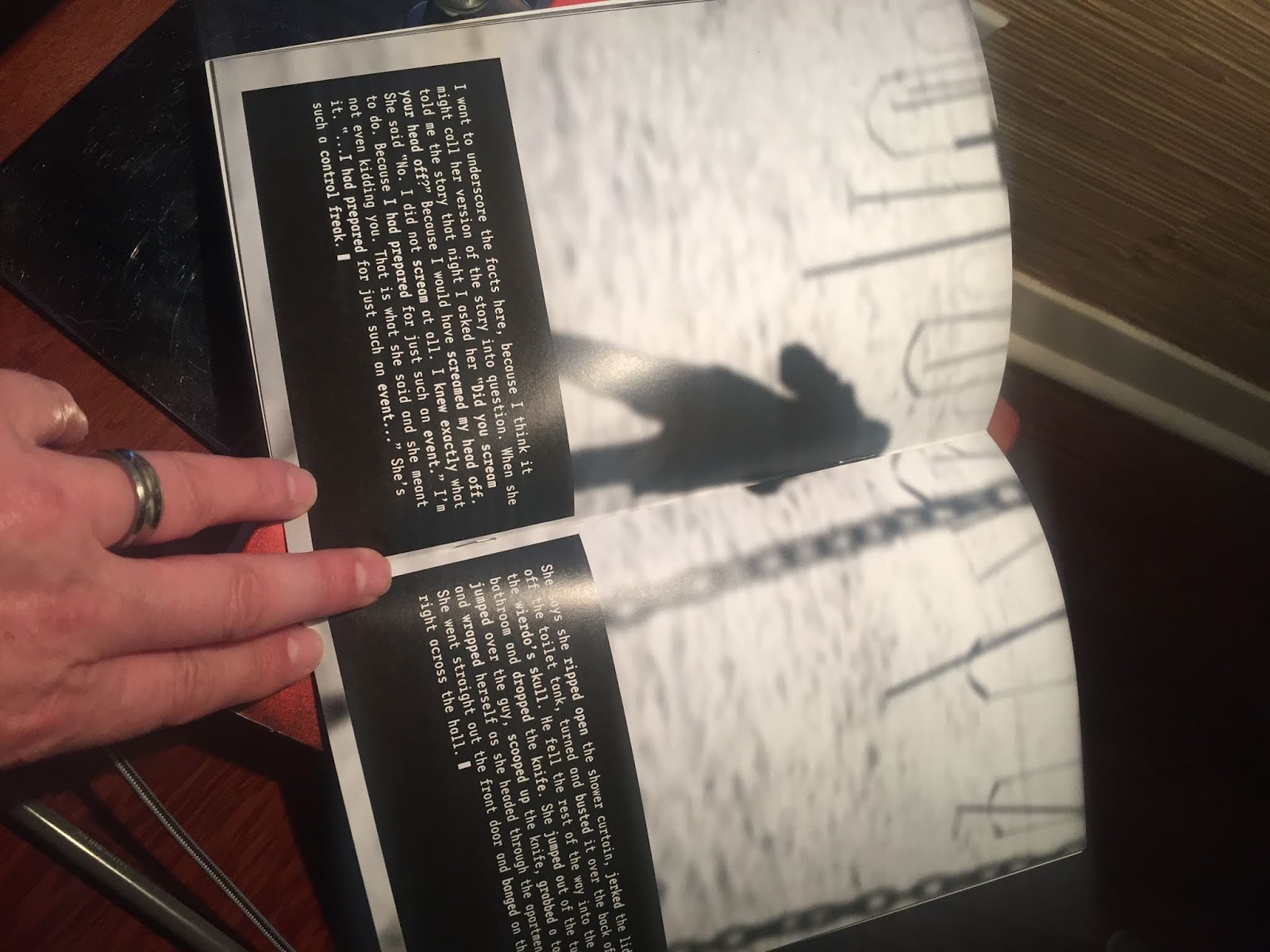 Spread of a photographic artist's book. Images, text, and design are mine. In this book I focused on the ways the spread images brake over the gutter, the figures crammed and askew and uncomfortable in a way that relates to the emotional tone of the text.
 Democratic Multiple is a term applied to inexpensive artists' books printed in an open edition and distributed to readers in non-gallery settings (like workplace or home). Or something like that. The idea is they are portable art for the masses. It's a strata of the AB field that makes the most sense to me.
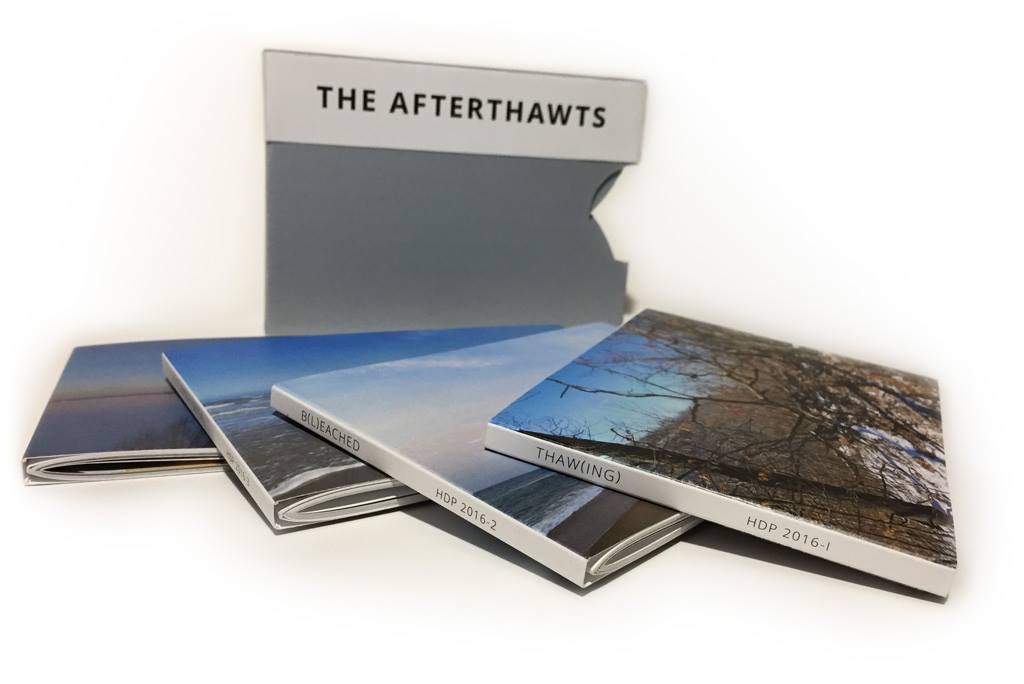 A more recent collaboration with book/collage artist Mike Koppa. Each book is about the size of a stack of postcards, for reasons related to content and source images.
 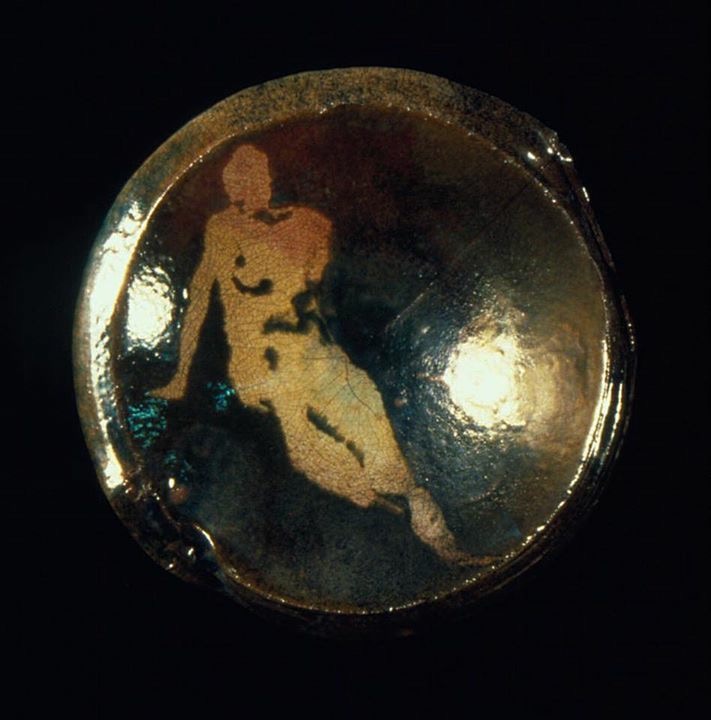 I spent a long while working in ceramics. This Raku platter is twenty-one inches across and made for wall display. The joy of these pieces is playing with the concave curve of the platter and figure placement as it relates to runny, hot glaze and figure abstraction for creative purposes.
  Jeffrey Johnson of RedHerring Jeff is a great illustrator and asked me to participate in a children's book project he orchestrated. I produced a post modern take on the Brave Little Tailor.
 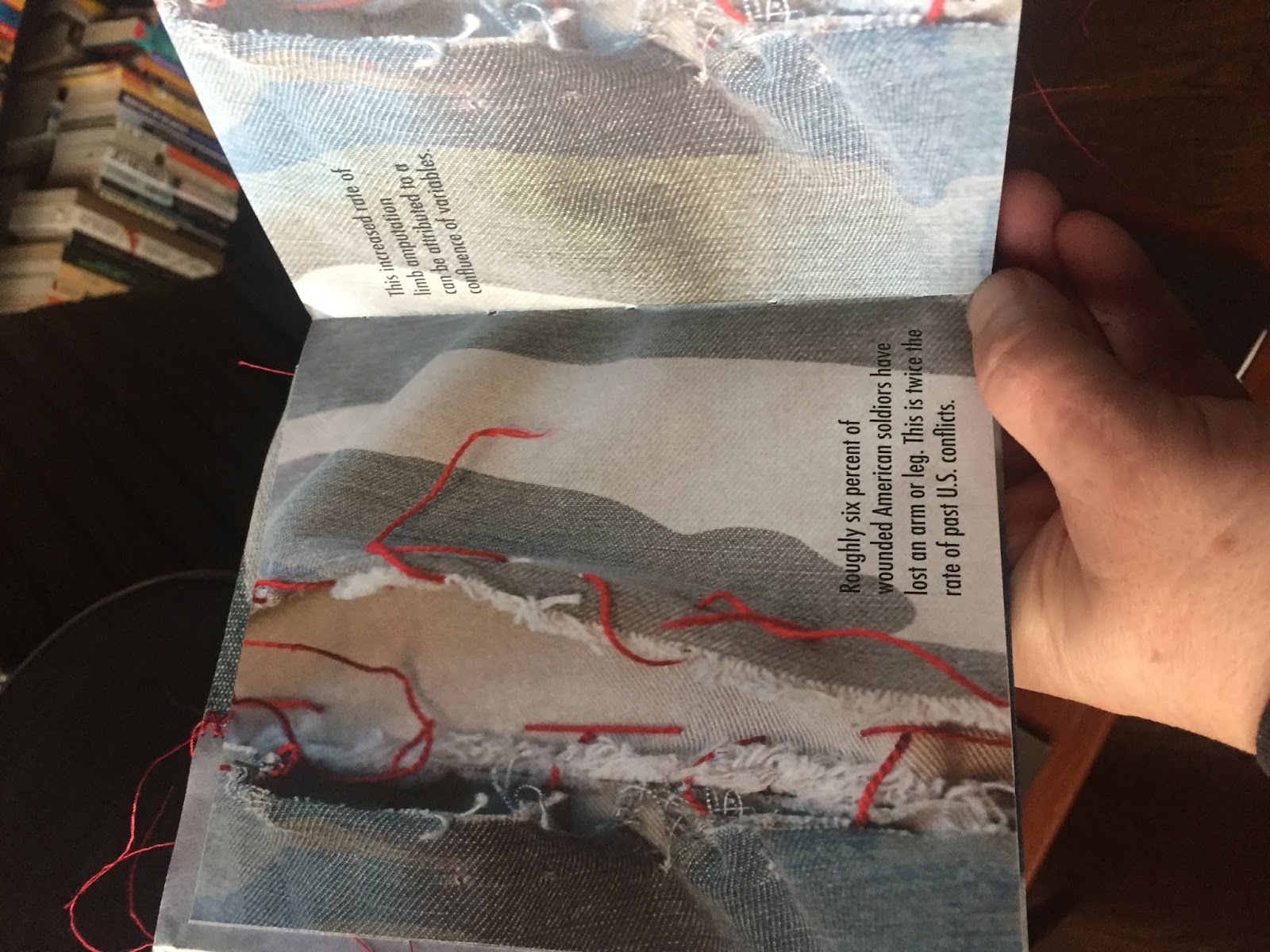 Tear Here is an artists' book with loads of hand craft. It uses images of torn and sewn military uniforms, statistics, perforated pages, book structure, and original narrative to look at the high rate of amputations in the Gulf War.
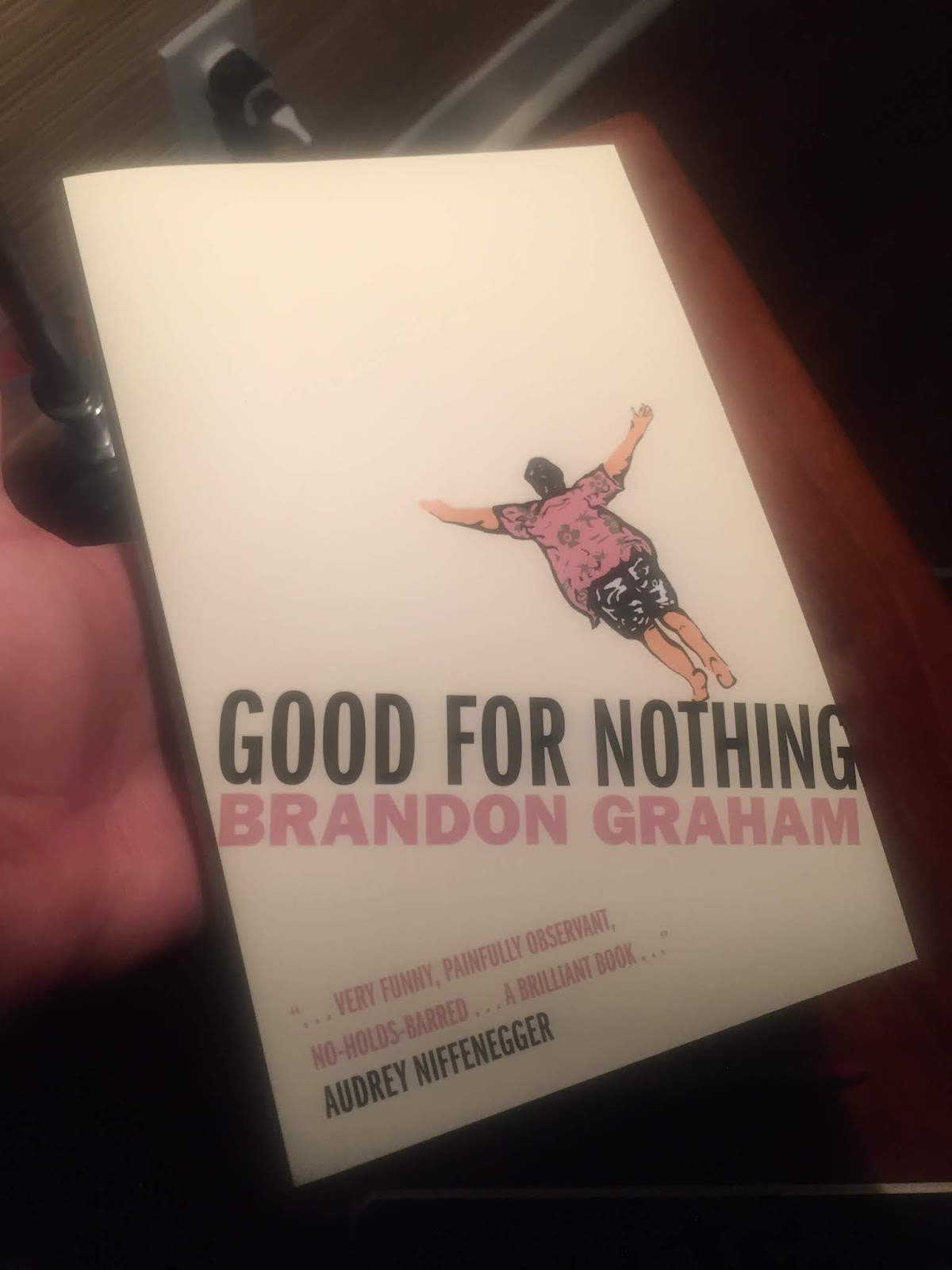 My first novel. Published by Simon and Schuster in the US in early 2017. Cover image by Joseph Lappie. Typography by MaryNeal Meador.
 A throwback zine project. I typed the content on an old electric typewriter. Photocopied to increase or decrease font size. Pasted up the layout (including faux paper clip). Scanned and laser printed the finial version on cheap copy paper with a half pamphlet stitch.

August 23, 2018
The Next Thing
Contradictory impulses vie for influence over most the big decisions we make as we move through life. One set of competing impulses is Change versus Familiarity. On one hand, we want things to stay interesting, want to learn new things, grow, strive, excel, and evolve. There is a drive to self-actualize. For goodness sake, self-actualization is the crowning motivation of psychologist Abraham Maslow's hierarchy of needs.
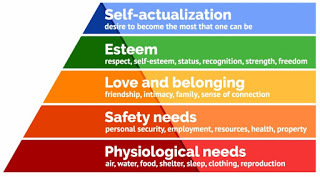 Maslow's Pyramid
Conversely, Change is hard. Routine is comforting. In a stressful world full of challenges and dangers (perceived and real) the idea of holding tight to what we know is reassuring. There is a legitimate reticence to introducing anything new because when ones life is on the edge of collapse, one slight shift can threaten to send the whole thing crashing in on itself.
For both of those dueling reasons, we make changes for the better, and those transitions feel incredibly hard. Recently I moved from near Chicago to around Kansas City - for many good reasons. But it has made me question the point of continuing to make my way in the arts. It may be the only thing I am particularly good at. But that is no longer enough motivation. For a couple months, I’ve been wrestling with this.
This kind of over-thinking and self-analysis is common. Over the years I’ve come to recognize the times when I’m not productive and considering giving-up as an important part of my overall creative life. But this time feels different, perhaps because I'm not in my normal place, with the usual people, and already known variables; perhaps for other reasons.
Some other reasons: 1) My third novel remains unpublished. 2) My daughter is far away. 3) Our life is hectic and requires daily scrambling to keep all the parts moving. 4) My fourth novel is half-finished and not getting any more finished. 5) My second child is nearly grown and will be out of the house before I know it. 6) I generally feel alone. 7) I don’t have a creative community. 8) The publishing process makes me feel like a commodity, not an artist; and not a particularly in-demand commodity either. 9) Idealistically I've clung to a notion that if I make the right thing, the world will bend toward me rather than me being forced to bend to the shape of the world. This is an obvious formula for disappointment as any clear-headed person could have seen before committing one's life to it. 10) General anxiety about aging.
The above whinging may make you feel tired of my self-pity. Me too. So I have found an answer. A writer friend of mine, Jason Hodges, reminded me of something. When writer Harry Crews lost his young son in a drowning accident, he received this advice from his uncle. “What you are going to do is what comes next.” It is a simple idea. You move ahead because that is the direction life is moving. Paired with that, Jason also made it clear that at some point you stop working for your own self-aggrandizement and you start doing the things you do because it is a good example for those who may be watching: your children, your students, other writers, other artists, friends, lovers, anyone your life happens to be in view of. That seems true.
Some degree of selflessness is required to be a friend. A bit more perhaps to maintain a relationship. A considerable amount is demanded by parenting, by teaching. At some point your life is not yours at all. It belongs to others and you just take care of it as best you can while it’s in your power to do so.
So my next thing is to finish Old Punk. When that is done, we shall see what comes next. And so on. The same as always.
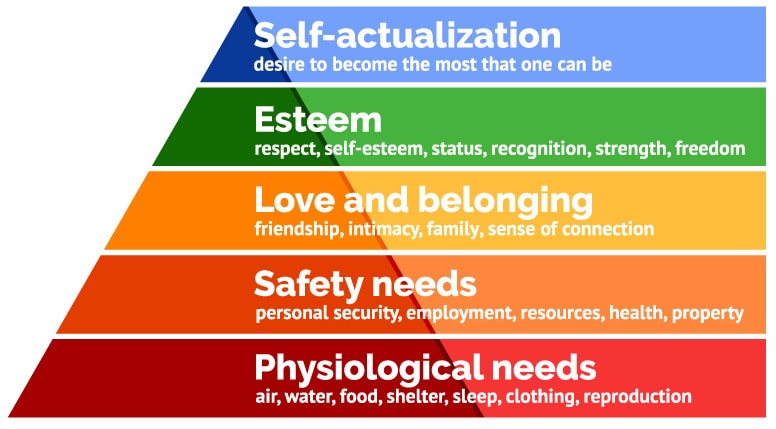 Maslow's Pyramid
Conversely, Change is hard. Routine is comforting. In a stressful world full of challenges and dangers (perceived and real) the idea of holding tight to what we know is reassuring. There is a legitimate reticence to introducing anything new because when ones life is on the edge of collapse, one slight shift can threaten to send the whole thing crashing in on itself.
For both of those dueling reasons, we make changes for the better, and those transitions feel incredibly hard. Recently I moved from near Chicago to around Kansas City - for many good reasons. But it has made me question the point of continuing to make my way in the arts. It may be the only thing I am particularly good at. But that is no longer enough motivation. For a couple months, I’ve been wrestling with this.
This kind of over-thinking and self-analysis is common. Over the years I’ve come to recognize the times when I’m not productive and considering giving-up as an important part of my overall creative life. But this time feels different, perhaps because I'm not in my normal place, with the usual people, and already known variables; perhaps for other reasons.
Some other reasons: 1) My third novel remains unpublished. 2) My daughter is far away. 3) Our life is hectic and requires daily scrambling to keep all the parts moving. 4) My fourth novel is half-finished and not getting any more finished. 5) My second child is nearly grown and will be out of the house before I know it. 6) I generally feel alone. 7) I don’t have a creative community. 8) The publishing process makes me feel like a commodity, not an artist; and not a particularly in-demand commodity either. 9) Idealistically I've clung to a notion that if I make the right thing, the world will bend toward me rather than me being forced to bend to the shape of the world. This is an obvious formula for disappointment as any clear-headed person could have seen before committing one's life to it. 10) General anxiety about aging.
The above whinging may make you feel tired of my self-pity. Me too. So I have found an answer. A writer friend of mine, Jason Hodges, reminded me of something. When writer Harry Crews lost his young son in a drowning accident, he received this advice from his uncle. “What you are going to do is what comes next.” It is a simple idea. You move ahead because that is the direction life is moving. Paired with that, Jason also made it clear that at some point you stop working for your own self-aggrandizement and you start doing the things you do because it is a good example for those who may be watching: your children, your students, other writers, other artists, friends, lovers, anyone your life happens to be in view of. That seems true.
Some degree of selflessness is required to be a friend. A bit more perhaps to maintain a relationship. A considerable amount is demanded by parenting, by teaching. At some point your life is not yours at all. It belongs to others and you just take care of it as best you can while it’s in your power to do so.
So my next thing is to finish Old Punk. When that is done, we shall see what comes next. And so on. The same as always.
August 4, 2018
From my notes
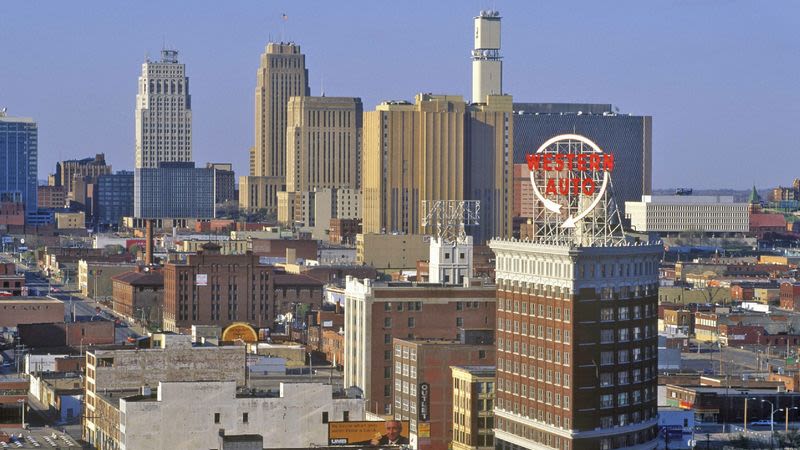 Kansas CityThis summer has been eventful. Primarily due to selling a house, buying a house, packing belongings, living in temporary housing, and moving from Chicagoland several states south and west to the Kansas side of the stateline in Kansas City. This makes the eighth state I’ve called home.
The move is, taken as a whole, a good thing. However, it has been a challenge to my writing practice. I did manage nearly a hundred and fifty pages of my new manuscript, as well as an article for JAB and an artists’ book (Little JAB Book), assisted in writing the first episode of a TV series based on my novel Missing People, and a few short pieces of fiction such as this character study:
He lifts his head to see her walk in. She wears a bright yellow skirt, her tan knees flashing as she quick steps to the counter. For Harris her entrance is like the first bright rays of the summer stabbing through the oppressive gloom. His mood is immediately lifted.
He sits taller, considers his wrinkled outfit, tries to smooth his hair with his hand. He leans his head to smell his own armpit. Not offensive. He takes up his napkin square, crushes it in one palm and holds it over his mouth as he quietly clears his throat, taking the opportunity to gauge the relative strength of his stale coffee breath. All preparations made, he is ready to discover her name.
She turns and moves back to the door, a paper cup with a tea tab dangling from under the plastic lid.
He draws breath to call to her. He has nothing to say.
She leaves, turns the corner, vanishes from his view; from his life.
Harris is destroyed. He slumps and knocks his forehead back on the hard, cold marble tabletop. His mood that much darker after the momentary flash of hope.
July 24, 2018
To Be Poemed and To Poem in Return
 Jason
JasonA writer and poet from Gainesville Florida, Jason E Hodges, did something remarkable. He poemed me:
Open Letter to Brandon Graham
Time slips by or maybeI’m slipping as time goes by me?Not every day is a dragBut it seems the ones
That involve passing by the TV
When the news is on
Can really bring me down
I’d much rather walk outside
Stroll down the path with my friends of the woods
Like a raccoon named Sugar
She’s so large
So big
I believe from
Eating out of the ice cream store’s dumpster
Down the street from my home
She waddles from the weeds and peers at me with
Dark curious eyes
Then slowly makes her way back into the brush
There’s also a deer I’ve named Brownie
Her husband Buck Owens and their child Jane Fawn-Da
Also come to say hello
A turkey named Loner
For
He is always alone
And a rabbit named Tag
For
It runs to me then backs away
Then back to me then away it runs
They all seem to be so much more entertaining
Than anything on the tube…
And Brandon
I still wonder how your writing is going from time to time?
I wonder about all of my friends
Who practice the craft of words
Along with my own thoughts of what next to write?
Lizzy Worth is still doing her thing above us
In that far away land called Canada
I’m sure she still scribbles words
Her cat Plumb
Most likely meowing in circles around her
As she pulls words from the air like magic
And arranges them on paper
Illian Rain is up there too
Her cat’s named Leroy
I’m sure he meows
I’m just not sure how much it affects her writing
Whatever the case
Illian and Lizzy are such strong voices
From the land of Canada
And Brandon
I still talk to Lizzie Woodham from across the sea
Emailing words through wires way over there
She’s patient with me and my questions
About her writing
About the places and things that make up Europe
From Scottish Snow Flakes
To
The Irish Sea
To
The smells and sounds of the streets of Soho
But most of all she listens to me and my wandering mind
What a friend I have in her!!!
And Brandon
Mallory Smart is still out there somewhere
The windy city I believe
Or maybe the city of wind?
She loves coffee, you know?
She writes and publishes
Publishes and writes
Words swirl around her mind
Like a cyclone
At least that’s what I believe they do!
When I met Mallory
Another person that loves “The Beats”
It gave me hope for the future
And Brandon
I still think of your encounter with Burroughs
It still makes me smile
And Brandon
I still wonder if we, us, and our friends in writing
Will ever have a name associated with our work?
With our lives?
Like “The Beats” or “The Lost Generation”
I’ve pondered this question for years?
So, I will now take it upon myself to name us
“The Holding Generation”
There! I’ve coined it!!!
For
I feel we are holding onto hope
Holding onto anything
That tomorrow will be better than today
That moms and dads will be able to hold
Their children after a day at schoolThat the kids will carry books instead of bulletproof jackets Holding onto the thought That maybe just maybe People will stop killing each other Holding onto the idea that society Will somehow someway get their act together… But most of all Holding on While we continue to write and create art That’s all I can do anymore
I’m not as brave as my friend Jason perhaps. I like to keep my idealism sheltered behind a barrier constructed of self-mockery and pretend cynicism. Though I don’t think the façade is fooling anyone who bothers to pay attention. Anyway, I wrote a poetic prose response:

An Open Letter to Jason E HodgesJason, your poem knocked loose an old memory of walks in the woods. My grandfather, who was a sexual predator to his step-daughters but a kind old-man to me, used to walk me along winding and lush lakeside paths and point out the trees and vegetation we passed. As we rounded a shady bend we came upon a low flowering shrub roiling with bright humming birds. They mostly darted away at our approach. A few of the bravest lingered until we were close enough to touch them, then buzzed away in a frantic whir of blurred wings. “Honeysuckle,” my grandfather nodded at the plant. I nodded back meaningfully. “They are crazy for the sugary nectar.” He demonstrated. He ripped a pale yellow flower from the stem, pulled a hard nub at the base of the soft petals and slid a moist white string from the heart of the blossom. “This part is the style,” he said. “But I call it delicious.” He grasped the soft filament between his pursed lips and drew it out, as if preparing to thread a needle. He said, “Ah.” Then he told me it was my turn. I remembered and mimicked his actions. The taste was not of honey, but was mildly sweet. My grandfather smiled at me. I picked more flowers and slurped them as I walked. Back near the house we passed a fern. He said, “Watch close.” He extended one uninvited finger, slowly encroaching on the plant’s personal space. The green leaves curled at his presence, recoiled from his advances. “See,” He said. “Some plants act like warm blooded animals. They know when you’re near, they hide when they hear you coming. That’s why it’s good to keep quiet in nature, listen to the earth and the wind, the rustle of the leaves and the squirrels digging in the undergrowth. I listened. I few years later my aunt and mother confronted my grandfather for his chronic emotional and sexual abuse. It was only half-planned, the confrontation. It happened in the kitchen as we finished a meal of country ham and green beans that had been canned fresh from the garden. It was Christmas Eve and I wanted to shake my presents and get to bed so Santa could do his job. After the rupture of initial emotional accusations and emphatic denials, taking sides and making excuses, the kids were sent into the den to watch a big-eyed cartoon version of the miracle virgin birth of baby Jesus. My grandfather died a couple decades later. My grandmother was there physically, if not emotionally. She seemed glad to have it over with. Her last years were spent insisting she was unaware of what her second husband had done to the children from her first marriage. Her kids mostly let her have her lies. What was the point in hurting her. Jason, your poem made me consider the way a writing life shapes the writer, how the divisions between being and doing feel thinner every year. It made me think of how the places we live, and the spaces we pass through seep into our bodies and our writing. You know Hindus believe plants have souls; that vegetation can hear and feel and even remember. Western science backs up much of that, except the soul. The soul makes scientists uneasy. Jason, when I think of the love I had for my grandfather and how it has settled into a sour, raw feeling in my stomach, I remember those ferns. I think of the unintended ways our lives affects every living thing we come close to. And I wonder how much those shy plants knew.

January 16, 2018
On Loss and Weightlessness
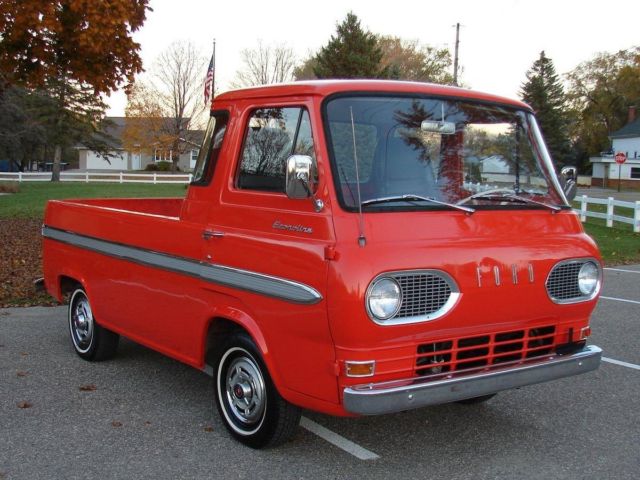 1965 Ford Econoline truck
A week ago today my father Robert G Graham passed away in Roanoke Virginia in the same hospital where my little sister was born decades ago. At the service I told a story:
In December of 1974, about a month before my fourth birthday, my Mom was stressed that she hadn't managed to drag out any of the the Christmas decorations. My little sister was about six months old and had been sick a lot. My mom was wrung out. She felt it was her job to make the house homey for the holidays and couldn't manage it. To help my dad said he'd take me off her hands and go buy a Christmas tree.
A few months before he'd bought a '65 Econoline truck in red for seven-hundred bucks. It was a cabover design with the 144 cubic inch straight six cylinder engine encased in a metal shroud called a 'doghouse' between two bucket seats. It didn't have power steering or power brakes and had a manual transmission with a column shift - also called 'three on the tree'. My dad liked cars and said he'd get the truck to haul stuff around as needed. But mostly he wanted something to tinker on. So that late-winter afternoon he helped me get my hat and gloves on and pitched me in the passenger seat of that strange little truck. He didn't buckle me because the truck didn't have seat belts. They'd been removed at some point and didn't seem essential.
We drove from our house on Kennedy Street just off of Williamson road out toward Blue Ridge Virgina. It was dusk when we pulled into a gravel lot of a cut-your-own tree farm. We hustled down the rows and he found a tree while there was still enough light to see. He laid on his back in a skiff of snow and reached under the tree with his saw. Pretty soon the tree fell over and he hefted it by man-handling the middle of the trunk in one hand. I grabbed a fistful of branches to feel like I was helping and had to run to keep up with his long stride. He paid, pitched the tree in the bed of the truck and we piled back in.
He edged up to the road and revved the engine. Dad was a Nascar fan, he'd even been on a pit crew for a sponsored stockcar that ran at Daytona when they still raced right on the sand. There wasn't a lot of traffic on the two-lane, but he wanted to have some fun and he liked to drive everything like it was a muscle car. A big delivery van was coming and he shot the little truck out in front of the van, arced us into the far lane. My passenger side door came open. I guess I hadn't closed it right or I grabbed the handle and pulled it open myself. I don't recall that part. What I do remember is slipping off the seat. I was still in a seated position, but I was out in space, nothing holding my body up.
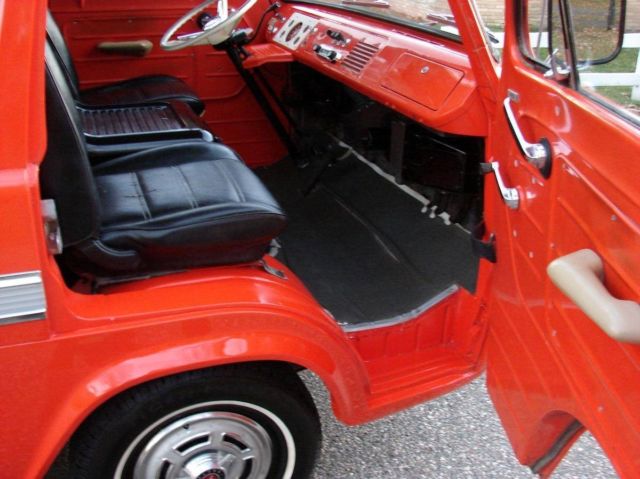
I was in the space where the closed door should be and heading to a ditch along the side of the road. My dad couldn't stop, the van was on our ass. He clutched, continued to steer with his left hand, and snatched me by my wrist with his right as my legs started to drop from under me. He yanked me back in. Shifted into second, popped the clutch so hard my door slammed closed. I was safe again; in the truck with my dad.
The headlights of the van were blinding and Dad quick shifted again and put some distance between us and the near tragedy. He leaned over the big steering wheel and gave a nervous laugh. He said, "You doing okay over there buddy?" I must not have given him a convincing response because he told me, "You're okay. You're fine." We sat like that a few moments. He got serious and said to me, "Now there's no reason we need to tell your mother about this." And I don't think I ever did.
I told a couple other stories about my dad taking action, formative memories from my first seven years or so. Then I shared what an especially cruel disease MS was for a man defined so much by his physicality, what a painful process it was to see the slow-motion devastation of that disease slowly eroding his body until he wasted completely away. In truth, I wasn't strong enough to deal with it too often. After a nomadic professional life as a first-gen computer programmer for hire, a divorce or two, and a progressive illness, he settled back near his brothers and sisters and nieces and nephews and cousins. They did most of the heavy lifting and emotional work of being with him day to day.
It strikes me that hearing he was nearly dead, that he would die within a few days, was like that moment when I came sideways out of that old truck. Lost and falling, nothing to hold me up. But then my wife hugged me. My kids held on too. Some of my Dad's people helped me to coordinate arrangements, or simply encouraged me. As far apart as we've settled in life they still treated me like family. But most unexpectedly my literary agents each sent me kind and thoughtful notes, shared some similar experience of their own. Another writer, Michael Walker and his wife sent a nice note. Friends, artists, writers. . . my community grabbed hold of me and kept me from flying into an emotional ditch.
I kept moving with as much grace as possible, worried if I stopped I'd never get going again. I harbor a secret concern that I don't process emotions quite like the rest of the world, that I feel deep inside but the pathways that lead to the surface are obstructed. Everything stays trapped and spinning out of control slowly chewing up whatever they grind against. And in hindsight I've started to reverse engineer some of the stories I told at the funeral and recognize that sound adult choices were not a big part of my father's parental strategies. Funny to look at my own upbringing through a parent's eyes.
My long standing professional/creative goals include building a network of like-minded souls who somehow innately get me. The death of my father showed me I have that community, it has slowly formed without me realizing. Don't get me wrong, I'm operating without a net now that my dad is gone. I'm a little lost and dizzy, an emotional vertigo is simmering that I expect to linger for some time, maybe from this moment forward. But timing is everything and the importance of a few well intentioned words sent from across the Atlantic at the right moment made a huge difference. The love of distant family and the physical presences of my wife propped me up when I would have fallen over. For everyone who sent a good thought or shared a kind word, I'm thankful.
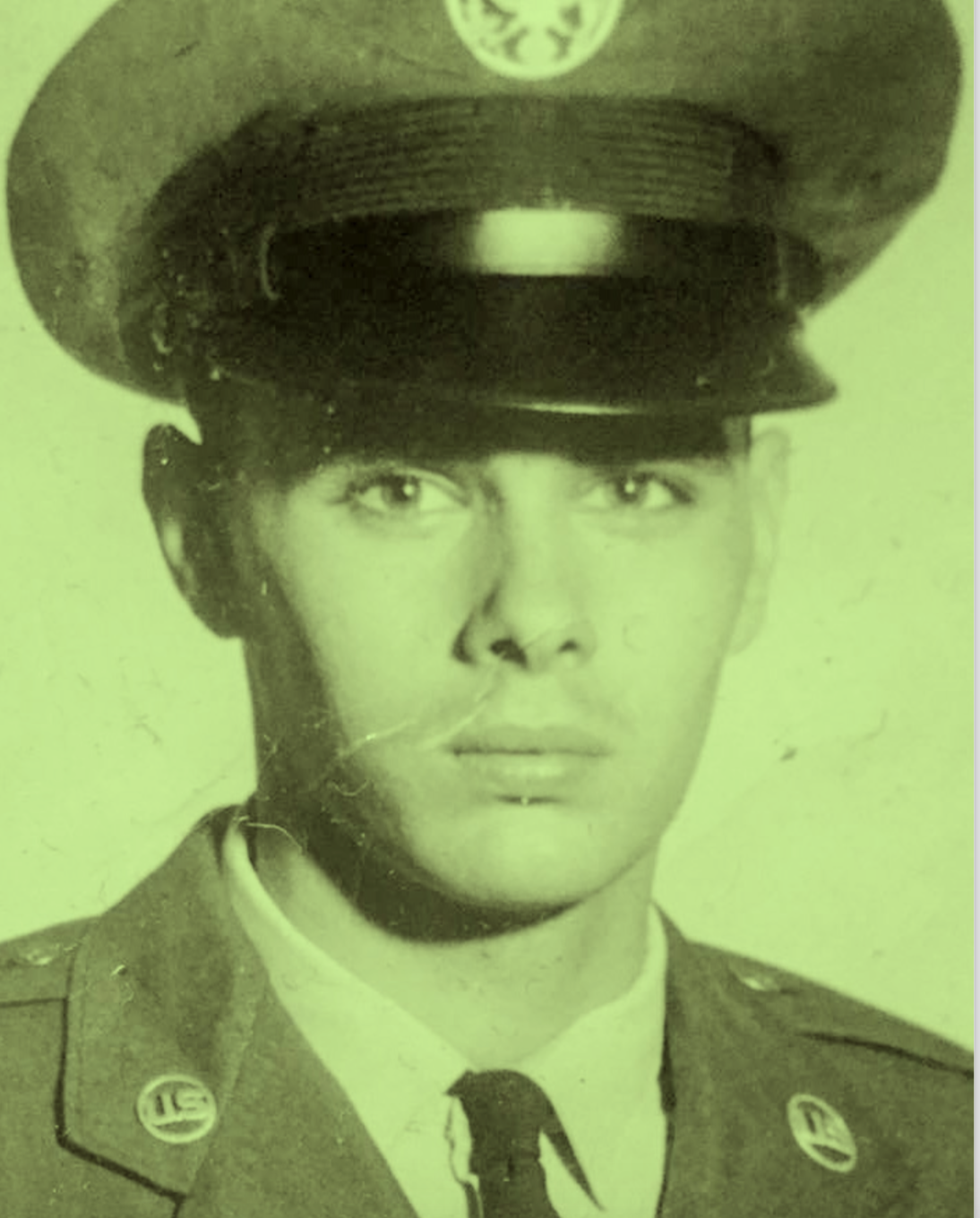 Robert G Graham. Air Force upon completion of basic training.
August 23, 2017
Are novels Artist's Books?

This post starts with Lucy Lippard and the Promise of the Artist’s Book.
Lucy Lippard is a writer and art critic who believes in art criticism as a form of social advocacy. She was one of the founders of Printed Matter in NYC. According to their mission statement, Printed Matter is the World’s leading non-profit organization dedicated to the dissemination, understanding and appreciation of artist’s books.
In 1977, Lippard published a paper The Artist’s Book Goes Public in Art in America 65 no. 1. There she argues the gallery system had become too elitist, artists made art to please critics, and the public was cowed by the austere, cold, and inaccessible content of the conceptual art movement. She went on to claim that artist’s books have qualities that make them the perfect inoculation to prevent the gallery system against the creeping rot of utter irrelevance (my words not hers). Or as she put it, they are affordable, accessible, and reproducible, the opposite of the ailment afflicting the high art market.
This kind of thinking created a sub-category of AB known as the Democratic Multiple. Later accomplished painter and print maker Pat Steir, another of the thinkers responsible for the establishment of Printed Matter, enumerated it this way: the Democratic Multiple is an Artist’s Book that is
1. portable
2. durable
3. affordable
4. intimate
5. non-precious
6. multiple
7. historical
8. universal
Beyond that I believe the AB is an art form, which excels when it surprises and subverts viewer’s expectations for the purpose of communication and expression.
My work in ABs has been heavily influenced by the democratic multiple. My most recently available artists book demonstrates many of the qualities Steir articulated. THE AFTERTHAWTS is a collection of collaborative ABs conceived, printed, and distributed by HeavyDuty Press. So far a copy has been placed at University of Wisconsin-La Crosse Murphy Library, UW-Milwaukee, UW-Madison and at my favorite AB collection, and The Joan Flasch AB collection at the School of the Art Institute of Chicago.
I try to continue to work in ABs, even as I write novels. But the question I've been toying with is: Are novels actually a kind of Democratic Multiple. I'd like to think so.

Novels are usually bound codex format books; and so, like ABs, a variety of book.
Clearly my novel, Good For Nothing for example, is portable. One of the greatest things about mass-market book publishing is the generation of content that people can digest at their own speed and in their own space, when they find it most convenient. This mobility makes it approachable to most of the population.
It is durable. I've carried paperbacks in my coat pocket, my back pocket, and tossed them in any number of messenger bags. I've read in bed, in a hammock, in car, trains, plains, boats, and from a hospital bed. The unsewn glue bindings are inexpensive yet surprisingly sturdy. I've moved books from place to place for thirty years, have loaned them out and had them returned ready to read again.
Affordability is a relative term. In general commercially printed paperbacks are between six and twenty bucks a pop. Inexpensive enough that cost is not a major obstacle for anyone desperate to lay his or her hands on a particular book. The secondary used book market can make books even more affordable. Certainly buying paperback books is much cheaper than attempting to dabble in most of the art market.
The nature of reading is Intimate. It is a haptic experience of holding, hefting, turning, feeling, smelling, and hearing. Books are most often read as a one to one relationship, book to person. Or perhaps writer, via the book object, straight to the reader.
Non-precious is also a relative value. But when I loan a book, I know full well it may not come back. Even if it is one of my favorite books such as Richard Ford's early collection of short stories Rock Springs, I still loan books. The potential loss of one copy of one book is less important than the opportunity to connect with someone.

Clearly mass-market books are printed in multiples. It is a unique trick of the artform that it is both intimate and widely distributable.
The term Historical I've always taken to mean books that are a reflection of the context in which they are created. Some writers aim to write in an ageless way that allows readers to easily generalize the experiences of a protagonist to the reality of their own existence. Sometimes in service to that intention they strip away much of the detail that makes the narrative of a specific moment or place. I am not that kind of writer. I am interested in anchoring a character to a moment in time, a place, a social reality and a political landscape that will certainly shift by the time the book has made it onto a bookstore shelf. I trust readers to fill whatever gaps exist.
Lastly universal I have always taken to mean the democratic multiple should speak to the human condition. It's hard to find a novel that doesn't do this. In particular though, my writing has a Universalist bent. I believe our similarities as people far outweigh our differences.
So Good For Nothing clears the first eight hurdles. As for my own definition: does it surprise and subvert reader expectations for the purpose of expression and communication? The honest answer is yes. One of the rationales for working with genre fiction is that there are sets of tropes that have expected outcomes. Starting with an awareness of what a reader is likely to expect, I can then deliver a resolution in an unexpected way. By that point in the plot, a reader has carried their book to their favorite spot, invested time and attention, they are open to persuasion. Novels are empathy generating devices. An artist with a point to make can find themselves in conversation - with the book as a conduit - about complicated and difficult issues with people who might not otherwise engage on that given issue. Subversion is not an attempt to trick the reader but an opportunity to make an unexpected point in a ripe moment when the reader is open-minded enough to consider a reality outside their own experience. The real challenge is to do all that without being preachy or pedantic, while being interesting and entertaining. I hope to write books that manage to do exactly that.
One obvious point is that many people think of ABs as a visual art form. And novels clearly are not primarily visual. But, there are whole categories of ABs that are text only. Text art and letterpress printing are two very influential areas that run into to the making of ABs, and two areas that have had a huge impact on my own creative thinking. Generally I reject the idea that ABs must have visual content. Or rather, that text on a page is in fact a kind of visual communication.
The one hang-up is control of the process. In ABs we call it Authorial Control and it means that one person (or a group of collaborators) conceive and control the execution of all aspects of creating the book object. In commercial printing authors have varying degrees of control depending on force of will, the size of the publisher, the clout of the author etc.. . With Good For Nothing, I had a great deal of say in cover design, typographic design, and typesetting. The one area that has been most out of my control is the way the work is marketed. Often the novels are shoehorned into the existing marketing space they best occupy. Not necessarily a perfect fit, but the best fit given the existing categories.
In other words, it is arguably possible for a commercially printed novel to meet the minimum requirements to be an artist's book. One of the simplest definitions of an AB (a constantly debated subject within the field) is a book made by an artist. Certainly Good For Nothing is that.
Finally, I'm pleased to share that I completed my third novel, Half Dead. My agents are reading it now. We shall see what the future holds.
May 29, 2017
No Bad News
Some news is simply good.
My literary agents, Pontas Literary and Film, celebrated their 25th year during a holiday in Barcelona: Sant Jordi. Sunday April 23rd was a sunny day and the city was filled with roses, as is the tradition. At times, having agents so far away is isolating and mildly torturous. But, I'm always proud of the shared association, the success of the founder in her realization of a mission to give under served populations an avenue for their valuable narrative perspectives, and being a very small part of a community of international writers.
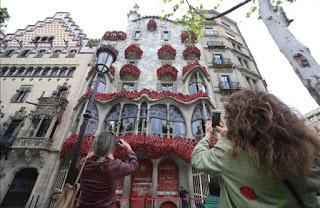 Casa Batllo phot by Ferra Nadeau
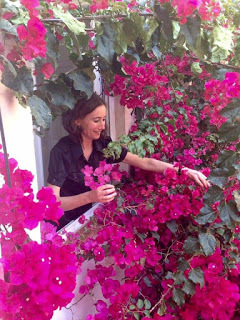 Anna Soler-Pont
The screenwriter who adapted my first novel, Good For Nothing, was in L.A. doing the legwork that screenwriters must do to put a project together.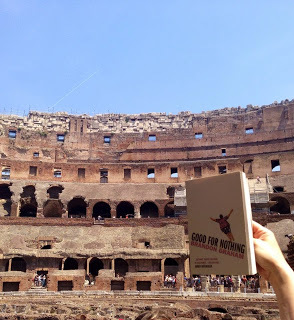
I've been busy writing my new book (I hope to finish the first draft by the end of June 2017) while also trying to promote the two titles that were published in January. By the end of July I will have participated in fifteen events. Including: A radio interview, a regional TV morning chat, a glossy lifestyle mag review, and numerous readings and signings. Two of the most rewarding were events at the Book Cellar, and recently a big to do at City Lit. I appreciate the community of writers, readers, and artists that keep coming out to be supportive.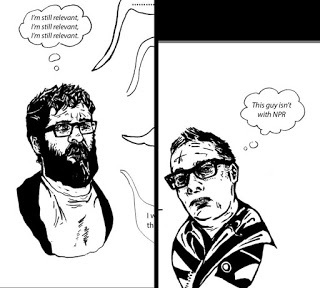 The image of Joseph is more flattering than the likeness of Brandon
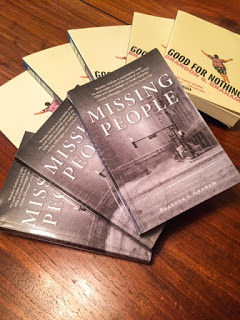 I was especially delighted to work with the artist, Joseph Lappie, (who produced the cover art for Good For Nothing) during the the City Lit event.
Lastly, my books are now settled under the Gallery Imprint of Simon and Schuster. Tyrus is no more. As a long-time visual artist there is a poetry to having my novels housed somewhere called Gallery. It is an established imprint and a respectable home for any writer. I have no complaints.
My literary agents, Pontas Literary and Film, celebrated their 25th year during a holiday in Barcelona: Sant Jordi. Sunday April 23rd was a sunny day and the city was filled with roses, as is the tradition. At times, having agents so far away is isolating and mildly torturous. But, I'm always proud of the shared association, the success of the founder in her realization of a mission to give under served populations an avenue for their valuable narrative perspectives, and being a very small part of a community of international writers.
 Casa Batllo phot by Ferra Nadeau
 Anna Soler-Pont
The screenwriter who adapted my first novel, Good For Nothing, was in L.A. doing the legwork that screenwriters must do to put a project together.

I've been busy writing my new book (I hope to finish the first draft by the end of June 2017) while also trying to promote the two titles that were published in January. By the end of July I will have participated in fifteen events. Including: A radio interview, a regional TV morning chat, a glossy lifestyle mag review, and numerous readings and signings. Two of the most rewarding were events at the Book Cellar, and recently a big to do at City Lit. I appreciate the community of writers, readers, and artists that keep coming out to be supportive.
The image of Joseph is more flattering than the likeness of Brandon
 I was especially delighted to work with the artist, Joseph Lappie, (who produced the cover art for Good For Nothing) during the the City Lit event.
 Lastly, my books are now settled under the Gallery Imprint of Simon and Schuster. Tyrus is no more. As a long-time visual artist there is a poetry to having my novels housed somewhere called Gallery. It is an established imprint and a respectable home for any writer. I have no complaints.
March 23, 2017
In the age of the Neo-Cultural Wars
As a highschooler, too young to yet vote, but the right age to be very attentive to things political, I was in a rage about the PMRC and the attack on NEA funding by the Regan administration and congress.
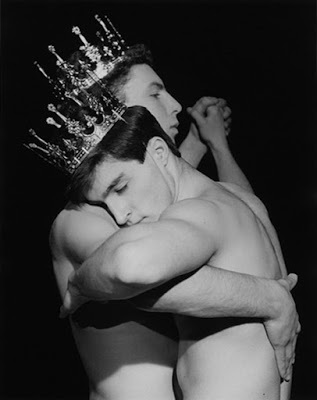 Maplethorpe's Two Men Dancing, 1984
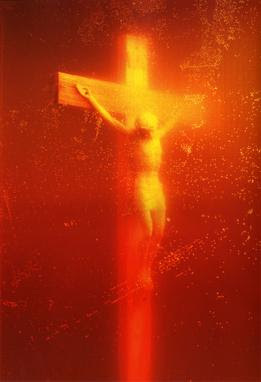 Andres Serrano's Immersion (Piss Christ), 1987
As I remember it, politicians (not a panel of artists, critics, and art historians, or the public) felt they were qualified to sensor the kinds of projects that received federal money. Or, more accurately, some politicians felt they had been dealt a winning hand to play with their constituents that helped prove the point that the Regan revolution embodied: Government can't solve the problem, Government is the problem. Though Maplethorpe was an established portrait artist and was interested in the exploration of beauty in all its forms, his homoerotic photographs (of which this is a tame example) was considered by various conservative religious lobbying groups, the people they represented, and the politicians they supported, to be pornographic and a celebration of deviant behavior. Similarly the sacrilegious tone of Andres Serrano's Immersion, a powerful image that was captured by dropping a crucifix in a container of urine, was an easy target for attack.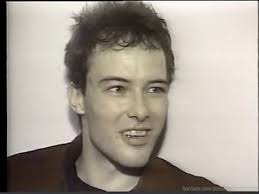 Jello Biafra Two other things were happening simultaneously. 1) The Parent Music Resource Center (PMRC) emerged. This lobbying group was concerned that violent, racist, and vile language in music was destroying the morals of American youth. It was fronted, notably, by Tipper Gore. The wife of (then) Democratic Senator Al Gore. Politically speaking, it was an effort for the left to grab some moral outrage and claim the government could be a solution to social degradation. The PMRC brought us the warning labels about explicit lyrics. At least if one is buying an actual object one can hold in the hands rather than streaming.
2LiveCrew was definitely misogynistic and offensive to many. But as so much was in that era, wanting to put labels on music was a code for saying these violent, overly sexual black, urban, (likely gang affiliated) musicians are going to spread their tainted values into our precious white-flight, gated communities. It is this period of American politics when the term Dog-Whistle politics was made popular, a way of using coded doublespeak to be racist/not racist. Twisted Sister
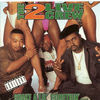 2LiveCrewI skipped school to watch Jello Biafra on Donhue directly confront Tipper Gore. And the congress held ridiculous hearing in which Dee Snider, front man for evil Twisted Sister, was asked to testify as a representative of Rock and Roll.
2) At my high school, the art department had it's budget cut while the football stadium was being expanded. Clutching the tiny nub of an old Cray Pas I plotted my snarky zine, others printed an alternative newspaper. While skateboarding badly and listening to punk music on my Jam Box I ranted to friends who already agreed with me. They ranted back. And we felt smug in our mutually supportive counter cultural perspective. It accomplished nothing. But we were secretly superior. Which brings us to now. The Neo-Cultural war in the age of Trump. To make my position clear, Trump is a cunt.
What's a writer and artist to do? What can we do other than feel wronged, and be right about how wronged we have been? For me, I am trying to use my current book promotion as an opportunity to make a virtuous circle of support. Here is how that works: I want to support a local arts organization by donating some time, books, profits. . .with help from that organization, we find a Chicago independent bookstore willing to host an event. We sell tickets that include an original limited edition poster by a print maker who is donating his time and talents. We put together a panel discussion of community groups and artists. Perhaps we have a postcard and petitions ready to be signed by those who attend. In other words a local artist, local author, local arts organization, local bookstore come together to raise needed capital, support one another, promote one another, and turn the moment into a discussion and an action. It's only one little thing. But it is a thing. And if the NEA goes unfunded, larger arts organizations and individual artists will either give-up or seek funding elsewhere. Those elsewhere's may be the places where smaller arts organizations currently depend on funding. There will be a tightening, and there will be lack of funding at the bottom.
Help nationally. Help locally. That's the working theory. In a time when the press is "the enemy of the people," and the arts and schools are being unfunded, our individual voices and efforts matter much more.
 Maplethorpe's Two Men Dancing, 1984
 Andres Serrano's Immersion (Piss Christ), 1987
As I remember it, politicians (not a panel of artists, critics, and art historians, or the public) felt they were qualified to sensor the kinds of projects that received federal money. Or, more accurately, some politicians felt they had been dealt a winning hand to play with their constituents that helped prove the point that the Regan revolution embodied: Government can't solve the problem, Government is the problem. Though Maplethorpe was an established portrait artist and was interested in the exploration of beauty in all its forms, his homoerotic photographs (of which this is a tame example) was considered by various conservative religious lobbying groups, the people they represented, and the politicians they supported, to be pornographic and a celebration of deviant behavior. Similarly the sacrilegious tone of Andres Serrano's Immersion, a powerful image that was captured by dropping a crucifix in a container of urine, was an easy target for attack.
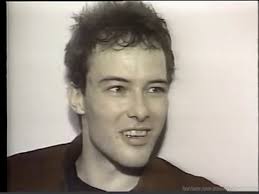 Jello Biafra Two other things were happening simultaneously. 1) The Parent Music Resource Center (PMRC) emerged. This lobbying group was concerned that violent, racist, and vile language in music was destroying the morals of American youth. It was fronted, notably, by Tipper Gore. The wife of (then) Democratic Senator Al Gore. Politically speaking, it was an effort for the left to grab some moral outrage and claim the government could be a solution to social degradation. The PMRC brought us the warning labels about explicit lyrics. At least if one is buying an actual object one can hold in the hands rather than streaming.
 2LiveCrew was definitely misogynistic and offensive to many. But as so much was in that era, wanting to put labels on music was a code for saying these violent, overly sexual black, urban, (likely gang affiliated) musicians are going to spread their tainted values into our precious white-flight, gated communities. It is this period of American politics when the term Dog-Whistle politics was made popular, a way of using coded doublespeak to be racist/not racist.
 Twisted Sister
 2LiveCrewI skipped school to watch Jello Biafra on Donhue directly confront Tipper Gore. And the congress held ridiculous hearing in which Dee Snider, front man for evil Twisted Sister, was asked to testify as a representative of Rock and Roll.
 2) At my high school, the art department had it's budget cut while the football stadium was being expanded. Clutching the tiny nub of an old Cray Pas I plotted my snarky zine, others printed an alternative newspaper. While skateboarding badly and listening to punk music on my Jam Box I ranted to friends who already agreed with me. They ranted back. And we felt smug in our mutually supportive counter cultural perspective. It accomplished nothing. But we were secretly superior. Which brings us to now. The Neo-Cultural war in the age of Trump. To make my position clear, Trump is a cunt.
What's a writer and artist to do? What can we do other than feel wronged, and be right about how wronged we have been? For me, I am trying to use my current book promotion as an opportunity to make a virtuous circle of support. Here is how that works: I want to support a local arts organization by donating some time, books, profits. . .with help from that organization, we find a Chicago independent bookstore willing to host an event. We sell tickets that include an original limited edition poster by a print maker who is donating his time and talents. We put together a panel discussion of community groups and artists. Perhaps we have a postcard and petitions ready to be signed by those who attend. In other words a local artist, local author, local arts organization, local bookstore come together to raise needed capital, support one another, promote one another, and turn the moment into a discussion and an action. It's only one little thing. But it is a thing. And if the NEA goes unfunded, larger arts organizations and individual artists will either give-up or seek funding elsewhere. Those elsewhere's may be the places where smaller arts organizations currently depend on funding. There will be a tightening, and there will be lack of funding at the bottom.
Help nationally. Help locally. That's the working theory. In a time when the press is "the enemy of the people," and the arts and schools are being unfunded, our individual voices and efforts matter much more.
January 21, 2017
A birthday gift for everyone

 If you've been following along you are aware that Missing People and Good For Nothing were released in North America by Tyrus (an imprint of Simon and Schuster) on January 1, 2017. My local independent book store informed me that on January 3rd, they would be placing hardbound copies of my book at the front of the store in the new arrivals section. As it happens, January 3rd is my birthday. For twenty years, one of my life goals has been to bop into my local book store and see one of my titles on the shelf, to heft it, open it, smell it, feel it, and to know I am a full participant in the writer/reader/bookseller life cycle.
 I had a very nomadic childhood, and books (and the places I'd go to buy them) were an important through-line when I moved my young life from state to state. Wandering a bookstore was like being home. Finding a book to sink into was a comfort amid the swirl of new variables that came with each new neighborhood. In my twenties I worked in a used book store. I mostly sold coffee. But I also answered questions, helped find title, made suggestions, and had daily conversations about books. I saw how books touched peoples lives, became like cherished friends, made people's lives better, richer, more meaningful. So walking into Anderson's books in Downers Grove, Illinois on my birthday and finding two hardbound titles that I'd written staring back at me was a significant moment (captured in this short video):
How is this a birthday gift for everyone?
Today I give the gift of not blogging about the play by play of sales of these two title as time moves forward. This post will be the last focused on the roll out. After today, emphasis will be on the writing process for the new book Half Dead. But, so many things have happened in the first three weeks since these titles were released, I will enumerate some of them here.
Missing People “Both psychologically searing and fast paced, Missing People poignantly shows that when one person goes missing, their loved ones can lose themselves as well.” – Booklist
Good For Nothing “Graham’s deliciously satirical first novel will charm readers with … plenty of laugh-out-loud moments … Graham gives his leading man a sympathetic edge, using him and his well-drawn supporting cast as vehicles for biting social satire of contemporary American life. A brilliantly entertaining debut.”
The Dirt Worker's Journal Book BlogBrandon S. Graham’s new novel “Missing People” is the classic punch in the gut Grit-Lit storytelling I’ve grown to love from him over the last few years. He does not disappoint with this nail-biting tale of colorful characters making their way in the world.To me the book reads much like a movie playing out in front of you on the big screen. This is the telltale sign of a great writer. Someone who has spent day in and day out with each character-pouring everything they have into each one to make their book alive and believable.
“Missing People” is a book I highly recommend. Graham is at the top of his game. My prediction is this book is going to sell many copies and most likely make it to the big screen. It’s that good. So, pick up your copy today!
Columbia College Alumni Spotlight 'In Missing People, Brandon Graham MFA ’08 tells the story of someone who’s not there. His second novel explores the disappearance of Etta Messenger, told through the shared histories of her parents, her high school sweetheart and the other people who made up her life.
Graham has a lot to celebrate in the new year: Missing People came out January 1, at the same time as the US publication of his first novel, Good for Nothing. Both are offered through Tyrus Books, a new imprint of Simon & Schuster. At the same time, Good For Nothing was optioned for a movie.Over the years, Graham has worked in visual arts, ceramics, writing and more. While pursuing his MFA at the Center for Book and Paper Arts at Columbia College Chicago, he combined written and visual art into short literary zines and longer off-set booklets. He talked to us about how all of these experiences combined in his career as a novelist."
http://alumni.colum.edu/colum_alum_sp...
Book Launch Party: My first book signing/event was a few days ago at a local pub. After moving so frequently as a kid, it is significant that I've been in this place for eleven years (a quarter of my life). Books are long projects and staying put helped. Even more helpful was beginning to understand what be a part of a community actually feels like.

In a week or so I have another signing locally, then two weeks later in Traverse City Michigan followed two weeks later by an event in Chicago. Next post, I will mention very little about those things, and instead focus on the new manuscript (over 100 pages written). Thanks for reading.
December 24, 2016
Taking Stock
As often happens at the end of the year, I am taking stock of where things stand.
When I began this blog I intended it to be a record of my writing process as I struggled with my first novel, Good For Nothing. I harbored a deep fear that I would admit (digitally) aloud that I was embarking on a futile process and eventually have to share, publicly, that I had like so many others, been unable to finish the project, or find an agent, or publisher. This fear was not unfounded. The statistics related to debut novels being published are very bleak. Also, at the time, the publishing industry was in a snit about what exactly digital publishing would mean for their business model, and bookstores were closing right and left.
Beyond that, I had up-close experience with talented writers who had attempted to find purchase in commercial publishing and failed. One writer in particular had announced he was starting a new career as a novelist, made his whole life about the effort, finished three novels, and never found a publisher willing to print them. It seemed 1) heartbreaking and soul crushing and 2) a likely outcome for anyone trying to edge their way into the publishing game.

 But slowly, things came together.
I finished the novel.
I wrote a query letter.
I found agents.
They worked hard to find a UK publisher.
The editors got to work, the book was published and distributed, it sold, was reviewed well, and I was relieved to have not fallen completely on my face.
During that time my agents tried to sell GFN in the US market. There were many kind notes from editors, each rejecting the manuscript. So while people could walk into airports and train stations and airports around England and find my title on the shelf, I could not walk into my favorite book shop and see one myself. It was all slightly unreal.
During the drip drip drip drip of rejection letters, I was writing. It was creatively rough to keep working while feeling I may have done something wrong the first time around. But I had heard how hard the second effort can be, I knew writers that had spent everything on their first book and had nothing left for a second novel. To overcome that, I kept pushing. And I finished Missing People. The manuscript went out, kind rejections began to trickle in, and I spent the year teaching college composition classes. Reading so many essays, preparing classes in a field I'd never worked in previously, and dealing with many teenagers - their problems and personalities - made it hard to make my own work.

Then, this past summer, GFN was optioned for a movie.
 Tyrus purchased North American rights for Missing People, and a few weeks later also purchased rights for GFN.
I went through the editing process for two novels at once. The books went to press.
And miraculously, Tyrus was purchased by Simon and Schuster. Over the course of several years I went from legitimate fear of devoting a huge amount of time and emotional energy into a project that would never see the light of day, to having my first two novels published by one of the five major publishers in the world. Honestly, I'm not good at recognizing that I have worked hard and that it has paid off, or at feeling that I've done something well. But it is a big deal in my life. Though I have a tinge of survivors guilt. After being close to so many talented, capable, passionate writers who haven't found a way through the morass of the publishing industry, I'm reluctant to celebrate. I feel it could diminish the efforts of others. I also know there is an egotism to that kind of guilt.

In the past few weeks I've had some good reviews for both titles. Both Good For Nothing and Missing People were selected for review in Publishers Weekly. This is significant as it is a media gateway publication; once reviewed by PW other outlets choose to take a look.

PW review of GFN: http://www.publishersweekly.com/978-1...
PW review of MP: http://www.publishersweekly.com/978-1...

Those reviews likely led to this really overwhelmingly generous review in Booklist which is a publication of the American Library Association and is read mostly by librarians, book clubs, and very passionate book lovers: https://www.booklistonline.com/Good-f...
It reads in part,"Graham's deliciously satirical first novel will charm readers with its hapless but oddly appealing protagonist." Man I like that review!
I want to say thank you. To my friends and family, Thank you. To those who have followed along, Thank you. To all those who have contributed to the process along the way, Thank you too. Merry Christmas, Happy Holidays, Happy New Year.
On January first I will walk into my local bookstore and pick-up hardbound copies of my two novels. I believe, at that moment, it will feel real.
FictionDoldrums

Brandon S Graham's firsthand account of his efforts to write and find a home for his first novel.
...more
- Brandon S. Graham's profile
- 101 followers
Brandon S. Graham isn't a Goodreads Author
(yet),
but they
do have a blog,
so here are some recent posts imported from
their feed.

