
Christine Valters Paintner's Blog, page 138
February 18, 2015
Letting Go During Lent: Seeing Death as our Friend
To receive this love note straight to your in-box, subscribe here (and also receive a free gift!)
This is my latest Sacred Seasons column on Patheos, click here to read it there and please share!
Dearest monks, artists, and pilgrims,
Today we enter the long desert of the Lenten season. If you participate in a liturgical service, most likely you will be marked with the sign of ashes and the words "from dust you came and to dust you shall return" will echo through the sanctuary space again and again.
St. Benedict writes in his Rule to "keep death daily before your eyes" and Amma Sarah, one of the desert mothers said, “I put my foot out to ascend the ladder, and I place death before my eyes before going up it.”
The word for desert in Greek is eremos and literally means “abandonment” and is the term from which we derive the word “hermit.” The desert was a place of coming face to face with loneliness and death. Nothing grows in the desert. Your very existence is, therefore, threatened. In the desert, you can only face up to yourself and to your temptations in life which distract you from a wide-hearted focus on the presence of the sacred in the world.
Death of any kind is rarely a welcome experience. Even when we witness the mysteries of nature year after year reveal the glories of springtime which emerge from winter's fallow landscape. We resist death, we try to numb ourselves from life's inevitable stripping away of our "secure" frameworks. We spend so much energy and money on staying young. But when we turn to face death wide-eyed and fully present, when we feel the fullness of the grief it brings, we also slowly begin to discover the new life awaiting us.
In the desert tradition, death is a friend and companion along the journey. St Francis of Assisi referred to death as “sister” in his famous poem Canticle of Creation. Rather than a presence only at the end of our lives, death can become a companion along each step, heightening our awareness of life’s beauty and calling us toward living more fully. Living with Sister Death calls us to greater freedom and responsibility.
Alan Jones describes the desert relationship to death in this way: “Facing death gives our loving force, clarity, and focus. . . even our despair is to be given up and seen as the ego-grasping device that it really is. Despair about ourselves and our world is, perhaps, the ego’s last and, therefore, greatest attachment.”
I have been sitting with Jones' words and the invitation to fast during Lent, one of the central practices we are called to take on. The first reading today from the prophet Joel summons us to "return to God with your whole heart, with fasting, and weeping, and mourning."
But the kind of fast drawing me this season isn't leaving behind of treats like chocolate or other pleasures. This season I am being invited to fast from things like "ego-grasping" and noticing when I so desperately want to be in control, and then yielding myself to a greater wisdom than my own.
I am called to fast from being strong and always trying to hold it all together, and instead embrace the profound grace that comes through my vulnerability and tenderness, to allow agreat softening this season.
I am called to fast from anxiety and the endless torrent of thoughts which rise up in my mind to paralyze me with fear of the future, and enter into the radical trust in the abundance at the heart of things, rather than scarcity.
I am called to fast from speed and rushing through my life, causing me to miss the grace shimmering right here in this holy pause.
I am called to fast from multitasking and the destructive energy of inattentiveness to any one thing, so that I get many things done, but none of them well, and none of them nourishing to me. Instead my practice will become a beholding of each thing, each person, each moment.
I am called to fast from endless list-making and too many deadlines, and enter into the quiet and listen for what is ripening and unfolding, what is ready to be born.
I am called to fast from certainty and trust in the great mystery of things.
And then perhaps, I will arrive at Easter and realize those things from which I have fasted I no longer need to take back on again. I will experience a different kind of rising.
I wish you a most blessed Lent dear monks, no matter how you choose to enter into this season. May your fasting help you gain clarity around what is no longer necessary. May your practice become a portal to what is most essential.
Please click here – Sacred Seasons column on Patheos – to "like" it and always grateful when you share on Facebook or Twitter!
If you would like to join in an intentional and soulful journey, please consider our online Lenten retreat on The Soul's Slow Ripening: Monastic Wisdom for Discernment, where we draw on the wisdom of desert, Celtic, and Benedictine tradition to honor our own unfolding. There is a delightful caravan of fellow monks and pilgrims already gathering and there is still room for your beautiful presence with us.
With great and growing love,
Christine
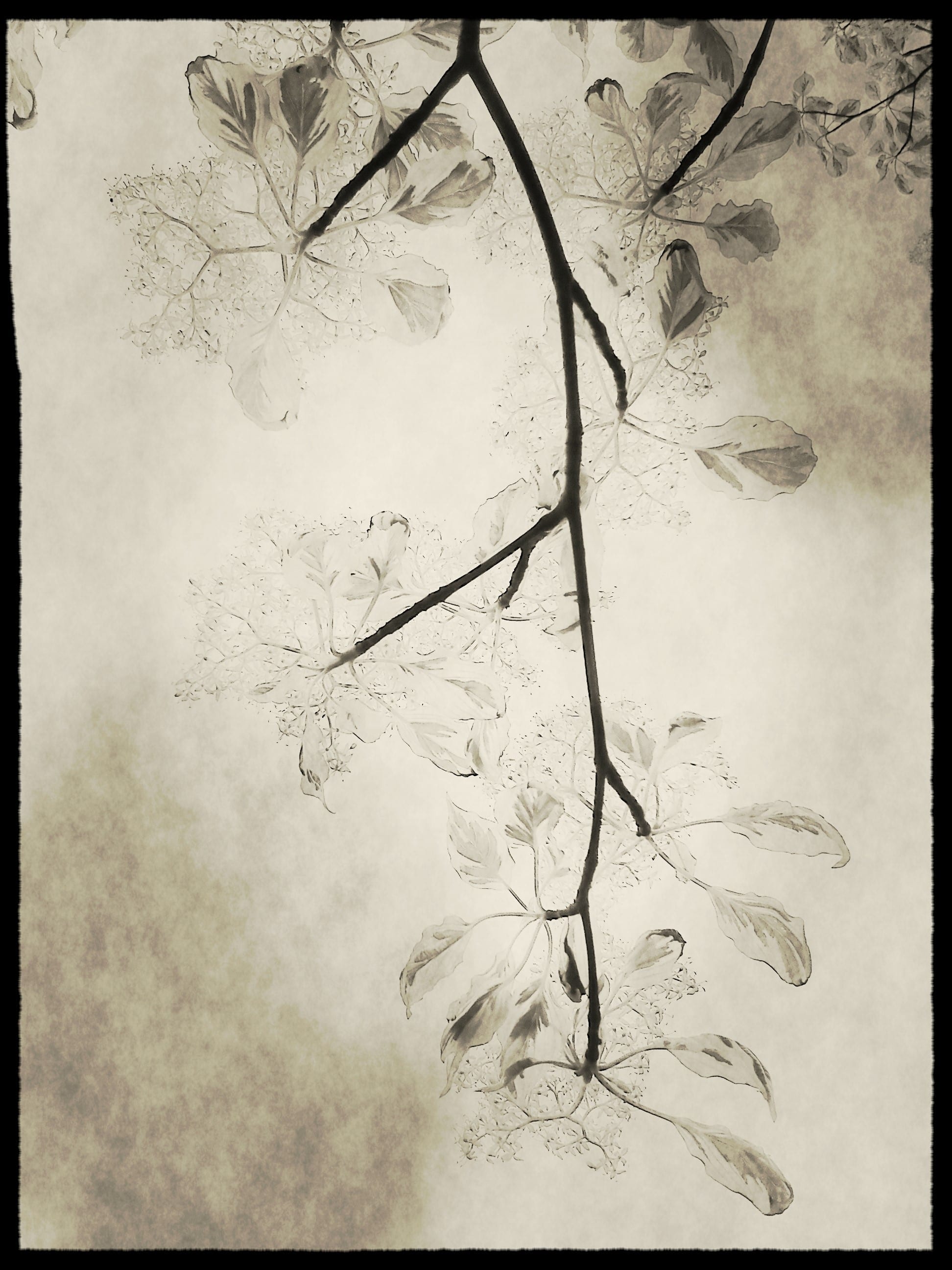
Photo by Christine received in London's Regent Park


February 16, 2015
Earth Monastery Project: Hospitality Grounds Community Garden
 Abbey of the Arts sponsors a small grant program called the Earth Monastery Project. We began the program in 2014 and so far we have funded six wonderful projects which nourish an earth-cherishing consciousness in our world.
It is exciting to us to see the creativity at work in the world and how dancing monks are offering their gifts on behalf of the earth. Our second round of grants have just completed their cycle so for the next three weeks we are featuring each of their final reports to share with you and inspire you to creative action in your own communities.
The third project we feature is Hospitality Grounds Community Garden, shepherded by Aimee Altizer. Here is an excerpt of her reflection (you can see the whole report below):
The mission of Hospitality Grounds Community Garden is multifaceted, encompassing community building through a greater awareness of our interconnectedness with our neighbors as well as with the marginalized in our community. The community garden challenges the binary that exists between the church and the world. This is a false binary that confines the Divine to the church building and the people there in, and all that is outside the church as belonging to the profane. This binary fails to encompass all of creation as belonging to the Divine, and claiming the sacred in all that exists. This identification keeps humanity from seeing the earth as sacred space.
Hospitality Grounds Community Garden seeks to be a sacred space of radical hospitality, providing opportunities through the gathering of community for people to develop compassion for one another and the earth. There can be no better place than the garden, the root of sustainable life, as the locus from which to understand reconciliation of ourselves, our community and humanity with the earth. Nourishing an earth cherishing consciousness begins with the hospitality of the table. It is in the cultivation, preparation and sharing of abundant harvest that we have the opportunity to discover and explore our interconnectedness with one another and all of creation. The earth as a monastery is the source of spiritual and physical sustenance simply stated – it is putting food on the table.
Through the garden we hope to teach an earth cherishing consciousness, and an awareness of the earth as our primary monastery, understood through compassion – compassion for oneself, our neighbors – those local and global, and for the earth as our present and future home. It is in compassion that we might rediscover the power of story. Humans need story to survive, thrive, and create change – this is one of the great offerings that myth and faith bring to human lives. It is through compassion, which cultivates curiosity, and invites us into the beauty of mystery, that we hear the story of our interconnectedness.
The garden is a creative space; each person's bed is an individual creative project as well as the larger creativity and connection of the gardening community in spatial design, maintenance, and visioning new growth. Hospitality Grounds is a project that brings more earth awareness and spiritual direction to the parish and larger community, by bringing the ministry of the church outside into direct contact with the earth, deconstructing the false binary that exists around sacred space.
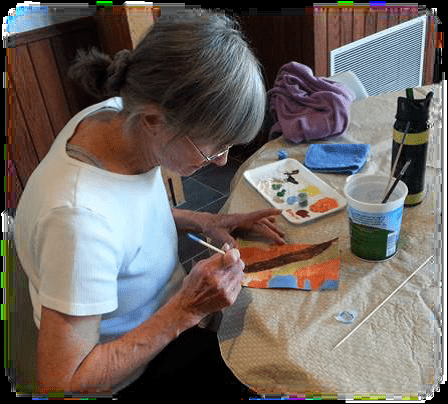
The Earth Monastery Grant was used to provide opportunities for gardeners at Hospitality Grounds Community Garden, in Park City, Utah, to discover their own deeper identities & spiritual connection with the earth and in this develop a greater understanding of the interconnectedness of all beings. To expand this work, making it more accessible to future gardeners and individuals contemplating a gardening experience, I worked with the garden committee to design and build a website for Hospitality Grounds Community Garden that fosters a greater connection between the community gardeners and the earth as our primary monastery. In the project development time leading up to the launch of the website I actively worked in the garden with the gardening community, and then led a day retreat designed, with clergy Mother Claudia Giacoma and Deacon Sandra Jones, to invite the gardeners to reflect on & record their gardening experiences through yoga, art & story; writing meditations, prayers and blessings for the cycle of the liturgical gardening season that are now website content.
Visit the Hospitality Grounds website here>>
Click here to read the full report of the project>>
Click here to read more about the Earth Monastery Project and make a donation>>
February 15, 2015
Invitation to Poetry: Community – Who is your tribe?
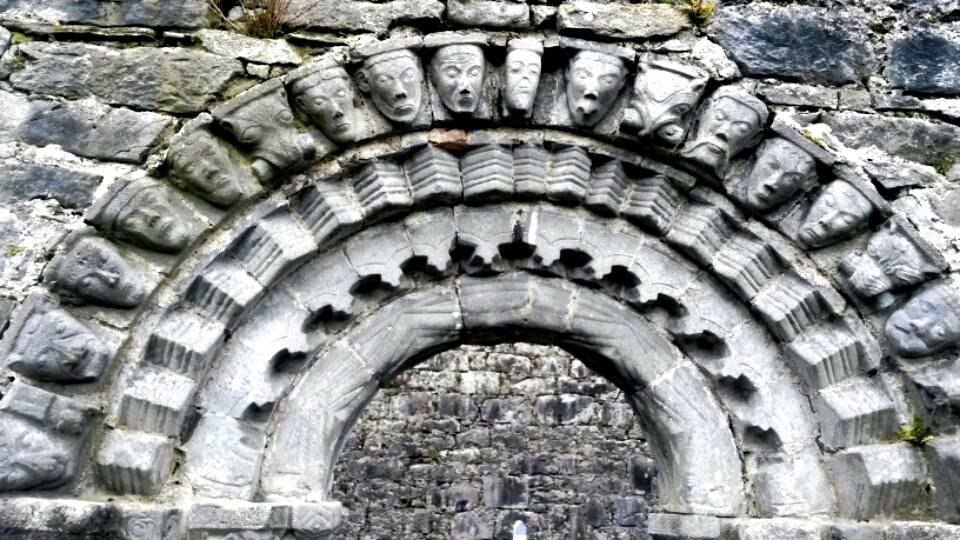
Welcome to Poetry Party #85!
I select an image and suggest a theme/title and invite you to respond with your own poem. Scroll down and add it in the comments section below or join our Holy Disorder of Dancing Monks Facebook group and post there.
Feel free to take your poem in any direction and then post the image and invitation on your blog (if you have one), Facebook, or Twitter, and encourage others to come join the party! (If you repost the photo, please make sure to include the credit link and link back to this post inviting others to join us).
We began this month with a Community Lectio Divina practice with our reflection on the theme of Community (one of the principles of the Monk Manifesto) and belonging based on a quote by Thomas Merton and followed up with our Photo Party. (You are most welcome to still participate). We continue this theme in our Poetry Party this month.
The photo above was received at Dysert O'Dea, a monastic ruin in Co Clare, Ireland. It is the doorway over the main church with both human and animal faces carved. How might you express the tribe which supports you in a poem?
You can post your poem either in the comment section below*or you can join our Holy Disorder of Dancing Monks Facebook group (with almost 3000 members!) and post there.
*Note: If this is your first time posting, or includes a link, your comment will need to be moderated before it appears. This is to prevent spam and should be approved within 24 hours.
February 13, 2015
Body-Words of Love (Reprise and a bonus love note)
This is another offering from the Abbey archives, written three years ago for my Patheos column, I edited the opening slightly and offer it here to you as a love note for Valentine's:
Listen, whatever it is you try
to do with your life, nothing will ever dazzle you
like the dreams of your body,
its spirit
longing to fly while the dead-weight bones
toss their dark mane and hurry
back into the fields of glittering fire
where everything,
even the great whale,
throbs with song. —Mary Oliver, from "Humpbacks"
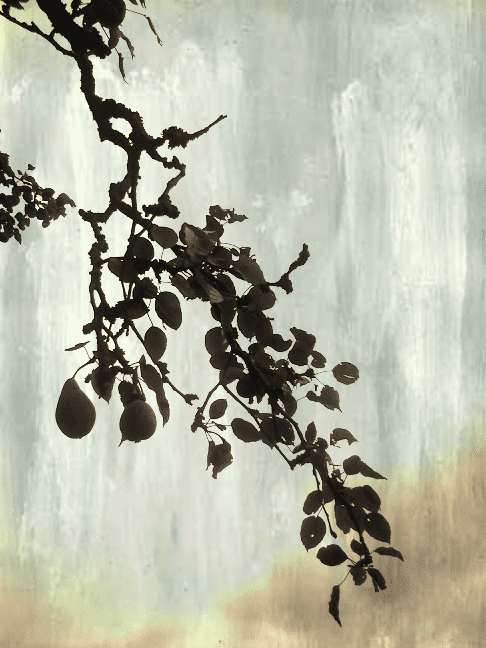 About three years ago, before moving to Ireland, I completed a training to teach yoga. I began the program because I had practiced yoga for many years and longed to dive more deeply into it. I expected to fall in love with my own body even more in the process; what I didn't expect was how much I would fall in love with other people's bodies as well. As I walked around the studio and students are in their various poses I see the incredible variety in body types, shapes, sizes, flexibility, and bone structure. My training involves hands-on adjustments, which are less about "fixing" a pose and more about either offering a deeper experience of it or providing a sense of loving presence with a student through a shoulder rub or simply laying my hands on their back.
When students are in savasana, or corpse pose, which is always the final pose in any physical yoga practice, I go around and place my hands gently on their heads one at a time and I offer silent blessings for them and their bodies. I don't know most of their stories so I ask for healing in whatever is keeping them from being fully alive and fully present to their beautiful physical selves.
When I was twenty-one, I was diagnosed with rheumatoid arthritis, a degenerative auto-immune illness. The only other person in my life I knew with this disease was my mother and it had ravaged her body. I was devastated. I felt deeply betrayed by my body. In an auto-immune illness the immune system begins to attack its own tissue. Six years later I had to take a year off from work and go on disability because of the pain and inflammation. That was the year I first walked into a yoga class and was one of the paths I took back to loving my body.
Sexuality isn't just about our sexual relationships with another person, but about our capacity to engage in intimacy with the world through our physicality. Theologian James Nelson writes:
Our human sexuality is a language as we are both called and given permission to become body-words of love. Indeed our sexuality—in its fullest and richest sense—is both the physiological and psychological grounding of our capacity to love.
Body-words of love. That phrase takes my breath away. How do I allow my very body to become the fullest expression of love and tenderness in the world? This body with its aches and its loveliness. This body that has experienced searing pain. This body that will one day become dust, but also sprang from my mother in a burst of desire for life.
In all the attention we give to the perfection of the body in our culture, we undermine our capacity to become body-words of love. We forget that we are called to both the joy and the sorrow woven together. No surgery can excise our mortality. No procedure can remind us of our sheer giftedness, gift given to each other. The effect of our obsessions with our bodies is that we grow in our distrust of our physical selves.
We are not offered ways to be with our bodies in the full range of their glorious beings—the joys, delights, pain, and disappointments. We are not encouraged to trust our bodies in this culture, for they forever need improving. We can buy an endless variety of products and programs geared solely at responding to the message that our bodies are somehow not good enough, not beautiful enough, or not wise enough on their own.
Last week I had a dream where I went to the doctor and discovered I was pregnant. But the doctor told me that I wasn't nourishing myself enough to sustain the pregnancy. I awoke thinking of Mary Oliver's words above: "nothing will ever dazzle you / like the dreams of your body." I am dazzled by this invitation from my body to be even more nourishing and loving than I already am. I take the invitation very seriously. I began immediately to ponder ways I could offer my body the deepest kind of nourishment in tangible ways.
The dreams of my body are about breathing so deeply that every cell expands and shimmers; they are about resting into a generous multiplicity of sabbath moments each day, of swimming through warm and buoyant water, walking through a thick grove of trees, feeling wind across my skin, experiencing the fire of my passions kindling within. My body is dreaming of space for all of these and for the yet unknown dreams, the ones that pulse deep within me and with time and space will emerge in their own beauty and power. Our bodies long to be in intimacy with the world around us.
Valentine's Day is that highly commercialized holiday of chocolates, flowers, and Hallmark cards. In many ways it has become another way to mark how inadequate we feel about ourselves if we are without a partner, or about our relationships and how to express love if we are partnered.
February 14th does offer us another invitation, however—to consider the call to become "body-words of love."
I understand this invitation as beginning with myself and then allowing that felt love of my own body to radiate out into the world and offer loving presence to others.
How many of us treat our bodies with the lavish attention they deserve? What does it mean to treat our bodies like the temples they really are? What is the damage caused by the endless messages we receive each day about our bodies' inadequacies? What if for one day we could put to rest the damaging stories we tell ourselves about how our bodies don't measure up? What if we could bring our full presence to our bodies' needs instead of endlessly ignoring them?
St. Gregory Palamas (1296-1359), an orthodox monk who later became an Archbishop, upheld the doctrine that the human body played an important part in prayer rooted in the Incarnation; that is, the whole person, united in body and soul, was created in the image of God, and Christ, by taking a human body at the Incarnation, has "made the flesh an inexhaustible source of sanctification."
I am in love with this image: What if our bodies truly were an "inexhaustible source of sanctification" and we treated them as such? To sanctify is to bless or make holy, to set apart for sacred use. To consider our bodies a blessing is another way to become "body-words of love."
This Valentine's write a love letter to your body, offering both gratitude and forgiveness. Instead of using words, offer it in food, in warmth, in touch.
The body loves slowness. Instead of rushing from place to place until you crash into bed exhausted, allow holy pauses to breathe deeply, take a long bath as an act of offering, lavish yourself with oil. Prepare a nourishing meal for just yourself. Eat chocolate, but make sure it is the deepest, darkest, richest kind you can find and eat it with as much attention as you can summon. Make an appointment for a massage and receive some loving touch imagining that you are being anointed for blessing others. The senses are the gateway into the body's wisdom.
Body Examen Prayer
The Examen prayer was created by St. Ignatius of Loyola and invites us to reflect on our day and focus on two essential questions: where did I experience desolation and consolation? I have adapted the prayer here as a meditation on the body. Consider taking this on as a daily practice for the rest of February or perhaps for the season of Lent
Allow some time to settle into silence and draw your breath down into your body. See if with each inhale you can imagine receiving the gift of life breath sustaining you each moment. With each exhale, imagine you are releasing all the thoughts and judgments that take you away from your body. Then bring your breath to any places of holding or tightness.
From a place of stillness, reflect on this past day. Ask yourself, when today did I experience pain in my body? When today did I neglect or abuse my body? Notice what memory stirs and be with it with compassion and gentleness, allowing space for this experience. Breathe in the possibility of forgiveness, breathe out release.
Then ask yourself, when have I experienced joy in my body? When did I deeply honor and nourish my body? Again notice what memory stirs and sit with it, savoring this moment, entering into it fully again with your body. Breathe in love, breathe out gratitude.
When your prayer feels complete for this day allow some time to journal and notice what memories and experiences stirred for you. Keeping track of these over time will reveal patterns for you that can help foster greater freedom.
Join our community for a soul-nourishing online retreat for Lent:
The Soul's Slow Ripening: Monastic Wisdom for Discernment begins this Wednesday!
February 11, 2015
Monk in the World guest post: Kate Kennington Steer
I am delighted to share another beautiful submission for the Monk in the World guest post series from the community. Read on for Kate Kennington Steer's wisdom on living as a monk in the world through illness:
powerlessness and infinite possibility
What if we knew that within our very cells is a God-given energy,
a source of light that possesses the secret of God's beautiful and complex design?
(Paula D'Arcy)
I
n 2008, when I was experiencing acute depression, I was sitting in a group therapy session attempting to describe how I felt. Getting to these sessions early in the morning was a huge trial for me and my carer, and that morning I was feeling particularly physically weak and feeble. 'I feel so powerless', I was beginning to say, when the therapist interrupted my meandering sentence. 'You feel powerless because you are powerless.' I distinctly remember feeling gobsmacked at this, shocked that a therapist would intervene in that way, and doubly shocked that he wouldn't say something along the lines of 'you have the power to come through this', in other words something empowering. To be told bluntly and publicly how powerless I was meant that it became a fact, not just a feeling rattling in ever decreasing circles around my head.
It was now 'out there'. And I had to confront it.
Six years on I am still confronting it, pretty much on a daily basis. But what has shifted dramatically is that the 'confrontation' now takes the form of practising radical acceptance.
'I am where I am' is such a simple sentence. But behind it lies all the stories I tell myself about how I got here, and all the daydreams I have about how I might move on from here. Practicing radical acceptance means letting go of those scripts. That scares the living day lights out of me, because I've become very good at creating them. (I suppose that is just one of the meanings of 'the fear of the LORD is the beginning of Wisdom'?) Accepting my present moment means sometimes I can get myself out of the way long enough to hear the Presence whisper their power to me. Accepting my present moment means I hear, feel and begin to see my own breath, and how it connects me with the air, the essence of Life itself, all around me; and so with all those who breathe from the same Source. Accepting my present moment means 'I say You are my God: my times are in Your hands'. And as I wait in the present I sometimes can gain a glimpse of eternity, and sense that my present is timeless and full of infinite possibility.

It is the wonder of this that connects me with the camera in my hand, knowing despite whatever technical learning I have, I am powerless to take a 'good' picture. What contemplative photography reminds me of is what I already have deep knowledge of in my heart, though I could never do it justice in this form of language: that every image which sings to my heart does so because it is a gift I received, not an object I took. Every time I attempt to control a time of photography, getting irritated with running out of energy, becoming cross that I've 'failed to capture' what it was I thought I saw, or enraged by the fact my memory won't hold onto settings and which button does what; whenever, wherever this happens, no matter how fleetingly beautiful the light that will pass any moment and I will have 'missed' it, it is time to Stop.
Breathe.
Listen to my yearning.
And lift up, yet again once more, the me of the present moment.
And let the light just go if it will.
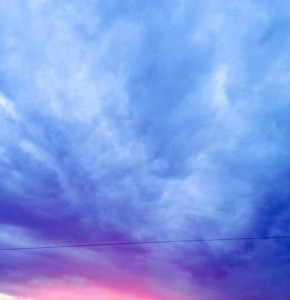
This year, because of physical weakness and because I have been unable to live in my own home because of damp, the themes of powerlessness, control, acceptance and surrender have been a constant given in all my reflection and contemplation. The gift of the year has been that although most of the time I have been too physically weak to lift my DSLR, my IPhone has revealed itself to be a receiver of beauty in its own right. All the images that accompany this post are IPhone images. So from my sick room, this abundant array of glimpses into eternity have been given. I just find that amazing and humbling. How much I have yet to learn of the ways of God…
I am not saintly enough where I can say along with Teresa of Avila 'I welcome these wounds' in order to learn these lessons, but I'm certainly on a journey of Revelation with the God of and in all beings.
I am powerless. But I am part of the One whose power is infinite. Therefore all is possible: 'nevertheless I live; yet not I, but Christ lives in me: and the life which I now live in the flesh I live by faith'.
All this can be accepted in this present moment.
I am free to Live, free to See, if only I will accept the invitation.

Having opened our eyes to the deifying light, let us hear with awestruck ears
what the divine voice exclaims…
(Verse 9 of the Prologue to Saint Benedict's Rule)
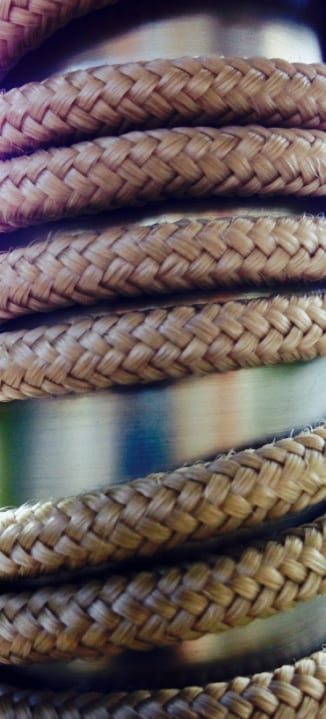


 Kate Kennington Steer is a writer and photographer with a deep abiding passion for contemplative photography and spirituality. She writes about these things on her shot at ten paces blog.
Click here to read all the guest posts in the Monk in the World series>>
February 10, 2015
Love and Hospitality (a love note from your online Abbess)
To receive this love note straight to your in-box, subscribe here (and also receive gifts!)
For the next few weeks I will be offering you some gems from the Abbey archives as I create the space I need to finish several writing projects and prepare for spring's teaching. With Valentine's Day (and Ash Wednesday next week!) approaching, I offer you this love note from last February:
Dearest dancing monks,
A few days ago I received an email from a woman who is writing her dissertation and asked me to respond to the question: "If you had to choose one spiritual practice that is a non-negotiable for spiritual growth in the 21st century, what would it be and why?" My answer was supposed to be short and succinct.
Here was my reply: "I would choose hospitality, both inner and outer, because I believe the welcoming in all of the exiled pieces of ourselves to be essential for the healing of the world." Of course, it is one of the principles of the Monk Manifesto, and feels like a necessary gateway to silence or hesychia, which the ancient desert monks described as a deep inner stillness.
As I was thinking about writing this love note, I realized Saturday is Valentine's Day, which for many of us is a holiday which only serves to make us feel inadequate, as all highly commercialized things do. And yet the message of love is worth repeating if we can look beneath the chocolate hearts and flowers and the expectation that we all be in a significant relationship or be lacking.
When I read the question posed above, I did not hesitate in my response, because I find that this is the heart of our work – creating a safe space where monks can begin welcoming back in the stranger within and in the process discover the hidden wholeness of which Thomas Merton wrote. Over the years, I have come to realize, that more than anything else I do, this work of healing is most essential. The Abbey, too, strives to be a safe place where a diversity of people with a wide range of beliefs and convictions can gather. I love that people show up each with their own longings.
Last week I shared that I was feeling under the weather. I pulled back from as much activity as I could and allowed myself some space to cocoon. I trusted my body's longings and in the process I am feeling better physically, but also some important spiritual shifts are happening that needed the space of quiet to unfold. This trust is an act of great love toward myself. Rather than pushing through, I made the choice to welcome and yield.
The same happens when we consider the parts of ourselves that feel less desirable, the parts we resist. Maybe there is a deep loneliness as this holiday of roses and Hallmark approaches. What would it be like to welcome in that lonely part of yourself and to love him, to trust that she has a place in you? Maybe there is self-judgment and criticism that you try to push away. What would it be like to make space to sit with these difficult parts with compassion and listen to what they really want to tell you? This would be a generous act of loving.
This radical hospitality is a lifelong journey. We are always discovering new aspects of our inner world which we reject or resist and need love and care. And in the process of welcoming them in, we perhaps begin to discover that others don't annoy us quite so much. As we grow more intimate with our own places of exile and woundedness, we discover a deep well of compassion for the strangeness of others. As we come to know our own compulsions and places of grasping, we can offer more love to those in our lives struggling with addictions and other places where freedom has been lost.
For the last few months I have signed this love note "With great and growing love" but never explained the choice I made. I started after finding some old letters written by my mother and father to one another in the early days of their marriage. I had forgotten that one of their terms of endearment for one another was "GGL" which stood for "great and growing love." These missives all began and ended with those three letters.
Even though my parents' wounds eventually led them to separation and my father to rejecting much of the love offered to him toward the end of his life, I still treasure this image. I cherish knowing that there was this sense of love abiding between them, growing slowly. Rather than feeling despair or cynicism, I actually feel a great tenderness to know of all the places love plants her seeds.
I love each of you, my dear monks, I don't think the intensity of this work is sustainable without that kind of love. I love your seeking hearts. I love your desire to find a more compassionate way to be in this life and on this earth.
As I continue to offer love to myself through acts of trust in my body's wisdom and welcoming in the less flattering parts of myself, the love grows.
My beloved John will often say "I love you more," and I respond by asking "More than what?" And his reply is "more than yesterday." We have been blessed with 22 years of growing love.
My invitation to you, as Valentine's Day approaches, is to consider whether your love for your own beautiful self grows each day, knowing that there will be days of such self-disdain it might not be possible, and then you welcome in that small and wounded place and discover a hidden fountain of love beneath. Once we begin welcoming in the places we resist, we find that the deep peace of silence can be ours.
This week, let your prayer be "welcome" to every stranger arriving at the inner door and an act of trust in the wholeness that you are.
And know of my love for you, which is always growing.
With great and growing love,
Christine
Earth Monastery Project: Young Adult Vocational Development
Abbey of the Arts sponsors a small grant program called the Earth Monastery Project. We began the program in 2014 and so far we have funded six wonderful projects which nourish an earth-cherishing consciousness in our world.
It is exciting to us to see the creativity at work in the world and how dancing monks are offering their gifts on behalf of the earth. Our second round of grants have just completed their cycle so for the next three weeks we are featuring each of their final reports to share with you and inspire you to creative action in your own communities.
The second project we feature is Young Adult Vocational Development, shepherded by Nancy Wiens. Here is an excerpt of her reflection (you can see the whole report below):

There are two key points of reference for vocational development, which we use at Kauai Sacred Day Walk. First is the lives of the young adults themselves and second is the rich literature on vocation in the Christian tradition. Years of teaching young adults and leading wilderness rites of passage guide us to notice the questions this generation of people, in this blend of island cultures, is carrying. In their lifetimes, in the simplest of terms, they have witnessed the collapse of the Twin Towers and of the fragile global economy. They live with the normalizing of government takeovers and the hottest years on the planet in 14 out of the last 15 years.
Add that to the particulars of the complex, island cultures and class demographics. When we place these intense contexts alongside the wizened elders of Parker Palmer and Frederick Buechner, we attune to the midwifing of each young adult’s personal calling. “True vocation join self and service, as Frederick Buechner asserts when he defines vocation as 'the place where your deep gladness meets the world’s deep need.’ Buechner’s definition starts with the self and moves toward the needs of the world: it begins, wisely where vocation begins–not in what the world needs (which is everything ), but in the nature of the human self, in what bring the self joy, the deep joy of knowing that we are here on earth to be the gifts that God created.”
These two men’s wisdom about the interaction of the inner and outer worlds meets Howard Thurman’s sage luminosity, “Don’t ask what the world needs. Ask what makes you come alive, and go do it. Because what the world needs is people who have come alive.” In the second half of 2014, the Abbey of the Arts’ mission of transformative living through contemplative and expressive arts and, more specifically, the Earth Monastery Project’s aim to nourish an earth-cherishing consciousness and to cultivate a vision of the earth as our primary monastery provided a mature partner for us at Kauai Sacred Day Walk to take on these challenges of vocational development with young adults on the islands of Hawaii.
These retreats are central pieces in nurturing an earth-cherishing sensibility. Spending time in nature for contemplation or connection with God is almost unheard of in the youth and young adult population. Beyond the unfamiliarity, there is fear related to culturally embedded spiritual legends/stories and spiritual experiences that are interpreted fearfully. So, these retreats are very meaningful elements in moving toward the experiencing the earth as our monastery and a trusted place to encounter a Living, Loving God. Because nature is often easily experienced as a place to play for this population, the link between fun and experiences of God is a central bridge. Play supports the lessening of fear as well. The retreats explicitly bridge the God they recognize in scripture to the God they experience while praying/contemplating in nature.
[1] Parker J. Palmer, Let Your Life Speak: Listening for the Voice of Vocation, (San Francisco, CA: Jossey-Bass, 2000), 16-7.


Click here to read the full report of the project>>
Click here to read more about the Earth Monastery Project and make a donation>>
February 7, 2015
Invitation to Photography: Community – Who is your tribe?
 Welcome to this month's Abbey Photo Party!
I select a theme and invite you to respond with images.
We began this month with a Community Lectio Divina practice with our reflection on the theme of Community (one of the principles of the Monk Manifesto) and belonging based on a quote by Thomas Merton.
I invite you for this month's Photo Party to hold these words in your heart as you go out in the world to receive images in response. As you walk be ready to see what is revealed to you as a visual expression of your prayer.
You can share images you already have which illuminate the theme, but I encourage you also to go for a walk with the theme in mind and see what you discover.
You are also welcome to post photos of any other art you create inspired by the theme. See what stirs your imagination!
How to participate:
You can post your photo either in the comment section below* (there is now an option to upload a file with your comment – your file size must be smaller than 1MB – you can re-size your image for free here – choose the "small size" option and a maximum width of 500).
You can also join our Holy Disorder of Dancing Monks Facebook group and post there. Feel free to share a few words about the process of receiving this image and how it speaks of the harvest for you.
*Note: If this is your first time posting, or includes a link, your comment will need to be moderated before it appears. This is to prevent spam and should be approved within 24 hours.
February 4, 2015
Monk in the World guest post: Keren Dibbens-Wyatt
I am delighted to share another beautiful submission for the Monk in the World guest post series from the community. Read on for Keren Dibbens-Wyatt's reflections on discovering her inner monk through illness:
Journey to the Centre of the Earth
For eighteen years I’ve been too sick to have a job, so I have had to discover other ways of being and doing, which is good training for the contemplative life! Alternatives, new perspectives are ever there for the finding. For me, someone who rarely leaves the house, being contemplative is like treasure hunting. Deep in the ravines of the presence of God, down underneath the currents of life, in rivers of prayer, there are nuggets to be mined.
Yet the deepest prayer is painfully practical. It has not just happened that I have learned to love silence. My illness has enforced a stillness upon me that is both painful and restrictive. I have had to let it be transformed into a blessing, or perhaps it is more true to say I’ve had to let my seeing be transformed so that I can accept it as a blessing, whatever else it might be. I think that to make a contemplative life marry with the practicalities and struggles of life, we have to learn to look at things with new eyes. Being mystical is never about being ethereal, but is always about being more real, more in tune with what is actually there, not escaping from it or making it more palatable.
As a contemplative writer, my job description is to see and to say, so when God has helped me bring a precious thing up to the surface, it has to be looked at with a human mind and described in human words, as if I were holding it up to the light and examining it, curating the spiritual. It often feels like a search for new language. When God gives me a story or a poem to write, it is like he is showing me the skeleton I have to put flesh on, the frame on which to hang words. It can be hard, painstaking work.
The frustration of wanting now to spend time in silence, listening, gazing and waiting, (though I do more than my fair share of whingeing prayer too) when life has to be lived, is a stretching of the edges of being that I can sometimes barely cope with. God regularly takes me to the ends of myself in this regard and I struggle massively with needing quiet and solitude and yet being married and running a household. But at the same time, this holding of two extremes has taught me so much about what real love is (the kind of love that has to choose others over itself) that this too can be seen as precious – at least on a good day! Love is beyond hard. Being in the world but not of the world is absolutely the most difficult thing for me and yet it is the perfect lesson on empathising with God, who has to deal with unrequited love and unconditional love billions of times over each and every day and still be loving.
God is as real as it gets, he lives in the pain and the suffering as well as “in the pots and pans” as Teresa of Avila and Brother Lawrence remind us. He is not a solitary, distant dreamer, but the one who did not balk at living in flesh amongst us. Such frustration as Jesus felt every day of his human existence cannot be imagined. This sacrifice, not greater than, but teamed with the one made at Golgotha, shows us that frustration, giving our constant yes, running the kids to after-school clubs, listening to friends’ problems sympathetically and attentively, reassuring our depressed spouse, dealing with aged parents, washing, cooking, paying bills, making doctors’ appointments… all the things that are life, but not what we think we want to be doing, these are still places where we must be totally present and willing in order to have “life in all its fullness.” They can be done with God, alongside God, for God. Then our times of snatched silence, precious prayer, become more, not less. They become deeper for the love we have been able to show. The joining of action and contemplation that Richard Rohr lives and teaches, James’ faith with works, Paul’s gifts with love, this is a pairing that we need to embrace, rather than running from one to the other, always wishing we were somewhere else.
Diving for pearls with God is therefore something I do all day and not just in quiet times. The most contemplative life is one lived, not in some mystical abandon, hidden away from minutiae, but lived within it. I may not be conscious of the ordinary divulging as much treasure as the times that feel more heavenly, but like Hamlet I no longer trust the seeming of things. God is. Love is. Prayer, contemplation is finding more of him. His secrets and wonders yes, but just as much at the kitchen sink or painfully (at least for me) in the frustration of the pots and pans. All is gift. I know this, yet I also know it is hard. I am not there yet. I’m still on the journey, and it hurts to keep digging down, especially when the interruptions are so frequent. But the treasures are worth it, and the diversions are like thorns on a rose; without them, the experience would be poorer, and far less authentic. In God’s kingdom, the weak sits with the strong, the sharp with the soft, the deep with the shallow and the pain with the pleasure: the human with the divine, the mystery of Christ.
 Keren Dibbens-Wyatt is a quiet soul, beginner mystic, Christian contemplative and M.E. sufferer. After turning forty, she finally found her vocation in writing. The Lord is now leading her deeper into prayer and into his heart, and teaching her how to share the stories, “seeings,” and understandings that he graciously gives her.
Click here to read all the guest posts in the Monk in the World series>>
Crossing the threshold into Lent and the Sacred Seasons
Dearest dancing monks,
John and I had the great pleasure of attending the Brigid's Eve festival procession last Saturday night in Kildare. Over a hundred and fifty people processed with candlelight and lanterns under the waxing moon and a scattering of stars, while singing in chants in both English and Irish. It was quite awe-inspiring.
Then we spent three days in Glendalough (photo above), preparing for a pilgrimage we are leading in March. Such a thin place, full of the beauty of forests, lakes, waterfalls, rivers, holy wells, and ancient stones holding the prayers of thousands.We walked miles and miles tending to the invitation of this turning point of the year as we enter the very earliest signs of spring in Ireland. (If you want to move more intentionally with the seasons, consider joining us for our brand new program called Sacred Seasons 2015: A Yearlong Journey through the Celtic Wheel of the Year. You can read more details at the link, and sample the first mini-retreat for Imbolc for free!)
A special treat for today, a love note from your online Prior:
My Dear Fellow Monks-in-the-World,
With the holy season of Lent almost upon us, Christine and I are hard at work preparing the annual Abbey of the Arts online Lenten retreat. This year’s theme is “The Soul’s Slow Ripening: A Lenten Retreat – Monastic Wisdom for Discernment” and part of the course will include reflections written by me on the weekly Old Testament readings. We’ve chosen to take the readings from the Revised Common Lectionary for the sake of consistency and a better fit with the weekly themes.
I am excited to once again be able to share my passion for the Hebrew Scriptures with the Abbey of the Arts community. I first began truly studying Scripture in college when I joined a non-denominational Bible study group. Later, sacred text was part of my studies, but my master in theological studies is not a Biblical degree. I only really delved deeply into the Bible when my job called upon me to teach it. I knew enough to get by the first year, but knew I had to strengthen my only knowledge and understanding if I were to keep up with my students’ questions. (Not to mention my own.)
Through my study and teaching of the Bible I have found that it is a beautifully textured collection of sacred writings with many different voices and perspectives. And while it is an integral part of our society, I find the Bible is more often misunderstood and misused than it is truly embraced. As some have pointed out, the Bible is a bit like online use of service agreements: very few of the people who click the “agree” button have actually read it.
I hope to bring both a contextual overview, as well as an in-depth reflection of specific texts. To repurpose an old metaphor, it’s important to be able to simultaneously see both the forest and the individual trees at once. We won’t be able to get fully into the grand arch of the Bible’s Sacred History in this Lenten course, but I do hope to be able to give a wider perspective on each of the week’s readings. I also hope to bring each of the readings to life, in their own context. Many of you know, perhaps quite well, the texts covered in the course. However, as familiar as one might be with a passage already read, we are always growing and each text (new or renewed) can offer us new insights. I look forward to sharing my thoughts and reflections with you.
But it isn’t just about what I have to contribute. I love the communal nature of the Abbey’s online retreats. I always appreciate the wisdom of my fellow monks-in-the-world. With each treat, with each day’s lesson, I learn new insights about what is being presented. I hope and pray that you all have the chance to join us and be part of the conversation.
Thank you & God bless!
John Valters Paintner (Prior at the Abbey of the Arts)
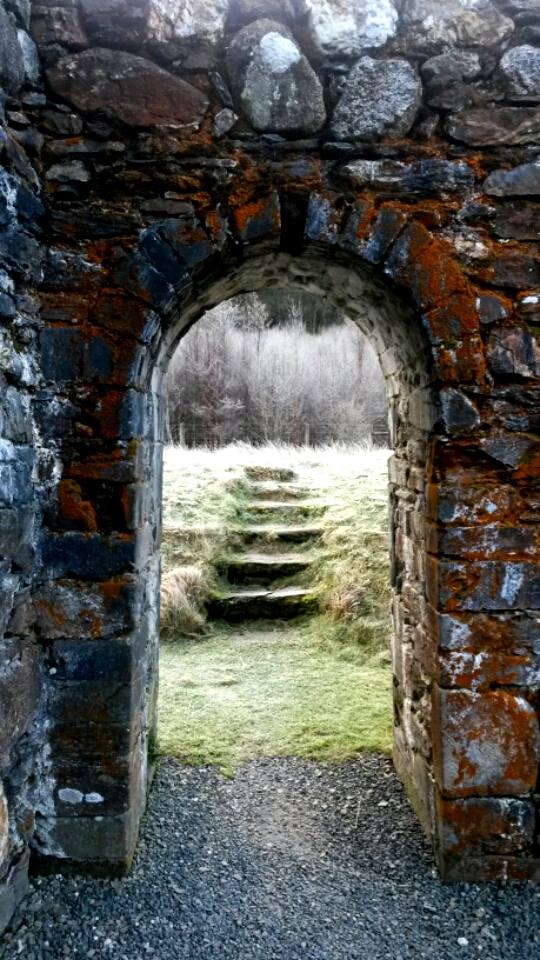
If you want an intentional way of moving into the Lenten season, the online retreat is a wonderful way to do this, with materials to reflect on, contemplative practices, opportunities for creative expression, and a lively, warm community, you can choose how much or how little to participate. We have all new material on some of my favorite themes, weaving them together in new ways, and new stories of desert and Celtic monks. Imagine yourself stepping across the threshold in the photo above and entering a world of rich wisdom and practices to guide you on your way.
Lots of wonderful things in this week's newsletter including a report from one of our Earth Monastery Project grant recipients. Read more below and other project reports coming these next two weeks.
With great and growing love,
Christine
Christine Valters Paintner, PhD, REACE
www.AbbeyoftheArts.com
Photo top: St. Savior's Church at Glendalough, Ireland (photo by Christine)


