Holly DiBella-McCarthy's Blog: Raising Kindergarten Ready Kids, page 3
June 27, 2024
Walk a Book Today!
Hey there, amazing parents! Are you ready to dive into a fun and engaging reading activity with your little ones? Let’s talk about something super exciting called a **Book Walk**. Trust me, it’s a game-changer for introducing young children to new picture books. So, grab a comfy seat, maybe a snack or two, and start this lighthearted journey to make story time even more magical.
What’s a Book Walk?
A Book Walk is a fantastic, shared reading activity that you do before diving into a new picture book for the first time. It’s like taking a scenic route before reaching the final destination of a delightful story. This activity builds anticipation, sparks curiosity, and creates a deeper connection with the book.
Why Should You Do a Book Walk?By doing a Book Walk, you’re not just flipping through pages. You’re activating your child’s prior knowledge, helping them make connections, and boosting their comprehension and language skills. It’s like giving them a sneak peek of a movie that makes them want to watch the whole thing even more!
How to Do a Children’s Picture Book WalkReady to get started? Here’s a simple guide to make your Book Walk fun and engaging:
1. Start with the CoverHave your child describe the book cover. Ask them to predict what the story might be about based on the illustration on the cover. This will get their imagination going and set the stage for the adventure inside the book.
 2. Explore the Pictures
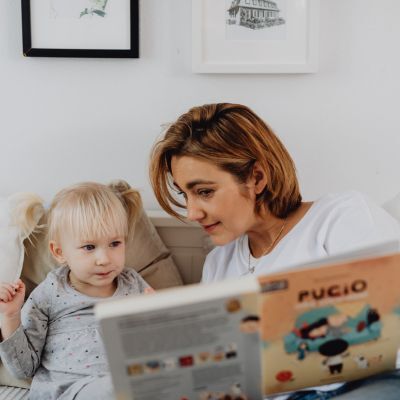
Flip through the pages and look at the illustrations together. Ask your child who, what, when, where, and why questions. For instance, “Who do you think this character is?” or “Why do you think they are at the lake?” This encourages them to think critically and make predictions.
3. Spot the Bold and Repeated WordsPoint out any bold or repeated words throughout the book. Explain any unfamiliar words. For example, in my picture book, Dilly Duck Plays All Day, a child might not know the word “crew.” Explain it as “a group of friends who work together” and ask, “Do you have a crew?” Questions like these build their vocabulary, comprehension, and problem-solving skills.
4. Make ConnectionsEncourage your child to share their own experiences that relate to the story. If the book is about a duck playing at a lake, ask them if they’ve ever played at a lake. Embracing their stories makes the reading experience more personal and exciting.
5. Learn About the Author and IllustratorTake a moment to read about the author and illustrator. Knowing who created the book adds another layer of connection and interest.
6. Read the Back Cover
Finally, read the back cover blurb. It often gives a hint about the story and builds even more anticipation.
How Long Does a Book Walk Take?A Picture Book Walk typically takes between 3-5 minutes. However, the key is to follow your child’s cues. If they’re bubbling with stories about their own lake adventures, embrace that excitement! This dialogue is gold for building interest and eagerness to read the book.
In one of my books, Dilly Duck Plans a Parade, I love hearing kids share their stories about helping friends, just like Dilly and her colorblind friend Billy Beaver. It’s these connections that make reading so unique and memorable.
So, what are you waiting for? Grab a picture book, cozy up with your little one, and take a Book Walk today. You’ll boost their reading skills and create cherished moments together. Happy reading, everyone!
The post Walk a Book Today! appeared first on Book Chatter Press.


June 20, 2024
Quick Nap Hacks for Busy Parents: 5 Finding the Time Tips
Hey, busy parents! Do you ever feel like you’re running on empty? Between work, taking care of the kids, and managing the household, finding a moment to yourself can be challenging. But guess what? Taking a nap might be just what you need to recharge your batteries!
Why Naps Are Important for ParentsBeing a parent is a 24/7 job, and feeling exhausted is normal. Naps aren’t just for kids—parents can benefit too! In fact, NASA found that a quick nap can boost your performance by 34% and make you 54% more alert. That’s a lot of extra energy!
 Finding Time to Nap
We know what you’re thinking: “How can I possibly find time to nap?” It might seem tricky, but you can sneak in some much-needed rest with a little creativity. Here are some tips:
1. Nap When the Kids Nap: This is the golden rule of parenting. When your little ones are down for their afternoon nap, take advantage of the quiet time to catch some z’s yourself.
2. Set Up a Quiet Time: If your kids have outgrown naps, introduce a daily quiet time. Set them up with a quiet activity like reading or puzzles while you rest nearby. Even a short, undisturbed rest can be refreshing.
3. Team Up with Your Partner: Coordinate with your spouse or partner to take turns napping. While one of you watches the kids, the other can take a power nap. This way, both of you can stay refreshed.
4. Use Screen Time Wisely: On particularly tough days, letting your kids watch a short, educational show while you rest is okay. A 20-minute power nap can work wonders for your energy levels.
5. Early Bedtime for Kids: Establish an early bedtime routine for your children. Once they’re asleep, you can sneak in a nap before tackling any evening chores or just go to bed early yourself.
Fun Names for NapsNaps come in different flavors, and they all have fun names:
– Cat nap: A brief, refreshing sleep.
– 40 winks: Just a short nap to rest your eyes.
– Power nap: A quick nap to boost your energy.
– Siesta: A longer nap taken after lunch.
 Famous Nappers
Even some of the world’s busiest people made time for naps. Albert Einstein, one of the most brilliant people ever, loved taking naps because he believed it helped him think better. Winston Churchill, a famous British leader, took naps too. He said, “You must sleep sometime between lunch and dinner, and no halfway measures.”
Recharge and Take on the DayAs a parent, you deserve a break. Taking a nap can help you feel more alert, energetic, and ready to tackle whatever comes your way. Whether you call it a cat nap, 40 winks, a power nap, or a siesta, a little rest can go a long way. So, find a quiet moment, close your eyes, and recharge. You’ll wake up ready to take on the day with renewed energy and a smile.
Happy napping, parents! You’ve got this.
The post Quick Nap Hacks for Busy Parents: 5 Finding the Time Tips appeared first on Book Chatter Press.
June 13, 2024
12 Word Games to Help Kids with Reading Challenges Recognize Sight Words
Hello, dear readers! Today, I’m thrilled to share some playful and engaging ways to help our little ones with reading challenges recognize sight words. We all know that children with reading difficulties need plenty of repetition to master new information. So, how can we make this practice enjoyable rather than a chore? Enter my trusty acronym:
M&M’s—Movement, Music, and Memory games! Using a multisensory approach that taps into a child’s interests can make learning fun and effective. Let’s dive into these delightful activities!
Movement Magic!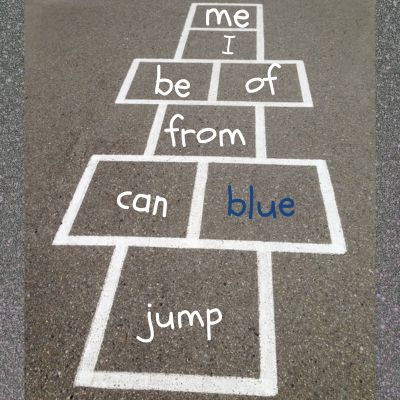 1. Hopscotch Words
Who says reading has to be a sit-down activity? Draw a hopscotch grid with sidewalk chalk and write a high-frequency word in each square. As your child hops from square to square, they’ll read the word they land on. It’s a great way to blend physical activity with word recognition.
2. Fly Swatter FunSpread word cards on the floor and hand your child a fly swatter. As you call out words, they’ll swat the corresponding card. The thrill of the game keeps them engaged and focused.
3. Scavenger Word HuntsHide word cards around the house or yard. As your child finds each card, they’ll read the word aloud before searching for the next one. It’s an adventurous way to practice reading.
4. Movement and Words ComboIncorporate word cards into physical exercises. For instance, do a jumping jack, spin around, reach to the sky, and pick up the word “from.” Combining movement with reading helps reinforce learning through multiple senses.
5. Play-Doh Letter HuntBury letters of a sight word in Play-Doh. Your child will love digging them out and arranging them to form the word. It’s a tactile and enjoyable way to practice spelling.
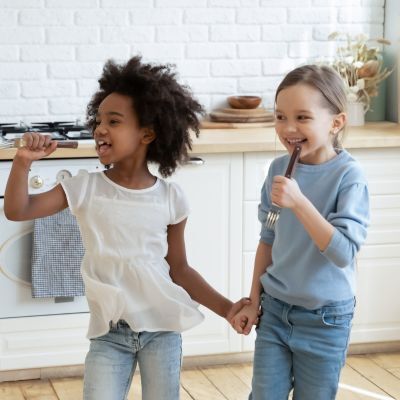
Musical Moments!6. Drum and ShakeBring out the drums and shakers! As your child beats a drum or shakes a shaker, they’ll spell out sight words. It’s a rhythmic way to reinforce spelling and auditory skills.
7. Sing to LearnSongs like Jack Hartmann’s “Sight Word Rap” are perfect for this. Singing and spelling words to a tune can make the learning process memorable and fun.
8. Musical Sight WordsChoose a favorite song that features sight words. Each time your child hears the word in the song, they’ll read it from a card you provide. For example, “me” and “my” appear in “I’m A Little Teapot.”
 9. Highlight Lyrics
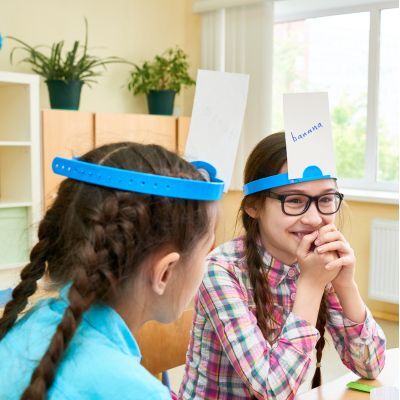
Print the lyrics of a beloved song and have your child highlight sight words. Singing along while identifying words boosts both their reading and musical skills.
Memory Mastery!10. Sight Word Memory MatchCreate a memory-matching game with sight words. Write each word on two separate cards, lay them face down, and take turns flipping them over to find matches. Reading the words as they play sharpens their visual recognition and memory.
11. Word HuntsTurn word learning into a treasure hunt. Hide letters of a sight word around the room. Your child will hear the word and then hunt for the letters. As they find each one, they’ll decide if it’s the first, middle, or last letter in the word you provided.
12. Sight Word BingoCreate bingo cards with high-frequency sight words. Each card should have a different mix of words. As you call out the words, your child can cover them with a marker or small object on their bingo card. The first one to get a row, column, or diagonal covered shouts, “Bingo!” This game not only reinforces word recognition but also builds excitement and anticipation.
 Keeping It Light and Fun!
Remember, the key to successful learning at home is to keep it fun and pressure-free. If your child starts to show signs of frustration, provide the letter, sound, or word they’re struggling with before it becomes a negative experience. This way, you preserve their self-esteem and make learning a joyous adventure.
By incorporating these M&M’s – Movement, Music, and Memory games – into your daily routine, you’ll not only help your child with reading challenges but also create precious, playful moments together. So grab those word cards, sing some tunes, and hop into a world of fun-filled learning!
The post 12 Word Games to Help Kids with Reading Challenges Recognize Sight Words appeared first on Book Chatter Press.
June 7, 2024
Talking About School Readiness: Essential Skills for Success Overview
Ah, school readiness—a phrase that can send shivers down the spine of many parents and caregivers. What exactly is ‘school readiness?’ Simply put, school readiness encompasses a broad range of foundational skills that children develop in their early learning years, which are essential for future school success. Think of it as the sturdy bridge that links the cozy home world with the exciting new school universe.
 The Basics: What’s on the Readiness List?
When discussing school readiness, we often think of the ABCs and 123s: building awareness of the alphabet, recognizing numbers, and counting objects. However, this is just the tip of the iceberg! There are so many other crucial building blocks to starting school with confidence and enthusiasm.
Here’s a sneak peek at some of the essential skills beyond pre-reading and math:Self-care skills: Can your child manage basic self-help tasks like dressing, toileting, and washing hands? These are the unsung heroes of school readiness.
Physical skills: Fine motor skills (think cutting with scissors or holding a pencil) and gross motor skills (running, jumping, climbing) are vital.
Language skills: The ability to express thoughts, listen to others, and understand instructions lays the foundation for effective communication and learning.
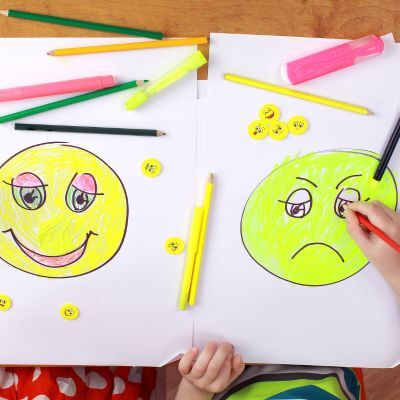
Play skills: Play is serious business! Through play, children learn to solve problems, develop creativity, and understand the world around them.
Social skills: Sharing, taking turns, and cooperating with peers are essential for building friendships and navigating the social landscape of school.
Diversity awareness: Understanding and respecting differences in others fosters an inclusive mindset from an early age.
Feeling Overwhelmed?Take a deep breath. While the list of skills, knowledge, and attitudes might seem daunting, the good news is that many readiness skills develop naturally. They flourish through exposure to everyday routines, engaging experiences, and the magical world of books.
Two Golden Rules for Parents and CaregiversStart Where Your Child Is: Every child is unique and develops at their own pace. Celebrate their current abilities and gently guide them towards new skills. There’s no one-size-fits-all approach, and that’s perfectly okay.
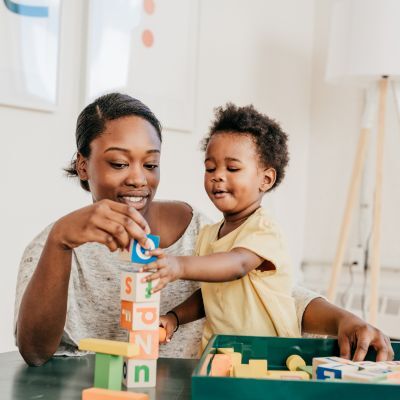
Make Learning Fun: Learning doesn’t have to be boring! Turn daily activities into playful learning opportunities. For example, counting while baking cookies, exploring nature during a family hike, or creating stories together during playtime. When learning feels like play, children are more likely to engage and absorb new information.
Remember, the journey to school readiness is a marathon, not a sprint. With patience, encouragement, and a sprinkle of fun, your child will be ready to embark on the exciting adventure of school. Let’s make these early years count—together!
The post Talking About School Readiness: Essential Skills for Success Overview appeared first on Book Chatter Press.
June 6, 2024
Little Chefs: The Big Benefits of No-Cook Recipes with Preschoolers
Hey there, fellow parents and caregivers! Have you ever considered turning your kitchen into a fun learning space for your little ones? Get ready to explore the world of no-cook recipes with your preschooler! You will have a blast together, and your child will pick up some fantastic kindergarten-ready skills. Let’s dive in!
Why No-Cook Recipes?No-cook recipes are perfect for preschoolers because they’re safe and simple. There’s no need to worry about hot stoves or sharp knives. Plus, they’re quick and easy, which is great because we all know how short a preschooler’s attention span can be!
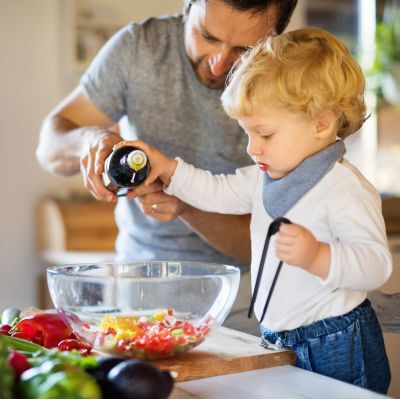 Skills Gained from No-Cook RecipesFine Motor SkillsWhat They’ll Learn: Mixing, spreading, and pouring ingredients.Why It’s Important: These actions help strengthen the small muscles in their hands, which is great for writing and drawing later on.Following DirectionsWhat They’ll Learn: How to follow simple step-by-step instructions.Why It’s Important: Following directions is a key skill for success in school, whether it’s listening to the teacher or completing tasks.
Click Here to Use Kid-Friendly Printed Recipes with Picture Clues to Build ConfidenceMath BasicsWhat They’ll Learn: Measuring ingredients, counting items, and understanding quantities.Why It’s Important: Early math skills set the foundation for more complex math concepts they’ll encounter in school.Language DevelopmentWhat They’ll Learn: New vocabulary related to cooking and ingredients.Why It’s Important: Expanding their vocabulary helps with reading and communication skills.Social Skills
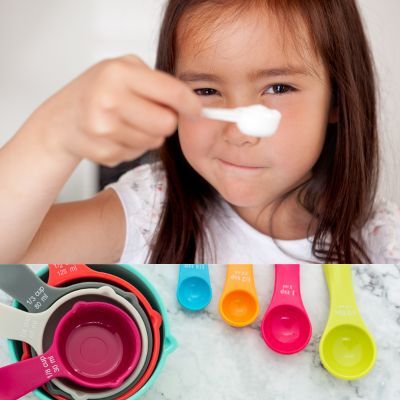 What They’ll Learn: Taking turns, sharing, and working together.Why It’s Important: Cooking together teaches cooperation and patience, essential for getting along with others in a classroom setting.Easy and Fun No-Cook Recipes to TryFruit and Yogurt ParfaitsIngredients: Yogurt, mixed fruits, granola.Steps: Let your child layer yogurt, fruits, and granola in a cup. Repeat until the cup is full. Yum!Ants on a LogIngredients: Celery sticks, peanut butter or cream cheese, raisins.Steps: Spread peanut butter or cream cheese on the celery sticks. Place raisins on top to make “ants.” Crunchy and delicious!Banana SushiIngredients: Bananas, peanut butter or any spread, cereal or granola.Steps: Spread peanut butter on the banana, roll it in cereal or granola, and slice it into “sushi” pieces. So fun to eat!
 Tips for a Smooth Cooking ExperiencePrepare Ingredients Ahead of Time: Pre-cut fruits and veggies to make the process smoother.Set Up a Kid-Friendly Workspace: A low table or counter where they can easily reach everything.Be Patient: It might get a little messy, but that’s part of the fun!Encourage Creativity: Let them choose toppings or mix-ins to make their own unique creations.
Cooking with your preschooler isn’t just about making tasty snacks. It’s a beautiful opportunity to bond and learn together. So, try a no-cook recipe next time you’re looking for a fun and educational activity. Your little chef will be gaining valuable skills and creating memories that will last a lifetime. Happy cooking!
The post Little Chefs: The Big Benefits of No-Cook Recipes with Preschoolers appeared first on Book Chatter Press.
May 16, 2024
SPARKLE SNOW 3-Ingredient No Cook Play Dough for Learning Magic
Looking for a quick and easy way to add a touch of magic to your playtime? Look no further than SPARKLE SNOW 3-Ingredient No Cook Play Dough! This fabulous playdough recipe is not only a breeze to make but promises endless fun for you and your little ones. And did I mention it’s glittery? Yes, you heard it right – glitter that stays put and won’t end up all over your kids or your living room!
Why SPARKLE SNOW Play Dough?Imagine having the softest playdough that’s ready in less than 15 minutes. SPARKLE SNOW playdough is not just any ordinary playdough; it’s a sensory delight with a touch of glimmer. The glitter color you choose stays right in the dough, adding an extra element of excitement to playtime. Whether you go for festive red and green for Christmas or cool blue for a snowy day, the possibilities are as endless as your child’s imagination.
 Benefits Beyond Playtime
SPARKLE SNOW playdough isn’t just about fun – it’s a powerhouse of learning, too! Engage your little ones in a world of pre-math, fine motor skills, and language development. This hands-on activity encourages creativity and imagination while fostering essential developmental skills.
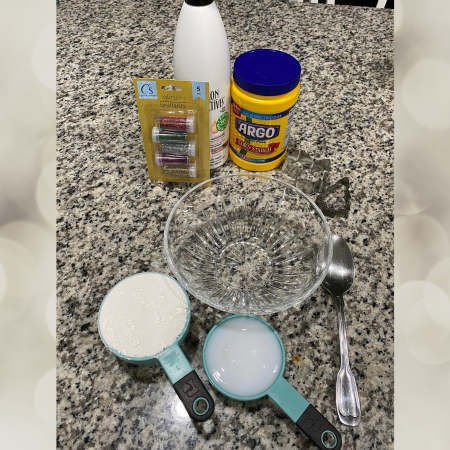
The Simple Magic RecipeHere’s the magic behind SPARKLE SNOW playdough – a simple 3-ingredient, no-cook recipe that anyone can master:
Ingredients:– ½ cup of white hair conditioner (unscented for the win!)
– 1 cup cornstarch
– 1 teaspoon glitter (pick any color or combine for a dazzling effect)
Directions:1. In a large mixing bowl, combine the conditioner, cornstarch, and glitter.
2. Mix with a spoon until the conditioner evenly coats the ingredients.
3. Time to dig in! Stimulate those tiny finger muscles! Giggles guaranteed! Ditch the spoon and squish and knead until the dough is smooth, soft, and no longer sticky.
4. If the dough is a bit sticky, add more cornstarch until it’s tabletop-friendly.
5. Now, let the playtime magic begin! Add cookie cutters, dough tools, letters, figurines – anything that sparks your child’s creativity.
6. After playtime, store your SPARKLE SNOW playdough in an airtight container or a plastic zip-lock bag for future fun.
 Unleash Your Child’s Imagination
SPARKLE SNOW playdough is not just a play material; it’s an invitation to explore, create, and learn. Watch as your child’s eyes light up with joy while shaping, molding, and discovering the wonders of this magical playdough. So why wait? Dive into the world of SPARKLE SNOW and make playtime unforgettable!
The post SPARKLE SNOW 3-Ingredient No Cook Play Dough for Learning Magic appeared first on Book Chatter Press.
Inspire Kids to Love Art: 12 Fun Activities for Parents; Museums, Creativity, and More!
My daughter’s first teacher, Ms. Remington, introduced a new artist each week to her 4- and 5-year-old students. What an incredible gift this teacher gave. Not only did she widen the children’s views of the world, but she also allowed the children to wonder, to question, to express, and to appreciate diversity. My daughter’s favorite artist was Mary Cassatt, a painter known for portraying the bonds between mothers and daughters. We spent the next few years exploring this fascinating artist through books, art projects, and conversation.
As a parent, you can give your kids a lifelong friend by introducing them to art. Exposing children to the arts helps them to develop new skills and think creatively.

If you hope your kids will learn about the arts elsewhere, remember that many schools with tight budgets struggle to provide access to arts programs. Even if your child’s school can afford field trips to museums, large group outings are full of distractions.
Learn how to use culture to connect with your kids and prepare them for a more rewarding life. Try these strategies for art lessons that your kids will love.
Art Activities for Kids During Museum VisitsWhen you drop into a museum these days, you’ll probably see crowds more interested in taking selfies than looking at the paintings. Studies show that the more time visitors spend on their electronic devices, the less they remember the art.
Show your kids how to have a richer experience:
1. Keep it Snappy: Children tend to have limited attention spans. Leave them wanting more. Go home before they become tired and bored.
2. Build Anticipation: Your outings will leave a more profound impression if you prepare beforehand. Older youths can read about an exhibition. Younger children can look at images on a website or brochure. Help all ages to anticipate what they might see, hear, and do at the Museum.
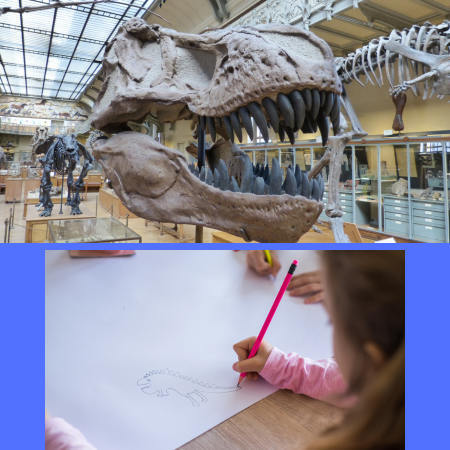
3. Chat it Up: Schedule time for discussion after your trip. Ask your child what works they liked and why.
4. Doodle Time: Most museums allow you to carry in small sketchpads and pencils. Drawing is an excellent way for children to examine a work closely and refine their motor skills.
5. Gift Shop Galore: Do a little shopping for more fun. Gift shops have children’s sections with educational toys, books, games, and craft materials.
6. Plan Ahead: Learn what’s in store in the weeks ahead. You may be able to take your kids to films and hands-on workshops and attend the usual exhibitions.
7. Membership Mania: If your budget is tight, check if the museum has hours with free admission. You can also save money and support your local institutions by purchasing a family membership that allows you to visit as often as you want.
Art Activities for Kids in Between Museum Visits1. Follow Their Passions: Drum up enthusiasm by showing your kids how the arts tie into subjects they are already passionate about. Maybe your child will be fascinated by Degas’ horses or ballerinas.
2. Crafty Fun: Gather together to do crafts. Recycle household objects or drop by an art store for supplies. Browse for ideas online or invent your own projects.
3. Holiday Art Bonanza: If daily responsibilities leave little time for the arts, the holidays can remind you to include more playtime. Assemble your own Christmas tree ornaments or paint Easter eggs.
4. School Sidekick: Team up with your kid’s teacher to boost art in the classroom. You could be the superhero of parent volunteers! Teach a session or donate old magazines and catalogs for collages.
5. Book Bonanza: Feed those hungry little art minds with books galore. You don’t need a mountain of gold to build your own art library—swap books with pals or hit up the secondhand shops! The more your children know about art, the more eager they’ll be to continue learning.
Share cultural experiences with your kids to brighten their future and draw your family closer together. Dive headfirst into the beautiful art world with your kiddos, explore museums, get creative at home, and indulge in artistic adventures together. Not only will you make memories to last a lifetime, but you’ll also nurture their creativity and confidence. The arts can help children perform better at school, building their confidence and igniting their imaginations. Even when you’re not at the museum, you can enjoy plenty of activities at home or in your child’s school, keeping the creative spark alive in every moment.
The post Inspire Kids to Love Art: 12 Fun Activities for Parents; Museums, Creativity, and More! appeared first on Book Chatter Press.
Navigating Book Awards: Finding the Best Reads for Kids
Hey there, young bookworms and awesome parents! Today, we’re diving into a cool topic: book awards. You know, those shiny stickers or badges you see on some book covers? They’re not just for decoration – they tell us something special about the book inside!
1. Caldecott Medal: The Artistic Wow FactorImagine a book where the pictures are as awesome as the words. That’s what the Caldecott Medal is all about! It’s like saying, “Hey, this book has the coolest drawings ever!” So, if you see a book with a shiny Caldecott sticker, you know you’re in for a visual treat!
2. Newbery Medal: Stories That Rock Your WorldNow, let’s talk about stories that grab you, and don’t let go. That’s what the Newbery Medal is for! It’s like a big thumbs-up for books with amazing adventures, interesting characters, and cool ideas. So, if you spot a book with a Newbery sticker, you know it’s going to be a real page-turner!
3. Coretta Scott King Book Awards: Celebrating Different VoicesEveryone’s got a story to tell, right? Well, the Coretta Scott King Book Awards ensure we hear all kinds of stories, especially ones celebrating African American culture. These books teach us history, friendship, and standing up for what’s right. So, if you see one of these awards on a book, you know it will be full of heart and soul!
 4. Pura Belpré Award: Exploring Latino Heritage
Let’s take a journey into Latino culture with the Pura Belpré Award! These books show us traditions, families, and adventures from Latino perspectives. They’re like a colorful fiesta of stories that make us proud of our heritage. So, if you find a book with this award, get ready for a fun and meaningful ride!
5. Mom’s Choice Awards: Family-Friendly FunMoms and dads, listen up! The Mom’s Choice Awards are like your secret weapon for finding excellent books for the whole family. These books are not only super fun but also teach us important stuff, like being kind, brave, and curious. So, if you’re looking for a book everyone will love, look for the Mom’s Choice seal!
6. Reader’s Favorite Awards: Books Loved by YouHey, readers! Your opinions matter, and that’s why the Reader’s Favorite Awards are so cool. They’re like a big high-five for books that you guys love. So, if you see a book with this award, you know it’s been given two thumbs up by readers just like you!
7. Purple Dragonfly Book Awards: Indie MagicLet’s give a shout-out to indie authors and illustrators with the Purple Dragonfly Book Awards! These awards celebrate books that are unique, creative, and totally awesome. So, if you’re looking for something different and cool, check out books with the Purple Dragonfly seal!
Why Should You Care About Book Awards?So, why should you pay attention to these awards? Well, they’re like treasure maps that lead you to the best books out there! Whether you’re into amazing illustrations, epic adventures, or stories celebrating different cultures, there’s a book award for you. So, next time you’re at the library or bookstore, keep an eye out for these special stickers – they might just lead you to your new favorite book! Happy reading! 

The post Navigating Book Awards: Finding the Best Reads for Kids appeared first on Book Chatter Press.
March 6, 2024
5 Building Blocks for Kindergarten Success: A Playful Guide
Hey there, parents! As your friendly neighborhood early childhood education expert, I'm here to chat about a topic close to our hearts: preparing our little ones for the exciting world of kindergarten. Picture this as ou...
February 5, 2024
The Power of a Minute: How Parents of Young Children Recharge

Being a parent of young children is a wonderful and rewarding experience, but it can also be incredibly stressful and exhausting, and we can feel like we are caught in an eternal whirlwind of chaos and constant demands. ...