Holly DiBella-McCarthy's Blog: Raising Kindergarten Ready Kids, page 2
April 11, 2025
Boost Your Newborn’s Development: The Benefits of Reading Black and White Books
As a new parent, you’re likely eager to support your baby’s growth and development in every possible way. One simple yet effective method is reading black and white books with your newborn. These high-contrast books are more than just visually appealing; they offer several developmental benefits during your baby’s early months.
Why Black and White?

Newborns enter the world with limited vision, primarily perceiving shades of gray. Their eyesight is still developing, making focusing on complex images or subtle color variations challenging. High-contrast black-and-white patterns stand out sharply against their blurry surroundings, effectively capturing their attention. This visual stimulation is crucial for developing their optic nerves and enhancing cognitive growth.
Newborns are naturally drawn to high-contrast black and white images, often focusing on them for extended periods, sometimes several minutes. This attention span is significant, considering their developing visual capabilities. Engaging your baby with such images captivates them and plays a crucial role in enhancing their visual development and attention span.
While showing these images, it’s beneficial for parents to converse with their infants about what they’re seeing. This practice fosters early language development and strengthens the parent-child bond. For instance, when presenting a black-and-white image of a cat, you might say, “Look at this, sweetheart! It’s a cat. See its pointy ears and long whiskers? Cats say ‘meow.’ Can you say ‘meow’ with me?”
Such interactions make the experience more engaging for your baby and lay the foundation for language skills and social development.

Transitioning to Colorful Books:
While black and white books are ideal for the first few months, your baby’s vision will rapidly improve. By around three months, they can perceive a broader spectrum of colors. Introducing bold, bright-colored books at this stage can further stimulate their visual and cognitive development.
Enjoy Watching their Little Eyes Light Up!
Incorporating black and white books into your newborn’s daily routine is a simple yet impactful way to support their early development. As their vision and cognitive abilities grow, transitioning to colorful books will continue to nurture their curiosity and learning. Remember, the time you spend reading together not only aids their development but also strengthens the loving bond you share.
Subscribe at bookchatterpress.com for Free Black and White Downloadable Images! And Stay-Tuned for future Black and White Book Fun!
The post Boost Your Newborn’s Development: The Benefits of Reading Black and White Books appeared first on Book Chatter Press.


January 23, 2025
6 Fun Valentine’s Day Ideas for Kids: Games, Snacks, and a Secret!
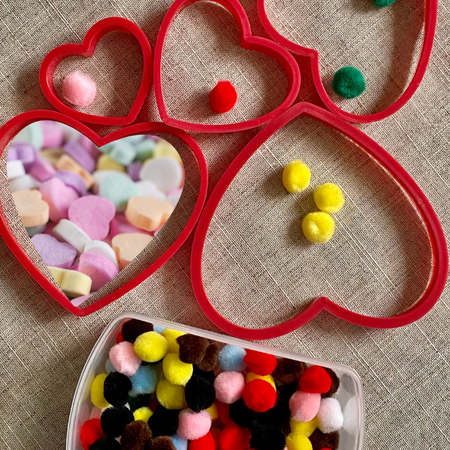
Valentine’s Day is the perfect time for fun and bonding with your little ones. Try these six simple game ideas to keep the love flowing:
Heart Tic-Tac-Toe – Use heart cut-outs and straws as X’s and O’s for a sweet twist.
Valentine’s Bingo – Create homemade cards with heart-themed pictures.
Cupid’s Bow Toss – Toss Conversation Hearts into Heart-Shaped Bowls, cookie cutters, or Heart Cut-Outs
Valentine’s Scavenger Hunt – Hide love notes or candy.
Love Balloon Pop – Pop heart balloons to find surprises.
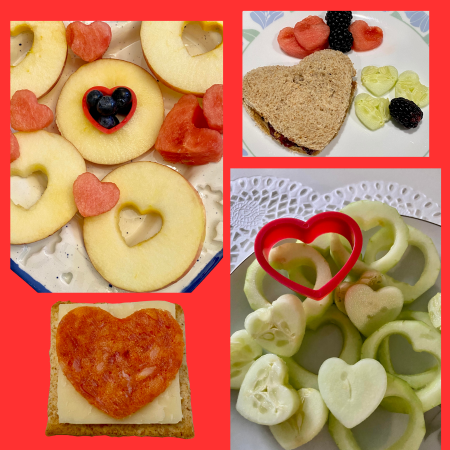
Heart-Shaped Fruit Snacks: For a healthy Valentine’s Day treat, Use heart cookie cutters to shape food like melons or cheese.
Secret to True Valentine’s Day Happiness
As you dive into these fun activities with children, why not take a moment to spread some love? If someone’s feeling a little lonely on Valentine’s Day, encourage your little one to bring one of their handmade cards to a neighbor, someone in a nursing home, or even the mail carrier! It’s a simple way to brighten someone’s day and show that even small acts of kindness can make a big difference. Plus, it’s the perfect chance to teach your child about empathy and how fun it is to care for others. Sharing love never goes out of style!
Make it a day filled with love and laughter!
The post 6 Fun Valentine’s Day Ideas for Kids: Games, Snacks, and a Secret! appeared first on Book Chatter Press.
12 No-Cook Recipes for Fun Kids’ Party Activities: Simple, Stress-Free Ideas!
Want to keep young children happy and engaged during the party? Food Fun Activities will do the trick!
With no-cook recipes, your child will create delicious treats and build valuable skills while celebrating with friends. So, grab some ingredients, set up a station, and let your little chefs shine!
Whether planning for a birthday party or any other occasion, adding fun, simple, and delicious no-cook recipes will make your next party a hit while encouraging essential skills for kindergarten and beyond! Read on for hints for success and 12 recipe ideas.
No-cook recipes are quick, safe, and super easy for kids to help with. Whether assembling snacks, spreading toppings, or mixing ingredients, the children can be hands-on while you stay worry-free. Best of all, the treats are guaranteed to be a hit with party guests!
Tips for Organizing a No-Cook Party Cooking Activity Prepare the Ingredients Ahead of Time: Pre-cut fruits and veggies, scoop the yogurt into small bowls, and set up everything for easy access.Set Up a Party-Friendly Station: Create a mini “cooking station” where the kids can build their snacks and participate in the action.Encourage Creativity: Let the kids decide what to put on their snacks and experiment with combinations.Keep it Clean: Have some wet wipes on hand for easy cleanup!Benefits of Making No-Cook Party Snacks
Fine Motor SkillsWhat They’ll Learn: Mixing, spreading, and arranging toppings.Why It’s Important: These actions help kids strengthen the fine motor skills needed for tasks like drawing, writing, and personal care.TeamworkWhat They’ll Learn: How to work together to complete a task.Why It’s Important: Kids learn how to share, be patient, and communicate, which are essential skills for collaboration both in school and in life.Math BasicsWhat They’ll Learn: Measuring ingredients, counting pieces, and portioning out snacks.Why It’s Important: Early exposure to math helps build a foundation for more complex learning later on, making it a fun introduction to numbers.Creativity and ExpressionWhat They’ll Learn: How to express themselves through different toppings, shapes, and color combinations.Why It’s Important: Fostering creativity in cooking helps children build decision-making skills and encourages them to explore new ideas.
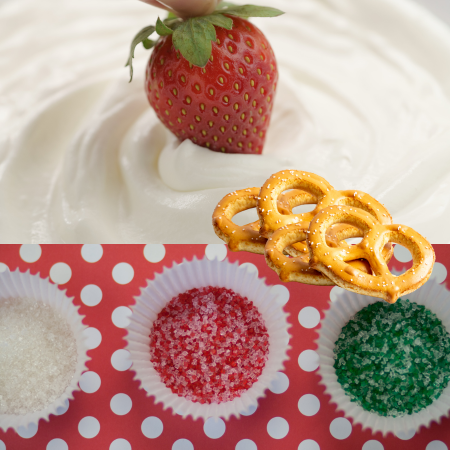 No-Cook Party Snack Ideas1. Fruit KabobsIngredients: Skewers, mixed fruits like grapes, strawberries, melon, and pineapple.Steps: Let the kids slide the fruits onto the skewers, creating fun patterns. It’s a simple and hands-on way for them to enjoy their fruit, and it’s perfect for little hands!2. Mini SandwichesIngredients: Whole wheat bread, hummus or cream cheese, deli meats, sliced veggies.Steps: Have the kids spread hummus or cream cheese on the bread, then stack their favorite fillings to make mini sandwiches. This is a fun and customizable snack that’s easy to assemble!3. Rainbow Veggie CupsIngredients: Baby carrots, cucumber slices, cherry tomatoes, hummus, or ranch dressing.Steps: Arrange the veggies in small cups and serve with a side of dipping sauce. This healthy and colorful snack is as fun to make as it is to eat!4. Yogurt-Dipped Pretzels and StrawberriesIngredients: Pretzels, strawberries, yogurt, sprinkles or granola.Steps: Let the kids dip their snacks into the yogurt, then roll them in sprinkles or granola for added fun and texture. It’s a simple snack that combines crunchy and creamy goodness!5. Make Your Own Ice Cream SundaeIngredients: Vanilla or chocolate ice cream, chocolate syrup, sprinkles, crushed cookies, whipped cream, maraschino cherries, and other favorite toppings.Steps: Set up a sundae bar where kids can scoop their ice cream and choose from various toppings to create their perfect sundae. They can personalize a sweet treat, and they’ll love every bite!6. Decorate Your Own CupcakeIngredients: Plain cupcakes, frosting (various colors), sprinkles, mini candy pieces, chocolate chips, and other fun toppings.Steps: Give each child a cupcake and a spread of frosting and toppings to decorate their masterpiece. You can even offer themed decorations based on the party, like animal shapes or holiday-inspired sprinkles!
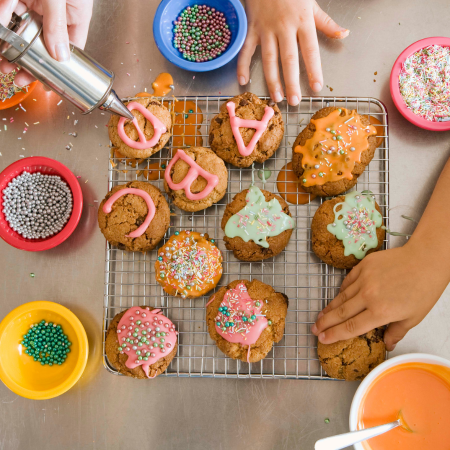 7. Juice Mix-UpIngredients: Various fruit juices (orange, apple, grape, etc.), ice cubes, fresh fruit slices (like berries, oranges, and apples).Steps: Let the kids mix and match different juices to create their unique drink! Add fruit slices for extra flavor and color, and top with ice cubes to keep things cool and refreshing.8. DIY Trail MixIngredients: Nuts (almonds, cashews, peanuts), dried fruits (raisins, cranberries, apricots), pretzels, chocolate chips, mini marshmallows, and cereal.Steps: Set up a “trail mix station” where kids can fill small bags or cups with their favorite ingredients. Let them shake it all together and enjoy their custom creation!9. Fruit PizzaIngredients: Large sugar cookies (baked and cooled), cream cheese or yogurt, mixed fruits like kiwi, strawberries, bananas, and blueberries.Steps: Spread the cream cheese or yogurt on the cooled cookie dough, then let the kids decorate with colorful fruit toppings. This fun, fresh twist on pizza is perfect for a birthday party!10. Build Your Own Snack MixIngredients: Rice cakes, pretzels, crackers, popcorn, dried fruit, small candies, and nuts.Steps: Let the kids choose their favorite snack mix ingredients and combine them in individual bags. They can create their own blend of sweet and salty goodness!11. No-Bake Cookie DecoratingIngredients: Pre-made cookies, frosting, sprinkles, mini chocolate chips, and candies.Steps: Set out the cookies and let the kids use frosting and toppings to decorate their cookie designs. It is a simple and sweet activity that keeps them busy and creative!
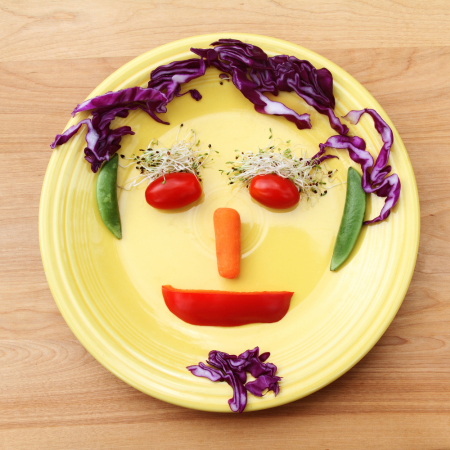 12. Veggie FacesIngredients: Cherry tomatoes, cucumber slices, baby carrots, hummus, or ranch dip.Steps: Encourage kids to create funny faces on their plates using veggies as facial features. Use hummus or ranch for the eyes, a cucumber slice for the mouth, and carrots for the nose. It’s healthy and fun!Tips for Organizing Your No-Cook Birthday Party:Set Up Stations: To keep everything organized, set up different stations for each activity (one for decorating cupcakes, one for making sundaes, and so on). This allows kids to move through different fun areas.Have Plenty of Ingredients: Ensure abundant ingredients for each activity so the kids can be as creative as they want without running out of options.Create Mini Guides: To make the process easier for little ones, you can print out simple visual guides or recipe cards with pictures to help them follow the steps.
With these extra ideas, your little chefs will be busy creating, decorating, and enjoying delicious no-cook snacks all day. Your party will be tasty and an educational experience for the kids to practice their creativity, teamwork, and fine motor skills. Happy party planning!
FIND downloadable kid-friendly recipe cards at www.bookchatterpress on the FREE Resources page!
The post 12 No-Cook Recipes for Fun Kids’ Party Activities: Simple, Stress-Free Ideas! appeared first on Book Chatter Press.
12 No-Cook Recipes For Kids12 No-Cook Recipes for Fun Kids’ Party Activities: Simple, Stress-Free Ideas!
Want to keep young children happy and engaged during the party? Food Fun Activities will do the trick!
With no-cook recipes, your child will create delicious treats and build valuable skills while celebrating with friends. So, grab some ingredients, set up a station, and let your little chefs shine!
Whether planning for a birthday party or any other occasion, adding fun, simple, and delicious no-cook recipes will make your next party a hit while encouraging essential skills for kindergarten and beyond! Read on for hints for success and 12 recipe ideas.
No-cook recipes are quick, safe, and super easy for kids to help with. Whether assembling snacks, spreading toppings, or mixing ingredients, the children can be hands-on while you stay worry-free. Best of all, the treats are guaranteed to be a hit with party guests!
Tips for Organizing a No-Cook Party Cooking ActivityPrepare the Ingredients Ahead of Time: Pre-cut fruits and veggies, scoop the yogurt into small bowls, and set up everything for easy access.Set Up a Party-Friendly Station: Create a mini “cooking station” where the kids can build their snacks and participate in the action.Encourage Creativity: Let the kids decide what to put on their snacks and experiment with combinations.Keep it Clean: Have some wet wipes on hand for easy cleanup!Benefits of Making No-Cook Party SnacksFine Motor SkillsWhat They’ll Learn: Mixing, spreading, and arranging toppings.Why It’s Important: These actions help kids strengthen the fine motor skills needed for tasks like drawing, writing, and personal care.TeamworkWhat They’ll Learn: How to work together to complete a task.Why It’s Important: Kids learn how to share, be patient, and communicate, which are essential skills for collaboration both in school and in life.Math BasicsWhat They’ll Learn: Measuring ingredients, counting pieces, and portioning out snacks.Why It’s Important: Early exposure to math helps build a foundation for more complex learning later on, making it a fun introduction to numbers.Creativity and ExpressionWhat They’ll Learn: How to express themselves through different toppings, shapes, and color combinations.Why It’s Important: Fostering creativity in cooking helps children build decision-making skills and encourages them to explore new ideas.
No-Cook Party Snack Ideas1. Fruit KabobsIngredients: Skewers, mixed fruits like grapes, strawberries, melon, and pineapple.Steps: Let the kids slide the fruits onto the skewers, creating fun patterns. It’s a simple and hands-on way for them to enjoy their fruit, and it’s perfect for little hands!2. Mini SandwichesIngredients: Whole wheat bread, hummus or cream cheese, deli meats, sliced veggies.Steps: Have the kids spread hummus or cream cheese on the bread, then stack their favorite fillings to make mini sandwiches. This is a fun and customizable snack that’s easy to assemble!3. Rainbow Veggie CupsIngredients: Baby carrots, cucumber slices, cherry tomatoes, hummus, or ranch dressing.Steps: Arrange the veggies in small cups and serve with a side of dipping sauce. This healthy and colorful snack is as fun to make as it is to eat!4. Yogurt-Dipped Pretzels and StrawberriesIngredients: Pretzels, strawberries, yogurt, sprinkles or granola.Steps: Let the kids dip their snacks into the yogurt, then roll them in sprinkles or granola for added fun and texture. It’s a simple snack that combines crunchy and creamy goodness!5. Make Your Own Ice Cream SundaeIngredients: Vanilla or chocolate ice cream, chocolate syrup, sprinkles, crushed cookies, whipped cream, maraschino cherries, and other favorite toppings.Steps: Set up a sundae bar where kids can scoop their ice cream and choose from various toppings to create their perfect sundae. They can personalize a sweet treat, and they’ll love every bite!6. Decorate Your Own CupcakeIngredients: Plain cupcakes, frosting (various colors), sprinkles, mini candy pieces, chocolate chips, and other fun toppings.Steps: Give each child a cupcake and a spread of frosting and toppings to decorate their masterpiece. You can even offer themed decorations based on the party, like animal shapes or holiday-inspired sprinkles!7. Juice Mix-UpIngredients: Various fruit juices (orange, apple, grape, etc.), ice cubes, fresh fruit slices (like berries, oranges, and apples).Steps: Let the kids mix and match different juices to create their unique drink! Add fruit slices for extra flavor and color, and top with ice cubes to keep things cool and refreshing.8. DIY Trail MixIngredients: Nuts (almonds, cashews, peanuts), dried fruits (raisins, cranberries, apricots), pretzels, chocolate chips, mini marshmallows, and cereal.Steps: Set up a “trail mix station” where kids can fill small bags or cups with their favorite ingredients. Let them shake it all together and enjoy their custom creation!9. Fruit PizzaIngredients: Large sugar cookies (baked and cooled), cream cheese or yogurt, mixed fruits like kiwi, strawberries, bananas, and blueberries.Steps: Spread the cream cheese or yogurt on the cooled cookie dough, then let the kids decorate with colorful fruit toppings. This fun, fresh twist on pizza is perfect for a birthday party!10. Build Your Own Snack MixIngredients: Rice cakes, pretzels, crackers, popcorn, dried fruit, small candies, and nuts.Steps: Let the kids choose their favorite snack mix ingredients and combine them in individual bags. They can create their own blend of sweet and salty goodness!11. No-Bake Cookie DecoratingIngredients: Pre-made cookies, frosting, sprinkles, mini chocolate chips, and candies.Steps: Set out the cookies and let the kids use frosting and toppings to decorate their cookie designs. It is a simple and sweet activity that keeps them busy and creative!12. Veggie FacesIngredients: Cherry tomatoes, cucumber slices, baby carrots, hummus, or ranch dip.Steps: Encourage kids to create funny faces on their plates using veggies as facial features. Use hummus or ranch for the eyes, a cucumber slice for the mouth, and carrots for the nose. It’s healthy and fun!Tips for Organizing Your No-Cook Birthday Party:Set Up Stations: To keep everything organized, set up different stations for each activity (one for decorating cupcakes, one for making sundaes, and so on). This allows kids to move through different fun areas.Have Plenty of Ingredients: Ensure abundant ingredients for each activity so the kids can be as creative as they want without running out of options.Create Mini Guides: To make the process easier for little ones, you can print out simple visual guides or recipe cards with pictures to help them follow the steps.With these extra ideas, your little chefs will be busy creating, decorating, and enjoying delicious no-cook snacks all day. Your party will be tasty and an educational experience for the kids to practice their creativity, teamwork, and fine motor skills. Happy party planning!
FIND downloadable kid-friendly recipe cards at www.bookchatterpress on the FREE Resources page!
The post 12 No-Cook Recipes For Kids12 No-Cook Recipes for Fun Kids’ Party Activities: Simple, Stress-Free Ideas! appeared first on Book Chatter Press.
December 12, 2024
The Power of Pretend Play: How to Extend the Fun After Reading Any Picture Book
Pretend play after reading a picture book is a fantastic way to bring the story to life and enhance your child’s learning. Whether it’s one of my books like Dilly Duck Plans a Parade or any other picture book, acting out the story can help children engage with the characters, deepen their understanding of the themes, and practice important skills like problem-solving and teamwork.
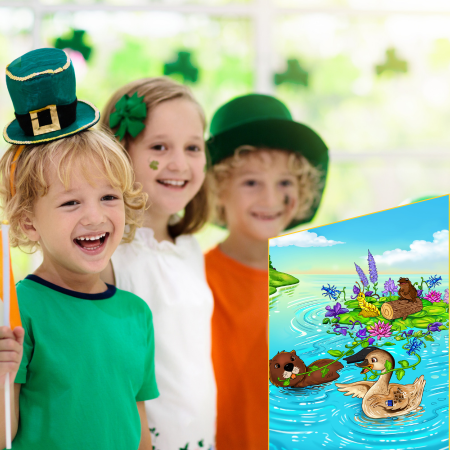
Here’s how you can set up a pretend play activity after reading a picture book:
1. Ask Engaging QuestionsEncourage your child to recall details from the story. For example, after reading Dilly Duck Plans a Parade, you might ask, “Where can we find something red for our parade? What can we use to show the color green?” This helps kids recall what they’ve just read and apply it to their play, making the experience more interactive and meaningful.
2. Use the Senses to ExploreJust like Billy Beaver used his senses to find colors for the parade, you can prompt your child to explore their environment using touch, smell, and sound. “How can we help Billy Beaver find the color blue? What might we hear or feel to help us find it?” This sparks creativity and helps children think outside the box, all while having fun.
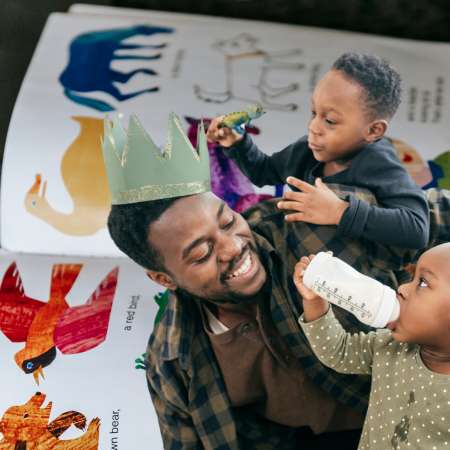 3. Create a Parade or Scene
Once your child has identified the colors or items they want to use, you can set up a mini parade route at home. Arrange blankets or pillows for the parade path, gather toys of different colors, and let your child march the route, just like the characters in the book. “Let’s see how many colors we can find to make our parade shine!” This encourages both color recognition and creative play.
4. Focus on Teamwork and Problem-SolvingPretend play is a perfect opportunity for children to practice teamwork. For instance, you might say, “Let’s work together to find the color purple. How can we help each other find it?” This encourages communication, collaboration, and critical thinking, all while staying engaged in the story’s themes.
 5. Celebrate the Story’s End
After the pretend play, celebrate the completion of the activity with a fun twist. “We did it! We’ve gathered all the colors just like in the book. Let’s have our own parade!” This reinforces the joy of completing the task and helps children connect the playful activity with the story’s resolution.
Conclusion:Pretend play can transform any picture book into an interactive and educational adventure. By encouraging your child to act out the story, you’re helping them develop their creativity, problem-solving skills, and social-emotional awareness. So, the next time you finish a picture book, consider bringing the story to life with some pretend play—it’s a fun way to extend the learning and excitement!
The post The Power of Pretend Play: How to Extend the Fun After Reading Any Picture Book appeared first on Book Chatter Press.
November 21, 2024
Why Teaching Correct Letter Formation Early Boosts Reading Skills
When your little one picks up a pencil for the first time, it’s a big moment! Teaching children how to form letters correctly from the start has lasting benefits, not only for writing but for reading as well. Here’s why those first pencil strokes are so important and how they can be taught in a fun and effective way.
Writing to Read: How Encoding Enhances Decoding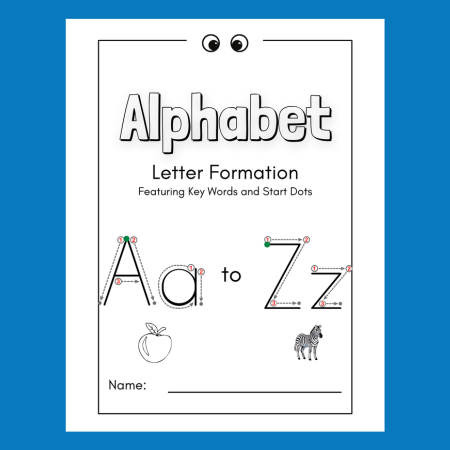
Did you know that writing (or encoding) helps children become stronger readers? Writing letters by hand makes it easier for children to recognize them when reading (decoding). Associating each letter with a keyword can make learning even more powerful. For instance, while practicing the letter ‘A,’ saying “apple” helps children connect the letter with its sound, reinforcing both writing and reading skills.
Why Correct Letter Formation MattersTeaching children the correct formation—from top to bottom and left to right—makes writing smoother and less tiring. It also makes their handwriting more legible. If children learn to form letters properly from the start, they avoid the frustration of unlearning incorrect habits later. This foundation sets them up for future success as they move on to writing sentences and paragraphs with ease.
Join Our Learning Community – Download a Free Alphabet Letter Formation A-Z booklet HERE
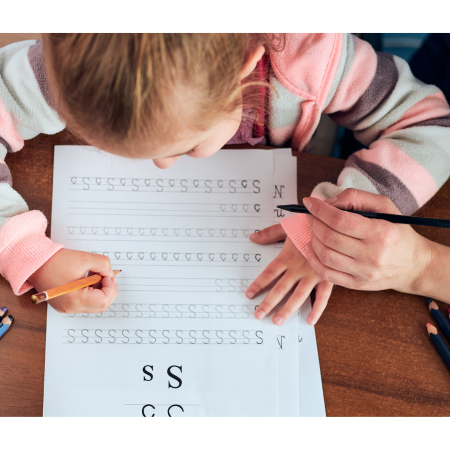 The Importance of Posture and Pencil Grip
Good posture and proper pencil grip greatly influence children’s writing comfort and control. Sitting up straight with feet flat on the floor, using a short pencil, holding the paper with their non-dominant hand, and holding the pencil correctly (with thumb and index finger) helps them focus better and keeps their muscles from getting too tired. When children start with a proper grip, they’re more likely to write smoothly and comfortably for longer periods.
The “Start Dots” TrickOne fun and easy way to help children remember where to begin is using “start dots.” Placing a dot at the starting point of each letter gives kids a helpful reminder of where to begin and how to move through each stroke. This builds confidence and makes letter formation less intimidating.
Making Learning FunEncourage your child to produce the sound for each letter as they write, saying the letter name, the keyword, and the letter sound (like “B, ball, ‘b’”) to connect their writing with their reading. This way, they learn through touch and sound—a great combination for little learners.
Join Our Learning Community – Download a Free Alphabet Letter Formation A-Z booklet HERE
Teaching correct letter formation early supports both writing and reading. With simple techniques like “start dots” and a focus on posture and grip, learning to write can be an enjoyable and effective process. So, when your child picks up a pencil, remember these simple steps to set them on a path to literacy success.
The post Why Teaching Correct Letter Formation Early Boosts Reading Skills appeared first on Book Chatter Press.
October 21, 2024
Winter Holiday Gifting: 4 Picture Books That Make Perfect Presents for Little Readers
As an early childhood educator, I’m always on the lookout for fresh picture books that can make a big impact. With the winter holidays approaching, I’m excited to share four recently published gems that have quickly become favorites for both children and the adults reading to them. These stories are not just fun to read—they also offer meaningful lessons that help little ones learn and grow. Let’s dive into why these books deserve a spot under your tree and how they can spark joy and connection during Storytime with your kiddos!
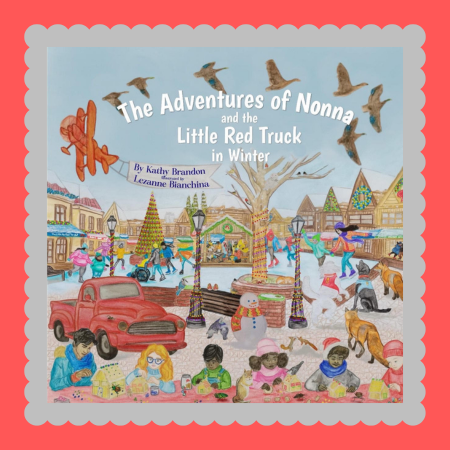 The Adventures of Nonna and the Little Red Truck in Winter by Kathy Brandon
Join Nonna and her little red truck as they explore the quiet beauty of winter! From snowshoeing through serene snowy woods to ice skating in the bustling town center, this story captures the warmth and excitement of winter adventures. Enjoy watching festive holiday parades, tapping maple trees for delicious candy, tobogganing down snowy hills, and even cutting down the perfect Christmas tree. This book is a delightful celebration of community and winter fun.
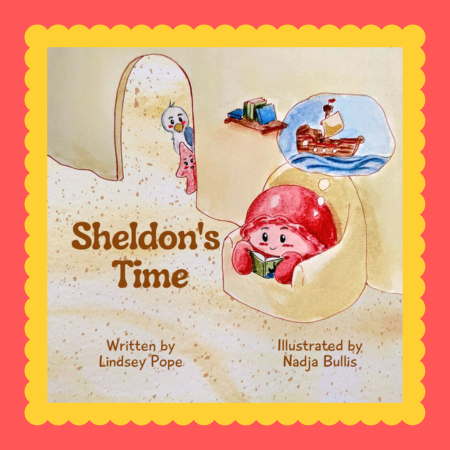 Sheldon’s Time by Lindsey Pope
Sheldon the Crab has a dream day planned, reading his favorite book at home. However, when his friends want to play, Sheldon finds himself torn between wanting to make them happy and honoring his own needs as an introvert. This relatable tale is ideal for children aged 3-6, especially those who identify as introverts or want to learn how to support an introverted friend.
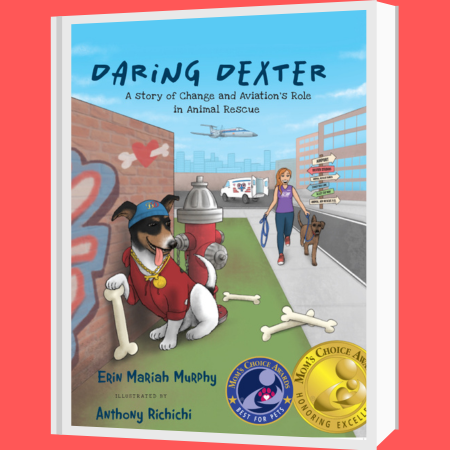 Daring Dexter by Erin Murphy
Dexter’s adventure showcases the vital role aviation plays in animal adoptions, making it a perfect read for foster and adoptive families—whether human or animal. “Daring Dexter” encourages readers to have the courage to change their ways, find joy in the journey, and express themselves creatively through art.
Dilly Duck Saves the Day by Holly DiBella-McCarthy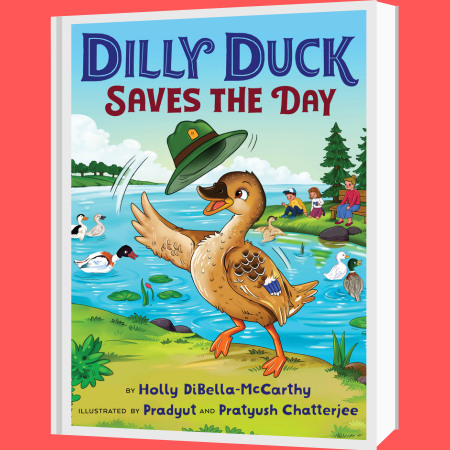
In this third book of the Dilly Duck and Friends series, Dilly learns that even the smallest act of kindness can make a big difference. This delightful rhyming adventure teaches young readers about environmental awareness, the importance of asking for help when facing challenges, the value of friendship, and teamwork.
As you think about gifts for your little ones this winter holiday season, consider these wonderful picture books that not only entertain but also impart valuable lessons. Each story is a great way to create lasting memories and meaningful conversations with your children. Happy reading and gifting!
The post Winter Holiday Gifting: 4 Picture Books That Make Perfect Presents for Little Readers appeared first on Book Chatter Press.
September 26, 2024
Next Discoveries: Fun October Treasures for Little Readers
Finding new picture books that spark joy and curiosity in young learners is a key part of my role as an author-educator. In this second installment of my series, I’m thrilled to introduce additional published books that have captured my attention and enthusiasm. Some picks are perfect for spooky October fun, while others are ideal for helping children navigate big emotions. Each selection brings a unique charm and educational value, perfect for enriching the learning journey and fostering a love of reading in children and their grown-ups. With Fun October Reads in mind, these picks will make story time extra special this season!
 A BaKon Wrapped Halloween by Janine Masi Landreth and Leigh Ann Thompson
BaKon is here to find the best costume for Halloween!
Follow BaKon and Midnight the Kitty as they explore SPOOKY costumes for the trick-or-treating holiday season.
Witch one will BaKon choose?
A CANDYLICIOUS special rhyming edition from the creators of “Everybody Loves BaKon” and “What’s Shakin’ BaKon?” books for all your little BOOs out there!
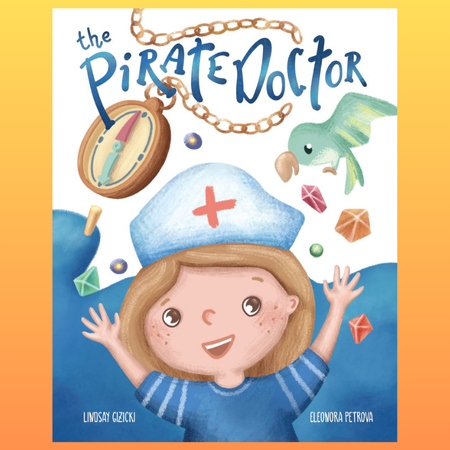 The Pirate Doctor by Lindsay Gizicki
A little girl sets out on a quest to heal a pirate in need.
Children ages 3-8 will love watching Rue overcome challenges on her way to find medicine for Bandana Jack.
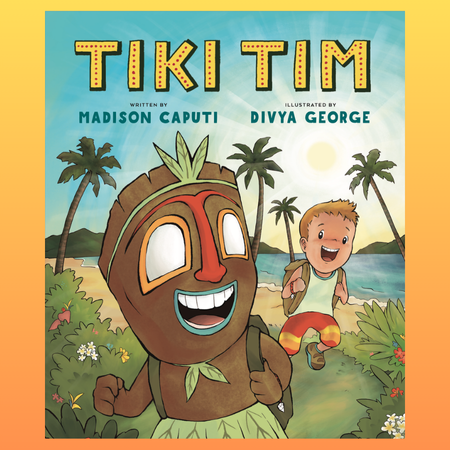
Tiki Tim is a fun, anytime story that promotes empathy, kindness, and a thirst for adventure.
This story addresses finding friendship and community amidst the adversity of being “the new kid.”
The Illustrations are a gripping visual treat for readers, young and old!
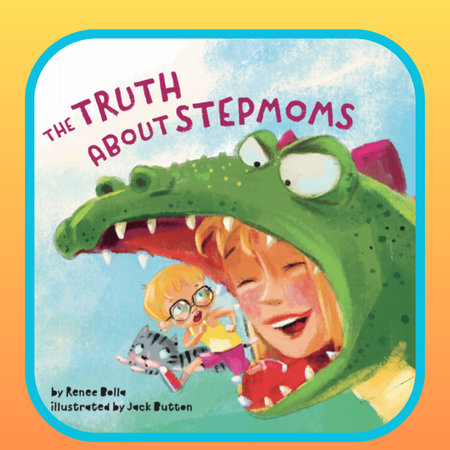
In The Truth About Stepmoms, join a stepdaughter and stepmother on their adventure as they discover the true magic of family.
Through heart and humor, The Truth About Stepmoms explores the fears and misconceptions that children may have when faced with new family dynamics.
This book beautifully captures the essence of love and connection while embracing the journey of change.
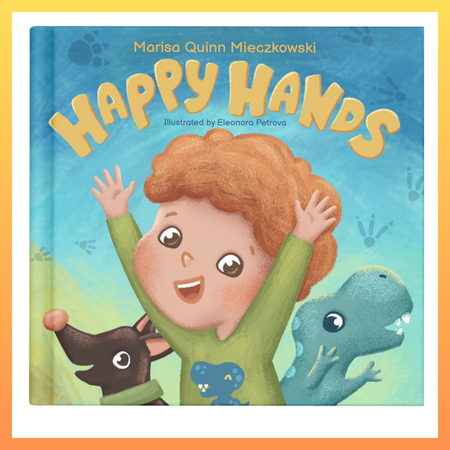
Happy Hands aims to spread the message of inclusion to children aged 4-8.
A heartwarming story about a boy with autism who navigates the first few days of school and new friendships.
Happy Hands promotes the message of being authentic to yourself to foster friendships that are also authentic.
This Picture Books We Love collection offers something special for every reader, whether you’re looking to celebrate Halloween or supporting children in understanding their emotions. From magical adventures to heartwarming tales, these stories will surely engage young minds and spark meaningful conversations long after the pages are turned. Enjoy these October treasures and help your little readers grow!
The post Next Discoveries: Fun October Treasures for Little Readers appeared first on Book Chatter Press.
September 19, 2024
First Favorites: Five Fresh Picture Book Treasures for Little Readers
As an early childhood educator, I always look forward to sharing picture books that transform learning into delightful adventures for young children and the adults who read with them. There’s something magical about watching a child’s eyes light up as they engage with a story. In this first part of my Picture Book We Love series, I’m excited to introduce five recent picture books that have quickly become favorites in my educational toolkit. These engaging stories not only entertain but also offer valuable lessons that enhance the reading experience for both children and caregivers.
These five treasures will inspire meaningful conversations and activities that strengthen connections, influence development, and inspire empathy and creativity.
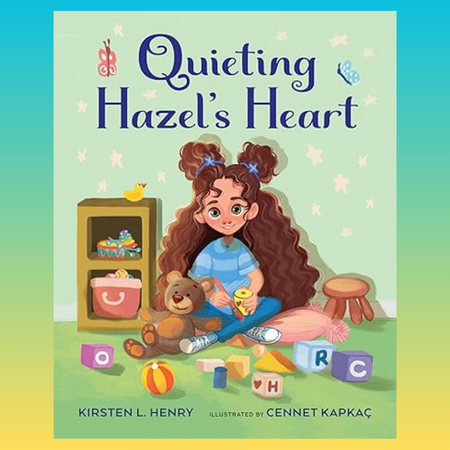 Quieting Hazel’s Heart by Kirsten Henry
Hazel feels a huge “THUMP-THUMP” in her chest when she thinks about starting preschool without her mom.
How will she calm those feelings?
Ideal read for children ages 3-6 who are anxious about starting something new.
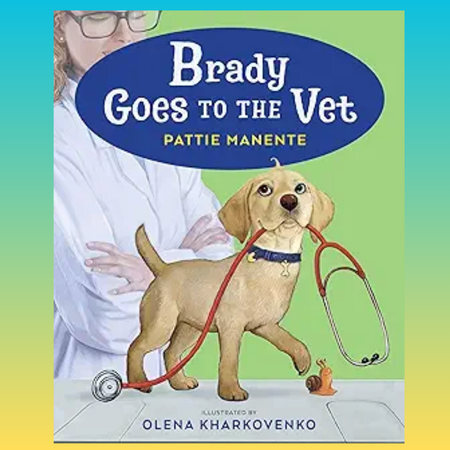
The most adorable Lab puppy must dig deep within to find the courage to overcome fears of the unknown.
Brady takes the readers on an exciting journey of friendship, growth, and support as he learns to manage his fears.
Helpful advice is included for parents and caregivers on supporting their children during medical appointments.
This beautifully illustrated picture book is for ages 3-7.
The Guardians of the Garden by Lindsay GizickiTwo children work diligently to keep pesky critters out of their backyard garden.
A fun and lighthearted read.
Brilliant for any family who loves gardening together.
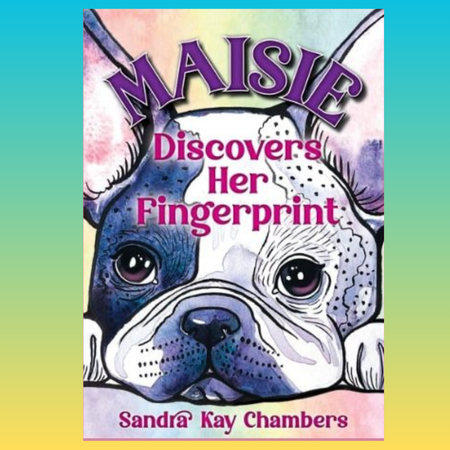
Maise Discovers Her Fingerprint by Sandra Kay ChambersAn adorable Frenchie wants to feel special.
Kids ages 3-8 will identify with Maise as she searches for what makes her special.
Kids learn about fingerprints in the story and the backmatter.
A Friend for Princess Ada by Emilee Moore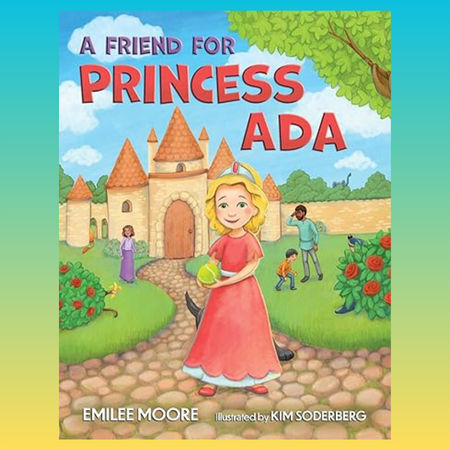
Princess Ada needs a friend; her community is ready to help!
Kids aged 3 to 8 love meeting the animals brought to the Princess, laughing at their antics, and learning about their unique traits.
A perfect story to read as a family or for early readers to enjoy by themselves.
Reading picture books with children is not just about storytelling; it’s about creating lasting memories and sparking joy in their hearts. Each page turned together opens the door to new adventures, emotions, and lessons, enriching their lives and ours. The joy of sharing these colorful tales fosters a love of reading that can last a lifetime. Let’s continue to explore the wonderful world of picture books together!
The post First Favorites: Five Fresh Picture Book Treasures for Little Readers appeared first on Book Chatter Press.
August 22, 2024
First Day of School Tips: How to Prepare Your Preschooler and Kindergartner
As a seasoned educator of young children, I know that those first few days of school can be filled with many emotions for the kiddos and their parents! Starting preschool or kindergarten is a big step, and as parents, you play a vital role in preparing your child for a smooth transition. Here are some teacher-approved tips to help your little one feel confident during their first weeks of school. You may be surprised that these skills have little to do with academics!
 Establish Daily Routines
Children thrive on routine, and being successful with school routines starts at home. In the days leading up to school, gradually adjust your child’s schedule to match the school’s routine.
– Bedtime: Start setting a consistent bedtime that allows for a full night’s sleep.
– Meal Times: Slowly adjust lunch and snack times to align with the school schedule. If you’re unsure of the exact times, don’t hesitate to reach out to your child’s teacher.
Practice Independence with Lunch BoxesAn essential part of school readiness is managing lunch and snack times independently.
– Lunch Box Skills: Practice opening lunch boxes and containers. Can your child open that container of fruit all by themselves? Can they push the straw into a juice box?
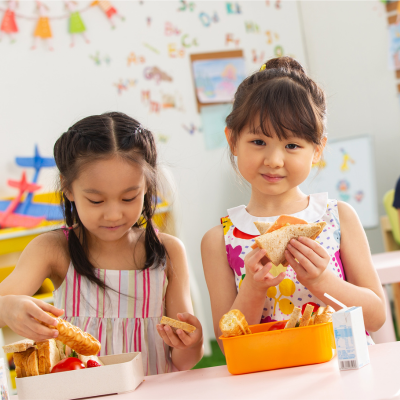
Grocery List Activity: Create a grocery list of healthy snacks together with your child. Try these snacks out before school starts, preferably around school snack time. This fun activity not only helps with routine but also makes your child feel involved and excited about school.
Encourage Positive School BehaviorsUnderstanding and practicing expected school behaviors at home can make a significant difference.
– Listening and Following Directions: Teach your child to listen attentively when someone is speaking and to follow directions quickly.
– Classroom Rules: Familiarize yourself with the school’s rules. Common ones include listening and following the teacher’s directions, raising your hand to speak, respecting others, and being kind and honest.
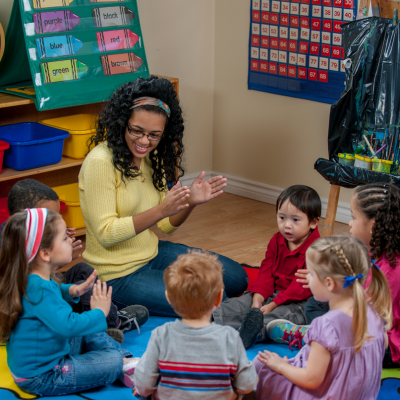
– Play School Activity: Play a game of “school” at home. Take turns being the teacher and the student to model expected behaviors. This playful approach helps children understand what’s expected in a classroom setting.
Countdown to School Calendar
A countdown calendar can help reduce anxiety and build excitement for the first day of school.
– Visual Countdown: Use a calendar to count down the days to the first day of school. Every night, your child can color in or check off the day.
– Understanding Time: This activity helps young children grasp the concept of time and builds anticipation for the big day. Each morning, count how many days are left together.
By incorporating these tips into your daily routine, you’ll help your child feel more prepared and confident for their first day of school. Remember, the goal is to make this transition as smooth and positive as possible. Your involvement and enthusiasm can set the stage for a successful and enjoyable school experience for your child. Hero parents, you got this!
The post First Day of School Tips: How to Prepare Your Preschooler and Kindergartner appeared first on Book Chatter Press.