
Stephen K. Ray's Blog, page 88
June 28, 2022
Jesus Was A Jew – So What is That To You?
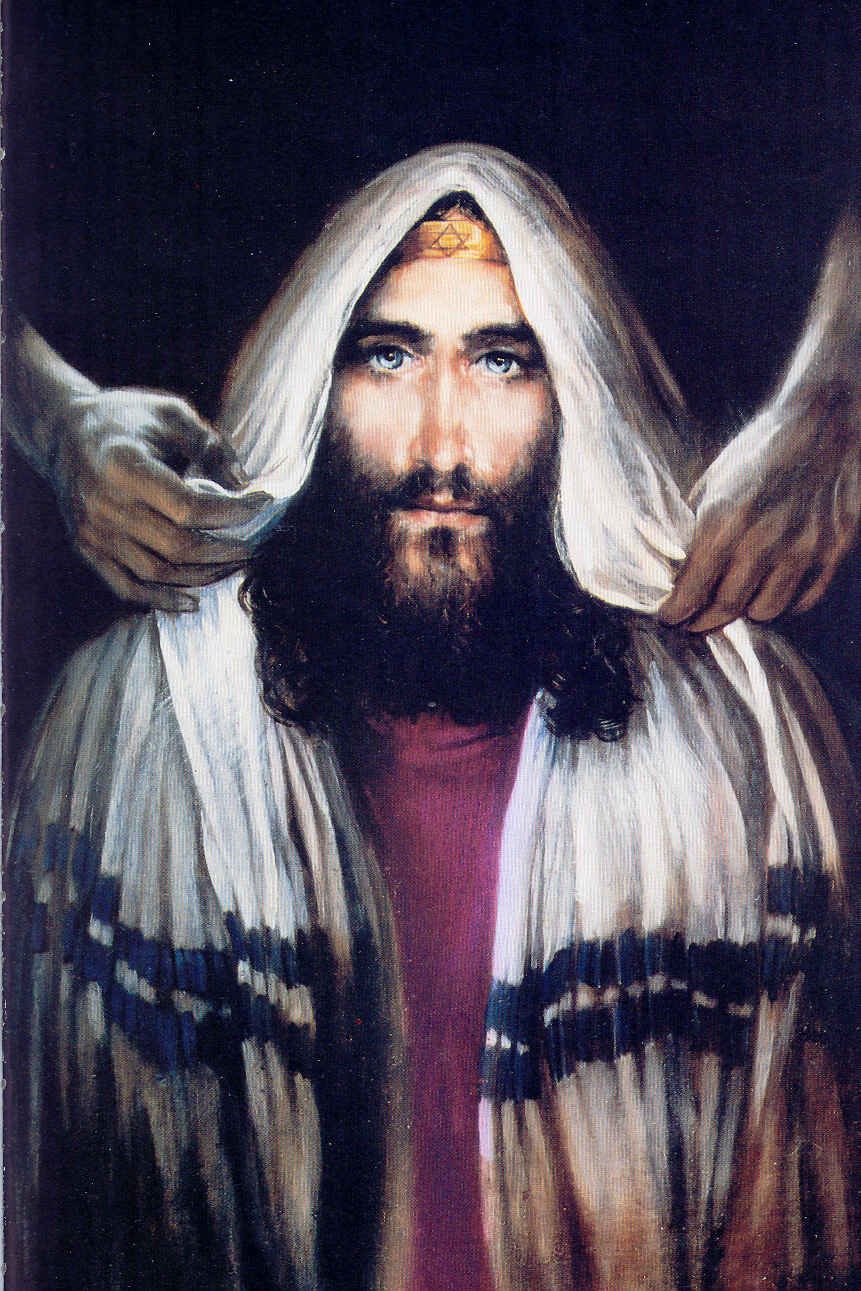 The Jewish Jesus – like he really was
Jesus was a Jew…
This fact may escape the casual reader of the New Testament, but it is crucial to understanding Jesus and the book written about him—the Bible. Unhappily, in 21st century America we are far removed from the land of Israel and the ancient culture and religion of Judaism followed by Jesus and his Jewish ancestors.
Let me ask you a few questions. Were you born and raised in Israel? Did you study the Torah with the rabbis from an early age? Have you traversed the rocky hills and dusty paths to celebrate the mandatory feasts in Jerusalem?
Do you speak Hebrew, Greek and Aramaic? I haven’t found anyone in my Catholic parish who has these credentials. Without this background, we are at a great disadvantage when studying the Bible and its central character — Jesus himself.
When we open the pages of our English Bible, we find a Jewish book! The setting revolves around Israel and the worship of Yahweh.
With one exception, the more than forty biblical writers were all Jews, and the exception was most likely a Jewish proselyte. (Do you know who the only non-Jewish author in the Bible is? I’ll give you a few hints: he was a physician, one of St. Paul’s co-workers, and he wrote the first history of the Church.)
The point is, how can we understand the Bible and the teaching surrounding our Lord Jesus and salvation without understanding his people, his culture, and his Jewish identity?
For the whole article click here.
The post Jesus Was A Jew – So What is That To You? appeared first on Defenders of the Catholic Faith.


Mother Teresa on Abortion
The post Mother Teresa on Abortion appeared first on Defenders of the Catholic Faith.
British Humor and Brain Surgery
This is a hilarious 2 minute skit. Gotta British humor. Watch til the end.
The post British Humor and Brain Surgery appeared first on Defenders of the Catholic Faith.
June 27, 2022
How Do We Know the Holy Sites are Authentic (Protestant Skeptic)?
Since we are taking people to the Holy Land 5 times this year and 7 times next year, I thought I share an e-mail I received from a man whose Protestant friend just returned from the Holy Land a bit disillusioned and skeptical. Here is the e-mail I received:
Hi Steve, Here’s the question in brief (read more if you have time). How do we know that the sites such as the Church of the Holy Sepulchre are authentic?
A Protestant friend of mine recently took a trip to the Holy Land and when he returned we had some discussions about the sites. He raised his doubts about the authenticity of some of the sites, and in particular about the Church of the Holy Sepulchre. He made some disparaging comments about “the liturgical church” and how they build churches on top of everything (in a tone as if they have been ruined or desecrated), and how they don’t even know that they are the real locations.
So my question to you: How do we know that these sites are authentic. I’m sure you don’t have time to give a full dissertation, but if you could point me to a good book or website I would appreciate it. Thanks for all you good work.
I responded briefly below. I had no time to craft my response carefully but wrote it in the few minutes I have. My next group is arriving and there is a lot to do here in Galilee to get ready.
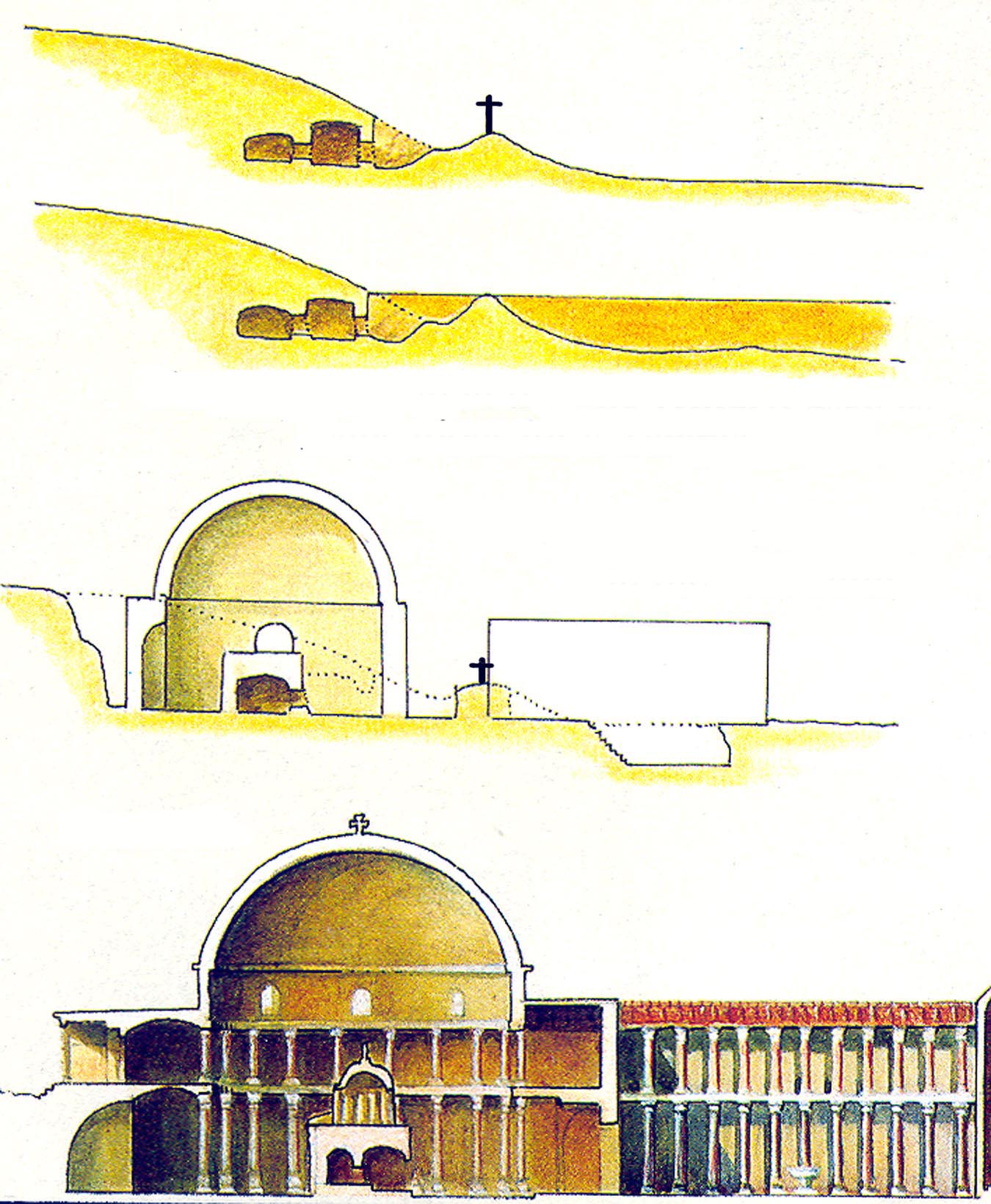 Historical Progression of Church of Holy Sepulchre
Greetings from Galilee and the AUTHENTIC sites of Our Lord and Lady. I wrote three articles I hope you find helpful:
1) Holy Sites: Are these the Actual Locations.
2) Archaeology: The Stones Cry Out
My guess is your friend had a Jewish guide and like most of them he was an unbelieving skeptic. I listen to them speak to their groups and it is too often a travesty. People often leave with less faith than when they arrived due to the way the guides belittle Catholic sentiments, turning a tour into a political trip.
The site of the birth of Christ and Calvary and the Tomb are NOT up for questions (though some Protestants have their own alternate site which is obviously not authentic, read about it in my book St. John’s Gospel). The Catholic sites are historically, archaeologically and biblically certain. They have been from the first centuries.
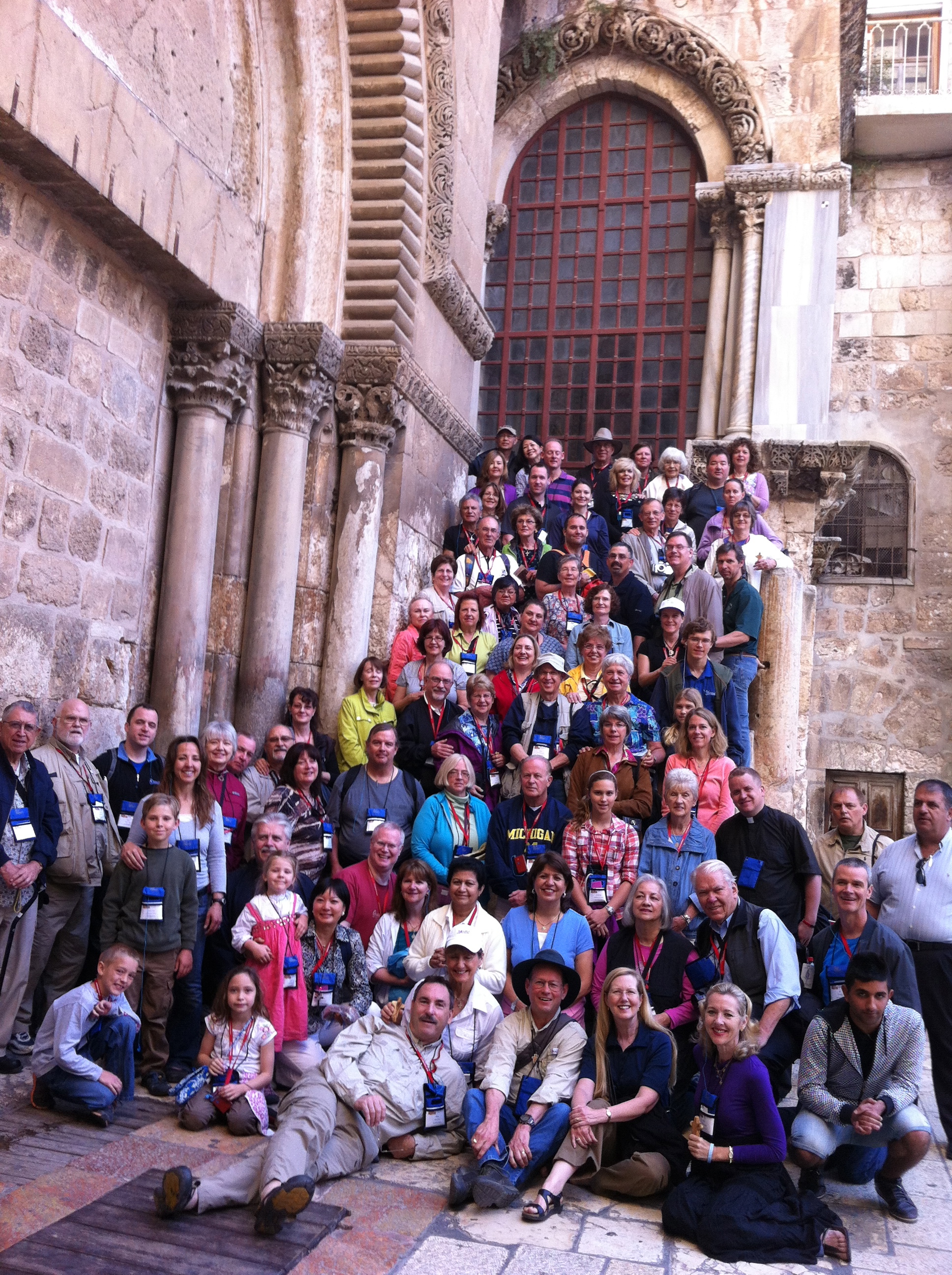 Our Group at Holy Sepulchre Learning and Praying at Authentic Sites
Most Protestants dislike them because they are “liturgical,” very Catholic and Orthodox. Protestants are the “Johnny-come-latelys” and as such they feel neglected and out of place in most of the holy sites. While Catholics celebrate the age-old Mass in the holy sites like we’ve done for 2,000 years, the Protestants are relegated to sitting under a tree reading the Bible and singing hymns, learning from their guides why no one really knows anything for sure.
Once I heard a Jewish guide say to a Catholic group in the Church of the Holy Sepulchre: “Here we are at what some people believe is the place Jesus was crucified and rose from the dead (he actually believes neither). No one knows if this is really the place. It is all a matter of your faith. OK, look around and let’s go to the next site.”
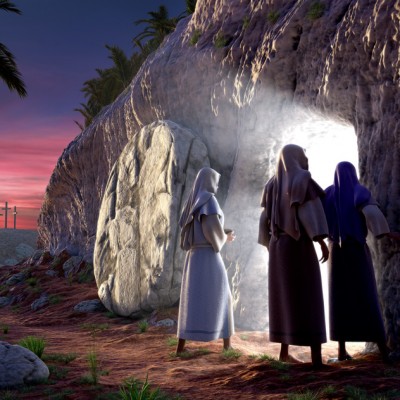 The Real Place the Resurrection Took Place
With our groups we give the reasons we KNOW it is the site based on good evidence and history and archaeology, we pray the Sorrowful Mysteries and gather in front of the Tomb for a Mass and as the priest comes out of the Tomb with the consecrated host we see Jesus come out of the Tomb again sacramentally.
I understand your friend since I see it every day. I feel sorry for those who’ve spent a lot of money to see this land and understand their faith and often go home less sure then when they came. It is not ALL groups but is all to frequent. I don’t want to hear from the exception to this travesty since I know there are exceptions, but I see the other far too often.
You can be sure about the sites (at least the major ones) and when I lead a group people are in tears and full of joy and discovery and go home better Catholics, sure of their faith and ready to die for Christ if need be.
We just dropped off one group and today pick up another group at the Tel Aviv Airport. We are excited to show them the sites, watch tears well up in their eyes, see daily conversions with a deeper love for Our Lord and Lady. We never tire of doing this because we BELIEVE and KNOW what we are doing is true, authentic and has an eternal weight of glory.
(I may be criticized by some for my disparaging comments. I do not intend to disparage but to get the pendulum back where it belongs. I want people to know what they are seeing and know why some come home more skeptical than they left.)
COMMENT JUST RECEIVED FROM A PAST PILGRIM:
Martha wrote: “Hello Steve: I can relate….the first time we went to the Holy Land I felt somewhat the same way. However, 4 years later we returned, this time with Steve and Janet and everything became crystal clear…truly life altering. Hope to return soon, so much to absorb and learn with the right guides and teachers ( once again). Thanks for this refresher course!”
The post How Do We Know the Holy Sites are Authentic (Protestant Skeptic)? appeared first on Defenders of the Catholic Faith.
Answering 7 Myths about the Overturning of Roe v. Wade
Here are some responses to common myths about the overturning of Roe v. Wade. We should learn these answers and have them on the tip of our tongue over the next year.
Jonah McKeown/CNA | June 24, 2022
The U.S. Supreme Court issued a ruling Friday overturning the 1973 decision Roe v. Wade as well as the 1992 decision Planned Parenthood v. Casey. In simplest terms, this means that abortion is no longer legal nationwide — the legality of abortion will now be determined at the state level.
There are a lot of myths out there about what this ruling means and what will happen next. Here are some responses to common myths about the overturning of Roe v. Wade…
Myth 1: Abortion is now illegal in the United States.
Myth 2: Women will be harmed by this decision.
Myth 3: Women could now be jailed after having miscarriages.
Myth 4: A majority of women will live in states with no surgical abortion.
Myth 5: Treatment for ectopic pregnancy is considered an abortion, and thus many women will likely die from lack of treatment in states where abortion is illegal.
Myth 6: Women in states where surgical abortions are banned will be unable to get abortions, unless they travel.
Myth 7: Now that Roe v. Wade is overturned, it’s a done deal. States will always be able to restrict abortion from now on.
For the full article and answers to the myths, click HERE .
The post Answering 7 Myths about the Overturning of Roe v. Wade appeared first on Defenders of the Catholic Faith.
June 26, 2022
Bible Study: Dangerous Playground or Safe Place to Play?
 Imagine children running and tussling unsupervised in a playground. Now imagine the playground surrounded by deadly dangers: a sharp cliff dropping down a thousand feet to one side, a field of land mines, poisonous snakes in the sand, and a bog of quicksand on the other sides. With anguish you watch the children decimated as they fall prey to the dangers around them. They plunge from the cliff to the rocks below, are screaming from the bite of vipers and are gasping for air as they sink in the quicksand.
Now imagine the same children playing in the same playground, but now they are carefully supervised and the area is surrounded by a chain-link fence. To be in danger now a child would have to disregard all the rules, disobey the supervisors and climb over the fence. You relax, a sigh of relief passes your lips, and you begin to chuckle at the children’s antics.
 This is an analogy of Bible study. Two recent misconceptions have plagued Catholics. Ask around and find out for yourself. The average Catholic in the average parish frequently accepts two unhappy fallacies. First, that Catholics aren’t supposed to read the Bible since it is not important or they fear they will invariably misinterpret it and end up confused. Second, they may associate Bible study with Protestantism.
Well, isn’t the Bible hard to understand? Aren’t Catholics forbidden to read the Bible? Shouldn’t we leave Scripture study to priests and religious? If laymen study the Bible, don’t they interpret it incorrectly and go off the deep end?
I had just written the above paragraph and mentioned “Bible Study” when a parish priest visiting our home lamented, “Oh, if I could only get my parishioners over the deep-seated fear that if they study the Bible they will somehow become Fundamentalist Protestants!”
This sounds strange to us ex-Fundamentalists because it was the love and study of the Bible that brought us into the Catholic Church. Yet, this subtle fear prevents many Catholics from dusting off the family Bible and making a go at personal study.
 Our imagined playground, fraught with dangers, illustrates the situation nicely. Are there real dangers associated with studying the Bible? Do pitfalls lie to the left and right? Yes, of course. The fear is not without foundation. Survey the landscape of Christian history and you will see well-meaning individuals and groups strewn in every direction. The carnage and division brought about by the “Bible-only” theology is apparent for everyone to see.
Yet we also see many who have loved the Bible deeply, studied it studiously, and have done so without casualties. They have reached the dizzying heights of biblical study and through it have grown to love Jesus and the Catholic Church with ever deepening ardor. What differentiates the two? Why do some stumble and fall by the wayside, while others “play” with a joyful, utter abandon—almost carefree in their study of Scriptures—and, seemingly, with no fear of falling?
The fence and the supervision make all the difference. They provide a barrier between the children and destruction. They allow the child to frolic with carefree abandon. What do the fence and the supervision represent in our illustration?
The fence is the Sacred Tradition preserved in the Church and the supervision is the magisterium of the Catholic Church. These two things—readily available to any who desire them—are what makes the difference. The dangers are real, but the protections and guidance provided by Jesus in his Church are just as real. Those who stay within the fence and yield to the supervision will study the Scriptures with great benefit, and I may add, with deep joy and pleasure.
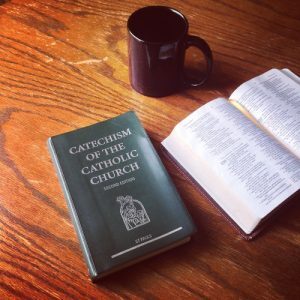 The Catholic Church has provided the most wonderful resource to combine the fence and the supervision. It is the Catechism of the Catholic Church. Read the Bible with an open Catechism which is a wealth of wisdom and a compilation of the Church’s tradition, the teaching of the Popes and Fathers and councils. It is also an excellent summary of the teaching of the Church’s magisterium—which simply means “office of teacher.”
It is high time that Catholics wake up and discover the riches that have been deposited in their account. The Bible is a gift from God. The treasure is ready for withdrawal! Dust off the Bibles, cast aside paralyzing fears, learn the basic rules of biblical interpretation, observe the protective parameters of Church teaching, and frolic to your heart’s content!
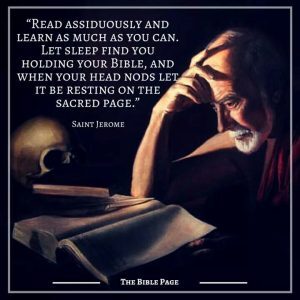
St. Jerome said, “Ignorance of Scripture is an ignorance of Christ.”
***************************************************
For the best Catholic and Bible software visit http:/www.Verbum.com/steveray Use Promo Code STEVERAY10 for 10% discount.
**************************************************
For Self Study to Investigate Further:
What does the Church teach about personal Bible study (CCC 133)? What kind of access or restriction should be placed on Catholics regarding the Bible (CCC 131)? How does the Bible speak of itself and its use by God’s people (Rom 15:4; 2 Tim 3:14–17)? Read Psalm 119. What is the Psalmist’s theme and passion? What value does the Psalmist place on the Scriptures in Psalm 19:7–11? Is the Bible the only source of God’s revelation (1 Thes 2:13; 2 Thes 2:15; CCC 80–82)?
Even though the Sadducees studied the Scriptures assiduously, what did Jesus say of them (Mk 12:24)? Do the Scriptures always have a plain meaning and are they always easy to understand (2 Pet 3:15–17; Acts 8:29–31)? Based on these verses, is everyone’s understanding of Scripture equally valid? Does everyone have the same ability to understand the Scriptures (Heb 5:11)?
Should individuals research the Scriptures for themselves (Acts 17:11)? Is the interpretation of the Bible ultimately left up to each individual and what place does “private interpretation” have in the interpretation of Scripture (2 Pet 1:20)? Where does the authoritative interpretation of Scripture have its source (CCC 84, 85, 95)? Who has the ultimate right to protect and interpret the Bible (CCC 119; Acts 20:27–31; Titus 1:9)? What is the “pillar and foundation of the truth” (1 Tim 3:14–15)? Who or what has judicial authority over a believer (Mt 18:17)? How are the faithful to respond to the protective teaching authority of the Church (CCC 87, 88).
********************************************************
QUOTES FROM SAINTS, POPES AND COUNCILS
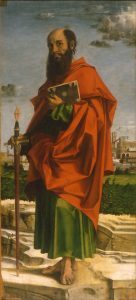 St. John Chrysostom
” ‘I am not,’ you will say, ‘one of the monks, but I have both a wife and children, and the care of a household.’ Why, this is what hath ruined all, your supposing that the reading of the divine Scriptures appertains to those only, when ye need it much more than they. For they that dwell in the world, and each day receive wounds, these have most need of medicines. So that it is far worse than not reading, to account the thing even ‘superfluous:’ for these are the words of diabolical invention. Hear ye not Paul saying, ‘that all these things are written for our admonition’?”
Pope Gregory I
“The Emperor of Heaven, the Lord of men and angels, has sent thee his epistles for thy life’s behoof; and yet, glorious son, thou neglectest to read these epistles ardently. Study then, I beseech thee, and daily meditate on the words of thy Creator. Learn the heart of God in the words of God, that thou mayest sigh more ardently for the things that are eternal, that your soul may be kindled with greater longings for heavenly joys.”
Second Vatican Council
“The Church has always venerated the divine Scriptures just as she venerates the body of the Lord….Easy access to sacred Scripture should be provided for all the Christian faithful…Since the Word of God should be accessible at all times, the Church by her authority and with the maternal concern sees to it that suitable and correct translations are made into different languages, especially from the original texts of the sacred books.”
Catechism of the Catholic Church (paragraph 113)
“Read the Scripture within ‘the living Tradition of the whole Church.’ According to a saying of the Fathers, Sacred Scripture is written principally in the Church’s heart rather than in documents and records, for the Church carries in her Tradition the living memorial of God’s Word, and it is the Holy Spirit who gives her the spiritual interpretation of the Scripture (‘…according to the spiritual meaning which the Spirit grants to the Church’).”
The post Bible Study: Dangerous Playground or Safe Place to Play? appeared first on Defenders of the Catholic Faith.
June 25, 2022
Day 12: Mass at Tomb of St. JP II in St. Peter’s, Execution of St. Paul, San Clemente, Final Dinner and Farewells
Our last and full day was happy and sad. Happy because it was a great day and sad because we knew it was our last day together.
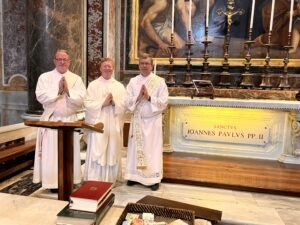 We started out with a great blessing from God which was a surprise for us all. We had a Mass scheduled at St. Peters but when we arrived they asked if we would like to have the altar which is the tomb of St. John Paul II. What do you think we said?
After Liz Lev took us on a tour of St. Peter’s Basilica the bus and headed to Tre Fontone which is one of my favorite places. It’s where Paul walked his final steps along the Roman Road to a column to which he was chained and beheaded. I do a talk there about the end of Saint Paul’s life.
San Clemente is a very unique church in Rome not only because it has the bones of Saint Ignatius of Antioch and Saint Clement of Rome, but also because you can descend through the centuries underneath. One flight of steps brings you to a fourth century huge Basilica and below that we walked the streets of first century Rome.
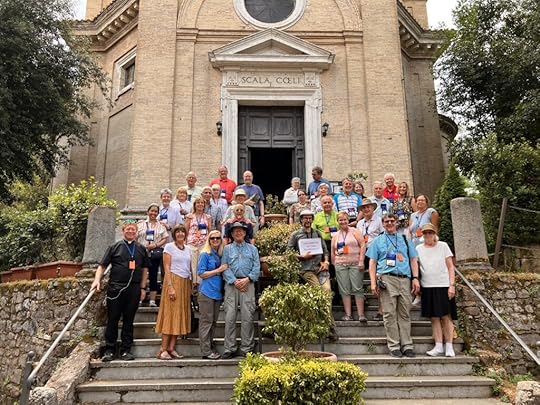
Everyone had the afternoon free to do their final shopping and food tasting and exploring. We gathered again to go to our last dinner together at the Ristorante L’Archeologia which was very celebratory. And then in the morning we all said goodbye as the bus took the pilgrims to the airport.
The post Day 12: Mass at Tomb of St. JP II in St. Peter’s, Execution of St. Paul, San Clemente, Final Dinner and Farewells appeared first on Defenders of the Catholic Faith.
The Rebel in Me LOVES Quotes Like This
 “Enemy occupied territory — that is what this world is. Christianity is the story of how the rightful king has landed, you might say landed in disguise, and is calling us to take part in a great campaign of sabotage.”
C. S. Lewis
For the larger context from Lewis’ Mere Christianity click HERE.
The post The Rebel in Me LOVES Quotes Like This appeared first on Defenders of the Catholic Faith.
Significant articles on the reversal of Row v. Wade from The Loop
The post Significant articles on the reversal of Row v. Wade from The Loop appeared first on Defenders of the Catholic Faith.
June 24, 2022
How Well Do You Know Jesus and His Land? Multiple Choice Questions.
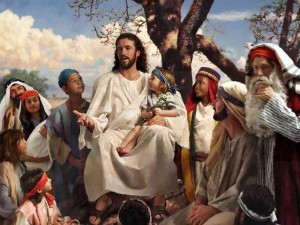 Here is a fun quiz to test your knowledge. How much do you know about Jesus and his Land? Answers are below in the Comments but DON’T CHEAT until you give it a hero’s try!
1. We have no record of Jesus visiting which place?
a. The Phoenician Coast
b. Tiberias
c. Egypt
d. Nain
2. Jesus’ country was not large. How many times would Israel fit into Texas?
a. 2
b. 5
c. 20
d. 30
3. Jesus was how old when his earthly ministry began?
a. 28
b. 42
c. 30
d. 35
4. Jesus did not say:
a. Regarding the Law: “Love your neighbor as yourself”
b. To questioning followers: “God helps those who help themselves”
c. Regarding his apostles with swords: “Two are enough”
d. To a Jewish questioner: “Man, who made me a judge or divider over you?”
5. Jesus had a robe that was special because it was:
a. Made of flax and cotton
b. It was whiter than any other robes
c. It had tassels for Jewish prayer
d. The robe had no seams
6. How far did Mary walk to visit her relative Elizabeth?
a. Two miles
b. Fifteen miles
c. Fifty miles
d. Ninety miles
The post How Well Do You Know Jesus and His Land? Multiple Choice Questions. appeared first on Defenders of the Catholic Faith.
Stephen K. Ray's Blog

- Stephen K. Ray's profile
- 27 followers

