Jan Foster's Blog
November 6, 2025
Co-authoring for stories to share, and Kickstarting
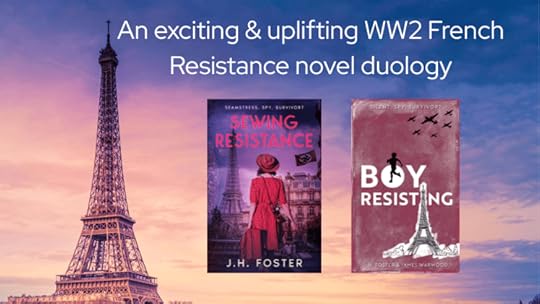
Recently, I wrote in a new genre, for me, AND co-authored in order to write the second in a series of books exploring the French Resistance in Occupied Paris. I had already written a historical suspense for adults, but, as I prepared to publish it, I couldn’t shift the idea that the story also needed to show a child’s perspective, and be read by children of that age. I stopped the publication process and gave my idea some more thought.
My intention grew into an idea – create a pair of stories which an adult could share and discuss with a child, but each could read a story written in a style which would appeal to them. A way to share a love of reading, together, but also offer parents a mechanism to talk with their children about WW2 – a key part of the UK curriculum in both primary and secondary education. The stories would both detail the experiences of wartime, but also how to stand up for what is right, and to resist oppression, in an exciting tale of espionage and adventure. I felt strongly that the overriding message needed to be one of hope.
The challengesWriting a single compelling narrative is a feat in itself, but crafting two interconnected books that tell the same story from distinct points of view presented me with a unique set of challenges and opportunities, which I felt I couldn’t do justice to entirely on my own. “Sewing Resistance” delves into the perspective of Hannah, while “Boy, Resisting” provides the narrative through the eyes of her young son, Freddie, and it was his story which needed another pair of expert eyes on it.
So after my first draft of ‘Freddie’s story’, I approached a middle-grade author-illustrator to help and co-author with me. Thus, J.H. Foster (a new pen name for me to write historical fiction with), and my friend and co-author, James Warwood, tackled “Boy, Resisting” together. Luckily, James was 100% on board with the idea to offer readers a rich, multi-layered experience of wartime Paris. With over 30 books published between us, together, we felt ready for the challenge… and what a journey it has been.
One of the primary challenges was managing information asymmetry between the two protagonists. Hannah, as an adult Resistance operative working a day job under the noses of Nazis, is privy to classified information, adult conversations, and the harsh realities of their Jewish identity and illegal immigration status. Her understanding of events, such as assassination plots or the specifics of intelligence gathering, is detailed and strategic. Conversely, Freddie (aged 8-11 during the period) experiences the war through a child’s lens, often interpreting fragmented adult remarks or simply playing dumb to avoid suspicion. His narrative frequently highlights what he doesn’t understand, or how he misinterprets situations based on limited information. This contrast meant we had to carefully pace revelations, ensuring key plot points unfolded naturally within each character’s knowledge sphere without undermining the other’s narrative.
Expressing emotion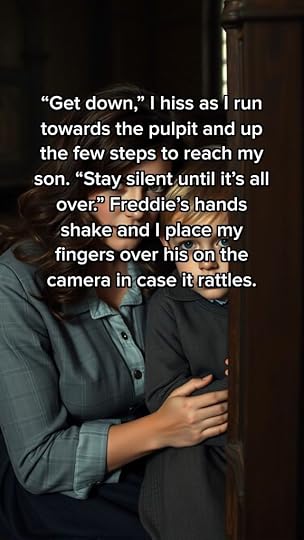
Furthermore, the differing emotional and psychological responses to shared traumatic events demanded sensitive handling. For example, a convent attack was experienced by Hannah with frantic urgency to protect Freddie and a clear understanding of the murders. Freddie, however, recalled it through the trauma of seeing dead bodies and the specific fear of the Nazi soldier’s voice, which haunted him and led to his self-imposed silence.
The practicalities of narration also differed significantly. Hannah’s story is told through her internal thoughts and interactions, including her secret work as a chambermaid gathering intelligence at the Ritz. Freddie’s account, particularly given his silence and reliance on drawing, necessitates conveying much through observation, internal monologue, and his “spy club” notes and maps. ‘Boy, Resisting’ is written in a diary style, which was a choice we made early on in the process to appeal to younger readers who like ‘Diary of a Wimpy Kid’ type of narrative. James also provided light-hearted illustrations to emphasise Freddie’s abilities and break up the narrative with humour.

Ultimately, crafting such a duology, and indeed co-authoring, was akin to viewing a complex mosaic through two different, yet complementary, peepholes. Each perspective reveals unique details and emotional textures, but only by engaging with both books does the reader gain the full, intricate picture of resistance and survival in Occupied Paris. Each of us authors tried to bring with us our experiences of writing for the historical fiction/middle grade market to ensure we hit the right notes. And, importantly, each story had to standalone in its own right.
Working together – how we handled the practicalitiesAuthoring is usually a solitary job – you sit at a computer, type words and generally the characters live in your head until you bring them to life on paper. Working WITH someone required sharing that vision of the story, talking about the characters. This wasn’t my first experience of co-authoring, but I hoped to bring my knowledge of what works well (for me and the other author) to the table when I approached James. I had already drafted Boy, Resisting but, when he got his hands on the manuscript, he immediately spotted some flaws in my thinking for middle grader readers. Luckily, he then took the time to rework bits, cut through the stuff which kids might find dull and turn it into something far more appealing. We decided on style (writing and illustration), which illustrations and formatting might work best, and got to work.
We started talking on GoogleMeet on a weekly basis, which then, in the build up to the Kickstarter, became a fixed Monday morning meeting to plan and plot the next steps. For months, we swapped documents, edited and suggested, to develop all the materials we would need.
Practical tips which ensured our co-authoring worked smoothly:
Before we got too far into the project, James and I signed a partnership agreement which specified how we would publish, who took responsibility for what and how royalities would be shared. Getting these decisions out of the way and decided made it a lot easier to move forward, despite our very British reticence to talk about money. Publishing is a business, at the end of the day.Left our egos at the door. It’s hard to take criticism, but we achnowledged that we each had our own specialisations and that an expert is only the person who knows one more thing than the others in the room. Asked for help when needed. Where we didn’t know how to do something, we sought others’ help. Anthea Sharpe’s book and the Kickstarter for Authors group on Facebook was a godsend. Other author friends and family chipped in their support as well, realizing the size of the mountain we faced climbing. They read advanced copies, left reviews, shared about the project, and we couldn’t have done it without them.Created a shared drive where we stored all information, easily accessible to us both. Style guides. I created a style guide with fonts and logos and generic images on Canva. I took out a CanvaPro subscription which paid for itself with the resize and switch function – invaluable for creating the Kickstarter project.Lots of lists and spreadsheets – including who had agreed to do what and by when, expenses, etc. Trying to be SMART about the project. This included understanding who had access to which programs and ways to publish. Publication: James uses BookFunnel and I use Story Origin as ways to deliver books, but we decided both books would be ‘published’ by my company, So Simple Published Media, as there can be only one publisher. Both books were listed early on with KDP (Amazon) and Ingram Spark (for wider distribution) to ensure we could collect early reviews which we would later use in the Kickstarter.Set ourselves reasonable, doable timescales for completion. We started working together early in 2025, and by the time Boy, Resisting was completed, we knew we’d still need a long run in to sort out the Kickstarter, so we decided to launch the project in September. Both of us were working around children and holidays! Even then, it felt like the 3 month lead time from listing the project, to gather followers, to writing it was a push.Launching a conceptDespite much research, we couldn’t find any other examples of a pair of books for different audiences. This meant we were launching not just books, but a reading concept. Branding the series became even more important. Because the idea of ‘sharing stories’ in this way is unique, we decided to launch them on Kickstarter first (September 2025), then they would go live in all good booksellers in the winter of 2025.
Why Kickstarter as a crowdfunding platform? Simply because there was already an established precedent on there for publishing. There were other platforms we could have used, but Kickstarter seemed to be the one which focused on raising money for creative projects over personal fund-me-to-do-XYZ. Launching on Kickstarter also enabled us to offer bonus goodies to reward backers for taking a chance on us!
 Branding
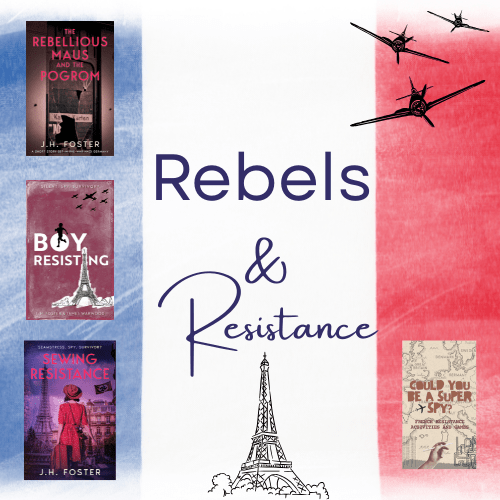
I had already, earlier on in the writing process, realised I’d need to ‘brand’ the series. It needed to be simple, accessible to both audiences and convey the essence of what the books were about. Developing the Kickstarter really honed in on what the Rebels and Resistance Series was trying to do. I think, if I hadn’t had to refine exactly what the offering was (including all the extra books/printables/teaching resources) for the Kickstarter, it possibly wouldn’t have been as well constructed as a package.
When I look at it now, I hadn’t fully realised before, just HOW much I’d written to develop the idea of the Rebels and Resistance series. A pair of books had turned into 3 books, a workbook/printable for children, and about 20 documents to support the project (teaching resources, bonus chapters etc). I think in the end we had close to 200 images (different sizes for different parts of the project listing) because Kickstarter is so visual, and that’s on top of the 50-odd illustrations James did for Boy, Resisting.
Writing this as the Kickstarter has successfully funded, I now find it so much easier to talk to readers and teachers about the concept. Being able to share these additional reference materials only adds to my enthusiasm (and theirs) to read the books and use them as intended. Even before the official launch of the duology on online marketplaces like Amazon, at book events I’ve found the concept has been well received and people are excited by it.

The teaching bundle was even tested in classrooms to be sure it was age appropriate and the children liked the activities!
Final ThoughtsWould I do it again? Co-authoring, absolutely. I found sharing the journey so much more enjoyable with someone else to lean on for motivation when things got tricky.
Kickstarter? Tricky question. Yes, we funded. I absolutely will take that win. But, when you look at the breakdown of who funded us, it is largely comprised of people who we directly knew or approached for support. The concept had the potential to ‘go big’ but somehow never took off. We’re still not sure why – the experts we spoke to who reviewed the project before we went live loved it (including the lovely head of publishing at Kickstarter), but we didn’t get the organic push from the platform which we hoped for.
It was a lot of work. Months and months of it. Would I repeat the exercise? Maybe. I’m certainly more confident about the platform than I was.
Check out the books…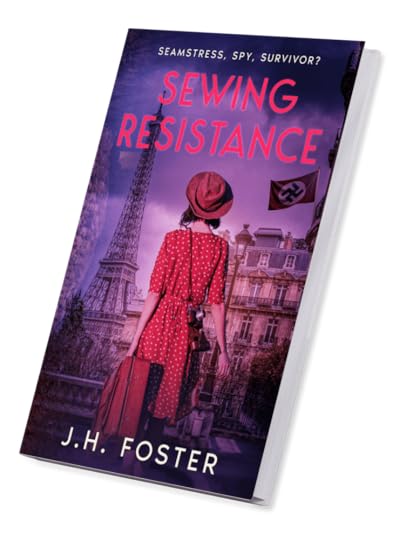
A gripping and emotional tale of courage, love, and resistance.
After witnessing the brutal nature of the Nazi regime, Hannah, a quiet Jewish girl with a rebellious streak, escapes Germany with her traumatised young son. Leaving behind her dreams, she seeks refuge in Paris with a childhood friend, Kat, in the hopes that this tie to her past will provide a desperately needed sanctuary for them both. Though reluctant because of her own precarious situation, Kat agrees to help.
But when the war reaches Paris, Hannah’s heritage once again puts them all at risk. Lacking the right papers, fleeing is out of the question. When Kat’s Nazi cousin demands to move in, the family turn to a dangerous life of disguise and subterfuge just to stay alive.
In Occupied Paris, they are the invisible, unseen and unheard, until an opportunity to resist appears. Will Hannah have the courage to find her voice and rebel, even if it means risking her heart, her family and her dreams? And how far will Kat go to take back what’s rightfully hers?
For fans of “The Nightingale” and “All the Light We Cannot See,” this historical suspense novel takes readers on a journey through the Occupation, re-imagining well-known figures such as Coco Chanel and her Nazi lover, the staff of the Ritz Hotel, as well as the brave individuals who worked for the Resistance and the SOE. Inspired by true stories and the powerful film documenting Paris’s liberation, “Sewing Resistance” is a gripping story of courage, sacrifice, and the resilience of the human spirit.
Buy now at www.books2read.com/sewing resistance
Silence was supposed to keep me — and my secrets — safe.
So I accidentally became a spy…
I was just supposed to stay hidden. Keep my head down. Don’t get noticed by the Nazis. Simple, right? Yeah… not so much.
Getting to Paris to stay safe was hard enough — then the Nazis came, and suddenly it wasn’t safe there either. Turns out, when you’re good at sneaking around and listening when you shouldn’t, people start asking you to do things. Dangerous things. Like delivering secret messages. Hiding spy equipment that can’t be found. Taking photos that could get you arrested — or worse. Oh, and I still have to go to school…
Now I’m part of the French Resistance. I know the hiding places. I know the codes. I know which soldiers to avoid. One wrong move means capture. Or worse. And every time I sneak through the city — even underground through the spooky Catacombs — I wonder: will this be the mission I don’t come back from?
One mistake could mean none of us — me, Mama, or Kat — survive.
If you like danger, secret missions, close calls, and real history — this is my story. Just don’t tell anyone you read it.
Buy now at www.books2read.com/boyresisting
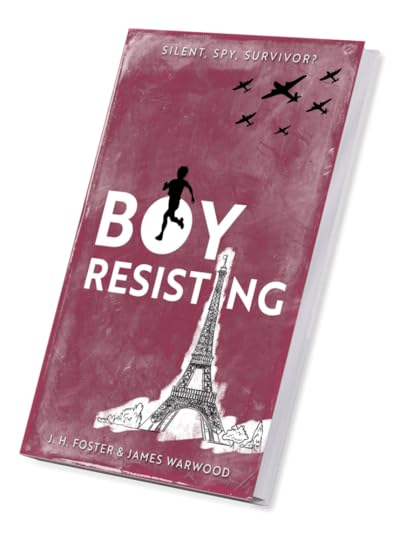
You can find out more about the series, and check out the Kickstarter project here: https://www.kickstarter.com/projects/janfoster/exciting-uplifting-ww2-french-resistance-duology


August 20, 2025
The Secret War Beneath Paris: WWII and the Shadowed Legacy of the Catacombs

Beneath the City of Light, a World of Shadows
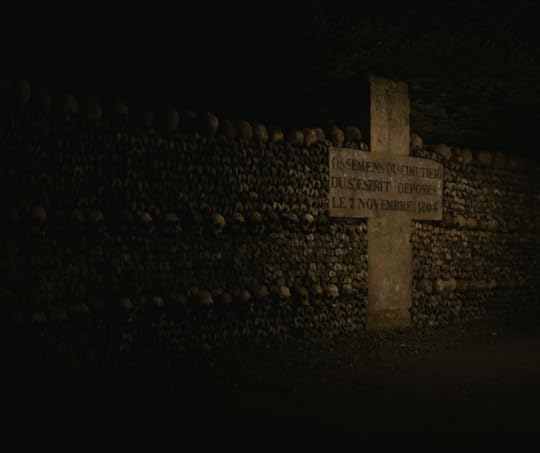
Beneath the picturesque boulevards and charming cafés of Paris lies a darker, more mysterious world: over 200 miles of catacombs, quarries, and ossuaries. While the Paris Catacombs are best known for their macabre walls of human bones, they also played a lesser-known but dramatic role during World War II. Today, the wartime history of the catacombs remains a subject of fascination, speculation, and secrecy—blurred by time, myth, and fiction.
I was inspired to write a novel featuring these mysterious tunnels after reading a historical fiction book by Gayle Ferrer/Yves Fey (Floats the Dark Shadow), where the heroine is taken to a concert held in one of the Ossuary chambers. The spooky atmosphere described in the novel led me down a rabbit hole of research, and the inspiration for my characters to use the tunnels for their work in the shadowy world of the French Resistance and the black market during WW2 was born.
A Labyrinth with a Past
Originally limestone quarries, the Paris catacombs began their transformation in the late 18th century when the city, overwhelmed by overflowing cemeteries, relocated the bones of millions into the underground tunnels. By WWII, the catacombs had become a sprawling and partially mapped maze—one that few Parisians dared to enter.
But for those fighting a secret war—the French Resistance and, later, the Nazi occupiers—the catacombs offered both refuge and danger.
The Catacombs During WWII
The German occupation of Paris began in June 1940, and the Gestapo wasted little time in establishing control over the city’s infrastructure. Though official records are scarce, there is credible evidence that sections of the catacombs were used by the Nazis as hidden bunkers and storage areas. Some accounts suggest that a secret Nazi base existed beneath the 6th arrondissement, accessible via a bricked-up entrance. The exact details remain elusive, in part due to postwar destruction and a lack of reliable documentation.
At the same time, the French Resistance saw the catacombs as an ideal place to hide from German patrols, coordinate attacks, and move discreetly between districts. However, navigating the dark, unmapped tunnels was perilous, even for those who knew the city well. Many Resistance members reportedly used the catacombs in coordination with the Parisian cataphiles—urban explorers who had long mapped and memorized the labyrinthine underground.
One dramatic example occurred in 1944, just weeks before the liberation of Paris: a Nazi bunker hidden in the catacombs was reportedly discovered and infiltrated by Resistance fighters. Though rarely mentioned in official wartime histories, this episode has become part of underground legend.
Why Researching This Is So Difficult
There are several reasons why the wartime history of the catacombs remains murky:
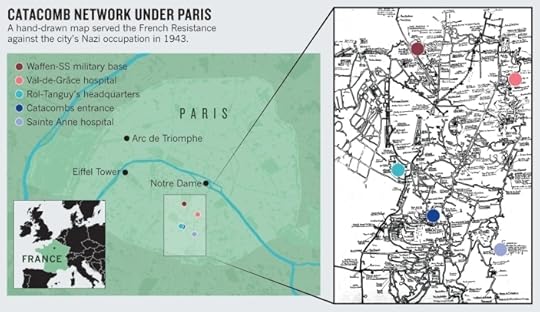
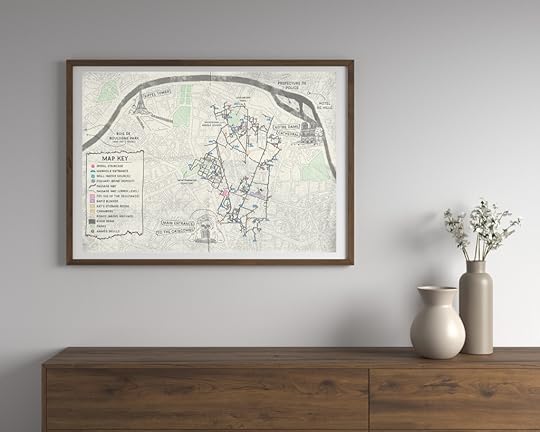
Lack of Official Documentation: Many Resistance cells operated with extreme secrecy, avoiding written records that could be captured by the Gestapo. Similarly, Nazi activities underground were compartmentalized and rarely documented.Physical Inaccessibility: Most of the catacombs are closed to the public and monitored by the Inspection Générale des Carrières (IGC). Unauthorized exploration is illegal and dangerous.Post-War Modifications: After the war, many entrances and pathways were sealed for safety. In some cases, Nazi installations or Resistance hideouts may have been deliberately destroyed or buried.Urban Legends vs. Reality: Over the decades, stories have grown—some rooted in truth, others exaggerated or imagined. Sorting fact from fiction requires painstaking research, interviews with aging witnesses, and sometimes a bit of luck.For my research, I found the most amazing map – compiled from many other maps, which showed me clearly where the streets were in relation to the tunnels. This map formed the basis of the tunnel map which Freddie, the hero of the forthcoming middle grade novel, ‘Boy, Resisting’ draws as a result of his explorations.
Together with my co-author and illustrator, James Warwood, we highlighted where the bunkers we used in the storyline of this novel, and it’s companion, Sewing Resistance, to bring to life the dangerous routes which Freddie, Hannah, Kat and of course, the FFI and Nazis used during the Occupation. I find it fascinating that one of the main bases for the FFI’s plans to re-take Paris was co-ordinated from a bunker so close (under a mile!) to the Nazi shelter.

The Legacy Lives On
Today, Paris’s cataphiles continue to explore the forbidden underworld, some of them mapping undocumented tunnels or preserving graffiti and artifacts from WWII. But the deeper truths of what occurred beneath Paris during the war—collaborations, resistance, espionage—are largely still shrouded in darkness, waiting for discovery.
As interest in urban exploration and alternative history grows, so too does the curiosity about what lies hidden in Paris’s depths. The catacombs remain a place where the boundary between history and legend is as porous as the limestone walls themselves.
Fiction Inspired by the Catacombs
The Paris catacombs have inspired numerous works of fiction that blend history and myth:
“The Devil’s Cave” (2012) by Martin Walker – While set in rural France, the series frequently touches on Resistance themes and secret wartime hideouts. “Down in the Catacombs” by Thomas Greanias (short story) – Blending speculative fiction with wartime intrigue, it imagines lost Nazi technology hidden beneath the streets of Paris.“Catacomb” (2014) – A horror-thriller film (also known as As Above, So Below) uses the catacombs as a setting for psychological terror, rooted in the area’s real-life history of death and mystery.“All the Light We Cannot See” by Anthony Doerr – Though not set in Paris or the catacombs, its focus on hidden resistance networks and secret wartime locations resonates with the mystique of the catacombs.Even video games like Call of Duty: WWII and Medal of Honor: Underground have toyed with the idea of Resistance fighters and Nazi bunkers hidden in Paris’s underworld.
Further Reading and Resources
“Parisians: An Adventure History of Paris” by Graham Robb – Offers insights into Paris’s underground world, including WWII anecdotes.“The Catacombs of Paris” by Félix Nadar – A historical look at the tunnels, from one of the first to photograph them.Urban Exploration Websites and Cataphile Reports – Many modern explorers have posted maps, findings, and theories about the catacombs’ WWII past.Great article about the history Paris Catacombs by Yves FeyYouTube has lots of videos of explorers taking on the challenge of the underworld!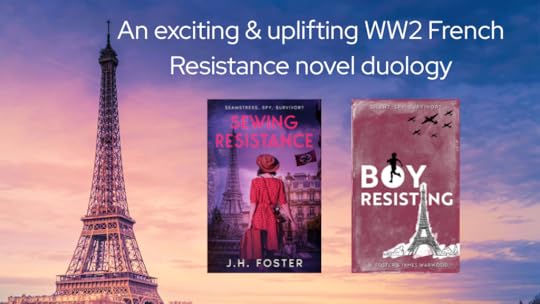
If you are interested in reading Freddie and Hannah’s experiences in the Catacombs, where Kat deals on the black market, and danger lurks around every corner, why not follow the Kickstarter or read the books (available from Winter 2025). The Kickstarter also offers a reward of a printed copy of James’s original illustration of the map of the Catacombs which Freddie draws.
July 13, 2025
Chester, England: Strategic Stronghold and Market Crossroads
Guest Post By Jackie Lapin
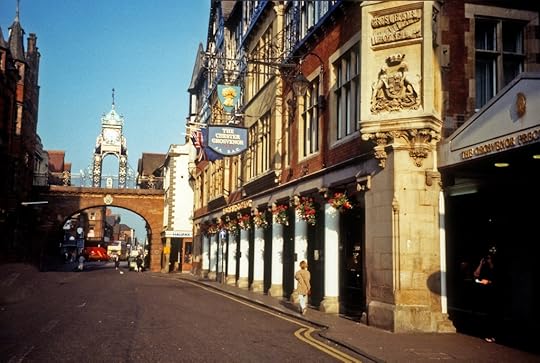
Chester, the locale of Jan Foster’s Anarchic Destiny book 2 in the Naturae Series, is a town where Roman legions once marched and medieval merchants once bustled under timbered eaves. Its red sandstone walls and narrow streets tell stories of emperors, bishops, and artists who have left their marks across centuries—not to mention a vampire named Henry Fitzroy.
Nestled on the banks of the River Dee, the real Chester is a treasure trove for the history lover and the curious wanderer alike.
A City Steeped in Time
Founded as the Roman fortress Deva Victrix in the first century AD, Chester was a vital outpost in the Roman Empire’s conquest of Britain. The legionaries who built its massive walls and amphitheater laid the foundations for a city that would thrive long after their empire faded. When Rome’s power ebbed, Saxon and Norman rulers claimed the city as their own, leaving behind a patchwork of styles and stories that still echo through the winding lanes.
By the medieval period, Chester had become one of England’s busiest market towns. Merchants from across the country and beyond traded wool, salt, and spices in its bustling rows. Timber-framed houses rose above stone arcades, creating the unique covered walkways that define Chester’s city center today. Pilgrims and traders alike would pause at the grand cathedral or gather at the Cross, where heralds once read royal proclamations and minstrels sang ballads of faith and fortune.
In the centuries that followed, Chester’s walls protected it from both Scottish raiders and the tides of time. The Industrial Revolution came late to this ancient town, sparing it the rapid transformations that reshaped so many English cities. Today, Chester’s preserved walls and half-timbered buildings offer a rare glimpse into a world where the past still feels vividly alive.

A Thriving Townscape
Chester’s history can be traced not only in its grand landmarks but also in its lesser-known corners. The Water Tower and Bonewaldesthorne’s Tower, built in the 14th century, once defended the city’s vulnerable river approaches and today offer breathtaking views of the Welsh hills. Hidden beneath the streets, the Roman hypocaust of the former bathhouse speaks of ancient luxury and innovation, a marvel of engineering that hints at the daily lives of the legionaries stationed here. The medieval Guildhall, now home to the Chester History and Heritage Centre, preserves the city’s civic records and illuminates the stories of merchants who shaped the city’s prosperity.
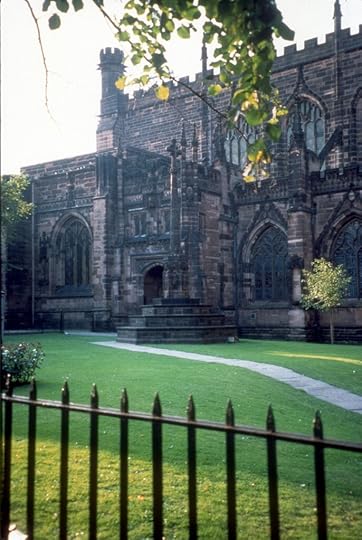
Nearby, St. John the Baptist Church stands as a testament to Norman power and faith, its 11th-century architecture blending seamlessly with later additions that bear witness to centuries of devotion. The Bishop Lloyd’s House on Watergate Street, an ornate half-timbered building adorned with elaborate carvings, offers a window into the life of a 17th-century merchant. The carvings tell tales of kings, saints, and everyday life, each beam a chapter in Chester’s evolving story.
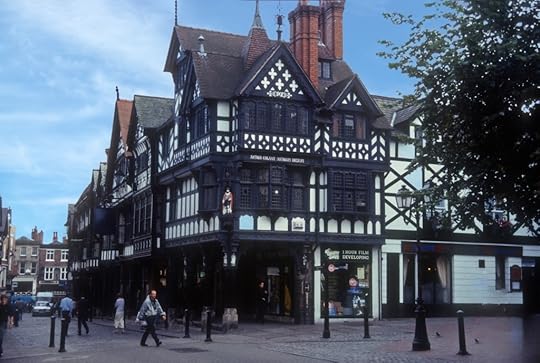
Central Marketplace
Chester’s medieval Watergate once saw bustling trade, where goods from across the known world flowed in and out of the city’s gates. Salt from Cheshire’s ancient mines, wool from the rich pastures of the countryside, and spices from the far reaches of the world were all bartered beneath the Rows’ carved arches. As the centuries passed, Chester’s strategic location near the Welsh border drew not only merchants, but also soldiers and nobles who sought to command the land and its wealth. The city was frequently a pawn in the power struggles between England and Wales, a frontier town where loyalty and ambition were tested by the clash of cultures.
River‘s Role
The River Dee itself has been both a lifeline and a stage for Chester’s history. In medieval times, the river bustled with flat-bottomed barges carrying cargo and pilgrims, while the Old Dee Bridge stood sentinel over travelers heading into the Welsh hills. Even today, its graceful arches evoke the romance of centuries past. The nearby Chester Racecourse, known as the Roodee, claims to be the oldest still-in-use course in England, where nobles and commoners alike have gathered to cheer on galloping hooves since the 16th century.
Outside Exploration
Beyond the city walls, Grosvenor Park, created in the 19th century, offers a green oasis where the gentle curves of Victorian landscaping frame views of the cathedral’s spires. Nearby, the Grosvenor Museum houses Roman tombstones, medieval artifacts, and Georgian portraits that together trace the evolution of this remarkable city.
Here’s are the other historic highlights to see:
Chester Cathedral: Rising from the heart of the city, this magnificent structure began as a Benedictine abbey in 1092. Its red sandstone walls and Gothic spires soar above centuries of worship and wonder. Inside, the choir stalls are carved with mythical beasts, and the cloisters whisper of quiet contemplation. Chester Cathedral is more than just a place of worship; it is a repository of history. The medieval quire, the delicate Lady Chapel, and the soaring nave hold centuries of artistry and devotion. The cathedral’s refectory, once the dining hall of Benedictine monks, now welcomes visitors seeking quiet reflection. In the cloisters, light filters through ancient glass, and each step seems to echo with the prayers of those who came before.The City Walls: Chester’s sandstone ramparts are the most complete in Britain, encircling the city in a 2-mile walk through history. As you stroll along their top, you’ll see the city’s ancient towers and the gentle flow of the River Dee below. These walls have stood for 2,000 years, witnessing invasions and pageants, prayers and protests.The Rows: These covered medieval galleries blend commerce and community. Timber-framed shops line the streets in layers, where merchants once sold wool and spices to travelers from afar. Today, boutiques and tearooms fill the same spaces, their wooden beams holding centuries of whispered deals and warm conversations.Chester Roman Amphitheater: Step back into the days of gladiators and imperial spectacle at this remarkable Roman site. The largest amphitheater in Britain, it once hosted thrilling contests and ceremonies that echoed with the roar of the crowd. Though weathered by time, the site still hums with the memory of empire.Eastgate Clock: Often called the second most photographed clock in the world, this ornate timepiece was built in 1899 to mark Queen Victoria’s Diamond Jubilee. Perched atop the city’s ancient Eastgate, it marries Victorian elegance with Roman roots. Each chime seems to echo across centuries, a melody of past and present.Chester Cross: The ancient heart of the city, this medieval market cross has long been a place of gathering and proclamation. From here, heralds would cry the king’s decrees and minstrels would sing songs of love and valor. Today, it remains a vibrant hub where history and daily life meet.The River Dee and the Old Dee Bridge: Follow the gentle sweep of the River Dee to the Old Dee Bridge, whose stones have carried travelers for more than 600 years. From here, watch the river’s rippling surface mirror the spires and clouds above. It’s a place where time slows, and the stories of the city seem to flow with the current.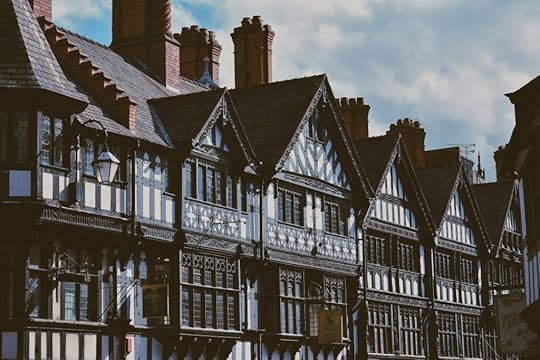
The Spirit of the Past
Chester is a town that has refused to fade, even as centuries have come and gone. Its Roman walls and medieval alleys, its quiet cathedral cloisters and bustling Rows, all stand as proof that history is not just in books but in the streets beneath our feet. In every stone and every story, you’ll find the soul of a city that has lived a thousand lives and still greets each new day with open arms.
Recommended Reading:
“Medicus” by Ruth Downie — Gaius Petrius Ruso is a divorced and down-on his luck army doctor who arrives in Deva (Chester) and after a straight 36 hour shift at the army hospital, succumbs to a moment of weakness to rescue an injured slave girl, Tilla, from the hands of her abusive owner. The first in a highly entertaining series.“DS Proctor” by James Churchill — In the city of Chester it is said to be legal to kill a Welshman in cold blood. Now it has happened, a Welshman lies dead, shot in the back from atop the city walls. Tasked with finding the killer, D.S Proctor is painfully aware that, even if he succeeds, there may be no hope of bringing the killer to justice. This murderer may have committed no crime at all.“Anarchic Destiny” by Jan Foster —Set against the tumultuous backdrop of Tudor England, Anarchic Destiny weaves a rich tapestry of history and fantasy. Henry Fitzroy—Edward VI’s illegitimate vampire brother—awakens in Chester to his destiny in ruins. Denied his rightful place at King, he seeks to claim what he believes is owed, regardless of the cost to those who once stood by him.“The English Medieval Town” by Colin Platt – A perfect companion for understanding the Rows, the market squares, and the enduring legacy of England’s medieval urban life.“Chester: A History” by Simon Ward – This book offers a comprehensive overview of Chester’s history, from Roman times to the 20th century.“Chester Through Time” by Hurley and Morgan – This book explores various aspects of Chester’s history, It’s beautifully illustrated and highlights the enduring beauty and heritage of the city across the centuries. “Old Chester” by H Hovell Crickmore – As its title suggests, this book immerses readers in the older parts of Chester and the period before significant changes transformed the city’s character. “The Great Siege of Chester” by John Barratt – Focusing on a pivotal event during the English Civil War, this book illuminates how the siege shaped the city’s fate and left its mark on the centuries that followed.“Haunted Chester” by David Brandon – Exploring the paranormal tales of Chester, this book brings to life the legends and lore that have haunted the city for centuries.About the Author
Jackie Lapin is the Historic-Traveler-in-Chief at The Historic Traveler, a media outlet and membership community for history lovers offering article features, travel resources, and stunning photo galleries, alongside carefully curated recommendations for historical novels, history books, biographies, films, museums, and more that illuminate some of history’s most treasured stories. An avid historical reader herself, Jackie shares highlights from more than 500 destinations she has visited and photographed, presented through a quarterly e-magazine, website, newsletter, and the Historic Traveler International membership community—a dynamic network of like-minded travelers and readers. There is no charge for membership! Go to www.TheHistoricTraveler.com. Get Jackie’s Guide to the 20 Great International Cities Where You Can Immerse Yourself in History …and the Books That Make You Feel as if You Lived It! – A Guide to What You See, Learn, Read and Imagine
June 30, 2025
Beyond the Seams: The Unseen Strength of Women in the French Resistance
In the shadow of World War II, as Nazi occupation gripped Paris, acts of defiance emerged not just from the expected places of male bravery, but often from the most unexpected corners of society: its women. While writing the Rebels and Resistance duology, I have been constantly struck by how overlooked the role women played in the Resistance movement has been. Although many stories emerge from research, they often focus on the exploits of the male fighters, but, as readers of historical fiction know, that is only half the story. The narrative of “Sewing Resistance” vividly illustrates how women, navigating a world that often underestimated them, leveraged their unique positions and perceived limitations to become vital forces in the French Resistance.
The Everyday as a Weapon: Seamstresses, Chambermaids, and Socialites
The women of “Sewing Resistance” are based on real life heroines and exemplify how ordinary roles could be transformed into extraordinary tools of defiance during wartime.

At the heart of the story is Hannah Edelstein, a young Jewish orphan who, to survive, was raised a Catholic in a convent. Her initial identity as a “mousy” and quiet figure, adept at sewing and alterations, which becomes her ultimate disguise. As a chambermaid at the luxurious Ritz Hotel in Paris, Hannah has unparalleled access to Nazi officers’ private suites, allowing her to gather crucial intelligence, copying letters ordering an increase in usage of airborne poison gas or details of troop movements. Her perceived invisibility as a servant – “no-one pays the servants a second glance” – is a powerful advantage, and her ability to speak both German and French a distinctive asset. To aid the Resistance, she ends up sewing disguises, altering uniforms so that agents can gain access without too many questions being asked.

Hannah’s oldest friend, Katarina, with her “Parisienne elegance” and high social standing, also plays a critical role. Despite her privileged background, she becomes involved in the black market to distribute vital supplies, run by Nazis under the nose of Nazis. Although well educated and connected, she lacks work experience, but her intelligence and love of puzzles, coupled with an unusual ability with electrical and mechanical items, makes her the ideal person to network with the higher ranks of Nazi officers. She is trained by the SOE to operate a clandestine radio which she uses to send coded information to the Allies. Her ability to appear unthreatening and blend into high society provides a crucial cover for her dangerous activities.
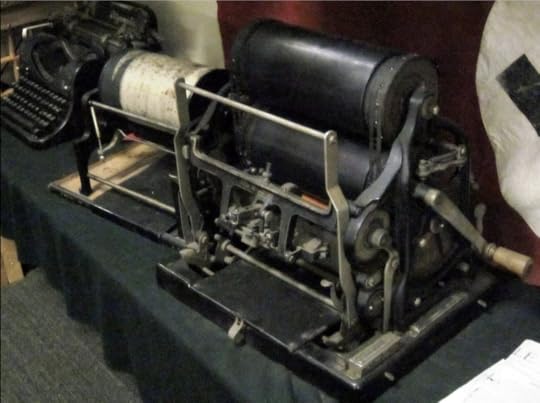
The Convent’s Conspiracy of Silence: Even before Paris falls, German resistance to Nazi oppression is sewn into Hannah’s upbringing. At the convent where she shelters as the Nazi party grips control over Germany and Austria, her role models of Mother Superior and Sister Luisa demonstrate early acts of resistance by hiding a printing press, distributing anti Nazi propaganda. Their convent secretly shelters Jewish children, operating under a “conspiracy of silence”. Sister Luisa’s bold confrontation with Oberführer Pieter Weisz, where she defends the convent’s art and is ultimately murdered for her defiance, highlights the immense personal cost of such resistance.
The Unseen Network: Beyond individual acts, a larger network of women operated in the shadows. Blanche Auzello, co-manager of the Ritz, actively ran subterfuge operations, including harbouring fallen Allied airmen in secret rooms and helping them to escape. Her arrest and imprisonment at Fresnes, where she was subjected to torture, did not break her spirit; upon her release, she determined to “shout about our part in forcing them out”. Female resistance operatives in the secret FFI base underneath the streets of Paris are shown training fighters. Perhaps most famously, the SOE Agent, American Virginia Hall, is portrayed managing Resistance cells, posing, as she did, as a reporter. Some 3000 members of her network, trained by her, were involved in numerous acts of sabotage to hinder the Nazi’s and aid the Allies.
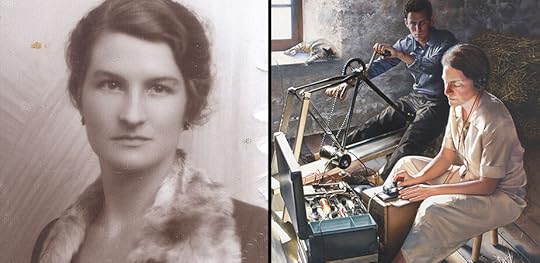
Virginia Hall – S.O.E agent
Overlooked and Underestimated: A Covert Advantage
The effectiveness of these women was often rooted in societal perceptions and legal statuses of the time, which inadvertently provided them with cover:
Legal Disadvantages in France: Although they could vote, French law at the time dictated that women could not own property. This legal status, along with other restrictions introduced during the Occupation, for example, they could not buy cigarettes or wear trousers (though creatively circumvented by wearing culottes for cycling), placed women in a less outwardly powerful position. However, being seens as second class citizens often meant they were underestimated by the male-dominated Nazi regime. The antagonist Nazi Officer, Pieter Weisz, makes a dismissive comment: “What? Women, nuns even, have produced this pamphlet preaching rubbish?”, which encapsulates this underestimation.
Nazi Ideology and Persecution: In Germany, and by extension occupied territories like France, the Nazi regime imposed severe restrictions on women but particularly on Jewish people. Aryan ideology was modeled on a patriarchal society, and women were encouraged to stay at home and raise children rather than work. Later, women and Jew’s were excluded from various professions, and Jew’s were additionally saddled with mandatory registration and identification with a “Juif” stamp on identity cards and the requirement to “purchase yellow cloth stars, and sew them onto their clothes”. This systematic dehumanization and control meant that those resisting, or simply trying to survive, especially Jewish women like Hannah, were often forced into covert lives, disguising themselves or feigning a alternative identities essential for survival and resistance.
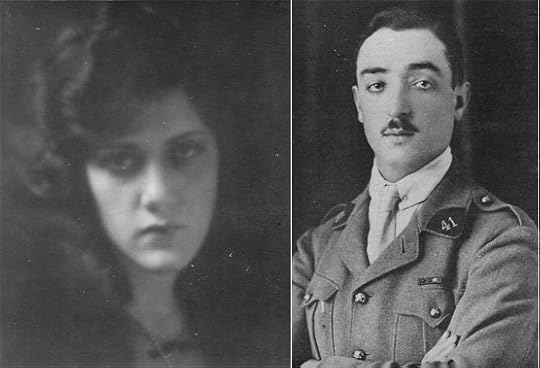
The Auzellos of the Ritz, Paris
The Illusion of Innocuousness: This allowed women to engage in subtle yet powerful acts of defiance. As Madame Auzello notes, Hannah’s “very quietness is your strength”, enabling her to be “watching. Remembering the details”.
In a world where overt male power defined the conflict, women in the French Resistance quietly, yet powerfully, disrupted the status quo. Through their everyday lives, their skills, and their willingness to exploit the blind spots of their oppressors, they demonstrated that strength and courage could be found “beyond the seams,” in the most unexpected and vital ways. Their stories remind us that resistance truly came in many forms, often hidden in plain sight.
Sewing Resistance – A gripping historical suspense set in Occupied Paris – launches on Kickstarter in September 2025 and widely published from November.
Follow the Kickstarter Project to find out more!
#HistoricalFiction, #WWII, #FrenchResistance, #Bookworm, #OccupiedParis, #SewingResistance, #CourageInDarkTimes, #WorldWar2, #MustRead, #Defiance, #HistFic, #WarTimeStory, #UndergroundMovement, #BookLover, #NaziOccupation, #ResistanceFighters, #RebelsAndResistanceSeries, #ParisUnderground, #BookRecommendation, #SilentSpy, #WW2Fiction, #HolocaustHistory, #Maquisards, #AmReading, #ReadingCommunity, #AuthorLife, #SupportAuthors, #NewRelease, #WhatToReadNext, #Bookstagram, #WomenInWWII, #CourageousWomen, #BlancheAuzello, #WW2History, #CovertOperations, #UnsungHeroes, #FemaleSpies, #WartimeParis, #UnderestimatedWomen, #KatarinaDevereaux, #VichyFrance, #ResistanceStories, #WW2Books, #BookRecommendations, #FrenchHistory, #InspiringTrueStories, #JHFoster, #SOEagents, #HiddenResistance, #BookCommunity #soe #virginiahall #ritzhotelparis
April 29, 2025
Boy, Resisting
Chapter 1 – The Voice
My name is Frederick and I have a secret. Wanna know what it is? Of course you do IF YOU’RE SNOOPING AND READING THIS!
My Mama gave me this book for my birthday. “So you can keep a record,” she said. “It’s important to remember who you are, and what happened to you. Write in it. Doodle. Whatever you want.”
I think she meant write about the Nazis, because they’re why we came to Paris. Because they were after us.
That’s the secret… not really!
You see, I’m a nobody. Insignificant. Just a boy. If you knew me at all, then you’d also understand, I’m not so stupid. If I did know anything dangerous, I wouldn’t write it down. There’s nothing important, no secrets you’d be interested in here.
Unless, I am the secret… got you again! Or have I…
Mama’s not so good at reading and writing. She says the words all jumble together, so I’ll write what happened here, for us both. I doubt could ever forget, because I’m good at remembering, but maybe she will. Someday we might read this notebook together and remember. Maybe she’ll disappear, because that happens to people too, and then what happened to us won’t matter. Except to us.
Or, maybe I’ll die and she can use this book to remember me by, like a story.
I’ve seen dead bodies before. Perhaps someone will look at mine, feel sad and say, he was a nice boy. A kind boy. And, they’d read this diary and feel like they knew me. I hope so, because I know that’s what Mama asks me to be, above all else. “Be kind, safe but curious, Freddie. That’s all I’d ever want you to be,” she always says.
I was born in a convent in Germany, well, Austria which was a part of Germany then. I liked it there with the other children, my friends Zachariah and Emily. And Gustaf and Wilhelm, until they both went to new families. Last year, lots more children arrived, but hardly anyone went to new families. Before you knew it, the bunk beds were full! The nuns were pretty nice and tried really hard to look after us all. We had lessons with Sister Marta every day, except Sundays. We played in the gardens and learned how to grow vegetables to eat, and how to take care of the goats.
On Sundays, we all walked into the town to go to Mass at the big church. Twice. As everyone lined up before leaving the convent, Mother Superior reminded us, “You must be good Catholics now,” as if we weren’t always. Sometimes, the newer orphans would be confused during the service. The nuns would whisper to them, to keep their heads down, be quiet and do what the rest of us do.
I quite liked the singing and the pictures on the walls, even if I didn’t understand what was being said half the time. The smoke from the incense got in my throat sometimes and made me cough – usually at the worst time! I coughed and spluttered and everyone would look at me as if I was doing something terrible, even though I couldn’t help it.
I knew I was the lucky one though. My Mama lived with me at the convent. Almost all the other children had to leave their parents. Not, I think, because they wanted to. Some people’s parents died and they had to live with us. Having never had a Papa, I don’t miss having one. It’s always been me and Mama, a tiny family within a bigger family of nuns and the orphans. Perhaps we were the largest family in our small town.
Mama wasn’t a nun, because the nuns can’t have babies. She did all the sewing and some cleaning, gardening and cooking. By the courtyard window in our bedroom was her sewing machine, with the big pedal underneath to make the needle whirr and chomp through the fabric. Sewing was probably the only time she sat down, altering clothes so they fitted everyone with a little smile on her face. Sometimes, she was given whole strips of material to sew new dresses, and that made her happiest. I suppose, because of her work, that’s why she and I had our own room. All the other children slept in the bunk beds, which seemed more fun. When I asked if I could sleep with the other boys too, Mama said, “And leave me all on my own?” She looked so sad.
“Of course not,” I said. “I never want to leave you.” And I thought of all the other children who cried because they missed their families. “I’ll never leave you.”
She smiled then. “When you grow bigger than me, you might think differently. But for now, I’d like to share your childhood.” Then she looked down at her clenched hands and I remembered how her parents died when she was little and she had to grow up with another family, who didn’t really want her.
“I’ll never grow up,” I replied. “I’m Peter Pan.”
Mama laughed. “I hope not. How awful to never grow up.”
At the time, I didn’t think anything of it, but now I wonder if she knew what was going to happen.
My favourite nun was Sister Luisa. She didn’t try and make me remember bits from the Bible, like Sister Marta and Mother Superior did. When Mama gave me my camera, a Zeiss Ikon Box-Baldur, she looked at the photographs I took and said, “You’ve got a really good eye, Freddie.”
“I have two eyes,” I replied and blinked, because who doesn’t have two eyes? “Which is the good one?”
She laughed at that. When I took the camera apart to clean it, she helped me figure out how to put it back together again. She lent me a screwdriver which was better than the knife I used to unscrew it, and a soft cloth to clean the lens with.
I’ll never forget her. She told me to hide, and that kept me alive. Hers was also the first dead body I ever saw. You don’t forget a thing like that.
We were taking pictures in the chapel when it happened. Over breakfast, Sister Luisa asked if I would help her with some paintings, given to us for safekeeping. They had been piling up next to the confessional booths for months and needed cataloguing. “Bring your camera.” I nodded then nearly choked on my porridge when she handed me a new roll of film and said I could miss lessons!
It was a lovely morning, just Sister Luisa and I, in the quiet chapel. I helped her bring out the paintings in their heavy frames and she told me I was a strong boy. We wiped off the dust then propped each one against the plain stone walls, in a shaft of sunlight so I could take a clear picture of it.
Then, we both heard strange, muffled pops from the courtyard. She pushed back her wimple and told me, “Hide in the pulpit Freddie while I find out what’s happening.”
Only the priest was supposed to go in the stone pulpit. “I’m not allowed,” I said, still wondering what the pops outside meant.
“It’s the safest place,” Sister Luisa said, then she glared at me. She didn’t usually frown. “Take your camera.”
“Well if you say so,” I replied, and grabbed it.
“Hurry child.”
I ran across the tiles and crouched inside. It smelt musty and a little bit like stale socks.
Then I heard Mama’s voice. “Freddie?”
I stood up and called back to her.
“Get down,” she hissed. I thought she must be angry because I was somewhere I wasn’t supposed to be. I was about to tell her that Sister Luisa told me to, but she pushed me against the pulpit wall. “Stay silent until it’s all over.”
It was her eyes which shut me up more than what she said. They were wide and her face was white. She and I huddled against the cold walls and her arms shook. My camera rattled and she clamped her hands on it just as I heard a man’s voice.
It sounded deep and sharp, all at the same time, talking about the paintings. I didn’t really understand what he said, as if there was a layer behind what he said, in that way grown ups do when they say one thing but really mean another.
Mama craned her neck to see out of the entrance gap in the pulpit, but her hand kept my head in her shoulder so I couldn’t move.
The man talked about taking the paintings for an exhibition, for Hitler. Sister Luisa said, “They belong to us.”
Mother Superior was there too, and tried to argue with him as well.
But the man’s voice turned hard as he disagreed. His footsteps grew closer to the pulpit, and Mama’s arms tightened around me.
A loud bang made me flinch.
***
You can read more of Freddie’s story in ‘Boy, Resisting’ which will launch in September 2025 on Kickstarter.
Subscribe to my newsletter for launch news, to follow the Kickstarter and more stories HERE!
#firstchapters #sewingresistance #rebelsandresistance #ww2 #history #frenchresistance #occupiedparis
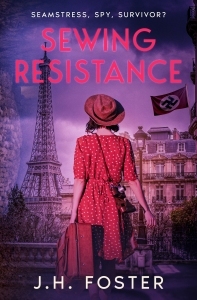
Sewing Resistance
March 23rd 1937. Austria.
My foot pauses on the pedal when I hear the rumble of trucks pulling into the convent’s courtyard below. I glance down at the beige shirt held by the needle of my trusty Kohler sewing machine, then through the small window next to me. Adjusting the shirt to fit the smaller chest for one of the orphans will have to wait, as two jeeps, a covered truck and a long-nosed black car fill the yard below.
Soldiers scramble out, guns cocked. A tall officer steps from the back seat of the car. His face is hidden to me as he pulls his cap low, then straightens his long, black SS coat. I draw away from sight, mouth dry, mind racing. With so many armed men accompanying a senior Nazi, this cannot be a cursory check. As if confirming my fears, the barked order echoes up: “Überall suchen.”
Would they search everywhere? I doubt they will leave out my room. My gaze sweeps around the neat, narrow space. It was once a corridor, but now my bedroom-come-workroom has a chest for clothes and a bed. On the shelf near the machine, I store sewing supplies and fabric remnants. Superficially, it’s just an ordinary room. But, in the middle of the long wall is a faded wall tapestry, which appears to be decoration. The hanging has another purpose – behind it is the locked entrance to the room which the corridor once provided proper access to.
If my bedroom, then the next, are searched, explaining away the printing press would be difficult. The scruffy-looking man who rested there for a few days departed last night, using the knotted rope hanging from the window tucked into the ivy which grows up the side of the building. I pray he left no evidence of his presence behind, but, hearing the hammer of boots marching across the flagstones, I’ve no time to check.
As I push my stool aside and stand, I catch sight of Freddie’s holey socks on the bed – my next project. Where’s my son? My stomach clenches as I dash across the room. Wasn’t it today the children are supposed to be learning about tending to vegetables? I fling the tiny bedside window open and stick my head out, searching for our ever-growing group of orphans and Freddie in the gardens and vegetable patches. No small capped heads are bent over the beds, no sound of chatter or laughter drifts on the breeze.
Under the shadow of the mountain, the grounds seem deserted, but then, I spot grey intruders stalking through the beans. The muzzles of their guns poke through the leaves like wolves’ black noses, peering, searching for prey. What can they be looking for? This is a small convent, dedicated to taking care of orphaned children, although, for the last year, it’s been hard to ignore the comings and goings of late night visitors, and whispered conversations which cease whenever I walk in.
The classroom – the children must still be there. I close my eyes briefly as I shut the window and cross myself, sending the Lord a prayer for us all. The simple action does little to calm me, but then, not born to this Catholic faith, it’s the best I can offer. I have learned the hard way that appearances matter, and, with my sallow skin, dark hair and eyes, I’m accustomed to visibly demonstrating how not Jewish I am now. After being orphaned ten years ago, in this second decade of my life, I follow the religion of my childhood benefactor and current home, and have forgotten everything I was born to. In dark times, Catholicism is safer, or so Herr Franz Weisz said, when he begrudgingly undertook my parents’ wishes and provided a roof over my head. Until, I disgraced myself and ended up here, sheltered by the nuns. I have no desire to take vows, nor could I, but in return for mine and Freddie’s board, I sew, cook and clean.
A cursory, almost habitual, check reassures me there’s nothing to suggest wrong-doing visible, unless you count an old, much-treasured copy of Harper’s Bazaar nestled on top of my clothes in the chest. Satisfied, I rush through the corridors towards the schoolroom at the other end of the building. When I open the door, Sister Marta’s eyes widen and her mouth tightens at the interruption. The children’s fearful white faces swivel to see who’s entered, so I imagine she must know our sanctuary swarms with Nazis and has warned her charges to behave. My gaze is drawn to the front table where Freddie usually sits.
He isn’t there. My throat tightens. “Can I help, Hannah?” Sister Marta’s voice wavers slightly. How hard it must be to stay calm for the children when we both know what’s at risk.
My speech sounds thick as I replied, “I just wanted to….” To what? Check on my son, when all the other children here have no parents to care for them? My stomach knots with shame. I should be protecting them all, like the good Sister is.
“If you are looking for Freddie, he was helping Sister Luisa with his camera, cataloguing paintings in the Chapel. All other children are accounted for here, safe with me.”
I throw her a grateful smile and close the door behind me.
As I look back up the corridor, a soldier stands outside my room. He’s young and skinny, barely a man, and probably no older than I. His expression changes from bewilderment to decisive. “Halt!”
I freeze, my hand still on the classroom doorknob. “Can I help you?” I doubt it, but I must draw him away.
“What’s in these rooms?” He grips the gun slung over his shoulder and waves the muzzle at the doors as he strides towards me.
I want to tell him it’s none of his business, but Mother Superior’s voice floats through my head. “Rebellious behaviour will only get you noticed. Know your place, speak only of what you know and all will be well, Hannah,” was her wise advice upon my arrival here, six years ago and pregnant.
“Dormitories for the orphans,” I said, my head low. “And this is their classroom. They aren’t locked. You can go in them, if you like.” They are kept spotless and I’m certain the worst he’ll find in there is a contraband catapult toy. Go into these rooms, I pray, not mine.
His lips pinch together as I urged, “But please, lower your rifle if you enter the classroom. I’m sure there’s no need to frighten the children.”
He nods at me curtly, then flings open the door nearest him. I take the opportunity to dash downstairs. My steps slow as I cross the stone flags of the entrance hall and sneak towards the Mother Superior’s office. Through the doorway, I glimpse the officer’s leather coattails, flapping as he paces.
“Father Tomas only read what he was given,” Mother Superior said, in a prim voice. Last weekend, the whole convent, including the children and myself, had attended the Mass in the larger Church in town, upon Mother Superior’s instruction. We had all been shocked at the strong opinion – an abject condemnation of the Nazi regime, in what he’d titled, ‘Mit brennender Sorge’. The edict, written by Pope Pius himself in German, was delivered from the pulpit to the congregations of all Catholic churches simultaneously on Palm Sunday. I recall the sharp intakes of breath when Father Tomas paused after reading out, ‘The experiences of these last years have fixed responsibilities and laid bare intrigues, which from the outset only aimed at a war of extermination.’
For those of us from the convent in the congregation, it echoed Mother Superior’s daily caution – each Jewish child we house here must be protected. Their very lives depend on our conspiracy of silence about their origins.
She invokes the authority of the Papal office, said primly, “A Papal Encyclical must be delivered to the public as soon as it is received.”
“I know it must, I was brought up a Catholic myself,” the officer said. “But it is one thing to have an opinion, but quite another to act upon it, as you have.”
A shiver runs through me as I recognise the deep, clipped voice of Pieter Weisz, son of my benefactor. I have not seen him in years. He’d already moved into the accommodation provided for him by the state, when his cousin – and my only childhood friend – Katarina and I faced the consequences of our actions, back in 1932. Pieter would surely know of my dismissal from his family estate, perhaps even why. And, he knows I’m Jewish.
Hide, my instinct reacts, before he sees me. Before I can be his undoing, for he would surely shoot me down rather than risk me telling anyone his father housed a Jew, let alone built the family fortune by taking over my parents’ business upon their unfortunate demise.
Mother Superior sounds indignant. “Act upon what? I’m not sure what you mean.”
“Don’t you? Perhaps within these walls, you do more than pray.”
“Of course. Aside from our work in the community, we have orphans to care for.”
“If I should find any of them are Jewish, there would be consequences,” Pieter said.
“All children are innocents. Surely you can agree, Oberführer?”
“Not all children are, and a Jew is a Jew.”
This antisemitic stance is well known to me. He has clearly risen the SS ranks in my absence, as well as cast aside the teachings of compassion from his faith. His coveted position was the very reason Herr Weisz was so keen to remove me from his house. The SS must be beyond reproach, generations of pure Aryan blood proven, with no hint of association with a Jew.
I should run – now – but my feet refuse to obey. My hands shake… I cannot leave without Freddie.
Inside the office, the paces cease. Pieter said, “I’m under orders to expose those who assisted delivering the Encyclical, then deal with them appropriately.”
Find Freddie and go, I decide, mentally repeating it over and over until my feet finally comply. As I creep past the doorway, Pieter’s voice reminds me of the cold deliberation of his father. “You can imagine my surprise when last night, my men captured a known dissident on the road, close by to this very convent, with copies of the Encyclical on him. A man known for spreading disinformation, for resisting. A radical who seeks to disrupt order in this province.”
Mother Superior gasps. “Whomever he is, whatever he’s done, that’s nothing to do with us. We are a simple religious order, seeking only to do God’s work.”
“After ‘questioning’, the traitor admitted he’d been housed at this very convent.”
Just past the door, I freeze. Under torture, I imagine most people would say anything to make it stop. But, there was a man here, until last night…
Mother Superior said, “We have no men here, Oberführer. Apart from a few young male orphans, there are only women living here, of course.”
“Then it is women, nuns even, who have produced this pamphlet preaching rubbish, which we also found on him?”
The implicit sneer in his voice makes my blood run cold. Whatever was printed, I can only assume the contents are critical of the regime we live under. Why else would it be of concern to the SS?
I clench my hands together to stop them trembling. How had I not seen what was right under my nose? But I know, deep inside, the answer to my own question. Fearful, I had suppressed my curious, rebellious nature. For Freddie’s safety was why.
In the silence I imagine Mother Superior is wrestling her usual inclination to voice the truth with the need to protect us all.
But Pieter isn’t done. “Not only are you harbouring criminals, but abetting their pathetic cause. Which makes me think, what else are you hiding here?” He snarled, “Shall we see? How about the chapel? Lots of hiding places there.”
Urgency to find my son overrides my caution. As I dart down the passage towards the chapel, the office door creaks behind me.
“There’s nothing there,” Mother Superior squeals, unnaturally high pitched. Her voice and the shuffle of her shoes are too close for comfort, but I don’t look back as I slip into the cool recesses of our sanctuary.
I scan the empty pews, chewing my lip. On one side of the chapel, a selection of paintings I’ve never seen before are propped against the wall by the confession booths. “Freddie?” My whisper grows urgent as I tiptoe towards the altar. “Freddie? Where are you?”
“Mama?” He calls from inside the limestone pulpit. As he then stands, his hair pokes above the stone rim, white-blond wisps caught in the sun streaming through the windows.
“I’m coming, stay there!”
Pieter’s voice echoes down the hallway. “There’s rarely nothing in my experience. Where there’s one rat, there’s a nest.”
“Get down,” I hissed as I run towards the pulpit and up the few steps to reach him. “Stay silent until it’s all over.”
He crouches, arms wrapped around his knees, white-knuckled fingers grasping his camera. Relief floods my body as I drop inside the stone booth and clutch him into me. Freddie’s hands shake and I place my fingers over his on the camera in case it rattles. His most precious possession, his only one, is this old Zeiss Ikon Box-Baldur. The metal box was all the rage in Hitler Youth, and passed on to me as a hand-me-down by Katarina just before she left for finishing school. I suppose it might have been Pieter’s once upon a time. Freddie formed an attachment to it from a young age, although we rarely have money for film or to have his photos developed. Of course, he knows nothing of its providence, just likes to take it apart and put it back together again, twiddling the knobs and pressing the trigger with a very satisfying click.
“Resist any more, and you’ll learn the consequences,” Pieter said, closer now.
I bury my head over my son and hold my breath.
There’s an audible bump from by the doorway, then Mother Superior squeals.
“How dare you?” Sister Luisa calls out. She must have been hiding in a confession box, but as I turn my head to look through the pulpit’s entrance, she steps directly into my eyeline. “This is a place of worship.”
“It’s alright, Sister,” Mother Superior replied, but it sounds forced.
Pieter’s shoes click across on the aisle tiles. “Looks like you do have something to confess, Sisters. A fine collection of paintings, I see. Not the usual sort of pictures one might expect in a chapel. These look far too modern. Being something of an enthusiast, I’m always on the look out for works for the Entartete Kunst. That’s the ‘degenerate art’ exhibition, which will soon be held in Munich. Something of a hobby for our Führer, and he looks kindly upon those who support his vision. Let’s see now…”
“See it or seize it?” Sister Luisa snaps back. The woman has no fear. “I’ve heard what you’re doing, taking paintings from people, from Churches even.”
“But it’s so important to show the people the right kind of art, wouldn’t you say? So they might see the truth within. And, you never know what kind of filth you’ll find in unexpected places.”
“I assure you,” Mother Superior’s voice wavers. “You’ll find nothing of interest here.”
“Then why, pray tell, are all these paintings – showing nothing to do with the glory of God – displayed here?”
There’s a shuffle of feet as Sister Luisa disappears from my view, then she said, “I’m simply cataloguing them. They were donated to us, for safe-keeping.”
“Ah, but who did they belong to before, I wonder?” His shoes tick-tick-tick as he crosses the flagstones, closer to our hiding place.
“Stop!” Sister Luisa said. My arms tighten around Freddie.
“Therefore, I conclude these can only be stolen. Or maybe given in exchange for something. Harbouring Jewish children, perhaps, or fugitives. Either way, they don’t belong here, do they, Sister?”
“They are ours,” Mother Superior interjects. Her voice sounds feeble behind us, then she whimpers. I crane my head around so I can see out of the pulpit better.
Pieter faces Sister Luisa, who stands in front of the paintings like a guard dog. “Are you calling me a liar?”
“I would never…” Sister Luisa blusters.
“Oberführer, no!” Mother Superior calls.
“No-one cares what you say. It’s what I say that matters.”
My heart is in my mouth as Pieter’s arm rises. Then I see what was obscured before – the black snub of a revolver blends seamlessly with his dark leather gloves.
“No!” Sister Luisa’s exclamation is drowned out by the shot booming around the room. Before my eyes, she crumples to the ground. I register the click of Freddie’s camera as Pieter swivels on his heel, arm still extended.
“This lawlessness is unacceptable – even for the Gestapo!” Mother Superior exclaimed.
But he sweeps the gun past the pulpit and aims it towards the doorway at the back. I clap my hands over my mouth and clutch Freddie into my chest.
“Resisting arrest, Sister? What if there’s no-one left to tell?”
Bang! The noise echoes briefly, replaced by the receding tap-tap of his shoes as he strides out.
Freddie whimpers in my arms, breaking my shocked silence. I’ve been clutching him so hard it must hurt, but for the life of me, I cannot release my boy. Framed by the pulpit’s carved sides, I can only stare at Sister Luisa’s body. Blood saturates her white wimple. Despite me silently willing her to get up, she is utterly still.
Freddie wriggles. “Shh,” I whispered into his hair.
I am frozen in fear, until I hear a groan at the back of the chapel. Mother Superior! Her moans galvanise me – perhaps she still lives? “Stay here,” I ordered Freddie as I uncurl myself from him. As I stand, he looks up at me. Watery blue eyes meet mine and his fingers tighten around his camera as if it can replace my warm body comforting him. I tear myself away from his gaze and dash to the doorway.
Mother Superior lies, leg twisted awkwardly, on the floor. She holds her hand to her chest, but blood seeps out between her fingers. “Oh no!” I drop to my knees and push my palm over her bloody hand.
Her eyelids flutter open. “Run Hannah!” She croaks out. “Never look back.”
“Don’t try to speak.” I bear down in a vain effort to stem the bleeding.
A gurgling noise comes from her chest and she tries to cough.
Her other arm twitches, fingers reaching for me as if she is desperate to say something more. I bend closer, folding my other hand over her cold fingers. As I grip her, I remember these arms of hers held me as I birthed Freddie. Comforted me as I accepted I could never go back to the Weisz’s and life as I knew it. I long to feel the strength of her embrace again, but, I fear all I can do now is hold her in her final moments. Despite my best efforts, her blood pools around my knees as I sense her heartbeat slow. “Please stay with me, Mother,” I pleaded, “Lord, heal your servant, I beg you.”
But my prayer falls on deaf ears. I cannot call out for help. Can do nothing but hold her hand and be with her.
Her last breath drifts silently from her lips, soft and shallow. Her head lolls, and I know she is gone.
Before I can do more than bow my head with sorrow, gunshots sound from the courtyard. They are the rat-a-tat-tat of machine guns, not the calculated aim of a pistol. I cannot imagine what is going on out there, and I don’t want to find out. We must heed Mother Superior’s warning, so I dash back to the pulpit.
Freddie hunches against the stone, shivering. There’s no time to comfort him; I grab his arm and pull him out. He resists, shaking his head, but I’ve no choice. I scoop him up, into my chest, and, like a limpet clinging to the rock against the waves, his legs wrap around my waist. My bloody palm holds his face into my collarbone so he does not see the terrible cost of resisting. The camera slung around Freddie’s neck bangs against us with every step as I run past Sister Luisa’s body, then Mother Superior’s, and into the empty hallway.
Mindful of the danger outside, I dash up to my bedroom. My heart thumps a warning, my breath fast and too shallow to calm me as I’m greeted by confirmation of my fears: the tapestry has been pulled down, and the door behind it kicked in.
Stunned, I stand motionless, listening to the wind whistle through from the chamber beyond. In the stillness, I sense we’re alone. They have made their discoveries, passed judgement on us all and delivered the punishment, all in a matter of minutes.
Run, Mother Superior said, but, in a moment of clarity, I understand the intention behind her instruction – we can never return. Still clutching Freddie on my hip, I accept in an instant we’ll never come home and make my peace with it. One handed, for I’m not letting go of Freddie for anything, I sling my old school satchel over my shoulder. I rummage through my chest then stuff my papers into the front pocket. Not knowing what’s ahead for us, I grab my mother’s yellow scarf, Freddie’s holey socks, and shove what few pieces of clothing will fit into the bag. I fix the straps with shaking fingers. Sliding everything we now own across my back, I glance out of the window to the courtyard. Freddie whimpers as I turn his head into my shoulder, but I do not want him to see what I fear I must witness.
Below, the flagstones are strewn with bodies, mown down as they tried to flee. Children, nuns. Innocents. Soldiers stand around the walls, lighting cigarettes as they survey their morning’s work. Guessing what happened sickens me.
Then, Oberführer Pieter Weisz emerges from the front door and orders them to pile the corpses and douse them in petrol. The young soldier I met in the hallway approaches him and points towards my window. I pivot away – a mouse does not wait for a cat to pounce, and they will surely come for the press before long.
As I head through the smashed door, my eyes fall on the dog-eared Harpers Bazaar left on the bed in my haste to pack. Girlish dreams I have to leave behind now our mere survival is in question. I reach beyond the windowpane and drag out the knotted rope from the ivy. Then, I climb onto the windowsill, take a deep breath and swing us out. As I rappel down with Freddie on my back, step by careful step, my mind flashes to recall the pages of that magazine, fallen open on a report from Paris’s Spring Collection. I know then where we have to go.
* * *
Sewing Resistance will be launching in September on Kickstarter, along with a companion read for middle grade children – Boy, Resisting – which tells the tale from Freddie’s point of view.
Subscribe to my newsletter for launch news, to follow the Kickstarter and more stories HERE!
#firstchapters #sewingresistance #rebelsandresistance #ww2 #history #frenchresistance #occupiedparis
November 30, 2024
A Bridge of Words
Recently I was invited to appear on a podcast, with a twist. Writing to a prompt of ‘polite’ the two hosts of ‘The Tiny Bookcase’ and I would write a short story and read it out for the first time, on air. It was a fantastic exercise because, not only could I write something completely out of my usual ‘world’, but also the opportunity to ‘perform’ it was great fun!
You can listen to the podcast HERE, and if you would like to, the interview with me HERE (separate episodes). I also wanted to share the story as a written piece, just for fun, so below is A Bridge of Words, a tall/small tale about living in a society where manners are valued above all else, until interlopers and dangers strike. I hope you enjoy it!
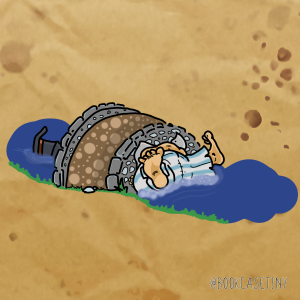
A Bridge of Words, by Jan Foster
“A person of your stature shouldn’t have to suffer the indignity of reaching up for your goods, Thorina,” Gladys said, as she bustled around the high counter. She could barely reach over the wooden ledge atop the baskets of cakes and breads on display either. “There now, you enjoy your lunch and I wish you a pleasant day, good neighbour.”
Her fingers traced over the label as she read it out. “Please take great care when eating this item of food, as contents may be hot.”
I should bloody hope so, Thorina thought, cold bacon and eggs were awful.
Gladys bobbed her beak-like nose and proffered the frilly paper-wrapped parcel then stuck out her other hand. “That’ll be thruppence and…” Her grimace widened to display an uncomfortable number of pointy teeth. “Whatever else you deem appropriate compensation for the personalised service you have received at Hoppy Bakery today.”
Thorina swallowed back a sharp retort. It was bad enough being a dwarf without everyone constantly feeling the need to comment upon it, or worse, make such allowances for shortness that her very independence was called into question. “Very thoughtful of you.” She rummaged in her pouch for silver coins with which to pay for the food, and the shiny green-hued Kindness coin Gladys was obviously expecting. With some reluctance, for it was rare Thorina herself was gifted such treasures, she dropped payment into the harpy’s hand and turned to leave.
Gladys trilled, “You’ll probably need to go the long way home, I hear the bridge is blocked.”
“Fuuuu…n times,” Thorina said, grabbing the door a little too forcefully and hoping the near-expletive had gone unnoticed. To make up for it, she swore under her breath as she stomped over the cobbled main street. Long way round be damned, she’d wade across the river if need be. Sometimes, the village’s politeness and tolerance overwhelmed her, especially when she was hungry. It took every ounce of restraint not to tear into the fancy package and rip into the brunch bap inside, but it wouldn’t do to eat on the street. Better wait until safely home, seated at her workshop table with the meal plated and ready to be nibbled upon in tiny evenly cut pieces with knife and forking-fork. Besides, simply to untangle the web of trussing around her treat would take all her engineering skills. Or a very sharp knife.
Resigned, she acknowledged to herself, at least the constant need to fancify everything provided an income. Fixing the villager’s elaborate but well-intentioned contraptions to make life more inclusive provided her with a steady stream of repair work. From hoists and wheelchairs to convey the less able-bodied, to sophisticated machines which could assess one’s capabilities and suitability to carry out labour – these were the bread and butter of her existence now.
As she neared the bridge, the idyllic calm of the quaint thoroughfare was shattered by laughter and derisive snorts. An assortment of people, varying in both creed and colour and representative of the diversity of Eldergrove gathered on the riverbank. They frowned and shook their heads while studying from afar the damage to the only way in and out of the village.
A cart had somehow tipped over, depositing cabbages in the middle of the hump as it had crashed into a shiny, but dented metal box on wheels. The collision left both vehicles wedged into the stone walls in such a way that neither could go forward or backward, effectively blocking the route. Along with a stench of burned rubber, an acidic smell lingered around the area, setting Thorina’s nerves jangling. An old man tottered about on the other side of the river, groaning as he bent to collect his cargo and seemingly impervious to the chaos and the queue of bored-looking traders clustered on the track behind him.
Below, the river babbled away with the odd cabbage; its soothing trickle amidst the lush green landscape completely ignored by the gaggle of unfamiliar youths clambering over the wreckage as if they had no care for the consternation their accident had caused. Thorina’s mouth dropped open as the interlopers began posing with stupid expressions, holding up handheld devices which clicked when tapped. They appeared entirely ignorant of the baleful stares of those on this side of the river. After a series of shots, they huddled, pointing and giggling at their images which Thorina saw flash over the screens of their devices.
Thorina approached a smaller group of village elders, passing a large sign stating the obvious: THREAT TO LIFE – UNSTEADY GROUND. OBJECTS IN THE RIVER MAY APPEAR CLOSER THAN THEY ARE. PROCEED WITH CAUTION. About right for once, Thorina thought, a trog of trolls was less intimidating than this bunch of bozos. Not to mention the gang of hoodlums dressed in almost identical black tops.
Despite nervous glances at their local Mrs Fix It Engineer lurking next to a sandwich board as big as she was, no-one offered her the customary greeting: “Welcome good Mistress, may peace and politeness surround you in the spirit of tolerance. Good health, good fortune, and good day to you.” Good, good, sodding good – it drove her mad, and merely saying it didn’t mean you truly meant it. No kindness coins for anyone today, but at least the severity of the situation had reduced the congeniality delays.
Still, she waited for their acknowledgement – it didn’t ‘do’ to force one’s opinion upon any given situation in Eldergrove; better to be invited to contribute by whomever was chairing the convention. Then, she realised the sorry truth: No-one seemed to be doing anything about the problem. They were all just watching. Passing silent judgment.
Minutes ticked by. Thorina wrestled to control the expletives which threatened to fall from her lips by thinking about the delicious brunch dangling from her fingertips, and how good it would taste… if she could only get home to eat it. Her jaw tightened with the effort and she was about to burst, when chubby Mayor Twickett stepped forward. In his prim, professional and most poncy voice, Twickett tucked his thumbs into his sash of office and announced, “I call upon thee, strangers but welcome to our land, to remove your cart so that those traders behind you can pass.”
A tall, skinny lad, presumably the leader of the gang of some four youths, mocked, “I call upon thee…” before dissolving into laughter. “For real.”
“What kind of a place is this, anyway?” Another jeered from beneath his hood.
“Trust you to flex too far and crash us in ‘ye olde worlde’, Tarq’s,” said another, rubbing a finger under his spotty nose. “Post the vibe, man and let’s bounce.”
Bewildered by their dialect, and intrigued by the picture taking devices they all were equipped with, Thorina stepped out from behind the sign.
The tall lad pointed at her. “Hey look! A midget, man. An actual dwarf!”
“We in Hobbiton or sommin?! She don’t look like a proper dwarf, or a hobbit. Oh, Gandalf, where are you…” Spotty called. “Damsel dwarf in distress.”
Thorina balled his fists as the Mayor dithered on the river’s edge, mouth gaping like a carp.
The youth with a hood pulled over his buzz cut sneered, “Reckon she’s got a massive hammer hidden somewhere? That’s what’d make her a proper dwarf, innit.”
The fourth, dressed in trousers which seemed to stop below his bottom made a rude gesture around his groin, then said, “Gimli – he da GOAT! Don’t diss the Gim, man.”
It didn’t matter then who spoke, their nasally-toned laughter triggered Thorina. “Shut the fuck up, you disrespectful brats.”
She wasn’t named after the legendary character for nothing. As soon as her surprisingly loud voice rumbled across the river, the youths froze. She glared at them with all the seriousness which a person of slight stature could command, not daring to look at the doubtless shocked expressions on the elders’ faces. For a moment, Thorina thought she’d done enough to shock the thugs into submission. Perhaps then they could be reasoned with. Until….
“She speaks! Oh my days, the dwarf actually sounds like a dwarf,” the tall one jeered. “Go on, get grumpy on us.”
Thorina knew then that there was no reasoning with them. No amount of swearing or threats would work. But the problem remained, they and their vehicle blocked the way. Without the bridge cleared, her way home was impassible, and the village’s trade impossible.
“Why don’t you take yourselves and your contraption away?” Thorina growled.
The tall lad shrugged. “Dunno. CBA.”
“What do you mean, dunno? CBA?”
Pizza face answered, “He means, he dunno how to fix it.”
“Shuddup Tarquin.” The tall lad grunted. His back hunched and suddenly he didn’t seem so big anymore. “I can fix it, I just… CBA.” His eyes slid to the tangled mess on the bridge, then he studied the ground. His friends dithered, equally uncertain it appeared.
Thorina was not so old that she didn’t remember how awkward it was to admit when you didn’t know something. “CBA? Give me a clue. Help an old git out.”
“Can’t be arsed – CBA,” Buzz Cut offered. He swiped the hood back from his face, revealing ears which were a little too pointed for a human.
“Maybe I can help?” Thorina offered. “We need to get the bridge clear as a priority. I’m sure it’s possible, if we work together.”
The Mayor glanced at the other elders, then at Thorina. “We couldn’t possibly do that.”
“Why not?” Thorina asked as her shoulders rose. “There’s enough of us here to lift the cart free, then we can push their… contraption aside.”
“Well, there’s a proper procedure and process for recovery of vehicles, Mistress Thorina. We must follow it.”
Thorina pursed her lips, while the Mayor paced along the riverbank saying, “Not to mention we must assess the team’s suitability for each job, making sure we’ve thoroughly covered every eventuality in our risk assessment.”
Collectively, the youths snorted. Thorina glared at them and they stopped short of derisive laughter. “Couldn’t we just…”
Before Thorina could finish her sentence, the Mayor let out a squeal. Thorina whipped her head around just in time to see Twickett slip, then tumble like a bauble down the riverbank. A deep-sounding splosh confirmed he hadn’t followed his own signage. Thorina dashed to the bank – all that could be seen was the Twickett’s protruding belly as it floated towards the bridge!
“Shiiiiit,” Tarquin the Spotty murmured, scrabbling along the wall to meet Thorina at the bottom of the bridge. “He ain’t gonna get a reboot unless…”
Thorina glanced up and met the youth’s eyes. “The sign. It’ll float.”
The tall lad clambered over the wreckage and joined them. “Hoodies, lads. Now.”
Impressed by his quick thinking, Thorina’s urge to swear disappeared as jumpers were pulled over their heads and tossed them to Tarquin, who began furiously knotting the sleeves together. The giant dragged the sandwich-board sign down to the river, flipped it open, then held it steady on the river edge.
Thorina eyed up the Mayor’s body, caught in the reeds growing underneath the bridge in the middle. “Objects in the river may appear closer than they are,” she said, mentally measuring the many perilous feet to cross.
“I’ll go,” Tarquin said, dragging the hoodie rope behind him. “I’ve paddle boarded.”
“You’ll sink,” Thorina said, sounding more patient than she felt, but the lad clearly needed some tips. “Think this through.”
“I’ll stand on the board, haul the bossman up, then you guys haul me back.”
Thorina had to admire his spirit. “Good idea but, I’m afraid, flawed. What are you going to paddle with, plus it’s a thin piece of wood. Not enough buoyancy.”
The tall one said, “So, let me lie on it, like a surfboard then? Hands for paddles.”
“The board has a hinge in the middle, so no rigidity. Plus, you’re too tall.” Thorin drew in a deep breath. “The issue is also weight. Especially with,” she jerked her finger to the Mayor’s belly, “that on it as well.”
She dropped her brunch. “I’ll be back for you soon,” she told it wistfully, then tentatively knelt on the board. It wobbled but stayed on top of the water. “Tie my ankle,” she ordered. “We haven’t time for heroics. Anyone touches the bacon and I’ll show you the wrong end of my hammer, got it?”
Cautiously, she unfurled herself along the flattened board while Tarquin and Tall knotted a sleeve around the top of her boot. Then, once she was horizontal, she said, “Push me out, please.”
The lads shoved the makeshift board out, into the river, and Thorina paddled across to cheers from the two youths hanging over the bridge above. It was hard work, kicking and scooping against the current, but she managed to catch her fingertips on the Mayor’s belt and haul herself closer. A quick glance at the graze on Twickett’s forehead confirmed her suspicions – he’d knocked himself out. Leaning over his belly, she discovered the culprit which had saved him from being washed away. His sash of office had caught on a rock, pinning him under the bridge.
“Fuuu…”
Trousers-bellow-bum guy interrupted with, “Incoming!”
A penknife clattered next to her on the board. She looked up to see Buzz Cut Elf Ears grinning at her, his device pointed directly at her predicament. “Do you mind if I film this? Sorry, I should have asked your permission first.”
“Err, yeah,” Thorina said while folding out a blade from the penknife. She slashed through the fabric then, as the surge freed him, she caught the Mayor’s wrists. Shuffling backward, she dragged his body half onto the board. The dead weight kept wanting to slide back down, into the murky depths. Water poured over the sign, both Mayor and tide threatening to drag her in.
“This is sick, innit!” Buzz Cut exclaimed.
No, it’s fucking dark, cold and damp under here, Thorina muttered under her breath. Not to mention dangerous. She couldn’t feel her fingers for gripping so tight. Hefting someone three times her size and waistline was not in her sodding plans for the day. Neither was dying. But the river was incessant, yanking them both downstream. “Oh fuuu…”
Then, she felt a tug on her ankle. “Squad, lock in and heave!” Tall’s voice echoed across the river.
Thorina looked back; all four lads – saviours as she now thought of them – dug their heels in and clung to their hoodies. They staggered backward like a tug of war, pulling the board, the dwarf and the Mayor closer. All Thorina could do was shiver and cling on as the sandwich board buffeted this way and that in the waves.
“The pull is too much!” Buzz Cut grunted through gritted teeth. “Oi!” Tall shouted at the elders and assembled villagers. “Do you usually wait to be asked to save lives?”
Finally, the elders rustled over to assist, and together the team hauled Thorina and Twickett in. As soon as the raft neared the shallows, thin pale arms hauled the Mayor out of the water. By the time Thorina had defrosted enough to climb the bank, Trousers-under-bum was already performing CPR, as well as giving them all an eyeful.
“If we can sort that,” Tall said, wringing out his hoodie, “then lifting the cart should be no problem.” Behind them, the Mayor spluttered back to life. The lad handed over the frilly packet. “Safe and sound, bro.”
The smell of brunch immediately lifted her spirits. Thorina sat back on her haunches. “It can wait until I’ve re-fuelled. And, if you’re willing to show me how that picture gadget of yours works, I’d even go so far as to share my bacon and egg butty, if you don’t mind a picnic.”
Tall shook his head. “No ta, I’m vegan, innit.”
Thorina laughed. “Can’t please everyone.”
February 28, 2024
Destiny Arising
Chapter 1 – Stars from behind bars
May 1556, Yorkshire Moors
Crowns would fall, many of them. Women’s thrones – vacant for the taking. The future Nemis fore-saw in her visions was not safe for Queens. Locked away, jolted from side to side in a closed cart trundling across the moorland, there was nothing a mere witch like she could do to save them. A captive with no-one she could trust to tell or warn of what could happen. Few humans would believe her anyway, for although everyone knew magic and witchcraft existed, those who could truly control it were often shunned or forced into hiding, lest their true nature frighten. Creaturekind – witches, vampires, fae and daemon – were bound by a Treaty to avoid exposure or interference in human affairs. It did not specify protecting them, but surely it should?
Nemis shivered, despite the warmth of the orange sunset sky glimpsed through the tiny window bars. A debilitating chill, heralding another bout of visions, threatened to overtake her, to drown her in darkness and confusion. The visions began at the same time as strange star lights in the night, two days ago, while she’d been imprisoned in Beesworth gaol. It had to be the star’s fault, Nemis reasoned as her teeth chattered in her jaw, for nothing else unusual had happened during her months of captivity.
When the display was first sighted, the other prisoners had clanged on their doors to be freed, crying with fear at the awesome sight glimpsed through their tiny windows, while she had jittered, fitted and screamed until dawn. The following morning, Nemis – accused of murder by witchcraft – and Sarah Fell, a drunken, unrepentant thief and doxy, had been bundled into the mobile prison without explanation or warning. There had been no time to tell her son or his guardian of her movement to York, or of the Queens’ deaths she predicted. Telling almost anyone about the peculiarities of being a se’er witch wouldn’t help free her, anyway.
Nemis huddled into herself on the rough wooden seat, knocking knees to shaking jaw. Foetid straw scattered over the filthy wood floor, so damp it barely rolled when the cart lumbered over a dip in the track. Her shivering caused the links in her chains to quiver and chink together. The fruity, hay-like smell of droppings caught in her throat as the carthorse dragged its load towards York. In the darkening enclosure, her senses heightened, a sure sign of change within her about to strike.
Her skin crawled, no matter how much she scratched. Wrapped around her head, her scabby arms were streaked with the blood her nails had drawn, disguising the crawlie bites which marred her entire body, testament to months of captivity. Before long, the writhing would start, like a snake twisting inside her belly which she could not scratch out. Her wounds would re-open.
Sarah Fell snored opposite; her duckies heaved plump over a too tight corset and quivered with each snort. Her sound slumber was no surprise as Nemis had kept her awake with shrieks and cries both nights since the stars first displayed their glittering streaks. Poor Sarah had told her as much, in no uncertain terms, and complained nobody wanted to hear her unholy screams. That it wasn’t natural – her eyes rolling back, body quaking, barely breathing. ‘Near fit to die’, as Sarah put it, before spitting at her. They had spoken little on the journey since, as the woman was too frightened of Nemis’s strangeness.
Across the moor, evening squawks of pheasants called and the occasional owl hooted. As darkness deepened, Nemis stared through the bars of the narrow aperture at the back of the closed cart. When the starlight streaked across the sky, no doubt her torture would begin once more. Dread tightened her chest as she tried not to think about crowns falling off at the moment of their bearers last breath. The impressions are more than her usual, dispassionately observed images which flicked before her eyes. In these new visions, Nemis experiences the agony as if her own. Over and over, she has died in her dream-like state, and fears each time she will never awaken again.
The first is a watery demise – buffeted in the tide, the water flashing pink and frothy but the pain stabs her chest. She splutters, arms flailing, her fingers reaching for something but she knows not what. Something is around her ribcage, perhaps in it, binding her as tightly as the cold prison of the waves. A crown drifts away from her as she sinks.
The next is in darkness, pungent with spice. All she can hear are the whispers between wails. She catches a glimpse of a crown, tumbling from her fingers.
For the third, her body convulses, agony streaking through her being. She screams, her voice echoing, over and over. Just out of reach, the same crown, but she is exhausted by the effort of straining for it.
The next is the strangest, for she looks down at her own body and it is bathed in red light. The hunger she feels gnaws through her bones and she wrestles, fighting the arms which hold her down.
Then, somehow, she is the same person but distracted by the flash of blades, arcing through the air, over and over like a silver blizzard.
But the worst is yet to follow. The one which leaves Nemis shredded on the floor and unable to move. It is the absence of anything other than her insides being wrenched from her very skin. Her soul peeling away in agonising strips until she is nothing but a husk. Her head drops, and the weight of her crown tumbles off.
Each time, in the hazy, twilight moments as she rouses, Nemis knows without any doubt, what she sees – experiences – in the shadows is the death of Queens. Their treasured crowns will fall, doubtless leaving chaos in their wake. She cannot forget the sensations of vision, yet cannot recall the detail. Fear of recurrence has plagued her waking hours, and the closed cart with all its smells, darkness and jolts doesn’t assuage her terror.
The last light of the sunset disappeared and the chill clamped in the pit of her stomach. She clutched the rough wooden seat, drawing her hands up and down its length, ignoring the splinters which caught in her fingertips.
Please, not again, she prayed.
The cart slowed to a stop and, for a moment, she could breathe easier. Wood smoke, and the welcome smell of food. Pottage maybe, or the remnants of a roast, lingered in the air. Had they arrived in York yet?
Perhaps tonight would be different, if she could only be outside again. Maybe under the moonlight the prickling to her skin would cease.
She nudged Sarah with her foot to wake her. As the old woman stirred, Nemis’s shaking intensified. She fought to remain conscious, to listen to the muttered negotiations between the cart driver, the accompanying official, Alf Cooper, Assistant Sheriff, and another man with a different accent.
“She’ll stay put. T’other one won’t be a bother if we keep her fettered,” Alf said.
“Tha’s welcome, then. I’ve a room out back ‘fer the thief, a small one mind, wi’ a lock on’t door. The witch’ll have to stay in the cart. And there’s a chamber ‘fer you pair and the best stew this side of Rosedale.” He chuckled. “If tha’d been here twenty years earlier, I’d have sent yer witch to the old Abbey ‘fer the nuns ter pray over.”
A grimace flashed over Sarah’s face as she glanced through the tiny window. Then she sneered. “Pretty, pretty. Here’s my pretty.”
Nemis’s arms, heavy with shackles, slid down from her knees and the chain dropped to the floor with a thud. Another night locked in this stinking cart. She didn’t dare look at the sky – what was the point? She knew the starlights were there again because the sensations in her body told her so.
A key rattled in the lock, then the wooden door swung open. “Mistress Fell, you’re to come with me,” ordered Mr Cooper.
Sarah shuffled forwards, her tattered skirt catching on the rough planks as she pushed herself out. “She made me,” she muttered, as her hand inched her skirts higher. Then she cackled, “Would yer like to sample me secrets? A warm meal and a drink is all I ask.”
As she spread her bare legs, Mr Cooper responded with, “Foul doxy,” and slapped her thighs.
Sarah screeched. “Fie upon thee!”
Nemis’s head lolled against the cart’s wall. The small space seemed to widen, as if the presence of another person had held the darkness in check. She squinted at the doorway, the change in light hurting her eyes.
Behind the Assistant Sheriff, the innkeeper held his hand over his brow as he peered inside. His nose wrinkled. “She looks like a witch an’ all.” He sniffed. “Bit young, like. Still, I’ll not ‘ave ‘er causing upset in my place.”
Alf nodded. “Understandable.”
The door slammed shut. As the lock clicked, Nemis collapsed.
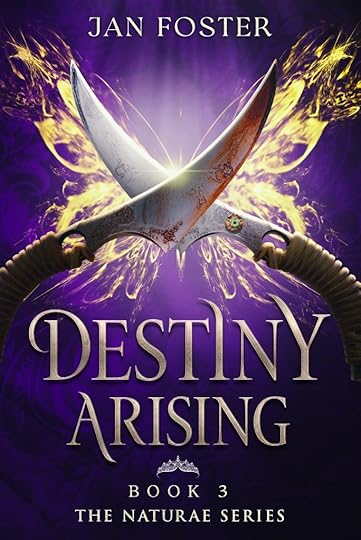
Destiny Arising – Book 3 in the Naturae Series – Available 19th April 2024
Pre-orders open NOW
ORDER YOUR COPYOctober 30, 2023
The Stain of Magical Places
I’ve been watching Ripper Street on TV lately. It’s a drama set in Whitechapel in the years following the reign of Jack the Ripper. I watch it because my latest book is a murder mystery with a horror twist, and because, frankly, the lyrical writing is some of the best I have ever seen.
Watching period dramas in the genre or time-period I am writing in is just one of the ways which I try to ensure authenticity in my novels. Actors call it immersion, and in a sense, that is what I as an author do as well. I also try to visit the locations and settings if at all possible, although many are over-built, derelict or standing in ruins.

There is definitely something to be said for standing in places where people from history once stood. If you close your eyes and open your imagination, it is easy to picture them in such places. Walking the paths you now tread. Staring at the vista before you. The noises and smells are often a reach further, but still possible.
It is even possible to get a sense of the magic of a place as well. As a child, brought up a Quaker, I trekked like a rite of passage up Pendle Hill, in Lancashire. This site was where the forefather of the Society of Friends, first dubbed ‘Quakers’, for their belief that people should tremble at the word of the Lord, first had a life altering vision which lead to the founding of the religious society.
It is a strange and moody place, a steep rock which juts high above the fell, and almost statuesque. It looms over Pendle as a location stained forever by magic, bound up with faith, in England’s minds and hearts. For Quakers, it’s an almost holy location, along with nearby Swarthmore Hall, the home of the founders George and Margaret Fox.
To this day, Pendle remains a source of fascination and touristic thrills. A town known for witchcraft, radicalism and rebellion.
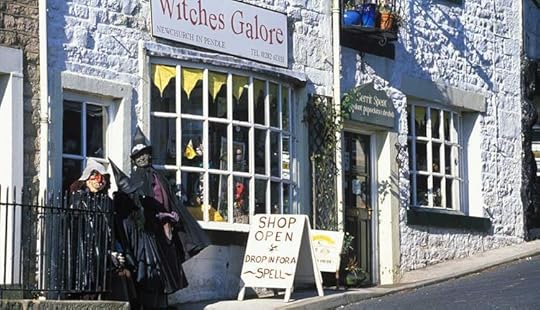
The sleepy countryside, with gently rolling moors all around, is not what you might think it would be like though, if you closed your eyes and imagined the events which lead to its dubious reputation. But I found, or rather felt, something magical about the rocky outcrop and the sleepy stone-built town close by, I confess. Something which stirred the soul.
But why should that be? As an adult, the impression Pendle left the child me with should surely pale into insignificance, now I have climbed far larger mountains, both physically and spiritually. I have visited many a moorland and found or felt nothing of note there. So why did Pendle? Or the many other places I have visited in my quest for realism in my writing?
It strikes me that we, as humans, talk about place and attach personal significance to it, sometimes without ever having visited it. How many of us instantly associate towns and villages with events which have long passed into the pages of history books? Our perception thus colours the reality of these places today. Such as it is with Whitechapel and gory murder in its narrow streets, or Berwick, Biddeford, Pendle and Salem for witches. From Auscwitz to Tyburn, sometimes the very name alone conjures up deadly purpose and history. Their reputation marks them indelibly for all history.
What happened in these places, especially if it involves the accusation of magic or the horrors of mass death, primes us to have an opinion about a place before we have even been there. If you have ever visited a concentration camp, you will know the chill I speak of. It is almost tangible. To know the history before you visit a place serves to fine tune your senses to whatever magic lingers there.
And so I ask, is it magic, then, which causes such a physical reaction to a place? Or perhaps the unsettled ghosts which linger still, just to remind you of what they once suffered? Let me know your thoughts in the comments! Where touched you spiritually?
#witches #magicalplaces #pendlehill #witchtrials #pendlewitches #naturaeseries
(This article was first written for and published by the Faerie Review in July 2023)
About Jan Foster
By day, Jan juggles consultancy work with her family, but by night she sneaks off, into the past. Her penchant for sprinkling history with magic is fuelled by coffee and Cadburys. When not writing, Jan takes her dogs and small monsters into the countryside, especially if there is a castle or historic building there with a cosy coffee shop in which to escape the rain of Manchester, England.
Jan is currently researching and writing the 3rd book in the Naturae Series, Destiny Arising, which is set in the early reign of Elizabeth I. Expect witch trials, murder and mystery with a hefty dose of magical realism and history!
Connect with Jan – all the links you need! https://linktr.ee/janfosterauthor
Subscribe to the Escape Into A Tale newsletter https://www.subscribepage.com/mailingsubscribe and receive a free copy of the Naturae Series prequel Risking Destiny (a full length novel set in Viking Age Orkney) to enjoy.
Fancy getting Advance Reader Copies of all of Jan’s books? Join the Launch Team here https://www.subscribepage.com/naturaelaunchteam
Book Links:
Latest release – Destiny Awaiting – a Henry V Age Prequel www.books2read.com/destinyawaiting
Naturae Series – all the books in one place! https://getbooks.escapeintoatale.com/
July 17, 2023
The truth, the myth and storytelling
I’m delighted to welcome award-winning historical fantasy author Luciana Cavallaro to Escape Into A Tale with a guest article looking at the fictionalisation of historical events.
Some years ago, I tutored students, unfortunately, I don’t have time to do this anymore. Before I delve any further and to introduce myself to Jan’s followers, my name is Luciana Cavallaro and I write Historical Fiction Fantasy and Thriller/Suspense stories. By day, my alter ego is a high school teacher, which leads me back to the beginning of this article: tutoring. This particular evening, one of my students had a research task for History and he chose to write about the legend of the 300 Spartans. Great, I thought, a topic I can provide lots of insight and information. Before I continue, let me say this was a thirteen-year-old boy.
The first thing he asked was whether the movie 300 was true, and did the war between the Spartans and the Persians happen? I told him the war was true but not as the film depicted the events. What followed was a series of questions about the film and to my dismay, how he thought the movie was factual. I pointed out the movie was based on a graphic novel, an overly fantasised story with very little accuracy. It took some convincing that no hippopotamus or a hunchback was ever involved in the battle of Thermopylae!
Fictionalising historical events has been around since the dawn of storytelling. Myths and legends tell of heroic deeds, transgressions of individuals and in some instances, weave tales of disasters that wipe out entire races. For instance, let’s look at Homer’s tale of TheIliad. Was there a war? Was Helen really a Queen of Sparta? Did any of the heroes in the story exist? This famous story has initiated many debates amongst scholars and archaeologists.
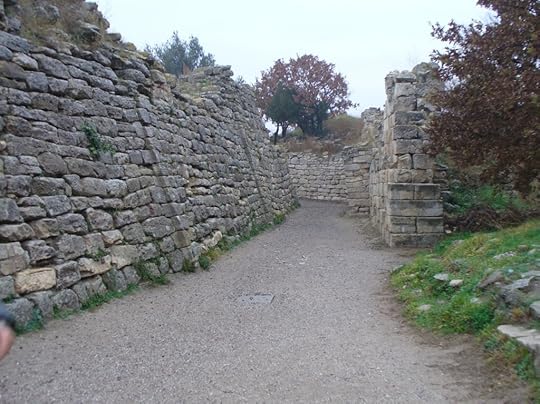
Troy VI-VII East Gate cul de sac Troy IX walls on the right. These were massive defensive walls and only a third of the height remains.
For a long time, the general consensus was it was just a story, a fanciful ode depicting an era eulogising the Olympian gods and heroes. However, contrary to the naysayers, archaeological evidence has proven otherwise. The site of Priam’s palace and the city of Troy, discovered by German businessman turned amateur archaeologist, Heinrich Schliemann, found proof of a war. He uncovered arrow heads, human bones and scorch marks on walls and in the earth that dates back to the time of the epic story. Archaeological excavations, still ongoing since the early 1900s, where experts working on the site have determined the war in Homer’s saga was a culmination of several wars over the centuries. The other myth that was debunked was how could one person recite 52,000-word poem and remember it all. It turns out quite easily. A historian/scientist journeyed to Armenia and recorded a bard, not unlike Homer, retell an historic battle through singing and the use of a lute. He recited the epic tale without the aid of a written script. Repetitive use of keywords, names and phrases, along with the music, were strategies used to help recollect lines and the order of the story. With regards to The Iliad, as the story was passed on from one storyteller to the next, creative license was taken and more add to the story.
Masonry tunnel at Tiryns
The site of King Agamemnon’s palace at Mycenae was found, as were Tiryns and Pylos, major Mycenaean cities mentioned in Homer’s tale. The walls of Tiryns were described by the bard as ‘mighty’ or ‘well-walled’ depending on the translation. The remains of the walls are impressive even to this day and when you see them, you can understand why he called them ‘mighty’. Weapons, helmets, armour described by Homer have also been found at the site of Mycenae and you can see them in the museum located next to the ruins.

Path up to the Lion Gate, Mycenae (they are huge and impressive!)
The Mask of Agamemnon, a gold funeral mask, dated 1550–1500 BC
‘Meriones gave Odysseus … a cleverly made leather helmet … On the inside there was a strong lining of interwoven straps, onto which a felt cap had been sewn in. The outside was cleverly adorned all round with rows of white tusks from a shiny-toothed boar, the tusks running in alternated directions in each row.’
Homer, The Iliad, Book 10, Lines 260-265
I count myself fortunate, as I’ve visited the ruins of Mycenae, Tiryns and Troy. It was, and still is, the highlight of my trip and one of the reasons I write Historical Fiction Fantasy.
Back to my student, in their excitement, they informed me a sequel was made: 300 – rise of an empire. I did not go and watch it, though I did see the movie 300. If you enjoy mindless action, blood and gore, then watch it. If you’re after historical accuracy and depiction of the Battle of Thermopylae, better to read Steven Pressfield’s Gates of Fire.
About Luciana CavallaroLuciana Cavallaro, genre-bending fiction author, is the multi award-winning author of The Labyrinthine Journey, Minotaur’s Lair and The Guardian’s Legacy. She has been nominated for book awards in the action/adventure and historical fiction genres, Finalist in the New Media Film Festival and Finalist in the Page Turner Awards. She is also rather proud of her ambitious attempt at driving her first car at the age of three. (Just between us, this was when she gave her father high blood pressure … and the beginning of her adventures).
Where to connect with Luciana
Website: www.lucianacavallaro.me
Download sample chapters: https://www.subscribepage.com/softgs
Email: lucianacava@proton.me
Amazon: http://www.amazon.com/Luciana-Cavallaro/e/B009QHIKN2/ref=sr_ntt_srch_lnk_1?qid=1419996879&sr=8-1
BookBub: https://www.bookbub.com/authors/luciana-cavallaro
Goodreads: http://www.goodreads.com/author/show/6567841.Luciana_Cavallaro
Instagram: https://www.instagram.com/authorluciana/
Linktree: https://linktr.ee/lucianacavallaro
YouTube: https://www.youtube.com/watch?v=vTZVsoFkZPo
Where to buy Luciana’s books
Buy direct: https://lucianacavallaro.me/shop/
Amazon: http://www.amazon.com/Luciana-Cavallaro/e/B009QHIKN2/ref=sr_ntt_srch_lnk_1?qid=1419996879&sr=8-1
Smashwords: https://www.smashwords.com/profile/view/Moirai