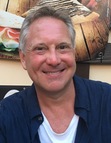
David Eugene Perry's Blog
March 3, 2025
A Time For Patriots
A Time for Patriots— by David Eugene PerryWhen I was a boy, I would give tours of the Virginia State Capitol in Richmond. I sat in front of the TV with my cassette player and recorded the audio to Walter Cronkite’s “Bicentennial Minutes” in 1976. My mother and grandmother fed my wide eyes and horizons by traipsing through enough Revolutionary and Civil War and Native American sites in the Commonwealth to generate blisters and a bookshelf groaning with books and curators’ addresses. As a child, I was a precocious patriot.My first letter to the editor was in defense of Betty Ford’s 60 Minutes interview in August 1975 in which she candidly discussed topics such as premarital sex, marijuana use, abortion rights, and her own breast cancer battle. I called those who opposed her openness as “shallow minded.” The editor of the Richmond Times Dispatch called my mother (who didn’t know I had submitted something to the paper) to inquire: “Are you sure a 13 year old wrote this?”“Yes.”I’m what is referred to in The South as a “Yella’ Dog Democrat”: someone who’d vote for a yellow dog before voting for a Republican. And yet, although they didn’t earn my vote, Ronald Reagan, Bush I &II earned my respect for the way in which they represented the United States of America on the international stage, albeit with many more opeds and protest marches along the way against their policies.I have always been first an American; secondly a Democrat. — until today. I was mercilessly teased during grade school — “Fairy Perry” — so I know a bully when I see one. Watching Donald Trump systematically — and to great effect — turn U.S. foreign policy into a bully’s exercise of extortion, malfeasance and misinformation — has made me firstly a citizen of the world in opposition and sickening horror to the demeanor and meanness of the 47th President of the United States and his minions. He is not a Republican. He’s mafioso in search of a Medieval court and crown. The court, he has. The crown: not yet.Is there merit in some of Donald Trump’s policies? Likely. Is there merit in single handedly dismantling in less than 100 days the world order for which my father, uncle and brother fought? No. To quote Patrick Henry: “Forbid it Almighty God.”I am a citizen of the world. I am a US Citizen. I am a Democrat. I am a member of The Resistance. I urge all Americans to mark two dates: November 3, 2026 and November 7, 2028.Until then, we need to keep on keeping on to make sure we can safely cast a vote on those dates. Sadly, in this instance, FDR’s advice does not serve. There is much, much more to fear than fear itself.David Eugene Perry was born and raised in Richmond, Virginia: a graduate of St. Paul’s Parochial and Benedictine Military Institute. He now lives in California with his husband. Working internationally, he has visited more than 70 countries.


October 20, 2024
SS United States: Eternal
At 10 years old I touched the SS United States and she touched me back.In 1972, my Pop pulled up our boat between “America’s Flagship” and the aircraft carrier “John F. Kennedy” both berthed near their birthplace, Newport News Virginia. We had driven the hour and a half from our home in Richmond to cast our poles in the Chesapeake Bay: a not uncommon trip. My father knew schools of fish gathered around large hulls. In those pre 9/11 days, pulling up our modest Glasspar between the largest American-built vessels was not challenged. As I recall, my father caught a bunch. I caught ship fever. I was hooked more than our cooler full of perch.From July 3, 1952 on her maiden voyage to November 14, 1969 when she was withdrawn from service, SS United States was the Blue Riband holder for fastest liner crossing of the Atlantic, a record held to the present day and never to be challenged. The mid century modern masterpiece of legendary naval architect William Francis Gibbs, who made the cover of TIME magazine for his achievement, was the pride of a post war nation. Post WWII, however, was Cold War America, and the SS United States was designed to quickly be converted into troopship duties. Her just-shy-of-1000-feet in length meant potential transit through the Panama Canal for Pacific non-pacific deployment. Her near 40 knot speed approached navy destroyers. The Revel model I instantly built following my first glimpse of her had a flat bottom: her ‘neath the waterline curves considered a national security secret. She was, literally, a femme fatale.The Cold War never got hot and the SS United States peacefully and profitably transported over a million pampered passengers during 400 voyages with nary an accident nor incident more serious than touching up the paint on her speed scarred bows. Hollywood loved her — on screen in such movies as “Bon, Voyage” and in cabin with her many celebrity guests (London, too: the former King Edward VIII and Wallis Simpson, pugs in tow were regulars) — as did Madison Avenue. Generations of ad campaigns featured her as the iconic star she was and is, burnishing their brands with the glow off her gleaming decks.Fast as she was, however, the greatest ship ever built by her namesake, couldn’t beat progress. Three days at sea couldn’t compete with six hours by air. After retirement, the SS United States got shuffled around, sold, bought, sold and bought again until finally purchased in 2011 by the noble nonprofit SS United States Conservancy, headed by her designer’s granddaughter, Susan Gibbs. For the last 13 years, Gibbs and her team, literally, kept afloat “The Big U” but always with the preservation of her legacy on the foredeck. Plans for modernization into an oceangoing vessel once more or conversion into a hotel, conference center and museum — all though meticulously researched — couldn’t weather our post-pandemic world and financial realities.Shortly, she will take her final above-water voyage, under tow, to become the world’s largest artificial reef off the coast of Florida. I fully anticipate a moving parade of ships escorting her down the East Coast as she proceeds. In 1998, I worked my way around the world by ship, and the last 25 years have returned to sea to lecture on maritime history and the “Golden Age” of ocean travel. The SS United States always figures prominently. It is often said by mariners that all ships end up at one of two places: the breakers or beneath the waves. It’s a maxim William Francis Gibbs would have understood.For the ship whose cool, seductive touch inspired my life of salty love, “beneath the waves” means a dignified eternity. I look forward to touching the SS United States again, this time in a scuba suit, where millions of fish, coral dwellers and — eventually millions of human visitors — will be inspired by her beauty, history and the land based museum near where she will be reefed. Long live America’s flagship. I think William Francis would approve.— David Eugene Perry
November 8, 2020
Denial
For many years, my Sunday afternoon ritual has been watching documentaries or films of an historic nature. Today, it was an extraordinary film (not new) that I recommend heartily: "Denial" It inspired my random thoughts below. In 1998, I realized a child-hood dream: working my way around the world aboard ship. The effort had a cherry on top, as when I returned, I met, fell in love and married Alfredo. Through him and his family, I experienced the Occident's tortured history, not as I had through books, but through talks around the table: over cards, during late-night Spanish dinners, in family cemeteries. Europe isn't perfect (Earth doesn't do "perfect"), but it has lived through two World Wars, countless atrocities including the Spanish Civil War, and knows a thing or three thousand about losing tens of millions of civilians to conflict. When right wingers say "we're becoming too European" I say bravo: perhaps we will accumulate their historical memory. There are, and I have met many, people in Spain and Italy who remember the horrors of the 1930s and '40s. Perhaps if we still had people who remembered the American Civil War, we would take those lessons to heart. But, of course, we do. We have the entire population of peoples of color whose legacy of oppression has yet to be healed. When I worked aboard ship, I visited Greece. I'll never forget a trip I took to the Hellenic Museum of History in Athens. There, I practiced my (very) limited Greek to ask a question when confronted with a wall-size mural of Grecian history. There, from Zeus onward was a chronological lineage of that country's journey, except for a gap not labeled: 1967 - 1974. "What happened then?" I asked the curator. "Oh," she said in hushed tones. "That was the junta. We do not speak of it." Next year, we are planning a return to Europe, when COVID protocols allow. All of my life, I have known that one day I would visit sites of the Holocaust. Having been to Europe numerous times over the last 40 years, there always seems to have been a reason not to make the hegira. However, after the bullet we just dodged -- and may yet have to dodge again -- and having lived through the year of 2020 when all "bucket list items" seem suddenly to have achieved a new urgency, I know this: in 2021, I will visit Auschwitz. There will never be enough witnesses. There will never be enough of us to say "not here, not now, not ever, never again" Then, I will speak of it. Just as we should not forget nor avoid to speak of 2016 - 2021, the Trump Era. If we do not, someone more talented than Donald Trump will try again. That would be the ultimate denial.
November 6, 2020
Steve Bannon -- A Disgrace to Benedictine
I was a proud JROTC Cadet Captain at Benedictine Military Institute in Richmond, Virginia. I did not always agree with the monks, retired US military commanders or lay teachers who educated us, but they were men of honor. The education I received, and the teachings with which I was instilled, live in and with me every day.
Last week was to have been the 40th anniversary commemoration of my high school graduation and we were to have been in Richmond for the celebration. COVID nixed that. I was there for my 20th and in the intervening years I have re-connected with many former cadets -- some closer now than when were were teenagers -- Republican, Democrat, straight and gay.
Today, Steve Bannon called for the decapitation of a sitting government official, Anthony Fauci. I'll leave aside listing his bona fides for sake of space and common sense. Steve Bannon until recently sat on Benedictine's Board of Trustees. Like me, he was a Benedictine cadet. He was eight years ahead of me, we went to the same church and his family lived around the corner from us. I wish no one ill. However, if Benedictine aspires to live up to their own ideals, they should rise up in indignation and remove Steve Bannon from their official presence. They should forcefully reject his remarks. He has learned nothing from our headmaster Father Adrien and our commandant the admirable Col. Tracy Caine. Both would be appalled.
The motto of the Benedictine order is "Ora et Labora" (Work and Pray). I have visited the birthplace of St. Benedict, now in the earthquake ruins of Norcia, Italy. I have attended mass where he first established a monastery, Subiaco. I have marveled and cried at his tomb, the reconstructed Monte Casino. I spent part of two summers at Benedictine's then mother house, Belmont Abbey North Carolina, during which time I seriously considered entering the monastery.
I say this not because I espouse to be better. I say this because I have seen examples of Benedictine "betterness." Steve Bannon represents nothing in any way familiar with the ideals and beliefs of the Benedictine Order, Benedictine High School, or the fine cadets trying to become fine men. If he does not step down, he should be forced to. He should remember the vows we repeated every morning at formation, a commitment to Duty, Honor and Country.-- David Perry (Palm Springs), Benedictine Class of 1980
https://www.cnn.com/2020/11/06/politics/steve-bannon-dropped-by-attorney/index.html
Last week was to have been the 40th anniversary commemoration of my high school graduation and we were to have been in Richmond for the celebration. COVID nixed that. I was there for my 20th and in the intervening years I have re-connected with many former cadets -- some closer now than when were were teenagers -- Republican, Democrat, straight and gay.
Today, Steve Bannon called for the decapitation of a sitting government official, Anthony Fauci. I'll leave aside listing his bona fides for sake of space and common sense. Steve Bannon until recently sat on Benedictine's Board of Trustees. Like me, he was a Benedictine cadet. He was eight years ahead of me, we went to the same church and his family lived around the corner from us. I wish no one ill. However, if Benedictine aspires to live up to their own ideals, they should rise up in indignation and remove Steve Bannon from their official presence. They should forcefully reject his remarks. He has learned nothing from our headmaster Father Adrien and our commandant the admirable Col. Tracy Caine. Both would be appalled.
The motto of the Benedictine order is "Ora et Labora" (Work and Pray). I have visited the birthplace of St. Benedict, now in the earthquake ruins of Norcia, Italy. I have attended mass where he first established a monastery, Subiaco. I have marveled and cried at his tomb, the reconstructed Monte Casino. I spent part of two summers at Benedictine's then mother house, Belmont Abbey North Carolina, during which time I seriously considered entering the monastery.
I say this not because I espouse to be better. I say this because I have seen examples of Benedictine "betterness." Steve Bannon represents nothing in any way familiar with the ideals and beliefs of the Benedictine Order, Benedictine High School, or the fine cadets trying to become fine men. If he does not step down, he should be forced to. He should remember the vows we repeated every morning at formation, a commitment to Duty, Honor and Country.-- David Perry (Palm Springs), Benedictine Class of 1980
https://www.cnn.com/2020/11/06/politics/steve-bannon-dropped-by-attorney/index.html
October 17, 2019
The Little Big One
At 5:04pm on Tuesday, October 17, 1989 I was in the box office of San Francisco Opera. The weather was lovely. The World Series was about to start. The performance that night was “Idomeneo” – a work about a king who sacrifices his daughter to appease Neptune, the god of earthquakes and oceans.
My first quake had been a few months before, dubbed “The Great Taco Bell Earthquake” as it took place while I was having lunch with a colleague from the Opera. It was a 2. something. I watched the street sign on Van Ness sway slightly. My co-worker shrugged. “Happens all the time.” I was thrilled. Now I was really a San Franciscan!
The weeks before Loma Prieta, as those who were here may remember, were replete with small but noticeable tremblors – not unlike those of the past week: a 3.1 here, a 4.2 here – once, more than three in a row overnight. That morning, a lot of shaker refugees were huddled earlier-than-usual on the Castro Muni platform having given up any attempts at sleep after the third one at about 4am. At 5:04pm on Tuesday, October 17, 1989 I was I the box office of San Francisco Opera. The weather was lovely. The World Series was about to start. The performance that night was “Idomeneo” – a work about a king who sacrifices his daughter to appease Neptune , the god of earthquakes and oceans.
For the first three seconds of the quake, we all laughed – thinking it was another 3, 4 or even 5. On second four, we screamed. The massive windows shattered and popped out of the opera lobby. A roar filled the air as part of the ceiling fell in the auditorium, destroying a row of seats and sending debris out in a dusty wave. The ceiling panels fell behind us. All the tickets flew out of their carefully arranged slots, an operatic confetti punctuated by an accelerating clanging of chandeliers, filing cabinets, teeth and stone. I watched a crack crawl its way up a marble column. One of the box office staff draped himself over a young man, living with AIDS, in a motorized wheel chair, to keep him safe from falling objects.
And…it kept going.
I grabbed the steel bars of the ticket office and held on.
Finally – it stopped. The huge chandeliers were swaying so much, you could hear them go “whoosh.”Second 20….we all started to cry.
For a few moments, no one spoke. Then, my friend Richard, subscriptions manager, walked down the steps from the small upper office. Caspar the ghost has never been whiter.
“That must have been a 6!” I exclaimed, still wet-faced.
“I’ve lived here my whole life,” said Richard. “That was no 6.’
Then, the yelling started. “Get out! Get out!”
Being a good PR person, I picked up the phone to call my friend Michael, an editor at the “Examiner.” Amazingly, the phone worked – briefly.
“I’m on my way,” he said before the phone went dead. He was a good reporter – he wanted to know what happened to the City’s premiere arts institution.
About 30 minutes later we were standing outside comparing notes. The “Examiner” and the “Chronicle” had both lost power. I later found out that various news outlets were sharing resources to put out what become two famous editions the next day (I still have them). In the courtyard of the opera, I remember seeing general director Lotfi Mansouri sharing a cigarette – menthol - with various staff – hands shaking. I didn’t know he smoked. Actually, we all smoked that day.
“The Bay Bridge is down!” someone’s report watching a portable battery-powered TV (they were a ‘thing’ then in the pre-Iphone era).
“The Marina is on fire!” We could see the smoke.
“The freeway collapsed in Oakland!” Someone’s transistor radio.
Slowly, our little band dispersed. People who lived in the City shared keys with friends from the East Bay – suddenly stuck overnight. The ferries ran for free. People were stuck in elevators. Three window washers clung to their scaffold at the BofA tower. People died from a wall that fell in SoMa. Many more died in the freeway collapse in Oakland – and other places. Others were horribly cut from falling glass in Union Square. Sidewalks everywhere looked like waves caught in cement. Rob Morse, “Examiner” columnist, dubbed it “the Little Big One.”
“That was no 6.”
It was reported that Loma Prieta was a 7.1. I’ve since heard it was a 6.9. Whatever – anything bigger than a 6 is “major.” Even including an especially bumpy landing in Palm Springs one, it was the most frightened, I have ever been. Whatever the number, nothing like that had rocked San Francisco – or California -- since April 18, 1906.
Later, an East Coast friend said, “well, it wasn’t like ’06.” My reply: After you throw yourself against a wall non-stop for 20 seconds and then fall to a glass covered floor, then talk to me.
My ‘earthquake kit’ at that time consisted of a bottle of vodka and a cold artichoke (it worked). Since then, I have several: at home, at work, in the car. My advice for everyone – go to 72hours.org to learn how you can prepare.
The day after, the weather was lovely. I walked – literally -- around town. I hopped on the free ferry to Oakland so I could say the gaping hole in the Bay Bridge. Then, I returned and walked the Embarcadero to the Marina Green. The ground was bubbling up in tiny, sand-filled fountains. I remember thinking that it looked like that scene in the opening credits of “The Beverly Hillbillies” when Jed Clampitt discovers oil. Behind me, smoking rubble was pulled down. Several shirtless guys played frisbee on nearby yards whose houses leaned like hungover frat boys. Suddenly, a truck screeched to a halt, and a delivery man threw out a stack of string-bound newspapers: “Hundreds Dead In Huge Quake.” People gobbled them up like hungry teens. On Union Street, restaurants and cafes served free food knowing that it would soon spoil. Everyone was polite, and strangers directed traffic at intersections.
A few, shaky nights later (there were hundreds of aftershocks), a good deal of the City got electricity back. I remember my Twin Peaks neighbors cheering from their decks watching the still-broken Bay Bridge illuminate again, one steel strand at a time: a glorious, and psychological boost to a wounded city. I cried again.
For months, the newspapers were full of nothing else. Electricity stayed off for weeks in the Marina and Pacific Heights: young earnest workers united with tony residents in a shared off-the-gridness. No one ever drove again on the Central or Embarcadero Freeways. Buildings were red-tagged. Offices were retrofitted. “Aida” was switched to the Bill Graham Auditorium. By spring, things were somewhat back to normal.
By today’s post 9/11 standards, the devastation wrought by the Loma Prieta seems almost quaint, and honestly, until today, I had never put down my memories of that day. 10 years. 20 years. 25, now 30 years on – the memories somehow seem richer, and clearer. Perhaps because at 57, vs. 27, the possibility of how close death and destruction looms next to our little lives is more of an obvious, mathematic reality.
Today at 5:04pm., those San Franciscans who remember the “Little Big One” will stop and remember. 30 years seems like yesterday. Today, like then, the weather is lovely.
July 9, 2019
A Column in Miracles
“You’ll learn more from people with whom you disagree than from those with whom you agree.”
Such was the sage advice given to a recently graduated young man in the first days of his first adult job. The young man was me. The sage, my mentor and much-missed best friend, Anthony Turney.
At the time, Anthony was “the big boss” — Deputy Chairman of the National Endowment for the Arts. I was a lowly clerk typist (GS 750 or something...) working for — gasp! — the Republican “friend of Ronnie & Nancy”, Marvin Liebman. Upon learning this — Yella’ Dog Democrat Son of the South that I was, and am — I indignantly announced to Anthony that “I need to quit!”
“You’ll learn more from people with whom you disagree than from those with whom you agree.”
Anthony and I had become close quickly: he, perhaps the logical morphing of wise father and kindly big brother I so missed, and only sporadically ever had; me (perhaps) the son or parishioner that Anthony never had / would have decades later when he entered the Episcopal ministry.
Many a treasured time did Anthony and I have, along with his lovely, loving and oh-so-gentle partner Jimmy Brumbaugh: the gay binary star around which revolved what Anthony had dubbed “The Pansy Mafia” that coursed through (seemingly) every official artery of Washington, DC in the 1980s and still does. For our little cadre, the code word for closeted gay men, especially of the political ilk, was “Duck”: as in “if it walks like, and quacks like it must be a....” Sometimes traipsing through Dupont Circle our jolly little band could be heard with lavender laughter imitating swimming poultry as we spied and queried about some dishy youth waddling by, “quack quack, quack quack.” Our “Pansy Mafia” often sounded like a gay petting zoo.
“You’ll learn more from people with whom you disagree than from those with whom you agree.”
When Anthony and Jimmy moved to San Francisco, I followed. When Jimmy died from AIDS, I became even closer to Anthony. When Anthony was ordained as a deacon at Grace Cathedral I bought him a boxing nun puppet. When Anthony became executive director of the NAMES Project AIDS Memorial Quilt, I coordinated the readers in the shadow of the Washington Monument: intoning in memory for those whose quilts spread forth in agonized rainbows across the Mall. It was a powerful and painful homecoming.
When Anthony died in the early hours of July 4th, 2014, I was holding his hand.
“You’ll learn more from people with whom you disagree than from those with whom you agree.”
Of the many gifts received from my dear Anthony, none has impacted me more — or continues to — than “A Course In Miracles”. Lately, “ACIM” has been getting a lot of press, courtesy of one of its Oprah-approved biggest fans, Marianne Williamson. A lot of people have laughed off this most unlikely of presidential contenders (and for the record, she’s not my candidate). However, I’m glad she’s in the race, and so is Ross Douthat — the Republican editorialist for the New York Times: a writer I loathe to like.
“You’ll learn more from people with whom you disagree than from those with whom you agree.”
However, today in flight, I read and appreciated Douthat’s column about Williamson, the “Course” and our current political divides. His point: people of faith are not just right, wrong, left or center: we are a constituency. The whole read reminded me of Anthony. His gift of “A Course in Miracles” as I set out on my year working my way around the world aboard ship in 1998 changed my life.
It is easy to make fun of the California “hippy dippy” vibe: easy to disregard that which is misunderstood, or un-read. I’ve read “A Course in Miracles” - twice - and its dense, confusing, but ultimate love-and-life affirming message continues to inspire and inform my life.
Once, after a mutual friend died, Anthony turned to me quietly and said “now, he knows.”
Now — wherever he is — Anthony “knows” what is next, or not, or never will be. I don’t yet, and - frankly - am in no hurry to get there. However, I do know this: if I’m lucky enough to die with a loved one holding my hand, my last thoughts will not be of politics, or taxes, or tariffs or anything other than what Douthat talks about today: an aspiration for living and loving a better life while we’re here, now.
“You’ll learn more from people with whom you disagree than from those with whom you do.”
So, while I don’t think that a President Williamson would be an ideal choice, I am glad that her simple, often-snickered at message of gentleness and love is bringing balance to the farce that is our current political world. I’m glad that my least favorite columnist reminded me of it. I’m especially glad for the “Miracle” that was Anthony Turney.
(Below: Ross Douthat, New York Times, 9 July 2019)https://www.nytimes.com/2019/07/09/opinion/marianne-williamson-meaning-democratic-primary.html?action=click&module=Opinion&pgtype=Homepage
May 27, 2019
A Memorial Day Tribute
Today, as we do every Memorial Day, Alfredo and I put out our flag in honor of those who died serving under it. This poem is in their honor.
Ours, They Died— by David Perry
And so they diedin life someone’s sonhusband lover brother friend Fighting forsomeone’s life in distant lands or just next doorin life someone’sdaughter wife lover sister friend Fighting forsomeone’s life in— our name —for fighting in life someone’slife infighting in— our name —will end.
And so they died in life someone’s soldiers — ours —
Let grateful bugleswail in eternal taps to known and unknown graves.
Ours, They Died— by David Perry
And so they diedin life someone’s sonhusband lover brother friend Fighting forsomeone’s life in distant lands or just next doorin life someone’sdaughter wife lover sister friend Fighting forsomeone’s life in— our name —for fighting in life someone’slife infighting in— our name —will end.
And so they died in life someone’s soldiers — ours —
Let grateful bugleswail in eternal taps to known and unknown graves.
April 1, 2019
April���s Fools
April���s Fools
In July 1936, General Francisco Franco led a military coup against the duly elected Second Spanish Republic. The resulting Spanish Civil War left over a million dead, destroyed the infrastructure of Spain and ended with Franco���s victory 80 years ago today: April 1, 1939. What followed was 36 years of a fascist dictatorship under ���El Caudillo.���
The ghosts of Franco still haunt Spain, not unlike the miasma of the U.S. Civil War that still tortures our body politic in America. However, here in Spain, they have moved on quicker: a Spanish trait to ���get over it��� or as the Spanish phrase says ���barrer debajo de la alfombra��� ��� sweep it under the rug and just pretend there's nothing there. Here in my husband's hometown of Santander once stood the country���s last statue of the dictator: quietly relegated to a museum warehouse over 10 years ago. 150 years after the fall of Richmond, the equestrian monolith of ���Lee��� still bestrides the Confederate-heavy Monument Avenue: a molten amber in a city full of icons to ���The Glorious Cause.��� The South hasn���t moved on, it���s just stuck.
The Spanish Civil War was very much a ���test run��� for WWII. Five months after Franco���s Nationalist victory, Germany invaded Poland: September 1, 1939. Hitler���s Nazi war machine and Mussolini���s fascists openly supported Franco, including the infamous bombing of Guernica. US and Russian leftists and communists fought for the Republic. In true capitalist fashion, the ���free��� governments of the US and the UK found a way to, officially, avoid the conflict but readily accepted Franco���s government after war���s end. There are still people in Spain who openly ��� if quietly ��� revere the dictator. Bars with his photo on the wall are not unusual. And yet, the country now is a fractured, but liberal democracy that has bound up the nation���s wounds in a far more civil fashion than my own.
80 years ago today, the rehearsal for the greatest armed conflict on earth ended with Franco���s victory speech in Madrid. Five months later ��� September 1, 1939 ��� it started in earnest with the Nazi blitzkrieg. Today, in countries large and small civilians die in the millions from famine, war, neglect and open warfare funded by U.S. tax dollars.
Have we learned anything, just moved on or merely now become so immune to institutionalized injustice as to no longer be moved?
That, is the real meaning of April Fools: that the world is no longer ���officially��� at war. We are all April���s Fools for thinking that world wars ever end.��� David Perry in Santander, Spain
In July 1936, General Francisco Franco led a military coup against the duly elected Second Spanish Republic. The resulting Spanish Civil War left over a million dead, destroyed the infrastructure of Spain and ended with Franco���s victory 80 years ago today: April 1, 1939. What followed was 36 years of a fascist dictatorship under ���El Caudillo.���
The ghosts of Franco still haunt Spain, not unlike the miasma of the U.S. Civil War that still tortures our body politic in America. However, here in Spain, they have moved on quicker: a Spanish trait to ���get over it��� or as the Spanish phrase says ���barrer debajo de la alfombra��� ��� sweep it under the rug and just pretend there's nothing there. Here in my husband's hometown of Santander once stood the country���s last statue of the dictator: quietly relegated to a museum warehouse over 10 years ago. 150 years after the fall of Richmond, the equestrian monolith of ���Lee��� still bestrides the Confederate-heavy Monument Avenue: a molten amber in a city full of icons to ���The Glorious Cause.��� The South hasn���t moved on, it���s just stuck.
The Spanish Civil War was very much a ���test run��� for WWII. Five months after Franco���s Nationalist victory, Germany invaded Poland: September 1, 1939. Hitler���s Nazi war machine and Mussolini���s fascists openly supported Franco, including the infamous bombing of Guernica. US and Russian leftists and communists fought for the Republic. In true capitalist fashion, the ���free��� governments of the US and the UK found a way to, officially, avoid the conflict but readily accepted Franco���s government after war���s end. There are still people in Spain who openly ��� if quietly ��� revere the dictator. Bars with his photo on the wall are not unusual. And yet, the country now is a fractured, but liberal democracy that has bound up the nation���s wounds in a far more civil fashion than my own.
80 years ago today, the rehearsal for the greatest armed conflict on earth ended with Franco���s victory speech in Madrid. Five months later ��� September 1, 1939 ��� it started in earnest with the Nazi blitzkrieg. Today, in countries large and small civilians die in the millions from famine, war, neglect and open warfare funded by U.S. tax dollars.
Have we learned anything, just moved on or merely now become so immune to institutionalized injustice as to no longer be moved?
That, is the real meaning of April Fools: that the world is no longer ���officially��� at war. We are all April���s Fools for thinking that world wars ever end.��� David Perry in Santander, Spain
April’s Fools
April’s Fools
In July 1936, General Francisco Franco led a military coup against the duly elected Second Spanish Republic. The resulting Spanish Civil War left over a million dead, destroyed the infrastructure of Spain and ended with Franco’s victory 80 years ago today: April 1, 1939. What followed was 36 years of a fascist dictatorship under “El Caudillo.”
The ghosts of Franco still haunt Spain, not unlike the miasma of the U.S. Civil War that still tortures our body politic in America. However, here in Spain, they have moved on quicker: a Spanish trait to “get over it” or as the Spanish phrase says “barrer debajo de la alfombra” — sweep it under the rug and just pretend there's nothing there. Here in my husband's hometown of Santander once stood the country’s last statue of the dictator: quietly relegated to a museum warehouse over 10 years ago. 150 years after the fall of Richmond, the equestrian monolith of “Lee” still bestrides the Confederate-heavy Monument Avenue: a molten amber in a city full of icons to “The Glorious Cause.” The South hasn’t moved on, it’s just stuck.
The Spanish Civil War was very much a “test run” for WWII. Five months after Franco’s Nationalist victory, Germany invaded Poland: September 1, 1939. Hitler’s Nazi war machine and Mussolini’s fascists openly supported Franco, including the infamous bombing of Guernica. US and Russian leftists and communists fought for the Republic. In true capitalist fashion, the “free” governments of the US and the UK found a way to, officially, avoid the conflict but readily accepted Franco’s government after war’s end. There are still people in Spain who openly — if quietly — revere the dictator. Bars with his photo on the wall are not unusual. And yet, the country now is a fractured, but liberal democracy that has bound up the nation’s wounds in a far more civil fashion than my own.
80 years ago today, the rehearsal for the greatest armed conflict on earth ended with Franco’s victory speech in Madrid. Five months later — September 1, 1939 — it started in earnest with the Nazi blitzkrieg. Today, in countries large and small civilians die in the millions from famine, war, neglect and open warfare funded by U.S. tax dollars.
Have we learned anything, just moved on or merely now become so immune to institutionalized injustice as to no longer be moved?
That, is the real meaning of April Fools: that the world is no longer “officially” at war. We are all April’s Fools for thinking that world wars ever end.— David Perry in Santander, Spain
In July 1936, General Francisco Franco led a military coup against the duly elected Second Spanish Republic. The resulting Spanish Civil War left over a million dead, destroyed the infrastructure of Spain and ended with Franco’s victory 80 years ago today: April 1, 1939. What followed was 36 years of a fascist dictatorship under “El Caudillo.”
The ghosts of Franco still haunt Spain, not unlike the miasma of the U.S. Civil War that still tortures our body politic in America. However, here in Spain, they have moved on quicker: a Spanish trait to “get over it” or as the Spanish phrase says “barrer debajo de la alfombra” — sweep it under the rug and just pretend there's nothing there. Here in my husband's hometown of Santander once stood the country’s last statue of the dictator: quietly relegated to a museum warehouse over 10 years ago. 150 years after the fall of Richmond, the equestrian monolith of “Lee” still bestrides the Confederate-heavy Monument Avenue: a molten amber in a city full of icons to “The Glorious Cause.” The South hasn’t moved on, it’s just stuck.
The Spanish Civil War was very much a “test run” for WWII. Five months after Franco’s Nationalist victory, Germany invaded Poland: September 1, 1939. Hitler’s Nazi war machine and Mussolini’s fascists openly supported Franco, including the infamous bombing of Guernica. US and Russian leftists and communists fought for the Republic. In true capitalist fashion, the “free” governments of the US and the UK found a way to, officially, avoid the conflict but readily accepted Franco’s government after war’s end. There are still people in Spain who openly — if quietly — revere the dictator. Bars with his photo on the wall are not unusual. And yet, the country now is a fractured, but liberal democracy that has bound up the nation’s wounds in a far more civil fashion than my own.
80 years ago today, the rehearsal for the greatest armed conflict on earth ended with Franco’s victory speech in Madrid. Five months later — September 1, 1939 — it started in earnest with the Nazi blitzkrieg. Today, in countries large and small civilians die in the millions from famine, war, neglect and open warfare funded by U.S. tax dollars.
Have we learned anything, just moved on or merely now become so immune to institutionalized injustice as to no longer be moved?
That, is the real meaning of April Fools: that the world is no longer “officially” at war. We are all April’s Fools for thinking that world wars ever end.— David Perry in Santander, Spain
February 23, 2019
I Remember Mama
I Remember Mama
Forty years ago today, my mother died. She was 57. Forty years hence, I am the same age.
"If only we can get through February," my Great Aunt Margaret used to say: all drawling Virginia, ironic wisdom. "It's the longest month."
The hardest snows. The coldest nights. The most painful memories. In my family, it always seemed to be that the most trying times were squeezed into 28 or 29 days.
1979 was a case in point: the culmination of my mother's two-year struggle with cancer. I remember around my 15th birthday getting the news.
“They found something on my shoulder," my mother said - breezily telling me with a smile to ward off teenage worries.
I can't recall exactly where I was when she told me, but I remember her demeanor: we'll take care of this. We were probably in the kitchen, or maybe in her car where she was teaching me to drive. Wherever we were, she wanted to make sure that I wouldn't worry.
So, I didn't.
A few months later, I remember where we were: the hospital lobby, and this time everyone was there. Cousins, aunts, friends.
"We couldn't get it all," the doctor told us. I remember Aunt Estelle pursing her lips and looking grave.
"So, just go back and get the rest," I said. At this, the others just turned away.
That night, I went to my after-school job: page at the Ginter Park Public Library. I asked the librarian for books on cancer. "Is it your Grandma?" she asked.
No, I replied. It's my mother.
I broke down crying, and the librarian sent me home.
Forty years ago today, my mother died. She was 57. Forty years hence, I am the same age.
I never called her "mother." To me, she was always "Mama": spelled that way, but pronounced "Mumma." To my Grandma, she was "Daughter." To her colleagues at work, “Ms. Perry." To everyone else -- and on her tombstone -- "Libby."
"Libby" Perry was that rare person: everyone loved her. I'm sure many people, if not most, think that about their mothers, and in my case, it was true. Having worked her way up from behind the switchboard she became an executive with C&P Telephone, one of the "Baby Bells" that comprised AT&T. She was whip smart and pretty, but most importantly, she was kind.
In my entire life -- 17 short years -- I only saw her lose her temper once. It was a morning between that first "we couldn't get it all" and that frozen February of 1979 when her slogging ordeal came to an end. Over those two years, there were many such mornings: coffee made, car warmed in the driveway, son / me to be dropped off at school, chemotherapy treatments to endure. On this day, all of that, I am sure, was on her mind. She had made the coffee, warmed up the car -- frosty exhaust wafting over the porch -- picked up her purse, and then realized: she had locked the car with the engine running, and she had also locked the house keys in the car.
"Goddamn it!" My Mama screamed: Angry, painful, frustrated tears barely held in check as she went from window-to-window so see if there was a way back into the house. I followed along meekly and helpless: a faithful puppy, scared and amazed.
"Goddamn it!"
Other than that, I never heard my mother raise her voice. Not that she didn't get angry -- she could. But high-pitched histrionics were not her style. Rather, a frigid curve of the lips worthy of Meryl Streep in "The Devil Wears Prada" or the special effects person from "Frozen" were her repertoire. When my mother was upset, her temper was not hot: it was ice.
It is a trait, I have since learned, that she passed along to me.
For 40 years I've been anticipating this date: the year in which I'd be the same age as was my mother when she died. Would I be as wise? Would I still be alive? During the AIDS era, I was convinced that I would not be, but here I am. 57.
"So young," everyone said at my mother's funeral - packed - largest crowd I was told ever for St. Paul's excluding Easter and Christmas.
"So young."
At 57 myself, I wonder. Young? Not quite old? "57 is the new 37"? Whatever.
The morning she died, I left. On Valentine's Day, just nine days earlier, the hospital had called. Mama was being released: for the umpteenth time, after the umpteenth treatment. It was a surprise, and I heard while I was in class. I rushed home - by now old enough to drive and with my own car - and called the florist, having arranged for flowers to be sent to my mother in her hospital room. I always sent her flowers on Valentine's Day.
"She's coming home! Send them there!"
By the time I got home, she was resting on the living room couch. In rooms beyond, aunts and cousins and my Grandma - Mama's Mama - were preparing her bed. She wouldn't be going back to the hospital again.
"Oh son," Mama said, carefully leaning up from her arm encased in a cast. She had fallen during the last stint at the hospital. "They're beautiful. Yellow roses are my favorite."
We sat for a few minutes in silence and then she said: "When am I going back for chemotherapy?"
I told her she was not.
"Then," she said with a sigh and attempted grin, “that means I'm going to die."
Forty years ago today, my mother died. She was 57. Forty years hence, I am the same age.
That Valentine's Day - February 14, 1979 - was my last day at school for nine days. I didn't leave my mother's side, nor did our familial retinue -- all cooking and cleaning and combing my hair, and my mother’s wig. And then, it snowed.
I had forgotten about that part until this week when a "history alert" from my hometown paper, The Richmond Times Dispatch, reminded me of "The Great Blizzard of '79" -- one of the greatest snows of the last 40 years. So, we all were stuck: keeping watch over my mother. Unable to leave, and even if we could, not wanting to. The snow made everything outside quiet and clean. Inside, all was pain and morphine and the endless "death rattle" that permeated every inch of the house - every inch of my brain. I can hear it still. My dreams replay it too.
A priest came. The Last Rites were given. Everyone recited The Lord’s Prayer around her bed. Then, from the depths of her being my mother’s voice broke free, and prayed aloud too before once again lapsing into incoherent and grinding spasms of labored breath and delirium.
Then, it was that final day: February 23, 1979.
I awoke early -- in truth, I don't remember sleeping. The snows had melted enough so that normalcy had returned to the roads. I donned my uniform and made my way to the car. I knew — I hoped — that today she would die -- soon -- within hours — and I did not want to see her draw her last breath. We had said our goodbyes, our final "Ego Amo Te" that Valentine's Week.
Now, she was unconscious, and -- I hoped -- free of pain. Her mother, my Grandma, would hold her hand as she died.
And so, I went to school. Rather, I went to the church next door, St. Benedict's. It was early, before 6am, and the place was empty. I went to pray, but instead, I screamed. I screamed at God. I screamed at my mother. I screamed at poor Father Ambrose who came trying to shush me. I only screamed louder. Finally - 10 minutes later, an hour, I can't recall - the school secretary came and sat next to me. She said nothing. She let me scream. She let me cry. Finally, she led me back to the school where I went to class and fell asleep on my desk. At 9:20am, someone shook me awake, and I knew.
I remember walking into the school office, and the priests and my "church rescuer" looking at me with patient and painful eyes.
"Go ahead and make the announcement," I said to disconcerted stares.
"We usually wait for the Cadet to go home before we announce it," said my principal, Father Adrian. "It's easier on the boy."
Do it I now, I commanded, and he obeyed: “Dear Cadets. Please bow your heads as we pray for the repose of David's mother, Mrs. Perry, who has died this morning..."
Within minutes of that announcement, my friends came running and took me home. The rest is a blurry miasma.
"So young," everyone said at my mother's funeral - packed - largest crowd I was told ever for St. Paul's excluding Easter and Christmas.
"So young."
During the Mass, Mama’s closed coffin was inches away in the aisle from my pew. To keep myself under control, I bit my left palm so hard that my jaw print was embedded there for days.
I remember the Cadet Corps sending an honor guard. I remember my cousin Claire singing "Amazing Grace" and then, I heard, collapsing in grief. I remember other bits and pieces, like the photo on the box of a jigsaw puzzle, but inside finding most of the pieces missing.
On February 26, 1979, Mildred Elizabeth "Libby" Perry was buried. That day, there was a total eclipse of the sun. Thankfully, it rained that morning - washing away the last of the snow and leaving a blessed overcast pall. I am convinced that sanity stayed with me because of the clouds. If I had looked up to see a shadow blotting out the face of the sun...
The preceding is my memory of four decades ago. Every February, the memories or lapses in memory, return with a vengeance. In fact, they return every day.
The truth is this: everyone's mother dies. Everyone dies. In the intervening decades, my family has had more than its share of pain and heartache and cancer. Right now, another beloved mother in our family is battling it. My dear Meg, the strong shoulder and big heart of my high school years, died leaving behind two young sons. Barely a year ago, the bravest boy in the world, "Super Cooper", succumbed to the disease at age 10. Nothing I have described, or felt or remembered can come close to the scorching heartbreak of that. I feel almost ashamed still feeling loss and pain and memory of four decades ago.
Forty years ago today, my mother died. She was 57. Forty years hence, I am the same age.
"You never get over losing your mother," my father once told me. He was speaking of the death of his mother, much more than 40 years previous. At the time, I believed little my father said, but after 40 years, I have come to know that it is true. The grief of loss - no matter the cause of a loved one's death - is not something that "goes away". It becomes part of one's soul: even if that loss is something as "normal" as losing one's mother to cancer.
"Grief is the price we pay for love in this world," a philosopher once said, and it is true. Love is expensive and grief is a haunting payment. In my case, whole decades have gone by in which its sting seemed to lessen. And, then, there was today.
February 23, 2019: Forty years ago today, my mother died. She was 57. Forty years hence, I am the same age.
Forty years ago today, my mother died. She was 57. Forty years hence, I am the same age.
"If only we can get through February," my Great Aunt Margaret used to say: all drawling Virginia, ironic wisdom. "It's the longest month."
The hardest snows. The coldest nights. The most painful memories. In my family, it always seemed to be that the most trying times were squeezed into 28 or 29 days.
1979 was a case in point: the culmination of my mother's two-year struggle with cancer. I remember around my 15th birthday getting the news.
“They found something on my shoulder," my mother said - breezily telling me with a smile to ward off teenage worries.
I can't recall exactly where I was when she told me, but I remember her demeanor: we'll take care of this. We were probably in the kitchen, or maybe in her car where she was teaching me to drive. Wherever we were, she wanted to make sure that I wouldn't worry.
So, I didn't.
A few months later, I remember where we were: the hospital lobby, and this time everyone was there. Cousins, aunts, friends.
"We couldn't get it all," the doctor told us. I remember Aunt Estelle pursing her lips and looking grave.
"So, just go back and get the rest," I said. At this, the others just turned away.
That night, I went to my after-school job: page at the Ginter Park Public Library. I asked the librarian for books on cancer. "Is it your Grandma?" she asked.
No, I replied. It's my mother.
I broke down crying, and the librarian sent me home.
Forty years ago today, my mother died. She was 57. Forty years hence, I am the same age.
I never called her "mother." To me, she was always "Mama": spelled that way, but pronounced "Mumma." To my Grandma, she was "Daughter." To her colleagues at work, “Ms. Perry." To everyone else -- and on her tombstone -- "Libby."
"Libby" Perry was that rare person: everyone loved her. I'm sure many people, if not most, think that about their mothers, and in my case, it was true. Having worked her way up from behind the switchboard she became an executive with C&P Telephone, one of the "Baby Bells" that comprised AT&T. She was whip smart and pretty, but most importantly, she was kind.
In my entire life -- 17 short years -- I only saw her lose her temper once. It was a morning between that first "we couldn't get it all" and that frozen February of 1979 when her slogging ordeal came to an end. Over those two years, there were many such mornings: coffee made, car warmed in the driveway, son / me to be dropped off at school, chemotherapy treatments to endure. On this day, all of that, I am sure, was on her mind. She had made the coffee, warmed up the car -- frosty exhaust wafting over the porch -- picked up her purse, and then realized: she had locked the car with the engine running, and she had also locked the house keys in the car.
"Goddamn it!" My Mama screamed: Angry, painful, frustrated tears barely held in check as she went from window-to-window so see if there was a way back into the house. I followed along meekly and helpless: a faithful puppy, scared and amazed.
"Goddamn it!"
Other than that, I never heard my mother raise her voice. Not that she didn't get angry -- she could. But high-pitched histrionics were not her style. Rather, a frigid curve of the lips worthy of Meryl Streep in "The Devil Wears Prada" or the special effects person from "Frozen" were her repertoire. When my mother was upset, her temper was not hot: it was ice.
It is a trait, I have since learned, that she passed along to me.
For 40 years I've been anticipating this date: the year in which I'd be the same age as was my mother when she died. Would I be as wise? Would I still be alive? During the AIDS era, I was convinced that I would not be, but here I am. 57.
"So young," everyone said at my mother's funeral - packed - largest crowd I was told ever for St. Paul's excluding Easter and Christmas.
"So young."
At 57 myself, I wonder. Young? Not quite old? "57 is the new 37"? Whatever.
The morning she died, I left. On Valentine's Day, just nine days earlier, the hospital had called. Mama was being released: for the umpteenth time, after the umpteenth treatment. It was a surprise, and I heard while I was in class. I rushed home - by now old enough to drive and with my own car - and called the florist, having arranged for flowers to be sent to my mother in her hospital room. I always sent her flowers on Valentine's Day.
"She's coming home! Send them there!"
By the time I got home, she was resting on the living room couch. In rooms beyond, aunts and cousins and my Grandma - Mama's Mama - were preparing her bed. She wouldn't be going back to the hospital again.
"Oh son," Mama said, carefully leaning up from her arm encased in a cast. She had fallen during the last stint at the hospital. "They're beautiful. Yellow roses are my favorite."
We sat for a few minutes in silence and then she said: "When am I going back for chemotherapy?"
I told her she was not.
"Then," she said with a sigh and attempted grin, “that means I'm going to die."
Forty years ago today, my mother died. She was 57. Forty years hence, I am the same age.
That Valentine's Day - February 14, 1979 - was my last day at school for nine days. I didn't leave my mother's side, nor did our familial retinue -- all cooking and cleaning and combing my hair, and my mother’s wig. And then, it snowed.
I had forgotten about that part until this week when a "history alert" from my hometown paper, The Richmond Times Dispatch, reminded me of "The Great Blizzard of '79" -- one of the greatest snows of the last 40 years. So, we all were stuck: keeping watch over my mother. Unable to leave, and even if we could, not wanting to. The snow made everything outside quiet and clean. Inside, all was pain and morphine and the endless "death rattle" that permeated every inch of the house - every inch of my brain. I can hear it still. My dreams replay it too.
A priest came. The Last Rites were given. Everyone recited The Lord’s Prayer around her bed. Then, from the depths of her being my mother’s voice broke free, and prayed aloud too before once again lapsing into incoherent and grinding spasms of labored breath and delirium.
Then, it was that final day: February 23, 1979.
I awoke early -- in truth, I don't remember sleeping. The snows had melted enough so that normalcy had returned to the roads. I donned my uniform and made my way to the car. I knew — I hoped — that today she would die -- soon -- within hours — and I did not want to see her draw her last breath. We had said our goodbyes, our final "Ego Amo Te" that Valentine's Week.
Now, she was unconscious, and -- I hoped -- free of pain. Her mother, my Grandma, would hold her hand as she died.
And so, I went to school. Rather, I went to the church next door, St. Benedict's. It was early, before 6am, and the place was empty. I went to pray, but instead, I screamed. I screamed at God. I screamed at my mother. I screamed at poor Father Ambrose who came trying to shush me. I only screamed louder. Finally - 10 minutes later, an hour, I can't recall - the school secretary came and sat next to me. She said nothing. She let me scream. She let me cry. Finally, she led me back to the school where I went to class and fell asleep on my desk. At 9:20am, someone shook me awake, and I knew.
I remember walking into the school office, and the priests and my "church rescuer" looking at me with patient and painful eyes.
"Go ahead and make the announcement," I said to disconcerted stares.
"We usually wait for the Cadet to go home before we announce it," said my principal, Father Adrian. "It's easier on the boy."
Do it I now, I commanded, and he obeyed: “Dear Cadets. Please bow your heads as we pray for the repose of David's mother, Mrs. Perry, who has died this morning..."
Within minutes of that announcement, my friends came running and took me home. The rest is a blurry miasma.
"So young," everyone said at my mother's funeral - packed - largest crowd I was told ever for St. Paul's excluding Easter and Christmas.
"So young."
During the Mass, Mama’s closed coffin was inches away in the aisle from my pew. To keep myself under control, I bit my left palm so hard that my jaw print was embedded there for days.
I remember the Cadet Corps sending an honor guard. I remember my cousin Claire singing "Amazing Grace" and then, I heard, collapsing in grief. I remember other bits and pieces, like the photo on the box of a jigsaw puzzle, but inside finding most of the pieces missing.
On February 26, 1979, Mildred Elizabeth "Libby" Perry was buried. That day, there was a total eclipse of the sun. Thankfully, it rained that morning - washing away the last of the snow and leaving a blessed overcast pall. I am convinced that sanity stayed with me because of the clouds. If I had looked up to see a shadow blotting out the face of the sun...
The preceding is my memory of four decades ago. Every February, the memories or lapses in memory, return with a vengeance. In fact, they return every day.
The truth is this: everyone's mother dies. Everyone dies. In the intervening decades, my family has had more than its share of pain and heartache and cancer. Right now, another beloved mother in our family is battling it. My dear Meg, the strong shoulder and big heart of my high school years, died leaving behind two young sons. Barely a year ago, the bravest boy in the world, "Super Cooper", succumbed to the disease at age 10. Nothing I have described, or felt or remembered can come close to the scorching heartbreak of that. I feel almost ashamed still feeling loss and pain and memory of four decades ago.
Forty years ago today, my mother died. She was 57. Forty years hence, I am the same age.
"You never get over losing your mother," my father once told me. He was speaking of the death of his mother, much more than 40 years previous. At the time, I believed little my father said, but after 40 years, I have come to know that it is true. The grief of loss - no matter the cause of a loved one's death - is not something that "goes away". It becomes part of one's soul: even if that loss is something as "normal" as losing one's mother to cancer.
"Grief is the price we pay for love in this world," a philosopher once said, and it is true. Love is expensive and grief is a haunting payment. In my case, whole decades have gone by in which its sting seemed to lessen. And, then, there was today.
February 23, 2019: Forty years ago today, my mother died. She was 57. Forty years hence, I am the same age.