Joanna Hunter's Blog, page 2
April 24, 2018
Open the Door to a Better Life

"The doors we open and close each day decide the lives we live.”- Flora Whittemore
There comes a time when we need to open and walk through the door labeled “Moving On.” Having slogged through the swamp of separation, court cases, child custody issues we are exhausted. Maybe some of these issues are trickling on, but in our gut we know it is time to turn our focus elsewhere.
It happened to me when I arrived at work one Monday morning. A co-worker with anxious, shining eyes asked, “What’s the latest catastrophe? Your life is like a soap opera.” I realized in that moment that 1) I was oversharing and 2) I was feeding the drama in my life by talking about my frustration from the antics my ex pulled. In that moment, I made the decision that I was not going allow him to hold a power position in my thoughts anymore. I shut the door—no more drama, no more complaining.
We do need to tell our story to help us heal, (i.e. working with a therapist), to teach or help someone else and to anyone we feel has earned the right to hear it. I had a friend who was so traumatized that she told her story over and over to everyone and anyone. This went on for 10 or more years before she was willing to address her anguish with a therapist who gently eased her through the moving on door. Let’s not wait that long to get help.
When we first left, we needed our anger as a way to keep us from being drawn back into our exs’ lair. We stoked our fury by rehashing the violent scenes and sins of our former partners. It was necessary to keep us out of the relationship until our strength solidified. We now recognize their predictable behavior but don’t waste our time or energy reacting to their antics. Can we close this door? Letting anger go does not mean we forgive or forget how our former partners behaved. (see Real Life Forgiveness ) It is saying that we will no longer allow their darkness to take up space in our thoughts and feelings.
We have, no doubt, spent some time plotting revenge on our exs. I’m not going to say that was necessary, but it was a way to release our anger. As long as we didn’t go through with anything that could be categorized as illegal, it served the purpose of temporary appeasement. Can we close the door on plotting revenge?
One evening I railed at God, saying I could let the desire for revenge go if I knew my ex had experienced as much suffering as he inflicted my children and me. I wasn’t asking for one drop more. A little voice in my head said, “How do you know he hasn’t?” There was no way I could know. Also, it was not my right to make that call. Mouth shut. Door closed.
It is normal to wonder what is going on in our former partners’ lives. We often worry:Will their new partners be safe? Should we let them know what they are getting into? (The answer is no. Would any of us have listened to earlier partners?)Maybe our exs have changed and all the effort we put in is now benefitting other people. (Let me assure you, they have not changed. Remember the honeymoon stage, where everything is like a fairytale? Tension and abuse will always follow. (The Cycle of Abuse) Controllers will continue to use tactics that have always worked for them.Will the kids like the new person better than me? (No they won’t. We are their moms/dads. Our children will not remember the stuff our exs and new partners may provide. They will remember how our eyes lit up when they entered the room. Our love and attention are what matters.)
Can we close the door on snooping into our exs’ lives? Can we also stop (or not start) pumping our children for information about our exs as well as trashing our exs to our children? That door must be closed, locked and the key tossed away.
Can we open the door to fulfilling our dreams and passions? After spending years standing stagnate waiting to spring forward and fulfill our partners every demand, it’s hard to get moving again.
I felt so grateful to have a safe place, that I hunkered down and didn’t want to do anything. Besides, I didn’t know what I liked to do, eat or see. My preferences, needs and wants were ground into the dust long ago. Just curling up on the sofa seemed preferable to me.
Staying in to lick our wounds is okay for a while, but not longterm. Too many wonderful opportunities can pass us by if we hide in our homes. You may, like I did, have to force yourself to call a friend and set a date for coffee, dinner or a movie. Get involved in causes, things that will make you feel good and build your self-esteem. It may be hard at first but do it anyway. Throw open the doors to opportunities— new and different experiences. See how wonderful and full your life can be.
What doors you choose to open or close determine the life you live. Go out and make yours a good one.
BTW- The best revenge is to go on to live a great life.


March 22, 2018
Relationships Aren't Abusive, People Are

A couple weeks ago, I came across a statement that caused me to ponder the term “abusive relationship.” I don’t remember the exact words the author used but I came away thinking that using it may be dehumanizing the situation it is supposed to describe. (Wish I had saved that article.)
Over time “Abusive Relationship” has become the go-to label. Kind of an entity all its own. But, have we come to the point where it has been used so often that those who hear it gloss over it without giving the deserved wince? Has overuse nullified its power?
Does it take the human factor out of the situation and place the blame on the relationship? Does it move us one comfortable step away from the truth that something heinous happens—a person is being deprived of his or her rights, being attacked and in danger of being murdered?
According to Webster’s New Universal Unabridged Dictionary, relationship means:A connection, association, or involvement. Connection between persons by blood or marriage.An emotional or other connection between people.A sexual involvement , affair.It’s not the relationship between the two people that is abusive. The abuse isn’t a two-way street. It is one person systematically and intentionally attacking his or her partner in order to maintain control.
The question I’m asking myself is: Should I use more descriptive and exact words that better define what is really going on? She constantly belittles and humiliates her partner.He beats his partner.One partner uses power to force the other to comply with his or her wishes.I could go on but you get the idea. Though it would increase the number of words in an article, blog or presentation, it’s something to consider. (Perhaps we should reevaluate all the go-to terms related to abuse.)
I plan to select my words more carefully now. To use words that highlight the truth—one person consistently commits violent attacks on the other.
What do you think? I am interested to hear your thoughts on this topic.
Click on the "comments" button below.
February 19, 2018
Dating After Abuse

Trust is bashed in by an abuser. We joined with our partners believing they had our best interests at heart, like we had theirs. We believed that they would love and cherish us, encourage us, be our wing-men—protect us. It is what they promised. So, we pasted them into our expectation-dream. Awakening to the truth was painful. They lied, cheated and attacked us both verbally and physically. It is no surprise we vowed to never again open our hearts to anyone.
We not only lost trust in our partners, we also lost trust in our judgement. We blame ourselves for ending up with a violent person. How could we be so stupid? How can we ever again believe that we are making the right decision about anyone?
Before we even consider dating, we must heal the lack of trust in ourselves. Working with a therapist we can rebuild our confidence in our ability to make good decisions, learn to like and respect ourselves again and clean up the debris left inside. During the healing process is a good time to begin to uncover our gifts and find a passion in life (other than finding a new partner). Then put ourselves in places where healthy people go. Join a cause. Volunteer.
When you start dating, expect that you will go through a few people before you find the right one. Grab anxiety about being alone by the scruff of the neck and hang it on the hook in your closet. Shut the door. Remind yourself that it takes time to get to know someone. This time around there will be no innocence of passion, like your first love when you fell open armed into the abyss. However, it will be a more mature and authentic love.
I can’t promise you will never be romanced by another potential abuser. They don’t come with “dangerous” etched into their foreheads—though that would be nice. The good news is that there are clues that tell us when someone is potentially violent—red flags. We didn’t know to watch for them before. This time we are smarter.
We have experienced the well honed, believable facade that those seeking to control us wear. They seemed absolutely crazy about us, wanted to be with us all the time, wanted to know everything about us, began planning our future together. All this felt heady. Who doesn’t want to be loved and adored? (Maybe there are some people, but I’d be suspicious of them.
January 24, 2018
The Power of "I AM"
I would like to know why negative beliefs about ourselves replay in our minds and the good, positive thoughts about who we are don’t. Why not, “I am intelligent and capable” instead of “I am so stupid—I always blow it”?
The two words—I Am—are powerful. They are “creating” words, a declaration. What follows those words can build us up or beat us down. It’s our choice.
I loved the book and movie “The Help.” There were a lot of lessons to learn from that story. One that spoke loudly to me came from Aibileen, a maid who cares for Mae Mobley a 4-year-old who is ignored by her uncaring mother. Aibileen repeatedly told the child, “You is smart. You is kind. You is important.” She has the child repeat those words often, hoping that May Mobley will internalize that truth over the negative messages she was receiving from her mother. In the story, when Aibileen is walking away after being fired, May Mobley runs after her screaming. Aibileen kneels, takes the child into her arms and has her repeat those words. I wanted to stand up a shout, “Bravo!”
We become what we believe. If the story we tell ourselves is— I am:stupid,weak,hopeless,uneducated or unskilled, unloveable,worthless,unable to make good decisions orunable to make it on my own,it becomes our reality. If we believe we can’t do anything right, failure will manifest in our life. When this is our practice, even the least import, totally human error becomes blown out of proportion feeding the belief that we are losers.
Can we be kind to ourselves? Can we love ourselves as we love others? We would never talk to a friend the way we talk to ourselves. Yet, we have accepted negative messages about us from others as our truth.
The seeds for our stories may have been planted by our parents, partners, teachers, the media and other influential people in our lives. They become ingrained in our psyche and hold us prisoners in our current situations. Any thought of changing things kicks us into what my therapist called “awfulizing.” He described it as spinning a story to the worst possible outcome and making it our expected result. Terrorized by that, we become frozen in place.
The challenge is to catch ourselves awfulizing. Ask what beliefs are feeding these thoughts? Where did they come from? When we determine the source, it is time to ask, “Is it true?” We can write down our ideas or talk with a supportive person. After we answer the question, we again ask, “Is it true?” We keep asking the question until we’ve exhausted all our feelings about the belief or come to an aha moment of clarity. It will take some work to sort through all the negativity. The outcome is worth the time spent.
If we can catch ourselves, we can interrupt the false belief and replace it with a declaration of truth—we are intelligent and capable human beings. Not perfect, not gifted in every area (we don’t need to be), but able to traverse the path that leads us to more fulfilling and happy lives.
Connecting with support groups can help rebuild confidence and keep us moving in the direction we want to go. They will lovingly call us out when we are drifting backwards and remind us of our gifts and abilities.
It’s been shown that if you stand like Super Woman or Super Man, feet apart, hands on hips, shoulders broad, head held high for a few minutes before an important meeting, interview or challenge, you will go into that activity with confidence. I suggest, while standing there, you declare…I am strong,I am capable,I deserve a great life, andI am gong to kick butt at this meeting/job interview/presentation/court date. (I wouldn’t do it in a busy hallway, unless others are doing the super-person stance, too. Wouldn’t that be a sight to see?)
Let’s make it a goal this year to speak our way into a better life by challenging our old beliefs and speak only I Am statements that build us up.
December 20, 2017
Sacred Stories
Since the beginning of humankind, stories have been an integral part of our lives. Before language our ancestors drew pictures on cave walls, depicting their activities. With language skills, they sat around campfires, an appointed elder relating tales of those who had come before.
We are in the season of remembering scared stories. A time some of us recall how God demonstrated great love for his people through the miracle of a flame burning for 8 days. Others the story of a baby born in Bethlehem and a guiding star. Many remember their ancestors’ journey from slavery to freedom. Stories that speak to the heart of who we are and where we’ve come from, giving us a sense of our connections, emboldening us, comforting us.
I know many of you are going through a difficult time. Holidays can trigger feelings of loneliness and depression. My wish for you is that you will find comfort and joy in remembering the sacred stories of those who paved the way for you. That you will hold them in your heart this season and throughout the new year.
Your life also has sacred stories from your struggles and victories. Take a moment to remember how you’ve grown in this last year. You may not be where you’d like to be in your life, but you have taken steps in that direction. Celebrate those. Know that you are on the right track.
This is the season to anticipate and renew our faith in a better future. This is a season to reclaim hope. May it be so for all of us.
We are in the season of remembering scared stories. A time some of us recall how God demonstrated great love for his people through the miracle of a flame burning for 8 days. Others the story of a baby born in Bethlehem and a guiding star. Many remember their ancestors’ journey from slavery to freedom. Stories that speak to the heart of who we are and where we’ve come from, giving us a sense of our connections, emboldening us, comforting us.
I know many of you are going through a difficult time. Holidays can trigger feelings of loneliness and depression. My wish for you is that you will find comfort and joy in remembering the sacred stories of those who paved the way for you. That you will hold them in your heart this season and throughout the new year.
Your life also has sacred stories from your struggles and victories. Take a moment to remember how you’ve grown in this last year. You may not be where you’d like to be in your life, but you have taken steps in that direction. Celebrate those. Know that you are on the right track.
This is the season to anticipate and renew our faith in a better future. This is a season to reclaim hope. May it be so for all of us.
November 27, 2017
About Sexual Assault
Sexual assault attacks one’s dignity, self-worth and right to control one’s own body. Sadly, it is a part of nearly all women’s lives and some men’s.
A much-needed tsunami of truth and outrage is flowing across the nation right now. Many women and men are speaking out about being sexually assaulted. These courageous people deserve to be lauded and supported.
Those who have come forward also speak for others who cannot disclose their experiences for many valid reasons. Still, as victims, we stand together, drawing strength and feeling validated by others’ words. There is no weakness or shame in not speaking up. It’s a matter of being ready to share one’s story. That moment is different for every victim and should be respected. When we are ready, we speak our truth to those who have earned the right to hear it.
One of my own experiences was with a doctor who was supposed to give me a check up to assure I was healthy enough to work in a concession stand at my son’s baseball games. At the appointment there were many clues that things were not right, starting with the doctor staying in the room while I undressed behind a curtain to when he suddenly started doing a breast exam unlike any I’d had before. The whole exam was creepy and shocking. I felt violated and embarrassed. During that era, we didn’t question doctors—after all they vowed to do no harm.
As I left, I wondered if I should say something to the receptionist. Why would she or anyone believe me? Maybe they knew he did that kind of thing? Was I misunderstanding what had occurred? Did I want to admit to myself what happened and how violated I felt?
Every day, women somewhere go thorough the decision whether to trade their dignity for not making trouble, to save their career or to survive just one more day. They are left feeling used like a paper towel crumpled and tossed away without a second thought.
I hadn’t planned to write about this when I sat down today. I hadn’t thought about this incident in many years. I know there are women who have more horrific stories than mine and some who identify with what happened to me. Funny how our thoughts immediately go to ‘what happened to me wasn’t as bad as others’ experiences’ in an attempt to minimize what we went through or rewrite it so we don’t feel the full spectrum of the horror.
Assault is assault. There are no qualifiers for which is more acceptable and bearable because it wasn’t as bad as someone else’s situation. It is time to put the guilt and shame where it belongs, on the perpetrator.
You can bet that a lot of high profile men are quaking in their boots right now. I hope that abusers who are not high profile are also feeling the pressure. For too long society has accepted bad behavior with statements like:What’s wrong with women? Why are they so oversensitive? They should feel flattered.They make a big deal out of nothing.Can’t they take a joke?It was playful banter or shenanigans.If it were so bad, why didn’t they say so at the time?They’re trying to destroy men’s careers.They want to take over—i.e. the war on men.Why do they dress or behave like that and expect us to not act on the invitation?They sleep their way to the top all the time.Boys will be boys.To those who say, “I can’t even give a woman a compliment because she may cry sexual assault,” I say, “baloney.” Don’t attempt to make abusers the victims. It will not work anymore. Neither will claims of being drunk or high on drugs be an accepted excuse for bad behavior.
Do I really need to spell this all out? Isn’t it common sense?
Telling a woman that she looks terrific in that dress is acceptable. Telling her you’d like to rip it off her or putting your arms around her and grabbing her breasts while saying it, is not. Neither is leering at her body.
Playful banter or shenanigans slither over the line into sexual assault when you’ve been told to knock it off and you don’t.
No means no. If she can’t say, “yes” it’s a “no.” If she’s forced or coerced to say “yes” it is a “no.” If during sex, she says, “stop” and you don’t, it is rape. The same rules apply when males are victimized.
I could go on with a list of inappropriate behaviors, but instead let me tell you what is acceptable. Treating others like you would like to be treated.Respecting others’ personal space.Engaging in a sexual encounter where both parties come willingly and choose the act without being coerced, drugged or their career threatened if they say “no.”There is no turning back. Victims have found their voices. It is time to believe them. Let’s rip away the stigma for both female and male victims so more feel free to come forward.
I’d like to believe that as the current predators are prosecuted, legally and socially, sexual assault will end. This is a place to start. Unfortunately, there is a deeper and pervasive sexual assault on children in this country. I hope that the tsunami of outrage continues and flows over child abusers, too.
October 12, 2017
Anger Management vs Batterers' Treatment
Anger Management Treatment (AMT) is designed for those who frequently experience momentary outbursts of anger to intense rage. The programs are not regulated or certified. They teach participants to pin point their triggers and develop ways to control their anger or express it in an appropriate manner (i.e. deep breaths, time-outs, delaying a discussion until one has calmed down).
Clinical experience and preliminary evaluations by Edward W. Gondolf and David Russell show that anger control does not help end spousal abuse and that the tools taught are likely to be misused by batterers. “[Intimate partner] abuse is not anger-driven but more of a socially impose “need” to control women.”1
AMT does not address the issue of power and control that is at the root of abuse. While it can reduce the outburst, it does not address the perpetrator's faulty beliefs regarding male dominance and entitlement. He may use the “tools” he learned in treatment to abuse. He sees his partner’s behavior as the trigger that provokes his temper—laying the blame squarely on the victim. The assumption is that she needs to change her behavior.2 Time-outs can give the perpetrator time to go to the local bar—fueling his rage, delaying a discussion can mean days of stony silent treatments toward the victim. The abuse continues in a different but equally destructive manner.
Spousal abuse is about maintaining power and control over the other. Anger is only one of the many behaviors perpetrators use to intimidate and terrify their partners into submission. Controlling partners feel entitled to use any means to assert their power. If they believe their authority position is endangered, they take any action they deem necessary to reclaim the upper hand. They are never “out of control” but are continually calculating how to stay in power.
While anger is addressed, batterers’ treatment (BT) is designed to identify the beliefs that support controlling partners’ choices and change them. Perpetrators are held accountable for their past violent behavior and expected to learn new skills to stop. Treatment teaches perpetrators that violent acts and words are a choice—their choice. They alone are responsible for their coercive and controlling behavior and it is their responsibility to stop it.
Lasting change can be achieved through specialized treatment programs that help controllers see their partners as people with feelings, needs and rights. An additional goal of BT is to create a safer environment for the victims and families.
BT programs are usually state certified. Support for victims is a crucial part of treatment. Intake from spouses and frequent “check-ins,” to determine any change in their level of fear, is key to their safety. Keeping the spouses in the loop is also an opportunity to verify that new behaviors are in practice at home as well as to update spouses on what they should expect in the future.
The program provides victims with important data regarding their partners efforts to end their entitlement beliefs through therapy. This allows victims to make the important decision; should I stay or leave? The safest time for a victims to leave is while their partners are in treatment. Though victims often struggle with leaving when the abusers are finally getting help. BT professionals never shame or try to dissuade victims from leaving.
“The effects of living with long term abuse interfere with being able to trust yourself.”3 Stopping the abuse or leaving is not the end of the story. Victims also need treatment to heal from violence. After years of being blamed, they need to understand that they are not responsible for their partners’ choices. Rebuilding self-esteem is necessary, as well as self-trust. Seeing a therapist who is trained in working with victims of abuse helps survivors move through the healing process and on to a better, peaceful and stable life.
(For more information on batterers' treatment and how to find and work with a therapist go to Hazelden's online bookstore at http://www.hazelden.org/OA_HTML/ibeCCtpItmDspRte.jsp?item=15124&sitex=10020:22372:US, scroll down and click on the link "Interviews with Domestic Abuse Experts" for a free download. The first interview is with Darald Hanusa Ph.D. L.C.S.W. The second interview is with Jennifer Parker, M.S.S.W., L.C.S.W.)
Edward W. Gondolf, EdD, MPH and David Russell. Anger Management vs Perpetrator Intervention Programs: www.scribd.com/document/323169484/Ang...# I am using “she” as the victim and “he” as the controlling partner for ease of writing. Abusers can be male or female.Jennifer Parker, M.S.S.W., L.C.S.W.
August 21, 2017
Emotional Bank Account on Empty
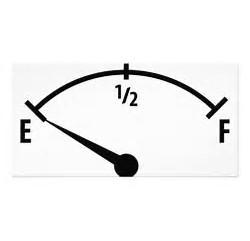
The day came when I felt empty. I had nothing left to give to the relationship. I wanted to crawl into a hole and disappear. All the dreams and hopes I’d held going into the marriage were dashed on the rocks of reality. I was no longer afraid of leaving because I was already dead inside.
During my healing process, I came across the term Emotion Bank Account (EBA), ‘… a metaphor that describes the amount of trust that’s been built up in a relationship. It’s the feeling of safeness you have with another human being.” (1)
Kind words, respect, kept promises, thoughtful acts, listening, being on time are some of the behaviors that make deposits into an EBA. Trust is built between you on the demonstration of your honesty, commitment and dependability. If your partner makes a statement that could be taken in a hurtful way, you know him or her well enough to understand the real intention of the comment. If your friend is late for an outing with you, you become concerned instead of angry because you know your friend would not deliberately blow you off.
Disparaging and disrespectful comments, interruptions, disregard for the other’s time, physical or emotional attacks and betraying trust are a few of the behaviors that drain EBAs. Relationships do not thrive on these behaviors, they shrivel up and die.
When I learned about the Cycle of Abuse, I had an aha moment. The honeymoon stage, where the abuser becomes contrite and loving, reoccurs just often enough to throw a few bones of hope that things will change to the starving victim.(2) I remember how grateful I felt to receive any kindness—grateful enough to stay a little longer. Since the cycle grows shorter and the honeymoon period almost or does fade away, it was no wonder that I became an empty shell.
Had my EBA been filled, I would have had something to give back, from a reservoir of confidence, self-esteem, safety and trust. As it was, there was nothing left to give. When he asked why I left him, I told him he had continually hacked off chunks of the love I had for him until it was gone. He had thrown our life away one handful after another. I knew he didn’t understand since he had little regard for my feelings.
As I thought about the EBA concept, I realized that we also have an EBA with ourselves. I began to look at what kind of deposits was I making into mine. Here’s where that inner critic can sabotage our emotional health. Is our self-talk disparaging or encouraging? Do we expect only the worst outcome from any given situation or the best? Do we read uplifting and encouraging materials and limit those that are disturbing or violent? Do we respect the needs of our bodies for sleep, exercise and nutrition? I have a notecard on my desk that says: “The most important promises to keep are the ones you make to yourself.” Are we learning to trust and respect ourselves? If we take care of our own EBA we will be less likely to put up with those who attempt to drain them.
We also have EBAs with our children. Nurturing them is paramount in their emotional growth. It’s important to catch them being good and tell them so. Being trustworthy, honest and kind not only builds a solid relationship with our children but also teaches them how to treat others. Opportunities to help those in need also fills their EBAs with good feelings about themselves and builds their self-esteem.
Thinking about this reminds me of a parable of a man who takes a tour of hell. He discovers a long table filled with a bounty of delicious food. All the inhabitants of hell sat around the table. The problem was that each person had long spoons attached where their hands should have been. They sat in eternity starving because they could not bring the bowl of the spoons up to their mouths to eat.
Next, the man went to tour heaven. To his surprise he discovered the exact same scene. The people gathered around the table abundant with food also had spoons attached to where their hands should have been. The difference was these heavenly beings were not trying to feed themselves, they were feeding the persons who sat across from them.
What kind of deposits are we making into other’s emotional bank accounts? What kind of deposits are we making into our own.
From The 7 Habits of Highly Effective People by Stephen R. Covy (© 1989 by Stephen R. Covey)See the Cycle of Abuse tab at the top of this page.
July 20, 2017
Yank a Root, Plant a Flower
As a kid, being too short to push a mower, I was assigned the job of weeding. You can imagine how enthusiastic I was about that. I’d slump into the grass in the hot sun stewing and sweating as I ripped at the weeds around the trees and bushes. One day my grandfather’s shadow fell across me. I looked up and he said, “You can’t get rid of weeds by tearing off the tops of them. The root will stay and grow stronger. It will not only bear a new top but also send out shoots to grow more weeds. If you want to get rid of the weeds, you have to pull them out by the root.” He squatted down and showed me how to loosen up the soil and slip the weeds out roots intact.
There is an important life lesson in that.
Once we leave a violent relationship, we think we have solved the problem. After all, everyone around us is saying, “You’re out now, let it go.” However, it’s not over. Leaving is a necessary and important part of ending the problem. You can’t remove the false beliefs if you are with someone who continually plants and fertilizes them.
We are left with deep rooted negative beliefs about ourselves. We have lost our self-respect and trust in our ability to function in the world. Those affect our every decision from thinking that if we give up and let our lives fall into destitution it will in someway punish our abuser, to going into an interview for a job with our inner critic screaming, “You can’t do this job. You are an idiot! You will fail.”
Negative core beliefs nourish themselves with the help of that inner critic. The voice magnifies our every fear and self-abasing feeling into a confirmation that we are stupid, inept, clumsy, foolish, etc., establishing those negative views more firmly in our psyche. From there they bleed bad outcomes into our lives.
We may rush into new relationships, hoping they will heal our fears and challenges. Trying to fix our lives in that manner usually lands us in other abusive relationships. Our inner critics are all too happy to point out that we are fools. We may not apply for any challenging jobs because we believe that we will fail. Instead, we resign ourselves to low-paying work. Fear and financial difficulties may prevent us from taking classes that would help us secure a better paying positions. We will most assuredly make some mistakes as we pull our lives together. Our critical voices will be happy to remind us that we are inept.
Suppose, we refuse to allow our critics to go on a rampage. We shut them down with an affirmation such as: “I am capable of taking care of myself and children,” “Investing in my future is a good thing so I will go back to school,” “I am capable of learning new skills.” “I am a human. I am not perfect and do not need to be. This error was a momentary lapse, not a big todo.” Then we take the steps that will improve our lives.
As we loosen up the ligatures of fear that hold us back we can extract false beliefs. Every brave step forward instills self-respect and self-trust. Just like it takes time to get all the remnants of the roots out of the garden, it takes time and persistence to remove the negative thinking. By calling out our inner critics and slapping affirmations over their mouths, we can extract the false beliefs and grow declarations of truth in their place, then act on them. We are capable of creating wonderful fulfilling lives for ourselves.
Addressing the root of any problem or challenge is a habit that will prevent us from dealing with the same problem over and over. If, we only hack at the branches (do the easiest thing to give temporary relief) we leave the root problem intact allowing it to send out more roots and branches that we will have to confront again. Go for the root the first time and put an end to the problem. Plant some flowers.
Thanks, Grandpa.
June 23, 2017
Learned Stress
When we experience an occasional fearful situation, our brain directs the release of the flight or fight stress hormone, cortisol. When the danger subsides and we feel safe again, the flow of cortisol subsides. While this hormone is necessary when we are in imminent danger, a steady flow of it is not healthy.
Living in abusive relationships fight or flight is our constant companion. Every moment of every day we must be hyper-vigilant, trying to avoid the expected next blowup. Even after leaving the relationship, our bodies are not able to readily adjust to the fact that the danger is over and turn off the fight or flight reaction. Feeling unsafe becomes our bodies’ norm. It is learned stress.
When we add the current events onto the mix we find our health in danger. Our minds are constantly stewing about everything that is difficult in our lives and the world. We exhaust ourselves and feel paralyzed. We stop nurturing ourselves—or never start. Drugs, alcohol or other addictions can enter the picture as a way to cope. However, they send us into numbness. In a sense we stop experiencing the trauma but we also miss out on the happiness in our lives.
To heal, the body needs to recognize that the danger has passed and we are now safe.
Being gentle with ourselves and practicing self-care/compassion can move us in the right direction. I’ve been working on ways to ease the commotion in my brain and body. There is a lot of suggestions from the foremost minds in mental and physical health. Let me share with you the ones that work best for me.
The popularity of mindfulness is growing. Living in the present moment we can ask ourselves if we feel safe in this moment. When our minds spin off into the future “awfulizing” what could disrupt our peace, we bring it back to “I am safe in this moment.” When our mind spins off into the past, “I thought I was safe then and look what happened,” again, we remind ourselves, “I am safe in this moment.” Working toward staying in the present can help calm the anxiety.
Part of the mindfulness practice includes taking time to sit quietly and listen to our breath. Deep restful breathing calms the body and mind. When our restless mind allows destructive thoughts to arise, we recognize them and then let them go without berating ourselves. Labeling them can help us step outside the thought and tell ourselves, “That is my fear of ending up in another abusive relationship. Now that I know the danger signs, I will walk away from anyone who doesn’t treat me with respect.” It takes some practice, but following our breath is helpful in times of stress.
I shoot for taking time to sit in the quiet or with some peaceful music every day. It doesn’t have to be a long period of time, just a few minutes to concentrate on my breath. It’s a good time to spend in prayer or meditation, quieting my thoughts. I’m still working on learning to observing any thoughts that arise and not become engaged in them. Some days are easier than others. The harder days, I use a guided meditation. (free meditations are available at www.meditationoasis.com—click on Listen— then Podcasts.)
Coloring books for adults are becoming popular. Coloring is also a mindful activity, keeps you in the present moment instead of fretting. There are free mandalas available on the internet. Also coloring books from museums. (www.openculture.com/2017/02/free-coloring-books-from-world-class-libraries-museums.html)
When my mind is particularly active, I’ve found that journaling about my concerns is a good segue into the quiet. Spitting everything that is bothering me onto a blank page seems to help me put it to rest, allowing me to better concentrate on my work or go to sleep.
Sleep is way more important than I realized. When working and raising children, sleep is a luxury and the first thing that goes by the wayside while holding the head of a vomiting child or helping with the homework that is due tomorrow and forgotten until this very moment. We learned to exist on little sleep.
Though there is no set rule, since our bodies are all different, it is suggested that we shoot for 7-8 hours. That meant I had to turn off the news and late-night talkshows and learn to fall asleep earlier than what had been my habit. It took some practice. Once settled, the restless brain syndrome (my made-up name for the problem) sets in. My brain throttles up and ruminates on everything and anything that frustrates or worries me. I swear, it would pick some tiny thing that would be a fluff of lint in the light of day and whip it up into an astroid about to crash into the earth. Also, it would prod me to take a peek at the news just in case I was missing something really important. If neither of these worked, it would start throwing down odds that I was going to lay away until my “normal” bedtime, anyway. There has been a period of laying awake but I am settling into this new routine. I do feel better the next day which reinforces the change.
The light from our computers also affects our ability to go to sleep. That means shutting down our electronic devices at least an hour before bed. I’m working on turning off my electronics for the night after dinner. I’m not quite comfortable with this, yet. Picking up my phone or other device is a knee-jerk reaction.
The way the brain constantly collects and processes data is amazing and no small feat now that we are besieged with information through electronics/social media. Something that used to be a catch-up-with-friends social time now inundates us with information that heightens our stress level. Consider a day without it. Sunday is my day to feed my spirit. OWN's Soul Sunday, a cup of tea, good book and a sunny spot makes for a lovely day and does wonders for my harried brain. I didn’t realize how driven I was to keep up with everything. It was exhausting. I’m considering expanding my media fast to 2 days.
Exercise, yoga and T’ai Chi are also great to help quiet the mind and keep the body supple and healthy. I like the app Yoga Studio. It’s free and has classes for different levels of ability. You can even put together your own class if you’d like.
Let’s unlearn stress by nurturing our bodies and spirits every day.
Living in abusive relationships fight or flight is our constant companion. Every moment of every day we must be hyper-vigilant, trying to avoid the expected next blowup. Even after leaving the relationship, our bodies are not able to readily adjust to the fact that the danger is over and turn off the fight or flight reaction. Feeling unsafe becomes our bodies’ norm. It is learned stress.
When we add the current events onto the mix we find our health in danger. Our minds are constantly stewing about everything that is difficult in our lives and the world. We exhaust ourselves and feel paralyzed. We stop nurturing ourselves—or never start. Drugs, alcohol or other addictions can enter the picture as a way to cope. However, they send us into numbness. In a sense we stop experiencing the trauma but we also miss out on the happiness in our lives.
To heal, the body needs to recognize that the danger has passed and we are now safe.
Being gentle with ourselves and practicing self-care/compassion can move us in the right direction. I’ve been working on ways to ease the commotion in my brain and body. There is a lot of suggestions from the foremost minds in mental and physical health. Let me share with you the ones that work best for me.
The popularity of mindfulness is growing. Living in the present moment we can ask ourselves if we feel safe in this moment. When our minds spin off into the future “awfulizing” what could disrupt our peace, we bring it back to “I am safe in this moment.” When our mind spins off into the past, “I thought I was safe then and look what happened,” again, we remind ourselves, “I am safe in this moment.” Working toward staying in the present can help calm the anxiety.
Part of the mindfulness practice includes taking time to sit quietly and listen to our breath. Deep restful breathing calms the body and mind. When our restless mind allows destructive thoughts to arise, we recognize them and then let them go without berating ourselves. Labeling them can help us step outside the thought and tell ourselves, “That is my fear of ending up in another abusive relationship. Now that I know the danger signs, I will walk away from anyone who doesn’t treat me with respect.” It takes some practice, but following our breath is helpful in times of stress.
I shoot for taking time to sit in the quiet or with some peaceful music every day. It doesn’t have to be a long period of time, just a few minutes to concentrate on my breath. It’s a good time to spend in prayer or meditation, quieting my thoughts. I’m still working on learning to observing any thoughts that arise and not become engaged in them. Some days are easier than others. The harder days, I use a guided meditation. (free meditations are available at www.meditationoasis.com—click on Listen— then Podcasts.)
Coloring books for adults are becoming popular. Coloring is also a mindful activity, keeps you in the present moment instead of fretting. There are free mandalas available on the internet. Also coloring books from museums. (www.openculture.com/2017/02/free-coloring-books-from-world-class-libraries-museums.html)
When my mind is particularly active, I’ve found that journaling about my concerns is a good segue into the quiet. Spitting everything that is bothering me onto a blank page seems to help me put it to rest, allowing me to better concentrate on my work or go to sleep.
Sleep is way more important than I realized. When working and raising children, sleep is a luxury and the first thing that goes by the wayside while holding the head of a vomiting child or helping with the homework that is due tomorrow and forgotten until this very moment. We learned to exist on little sleep.
Though there is no set rule, since our bodies are all different, it is suggested that we shoot for 7-8 hours. That meant I had to turn off the news and late-night talkshows and learn to fall asleep earlier than what had been my habit. It took some practice. Once settled, the restless brain syndrome (my made-up name for the problem) sets in. My brain throttles up and ruminates on everything and anything that frustrates or worries me. I swear, it would pick some tiny thing that would be a fluff of lint in the light of day and whip it up into an astroid about to crash into the earth. Also, it would prod me to take a peek at the news just in case I was missing something really important. If neither of these worked, it would start throwing down odds that I was going to lay away until my “normal” bedtime, anyway. There has been a period of laying awake but I am settling into this new routine. I do feel better the next day which reinforces the change.
The light from our computers also affects our ability to go to sleep. That means shutting down our electronic devices at least an hour before bed. I’m working on turning off my electronics for the night after dinner. I’m not quite comfortable with this, yet. Picking up my phone or other device is a knee-jerk reaction.
The way the brain constantly collects and processes data is amazing and no small feat now that we are besieged with information through electronics/social media. Something that used to be a catch-up-with-friends social time now inundates us with information that heightens our stress level. Consider a day without it. Sunday is my day to feed my spirit. OWN's Soul Sunday, a cup of tea, good book and a sunny spot makes for a lovely day and does wonders for my harried brain. I didn’t realize how driven I was to keep up with everything. It was exhausting. I’m considering expanding my media fast to 2 days.
Exercise, yoga and T’ai Chi are also great to help quiet the mind and keep the body supple and healthy. I like the app Yoga Studio. It’s free and has classes for different levels of ability. You can even put together your own class if you’d like.
Let’s unlearn stress by nurturing our bodies and spirits every day.