P.J. Berman's Blog, page 5
January 28, 2020
Obrud Moribrand and the Deposition of King Ghengred, the Slayer of Innocents
In the tumultuous year of 1420 AU, the deposition of King Ghengred IV, of the House of Alfwyn, marked the end of a catastrophic episode in Bennvikan history. King Ghengred was already a naturally paranoid man, and this unfortunate trait was only exasperated when he was crowned king.
As so many leaders do, he saw threats everywhere. Some sought to take advantage of this, and none more so than a Congressor named Obrud Moridrand. Thanks to his openly opulent lifestyle, even by the standards of the Congressors, Obrud was far from popular with the people, who especially those of Kriganheim.
This had not bothered him up until an attempt on his life was made in 1419, when his litter was mobbed in the street. Only with the violent intervention of his bodyguards did Obrud escape with his life.
It is reasonable to think that these attackers had been paid by a political rival of Obrud, for he had many, yet he chose to use the incident to advance his position.
Something of a cold war had already existed between Bennvika and Medrodor for some time, with both of them by now long considering the other their natural enemy. So when Obrud claimed in a speech to the Congressate that the attackers had been caught and confessed to working for the Medrodorian crown, the relations between the two countries only worsened.
Obrud even publically accused Medrodor of threatening King Ghengred himself, saying that an attack on him was an attack on the king. Those words earned him the attention of both kings. While he was called to the royal presence of Genghred, King Rika II of Medrodor sent an emissary to Kriganheim, demanding an explanation.
Obrud chose to ignore the Medrodorian king's letter, instead showing it to Ghengred. He is known to have pointed out that King Rika learned very quickly of Obrud's actions following the unsuccessful attack, and that Rika must therefore have spies all over Kriganheim, or even the entirity of Bennvika.
Later historians and political commentators have even theorised that Obrud may have even staged the attempt on his life himself. By knowing which words to whisper in Ghengred's ear, Obrud wormed his way into every aspect of Bennvikan government, in a matter of months rendering the weak-minded Ghengred unable to make the slightest decision withoutn consulting him, so drawn-in had the king been by Obrud's charisma and energy.
In the streets, suspician reigned. People disappeared without immidiate explination, especially foreigners, only for it to be revealed later that they had been arrested by Obrud's men - a fate that invariably led to death under torture or by public execuation.
This spate of executions gained King Ghengred the posthumous nickname 'the slayer of innocents', as it was his orders on which the execuations took place.
Things came to a head in 1420, when members of the Congressate met King Ghengred's nephew, Komyans, saying that if he would stake his claim to the throne, they would back his cause. Komyans had no hesitation in agreeing. He knew he would have little difficulty convincing the provincial governors to stand against the upstart Obrud.
When he returned to Kriganheim with an army, he discovered that before he had even crossed the River Lavaklan, the people of Kriganheim, hearing of his approach through the rumours spread by travelling traders and fearing the possibility of being taken as the king's allies, had risen up against Obrud and Ghengred.
Murdering the former in the street with a hail of thrown stones, and improsoning the latter.Friendless and isolated, Ghengred was exciled at the Ustine Isles, where he died within the year.
Meanwhile, Komyans was crowned King Komyans III of Bennvika, and Bennvikan-Medrodorian relations steadily improved.
As so many leaders do, he saw threats everywhere. Some sought to take advantage of this, and none more so than a Congressor named Obrud Moridrand. Thanks to his openly opulent lifestyle, even by the standards of the Congressors, Obrud was far from popular with the people, who especially those of Kriganheim.
This had not bothered him up until an attempt on his life was made in 1419, when his litter was mobbed in the street. Only with the violent intervention of his bodyguards did Obrud escape with his life.
It is reasonable to think that these attackers had been paid by a political rival of Obrud, for he had many, yet he chose to use the incident to advance his position.
Something of a cold war had already existed between Bennvika and Medrodor for some time, with both of them by now long considering the other their natural enemy. So when Obrud claimed in a speech to the Congressate that the attackers had been caught and confessed to working for the Medrodorian crown, the relations between the two countries only worsened.
Obrud even publically accused Medrodor of threatening King Ghengred himself, saying that an attack on him was an attack on the king. Those words earned him the attention of both kings. While he was called to the royal presence of Genghred, King Rika II of Medrodor sent an emissary to Kriganheim, demanding an explanation.
Obrud chose to ignore the Medrodorian king's letter, instead showing it to Ghengred. He is known to have pointed out that King Rika learned very quickly of Obrud's actions following the unsuccessful attack, and that Rika must therefore have spies all over Kriganheim, or even the entirity of Bennvika.
Later historians and political commentators have even theorised that Obrud may have even staged the attempt on his life himself. By knowing which words to whisper in Ghengred's ear, Obrud wormed his way into every aspect of Bennvikan government, in a matter of months rendering the weak-minded Ghengred unable to make the slightest decision withoutn consulting him, so drawn-in had the king been by Obrud's charisma and energy.
In the streets, suspician reigned. People disappeared without immidiate explination, especially foreigners, only for it to be revealed later that they had been arrested by Obrud's men - a fate that invariably led to death under torture or by public execuation.
This spate of executions gained King Ghengred the posthumous nickname 'the slayer of innocents', as it was his orders on which the execuations took place.
Things came to a head in 1420, when members of the Congressate met King Ghengred's nephew, Komyans, saying that if he would stake his claim to the throne, they would back his cause. Komyans had no hesitation in agreeing. He knew he would have little difficulty convincing the provincial governors to stand against the upstart Obrud.
When he returned to Kriganheim with an army, he discovered that before he had even crossed the River Lavaklan, the people of Kriganheim, hearing of his approach through the rumours spread by travelling traders and fearing the possibility of being taken as the king's allies, had risen up against Obrud and Ghengred.
Murdering the former in the street with a hail of thrown stones, and improsoning the latter.Friendless and isolated, Ghengred was exciled at the Ustine Isles, where he died within the year.
Meanwhile, Komyans was crowned King Komyans III of Bennvika, and Bennvikan-Medrodorian relations steadily improved.


January 19, 2020
The House of Alfwyn - A Biography of a Family
By the year 1520 AU, the House of Alfwyn had been the ruling family in the Kingdom of Bennvika for over two centuries. Here, we will look at how they rose to power.
Battle Standard
The Stallion of Alfwyn is anything but the rider’s horse. It is a wild, prancing, rebellious, untameable creature that snarls with uncontained rage.
Origins
Although they have been active in Bennvikan politics for over five hundred years, and have been the royal house for the last two hundred of those, the Alfwyns are said to be of Hingarian stock originally, arriving in Bennvika in the years that followed the Third Noble War.
Admaen Alfwyn became the first member of his family to be promoted to the Congressate in 816 AU, after gaining power and influence diring his tenure as a Demokroi in the two year period before that. The Alfwyns remained a middleweight noble family with lands on the northeast coast of Kriganheim province until Lord Noriata Alfwyn caught the eye of the Bennvikan Princess Bisstrilt in 1279.
The princess' older brother, King Ansdren IV, had already succeeded in marrying off his four other sisters into powerful marriage alliances, so when this new reached his ears, he was of a mind to indulge his favourite sister. Princess Bisstrilt and Lord Noriata were married with the year.
Rise to Royalty
The first Alfwyn monarch was King Komyans II (born 1281), the eldest child of Princess Bisstrilt and Lord Noriata. His ascending to the throne came about in 1308 AU when his uncle died childless.
Notable Members
Komyans II - The first Alfwyn monarch.
Queen Tefkia - Became the first Defroni princess to marry into Bennvikan royalty.
Genghred the Slayer of Innocents - Led Bennvika with such paranoia that his people rose up, deposed him, and exiled him to the Ustine Isles.
Bastinian the Great - Conquerer of the Hentani Kingdom.
Lissoll III - Led his father's campaign to invade the Hentani Kingdom.
Princess Silrith - A great philanthropist.
Battle Standard
The Stallion of Alfwyn is anything but the rider’s horse. It is a wild, prancing, rebellious, untameable creature that snarls with uncontained rage.
Origins
Although they have been active in Bennvikan politics for over five hundred years, and have been the royal house for the last two hundred of those, the Alfwyns are said to be of Hingarian stock originally, arriving in Bennvika in the years that followed the Third Noble War.
Admaen Alfwyn became the first member of his family to be promoted to the Congressate in 816 AU, after gaining power and influence diring his tenure as a Demokroi in the two year period before that. The Alfwyns remained a middleweight noble family with lands on the northeast coast of Kriganheim province until Lord Noriata Alfwyn caught the eye of the Bennvikan Princess Bisstrilt in 1279.
The princess' older brother, King Ansdren IV, had already succeeded in marrying off his four other sisters into powerful marriage alliances, so when this new reached his ears, he was of a mind to indulge his favourite sister. Princess Bisstrilt and Lord Noriata were married with the year.
Rise to Royalty
The first Alfwyn monarch was King Komyans II (born 1281), the eldest child of Princess Bisstrilt and Lord Noriata. His ascending to the throne came about in 1308 AU when his uncle died childless.
Notable Members
Komyans II - The first Alfwyn monarch.
Queen Tefkia - Became the first Defroni princess to marry into Bennvikan royalty.
Genghred the Slayer of Innocents - Led Bennvika with such paranoia that his people rose up, deposed him, and exiled him to the Ustine Isles.
Bastinian the Great - Conquerer of the Hentani Kingdom.
Lissoll III - Led his father's campaign to invade the Hentani Kingdom.
Princess Silrith - A great philanthropist.
January 13, 2020
The House of Rintta - Biography of a Family
The Rinttas are the governing family of the Bennvikan province of Asrantica. This is their story up until the events of Vengeance of Hope.
Origins
Despite having been an active part of Bennvika's land-based society for many centuries, the Rinttas proudly declare their decent from the Oroniscians, an ancient seafaring people known for their trading prowess.
It is said that their ancestors were accociates of Vitrinnolf himself, and helped barter the deal behind the marriage alliance with Lomatteva that brought about Bennvika's birth.
Battle Standard
The symbol of the Rintta family is a white or sometimes silver trident on a black background. This is said to be a reference to their oceangoing heritage.
Rise to the Governorship
The Rinttas are one of the oldest noble families is Bennvika, and have been the governing family of Asrantica since Yustinir Rintta was appointed to the vacant post by the crown on 502 AU.
Residence
The primary Rintta family home is Saviktastad Castle, and this has been the case since 1161 AU, although much of what is viewable today was built during Gevryn Rintta's rebuilding of the castle between the years 1364 and 1372.
Notable Members
Vadinik Rintta - Caused a scandal in 1195 when it was discovered he was conducting affairs with two sisters from the House of Haganwold at the same time - while already married to a third sister from the same house.
Ddarwyth Rintta - In 1267 she punished a servant accused of sleeping with her husband by boiling her in a vat of water.
Bistrek Rintta - Led the Bennvikan forces to victory in the First Hentani War.
Zavor the Explorer - With his older brother Gevryn taking the position of Governor of Asrantica in 1359, Zavor pursued a career as an ambassador. His writings, which were created while on his travels, revolutionised Bennvikan understanding of the lands to the east of the Kebban Sea, and document those first cagey interactions between Bennvika and the aggressive Verusantian Empire.
Origins
Despite having been an active part of Bennvika's land-based society for many centuries, the Rinttas proudly declare their decent from the Oroniscians, an ancient seafaring people known for their trading prowess.
It is said that their ancestors were accociates of Vitrinnolf himself, and helped barter the deal behind the marriage alliance with Lomatteva that brought about Bennvika's birth.
Battle Standard
The symbol of the Rintta family is a white or sometimes silver trident on a black background. This is said to be a reference to their oceangoing heritage.
Rise to the Governorship
The Rinttas are one of the oldest noble families is Bennvika, and have been the governing family of Asrantica since Yustinir Rintta was appointed to the vacant post by the crown on 502 AU.
Residence
The primary Rintta family home is Saviktastad Castle, and this has been the case since 1161 AU, although much of what is viewable today was built during Gevryn Rintta's rebuilding of the castle between the years 1364 and 1372.
Notable Members
Vadinik Rintta - Caused a scandal in 1195 when it was discovered he was conducting affairs with two sisters from the House of Haganwold at the same time - while already married to a third sister from the same house.
Ddarwyth Rintta - In 1267 she punished a servant accused of sleeping with her husband by boiling her in a vat of water.
Bistrek Rintta - Led the Bennvikan forces to victory in the First Hentani War.
Zavor the Explorer - With his older brother Gevryn taking the position of Governor of Asrantica in 1359, Zavor pursued a career as an ambassador. His writings, which were created while on his travels, revolutionised Bennvikan understanding of the lands to the east of the Kebban Sea, and document those first cagey interactions between Bennvika and the aggressive Verusantian Empire.
January 8, 2020
It's Competition Time!
It’s competition time again!
A FREE BOOK FOR THE WINNER!
Just contact me in reply to this email or via the website's contact page, stating the phrase 'Free Books!'.
The winner will be chosen at random.
The winner will receive a signed copy of King of the Republic!
I will contact the winner directly via email to arrange delivery of the prizes.
You have two weeks! The closing date is January 22nd at 10pm UK time.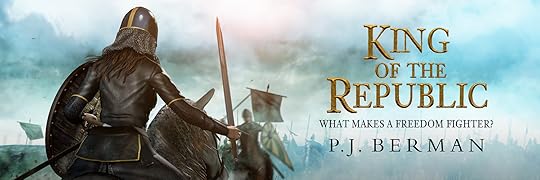
A FREE BOOK FOR THE WINNER!
Just contact me in reply to this email or via the website's contact page, stating the phrase 'Free Books!'.
The winner will be chosen at random.
The winner will receive a signed copy of King of the Republic!
I will contact the winner directly via email to arrange delivery of the prizes.
You have two weeks! The closing date is January 22nd at 10pm UK time.
January 5, 2020
The Hentani
The Hentani are a trible who live in the south of Bennvika.
History
The Hentani may now live in Bennvika's south, but they previously resided in the what is now Bennvika's northwest until their eviction by Sedrunna Ironhammer in 612 BU.
In the wake of this tumultuous event, the tribe migrated south, where they set about building a kingdom that prospered independently for over two millennia before falling to invasion by Bennvika at the end of the Second Hentani War
Beliefs and Festivals
The Hentani faith is a monotheist religion, where all worship is focused on the goddess Bertakaevey, who takes the form of a strongly built, matriarchal humanoid. She is often depicted alongside her companion, a bear named Usartin.The Hentani are also known for their flamboyant festivals.
One of these is the dramatic 'chariot' festival. It is considered a test of bravery, and forms a right of passage into manhood for any young Hentani warrior. During times of peace in the days of Hentani independence, these festivals were performed as often as once every lunar cycle in some villages, but after the Bennvikan invasion, the prectise became less common.In those areas where it is still conducted, this festival takes place on the night of the full moon on any month where a boy within the village has reached his sixteenth birthday since the last time the festival was held.
Over a period of days, a large chariot is built out of wood. Sometimes more than one chariot has to be built, if two or more boys turn sixteen within a short time of each other.Then, on the night of the full moon, the boy will stand astride his chariot in a field with the entire village watching.
The chariot will be set on fire and the horse made to bolt. The chariot is attached to the horse only with rope, and if the young driver is still holding onto the horse's reins when the chariot burns away and collapses from underneath him, he has passed the test, and is considered a man.
History
The Hentani may now live in Bennvika's south, but they previously resided in the what is now Bennvika's northwest until their eviction by Sedrunna Ironhammer in 612 BU.
In the wake of this tumultuous event, the tribe migrated south, where they set about building a kingdom that prospered independently for over two millennia before falling to invasion by Bennvika at the end of the Second Hentani War
Beliefs and Festivals
The Hentani faith is a monotheist religion, where all worship is focused on the goddess Bertakaevey, who takes the form of a strongly built, matriarchal humanoid. She is often depicted alongside her companion, a bear named Usartin.The Hentani are also known for their flamboyant festivals.
One of these is the dramatic 'chariot' festival. It is considered a test of bravery, and forms a right of passage into manhood for any young Hentani warrior. During times of peace in the days of Hentani independence, these festivals were performed as often as once every lunar cycle in some villages, but after the Bennvikan invasion, the prectise became less common.In those areas where it is still conducted, this festival takes place on the night of the full moon on any month where a boy within the village has reached his sixteenth birthday since the last time the festival was held.
Over a period of days, a large chariot is built out of wood. Sometimes more than one chariot has to be built, if two or more boys turn sixteen within a short time of each other.Then, on the night of the full moon, the boy will stand astride his chariot in a field with the entire village watching.
The chariot will be set on fire and the horse made to bolt. The chariot is attached to the horse only with rope, and if the young driver is still holding onto the horse's reins when the chariot burns away and collapses from underneath him, he has passed the test, and is considered a man.
December 29, 2019
Gasbron Wrathun
Born Gasbron of Ganust to immigrant parents in 1488 AU, taking his name from the city in which he first entered the world, the man who cane to be known as Gasbron Wrathun was a Bennvikan military leader active in the 16th century AU. This is his story up until the events of Vengeance of Hope.
Early Life
Gasbron’s beginnings were nothing if not humble. His father, Vekrik, was an Invictirion in the Divisios of Ustenna. He was killed in 1493 in what was formally recognised as a diplomatic incident with Medrodor, when enemies of the Medrodorian King, hoping to create civil strife at home, had tried to instigate a damaging war with Bennvika by lunching a military incursion into Bennvikan territory.
The incursion was beaten back by the troops of Ustenna, during which time Vekrik fell, and after they retreated, the perpetrators were rounded up by the Medrodorian King Spurvan who, knowing he was in no way ready for a war with Bennvika and did not want to take in the vastly more experienced Bastinian the Great in battle, was at pains to hand over the traitors for Bastinian to do with them as he pleased.
While these men and women were taken to Kriganheim to be flayed alive, a distraught five-year-old Gasbron was receiving news of his father’s death. After this point, he was brought up by his mother, Harimae, a former bead maker, who was forced into prostitution in order to feed them both. It is thought that Gasbron vowed to join the army to honour his father’s memory and to save his mother from the suffering she was forced to endure. But he was too late to save her.
In 1505, Harimae died of syphillis. With no way of earning his keep on his own, a seventeen year old Gasbron, still a year too young for the army, made for the barracks of the far side of the city where fewer people knew him. Here, he lied about his age, and joined the Divisios.
Military Career
Never telling anyone about his true age until some years after joining the Divisios, Gasbron first saw action and gained his nickname while in a task force sent to the land in which his parents had been born, Gilbaya, in 1510. The Gilbayan King Dutta had called for support from his ally Bennvika when his upstart brother, Gebba, in a move publicly endorsed by the Verusantian Emperor, had rebelled, desiring the crown for himself.
Yet King Lissoll III of Bennvika was astute enough to see that if the Verusantian Empire acheived control of all the lands on the eastern side of the Kebban Sea, it would then be free to cast its greedy imperial eye across the water towards wealthy kingdoms such as his own. Given that Bennvika did not want open hostilities with Verusantium, and Verusantium was not in a position to attack Bennvika, the Gilbayan civil strife became something of a Bennvikan-Verusantian proxy war.
Gasbron's moment came at the Battle of Pellebuaco. Tired of waiting for any serious number of reinforcements from Verusantium, Gebba, who had already mustered a strong army, thanks to local support from Gilbaya's eastern nobles and nominal support from the Verusantian nobles of the borderlands, marched west.Facing him was the royal army, led by the warrior Queen Ruizta, wife of King Dutta, who had already become a general of some renown prior to her royal marriage.
By the time be met in the field, Gebba had Ruizta outnumbered by almost two to one. Both armies still relied heavily on the bristling spear phalanxs, which were by this time considered obsilete throughout much of the world. Small wonder then that it was Ruizta's three Bennvikan Divisios from Ustenna, among whom Gasbron numbered, that proved the difference between the two armies.
The spear phalanxs were still almost unbeatable if they were to attack a unit head on, but it was difficult for them to turn while maintaining formation, and they were poorly armed against attack from the side. This proved crucial.Knowing the quality of her Bennvikan troops, Ruizta had placed the divisios at the centre of her own line. The approach had almost gone disastrously wrong, and many fell to the enemy spears in the opening moments of the battle. Gasbron's divisio lost both its invicturion and its corpralis in quick succession, and almost broke completely. Yet Gasbron, in only his first battle, as heard rallying more experienced men back to his side. As others wavered, he had thrown himself forward into a gap between two of Gebba's phalanxes, cutting the spearmen to pieces as they tried to turn their awkward formations and unwieldy weapons to face him. As more Bennvikans and Gibayans of the royal army advanced, punching deep into the everopening gap, the rebel battle line was split apart completely, and put to flight.
General Ruizta was hit by and arrow as her forces pursued the enemy, and it is said that while in her death throws she asked for the name of the soldier she had seen from her positon on the high ground, rallying the centre of her line and breaking the line of the enemy. When told it had been a Bennvikan named Gasbron, it is believed that Ruizta's dying words were 'Gasbron. We must give him an honourable reward name for his wrath then.' The name 'Wrathun' was bestowed on a reportedly bemused Gasbron by King Dutta, in honour of his deceased wife, upon the army's return to the Gibayan capitol.
Early Life
Gasbron’s beginnings were nothing if not humble. His father, Vekrik, was an Invictirion in the Divisios of Ustenna. He was killed in 1493 in what was formally recognised as a diplomatic incident with Medrodor, when enemies of the Medrodorian King, hoping to create civil strife at home, had tried to instigate a damaging war with Bennvika by lunching a military incursion into Bennvikan territory.
The incursion was beaten back by the troops of Ustenna, during which time Vekrik fell, and after they retreated, the perpetrators were rounded up by the Medrodorian King Spurvan who, knowing he was in no way ready for a war with Bennvika and did not want to take in the vastly more experienced Bastinian the Great in battle, was at pains to hand over the traitors for Bastinian to do with them as he pleased.
While these men and women were taken to Kriganheim to be flayed alive, a distraught five-year-old Gasbron was receiving news of his father’s death. After this point, he was brought up by his mother, Harimae, a former bead maker, who was forced into prostitution in order to feed them both. It is thought that Gasbron vowed to join the army to honour his father’s memory and to save his mother from the suffering she was forced to endure. But he was too late to save her.
In 1505, Harimae died of syphillis. With no way of earning his keep on his own, a seventeen year old Gasbron, still a year too young for the army, made for the barracks of the far side of the city where fewer people knew him. Here, he lied about his age, and joined the Divisios.
Military Career
Never telling anyone about his true age until some years after joining the Divisios, Gasbron first saw action and gained his nickname while in a task force sent to the land in which his parents had been born, Gilbaya, in 1510. The Gilbayan King Dutta had called for support from his ally Bennvika when his upstart brother, Gebba, in a move publicly endorsed by the Verusantian Emperor, had rebelled, desiring the crown for himself.
Yet King Lissoll III of Bennvika was astute enough to see that if the Verusantian Empire acheived control of all the lands on the eastern side of the Kebban Sea, it would then be free to cast its greedy imperial eye across the water towards wealthy kingdoms such as his own. Given that Bennvika did not want open hostilities with Verusantium, and Verusantium was not in a position to attack Bennvika, the Gilbayan civil strife became something of a Bennvikan-Verusantian proxy war.
Gasbron's moment came at the Battle of Pellebuaco. Tired of waiting for any serious number of reinforcements from Verusantium, Gebba, who had already mustered a strong army, thanks to local support from Gilbaya's eastern nobles and nominal support from the Verusantian nobles of the borderlands, marched west.Facing him was the royal army, led by the warrior Queen Ruizta, wife of King Dutta, who had already become a general of some renown prior to her royal marriage.
By the time be met in the field, Gebba had Ruizta outnumbered by almost two to one. Both armies still relied heavily on the bristling spear phalanxs, which were by this time considered obsilete throughout much of the world. Small wonder then that it was Ruizta's three Bennvikan Divisios from Ustenna, among whom Gasbron numbered, that proved the difference between the two armies.
The spear phalanxs were still almost unbeatable if they were to attack a unit head on, but it was difficult for them to turn while maintaining formation, and they were poorly armed against attack from the side. This proved crucial.Knowing the quality of her Bennvikan troops, Ruizta had placed the divisios at the centre of her own line. The approach had almost gone disastrously wrong, and many fell to the enemy spears in the opening moments of the battle. Gasbron's divisio lost both its invicturion and its corpralis in quick succession, and almost broke completely. Yet Gasbron, in only his first battle, as heard rallying more experienced men back to his side. As others wavered, he had thrown himself forward into a gap between two of Gebba's phalanxes, cutting the spearmen to pieces as they tried to turn their awkward formations and unwieldy weapons to face him. As more Bennvikans and Gibayans of the royal army advanced, punching deep into the everopening gap, the rebel battle line was split apart completely, and put to flight.
General Ruizta was hit by and arrow as her forces pursued the enemy, and it is said that while in her death throws she asked for the name of the soldier she had seen from her positon on the high ground, rallying the centre of her line and breaking the line of the enemy. When told it had been a Bennvikan named Gasbron, it is believed that Ruizta's dying words were 'Gasbron. We must give him an honourable reward name for his wrath then.' The name 'Wrathun' was bestowed on a reportedly bemused Gasbron by King Dutta, in honour of his deceased wife, upon the army's return to the Gibayan capitol.
December 22, 2019
Shappa Froillain
Born Prince Shappa Avaroinn Haveila Coutara Froillain, Prince Shappa is the eldest son of King Kessekla of Etrovansia and has a strong but disputed claim to the throne. This is his story up until the events of Vengeance of Hope.
Early Life Shappa was born in Iprarta in 1496 AU, the elder of two brothers. His father Kessekla was a paranoid and malleable man, and his unstable reign was marked by the putting down of rebellions and the harrying of his people all over the country, with his quiet and almost anonymous Queen Johara doing nothing to stop him.
This behaviour only lessened, although it never fully stopped, when Shappa came of age in 1512 and chose to live at his mother’s ancestral estate in Nangosa City, in the Duchy of Nangosa, which encompassed the southern half of Etrovansia. Johara, for her part, moved with him, probably to finally experience some level of freedom from the volatile Kessekla, as well as the younger Prince Ravla, Shappa’s brother, who was fast becoming the image of his neurotic father. Given that Shappa had been named the Duke of Nangosa at his birth, there was little Kessekla could do but acquiesce to this development.
With Shappa and his mother taking up residence in Nangosa Palace and overseeing the day to day governorship of the duchy, relative stability returned. It didn’t go unnoticed by the people of the south that where before the king had been crushing rebellions the length and breadth of the kingdom, he was now only doing so in the north, exterminating resistance more heavy-handedly than ever, until there was almost none left. All the while, as refugees displaced by the turmoil of the north settled in the peaceful south, Shappa’s more diplomatic approach to running his lands saw this popularity rise ever further.
Relationship with Prince Ravla
You can choose your friends, but not your relatives, and nobody would choose an obsessively jelous younger sibling like Shappa's brother Ravla. From an early age, rather than focusing on becoming the astute military leader that so many secondary children in royal and noble families are expected to become, Ravla set his eyes on the ultimate prize, the crown of Etrovansia, Prince Shappa's birthright, and in so doing, he wanted everything that Prince Shappa had, or if not, something better.All through their childhood, if Shappa bought a horse, Ravla bought a finer one, paying no heed to the whether or not he paid over the odds. Furthermore, if Shappa wanted to by a particular horse, but had not yet completed the purchase, Ravla would to anything to outbid him.After years of this already, at fourteen, Shappa is known to have bemoaned, 'Ravla does not see a brother in me, only a rival.'
Banishment
This vying for supermicy between Shappa and Ravla came to a head in the winter of 1519 AU. King Kessekla has been described by many as a paranoid and maliable man at the best of times by non-Etrovansian sources, while Queen Johara has often been just as readily dismissed as quiet, and even anonymous. So when Ravla began to whisper in Kessekla's ear, poisoning his mind against Shappa, who was spending more and more time in his southern estate in Nangosa City, a royal banishment from Etrovansia was never likely to be far away.
Early Life Shappa was born in Iprarta in 1496 AU, the elder of two brothers. His father Kessekla was a paranoid and malleable man, and his unstable reign was marked by the putting down of rebellions and the harrying of his people all over the country, with his quiet and almost anonymous Queen Johara doing nothing to stop him.
This behaviour only lessened, although it never fully stopped, when Shappa came of age in 1512 and chose to live at his mother’s ancestral estate in Nangosa City, in the Duchy of Nangosa, which encompassed the southern half of Etrovansia. Johara, for her part, moved with him, probably to finally experience some level of freedom from the volatile Kessekla, as well as the younger Prince Ravla, Shappa’s brother, who was fast becoming the image of his neurotic father. Given that Shappa had been named the Duke of Nangosa at his birth, there was little Kessekla could do but acquiesce to this development.
With Shappa and his mother taking up residence in Nangosa Palace and overseeing the day to day governorship of the duchy, relative stability returned. It didn’t go unnoticed by the people of the south that where before the king had been crushing rebellions the length and breadth of the kingdom, he was now only doing so in the north, exterminating resistance more heavy-handedly than ever, until there was almost none left. All the while, as refugees displaced by the turmoil of the north settled in the peaceful south, Shappa’s more diplomatic approach to running his lands saw this popularity rise ever further.
Relationship with Prince Ravla
You can choose your friends, but not your relatives, and nobody would choose an obsessively jelous younger sibling like Shappa's brother Ravla. From an early age, rather than focusing on becoming the astute military leader that so many secondary children in royal and noble families are expected to become, Ravla set his eyes on the ultimate prize, the crown of Etrovansia, Prince Shappa's birthright, and in so doing, he wanted everything that Prince Shappa had, or if not, something better.All through their childhood, if Shappa bought a horse, Ravla bought a finer one, paying no heed to the whether or not he paid over the odds. Furthermore, if Shappa wanted to by a particular horse, but had not yet completed the purchase, Ravla would to anything to outbid him.After years of this already, at fourteen, Shappa is known to have bemoaned, 'Ravla does not see a brother in me, only a rival.'
Banishment
This vying for supermicy between Shappa and Ravla came to a head in the winter of 1519 AU. King Kessekla has been described by many as a paranoid and maliable man at the best of times by non-Etrovansian sources, while Queen Johara has often been just as readily dismissed as quiet, and even anonymous. So when Ravla began to whisper in Kessekla's ear, poisoning his mind against Shappa, who was spending more and more time in his southern estate in Nangosa City, a royal banishment from Etrovansia was never likely to be far away.
December 15, 2019
Bezekarl Alyredd
Bezekarl Rhyn Karadenhag Alyredd is a Bennvikan royal and nobleman. He was born in the temporary Alyredd residence on the site of what is now the Preddaberg Citadel, Rildayorda, Bastalf, Bennvika in 1503 AU. This in his story prior to the events of Vengeance of Hope.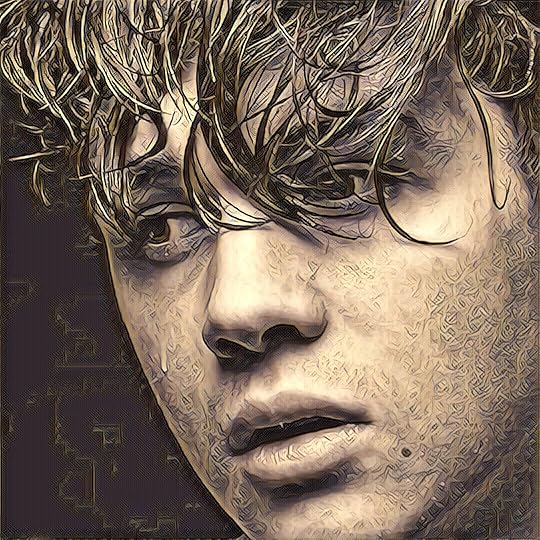 His father is Lord Yathrud Alyredd, Governor of Bastalf, and his late mother was Monissaea Alfwyn, the younger sister of King Lissoll III of Bennvika, making Bezekarl a cousin of Silrith Alfwyn, the heir to the Bennvikan throne. In 1518, Bezekarl also gained a much younger sister, Yathugarra, although their mother Monissaea perished shortly after the birth.Personal Life It is well documented by political commentators that throughout much of his childhood, Bezekarl is something of a jocular embarrassment in the eyes of his father, who at the same time, quite openly idolises Princess Silrith. He is known for his quiet disposition. People have varying points of view on this. It is said that his father, even, once commented ‘I agree that he who says least hears most, but what’s the use of that if it falls straight out of the other ear?’ It is believed that this jibe was in reference to his own son.Still, in the hope of training this quietness out of Bezekarl, Yathrud paid for some of the greatest orators in Bennvika to come to Rildayorda to tutor Bezekarl at length in their silver-tongued art. Only time will tell whether or not their efforts have borne fruit. One tutor, whio has asked to remain anonymous, has quouted Lord Yathrud as saying 'do what you can with him', in reference to Bezekarl, whom the tutor had just met, and whom was a mere four years old at the time.Image courtesy of Sharon Christina Rorvik at Unsplash.
His father is Lord Yathrud Alyredd, Governor of Bastalf, and his late mother was Monissaea Alfwyn, the younger sister of King Lissoll III of Bennvika, making Bezekarl a cousin of Silrith Alfwyn, the heir to the Bennvikan throne. In 1518, Bezekarl also gained a much younger sister, Yathugarra, although their mother Monissaea perished shortly after the birth.Personal Life It is well documented by political commentators that throughout much of his childhood, Bezekarl is something of a jocular embarrassment in the eyes of his father, who at the same time, quite openly idolises Princess Silrith. He is known for his quiet disposition. People have varying points of view on this. It is said that his father, even, once commented ‘I agree that he who says least hears most, but what’s the use of that if it falls straight out of the other ear?’ It is believed that this jibe was in reference to his own son.Still, in the hope of training this quietness out of Bezekarl, Yathrud paid for some of the greatest orators in Bennvika to come to Rildayorda to tutor Bezekarl at length in their silver-tongued art. Only time will tell whether or not their efforts have borne fruit. One tutor, whio has asked to remain anonymous, has quouted Lord Yathrud as saying 'do what you can with him', in reference to Bezekarl, whom the tutor had just met, and whom was a mere four years old at the time.Image courtesy of Sharon Christina Rorvik at Unsplash.
December 11, 2019
Accutina Vaaltanen
Accutina Usca Ulappi Tafka Vaaltanen, Princess of Medrodor and Queen of Bennvika, was born to King Spurvan and Queen Takapaea in Jalinna Palace, Medrodor in 1500 AU. This is her story up until the events of Vengeance of Hope. Early Life Accutina had to fight for attention from an early age. She was the fifth oldest child and second oldest daughter within the Medrodorian royal family, with King Spurvan's eventual recognised issue extending to eleven children in all, of which Accutina was the second of four by Spurvan's second wife, Takapaea Dronnareidius, the niece of the Verusantian Emperor Greggasteidius.Being the eldest daughter, it was Accutina's older sister Aravinda, and not Accutina herself, who attracted legions of male suiters vying for her hand. It was only after Aravinda died of a sudden fever in 1515 that any attention was laid at Accutina's door.Relationship with her father It is widely recognised that Accutina and King Spurvan have never been close. Not known for keeping her feelings to herself, letters sent from Accutina to her stepmother, the young Queen Demusta, after beginning her life in Bennvika reveal that she, at least at that time, thought of her father as ‘a pompous fool’ and ‘unworthy’ of her stepmother’s affections. It can only be assumed that these letters never came to the king’s attention.Marriage to Lissoll III of Bennvika The sudden death of Queen Gidrassa of Bennvika shocked the world in 1511, but it wasn’t until 1519 that King Lissoll agreed to the Congressate’s recommendations to remarry. Keen to keep the peace between Bennvika and their powerful western neighbour, Medrodor, Lissoll travelled personally to Jalinna. After extensive negotiations between Lissoll and Spurvan, it was agreed that Lissoll would wed Accutina. Accutina’s afor-mentioned letters to her stepmother brim with a petulant anger at her father for not being consulted about this, mixed with a resigned acceptance of her circumstances.Image courtesy of Amir Taheri at Unsplash.
Early Life Accutina had to fight for attention from an early age. She was the fifth oldest child and second oldest daughter within the Medrodorian royal family, with King Spurvan's eventual recognised issue extending to eleven children in all, of which Accutina was the second of four by Spurvan's second wife, Takapaea Dronnareidius, the niece of the Verusantian Emperor Greggasteidius.Being the eldest daughter, it was Accutina's older sister Aravinda, and not Accutina herself, who attracted legions of male suiters vying for her hand. It was only after Aravinda died of a sudden fever in 1515 that any attention was laid at Accutina's door.Relationship with her father It is widely recognised that Accutina and King Spurvan have never been close. Not known for keeping her feelings to herself, letters sent from Accutina to her stepmother, the young Queen Demusta, after beginning her life in Bennvika reveal that she, at least at that time, thought of her father as ‘a pompous fool’ and ‘unworthy’ of her stepmother’s affections. It can only be assumed that these letters never came to the king’s attention.Marriage to Lissoll III of Bennvika The sudden death of Queen Gidrassa of Bennvika shocked the world in 1511, but it wasn’t until 1519 that King Lissoll agreed to the Congressate’s recommendations to remarry. Keen to keep the peace between Bennvika and their powerful western neighbour, Medrodor, Lissoll travelled personally to Jalinna. After extensive negotiations between Lissoll and Spurvan, it was agreed that Lissoll would wed Accutina. Accutina’s afor-mentioned letters to her stepmother brim with a petulant anger at her father for not being consulted about this, mixed with a resigned acceptance of her circumstances.Image courtesy of Amir Taheri at Unsplash.
December 2, 2019
Yathrud Alyredd
Lord Yathrud Alyredd is a Bennvikan nobleman. He was born Yathrud Apprhodbergen Estrilozor Alyredd at Femilrhaag Castle, near Zikaena, Ustenna in 1465 AU. He was the eldest son of Congressor Dendrigg Alyredd and Congressor Nevanis Alyredd (nee Totaena). This is his story up until the events of Vengeance of Hope.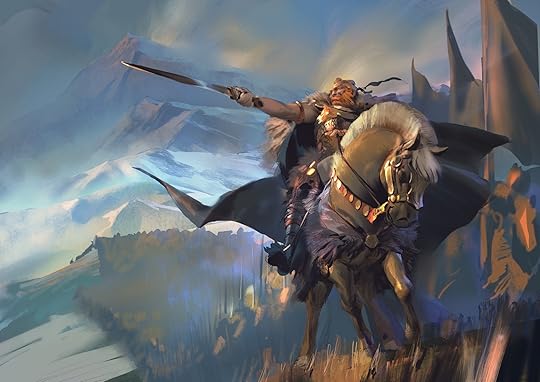 Early lifeAlthough wealthy, with both being members of the Congressate, Yathrud's parents were not considered a major political power. This was largely due to the geographical position of the Alyredd residence. The comparatively small Femilrhaag Castle was close to what was then the Bennvikan border with the Hentani Kingdom, many days ride from the Congressate Hall, which lay far to the north in Kriganheim, where the irregularity of one's presence could weaken their influence.Nevertheless, Dendrigg and Nevanis Alyredd were both highly influential at a local level, and were popular with the people of southern Ustenna. However, whilst they were never true enemies of the provincial governing family, the House of Tanskeld, the two aristocratic factions could certainly be described as political rivals.Into this highly competitive environment was born a son, Yathrud. A naturally dashing, handsome, athletic man, he gained quite a reputation with the local women of the province, siring his fair share of bastards.Nelvae's RebellionA maturing in Yathrud's behaviour and social standing came in 1489 AU, by which time he was the head of the Alyredd family and sole custodian of Femilrhaag Castle after the death of his father two years earlier.This watershed moment was heralded by Prince Lissoll of Bennvika being handed command of a small army mustered to put down a local rebellion that had arisen in western Hertasala under a local peasant known as Nelvae. Among the noble leaders detailed to join up with the army and form Lissoll's general staff was Yathrud, then entirely green and unblooded in battle at twenty-four years of age.The first notable step in Yathrud's rise to prominence came when he and a contingent of twenty horsemen were sent to capture the small rebel town of Aberaagwyn. Little resistance had been expected, but on their arrival Yathrud and his troops discovered that Rhoffidd, an associate of Nalvae, had come to the town to recruit more soldiers to the rebel cause.Rhoffidd had clearly been alerted to Yathrud's approach, and the young lord soon found his way blocked by over two hundred armed peasents, standing on the edges of the unwalled town. Yathrud was still certain his unit could overcome the untrained peasents in a fight, but the numbers dictated that he would still likely lose good soldiers with valuable experience. That was something he could not risk.Instead, he dismounted, threw off his armour, stripped himself bare to the waist, drew his sword and strod out alone towards the peasents, challenging Rhoffidd to a bout of single combat.'Send forward the champion of this town,' he demanded 'and if you are half the man you posture to be, Rhoffidd, you will make sure that champion is you.'Rhoffidd stepped forward, all muscle, beard and dreadlocked hair. He too stripped to the waist and draw his sword.Yet Yathrud, with the conficence of youth, was reputidly unphased, and dispatched his foe to the underworld with flamboyant ease, severing his head. Seeing their leader fall, support for the rebel cause in Aberaagwyn melted away. Yathrud made a speach to them, telling them that if they returned to their homes without delay, they would be spared, and if they aligned themselves with the rebel cause again, no quarter would be given, but if they joined the royal army and pledged their support to the king, they would be richly rewarded. The peasent group heeded his message, and Yathrud returned to Lissoll's main camp the Aberaagwyn threat removed, all his soldiers still alive and fighting fit, a group of defectors to reinforce Lissoll's army, and the head of Rhoffidd, who was later discovered to be Nalvae's brother, carried in his haversack.The Second Hentani War, Governership of Rildayorda and Marriage into RoyaltyYathrud's stature as a military officer was further established by the outbreak of the Second Hentani War in 1500 AU but, as the saying goes, sometimes it's who you know, not just what you know, and thanks to his exploits during Nalvae's rebellion, Yathrud not only knew Prince Lissoll, but had risen to become one of his closest advisors and confidants.When the city of Rildayorda fell to Bennvikan control in the autumn of 1501, Lissoll needed to leave a commander he could trust in command of the city while he continued the campaign against the Hentani further east, and so he turned to Yathrud, who was invested as the first governor of Bennvika's newly established province of Bastalf. The provincial border between Bastalf and Ustenna was even adjusted by decree of the crown so that Femilrhaag Castle would be come under Bastalf's provincial administration, to much muttering from members of there House of Tanskeld, despite generous compensation from the royal treasury.Further honour came to Yathrud only months later, much to the jelousy of the members of the more venerable noble houses, when Lissoll arranged a marriage between his younger sister, Princess Monissaea (born 1470) and Yathrud. At 32, Monissaea had been a widow since the age of 19, when her first husband, Uthrus Gorban, a minor Verusantian noble, had surcumbed to the plague. Escaping the terrible pestilance untouched, Monissaea had returned to Bennvika soon afterwards, immidiately renouncing her Verusantian Estarronic faith and returning to Bennvikanism.Monissaea's younger half-sister, Turiskia, (born 1482) had already married into another Verusantian noble, Dionius Kazabrus, in 1488 and given birth to a son, Jostan, two years later. All three had survived the pestilance and continued to reside in Bruskannia, Verusantium.All of these circumstances freed Yathrud and Monissaea to marry after King Bastinian, and of course Princess Monissaea herself, approved Lissoll's proposed plan to use the marriage alliance to bring Yathrud officially into the fold and bind the House of Alyredd fully with the royal House of Alfwyn, making him an uncle to Lissoll's son, Prince Fabrald, and daughter, Princess Silrith.Yathrud and Monissaea welcomed a son, Bezekarl, in 1503, though no children followed until Monissaea unexpectedly fell pregnant in 1518 at the age of 48. This developement confounded her physicians, as no royal woman in history had been known to be fertile beyond 40. Yet elation soon turned to tragedy as Monissaea died giving birth to a daughter, Yathugarra, leaving Yathrud grief-stricken.Yet he was far from a broken man, and continues to be a steadfast beacon of strong and just leadership in the province of Bastalf.Artwork - 'The Old General' by Evan Amundsen at Artstation.
Early lifeAlthough wealthy, with both being members of the Congressate, Yathrud's parents were not considered a major political power. This was largely due to the geographical position of the Alyredd residence. The comparatively small Femilrhaag Castle was close to what was then the Bennvikan border with the Hentani Kingdom, many days ride from the Congressate Hall, which lay far to the north in Kriganheim, where the irregularity of one's presence could weaken their influence.Nevertheless, Dendrigg and Nevanis Alyredd were both highly influential at a local level, and were popular with the people of southern Ustenna. However, whilst they were never true enemies of the provincial governing family, the House of Tanskeld, the two aristocratic factions could certainly be described as political rivals.Into this highly competitive environment was born a son, Yathrud. A naturally dashing, handsome, athletic man, he gained quite a reputation with the local women of the province, siring his fair share of bastards.Nelvae's RebellionA maturing in Yathrud's behaviour and social standing came in 1489 AU, by which time he was the head of the Alyredd family and sole custodian of Femilrhaag Castle after the death of his father two years earlier.This watershed moment was heralded by Prince Lissoll of Bennvika being handed command of a small army mustered to put down a local rebellion that had arisen in western Hertasala under a local peasant known as Nelvae. Among the noble leaders detailed to join up with the army and form Lissoll's general staff was Yathrud, then entirely green and unblooded in battle at twenty-four years of age.The first notable step in Yathrud's rise to prominence came when he and a contingent of twenty horsemen were sent to capture the small rebel town of Aberaagwyn. Little resistance had been expected, but on their arrival Yathrud and his troops discovered that Rhoffidd, an associate of Nalvae, had come to the town to recruit more soldiers to the rebel cause.Rhoffidd had clearly been alerted to Yathrud's approach, and the young lord soon found his way blocked by over two hundred armed peasents, standing on the edges of the unwalled town. Yathrud was still certain his unit could overcome the untrained peasents in a fight, but the numbers dictated that he would still likely lose good soldiers with valuable experience. That was something he could not risk.Instead, he dismounted, threw off his armour, stripped himself bare to the waist, drew his sword and strod out alone towards the peasents, challenging Rhoffidd to a bout of single combat.'Send forward the champion of this town,' he demanded 'and if you are half the man you posture to be, Rhoffidd, you will make sure that champion is you.'Rhoffidd stepped forward, all muscle, beard and dreadlocked hair. He too stripped to the waist and draw his sword.Yet Yathrud, with the conficence of youth, was reputidly unphased, and dispatched his foe to the underworld with flamboyant ease, severing his head. Seeing their leader fall, support for the rebel cause in Aberaagwyn melted away. Yathrud made a speach to them, telling them that if they returned to their homes without delay, they would be spared, and if they aligned themselves with the rebel cause again, no quarter would be given, but if they joined the royal army and pledged their support to the king, they would be richly rewarded. The peasent group heeded his message, and Yathrud returned to Lissoll's main camp the Aberaagwyn threat removed, all his soldiers still alive and fighting fit, a group of defectors to reinforce Lissoll's army, and the head of Rhoffidd, who was later discovered to be Nalvae's brother, carried in his haversack.The Second Hentani War, Governership of Rildayorda and Marriage into RoyaltyYathrud's stature as a military officer was further established by the outbreak of the Second Hentani War in 1500 AU but, as the saying goes, sometimes it's who you know, not just what you know, and thanks to his exploits during Nalvae's rebellion, Yathrud not only knew Prince Lissoll, but had risen to become one of his closest advisors and confidants.When the city of Rildayorda fell to Bennvikan control in the autumn of 1501, Lissoll needed to leave a commander he could trust in command of the city while he continued the campaign against the Hentani further east, and so he turned to Yathrud, who was invested as the first governor of Bennvika's newly established province of Bastalf. The provincial border between Bastalf and Ustenna was even adjusted by decree of the crown so that Femilrhaag Castle would be come under Bastalf's provincial administration, to much muttering from members of there House of Tanskeld, despite generous compensation from the royal treasury.Further honour came to Yathrud only months later, much to the jelousy of the members of the more venerable noble houses, when Lissoll arranged a marriage between his younger sister, Princess Monissaea (born 1470) and Yathrud. At 32, Monissaea had been a widow since the age of 19, when her first husband, Uthrus Gorban, a minor Verusantian noble, had surcumbed to the plague. Escaping the terrible pestilance untouched, Monissaea had returned to Bennvika soon afterwards, immidiately renouncing her Verusantian Estarronic faith and returning to Bennvikanism.Monissaea's younger half-sister, Turiskia, (born 1482) had already married into another Verusantian noble, Dionius Kazabrus, in 1488 and given birth to a son, Jostan, two years later. All three had survived the pestilance and continued to reside in Bruskannia, Verusantium.All of these circumstances freed Yathrud and Monissaea to marry after King Bastinian, and of course Princess Monissaea herself, approved Lissoll's proposed plan to use the marriage alliance to bring Yathrud officially into the fold and bind the House of Alyredd fully with the royal House of Alfwyn, making him an uncle to Lissoll's son, Prince Fabrald, and daughter, Princess Silrith.Yathrud and Monissaea welcomed a son, Bezekarl, in 1503, though no children followed until Monissaea unexpectedly fell pregnant in 1518 at the age of 48. This developement confounded her physicians, as no royal woman in history had been known to be fertile beyond 40. Yet elation soon turned to tragedy as Monissaea died giving birth to a daughter, Yathugarra, leaving Yathrud grief-stricken.Yet he was far from a broken man, and continues to be a steadfast beacon of strong and just leadership in the province of Bastalf.Artwork - 'The Old General' by Evan Amundsen at Artstation.