Bianca Orellana's Blog, page 2
May 21, 2020
My Most Valuable Writing Tips
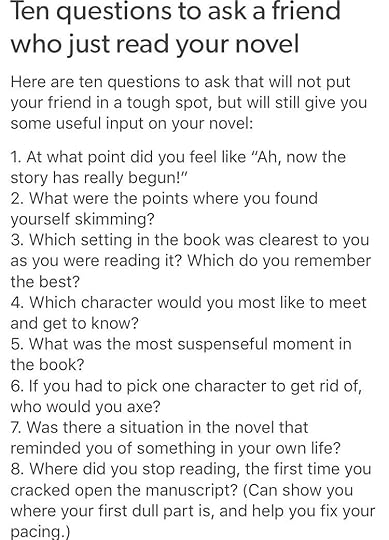
I'll be the first to say it: I'm no Stephen King. I'm not Margaret Atwood, Toni Morrison, or Chigozie Obioma. In other words, I'm not a familiar, respected name in the writing world.At least not right now. I'm working on it.But as a long-time member of said writing world, I've researched and picked up processes that work for me. Here I'd like to share the most useful tips I've gathered from famous authors, grammar and editing books, literary agents, podcasts, and blogs.Everyone works differently, of course; in a previous blog post, I talked about the difference between pantsers (people who write "by the seat of their pants," so to speak) and plotters (people who outline, plan, and follow a schedule), so I won't tout these as rules that everyone should follow. However, I've found that writers tend to share a lot of the same struggles, so I'm hopeful that everyone who comes across this list will find a helpful trick or two! My Most Valuable Writing Tips1. Just do it Well, this is obvious. Not an enlightening way to start this list off, right? Of course, in order to write you have to do it. The hardest part about writing -- or doing almost anything productive, from what I've discovered -- is actually starting. Even if it's something you really want to do, a mindless activity is much more appealing, especially with the stresses of day-to-day life weighing on us. I love to write, but when I'm faced with a new project, I'll procrastinate by doing literally anything else. At some point I have to just say, "I'm going to do this. I'm going to get a cup of coffee, sit down, and start." And once I get started, you have to physically pry me from the keyboard to stop me. Nearly every time I've taken on a new novel or short story idea, a blog post, or even a paper in school, I've had a "just do it" moment beforehand. It's easier said than done, but if you want to form a writing habit or just get that one elusive project written, you have to start.2. Don't edit as you go along When I was a younger, newer writer, I fell into the common thought process that what I was crafting had to look just like what I was reading, and if it didn't, that meant I was a bad writer. So I would write a page or chapter or maybe even two chapters in a fevered frenzy, then spend the next month or so editing it to death. Meanwhile, I was making no forward progress, which is why I never finished anything; at some point I would get bored, or disheartened, or just tired of looking at the same story over and over, and I would move onto the next thing, or worse, write nothing at all for the next six months. One of my favorite quotes from author Jodi Picoult says,"...you can always edit a bad page. You can't edit a blank page." Nothing slows you down like editing as you go. Only once I started forward-thinking -- just writing with the end in mind -- did I finally finish my first novel. The next time I finished a novel, I wrote it in the amount of time it used to take me to edit a couple dozen pages. That novel, We Are Eternal, is now published. I read numerous quotes from successful authors stressing the virtue of saving editing for a completed manuscript. When they said that it's okay if your first draft is terrible -- that it is, in fact, normal for it to be terrible -- and that they all struggle with the same sense of insecurity about the quality of their first draft, I felt free to suck. I felt free to just write. I felt free to keep going.Write now. Right now. Worry about making it perfect later. If you're lucky, you'll have a professional editor doing that for you down the line anyway. *Disclaimer*In the writers group I facilitate at my job, I met a writer who says he absolutely cannot write without editing as he goes. That's perfectly okay! This tip isn't for everyone, but it helped me get out of my head and keep pushing forward. If you're more productive when you have pages you know are up to your standards, by all means edit as you go.3. Don't be afraid to change your characters/let them tell you who they are as you go along As I've warned you before, I'm a pantser, so I use this tip as another way to not stifle myself productively or creatively. I don't make outlines or any sort of strict charts when it comes to any aspect of planning a story, but one of the first things I envision when coming up with an idea is the cast of characters. I think of what they look like (and even use real-life actors and other public figures as references, sometimes Frankenstein-ing two or more to fit my vision). I also think of their voices, their mannerisms, their habits, and their personalities. Then I let them tell me their story. Sometimes who I envisioned them to be isn't who they want to be or doesn't match the story. I've decided this is fine. I change them as I go along. I think of my characters as my children: I don't tell them who they need to be. Because, just as with our real children, if we let them be who they are, our relationship will be less volatile. If we don't force them, they won't rebel against us. This is all figurative, of course, but it's helpful to humanize your invented people. When we do this, we let them develop, grow, and change, just as real people would. This tip has helped me craft characters readers can relate to.4. Be concise Ernest Hemingway said, "Write drunk. Edit sober." Always write with reckless abandon, but tighten everything up later. Let your words flow freely, but don't express a thought in a way that's going to take your reader forever to get through. As I'm sure you can tell by now, I'm long-winded -- both in writing and while speaking. I didn't know this about myself for a long time, and only through the process of querying have I discovered the value of being concise. It helps you stay on track in a longer work, like a novel; I can't tell you how many times I've gone off the rails and forgotten the original reason for writing something because I got side-tracked by some long, flowery sentence. 99 percent of the time, it's not necessary. Two years ago I discovered To the Point: A Dictionary of Concise Writing by Robert Hartwell Fiske. Featuring concise alternatives to thousands of wordy phrases, it's basically the essential guide to writing succinctly, and helped me make my novel the strongest it's ever been. I now see how a few well-written words can pack a punch much more effectively than a long-winded paragraph, no matter the author's talent. Plus, literary agents and publishers need you to catch their attention right away, and keep it. So if you're going the publishing route, you need to get as much said as you can before they move on to the next work. And even if your work is just for you, you'll enjoy it more if what you're saying is really hitting in the heart right away (and not taking forever to get there). 5. Don't info dump Info-dumping refers to the immediate giving away of setting, plot, and character description in a novel, and in large amounts. Almost every new writer does this. We're so excited to introduce readers to our characters and the story that's been swirling around our heads that we tell them everything right at the beginning in an almost word vomit. I've found this was a major downfall to my novels in the past, the main reason -- other than the aforementioned editing as I went along -- that I couldn't finish anything. I'd lead with all the information I could from the beginning, and therefore get easily bored with the story. The same thing, funnily enough, happens for a reader: not only does getting the entire story in the first chapter turn a reader off to the rest of the story (because why bother reading more?), but they also get bored reading an entire backstory right off. There's nothing to figure out, and no reason to keep turning the pages. One of the most valuable things I've learned about crafting an addictive novel is to let the experience be one of discovery for your reader. Leave a little hint of something here, a little there, and entice the reader to pick up each bit of strategically placed information so that they're wondering when the next revelation is coming. If you look at any novel you've ever loved personally, you'll see that's what kept you reading. Certainly not plodding through two whole chapters of backstory at the very beginning; endure that long enough and you begin to think, Where's the story?! Also, again from a querying aspect, literary agents want to be hooked, and info dumping doesn't hook anyone. If you find yourself info dumping, don't delete it, but find a way to sprinkle it throughout your first few chapters. It'll make a boatload of difference.*Disclaimer*Short stories are a different animal, because you have to let your reader know a lot of story in a short span. But info dumping is still a big no-no here. Even short stories need a hook, so you must still spread the enticing qualities of your story throughout. This is where being concise comes in. 6. Lead with action Continuing with the theme of writing a story effectively, I've found that the way I make my writing exciting for myself (and, in turn, for readers) is to lead with action. This goes in line with staying away from info dumping: start your story in the middle of a scene or an action. You can even start it in the middle of a conversation -- you ever walked in on two people gossiping and they didn't know you were there, so you eavesdropped for a little while? Same idea.If you try starting your story with action, not only will it not allow you the time or space to info dump at the beginning, but I've found it's a great way to hook readers. Also, action is much more fun to write, so it gets me going and keeps me writing more so than backstory. This tip helps me get started by exciting me about what I'm about to put on the page, gives me something to work toward, and hooks readers all at once. So handy.7. Don't set yourself up for failure with a daily word count (but do make your end goal 50,000 words) This tip has helped me with novel writing, but it can help with developing a daily habit in general. I've put a lot of unnecessary pressure on myself in the past, and not only does that pressure prevent me from sitting down to do it, it also takes the fun out of a creative outlet I'm passionate about. I used to tell myself, "You have to write a chapter a day" or "You have to write a [x amount of] words a day" in order to feel like I'd accomplished something. This was very counterproductive, as I psyched myself out and made myself feel like I wasn't accomplishing anything if I didn't hold myself to this standard. Don't do that. Oddly enough, the moment I didn't set any sort of strict goals for myself, I finished an 80,000-word novel in 35 days. Relinquish control and don't beat yourself up, and you'll go so far. If the goal is a daily writing habit, writing a paragraph counts. Writing a four-line poem counts. Writing "I don't feel like writing" counts. You've written. It's enough. If the goal is to finish a short story or novel, don't hold yourself to a certain amount of words or pages. If you're not holding yourself back by agonizing over every word you write (tip 2), and getting in the right mindset to write (tip 1), and keeping the writing exciting (tip 6), the words will pour out of you. And even if they don't, you haven't failed for the day. Keep the finish line in mind, and any steps you make along the journey toward that finish line are considered successful.8. Have an honest beta reader If you're sharing your work with others and seriously considering publication on any scale, nothing is more important than having a trusted beta reader. I like letting other writers look over my work, but designating someone in your life who's honest, straightforward, and a strong reader is just as useful; it can be a friend, relative, teacher, or library worker. You can ask this person (or persons, but I've read from successful authors that you should keep it to three people at the very most if you're trying to test different audiences) to read for grammar issues, plot holes, effective (and, more importantly, not effective) storylines, and how they feel about your characters. Here's a handy list of questions to ask a beta reader that I've pinned to my "Writerly" board on Pinterest:
 This should not be someone who is concerned with your feelings. This should be someone who is eager to read the next bestselling novel, short story, book of poetry, or whatever project you're writing. And this should be someone who will tell you whatever you need to know in order to make your work better. Put your ego aside, listen to what they say, and edit accordingly (but also to your own tastes). With an honest and well-read beta reader, you're bound to end up with a more reader-friendly project on your hands.9. Designate a space Atmosphere is very important to me. I can write anywhere if I need to or if inspiration strikes, but in general I find it difficult to just sit down and write if I'm not in a comfortable area and head space to do it. In addition, having a space to call my "writing/thinking space" gets me in the mood to do so. I have an office at home, but with my busy life, kids, and full time job, I tend to get a lot of writing done during my downtime at work (in fact, this post is being written on my break right now). I work best with a routine, so knowing I have a quiet office to retreat to, coffee in hand, gets my brain geared toward writing, almost like a Pavlov's dog effect. Having a space for writing and nothing else (out and about and at home) can help you feel like the work you're about to do is special, sacred even, and get you in the mindset to write, and write a lot. This doesn't have to be a traditional space, either -- it could be your bed, your kitchen, your front porch, a book store, a coffee shop, a library, or in your car in a parking lot where you can catch some WiFi. Wherever you come to think of as your special writing space, you will come to associate that place with being productive, and will therefore be... productive.10. Read This one's obvious, but I saved it because it's the one people often forget. In fact, I almost forgot it... which is why it's last. I've been a reader my whole life, thanks in part to a natural inclination but mostly to my mom, a reader herself who exposed me to all her books, bought me books, and practices my letters with me from an early age, and my dad, who read bedtime stories to me every night. Thanks, Mom and Dad. You have to be a reader if you're going to be a writer. The two hobbies typically go hand-in-hand anyway, luckily, but even seasoned readers sometimes forget that to get better at writing, you have to keep reading. Especially if you're crafting a novel for the first time, you reading works from authors you admire and/or are successful is the best way to mirror that success in your own writing. Because when we read, we notice how to use grammar properly, how to structure our sentences correctly, how to structure our story effectively. We need to read novels, short stories, how-tos on writing. We need to read things that inspire and encourage us. We need to read everything, and often. William Faulker, another favorite author of mine, said, “Read, read, read. Read everything -- trash, classics, good and bad, and see how they do it. Just like a carpenter who works as an apprentice and studies the master. Read! You'll absorb it. Then write. If it's good, you'll find out. If it's not, throw it out of the window.” This probably the easiest, most fun, and most tried-and-true tips in this post. If you're reading this as a writer, you probably love to read anyway. I'm saying go do more of that. Right now. Pick up a book and start reading. And then sit down and write. Just do it.
My Most Valuable Writing Tips1. Just do it Well, this is obvious. Not an enlightening way to start this list off, right? Of course, in order to write you have to do it. The hardest part about writing -- or doing almost anything productive, from what I've discovered -- is actually starting. Even if it's something you really want to do, a mindless activity is much more appealing, especially with the stresses of day-to-day life weighing on us. I love to write, but when I'm faced with a new project, I'll procrastinate by doing literally anything else. At some point I have to just say, "I'm going to do this. I'm going to get a cup of coffee, sit down, and start." And once I get started, you have to physically pry me from the keyboard to stop me. Nearly every time I've taken on a new novel or short story idea, a blog post, or even a paper in school, I've had a "just do it" moment beforehand. It's easier said than done, but if you want to form a writing habit or just get that one elusive project written, you have to start.2. Don't edit as you go along When I was a younger, newer writer, I fell into the common thought process that what I was crafting had to look just like what I was reading, and if it didn't, that meant I was a bad writer. So I would write a page or chapter or maybe even two chapters in a fevered frenzy, then spend the next month or so editing it to death. Meanwhile, I was making no forward progress, which is why I never finished anything; at some point I would get bored, or disheartened, or just tired of looking at the same story over and over, and I would move onto the next thing, or worse, write nothing at all for the next six months. One of my favorite quotes from author Jodi Picoult says,"...you can always edit a bad page. You can't edit a blank page." Nothing slows you down like editing as you go. Only once I started forward-thinking -- just writing with the end in mind -- did I finally finish my first novel. The next time I finished a novel, I wrote it in the amount of time it used to take me to edit a couple dozen pages. That novel, We Are Eternal, is now published. I read numerous quotes from successful authors stressing the virtue of saving editing for a completed manuscript. When they said that it's okay if your first draft is terrible -- that it is, in fact, normal for it to be terrible -- and that they all struggle with the same sense of insecurity about the quality of their first draft, I felt free to suck. I felt free to just write. I felt free to keep going.Write now. Right now. Worry about making it perfect later. If you're lucky, you'll have a professional editor doing that for you down the line anyway. *Disclaimer*In the writers group I facilitate at my job, I met a writer who says he absolutely cannot write without editing as he goes. That's perfectly okay! This tip isn't for everyone, but it helped me get out of my head and keep pushing forward. If you're more productive when you have pages you know are up to your standards, by all means edit as you go.3. Don't be afraid to change your characters/let them tell you who they are as you go along As I've warned you before, I'm a pantser, so I use this tip as another way to not stifle myself productively or creatively. I don't make outlines or any sort of strict charts when it comes to any aspect of planning a story, but one of the first things I envision when coming up with an idea is the cast of characters. I think of what they look like (and even use real-life actors and other public figures as references, sometimes Frankenstein-ing two or more to fit my vision). I also think of their voices, their mannerisms, their habits, and their personalities. Then I let them tell me their story. Sometimes who I envisioned them to be isn't who they want to be or doesn't match the story. I've decided this is fine. I change them as I go along. I think of my characters as my children: I don't tell them who they need to be. Because, just as with our real children, if we let them be who they are, our relationship will be less volatile. If we don't force them, they won't rebel against us. This is all figurative, of course, but it's helpful to humanize your invented people. When we do this, we let them develop, grow, and change, just as real people would. This tip has helped me craft characters readers can relate to.4. Be concise Ernest Hemingway said, "Write drunk. Edit sober." Always write with reckless abandon, but tighten everything up later. Let your words flow freely, but don't express a thought in a way that's going to take your reader forever to get through. As I'm sure you can tell by now, I'm long-winded -- both in writing and while speaking. I didn't know this about myself for a long time, and only through the process of querying have I discovered the value of being concise. It helps you stay on track in a longer work, like a novel; I can't tell you how many times I've gone off the rails and forgotten the original reason for writing something because I got side-tracked by some long, flowery sentence. 99 percent of the time, it's not necessary. Two years ago I discovered To the Point: A Dictionary of Concise Writing by Robert Hartwell Fiske. Featuring concise alternatives to thousands of wordy phrases, it's basically the essential guide to writing succinctly, and helped me make my novel the strongest it's ever been. I now see how a few well-written words can pack a punch much more effectively than a long-winded paragraph, no matter the author's talent. Plus, literary agents and publishers need you to catch their attention right away, and keep it. So if you're going the publishing route, you need to get as much said as you can before they move on to the next work. And even if your work is just for you, you'll enjoy it more if what you're saying is really hitting in the heart right away (and not taking forever to get there). 5. Don't info dump Info-dumping refers to the immediate giving away of setting, plot, and character description in a novel, and in large amounts. Almost every new writer does this. We're so excited to introduce readers to our characters and the story that's been swirling around our heads that we tell them everything right at the beginning in an almost word vomit. I've found this was a major downfall to my novels in the past, the main reason -- other than the aforementioned editing as I went along -- that I couldn't finish anything. I'd lead with all the information I could from the beginning, and therefore get easily bored with the story. The same thing, funnily enough, happens for a reader: not only does getting the entire story in the first chapter turn a reader off to the rest of the story (because why bother reading more?), but they also get bored reading an entire backstory right off. There's nothing to figure out, and no reason to keep turning the pages. One of the most valuable things I've learned about crafting an addictive novel is to let the experience be one of discovery for your reader. Leave a little hint of something here, a little there, and entice the reader to pick up each bit of strategically placed information so that they're wondering when the next revelation is coming. If you look at any novel you've ever loved personally, you'll see that's what kept you reading. Certainly not plodding through two whole chapters of backstory at the very beginning; endure that long enough and you begin to think, Where's the story?! Also, again from a querying aspect, literary agents want to be hooked, and info dumping doesn't hook anyone. If you find yourself info dumping, don't delete it, but find a way to sprinkle it throughout your first few chapters. It'll make a boatload of difference.*Disclaimer*Short stories are a different animal, because you have to let your reader know a lot of story in a short span. But info dumping is still a big no-no here. Even short stories need a hook, so you must still spread the enticing qualities of your story throughout. This is where being concise comes in. 6. Lead with action Continuing with the theme of writing a story effectively, I've found that the way I make my writing exciting for myself (and, in turn, for readers) is to lead with action. This goes in line with staying away from info dumping: start your story in the middle of a scene or an action. You can even start it in the middle of a conversation -- you ever walked in on two people gossiping and they didn't know you were there, so you eavesdropped for a little while? Same idea.If you try starting your story with action, not only will it not allow you the time or space to info dump at the beginning, but I've found it's a great way to hook readers. Also, action is much more fun to write, so it gets me going and keeps me writing more so than backstory. This tip helps me get started by exciting me about what I'm about to put on the page, gives me something to work toward, and hooks readers all at once. So handy.7. Don't set yourself up for failure with a daily word count (but do make your end goal 50,000 words) This tip has helped me with novel writing, but it can help with developing a daily habit in general. I've put a lot of unnecessary pressure on myself in the past, and not only does that pressure prevent me from sitting down to do it, it also takes the fun out of a creative outlet I'm passionate about. I used to tell myself, "You have to write a chapter a day" or "You have to write a [x amount of] words a day" in order to feel like I'd accomplished something. This was very counterproductive, as I psyched myself out and made myself feel like I wasn't accomplishing anything if I didn't hold myself to this standard. Don't do that. Oddly enough, the moment I didn't set any sort of strict goals for myself, I finished an 80,000-word novel in 35 days. Relinquish control and don't beat yourself up, and you'll go so far. If the goal is a daily writing habit, writing a paragraph counts. Writing a four-line poem counts. Writing "I don't feel like writing" counts. You've written. It's enough. If the goal is to finish a short story or novel, don't hold yourself to a certain amount of words or pages. If you're not holding yourself back by agonizing over every word you write (tip 2), and getting in the right mindset to write (tip 1), and keeping the writing exciting (tip 6), the words will pour out of you. And even if they don't, you haven't failed for the day. Keep the finish line in mind, and any steps you make along the journey toward that finish line are considered successful.8. Have an honest beta reader If you're sharing your work with others and seriously considering publication on any scale, nothing is more important than having a trusted beta reader. I like letting other writers look over my work, but designating someone in your life who's honest, straightforward, and a strong reader is just as useful; it can be a friend, relative, teacher, or library worker. You can ask this person (or persons, but I've read from successful authors that you should keep it to three people at the very most if you're trying to test different audiences) to read for grammar issues, plot holes, effective (and, more importantly, not effective) storylines, and how they feel about your characters. Here's a handy list of questions to ask a beta reader that I've pinned to my "Writerly" board on Pinterest: This should not be someone who is concerned with your feelings. This should be someone who is eager to read the next bestselling novel, short story, book of poetry, or whatever project you're writing. And this should be someone who will tell you whatever you need to know in order to make your work better. Put your ego aside, listen to what they say, and edit accordingly (but also to your own tastes). With an honest and well-read beta reader, you're bound to end up with a more reader-friendly project on your hands.9. Designate a space Atmosphere is very important to me. I can write anywhere if I need to or if inspiration strikes, but in general I find it difficult to just sit down and write if I'm not in a comfortable area and head space to do it. In addition, having a space to call my "writing/thinking space" gets me in the mood to do so. I have an office at home, but with my busy life, kids, and full time job, I tend to get a lot of writing done during my downtime at work (in fact, this post is being written on my break right now). I work best with a routine, so knowing I have a quiet office to retreat to, coffee in hand, gets my brain geared toward writing, almost like a Pavlov's dog effect. Having a space for writing and nothing else (out and about and at home) can help you feel like the work you're about to do is special, sacred even, and get you in the mindset to write, and write a lot. This doesn't have to be a traditional space, either -- it could be your bed, your kitchen, your front porch, a book store, a coffee shop, a library, or in your car in a parking lot where you can catch some WiFi. Wherever you come to think of as your special writing space, you will come to associate that place with being productive, and will therefore be... productive.10. Read This one's obvious, but I saved it because it's the one people often forget. In fact, I almost forgot it... which is why it's last. I've been a reader my whole life, thanks in part to a natural inclination but mostly to my mom, a reader herself who exposed me to all her books, bought me books, and practices my letters with me from an early age, and my dad, who read bedtime stories to me every night. Thanks, Mom and Dad. You have to be a reader if you're going to be a writer. The two hobbies typically go hand-in-hand anyway, luckily, but even seasoned readers sometimes forget that to get better at writing, you have to keep reading. Especially if you're crafting a novel for the first time, you reading works from authors you admire and/or are successful is the best way to mirror that success in your own writing. Because when we read, we notice how to use grammar properly, how to structure our sentences correctly, how to structure our story effectively. We need to read novels, short stories, how-tos on writing. We need to read things that inspire and encourage us. We need to read everything, and often. William Faulker, another favorite author of mine, said, “Read, read, read. Read everything -- trash, classics, good and bad, and see how they do it. Just like a carpenter who works as an apprentice and studies the master. Read! You'll absorb it. Then write. If it's good, you'll find out. If it's not, throw it out of the window.” This probably the easiest, most fun, and most tried-and-true tips in this post. If you're reading this as a writer, you probably love to read anyway. I'm saying go do more of that. Right now. Pick up a book and start reading. And then sit down and write. Just do it.


May 19, 2020
5 Things -- Podcasts
It's time for another 5 Things post! This is a series where I let my readers get to know me, my writing process, and my influences a little better by listing my top five things in a particular writing-related category. Today I'm talking about PODCASTS.I credit my dad for getting me into talk radio. Whenever we were in the car together, he was always introducing me to something new. We listened to a lot of music (I also credit him for exposing me to jazz, reggae, and hip-hop, all genres of music I love today), but every once in a while he would flip the station to NPR. We would rarely listen to the news, instead tuning into some of his favorite segments: Codeswitch, All Things Considered, and Fresh Air. Hearing things like this let me know there was specialized listening out there for almost any interest I could imagine. If there were people who liked to talk about the things I enjoyed, I wanted to find them. Obviously, podcasts about writing are a goldmine for me, and there are so many that I find useful that it was difficult to narrow this list down to five... which is why I didn't. You'll see what I mean.Here are my top five(ish) podcasts that are dedicated to writing and the art of storytelling. There are oodles more out there, so if you are a writer please explore your options. These may not all be right for or interest you, but they are all helpful in the general sense, and they aid my individual writing process. All of these can be accessed via their respective websites or through any podcast cell phone app. Check them out!
 1. How Writers Write www.howwriterswrite.comThis one is straightforward, an aspect I appreciate in everything I encounter (including people). Hosted by Brian Murphy, a businessman with a passion for writing, it covers all the tips and tricks from the famous authors we love. If you're aiming for a career in writing like I am, knowing what works for successful writers is so valuable. Most of the time, an episode will focus on an interview with an individual author, and the authors featured are from all backgrounds and showcase different ethnicities and genders, a very important effort. There's also Murphy's Monday Motivation, where he highlights different ways to stay inspired, from setting goals to not giving up. This podcast is the perfect blend of meeting you where you are and showing you where you could be. And considering Murphy, in his own words, "failed creative writing twice," you know there's solidarity from everyone involved here, even the host.
  2. A Way With Wordswww.waywordradio.orgHello, my name is Bianca, and I am a logophile.Words are one of my many obsessions. I loved my linguistics classes in college, unaware that an entire study dedicated to the origin and usage of words existed. I'm often digging into the etymology of some word that has captivated me. I even subscribe to the Word of the Day from Dictionary.com. It's... a bit intense.A Way With Words is a relatively new discovery for me, and though it's not related to the art of writing, per se, it helps me become a stronger writer by introducing me to the origins of all sorts of words and turns of phrase, archaic and modern, mundane and obscure. Martha Barnette and Grant Barrett co-host the weekly show, which is broadcast through member stations of NPR and then released as a podcast. There are over 1,500 episodes to choose from, as the show has been around since 1998, so the well of knowledge is almost bottomless! Barnette and Barrett take calls from people all over the United States (and sometimes Canada, if I'm not mistaken) and answer questions about linguistics, lexicology, and folk etymology. All writers should aim to broaden their vocabularies if they want to be good at what they do, and this is one listening experience that helps us do that.
 3. Lore www.lorepodcast.comMan oh man, do I love creepy stories.I don't write them, but I plan to broaden my horizons and dip into new genres at some point. Even so, one of my favorite authors is Stephen King, and some of my favorite stories of all time are eerie or downright terrifying.Lore is a critically acclaimed podcast, with other iterations that include books and a television show. It's written, directed, and produced by Aaron Mahnke, who is also an author of several supernatural thrillers. Each episode discusses the history behind a myth, legend, or cultural phenomena, and I've learned the backgrounds of some things I've heard about but never explored. I have found a kindred spirit in Mahnke, a man who is obviously passionate about history, the creepy, and the unusual like I am. His thoroughly-researched true life scary stories about creatures, places, people, and folklore are fascinating and addicting. The point of my including this podcast on this list, though, is that even if you're not a fan of the macabre, this host knows how to tell a story. Writers have to know how to keep readers engaged and turning pages, and I'm learning so much about the art of addictive storytelling from Lore. As Mahnke's website says, "Sometimes the truth is more frightening than fiction." And whether you're writing nonfiction or fiction, you've got to sell it.
  4. Create-If Writingwww.createifwriting.comNow we're diving into the realm of blogging, platform building, and selling yourself. Again, if you're interested in making writing a career, all your bases have to be covered.This podcast definitely helps you cover them. Each of its over 180 episodes covers a different topic, giving advice to writers, bloggers, and other creative types on everything from social media presence to sales, being more productive and making good use of your time, marketing, and using your money wisely. I began listening to create-if writing once I realized I had to commit to my website and its blog and have a stronger online presence if I wanted to become a bigger name in the writing world. So, in a way, this podcast is the reason for this blog post. Create-If's host, Kirsten Oliphant, is the author of Email Lists Made Easy for Writers and Bloggers, so she's kind of an expert on getting yourself out there. She also writes fiction, and has experienced the difficulties of rejection from literary agents and writing while being a parent (two life experiences I and many writers can relate to). All in all, through Create If she aims to help the average creative become the next most-talked-about author. That's exactly the direction I'd like to head in, so I'm all over this one!
 5. StoryADaywww.storyaday.orgHere I'm bringing us back to the literal practice of writing. StoryADay is simple and, once again, straightforward. The episodes in this podcast are short but pack a punch, as they feature tips for bettering your writing and boosting productivity, as well as prompts that get the creative juices flowing. Out of one fifteen minute episode can flow hours of writing, given the right hit of inspiration. And that's what we aim for every day as writers: collect the tools to create, and sustain the motivation to use those tools. This podcast's host is Julie Duffy, a public speaker and writer whose talks center on the creative process, self-publishing, and short stories. "StoryADay" itself is a challenge, pushing takers on to complete a short story every day during the months of May and September. And there are a few other little challenges that writers can commit themselves to in order to stay active. According to the website, "StoryADay exists to promote creativity, not teach you how to be a published writer." So while you won't get all the secrets of the publishing world here, this podcast exists to help us establish something much more valuable: a foundation. After all, a prompt a day is the gift that keeps on giving, because if we start a habit, we'll keep a habit.“First forget inspiration. Habit is more dependable. Habit will sustain you whether you're inspired or not. ... Habit is persistence in practice."-- Octavia Butler, author
 **Honorable Mention**The Manuscript Academywww.manuscriptacademy.comI just discovered this podcast, and I'm so excited about it I had to include it! Episodes are released weekly and also feature interviews from people across many roles of the writing world: editors, authors, and -- most exciting for me -- agents. As a writer whose goal from day one was getting a literary agency to represent my work, I'm soaking up all of the insight about marketability and publishing world success that I possibly can. What better way to learn how to be a hit with literary agents than from the agents themselves, right? It's like being given the exam and the answer key at the same time! Score!Was this "5 Things" post helpful? Want to send me suggestions for future lists? Go to the "Contact Me" portion of my website and send me comments, or follow my Twitter and get at me!
This is a series where I let my readers get to know me, my writing process, and my influences a little better by listing my top five things in a particular writing-related category. Today I'm talking about PODCASTS.I credit my dad for getting me into talk radio. Whenever we were in the car together, he was always introducing me to something new. We listened to a lot of music (I also credit him for exposing me to jazz, reggae, and hip-hop, all genres of music I love today), but every once in a while he would flip the station to NPR. We would rarely listen to the news, instead tuning into some of his favorite segments: Codeswitch, All Things Considered, and Fresh Air. Hearing things like this let me know there was specialized listening out there for almost any interest I could imagine. If there were people who liked to talk about the things I enjoyed, I wanted to find them. Obviously, podcasts about writing are a goldmine for me, and there are so many that I find useful that it was difficult to narrow this list down to five... which is why I didn't. You'll see what I mean.Here are my top five(ish) podcasts that are dedicated to writing and the art of storytelling. There are oodles more out there, so if you are a writer please explore your options. These may not all be right for or interest you, but they are all helpful in the general sense, and they aid my individual writing process. All of these can be accessed via their respective websites or through any podcast cell phone app. Check them out!1. How Writers Write www.howwriterswrite.comThis one is straightforward, an aspect I appreciate in everything I encounter (including people). Hosted by Brian Murphy, a businessman with a passion for writing, it covers all the tips and tricks from the famous authors we love. If you're aiming for a career in writing like I am, knowing what works for successful writers is so valuable. Most of the time, an episode will focus on an interview with an individual author, and the authors featured are from all backgrounds and showcase different ethnicities and genders, a very important effort. There's also Murphy's Monday Motivation, where he highlights different ways to stay inspired, from setting goals to not giving up. This podcast is the perfect blend of meeting you where you are and showing you where you could be. And considering Murphy, in his own words, "failed creative writing twice," you know there's solidarity from everyone involved here, even the host. 2. A Way With Wordswww.waywordradio.orgHello, my name is Bianca, and I am a logophile.Words are one of my many obsessions. I loved my linguistics classes in college, unaware that an entire study dedicated to the origin and usage of words existed. I'm often digging into the etymology of some word that has captivated me. I even subscribe to the Word of the Day from Dictionary.com. It's... a bit intense.A Way With Words is a relatively new discovery for me, and though it's not related to the art of writing, per se, it helps me become a stronger writer by introducing me to the origins of all sorts of words and turns of phrase, archaic and modern, mundane and obscure. Martha Barnette and Grant Barrett co-host the weekly show, which is broadcast through member stations of NPR and then released as a podcast. There are over 1,500 episodes to choose from, as the show has been around since 1998, so the well of knowledge is almost bottomless! Barnette and Barrett take calls from people all over the United States (and sometimes Canada, if I'm not mistaken) and answer questions about linguistics, lexicology, and folk etymology. All writers should aim to broaden their vocabularies if they want to be good at what they do, and this is one listening experience that helps us do that.3. Lore www.lorepodcast.comMan oh man, do I love creepy stories.I don't write them, but I plan to broaden my horizons and dip into new genres at some point. Even so, one of my favorite authors is Stephen King, and some of my favorite stories of all time are eerie or downright terrifying.Lore is a critically acclaimed podcast, with other iterations that include books and a television show. It's written, directed, and produced by Aaron Mahnke, who is also an author of several supernatural thrillers. Each episode discusses the history behind a myth, legend, or cultural phenomena, and I've learned the backgrounds of some things I've heard about but never explored. I have found a kindred spirit in Mahnke, a man who is obviously passionate about history, the creepy, and the unusual like I am. His thoroughly-researched true life scary stories about creatures, places, people, and folklore are fascinating and addicting. The point of my including this podcast on this list, though, is that even if you're not a fan of the macabre, this host knows how to tell a story. Writers have to know how to keep readers engaged and turning pages, and I'm learning so much about the art of addictive storytelling from Lore. As Mahnke's website says, "Sometimes the truth is more frightening than fiction." And whether you're writing nonfiction or fiction, you've got to sell it. 4. Create-If Writingwww.createifwriting.comNow we're diving into the realm of blogging, platform building, and selling yourself. Again, if you're interested in making writing a career, all your bases have to be covered.This podcast definitely helps you cover them. Each of its over 180 episodes covers a different topic, giving advice to writers, bloggers, and other creative types on everything from social media presence to sales, being more productive and making good use of your time, marketing, and using your money wisely. I began listening to create-if writing once I realized I had to commit to my website and its blog and have a stronger online presence if I wanted to become a bigger name in the writing world. So, in a way, this podcast is the reason for this blog post. Create-If's host, Kirsten Oliphant, is the author of Email Lists Made Easy for Writers and Bloggers, so she's kind of an expert on getting yourself out there. She also writes fiction, and has experienced the difficulties of rejection from literary agents and writing while being a parent (two life experiences I and many writers can relate to). All in all, through Create If she aims to help the average creative become the next most-talked-about author. That's exactly the direction I'd like to head in, so I'm all over this one!5. StoryADaywww.storyaday.orgHere I'm bringing us back to the literal practice of writing. StoryADay is simple and, once again, straightforward. The episodes in this podcast are short but pack a punch, as they feature tips for bettering your writing and boosting productivity, as well as prompts that get the creative juices flowing. Out of one fifteen minute episode can flow hours of writing, given the right hit of inspiration. And that's what we aim for every day as writers: collect the tools to create, and sustain the motivation to use those tools. This podcast's host is Julie Duffy, a public speaker and writer whose talks center on the creative process, self-publishing, and short stories. "StoryADay" itself is a challenge, pushing takers on to complete a short story every day during the months of May and September. And there are a few other little challenges that writers can commit themselves to in order to stay active. According to the website, "StoryADay exists to promote creativity, not teach you how to be a published writer." So while you won't get all the secrets of the publishing world here, this podcast exists to help us establish something much more valuable: a foundation. After all, a prompt a day is the gift that keeps on giving, because if we start a habit, we'll keep a habit.“First forget inspiration. Habit is more dependable. Habit will sustain you whether you're inspired or not. ... Habit is persistence in practice."-- Octavia Butler, author**Honorable Mention**The Manuscript Academywww.manuscriptacademy.comI just discovered this podcast, and I'm so excited about it I had to include it! Episodes are released weekly and also feature interviews from people across many roles of the writing world: editors, authors, and -- most exciting for me -- agents. As a writer whose goal from day one was getting a literary agency to represent my work, I'm soaking up all of the insight about marketability and publishing world success that I possibly can. What better way to learn how to be a hit with literary agents than from the agents themselves, right? It's like being given the exam and the answer key at the same time! Score!Was this "5 Things" post helpful? Want to send me suggestions for future lists? Go to the "Contact Me" portion of my website and send me comments, or follow my Twitter and get at me!
May 18, 2020
An Author Goes to Ireland...
The year was 2008. I had just finished my first year of college and was back home for the summer. Over the course of my freshman year, I'd learned that college classes were far more intense than their high school counterparts, realized that maybe a Communications degree wasn't for me, and made (and lost) tons of friends across the 11 floors of the close quarters of my co-ed dorm building. One of those friends is still in my life to this day, is in fact my best friend, and that year we had bonded over an arbitrary and surprising mutual interest.She lived in the room next to mine. After meeting her, I thought she might make a good acquaintance, mostly because we were a lot alike on the surface: African-American, quiet, bookish, friendly. Even so, we often simply acknowledged each other's presence, not really speaking, and certainly not making any kind of instant connection. Then one day, as I was headed out, I passed her open door and heard the most unexpected thing --An Irish jig.My favorite film at the time (and still a top favorite to this day) was called Tristan + Isolde. Not only was it one of the most romantic tales of tragic, star-crossed lovers I'd ever seen, but the backdrop of Ireland in the Dark Ages instantly grabbed my attention. As I'd only ever seen the flat shores of North Carolina, I was mesmerized by the scenes of monstrous, rocky cliffs rising out of the ice-blue Atlantic ocean, unaware until that moment that such a landscape existed. The film appealed to my love of history, literature, romance, and beautiful landscapes.I stopped dead in my tracks when I heard the music coming from her room and walked backward. "What in the literal world are you listening to?" I blurted at this girl I barely knew.Though her large, round eyes grew wide, her response was open and confident. "It's Celtic Woman. They're an ensemble of Irish female singers."We began chatting, during which time I discovered she was also working on a short story of her own at that very moment. Here was another black girl who was interested in writing and all things related to the culture of Ireland, of all places. It was uncanny how we'd come from different parts of the state, only to wind up living right beside each other. And the similarities only accumulated from there.That summer, she and I began working on our novels, both of which were set in Ireland. I did extensive, painstaking research, lovingly crafting my characters and their story. My friend did the same. During those three months, we consulted with each other every day about our progress.I had in my head the story of Brooke, a writer who has just published her first novel. **Brooke's novel was... not received well. At all. Disheartened and shaken, she decides to get away from it all for a few weeks to regroup and rediscover her creativity and confidence. And she decides to do it in a place she's always wanted to visit: Ireland.**(**I may or may not have drawn from my own insecurities and goals here**)Brooke stays at a bed and breakfast in Dingle, County Kerry. (I had researched both Gaeltachts and scenic towns in Ireland, and Dingle fit my vision perfectly.) There, she encounters the owner, a cheery and welcoming woman named Evie, who runs the place with the help of her two grown children. Brooke also meets a man named Tristan who, despite being young, attractive, and possessing a good head on his shoulders, also appears to be homeless. As she navigates her solo trip in the country, Brooke finds out things about herself and about Tristan that both inspire her and challenge her views about people, fate, and the complexity of familial relationships. I wrote about half of it, so proud of myself, so passionate about the story, so determined to see it through until the end. Then I returned to school for my sophomore year and hit a wall. This was, in part, due to another story idea I came up with (which I discuss a little more in my 5 Things post about YA novels -- check it out if you haven't) and the rabbit hole I subsequently tumbled down because of it. But the main reason why my progress fizzled on the Ireland novel is because I realized I could never fully capture and present in writing the spirit, people, and beauty of the country the way I wanted to. Why? Because I had never been to Ireland. In fact, at the time, I'd never even traveled out of the country. No matter how hard I tried, no matter how much research I did, the story felt forced and inauthentic.That year, my best friend and I made a pact: When we were adults, we would go to Ireland together, not just because of our mutual love for the country, but to gather experience and notes for our novels. Our novels would one day be complete, we told ourselves, and we held each other accountable for that goal.We initially decided to make the trip when we turned 25 years old (because 25 was a very mature age, and surely we'd have our lives together by then -- yes, I'm laughing too). However, before we could even start making any big plans, I got engaged, and the year we turned 25, I got married. Then, shortly after I got married, my son was born. Needless to say, I was a bit distracted -- and also tapped out, because weddings and babies are not cheap.Neither of us lamented this course of events. It was a beautiful and exciting time in my life, and she was living her life to the fullest as well. We were both growing into ourselves, becoming adults, and trying to balance our busy lives with our passions. She started a new career. I finally published a book. We were feeling more secure in our art and our work and our relationships.But we always talked about that trip and those half-finished novels from ten years back still sitting on our computers. In 2017, we decided we would definitely do it. We started saving money and booked the trip in December of the following year. I was thrilled to revisit those characters and the feeling of my story, eager to no longer neglect them.We touched down on April 22, 2019.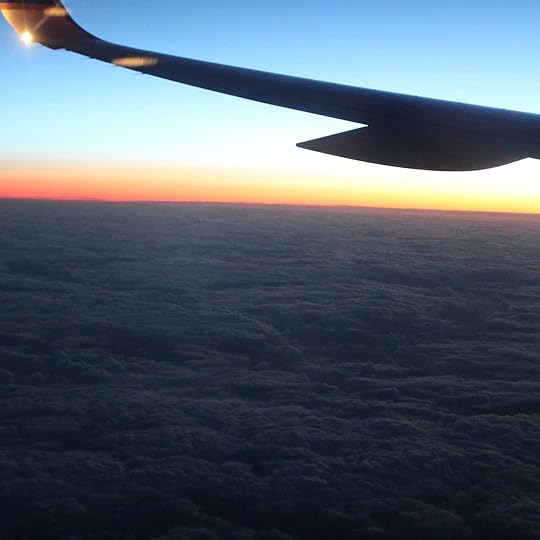 Watching the sunrise...
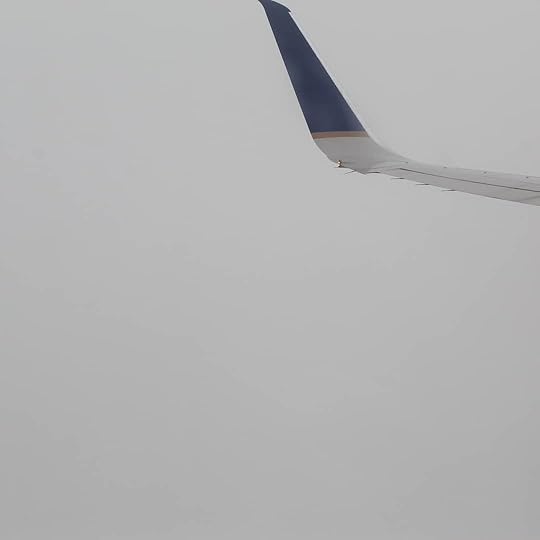 descending through the thick clouds...
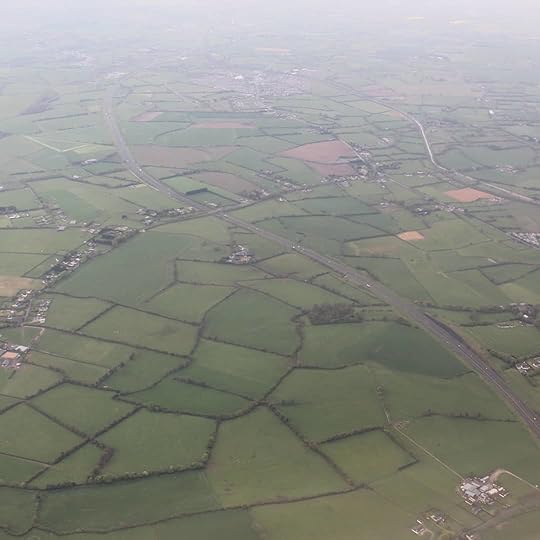 and circling an alien green landscape.Over the course of our six days in the country, we not only visited Dingle, but also Killarney (the setting for her story), Waterford, and Dublin. Along the way we had so many experiences and saw innumerable sights.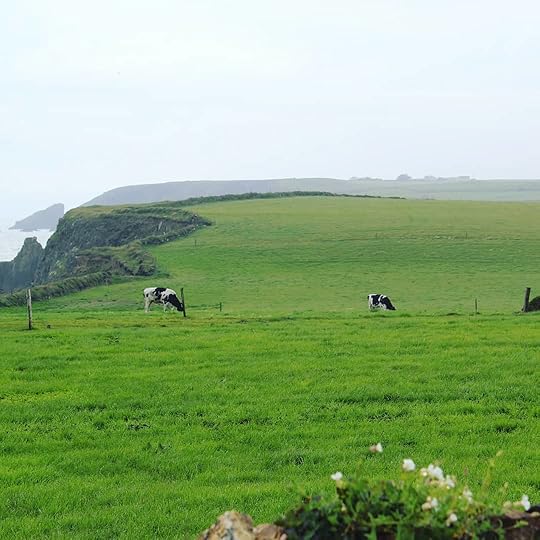
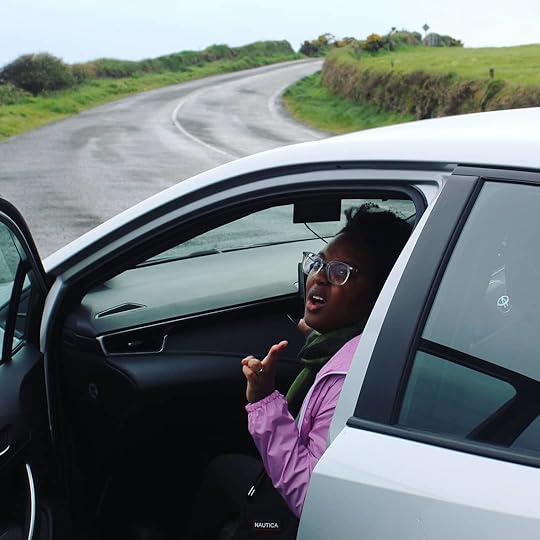
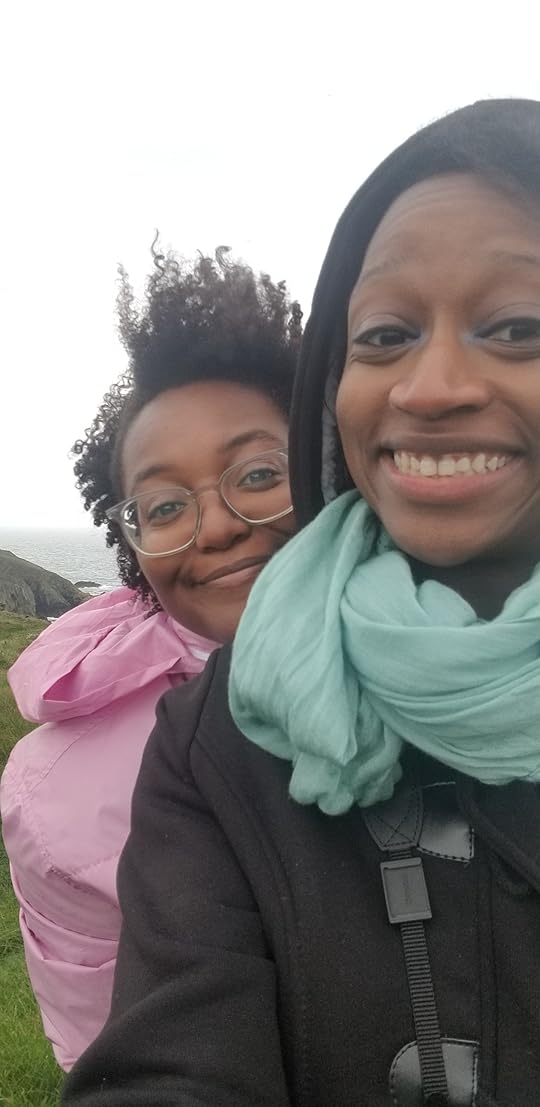
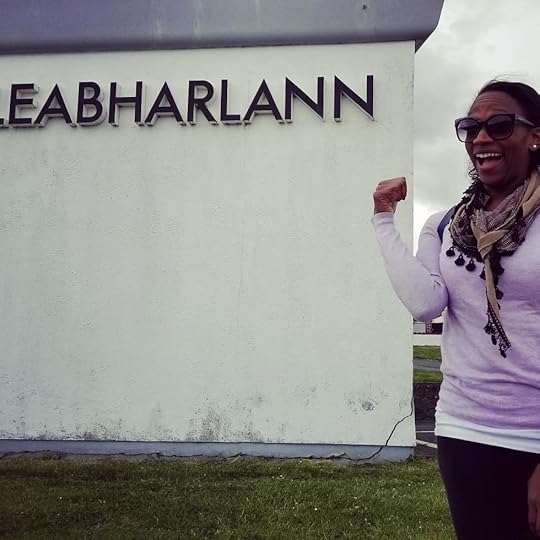 I nearly sideswiped every car I passed while driving on (the wrong side of) Ireland's winding roads. I ate more lamb in one week than I have in my entire life. I drank in everyone's accent... and a lot of beer. I tried black pudding. I saw and photographed every old structure and bit of nature that I could. And I took lots and lots of notes.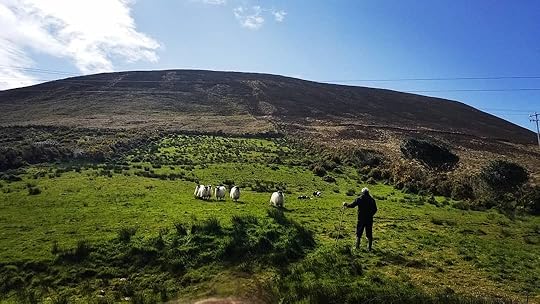
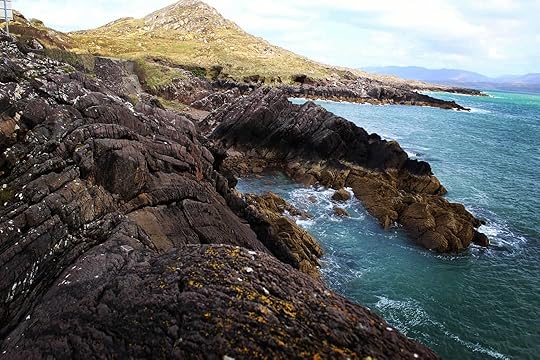
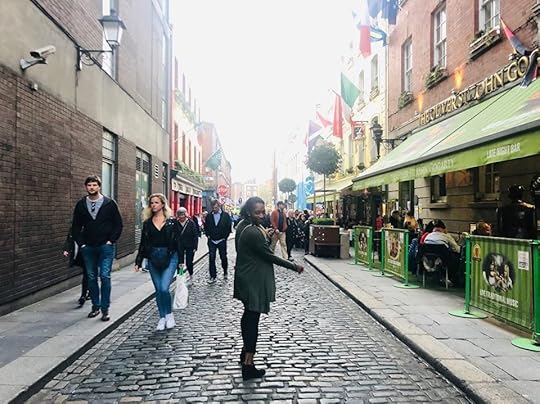
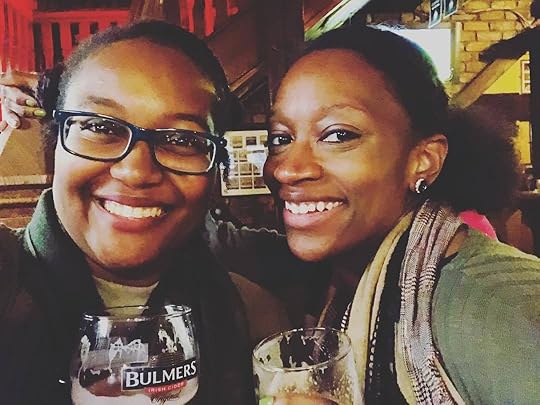 Was this a pleasure trip? Absolutely! Ireland is a popular country to vacation in for many, many reasons, and after having gone nearly ten years without traveling anywhere, the wanderlust was strong with this girl. However, the life of a writer is to always seek potential in every encounter and file it all away for future use, drawing on it when world-building or developing characters or describing a moment or feeling.I'm now more excited -- and, most importantly, more equipped -- than ever to finish this novel. I'm lucky to have had the time, funds, and motivation to embark on this journey, and even luckier to have a best friend to do it with. Being able to share my passions with another person and have that person hold me accountable for staying productive are reasons writers need an excellent support system. I'm grateful for every life experience -- positive and negative -- that has inspired my novels. And my goal is to one day be secure enough in this field to be able to do more in-person research just like this.*An excerpt from this untitled work is coming soon*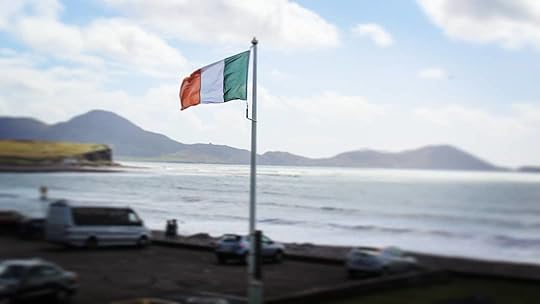
Watching the sunrise...descending through the thick clouds...and circling an alien green landscape.Over the course of our six days in the country, we not only visited Dingle, but also Killarney (the setting for her story), Waterford, and Dublin. Along the way we had so many experiences and saw innumerable sights.I nearly sideswiped every car I passed while driving on (the wrong side of) Ireland's winding roads. I ate more lamb in one week than I have in my entire life. I drank in everyone's accent... and a lot of beer. I tried black pudding. I saw and photographed every old structure and bit of nature that I could. And I took lots and lots of notes.Was this a pleasure trip? Absolutely! Ireland is a popular country to vacation in for many, many reasons, and after having gone nearly ten years without traveling anywhere, the wanderlust was strong with this girl. However, the life of a writer is to always seek potential in every encounter and file it all away for future use, drawing on it when world-building or developing characters or describing a moment or feeling.I'm now more excited -- and, most importantly, more equipped -- than ever to finish this novel. I'm lucky to have had the time, funds, and motivation to embark on this journey, and even luckier to have a best friend to do it with. Being able to share my passions with another person and have that person hold me accountable for staying productive are reasons writers need an excellent support system. I'm grateful for every life experience -- positive and negative -- that has inspired my novels. And my goal is to one day be secure enough in this field to be able to do more in-person research just like this.*An excerpt from this untitled work is coming soon*
May 14, 2020
Writer. Mother.
 I have two small children whom I love with all of my heart and then some. They're fantastic, both of them in their own ways, and I can't imagine life without them. My four-year-old is bright, silly, perpetually indignant, loves carbs, does parkour off every surface he can find, and asks about 7,592 questions a day. And I just gave birth to another little boy on February 10 of this year, a squishy little thing who's very alert, very chill, and very cute. Needless to say, I've got my hands full. And while Dad is amazing, he and I taking on parenting equally in our house, there's no role quite like that of Mama.Pre-children, I would wake up with the dawn every day, do a quick workout, brew a gigantic cup of coffee, and sit down to write for about four hours. This is how I was able to finish both manuscripts for We Are Eternal and Way Down Low in a month's time each -- wake up, write maniacally, then go to work at the library (at the time, I worked 20 hours a week). Sometimes I would write after I got home from work, too, depending on how loudly the characters had been screaming at me all day. I subsisted on writing, caffeine, and stolen moments with my husband, a police officer who worked nights at the time and who has dealt with my writing fits that cause me to sometimes ignore him since I was in college.When I got pregnant with my first son, I had terrible morning sickness that lasted the entire nine months. After he was born, I had to adjust to waking up every 2 hours to feed him, moving into a new house, and experiencing a drastic reduction in alone time. These are the reasons for the writing hiatus between finishing my manuscripts and actually editing them.
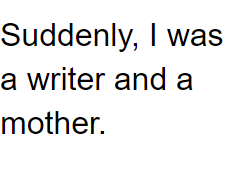 While I was grateful to have some raw material on my computer just waiting for me to play with, I barely thought about my manuscripts between May 2015 and May 2016. I was too wrapped up in new mommy love, the joy of making my baby boy smile, all of his milestones, and all of the excitement that comes with being a first-time parent. Then, as it does, the itch came back. I knew I had to learn how to juggle writing and parenting; there was just no way I was going to be able to give up my biggest creative outlet.I unearthed We Are Eternal, in all its rawness, realized I still loved the story, and set about making it better. I worked on it at my desk during downtime at my now full-time library job, and once my son developed a more normal sleep schedule I began editing at night. So committed I became that I started willingly surviving on less sleep; instead of an infant keeping me awake, it was Olive, York, Selma, Uncle Joe, and all the other characters I'd created. After forcing a daily writing habit upon myself -- dragging myself downstairs to my office to do "at least 30 minutes of work" when I'd have much rather stayed in bed watching The Office reruns beside my husband -- editing We Are Eternal became routine, enjoyable, and necessary. Suddenly, I was a writer and a mother. And I was killing it in both categories.Managing to achieve my dream of getting a book published while being a mother showed me the journey that so many well-known authors -- like J.K. Rowling, Nicola Yoon, Gillian Flynn, and Jhumpa Lahiri -- went through to manage their passions, careers, and home life at once. It also gave me the confidence to keep trying to make writing a full-time job, even while expanding my family, and the knowledge that it could be done. I had several goals to complete before trying for a second child, pretty much all of them writing-related: I wanted to see my story in print. I wanted to develop a plan for getting representation for my story. I wanted go to Ireland to collect first-person experience for a story I want to finish (also to drink beer and see the cliffs of Dingle, all fodder for the creative process). After I checked off all these goals, I got pregnant with my now 3-month-old. Once again, I was sick for nine months. Once again, writing did not happen. This is, in part, why I neglected this blog for so long. But I bounced back into writing way quicker than I did with my first because: 1. I'm used to being sleep-deprived, 2. I'm used to a more hectic schedule, 3. I've developed a habit of writing at work (during breaks, of course), and 4. The drive to find representation for my work is stronger than ever now that I have a published book under my belt. I've accepted my position in both the creative and maternal worlds. When we purchased our house in 2016, I immediately claimed the first room off the foyer as my office, and my husband didn't fight it at all, moving our computer desk, computer, and all of my bookshelves into this space. He helped me hang inspirational quotes on the wall. He helped me organize my papers and books on writing. He even found a floating shelf to house my ever-growing book collection,and he stained and hung it for me. It was the ideal "writer's space." But as our son got older and acquired bigger, more colorful toys, some of his collection spilled into the office and came to live there. His easel -- with all his crayons, paints, and chalk -- stands right beside my desk, and sometimes the dust from the chalk ends up on my chair or beside the mouse in a small, handprint-shaped smudge. Every time I sit down at the computer to write, he comes up behind me and starts playing with a vibrant toy that teaches him his letters and his shapes and makes far too much noise, or he climbs into my lap and tries to type something, or I can hear him behind me pulling books off the bookshelf. We even refer to the space as a playroom more often than an office now. And I'm perfectly fine with all of that. In fact, it feels right. The office will be a "perfect writer's space" once again one day, but my boys will only be little for so long, and I'm not ready for the clean floor, the perfectly arranged books, the total quiet. Not yet. I just keep going. I stick with my daily writing habit, I keep all my writing ideas organized, and I keep striving toward that illusive major book deal. At the same time, I keep giving my little ones all the Mama they need. They're still my greatest source of motivation; being a full-time writer would allow me to stay at home with them instead of parting with them at daycare every day. I'd love to give them everything they need from doing what I'm most passionate about. And I'd love to say I achieved everything I wanted while still being a great mom. The two most important jobs of my life don't have to be mutually exclusive -- I just have to figure out how to keep all the juggling balls in the air.Juggling is what motherhood is all about.
May 12, 2020
Mother's Day 2020
My mom passed away on July 7, 2018, and this Mother's Day, May 10th, was my second one without her. I have a lot of mixed feelings regarding this holiday. In most ways, I'm sad not to have a mother to celebrate with, of course; I miss her dearly and think of her every day. In some ways, I'm glad for her because she was very sick and now she is, I believe, well and at peace. And I'm a little angry, too, because she took herself away from me, because my mom was only 57 years old when she passed, too young to be gone. She's supposed to be in the prime of her life right now: daughter married and out of the house, she at retirement age, able to travel or take up a new hobby or an old hobby or, hell, a lover (my parents were divorced, don't worry). My mother was gorgeous and smart and funny and had a strong personality. She could have been so many more things. Unfortunately, she's mostly remembered by those who knew her as a depressed alcoholic.In my novel, We Are Eternal, my main character, Olive Grant, loses her father in a car accident. Left with her mother, a severe alcoholic, and her younger sister to care for, the 17-year-old is thrust into a world of responsibility she neither expected nor wanted. York Lively, my male protagonist, rescues her, not from her situation, but from her own head, making her want to open up, see the world, be alive and happy despite her troubled home life. I would be lying if I said I didn't glean at least a bit of Olive's experiences from my own.My dad is still very much alive, and I have no siblings. However, several scenes in my novel are lifted almost directly from my life with my mom. I completed this novel four years before she died, and at the time it was therapy for me. My mom was an inspiration to me in many ways, good and bad.Though it's unfortunate we went through some of the same moments I wrote about in We Are Eternal, I believe many, many incredible works of literature and art have come from bad times, from pain, from horrendous circumstances. In that light, I thank my mom. I also thank her for giving me my love of reading, for sitting with me to practice my ABC's at an early age, for encouraging my bibliophilia, for championing any and all writing projects I told her about, and for essentially making me the writer I am today. My published novel, and all my other works, wouldn't exist without her positive and negative influence on my life. This blog, and the words you're reading right now, probably would not exist. Olive Grant still has her mother in my story, and at the end there's a faint glimmer of hope that her mother might straighten out her life and get help. It's the ending I wanted for myself and my mom.And, hey, I'm the mastermind behind all this -- I can paint whatever life I want to.
I have a lot of mixed feelings regarding this holiday. In most ways, I'm sad not to have a mother to celebrate with, of course; I miss her dearly and think of her every day. In some ways, I'm glad for her because she was very sick and now she is, I believe, well and at peace. And I'm a little angry, too, because she took herself away from me, because my mom was only 57 years old when she passed, too young to be gone. She's supposed to be in the prime of her life right now: daughter married and out of the house, she at retirement age, able to travel or take up a new hobby or an old hobby or, hell, a lover (my parents were divorced, don't worry). My mother was gorgeous and smart and funny and had a strong personality. She could have been so many more things. Unfortunately, she's mostly remembered by those who knew her as a depressed alcoholic.In my novel, We Are Eternal, my main character, Olive Grant, loses her father in a car accident. Left with her mother, a severe alcoholic, and her younger sister to care for, the 17-year-old is thrust into a world of responsibility she neither expected nor wanted. York Lively, my male protagonist, rescues her, not from her situation, but from her own head, making her want to open up, see the world, be alive and happy despite her troubled home life. I would be lying if I said I didn't glean at least a bit of Olive's experiences from my own.My dad is still very much alive, and I have no siblings. However, several scenes in my novel are lifted almost directly from my life with my mom. I completed this novel four years before she died, and at the time it was therapy for me. My mom was an inspiration to me in many ways, good and bad.Though it's unfortunate we went through some of the same moments I wrote about in We Are Eternal, I believe many, many incredible works of literature and art have come from bad times, from pain, from horrendous circumstances. In that light, I thank my mom. I also thank her for giving me my love of reading, for sitting with me to practice my ABC's at an early age, for encouraging my bibliophilia, for championing any and all writing projects I told her about, and for essentially making me the writer I am today. My published novel, and all my other works, wouldn't exist without her positive and negative influence on my life. This blog, and the words you're reading right now, probably would not exist. Olive Grant still has her mother in my story, and at the end there's a faint glimmer of hope that her mother might straighten out her life and get help. It's the ending I wanted for myself and my mom.And, hey, I'm the mastermind behind all this -- I can paint whatever life I want to.
5 Things -- Books (YA)
As an emerging author (of, hopefully, multiple books and a wildly popular blog) I think it's important for everyone to get to know me, my writing process, and my influences a little better. Also, aiming for transparency here, who doesn't like talking about themselves? So I've decided to start a new series called !!!!!!! For the record, I got this idea from a list of blog ideas I pinned to my writing board on Pinterest (it's called Writerly -- check it out) and I ran with it. For this series, I'll list five things in a particular category that have inspired my writing journey in some way. Today's post is about works of literature that have made an impression on me.Now, being a library assistant and long-time reader, I clearly love books. It's literally impossible for me to choose just five books that have inspired me out of all the ones I adore, so I'm splitting this particular category into three parts: young adult fiction, adult fiction, and nonfiction.Today, we're talking YA!Nearly half of the novels I have planned or have written are young or new adult, so this is a genre that speaks to me. Even so, I don't read much YA. The reason for this, honestly, is that a lot of stories in this genre tend to run together for me. Publishers market YA books according to what's popular, so many book covers tend to look similar to one another. In some cases the content is also similar, making me feel like I'm reading the same story multiple times.This is in no way a dig at the genre or the authors who write for it! Clearly, people are going to write stories that work and resonate with their target audience, and they're smart to do so. That's the way this business -- and the world -- works. But because of this, I find myself taking frequent breaks from YA, reading only about a book a year. An exception I make is when a new book comes out by an author who doesn't put out books that often and who usually delivers pretty original material (looking at you John Green, Nicola Yoon, and Rainbow Rowell). So, out of my comparatively limited list of works I've read in this genre, here are my top five titles:(*I own personal copies of each of these titles, and all photos of their covers were either taken by me or used legally*)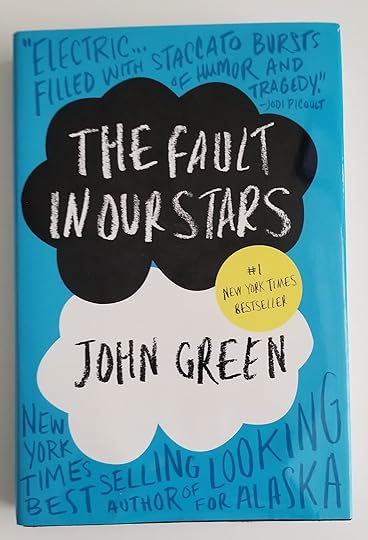 1. The Fault In Our Stars -- John GreenI read this book in 2014, right after conceiving the concept for We Are Eternal. It makes sense, then, that We Are Eternal -- the story of a girl who meets a boy who's just received her father's heart in a life-saving transplant operation and the whirlwind romance that ensues -- has a similar feel to this novel. The sarcastic humor, whip-smart characters, and air of hope overshadowed by inevitable despair was just what I envisioned in my early ideas of my own novel. John Green writes from a teenage girl's perspective in a way I didn't think a grown man could, and he invented a tale of devastating star-crossed love that is equal parts sweet and heartbreaking. I loved everything about it. I aimed to destroy people the way Green had destroyed me. We Are Eternal wouldn't be what it is today without The Fault in Our Stars.
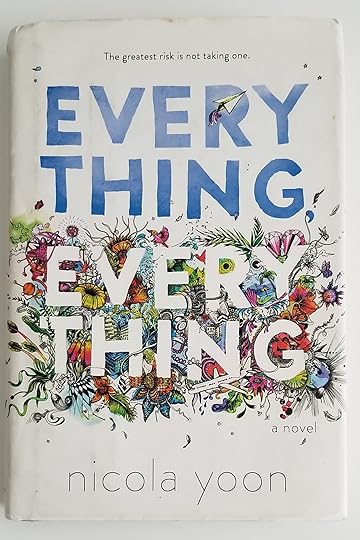 2. Everything, Everything -- Nicola YoonI read Everything, Everything in one three-hour sitting in late fall of 2015... it captivated me that thoroughly. I'd borrowed it from my job after seeing it on a list of debut authors to watch out for, and once I finally got a hold of it, I knew I had to own it so I could re-read Olly and Maddy's story whenever I wanted to. The suspense, whirlwind romance (once again... I like that stuff), and insane plot twist kept this girl turning pages until I realized, glumly, that there were no more pages to turn. This is another story that directly influenced We Are Eternal; I'd let the second draft version of my novel sit on my computer for about a year and a half without paying it much attention, and when I went to edit it in the summer of 2016, I realized the characters in Everything, Everything reminded me a lot of my own: multiracial cast of individuals with a black female protagonist and a white male protagonist (something you don't see often in literature). Once again, the plot centered around a main character who was sick, but the details made it one-of-a-kind: Maddy has severe combined immuniodeficiency (SCID), or the "Bubble Baby Disease," and going outside could kill her. When a cute boy moves in next door, they're both drawn to one another. The theme of risking it all for love is more prevalent in We Are Eternal because I read Everything, Everything, and that's why I must give props to Yoon. I hope this fact will one day make her proud, and I hope we can be collegues down the line*.*I follow her on Twitter, and she once liked (!!!) my comment on her tweet about the film adaptation of her latest book... so that means we're halfway there, right?
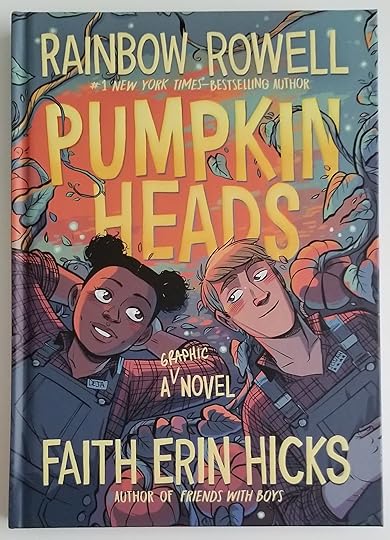 3. Pumpkinheads -- Rainbow RowellPumpkinheads is downright precious, as most of Rowell's stories are. I'd read her work before and follow her on Twitter (another author who's liked a comment of mine -- ladies, let's hang out and talk books!). My writing style feels similar to hers in the willingness to delve into difficult topics and use of interracial love stories; Pumpkinheads itself features Deja and Josiah, a black girl and white boy who are best friends and work at the same pumpkin patch every year. Deja has a strong, quirky, and hilarious personality, and vows to help sweet and romantic Josiah finally talk to the girl of his dreams. I don't read many graphic novels, but this one tells a story I couldn't put down. It's my latest YA favorite, and it's stuck with me ever since I read it... seven months ago. I aspire to be a writer who tells my stories with as distinctive a voice as Rowell.
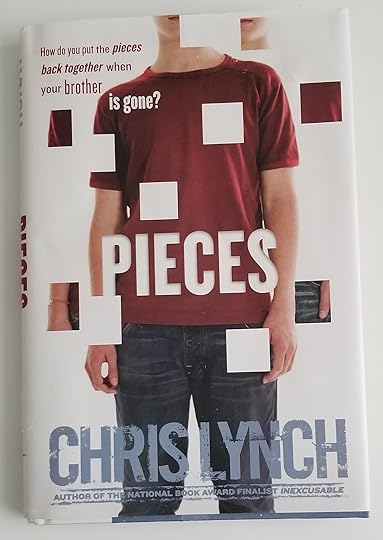 4. Pieces -- Chris LynchI read Pieces after I'd finalized my manuscript for We Are Eternal. I had been looking for a book I may be able to compare to my own when pitching it to literary agents. To say I felt moved by this story and its characters is an understatement; emotional and unique, I fell into the life of Eric, his grief over his brother's sudden death, and his quest to track down the recipients of his brother's organs. Pieces shows one of the hundred ways one navigates the grieving process, and it was interesting for me -- a woman with no siblings -- to read from a teenage boy's point of view and look back with him on the impact of his relationship with his brother. This is a deep story, but at the end there is the relief of hope.
 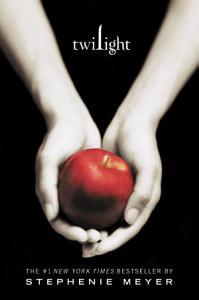 5. Twilight -- Stephanie MeyerThis one's gonna be a little controversial.Twilight was (and still is) a global phenomenon, sparking five million-dollar films, a graphic novel, a couple of prequels, and even fan-fiction that became its own global phenomenon. In other words, Twilight showed me what I could achieve by writing what I loved.I read Twilight in the fall of 2008, weeks before the first film came out. I had no idea the book existed before then. The story entranced me in a way I hadn't been by a book in a long while. I hadn't read much fantasy before that point, but I had been tinkering with the idea of a vampire novel, based on my love for the Underworld movies. I naturally assumed I would be writing my idea as an adult novel until I met Bella, a normal girl close to my age, and Edward, a "beautiful" vampire, and watched their worlds collide. It opened up a whole new world, creatively, for me.I did end up finishing that novel I had been tinkering with, although it's no longer about vampires -- there are so many of those out there right now, partly thanks to Mrs. Meyer. It's shelved on the back burner for now, but it's finished, and this is also due in part to Meyer. This novel was the first I'd ever completed, my first ever full-length project, and my drive to see my dreams come true like they had for Meyer fueled its completion. Twilight made an impression on me because it sparked my desire to not only write, but support myself by writing, and see my novels on the big screen one day. This book is not for everyone, and adult me is a little beyond it, but I must give credit where it's due.Did you enjoy my first "5 Things" post? Want to send me suggestions for future lists? Go to the "Contact Me" portion of my website and send me comments, or follow my Twitter and get at me!
!!!!!!! For the record, I got this idea from a list of blog ideas I pinned to my writing board on Pinterest (it's called Writerly -- check it out) and I ran with it. For this series, I'll list five things in a particular category that have inspired my writing journey in some way. Today's post is about works of literature that have made an impression on me.Now, being a library assistant and long-time reader, I clearly love books. It's literally impossible for me to choose just five books that have inspired me out of all the ones I adore, so I'm splitting this particular category into three parts: young adult fiction, adult fiction, and nonfiction.Today, we're talking YA!Nearly half of the novels I have planned or have written are young or new adult, so this is a genre that speaks to me. Even so, I don't read much YA. The reason for this, honestly, is that a lot of stories in this genre tend to run together for me. Publishers market YA books according to what's popular, so many book covers tend to look similar to one another. In some cases the content is also similar, making me feel like I'm reading the same story multiple times.This is in no way a dig at the genre or the authors who write for it! Clearly, people are going to write stories that work and resonate with their target audience, and they're smart to do so. That's the way this business -- and the world -- works. But because of this, I find myself taking frequent breaks from YA, reading only about a book a year. An exception I make is when a new book comes out by an author who doesn't put out books that often and who usually delivers pretty original material (looking at you John Green, Nicola Yoon, and Rainbow Rowell). So, out of my comparatively limited list of works I've read in this genre, here are my top five titles:(*I own personal copies of each of these titles, and all photos of their covers were either taken by me or used legally*)1. The Fault In Our Stars -- John GreenI read this book in 2014, right after conceiving the concept for We Are Eternal. It makes sense, then, that We Are Eternal -- the story of a girl who meets a boy who's just received her father's heart in a life-saving transplant operation and the whirlwind romance that ensues -- has a similar feel to this novel. The sarcastic humor, whip-smart characters, and air of hope overshadowed by inevitable despair was just what I envisioned in my early ideas of my own novel. John Green writes from a teenage girl's perspective in a way I didn't think a grown man could, and he invented a tale of devastating star-crossed love that is equal parts sweet and heartbreaking. I loved everything about it. I aimed to destroy people the way Green had destroyed me. We Are Eternal wouldn't be what it is today without The Fault in Our Stars.2. Everything, Everything -- Nicola YoonI read Everything, Everything in one three-hour sitting in late fall of 2015... it captivated me that thoroughly. I'd borrowed it from my job after seeing it on a list of debut authors to watch out for, and once I finally got a hold of it, I knew I had to own it so I could re-read Olly and Maddy's story whenever I wanted to. The suspense, whirlwind romance (once again... I like that stuff), and insane plot twist kept this girl turning pages until I realized, glumly, that there were no more pages to turn. This is another story that directly influenced We Are Eternal; I'd let the second draft version of my novel sit on my computer for about a year and a half without paying it much attention, and when I went to edit it in the summer of 2016, I realized the characters in Everything, Everything reminded me a lot of my own: multiracial cast of individuals with a black female protagonist and a white male protagonist (something you don't see often in literature). Once again, the plot centered around a main character who was sick, but the details made it one-of-a-kind: Maddy has severe combined immuniodeficiency (SCID), or the "Bubble Baby Disease," and going outside could kill her. When a cute boy moves in next door, they're both drawn to one another. The theme of risking it all for love is more prevalent in We Are Eternal because I read Everything, Everything, and that's why I must give props to Yoon. I hope this fact will one day make her proud, and I hope we can be collegues down the line*.*I follow her on Twitter, and she once liked (!!!) my comment on her tweet about the film adaptation of her latest book... so that means we're halfway there, right?3. Pumpkinheads -- Rainbow RowellPumpkinheads is downright precious, as most of Rowell's stories are. I'd read her work before and follow her on Twitter (another author who's liked a comment of mine -- ladies, let's hang out and talk books!). My writing style feels similar to hers in the willingness to delve into difficult topics and use of interracial love stories; Pumpkinheads itself features Deja and Josiah, a black girl and white boy who are best friends and work at the same pumpkin patch every year. Deja has a strong, quirky, and hilarious personality, and vows to help sweet and romantic Josiah finally talk to the girl of his dreams. I don't read many graphic novels, but this one tells a story I couldn't put down. It's my latest YA favorite, and it's stuck with me ever since I read it... seven months ago. I aspire to be a writer who tells my stories with as distinctive a voice as Rowell.4. Pieces -- Chris LynchI read Pieces after I'd finalized my manuscript for We Are Eternal. I had been looking for a book I may be able to compare to my own when pitching it to literary agents. To say I felt moved by this story and its characters is an understatement; emotional and unique, I fell into the life of Eric, his grief over his brother's sudden death, and his quest to track down the recipients of his brother's organs. Pieces shows one of the hundred ways one navigates the grieving process, and it was interesting for me -- a woman with no siblings -- to read from a teenage boy's point of view and look back with him on the impact of his relationship with his brother. This is a deep story, but at the end there is the relief of hope. 5. Twilight -- Stephanie MeyerThis one's gonna be a little controversial.Twilight was (and still is) a global phenomenon, sparking five million-dollar films, a graphic novel, a couple of prequels, and even fan-fiction that became its own global phenomenon. In other words, Twilight showed me what I could achieve by writing what I loved.I read Twilight in the fall of 2008, weeks before the first film came out. I had no idea the book existed before then. The story entranced me in a way I hadn't been by a book in a long while. I hadn't read much fantasy before that point, but I had been tinkering with the idea of a vampire novel, based on my love for the Underworld movies. I naturally assumed I would be writing my idea as an adult novel until I met Bella, a normal girl close to my age, and Edward, a "beautiful" vampire, and watched their worlds collide. It opened up a whole new world, creatively, for me.I did end up finishing that novel I had been tinkering with, although it's no longer about vampires -- there are so many of those out there right now, partly thanks to Mrs. Meyer. It's shelved on the back burner for now, but it's finished, and this is also due in part to Meyer. This novel was the first I'd ever completed, my first ever full-length project, and my drive to see my dreams come true like they had for Meyer fueled its completion. Twilight made an impression on me because it sparked my desire to not only write, but support myself by writing, and see my novels on the big screen one day. This book is not for everyone, and adult me is a little beyond it, but I must give credit where it's due.Did you enjoy my first "5 Things" post? Want to send me suggestions for future lists? Go to the "Contact Me" portion of my website and send me comments, or follow my Twitter and get at me!
May 6, 2020
New Novel Excerpt!
Time for some new material! Writers will commonly work on multiple projects at once. It's almost impossible to resist pursuing a brilliant idea when it hits you (especially if it's 3 a.m. and you have to wake up early the next morning!) We Are Eternal is my main squeeze at the moment, but I've been having affairs with other projects.  "Honey... there are others."Next in line as a publication hopeful is Way Down Low (a working title). The tone of this work is different from the manic-pixie-dreamboy vibe of my first novel, reading instead as more matter-of-fact. And the subject matter is... risqué, so much so that I'm not sure if it should be marketed as YA; despite the high school setting, I think we're going the New Adult route with this one.Here is a quick summary:For thirteen years, the school board of Pecan Ridge has hosted Project Advantages for the Disadvantaged (PAD), a program that allows poor, urban, African-American students ages 5 through eighteen to attend the town's prestigious, private elementary and high schools. Gerald and Kathleen Tuttle are among a large group of parents fighting to get the program shut down. And they have no idea their eighteen-year-old son -- handsome, popular star pupil named Christian -- has gotten one of the program's students pregnant.Way Down Low follows and weaves together the lives of four families in and around the affluent, predominately white town of Pecan Ridge. Christian Tuttle and Olivia Harrison carry on a secret affair until Olivia's unexpected pregnancy threatens Christian's secure, cushy future. Senior Jackson Culpepper is sent against his will by his prejudiced parents to go to school in safe, lily-white Pecan Ridge and finds himself falling for one of the program's students, Charlotte Watkins. Another program student, pianist London McClure, is lucky enough to land a spot in the high school's illustrious orchestra, but she's convinced first-chair cellist Russell Scott hates her... until he kisses her. Elementary school teacher William Reader Jr. and former PAD student Leda Thompson meet for the second time when Will realizes Leda is the mother of his favorite student, Benjamin, and Will soon discovers their intense affair years prior has connected them in a way that's deeper and more complicated than he ever thought.I wrote Way Down Low in July of 2014, right after I completed We Are Eternal in June. Though the work as a whole was a new idea, the stories it contains had been written up to 3 years beforehand. Once I realized that over the years the short stories I'd written followed a pattern -- all of them centering on race relations and the torrid romances of four black girls with four white boys in the present-day American South -- I conceived a way to present them in one narrative. I was born in 1989, so I was raised in what you would call a relatively modern time in the South. Even so, I've witnessed levels of racism that would put me as someone living decades earlier. These stories were inspired by events I experienced and saw happen to friends when I was in high school and college. None of these stories are pretty -- wrought with tension, angst, and drama -- but I love Way Down Low. It shows the destructive power of prevalent social and racial prejudice in a small southern town. With all of the political, socio-economic, and relational issues our country has seen over the past 5 years, I think it's important to highlight the fact that these problems still exist and are affecting young people. Teens and young adults are less afraid than ever to speak out about injustice. I want to contribute to their voice.Below is the first page of Way Down Low. Happy reading, and feel free to critique!“Thom. Please. Can’t you see we’re all just concerned?” Mrs. Kathleen Tuttle pours on the saccharine. She’s good at that – saccharine. She softens honey brown eyes that can scorch as quick as a skip, and she tilts her head so that her blonde hair with the honey-colored highlights moves like it’s been kissed by a breeze. “Of course I can. I can understand everyone’s frustration,” says Superintendent Thomas White. Thom White is a true Southern man – able to consume an entire slice of double pecan pie without making a face. Able to stomach saccharine. “You don’t seem to understand the statistics, Mr. White,” says a male citizen with slow emphasis on every syllable of the word ‘statistics’. “The level of disruption caused by the program every year outweighs the good it does. I’m all for people getting a quality education, but doesn’t sacrificing the well-being of our own children seem kind of backwards to you?” “These kids can learn from our children,” says Superintendent White. “Our children can make them better, make them think differently.” “They’ve lived in that environment for too long,” insists Mrs. Tuttle. “They’re in high school. What’s that saying about old dogs and new tricks? Bringing in children from the projects -- I mean, we’ve barely run background checks on them. Putting them in a uniform does not make them model citizens.” “Your efforts are admirable, but this isn’t the way to go about it,” says her husband, Gerald. “We understand you’re holding onto this program to save face, or to prove a point, or both --” “Mr. Tuttle --” White tries to interject. “-- and we’re willing to compromise,” he continues. “We’re just asking you to abandon the program at the secondary level. Don’t put our daughters in harm’s way by forcing them into the same hallways, the same classrooms, the same cafeteria with those young men. Keep the focus on the elementary school. Bring up those young’uns in our system. Don’t focus on the unmoldables.” “If you have any trust in Morgan’s teachers – the ones who teach your children every day –” Superintendent White reminds them all, “then you know that everyone can be molded into what we want them to be. And Morgan Preparatory School is just the right mold.” “But what about our children? How have they been prepared?” Mrs. Tuttle is speaking again. Her husband looks on, his expression a mixture of pride and apprehension; he knows the smell of scorched sugar. “Pecan Ridge is a good community,” says the superintendent. “We are a beacon of clean living in the midst of all the crime and disorder around us. Our children are the example to the inner city children of how to be and live and learn. What a real education is. They’ll hold themselves up against the influence because they know what they represent.” “You really think it’s fair to put that kind of pressure on our kids?” another male citizen asks. “No pressure. All we ask is that they go about their daily lives in school, learning and enjoying themselves. There’s nothing saying they have to make friends with these people.” “What if that becomes an issue too?” says one impeccably dressed mother. “My daughter comes home every day with stories about those black students, how they always look like they’re up to something. It makes her and her friends uncomfortable.” “One thing I’ve seen of this program over the years,” says Superintendent White, “is that if you don’t provoke them, they’ll contain themselves. Aside from that, you’ve got our strong, brave boys to defend your daughters. They’ll do what’s right.” “It seems then like we’re just prepping our children for inevitable confrontation,” Mrs. Tuttle points out. “Tell us the truth – is that really what this is all about, Thom?” “This is about showing our children what they’ll have to face as adults. The world is not Pecan Ridge. We can’t keep them cocooned forever, much as we’d like. They’ll come out of this much stronger than they already are. That’s another statistic for you,” he says, pointing to the man who spoke earlier. “Honestly? No one’s ever said the disruption ruined their high school experience?” the man counters. “Students surveyed have reported a broader outlook on life, as well as a greater appreciation for what they have and the opportunities their position in society has afforded them. Think of it like making a small child eat vegetables. They may dislike it, but they’re better for it down the line. Yes?” The adults in the room grumble, swallowing their own mouthful of vegetables. “All right? It's settled, then. Project Advantages for the Disadvantaged resumes for another year. Additional questions and suggestions can be posed after the meeting adjourns.”
"Honey... there are others."Next in line as a publication hopeful is Way Down Low (a working title). The tone of this work is different from the manic-pixie-dreamboy vibe of my first novel, reading instead as more matter-of-fact. And the subject matter is... risqué, so much so that I'm not sure if it should be marketed as YA; despite the high school setting, I think we're going the New Adult route with this one.Here is a quick summary:For thirteen years, the school board of Pecan Ridge has hosted Project Advantages for the Disadvantaged (PAD), a program that allows poor, urban, African-American students ages 5 through eighteen to attend the town's prestigious, private elementary and high schools. Gerald and Kathleen Tuttle are among a large group of parents fighting to get the program shut down. And they have no idea their eighteen-year-old son -- handsome, popular star pupil named Christian -- has gotten one of the program's students pregnant.Way Down Low follows and weaves together the lives of four families in and around the affluent, predominately white town of Pecan Ridge. Christian Tuttle and Olivia Harrison carry on a secret affair until Olivia's unexpected pregnancy threatens Christian's secure, cushy future. Senior Jackson Culpepper is sent against his will by his prejudiced parents to go to school in safe, lily-white Pecan Ridge and finds himself falling for one of the program's students, Charlotte Watkins. Another program student, pianist London McClure, is lucky enough to land a spot in the high school's illustrious orchestra, but she's convinced first-chair cellist Russell Scott hates her... until he kisses her. Elementary school teacher William Reader Jr. and former PAD student Leda Thompson meet for the second time when Will realizes Leda is the mother of his favorite student, Benjamin, and Will soon discovers their intense affair years prior has connected them in a way that's deeper and more complicated than he ever thought.I wrote Way Down Low in July of 2014, right after I completed We Are Eternal in June. Though the work as a whole was a new idea, the stories it contains had been written up to 3 years beforehand. Once I realized that over the years the short stories I'd written followed a pattern -- all of them centering on race relations and the torrid romances of four black girls with four white boys in the present-day American South -- I conceived a way to present them in one narrative. I was born in 1989, so I was raised in what you would call a relatively modern time in the South. Even so, I've witnessed levels of racism that would put me as someone living decades earlier. These stories were inspired by events I experienced and saw happen to friends when I was in high school and college. None of these stories are pretty -- wrought with tension, angst, and drama -- but I love Way Down Low. It shows the destructive power of prevalent social and racial prejudice in a small southern town. With all of the political, socio-economic, and relational issues our country has seen over the past 5 years, I think it's important to highlight the fact that these problems still exist and are affecting young people. Teens and young adults are less afraid than ever to speak out about injustice. I want to contribute to their voice.Below is the first page of Way Down Low. Happy reading, and feel free to critique!“Thom. Please. Can’t you see we’re all just concerned?” Mrs. Kathleen Tuttle pours on the saccharine. She’s good at that – saccharine. She softens honey brown eyes that can scorch as quick as a skip, and she tilts her head so that her blonde hair with the honey-colored highlights moves like it’s been kissed by a breeze. “Of course I can. I can understand everyone’s frustration,” says Superintendent Thomas White. Thom White is a true Southern man – able to consume an entire slice of double pecan pie without making a face. Able to stomach saccharine. “You don’t seem to understand the statistics, Mr. White,” says a male citizen with slow emphasis on every syllable of the word ‘statistics’. “The level of disruption caused by the program every year outweighs the good it does. I’m all for people getting a quality education, but doesn’t sacrificing the well-being of our own children seem kind of backwards to you?” “These kids can learn from our children,” says Superintendent White. “Our children can make them better, make them think differently.” “They’ve lived in that environment for too long,” insists Mrs. Tuttle. “They’re in high school. What’s that saying about old dogs and new tricks? Bringing in children from the projects -- I mean, we’ve barely run background checks on them. Putting them in a uniform does not make them model citizens.” “Your efforts are admirable, but this isn’t the way to go about it,” says her husband, Gerald. “We understand you’re holding onto this program to save face, or to prove a point, or both --” “Mr. Tuttle --” White tries to interject. “-- and we’re willing to compromise,” he continues. “We’re just asking you to abandon the program at the secondary level. Don’t put our daughters in harm’s way by forcing them into the same hallways, the same classrooms, the same cafeteria with those young men. Keep the focus on the elementary school. Bring up those young’uns in our system. Don’t focus on the unmoldables.” “If you have any trust in Morgan’s teachers – the ones who teach your children every day –” Superintendent White reminds them all, “then you know that everyone can be molded into what we want them to be. And Morgan Preparatory School is just the right mold.” “But what about our children? How have they been prepared?” Mrs. Tuttle is speaking again. Her husband looks on, his expression a mixture of pride and apprehension; he knows the smell of scorched sugar. “Pecan Ridge is a good community,” says the superintendent. “We are a beacon of clean living in the midst of all the crime and disorder around us. Our children are the example to the inner city children of how to be and live and learn. What a real education is. They’ll hold themselves up against the influence because they know what they represent.” “You really think it’s fair to put that kind of pressure on our kids?” another male citizen asks. “No pressure. All we ask is that they go about their daily lives in school, learning and enjoying themselves. There’s nothing saying they have to make friends with these people.” “What if that becomes an issue too?” says one impeccably dressed mother. “My daughter comes home every day with stories about those black students, how they always look like they’re up to something. It makes her and her friends uncomfortable.” “One thing I’ve seen of this program over the years,” says Superintendent White, “is that if you don’t provoke them, they’ll contain themselves. Aside from that, you’ve got our strong, brave boys to defend your daughters. They’ll do what’s right.” “It seems then like we’re just prepping our children for inevitable confrontation,” Mrs. Tuttle points out. “Tell us the truth – is that really what this is all about, Thom?” “This is about showing our children what they’ll have to face as adults. The world is not Pecan Ridge. We can’t keep them cocooned forever, much as we’d like. They’ll come out of this much stronger than they already are. That’s another statistic for you,” he says, pointing to the man who spoke earlier. “Honestly? No one’s ever said the disruption ruined their high school experience?” the man counters. “Students surveyed have reported a broader outlook on life, as well as a greater appreciation for what they have and the opportunities their position in society has afforded them. Think of it like making a small child eat vegetables. They may dislike it, but they’re better for it down the line. Yes?” The adults in the room grumble, swallowing their own mouthful of vegetables. “All right? It's settled, then. Project Advantages for the Disadvantaged resumes for another year. Additional questions and suggestions can be posed after the meeting adjourns.”
May 5, 2020
Songs that inspired We Are Eternal
 Almost any writer will tell you that music and writing go hand-in-hand. Here's a list of all the songs I listened to on repeat while penning and editing and re-editing my young adult novel, We Are Eternal. Some are lifted from soundtracks of YA book-to-movie adaptations. Some are just radio bops from 2017 (the year I was editing). All of them capture the "heart"and spirit of the novel. Listen to these lyrics without reading the book, and you'll know what this story is about.All songs link to Youtube. Hope you discover some new music you love!***Boom Clap -- Charlie XCXSister Rosetta (Capture the Spirit)-- The NoisettesRide -- Twenty Øne PilotsCloser -- The Chainsmokers feat. HalseyGirl -- The InternetOcean Eyes -- Billie EilishWild Things -- Alessia CaraEscape -- KehlaniUnsteady -- X AmbassadorsShooting the Moon -- OK GoSatellite Heart - Anya MarinaHowling -- RY X/Frank WiedemannParking Lot -- Anderson .PaakRoslyn -- Bon Iver & St. VincentYouth -- DaughterDon't Let Me Down -- The Chainsmokers feat. DayaI Know Places -- Lykke Li***I don't own the rights to any of this music. Obviously.
May 4, 2020
Pantsers vs. Plotters
 I love discussing the writing process with other people, especially other writers. We're all so different, the way one operates obviously unique to the individual.From what I've discovered through research, conversations, and observations, every writer tends to naturally fall into one of two categories: plotters and pantsers. As illustrated above, plotters outline, create detailed character boards for their characters, and may even follow a strict writing timeline ("I plan to have this part done by this time"; "I complete a chapter a day"; etc.) Pantsers tend to, as the name suggests, fly by the seat of their pants, creating mostly as they go, eschewing outlines, and throwing together different ideas until something coherent (usually) emerges.I've known for a long time that I'm not exactly a... planner. I'm impulsive, idealistic, a procrastinator, and -- what's the opposite of anal? I'm that. Sure, I can be quite organized when it comes to some things -- my home and family, mostly -- but all in all, you could call me the poster child for Type B. In fact, the "B" in Type B stands for Bianca.As you can imagine, this bleeds into my writing style. As a high school student and then an English major in college, I always hated the step of essay assignments where teachers required the submission of an outline. HUGE waste of time, in my opinion; I could have spent that time getting the essay over with.That's why I fell in love with creative writing. I don't have to submit an outline for a work of fiction. Later on down the line, a literary agent or publisher might require a detailed description of my progress on a project, but most of the time I can let my novel(s) progress as they will. This is beautifully freeing for someone like me.We Are Eternal was written almost entirely by the seat of my pants... which is why it endured a number of rewrites and sits on my computer in multiple draft forms to this day. I don't mind doing rewrites, though, and don't see them as a bad thing. My writing style and ideas are ever-evolving, so even a fully planned novel would and probably should get rewritten at some point.Take Way Down Low, another novel that I'm currently working on a third draft for (and is my next publishing aspiration if my plan to query We Are Eternal doesn't pan out): I wrote the first draft of Way Down Low in one month, right after I finished We Are Eternal. This novel weaves together four different storylines, which I took from short stories I'd written in the past, so it had to be somewhat plotted or complete chaos would ensue. Even so, I only barely outlined the story so to avoid plot holes and continuity issues and guess what still happened? Plot holes and continuity issues. Why? Because aside from the fact writers are human and therefore subject to human error, even when I plot, I plot pants-ily.So, which one are you? A pantser or a plotter? Dislike strict labels or feel you fall into some sort of gray area? No problem. I've found a handy little chart that covers it all:
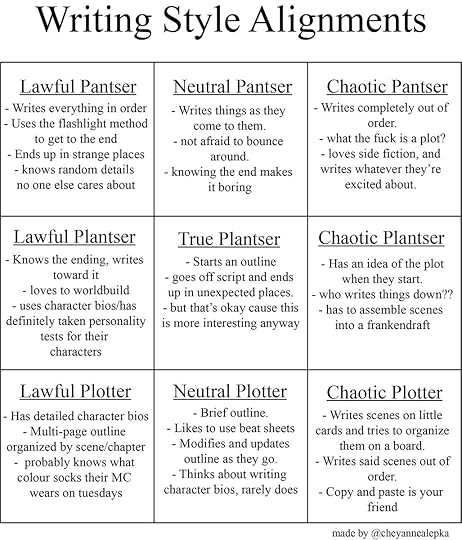 I'd call myself a Lawful Plantser -- aka just this side of pantser, or "plotting pants-ily" -- but I have been known to act as a Chaotic Plantser from time to time. Depends on where I am when an idea/scene strikes; if inspiration wakes me from a dead sleep, I'm scribbling on anything I can get my hands on: computer, phone notes app, grocery store receipt, torn-off scrap of paper, and I'm writing until I'm done. Whether or not it makes sense when the frenzy is over is completely arbitrary and honestly part of the fun.There are others out there like me, of course. It's delightful to see which professional writers share my writing style, and which ones are completely opposite of me. This Goodreads article takes six authors and tells you which camp they belong in. What does Stephen King write like? Did J.K. Rowling plan all her Harry Potter novels, or come up with the entire "wizarding world" as she went along? The answers are entertaining indeed.So, how does a pantser get anything done? And how long does it take to cobble together anything even resembling a literary work when there's not much of a plan involved? There are several methods to try when you want to get a project done quickly: I've participated in NaNoWriMo (National Novel Writing Month), an event that occurs every November and challenges participants to write 50,000 words -- the minimum length of a novel -- in 30 days. I've bought books that show you how to organize your ideas efficiently (this one in particular was helpful). And I've set writing goals (a page a day, x amount of words a day, a chapter a day, etc.).These methods were helpful and fun, and any time I give myself a challenge, I tend to become obsessive about completing it. But I've found that I get my quickest writing done when I just sit down and "pants" it -- no thinking, no following anyone else's guidelines, just running with the inspiration*.*Disclaimer:One of my favorite quotes by Octavia Butler urges us to forget inspiration, and many other writers have said that if they waited for inspiration, they'd never write. I believe this to be true, and have used this logic as motivation to develop daily writing habits when I've been working on novels. However, it's inspiration that lets me dive into a writing project without inhibitions (planning), and it's inspiration that keeps me up until 4 am writing. Writing every day is a habit, but inspiration keeps me frantically pantsing.At the end of the day, however we choose to go about the writing process just that: a choice. And it's not right or wrong or better or worse than anyone else's method. If it works, you're relaxed, you're consistent, and you're churning out results, feel free to pants or plot as you wish.
May 1, 2020
We Are Eternal -- excerpt
“Now tell me about you, I Love.”“Me.… I’m an Aries, which means I’m older than you, which is awesome.” I felt his body hum with amusement. “Uh. Biggest irrational fear? Roller coasters. I hate everything about them.”He didn’t say he would ever try to persuade me to ride one, even though he probably would one day.This was hard. I’d made my life exceedingly stark, all about my writing and my photo portfolio. Talking to him, I felt like I would burst. I wanted to tell him everything I’d forgotten about myself. “I’m a pretty good baker,” I said. “Before photography happened, I wanted to be a pastry chef. Also, I played the viola for five years.”“Really?”“Started in first grade. I got pretty good at it, too. And I love food, new foods, contrary to what you might think after Paco’s Fish Tacos. I’m with you on the bacon train, but chicken and gnocchi soup is my number one favorite dish. Uh. I like to pretend I can just hop in a car and drive to a new place, but actually I rely on my GPS when I go anywhere because I have the natural directional sense of an inanimate object.”He laughed. I swallowed. He accepted my every quirk, my cynical and wary nature, when he was this wide open field with no trees or clouds to cast shade. He wanted to be around me, still, and wanted to know more about me. Messy, broken me.“My mother is an alcoholic,” I said slowly. “A serious, career alcoholic -- best in the business.” I chuckled nervously at my own sad joke. I felt him lift his head to listen. “She has been an alcoholic for almost my entire life. She has been fired from four jobs, one of which let her go after twenty years. We almost lost our house twice because, for a long time, my dad was the only one able, or willing, to work; for almost a decade, up until the day he died, he worked multiple jobs to pay all the bills. My mother has stolen money from me and my sister. Her license has been suspended twice. She’s been to rehab three times. She’s been to the hospital three times, all for different, alcohol-related injuries.”As if a black hole had swallowed up all the noise in the room, a sudden and enormous silence took over. He didn’t speak for a long time.Then he let out a huge breath I hadn’t known he was holding. “Oh.”“Yeah.”I felt his head drop back again, but I didn’t turn around, too mortified to look at him. “The dick you met at my graduation party becomes a bigger dick every time we talk about him,” he said.“He belongs in the past with the graduation party.”“Yeah, but -- this thing with your mom, it’s --”“Pretty messed up. I know. I don’t tell many people.”“You weren’t going to tell me.” He hadn’t arranged his quiet words like a question, but they held all the weight of one.“I… didn’t think you’d stick around if you knew. It’s not a normal home situation. It’s complicated.”I let the silence hang there, wallowed in it. It’s what I’d been most afraid of all along.“You’ve lived in that negative environment for a long time,” he said. “How do you not drink? What do you do?”“No one has ever asked me that.” I took a deep breath. “Probably… I guess I like to get away from it all whenever I can, in any way I can. I take pictures, obviously; getting lost behind the camera lens, imagining myself detached from the scene or the moment, it’s like I’m in another room watching a surveillance camera. And I read, always a completely different book than the one I read before. And I daydream about all the places I’d like to be that are not… here.” I tightened my grip around my knee.“Like where?”“Hmm. England. Kenya. Maine. China. California.” I stopped, blissful at the thought. “California. Yeah, the West coast is pretty much the complete opposite of here.” His hand slid over mine on my knee, warm and smooth and completely enveloping. I stilled but let him leave it there. His fingers were wide and sturdy. Secure.“I never learned how to process the negativity in my life,” he said. “Maybe I need a new way to cope with all of my stuff, my dad, my health. Maybe you’re my new way.” We met each other’s eyes shyly. His mouth turned into a crooked smile, a question.I smiled back.