
Cascia Talbert's Blog, page 63
June 26, 2019
Connecting the Dots Between Your IBS and SIBO
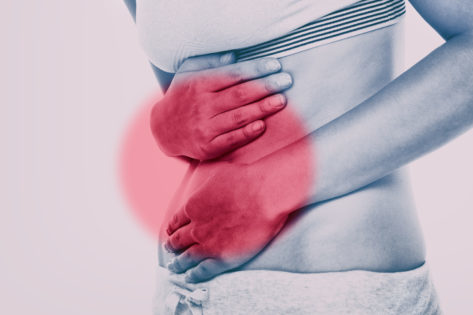 Irritable Bowel Syndrome (IBS) is not something you need to suffer with alone. Let’s not be bashful or afraid of these three little letters that so many people share. You may think of it as a solitary strife you must face alone, but IBS, a disorder characterized by abdominal discomfort and altered bowel habits (constipation and diarrhea) affects between 25 and 45 million people in the United States alone. Not hundred, not thousand—MILLION. This is a staggering number!
Now, I’m not saying you need to join a support group or declare your IBS on social media, but I’d certainly recommend opening yourself up to learning a bit more about the condition and its connection to SIBO (more on that in a bit). For years, many have blamed their IBS on stress, but it has been determined that while stress can worsen or trigger symptoms due to the connection between the brain and the gut, it is not a cause of IBS.
Studies show that over 50 percent of patients diagnosed with IBS actually have an underlying imbalance called SIBO, or small intestinal bacterial overgrowth. In fact, the connection between SIBO and IBS has become a hot topic in the medical community over the last couple of years, as we continue to discover links between the two conditions. Here’s why: the small and large intestines are full of bacteria, which we need to stay healthy. But when there is too much of the wrong kind of bacteria in the wrong place, symptoms such as those of IBS often arise.
SIBO occurs when the bacteria from the large intestine migrate and overgrow in the small intestine. When there is too much of these bacteria in the small bowel, they can damage and compete with your own body’s small intestinal cells to absorb the nutrients from the food you are eating. When this happens, the bacteria end up producing large amounts of methane and hydrogen gas. If that’s a bit too much doctor mumbo jumbo for you, here’s the bottom line. If your body produces too much gas as a result of increased bacteria in the small bowel, this can cause symptoms conducive to IBS, including:
Irritable bowel movements
Frequent bouts of diarrhea, constipation, passing excess gas, heartburn, bloating and abdominal pain
Symptoms of malabsorption, including weight loss, anemia or fatty stools
Associated conditions such as fatigue, reflux, skin disorders, obesity or specific food intolerances or sensitivities
Traditionally, breath tests have been used as the standard method of diagnosing SIBO. This method calls for exhaustive dietary restriction and cumbersome collection protocols for patients, often making the accuracy of this test questionable. Because SIBO is a notoriously challenging disorder to diagnose, due in part to the fact that its signs and symptoms can be confused with many other conditions, a simple confirmatory blood test would be optimal. Fortunately, Cyrex Laboratories, a clinical laboratory specializing in functional immunology and autoimmunity, recently unveiled their new Array 22 – Irritable Bowel/SIBO Screen, paving the way for a more accurate test of these disorders by assessing IgG, IgA and IgM antibodies to bacterial cytotoxins and cytoskeletal proteins. Array 22 features key lab markers related to IBS/SIBO and the specific intestinal barrier damage they cause.
If you have any of the above-mentioned signs or symptoms and suspect that you could be suffering from SIBO connected to IBS, testing is highly recommended as it may help you identify triggers. Talk to your health care professional about the symptoms you are experiencing and the option of being tested. There are antibiotic and herbal remedies along with diet protocols for the treatment of SIBO. But the first step to recovery of a health issue is diagnosing the underlying condition. In good health!
.fb_iframe_widget_fluid_desktop iframe {
width: 100% !important;
}

The article Connecting the Dots Between Your IBS and SIBO by Dr. Chad Larson appeared first on Healthy Moms Magazine.


Sun-protective Clothing has Gone High-tech
Sun-protective clothing has replaced sunscreens as the first line of defense for protecting your children (and yourself) from the harmful rays of the sun. However, rarely, excessive sun protection can itself lead to health issues.
1. The UV rays of the sun are as damaging to children’s skin as tobacco smoke is damaging to adult’s lungs.
Estimates are that we get 50 to 75% of our lifetime sun exposure before we are 18 years old. Children’s skin is thinner and contains less melanin to block UV rays. Infants less than 6 months of age should be kept out of the sun entirely. Damage is cumulative for life. About 3.7 million skin cancers are diagnosed in the US annually, the vast majority sun-related.
2. Sunscreens have numerous shortcomings.
Most parents apply too little and too infrequently for optimal protection. The degree and duration of protection is reduced by wind, water, towel drying, and excessive perspiration, to mention just a few. A recent report suggests that more sunscreen is absorbed into the body than previously thought, a finding that is under further study.
3. Sun-protective clothing has gone high-tech.
Such garments consist of recently-developed, lightweight fabrics that absorb or reflect UV radiation. Fabrics are woven tightly, leaving practically no space for sun penetration. Many garments are dyed in colors, usually red or black, which also absorb or reflect UV rays. Garments should cover as much skin as possible (the back of the neck, for example) and fit loosely to allow air to circulate. Overly tight fits stretch fibers, allowing some sun through.
4. Familiarize yourself with the rating system for protective clothing.
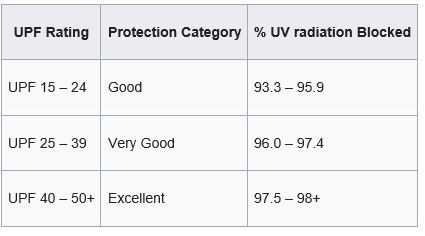
It’s called UPF (ultraviolet protection factor) and is somewhat similar to SPF (sun protection factor) for rating sunscreens. A UPF rating of 25 means that only 1/25th (4%) of UV radiation penetrates the fabric. The higher the UPF, the greater the protection. Fabrics rated below UPF 15 are not considered protective. UPFs of more than 50 add little additional protection.
5. Some sun protective clothing is pre-treated with solutions containing UV-inhibiting ingredients, further enhancing their effectiveness.
See “UV blocking additives” on the Internet and check labels. These additives can also be purchased at stores or online and used at home on any garment, increasing the garment’s UPF. Protection withstands numerous washings. After using additives, light may shine through garment when held up to the light. This does not mean that the fabric has lost its protective ability.
6. Hats should have brims at least three inches (7.5 centimeters) wide and extend around the head to shade the face, neck, and ears.
Baseball-type and straw hats offer little protection. Brims of 6 or more inches (15 cm) are becoming popular. Every additional inch of brim reduces the lifetime skin-cancer risk by about 10 percent. Consider hats with attached drapes that hang over the back of the neck.
7. Sunscreens remain essential for uncovered skin.
Ears are a common location for skin cancer in later life. The more clothing-covered skin, the less need for applying sunscreen . Follow the instructions that come with the sunscreen. For more information on applying sunscreen to children, see http://kidstraveldoc.com/protecting-infants-and-young-children-from-the-sun/ and https://www.aap.org/en-us/about-the-aap/aap-press-room/news-features-and-safety-tips/Pages/Sun-Safety-and-Protection.aspx
8. Sunglasses protect the skin around the eyes.
Five to 10 percent of skin cancers occur on the eyelids. Sunglasses should block 99 to 100% of UV radiation and consist of large lenses that wrap around the face and have UV-protective side shields.
9. Rarely, children who receive maximum sun protection may need vitamin D supplements.
The reasons: children require calcium to develop and maintain healthy bones. Simplistically, UV radiation activates vitamin D in the skin. Vitamin D then helps the intestines to absorb calcium from food. Maximum sun protection results in less sun radiation reaching the skin, and in turn, less vitamin D to absorb calcium. One solution: continue maximum sun protection to prevent skin cancer and supplement diets with vitamin D and calcium. Discuss the need for supplements with your pediatrician.
10. Miscellaneous:
Sun-protective clothing  is especially important for children with fair skin, for those spending much time at beaches and pools, and for children with sun-related medical conditions or who are taking medication that increases sun sensitivity. Sun-protective shades and umbrellas with high UPF numbers are available for strollers and for large umbrellas that create shade at the beach. Some high-tech fabrics may lose half their sun protection ability when wet. Check with manufacturers regarding how many washings protective clothing can undergo before losing its protective abilities.
Questions
Protecting children from the sun:
Why is sun-protective clothing replacing sunscreens?
What do UPF (not SPF) numbers tell you?
Why may some children need calcium and vitamin D supplements?
.fb_iframe_widget_fluid_desktop iframe {
width: 100% !important;
}

The article Sun-protective Clothing has Gone High-tech by Dr. Karl Neumann appeared first on Healthy Moms Magazine.
June 24, 2019
If Trump Wins Reelection in 2020 Will These Celebrities Finally Move to Canada?
Before the 2016 presidential election several celebrities vowed to leave the country if Donald Trump won. He has been our president for three years now. Yet they remained in the United States. Canada was the most popular place for celebrities to relocate to. If President Trump wins reelection in 2020 will these celebrities finally move to Canada?
The election is seventeen months away and we don’t know who the Democrat nominee is going to be. It may be too early to tell but things are looking good for President Trump. According to Fox News, A USA Today Suffolk University survey showed 49 percent of Americans approving of the job Trump’s doing as president with 48 percent giving him a thumbs down. Based on his job approval rate and the fact that his campaign raised $24.8 million in the 24 hours surrounding the President’s campaign kick-off we are predicting that he will win in 2020. Maybe the elites in Hollywood will move to Canada this time.
Celebrities that Said they Would Move to Canada if Donald Trump Became President
1. Lena Dunham
“I know a lot of people have been threatening to do this, but I really will,” Girls’ Lena Dunham told a New York audience in 2016. “I know a lovely place in Vancouver and I can get my work done from there.”
2. Chloe Sevigny
In 2016 she posted on Instagram that she was planning on moving to Nova Scotia if Donald Trump became president.
3. Raven-Symoné
The young actress said she had her ticket already and was prepared to “move to Canada with my entire family” if any Republican candidate became president.
4. Neve Campbell
During the 2016 election, actress Neve Campbell – who was born and raised in southern Ontario – said she found the thought of a Trump presidency terrifying. When asked by the Huffington Post what she would do if he won, she stated “Move back to Canada.”
5. Barbra Streisand
Barbra Streisand said on Australia’s “60 Minutes” of a possible Trump victory in 2016 “I’m either coming to your country — if you’ll let me in — or Canada.” During the 2018 midterm elections she made that threat again if the Republicans kept control of Congress.
6. Bryan Cranston
Breaking Bad star Bryan Cranston said he will leave the U.S. and move to Canada if Donald Trump became president in 2016.
“Absolutely. I would definitely move. It’s not real to me that that would happen. I hope to God it won’t,” Cranston told The Bestseller Experiment podcast when asked if he would take an extended holiday to Vancouver if the Republican candidate prevails over Democratic nominee Hillary Clinton.
None of these celebrities kept their promise. They probably learned the hard truth that moving to Canada is not easy.
What You will Need to Know Before Moving to Canada
Canadian immigration policies are strict.
In Canada there are only four categories of immigrants: family-class (closely related persons of Canadian residents living in Canada), economic immigrants (skilled workers and business people), refugees (people who are escaping persecution, torture or cruel and unusual punishment), and the humanitarian and other category (people accepted as immigrants for humanitarian or compassionate reasons). Most of the celebrities that were planning on moving to Canada do not fall under any of those categories.
If you are planning on building a home you need to follow Canadian building codes.
Canada has a colder climate than the United States. The building codes are written with that in mind. For example, when you are installing plumbing in your new home you need to protect pipes from freezing today.
It might be easier to just purchase a home in Canada instead of building a new one. Click here now to search for properties for sale.
Maybe these celebrities will be better prepared to move to Canada in 2020 when Trump is reelected for a second term. Most Americans could care less if they move or stay.
ad: 3ds 2.0 Network level payment authentication for an omni channel world.
.fb_iframe_widget_fluid_desktop iframe {
width: 100% !important;
}
The article If Trump Wins Reelection in 2020 Will These Celebrities Finally Move to Canada? by Cascia Talbert appeared first on Healthy Moms Magazine.
June 21, 2019
Helping Your Senior Parent Stay Safe at Home
by Joseph Jones
As our parents get older, we may have to make a decision about their living situation. Maybe you’ve suggested that your parent move in with you, or maybe you are considering something like an assisted living facility. While some people make the decision to leave their homes as they get older, many others have decided to age in place, which means they choose to remain in their own home as they age.
They have worked hard their whole life for what they have, and if they are comfortable in their home, why shouldn’t you do everything you can to help them stay there? Here are some suggestions for helping you aid your parent in staying safe and independent at home.
Address Mobility Issues
Many people begin to have mobility challenges as they get older. If you want your senior parent to remain in their own home, you should consider options for meeting these challenges.
Stairlifts
If they have a two-story home or a basement, you may find them having challenges while navigating the stairs. Instead of avoiding those stairs, consider installing a stairlift, which will allow them to fully enjoy their home by providing them with the freedom they need to move around in it. There’s nothing wrong with protecting them from falling if stairs are becoming increasingly difficult for them to climb. Besides, they can fold the stair lift and cover it up with something if they really don’t want guests to know that they have one.
Other Mobility Aid Devices
If your parent has mobility issues, such as bad knees or hips, you may want to purchase a mobility aid device to help eliminate some of those issues. No, I’m not talking about using the stereotypical “senior aids.” I’m talking about getting a device that will help them move around and still feel independent (unless they like asking their kids or friends for help). Using a cane might not be “cool” but it can greatly improve mobility for some people. There are tons of cane designs that are really fun and don’t make seniors feel like they’re just there for support, but also for style.
If canes aren’t their cup of tea and you feel like they need more assistance, then you could also try purchasing a 3-wheel walker, but that’s up to them to decide what they’re most comfortable with.
Evaluate and Upgrade Your Home
Evaluate their home to determine if there are any upgrades or modifications you could do to make their life easier as they get older.
Safety Modifications
As our parents get older, bathing may become difficult. Installing handrails and walk-in bathtubs can help make it a little easier. Using non-slip bathmats in the bathroom can help prevent falls, which are the leading cause of injury-related deaths in those of us age 65 and over.
Technology Upgrades
Advances in smart home technology can greatly improve a senior’s overall quality of life. IoT (Internet of Things) devices
 and appliances are connected through a network that uses the home’s Wi-Fi to allow elderly parents to control them with voice commands. These IoT devices and appliances will allow your parent to do things such as control the thermostat, play music, turn the television on and off, manage the home security system, and control the kitchen appliances all with the simple act of using their voice.
With new technologies continuously coming to the market (Amazon , gotta love it!), keep your eyes peeled for anything that you think could help your senior parent stay safe and independent at home.
Use Outside Resources
Even if your parent is used to doing things on their own like cooking and cleaning, it may become difficult to continue doing so as they age. You may want to have someone come in to help them with these basic household activities. Your local Area Agency on Aging may be able to provide you with information about other community resources as well, such as home-delivered meals and transportation assistance.
Getting older is a part of life that you should embrace for your parents and celebrate for the wonderful gift that it is. Aging doesn’t always have to result in changing the living situation or need to be thought of as embarrassing – everyone ages. Keeping these tips in mind can help you to maintain your elderly parent’s independence as they remain in their own home. These tips will also help you feel better about their safety as you can connect with your parents via the aforementioned technology upgrades.
.fb_iframe_widget_fluid_desktop iframe {
width: 100% !important;
}

The article Helping Your Senior Parent Stay Safe at Home by Joseph Jones appeared first on Healthy Moms Magazine.
5 Mistakes to Avoid When Having Fun in the Sun
by Brandpoint
(BPT) – Spending time outside is what makes summer so enjoyable. Whether you plan to spend a day at the pool, mill about a music festival or relax at a family barbecue, everyone looks forward to a beautiful, sunny day.
Before you head out, don’t forget to pack your sunscreen ! Leading dermatologists everywhere recommend that people of all skin types wear sunscreen as part of their plan to protect themselves from exposure to the sun’s UV radiation, which can lead to skin cancer, including melanoma. Unfortunately, it seems most Americans are not heeding this advice. According to a recent Harris Omnibus poll, only 19% of Americans wear sunscreen on a daily basis.
But the verdict among experts is loud and clear: wearing sunscreen is one of the most effective, accessible ways to combat the risk of skin cancer. And along with other sun safety measures — including seeking shade and covering up where possible — you can enjoy warm weather and protect your health at the same time. Now that you know why it’s important to protect yourself while enjoying fun in the sun, here are five common sun-protection missteps to be aware of before you head out.
Assuming all sunscreens are alike: Sunscreen isn’t one size fits all. Everyone needs a different sunscreen that’s tailored to their lifestyle and favorite activities, skin type and aesthetic preferences. Before you buy, read the label and factor your planned activities and likely time in the sun into your choice of sunscreen. One option that meets a wide range of outdoor needs is Neutrogena® Ultra Sheer® Dry-Touch SPF 100+ sunscreen. Its lightweight, non-greasy formula goes on easily, and the 100+ SPF ensures maximum broad spectrum protection from those sunburn-inducing UVB rays and harmful UVA rays.
Skipping sunscreen on cloudy days: Don’t be fooled! If you’re spending time outdoors, there’s no question about taking along your favorite sunscreen, even when the sun’s not shining brightly. If you’re prone to forgetting, try storing your sunscreen next to your tube of toothpaste. This small adjustment leads to a 20 percent increase in sunscreen use, according to a study published in 2017.
Missed spots: It happens to just about everyone from time to time. After a day of fun in the sun, that telltale redness on the shoulder or tricep reveals you missed a spot while applying sunscreen. Take care to apply and reapply sunscreen to all exposed areas. Enlist a friend’s help to ensure all the hard-to-reach areas get covered. Don’t ignore commonly forgotten areas like ears and the tops of feet. And if you’re using a spray sunscreen , always rub it into your skin after spraying!
Thinking you’re one-and-done: If you have plans to spend any length of time outdoors, that first application of sunscreen will not protect your skin for the entire day — even when using the highest SPF sunscreens. The best way to stay sun safe is to reapply according to the directions on the package. To keep you on track, set an alarm so you always remember when to apply a fresh layer.
Forgetting your hat: Equally as important as wearing sunscreen is seeking cover from the sun’s UV rays. To limit your skin’s direct exposure to the sun, accessorize with a brimmed hat and protect your eyes with sunglasses
 . Take advantage of opportunities to seek shade under a tree, umbrella or wherever it’s available. But remember, sunscreen isn’t optional in shade — studies have shown that beach umbrellas do not thoroughly block UV rays.
To learn more about the importance of having a full array of sunscreen options, visit ProtectMySunscreen.com. Find the perfect sunscreens for you and your family at Neutrogena.com/Sun.
.fb_iframe_widget_fluid_desktop iframe {
width: 100% !important;
}

The article 5 Mistakes to Avoid When Having Fun in the Sun by Brandpoint appeared first on Healthy Moms Magazine.
June 20, 2019
Poison Ivy Rash – Symptoms, Causes and Treatment
In this article we will discuss what poison ivy is, how to identify the plant and how to treat the rash.
Summer is here and families are spending more time outdoors. The following scenario can happen to anyone. You return home from camping in the woods. Suddenly your child develops a mysterious rash on his leg. You have no idea what it is or how he got it. How do you determine if the rash was caused by the poison ivy plant? What can you do about it? We will answer all those questions.
What is Poison Ivy?
Poison ivy or toxicodendron radicans, is a poisonous Asian and Eastern North American flowering plant. This plant is known to cause an itchy, irritating and sometimes painful rash called urushiol- induced contact dermatitis. The rash is caused by urushiol (you-ROO-shee-all), a clear liquid compound found in the plant’s sap. Toxicodendron radicans varies in appearance and habit. It is not a true ivy, but rather a member of the cashew and pistachio family.

How do you identify poison ivy?
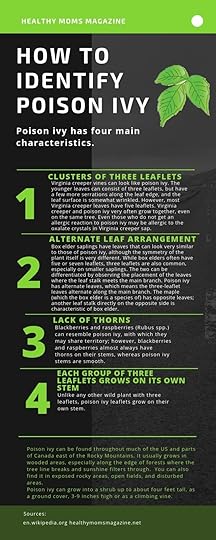
Poison ivy has four main characteristics.
clusters of three leaflets
alternate leaf arrangement
lack of thorns
each group of three leaflets grows on its own stem
Toxicodendron radicans can be found throughout much of the US and parts of Canada east of the Rocky Mountains. It usually grows in wooded areas, especially along the edge of forests where the tree line breaks and sunshine filters through. You can also find it in exposed rocky areas, open fields, and disturbed areas.
Poison ivy can grow into a shrub up to about four feet tall, as a ground cover, 3-9 inches high or as a climbing vine.
What does poison ivy look like on the skin?
When urushiol from the toxicodendron radicans plant comes in contact with the skin it can cause severe itching. After that red bumps appear on the skin. These bumps then turn into large painful blisters.

Urushiol induced contact dermatitis from toxicodendron radicans.
What are the early signs of poison ivy?
The rash often does not appear until 12-72 hours after you come in contact with urushiol. The first sign is itchy skin. After that, you develop redness or red streaks. The red streaks then turns into hives and swelling. After the swelling you will experience an outbreak of small or large blisters, often forming streaks or lines. Once the blisters burst your skin will begin to crust.
How do you treat poison ivy?
Blisters from the poison ivy rash may be treated with calamine lotion , Burrow’s solution
 compresses, dedicated commercial poison ivy creams
 , itch creams
 or baths. Over the counter products can help ease the itching. Dermatologists are now recommending oatmeal baths and baking soda.
There is a new plant based remedy used to treat urushiol-induced contact dermatitis. This remedy is called jewelweed . Mash made from the living plant is effective in reducing urushiol dermatitis.
How long does it take for poison ivy to go away?
The rash should go away in a few weeks. If it takes longer or you or your child experiences severe swelling go and see a doctor right away. If you have trouble breathing or swallowing, go to an emergency room immediately.
Is poison ivy contagious?
The poison ivy rash is not contagious and it does not spread.
Conclusion
If you or your child comes in contact with toxicodendron radicans don’t panic. The rash is treatable and will go away in a few weeks. There are several different creams on the market that you can use on the blisters. Most urushiol-induced contact dermatitis cases do not require a doctor’s visit.
.fb_iframe_widget_fluid_desktop iframe {
width: 100% !important;
}

The article Poison Ivy Rash – Symptoms, Causes and Treatment by Cascia Talbert appeared first on Healthy Moms Magazine.
June 15, 2019
How CBD Can Make Parenting A Breeze
by Guest Author
How CBD Can Make Parenting A Breeze
With all the controversy over making recreational marijuana legal throughout the states, many people may not have heard about CBD oil. At first, CBD hit the market by storm, but it is no longer as controversial an issue.
However, that doesn’t mean CBD isn’t something to talk about. In fact, CBD has been proven to have so many health benefits, and it can even help you to be a better parent.
What is CBD?
CBD is called cannabidiol. It is a complex chemical called a cannabinoid that is derived from the flowers of both hemp and marijuana plants. It cannot get you high and is not marijuana! CBD is extracted from the plant and has trace amounts of THC (the chemicals that gets you high). Thus, it is legal in most states. CBD can be taken in the following ways:
Ingesting Full Spectrum CBD
Vaping
Smoking
Eating gummies
Topically
In pill form
We have cannabinoids in our own bodies that help keep our bodies in homeostasis. These cannabinoids are found in our Endocannabinoid system in which there are two cannabinoid receptors.
CBD is much like the cannabinoids in our bodies. It works with the same receptors to allow a plethora of benefits. However, those dose of CBD is different depending on which benefit you are seeking. CBD Oil : Information for Busy Moms is a great read that will give you more insight on CBD and how to take it.
How CBD can Help You be a Better Parent
Being a parent can be one of the most rewarding as well as one of the most challenging jobs you will ever have. Sometimes, the stresses of life drag us down, keep us tired, give us anxiety, and ultimately make us feel like bad parents. Although you aren’t a bad parent, these stresses can make it seem like you are.
However, you can become a better parent with the help of CBD. Here is how CBD can help you be a better parent:
It Alleviates Anxiety
When we have anxiety, it can make us lash out on others, especially our children. Anxiety can also make us fearful of allowing our children to explore the world around them. Sometimes, anxiety is good, but if you are having anxiety on a daily basis, it may be difficult to parent the way you would like to. CBD has been effective in helping people with anxiety as well as social anxiety. Eliminating your anxiety can help you relax and be a better parent.
It Combats Depression
As a parent, there is such a thing as postpartum depression. However, if you are a father, you can also suffer from paternal postnatal depression. Depression makes it hard to parent, hard to get things done that need done, and can just be downright unbearable. Research has found that CBD can be comparable to tricyclic medication imipramine which is an antidepressant. However, CBD gives you a more organic way to feel happy.
It Helps with Menstrual Cramps
We all know that when “Aunt Flo” comes to town, we kind of turn into the Incredible Hulk and see red more often than not. I mean, you bleed for 7 days and don’t die; that would make anyone a little moody. With hormonal changes, pain, and just feeling yucky, you may not feel like being the best parent in the world. CBD at its core reduces inflammation thus alleviating some of your menstrual pain. CBD does this by inhibiting COX-2 which helps reduce inflammation in the body.
It Helps With Sleep
Let’s face it; children do not like to let us parents sleep. Whether they are little or they are teenagers who aren’t back in time for curfew. Of course, when you don’t get enough sleep, you get cranky, irritable, and can be a less than perfect parent. What is more is when you feel tired and sluggish throughout the day, you don’t burn enough energy to help you sleep well the next night, thus, the cycle continues.
However, CBD can help make sleep come easier as well as combat the daytime sleepiness that causes you to be irritable. You will want to take CBD in a small dose throughout the day and then increase the dose at night to induce sleep. This will help get your sleep rhythm back in balance.
Conclusion
Keep in mind that no matter how you feel, you are a good parent. CBD is only there to help alleviate symptoms that may make us feel less than a good parent. Anxiety, pain, and lack of sleep can make us all less than perfect. But, CBD can help combat some of the symptoms we have while parenting to help us feel better and thus be a better parent.
If you are thinking about trying CBD, be sure to talk to your doctor to make sure it is best for you.
Have you tried CBD? How did it make you feel? We would love to know your results in the comments below!
.fb_iframe_widget_fluid_desktop iframe {
width: 100% !important;
}
The article How CBD Can Make Parenting A Breeze by Guest Author appeared first on Healthy Moms Magazine.
June 14, 2019
How to Pray the Rosary
Why We Need to Pray the Rosary
During these dark times we need prayer more than ever. Satan has taken control of the culture here in America. What is wrong according to the bible and the teachings of Jesus has become okay and good. I believe this is the work of Satan or the Antichrist and we are indeed in the Last Times.
Jesus’ return is near but we will not know the exact day. “But of that day or hour no one knows, not even the angels in heaven, nor the Son, but the Father alone” (Mk 13:32).” We still need to be prepared and Mary warned us that the end of times is near when she sent messages to Fr. Stefano Gobbi. These messages are published in the book, “To the Priests Our Lady’s Beloved Sons .”
.”
On December 31, 1992 Mary said, “With docility, allow yourselves to be taught by me, beloved children. On this last night of the year, gather together in prayer and in listening to the word of your heavenly Mother, the Prophetess of these last times.”
“Do not spend these hours noisily or in dissipation, but in silence, in recollection, and in contemplation.”
“I have announced to you many times that the end of the times and the coming of Jesus in glory is very near. Now, I want to help you understand the signs described in the Holy Scriptures, which indicate that his glorious return is now close.”
“These signs are clearly indicated in the Gospels, in the letters of Saint Peter and Saint Paul, and they are becoming a reality during these years.”
Mary goes on to describe five signs that the end of time is near.
The First Sign
The first sign is the spread of errors, which lead to the loss of faith and to apostasy. She explains that there will be false teachers of the faith. This is already in our culture today. People claiming to be Christians believe that teaching our children that it is okay to be attracted to the same sex is the right thing to do. Many of these same people also claim that it is moral and good for a woman to kill her unborn baby if she isn’t ready to raise a child. They also say that if a teenage boy identifies as a girl he should be allowed in the girl’s locker room and play on girl’s sports teams. All of this is against Jesus’ teachings and the teachings of the true Christian Church.
The Second Sign
The second sign described by Mary is the “outbreak of wars and fratricidal struggles, which lead to the prevalence of violence and hatred and a general slackening off of charity, while natural catastrophes, such as epidemics, famines, floods and earthquakes, become more and more frequent.”
The rise of natural disasters and wars are supposed to happen as the end of times draws near. We have been at war with radical Islamic terrorists since 2001. There are floods in the Midwest and massive tornadoes hit in Ohio this year. Just think about all the big Hurricanes we have had over the past twenty years. They are getting stronger and more powerful. These are all signs that Mary told us to look for.
The Third Sign
The third sign is the bloody persecution of the faithful followers of Jesus. Christians are being persecuted all over the world. Most of the countries where it is the most dangerous for Christians today either have an Islamic government or are under Communist rule.
The Fourth Sign
The fourth sign is “the horrible sacrilege, perpetrated by him who sets himself against Christ, the Antichrist.” Mary explains that this Antichrist will exalt himself against everything that men adore and call God. He will come by the power of Satan and perform false miracles and pretend wonders.
Mary explains further, “One day, you will see in the holy place (probably our churches and places of worship) he who commits the horrible sacrilege. The prophet Daniel spoke of this.”
“Now from the moment that the daily Sacrifice (the Holy mass) is abolished and the horrible abomination is set up, there shall be one thousand two hundred and ninety days. Blessed is he who waits with patience and attains one thousand three hundred and thirty-five days.”
She continues, “The Sacrifice of the Mass renews that which was accomplished by Jesus on Calvary. By accepting the Protestant doctrine, people will hold that the Mass is not a sacrifice but only a sacred meal, that is to say, a remembrance of that which Jesus did at his Last Supper.”
Mary is saying that the Protestant doctrine will take over the faithful and the Holy Mass will be suppressed for three and a half years. Catholics still celebrate Mass every single day. I don’t believe we have witnessed the fourth sign yet.
The Fifth Sign
The fifth sign consists in extraordinary phenomena, which occur in the skies. Mary states, “The sun will be darkened, and the moon will not give its light; and the stars will fall from the sky; and the powers of the heavens will be shaken.” We have not reached the fifth sign yet.
The Rosary is our weapon against the evil of the Devil and with Mary’s intersession she can protect us during these last times. The closer we get to the end of times the stronger the Devil will be. We need to pray the Rosary every single day.
How to Pray the Rosary According to Loyola Press
“In his 2002 apostolic letter Rosary of the Virgin Mary, Pope John Paul II (Saint John Paul II) wrote that the Rosary could take on a variety of legitimate forms adapted to different spiritual traditions and different Christian communities. ‘What is really important,’ he said, ‘is that the Rosary should always be seen and experienced as a path of contemplation.’ ”
“The rosary consists of a string of beads and a crucifix. To pray the Rosary, we hold the crucifix in our hands as we pray the Sign of the Cross and the Apostles’ Creed.”
“Following the crucifix is a single bead, a set of three beads, and another single bead. We pray the Lord’s Prayer as we hold the first single bead and a Hail Mary at each bead in the set of three that follows. Then we pray the Glory Be to the Father. On the next single bead, we think about the first mystery and pray the Lord’s Prayer.”
“There are five decades, or sets of ten beads. We pray a Hail Mary on each bead of a decade as we reflect on a particular mystery in the end of each set. Between decades is a single bead on which we think about the next mystery and pray the Lord’s Prayer. In some places it is traditional to pray the Hail Holy Queen after the last decade. We end by holding the crucifix as we pray the Sign of the Cross.” Excerpt taken from Catholic Prayer for Catholic Families .
.

Image courtesy of Loyola Press
The Mysteries of the Rosary
“When we pray the Rosary, we reflect on the mysteries or special events in the lives of Jesus and Mary. Mary is Jesus’ mother and our mother- the Mother of the Church. When we pray the Rosary, we walk with Mary through certain events in Jesus’ life. Some of the events are happy, some are exciting, and others are sad, just as events in our lives are.”
The Church has traditionally used three sets of mysteries- the Joyful, Sorrowful, and Glorious Mysteries. In 2002 Saint John Paul II instituted the first changes o the Rosary in nearly 500 years. He added a fourth set of mysteries, called the Mysteries of Light or the Luminous Mysteries, to the Rosary. These new mysteries focus on the public life of Jesus. They include his baptism, his first miracle, his proclamation of the Kingdom of God, the Transfiguration, and the institution of the Eucharist.”
“According to the suggestion of Pope John Paul II, the four sets of mysteries might be prayed on the following days:
the Joyful Mysteries (on Monday and Saturday)
the Sorrowful Mysteries (on Tuesday and Friday)
the Glorious Mysteries (on Wednesday and Sunday)
the Luminous Mysteries (on Thursday)”
Excerpt taken from Catholic Prayer for Catholic Families.

Pray the Rosary every day alone or with your family. Explain to your children why we pray the Rosary and how Mary can help us with our prayers.
.fb_iframe_widget_fluid_desktop iframe {
width: 100% !important;
}

The article How to Pray the Rosary by Cascia Talbert appeared first on Healthy Moms Magazine.
June 10, 2019
The Fanny Factory Encourages Everyone to #BringBackThePack this Summer
The fanny pack, also known as a belt bag or belly bag is a small pouch worn around the waist with a belted strap. Fanny packs are secured with a buckle. Sometimes the straps have tri-glide slides which makes them easy to adjust to fit.
History of the Fanny Pack
Fanny packs have been historically warn in the front so people could protect themselves from thieves. Bags attached to belts have been warn for centuries. The Native American buffalo pouch was used instead of sewing pockets into clothing. Buffalo pouches were also warn on the wrist and around the neck. In Medieval Europe a belt pouch was warn before clothing had pockets. The Scottish sporran is another belted pouch that is still used today because kilts do not have pockets.
A more modern fanny pack was introduced in the 1980’s. These packs were made from synthetic materials and increased in popularity in the 1990’s.
My Experience with Fanny Packs
When I was a kid growing up in the 1980’s and 90’s, everyone had a fanny pack. If you were heading out to an amusement park or another crowded place you took your fanny pack with you. They were convenient and easy to put on and take off. All you needed to do was strap it around your waist and snap the buckle.
Back then most fanny packs had one or two pouches for your valuables. You had a place for your wallet or money and another one for your car keys. We didn’t have cell phones
 in the 80’s and 90’s, so two pouches was enough.
Fanny Packs in 2019
Fast forward to today. Our lives are much more busier than they were in the 1980’s and 90’s. We are always on the go and need everything to be ready for us now. We rely on technology in order to get through the day. Our calendars are on our cell phones. We have to create a schedule because our time is precious.
Along with organizing our time we need our things organized. Busy moms have cell phones, car keys, snacks for the kids, band aids, sunscreen, bug spray and anything we might need while out with our kids. The big “mom bag” is bulky, heavy and just out of style. We need something smaller, hip and convenient.
The Fanny Factory understands our needs and has introduced a new line of stylish and affordable fanny packs.
“The fanny pack is probably the most polarizing fashion accessory out there. Visions of embarrassing parentals come to mind at the very mention. But the fanny pack can be more than your dad’s conveniently functional Disneyland accessory. It can be cool, cute, fun and even fancy.
Here at Fanny Factory, we’re reclaiming the fanny pack by taking its best features and making them better. And then punching up the style factor with awesome trendy patterns and prints.
Wear a fanny pack and enjoy:
Convenience. Fanny packs let you live the hands-free life by awesomely strapping around your waist or your upper body. Your body does the carrying for you. Just ZIP, CLIP and GO! #Freedom
Efficiency. Get at your stuff easily with one hand – no more digging around the depths of your purse
 for your keys. Plus with our 5 separate zipped compartments, everything has its own place and you can easily organize.
Comfort. Our fanny packs are lightweight and sit easily on the body. Hot weather and crowds are no match for the fanny pack!
Security. Fanny Factory straps have a side-release buckle so you’re extra secure (no one can sneak up on you from behind to unclip your fanny!)
Fabulosity. This may not 100% be a word, but it’s a thing. When you rock a Fanny Factory fanny pack you are making a bold and fabulous fashion statement. You go girl. #OnFleek,” FannyFactory.com.
What I Love About Fanny Factory Fanny Packs
They are the perfect size.
I can carry everything I need, money, credit cards, cell phone and emergency items for my kids. Fanny Factory fanny packs have four different pockets to organize all my things. But, it isn’t big and bulky like backpacks are.
The Fanny Factory has cute styles.
Fanny Factory fanny packs are made from a durable water-resistant fabric. They also come in a variety of bright prints.
They are high quality.
Fanny Factory fanny packs come with premium YKK zippers and a YKK buckle, plus 600D polyester fabric that’s both water-resistant and washable.
Fanny Factory fanny packs are lightweight and comfortable.
I use my Fanny Factory fanny pack when I go out for a run. I place my cell phone in the front pocket and off I go. It is light and secure around my waist.
They are affordable.
You can purchase a Fanny Factory fanny pack for only $20 at fannyfactory.com. They also offer free shipping. Healthy Moms Mag readers can get 25% off by using the promo code MOM at checkout.
You can also follow the Fanny Factory on Instagram @fannyfactory. Post your Instagram photos of you with your fanny pack using the hashtag #ShowUsYourFanny.
We are also giving away a free fanny pack to one lucky Healthy Moms Mag reader. Enter through Rafflecopter below.
.fb_iframe_widget_fluid_desktop iframe {
width: 100% !important;
}
The article The Fanny Factory Encourages Everyone to #BringBackThePack this Summer by Cascia Talbert appeared first on Healthy Moms Magazine.
June 7, 2019
5 Tips To Help A Child With Limb Amputation
by Guest Author
Raising a child is rewarding. But as much as it is rewarding, it can be very challenging, stressful, busy, and so on. You have to help your child along the way as they grow, mature, and navigate life’s obstacles.
For some parents, those obstacles involve medical issues. Children that are diagnosed will illnesses or disabilities have a life changing road ahead. And their parents will need to be there more than ever before, even more so for a child with a limb amputation.
It can be difficult mentally and monetarily for parents as well. According to a law firm that specializes in limb amputation cases, “If you or a loved one have undergone limb amputation, you know that the medical costs associated with surgery and recovery are incredibly high.” Here you can learn more.
A child growing up without a limb raises a lot of questions for parents. Will they injure themselves further? How will they interact with other Children? Will they still be confident? Will they be bullied? And the questions are endless.
To help, we compiled a short list of tips to help a child with a limb amputation. Let’s dive in!
1. Get ready to handle the situation
At any age, losing a limb is a major life situation and adjustment, for children and adults. And the same goes for a child and parent. Life is altered the day the limb is lost. This is why it is important to be ready for the situation in a very positive way, regardless of the mental exhaustion and stress you may feel. The more prepared you are, the easier it will be for your child. One of the best ways to get prepared is to read books and join groups about limb amputation, especially if you can find them for parents.
2. Practice makes perfect
To make it easier for your child’s transition into life without a limb, practice the things you will be doing the most of in order to make the situation as normal and natural as possible. For example, you can learn everything there is to know about the prosthetic limb your child will use. This allows you to take it on and off easy, clean and maintain it without a problem, thus helping your child feel at ease.
You will also want to practice daily routines with your child, like walking on different types of terrain, opening doors, bathing, and even driving. It is important to discuss the limb amputation with people in your child’s life that he or she connects with daily, like principals, teachers, bus drivers, etc. to share what you know in order to make it even more comfortable for your child.
3. Talk about other children and people
The world can be a very dark place at times, especially for those with a disability. Everyone would like to think that children are accepting and kind to others, but this is simply not the case. This makes it important to discuss the reactions of other children and people with a child with a limb amputation.
Discuss not retaliating with violence if being bullied. Talk about being open about the limb amputation with friends if they have questions. And be sure to communicate that no matter what, they are special and can talk about anything with you. Your child will need strong support, so be there for them every step of the way.
4. Communicate as much as possible
The only way you will know how your child is doing after a limb amputation is to keep those communication channels open. Try to schedule a special evening or day every week to just sit down and have a check-in with your child. Talk about good and bad moments for that week, and ways to solve those problems moving forward.
5. Don’t forget about you
Being a parent of a child with a limb amputation is certainly no easy task. Parenting is hard enough, but when you add a disability, it becomes even harder. This makes it important for you to communicate with someone about your feelings and fears as well. Also be sure to cope with stress in a healthy way, like exercise, yoga, meditation, and other mental and physical ways. Your child relies on you, so be ready to take on the challenge by being healthy yourself.
In conclusion . . .
Dealing with a limb amputation is not easy. But as a parent, you have to take it head on and make it a positive experience for your child the best you can. The above tips are only the tip of the iceberg, but among the most important. Do you have any limb amputation tips for parents? We want to hear from you.
.fb_iframe_widget_fluid_desktop iframe {
width: 100% !important;
}

The article 5 Tips To Help A Child With Limb Amputation by Guest Author appeared first on Healthy Moms Magazine.


