M.K. Dymock's Blog, page 3
September 27, 2021
5 Tips for Your First Backpacking Trip
Subscribe to the Newsletter
Your first backpacking trip can be daunting: from the right trail to the right back to the right weight, it can be overwhelming. Here are few things I did right, a few I did wrong, and one major mistake I won’t make again.
I’ve been wanting to backpack for years but was overwhelmed at the amount of gear I would need to buy and intimidated by the weight I would have to carry over a long distance. During the last year, after a friend talked me into getting a pack, I but the bullet and went on my first trip. Here’s what went right and what went wrong.
What Went Right1. I did research on what to take and asked a lot of questions at REI. The analytic nerd inside me couldn’t venture into the backcountry without gathering a ton of information. I think I tried on five of six different packs at two different stores before ordering one online (I found one I liked; I just needed a different size). I read several articles on what to take and took out a few things from my pack once I had it all laid out.
I didn’t buy all the gear at once, which gave me time to buy things on sale. The only thing I would’ve done different was go sooner but rent a tent to see what I needed.
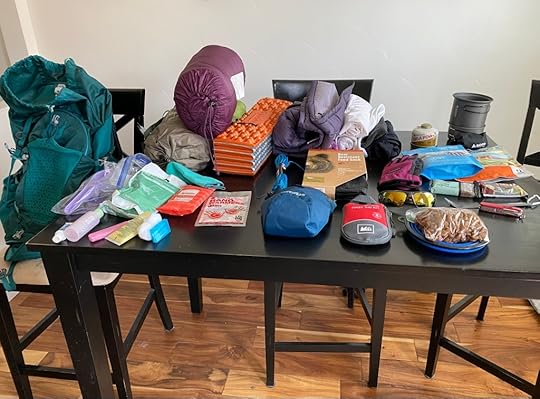 Here is everything I took with me for my first overnight.
 2. I did a very short trip. The Lofty Loop trail through Utah’s Uinta Mountains was only five miles and we camped at the half-way point. I thought the distance was would be super easy but the weight wore me out far more than I anticipated. I was so glad to know I had only a few miles until I could let that heavy pack sink to the ground.
One night was also ideal as I learned how warm my sleeping bag would keep me or not, how much food I would need, and the right amount of water to carry.
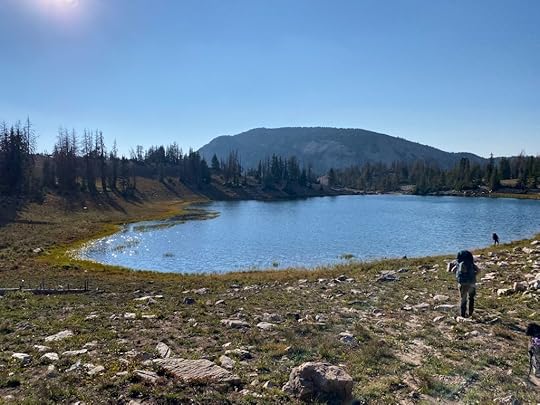 I was so relieved when we landed at Lofty Lake and our planned stop for the night. The trail did have a 1,000-foot climb to get to this point, which happened over a short distance. I should’ve done way more lunges to prepare.What Went Wrong
1. Not Having A Reliable Cook System. I bought a burner with an automatic lighter and was even prepared enough to try it out at home the night before. It worked beautifully and I confidently set it up to cook my freeze dry meals. Unfortunately, no matter how hard I tried, I couldn’t get that stupid to light. Luckily, my friend brought matches and I was able to eat. I will always carry matches from here on out.
While this may not be a problem for your trip, always have some sort of back-up when it comes with food and shelter. You’re not getting far without those items.
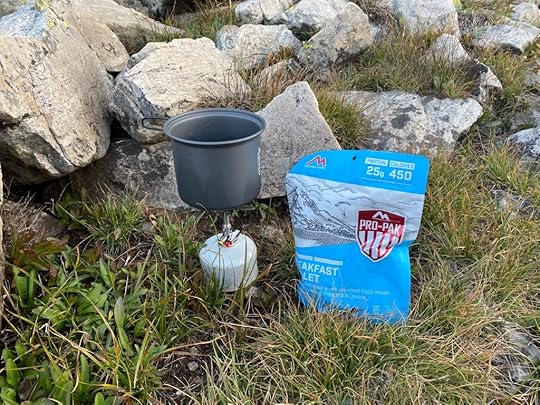 Dried frozen backpacker meals are not the best but they’re super light and filling.
2. Freezing My Tuckus Off. I bought a sleeping bag rated for thirty above, which means forty degrees at best. Well, it ended up in the 20s with the ground and my tent covered in frost. Thank goodness I threw an emergency blanket in the bag, which did help a little. Although, I did spend the night feeling like I was sleeping in tinfoil that crinkled every time I rolled over.
The sleeping mat I bought was ridiculously thin and hard and was returned to REI the next day. I’ve since bought an inflatable mat but it remains to be seen if that is better.
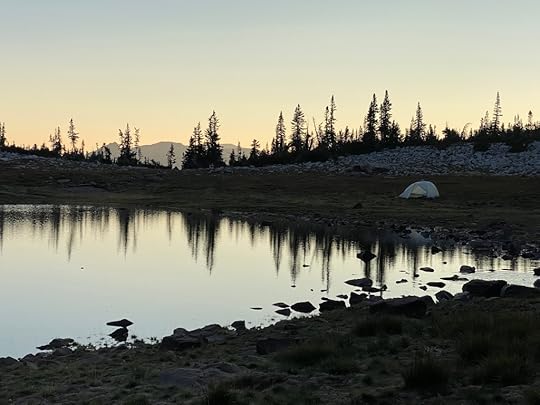 A very cold night awaits.One Mistake I Won’t Make Again
1. Not having a reliable water source. I did buy a water filter off Amazon but when I tried it out at home I couldn’t get the darn thing to work. No problem, I figured, I was only going for one night and could carry in the water I needed. I had no idea how much weight this added until the hike out.
But even worse than the weight was the big mistake I made in the morning. In a hurry to get my water boiling, I failed to screw the cap on tight to my water bladder. It wasn’t until almost all the water had leaked out into the bottom of my pack and through my sleeping bag did I realized my horrible error. Thank goodness I had only planned on one night and could hike out first thing.
I’ve learned my lesson. You don’t take a chance on water. I will always have a reliable filter with me.
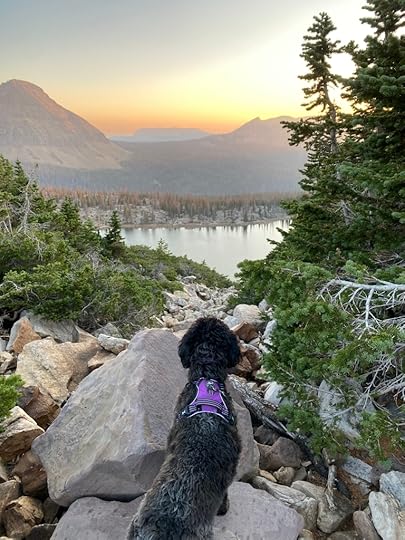 Not only was it my first backpacking trip but it was my dog’s first ever camping trip. She handled things much better than me.
For an outdoor adventure without ever having to get outside, check out the Lost Gorge Mystery series!

Follow on Pinterest here!


August 18, 2021
A Weekend Itinerary for Bear Lake State Park
Subscribe to the Newsletter
Welcome to Bear Lake, Utah, nicknamed the Caribbean of the Rockies. With its sandy beaches and clear blue waters, this oasis in the high mountains is well worth a visit. Escape the heat of the lower valleys by surfing behind a boat, stand-up paddle boarding, and finishing the day with a giant raspberry shake.
Bear Lake State Park encompasses both the main marina and several beaches around the lake. Many of the state parks in Utah are reservoirs, and lakes but Bear Lake is a step up from the rest. These clear blue waters (100 square miles) are caused by limestone and are a remnant of an ancient ocean. Its size alone makes it the the third largest natural lake in Utah, but in contrast to Great Salt Lake and Utah Lake, these waters are clear and inviting. Half the lake actually resides in Idaho, making it home to two state parks.
Another distinct feature of the lake in comparison to many in Utah, is its sandy bottom and shallow waters. You can actually walk fairly far out from the shore, making it a great place for the kids to play, for paddling, and for swimming (check out the local triathlon). The 200-foot-deep center gives boaters plenty of space for the high-adrenaline sports. The area supports abundant wildlife, including bald eagles who feed from the waters.
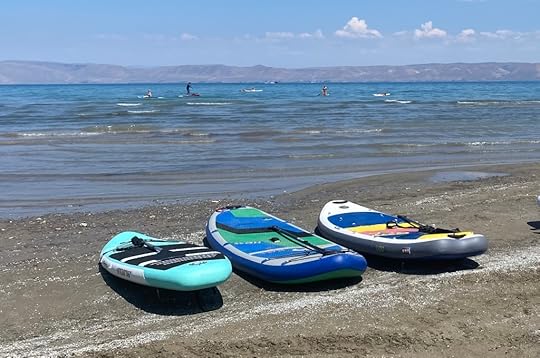
One drawback of this marvelous lake is the cold water temps and limited summer season. At 6,000 feet in elevation, the lake spends much of the year iced over and covered in snow. That’s no problem if you like snowmobiling and ice fishing.
For others, though, it can be a bit of a let down. One professor at Utah State University, which is forty miles down the road, chose working at the school because someone told him about this being the Caribbean of the Rockies. His dreams of cocktails with umbrellas were replaced with snow cones. He had to ask his students wear to buy a coat as he’d prepared for beaches of sand and not snow.
Nearby AttractionsThe weather at Bear Lake can change in an instant, causing the waters to turn dangerous and treacherous. When that happens (or when you’re just plain tired), head to town for some dry land adventures.
Raspberry Shakes (or any other kind you can think of)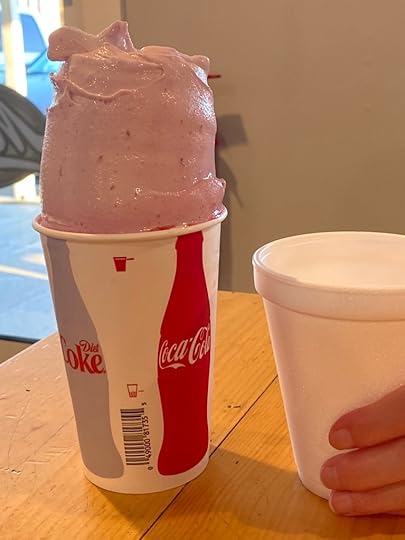
You cannot go to Bear Lake without partaking in something raspberry. The area is known for the fruit (check out Raspberry Days) and you can buy it in a plethora of ways but shakes are the most delicious and the most popular way. Looking for a good place is easy: simply drive down the main road and pullover at one of the several spots each with their own character. We chose Merlin’s because we heard they had amazing cheese fries (and they did) along with sky-high shakes. A local recommended the shakes at the Chevron gas station so you really can’t go wrong.
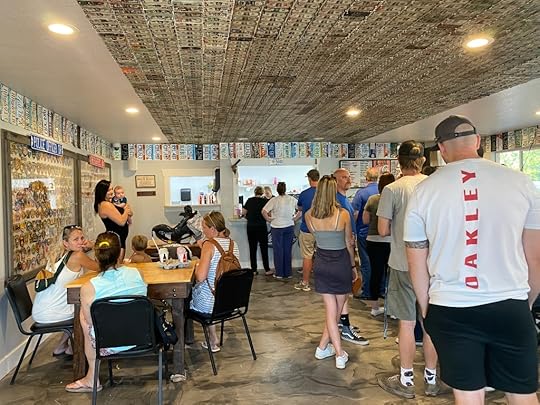 With old license plates and dollar bills signed by customers, the surroundings of Merlins is tourist kitsh at its finest.
If you haven’t had enough sugar, check out the Chocolate Bear for chocolate-covered raspberries and many other delectables. But for an amazing brunch, hit the store at 10 am on Saturday for fresh cinnamon rolls.
Logan Canyon Scenic DriveDepending on what route you take to the lake, you’ll drive through Logan Canyon, a scenic byway. This canyon is home to multiple hikes and a great way to escape the sun. Limber Pine Trail is a family-friendly trailhead with views of the lake and interpretive signs teaching about the nature that abounds. The looped trail passes a 500-year-old limber pine that is actually several trees grown together.
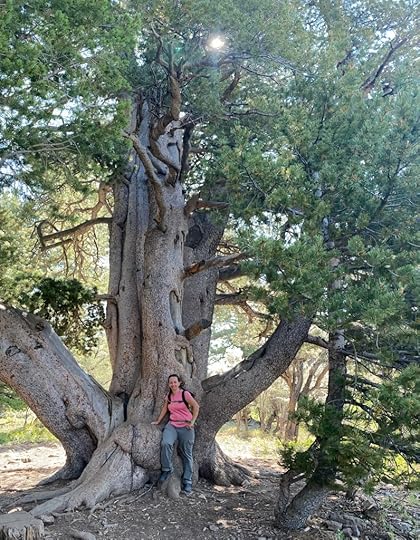 The Limber Pine tree
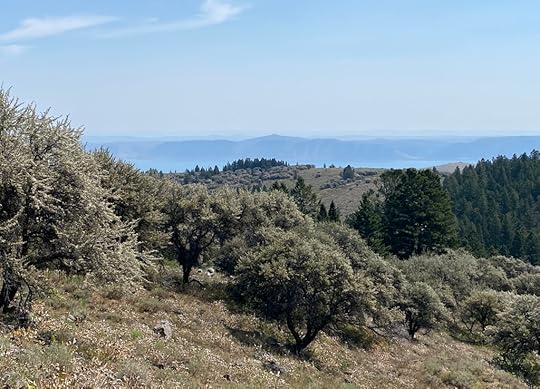 View from the Limber Pine Trail to Bear Lake (unfortunately, this hike was besot by wildfire smoke).Bridgerland Adventure Park
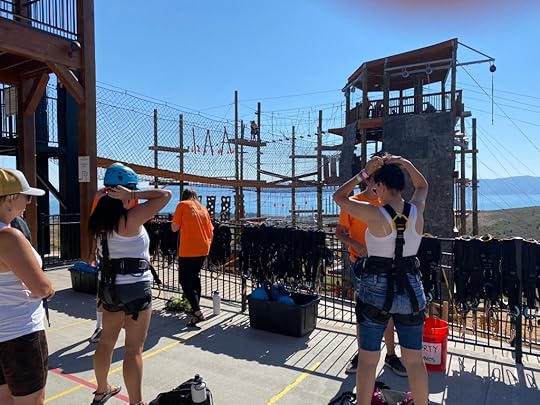
When the winds inevitably pick up in the afternoon, head to Bridgerland Adventure Park. This park contains a ropes course with four levels that is NOT for the faint of heart. Trust me, I felt faint on level one. Luckily, you can pick and choose which level you’re most comfortable with. If the answer to that question is none of them, then you can opt for the giant swings, zip line, or even ax throwing. If you’re on the quiet side of adventure; there is a tube slide, miniature golf course, and children’s train.
For an outdoor adventure without ever having to get outside, check out the Lost Gorge Mystery series!
Follow on Pinterest here!
 Pin here!
Bear Lake State Park
Welcome to Bear Lake, Utah, nicknamed the Caribbean of the Rockies. With its sandy beaches and clear blue waters, this oasis in the high mountains is well worth a visit. Escape the heat of the lower valleys by surfing behind a boat, stand-up paddle boarding, and finishing the day with a giant raspberry shake.
Bear Lake State Park encompasses both the main marina and several beaches around the lake. Many of the state parks in Utah are reservoirs, and lakes but Bear Lake is a step up from the rest. These clear blue waters (100 square miles) are caused by limestone and are a remnant of an ancient ocean. Its size alone makes it the the third largest natural lake in Utah, but in contrast to Great Salt Lake and Utah Lake, these waters are clear and inviting. Half the lake actually resides in Idaho, making it home to two state parks.
Another distinct feature of the lake in comparison to many in Utah, is its sandy bottom and shallow waters. You can actually walk fairly far out from the shore, making it a great place for the kids to play, for paddling, and for swimming (check out the local triathlon). The 200-foot-deep center gives boaters plenty of space for the high-adrenaline sports. The area supports abundant wildlife, including bald eagles who feed from the waters.
One drawback of this marvelous lake is the cold water temps and limited summer season. At 6,000 feet in elevation, the lake spends much of the year iced over and covered in snow. That’s no problem if you like snowmobiling and ice fishing.
For others, though, it can be a bit of a let down. One professor at Utah State University, which is forty miles down the road, chose working at the school because someone told him about this being the Caribbean of the Rockies. His dreams of cocktails with umbrellas were replaced with snow cones. He had to ask his students wear to buy a coat as he’d prepared for beaches of sand and not snow.
Nearby AttractionsThe weather at Bear Lake can change in an instant, causing the waters to turn dangerous and treacherous. When that happens (or when you’re just plain tired), head to town for some dry land adventures.
Raspberry Shakes (or any other kind you can think of)You cannot go to Bear Lake without partaking in something raspberry. The area is known for the fruit (check out Raspberry Days) and you can buy it in a plethora of ways but shakes are the most delicious and the most popular way. Looking for a good place is easy: simply drive down the main road and pullover at one of the several spots each with their own character. We chose Merlin’s because we heard they had amazing cheese fries (and they did) along with sky-high shakes. A local recommended the shakes at the Chevron gas station so you really can’t go wrong.
With old license plates and dollar bills signed by customers, the surroundings of Merlins is tourist kitsh at its finest.If you haven’t had enough sugar, check out the Chocolate Bear for chocolate-covered raspberries and many other delectables. But for an amazing brunch, hit the store at 10 am on Saturday for fresh cinnamon rolls.
Logan Canyon Scenic DriveDepending on what route you take to the lake, you’ll drive through Logan Canyon, a scenic byway. This canyon is home to multiple hikes and a great way to escape the sun. Limber Pine Trail is a family-friendly trailhead with views of the lake and interpretive signs teaching about the nature that abounds. The looped trail passes a 500-year-old limber pine that is actually several trees grown together.
The Limber Pine treeView from the Limber Pine Trail to Bear Lake (unfortunately, this hike was besot by wildfire smoke).Bridgerland Adventure ParkWhen the winds inevitably pick up in the afternoon, head to Bridgerland Adventure Park. This park contains a ropes course with four levels that is NOT for the faint of heart. Trust me, I felt faint on level one. Luckily, you can pick and choose which level you’re most comfortable with. If the answer to that question is none of them, then you can opt for the giant swings, zip line, or even ax throwing. If you’re on the quiet side of adventure; there is a tube slide, miniature golf course, and children’s train.
For an outdoor adventure without ever having to get outside, check out the Lost Gorge Mystery series!
Follow on Pinterest here!
July 18, 2021
5 FREE Family-Friendly Activities Near Disneyland
Subscribe to the Newsletter
It’s that time of year when half of America makes its pilgrimage to Disneyland. After days of standing in lines, tripping over strollers, and buying tickets in the three figures; anyone can use a day off. Here are five free, family-friendly day trips within a short drive of Disneyland.
Griffith Park Observatory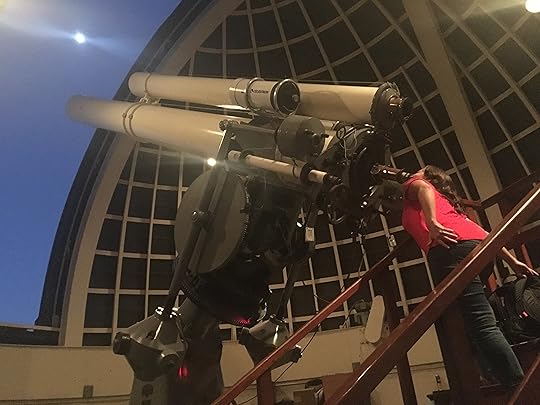
Don’t let the word “park” fool you. This is no neighborhood playground. Griffith Park is 3,000 acres of hiking trails, museums, theaters, a zoo, and enough features to take days to explore. The highlight of this northern L.A. park, is the Observatory (above).
From the Observatory, you can view the Hollywood sign, Santa Monica Mountains, and an amazing sunset over the Pacific Ocean. Inside is a museum, planetarium, and the Zeiss telescope (more people have viewed space through this telescope than any other). The grounds and building are free. There is a short film that requires a ticket purchase, but it’s totally worth it.
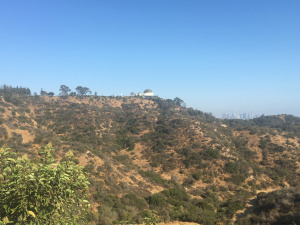 A view of the Observatory from where I had to park.
Check the schedule before you go; several nights during the week they put out telescopes on the lawn and show different star formations. One warning that comes with all L.A. sight-seeing—parking can be a bear. There’s very rarely parking in the actual parking lot, and you’ll have to park down the road a ways and walk in. Wear comfortable shoes and plan extra time.
Several iconic films have been shot here. Show the kids The Rocketeer for a family-friendly glimpse.
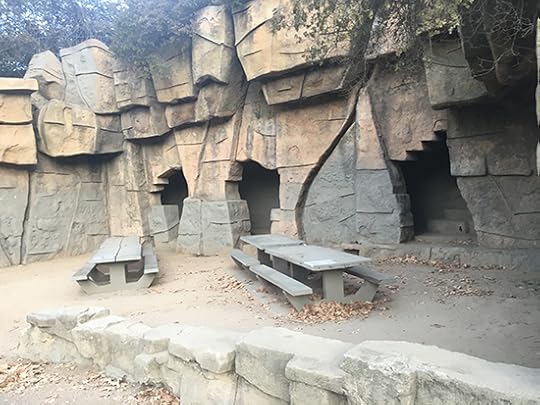
The “Old Zoo” in Griffith Park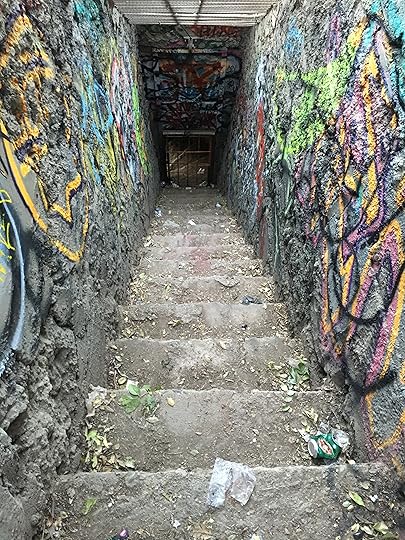
You won’t find this one in any tourist brochure, but it’s a must-see. The zoo originally opened in 1912 and closed during the 60s. In its heyday, it hosted more than 2 million visitors annually; however, it was too small and inadequate to care for the animals properly.
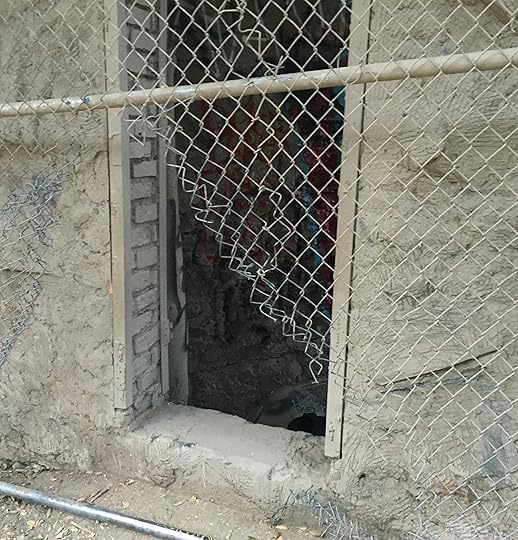
When it closed, many of the cages and enclosures were left. Kids and adults can climb through the remnants and pretend to be locked in cages. Don’t let the graffiti fool you; when I was there families, photographers, and other adventurers climbed throughout. Also, don’t be afraid to push through the hole in the chain link fence, everyone does. The area now is home to a picnic area and several hiking trails.
Look for the Merry-Go-Round; it’s around the corner. To extend your trip, hike the nearby trail to Bee Rock. In the summer, the park hosts Shakespeare in the Park in front of the main enclosure.
 Hike to the Hollywood Sign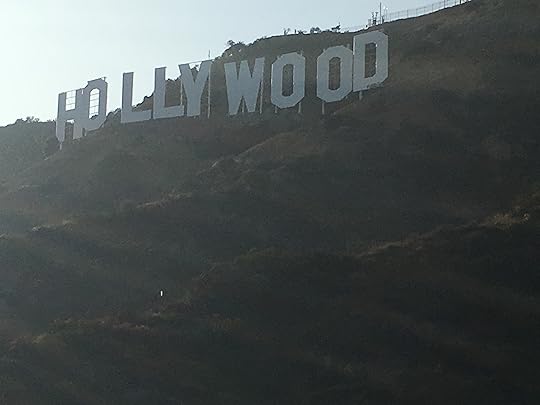
If you want get up and personal to the Hollywood Sign, you’ll have to get out of your car and do some walking. Many trails in the park lead to the sign. Here’s a link to several options. The route I took (Hollyridge Trail) is closed as of this writing, but there are many other ways up.
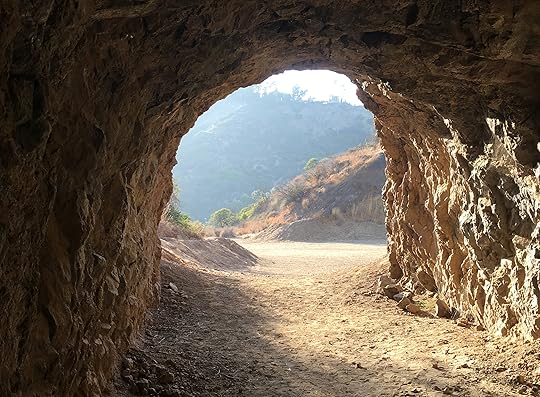
Another fun, albeit longer, option is here. This takes you past the Bronson (Batman Caves). These caves were used in the original Batman TV series.
 Malibu State Creek Park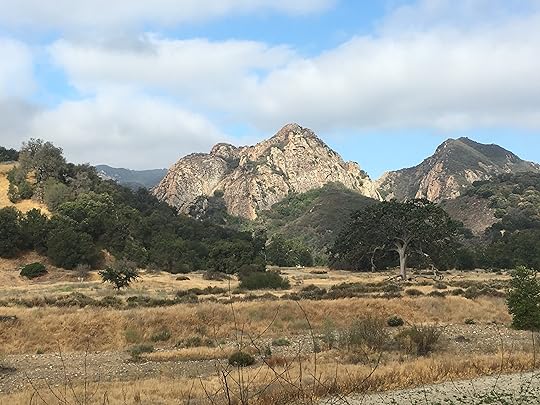
We’re finally leaving Griffith Park to explore more of the northern coast. This park has a lot of fun options for day trip or camping, if you have the time. The land used to be owned by movie studios and was featured in TV shows such as MASH and a multitude of movies.
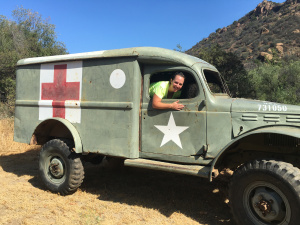
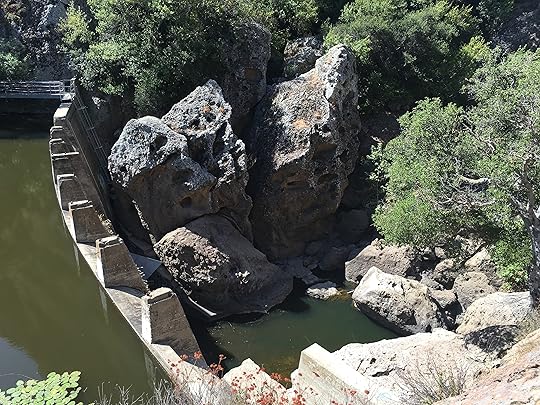
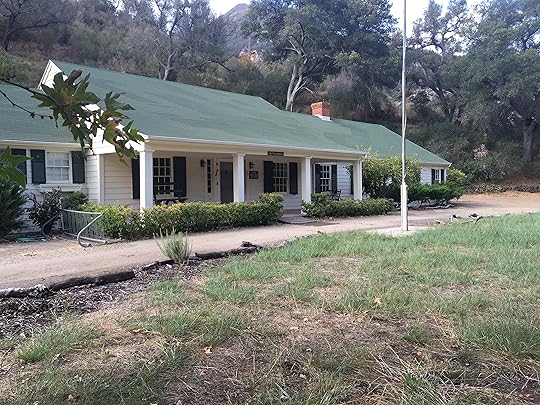
A few pieces of the MASH set remain, like this ambulance. A small museum, only opened a few hours each weekend, is housed in an old ranch house used in several movies. If the kids are too hot for much hiking, not far down the main trail is a beautiful swimming hole called Rock Pool.
There is a small fee to park in the parking lot. (However, and you didn’t hear this from me, if you’re on a budget and don’t mind adding a mile to the hike, there’s another option. You can park on Mulholland Highway and take the South Grassland Trail to where it joins up with the main trails).
If you have an extra hour, down the highway is Paramount Ranch, an old west town, used in many movies and shows. Anyone can wander through the town and some of the buildings (check current conditions as wildfires have taken out much of the area).
 Leo Carrillo State Beach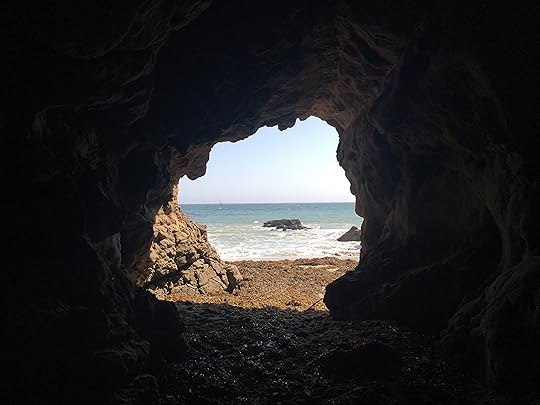
You can’t go to SoCal and not spend a day on the beach, and every beach is definitely not equal. I’ll warn you this beach is a drive from Orange County but totally worth it if you have the day. What makes it worth the trip? First, there’s the drive down the picturesque Pacific Coast Highway (PCH), then there’s lack of crowds once you hit Malibu, but best of all are the caves and tide pools.
When you first pull up to this park, you will be disappointed. Ignore those feelings and get out of the car. The beach, at first blush, looks like a tiny, rocky outlet. Go past the first life guard station, and that’s where it gets fun. At low tide, you can climb through several caves and over the rocks. Beyond that is a huge stretch of beautiful beach where sea lions come to nap. No playground can compete with nature’s wonders.
Once again parking costs money; however, if you get there early you can park along the PCH for free.
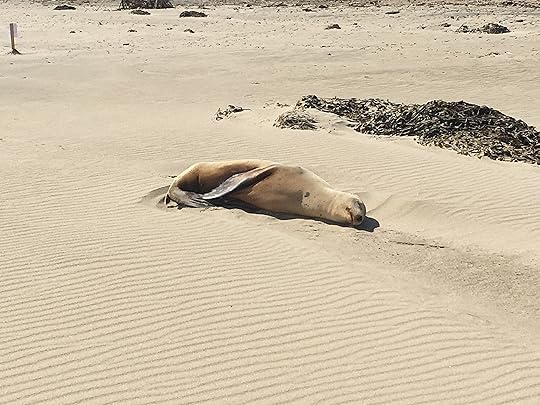
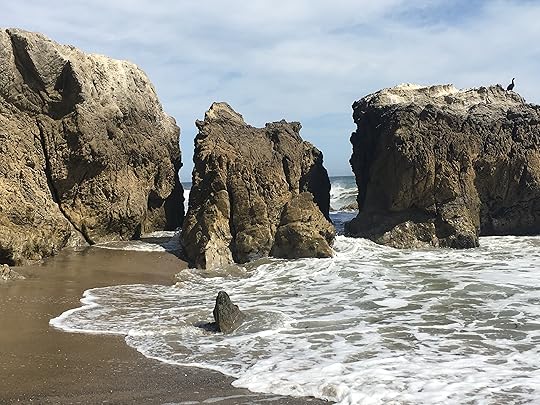
SoCal can be done on a budget and, after a few days at these places, the kids may not want to go back to Disneyland.
For an outdoor adventure without ever having to get outside, check out the Lost Gorge Mystery series!
Follow on Pinterest here!
July 6, 2021
5 Tips to Keep Kids Safe in the Outdoors
Subscribe to the Newsletter
While taking my three nephews on a hike in the wilderness, I asked them what they would do if they got lost. Much to my utter shock and terror, they replied, “run around until we find help.” I had figured these smart and capable boys, the oldest around twelve, would know the most basic safety rule to follow. I learned a very valuable lesson that day.
5. Reteach Them Some Basic RulesNever assume a kid knows the basics of outdoor survival
Some of the rules that we teach children in their day-to-day lives don’t apply or are in opposition of what they should do in the wilderness. How often do we tell them to never talk to a stranger? There are stories of kids lost in the forest who initially ignored the voices of rescuers calling their names because they were scared. The stranger-danger lesson had been drilled into them so much that when they’re hungry, cold, and tired; they default to listen to their subconscious above common sense. Teach them different circumstances require different rules.
4. Play Survival Games at HomeWhen Malachi Bradley went missing in the high Uinta mountains, he had a few things going for him. His father, an avid outdoorsman, had taught him some outdoor skills. And just a week prior, he and a friend had played a game pretending they were lost and practicing some of the skills they’d already learned. They covered themselves with leaves and dirt and built a lean-to during their game, which he found helpful during his night lost. When I was a kid, we would find ditches in our yard and cover them with branches before crawling in—not to mention all the huts we built in the trees.
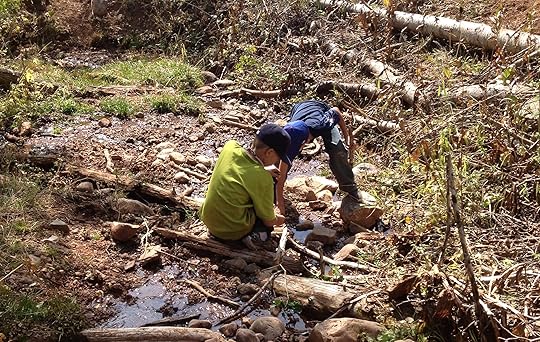 3. Figure Out What They Know and Don’t Know
As I said above, I was stunned to realize my nephews would run around if lost, but it makes sense. If they’re ever lost in a store or at a ballpark, that’s what they would do. Ask what they would do if a friend wanted to go off the trail. What would they do if the trail disappears and they find themselves on something steep? Help them brainstorm how to handle certain situations.
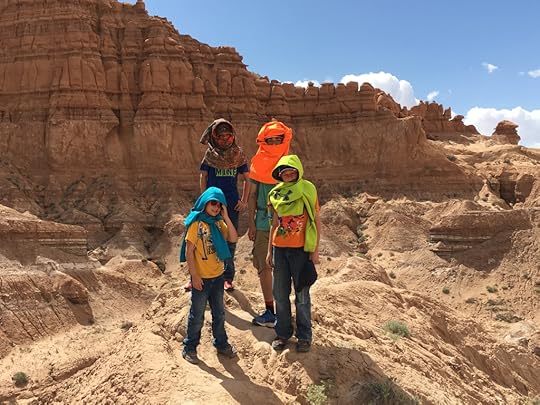 2. Take Photos of the Trail Behind Them
I’ll never forget going on my first long hike as a teenager. While we were with a large group, the length (15 miles) and steepness of the trial had everyone spread out over a long distance. My best friend and I took a shortcut and became convinced we were on the wrong trail (we weren’t). That was the first day I understood how completely different a trail looks coming the opposite way. Now I encourage kids to stop at obvious changes in the trail and have them take a photo—or at least take note of how things look and find some sort of landmark.
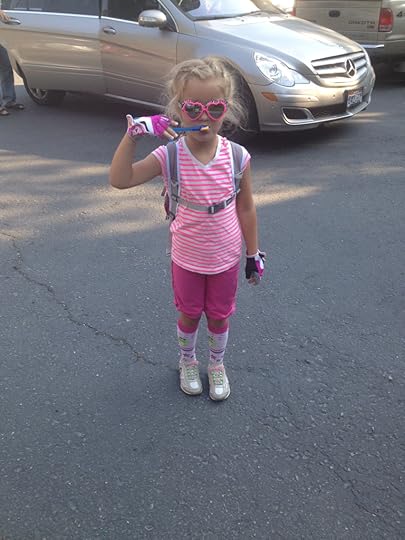 1. Give Them Their Own Pack with Some Survival Tools
Give them a water pack and fill it with snacks and a few survival tools that are age appropriate. Your kids are far more likely to stay hydrated (dehydration is a bigger risk than them getting lost) if they have constant access to water. They can also carry their own snacks (which, let’s face it food is the key to happy kids). If they get separated at all, they have their own food and water.
They can also carry a few band-aids, a small pocketknife (which, you’ve taught them how to use safely), and even this fun accessory—which is a paracord, compass, and fire starter.
A story that still haunts me to this day is that of Garrett Bardsley.
He was out fishing with his father when his feet became wet and he went back to camp to change. The campsite was at the end of a well-established trail and only 150 paces or so away. His father discovered he was missing a mere fifteen minutes later. I don’t know what went wrong that day but it is a remote place with thick growth and a plethora of places to lose oneself. The temperatures that night dropped to 18 degrees.
Garrett never made it back, and his parents are going on twenty years of him being missing. I yearn to tell that little boy to hold still the second he realized he was lost, to wait for one of the hundreds of people who searched for him.
His parents are determined to never let another person go missing in Utah’s wilderness again and have launched a foundation to search for other missing people in the wilderness.
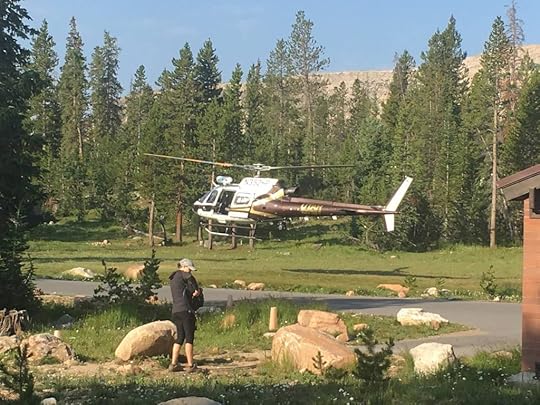 A search and rescue helicopter looking for missing adult Melvin Heaps, who the Bardsley Foundation assisted in looking for. I volunteered in the search as well and saw how ridiculously impossible it would be to find someone lost in the wilderness for a long time. Sadly, Melvin is still out there as well.
For an outdoor adventure without ever having to get outside, check out the Lost Gorge Mystery series!
Follow on Pinterest here!
June 3, 2021
10 Tips for Your First Triathlon
Subscribe to the Newsletter
It takes several triathlons to learn the little tricks of the trade — mostly by either making mistakes or by watching other people. Here’s a few triathlon tips to save you some trouble and help you survive.
10. Even though you might be used to working out without eating, consider eating something before your race. Between driving to the race, setting up your transition area, and waiting for your wave, it could be hours between when you wake up and start the race. Practice eating a few different meals during training to make sure you don’t cramp up. My favorite meal is a whole wheat English muffin, peanut butter, and some apple slices.
9. Try on your helmet before your race. This is especially is important for women who do their hair without thinking about how tight it’s going to be to put on a helmet over a thick braid.
8. Tuck your timing chip under the leg of your wetsuit. At my first triathlon, I left it over my wetsuit and got stuck with my suit almost all the way off. I took the chip off, then forgot to put it back on. I lost four minutes in that transition.
7. Warm up in the water; I can’t stress this enough. A lot of first-timers don’t want to waste extra energy because they’re nervous about the swim. When the starting gun goes off, the shock of the cold water hits and the adrenaline kicks in. With your heart racing, it’s easy to panic. Breathing becomes much more difficult if you’re cold and scared. Go out in the water about ten minutes before and take a few strokes. Pull your wetsuit back and dip in the water, filling your suit with water. Your body will warm up the water and give you additional insulation.
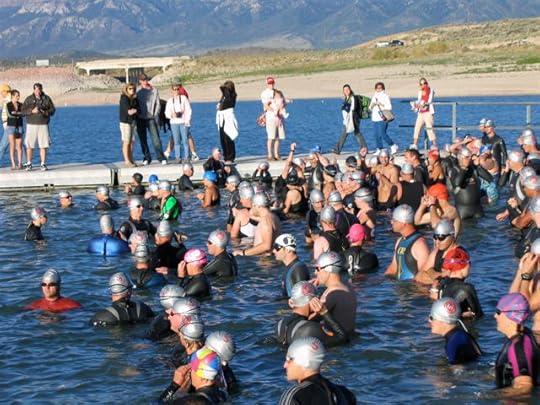
6. During the swim, stop every ten strokes and check your position. I’ve watched people swim the opposite way oblivious to everyone around them. Stay to the back when the gun goes off unless you think you can lead the swim. If you’re a little slower, you’ll have people swimming over the top of you.
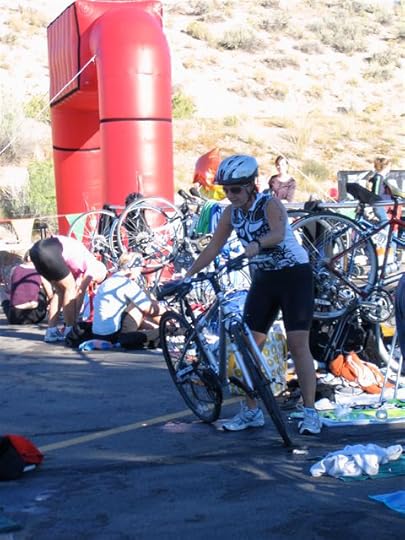
5. If the tri will require you to run through sand, keep a small bucket of water in the transition area to douse your feet in. Wet sand does not rub off.
4. Experiment with energy supplements during your training to find out what works for you. Some people tape energy packets to their handle bars and rip the tips off. I’ve tried this but mine always fall off. I’ve also given up on liquid packs because I end up sticky all over and waste way too much time trying to wash my hands off with my water bottle while trying to bike. Now I use the chewy energy blocks.
3. Bike with no socks. It’s too difficult to put dry socks on wet feet.
Remember the worst part of the run is the first half mile when your body still thinks it’s on a bike. It does get better, just keep moving.
2. Try to smile when you cross the finish line even if you’re about to throw up. You’ll want those pictures.
1. Last of all, don’t make a decision about your next tri the day of your first. Eventually the pain will fade and you will want to do it again.
For an outdoor adventure without ever having to get outside, check out the Lost Gorge Mystery series!
Follow on Pinterest here!
May 12, 2021
10 Things Never to Tell Someone at the Finish Line
Subscribe to the Newsletter
To celebrate my first race in five years (thanks to injuries, job changes, and COVID), I compiled a list of the absolute worst things to say to someone as they cross the finish line at a race. Here are a few favorites, many of which have been said to me.
10. Maybe running/biking/swimming just isn’t your thing.
9. Times aren’t everything.
8. What went wrong out there?
7. Did you see that eighty-year-old ahead of you?
6. Does this mean we can go home now?
5. Is it finally out of your system?
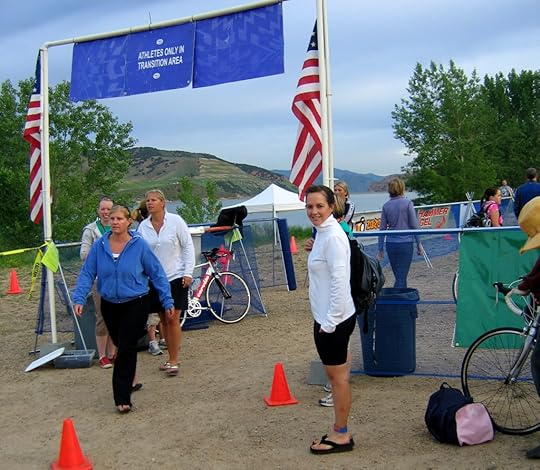
4. Maybe you should train harder next time.
3. They’re out of the cookies.
2. It’s good you’re done; they’re starting to take down stuff.
And the number one thing not to say is . . .
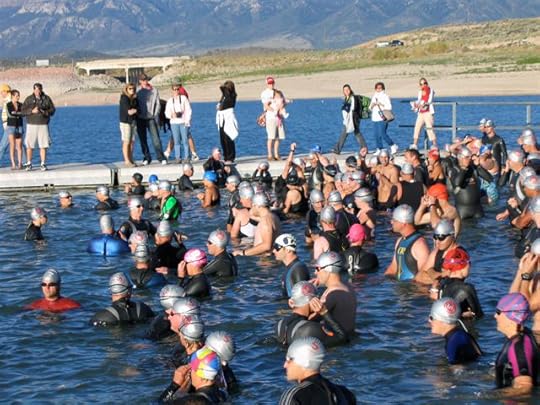
1. This CANNOT be said if you beat the person you’re saying it to. “Good job out there.” Translation: but not as good as me.
Has anyone ever said anything to you at the finish line that you just wanted to slug them for?
April 22, 2021
Bad Inspiration for My Latest Novel
https://www.amazon.com/gp/product/B08...
Sadly, I have been on my fair share of singles trips, which sort of served as inspiration for this book. The difference is that I made this one far more fun and successful.
I went on one singles camp trip with my friend and fellow author, Ellie Thornton. https://www.goodreads.com/author/show....
We thought we were in for a fun weekend of camping with other singles. What we ended up at was a spiritual retreat for divorced people. Neither one of us are divorced so it made for some awkward days.
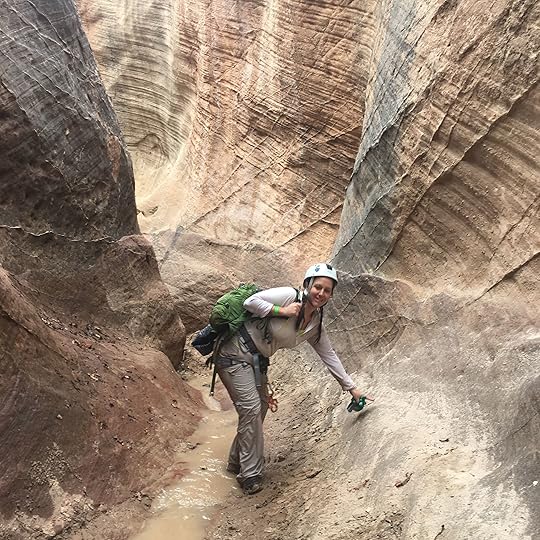
At another camp, I went canyoneering down what was supposed to be a beginner rappel. It wasn't and I ended up swinging upside down under a waterfall and slamming into a rock wall. Below is a shot of me covered and mud and trembling in terror. I had eleven more rappels to go. Not my flirtiest nor my prettiest singles outing.
April 13, 2021
The Abandoned Zoo in Griffith Park
Subscribe to the Newsletter
In the vicinity of Los Angles County, lies Griffith Park, one of the largest urban parks in the country. Its 4,700 acres is home to an observatory, museum, zoo, several hiking trails, and the iconic Hollywood sign. But the most peculiar part is the abandoned zoo, a photographer’s dream.
The zoo opened in 1912 but was abandoned in the 60s in favor of a new home a few miles away. The zoo opened with 15 animals donated from a movie studio. As the animal collection grew but the zoo didn’t, it was criticized for being too small and rundown to house the animals properly. After the move, much of the zoo was torn down but some cages and enclosures still exist.
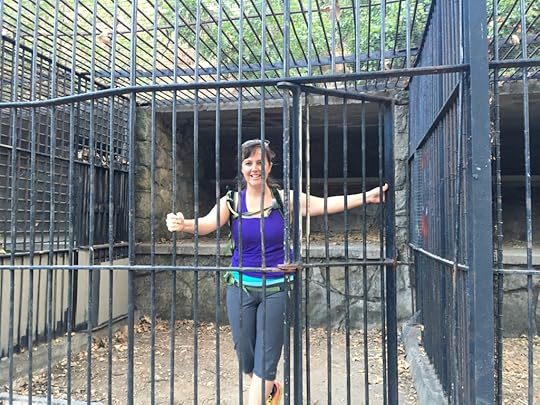 Be sure to snap of photo of you (or preferably your kids) in one of the many cages.
Although I hate to admit it, since I feel like the graffiti in the photos ups my street cred, it’s not a sketchy place to visit. The area was filled with families and photographers crawling through the cages. Not to mention, during the summer the lawn in front of the zoo hosts Shakespeare in the Park. Nothing kills the danger vibe like actors shouting lines like, “A horse! a horse! my kingdom for a horse!” in English accents.
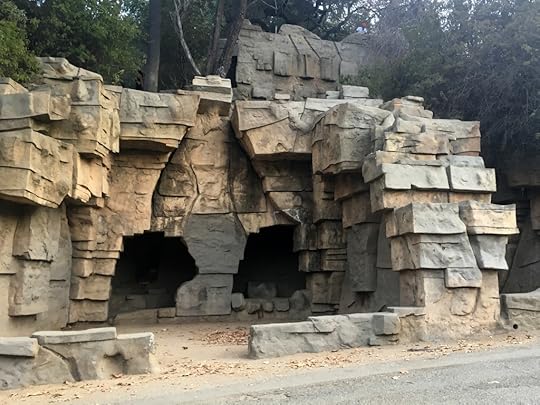 The front of the old Zoo and where Shakespeare in the Park occurs. Sadly, this is behind the audience and not where the actors perform.
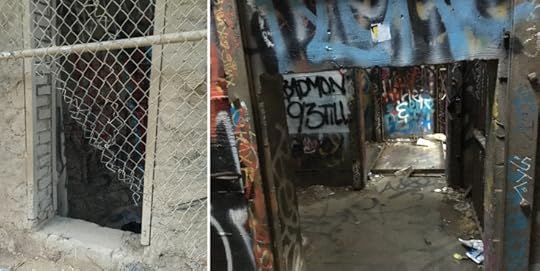 To get into the backside of the zoo and the more interesting tunnels, I climbed through this chain link fence.
 If you want to make a visit to the zoo into a hike, Bee Rock (approx. 2 miles) is a short trail that climbs to a graffitied rock overlooking the valley. The trailhead is past the zoo and, while it’s a good climb, it’s an easy hike. The directions I got for the trail didn’t quite jive with what I found and I know some people who got lost (there are a maze of trails in Griffith Park that all look the same). I just plugged Bee Rock into my Google Maps and it took me most of the way (the last little bit was easy to find). The trail borders the old fence line of the zoo.
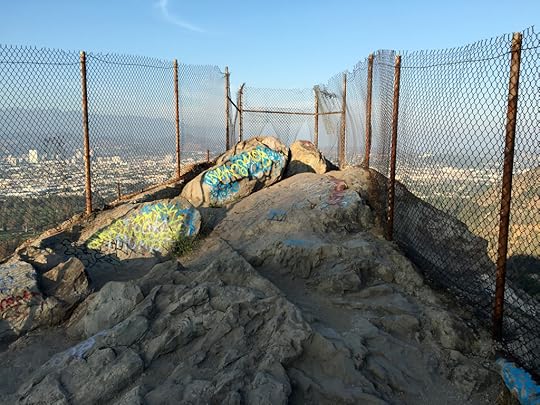 Bee Rock offers views of L.A. County.
For an outdoor adventure without ever having to get outside, check out the Lost Gorge Mystery series!
Follow on Pinterest here!
 Pin here!
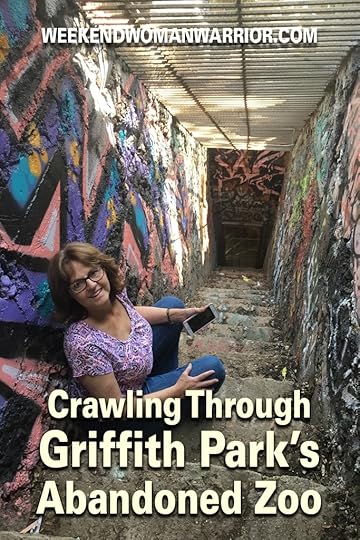 Pin here!
Crawling through the Abandoned Zoo in Griffith Park
Subscribe to the Newsletter
In the vicinity of Los Angles lies Griffith Park, one of the largest urban parks in the country. Its 4,700 acres is home to an observatory, museum, zoo, several hiking trails, and the iconic Hollywood sign. But the most peculiar part is the abandoned zoo, a photographer’s dream. The zoo opened in 1912 but was abandoned in the 60s in favor of a new home a few miles away.
The zoo opened with 15 animals donated from a movie studio. As the animal collection grew but the zoo didn’t, it was criticized for being too small and rundown to house the animals properly. After the move, much of the zoo was torn down but some cages and enclosures still exist.
Be sure to snap of photo of you (or preferably your kids) in one of the many cages.Although I hate to admit it, since I feel like the graffiti in the photos ups my street cred, it’s not a sketchy place to visit. The area was filled with families and photographers crawling through the cages. Not to mention, during the summer the lawn in front of the zoo hosts Shakespeare in the Park. Nothing kills the danger vibe like actors shouting lines like, “A horse! a horse! my kingdom for a horse!” in English accents.
The front of the old Zoo and where Shakespeare in the Park occurs. Sadly, this is behind the audience and not where the actors perform.To get into the backside of the zoo and the more interesting tunnels, I climbed through this chain link fence. If you want to make a visit to the zoo into a hike, Bee Rock (approx. 2 miles) is a short trail that climbs to a graffitied rock overlooking the valley. The trailhead is past the zoo and, while it’s a good climb, it’s an easy hike. The directions I got for the trail didn’t quite jive with what I found and I know some people who got lost (there are a maze of trails in Griffith Park that all look the same). I just plugged Bee Rock into my Google Maps and it took me most of the way (the last little bit was easy to find). The trail borders the old fence line of the zoo.
Bee Rock offers views of L.A. County.For an outdoor adventure without ever having to get outside, check out the Lost Gorge Mystery series!
Follow on Pinterest here!