Brian Meert's Blog, page 20
November 12, 2023
Why Buying Instagram Followers is a Really Bad Idea
Would you like to know why buying Instagram followers is a really bad idea?
The pressure to amass a substantial follower count on Instagram is undeniably intense. Hence, many individuals and businesses seek shortcuts to boost their follower count quickly, and one tempting but ill-advised option is to buy Instagram followers. There are several reasons why buying Instagram followers is a really bad idea.
This article will explain why buying fake followers on Instagram is bad.
Reasons You Shouldn’t Buy Fake Instagram Followers

Source: Pixabay
The following are reasons you shouldn’t buy followers to gain a social media presence:
1. Fake engagement, real consequences.You are not acquiring genuine engagement when you buy fake followers on your Instagram account. These followers are often bots or inactive accounts created solely to inflate numbers. While it may temporarily make your profile look more popular, it won’t translate into meaningful interactions, likes, or comments. Instagram’s algorithms are designed to detect fake followers and genuine engagement. So, if your account is primarily filled with purchased followers, it can negatively impact your reach and visibility.
2. Credibility takes a hit.Trust is the currency of social media. Authenticity is what sets apart successful influencers and businesses from the rest. When your followers realize your engagement is artificial, your credibility takes a nosedive. Authenticity builds trust, and trust is what fosters lasting relationships with your audience. Purchased Instagram followers jeopardize this trust and can lead to a tarnished reputation that is challenging to recover.
3. Algorithms are not fooled.Social media platforms, including Instagram, employ sophisticated algorithms to determine content visibility. These algorithms prioritize genuine engagement over fake accounts. When you buy fake followers, the algorithms quickly catch on to your profile’s lack of authenticity interaction. As a result, your content is less likely to appear on the explore pages or in the feeds of real, active users.
4. Risk of account suspension.Engaging in activities such as buying fake follower counts violates Instagram’s terms of service. Your account could face serious consequences, including suspension or permanent banning if the platform detects suspicious behavior. The short-term gain of having a larger follower count is not worth the long-term risk of losing your account altogether.
5. No real ROI.For businesses, the goal of a social media presence is often to drive real business results, such as increased sales or brand awareness. Purchased followers, fake and unengaged, do not contribute to any meaningful return on investment. They can hinder your ability to reach a genuine audience interested in your products or services.
Read more: How to create Instagram highlight covers.
Things To Do Instead of Buying Fake Followers

Source: Pixabay
Below are some tried-and-true strategies that not only boost your follower count but also contribute to building an authentic and engaged audience:
1. Create quality content.The foundation of all successful Instagram accounts is high-quality, engaging content. Take the time to understand your audience and tailor your posts to their interests. Share visually appealing photos, create captivating captions, and consistently deliver content that adds value to your followers’ feeds.
2. Use relevant hashtags.Employ the power of Instagram hashtags to increase the discoverability of your content. Research and use relevant hashtags that align with your content and target audience. Doing this makes your post more likely to appear in searches and explore pages, helping you reach a broader audience organically.
4. Engage with your community.Authentic engagement is key to growing a real and loyal following. Respond to comments on your posts, ask questions in captions, and actively engage with other Instagram accounts in your niche. Building relationships with your followers and fellow Instagrammers fosters a sense of community and encourages other accounts to follow you.
5. Collaborate with other users.Collaborations can significantly boost your visibility on Instagram. Partner with other users in your niche for shoutouts, joint Instagram Lives, or co-created content. Doing this exposes your profile to a wider audience and helps you connect with like-minded individuals.
6. Run contests and giveaways.Hosting contests and giveaways is a fun way to engage your existing followers while attracting new ones. You can encourage participants to follow your account, tag friends, and share your content for a chance to win. This increases your follower count and creates excitement around your brand.
7. Optimize your Instagram bio.Your Instagram bio is your digital business card. Make it count by clearly stating who you are, what you do, and why people should follow you. Use a recognizable profile picture and include a call-to-action that prompts visitors to follow or visit your website.
8. Post consistently.Consistency is key on Instagram. Develop a posting schedule that works for you, whether daily, a few times a week, or weekly. Regular posting keeps your account active and engages your audience, increasing the likelihood of retaining and attracting followers.
9. Promote your Instagram account outside the platform.Don’t limit your promotion efforts to Instagram alone. Share your Instagram handle on other social media accounts, email signatures, and business cards. Cross-promoting across different platforms can bring in followers who may not have discovered you on Instagram otherwise.
ConclusionThere are no shortcuts to genuine success on social media. Buying Instagram followers might offer a momentary boost, but the long-term consequences far outweigh any perceived benefits. Focus on building a real, engaged audience through authentic content, meaningful interactions, and consistent effort. In the end, the quality of your followers will always be more valuable than the quantity.
Do you want to run effective ad campaigns on Instagram? Contact the best Instagram advertising agency.
Frequently Asked QuestionsWhy is buying Instagram followers a bad idea?Buying Instagram followers is a bad idea because these followers are often fake accounts or likely bots. While your follower count may increase, these accounts do not engage with your content authentically.
Can buying Instagram followers help build my social credibility quickly?While buying followers might give the appearance of a quick credibility boost, it’s short-lived and comes at a high cost. Authenticity is crucial on social media, and when others discover that your engagement is artificial, your credibility takes a hit.
Will buying followers improve my content’s reach?Contrary to expectations, buying Instagram followers can harm your content’s reach. Instagram’s algorithms prioritize genuine engagement over sheer numbers.
Related BlogsHow to Link Instagram to TikTok


Understanding Amazon Return Policy for Sellers: A Guide
What do you know about Amazon return policy for sellers?
All online sellers have to deal with customer returns at some point. So, as a seller, you need to understand how Amazon’s return policy works to handle them smoothly.
Whether you are a professional or individual seller, read this blog post to discover all you need to know about Amazon’s return policy for sellers.
Amazon’s General Return Policy Source: Canva
Customers can return items purchased from Amazon within 30 days in most cases. However, some items have different return policies, while some aren’t eligible for returns. Once the buyer has requested a return and returned the order, the seller will receive an email from Amazon informing them about the return. The platform will then deduct the order costs from the seller’s account balance.
With Fulfillment by Amazon, the platform handles shipping and customer service for sellers, including returns. Once returned, the Amazon checks if it is still in good condition. They return it to their inventory once it is still unused and new.
Amazon’s Return ProcessSellers process returns via their seller account. If you’re a professional seller, Amazon automatically approves returns that align with their return policy. They will only notify you about returns that do not meet the policy or aren’t eligible for a prepaid return label.
To handle a return request, follow:
Visit the “Manage Returns” page to review, approve, or reject the request. You can find this page under the “Orders” dropdown menu. Then, select the order that you want to process.If you approve, Amazon will send the buyer a return label with an address.To issue a refund, you can follow these steps:
1. Click “Orders,” then select “Manage Transactions.”
 Source: Ways To Sell Online
2. Find the order you want to refund.
 Source: Ways To Sell Online
3. Next to the order details, tap “Return Order.”
 Source: Ways To Sell OnlineManaging Returns as an Amazon Seller
 Source: Canva
You may follow these steps to process Amazon returns efficiently:
Handle return requests: Whenever a customer wants to return a product, they will initiate a request to return the item through their Amazon account. You will receive a notification about the return request. Evaluate the request to see if it meets your policy and Amazon’s guidelines.Approve or deny the request: You can either approve or deny the return request based on the product’s condition. It would help to use your good judgment as an Amazon seller when managing returns.Receive the returned item: Once you receive it, inspect it to ensure it is still in good condition. The condition of the product you received will help determine whether or not you will be giving a full or partial refund.Issue the refund: Next, you can process the refund based on the condition of the item you received. Make sure to make the process as smooth as possible.Re-list returned items: If the returned item is still in a condition where it can be resold, you can re-list it. Ensure that it meets Amazon’s product quality and listing standards.Restocking FeesHere is a simple breakdown of when restocking fees apply to the return requests:
If the buyer changes their mind and returns an item in its original condition within the return window, there will be no restocking fee. However, if the buyer returns it outside of the return window, a restocking fee of 20% of the item’s price applies.If the buyer refuses delivery due to shipping or carrier-caused damage, there will be no restocking fee. Likewise, the seller covers the return shipping but can file a claim with the carrier.If the buyer receives a used or damaged item, there will also be no restocking fee.If the buyer returns a non-media item within the return window, but it arrives damaged or different from the original shipment, a restocking fee of up to 50% of the item’s price applies.If the buyer changes their mind and returns open software or video games, a restocking fee of up to 100% of the item’s price applies.Lastly, if the buyer returns an item materially different from what they ordered, there will be no restocking fee.Seller Responsibilities and Best Practices Source: Canva
The following are the responsibilities of sellers and the best practices:
Transparent product listings: Create detailed and accurate product listings. You can include high-quality images and clear descriptions. Likewise, you should be able to specify the dimensions, materials, and other relevant information. Transparency builds trust with consumers. When buyers see accuracy in a product, they are less likely to make a return.Responsive customer communication: You should always take the time to respond to queries and concerns of your customers. Responding to them promptly will help resolve issues early before they escalate. Also, it is important to always be ready to aid your customers in processing returns and providing return labels. You should always be available to guide them through the process.Hassle-free return experience: As a seller, you should always make the return process simple for the customer. Giving a hassle-free return process can lead to long-term customer relationships. Buyers are more likely to become repeat customers if they experience a positive shopping experience. Quality control and inspection: Check the returned items promptly. Assess whether they can be resold as new or be listed as refurbished or used. Doing so can help you identify any defects or issues with returned items. This helps sellers make informed decisions about restocking, repairing, refurbishing, or disposing of the item. It also helps reduce financial losses by preventing the resale of damaged goods.Refund processing: You should be able to process refunds promptly. Refunds can be processed 3 to 5 business days after the product is returned to the Amazon warehouse. Customers with a good refund experience with the seller are more likely to leave positive reviews. Positive reviews can help increase your number of buyers.Proactive fraud prevention: You should be wary of fraudsters. Some customers may try to return used or damaged items instead of the ones they purchased from your shop. Hence, you should implement policies that will help you detect and prevent such occurrences from happening. Being proactive when it comes to fraud prevention helps protect sellers from losses.Returns tracking: You should keep a record of all the return requests and returns that you receive. Tracking them accurately will help you identify patterns and make informed decisions about your product listings. It is also important that you study the reasons and address common issues to reduce returns in the future.Seek feedback and improvement: Encourage your customers to leave feedback and reviews. It will help you understand what went wrong and what should be done to lessen the chances of returns occurring the next time. Then, you can use feedback to improve your products, listings, and customer service.Final Thoughts on “Amazon Return Policy for Sellers”Mastering how the Amazon return policy works is key to fostering positive customer experiences and building a successful online business. By staying informed, adapting to policy changes, and implementing best practices, sellers can process returns seamlessly and turn them into opportunities for customer satisfaction and loyalty.
Looking for ways to stand out and gain more customers on Amazon? Work with the best Amazon advertising agency!
Frequently Asked QuestionsCan I send the customer a prepaid return shipping label?Providing a prepaid return label is a customer-friendly practice used by many sellers. It makes it convenient for customers to return products they are dissatisfied with.
What are variable closing fees for?The Amazon variable closing fee is a charge imposed by Amazon when you list an item for sale on the website. The fee is based on the item’s condition and falls between 0.99% and 2.50%.
What are Amazon’s Buy Shipping services for?Amazon Buy Shipping is a service that lets you purchase shipping labels for your Amazon orders from various carriers using Amazon Seller Central.
Related ArticlesOnline Arbitrage vs. Retail Arbitrage
November 11, 2023
What Is a Net Profit Margin for Amazon Sellers?
Are you curious about what is a net profit margin for Amazon sellers?
In simple terms, the net profit margin is the percentage of revenue that remains as profit after deducting all expenses. It is a crucial metric that defines your financial success.
Join us as we explore the Amazon net profit margin, break down its significance, and provide actionable insights to help you optimize it.
What Is a Net Profit Margin? Source: Canva
The net profit margin is a financial metric used to assess a company’s profitability and efficiency in managing its revenue. It represents the percentage of profit a company earns from its total revenue after deducting all expenses. These expenses include operating costs, taxes, interests, and more. A favorable net margin indicates that Amazon efficiently manages costs and maximizes Profit from its sales.
What Is a Good Net Profit Margin for Amazon Sellers?A common benchmark for a healthy net profit margin is around 10-20%. An exceptional profit margin for an e-commerce business is 20% or higher, signifying strong financial health. On the other hand, a profit margin of 8% or less highlights potential challenges for the business’s viability.
You should note that the net profit margin for Amazon sellers can vary widely depending on the type of products they sell, their business model, and various other factors.
Read more: The best Amazon receipt generators.
How To Calculate Your Amazon Net Profit MarginYou can get the net profit margin by following the formula:
Formula: Net Profit Margin = (Net Profit/Total Revenue) x 100
 Source: Zendesk
Where:
Net Profit is the total profit after deducting all expenses, including operating expenses, interest, taxes, and other miscellaneous expenses.
Total revenue is the company’s total income from its primary operations, sales, or other sources.
Why Is the Net Profit Margin Important?The Net Profit Margin is crucial for Amazon sellers because it shows how much money they make compared to their overall revenue. It guides them in making sound financial decisions and ensuring the long-term success of their business. Here’s why it matters:
Profitability check: It reveals the percentage of profit a seller keeps after covering all expenses. Higher margins mean more money stays as profit.Business health indicator: A healthy net profit margin indicates a well-managed business. It’s like a health check for the overall financial well-being.Sustainability gauge: If the margin is too low, sustaining the business in the long run might be hard. Sellers need to cover costs and have enough left for growth and unforeseen expenses.Investor and lender appeal: For those seeking investors or loans, a healthy margin makes the business more attractive. It shows the potential for returns on investment.Competitive positioning: Understanding the net profit margin helps sellers set competitive prices. Striking a balance between competitiveness and profitability is key.Difference Between Gross Profit Margin and Net Profit Margin Source: Canva
Gross profit margin and net profit margin are both crucial financial metrics. However, they measure different aspects of a company’s financial performance.
Gross Profit MarginGross profit margin focuses on the profitability of a business’s core operating activities. It pertains to the profitability of a company’s product or service sales after deducting the direct costs of producing those products or services. Furthermore, businesses often use the gross profit margin in manufacturing or retail to assess the profitability of their core production or sales activities.
Net Profit MarginNet profit margin is a more comprehensive measure of profitability. It considers all operating expenses. It includes direct costs, interest, taxes, and other miscellaneous expenses. It reflects the profitability of the entire business after all costs have been accounted for. Moreover, it is commonly used by investors, analysts, and stakeholders to evaluate a company’s overall financial performance and sustainability.
How To Improve Your Amazon Net Profit MarginBoosting your net profit margin on Amazon involves strategic planning and careful management. Here are some straightforward tips:
Cost management: Efficiently managing costs is crucial. You can negotiate better deals with suppliers and streamline your operations to cut down on unnecessary expenses.Pricing strategy: Finding the right balance in pricing is key. You should set competitive prices that attract customers while ensuring they still make a good profit. Regularly review and adjust prices based on market trends.Amazon fees optimization: Understanding and optimizing Amazon fees is vital. You need to be aware of all associated costs and continually work on improving product listings to potentially reduce advertising expenses.Shipping and fulfillment: Negotiating better shipping rates with carriers and choosing cost-effective fulfillment methods, such as Fulfillment by Amazon (FBA), can help manage expenses.Marketing efficiency: Investing in targeted advertising to reach the right audience and regularly assessing the return on investment for advertising efforts is important for efficient marketing.Customer retention: Encouraging repeat business through loyalty programs and maintaining exceptional customer service can lead to positive reviews and satisfied customers. This can reduce the need for hefty advertising costs.Diversification and upselling: Expanding the product range with complementary items and using upselling techniques can increase revenue.Financial monitoring: Regularly checking financial reports helps sellers identify areas for improvement. Being flexible and adjusting strategies based on performance is essential for long-term success.Final Thoughts on “What Is a Net Profit Margin for Amazon?”Understanding and optimizing your net profit margin will be a game-changer for you as an Amazon seller. By keeping a keen eye on this crucial metric, you gain insights into your business’s financial health and pave the way for sustainable growth.
Are you looking for ways to improve your Amazon visibility? Work with the best Amazon advertising agency!
Frequently Asked QuestionsWhy is the net profit margin important for Amazon sellers?The net profit margin is crucial as it reveals the percentage of revenue that translates into profit after covering all expenses. It helps sellers gauge the efficiency and sustainability of their business operations.
How can I improve my net profit margin on Amazon?To enhance your net profit margin, focus on optimizing your pricing strategy, reducing unnecessary expenses, and regularly analyzing your financial performance. Consistent monitoring and strategic adjustments can lead to improved profitability.
What common expenses should I consider when calculating the net profit margin?When calculating the net profit margin, factor in costs such as product manufacturing, shipping, Amazon fees, advertising, and other operational expenses. Accurate accounting for all costs provides a comprehensive view of your profitability.
Related ArticlesNovember 9, 2023
Amazon Logistics: Delivering the Future to Your Doorstep
What is Amazon logistics, and how does it work?
Amazon is known for making lives more convenient. Amazon Logistics plays a major role in its delivery service and makes online shopping easy for Amazon sellers and buyers.
This article will look closely at Amazon’s Logistics and how it works.
What Is Amazon Logistics?Amazon Logistics is the e-commerce giant’s shipping and delivery service. The company uses this service to ensure customers get their orders on time. It complements popular delivery services like UPS and FedEx.
However, Amazon Logistics operates differently from these companies. Instead of having an in-house delivery team, Amazon hires individual drivers and smaller delivery services, just like Uber.
Amazon Delivery Service Types

Source: Pixabay
Amazon offers different delivery services to suit your needs, and they are as follows:
Same-day shipping: This delivery service allows you to get your order the same day you place it and is available in select areas.One-day delivery: This option allows you to receive your items the next day.Two-day delivery: With Amazon Prime, you can enjoy free two-day shipping on eligible items.Standard shipping: Standard shipping is a reliable shipping option for non-Prime members.Amazon day: This option allows you to choose a specific day for all your weekly deliveries to help you plan better.Release-date delivery: With the Release-Date Delivery option, you can pre-order select items and deliver them on their release date.Amazon Fresh and Pantry: This delivery system is ideal for groceries and household essentials.Amazon Lockers: This option lets you pick up your orders from secure self-service Amazon Locker locations.Amazon Hub Pickup Points: This delivery service lets you collect packages from convenient Amazon delivery stations like grocery stores or retail partners.Amazon Prime Air: With this option, Amazon uses drones (flying robots) to deliver packages quickly. It is not everywhere, but it is a glimpse into the future of super speedy deliveries.Amazon Key: This service uses secure in-house or in-car delivery options for convenience and safety.What is Amazon Flex?Amazon Flex is a program where individuals can work as independent contractors to deliver Amazon packages. They use their vehicles and smartphones to pick up packages from Amazon facilities and drop them off to customers. It’s a flexible way to earn money by delivering for Amazon.
The Reasons Amazon Launched Their Delivery ServicesAmazon launched its logistics because it wanted more control and speed in delivering customer packages. Below are some simple reasons Amazon launched its logistics:
Faster deliveries: Amazon wanted to speed up deliveries to make customers happy. Having a delivery network helps them do it faster.Reduced costs: It can be cheaper for Amazon to have its delivery system rather than rely on delivery service partners.Control: With its logistics, Amazon can control the entire delivery process more, ensuring it meets its high standards.Innovation: It allows Amazon to experiment with new technologies like drones and unique delivery solutions.The Difference between Amazon Logistics and Delivery Service Partner CompaniesAmazon’s Logistics differs from delivery service partners in a few simple ways:
Amazon’s service: Amazon’s Logistics is Amazon’s in-house delivery service, while delivery service partner companies like UPS and FedEx are separate companies.Tailored for Amazon: Amazon’s Logistics is designed specifically for Amazon packages, so it’s optimized to meet their delivery needs.Amazon Flex drivers: Amazon often hires independent drivers through Amazon Flex for their logistics, making it different from full-time employees at delivery service partner companies.Advanced technology: Amazon’s Logistics uses advanced technology like route optimization and tracking, which may differ from traditional commercial carriers.Innovation: Amazon often tries out new delivery methods like flying robots, which traditional carriers may need to be doing.How Amazon Logistics WorkAmazon’s advanced logistics system enables it to deliver packages quickly and efficiently. The following is a breakdown of how Amazon Logistics works:
1. The fulfillment centers.Amazon’s journey begins at its enormous fulfillment centers filled with various products. Each item in these centers has a unique code, which makes it easier to find when shoppers place an order.
2. Robots and humans.Inside these warehouses, robots and human workers work together. The robots help move shelves of products to the human pickers who select the items for your order. This teamwork ensures a quick and accurate order fulfillment process.
3. Packing your order.Once Amazon workers pick your items, they pack them carefully. Amazon’s system selects the right-sized box to minimize waste and protect your purchases. Depending on the product, it might be packed in a standard Amazon box or specialized packaging to keep it safe during its journey to your doorstep.
4. Delivery options.Amazon offers various delivery options to cater to your needs. It has same-day, one-day, and two-day delivery services, along with standard shipping. Prime members often enjoy free and fast delivery, while others can choose from different options depending on their preferences and location.
5. Tracking your order.Amazon provides a tracking number that allows you to monitor your package’s journey in real-time. This transparency helps ease the anticipation of your order’s arrival.
6. Delivery partners.Amazon works with various delivery service partner companies, such as UPS and FedEx, and their in-house delivery service, Amazon Logistics. These hardworking delivery drivers make sure your package arrives at your door safely. They take photos of the delivered package to confirm its arrival.
7. Returns made easy.If you’re unsatisfied with your purchase, the Amazon Logistics system also covers returns. You can schedule pickups or drop off your returns at an Amazon Locker or participating store, which makes the return process hassle-free.
Benefits of Amazon Logistics for Amazon SellersAmazon Logistics can have several benefits for Amazon sellers. Below is a straightforward breakdown of what Amazon Logistics means for Amazon sellers:
1. Fast and reliable delivery.Amazon Logistics aims to provide faster and more reliable delivery services. Reliable delivery services can make Amazon sellers more competitive by offering quicker shipping options to their customers.
2. Fulfillment by Amazon (FBA).Many sellers use FBA, where Amazon stores, packs, and ships products. With Amazon Logistics, Fulfillment by Amazon becomes more efficient, making it easy for you as a seller to scale your businesses.
3. More control.Sellers can have more control over their inventory and order fulfillment when Amazon Logistics is involved. They can track their products’ journey and ensure customers receive them on time.
4. Improved customer experience.Faster deliveries and reliable service contribute to a better customer experience. Satisfied customers are more likely to leave positive reviews and become repeat buyers.
5. Competitive advantage.Sellers using Amazon Logistics may have a competitive edge in the marketplace. The promise of dependable deliveries can attract more customers.
6. Simplified returns.Amazon Logistics also covers returns. This benefit makes it simpler for sellers to manage return requests and maintain customer satisfaction.
Ways to Reduce Amazon Logistics Risks for Amazon Sellers
Source: Unsplash
Amazon’s Logistics can be a valuable tool for sellers, but it’s essential to be aware of the potential risks and take steps to minimize them. The following are some straightforward ways to do just that:
1. Diversify your delivery options.While Amazon Logistics offers advantages, don’t put all your eggs in one basket. Consider using multiple delivery methods. This way, if Amazon’s Logistics faces issues, you have alternatives to ensure your customers still receive their orders on time.
2. Monitor inventory closely.Keep a close eye on your inventory levels. Amazon’s Logistics works best when you have the right stock available. Overstocking or running out of items can disrupt the efficiency of the system.
3. Use Amazon’s tools and resources.Amazon provides various tools and resources to help you manage your logistics effectively. Take advantage of these resources, such as the Amazon Seller Central dashboard, to track your orders and resolve any issues.
4. Set realistic delivery expectations.While fast deliveries are great, setting realistic customer expectations is crucial. Be transparent about delivery times to avoid disappointments and negative reviews.
5. Stay informed and communicate.Keep yourself informed about any changes or updates in Amazon’s Logistics. The more you know, the better you can adapt to new requirements or features. To build trust, communicate with your customers about potential delays or issues with their orders.
6. Monitor customer feedback.Pay attention to customer feedback. If you notice recurring issues with Amazon’s Logistics affecting your reviews or customer satisfaction, address them proactively.
ConclusionAmazon Logistics is a crucial part of what makes Amazon the e-commerce powerhouse that it is. From when you place your order to when it arrives at your doorstep, Amazon’s behind-the-scenes operations ensure a smooth and efficient process. Their commitment to improving and innovating their logistics system means that the future of e-commerce will only improve.
Are you considering running Amazon ad campaigns? Contact the leading Amazon advert agency.
Frequently Asked QuestionsIs Amazon’s Logistics the same as Amazon Prime?Amazon’s Logistics is a separate service from Amazon Prime, although they work together. Amazon Prime is a membership that offers various benefits, including fast shipping. Meanwhile, Amazon’s Logistics system is the system and network that ensures fast deliveries.
Can all Amazon sellers use Amazon’s Logistics for their deliveries?Amazon’s Logistics is available to many Amazon sellers, but not all. Eligibility can depend on your location and the type of products you sell.
Are there any downsides to using Amazon’s Logistics for sellers?While it offers benefits, some downsides may include potential costs, limited control over the delivery process, and geographical limitations in availability. Additionally, since many sellers can access Amazon’s Logistics, the competitive advantage it offers may decrease over time.
Related ArticlesNovember 8, 2023
Farewell to Amazon Vendor Express: What Happened?
Do you want to know what happened to Amazon Vendor Express?
In the world of e-commerce, change is a constant champion. Amazon Vendor Express allowed sellers to sell directly to Amazon when it had its run, but it is now a thing of the past.
This article will explore why Amazon Vendor Express ended and what it means for sellers.
What Was Amazon Vendor Express?
Source: Unsplash
Amazon Vendor Express was a program that allowed manufacturers, wholesalers, and other suppliers to sell their products to Amazon. It offered a simplified process where Amazon created product listings for vendors, managed order fulfillment, and provided access to millions of customers.
Why Did Amazon Retire Vendor Express?Amazon decided to discontinue Vendor Express for the following reasons:
1. Strategic shift.Amazon shifted its focus towards expanding the Amazon marketplace, where a third-party seller can list and sell products. This move allows for a more extensive and diverse product selection that appeals to customers.
2. Empowering third-party sellers.Amazon has invested in supporting third-party sellers through programs like Fulfillment by Amazon (FBA), Amazon Vendor Central, and Amazon Seller Central. By discontinuing Vendor Express, Amazon encourages more sellers to use these programs.
3. Marketplace growth.The growth of third-party sellers on Amazon has been remarkable. The marketplace has thrived with more sellers offering unique products.
What Comes Next for Former Amazon Vendor Express Users?

Source: Unsplash
If you were using Vendor Express, you might wonder what the next step is. Below are other selling programs for Amazon sellers who used Vendor Express and are now seeking a new path:
1. Transition to Amazon Seller Central.One of the most straightforward paths for former Amazon Vendor Express sellers is transitioning to Amazon Seller Central. Transitioning from Vendor Express to Amazon Seller Central is a step that can provide more control and flexibility for your business.
Amazon Seller Central offers tools and features to help you manage your online store efficiently and is free to join. Follow the steps below to transition to Amazon Seller Central from Vendor Express:
Create an Amazon Seller Central account: To start the transition, Amazon will require you to create a Seller Central account without an invitation or application, unlike Vendor Central. You can do this by visiting the Amazon site and signing up with your business information.Product listing: Once you have your Amazon Seller Central account, you can begin listing your products. You will have full control over your products’ presentation, including product descriptions, images, and prices.Fulfillment options: As a Seller Central user, you have two primary fulfillment options: Fulfillment by Amazon and Fulfillment by Merchant.Pricing and payment: Ensure that you price your products competitively, and consider Amazon’s referral fees and other costs when setting your prices. Amazon pays you every two weeks for the sales you have made.Customer service: With Seller Central, you are responsible for customer service. So, respond quickly to customer inquiries and address any issues professionally to maintain a positive seller rating.Advertising and promotions: Amazon provides advertising tools that can help boost your product’s visibility. Consider utilizing Sponsored Products, Coupons, and Lightning Deals to attract more customers.Expand your business: Seller Central offers room for growth and expansion. Consider diversifying your product offerings or exploring new niches to attract a wider customer base.2. Transition to Amazon Vendor Central.Amazon Vendor Central is a platform for manufacturers, wholesalers, and suppliers to sell directly to Amazon. It offers a range of tools and features that help you manage your business effectively.
To transition to Amazon Vendor Central, Amazon will require you to apply for it and send you approval if you are eligible. On that note, ensure you have all the necessary business information ready for your application. Sometimes, Amazon might send you an invitation to join Vendor Central.
Once send you an invitation or application approval, follow the steps below:
Set up your Vendor Central account: Setting up your account involves providing important business details, including shipping and payment information.List your products: One of the key advantages of Vendor Central is that you can manage your product listings directly. Also, like Seller Central, you have control over your products’ presentation, which includes images and descriptions. Take advantage of this feature to showcase your products effectively.Pricing and terms: You are required to negotiate pricing terms with Amazon. It’s important to be flexible and open to discussions. Amazon may have specific requirements, so being prepared to collaborate can help you establish a successful partnership.Order fulfillment: Amazon Vendor Central provides tools to help you manage your order fulfillment more efficiently. You can track orders, manage inventory, and monitor your performance.Customer service: Amazon handles customer service for products sold through Vendor Central. This benefit can alleviate some of your customer service responsibilities with Vendor Express.Continue growing your business: Amazon Vendor Central offers opportunities for growth and scalability. Consider using Amazon Marketing Services and promotional tools to improve your items’ visibility and attract more buyers.ConclusionThe end of Amazon Vendor Express marks a shift in Amazon’s e-commerce strategy, as it focuses on the growth and empowerment of third-party sellers. While this change may require some adjustment for former Vendor Express users, it also brings new opportunities and control over your e-commerce business. As the e-commerce landscape continues to evolve, adapting to these changes is key to staying competitive and thriving on platforms like Amazon.
Would you like to run an ad campaign on your Amazon Seller Central or Amazon Vendor Central accounts? Contact the top advertising agency for Amazon.
Frequently Asked QuestionsWhat was Amazon Vendor Express, and why did it end?Amazon Vendor Express was a program that allowed suppliers to sell products directly to Amazon. It ended because Amazon shifted its focus toward third-party sellers to diversify product offerings and empower independent sellers on its platform.
How does the end of Amazon Vendor Express affect sellers?Sellers who used Amazon Vendor Express will have to adapt. They can transition to Amazon Seller Central and Amazon Vendor Central and have more control over their product listings and branding.
Will sellers lose access to Amazon’s customer base after Amazon Vendor Express ends?No, transitioning to Amazon Seller Central or Amazon Vendor Central allows sellers to retain access to Amazon’s vast customer base. Amazon remains a significant marketplace for reaching customers across the globe.
Related BlogsWhat Are Amazon Warehouse Deals?
The Best Amazon Warehouse Deals in 2023: Your Guide to Savings
What are Amazon Warehouse deals?
Amazon Warehouse deals are a treasure trove for shoppers seeking savings on various products. These deals offer the chance to score a fantastic discounted price on a properly functioning item.
But with so many options, how do you find the best deals with the most favorable Amazon Warehouse pricing?
This guide will explore the process of finding the best Amazon Warehouse deals.
What Are Amazon Warehouse Deals?
Source: Pixabay
Amazon warehouse deals are excellent opportunities for budget-conscious shoppers. These deals offer products that have been returned, opened, or used but are still in good condition. Amazon Warehouse deals let you purchase items at a lower price than their brand-new counterparts. You can find deals on various product categories, from electronics to home appliances.
Additionally, items in Warehouse Deals can fall into several categories, including “Used,” “Like New,” and “Open Box.” The condition is clearly mentioned so you know what to expect.
How To Find the Best Amazon Warehouse DealsThe following are simple steps to find the best deals when shopping in an Amazon warehouse:
1. Visit the Amazon Warehouse.To start your deal-hunting adventure, visit the Amazon warehouse homepage to discover discounted products.
2. Use filters.The Amazon website makes it easy to find what you want using filters. When you search Amazon, you can narrow down your search by category, price range, condition (such as “Used,” “Refurbished,” or “New”), and more.
3. Check product descriptions.When browsing deals, click on the product listing to read the description. Pay close attention to the product condition, imperfections, or any missing accessories the seller mentions.
3. Compare prices.While looking for deals, take a moment to compare prices with the new, non-warehouse versions of the product. Doing this will help you see the savings you are getting.
4. Customer reviews.Reading customer reviews can provide valuable insights into the product’s condition and the experience of others who have purchased it through Amazon warehouse deals.
5. Shipping and returns.Check the shipping options and return policies as you would with any other Amazon purchase. Doing this ensures a smooth shopping experience.
6. Act quickly.Amazon Warehouse deals often have limited quantities, and warehouse pricing changes over time. So, if you find a great deal, don’t hesitate to add it to your cart and complete your purchase.
Popular Categories for Warehouse Deals in 2023You can find Amazon Warehouse deals in a wide range of product categories, including:
Electronics: From smartphones and laptops to headphones and cameras, you can find excellent deals on various tech gadgets.Home and Kitchen: Kitchen appliances, furniture, and home décor items are often available at a fraction of the original price.Books and Media: Books, DVDs, and video games offer great discounts.Fashion: Clothing, shoes, and accessories can be purchased for less in Amazon warehouse deals.Toys and Games: Save on toys, board games, and outdoor play equipment for kids.How Safe and Reliable is Amazon Warehouse?
Source: Pixabay
Amazon warehouse is generally considered safe and reliable for shopping. But there are some important things to keep in mind to ensure a positive experience, and they are as follows:
Returns: Amazon offers a hassle-free return process for warehouse items. So, if you are unsatisfied with your purchase, you can return it following Amazon’s standard return policy.Reliable sellers: Amazon works with reputable sellers to ensure the quality of warehouse items. Look for items sold by Amazon warehouses or sellers with high ratings.Check for warranty: Some warehouse items may still have a manufacturer’s warranty. Be sure to check if this is included.Read more: What is the Amazon Transparency program?
What is Amazon Renewed Guarantee?The Amazon renewed guarantee is a promise from Amazon that products labeled “Amazon Renewed” are tested, certified, and backed by a guarantee to ensure they work like new. This guarantee gives customers peace of mind when buying refurbished or pre-owned items.
ConclusionAmazon warehouse deals are a savvy shopper’s paradise, offering discounts on a wide range of products in almost new condition. Whether looking for a bargain on electronics, books, or home goods, it’s worth checking out Amazon’s warehouse deals to score some savings. Try it; you might find your next great deal.
Are you considering running an advertisement campaign on Amazon? Let the leading Amazon ad agency handle it.
Frequently Asked QuestionsWhat are Amazon warehouse deals?Amazon warehouse deals are discounted products sold on Amazon that may have been returned, have minor imperfections, or are in open-box condition. These items are still in good working order and offer savings compared to brand-new items.
Are Amazon warehouse deals safe to buy?Yes, Amazon warehouse deals are generally safe to buy. Products are inspected and tested by Amazon, and their conditions are described.
Can I trust the condition descriptions on warehouse deals?Condition descriptions are typically accurate, but it is essential to read them thoroughly. Amazon strives for transparency to help you make informed choices.
Related BlogsHow to Become an Amazon Individual Seller
Top 10 Best Fake Amazon Receipt Generator in 2023 [Full Guide]
Do you buy or sell on Amazon?
Then, an Amazon receipt generator is something you should find helpful. Amazon receipt generator apps automatically generate receipts using the details you provide. The internet is filled with various Amazon receipt generators, each offering unique features and advantages.
In this article, we will explore some of the top Amazon receipt generators, their features, and how they can simplify record-keeping tasks.
1. Free Invoice Generator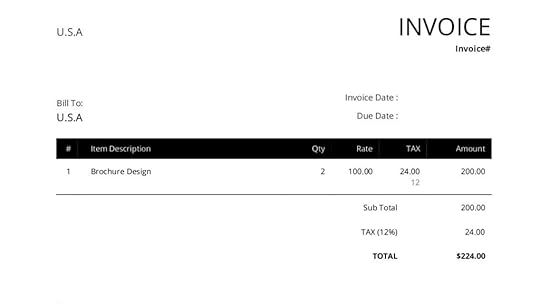 Source: Canva
As the name implies, this Amazon receipt generator application is completely free. It has a simple interface, making it user-friendly for creating receipts.
The app has a selection of ready-made templates. Just fill in the blank spaces, and you’re good to go. You also have the option to add taxes when needed. In some cases, taxes are added in. Creating Amazon receipts has never been this hassle-free. You can also send receipts to friends or colleagues via e-mail. This Amazon receipt generator app is compatible with both iOS and Android.
2. InvoicelyInvoicely lets you add a personal touch to your receipts by inserting your logo. The cool part is that you don’t need to install any app; you can use it in your web browser on any computer. If you’re in a rush and need a customized Amazon receipt quickly, Invoicely is a great choice. This receipt generator even offers templates you can tweak to match your preferences.
3. Invoice Home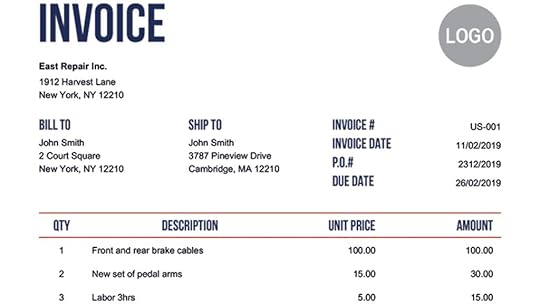 Source: Canva
This is another good Amazon receipt generator application. It focuses heavily on the design of the Amazon receipts template and offers a variety of options. All receipt templates have various color combinations that allow you to pick one that suits you best. The logo can also be customized with an initial logo template.
Additionally, you can edit existing receipt files with this. It supports many languages and is regularly updated to ensure the best user experience. It also has more than 100 currency symbols and formats. You can download it on Android and iOS devices.
4. Free Invoice Generator and Estimate Maker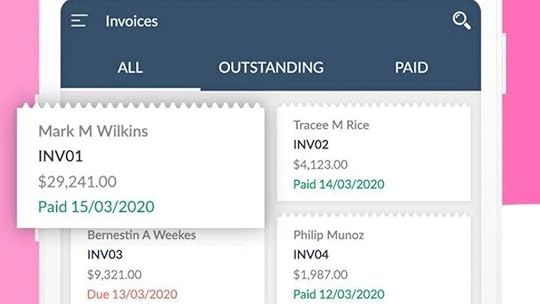 Source: Canva
This is one of the best receipt generator applications for Amazon. The app provides many options for creating receipts for Amazon and other platforms.
Also, the template can include images of business cards. You may also include discounts, tax, payment terms, or similar options on the product list. This receipt generator app is accessible to Android users.
5. Quick Receipt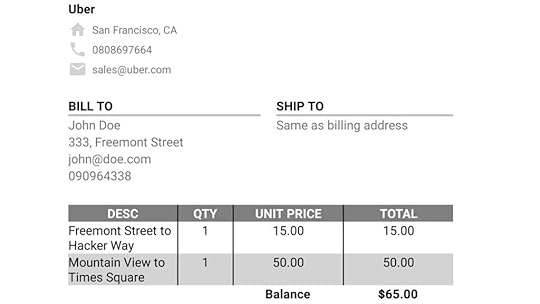 Source: Canva
Quick Receipt is an excellent Amazon receipt maker. The interface is user-friendly, so you don’t have to be a tech expert.
The tool features a set of high-quality templates you can use for your template. You can create a realistic Amazon invoice using this app; you just have to fill in a few blanks, and you’re good to go. You can download Quick Receipt from Google Play.
Also Read: Fake Receipt Generator
6. Tiny Invoice
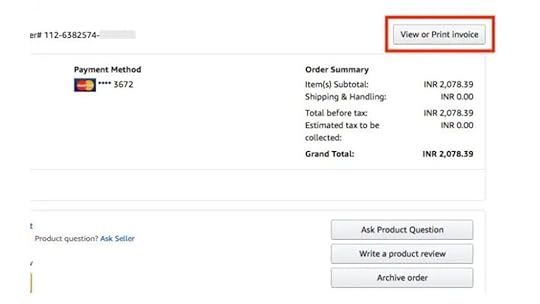
This Amazon receipt generator offers multiple templates to create fake Amazon receipts and other documents. You can customize your receipts in different ways with this app, including inputting goods and amounts, putting up logos, digital signatures, and more. It also goes the extra mile by allowing you to download your fake Amazon receipt as a PDF file. However, you should note that this Amazon receipt generator application works with iOS platforms only.
7. Free Invoice Maker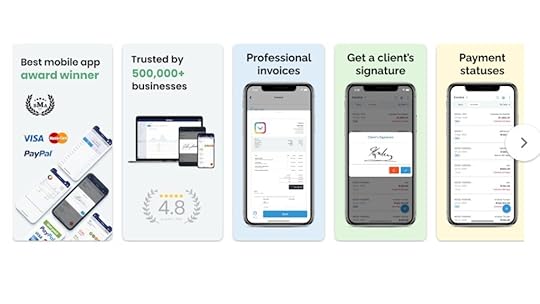 Source: Canva
This is a fantastic application for anyone searching for an Amazon receipt maker. Aside from making receipts, this app can help you calculate the tax for each user. It also features an option of adding a digital signature to the receipts. Designed receipts will have their cloud interface. The app is available for Google Android devices.
8. Invoice 2go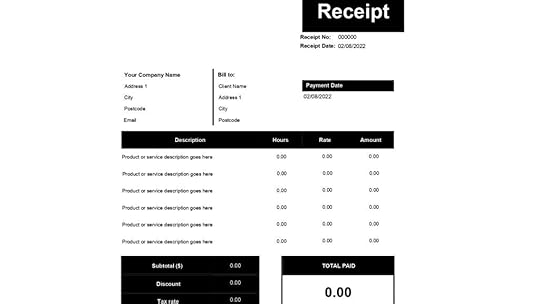 Source: Canva
This Amazon receipt generator enables you to customize the logos of your receipts. You can easily customize the available templates.
You can edit, select a logo, and provide all the required information for your fake receipts. This is also a perfect application for individuals looking to monitor their income and expenses. The best part is that it’s available for Android and iOS devices.
9. Billdu-The Invoice Estimation And Creator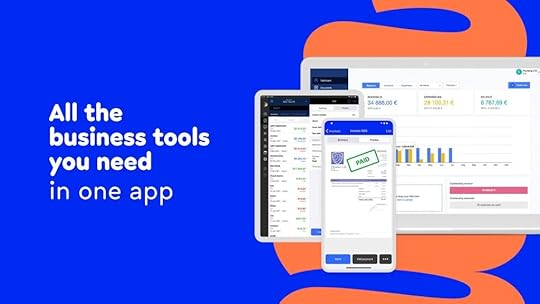 Source: Canva
Billdu is incredibly effective at creating fake Amazon receipts. Different types of templates are available in this app. These templates can also be customized based on users’ needs or changed to look different.
You can include your company logo as well. Use it to track your payments and determine if anything is overdue. This Amazon receipt generator app could help you improve your business life. It also includes barcode scanning.
10. Receipts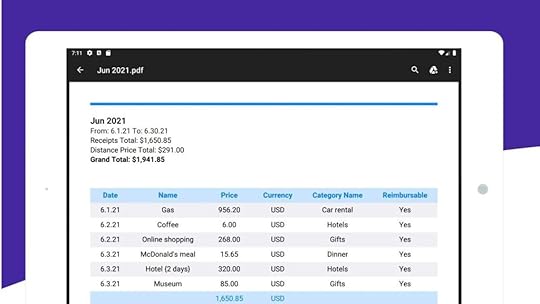 Source: Canva
The last one on the list of Amazon receipt generators is Receipts. Unlike other apps, it’s only accessible through smartphones and tablets and allows users to print the documents on paper and send the receipt. It’s the fastest way of generating Amazon receipts in minutes, and you can also save them in PDF format.
Final ThoughtsWe have reviewed several Amazon receipt generator applications that facilitate the creation of Amazon receipts. Whether you’re a seller or a buyer, these Amazon receipt generators can streamline your transactions and provide peace of mind.
Are you looking to boost your sales on Amazon? Contact the best Amazon ad agency!
Frequently Asked QuestionsHow do I get a PDF receipt from Amazon?Install the Amazon App for Android or iPhone. Click the hamburger menu before entering the Order section. Find out where to get a receipt for your order.
How do I print receipts from Amazon App 2023?Visit Amazon’s account page and tap on orders. Tap on your receipt and choose Download Invoice under the orders section.
Is there any free Amazon receipt generator?Absolutely! Some online tools let you create receipts for free. These are available on Android, iOS, laptop, and desktop computers.
Related ArticlesNovember 7, 2023
Amazon Vine Program Reviews: Everything You Need To Know
What do you know about Amazon Vine program reviews?
As an Amazon seller, you should know essential good reviews are on the platform. However, Amazon’s review policy makes it challenging to get reviews legally. Fortunately, the platform has introduced Amazon Vine to help sellers get reviews from trusted reviewers.
This article will explore Amazon Vine and how to use it to get reviews.
What Is the Amazon Vine Program?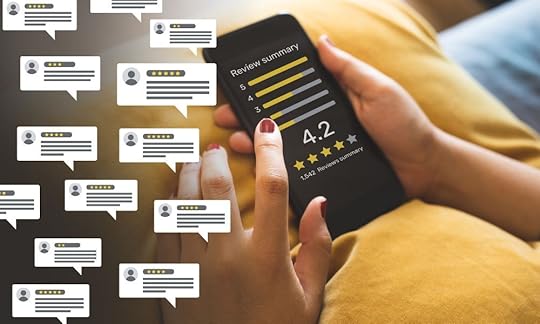 Source: Canva
The Amazon Vine program encourages trusted reviewers, known as “Vine Voices,” to provide honest product reviews. Vine Voices receive free products from brands and sellers for their feedback. These products are normally new or pre-released items.
Amazon Vine operates within the Amazon marketplace and aims to build trust and credibility through high-quality and reliable customer reviews. The purpose of this program is to help other Amazon customers make informed purchase decisions on the platform.
Read more: What Is the Amazon Transparency Program?
Who Are Vine Voices and How Are They Selected?Amazon’s selection process for an Amazon Vine reviewer is flexible and can change depending on their needs. They usually contact those who are a good fit to enroll in the Amazon Vine Program. Amazon Vine Voices must meet certain criteria, including a history of writing high-quality reviews. They are selected to do Vine reviews because of their proven ability to offer insightful and unbiased feedback. Amazon considers factors like the helpfulness of one’s reviews, expertise in a particular product category, and the recency of their reviews.
How To Join Amazon Vine as a Seller Source: Canva
For you to join the Vine Program, you need to:
Be a brand-registered seller.Provide your products for free.Have fewer than 30 reviews on your listing.Offer your products as FBA in ‘New’ condition.Not sell “adult” products.Have launched your product.Have available inventory.Include an image and a description on your listing.The following are the steps you should go through to enroll in Vine:
1. Ensure that your brand and your products meet the above requirements.
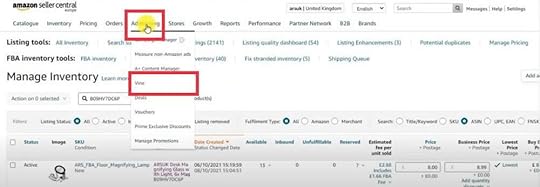
2. In Seller Central, click on the “Advertising” tab. Then, “Vine.”
 Source: Rubel Hossain
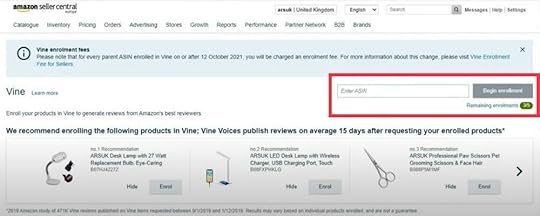
3. On the next page, enter your ASIN and click “Begin Enrollment.”
 Source: Rubel Hossain
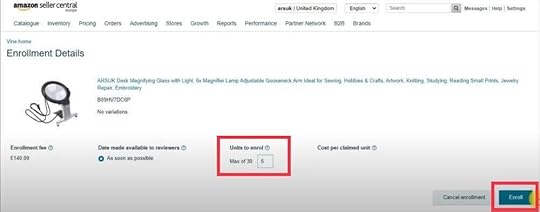
4. On the enrollment details, place the number of units you would like to enroll in. Then, tap “Enroll.”
 Source: Rubel Hossain
5. Once done, confirm the enrollment.
 Source: Rubel HossainHow Much Does It Cost?
Amazon introduced new Vine enrollment fee rates on 19 October 2023. These fees are based on the number of units enrolled for a parent ASIN and are charged seven days after the first review is published. Here is the fee structure:
Enrolling 1-2 units is free ($0)Enrolling 3-10 units incurs a fee of $75.Enrolling 11-30 units results in a fee of $200.This fee structure is best for products with a limited number of reviews, especially if they do not require more than 10 additional reviews. For example, if your product already has 20 reviews, you would only be charged for the maximum of 10 reviews allowed under the Vine program, which is $75.
How Many ASINs Can I Enroll in the Vine Program?You can enroll a maximum of 200 ASINs at a time.
Pros and Cons of the Vine Program Source: Canva
Amazon Vine reviewers provide honest and unbiased reviews. The following are the pros and cons that come with being part of the Amazon Vine program:
ProsProduct Exposure: Sellers can get their products in front of a wider audience as Vine members, who are trusted reviewers, provide detailed and honest feedback.Reviews: Vine reviews can help establish credibility and trust for new or lesser-known products. This can increase sales.Quality feedback: Sellers receive valuable, constructive feedback on their products. This helps them make improvements if necessary.Boost in sales: Positive Vine reviews can boost a product’s visibility and sales rank, leading to more organic sales.Early feedback: Sellers can receive early reviews to gauge the reception of a new product, helping them fine-tune their marketing and inventory strategies.Customer confidence: Having Vine reviews on a product can instill confidence in potential buyers, making them more likely to purchase.ConsCosts: Participating in Vine can be expensive. Sellers must provide free products to Vine reviewers, cover shipping costs, and pay Amazon’s program fees.Lack of control: Sellers have limited control over which reviewers receive their products. This can result in a wide range of feedback, both positive and negative.Limited quantity: The program restricts the number of units that can be enrolled, which may not be sufficient for sellers with large inventories.Slow turnaround: Vine reviewers may take some time to provide their reviews. So, it’s not a quick process to gather feedback.Compliance challenges: Sellers must adhere to Amazon’s strict guidelines and quality standards, which can be challenging for some.What Are the Alternatives to the Amazon Vine Program?There are several alternatives to the Amazon Vine program for sellers looking to gather reviews legally and promote their products:
Amazon Early Reviewer Program: This program encourages customers who have already purchased a product to leave a review in exchange for a small reward. The Early Reviewer Program can be a cost-effective way to kickstart reviews for new products.Social media influencer marketing: Collaborate with social media influencers in your niche to promote your products and generate reviews. Influencers can create engaging content and reach a specific target audience.Email marketing: Send post-purchase follow-up emails to customers, politely requesting reviews. Offer excellent customer service to encourage satisfied customers to leave positive feedback.Third-party review platforms: Utilize third-party review platforms like Trustpilot, Yelp, or Google Reviews to gather feedback and build your online reputation.Product sampling programs: Distribute samples or discounted products to individuals within your target market in exchange for honest reviews. This can be done through your website or email campaigns.Final Thoughts on Amazon Vine Program ReviewsThe Amazon Vine program reviews can be a game-changer for your products. These authentic and unbiased evaluations provide a unique opportunity to showcase the quality and features of your offerings. Leveraging the power of Vine reviewers can lead to increased trust, exposure, and, ultimately, better sales on the Amazon platform.
Looking to advertise your products on Amazon? Work with the best Amazon advertising agency!
Frequently Asked QuestionsAre Vine reviews more trustworthy than regular customer reviews?The trustworthiness of Vine reviews compared to regular customer reviews is a subject of debate and may vary. However, Vine reviewers are selected by Amazon because of their demonstrated history of providing helpful and unbiased reviews.
Do Vine reviewers get paid for their reviews?Vine Voices participates in the Amazon Vine program voluntarily and are not compensated for its reviews. They are not obligated to provide positive reviews in exchange for receiving products.
How can I spot a Vine review on an Amazon product page?Amazon Vine reviews have a special badge for full transparency. It says, “Vine Customer Review of Free Product.” It makes it easier for customers to easily recognize reviews.
Related ArticlesFighting Counterfeits: Understanding the Amazon Transparency Program
Are you curious about what the Amazon Transparency program is all about?
The Amazon Transparency program is an initiative to provide shoppers with vital information about the products they buy. Whether you’re a seller looking to build trust or a buyer seeking authentic goods, this program is your key to clarity and authenticity on the Amazon marketplace.
In this article, we will discuss the Amazon transparency program and how it can benefit those in the e-commerce space.
What Is the Amazon Transparency Program? Source: Canva
The Amazon Transparency program enhances product authenticity and combat counterfeits on the Amazon marketplace. It provides tools and resources that allow brands to apply unique transparency codes to their product’s packaging. With it, customers can scan transparency codes on products to ensure that they are purchasing only authentic units. This helps avoid the spread of fake products throughout the supply chain. The program benefits brands, manufacturers, and customers by creating a more reliable and transparent e-commerce environment.
Read more: The Amazon Trade-In Program.
How Does the Amazon Transparency Program Work?The Amazon Transparency Program works by assigning a unique barcode to each product. This special code is like a digital fingerprint that helps verify the item’s authenticity. When you buy a product with this barcode, you can scan it with the Amazon mobile app to confirm it’s genuine.
Sellers must enroll in the program and apply these barcodes to their products. This step ensures that the items they sell are real and not counterfeit. Buyers can report to Amazon when they purchase a product without the Transparency code or find a problem.
How Much Does the Amazon Transparency Program Cost?The Amazon Transparency program costs between $0.01 to $o.o5 per unit. Hence, you should expect to pay anywhere between $1 to $5 for 100 units.
Benefits for Brands, Manufacturers, and Customers Source: Canva
The following are the benefits of the Amazon transparency program:
Brands and manufacturers.Counterfeit prevention: The program helps protect brands from counterfeits and unauthorized distribution by ensuring that only genuine products with valid transparency codes are sold on Amazon. These codes are specific to each product and are not easily copied. Counterfeiters find it challenging to replicate these codes accurately.Brand reputation: Good protection against counterfeit products and a transparent authentication system helps preserve a brand’s reputation and trustworthiness. Counterfeit items can damage a brand’s reputation by offering low-quality products. With the program’s strict verification, brands can maintain a reputation for authenticity and good quality.Customer trust: As customers can verify the authenticity of the products, it improves trust in the brand, which could improve customer loyalty. Accurate and comprehensive product information instills trust by helping customers make informed purchase decisions.Transparency reporting: Brands gain access to real-time reporting tools. This allows them to track the authenticity of their products and respond to any issues. Likewise, brands can gain insights into the movement of their products from manufacturing to delivery through transparency codes.Control over distribution: The program enables them to have more control over the distribution of their products. This helps reduce the risk of unauthorized sellers and unapproved market distribution.CustomersProduct authenticity: Customers can verify the authenticity of the products they purchase. This reduces the risk of buying counterfeit or fake items. It also gives customers peace of mind that they received the correct item, worthy of the money they paid.Quality assurance: The program ensures that customers receive genuine products of consistent quality. This enhances their overall shopping experience.Trust and confidence: Improved authentication instills trust in the Amazon marketplace. It makes customers feel more confident about online shopping, knowing that something keeps them safe from buying fakes.How To Enroll in the Amazon Transparency Program Source: Canva
To qualify, you need to:
Join Brand Registry with a registered trademark.Obtain a Global Trade Item Number (GTIN) like a UPC, ISBN, or EAN for your product.Be capable of adding unique Transparency codes to each unit you make, no matter where you sell them.The following are the steps you need to go through to enroll in the Amazon transparency program:
If you meet all the criteria, visit Amazon’s transparency page and click “Get Started.”Fill out the short form and click “Request more information” to learn about your enrollment.If your application is accepted, pick the products you want to enroll for authentication using transparency codes.Challenges and ConsiderationsThe following are the challenges and considerations that come with the Amazon transparency program:
Initial setup costs: Enrolling in the program and implementing transparency codes on product packaging may require an initial investment. These costs are usually for software, labeling, and packaging changes.Operational changes: Brands must add transparency code generation and application into their manufacturing and packaging processes. Doing so can lead to operational adjustments.Implementation across products: Applying transparency codes to all products can be logistically challenging. It requires careful planning.Maintenance and monitoring: Brands must actively manage and monitor their transparency codes to ensure the ongoing authenticity of their products.Counterfeiters’ tactics: Counterfeiters may adapt to new challenges. Hence, brands must remain vigilant and responsive to possible threats.Competition: Competition for customer attention and trust in e-commerce platforms remains high. Hence, brands need to use transparency effectively to stand out.Final ThoughtsThe Amazon Transparency Program is an initiative to enhance the measures to prevent counterfeits on the platform. Adding unique codes to products gives consumers and sellers the peace of mind that they are dealing with and buying only authentic products. This makes it a perfect tool for maintaining the integrity and reputation of businesses in the e-commerce landscape.
Do you want to enhance your visibility on Amazon? Work with the best Amazon marketing agency!
Frequently Asked QuestionsIs there an Amazon Transparency app?Yes. The Transparency mobile app empowers customers to verify transparency-enabled products.
How much does it cost to be enrolled in the Amazon transparency program?Currently, Amazon does not ask sellers to pay to enroll in the program. However, they charge for each unique code added to the products.
Is the Amazon Transparency Program available globally?The program is available in multiple countries. However, its availability may vary by region. It is important to check with Amazon to see if the program is available in your target market.
Related ArticlesWhat Is the Amazon Brand Registry?
What Is Direct Response Marketing?
Direct Response Marketing is a marketing strategy that encourages a direct and immediate response from the audience. Its primary goal is to drive a specific call to action (CTA) by compelling consumers to take immediate action, such as making a purchase, signing up for a newsletter, or filling out a contact form. This approach allows marketers to measure the response to their campaigns in real time, giving them instant feedback on their marketing efforts.
2. Why Should Businesses Use Direct Response Advertising?Unlike traditional marketing, which builds brand awareness, direct response marketing seeks immediate action, whether it’s making a purchase or signing up for an email list.
Key Benefits
Immediate Action: One of the primary benefits of direct response marketing is the sense of urgency it creates. Effective direct response advertising encourages the prospect to take immediate action, maximizing campaign impact.Measurable Results: Every direct response marketing campaign provides tangible results. Businesses can assess how well their marketing efforts are working, adjusting strategies as needed.
Targeted Outreach: This form of marketing allows businesses to reach their target audience more directly. Whether it’s through memorable direct mailers or a targeted email marketing campaign, companies can tailor their message to resonate with specific groups.
Cost-Effective: In contrast to brand advertising, direct response marketing can be more budget-friendly. With clear metrics in place, businesses can achieve their marketing goals efficiently.
The Power of Variability
Direct response marketing encompasses various channels, from digital marketing efforts to traditional direct mail campaigns. It’s the mix of these marketing channels, combined with compelling offers, that drives direct response marketing success.
Whether leveraging email marketing, employing direct mail campaigns, or using social media platforms, businesses have a plethora of options to elicit an instant response by encouraging prospects to act.
Incorporating direct response marketing into one’s overall marketing strategy can yield significant returns. The immediate response from the target audience not only boosts sales but also helps businesses fine-tune their marketing strategies for even greater success in the future.
3. What are the Key Components of Direct Response Marketing?Direct response marketing is a type of marketing strategy designed to elicit an immediate response from the target audience. But what makes it distinct? Here, we delve into its essential components.
Call to Action (CTA)At its core, every direct response ad must contain a clear and compelling call to action. This CTA motivates the audience to take a specific action, whether it’s signing up for a newsletter, making a purchase, or attending an event.
Trackable ResultsA significant advantage of direct response marketing is its measurability. Every direct response marketing campaign can be monitored, letting businesses gauge its success and the response from the audience.
Targeted MessagingDirect response marketing works because of its tailored approach. By understanding their target audience, businesses can craft memorable direct mailers or ad campaigns that resonate, driving the desired response.
Sense of UrgencyTo be effective, direct response advertisements must trigger an immediate reaction. Tactics like limited-time offers or exclusive deals create this sense of urgency, encouraging prospects to act swiftly.
Multi-Channel ApproachThe beauty of direct response marketing lies in its adaptability. It can span various marketing channels, from digital ads on social media platforms to traditional direct marketing campaigns. Marketers can leverage direct response tactics wherever their audience spends time.
Clear Benefits and OfferThis type of marketing emphasizes a product or service’s value. By highlighting the benefits of direct response marketing and presenting a clear offer, businesses can persuade their audience more effectively.
Immediate Feedback and AdjustmentsSince direct response marketing produces quantifiable results, businesses can refine their marketing efforts on the go. This agility means that marketing strategies can be tweaked in real-time based on the response from the target.
Understanding the key components of direct response marketing empowers businesses to create campaigns that evoke immediate action, ensuring they achieve their marketing goals. Whether it’s employing the best direct response marketing practices or harnessing the power of word-of-mouth marketing, mastering these elements can lead to transformative results.
4. How is a Direct Response Campaign Different from Other Campaigns?At the heart, a direct response ad calls for an immediate reaction. Unlike broad branding efforts, it’s specific, urging the viewer to take an immediate step. Here, marketing uses sharp tactics to drive immediate response.
Measurable Impact
How do you know a campaign works? For most marketing methods, it’s a waiting game. But with direct response, the feedback loop is instant. Every response, every interaction can be measured. The data says it all.
Channel Specificity
In a world overflowing with channels for direct response, one size doesn’t fit all. While traditional advertising might cast a wide net, direct response marketing zooms in. It picks the best channel for direct communication with its audience.
Engaging the Target Directly
Ever received an ad that feels tailored just for you? That’s the magic of direct marketing. It speaks directly, establishing direct lines of communication with the potential consumer. It’s personal.
Focused Purpose
Every direct response ad has a clear goal. Sign up? Purchase now? Unlike nebulous marketing activities that merely aim for brand recall, direct response wants, well, a direct response.
Quick to Pivot
Because feedback is instant, direct response campaigns can adapt rapidly. If one tactic doesn’t evoke the desired response, marketers adjust on the fly. It’s marketing agility at its finest.
While many campaigns aim for visibility, direct response marketing seeks action. It’s not just another type of marketing—it’s a focused, data-driven approach that bridges businesses with consumers, real-time.
5. What are Some Successful Direct Response Marketing Examples? Memorable TV SpotsWho can forget those infomercials urging immediate phone-ins? They’re not just TV spots but a classic direct response ad. These ads specifically evoke an immediate response, often using a limited-time offer to push for action.
Strikethrough-Priced Online DealsEver noticed a strikethrough price beside a new one online? That’s a marketing tactic nudging buyers to see the value and act promptly. The old price? Stricken. The deal? Irresistible.
Email Campaigns with UrgencyMany of us have received emails announcing flash sales or limited-time discounts. This form of direct marketing is crafted to elicit a response. A clock ticking down, urging you to grab a product or service before it’s too late.
Social Media Click-to-Buy PostsUse social media for direct response? Absolutely! Platforms now offer “shop now” or “swipe up” features. This direct response marketing strategy lets brands drive immediate response from their audience, making purchasing just a click away.
Direct Mailers with QR CodesSome might say direct mail is old-school. Yet, when a postcard arrives with a QR code leading to an exclusive offer, it establishes direct lines of communication between a brand and its target. A perfect blend of traditional and modern marketing methods.
Web Pop-Ups with Exclusive OffersYou’re reading a blog, and suddenly, a window pops up. “Subscribe now and get a free e-book!” This is a type of marketing aiming for your immediate action. A simple pop-up can convert a passive reader into an engaged subscriber.
From TV to online pop-ups, direct response marketing works. Its beauty lies in its urgency, its direct appeal, and its measurability. When implemented right, it doesn’t just reach an audience; it actively engages them. Whether you’re a budding marketer or a business owner, understanding these direct response marketing examples can guide your strategy, helping you achieve your marketing goals.
6. Which Channels are Ideal for Direct Response?Direct response marketing uses specific channels to get quick results. Some popular choices are email, social media, and direct mail. Each has its own benefits. It’s important to pick the right channel for your product or service to reach your target audience effectively.
Digital Ad Platforms Ever seen a web ad that demands a click? That’s a quintessential direct response ad. These online banners and pop-ups are designed to evoke an immediate response, directing users straight to a product page or sign-up form. Social Media Utilizing platforms like Facebook or Instagram is not just about likes; it’s about action. Brands can use direct response marketing effectively here. Think ‘Swipe Up’ stories or ‘Shop Now’ posts. They drive immediate response and can be a potent channel for direct sales. Email Marketing Bursting into inboxes with irresistible offers? Yes, that’s the power of email as a direct marketing campaign. Crafted with precision, these emails elicit a response by nudging readers to take instant action, be it a purchase, sign-up, or feedback. Direct Mail Strikethrough the idea that snail mail is dead. It’s alive and thriving in the world of direct response marketing. Postcards with QR codes or limited-time offers can establish direct lines of communication with potential customers. It’s a tangible form of direct response marketing that consumers can touch and feel. TV and Radio Don’t tune out yet! These traditional marketing channels still reign supreme for some demographics. Infomercials and radio spots, crafted for instant call-ins, prove how direct response marketing works, even in today’s digital age. Word-of-Mouth & Referral Programs Word-of-mouth marketing can be direct too! By incentivizing customers to refer friends, brands create a ripple effect. This type of marketing strategy gets existing customers to directly influence potential ones, triggering a chain of responses.Selecting the right channel can make or break a direct response marketing strategy. It’s not about being everywhere but being where your audience is, and engaging them in a way that compels action. So, before launching your successful direct response campaign, evaluate the channel’s potential to achieve your marketing goals. Remember, it’s all about the response!