Sharon Wray's Blog, page 65
October 26, 2021
Sarah Munro’s Black Pepper & Elderberry Vinegar
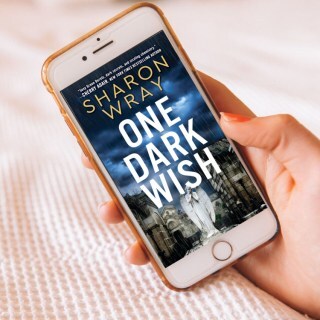
Sarah Munro, the heroine in ONE DARK WISH (Book 2 in the Deadly Force series), is a historian who has been collecting 17th and 18th century herbal recipes. And this time of year, one plant stands out because of its close ties to Halloween.
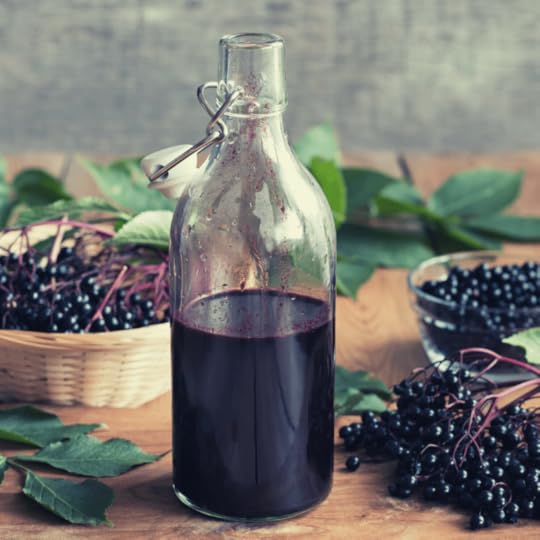
The single herb that has the strongest ties to Halloween is the simple elderberry (sambucus nigra). This weedy-looking tree has bushy white flowers and black berries that is associated with the Germanic goddess Holle (aka Hulda). The elderberry bush was called Hollerbeier in her honor because Holle was the guardian of the dead and during pagan times was characterized as a witch. But Holle was also considered a caring grandmother and wise crone who escorted souls to the underworld. She even delivered messages to the souls, as long as they were written in elderberry juice ink.
Ever since the time of Hippocrates, the elderberry has been honored for its immunity benefits. Elderberry flower tea helps treat cold and flu symptoms and the berries are loaded with Vitamin C and antioxidants. And this recipe for elderberry vinegar is a great way to add the powerful immunity punch of elderberries into marinades and salad dressings and dipping sauces. I hope you enjoy it!
SARAH MUNRO’S BLACK PEPPER & ELDERBERRY VINEGARINGREDIENTS:1 cup ripe elderberries, rinsed1 cup red wine vinegar2 Tablespoons sugar1 1/2 teaspoons whole black pepper Sterilized 1-pint glass canning jar with a two-piece lidDIRECTIONS:Place elderberries into a sterilized 1-pint canning jar.In a small saucepan, stir together the sugar, pepper, and red wine vinegar. On medium heat, bring the mixture to a simmer. Stir to dissolve sugar. Pour the hot vinegar mixture over the berries in the jar. Leave uncovered and cool for twenty minutes.Wipe the rim of jar clean with damp cloth. Cover the jar with sterilized metal lid and screw on band. Refrigerate for 3 days before using. This vinegar will keep in the refrigerator up to 2 weeks. IMPORTANT DISCLAIMER ABOUT WILD PLANTS, FORAGING , AND MAKING HERBAL REMEDIES:I am not a medical professional and nothing written on this blog is medical advice. None of my statements have been evaluated by the FDA (I am legally required to give you this disclaimer).
It is important to do your due diligence before foraging, harvesting, and/or consuming any type of medicinal plant.
If you are taking any medications, talk to your doctor about any potential drug interactions.If you are allergic to anything, make sure whatever you are foraging is not in the same family. Example: While dandelions are typically considered safe, those who are allergic to ragweed, latex, daisies, or any other plants in the same or similar families, may not be able to consume dandelion.Always research potential side effects, dosage recommendations, and how to properly prepare and consume each medicinal plant.
Always make sure you are foraging what you believe to be. Fully prepare and study the anatomy before harvesting wild plants.
Always make sure your kitchen/work area is clean and that all materials are sterilized.
Do not forage plants from areas that have been sprayed within the past 2 years at the very least.
I am not legally or morally responsible for the health of any of my readers. Please do your own research!
 Subscribe to the blog
 Email Address
Subscribe


October 25, 2021
Abhartach: The Celtic Vampire
The Abhartach (old Irish word meaning dwarf) is one of the scariest stories I’ve read while studying Irish myths and legends. This story first appeared in Patrick Weston Joyce‘s The Origin and History of Irish Names of Places (1870) and his account was based on the oral histories he collected around Ireland.
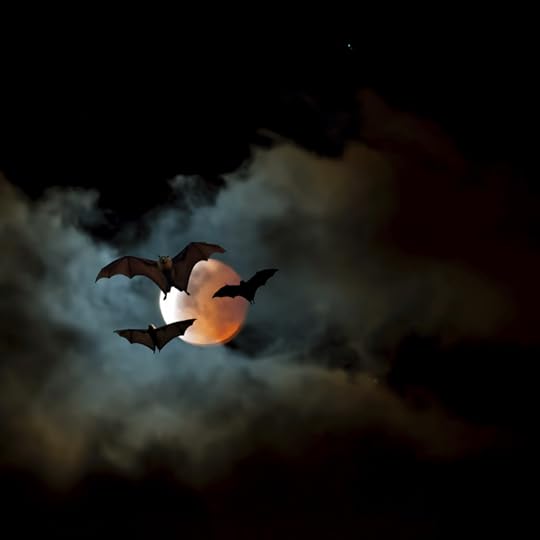
The story begins during the time of the druids, just as the Catholic saints were coming to Ireland. In a small village named Slaghtaverty (in County Derry), there lived a magician and villainous Irish warlord who was cruel to everyone and known for his bloodletting sacrifices to evil entities. Finally, a neighboring chieftain (some say it was Cathain, others say it was Fionn Mac Cumhaill) killed the terrible man (who was a dwarf) and buried him in a standing posture (a common form of burial at the time) on a hill outside the town. And the entire town rejoiced!
But the next day, the man returned and killed every person he could find by drinking their blood. So the chieftain again slayed this killer dwarf, now known as the Abhartach, and reburied him. The next day, the Abhartach escaped and went on an even more brutal rampage killing men, women, children, and any beasts he could find and draining their blood. People were terrified and sought help from the chieftain. The chieftain consulted the head druid priest (some stories say it was an early Irish Catholic saint) who gave him directions on how to stop the Abhartach.
So the chieftain captured and killed the Abhartach with a sword made of Yew wood, but this time he buried him head down. This position vanquished his magical powers and kept him in the grave. The villagers then built a dolmen (a stone megalithic tomb, like a tiny Stonehenge) over the Abhartach‘s grave, and surrounded the area with thorny bushes (some say blackberries), to make sure the Abhartach never rises again.
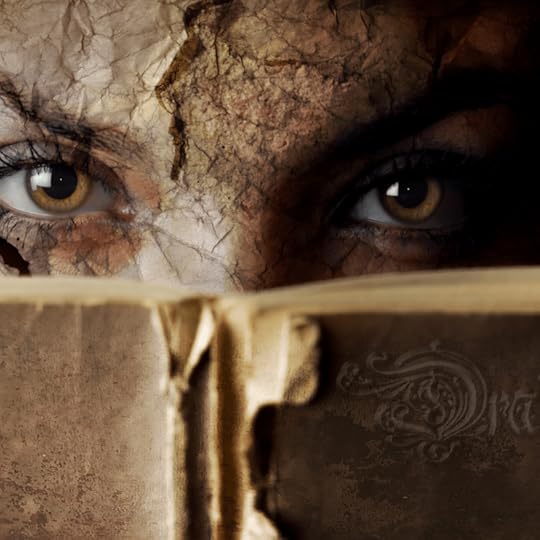
To this day, you can visit the Slaghtaverty Dolmen which the locals refer to as “The Giant’s Grave”, in County Derry. But the thing I found fascinating about this story was the research done by a lecturer in Celtic history at the University of Ulster named Bob Curran. Mr. Curran wrote in the summer 2000 edition of History Ireland (a peer-reviewed journal edited by other historians and cultural anthropologists) that Bram Stoker (an Irish author) may have used the Abhartach as inspiration for his famous story Dracula. Mr. Curran based this premise on the research by Professor Elizabeth Miller in her book Dracula: The Shade and the Shadow.
Professor Miller discovered that Stoker’s research notes for Dracula included no biographical knowledge of Vlad III or his campaign against the Turks and no additional research on Vlad III’s reputation as an impaler. While there is evidence that Stoker studied Central and Eastern European folklore, and may have borrowed names from the Carpathian mountains, there is plenty of evidence (notes, guest book signings, etc) that Stoker was heavily influenced by his visits to Whitby (a seaside town in Yorkshire, England), Slains Castle in Aberdeenshire, Scotland, and the crypts of St. Michan’s Church in Dublin. Considering that Bram Stoker was an Irish journalist and writer, who traveled extensively around the British Isles and left no evidence behind of his interest in Vlad the Impaler, it’s quite possible that his famous story of Dracula was based on this ancient horror story of the Abhartach. And after spending a lot of time wandering around that mystical Irish Isle, I am definitely a believer.
Subscribe to the blog Email Address
Subscribe
October 23, 2021
NaNoWriMo Preptober: Part 4
November is coming up fast and so is the time when I need to decide if I’m doing NanoWriMo this year. I’ve already set up my story on my Nano page and have a basic outline, but I also have two other writing deadlines and a houseful of people coming to visit for Thanksgiving. I’m also cooking dinner for 12-16 people (I hope have a final count soon) and am worried about supply chain issues.

Writing is such a personal thing and I would never presume to tell another writer to do Nano, or not do NaNo. To outline or not outline. To write to market or write the book of your heart. Which is why, in my previous Preptober blog posts, I put on my librarian hat and offered resources instead of advice. We all have to fight our own writing demons, whatever they may be, and I believe that going into battle well-armed offers us all the best chance of winning whatever battle we’re fighting.
So this week, I’m just sending love and hope and offering links and free downloads that will hopefully make your NanoWriMo month more fun and planning your real-world life that much easier.
First, here are links to the first three articles in the series:
Preptober 1: All about NaNoWriMo–what it is and how to play–along with a checklist of ideas of how to prepare.
Preptober 2: All about websites, video tutorials, and other resources out there to plan your books and get ready for a great month of writing.
Preptober 3: All about the technology I use to write and craft books.
Second, here is a link to the bibliography I’m building here on the website of my favorite craft books, classes, videos, etc. It is a work in progress and will eventually be annotated. It just all takes time! (I am not an Amazon affiliate and make no money off any of the books I mention.)
Third, here is a fun coloring page of a turkey marked out by days. For every day you write, you can color in the turkey and write the word count in the blocks on the side. It’s goofy, but my younger nieces love it.
Fourth, here is a fun autumn word count tracker. A bit silly, but also fun.
Fifth, here is the Thanksgiving Planner I use to get my life ready for the holidays. This year, I’ve updated this planner to start earlier because I am worried about supply chain issues.
Whatever you decide, I hope your writing goes well and that the words flow and fill page after page!
Subscribe to the blog Email Address
Subscribe
October 22, 2021
The Hungry {Romance} Writer: Fall Beef & Apple Cider Stew
One of the things I love about Fall in Virginia is taking long walks in the Shenandoah mountains and forests.

But these treks usually take all day. So after a long day in the autumn woods, I love coming home and having dinner prepped and ready to go. This is one of our favorite fall meals and the kids love to take their bowl of stew and eat around the outdoor fire pit. I serve this stew with a sourdough pumpkin, rosemary, and dried cranberry bread and then serve my favorite apricot oatmeal bars.
I hope you all have a wonderful autumn weekend!
Sharon Wray
Serves 6 servings
0The Hungry {Romance} Writer: Fall Beef & Apple Cider StewThis is another one of my made-up recipes where I combined an old Good Housekeeping Cookbook recipe with an article I found own the internet about braising beef with apple cider. I took out some of the other root vegetables and added the butter and parsley to even out the flavors. This is a super-easy stew to make and can be easily doubled. Eat leftovers (if there are any) within three days.
30 minPrep Time
2 hr, 20 Cook Time
2 hr, 50 Total Time
 Save Recipe Print Recipe var print_b = document.getElementById('mpp_print_button'); var save_b = document.getElementById('mpp_saverecipe_button'); print_b.onclick = function(){ zlrPrint( "mpprecipe-container-188", "https://sharonwray.com/wp-content/plu...", "mpprecipe-design22", "1", "#" ) }; save_b.onclick = function(){ window.open('https://sharonwray.mealplannerpro.com...' + window.location.href); return false; };
  My Recipes My Lists My Calendar
 Ingredients
2 pounds beef Stew Meat, cut into 1 to 1-1/2-inch pieces (I like bottom round or rump roasts)2 slices bacon, cut into 1/2-inch pieces1 Tablespoon butter1 teaspoon Kosher salt1/2 teaspoon freshly-ground pepper1 can (10-1/2 ounces) condensed French onion soup1 cup apple cider1 pound sweet potatoes, peeled, cut into 1-inch pieces (about 3 cups)1/3 cup unsweetened dried cranberriesFresh, chopped parsleyInstructions
In a large stockpot over medium heat, cook the bacon until cooked through and crispy. Remove with a slotted spoon and place on a plate lined with paper towels.In a large bowl, season the meat chunks with Kosher salt and pepper.Add the butter to the stockpot and once it melts, add the meat chunks to sear and brown. You may need to increase the heat a bit to get a good sear.You may need to do this in two batches, depending on the size of your stockpot.Add the bacon in to the pot with the beef. Then stir in the French onion soup and the apple cider and bring to a low boil. Reduce to a simmer. Cover tightly and simmer for 1 hour. If the stew still seems liquid-y, cook another 15-30 minutes but you don't want to lose all of the cider.Stir in the sweet potatoes and cranberries. Bring a boil, reduce heat to a simmer, and cover the pot tightly. Cook for 20-30 minutes until beef and sweet potatoes are tender and begin to fall apart.Serve with freshly chopped parsley.7.8.1.2188https://sharonwray.com/writers-life/the-hungry-romance-writer-fall-beef-apple-cider-stew/ { "@context": "http://schema.org/", "url": [ "https:\/\/sharonwray.com\/writers-life\/the-hungry-romance-writer-fall-beef-apple-cider-stew\/" ],"name" : "The Hungry {Romance} Writer: Fall Beef & Apple Cider Stew","description" : "This is another one of my made-up recipes where I combined an old Good Housekeeping Cookbook recipe with an article I found own the internet about braising beef with apple cider. I took out some of the other root vegetables and added the butter and parsley to even out the flavors. This is a super-easy stew to make and can be easily doubled. Eat leftovers (if there are any) within three days.","prepTime" : "PT30M","cookTime" : "PT2H20M","datePublished" : "2021-10-04 09:44:03","recipeInstructions":[ { "@type": "HowToStep", "text": "In a large stockpot over medium heat, cook the bacon until cooked through and crispy. Remove with a slotted spoon and place on a plate lined with paper towels." }, { "@type": "HowToStep", "text": "In a large bowl, season the meat chunks with Kosher salt and pepper. " }, { "@type": "HowToStep", "text": "Add the butter to the stockpot and once it melts, add the meat chunks to sear and brown. You may need to increase the heat a bit to get a good sear." }, { "@type": "HowToStep", "text": "You may need to do this in two batches, depending on the size of your stockpot." }, { "@type": "HowToStep", "text": "Add the bacon in to the pot with the beef. Then stir in the French onion soup and the apple cider and bring to a low boil. Reduce to a simmer. Cover tightly and simmer for 1 hour. If the stew still seems liquid-y, cook another 15-30 minutes but you don't want to lose all of the cider. " }, { "@type": "HowToStep", "text": "Stir in the sweet potatoes and cranberries. Bring a boil, reduce heat to a simmer, and cover the pot tightly. Cook for 20-30 minutes until beef and sweet potatoes are tender and begin to fall apart. " }, { "@type": "HowToStep", "text": "Serve with freshly chopped parsley." }],"keywords" : "The Hungry {Romance} Writer: Fall Beef & Apple Cider Stew","recipeIngredient" : ["2 pounds beef Stew Meat, cut into 1 to 1-1\/2-inch pieces (I like bottom round or rump roasts)","2 slices bacon, cut into 1\/2-inch pieces","1 Tablespoon butter","1 teaspoon Kosher salt","1\/2 teaspoon freshly-ground pepper","1 can (10-1\/2 ounces) condensed French onion soup","1 cup apple cider","1 pound sweet potatoes, peeled, cut into 1-inch pieces (about 3 cups)","1\/3 cup unsweetened dried cranberries","Fresh, chopped parsley"], "image": { "@type": "ImageObject", "url": "https:\/\/sharonwray.com\/wp-content\/uploads\/2021\/10\/pablo-heimplatz-M1doNY5gdZs-unsplash.jpg" }, "author": { "@type": "Person", "name": "Sharon Wray" }, "nutrition": { "@type": "NutritionInformation", "servingsize": "6 serving"},"@type": "Recipe"}Subscribe to the blog Email Address
Subscribe
October 21, 2021
Prep & Plan: Week Three
Part of the preparedness mindset is being flexible. And I’m the perfect example of that. When I started this blog series, I had a full outline of what I wanted to write about each week. There is a logical plan to how I’m laying out the homework outlined in Week One and Week Two.
But things are changing quickly and I want to step back to review and jump ahead a bit. First, I want to recap the homework.
In Week One, we are using our three legal pads to do our homework. First, we’re doing a whole house assessment. This includes a light clean up/decluttering so we can evaluate the details of each room: how many interior/exterior doors, how many windows, type of electronics, proximity to water/bathrooms, etc. This is an enormous project so please take all the time you need. This first step is crucial to setting up a plan.
Week One’s second assignment was to make a list of all the possible disasters that could happen in your area. Anything floods to hurricanes to blizzards to riots. On the second half of the page, keep a list of the disasters that have happened to you or your family personally. Keep this list on your refrigerator or someplace where it would be easy to add to. This will be an ongoing list we’ll use later on when we begin long-term planning.
Week One’s third assignment was to start a meal list–listing every meal you eat in a month. So this is ongoing homework until you feel you have a good idea of what meals and foods/snacks you eat and drink every day, every week, every month. (this is not a grocery list!)
Week Two’s first assignment was to make a list of all the cleaning supplies you use in every room of the house. And note those products you love and don’t love.
Week Two’s second assignment was to schedule when you’re going to do a deep review and clean of each room. And don’t forget to set up meals and rewards ahead of time!
Now that it’s Week Three, I’m changing up the plan a bit. I just got back from the grocery store and spoke with my butcher. I mentioned the empty shelves and he suggested that I begin to stock up on whatever I need for my holiday meals now. Like everyone, I’ve noticed the supply chain issues throughout the economy, along with the rising inflation. So today we’re going to jump ahead and do some pre-planning for Thanksgiving (and maybe other holidays like Christmas and Hannukah). That way, if you have the time and money, you can buy some of your food/supplies early and won’t have to get caught in the rush closer to the event.
So this week’s homework is pretty easy. With your Legal Pad 2 (Food and House Inventory), take a blank page and mark it with a page flag. First, note if you’re having any visitors around the holidays. Mark the dates and number of people. Include the college kids coming home because they eat a lot!. Then, once you have an idea of who’s coming home when, decide how many large and small meals you need to make. (If you’re not entertaining or cooking a large meal, are you going to someone’s house and want to bring an appetizer or a dessert? If so, mark that down.)
If you’re not doing any cooking or entertaining or bringing anything to a party, you’re don’t need to do the next activity. But if you are doing any of these things, use the legal pad to jot down any meal ideas besides the big ones like Thanksgiving dinner. Are you doing a dinner for guests the night before Thanksgiving? Breakfast on Saturday or Sunday? Or on Friday night after a long day of shopping? Or will you be snacking while watching football games? It doesn’t matter the meals look like–write down any ideas.
Here’s a brief example of my meals idea list that starts Tuesday before Thanksgiving and ends on Sunday night:
Tuesday night: Black Bean Chili party around the fire-pit (6 adults)
Wednesday: Breakfast is coffee cake and eggs & lunch is sandwiches (4 adults). Dinner of Ham Chowder and homemade sourdough bread (8 adults)
Thursday: Breakfast is an egg casserole (4 adults) Thanksgiving dinner, including apps and dessert (18 adults & 2 children under 8)
Friday: Breakfast casserole (8 adults) lunch is leftovers for the men (3 adults) while the women go to Thanksgiving Tea. Dinner is leftovers (10 adults)
Saturday: Breakfast is pancakes (6 adults) Lunch is sandwiches/football snacks for the men (5 adults) while the women go thrifting and have a pub lunch. Dinner is crockpot pork sliders and leftover apps and desserts.
Sunday: Brunch at our favorite cafe (11 adults). Dinner is leftovers (6 adults)
So…. that’s a lot of meals to plan for!
Now, still using Legal Pad 2, itemize all of the meals and do a quick ingredient list. Once you have your list of ingredients, check the pantry, freezer, etc to see what you have or what you can use, even if you end up changing your menu plan. Once that’s done, take another blank page and make a shopping list.
Once you have your shopping list, highlight the ingredients you can buy now. Canned goods, meat you can freeze, baking goods, etc. And make a separate list for last minute items like fresh veggies. There’s no getting around buying fresh veggies closer to the date until you can have a farm/CSA deliver them to you. Meanwhile, if you collect coupons or sales flyers, begin to look for the best prices and start shopping. Now, I don’t mean run out and buy everything all at once! If you do that, you may miss out on sales that happen closer to the holidays. What I mean is take your list and your coupons and every time you go to the store, see if there’s anything on your list you can pick up now. If the shelves empty again, you’ll be happy you started now.
Prices are going up and I do love to use coupons. So sometimes I play roulette with supply and price, where I’ll wait to get something so I can use a double coupon the next week. But this year I’m marking my shopping list with things I MUST have and buying them when I see them. Not everyone has that option, but if you figure out what you need now, and start shopping around, you’ll have a better chance of getting it at the best price. If you can’t find things at a good price, you’ll have time to determine how important each ingredient/food/drink is to your celebrations. But by making this list early, you’ll have more controlled flexibility over your decision-making. And that’s the goal of Prepping & Planning!
Okay. So that’s this week’s assignment. Figure out your menu for the next month or two (depending on the holidays you celebrate and all the things/visitors you have planned). Make an ingredient list and, from that, make a shopping list. Don’t forget to include any cleaning supplies that you might need (from last week’s list), especially any specialty or seasonal items like silver polish and lysol.
Next week I’ll have some printables/downloads to help you get started with other holiday prepping, including a chart on how to decide how big of a turkey to buy. Hope you all have a great week!
Subscribe to the blog Email Address
Subscribe
October 20, 2021
Elizabeth Marie Pope’s Perilous Gard
One of my all-time favorite novels just happens to also be my favorite book to read around Halloween. This book, written by a brilliant scholar named Elizabeth Marie Pope, is The Perilous Gard. The Perilous Gard, a historical fantasy and the second of Ms. Pope’s Young Adult books, was published in 1974 and went on to win the Newbery Honor in 1975.
Elizabeth Marie Pope (1917-1992) was born in Washington D.C .and received her B.A. from Bryn Mawr College. After finishing her PhD from Johns Hopkins University, she took a position teaching English at Mills College in Oakland, CA. Eventually, she became head of the English Department and taught at the college for 38 years. While her CV is impressive, what she taught changed everything I thought I knew about fairytales.
Elizabeth Marie Pope’s passion was on the origins of mythologies and legends. She believed that there were four ways to teach myths. The first was historical-archaeological, where you teach what actually happened according to the evidence you have. The second way was psychological, through symbols that represent the deepest part of a person’s psyche. The third way was through anthropological theory, meaning through the seasons of life and nature (agricultural seasons, human birth, marriage, children, death, etc.) which are all marked by elaborate ceremonies. The fourth is analytic study, which is closer to a scientific study than the first three. This is where one breaks down the parts of the story and classifies them, as one would a scientific experiment.
So what does this have to do with a YA book published decades ago? According to one of her former students (and this has not been corroborated), Elizabeth Marie Pope wrote her books as a way to show her students how myths affect literature. Her first book, The Sherwood Ring, is a ghostly tale of love and betrayal set in both the modern world as well as during the Revolutionary War (it’s well worth reading). It’s mostly a romance with mythic underpinnings. But her second book, The Perilous Gard, is a psychological study of why we are so fascinated by the world of fairies. I don’t mean tiny fairies who flit around, or the sexy fairies who find their way into romance novels, I mean the true fairy folk who worshipped in the old way of the druids. The true fairy folk who lived beneath the ground, deep below the ancient sacred circles that used to dot Great Britain and Ireland. The true fairy folk who were made immortal in the Scottish Ballad of Tam Lin.
The story is set in England, 1558, during the Reign of Queen Mary Tudor, Queen Elizabeth I’s sister. The plot revolves around two sisters, Kate and Alicia, who are the youngest ladies-in-waiting to Princess Elizabeth who is living in exile at her sister Mary’s command. Basically, Alicia (who is a flibbertigibbet, as my mother used to say) gets Kate in trouble with Queen Mary. So the queen sends Kate deep into the northern part of the country with Sir Geoffrey Heron. Once there, Kate, who is a strong-willed, stubborn, and intelligent young woman, discovers the world of the Perilous Gard (an ancient, pre-Norman fortification and tower) built on the edge of the Elevenwood.
Once ensconced in the castle and left to her own devices, Kate discovers that the village folk are terrified of her as well as the People Who Live Beneath the Well, strange pilgrims visit an old well near the ancient keep to throw gold and coins into the water only to receive succor from the fairies below, and a young girl named Cecily has recently disappeared. The story gets more complicated, but Kate is quickly drawn into the mystery of Christopher Heron (Geoffrey’s younger brother) and Cecily’s disappearance (she is Geoffrey’s daughter). But Kate, having a strong mind and stubborn heart, does not believe in the tales of the Fairy Folk… until she meets them.
I don’t want to give away any spoilers, but Kate’s adversary—the terrifying Lady in Green who is queen of the Fairy Folk–is one of the greatest villains I’ve ever read in any story. She’s brutal and violent yet you can’t help but feel sorry for her as she fights for the survival of the people in her sacred circle, those who live in the tunnels beneath the well. The Fairy Folk are ancient druids and while Kate firmly believes they are flesh and blood people, the reader is left with the uneasy feeling that maybe the Fairy Folk are immortal. Either way, the way of life for these druids is under threat from the growing reach of Christianity and modernity. The story revolves around what Kate believes to be real and the religious beliefs she holds to be true as well as the growing love story between her and Christopher Heron.
Like I mentioned before, this is a retelling of Tam Lin, a story that explains how a woman outsmarted the fairies to win back her lover who was meant to be sacrificed on All Hallows Eve (Halloween) as a teind-payer. Basically a human sacrifice to the druid gods in exchange for safety and food for the next seven years. So the black moment and climax of this book take place on All Hallows Eve where Kate must outwit the Queen of the Fairies to save her love.
This book was written in 1975 and takes place during the Tudor dynasty. So while Christopher can be a bit patronizing (he is a Tudor man and it was written in the 70’s), Kate steps out of the conventions of her time. Yet, it doesn’t feel anachronistic. Kate’s reasons and intelligence are, in a sense, timeless. And her bravery and tenacity on All Hollows Eve truly save the day. Yet, even after saving those she loves, she struggles with her own insecurities and her place in the world–until she has one final confrontation with the Lady in Green. Kate is the type of heroine that every teenage girl can identify with and most women hope to become.
So if you enjoy dark stories about fairies, druids, family betrayals, and true love, you may just adore this old YA historical fantasy as much as I did. In fact, I love this book so much, I reread it (and The Sherwood Ring) every October. I just wish Ms. Pope had written more than two novels. I can’t imagine what masterpiece she would’ve written next.
This book has been reprinted many, many times in hardcover and paperback and is even in audio. If you decide to buy this book, look for the edition that was illustrated by Richard Cuffari. His drawings truly add to the story’s dark and mystical aesthetic.
Subscribe to the blog Email Address
Subscribe
October 19, 2021
Sarah Munro’s Thieves Oil
One of the first recipes Sarah Munro (the heroine of ONE DARK WISH, book 2 in the Deadly Force series) added to her historical collection of herbal remedies was Thieves Oil.
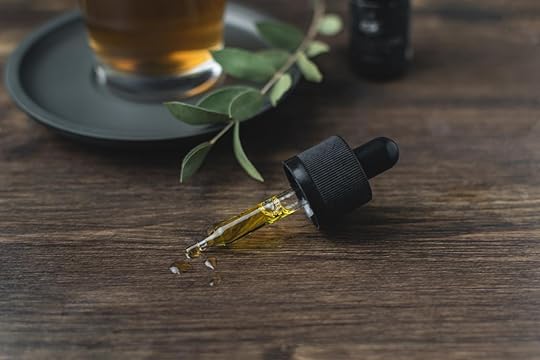
Thieves Oil, a concoction made from a number of different essential oils, is based on a 15th Century story, when all of Europe and Asia were dealing with the bubonic plague. Supposedly, four thieves from Europe robbed over 400 dead and dying people yet were never infected with the highly-contagious disease. When these men were finally caught, the magistrate offered them a reduced sentence (not death) in return for their secret.
Their secret was this concoction of essential oils, including clove, cinnamon, rosemary, eucalyptus, and lemon, that they mixed together and wore on their necks, hands, and wrists. Luckily, all of these essential oils are easily available and we can make our own Thieves Oil at home. Just mix them together in an amber drop bottle and you’re all set. I like to add this oil to my diffuser in the winter, and I add a few drops to a spray bottle filled with water. This Thieves Oil Spray disinfects everything from my cell phone to remote controls to door handles.
Some people say that when you’re sick with the flu or a sore throat, you can add a few drops of Thieves Oil to a carrier oil (I like almond oil) and rub a bit on the bottoms of your feet. Do this once in the morning and at night to help improve your immunity.
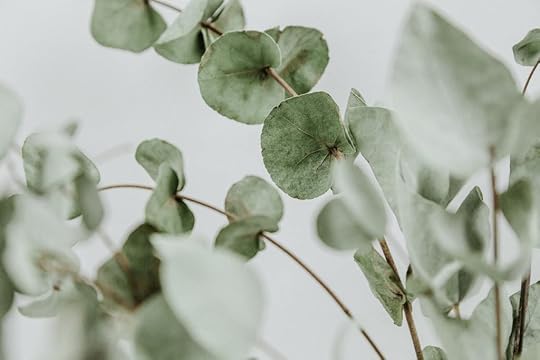 Sarah Munro’s Thieves OilINGREDIENTS:40 drops clove bud essential oil35 drops lemon essential20 drops cinnamon bark essential oil15 drops eucalyptus essential oil10 drops rosemary essential oilDIRECTIONS:
Carefully drop all of the above essential oil into a single amber bottle with its own dropper. Shake well. Add to a carrier oil, or water in a spray bottle, or even add a few drops to the water in your mop bucket.
IMPORTANT DISCLAIMER ABOUT WILD PLANTS, FORAGING , AND MAKING HERBAL REMEDIES:I am not a medical professional and nothing written on this blog is medical advice. None of my statements have been evaluated by the FDA (I am legally required to give you this disclaimer).
It is important to do your due diligence before foraging, harvesting, and/or consuming any type of medicinal plant.
If you are taking any medications, talk to your doctor about any potential drug interactions.If you are allergic to anything, make sure whatever you are foraging is not in the same family. Example: While dandelions are typically considered safe, those who are allergic to ragweed, latex, daisies, or any other plants in the same or similar families, may not be able to consume dandelion.Always research potential side effects, dosage recommendations, and how to properly prepare and consume each medicinal plant.
Always make sure you are foraging what you believe to be. Fully prepare and study the anatomy before harvesting wild plants.
Always make sure your kitchen/work area is clean and that all materials are sterilized.
Do not forage plants from areas that have been sprayed within the past 2 years at the very least.
I am not legally or morally responsible for the health of any of my readers. Please do your own research!
Subscribe to the blog Email Address
Subscribe
October 18, 2021
The Pumpkin Challenge: Can a Romance Writer Eat Only Pumpkin for an Entire Day?
A few weeks ago I posted an apple challenge where I only ate apple-based foods for an entire day. But a few years ago, I did this challenge with pumpkins! Since so many readers asked me to repost this article, I’ve taken it out of the archives and posted it below. I hope you enjoy it!
A repost from the archives…“I can’t believe that tomorrow is Halloween! And in honor of the funny squash that symbolizes this day, I’m going to only eat pumpkin foods. Why would I do such a thing? Since September 1st, everywhere I’ve gone I’ve been overwhelmed by pumpkin “things”. Pumpkin foods, drinks, housewares, clothes, and sometimes even a real pumpkin that I can cut up as a jack-o-lantern. So I was wondering… what if, for one day, I could only eat things made from pumpkins? What would that even look like? Or taste like?
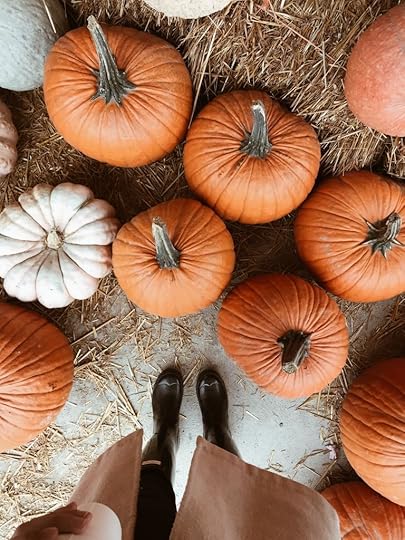
Since I like to research my books before I write, and I’m a librarian, I decided to take on this pumpkin challenge. I studied cookbooks and recipes to put together as balanced a meal plan as possible. Below is the plan I came up with and each of the meals is linked to a printable recipe page. Just click on the name of the food and it will take to to the recipe page
All-Day Pumpkin ChallengeBreakfast: Whole Wheat Pumpkin Pancakes~ I love pancakes and this recipe uses whole wheat flour to add a denser flavor. I don’t use syrup on my pancakes, but I do use butter. They tasted delicious topped with sliced bananas and roasted nuts.
Coffee with Spiced Pumpkin Creamer~ Home brewed coffee is a must in the morning. And this homemade creamer is so easy to make and has a lot less sugar than the pumpkin drinks at local coffee shops. It’s also a lot cheaper!
Snack: Pumpkin Granola and Greek Yogurt~ I get up early so by 10 am I’m hungry again. And a small bowl of yogurt topped with some pumpkin granola hits the spot. The granola is made with rolled oats, nuts, seeds, and dried fruit so it’s the perfect mid-morning pick-me-up.
Lunch: Spring lettuce with roasted pumpkin, roasted pumpkin seeds, and feta cheese~ I used a generous two cups of spring lettuce and added a few spinach leaves to the bowl. I topped that with chunks of roasted pumpkin, roasted pumpkin seeds (I made when I roasted the pumpkin), and some feta cheese. I tossed it with a homemade dressing of equal parts extra virgin olive oil and apple cider vinegar. Then added some salt and pepper.
Afternoon snack: Roasted Pumpkin Seeds~ I made this salty snack when I roasted the pumpkin for lunch. I threw a few seeds on my salad but saved the rest for my afternoon snack. You can always add a bit of chili powder to the salt when you toss the seeds if you prefer your seeds with more of a kick.
Dinner: Pumpkin Soup~ You can roast your own pumpkin for this soup and blend it in a blender or use pumpkin puree from a can. I’ve done both and they’re both delicious. And don’t be afraid to use the heavy cream. There’s a lot of soup in this recipe so you don’t end up eating a ton of cream with each serving. But the cream adds a nice texture and rounds out the flavors. I ate this soup with a small romaine lettuce salad and a balsamic dressing.
Sourdough, Pumpkin, Rosemary, and Dried Cranberry Bread~ This recipe needs a sourdough starter, but it’s not hard to make. I’ve also included a link on the recipe page to the King Arthur sourdough starter I love. The combination of pumpkin, rosemary, and dried cranberries in this bread is delicious. If you can time it right, pull the bread out of the oven about an hour before serving. That way it’s cool enough to cut but still warm enough for the butter to melt.
Dessert: Pumpkin Pudding~This was such a treat! Puddings aren’t my favorite dessert, but this one was easy and not too sweet. Make sure you prepare it early in the day so it can chill before you eat it.
Sweet Harvest Pumpkin Tea~ I found a box of Celestial Seasonings Sweet Harvest Pumpkin tea at the grocery store and loved it. It’s not too sweet or too pumpkiny. I added a splash of milk but no sweetener. You could add honey or sugar or stevia, but it has such a lovely flavor it doesn’t need it.
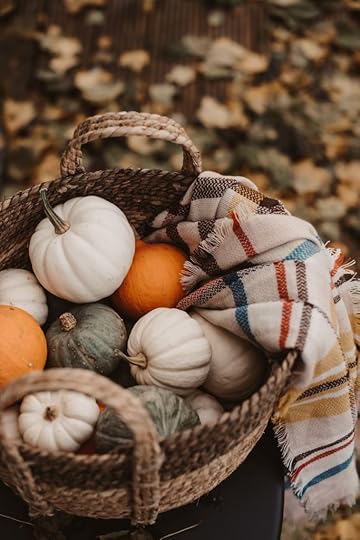
So, this was a lot of pumpkin for one day! But I deliberately chose foods that weren’t too sweet. Although there was more dairy involved than I usually eat. Now I’d love to know what you’d eat on a Pumpkin Challenge Day!”
Welcome to Sharon Wray’s Amazon bestselling Deadly Force
romantic suspense series
where ex-Green Berets meet their match in smart, sexy heroines who teach these alpha males that Grace always defeats Reckoning.
Her bestselling debut book EVERY DEEP DESIRE, a sexy, action-packed retelling of Romeo and Juliet, is about an ex-Green Beret determined to regain his honor, his freedom, and his wife. It’s available at: Amazon | Barnes & Noble | iBooks | IndieBound | Kobo | Google | Books-a-Million | Audible
Her second book, ONE DARK WISH , a passionate redemption of Othello with a HEA, is about an ex-Green Beret who must give up the woman he loves in order to redeem his honor and save the life of his men. It’s available at: Amazon | Barnes & Noble | Books-a-Million | iBooks | Google | Kobo | IndieBound | Audible
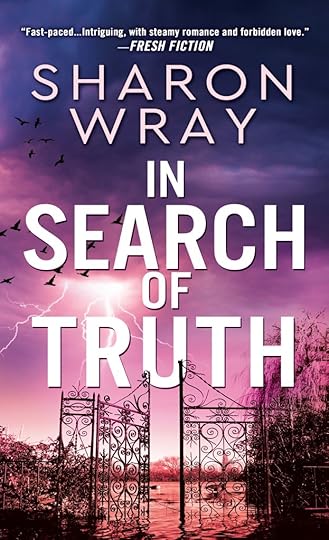
Her third book, IN SEARCH OF TRUTH, is about an ex-Green Beret desperate to win back the woman he loves and save the men he betrayed, even if he must make the greatest sacrifice. It’s available at: Amazon | Barnes & Noble | Books-a-Million | iBooks| Google | Kobo | IndieBound | Audible
October 16, 2021
NaNoWriMo Preptober: Part 3
In the last week, I’ve had a ton of messages asking me about the technology I use to plot and write my books. My absolute favorite way to plot and write is longhand. But as a working writer, that’s not fast enough. So I thought I’d give a brief review of the systems I use.

But I want to make it clear that while these are the systems that I use, there are a ton more apps out there that people love. Many of these programs I have used for years so while I’m interested in learning new one, I don’t have the time right now.
Note: This list of tech is specifically for crafting novels. I do use other systems like Trello and Canva to help run other aspects of my business but this list is just for writing. And, while I’ve added links to this post, I am NOT selling these programs. If you decide you want to purchase any of these, please search the internet for coupon codes. There are ALWAYS coupon codes available for these systems. While I don’t have any codes, please do a quick search before purchasing. Some of the coupons can save you hundreds of dollars!
Microsoft Word 365: My editor and agent expect my manuscripts to be submitted in Word. I write on multiple machines, sometimes in different places other than home, and I keep some of my manuscripts in a cloud to ensure I am always working on the most recent version. Although I do download and save my work every night. Then I email the manuscript to myself so there’s always a copy on my email provider’s server.
Scrivener: I’m not even sure how to describe Scrivener. It’s part word processor, part indexer, part visual editor, and part story & plot designer. Imagine taking all of your writing notes (sticky notes, journal pages, jottings on napkins) and placing them in Scrivener so you can keep track of everything! You can build book worlds, develop character and setting sheets, and break down your manuscript into the smallest scene that can be moved around on a virtual bulletin board. It is a complicated program and takes some time to learn, but it’s worth the time. I’ve been using it for years so there are updates that I’m not even aware of yet! But after writing over 11 novels on Scrivener, I can’t imagine using any other program. Although, having said that, when my trad books are done and ready to submit, I reformat the book in Word 365 for my editor and agent. If It’s an indie book, I’ll move it to Word 365 before uploading it to Vellum (noted below). In Word, I’m able to strip out extra, hidden formatting that makes it easier to use Vellum. But the more I learn about Vellum, the less I need to take that extra step.
Plottr: Plottr is a visual planner and outlining tool that helps you plan out your story. There are timelines, character and setting sheets, and scene builders. I’ve been using this program for about a year and the more I use it, the more I like about it. There’s also a free YouTube channel with tutorials so you can check out the program and how to use it. This software is for visual learners. So if you’re a hardcore journal scribbler, this may not work for you. There’s also an ability to create a story bible. I’ve been keeping my story bible in Scrivener but I may move it over to Plottr next year.
ProWritingAid: This is a grammar checker and style editor software. You just dump your manuscript into the editor and it evaluates your writing and tells you everything you’ve done wrong. What I like most about this software is that it helps me identify reused phrases and word echoes. It also evaluates your writing style and gives you ideas to improve readability. This is an AI program that I use a lot, but it’s not perfect. It is not a replacement for proof reading or copy editing.
Adobe Acrobat Pro: My publisher uses Adobe Acrobat Pro for both copyedits and final galley proofs. While I hate paying the monthly fee, the software does make it very easy to read through the final versions of the manuscript (which, I believe, are designed with InDesign). For my indie books, I’ve yet to run into an editor who works with Adobe. But if you’re a trad author, or hope to become one, you may have to sign up. Luckily you can sign up month-to-month so during the months I’m drafting and revising, I turn it off. It’s easy to turn back on once I receive a final version of the manuscript.
Vellum: I use this software to format my indie books and get them ready to upload to vendors like Amazon and Barnes & Noble. It even has an option to load up paperback versions to KDP and IngramSpark. But if you’re not using it to publish right away, you don’t have to pay for it. I’ve used the free version of this software to read through early versions of my book because sometimes reading drafts in a book-style format helps me see grammatical errors and pacing issues.
Reedsy: I am just learning about Reedsy and their free formatters (similar to Vellum) and AI manuscript checking programs (similar to ProWritingAid). While I don’t use it yet, I wanted to list it because it’s worth looking into–especially since it’s free!
Google Docs: This is a free word processor that works great, and is cheaper than Word 365. But I don’t use it to write. I use it as a free spell check because their AI system is different from Scrivener, Word, and ProWritingAid. I just upload the finished draft into a google doc and then run the spell check. You’ll be amazed at what the other AI programs have missed!
Aeon Timeline: I used to use this visual editor to help lay out my books in the Deadly Force series but I recently switched to Plottr. Aeon Timeline is a beautiful app and offers a ton of options but it’s just too complicated for me. I’d rather spend my time writing. But if you are working on a large series, like a space opera or a huge epic fantasy series, this may work really well for you. It’s at least worth checking out.
A Note on Story Bibles: These software programs are for planning, plotting, and writing. But Scrivener, Aeon Timeline, and Plottr can also be used to build story bibles which is especially useful if you’re writing a series. A story/series bible is crucial if you’re writing a long series with a large world, like in the sci fi or fantasy genres. I’ll be honest–these all work okay as series bibles but I’ve yet to find a software that can be a plotting/planning tool and offer a full Wiki experience. I’ve seen videos that the productivity tool Notion can do this, but that seems super complicated as well. So I’m using what I have… until the next shiny app comes knocking on my inbox!
Subscribe to the blog Email Address
Subscribe
Preptober: Part 3
In the last week, I’ve had a ton of messages asking me about the technology I use to plot and write my books. My absolute favorite way to plot and write is longhand. But as a working writer, that’s not fast enough. So I thought I’d give a brief review of the systems I use.
But I want to make it clear that while these are the systems that I use, there are a ton more apps out there that people love. Many of these programs I have used for years so while I’m interested in learning new one, I don’t have the time right now.
Note: This list of tech is specifically for crafting novels. I do use other systems like Trello and Canva to help run other aspects of my business but this list is just for writing. And, while I’ve added links to this post, I am NOT selling these programs. If you decide you want to purchase any of these, please search the internet for coupon codes. There are ALWAYS coupon codes available for these systems. While I don’t have any codes, please do a quick search before purchasing. Some of the coupons can save you hundreds of dollars!
Microsoft Word 365: My editor and agent expect my manuscripts to be submitted in Word. I write on multiple machines, sometimes in different places other than home, and I keep some of my manuscripts in a cloud to ensure I am always working on the most recent version. Although I do download and save my work every night. Then I email the manuscript to myself so there’s always a copy on my email provider’s server.
Scrivener: I’m not even sure how to describe Scrivener. It’s part word processor, part indexer, part visual editor, and part story & plot designer. Imagine taking all of your writing notes (sticky notes, journal pages, jottings on napkins) and placing them in Scrivener so you can keep track of everything! You can build book worlds, develop character and setting sheets, and break down your manuscript into the smallest scene that can be moved around on a virtual bulletin board. It is a complicated program and takes some time to learn, but it’s worth the time. I’ve been using it for years so there are updates that I’m not even aware of yet! But after writing over 11 novels on Scrivener, I can’t imagine using any other program. Although, having said that, when my trad books are done and ready to submit, I reformat the book in Word 365 for my editor and agent. If It’s an indie book, I’ll move it to Word 365 before uploading it to Vellum (noted below). In Word, I’m able to strip out extra, hidden formatting that makes it easier to use Vellum. But the more I learn about Vellum, the less I need to take that extra step.
Plottr: Plottr is a visual planner and outlining tool that helps you plan out your story. There are timelines, character and setting sheets, and scene builders. I’ve been using this program for about a year and the more I use it, the more I like about it. There’s also a free YouTube channel with tutorials so you can check out the program and how to use it. This software is for visual learners. So if you’re a hardcore journal scribbler, this may not work for you. There’s also an ability to create a story bible. I’ve been keeping my story bible in Scrivener but I may move it over to Plottr next year.
ProWritingAid: This is a grammar checker and style editor software. You just dump your manuscript into the editor and it evaluates your writing and tells you everything you’ve done wrong. What I like most about this software is that it helps me identify reused phrases and word echoes. It also evaluates your writing style and gives you ideas to improve readability. This is an AI program that I use a lot, but it’s not perfect. It is not a replacement for proof reading or copy editing.
Adobe Acrobat Pro: My publisher uses Adobe Acrobat Pro for both copyedits and final galley proofs. While I hate paying the monthly fee, the software does make it very easy to read through the final versions of the manuscript (which, I believe, are designed with InDesign). For my indie books, I’ve yet to run into an editor who works with Adobe. But if you’re a trad author, or hope to become one, you may have to sign up. Luckily you can sign up month-to-month so during the months I’m drafting and revising, I turn it off. It’s easy to turn back on once I receive a final version of the manuscript.
Vellum: I use this software to format my indie books and get them ready to upload to vendors like Amazon and Barnes & Noble. It even has an option to load up paperback versions to KDP and IngramSpark. But if you’re not using it to publish right away, you don’t have to pay for it. I’ve used the free version of this software to read through early versions of my book because sometimes reading drafts in a book-style format helps me see grammatical errors and pacing issues.
Reedsy: I am just learning about Reedsy and their free formatters (similar to Vellum) and AI manuscript checking programs (similar to ProWritingAid). While I don’t use it yet, I wanted to list it because it’s worth looking into–especially since it’s free!
Google Docs: This is a free word processor that works great, and is cheaper than Word 365. But I don’t use it to write. I use it as a free spell check because their AI system is different from Scrivener, Word, and ProWritingAid. I just upload the finished draft into a google doc and then run the spell check. You’ll be amazed at what the other AI programs have missed!
Aeon Timeline: I used to use this visual editor to help lay out my books in the Deadly Force series but I recently switched to Plottr. Aeon Timeline is a beautiful app and offers a ton of options but it’s just too complicated for me. I’d rather spend my time writing. But if you are working on a large series, like a space opera or a huge epic fantasy series, this may work really well for you. It’s at least worth checking out.
A Note on Story Bibles: These software programs are for planning, plotting, and writing. But Scrivener, Aeon Timeline, and Plottr can also be used to build story bibles which is especially useful if you’re writing a series. A story/series bible is crucial if you’re writing a long series with a large world, like in the sci fi or fantasy genres. I’ll be honest–these all work okay as series bibles but I’ve yet to find a software that can be a plotting/planning tool and offer a full Wiki experience. I’ve seen videos that the productivity tool Notion can do this, but that seems super complicated as well. So I’m using what I have… until the next shiny app comes knocking on my inbox!
Subscribe to the blog Email Address
Subscribe