Sharon Wray's Blog, page 40
November 18, 2022
The Hungry {Romance} Writer: Chicken & Leek Pot Pies
It’s been a busy few weeks while making writing deadlines and working on my NaNoWriMo book. And the kids are home… again. So I’m making a quick dinner that everyone loves. Chicken & Leek Pot Pies makes a filling meal that can be eaten around a fire pit or just outside on a cold Autumn night. I often serve this meal with a green salad and follow up with one of my favorite Fall desserts: Ginger Cake.
I hope your month is going well and I can’t believe that Thanksgiving is next week! Where is the month going?
Sharon Wray
Yields 6 servings
The Hungry {Romance} Writer: Chicken & Leek Pot PiesI adapted this recipe from one I received from my best friend Karen (who was from England) and from a recipe I found online. I don't love mushrooms or chicken things, so I left out the mushrooms and make this with chicken tenders. It's not hard to make, but it does take time. If you don't eat them all the night you make them, they will last in the fridge for a day or so. But they're never as good as the night you make them.
1 hr, 30 Prep Time
20 minCook Time
1 hr, 50 Total Time
 Save Recipe Print Recipe var print_b = document.getElementById('mpp_print_button'); var save_b = document.getElementById('mpp_saverecipe_button'); print_b.onclick = function(){ zlrPrint( "mpprecipe-container-244", "https://sharonwray.com/wp-content/plu...", "mpprecipe-design18", "1", "#" ) }; save_b.onclick = function(){ window.open('https://sharonwray.mealplannerpro.com...' + window.location.href); return false; }; My Recipes My Lists My Calendar
 Ingredients
2 pounds cubed chicken (white meat, thigh meat, or any part of the chicken will work)1 onion, quartered3 sprigs fresh parsley4 sprigs fresh thyme (divided)6 fresh sage leaves, divided3 Tablespoons salted butter, divided2 leeks, thinly sliced (about 1 cup)2 Tablespoons flour1/2 teaspoon Dijon mustard1/4 cup heavy creamKosher salt and freshly ground black pepper1 pound frozen puff pastry, thawed1 large egg, beatenInstructions
Chicken & Leek FillingTake the frozen puff pastry box out of the freezer and let it sit on the counter while you make the chicken mixture.In a large stock pot, add chicken, onion, parsley, 2 sprigs of thyme, and 3 sage leaves. Fill the pot with water until all the ingredients are covered.Over medium heat, bring the pot to a simmer. Reduce the heat to low. Cover the pot and cook for an hour, or until the chicken is tender.After an hour, remove and reserve the chicken.Over another large pot, strain the chicken/broth mixture.Keep the broth in the new pot and throw out the solids. (But keep the chicken!)Heat the new pot of broth over medium heat. Simmer until the mixture is cooked down and reduced to 1 1/2 cups. This will take 10-15 minutes. Remove the reduced broth from the heat and set aside.Meanwhile, shred the chicken. (discard any bones or skins, if necessary)Remove the leaves from the last 2 thyme sprigs. Slice the last 3 sage leaves.In a cast iron pan, melt 1 Tablespoon of butter over medium-high heat. Once the butter is melted, add the leaks, thyme, and sage. Stir and cook until the leeks or soft (but not browned). This will take 4-6 minutes. Add in the chicken and stir until the onions and chicken are well mixed.Remove the chicken and onion and place in a bow. Set aside.In the same cast iron skillet, melt the last two Tablespoons of butter. Add the flour and stir often until the flour begins to brown and smells "nutty." This will take 2-3 minutes.With a whisk, whisk in the 1 1/2 cups of chicken broth. Whisk in the Dijon mustard and simmer.Once the mixture reaches a simmer, remove the cast iron pan from the heat. Whisk in the cream. Season with salt and pepper to taste.Stir in the chicken and leek mixture and mix well. Taste and season again with salt and pepper to taste.Allow the mixture to cool on the stove.Making the Pies:Adjust the oven rack to the middle of the oven and preheat to 400° F.Line a baking sheet (with sides) with tin foil. Place the ramekins on the baking sheet.On a floured counter, roll out and divide the pastry into 4-6 squares, depending on how many ramekins you're using and their size.Fill the ramekins with the chicken/leek mixture. Cover each ramekin with a square of puff pastry and slice a hole in the center to release the steam.Pinch the edges of the pastry around the edges. Bake until the pies are brown and crisp, 15-20 minutes. Watch them carefully while they bake.Remove the pies from the oven and serve immediately.7.8.1.2244https://sharonwray.com/the-hungry-writer/the-hungry-romance-writer-chicken-leek-pot-pies/ { "@context": "http://schema.org/", "url": [ "https:\/\/sharonwray.com\/the-hungry-writer\/the-hungry-romance-writer-chicken-leek-pot-pies\/" ],"name" : "The Hungry {Romance} Writer: Chicken & Leek Pot Pies","description" : "I adapted this recipe from one I received from my best friend Karen (who was from England) and from a recipe I found online. I don't love mushrooms or chicken things, so I left out the mushrooms and make this with chicken tenders. It's not hard to make, but it does take time. If you don't eat them all the night you make them, they will last in the fridge for a day or so. But they're never as good as the night you make them. ","prepTime" : "PT1H30M","cookTime" : "PT20M","recipeYield" : "6 servings","datePublished" : "2022-10-31 11:21:16","recipeInstructions":[ { "@type": "HowToSection", "name": "Chicken & leek filling", "itemListElement": [ { "@type": "HowToStep", "text": "Take the frozen puff pastry box out of the freezer and let it sit on the counter while you make the chicken mixture." }, { "@type": "HowToStep", "text": "In a large stock pot, add chicken, onion, parsley, 2 sprigs of thyme, and 3 sage leaves. Fill the pot with water until all the ingredients are covered. " }, { "@type": "HowToStep", "text": "Over medium heat, bring the pot to a simmer. Reduce the heat to low. Cover the pot and cook for an hour, or until the chicken is tender." }, { "@type": "HowToStep", "text": "After an hour, remove and reserve the chicken. " }, { "@type": "HowToStep", "text": "Over another large pot, strain the chicken\/broth mixture. " }, { "@type": "HowToStep", "text": "Keep the broth in the new pot and throw out the solids. (But keep the chicken!)" }, { "@type": "HowToStep", "text": "Heat the new pot of broth over medium heat. Simmer until the mixture is cooked down and reduced to 1 1\/2 cups. This will take 10-15 minutes. Remove the reduced broth from the heat and set aside." }, { "@type": "HowToStep", "text": "Meanwhile, shred the chicken. (discard any bones or skins, if necessary)" }, { "@type": "HowToStep", "text": "Remove the leaves from the last 2 thyme sprigs. Slice the last 3 sage leaves. " }, { "@type": "HowToStep", "text": "In a cast iron pan, melt 1 Tablespoon of butter over medium-high heat. Once the butter is melted, add the leaks, thyme, and sage. Stir and cook until the leeks or soft (but not browned). This will take 4-6 minutes. Add in the chicken and stir until the onions and chicken are well mixed. " }, { "@type": "HowToStep", "text": "Remove the chicken and onion and place in a bow. Set aside." }, { "@type": "HowToStep", "text": "In the same cast iron skillet, melt the last two Tablespoons of butter. Add the flour and stir often until the flour begins to brown and smells \"nutty.\" This will take 2-3 minutes." }, { "@type": "HowToStep", "text": "With a whisk, whisk in the 1 1\/2 cups of chicken broth. Whisk in the Dijon mustard and simmer." }, { "@type": "HowToStep", "text": "Once the mixture reaches a simmer, remove the cast iron pan from the heat. Whisk in the cream. Season with salt and pepper to taste." }, { "@type": "HowToStep", "text": "Stir in the chicken and leek mixture and mix well. Taste and season again with salt and pepper to taste." }, { "@type": "HowToStep", "text": "Allow the mixture to cool on the stove." }]}, { "@type": "HowToSection", "name": "Making the pies:", "itemListElement": [ { "@type": "HowToStep", "text": "Adjust the oven rack to the middle of the oven and preheat to 400\u00b0 F." }, { "@type": "HowToStep", "text": "Line a baking sheet (with sides) with tin foil. Place the ramekins on the baking sheet." }, { "@type": "HowToStep", "text": "On a floured counter, roll out and divide the pastry into 4-6 squares, depending on how many ramekins you're using and their size." }, { "@type": "HowToStep", "text": "Fill the ramekins with the chicken\/leek mixture. Cover each ramekin with a square of puff pastry and slice a hole in the center to release the steam." }, { "@type": "HowToStep", "text": "Pinch the edges of the pastry around the edges. Bake until the pies are brown and crisp, 15-20 minutes. Watch them carefully while they bake." }, { "@type": "HowToStep", "text": "Remove the pies from the oven and serve immediately." }]}],"keywords" : "The Hungry {Romance} Writer: Chicken & Leek Pot Pies","recipeIngredient" : ["2 pounds cubed chicken (white meat, thigh meat, or any part of the chicken will work)","1 onion, quartered","3 sprigs fresh parsley","4 sprigs fresh thyme (divided)","6 fresh sage leaves, divided","3 Tablespoons salted butter, divided","2 leeks, thinly sliced (about 1 cup)","2 Tablespoons flour","1\/2 teaspoon Dijon mustard","1\/4 cup heavy cream","Kosher salt and freshly ground black pepper","1 pound frozen puff pastry, thawed","1 large egg, beaten"], "image": { "@type": "ImageObject", "url": "https:\/\/sharonwray.com\/wp-content\/uploads\/2022\/10\/18.jpg" }, "author": { "@type": "Person", "name": "Sharon Wray" }, "nutrition": { "@type": "NutritionInformation", "servingsize": "1 serving"},"@type": "Recipe"} Subscribe
 Enter your email address to subscribe to this blog and receive notifications of new posts by email.
Email Address
Subscribe
The post The Hungry {Romance} Writer: Chicken & Leek Pot Pies appeared first on Sharon Wray.


November 17, 2022
NaNoWriMo Check-in & Rest
NaNoWriMo Week 3 is almost over, and we’re more than halfway through the month. I’m not going to talk about word count or anything else about our manuscripts.

Today I want to talk about something we often don’t do while on any deadline, whether it be NaNo, our editor’s, or our own. That thing is rest. I don’t mean naps (although those are good!), instead I’m talking about mental breaks. Resting your mind helps alleviate stress and it’s also a great way to allow plot problems to work themselves out deep in your subconscious while you’re NOT staring at the computer screen. Luckily, rest also means fun!
When I have fun, I don’t want to spend a lot of money–especially this time of year with all the entertaining and gift-buying, etc. So here are a few ideas to get you away from your keyboard and out in the world.
 REST FOR A WEARY AUTHOR
Watch a movie–either alone or with a friend. Put on a Hallmark Christmas movie, or a horror flick. Something that will get your mind off of your WIP and make you laugh, cry, or hide beneath the blankets. Throw in a huge bowl of buttered popcorn and your favorite drink and pretend you’re twelve.
Host a pot-luck dinner with friends. Have your friends bring over their favorite foods, open some wine or beer or your favorite beverage, and hang out like when you were in high school. If you have a fire pit or a patio, sit outside while the weather is still nice.
Play sports outside. Grab your friends to throw a football or hit a baseball. Maybe go for a run with your running buddy, or toss a ball to your dog who loves to jump in the leaves. Just do something that moves your body and gets you breathing in some fresh, fall air.
Pick apples, have a picnic, and drink cider. Although Halloween is over, many farms still have apples that need to be picked and cider that needs drinking. Bring a picnic and enjoy one of the last fall days outside.
Go for a hike in the woods or a walk on the beach. If you live in a state where there are woods or beaches, hike the local trails before all the trees lose their leaves. Walk barefoot in the sand before it gets too cold. If you have no woods or water nearby, I’m sure you have something just as lovely. A park or a desert setting. Anything that gets your heart pumping while taking in the beauty of a late fall afternoon.
Cook a meal or bake a cake. If you like to cook or bake, do so. Pull out your favorite recipes and start your dough rising and get that crockpot going. The best part of having cooking or baking as one of your hobbies is that you always have something awesome to eat when you’re done. If you’re stuck for ideas, check out my index for The Hungry {Romance} Writer blog. There are lots of easy, delicious recipes for chefs of all experience levels.
Hobbies. If you have any hobbies (scrapbooking, thrifting, sewing, woodworking, etc), pick a project to work on during NaNo. It sounds counter-intuitive, but having a separate project to work on helps keep your mind and soul balanced. It can also be motivation to finish your words so you can get back to your hobby.
Gardening. Sometimes raking leaves or mulching beds for the winter can have a calming effect on a busy, overworked mind. And you have the added benefit of cleaning up the yard for the winter!
Whatever you choose to do, do it with a happy heart and no guilt. Your book will get written, regardless if you hit the magic 50K number. But ending November with a hunched back and crooked fingers serves no one–not you, not your family, and not your characters. So do yourself a favor by stepping away from your WIP to rest and have some fun!
Subscribe Enter your email address to subscribe to this blog and receive notifications of new posts by email.
Email Address
Subscribe
The post NaNoWriMo Check-in & Rest appeared first on Sharon Wray.
November 16, 2022
Prep & Plan: Autumn Garden Tasks
It’s that time of year again, at least for most of the country. Frost is looming (if not already here) and it’s time to do a final clean up in the garden. Below I’ve listed some of the top tasks to consider in order to protect your garden from the winter and to prepare it for the spring.
Autumn Garden Tasks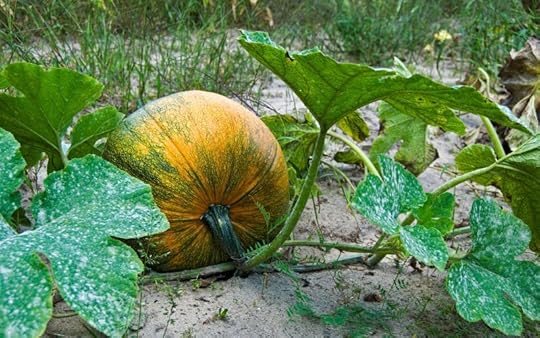 Evaluate the Garden
It’s time to walk through the garden with a notebook and takes notes about what worked for you this year and what didn’t. Look at which plants needed more sun or shade, where you may need to build a privacy screen of ivy or bushes, decide on what colors you liked and what you’d add next year. And don’t forget to evaluate the veggie and herb gardens!
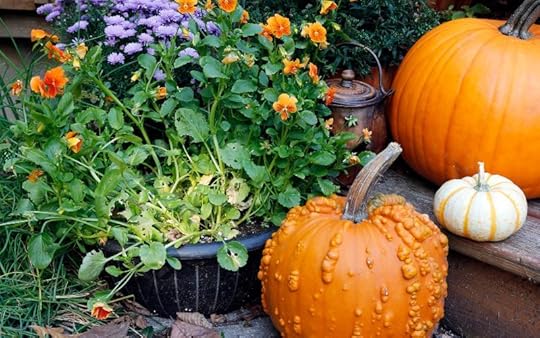 Remove Annuals from Containers and Beds
It’s time to clean out (and wash and store away) containers holding your annuals. It’s also time to pull these favorite plants from the beds. Either compost the healthy plants or dispose of the diseased plants. For ease, this chore really should be done before the first frost. If you have any herbs in pots, now is a good time to cut them and bring them in for drying.
 Plant Fall Trees, Shrubs, & Perennials
There is still time to plant fall trees, shrubs, and perennials. As long as the soil is still warm enough, now is a good time to take advantage of sales at local nurseries to fill in holes in your landscaping. You need good six weeks from planting to the first freeze in order to give the roots a chance to get established.
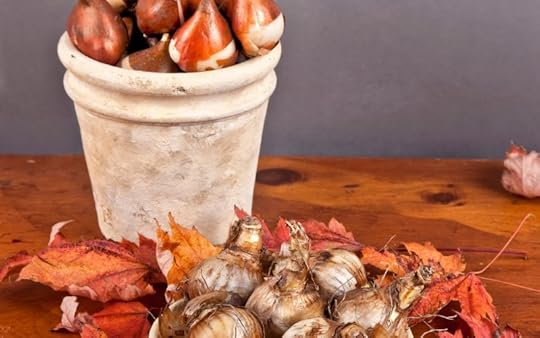 Plant Spring Bulbs
Fall is the best time to plant all of your spring bulbs like daffodils, hyacinths, and tulips. This time of year, the garden centers are full of different varieties of bulbs. So you have tons to choose from. Just make sure you plant them before the first frost!
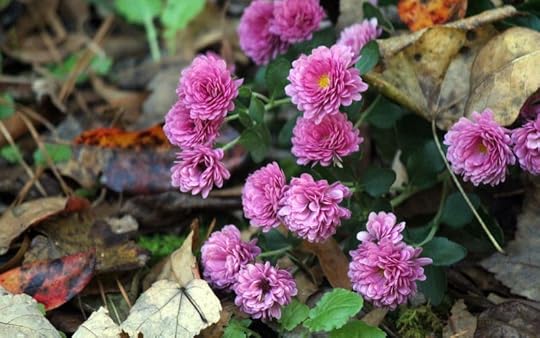 Cut Back Perennials
Not every perennial needs to be cut back in the fall, but once the plants have gone dormant it’s time to clean out dead foliage from the garden beds. Shrubs shouldn’t be cut back in the fall, and here’s a list of perennials that also should NOT be cut back now.
Evergreen or semi-evergreen perennials (Dianthus, Phlox, etc.)Perennials with woody stems (Lavender, Buddleia, etc.)Perennials that offer interest during the winter (ornamental grasses and onions, etc.)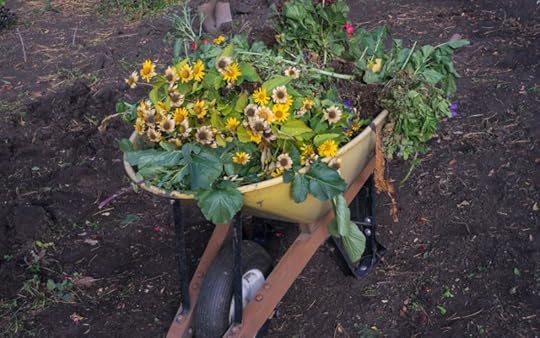 Dispose of Diseased Foliage
While compost piles are great, they don’t generate enough heat to kill the pathogens that infect plants with diseases. The best way to deal with diseased plants it to cut them down, bag them up, and dispose of them in the trash. Otherwise, next year, you’ll be dealing with the same disease issues and they could even spread.
 Bring in Outdoor Plants
Now is the time to bring in the last of the fall flowers, berries, and leaves to decorate your house. Hydrangeas, Rose Hips, and ornamental grass plumes make for a beautiful addition to your inside decor.
 Water the Garden
Even though it’s getting colder out, roots are still growing, especially those newer plants you’ve added to the garden. So if you’ve not had enough fall rain, keep watering the garden until all the plants go dormant and the ground begins to freeze. During this time of year, the best way to water is to water deeply once a week and watch the weather for freeze warnings.
 Rake & Mulch
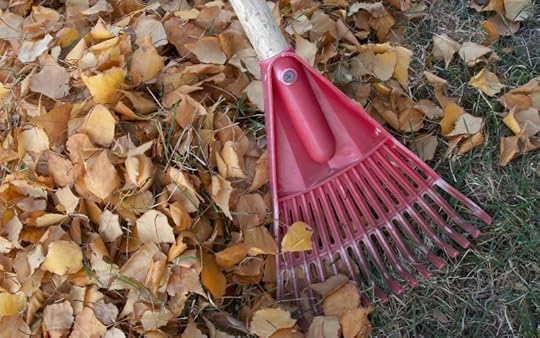
Leaves that haven’t been shredded take a long time to break down and can carry mold that will last until the spring. So rake up those leaves! And if you have a leaf shredder, shred the leaves and mulch your garden beds. If you don’t want to use leaf mulch, consider other kinds of mulch for your more sensitive plants and newer plantings.
 Protect Sensitive & New Plants
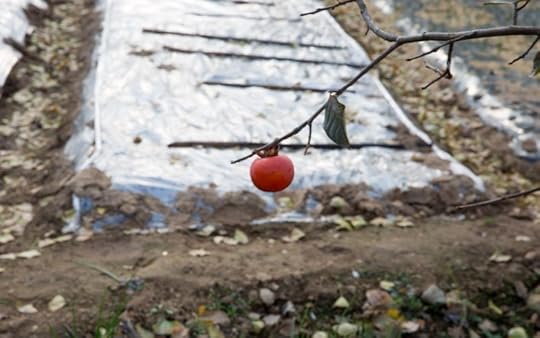
Once your plants have gone dormant, you may need to mulch over or use evergreen branches to protect certain sensitive plants. This is especially true if some of your plants are not quite adapted for your hardiness zone as well as for new plantings that may not have established roots yet.
 Clean & Put Away Gardening Tools
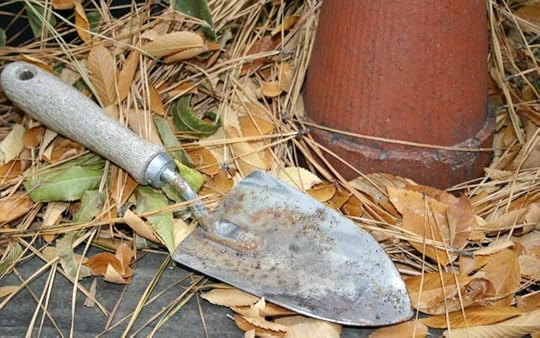
Once all of you outdoor chores are done for the season, wash and dry all of your tools and put them away neatly. That way, when spring comes again, you’ll be all set to work in the garden again.
 Plan for Next Year’s Garden
Once all the chores are done and the tools are put away, I love to sit down with a cup of tea and review the notebook I worked at the top of this page. I reevaluate my notes about what worked and what didn’t work. And then I begin considering what I want to do for next year’s garden and order any seed or plant catalogs I think I may need for my spring planting.
Subscribe Enter your email address to subscribe to this blog and receive notifications of new posts by email.
Email Address
Subscribe
The post Prep & Plan: Autumn Garden Tasks appeared first on Sharon Wray.
November 15, 2022
Sarah Munro’s Forest Blend Bathroom Spray
‘Tis the season for guests. That means we need to prep our homes–especially our bathrooms–for an onslaught of visitors. Since things sometimes don’t go as we hope in the bathroom (pun intended!), it’s not a bad idea to provide your guests with a preemptive strike–a bathroom spray that helps keep down unwanted odors. This idea is derived from colonial-era recipes of sprays and herbs used in humble pit latrines. When you douse the water with an essential oil, you help keep down the odor.
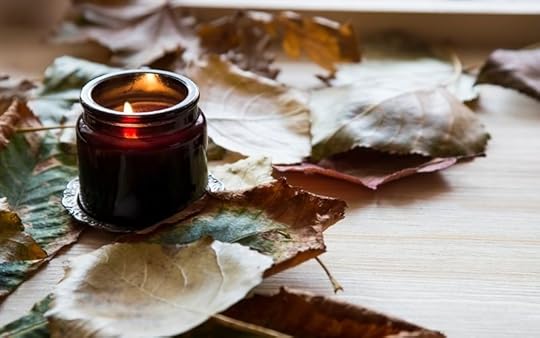
While it’s not a pleasant thing to think about, using a spray (and mentioning it to your guests beforehand) can go a long way to helping keep the entire household smell–and feel–fresh and clean. This concoction works in layers. The alcohol is a natural solubilizer for the essential oils. Because oil and water don’t mix well, the alcohol helps disperse the oils in the water, instead of sitting on top of the water. Alcohol also kills odor-causing bacteria, is a natural antiseptic, and evaporates quickly. The vegetable glycerin allows the liquid to adhere to the water. By adhering to the water, the odor molecules are kept below the toilet water’s surface. This process prevents the unwanted odors from becoming airborne. And because herbal latrine deodorizers have been around for centuries, Sarah Munro, (my PhD historian and heroine in book 2 of the Deadly Force series, ONE DARK WISH), has added this Forest Blend Bathroom Spray to her collection of DIY herbal recipes.
Sarah Munro’s Forest Blend Bathroom SprayIngredients & Equipment:2 Tablespoons distilled water2 Tablespoons 91% rubbing alcohol (or 190 proof ethanol)1 Tablespoon vegetable glycerine40 drops Virginia cedarwood essential oil25 drops bay laurel essential oil15 drops of pine essential oil1 small glass spray bottle with a twist on cap and a misting tipDirections:Add all of the ingredients into the glass bottle, using a small funnel if necessary. Twist on the cap and shake well for at least 1 minute.
Set the bottle aside for 5 days so the aromas blend together.
After 5 days, take off the twist-on lid and add the misting top.
To use: Shake the bottle well and spray 6-7 pumps into the toilet every time before you go.
IMPORTANT DISCLAIMER ABOUT WILD PLANTS, FORAGING , AND MAKING HERBAL REMEDIES:I am not a medical professional and nothing written on this blog is medical advice. None of my statements have been evaluated by the FDA (I am legally required to give you this disclaimer).
It is important to do your due diligence before foraging, harvesting, and/or consuming any type of medicinal plant.
If you are taking any medications, talk to your doctor about any potential drug interactions.If you are allergic to anything, make sure whatever you are foraging is not in the same family. Example: While dandelions are typically considered safe, those who are allergic to ragweed, latex, daisies, or any other plants in the same or similar families, may not be able to consume dandelion.Always research potential side effects, dosage recommendations, and how to properly prepare and consume each medicinal plant.
Always make sure you are foraging what you believe to be. Fully prepare and study the anatomy before harvesting wild plants.
Always make sure your kitchen/work area is clean and that all materials are sterilized.
Do not forage plants from areas that have been sprayed within the past 2 years at the very least.
I am not legally or morally responsible for the health of any of my readers. Please do your own research!
Subscribe Enter your email address to subscribe to this blog and receive notifications of new posts by email.
Email Address
Subscribe
The post Sarah Munro’s Forest Blend Bathroom Spray appeared first on Sharon Wray.
November 14, 2022
A Letter of Thanksgiving
Edward Winslow was not the most popular of the Mayflower’s passengers. In fact, his life in the Plymouth Colony ended because the rest of the passengers betrayed him. He wasn’t a politician, he wasn’t rich, and he had no ulterior motives when in the summer of 1620 he decided to head to the New World. Edward Winslow and his family, along with some other Pilgrims, sailed from Leiden to Southampton on the ship called the Speedwell. Except once they arrived in Southampton, all of the passengers were transferred to the Mayflower. (Sounds like current air travel with cancelled flights and re-routed trips)

That meant that the Mayflower, not the largest ship, was overcrowded with 102 passengers plus all of the crew. Historians know from diaries and letters that it was a treacherous journey. In November 1620, the Mayflower arrived in Cape Cod, miles away from their destination. Because there was friction between passengers and crew, they dew up the Mayflower Compact. This was a document where the passengers pledged their allegiance to the crown and laid out the democracy they hoped to form in the New World. Edward Winslow signed this famous document.
Eventually, the passengers settled in Plymouth, Massachusetts at the very beginning of a bitter winter. By February 1621, more than half of the population was dead. During this winter, Edward Winslow built a positive relationship with Massasoit, the leader of the Wampanoag tribe. Since the Pilgrims were living on Wampanoag land, Edward Winslow felt it was important to build a good relationship with Massasoit. While there was contention among the Pilgrims about everything–from how to divide food to how to form relationships with the Wampanoag–Edward proved himself to be quite diplomatic. He understood that being accepted by the Wampanoag was crucial to the survival of the Plymouth Colony.
Massasoit eventually took up Edward Winslow’s offer to visit the colony, and some of Edward’s letters (that he sent back to England) mention Edward helped nurse the chief when he fell ill. Also mentioned in these letters is the fact that Massasoit was not impressed with the Plymouth colony and offered to help teach the colonists how to establish themselves–including growing food–in their failing colony. Through the close friendship between Edward Winslow and Massasoit, the Pilgrims received the help they needed to survive.
Less than a year later, in December 1621, the Wampanoag and the Pilgrims shared their first feast. Luckily, Edward wrote all about the feast in a letter he sent to friend in England. This letter gives us everything we know about this fateful day and the feast they shared. Because the letter is in the public domain, I posted it below. I also want to note that Edward Winslow was not political enough to survive the Plymouth Colony. A lot of people on both sides of the Atlantic wanted the colony to fail and worked hard to make that happen. After a betrayal from some of the members in the colony, Edward Winslow sailed back to England and was imprisoned for minor offenses. After he was released, from 1619 to 1655, Edward Winslow was a fearless man who bopped all around the world. He jet-setted back and forth between the New World (including Canada) and Europe, and he eventually died on his way to West Indies. Despite his busy life, Edward Winslow left behind an enormous trove of letters that proved he was a progressive man living in a harsh world, a man who believed that people everywhere wanted the same things (safety, health, and love) and were willing to fight for the rights of others.
I hope you enjoy this letter, and as you read it you will probably recognize where so many of the traditions that formed our current-day Thanksgiving came from.
Loving, and old Friend; although I received no letter from you by this ship, yet forasmuch as I know you expect the performance of my promise, which was, to write unto you truly and faithfully of all things. I have therefore at this time sent unto you accordingly. Referring you for further satisfaction to our more large relations. You shall understand, that in this little time, that a few of us have been here, we have built seven dwelling-houses, and four for the use of the plantation, and have made preparation for divers others. We set the last spring some twenty acres of Indian corn, and sowed some six acres of barley and peas, and according to the manner of the Indians, we manured our ground with herrings or rather shads, which we have in great abundance, and take with great ease at our doors. Our corn did prove well, and God be praised, we had a good increase of Indian corn, and our barley indifferent good, but our peas not worth the gathering, for we feared they were too late sown, they came up very well, and blossomed, but the sun parched them in the blossom; our harvest being gotten in, our governor sent four men on fowling, that so we might after a more special manner rejoice together, after we had gathered the fruit of our labors; they four in one day killed as much fowl, as with a little help beside, served the company almost a week, at which time amongst other recreations, we exercised our arms, many of the Indians coming amongst us, and among the rest their greatest King Massasoit, with some ninety men, whom for three days we entertained and feasted, and they went out and killed five deer, which they brought to the plantation and bestowed on our governor, and upon the captain, and others. And although it be not always so plentiful, as it was at this time with us, yet by the goodness of God, we are so far from want, that we often wish you partakers of our plenty. We have found the Indians very faithful in their covenant of peace with us; very loving and ready to pleasure us: we often go to them, and they come to us; some of us have been fifty miles by land in the country with them; the occasions and relations whereof you shall understand by our general and more full declaration of such things as are worth the noting, yea, it hath pleased God so to possess the Indians with a fear of us, and love unto us, that not only the greatest king amongst them called Massasoit, but also all the princes and peoples round about us, have either made suit unto us, or been glad of any occasion to make peace with us, so that seven of them at once have sent their messengers to us to that end, yea, an Fle at sea, which we never saw hath also together with the former yielded willingly to be under the protection, and subjects to our sovereign Lord King James, so that there is now great peace amongst the Indians themselves, which was not formerly, neither would have been but for us; and we for our parts walk as peaceably and safely in the wood, as in the highways in England, we entertain them familiarly in our houses, and they as friendly bestowing their venison on us. They are a people without any religion, or knowledge of any God, yet very trusty, quick of apprehension, ripe-witted, just, the men and women go naked, only a skin about their middles; for the temper of the air, here it agreeth well with that in England, and if there be any difference at all, this is somewhat hotter in summer, some think it to be colder in winter, but I cannot out of experience so say; the air is very clear and not foggy, as hath been reported. I never in my life remember a more seasonable year, than we have here enjoyed: and if we have once but kine, horses, and sheep, I make no question, but men might live as contented here as in any part of the world. For fish and fowl, we have great abundance, fresh cod in the summer is but coarse meat with us, our bay is full of lobsters all the summer, and affordeth variety of other fish; in September we can take a hogshead of eels in a night, with small labor, and can dig them out of their beds, all the winter we have mussels and othus at our doors: oysters we have none near, but we can have them brought by the Indians when we will; all the springtime the earth sendeth forth naturally very good sallet herbs: here are grapes, white and red, and very sweet and strong also. Strawberries, gooseberries, raspas, etc. Plums of three sorts, with black and red, being almost as good as a damson: abundance of roses, white, red, and damask: single, but very sweet indeed; the country wanteth only industrious men to employ, for it would grieve your hearts (if as I) you had seen so many miles together by goodly rivers uninhabited, and withal to consider those parts of the world wherein you live, to be even greatly burdened with abundance of people. These things I thought good to let you understand, being the truth of things as near as I could experimentally take knowledge of, and that you might on our behalf give God thanks who hath dealt so favorably with us.
Our supply of men from you came the ninth of November 1621, putting in at Cape Cod, some eight or ten leagues from us, the Indians that dwell thereabout were they who were owners of the corn which we found in caves, for which we have given them full content, and are in great league with them, they sent us word there was a ship near unto them, but thought it to be a Frenchman, and indeed for ourselves, we expected not a friend so soon. But when we perceived that she made for our bay, the governor commanded a great piece to be shot off, to call home such as were abroad at work; whereupon every man, yea, boy that could handle a gun were ready, with full resolution, that if she were an enemy, we would stand in our just defense, not fearing them, but God provided better for us than we supposed; these came all in health unto us, not any being sick by the way (otherwise than seasickness) and so continue at this time, by the blessing of God, the goodwife Ford was delivered of a son the first night she landed, and both of them are very well. When it pleaseth God, we are settled and fitted for the fishing business, and other trading, I doubt not but by the blessing of God, the gain will give content to all; in the mean time, that we have gotten we have sent by this ship, and though it be not much, yet it will witness for us, that we have not been idle, considering the smallness of our number all this summer. We hope the merchants will accept of it, and be encouraged to furnish us with things needful for further employment, which will also encourage us to put forth ourselves to the uttermost. Now because I expect your coming unto us with other of our friends, whose company we much desire, I thought good to advertise you of a few things needful; be careful to have a very good bread-room to put your biscuits in, let your cask for beer and water be iron-bound for the first tire if not more; let not your meat be dry-salted, none can better do it than the sailors; let your meal be so hard trod in your cask that you shall need an adz or hatchet to work it out with: trust not too much on us for corn at this time, for by reason of this last company that came, depending wholly upon us, we shall have little enough till harvest; be careful to come by some of your meal to spend by the way, it will much refresh you, build your cabins as open as you can, and bring good store of clothes, and bedding with you; bring every man a musket or fowling-piece, let your piece be long in the barrel, and fear not the weight of it, for most of our shooting is from stands; bring juice of lemons, and take it fasting, it is of good use; for hot waters, aniseed water is the best, but use it sparingly: if you bring anything for comfort in the country, butter or sallet oil, or both is very good; our Indian corn even the coarsest, maketh as pleasant meat as rice, therefore spare that unless to spend by the way; bring paper, and linseed oil for your windows, with cotton yarn for your lamps; let your shot be most for big fowls, and bring store of powder and shot: I forbear further to write for the present, hoping to see you by the next return, so I take my leave, commending you to the Lord for a safe conduct unto us. Resting in Him
Plymouth in New England
this 11 of December. 1621.
Your loving Friend
E. W.
Subscribe Enter your email address to subscribe to this blog and receive notifications of new posts by email.
Email Address
Subscribe
The post A Letter of Thanksgiving appeared first on Sharon Wray.
November 11, 2022
A Time for Martinmas
Come away, O human child!
To the waters and the wild
With a faery, hand in hand,
For the world’s more full of weeping than you
can understand.
Excerpt from The Stolen Child by William Butler Yeats [1865-1939]
Once upon a time, the world used a different calendar called the Julian calendar (named after Julius Caesar). During this time, Samhain aka Halloween occurred on November 11 instead of October 31. Just like today, Samhain was a time when the veil between the living and the dead was so thin that spirits could roam the world. During the time of the Julian calendar, this was still a pagan holiday. And during this holiday, in Ancient Ireland, all the living people were focused on one thing–keeping the Sidhe in the Otherworld.

The Sidhe (pronounced Shee) are Irish Fairies, descended from the Tuatha Dé Danaan, who tended to be contrary and difficult to deal with. And they could also be dangerous, especially when they were kidnapping children and taking them to the Otherworld. The Sidhe were particularly active during this time of year, so on November 11 people would sacrifice birds and scatter the blood around their properties to protect themselves and their children from the Sidhe. Then they’d offer the dead bird to the Sidhe, keeping behind one claw in case a child was taken during the year. Apparently, you might be able to trade that claw to get your child back.
Before the Dark Ages began (around 500 AD), the Roman Empire ruled everyone and random pagan customs still existed in the darker corners of the world, especially in Ancient Ireland and Scotland which the Romans never truly conquered. Still, Christianity was growing in popularity and slowly encroaching on the older gods and customs. One of the best examples of this is in Ancient Ireland. Samhain, and its connection to the Otherworld of the Sidhe, was a powerful force during the 1st – 4th centuries until a Roman soldier and Christian convert changed… everything.
What little information historians have about Martin of Tours (St. Martin) comes from a Roman historian named Sulpicius Severus. Apparently, Martin was born (between 316 AD and 336 AD) into a pagan family of Danubian (Belgian) nobles, and he joined the Roman cavalry when he was just 15 years old. Although this was around the time Christianity was now considered legal to practice in the empire, Martin was named after the Roman god Mars, the god of war. Martin was expected to build his life in the Roman army as an officer who would one day command a legion. (Mars also had a role to play in protecting Hades and its cthulhu wealth which becomes later on)

So Martin, the Roman cavalryman, was doing his work and also becoming a catechumen (someone who was being instructed in the Christian faith). By the time he was 18, he’d already served in Gaul, Milan, and Treves. He’d also been promoted to serve in the Roman emperor’s guard. Then, one freezing cold day, he met a naked beggar in Amiens. Martin removed his heavy cloak and cut it in half with his sword. He gave one half of the cloak to the beggar and kept the other half for himself. That night, Martin had a vision of Christ. The vision said, “Martin, a mere catechumen has clothed me.”
By the age of 20, Martin told his superior officers and his family that he was now a conscientious objector (Martin is considered the first conscientious objector in recorded history) and he no longer wanted to serve in the Roman army. The other officers accused him of cowardice and threatened him with prison. So Martin said he’d go into battle unarmed. If he survived, they’d release him from service. The officers agreed since they really didn’t want to send him to prison (he was from a very powerful family), and after the battle was canceled due to an unexpected truce, they released him from service.
Now that Martin was no longer a soldier, he moved to Tours, France where he studied theology under Hilary of Poitiers. Then Martin moved to Italy where he began converting people to the Christian faith. Sulpicius Severus tells all sorts of stories about Martin’s time in Italy, including converting a vicious highwayman and confronting the devil. Around this time, Martin had a vision telling him to return to his mother in Pannonia. He did and led his mother to conversion. With his growing fame for miracles, spiritual battles, and conversions, he then countered the Arian heresy which denied the divinity of Christ. The Arian leaders drove Martin away from Italy and forced him into exile. Martin ended up back in Tours where, in 361, he established the Liguge Abbey monastery. Martin was an extraordinary evangelist and eventually opened another monastery and became a Bishop. He became even more famous for becoming a monk and helping the poor, casting out demons, and fighting heresies. Martin died on 8 November 397, and was buried three days later, on November 11. November 11 became St. Martin’s feast day, what we now call Martinmas. Since by this time St. Martin had performed so many miracles, most of the world mourned his death.

Around this time, a man named Maewyn Succat was born to a wealthy family in Britain. This family, because of their standing in the community, tried to walk a fine line between paganism and Christianity to keep the peace. Maewyn’s mother, Concessa, was also a direct relative of St. Martin of Tours. While I won’t go into Maewyn’s entire life story, he ends up becoming St. Patrick of Ireland.
When St. Patrick was working in Ireland, he was faced with a wild country split in two. Many people were converting to Christianity, to take power away from the Druid priests, while many others still worshipped the old gods. The one thing both sides had in common was that they believed in the Green Folk, aka the Sidhe (Fairies). As St. Patrick preached, he began to celebrate the saints that had gone before him, including his relative St. Martin of Tours. St. Patrick even offered Ireland into St. Martin’s spiritual protection. Since Martinmas occurred on the same day as Samhain, over the years the celebrations of both the old and new holidays merged. People still killed a bird, but they ate it in Thanksgiving instead of leaving it in the woods for the Sidhe. (Cooking a bird for Thanksgiving… sound familiar?) People carried lanterns cut out of gourds and pumpkins and walked through their towns to spread the light of Christ as well as to keep the spirits (and fairies) in the Otherworld. Towns held huge bonfires, and beggars came out on the night of November 10 to go A’souling… asking for “soul cakes” to keep them fed during the winter (an early form of trick or treating). People lit bonfires and prayed for their deceased relatives, often dressing in costume to confuse those spirits who might try to cross through the veil to the land of the living.
In 1582, when Pope Gregory XIII, developed the Gregorian calendar to rectify the mathematical mistakes in the Julian calendar (The Julian system miscalculated the length of the solar year by 11 minutes, causing the calendar to fall out of sync with the seasons), Halloween, was moved back to October 31, along with all of the traditions. Yet, the world was so Christianized by then, many people kept up the traditions of Martinmas. Up until the beginning of WWII, towns all over Britain and Ireland still had lantern walks (often with hot cider and bonfires along the way) on November 11. It was also considered a national holiday where most people had the day off of work.
But there was (and some say there still is) a tradition that never moved to Halloween and stayed with Martinmas — a tradition that talks about why you should protect your children from the Sidhe. According to Norman Scarfe, who published the book “Suffolk in the Middle Ages” in 1986, people still worried about the fairies who take children. In a scary passage, Scarfe retells the story of a British farmer and his interaction with the Sidhe.
“at harvest time, when the harvesters were busy in the fields gathering the crops, two children a boy and a girl, emerged from these ditches. Their entire bodies were green and they were wearing clothes of unusual colour and unknown material. As they wandered bemused over the countryside, they were seized by the reapers and led to the village”. [They refuse all food until they are given freshly shelled beans which they eat until they learn to eat bread and speak English]. “Once they had the use of our language, they were asked who they were and where they came from. They said to have replied “we are people from St Martin’s land; he is accorded special reverence in the country of our birth” (Scarfe, 1986).
This interview talks about a direct link to the Otherworld (land of the Sidhe) and the twilight world (land of the living), and it mentions “St. Martin’s Land”. Apparently St. Patrick offered Ireland and Britain, including the vididi populous (Green folk) into the protection of St. Martin because he was named after the Roman god Mars. By renaming the Otherworld as “St. Martin’s Land”, St. Patrick was making a point that St. Martin would be taking the power to protect the Otherworld (and its cthulhu wealth) away from the Roman god Mars, Martin’s own namesake. By renaming the Otherworld as “St. Martin’s Land”, St. Patrick was also trying to break the people’s fear that the Sidhe would roam the earth during this time of year and steal children. Although I’m not sure St. Patrick’s plan worked because there are records that the Irish people feared the Sidhe up until WWII. From the Middle Ages up until the Mid-Twentieth Century, many people still chose to celebrate Martinmas. The people hoped that since St. Martin held a form of “rulership” over the “Land of the Sidhe“, he had the power to keep the Sidhe away. So it was for the benefit of the children that towns kept up their Martinmas traditions.

During WWII, many traditions faded way as the people were faced with the terrible sufferings the war brought to everyone’s home. But recently, there’s been in interest in reviving some of these older traditions including Lantern Walks, especially in Germany, Belgium, France, and Scotland. I’m not sure why this day is becoming popular again, but even during the pandemic people began embracing older traditions and stories. Maybe it’s just for fun, or maybe it’s a way for people to channel their fear of the world (because there’s a lot going on right now!). Or maybe going on a Lantern Walk, on a dark Autumn night, is just a way for the world to commemorate a saint whose story reminds us of our shared humanity, including all our fears, hopes, and joys.
Whether you celebrate Martinmas or not, I hope you have a great weekend. And, if you’re so inclined, light a lantern and place it outside your home in honor of a man who believed that we no longer need to fear the dark.
Subscribe Enter your email address to subscribe to this blog and receive notifications of new posts by email.
Email Address
Subscribe
The post A Time for Martinmas appeared first on Sharon Wray.
November 10, 2022
NaNoWrimo Check-in, Discipline, & Self-Care
Week 1 of NaNo has ended, and week 2 is almost complete, and everyone is busy counting up how many words they’ve written. Some have over 10K, others have none.

I have a love-hate relationship with NaNo. I love the discipline and camaraderie, but I also hate the pressure. Since I write every day, I often wonder why I put myself through the stress. Then, I remember how lonely I get and crave the check-ins and gossip with other authors also participating in NaNo. See? I’m conflicted. But one thing I am not conflicted about is guilt or self-sabotage. If I don’t win NaNo, I will not beat myself up or feel badly. It’s just a number (50K) within a 30 day period which is hard for most full-time writers to achieve. Maybe it’s because I’ve been writing for a long time, or maybe it’s my age, but I go into NaNo with the attitude of “what gets done, gets done”. That’s the wonderful thing about being a professional, full-time writer. You have a realistic understanding of both the creative process and the publishing industry.
With that said, I admit that I’m doing well with NaNo this year (unlike last year). Having deadlines is helping me get all of my words down this month. But since life always has its ups and downs, I’m working as hard as I can now in case the rest of the month falls apart. These ups and downs don’t mean that NaNo isn’t worth the time and effort. One thing I have learned with all of my deadlines is that when writing massive numbers of words over a short period of time, you need to take care of yourself with some fun and some self-care. And, no, they’re not the same thing. So here’s a quick list of some things you can do for yourself as you write all the words:
A Few Self-Care Ideas for NaNoWriMo Take baths. There’s something so inviting and relaxing about a hot bath, especially when the weather gets colder. If you need some ideas on how to add herbal remedies to your bath, check out The Romance Herbalist. There are a number of inexpensive bath salt recipes that will elevate your experience in the tub.Drink tea. Stock up and drink your favorite tea. Black, herbal, green–it doesn’t matter. Just have it on hand to help soothe your throat and keep your fingers warm as you type.Rest your eyes. It’s so important to give yourself time away from the screen. Eye strain is real and it can be debilitating. Go take a walk or a nap or meet your friends at the pub. Just get away from the screen and give your eyes a break. Get outside. I can’t stress enough how important it is to get some fresh air and vitamin D. And walk in silence while your let your subconscious work on your novel. It always amazes me when I come up with the perfect solution to a plot problem while I’m walking through the woods. Spend time with non-writing people. It doesn’t matter if you go out to dinner, grab a coffee, or go see a movie. Spending time with others who don’t write helps you get out of your own head and eases your mind. You’ll be shocked at how often non-writer friends can solve plot problems over a pitcher of margaritas! Scent yourself. If you can handle scents, light a favorite candle or choose a wonderful hand cream or add scented salts to your bath. Scents are powerful things and certain ones, like lavender and lemongrass, can help both your conscious and subconscious mind rest and relax.Play board games, video games, or do puzzles. I know it may seem silly to play games and work on puzzles, but these games provide two things: Spending time with people and friendly competition in something that has nothing to do with writing. Writers tend to be solitary, but unless you’re playing solitaire it’s difficult to play a board game or an online multi-player computer game by yourself. And while you can work on a puzzle alone, it’s always more fun with friends. This kind of time away from your WIP rests your mind and reminds you that there is a life outside of the stories running through your head. (Although watch the screen time with video games if you need to rest your eyes)Work in the garden. It’s that time of year when garden beds need to be cleaned up and herbs can be harvested for drying. Or you just may need to pull out old tomato plants and drop in some spring flower bulbs. Whatever your garden looks like, no matter how large or small, spending time with your hands in the dirt is a good way to rest your mind and allow your subconscious to plot without the hard work of staring at a blank screen. Find another creative hobby. Whether is doodling, working on your planners, painting the autumn sky, or cooking a new meal, doing something else creative–especially something you can share with others like a meal–is another great way to alleviate the stress of writing an entire book in 30 days.While some of the above ideas cost some money (I’m looking at you, margaritas and flower bulbs!), most of them don’t. These ideas are separate from rewards because they’re not about motivation. They’re about keeping yourself sane and healthy while you work so you end the month feeling as great–or better–than when you started. Good luck to you all and I hope the words continue to flow!
Subscribe Enter your email address to subscribe to this blog and receive notifications of new posts by email.
Email Address
Subscribe
The post NaNoWrimo Check-in, Discipline, & Self-Care appeared first on Sharon Wray.
November 9, 2022
The Hungry {Romance} Writer: Nanimos
When I was little, my father was obsessed with Christmas baking. Since he’d grown up during the depression and WWII, he never had Christmas cookies. So when he became an adult with a family if his own, he became an avid baker, especially around the holidays. One of his favorite cookies was Nanaimo bars which he shortened to “nanimos”. This cookie, which dates back to the early 1950s, is named after the Canadian city of Nanaimo in British Columbia. It’s basically a no-bake cookie bar with three layers. A cookie crumb/chocolate layer, a custard icing layer, and a top layer of chocolate ganache. There are lots of recipes for this type of cookie, but my dad’s recipe is still my favorite.
This cookie also makes an appearance in my Christmas novella Eve’s Christmas Kiss which appears in Wanted: Mistletoe – A Hot Holiday Romance Collection.
 Eve’s Christmas Kiss
To save his wife, he’ll have to let her go.
Kane Mosby, the former leader of an outlaw motorcycle club, is a sexy rebel with a cause. His unexpected return to Kingsmill, VA for his brother’s Christmas wedding has rocked the small town and caused a stir in the local MC. Except he doesn’t care about gossip and is counting the hours until he can leave. Until he discovers his estranged wife is involved with the man who betrayed Kane years ago, forcing him to abandon the woman he’s never forgotten.
Eve Crenshaw is a beautiful, brilliant accountant with a secret that could tear their tiny hometown apart. A secret with direct ties to her husband Kane. No one is more shocked than Eve when Kane appears at the wedding. But she’s even more distressed when she and Kane end up stranded together in a blizzard over Christmas and are forced to confront their past. A past that includes a failing marriage and a tragedy no parents should ever suffer.
It doesn’t take long for sparks to fly and buried emotions to take over in a passionate-yet-tender way that will change both of their lives–until Eve’s secret drives Kane away again. And this time he may disappear forever.
Order Wanted: Mistletoe here!Anyway, I hope you enjoy this wonderful layered bar dessert as much as Eve and Kane–and everyone else I’ve ever served it to!
Sharon Wray
Yields 16 bars
The Hungry {Romance} Writer: NanaimosThis is my father's recipe. While Nanaimo bars recipes have been around for a while, this one is my favorite. Using the solid chocolate gives me a better batter than using cocoa. These cookies don't freeze well, but they do last for a long time (a few weeks), especially if you only cut them when you want to eat them.
30 minPrep Time
30 minCook Time
1 hrTotal Time
Save Recipe Print Recipe var print_b = document.getElementById('mpp_print_button'); var save_b = document.getElementById('mpp_saverecipe_button'); print_b.onclick = function(){ zlrPrint( "mpprecipe-container-243", "https://sharonwray.com/wp-content/plu...", "mpprecipe-design18", "1", "#" ) }; save_b.onclick = function(){ window.open('https://sharonwray.mealplannerpro.com...' + window.location.href); return false; }; My Recipes My Lists My Calendar Ingredients
1 cup plus 1 Tablespoon salted butter (divided)1/4 cup sugar1 square (1 ounce) unsweetened chocolate1 teaspoon pure vanilla extract1 egg, beaten2 cups graham cracker crumbs1/4 cup chopped pecans1 cup coconut2 Tablespoons instant vanilla pudding3 Tablespoons whole milk2 cups confectioner's sugar4 1-ounce squares semi-sweet chocolateInstructions
In the top of a double boiler, place 1/2 cup butter, sugar, unsweetened chocolate, and vanilla. Over medium heat, cook and stir until the butter is melted and all the ingredients are blended together.Remove the top pot from the heat and place on the stove. With a fork, quickly mix in the beaten egg. You just need to make sure that egg blends into the chocolate mixture without actually cooking (you'll know if you did it wrong if you see bits of cooked egg yolks and egg whites). After two minutes, return the pot to the double boiler and continue beating the chocolate/egg mixture with a fork for another 3 minutes. When it's done, it'll look glossy and kind of gloppy. But you shouldn't see any sign of cooked egg whites.Stir the graham crackers, nuts, and coconut into the chocolate/egg mixture. Press the mixture into a 9" square pan.Cool, cover with plastic wrap, and chill in the refrigerator.In a large bowl, cream together the 1/2 cup butter until fluffy. Beat in the pudding mix and milk until smooth. Slowly beat in the confectioner's sugar until the mixture is smooth. Spread the pudding mixture over the first chocolate/graham cracker layer. Cover and chill.In the top of the double boiler, melt the semi-sweet chocolate and the remaining 1 Tablespoon butter. Once it's all blended and melted, spread it over the pudding layer. Cover and chill.To cut, let the pan sit on the counter for 15 minutes to soften before cutting into squares.7.8.1.2243https://sharonwray.com/the-hungry-writer/the-hungry-romance-writer-nanimos/ { "@context": "http://schema.org/", "url": [ "https:\/\/sharonwray.com\/the-hungry-writer\/the-hungry-romance-writer-nanimos\/" ],"name" : "The Hungry {Romance} Writer: Nanaimos","description" : "This is my father's recipe. While Nanaimo bars recipes have been around for a while, this one is my favorite. Using the solid chocolate gives me a better batter than using cocoa. These cookies don't freeze well, but they do last for a long time (a few weeks), especially if you only cut them when you want to eat them. ","prepTime" : "PT30M","cookTime" : "PT30M","recipeYield" : "16 bars","datePublished" : "2022-10-31 10:11:19","recipeInstructions":[ { "@type": "HowToStep", "text": "In the top of a double boiler, place 1\/2 cup butter, sugar, unsweetened chocolate, and vanilla. Over medium heat, cook and stir until the butter is melted and all the ingredients are blended together. " }, { "@type": "HowToStep", "text": "Remove the top pot from the heat and place on the stove. With a fork, quickly mix in the beaten egg. You just need to make sure that egg blends into the chocolate mixture without actually cooking (you'll know if you did it wrong if you see bits of cooked egg yolks and egg whites). After two minutes, return the pot to the double boiler and continue beating the chocolate\/egg mixture with a fork for another 3 minutes. When it's done, it'll look glossy and kind of gloppy. But you shouldn't see any sign of cooked egg whites. " }, { "@type": "HowToStep", "text": "Stir the graham crackers, nuts, and coconut into the chocolate\/egg mixture. Press the mixture into a 9\" square pan." }, { "@type": "HowToStep", "text": "Cool, cover with plastic wrap, and chill in the refrigerator." }, { "@type": "HowToStep", "text": "In a large bowl, cream together the 1\/2 cup butter until fluffy. Beat in the pudding mix and milk until smooth. Slowly beat in the confectioner's sugar until the mixture is smooth. Spread the pudding mixture over the first chocolate\/graham cracker layer. Cover and chill." }, { "@type": "HowToStep", "text": "In the top of the double boiler, melt the semi-sweet chocolate and the remaining 1 Tablespoon butter. Once it's all blended and melted, spread it over the pudding layer. Cover and chill." }, { "@type": "HowToStep", "text": "To cut, let the pan sit on the counter for 15 minutes to soften before cutting into squares." }],"keywords" : "The Hungry {Romance} Writer: Nanaimos","recipeIngredient" : ["1 cup plus 1 Tablespoon salted butter (divided)","1\/4 cup sugar","1 square (1 ounce) unsweetened chocolate","1 teaspoon pure vanilla extract","1 egg, beaten","2 cups graham cracker crumbs","1\/4 cup chopped pecans","1 cup coconut","2 Tablespoons instant vanilla pudding","3 Tablespoons whole milk","2 cups confectioner's sugar","4 1-ounce squares semi-sweet chocolate"], "image": { "@type": "ImageObject", "url": "https:\/\/sharonwray.com\/wp-content\/uploads\/2022\/10\/11.jpg" }, "author": { "@type": "Person", "name": "Sharon Wray" }, "nutrition": { "@type": "NutritionInformation", "servingsize": "1 serving"},"@type": "Recipe"}Subscribe Enter your email address to subscribe to this blog and receive notifications of new posts by email.
Email Address
Subscribe
The post The Hungry {Romance} Writer: Nanimos appeared first on Sharon Wray.
November 8, 2022
Prep & Plan: Firewood
It’s that time of year again! The time of year where we build up fires in our outdoor firepits, bonfires, indoor fireplaces, and wood stoves. That means it’s also time to check and restock your wood supply for the winter, if you haven’t already done so. I’m sure many of us have struggled to build and maintain fires with damp wood, greed wood, or plain old stinky wood. Since I hate smoky, stinky wood, I put together a short primer of firewood to help you decide what to purchase or collect in your local woods.

So what makes good firewood? Water consent and density. The denser and dried the wood, the more likely it will burn evenly and produce the optimal amount of heat with less smoke. Hardwoods tend to work better than softwoods. That’s because hardwoods have lower levels of sap or pitch, and they tend to be denser. Below is a chart explaining which trees provide hardwoods and those that provide softwoods.
KINDS OF WOODSHardwoodsAlder
Ash
Aspen
Beech
Birch
Cottonwood
Elm
Fruit trees (Apple, Cherry)
Hickory
Ironwood
Maple
Mesquite
Oak
Cedar
Fir
Hemlock
Pine
Redwood
Spruce
Tamarack (Larch)
The type of wood is only one aspect of what makes a great fire. The next thing to look at is the heat value of the wood. Some woods, regardless of whether they are hard or soft, produce more heat and burn more efficiently. Below are lists of some of the best firewoods according to their heat value which is a fancy way of saying how much heat they put off when burned. A lot of the information below came from my husband (an engineer and seasoned wood-splitter) as well as the Farmer’s Almanac.
 High Heat Value Woods
1 cord = 200 to 250 gallons of fuel oil
American beechAppleIronwoodMesquiteRed oakShagbark hickorySugar mapleWhite ashWhite oakYellow birch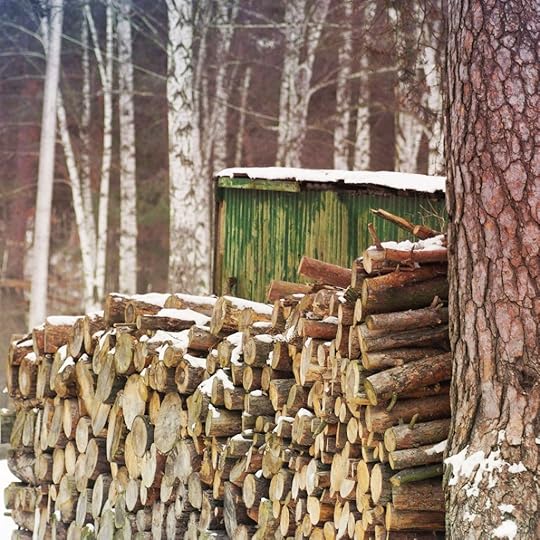 Medium Heat Value Woods
1 cord = 150 to 200 gallons of fuel oil
American elmBlack cherryDouglas firRed mapleSilver mapleTamarackWhite birch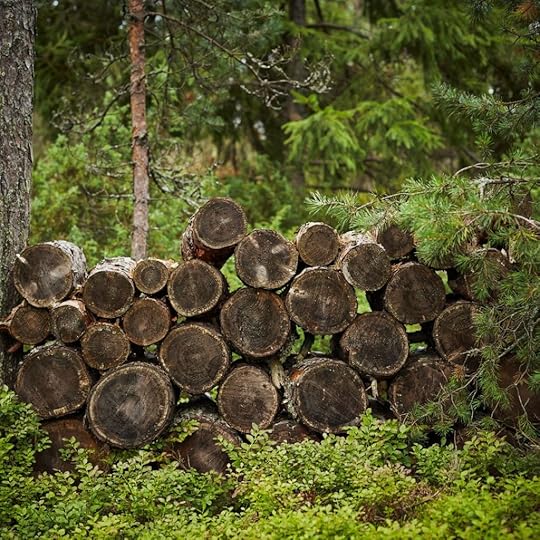 Low Heat Value Woods
1 cord = 100 to 150 gallons of fuel oil
AspenCottonwoodHemlockLodgepole pineRed alderRedwoodSitka spruceWestern red cedarWhite pineBelow is a list of tips and tricks, and some definitions, to make sure you have the best firewood season ever!Tips for Buying & Burning FirewoodBuy local wood. Ig at all possible, try to buy your firewood from local sources. Transporting wood from other areas/states/counties may be illegal where you live, so check the regulations before you buy from someplace farther away. The reason it may be illegal is that when you move dried wood from one area to another, you increase the chances of spreading invasive bugs, fungi, and other diseases. Here is a national website for more information about the dangers of moving wood.Wood is sold in units of “cords”. But how much wood is actually in a cord? A cord is a standard measure of volume that is used for neatly stacked wood with little space between the logs. One cord of wood is 128 cubic feet of stacked wood that, when stacked properly, measures 4 feet wide, 4 feet tall, and 8 feet long. The air space between the logs can affect how much wood is actually in the stack. So it’s best to assume that a full cord will, realistically, give you about 90 cubic feet. I always prefer to underestimate than overestimate. What is a “face cord” or “rick” of wood? As mentioned above, a cord of wood is made up of logs stacked in rows and columns. A “face cord” or “rick” is one length of one row. That means it’s 4 feet tall and 8 feet long. The width will be determined by the length of the individual logs. Because the length of the logs vary, depending on who split the wood, a “face cord” could be only a 1/4 of a cord or a 1/2 a cord or more.What is the heat value of wood? Like I mentioned above, the heat value is the amount of heat firewood produces when it is burned. Heat value varies by type of wood and sometimes by the age of the wood (how dry it is). One cord of wood with a high heat value equals the heat produced from burning 200-250 gallons of heating oil. Don’t burn pine. If you’re going to avoid one type of wood, don’t burn pine. It’s a resinous softwood that lets off a lot of resinous smoke. Cutting the wood. Wood that is freshly cut is made up of 50% moisture. It must be dried–seasoned–until it reaches 20%-25% posture content before you can burn it efficiently. Wood that is made up of 25% or more moisture is also called “wet wood” or “green wood”. It should not be used in a fireplace or a wood stove inside the house as it will release a lot of smoke and produce little heat.Splitting the wood. It is much easier to split wet wood than dry wood (according to my husband!). Once the wood is split, it must be stacked in a dry area (a protected shed out of the rain, if possible) for at least six months in order to season. A year of seasoning is better. Seasoning firewood. You’ll know if your wood is wet or green because you’ll see steam hissing out of the logs as the wood burns. If this is the case, try to wait another 6 months or so before using that wood. Well-seasoned wood looks “drier”. The logs have darker ends and you can see the cracks and splits in the wood. It also weighs less and, if you drop the logs on top of each other, you’ll hear a distinct “clunking” echo.Subscribe Enter your email address to subscribe to this blog and receive notifications of new posts by email.
Email Address
Subscribe
The post Prep & Plan: Firewood appeared first on Sharon Wray.
November 7, 2022
Sarah Munro’s Elderberry Mulled Cider
For centuries, people have enjoyed drinking elixirs–special herbs soaked in wine, beer, or cider. This is a process called mulling, where herbs and spices are infused into wine, beer, or cider through heat and rest. For a long time, mulled drinks had two purposes. One was to disguise and improve the flavor of cheap wine. The second purpose was, as written about by the ancient Greeks, to be used as medicines. Now, today, we drink mulled wine because it’s delicious and fun to do around the holiday season. But there’s no reason why a delicious drink can’t also be good for you.

This Elderberry Mulled Cider includes warming spices like cinnamon, allspice, cloves, and nutmeg. And it also uses elderberries and astragalus to help improve your immune system. Elderberries (dried and fresh) are filled with amino acids, fiber, potassium, trace minerals, vitamins A & B, and tons of Vitamin C. Astragalus, an herb you can purchase in powdered form, has been shown to help prevent colds and upper respiratory infections, lower blood pressure, treat diabetes, and protect the liver. Astragalus also has antibacterial and anti-inflammatory properties. Both dried elderberries and astragalus are available on Amazon and in most health food stores.
Because mulled drinks were prized by the early American colonists, Sarah Munro, (my PhD historian and heroine in book 2 of the Deadly Force series, ONE DARK WISH), has added Elderberry Mulled Cider to her collection of DIY herbal recipes.
Sarah Munro’s Elderberry Mulled CiderIngredients:4 cups apple cider1/8 cup elderberries (fresh or dried)4 Cassia cinnamon sticks, broken in half1 Tablespoon dried lemon peel1 Tablespoon powdered astragalus root1/2 Tablespoon allspice3/4 teaspoon whole clovesdash of nutmeg3 Tablespoons pure maple syrupGarnish with cinnamon sticks or orange spicesDirections:Place a heavy-bottomed saucepan on the stove. Pour in the cider and then then stir in all of the other ingredients. Cover the saucepan and over a low-medium heat, bring the cider to a boil. Lower the heat until the cider is just simmering. Simmer for 30 minutes making sure to keep the cider covered.
Remove the pot from the heat and all to rest, uncovered for 15 minutes. Strain the cider into a 4-quart glass measuring cup. Stir the cider and pour into four mugs. Garnish the cider with a cinnamon stick or an orange slice/clementine wedge.
The unused cider will keep for two days if stored in an airtight container in the refrigerator. To serve, reheat on the stove or in the microwave.
IMPORTANT DISCLAIMER ABOUT WILD PLANTS, FORAGING , AND MAKING HERBAL REMEDIES:I am not a medical professional and nothing written on this blog is medical advice. None of my statements have been evaluated by the FDA (I am legally required to give you this disclaimer).
It is important to do your due diligence before foraging, harvesting, and/or consuming any type of medicinal plant.
If you are taking any medications, talk to your doctor about any potential drug interactions.If you are allergic to anything, make sure whatever you are foraging is not in the same family. Example: While dandelions are typically considered safe, those who are allergic to ragweed, latex, daisies, or any other plants in the same or similar families, may not be able to consume dandelion.Always research potential side effects, dosage recommendations, and how to properly prepare and consume each medicinal plant.
Always make sure you are foraging what you believe to be. Fully prepare and study the anatomy before harvesting wild plants.
Always make sure your kitchen/work area is clean and that all materials are sterilized.
Do not forage plants from areas that have been sprayed within the past 2 years at the very least.
I am not legally or morally responsible for the health of any of my readers. Please do your own research!
Subscribe Enter your email address to subscribe to this blog and receive notifications of new posts by email.
Email Address
Subscribe
The post Sarah Munro’s Elderberry Mulled Cider appeared first on Sharon Wray.