Ada Brownell's Blog, page 39
May 19, 2015
WHO WILL REMEMBER YOUR NAME?
By Ada BrownellAn excerpt from Ada Brownell's book, Imagine the Future You
Purchase the book Here
“Hey, Joseph!” said the baker, his two chins bobbing in sync with his laughter. “I heard you had a tumble with Potiphar’s wife. Way to go! Who would have thought it?”“Since Potiphar committed all he has into your care, I guess that was all that was left!” the lanky butler added. His cold, accusing eyes mocked.Anger and embarrassment shot through Joseph. His chains tinkled as he shifted position where he sat on the hard stone floor. “You are wrong. I did not do that great wickedness and sin against Potiphar, myself, or God.”“You worried about God when you could have had her?” the baker said, chuckling, his round face showing he didn’t believe Joseph.“I decided long ago to follow God’s will for my life, and I haven’t changed my mind,” Joseph answered firmly as he tried to stand.“You are a fool,” the baker shot back at Joseph as he and the butler walked away, heads together and laughing.Joseph stared after the pair, the chains on his wrists and ankles causing his whole body to ache. He wondered why the two men accused him. After all, they offended the king of Egypt and were sentenced to prison, too. Joseph had no idea what they had done.One day weeks later, Joseph noticed the butler and the baker didn’t pick up their bowls of food when it was time to eat. By now, Joseph’s chains were gone because once again Joseph found favor with his captors. But he was still a prisoner. He picked up the bowls and then slowly walked to where he’d heard the baker and butler talking around the corner.“Here’s breakfast,” Joseph said. “You should eat.”“It’s nothing but swill,” spat the baker, holding his head in his hands.As Joseph held out the bowl, a loud groan rushed from the butler’s throat. His fingers ran nervously through his dirty curly hair.“What’s wrong?” asked Joseph.“We’ve had some terrible nightmares,” the baker answered, adding his cry of anguish. “They seem so real we need to have someone tell us what they mean, but there is no interpreter.”The butler stopped his guttural groans and took two deep breaths. “I’m sure the dreams have a meaning. Do you know anyone…? Hey, Joseph! You talk with God, don’t you? Sure you do!” He got up from the floor and patted Joseph on the back.Quickly the baker tried to stand. His humpty-dumpty body rocked back and forth three times before Joseph reached and pulled him to his feet.Panting, the baker put his arm around Joseph and let out a blast of putrid breath. “Yes, Joe, old buddy. We’ve been stuck together in this prison a long time. You are such a wonderful fellow to keep on speaking terms with God! You’ve been a good cell-block mate. Haven’t even seen you in any of the fights. Now the captain of the guards has you serving us, and you do it well. Would you like to hear my dream?” “And mine?” added the butler.All the noise brought a crowd of other prisoners. They stood, watching expectantly.The butler and the baker stared at each other, then Joseph.The butler stepped forward and whispered in Joseph’s ear for a long time. Then the baker stood at Joseph’s other ear, whispering and nervously shaking one leg.Afterward, Joseph turned away and lifted his hands toward heaven. His lips moved, but no sound came out of his mouth.Finally, Joseph turned to look at the butler. “Within three days, Pharaoh shall give you back your job. Please remember me and ask that I be released from this prison.”“Thank you! Oh, thank you!” A deep laugh rumbled from the butler. He shook hands with Joseph and some of those watching. ‘I will be sure to give them your message.”Then Joseph looked solemnly at the baker. “In three days, Pharaoh will hang you.”The baker stood speechless, his mouth dropped open and his eyes filled with terror. Then obscenities flowed from his fat, drooling lips. When those were spent, his deep, wrenching sobs echoed in every prison cell.Three days later, the butler was back at work and the baker was dead.And Joseph’s release didn’t come. The butler didn’t tell Pharaoh about Joseph’s request.***Three men. The butler and the baker had names, of course, but they were not included in the biblical account. But even if we knew their names, they probably wouldn’t be worth mentioning or remembering.But we won’t forget Joseph. Today’s youth would have called Joseph “hot” in his youth. I despise the term myself, but you know by the way Potiphar’s wife flung herself at the young man his handsome face could put girls’ hearts in a flutter.Some biblical scholars believe Joseph lived about four thousand years before Christ. Our tongues still speak Joseph’s name with respect because of who he was and what he did.
You can read about Joseph and his family in Genesis 30–50. Even the creation account didn’t use this much space! Genesis 5:19–21 NKJ
Purchase the book Here
“Hey, Joseph!” said the baker, his two chins bobbing in sync with his laughter. “I heard you had a tumble with Potiphar’s wife. Way to go! Who would have thought it?”“Since Potiphar committed all he has into your care, I guess that was all that was left!” the lanky butler added. His cold, accusing eyes mocked.Anger and embarrassment shot through Joseph. His chains tinkled as he shifted position where he sat on the hard stone floor. “You are wrong. I did not do that great wickedness and sin against Potiphar, myself, or God.”“You worried about God when you could have had her?” the baker said, chuckling, his round face showing he didn’t believe Joseph.“I decided long ago to follow God’s will for my life, and I haven’t changed my mind,” Joseph answered firmly as he tried to stand.“You are a fool,” the baker shot back at Joseph as he and the butler walked away, heads together and laughing.Joseph stared after the pair, the chains on his wrists and ankles causing his whole body to ache. He wondered why the two men accused him. After all, they offended the king of Egypt and were sentenced to prison, too. Joseph had no idea what they had done.One day weeks later, Joseph noticed the butler and the baker didn’t pick up their bowls of food when it was time to eat. By now, Joseph’s chains were gone because once again Joseph found favor with his captors. But he was still a prisoner. He picked up the bowls and then slowly walked to where he’d heard the baker and butler talking around the corner.“Here’s breakfast,” Joseph said. “You should eat.”“It’s nothing but swill,” spat the baker, holding his head in his hands.As Joseph held out the bowl, a loud groan rushed from the butler’s throat. His fingers ran nervously through his dirty curly hair.“What’s wrong?” asked Joseph.“We’ve had some terrible nightmares,” the baker answered, adding his cry of anguish. “They seem so real we need to have someone tell us what they mean, but there is no interpreter.”The butler stopped his guttural groans and took two deep breaths. “I’m sure the dreams have a meaning. Do you know anyone…? Hey, Joseph! You talk with God, don’t you? Sure you do!” He got up from the floor and patted Joseph on the back.Quickly the baker tried to stand. His humpty-dumpty body rocked back and forth three times before Joseph reached and pulled him to his feet.Panting, the baker put his arm around Joseph and let out a blast of putrid breath. “Yes, Joe, old buddy. We’ve been stuck together in this prison a long time. You are such a wonderful fellow to keep on speaking terms with God! You’ve been a good cell-block mate. Haven’t even seen you in any of the fights. Now the captain of the guards has you serving us, and you do it well. Would you like to hear my dream?” “And mine?” added the butler.All the noise brought a crowd of other prisoners. They stood, watching expectantly.The butler and the baker stared at each other, then Joseph.The butler stepped forward and whispered in Joseph’s ear for a long time. Then the baker stood at Joseph’s other ear, whispering and nervously shaking one leg.Afterward, Joseph turned away and lifted his hands toward heaven. His lips moved, but no sound came out of his mouth.Finally, Joseph turned to look at the butler. “Within three days, Pharaoh shall give you back your job. Please remember me and ask that I be released from this prison.”“Thank you! Oh, thank you!” A deep laugh rumbled from the butler. He shook hands with Joseph and some of those watching. ‘I will be sure to give them your message.”Then Joseph looked solemnly at the baker. “In three days, Pharaoh will hang you.”The baker stood speechless, his mouth dropped open and his eyes filled with terror. Then obscenities flowed from his fat, drooling lips. When those were spent, his deep, wrenching sobs echoed in every prison cell.Three days later, the butler was back at work and the baker was dead.And Joseph’s release didn’t come. The butler didn’t tell Pharaoh about Joseph’s request.***Three men. The butler and the baker had names, of course, but they were not included in the biblical account. But even if we knew their names, they probably wouldn’t be worth mentioning or remembering.But we won’t forget Joseph. Today’s youth would have called Joseph “hot” in his youth. I despise the term myself, but you know by the way Potiphar’s wife flung herself at the young man his handsome face could put girls’ hearts in a flutter.Some biblical scholars believe Joseph lived about four thousand years before Christ. Our tongues still speak Joseph’s name with respect because of who he was and what he did.
You can read about Joseph and his family in Genesis 30–50. Even the creation account didn’t use this much space! Genesis 5:19–21 NKJ


May 15, 2015
Propaganda affects Americans' ability to love
By Ada Brownell
I discovered the government doesn’t know anything about love.
Banning The Ten Commandments and teaching children they’re no more than animals was a mistake. Breaking any commandment hurts us or someone else. When I was young, no one I knew locked their doors. We never had anything stolen. Today you can’t leave any possession unlocked and even you aren’t safe everywhere.
Other mistakes affect the view of love. When our oldest son was in sixth grade, the schools brought in sex education. Educators claimed it would end sexually transmitted diseases and teen pregnancy.
Now, according the Centers for Disease Control, 40.7 percent of births are to unmarried women. With contraception, abortion pills, the morning-after pill which prevents a fertilized egg from attaching to the womb or prevents ovulation, the number of teen pregnancies decreased. But that’s no victory for morality or love.
CDC’s new estimates on sexually transmitted diseases show 20 million new infections in the United States each year, costing $16 billion in medical costs. Half of new sexually transmitted infections occur among youth.
Another problem with pitching The Ten Commandments is divorce. Coveting, adultery and living together beforehand are major causes. After 10 years, the probability of a first marriage ending is 33 percent, compared with 62 percent for cohabitations.
In 2013, 25 million children lived in single parent homes—one-third of the children.
I’ve seen how faith in God helps us understand love. My oldest sister committed her life to Christ right after I was born. Everyone else followed. The youngest, I watched how being committed to God brought love, joy and peace in the family.
Despite deep poverty, God lifted us beyond our dreams. Out of eight of us Nicholson siblings, not one bride was pregnant before marriage. Not one divorce. Despite six being red heads with a temper to match, God funneled our fire into achievement. Virgil and Joe worked their way to doctorates and became educators. Virgil was the force behind Evangel University’s great accreditation. Everette became a pastor. The five sisters became devoted wives, mothers, businesswomen, church musicians, Sunday school workers.
I’ve been married 61 years, and discover it’s more than cupid’s work. The most romantic words ever are, “I’ll love you and only you until death.” My husband and I made that vow, yet I found good marriages are built by working at it every day.
Our nation was different when I grew up. But redemption is available; truth can be discovered and lived. God’s promises still are true, evident in our children and grandchildren. The Apostle Paul wrote, “Walk in love, as Christ also has loved us and given himself for us” (Ephesians 5:2NKJ).
-- Ada Brownell is a retired journalist and author of five books. This post first appeared in The Pueblo Chieftain in Colorado. Ada Brownell's latest book is Facts, Faith and Propaganda. Build a firm foundation for your faith. Her Amazon Author Page: https://www.amazon.com/author/adabrownell
I discovered the government doesn’t know anything about love.
Banning The Ten Commandments and teaching children they’re no more than animals was a mistake. Breaking any commandment hurts us or someone else. When I was young, no one I knew locked their doors. We never had anything stolen. Today you can’t leave any possession unlocked and even you aren’t safe everywhere.
Other mistakes affect the view of love. When our oldest son was in sixth grade, the schools brought in sex education. Educators claimed it would end sexually transmitted diseases and teen pregnancy.
Now, according the Centers for Disease Control, 40.7 percent of births are to unmarried women. With contraception, abortion pills, the morning-after pill which prevents a fertilized egg from attaching to the womb or prevents ovulation, the number of teen pregnancies decreased. But that’s no victory for morality or love.
CDC’s new estimates on sexually transmitted diseases show 20 million new infections in the United States each year, costing $16 billion in medical costs. Half of new sexually transmitted infections occur among youth.
Another problem with pitching The Ten Commandments is divorce. Coveting, adultery and living together beforehand are major causes. After 10 years, the probability of a first marriage ending is 33 percent, compared with 62 percent for cohabitations.
In 2013, 25 million children lived in single parent homes—one-third of the children.
I’ve seen how faith in God helps us understand love. My oldest sister committed her life to Christ right after I was born. Everyone else followed. The youngest, I watched how being committed to God brought love, joy and peace in the family.
Despite deep poverty, God lifted us beyond our dreams. Out of eight of us Nicholson siblings, not one bride was pregnant before marriage. Not one divorce. Despite six being red heads with a temper to match, God funneled our fire into achievement. Virgil and Joe worked their way to doctorates and became educators. Virgil was the force behind Evangel University’s great accreditation. Everette became a pastor. The five sisters became devoted wives, mothers, businesswomen, church musicians, Sunday school workers.
I’ve been married 61 years, and discover it’s more than cupid’s work. The most romantic words ever are, “I’ll love you and only you until death.” My husband and I made that vow, yet I found good marriages are built by working at it every day.
Our nation was different when I grew up. But redemption is available; truth can be discovered and lived. God’s promises still are true, evident in our children and grandchildren. The Apostle Paul wrote, “Walk in love, as Christ also has loved us and given himself for us” (Ephesians 5:2NKJ).
-- Ada Brownell is a retired journalist and author of five books. This post first appeared in The Pueblo Chieftain in Colorado. Ada Brownell's latest book is Facts, Faith and Propaganda. Build a firm foundation for your faith. Her Amazon Author Page: https://www.amazon.com/author/adabrownell
How Propaganda affects the view of love
By Ada Brownell
I discovered the government doesn’t know anything about love.
Banning The Ten Commandments and teaching children they’re no more than animals was a mistake. Breaking any commandment hurts us or someone else. When I was young, no one I knew locked their doors. We never had anything stolen. Today you can’t leave any possession unlocked and even you aren’t safe everywhere.
Other mistakes affect the view of love. When our oldest son was in sixth grade, the schools brought in sex education. Educators claimed it would end sexually transmitted diseases and teen pregnancy.
Now, according the Centers for Disease Control, 40.7 percent of births are to unmarried women. With contraception, abortion pills, the morning-after pill which prevents a fertilized egg from attaching to the womb or prevents ovulation, the number of teen pregnancies decreased. But that’s no victory for morality or love.
CDC’s new estimates on sexually transmitted diseases show 20 million new infections in the United States each year, costing $16 billion in medical costs. Half of new sexually transmitted infections occur among youth.
Another problem with pitching The Ten Commandments is divorce. Coveting, adultery and living together beforehand are major causes. After 10 years, the probability of a first marriage ending is 33 percent, compared with 62 percent for cohabitations.
In 2013, 25 million children lived in single parent homes—one-third of the children.
I’ve seen how faith in God helps us understand love. My oldest sister committed her life to Christ right after I was born. Everyone else followed. The youngest, I watched how being committed to God brought love, joy and peace in the family.
Despite deep poverty, God lifted us beyond our dreams. Out of eight of us Nicholson siblings, not one bride was pregnant before marriage. Not one divorce. Despite six being red heads with a temper to match, God funneled our fire into achievement. Virgil and Joe worked their way to doctorates and became educators. Virgil was the force behind Evangel University’s great accreditation. Everette became a pastor. The five sisters became devoted wives, mothers, businesswomen, church musicians, Sunday school workers.
I’ve been married 61 years, and discover it’s more than cupid’s work. The most romantic words ever are, “I’ll love you and only you until death.” My husband and I made that vow, yet I found good marriages are built by working at it every day.
Our nation was different when I grew up. But redemption is available; truth can be discovered and lived. God’s promises still are true, evident in our children and grandchildren. The Apostle Paul wrote, “Walk in love, as Christ also has loved us and given himself for us” (Ephesians 5:2NKJ).
-- Ada Brownell is a retired journalist and author of five books. This post first appeared in The Pueblo Chieftain in Colorado. Ada Brownell's latest book is Facts, Faith and Propaganda. Build a firm foundation for your faith. Her Amazon Author Page: https://www.amazon.com/author/adabrownell
I discovered the government doesn’t know anything about love.
Banning The Ten Commandments and teaching children they’re no more than animals was a mistake. Breaking any commandment hurts us or someone else. When I was young, no one I knew locked their doors. We never had anything stolen. Today you can’t leave any possession unlocked and even you aren’t safe everywhere.
Other mistakes affect the view of love. When our oldest son was in sixth grade, the schools brought in sex education. Educators claimed it would end sexually transmitted diseases and teen pregnancy.
Now, according the Centers for Disease Control, 40.7 percent of births are to unmarried women. With contraception, abortion pills, the morning-after pill which prevents a fertilized egg from attaching to the womb or prevents ovulation, the number of teen pregnancies decreased. But that’s no victory for morality or love.
CDC’s new estimates on sexually transmitted diseases show 20 million new infections in the United States each year, costing $16 billion in medical costs. Half of new sexually transmitted infections occur among youth.
Another problem with pitching The Ten Commandments is divorce. Coveting, adultery and living together beforehand are major causes. After 10 years, the probability of a first marriage ending is 33 percent, compared with 62 percent for cohabitations.
In 2013, 25 million children lived in single parent homes—one-third of the children.
I’ve seen how faith in God helps us understand love. My oldest sister committed her life to Christ right after I was born. Everyone else followed. The youngest, I watched how being committed to God brought love, joy and peace in the family.
Despite deep poverty, God lifted us beyond our dreams. Out of eight of us Nicholson siblings, not one bride was pregnant before marriage. Not one divorce. Despite six being red heads with a temper to match, God funneled our fire into achievement. Virgil and Joe worked their way to doctorates and became educators. Virgil was the force behind Evangel University’s great accreditation. Everette became a pastor. The five sisters became devoted wives, mothers, businesswomen, church musicians, Sunday school workers.
I’ve been married 61 years, and discover it’s more than cupid’s work. The most romantic words ever are, “I’ll love you and only you until death.” My husband and I made that vow, yet I found good marriages are built by working at it every day.
Our nation was different when I grew up. But redemption is available; truth can be discovered and lived. God’s promises still are true, evident in our children and grandchildren. The Apostle Paul wrote, “Walk in love, as Christ also has loved us and given himself for us” (Ephesians 5:2NKJ).
-- Ada Brownell is a retired journalist and author of five books. This post first appeared in The Pueblo Chieftain in Colorado. Ada Brownell's latest book is Facts, Faith and Propaganda. Build a firm foundation for your faith. Her Amazon Author Page: https://www.amazon.com/author/adabrownell
May 13, 2015
You Say This Body’s a Temple? LOL
By Mary L. Hamilton
The Temple in Jerusalem during Jesus’ time on earth was said to be the masterpiece of King Herod’s ambitious building program. At one point, the disciples were so impressed they stopped Jesus on his way out of the Temple to marvel at its beauty (Matthew 24:1).
 If you were hired to build a temple, what materials would you use? Would you choose a floor of marble? Stone? Granite? Maybe a fancy mosaic tile? Your choice for the walls could be anything from plaster to wood paneling to marble. And what about the ceiling--a molded design or a beautifully painted fresco?
If you were to build a temple, would you use cheap, inexpensive building materials? Or would you forget the cost and choose only the best? Would you throw it together in a hurry, or would you think through every detail of construction and hire only the most skilled craftsmen to work on it? When you finished, would it look plain and ordinary, or would it be a structure that takes one’s breath away just to look at it?According to the dictionary, a temple is a building for worship or a holy dwelling. In Paul’s letter to the Corinthians, he uses the Greek word for temple that means “sanctuary.” We often use that term to mean a place of safety and refuge, but it also means a holy dwelling. Many churches refer to the worship auditorium as the sanctuary.
So what does it mean when Paul uses that same term to describe our human bodies? In the third chapter of 1 Corinthians, and again in the sixth chapter, he asks, “Don’t you know your bodies are temples of the Holy Spirit of God?”Have you ever thought of yourself as a temple? I mean, really thought that way? You may look in the mirror and see a larger than desirable waistline, legs that are too short, a nose that’s too long. You might see yourself as plain and unattractive, but God sees you as a beautiful sanctuary, shining bright with gold and silver and bronze and every kind of precious stone.He didn’t throw you together carelessly with any old material He found lying around. Psalm 139 says He wove you together. Weaving isn’t something you can do without thought. He chose only the finest materials to build a holy place, a sanctuary dwelling where His Holy Spirit would live. That’s not to say we shouldn’t perform a little routine maintenance. Sometimes, even the finest buildings undergo major renovations. But if we consider our bodies flawed or a mistake, we devalue what God intended for great worth. His presence gives us respect and dignity. Seeing ourselves the way God sees us should turn our focus away from what we lack, or think we lack, and motivate us to appreciate what we’ve been given.
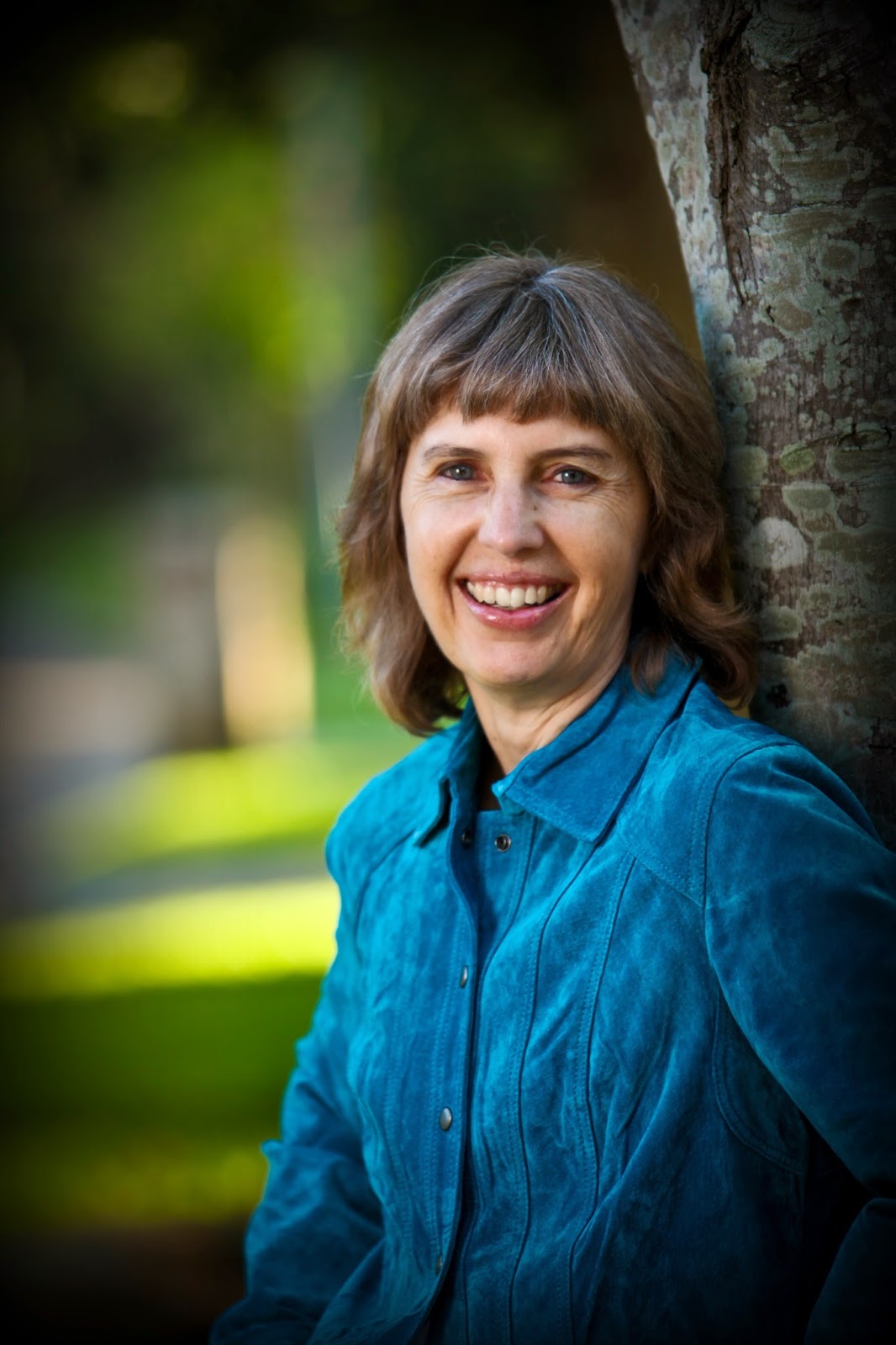
Author Bio: Mary L. Hamilton grew up at a youth camp in southern Wisconsin, much like the setting for her Rustic Knoll Bible Camp series. While raising her own three children, she was active in her church’s youth ministry, including serving as a camp counselor for a week. She decided once was enough.Mary is a graduate of Long Ridge Writer’s Group and a member of ACFW. Her writing has won recognition in several contests including the Genesis and Selah contests. When not writing, Mary enjoys knitting, reading and being outdoors watching sunsets. She and her husband make their home in Texas with a rescued Golden Retriever.Connect with Mary:Website/blog: http://www.maryhamiltonbooks.comFacebook: http://www.facebook.com/maryhamiltonbooksPinterest: http://www.pinterest.com/mhamiltonbooksTwitter: http://twitter.com/@MHamiltonAuthor
Links: http://amzn.to/1yslU36
May 11, 2015
SEVEN WAYS TO STRETCH SPIRITUALLY
By Ada BrownellWhen they think about stretching, health conscious adults head for the gym. But what about spiritual fitness?With disuse, faith gets flabby. Here are a few spiritual stretches I did the last couple of years and plan to continue.1. DESIRE TO ENLARGE YOUR TERRORITY. Pray the prayer of Jabez every day and mean it: “Oh, that You would bless me indeed, and enlarge my territory, that Your hand would be with me, and that You would keep mefrom evil, that I may not cause pain!” (1 Chronicles 4:9-10NKJ). After I began praying the prayer, new opportunities opened that surprised me. I realized I had more potential than I thought, and God was with me!2. STRETCH YOUR ABILITIES· Dust off old talents and develop others. You never know what the Lord might use, even if it’s only to increase your contentment.· Witness to others when opportunities open, and resist fear.· Tell your family how and why you are a Christian and share a witness.3. STRETCH YOUR KNOWLEDGE· Get a good study Bible or join a Bible study group. Last year I asked my husband to buy me a new Bible because I wanted the included commentary. I often study a book of the Bible at a time or one subject. Recently I did an intense study on faith using my study Bible. I also looked up scriptures in different versions and on biblegateway.com · If you don’t have a ministry, pray and see where God leads. I grew spiritually when I taught Christian education classes because it stretched me.· Learn new things that will enhance your career. Ask God for direction and take a class, do research, or take advice so you can be your best.4. STRETCH YOUR LOVE· Put into practice everything you know about being a better wife, mom, grandma, husband, father or grandpa. · Contact relatives and friends you haven’t communicated with recently, and visit neighbors.· Pray for supernatural love to help you show love to people who are difficult.5. STRETCH YOUR COMPASSION· Give to a credible organization that helps those in need.· Encourage the grieving, the ill, the elderly and lonely with a card, email, phone call or something from your kitchen.· Ask your pastor if there is someone who especially needs encouragement or help.6. STRETCH YOUR FAITH· Believe God for something you need or desire that looks impossible.· Venture out and do what you know God wants you to do, but you’ve hesitated.· When you pray, give your faith a jump start with the Word.7. STRETCH YOUR THOUGHTS, PATIENCE AND SPEECH TO PLEASE GOD· With David I pray, “Let the words of my mouth, and the meditation of my heart, be acceptable in thy sight, O Lord, my strength, and my redeemer” (Psalm 19:15).· I pray, “Fill me with the fruits of the Spirit. ‘For the fruit of the Spirit is love, joy peace, longsuffering (patience), kindness, goodness, faithfulness, gentleness, self-control’” (Galatians 5:22-23).
May 9, 2015
What I Learned from a Toy Poodle Named Macho
By Ada Brownell
“Here’s a free Saint Bernard,” our Jeanette read out of the newspaper one day before school.She’d been begging for a dog. But we had serious allergies and asthma in the house and she was one of those affected. The allergist said “No pets.”Jeanette didn’t give up. Every morning before school she grabbed the newspaper. “Here’s a free Great Dane.” Or “They’re giving away a greyhound.” “A collie.” “I found a Black Lab they’re giving away here.”I’d heard some breeds don’t shed and poodles and few others don’t distribute their hair and dander all over the house. Dander was the problem. But both children’s asthma was improving, and my husband and I began to listen to Jeanette’s desperation. She didn’t ask for much, and this desire for a dog was so great she didn’t give up.The reason she looked for free dogs is she knew we didn’t have a lot of money to spend. But our finances loosed a little because I’d just gone back to work.My husband talked with a friend at church who raised poodles. In a few days, he and the kids brought Macho home.Now Macho’s name when adopted was Appy because he was an apricot purebred miniature poodle. The lady who bought him as a puppy fed him food off the table and he grew big for his breed. She returned him to the breeder.But that wasn’t the only reason the dog’s name was changed. Jaron, Jeanette’s older brother, also wanted a pet so he went to the library and got books on dog training and poodles and helped our daughter train the cute fellow. In the process, they discovered the dog thought he was big.So Appy became Macho. I told the kids they’d probably have to take him to the doggie psychiatrist after doing that, but the dog took it well.With that name, everybody knew Macho. When he barked, he sounded like a Doberman. He’d threaten to tear a stranger to bits and within minutes try to go home with him.Macho assumed everybody loved him, and he took to the “pack” (the five of us still left at home) with joy.Yet, Jaron became top dog. Whatever he said, Macho obeyed. He was pretty good with Jeanette, but the rest of us could give every command in the book and you’d think we spoke Chinese. But if you said treat, walk, bath, leash, go, he understood. Well, he did make an exception for No! spoken in a certain tone of voice. He had at least a 12-word vocabulary and learned to spell treat and walk. He almost could spell the words backward, as we had to do to keep him from going in to orbit.Now I’d never had a pet, and the outside dogs our older son had, I never touched, although I fed them.Macho had only been in our house a couple of days when I sat down on the sofa to watch TV beside my husband. There was a kid or two also sitting there and Macho jumped up on my lap, turned his bottom around, and stuck it in the small space between me and the arm of the sofa, backing and squeeziing himself in beside me.I found myself petting him, rubbing his back, and putting him in doggie heaven. “He feels funny,” I said. “His skin is so loose you could put two dogs into his hide.”When he had a bath I remembered why dogs have loose skin. He could whip his back hair to his belly and flip-flop it a dozen times for a quick dry for him and a shower for anyone who didn’t grab the towel quick enough. God sure did amazing things with His creation.A dog may be considered a “dumb animal,” but Macho was smart in many ways. I wouldn’t mind having two of his characteristics—his love for people, and his assumption that everybody loved him.I think we as humans often miss out on so much because we don’t realize most people like us—unless we give them a reason not to.Perhaps I can grow emotionally to be more like Macho. I think that’s what God wants all of us to be.
May 7, 2015
NEED A JOLT OF HIGH-POWERED ENERGY?
Recharging my Inspirational Batteries
By Robin Patchen
I went for a walk this afternoon. Not the kind of thing I generally do these days. Too busy, don’t you know, writing and editing and marketing my latest release. Not to mention taking care of my teenagers, my husband, and my house. Not time for nonsense like dropping everything in the middle of a workday to wander alone in the park.
But I learned something recently, and as I slogged through this afternoon, it came back to me. I had the privilege of hearing Allen Arnold speak at the Mt. Hermon Christian Writers Conference in March. He taught on how to write not for God, but with Him.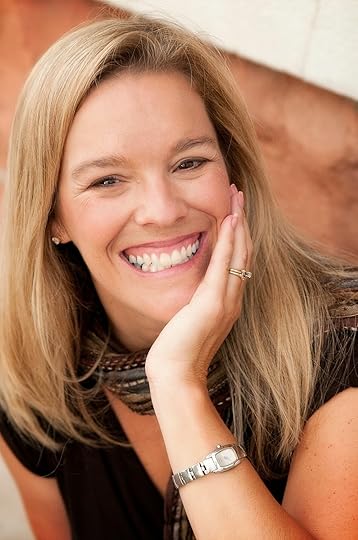 Robin PatchenIt was inspiring, to say the least. The entire conference was life-altering for me. Maybe it had something to do with the setting. Mt. Hermon is nestled in the redwood forest of California, just the kind of place that makes my heart sing. I’m a New Hampshire transplant stuck in the lands of high winds and short trees of central Oklahoma. And I love it here—I do. But I didn’t realize until I stepped into the woods in California how much I missed the trees. Five minutes wandering along the rough, dirt-packed path, and I was ready to pick up stakes and move.
My family, not so much.
So I’m back in Oklahoma, back to the grind, trying to remember everything Allen said. His nuggets of truth flit in and out of my day like the birds I watch through my picture window. I ignore those birds as I set my timer and try to work a little harder, a little faster, a little more efficiently. But sometimes, Allen’s words of wisdom penetrate my focused mind. One of points points pressed into me this weekend. This is a paraphrase, but essentially he said this:
God did not give us the gift of creativity so we could create for him. He gave us this so we could create with him. And to do that, we must be connected to him. God doesn’t care about productivity as much as he cares about intimacy.
In all my work, was I intimate with God? Because sometimes for me to feel intimate with God, I need to get away from the laptop and the dishes and the laundry.
So I went for a walk. And I thought and prayed and dreamed and looked at the beauty around me. No, it wasn’t the wild redwood forest of California, and I wasn’t picking my way along dirt trails. I walked in a well-manicured park along paved paths. But God met me there, walked with me, and filled me.
And you know what? I think tomorrow will be more productive than today was. Because without recharging those inspirational batteries, nothing I write will be worth reading. And even if I do write something halfway decent, if God’s not in it, then what’s the point?
Where do you go to reconnect with God?
Bio:Robin Patchen lives in Edmond, Oklahoma, with her husband and three teenagers. Her third book, Finding Amanda, is available now. When Robin isn’t writing or caring for her family, she works as a freelance editor at Robin’s Red Pen, where she specializes in Christian fiction. Read excerpts and find out more at her website, robinpatchen.com.
Finding Amanda linksMy website: http://robinpatchen.com/Robin’s Red Pen: https://robinsredpen.wordpress.com/Amazon: http://www.amazon.com/Finding-Amanda-inspirational-Robin-Patchen-ebook/dp/B00VN0STLI/ref=sr_1_3?ie=UTF8&qid=1428171089&sr=8-3&keywords=robin+patchenItunes: https://itunes.apple.com/us/book/finding-amanda/id982982402?mt=11Kobo: https://store.kobobooks.com/en-US/ebook/finding-amandaBarnes & Noble: http://www.barnesandnoble.com/w/finding-amanda-robin-patchen/1121693795?ean=2940151640039Goodreads: https://www.goodreads.com/book/show/25311792-finding-amanda
Finding Amanda Back Cover CopyChef and popular blogger Amanda Johnson hopes publishing her memoir will provide healing and justice. Her estranged husband, contractor and veteran soldier Mark Johnson, tries to talk her out of it, fearing the psychiatrist who seduced her when she was a teen might return to silence her.
But Amanda doesn’t need advice, certainly not from her judgmental soon-to-be ex-husband. Her overconfidence makes her vulnerable when she travels out of town and runs into the abuser from her past. A kind stranger comes to her rescue and offers her protection.
Now Mark must safeguard his wife both from the fiend who threatens her life and from the stranger who threatens their marriage.
By Robin Patchen
I went for a walk this afternoon. Not the kind of thing I generally do these days. Too busy, don’t you know, writing and editing and marketing my latest release. Not to mention taking care of my teenagers, my husband, and my house. Not time for nonsense like dropping everything in the middle of a workday to wander alone in the park.
But I learned something recently, and as I slogged through this afternoon, it came back to me. I had the privilege of hearing Allen Arnold speak at the Mt. Hermon Christian Writers Conference in March. He taught on how to write not for God, but with Him.
 Robin PatchenIt was inspiring, to say the least. The entire conference was life-altering for me. Maybe it had something to do with the setting. Mt. Hermon is nestled in the redwood forest of California, just the kind of place that makes my heart sing. I’m a New Hampshire transplant stuck in the lands of high winds and short trees of central Oklahoma. And I love it here—I do. But I didn’t realize until I stepped into the woods in California how much I missed the trees. Five minutes wandering along the rough, dirt-packed path, and I was ready to pick up stakes and move.
 My family, not so much.
So I’m back in Oklahoma, back to the grind, trying to remember everything Allen said. His nuggets of truth flit in and out of my day like the birds I watch through my picture window. I ignore those birds as I set my timer and try to work a little harder, a little faster, a little more efficiently. But sometimes, Allen’s words of wisdom penetrate my focused mind. One of points points pressed into me this weekend. This is a paraphrase, but essentially he said this:
God did not give us the gift of creativity so we could create for him. He gave us this so we could create with him. And to do that, we must be connected to him. God doesn’t care about productivity as much as he cares about intimacy.
In all my work, was I intimate with God? Because sometimes for me to feel intimate with God, I need to get away from the laptop and the dishes and the laundry.
So I went for a walk. And I thought and prayed and dreamed and
 looked at the beauty around me. No, it wasn’t the wild redwood forest of California, and I wasn’t picking my way along dirt trails. I walked in a well-manicured park along paved paths. But God met me there, walked with me, and filled me.
 And you know what? I think tomorrow will be more productive than today was. Because without recharging those inspirational batteries, nothing I write will be worth reading. And even if I do write something halfway decent, if God’s not in it, then what’s the point?
Where do you go to reconnect with God?
Bio:Robin Patchen lives in Edmond, Oklahoma, with her husband and three teenagers. Her third book, Finding Amanda, is available now. When Robin isn’t writing or caring for her family, she works as a freelance editor at Robin’s Red Pen, where she specializes in Christian fiction. Read excerpts and find out more at her website, robinpatchen.com.
Finding Amanda linksMy website: http://robinpatchen.com/Robin’s Red Pen: https://robinsredpen.wordpress.com/Amazon: http://www.amazon.com/Finding-Amanda-inspirational-Robin-Patchen-ebook/dp/B00VN0STLI/ref=sr_1_3?ie=UTF8&qid=1428171089&sr=8-3&keywords=robin+patchenItunes: https://itunes.apple.com/us/book/finding-amanda/id982982402?mt=11Kobo: https://store.kobobooks.com/en-US/ebook/finding-amandaBarnes & Noble: http://www.barnesandnoble.com/w/finding-amanda-robin-patchen/1121693795?ean=2940151640039Goodreads: https://www.goodreads.com/book/show/25311792-finding-amanda
Finding Amanda Back Cover CopyChef and popular blogger Amanda Johnson hopes publishing her memoir will provide healing and justice. Her estranged husband, contractor and veteran soldier Mark Johnson, tries to talk her out of it, fearing the psychiatrist who seduced her when she was a teen might return to silence her.
But Amanda doesn’t need advice, certainly not from her judgmental soon-to-be ex-husband. Her overconfidence makes her vulnerable when she travels out of town and runs into the abuser from her past. A kind stranger comes to her rescue and offers her protection.
Now Mark must safeguard his wife both from the fiend who threatens her life and from the stranger who threatens their marriage.
May 5, 2015
Coal miners' lives of risk and poverty
Comment by May 11 for a chance to win a copy of Wait for Me.

Coal Miners
In my latest novel, WAIT FOR ME, the main characters live in a coal community in Southern West Virginia in 1955. Coal communities, or coal camps as they were also called, tell the story of abandonment and poverty. The coal is still the heart of the area where monster trains battle steep grades to bring the coal to outside markets.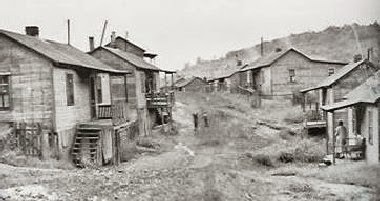
Coal miner's housing in a coal camp However, coal mining in America has dwindled. In 1950, West Virginia employed 143,000 miners. By 1997, that number was down to 22,000. During the 1980s the central Appalachian region lost more than 70,000 coal mining jobs. Yet, more than half of the electricity in the U.S. today is generated by coal-fired power plants.
Coal mining is a relatively dangerous industry. Employees in coal mining are more likely to be killed or to incur a non-fatal injury or illness, and their injuries are more likely to be severe than workers in private industry as a whole, according to the Bureau of Labor Statistics.
 Coal miners leaving mine
In WAIT FOR ME, Julie’s daddy owns the coal mine where they live. Julie loves Robby whose papá works in the coal mine. Robby plans to follow his papá and grandfather into the mines to work. Julie tries to convince Robby not to work in the coal mine. In the book, their conversation goes like this:“Robby, I hate to see you go into the mine after you finish school.” She pushed his dark hair from his face and allowed her fingers to linger there. “You’re so smart in school, you could become anything you want to be.”“I don’t want to be anything except a miner.”“Why?”Robby faced Julie and placed his hands on her shoulders. He looked into her eyes. “Julie, my grandfather came here from Italy to find work in the mines. When my papá got old enough, he followed him into the mines. Now it’s my turn to follow them both into the Capshaw #7 mine. I’m expected—I want—to become a miner like they did.”“Please promise me you’ll think about something else for your life besides be a miner. It’s honest work, of course, but they work in the dark, it’s difficult on the body, and not too safe. And all the coal dust. A coal miner is never all the way clean—the black coal dust never leaves the crevices of his ears or the space underneath his fingernails. You can see coal dust on a miner’s face but you can’t see it in his lungs. You could get black lung disease if you work in a mine every day. Promise me you’ll think about it.”“Sure, I’ll think about it but I won’t make any promises.” He found her lips for a good night kiss. “I’d better get you home.”
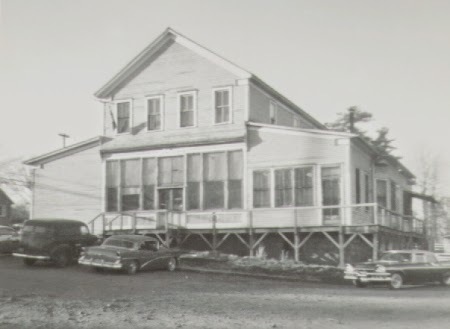
Coal Camp Country Store
A coal company provided not only a job but a unique way of life for West Virginia miners and their families. Since most of the mines were located too far from established towns, the coal companies built their own towns and included inexpensive homes, a company store, a church, and a school for the miners and their families. Because of the need for daily supplies from the company store, a simplified method of bookkeeping was established, using coal scrip. The earliest coal scrip (tokens) dates back to about 1883. Miners could get advanced credit on their earned wages (in scrip) to pay for daily necessities at the company store. This use of coal company scrip eliminated the need for the coal company to keep a large amount of U. S. currency on hand. Each mine had its own scrip symbols on the tokens, and these tokens could only be used at the local company store.

Coal Company script
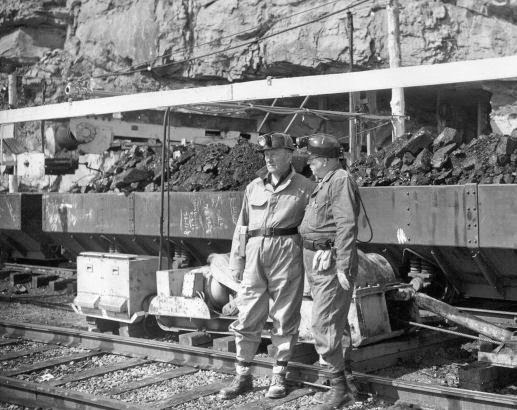
Coal miners worked 9-10 hours a day. Better jobs, with higher wages, safer working conditions and the opportunity to advance, were offered to native-born Americans first.
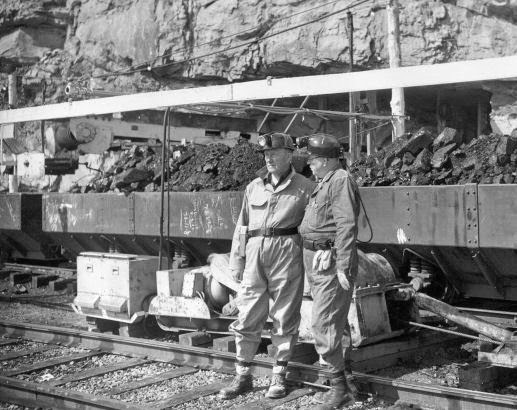
Managers
Immigrants from Wales, Scandinavia, Ireland, Germany, and Southern and Eastern Europe were forced to take jobs with lower wages and worse working conditions. Most had been peasant farmers in the Old Country, accustomed to working outside. The work in the mines was dangerous, especially for these untrained workers, and many industrial accidents occurred. The management grouped immigrants by nationality into work crews so that they could communicate in their native languages.
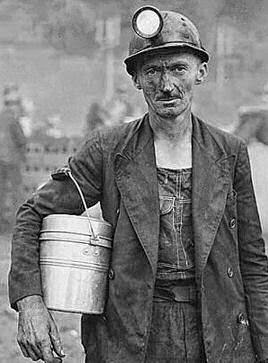
Coal miner with lunch bucket
From looking at these photos, is it any wonder that Julie doesn’t want Robby working in the coal mine? Will Robby and Julie ever get away from the coal community so that Robby won’t work in the mines?
SHORT AUTHOR BIO – Jo Huddleston:Jo Huddleston is a multi-published author of books, articles, and short stories. Her debut novels in the Caney Creek Series and her latest book, Wait for Me are sweet Southern romances. She is a member of ACFW, the Literary Hall of Fame at Lincoln Memorial University (TN), and holds a M.Ed. degree from Mississippi State University. Jo lives in the U.S. Southeast with her husband, near their two grown children and four grandchildren. Visit Jo at www.johuddleston.com.
BACK COVER BLURB for Wait for Me:
Can Julie, an only child raised with privilege and groomed for high society, and Robby, a coal miner’s son, escape the binds of their socioeconomic backgrounds? Set in a coal mining community in West Virginia in the 1950s, can their love survive their cultural boundaries?
This is a tragically beautiful love story of a simple yet deep love between two soul mates, Robby and Julie. The American South’s rigid caste system and her mother demand that Julie chooses to marry an ambitious young man from a prominent and suitable family. Julie counters her mother’s stringent social rules with deception and secrets in order to keep Robby in her life. Can the couple break the shackles of polite society and spend their lives together? Will Julie’s mother ever accept Robby?
LINKS:
You can find Jo at:
Website www.johuddleston.comBlog http://www.johuddleston.comBlog http://lifelinesnow.blogspot.comFacebook https://www.facebook.com/joshuddlestonGoodreads https://www.goodreads.com/author/show/1615694.Jo_Huddleston
You can purchase Wait for Me at: http://tiny.cc/xndfwx
Title of book: Wait for MeAuthor: Jo HuddlestonPublisher: Forget Me Not Romances, a division of Winged PublicationsGenre: Sweet Southern Historical RomanceSeries or stand alone: The West Virginia Mountains Series, Book 1Target age: Older teens, adult

Coal Miners
In my latest novel, WAIT FOR ME, the main characters live in a coal community in Southern West Virginia in 1955. Coal communities, or coal camps as they were also called, tell the story of abandonment and poverty. The coal is still the heart of the area where monster trains battle steep grades to bring the coal to outside markets.
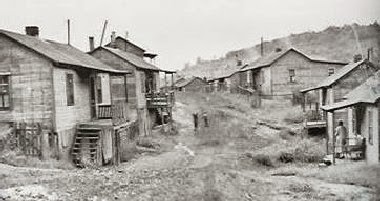
Coal miner's housing in a coal camp However, coal mining in America has dwindled. In 1950, West Virginia employed 143,000 miners. By 1997, that number was down to 22,000. During the 1980s the central Appalachian region lost more than 70,000 coal mining jobs. Yet, more than half of the electricity in the U.S. today is generated by coal-fired power plants.
Coal mining is a relatively dangerous industry. Employees in coal mining are more likely to be killed or to incur a non-fatal injury or illness, and their injuries are more likely to be severe than workers in private industry as a whole, according to the Bureau of Labor Statistics.
 Coal miners leaving mine
In WAIT FOR ME, Julie’s daddy owns the coal mine where they live. Julie loves Robby whose papá works in the coal mine. Robby plans to follow his papá and grandfather into the mines to work. Julie tries to convince Robby not to work in the coal mine. In the book, their conversation goes like this:“Robby, I hate to see you go into the mine after you finish school.” She pushed his dark hair from his face and allowed her fingers to linger there. “You’re so smart in school, you could become anything you want to be.”“I don’t want to be anything except a miner.”“Why?”Robby faced Julie and placed his hands on her shoulders. He looked into her eyes. “Julie, my grandfather came here from Italy to find work in the mines. When my papá got old enough, he followed him into the mines. Now it’s my turn to follow them both into the Capshaw #7 mine. I’m expected—I want—to become a miner like they did.”“Please promise me you’ll think about something else for your life besides be a miner. It’s honest work, of course, but they work in the dark, it’s difficult on the body, and not too safe. And all the coal dust. A coal miner is never all the way clean—the black coal dust never leaves the crevices of his ears or the space underneath his fingernails. You can see coal dust on a miner’s face but you can’t see it in his lungs. You could get black lung disease if you work in a mine every day. Promise me you’ll think about it.”“Sure, I’ll think about it but I won’t make any promises.” He found her lips for a good night kiss. “I’d better get you home.”
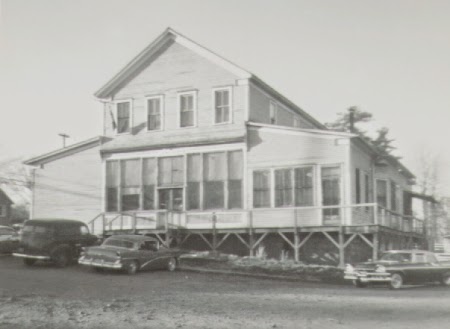
Coal Camp Country Store
A coal company provided not only a job but a unique way of life for West Virginia miners and their families. Since most of the mines were located too far from established towns, the coal companies built their own towns and included inexpensive homes, a company store, a church, and a school for the miners and their families. Because of the need for daily supplies from the company store, a simplified method of bookkeeping was established, using coal scrip. The earliest coal scrip (tokens) dates back to about 1883. Miners could get advanced credit on their earned wages (in scrip) to pay for daily necessities at the company store. This use of coal company scrip eliminated the need for the coal company to keep a large amount of U. S. currency on hand. Each mine had its own scrip symbols on the tokens, and these tokens could only be used at the local company store.

Coal Company script
Coal miners worked 9-10 hours a day. Better jobs, with higher wages, safer working conditions and the opportunity to advance, were offered to native-born Americans first.
Managers
Immigrants from Wales, Scandinavia, Ireland, Germany, and Southern and Eastern Europe were forced to take jobs with lower wages and worse working conditions. Most had been peasant farmers in the Old Country, accustomed to working outside. The work in the mines was dangerous, especially for these untrained workers, and many industrial accidents occurred. The management grouped immigrants by nationality into work crews so that they could communicate in their native languages.
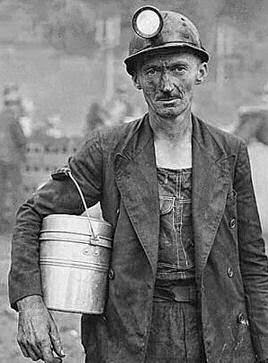
Coal miner with lunch bucket
From looking at these photos, is it any wonder that Julie doesn’t want Robby working in the coal mine? Will Robby and Julie ever get away from the coal community so that Robby won’t work in the mines?
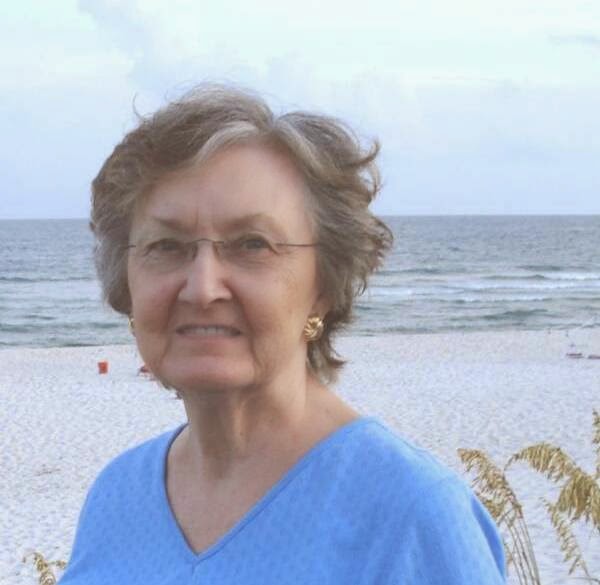
SHORT AUTHOR BIO – Jo Huddleston:Jo Huddleston is a multi-published author of books, articles, and short stories. Her debut novels in the Caney Creek Series and her latest book, Wait for Me are sweet Southern romances. She is a member of ACFW, the Literary Hall of Fame at Lincoln Memorial University (TN), and holds a M.Ed. degree from Mississippi State University. Jo lives in the U.S. Southeast with her husband, near their two grown children and four grandchildren. Visit Jo at www.johuddleston.com.
BACK COVER BLURB for Wait for Me:
Can Julie, an only child raised with privilege and groomed for high society, and Robby, a coal miner’s son, escape the binds of their socioeconomic backgrounds? Set in a coal mining community in West Virginia in the 1950s, can their love survive their cultural boundaries?
This is a tragically beautiful love story of a simple yet deep love between two soul mates, Robby and Julie. The American South’s rigid caste system and her mother demand that Julie chooses to marry an ambitious young man from a prominent and suitable family. Julie counters her mother’s stringent social rules with deception and secrets in order to keep Robby in her life. Can the couple break the shackles of polite society and spend their lives together? Will Julie’s mother ever accept Robby?
LINKS:
You can find Jo at:
Website www.johuddleston.comBlog http://www.johuddleston.comBlog http://lifelinesnow.blogspot.comFacebook https://www.facebook.com/joshuddlestonGoodreads https://www.goodreads.com/author/show/1615694.Jo_Huddleston
You can purchase Wait for Me at: http://tiny.cc/xndfwx
Title of book: Wait for MeAuthor: Jo HuddlestonPublisher: Forget Me Not Romances, a division of Winged PublicationsGenre: Sweet Southern Historical RomanceSeries or stand alone: The West Virginia Mountains Series, Book 1Target age: Older teens, adult
May 1, 2015
When We Ask ‘Why?’

Northern transplant Victoria Russo moves to the charming southern city of Charleston, South Carolina, from cold Connecticut, hoping to renovate her career, her life, and an old house. Instead, she faces animosity, betrayal, and calamity. Will she repeat the pitfalls of her past mistakes, or find the freedom and restoration she seeks?By Marie Wells Coutu
Why do some people struggle through life, while others seem blessed?
I have friends and family members who struggle with health, financial, and relationship issues. Others, including my husband and me, seem to be blessed with (mostly) good health, good friends and healthy finances. And I wonder what the difference is.
Oh, wait. Sometimes I have to remind myself that we have struggled in all those areas in years past. And may in the future. We just happen to be going through calm seas right now. As one of our friends likes to say, “We’re living the good life.”
But during those times of trouble, it’s tempting to ask God, “Why?”
And that’s OK!
With thanks and apologies to one of my pastors, I am reminded of these things, based on Genesis 25 (Isaac and Rebecca, Jacob and Esau).
-God doesn’t mind if we ask Him, “Why? Why me? Why this? Why now? Why not now?” (See James 1:6).
-But God doesn’t owe us an answer. “And they will know that I am the Lord; I did not threaten to bring this disaster on them without a reason” (Ezekiel 6:10, HCSB). (Also see Job 38-41.)
--God has a plan, and His plan is always good.
We may never understand until we see the situation from the other side of life. In Corrie ten Boom’s home in Holland, there hangs an embroidered cloth with the finished side facing the wall. The ten Boom family (who were imprisoned and tortured for their role in aiding Jews during World War II) wanted to reveal the knotted, messy back side of the picture as a reminder that the Master is working out a beautiful picture, even though all we see are the tangled threads.
Sometimes, knowing what we will have to face in the future would be too difficult for us. In the words of the great philosopher Jack Nicholson, “You can’t handle the truth.”
We can ask, but we can also cling to the truth that God knows the plans He has for us—“plans for your welfare, not for disaster, to give you a future and a hope” (Jeremiah 29:11, HCSB).
So go ahead. Ask, “Why, God?” But then, whether you see the answer or not, trust in His plans for your future. And cling to that Hope that only He can give you.
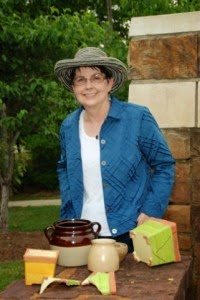 Marie Wells Coutu began telling stories soon after she learned to talk. At age seven, she convinced neighborhood kids to perform a play she had written. She wrote her first book, “I Came from Venus,” in eighth grade, but studied journalism in college. After a career writing for newspapers, magazines, governments, and nonprofits, she returned to her first love—writing fiction—at the age of fifty-five. Her debut novel, For Such a Moment, won the Books of Hope Contest. Thirsting for More, the second book in the Mended Vessels series, released in April 2015. Books in the series are contemporary re-imaginings of the stories of biblical women, including Esther and the woman at the well. Marie retired after 15 years with the Billy Graham Evangelistic Association, and she and her husband now divide their time between Florida and Iowa.
LINKS TO MARIE WELLS COUTU SOCIAL MEDIA AND TO PURCHASE"THIRSTING FOR MORE"
My website: MarieWellsCoutu.com
Blog: MarieWellsCoutu.com/Such-a-Moment FB: Marie Wells Coutu (no author page yet) FB: Mended Vessels (Page for encouragement) Twitter: @mwcoutu
Amazon page: bit.ly/AmznMarieWellsCoutu (to order books)
April 28, 2015
PEACE AFTER LOSS OF A LOVED ONE TO SUICIDE
“When our children die, we want their lives to have mattered. We long for the world to know they were here.”
—Jean Ann Williams
Description of God’s Mercies after Suicide: Blessings
By Jean Ann Williams
Woven through a Mother’s Heart is a devotional of two hundred and nineteen pages–30,000 words– and is intended for mothers who’ve lost children to suicide. This book is a friendly, approachable, inviting book that helps mothers feel welcome and at ease to allow them a peaceful time to reflect on their loss and the child they miss. Each chapter has three sections. The devotional begins with Scripture and where the author tells the story of her loss and then ends in a prayer. The second part is of the author’s anecdotes and memories of her son. The author reenacts moments in her child’s life and recalls how she felt to see the different stages of growth and challenges he faced in life. The concluding part to each chapter is a journal page for the readers to write their memories of their child. It allows them space for both memories and grieving, a prayer of praise, and a Scripture of encouragement.
When a mother has lost a child, there are times when it’s hard to mingle with other people. Each God’s Mercies after Suicide chapter can be read and journaled in within the privacy of a mother’s home, giving her a bit of hope and rest for another day. The book is distinctive in that it combines coping with the pain of loss while encouraging mothers to search for their own blessings.
It has been stated by sufferers of loss to suicide that the topic of suicide is taboo, and that the survivors feel they’ve been isolated from the normal hum of life. In truth, the ones left behind after the suicide do have a valid point. Included in the preface of the book is this paragraph: “I’ve written these devotions for those mothers who have shared the deep heartache of a child’s suicide. Through my writing, I believe God wants me to share from my heart to theirs, by encouraging them and giving them ways to cope. Mothers can have hope and a due measure of peace after a suicide. God has helped me, and He wants to help other mothers. The loss is horrific, but God is faithful. He brought me through this dark time, and He wants to do the same for all mothers.”
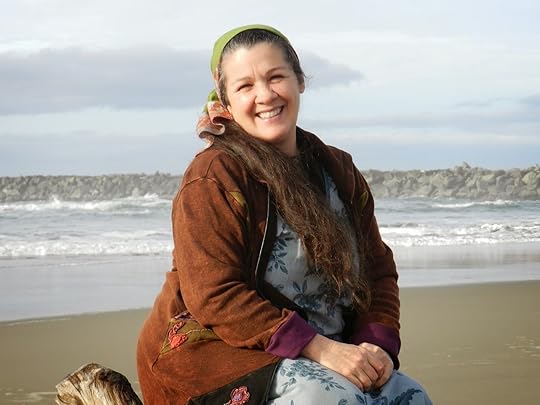
Jean Williams Short Bio
Jean Ann Williams lives in Southern Oregon with her husband Jim. Although one of their children has passed on to the Great Beyond, their two remaining children have blessed them with thirteen grandchildren, their Baker’s Dozen. To learn more about Jean Ann Williams visit her on Face Book, Twitter, and her blog Love Truth, where the partial book is blogged through installments, and Jean Ann Williams: Author blog.
—Jean Ann Williams
Description of God’s Mercies after Suicide: Blessings
By Jean Ann Williams
Woven through a Mother’s Heart is a devotional of two hundred and nineteen pages–30,000 words– and is intended for mothers who’ve lost children to suicide. This book is a friendly, approachable, inviting book that helps mothers feel welcome and at ease to allow them a peaceful time to reflect on their loss and the child they miss. Each chapter has three sections. The devotional begins with Scripture and where the author tells the story of her loss and then ends in a prayer. The second part is of the author’s anecdotes and memories of her son. The author reenacts moments in her child’s life and recalls how she felt to see the different stages of growth and challenges he faced in life. The concluding part to each chapter is a journal page for the readers to write their memories of their child. It allows them space for both memories and grieving, a prayer of praise, and a Scripture of encouragement.
When a mother has lost a child, there are times when it’s hard to mingle with other people. Each God’s Mercies after Suicide chapter can be read and journaled in within the privacy of a mother’s home, giving her a bit of hope and rest for another day. The book is distinctive in that it combines coping with the pain of loss while encouraging mothers to search for their own blessings.
It has been stated by sufferers of loss to suicide that the topic of suicide is taboo, and that the survivors feel they’ve been isolated from the normal hum of life. In truth, the ones left behind after the suicide do have a valid point. Included in the preface of the book is this paragraph: “I’ve written these devotions for those mothers who have shared the deep heartache of a child’s suicide. Through my writing, I believe God wants me to share from my heart to theirs, by encouraging them and giving them ways to cope. Mothers can have hope and a due measure of peace after a suicide. God has helped me, and He wants to help other mothers. The loss is horrific, but God is faithful. He brought me through this dark time, and He wants to do the same for all mothers.”
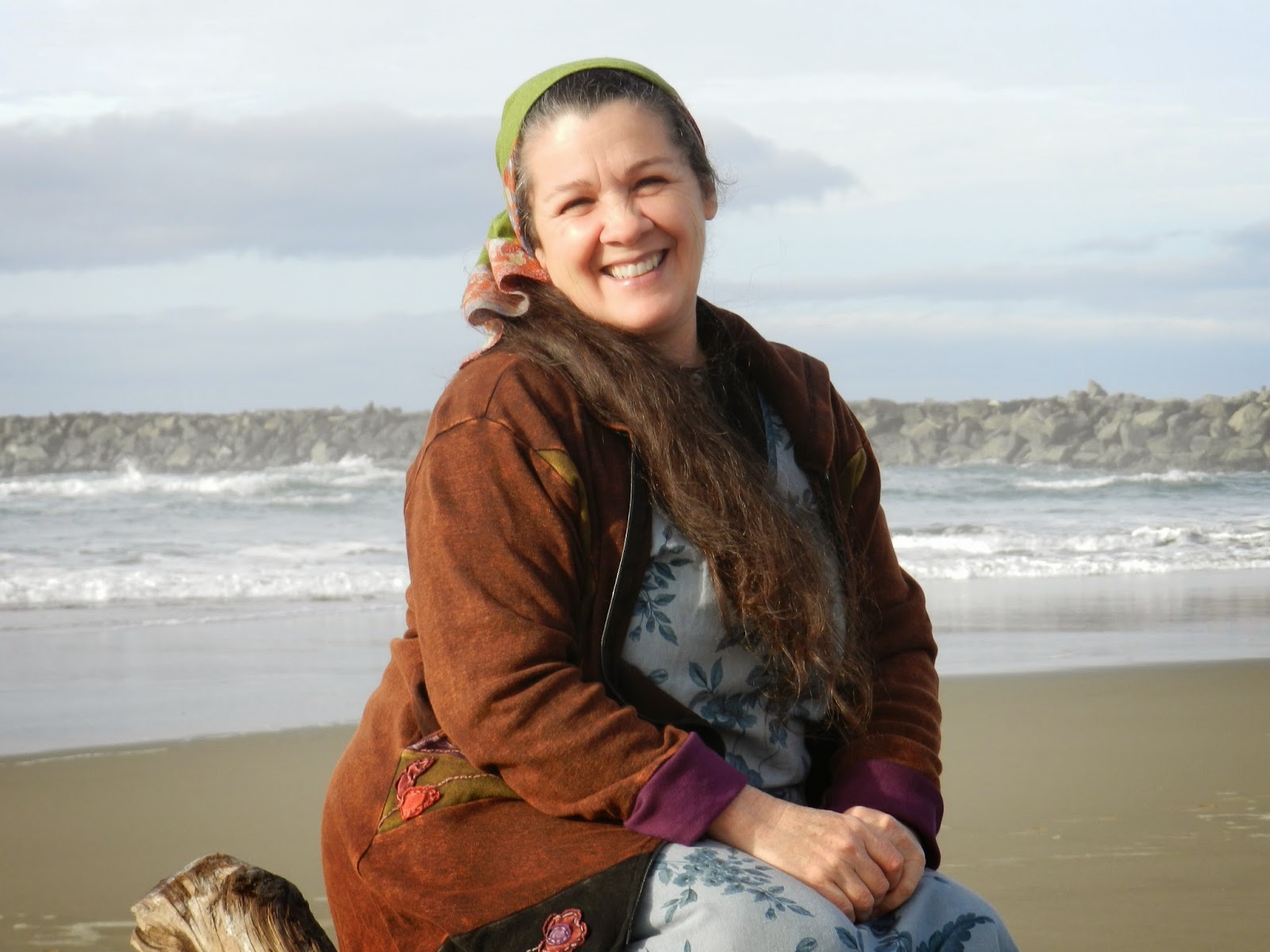
Jean Williams Short Bio
Jean Ann Williams lives in Southern Oregon with her husband Jim. Although one of their children has passed on to the Great Beyond, their two remaining children have blessed them with thirteen grandchildren, their Baker’s Dozen. To learn more about Jean Ann Williams visit her on Face Book, Twitter, and her blog Love Truth, where the partial book is blogged through installments, and Jean Ann Williams: Author blog.