Reagan Rose's Blog, page 2
September 2, 2025
Prune Your Commitments to Finish the Year Well
As we enter the final months of the year, you might be feeling stretched thin. And if you had goals for the year (like I did), you’re probably not as far along as you hoped to be by this point. With the end of the year approaching, we might feel that need to push ourselves into high gear, so we can finish strong. Our instincts say we need to do more. But what if the key to ending the year on a high note wasn’t to take on more, but instead to cut back?
Now is a great time to prune your commitments.
Why Pruning Is EssentialWe have several large red oaks in our property. One of them is estimated to be over 250 years old. It sits at the back of our house, and its branches envelope the entire backyard, shading everything from the children’s swing set to our back porch.
I love that tree. But the previous owners hadn’t really keep up with trimming it. Since moving in a couple years ago, it’s been one of those things we’ve been meaning to get to. Especially a couple of massive dead limbs hanging ominously over the yard.
But then it finally happened.
I happened to step outside at just the right moment. I heard what sounded like a gunshot and looked up to see a giant limb come crashing down from 30 feet up, leaving a giant crater in the grass.
I called the tree trimmers the same day.
While it was a safety issue dealing with the dead wood, the arborist told me that we really need to have some of the living limbs pruned, too. But we would have to wait until the tree was dormant so it would be less susceptible to disease. I just wanted to get rid of the dead limbs, but he explained that even some of the healthy limbs need to be pruned so the tree can really flourish.
Pruning is essential. Whether it’s a tree, a garden, or a Christian life, there is only a finite amount of resources to go around. And if we want to see maximum fruitfulness, we need to carefully trim back even otherwise healthy limbs at times.
I think this analogy is apt when we think about the commitments in our life. We can think of every commitment we take on as a branch drawing from our limited pool of time, energy, and focus. Some commitments are fruitful, but some simply drain us and don’t leave us with much to show for the effort.
In the course of life, we are constantly sprouting new commitments; little opportunities we quickly say yes to without accounting for their potential fruitfulness or how they will strain our resources. So if we never stop to prune, we may find ourselves very busy but not very fruitful. We may find that we are doing a lot of things, but we don’t have a lot of fruit to show for it.
Self-PruningJesus gave us the picture of pruning starting in John 15:1.
Here we learn to see Christ as the True Vine, in whom we abide. It is only by virtue of our connection to Christ by faith that we can produce good works that please the Lord and last into eternity. But Jesus pushes the metaphor further when he states that the Father acts as the vine dresser, helping us to flourish and be fruitful.
Every branch in me that does not bear fruit he takes away, and every branch that does bear fruit he prunes, that it may bear more fruit. â John 15:2
The Father prunes us for greater fruitfulness providentially through trials, conviction of sin, discipline, wise counsel, and opening and closing doors of opportunity. Pruning always feels like a loss in the moment. But the object of this cutting back is to make us more productive in what really matters.
And it seems to me that wisdom would call for us not just to wait for the Father’s providential pruning, but also to be proactive in this process. Why wait for the trial when you know you’ve got dead wood? Confess the sin, change the habit, and act on the conviction. Before the consequences and discipline come tumbling down. And I would suggest that this kind of self-pruning should extend to our commitments as well.
What are the obligations you’ve undertaken that are holding you back from stewarding the things God has actually called you to? And itâs not just about âbadâ commitments versus âgoodâ ones. Sometimes, like with my oak trees, you have dead wood commitments that are draining you of valuable resources, but aren’t really producing any fruit at all. But even good branches need pruning.
The classic example of this I see is believers who are volunteering for half-a-dozen ministries at their church, but it’s causing them to not fulfill their calling to their family or vocation. Always adding but never subtracting, they feel guilt over pruning these good commitments, because they don’t realize that multiplying obligations dissipates their focus. Left unchecked, even good commitments can sap strength from whatâs most important.
Now Is the TimeJust as my oaks have more preferable times for pruning, the fall season is a great time for us to reconsider our priorities and commitments. Fall is a natural reset point. School is back in session, the days are getting shorter, and rhythms are beginning to shift. It’s the perfect moment to pause and reconsider before we slide into the holiday season.
If we fail to prune now, we may simply limp to this year’s finish line, drained and distracted. But if we take the time to prune our commitments, we can enter the end of the year lighter, with more focus, joy, and presence for the commitments and people that matter most. We can end on a fruitful note.
My encouragement to you is not to wait for a new year to get serious about your goals. What would happen if you decided to really focus for the rest of the year? Well, I imagine you’d start pruning some commitments. Focus, after all, is just ânoâ spelled with more letters.
The Fall ResetIf you’re feeling you need to prune, I’d encourage you to join us on September 19th for our annual Post-Summer Productivity Reset. In this free workshop, I’ll help you refocus on your priorities, narrow your goals, and create a plan for finishing this year well for the glory of God.
Spots are limited, so click that link to register now.


August 28, 2025
Reagan’s Roundup: August 28th, 2025
Your weekly roundup of insights and resources to help you get more done for the glory of God.
In Todayâs Issue:No, You Can’t Keep UpWhen You Get Halfway Through the Day and Want to Give Up5 Tips for Studying the Bible EffectivelyAccept God’s Invitation to RestCalvin on Work That ShinesDear steward,
We’ve been homeschooling our six-year-old. Which means that up to this point, we havenât had to experience the full stress of a back to school season.
But this year, weâre testing out sending him to a hybrid program two days a week. Between the supply shopping, the scheduling, and the many other activities we have this Fall, our lives are looking decidedly more complicated than last year!
But, thankfully, thatâs where having a few systems in place can really help calm the chaos.
Two in particular are helping our family maintain our sanity as we navigate the busyness of this coming season.
First, my wife and I share a digital family calendar so that we can stay on the same page. We can see doctorsâ appointments, field trips, social calls, sports schedules, and anything relevant to both of us in one place. If you donât already do this with your spouse, I highly recommend it. We just use a shared Apple Calendar that overlays on top of our personal calendars.
Second, Iâve been storing all of our sonâs school-relevant info in a Notion document. This saves us from digging through the dozens of emails the school sends out when we need to look up a specific link or requirement. Having a central place to store all of life’s important info, to-dos, and the like is a real lifesaver.
If youâre interested in the Notion template I use, itâs my own creation. I call it the Christian Productivity Planner. Itâs an all-in-one dashboard for your goals, projects, tasks, prayer lists, Bible reading, notes, and more. This is the Notion template I wished existed, so I built it.
And for a limited time, you can get it for 20% off with code BACK2SCHOOL.
Hope it helps!
Whatâs New No, You Canât Keep Up (And Thatâs Okay)Here’s the lowdown on why productivity wonât save you from overwhelm and the biblical standard that actually matters.
As usual, you can read it, watch it on YouTube, or listen on Apple Podcasts or Spotify.
Weekly WordâTherefore, my beloved brothers, be steadfast, immovable, always abounding in the work of the Lord, knowing that in the Lord your labor is not in vain.â
â 1 Corinthians 15:58
An eternal perspective is paramount to a truly Christian view of our productivity. The basis of Paulâs âthereforeâ in this verse is the hope Christians have in a future, bodily resurrection. As we serve the Lord in whatever He calls us to do, we can labor with confidence. Because even if we donât see the fruit of our faithfulness in this life, we are guaranteed to see it when He returns. We work by faith.
Worth Your TimeWhen You Get Halfway Through The Day and Want to Give Up (6 mins)What should we do when weâre having one of those days? Alan Noble shares, âOne response, one I am most inclined to, is the turtle response. To pull my head into my shell and pray to God for rest. Oh, Iâll pray to God for the particular circumstances that are bothering me, too. But that will be the extent of my action. Beyond that, I freeze and huddle and hide and wait and hope and pray that tomorrow things will be better.â5 Tips for Studying the Bible Effectively (4 mins)
Studying the Bible can feel intimidating. These are some helpful reminders from Ligonier for how to read and understand Godâs Word.Accept Godâs Invitation to Rest (4 mins)
âStopping to rest is an act of resistance against the relentless pressures of a culture that worships productivity, accomplishment, and acquiring more. Resting regularly is countercultural and requires a decisive act of holy rebellion against the forces that keep us in perpetual motion.âWords of Wisdom
Take your Christian productivity to the next levelâNo work is too high or low that it is not blessed by God. No task will be so sordid and base, provided you obey your calling in it, that it will not shine and be reckoned very precious in Godâs sightâ
â John Calvin
Listen to the Podcast â The Redeeming Productivity Show is available on all podcast platforms and YouTube.â
Get the Book â Grab a copy of âRedeeming Productivity: Getting More Done for the Glory of Godâ
Join the Academy â Get access to all of our courses, workshops, private community, planner, and moreââ
Use the Planner â The all-in-one productivity system designed for Christians
August 26, 2025
No, You Can’t Keep Up (And Thatâs Okay)
Do you ever feel like no matter how hard you work, you just canât keep up?
You try the schedules, the habits, the to-do apps, and for a little while, it seems to help. Things calm down. You feel like youâre finally on top of life. But then the chaos creeps back in. The tasks pile up again. And before long, youâre right back where you startedâbehind.
If that sounds familiar, youâre not alone. Nearly every believer Iâve worked with in productivity has felt the same cycle: brief victory, then the chaos comes roaring back.
Why can’t we seem to keep up?
Let’s examine the solutions the world offers to this problem and where they fall short. Then we’ll turn our attention to how we, as believers, should approach the challenge of keeping up in the modern world, and explore where productivity can actually be beneficial.
Try Harder or Give UpFaced with the seemingly impossible task of “keeping up” the world offers two proposals.
The first proposed solution to our inability to keep up is to simply try harder. “If I can’t keep up, then the problem must be me.” Ironically, the most effective people often embrace this way of thinking. They have achievement anorexia; they are insanely productive by everyone else’s standards, but always falling short by their own.
But the problem with simply trying harder to keep up is that it still leaves you chasing an impossible standard. Giving this kind of person a new productivity technique is like offering a bigger bucket to the lunatic bailing out the ocean: it doesnât solve the problem, it just wears them out faster.
But if simply trying harder to keep up won’t work, what’s the alternative?
The second solution the world proposes is that instead of trying harder to keep up, we should just give up. Thereâs something of an anti-productivity movement that has sprung up in the wake of COVID, which suggests just that. It critiques the so-called hustle culture of the try-harder school.
What they get right is that they rightly observe that the “keep up” standard is impossible, especially in the modern world. But they err in that they meet the challenge with a spirit of resignation. They say the solution isn’t to become more productive but abandon the pursuit entirely. And while that can feel like a temporary balm when you’re in a season of burnout, it’s not really a long-term solution. You still have responsibilities.
Besides this, that kind of defeatist attitude is simply unworkable for the Christian who knows their life is not their own. Unfortunately, I’ve seen Christians advocate for a form of this ostensibly under the banner of grace. They say, “don’t worry about keeping up, Jesus took care of everything.” Now, we do indeed praise God that we are under grace. Our standing before Him is secure by faith in Jesus Christ. But grace doesn’t drive us to laziness. We aren’t just saved, we’re also stewards. We’re not seeking to merit salvation by our work, but in gratitude to please the Master who redeemed us. For believers, the correct response to the challenge of keeping up with life’s demands canât possibly be extol grace while burying our talents in the ground (Matthew 25:18).
It is indeed impossible to “keep up” but the solution isn’t to simply put our heads down and try harder, nor is it to embrace and eat-drink-and-be-merry, anti-productivity mindset as if we had no hope. We aren’t merely victims in a too-fast, can’t-keep-up world. We are victors in Christ Jesus, and it’s in the hope of this eternal perspective that we find the motivation to press on, bear much fruit, and be productive in ways that please our Master.
“Therefore, my beloved brothers, be steadfast, immovable, always abounding in the work of the Lord, knowing that in the Lord your labor is not in vain.”
â 1 Corinthians 15:58
Christians must reject both the “try harder” and the “give up” proposals.
But then, where does that leave us? To answer this question, we need to think a little more deeply about exactly why we can’t keep up, and specifically what we even mean by “keeping up.”
Of Course You Can’t Keep UpThe reason you can’t keep up is that “keeping up” is a vague and impossible standard.
It’s comparing talents with your neighbor. It’s good to have role modelsâyou might look up to a family at your church and seek to emulate the way they raise their kids, observe the diligence of a coworker and be inspired to up your game, or seeing the hospitality of a friend look for ways to make your home more of a haven for guestsâbut in our media-saturated world, many of us are trying to keep up with a standard which is an amalgamation of dozens of different influences.
We stitch together a patchwork standard of “keeping up,” drawn from snapshots of other peopleâs strengths. We judge ourselves by whether we can match a friendâs finances, an influencerâs fitness, and a celebrityâs success. And even when they are good examples for us in these areas, we fail to recognize that these are people who have made significant sacrifices in some domains of stewardship to achieve excellence in others. We expect ourselves to measure up to all of them at once without the sacrifice they made. When we inevitably don’t, we think “I’m not keeping up.”
This isn’t realistic. And what happens is that while we gaze enviously at our neighbors’ talents, meanwhile, the concerns the Lord has given us to look after go unstewarded. In our quest to keep up with the world, we fail to give heed to what our Lord has actually uniquely positioned us to do.
“Keeping up” is a ridiculous standard. And no amount of productivity will ever help you reach it.
The Real StandardThe question isnât, “Am I keeping up?” The real question is, “Am I being faithful?” Thatâs the only standard that matters.â
God hasn’t called you to do everything. He’s called you to be faithful over a little. God calls you to identify what Heâs given you to steward, pursue it with excellence, and stop worrying about keeping up with everyone else.
In the Academy, we talk about the faithful application of productivity in our lives as a three-part process.
Get ClearGet OrganizedGet ConsistentWhen you get clear on your purposeâidentifying your unique stewardshipâthat’s when productivity actually becomes useful. Because then you can get organized and apply the tools to address that stewardship with a plan. Finally, you get consistent with a handful of habits that allow you to show up week after week in faithfulness to your calling in His power.
Youâll be amazed at the fruit the Lord produces when you stop chasing “keeping up” and start focusing on faithfulness.
August 21, 2025
Reagan’s Roundup: August 21st, 2025
Your weekly roundup of insights and resources to help you get more done for the glory of God.
In Todayâs Issue:My 2025 Tech StackThe Discipline of Following ThroughDisciple-Making When You’re BusyUnderstanding Your CallingKuyper on Serving GodDear steward,
This month in the Academy, weâve been exploring the theme of digital minimalism. And I’ve tried to keep all of my August podcasts, videos, and articles tied to that theme as well.
Iâve written about taking phone addiction seriously, how technology is often the culprit behind our lack of focus, and the dangers of outsourcing our thinking to AI.
But itâs not all bad news. And thatâs what makes technology so difficult to think about.
When it comes to how we, as believers, should employ technology, the answers arenât cut and dry. There isnât a verse that gives us a list of which apps to use and which to avoid. Instead, weighing the pros and cons and deciding where to draw the line requires wisdom and discernment.
But I am convinced that it is a challenge we must rise to.
The evidence is already clear: if we are passive in our adoption of technology, the natural drift will lead to devoured attention, fractured focus, and lives dissipated by distraction.
By Godâs common grace, technology can magnify our labors. In the right hands and with the right focus, it becomes a tool for His glory. But every gift carries danger. So in the digital age, wisdom must be our watchword.
Whatâs NewMy 2025 Tech StackInspired by my friend Darryl Dashâs recent rundown of his 2025 Tech Stack, and a desire to counterbalance my negative-nancy attitude toward tech this month, I thought Iâd share a list of all the apps and tools I use, by the grace of God, to get things done.
Weekly Word“Simon Peter replied, ‘You are the Christ, the Son of the living God.’â
â Matthew 16:16
When life feels chaotic and Iâm pulled in a dozen directions, Iâm comforted by the simplicity of Peterâs confession: This is who Jesus is. My task is simply to fix my eyes on Him.
Worth Your TimeHow to Execute: The Discipline of Following Through (7 mins)Art of Manliness has a great list of 8 strategies to learn the skill of following through on your plans. Disciple-Making in a Busy Season (6 mins)
As life gets busier, it’s easy to make excuses for not pouring yourself into others. Scott Hubbard makes a convicting case for making time for disciple-making, even when you’re busy.Everyone’s Calling (8 mins)
âBelievers must reject the idea that if they are thoroughly committed to the Lord and the work of His kingdom then they will leave their ordinary callings to serve as an officer in His church, pursue pastoral ministry, or enter the foreign mission field.âWords of Wisdom
Take your Christian productivity to the next levelâWhatever man may stand, whatever he may do, to whatever he may apply his hand – in agriculture, in commerce, and in industry, or his mind, in the world of art, and science – he is, in whatsoever it may be, constantly standing before the face of God. He is employed in the service of his God. He has strictly to obey his God. And above all, he has to aim at the glory of his God.â
â Abraham Kuyper
Listen to the Podcast â The Redeeming Productivity Show is available on all podcast platforms and YouTube.â
Get the Book â Grab a copy of âRedeeming Productivity: Getting More Done for the Glory of Godâ
Join the Academy â Get access to all of our courses, workshops, private community, planner, and moreââ
Use the Planner â The all-in-one productivity system designed for Christians
August 20, 2025
My 2025 Tech Stack
Someone is always asking what apps and tools I use for productivity and to run Redeeming Productivity. So, inspired by my friend Darryl Dashâs recent rundown of his 2025 Tech Stack, I thought Iâd share my own.
These are the tools I currently rely on to stay productive and manage Redeeming Productivity.
Task Management & Goal TrackingI use the Christian Productivity Planner template in Notion to manage all my tasks, projects, and goals. Itâs designed around the principles I teach in my books and courses, and it helps me connect daily tasks with longer-term objectives.
I also use the paper Waypoints Goal Planner to stay focused during the week. After reviewing my plans in Notion, I write out a weekly plan and then copy my top three tasks for each day. Having a single piece of paper helps me to focus rather than an endless list of tasks.
Writing Logseq for notes, research, quotes, and capturing ideas. Notion for writing this newsletter, podcast scripts, and other Redeeming Productivity content. My entire content calendar also lives here.Paper notebooks for long-form writing. I usually use Leuchtturm notebooks, but right now Iâm finishing a gifted notebook (not sure the brand). All my essays start on paperâit forces me to slow down and think before moving to the computer. Obsidian for typing and editing long-form writing. It shares a vault with Logseq, but I prefer Obsidian for pure text editing. It lets me use Vim motions to navigate and edit quicklyâsuper nerdy, but I love it.Website (redeemingproductivity.com)Built on self-hosted WordPress Hosted on Cloudways .I probably wouldnât choose WordPress again today, but migrating would be a bigger hassle than maintaining it.
ReadingI still prefer physical books, but after downsizing my library this year, I now use a Kindle Paperwhite for new releases (books Iâm unsure I want on my shelf) and classics in the public domain.I use Readwise Reader to curate online reading. I subscribe to RSS feeds, newsletters, and save shared articles there. The âroundupâ section of my newsletter is just the best stuff from my Readwise feed each week.EmailApple Mail for reading email. (I used Spark for years, but their push toward AI features wasnât for me. Apple Mail covers everything I need.) Kit (formerly ConvertKit) for sending my newsletter.CalendarI use a mix of Apple Calendar and the Waypoints Goal Planner. Long-term events go in Apple Calendar, while I use the goal plannerâs calendar to make sure I dedicate time each week to long-term goals.
This is a shift from last yearâI had used Fantastical for years, but Apple Calendar has come a long way, so I made the switch for simplicity’s sake and to save on another subscription.
Misc. Productivity Raycast : Mac app launcher, quick commands, and Bible verse pasting. I remapped CMD+Space from Spotlight to Raycast (switched from Alfred last year). Rize : Automatically tracks computer time, reminds me to take breaks, and provides daily productivity reports. ChatGPT Plus : Iâm pretty wary of AI, but I do use ChatGPT for search and brainstorming. Pro tip: Itâs awesome for DIY projects. I wish Iâd had it during my remodel.Artwork & Design Figma for most graphics and YouTube thumbnails. Procreate on iPad for hand-drawn artwork (like the green watercolor illustrations on my website and slides). Affinity Publisher for making worksheets, planners, and the course workbooks. Affinity is a great alternative to Adobeâs subscription model, and their photo app replaces Photoshop nicely.DevicesComputer: M1 MacBook Pro 14âPhone: None! I use a standalone Apple Watch with cellular .Academy & Courses Circle hosts the Redeeming Productivity Academy and all our courses. I love the platformâit makes managing communities and courses simple.Bible SoftwareI’ve used Accordance since seminary. Everyone tells me to switch to Logos. But I’m not interested in rebuying my library. And I only use it for the languages.Video & PodcastingMain Camera: Canon R8 with Sigma 18-35mm F1.8 Art DC HSM LensSecondary Camera: DJI Osmo Pocket 3Microphone: RÃDE PodMic USBEditing: Final Cut Pro and DescriptPodcast Hosting: Spotify for Creators (because it’s free and lets me put the video version of the podcast on Spotify)That’s everything I can think of. Drop me an email if you’re curious to know more, or if there are any categories I missed.
August 14, 2025
Reagan’s Roundup: August 14th, 2025
Your weekly roundup of insights and resources to help you get more done for the glory of God.
In Todayâs Issue:New Pastoral Productivity ResourceWhy You Can’t FocusGuiding Your Children Through the Digital AgeSpiritual Compound InterestAdditive & Subtractive TechnologiesDear steward,
Earlier this year, I had the privilege of recording a video teaching series with Focus on the Familyâs ministry, The Focused Pastor. And, Iâm excited to announce that “Pastoral Productivity” is now live.
In these eight lessons, I deal with the unique productivity challenges that those in ministry face, and offer theology, frameworks, and habits that can help deal with these obstacles.
The series is completely free. And you can view the trailer and the entire series here.
If you arenât in full-time ministry, consider sharing this with your pastor (in a non-passive-aggressive, âyou really need thisâ way, preferably).
Whatâs NewWhy You Canât Focus (and How to Fix It)
Our attention spans have dropped dramatically. This is a problem for everyone. But the issue of lost focus should be especially important to Christians, who view our lives not as our own but as a stewardship given to us by God.
In this latest article/video/podcast I explore the reasons behind our lack of focus, and offer a simple challenge to help you start retraining your attention span this very week.
Weekly WordWorth Your TimeHow to Guide Your Children Through the Digital Age (4 mins)âBrothers, I do not consider that I have made it my own. But one thing I do: forgetting what lies behind and straining forward to what lies ahead, I press on toward the goal for the prize of the upward call of God in Christ Jesus.â
â Philippians 3:13-14
Jonathan Noyes over at Stand to Reason, offers helpful and practical guidance for helping your kids navigate the digital world.The Financial and Spiritual Principle of Compound Interest (4 mins)
Tim Challies draws a comparison between compound interest in finances and how that works in spiritual growth too. The takeaway: Start early.On Additive and Extractive Technologies (2 mins)
I like this distinction Cal Newport makes here. â[H]er son has adopted the habit of stretching out on the couch, talking to his grandmother on a retro rotary-style phone, the long cable stretching across the room. âThereâs no scrolling, no distractions, no comparisons, no dopamine hits to chase,â she notes. âInstead he is just listening to stories, asking questions, and having the comfort of knowing someone who loves him is listening on the other end of the line.ââWords of Wisdom
Take your Christian productivity to the next levelâThe reason why the majority of Christians never attain to any eminence in the divine life, is because they let the floods of their life run away in a dozen little, trickling rivulets, whereas, if they cooped them up into one channel, and sent that one stream rolling on to the glory of God, there would be such a force and power about their character, their thoughts, their efforts, and their actions, that they would really âlive while they lived.â
â Charles Spurgeon
Listen to the Podcast â The Redeeming Productivity Show is available on all podcast platforms and YouTube.â
Get the Book â Grab a copy of âRedeeming Productivity: Getting More Done for the Glory of Godâ
Join the Academy â Get access to all of our courses, workshops, private community, planner, and moreââ
Use the Planner â The all-in-one productivity system designed for Christians
August 13, 2025
Why You Canât Focus (and How to Fix It)
 The Worksheet
Reset your attention span with five habits over the next five days. This companion worksheet will help you put the lessons in this article into action.
Download the WorksheetOur attention spans have dropped dramatically over the last twenty years. Now, 57 percent of Americans do not read even a single book in a typical year. Even TikToks aren’t short enough to retain our attention, with the average view duration for a short-form video being less than 15 seconds.
This is a problem for everyone. But the issue of lost focus should be especially important to Christians, who view our lives not as our own but as a stewardship given to us by God.
How can we do our work with excellence, pursue our God-glorifying goals with intensity, and fix our eyes on Christ, when our focus is being pulled in 100 different directions at once?
We need to fix our focus.
The Reason We Can’t FocusWhy can’t we focus?
It all started with work.
In the late 20th century, the West shifted from a labor-based economy to a knowledge-based economy. It used to be that your body that was the main way you created value. But when we moved to the office and later online, we became what Peter Drucker famously termed “knowledge workers,” those who think for a living.
Suddenly it was our minds which became the value center. It became all about information. And as Economist Herbert A. Simon famously wrote in 1971, âA wealth of information creates a poverty of attention.â
This trend accelerated with the birth of the Internet. And in 1997, Michael H. Goldhaber published The Attention Economy and the Net, wherein he predicted what we all know to be true today, namely that in the online world, the currency is not labor or money, it’s attention.
Now, even if you aren’t a knowledge worker, you’re still part of the attention economy. Value is being extracted from you daily through your devices. The plumber scrolling X is making money for advertisers, as is the child running a Google search, or the retiree flipping channels on the TV.
Even if we don’t recognize this, the market sure does. Because whenever there is value to be found, that great macro-economic principle of supply and demand comes a-knockin’.
The limited supply of human attention created demand. So the tech companies and advertisers began competing for it. They did this by building ever-new and better devices, more addictive algorithms, and inescapable advertisements. From the interstate billboard in Kansas to the lock screen on your Kindle, there is no escaping the attention economy.
And all of this has come at a cost to us, the consumer. Or should we say the consumed?
The Cost of Stolen FocusAs advertisers, social media companies, and the entertainment industry have strip-mined our attention, our ability to sustain focus has collapsed. In their competition to get and hold our attentionâthrough notifications, gamification, and psychological manipulationâthey have fractured our attention.
But to understand just how costly this loss of focus has been. We need to recognize that attention is upstream of almost everything blessed in life.
When you lose the ability to focus:
You can’t pursue sustained goalsYou can’t build deep relationshipsYou can’t do the long, focused work of reading or studyYou can’t pray without your mind wanderingYou can’t read the Word of God for an extended period of timeIt’s for this reason that I dare say we should view the war on our attention as a spiritual war. Corey Ten Boom said, “If the devil can’t make us bad, he’ll make us busy.”
We want to be serious Christians who are maturing in our faith, honoring Christ with our work, relationships, and discipline. And that requires serious focus.
In a sermon titled “The Time Is Short” Charles Spurgeon preached:
âThe reason why the majority of Christians never attain to any eminence in the divine life, is because they let the floods of their life run away in a dozen little, trickling rivulets, whereas, if they cooped them up into one channel, and sent that one stream rolling on to the glory of God, there would be such a force and power about their character, their thoughts, their efforts, and their actions, that they would really ‘live while they lived.’â
Your attention is only powerful when it is concentrated. Spurgeon was saying that believers who accomplish great things in this life are those who treat their attention like water, and train themselves to dam it up and release it all toward one focused objective at a time.
And that’s the good news: If we can fix our focus, we can fix our lives.
So, how do we attack this focus famine head-on?
It’s a lifelong battle, but let me offer you a simple plan to help you get started getting your focus back this very week.
The 5×5 Focus FixThis little game plan consists of doing five simple habits for the next five days.
Here are the habits:
1: Log Your DistractionsWe begin with awareness. It’s one thing to monitor screen time, but we want to actively pay attention to every time we feel distracted. We do this by writing our distractions down.
Just use a sheet of paper, and each time you are distracted throughout the day, jot down the time, what you were trying to focus on, and what distracted you.
2: Avoid Your #1 Attention ThiefFor most of us, the phone is the biggest black hole for our attention. But more specifically, it’s probably a certain app. There it is. The one you just thought of. Delete that app.
You don’t have to keep it deleted forever, just for this week.
3: Read a Real Book for 30 MinutesThis can be Bible reading. That adds up to 2 hours and 30 minutes over the course of 5 days. You could read the entirety of Matthew, Luke, or Acts in a week if you did that.
If you’ve already got your devotions dialed to, make it another book you’ll read for 30 minutes. Remember, the goal here is not just to remove screen time but replace it with something that’s positively going to train you to focus for longer. So the content of your reading is secondary to the main objective here.
4: No Screens In Bed or Before BreakfastSet it as a rule that you won’t look at your phone after you’re in bed. If you normally watch a show in bed before sleeping, this is a good time to replace that with step number 3 and just read a bit. The aim of all of this isn’t simply to reduce screen time, but to replace it with something better. Something that’s going to retrain us to focus.
Likewise, resolve to not use your phone or computer before you finish breakfast. Your phone should not be the first thing you reach for in the morningâemail, messages, and social media can wait an hour.
5: One Hour of Screen-Free Deep WorkWork on something importantâusing only pen and paper, or hands-on toolsâwithout digital interruptions. No screens, no earbuds, even. Just time to let your mind focus on what you’re doing without external input.
Block it on your calendar. Just 60 minutes of work without using a computer or phone. Set this time aside to work on a goal or project. Maybe it’s something around the house, a writing project, or something for work. Even if you think it’s normally something you’d do on the computer, resolve to work on it just on a pad of paper first. You’d be surprised what it does for your thinking and focus.
Reflection QuestionsAt the end of the five days ask yourselves some questions based on this experience:
What was the hardest habit to maintain each day, and why?Which habit had the biggest impact on your ability to focus?Looking at my distraction log, did you notice any patterns in what or when you got distracted?If you could keep just one of these five habits long-term, which would it be and why?How will you continue to protect your attention now that the challenge is over?ClosingDownload the 5×5 Focus Fix worksheet for a full distraction log, checklists for all five baits, and reflection questions to answer at the end of the challenge.
I pray this serves you in your pursuit of a more focused, more productive, and more God-honoring life!
August 7, 2025
Reagan’s Roundup: August 6th, 2025
Your weekly roundup of insights and resources to help you get more done for the glory of God.
In Todayâs Issue:Taking Phone Addiction Seriously1 Corinthians 6:12 on DistractionHope for Christians Who Are Bad at HabitsAmbition Is GoodHow to Get Your Kids Off Their PhoneDear steward,
You know whatâs weird?
As my apps and devices become more powerful, that should presumably mean Iâm able to get more done in a day with them. Yet, I find the opposite to be the case.
Donât get me wrong, I am able to accomplish certain tasks faster with a computer or even a phone today when compared to 10 or even just 5 years ago. But Iâm also more prone to distraction.
The problem, as I see it, is that all of our devices are dual-use.
My computer isnât just a word processor, video editor, or coding machine. Itâs also a YouTube theater, social media access point, and general curiosity satisfier.
Your phone has the potential to make you more productive and the potential to waste your time. And it’s almost always easier to choose the wasting time path. Even worse, the more time you spend on the entertainment side of your device, the more time you want to spend there, and the less time you end up spending actually accomplishing what you need to get done.
I think thatâs why with each passing year, I find myself becoming more of a digital minimalist. I thank God for technology and what it helps me accomplish. But I know that I need to be intentional about insulating myself from its distracting effects.
Digital minimalism is actually the theme weâre exploring this month in the Academy. Weâve got a digital detox challenge going, along with a workshop on strategies for reducing problematic screen time planned for August.
If you arenât loving the current state of your relationship with your device, this is a good month to join the Redeeming Productivity Academy.
Brought to You by Dwell
Schoolâs back in session, and routines are ramping up again! If youâve been around here long, youâve probably heard me talk about Dwell â the audio Bible app that helps you stay grounded in Godâs word, even on the busiest days.
Whether you’re packing lunches, commuting, or sneaking in a workout, Dwell lets you listen to Scripture in a way that fits your life. The voices are warm and real (read: not robotic-sounding!), and you can customize everything from narration speed to background music!
If you’re finding it hard to sit down and read your Bible, try listening instead. Get 25% off at dwellbible.com/redeemingprod.
Whatâs New Taking Phone Addiction Seriously (10 mins)
In this weekâs deep dive, I explores the settled science behind smartphone addiction, the spiritual consequences for Christians, and how embracing intentional inconvenience can help us break free.
Weekly WordââAll things are lawful for me,â but not all things are helpful. âAll things are lawful for me,â but I will not be dominated by anything.â
â 1 Corinthians 6:12
Not everything that is permissible is beneficial, and that includes how we use our time and attention. As stewards of these lives, we need to regularly be asking ourselves, âAm I in control of this habit, or is it controlling me?â It doesnât have to be a sin to be a distraction.
Worth Your TimeHope for Christians Who Are Bad at Habits (3 mins)Darryl Dash brings biblical truth and encouragement for believers who struggle to build consistency. âBut hereâs the good news: even if youâre not a natural habit keeper, thereâs hope. You can build spiritual habits that help you grow.âWork Hard, Be Humble (9 mins)
I enjoyed this encouragement from Paul Tripp. âGod created us to achieve and succeed, but after sin corrupted our hearts, his saving and redeeming grace then ignites a radical shift in our ambition. Whereas once our thoughts, desires, words, and actions were motivated and directed by our ambition to achieve our definition of personal happiness, by grace, they are now shaped by our ambition for the kingdom of God to accomplish all God has designed for it to achieve. Whereas once we were ambitious for what we wanted, now we are ambitious to do the will of God.âWhat Kids Told Us About How to Get Them Off Their Phones (5 mins)
With trying to limit screen time for kids, itâs easy to overlook the other side of the equation. What do we expect them to do when they arenât on screens? âKids will always have more spare hours than adults can superviseâa gap that devices now fill. âGo outsideâ has been quietly replaced with âGo online.â The internet is one of the only escape hatches from childhoods grown anxious, small, and sad.âWords of Wisdom
Take your Christian productivity to the next levelâAs soon as we see that the TV cord is a vacuum line, piping life and meaning out of the household, we can unplug it.â
â Wendell Berry, The Gift of the Good Land, 1981
Listen to the Podcast â The Redeeming Productivity Show is available on all podcast platforms and YouTube.â
Get the Book â Grab a copy of âRedeeming Productivity: Getting More Done for the Glory of Godâ
Join the Academy â Get access to all of our courses, workshops, private community, planner, and moreââ
Use the Planner â The all-in-one productivity system designed for Christians
August 6, 2025
Taking Phone Addiction Seriously
Everyoneâs Addicted, But Nobody CaresâAll things are lawful for me,â but not all things are helpful. âAll things are lawful for me,â but I will not be dominated by anything.
1 Corinthians 6:12
Itâs been said that in a few years, we may look back on smartphones the same way we now look at cigarettes. In a very short period, cigarettes went from a normal part of everyday life (remember the smoking section in restaurants?) to being nearly universally condemned as an unhealthy vice.
But the change did not happen overnight, as if we suddenly discovered cigarettes caused lung cancer and everyone hung up their ash trays the next day. It was in 1964 that the The U.S. Surgeon Generalâs Report on Smoking and Health came out, officially noting the link between smoking and cancer, and bringing widespread public attention to the dangers. But the mass rejection of smoking took decades to catch up with what everyone already knew.
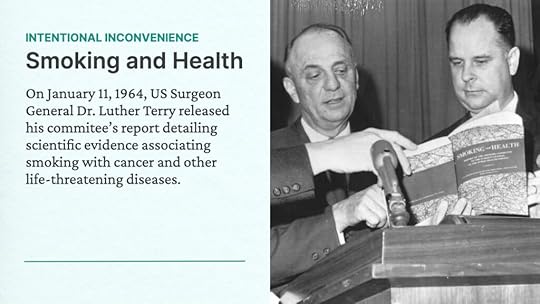
I think we may be at the cusp of the same thing happening with smartphone addiction. Everyone knows we’re addicted to our phones, but it seems, at least for now, that few care enough to do anything about it.
The Settled Science of Smartphone AddictionSmartphone addiction snuck up on us.
The very devices that promised to be “a bicycle for the mind,” instead delivered heroin for our attention. As the hardware and software improved, the whole experience of the smartphone became increasingly addictive. Little by little, we slouched into foggy, device-driven dopamine dens.
And our instincts telling us “something is wrong about this” have, more and more, been confirmed by scientific studies on smartphone usage and its effects, especially on goods.

Jonathan Haidtâs The Anxious Generation (2024) began opening peopleâs eyes to the dangers of phones and social media for kids. In the book, Haidt lays down a solid case linking the rise in mental health issues, sleep deprivation, addiction, and self-harm among adolescents to the rise in smartphone and social media use.
The recent “A Consensus Statement on Potential Negative Impacts of Smartphone and Social Media Use on Adolescent Mental Health,” published in May of 2025, evaluated the opinions of international experts to gauge where they stood on the relationship of smartphone and social media use to youth problems. And there is now near unanimity among the experts with 92â97% saying they agree that smartphone and social media use is correlated with the problems we noted above.
We’re at a point where the problems with smartphones and social media for kids are now impossible to ignore.
But even if youâre on board with keeping phones out of your kidâs hands until they turn 16 (Haidtâs recommendation), many adults still seem to think, âYeah, itâs bad for kids. But Iâm an adult, so I can handle it.â But this, too, seems like a belief that won’t survive scrutiny for long.
And while there isn’t as much research on the issues in adults, yet, do you really need a study?
We all joke about being addicted to our phones. If weâre honest with ourselves, many of us simply don’t like how much we use our phones. We know it’s a problem, but we don’t know what to do about it. And it just seems so normal now.
Many of us can probably relate to the words of Catherine Price, author of How to Breakup with Your Phone:
“But as many adults are beginning to realize, itâs not just the phone-based childhood thatâs the problem. Itâs the phone-based life. While children and teenagers are suffering the most from the negative effects of social media and too much screen time, their parentsâand frankly, all adultsâare as well.
“Are You Struggling With Your Own Screen Time?” After Babel, January 29th, 2025
But, even if we admit that our screen time and device usage isn’t optimal, we think, “but this is just how life is now, right? Why fight it? Isnât this normal?”
Hiding Behind âNormalâJust as cigarettes were normal, then, suddenly they werenât; smartphone addiction is almost universal. But ânormalâ is not a synonym for wise.
As Christians trying to faithfully steward our lives for the glory of God, our very definition of normal ought to differ from the world’s.
Is it normal that we read less?Is it normal that we do our devotions less? Is it normal that hospitality, biblical literacy, prayer, and our closest relationships are being pushed to the side by our endless scrolling?I refuse to accept that definition of normal.
But, what are we to do about it?
The Difference Between Impossible and InconvenientIt can seem impossible to operate in todayâs world without a smartphone. Over the years, I’ve detailed my own misadventures with trying out dumb phones and various methods for limiting my device usage. So, I admit that it is true that everything from navigating my car to eating out has become more difficult without a phone. But it’s not impossible.
Quitting your phone isn’t impossible; it’s just inconvenient.
The truth is, it is possible not to be addicted to your phone. Itâs possible not to even own a smartphone if you really want. But it requires embracing something weâve trained ourselves to abhor: Inconvenience.

Weâve become accustomed to comfort and convenience. Once you have air conditioning, itâs hard to imagine life without it. And once you have a phone that lets you instantly look up anything, tap into the latest news, and slay the merest whisper of boredom with a flick of the thumb, itâs hard to go back.
But it’s not impossible.
And Iâm not just theorizing here. I stopped using a smartphone almost a year ago. And, yeah, itâs inconvenient at times (though not as hard as I thought it would be). But itâs not impossible.
Iâve found ways to get directions, access menus at restaurants without a QR code reader, and even take pictures without my phone. Those are the three most common questions I hear people ask when they find out I don’t have a smart phone. But none of those are impossibilities to overcome, are they? I can put a GPS in my car, I can ask the waiter for a paper menu, and I can carry a camera on outings.
Is it less convenient? Yes. Is it impossible? No.
But Is It Worth It?The real question is “is it worth it?”
I donât like inconvenience. No one does. But my argument here is that we should be willing to embrace intentional inconvenience at times when we believe the long-term benefits are worth the immediate trouble.
Limiting your screen time is a sacrifice, so you’ve got to be convinced it’s worth it. I think about it similarly to how I think about exercise. I donât particularly like working out. But I swing my kettlebells around three days a week because my long-term health is worth the present inconvenience.
Our Lord calls us to be living sacrifices. We do this by not letting our lives and minds be conformed to the patterns of this world. We should look differently. The way we use our devices should look different from the world. And sometimes that’s going to require sacrifice.
Romans 12:1â2
âI appeal to you therefore, brothers, by the mercies of God, to present your bodies as a living sacrifice, holy and acceptable to God, which is your spiritual worship. Do not be conformed to this world, but be transformed by the renewal of your mind, that by testing you may discern what is the will of God, what is good and acceptable and perfect.â
I donât like that I canât do all the things I used to do as fast or conveniently as I used to when I had my phone with me all the time, but do you know what I do like?
I like that I have my mind back. I like that I read more.I like that I am watching my kids grow up through my own eyes.I like that the itch for fellowship with people doesnât drive me to a screen but to a cup of coffee, face-to-face. I like that I literally canât reach for my phone first thing in the morning because itâs not there, and instead, more consistently choose to read my Bible instead of scrolling my phone.I love convenience. And I praise God for the blessings of conveniences. But when convenience becomes a vice, we’ve got to embrace intentional inconvenience.
Challenge: Choose Intentional InconvenienceNot everyone needs to take the extreme route of getting rid of their phone. Some people literally cannot because of work or some other factor.
But if the Spirit has been convicting you about your phone usage, don’t write it off as “normal,” or think that change is impossible. Do something about it. When we recognize our devices are becoming an impediment to living the full Christian lives God has designed for us, then a change is in order. A sacrifice needs to be made.
In the Academy, Jessica has been leading a digital detox challenge this month with accountability check-ins for members. But the rules are really simple. You could do something like this yourself.
Choose something youâll abstain from (social media apps, phone on certain days, or donât use your smartphone at all)Decide on a duration (a week? Two weeks? The month?)Identify what youâll be replacing those activities with when the urge hits (put off, put on. See Ephesians 4:22â24)Then, after you’ve experimented with the intentional inconvenience, you can evaluate and decide if permanent changes are in order.
I know for myself, the more extreme measures I’ve taken with quitting social media and my smartphone were only decided after running experiments like these. You may be surprised by what you learn from taking a little break from your devices.
The addict doesn’t know he’s an addict until he tries to quit.
July 31, 2025
Reagan’s Roundup: July 31st, 2025
Your weekly roundup of insights and resources to help you get more done for the glory of God.
In Todayâs Issue:Why I Donât Use the Term âSecond BrainâPhilippians 3 on Our True HomeAdvice for Ambitious Goal SettersThe Trap of the Deadline HighLiving Pure in a Corrupting Screen AgeDear steward,
In recent years, the concept of a digital “second brain” has gained traction in the world of self-improvement and among creative professionals.
However, while Iâm a big fan of personal knowledge management (PKM), creating a personal note-taking system, and going paperless with your documents, I refuse to use the term second brain.
The truth is that, while catchy, the term second brain deliberately carries worldview implications that believers need to think twice aboutâspecifically, I’m talking about transhumanism.
This week, I did a deep dive into Transhumanism, Christian Productivity, and Why I Donât Use the Term âSecond Brainâ. You can read it or listen to it at that link, or watch it on YouTube.
My prayer is that this exploration will help Christians think more biblically about how we use technology for self-improvement and personal productivity, as well as the latent philosophical assumptions we may be unknowingly adopting.
Weekly WordâBut our citizenship is in heaven, and from it we await a Savior, the Lord Jesus Christâ
â Philippians 3:20
This world is not our home. That eternal perspective should color the way we approach everything in life, including our productivity.
Worth Your TimeAmbitious Goal Setter? Letâs Talk. (3 mins)Dave Harvey shares some great advice on goals. âGoals are more than productivity tools or esteem boostersâtheyâre mirrors reflecting our desires. Sometimes, they show a heart aligned with Godâs Word, ambitiously pursuing ways to glorify Him. At other times, they expose a tendency toward inflated self-perception.âThe Trap of the Deadline High (2 mins)
If you always rely on urgency to get things done, you may be training yourself for failure. âThat deadline high? Itâs the trap. It rewards the brain for procrastinating, making you more likely to rely on panic again next time. Over time, this wires your brain to depend on urgency instead of intention.âLiving Pure in a Corrupting Screen Age (12 mins)
John Piper: âFor decades, most Christians have simply drifted into the embrace of the patterns of the world in the way we spend our evenings and our weekends, with the exception of a couple of hours for church on Sunday.âWords of Wisdom
Take your Christian productivity to the next levelâEvery age has had its darkness and its dangers. The task of the Christian is not to whine about the moment in which he or she lives but to understand its problems and respond appropriately to them.â
â Carl Trueman, The Rise & Triumph of the Modern Self
Listen to the Podcast â The Redeeming Productivity Show is available on all podcast platforms and YouTube.â
Get the Book â Grab a copy of âRedeeming Productivity: Getting More Done for the Glory of Godâ
Join the Academy â Get access to all of our courses, workshops, private community, planner, and moreââ
Use the Planner â The all-in-one productivity system designed for Christians