Ellwyn Autumn's Blog, page 27
June 28, 2018
Diary of a First Year Kindergarten Teacher: 14th Entry
 https://kaboompics.com/photo/3355/emp...
Wednesday, September 18 Six days of school completed and it feels like it's been six months. Today was absolutely crazy. It began on a sour note and continued to get worse as the day progressed. In the schoolyard this morning, Rose Gil, one of my students was pushed by a second grader. The scuffle left Rose with a bloody lip. She had to go to the nurse's office.
Luckily, an older student was able to take Rose for me and even more fortuitous, the nurse was there to take care of her. Due to funding issues, the nurse only comes to our school three half days a week. Miss Mary was able to assist me during arrival but shortly after she was called to the office. I didn't see her for the rest of the day. Shortly after arrival, at 9:00 am, I called the class to the Large Group area for our Morning Meeting. Upon sitting, Christopher Matthews immediately started lying down on the carpet, making it difficult for the other children to sit. I redirected him to his table and gave him paper and crayons to use while I instructed the rest of the class. Within a few minutes, a few of the children told me that Christopher had started breaking up the crayons into little pieces. I ignored the behavior and continued with the Morning Meeting. I was extremely frustrated. Since the school district wouldn't supply me with crayons for my class, I bought them. After the Morning Meeting, I placed the crayons in a pencil box. From now on they will be Christopher's crayons to use.
 Pin Me Please!
Following lunch, from 11:15-11:30, the children have a 15-minute recess in the schoolyard. When I arrived to pick up my class, Christopher and Devon Wilson were fist fighting. Apparently, Christopher had touched Devon and Devon didn't like it. I should have done a pink slip for the both of them but I just can't bring myself to do it. Pink slips in kindergarten seems a bit harsh. I did do a lesson on the appropriate ways to use our hands and read the book, "Hands Are Not For Hitting." I also informed their parents. Around 1:55, Devon was caught up in another fight with Brandon White. The pair had started arguing at their table. Before I could get to them to intervene, they were slapping and punching each other. In order to avoid future conflict with the boys, I reassigned Devon to another table. Five minutes later, Devon had slapped Jason Peters on the arm for pushing his char. Jason was clearly shaken. He said that he was just trying to get Devon's attention. I explained to the boys that we have to use our words instead of our hands for certain situations. Jason seemed to get the message. I'm not so sure about Devon. At 2:10, Samuel Bishop started tickling Violet Martinez. She told him to stop but he kept doing it. I gave him several warnings and reminded him about the book we'd read earlier, but he wouldn't stop the unwanted behavior. I moved Samuel to another table and spoke to his father. Not five minutes later, Cyrus Jackson pulled Rose's hair. He continued to do it even after she told him to stop. When I got to the table he stopped and apologized to Rose. Tomorrow I'll do another lesson on positive ways we use our hands and make the individual sticker charts for Devon, Ramona and Christopher. That's all I'll be able to manage right now. If Miss Mary is able to stay with me for longer than 20 minutes, I'll try to get her to help me with more sticker charts. Hopefully, in a few more weeks the children will learn the classroom expectations better and be able to engage with each other more appropriately.
How are behaviors the first few weeks in your classroom? How do you deal with them?


June 10, 2018

June 7, 2018
10 Things You Need To Know About Out-Of-School Suspensions
 Photograph by: Wokandapix https://pixabay.com/en/classroom-scho...
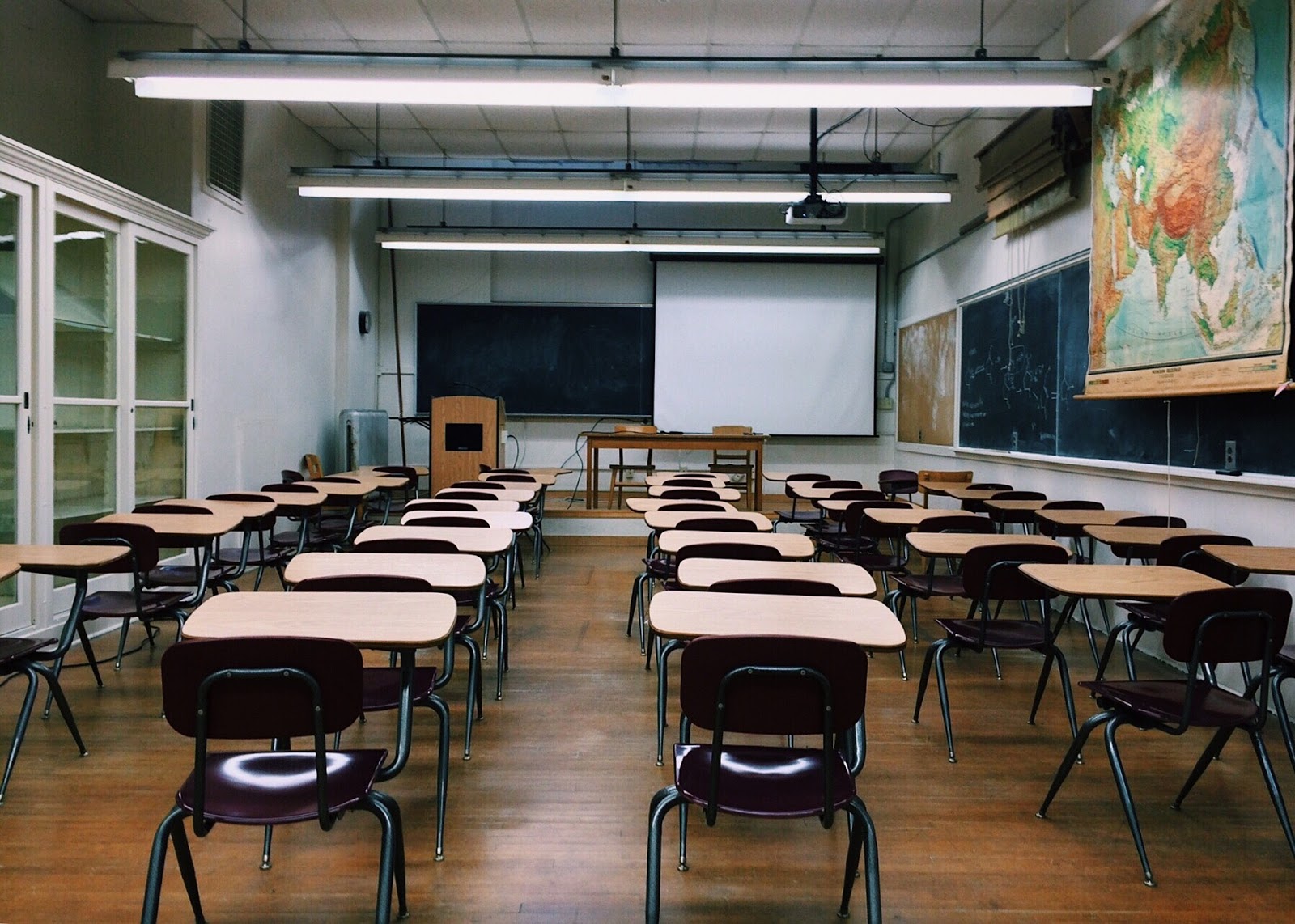
As a former classroom teacher I know that out-of-school suspensions aren't very effective, unless the student is usually a well-behaved, first-time offender who will learn a lesson from their temporary removal. Some of their chronic counterparts, however, tend to view suspensions as an impromptu holiday and will deliberately misbehave to be granted another one. So what's the proper way to handle this tricky discipline technique?
Pin Me Please!In order to make an informed decision you need to know the facts. I have uncovered some of the most pertinent. 1. A high accumulation of student suspensions leads to negative consequences, such as lower academic achievement levels and a larger number of school dropouts. These side effects contribute to the cycle of unemployment, which in turn can lead to a higher crime rate. 2. African-American students and students with disabilities have a higher suspension rate than white students. 3. Gay, lesbian, bisexual and transgender students have a higher probability rate of not only being suspended, but expelled. 4. According to an article by the AFT, during the 2011-2012 school year, nearly 3.5 million public school students were suspended at least once. 5. It's been estimated that in one school year public school children in the United States lost a sum total of 18 million instructional days due to suspensions. Staggering!
 Photograph by: geralt https://pixabay.com/en/board-school-t...
6. Research has shown that suspensions do not promote safer school climates. 7. Students who are suspended or expelled are more likely to become involved with the juvenile justice system. 8. There are research-based programs, like Positive Behavioral Interventions and Support (PBIS) and Safe and Responsive Schools (SRS) designed to train teachers and administrators in techniques to improve student behavior and school climate. 9. It will take willful political strength, adequate funding, community involvement, and unwavering commitment to properly integrate a cohesive non-exclusionary discipline plan in schools, especially in high-risk areas. 10. Our children deserve better.
 Photograph by: Sweetlouise https://pixabay.com/en/friendship-han... How do you think school suspensions should be handled?
 June 4, 2018
May 18, 2018
Diary of a First Year Kindergarten Teacher: 13th Entry
 https://kaboompics.com/photo/243/lovely-workplace-with-red-roses
Thursday, September 11
Another hectic day, I'm exhausted.
I did get a few major things accomplished that I'm pleased with:
*The anchor chart with the rules and consequences was written and discussed during our first large group meeting this morning. (Miss Mary was there for that.) *We practiced walking in the classroom and lining up. *We read The Kissing Hand by Audrey Penn, and then the children traced their hands, decorated them, and drew a heart in the center. (Ramona Johnson and Christopher Matthews ripped theirs apart.) The others look cute on the wall outside the classroom.
Pin Me Please! A few drawbacks that I'm concerned with are:
*Ramona Johnson threw the box of materials I made for her.
It nearly hit another student in the head. When I removed the box, Ramona screamed, threw herself on the floor, and wrapped her arms around my calves.
It was difficult to get her off of me and I almost fell. *Rafael Cruz was angry because he thought another child was bothering him.
This wasn't the case. The child was simply looking at him.
I tried to explain this to Rafael but he didn't want to hear it. He ran away from me and pulled down the curtain hanging in the window. *Devon Wilson grew angry when I didn't keep calling on him during the real-aloud of The Kissing Hand.
I told him that I had to give other children a chance to speak but he just turned around in his spot mumbling, and ignored me. *Christopher Matthews seeks negative attention. All day long he pestered his classmates, talked incessantly, and fell out of his chair.
A lot of the children laughed when he fell out of his chair. Naturally, this encouraged him to keep doing it, until I took his chair and made him stand for a few minutes.
When I gave it back to him, he was falling out of it again within five minutes. The other students were of course watching all of these behaviors and taking them in. Some were startled by the angry outbursts, others were afraid.
Each outburst was a total distraction that jeopardized my lessons. I was able to rein most of the students back in with a finger play or a clapping song, but it took a lot of effort. To reward the positive behaviors of the other children throughout the day, I gave out lots of stickers and verbal praise. They were very excited, however, some of the children who didn't get stickers had tantrums. I'm thinking of starting personal sticker charts for the students with challenging behaviors. I'm not sure what to do about Christopher and his chair. I'll sleep on it. How do you handle difficult behaviors in your classroom?
May 10, 2018
A Field Trip To Pennsylvania's Crystal Cave

A Little Background Information A field trip to Crystal Cave would be the perfect culmination to a unit on geology or inspiration for a creative writing essay. It definitely stirred up some story ideas for me. As a fantasy enthusiast, I couldn't help imagining wizards and dwarves inhabiting the halls of glistening rock. Discovered in 1871, Crystal Cave is a natural spectacle of marvelous stone formations that have evolved over thousands of years.
 Our guide called this, 'The Upside Down Ice-Cream Cone'. Under a display of carefully placed lights, students can view stalactites, stalagmites, flowstone, rimstone and other visual wonders, up close and personal, as long as they don't touch anything. Human hands diminish the luster of the stone.
The 50-55 minute tour begins with a short film on the history of the cave. Immediately after, a knowledgeable guide walks you through the cave, pointing out stones molded into magnificent sculptures by the hand of time.
 After the tour there are other activities, like miniature golf and panning for gemstones, that students can do. There is also an ice-cream parlor and a gift shop to purchase souvenirs and specimens from around the world.
Pin Me Please!
After the tour there are other activities, like miniature golf and panning for gemstones, that students can do. There is also an ice-cream parlor and a gift shop to purchase souvenirs and specimens from around the world.
Pin Me Please! Information for Teachers If you teach young children, I would recommend, if possible, assigning each student their own escort. Concrete steps with steel railings cross over openings and enclosures that I found to be steep. I spoke with an associate of Crystal Cave who informed me that Kindergarten is the youngest grade to visit the facility. He believed students younger than that may not fully appreciate or understand the presentation. Be sure to advise parents to dress their children in walking shoes and a light jacket for the tour. It's 54 degrees in the cave all year long! There are picnic tables available for lunch and snack. They have special rates for schools, camps, and other organizations. Their contact number is 610-683-6765.
Children's Books On Rocks and Minerals: (I found these on Amazon.)



 Educational Resources Lakeshore, Becker's, and U.S.Toy have some wonderful rock and mineral items for students and teachers. I also found some incredible ideas for rocks and minerals on Pinterest and Teachers Pay Teachers. What lessons and activities do you do when teaching a geology unit to your students?
April 27, 2018
Harmful Sexual Behavior Among Children
 Greyerbaby https://pixabay.com/en/boy-looking-fe...
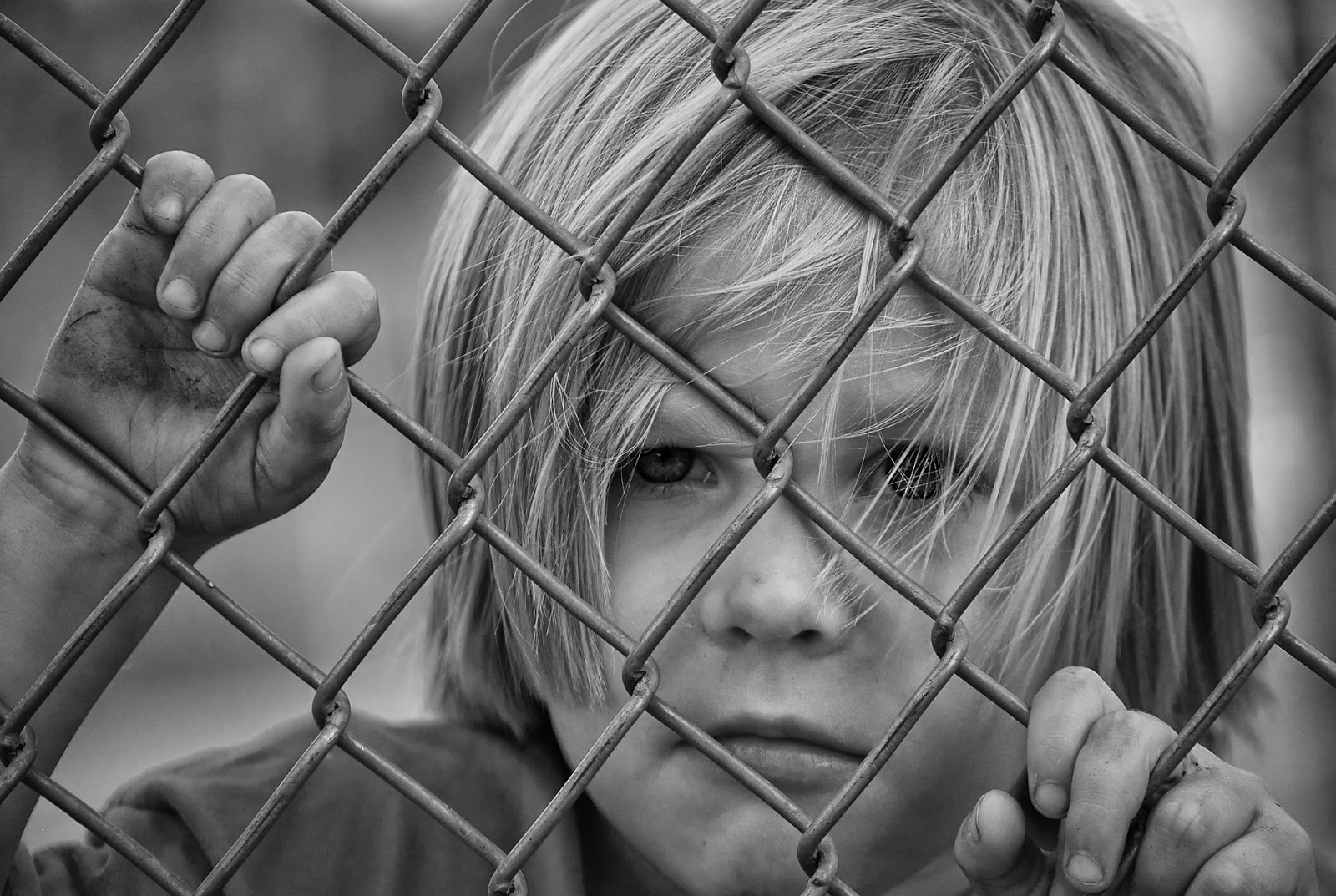
Personal Connection Recently, a close friend of mine confessed that her twenty-year old daughter had just told her that, while in middle school she'd been inappropriately touched by another girl her own age. When she was even younger, that same daughter also had an older girl force herself on top of her and grope her genitals, during a visit to a family friend's house. When asked why she hadn't told her mother about the incidents sooner, the daughter had replied that, I was always warned to watch out for grown- ups who might touch me inappropriately, or the white van with the stalker inside, or someone trying to lore me in their car with a puppy. During that same conversation, the daughter had also admitted to being ashamed about the incidents and had blocked them out. When I was teenager, I remember learning that my step-cousin had 'made a pass' at his younger sister. I was appalled by the news. It shook me to my core. I couldn't comprehend why an older brother would do that to his sister.
 Janko Ferlic https://unsplash.com/photos/oWDRVgk04EA
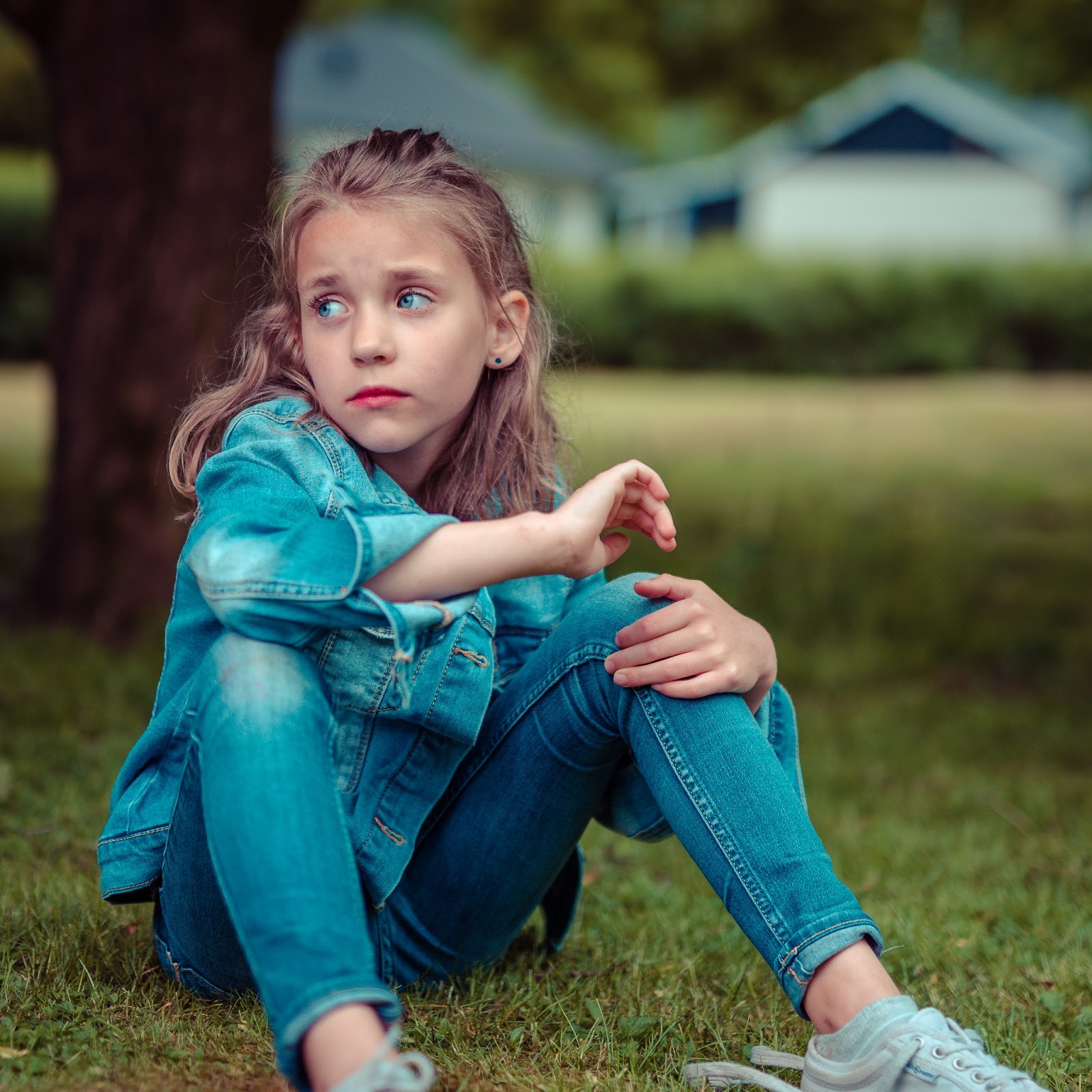
 Like my friend, I was stunned into sadness to hear her daughter's well-reasoned argument for not alerting anyone of the assaults. As adults, we constantly warn our children to be wary of grown-ups who may sexually abuse them: never conceiving that other children or siblings could be potential perpetrators. Our naiveté on this subject stems from the lack of disclosure to the authorities and the media, as well as our disbelief, that children are sexual beings capable of such harmful actions. Stop It Now reports, that over a third of sexual abuse that occurs among children is committed by a person under 18 years old. Culture of Safety states, that the younger the victim of the abuse is, the higher the probability that the offender is a minor. These are disturbing statistics that require our undivided attention.
Pin Me Please!Professional Connection As deplorable as it is to contemplate, sexual harm does indeed happen among adolescents and very young children. Sadly, I have been a witness to such events. One year in my kindergarten classroom, there were three sexual assaults among the students. The first one occurred shortly after the start of the school year. While sitting at a table, a little boy put his hand on the private part of the little girl beside him. He refused to move his hand when she protested and tried to push it off. The second one happened a month later, when another boy crawled under a table and kissed a little girl's private part. The third one occurred closer to the end of the school year and was the worst. A little boy, who was new to the class, forced a girl onto a shelf and lay on top of her. He put his hand down her underwear and wouldn't get off of her when she asked. Another child intervened and pulled him off of the little girl.
 Kat J https://unsplash.com/photos/NPmR0RblyhQ
Needless to say, I was troubled by each occurrence, but the third horrified me the most. I was so heartsick by the episode; I took off the following day. At such a young age, I knew the boys couldn't appreciate the harmful consequences their behaviors were causing their classmates. Still, I needed time to collect myself, digest what had happened, and plan my lessons accordingly. I reported each incident to the school office and they were investigated by the administration. The first two boys were placed in the other kindergarten room, while the third remained in my classroom. I was extremely uncomfortable with the third child being so close to the boy who had harmed her. I couldn't understand why he was allowed to remain in my classroom, when the two other boys had been promptly removed. Apart from my reporting the third incident and receiving a notification of the boy's suspension, the school administration never communicated with me again about the event. No plan of action was discussed; no follow up by the administration regarding prevention and student safety. The third boy stayed home for two days, and after a meeting with the school counselor, he returned to class. While I was home, the office had handled the situation, and it appeared that all parties involved were content with the outcome. For my part, after dealing with the three sexual assaults, and a host of other socially, emotionally challenged students, I was too burnt out to pursue administration for their opinions. I did what I could through targeted lessons on good touch, bad touch, and by separating the third boy from the little girl. Of course my lethargy, didn't assuage my concerns. I felt responsible. I had been present for each episode. My assistant and I discovered the first two almost immediately. However, during the third episode, my assistant had left for the day, and I was in the middle of a small group lesson on the other side of the room. I kept telling myself, "It's difficult to watch over and instruct 30 kindergartners by yourself". The mantra didn't ease my conscience. Often, children who commit these harmful acts, have been victims of sexual assault themselves, or have been regularly exposed to adult sexual activity or pornography. In addition, these same children may have either experienced or witnessed some form of physical or emotional abuse at home. In other cases, children are just exploring their curiosity about their bodies. So, how can you tell the difference between the two?
 Chinh Le Duc https://unsplash.com/photos/TV1QYUtTxJ8
Distinguishing Between Sexual Harm and Curiosity Whether it is innocent curiosity or a visceral response to mistreatment, a child who performs a sexual action toward another child, can do serious harm. One common way children explore sexuality is through playing games like "doctor". Once this expressive method is identified, it can be corrected with a conversation about respecting another's privacy and keeping everyone safe. What is cause for alarm is when a child continues to display aggressive behavior, after being corrected. Other potentially harmful behaviors include: *Older children spending a large amount of time with younger children. *Maintaining physical contact with another child who refuses the attention. *Forcing another child to have sexual intercourse. *A child speaking sexually to children or adults. *Children viewing child pornography.
 cablemarder https://pixabay.com/en/teddy-soft-toy...
Awareness and Prevention Sexual harm among children is under reported, which in turn leaves children as vulnerable targets, unprepared to handle uncomfortable and confusing situations. Instead of alerting an adult, the victimized child will often internalize the incident, blaming himself for what happened. If left untreated, this feeling of self-guilt can lead to a lifelong pattern of depression, self-harm, and drug abuse. According to Dr. Gemma McKibbon, from the University of Melbourne, a proactive way to prevent child-on-child sexual harm is to teach age-appropriate sex education classes to elementary students, warning them that other children may hurt them in this way. Additional strategies to help protect children from mistreatment are: *Let children know there are trusted adults with whom they can talk. *Observe how children engage with each other. *Teach children to be respectful toward themselves and others. *Reach out to organizations that specialize in child safety and welfare for information to educate your entire family. *Design a safety program for your family and with your child's school. Parents Protect! offers a downloadable family safety plan booklet at: https://www.parentsprotect.co.uk/reso.... *Be vigilant. Images of violence and abuse are evident in video games, movies and television shows. Curtail how much of this media your child views. *Model appropriate social and familial behaviors. *Spend quality time with your child and have meaningful conversations.
 mintchipdesigns https://pixabay.com/en/boy-facepalm-c... If you suspect that your child or a child you know is harming other children get help immediately. Stop It Now! is an organization experienced with these behaviors. You can contact them at their national, toll-free line: 1-888-PREVENT (1-888-773-8368). How would you deal with this situation in your family or classroom?
April 21, 2018
Lemon Drop Literary: Book Review of The Big, Bad, Sad, Mad Meany
Lemon Drop Literary: Book Review of The Big, Bad, Sad, Mad Meany: The Big, Bad, Sad, Mad Meany, by Mary Griffith Chalupsky, is a rhyming story about a group of rodents livin...
Book Review of The Big, Bad, Sad, Mad Meany
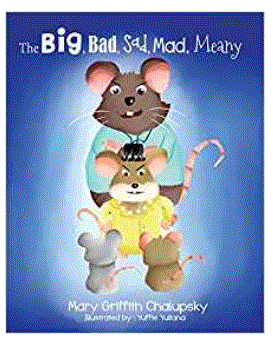
The Big, Bad, Sad, Mad Meany, by Mary Griffith Chalupsky, is a rhyming story about a group of rodents living happily together in a dumpster. Everything changes one day when a large rat named Tim comes along and takes over. Tim uses his great size and weight to intimidate the smaller rodents into following his rules and giving him their food. While Tim languishes about growing fatter, the other rodents are forced to do all the work.
Pin Me Please!Anyone who questions Tim's harsh actions is punished, sometimes severely. Things become very grim for the rodents, who long for a hero to save them from their predicament with Tim. One night Tim holds a Ball and another, larger rat named Marco shows up. Marco chastises Tim for his bullish behavior and tells him he must respect everyone or leave the dumpster. The rodents applaud Marco's heroism and once again the dumpster becomes a blissful place with enough food and equality for all. I enjoyed the moral presented in The Big, Bad, Sad, Mad Meany, that everyone is equal and bullying is wrong. The illustrations by Yuffie Yuliana added a colorful element that reinforced the actions and emotions of the characters. Reading a book like this is a great way to introduce young readers to a difficult social issue like bullying. It can also spark meaningful conversations between parents and their children or teachers and their students. In terms of content, I felt the resolution to the characters' problems was a bit too easy, and didn't allow them any control of their situation. I would have liked to see the smaller rodents be more self-reliant in solving their problems with Tim, rather than waiting around for a hero to rescue them. Often in life, we have to be our own hero. Children need to be taught the skills to advocate for their own safety and well-being. They must learn to speak-up for themselves by asking a grown-up they trust for help or by working together with peers to find a fair and just resolution to their problem. All in all, The Big Bad, Sad, Mad Meany is a story with a good premise and a positive message. How do you discuss bullying with your children or students?
April 3, 2018
Interview With Pre-K Head Start Teacher Shanna Padams
 https://unsplash.com/photos/O1TNdLNvJ... In March of this year, I had the opportunity to visit Ms. Shanna Padams's Pre-K Head Start classroom at Henry C. Lea Elementary School in Philadelphia, PA.
Pin Me Please!
https://unsplash.com/photos/O1TNdLNvJ... In March of this year, I had the opportunity to visit Ms. Shanna Padams's Pre-K Head Start classroom at Henry C. Lea Elementary School in Philadelphia, PA.
Pin Me Please!At first glance Lea Elementary appears to be a tired, old building, but upon closer inspection, colorful student artwork draws your eye and posters with positive messages remind you of the hope a public education can bring. After being buzzed into the school, I went straight to the main office, where the secretary, who asked for my name, was expecting me. I was asked to sign in and then a polite young man from third grade guided me through the maze-like halls to Ms. Padams's classroom. During our brief trek, I was pleasantly surprised to learn, that while the building's interior needed updating, Lea Elementary is able to offer its students music and drama classes. Due to a lack of proper funding and overcrowded class-sizes, many art programs across the district have met the chopping block.
 Addhttps://pixabay.com/en/cartoon-doodle... caption
I arrived at Ms. Padams's classroom and found it neatly arranged with educational learning centers and child-sized tables and chairs. Like any properly managed Pre-K Head Start class, her students knew the classroom expectations and were well on their way to developing the soft skills required for Kindergarten, that many children lack upon entering. Soft skills are intrapersonal abilities like sitting on the carpet during a read-aloud and raising a quiet hand to ask a question.
 https://pixabay.com/en/playschool-chi...
Head Start, founded in 1965, is a free program for three and four-year-olds, whose family meets the financial criteria established by the federal government. Through various services like early learning, health, and family well-being, the program helps the child participant and their family. In 2013, The School District of Philadelphia cut its Head Start program in half. Since then many children have been enrolled in educational programs that don't have the same rigorous curriculum and accountability for its teachers that Philadelphia does. As a former Pre-K Head Start and Kindergarten teacher, I can say with confidence that children who attend a high-quality Head Start program are better prepared for the social and academic challenges of Kindergarten. Those with special needs have a smoother transition into Kindergarten. In most cases, their Individualized Education Plans (IEPs) have been established, which allows for support services to better continue when they leave the Pre-K Head Start Program. Ms. Padams was kind enough to answer a few questions about her teaching experiences and to offer advice for aspiring educators.
 Add chttps://unsplash.com/photos/80VTQEkRh...
1. Why did you become a teacher? When I was in third grade, my family moved from Pennsylvania to New Jersey. My new school assessed me and decided to put me in a mid-level reading group, even though I tested higher. With all of the other changes going on, they didn’t want school to be too hard for me. From the beginning, my fourth grade teacher, Mr., Moore, knew I could do more. He believed in me from day one. He challenged me in the best ways possible. He taught me not to settle, that I could do anything I put my mind to. Most importantly, he gave me the confidence and sense of self-worth I needed to succeed. Ever since meeting Mr. Moore, I knew I wanted to be a teacher like him. I wanted to help other students believe in themselves and their ability to succeed. 2. What grade do you teach? Pre-K since January 2005 3. What is your favorite thing about teaching? I love how students grow and change, especially when I am able to teach them for two years. It is amazing to see how much progress they make. 4. What is your least favorite thing about teaching? Paperwork. It is never ending, especially when it comes to recording anecdotes and lesson planning. 5. Do you have any advice for teachers just starting their careers? Ask questions. It’s okay to ask for help. Managing a classroom is very challenging. Ask co-workers and supervisors for ideas. Check on pinterest and other educational websites for ideas. 6. How has the lack of funding in public schools affected you and your students? I believe the biggest impact is on the conditions in our buildings. Our building is over 100 years old. The roof leaks every time it rains. There are holes in the celling in the hallway from the rain. The pipes leak, too. The toilets don’t work properly. Also, our custodial staff is always short-handed, so bathrooms and other areas are not cleaned properly. 7. In light of the mass shooting at Marjory Stoneman Douglas High School in Florida, are you concerned about security in your school? Yes. We finally have one full-time school police officer. We have some cameras in the school. Though I am not sure where they are located. A staff member usually supervises the front desk near the main entrance and guests need to sign in and show ID. However, we have no metal detectors in the school, so anyone can walk in with a weapon or other harmful items. 8. How do you feel about teachers carrying guns to school? I am not comfortable with that idea at all. 9. Why not? I do not have the proper training to do so, and have no desire to use a gun, especially around children in a school. 10. If you could ask politicians to do one thing to help students in our country, what would it be? Invest in our schools. Provide the funds to help us hire adequate numbers of school police officers, NTAs (to monitor hallways, etc.), school counselors, and psychologists. I would like to thank Ms. Padams for her time and insight. I hope this interview helps people understand the challenges public school teachers and their students face everyday. In order to change the state of public education in our country, we must listen to those people on the frontlines, the teachers.