Nancye Thomas's Blog, page 3
January 18, 2017
Circus Animal Abuse
Do you enjoy going to animal circuses? Are you having fun seeing tigers jumping through the rings of fire or elephants standing on their hinds while balancing their heads?

What if I tell you that these animal performers are not happy with what they are doing? Would you believe me?
Nurture versus Nature
By nature, these animals live in the wild, not in cages. Elephants travel in groups covering thousands of miles daily. They spend approximately 80 percent of the day feeding on several hundred pounds of vegetation and drinking up to forty to fifty gallons of water. Territorial by instinct, tigers tend to live on their own, unless when trying to find mate or when taking care for their offspring. Males usually claim up to sixty to one hundred square kilometers while females take up to twenty square kilometers. Their natural habitat should consist of these things: some type of covering for hunting, access to ample amount of water, and plenty of prey to choose from.
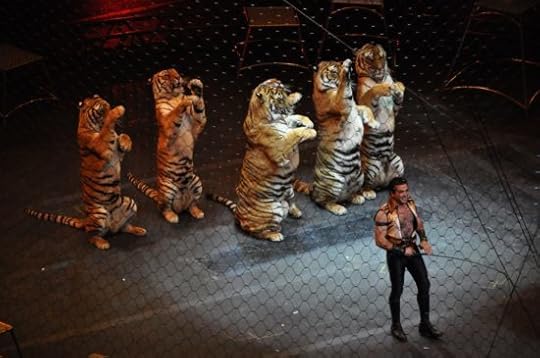
Have you wondered how these wild creatures submissively move about the circus at command? These animals are forced to perform tricks unnatural to them—you don’t see a monkey driving a motorcycle in the wild, do you? But you see one in a circus, right? And you applaud its magnificence, right?
How Wild Animals Are Trained in Circus Facilities
Captured animals are taken into circuses, such as Ringling Bros. and Barnum & Bailey Circus, in the mask of promoting wildlife education and conservation. However, a closer look shows that circuses do not exist to protect the animals but to abuse them for profit.

Several undercover investigations have recorded and proved the maltreatment experienced by these animals in circus facilities. Animals who fail to follow a command are punished with muzzles, whips, electric prods, tight collars, bullhooks, and other excruciating trappings. Violent training sessions force animals to perform tricks on command out of fear, not out of enjoyment.
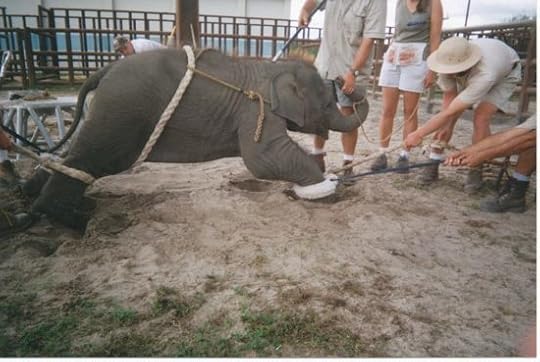
You still don’t get it? Try watching “Jason Biggs Stars as ‘The Elephant’” in PETA (People for the Ethical Treatment of Animals) video.
Would you still go to animal circuses and support the exploit of animals for entertainment? Or would you participate in raising awareness for the protection of animal rights? The decision is yours.
References
PAWS. “Enjoy the Circus? The Animals Don’t.” Accessed on November 24, 2016. https://www.paws.org/get-involved/take-action/explore-the-issues/circus-cruelty/.
PETA. “Circuses: Three Tings of Abuse.” Accessed on November 24, 2016. http://www.peta.org/issues/animals-in-entertainment/animals-used-entertainment-factsheets/circuses-three-rings-abuse/.
LCA. “Animal Cruelty at Circuses.” Accessed on November 24, 2016. http://www.lcanimal.org/index.php/campaigns/animals-in-entertainment/circuses.
The post Circus Animal Abuse appeared first on Picky The Marvelous Chicken.


January 11, 2017
Animal Cruelty on Chickens for Commercial Reasons
If only animals could speak up, surely they wouldn’t want to be eaten by us. But as the natural order of things, it is essential for us humans to feed on those weaker creatures, despite the saddening thought of how they are treated. Every time we eat meat and poultry, we are patronizing the deaths of animals. Though animal cruelty may be difficult to stop, there are better options to harvest animals without pain and suffering.
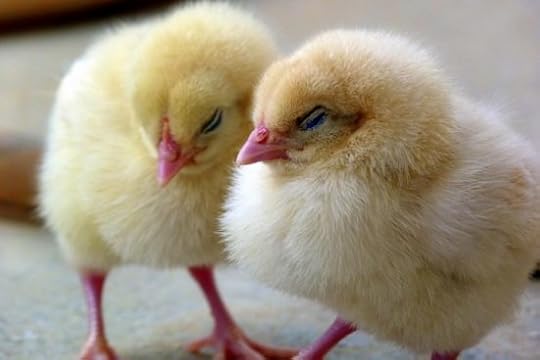
One farm practice that takes the lives of six billion creatures per year is chick culling, or the process of “disposing” newly hatched poultry that are not usable. Laying hens don’t have the same strain as that of meat-producing chickens. Since male chickens do not lay eggs, male chicks from the laying hen strain are offed right after they hatch. Usually, the male chicks are thrown inside a grinder, but some simply get their necks broken.
Another practice in overcrowded chicken farms is beak trimming or debeaking. Because space is limited in the farms and some chickens have aggressive or cannibalistic nature, their beaks are clipped or burned off so they can’t peck each other to death. This practice is also being done to ducks, quails, and turkeys and is still being debated whether it is considered as animal cruelty. However, the practice obviously impairs a bird’s ability to consume food because the beak becomes shorter than usual and it can be painful to eat. It’s already banned in some countries, like Australia, Denmark, Sweden, and Finland, but is still being done worldwide.
Grinding male chicks may be a cruel act, but it is a lesser evil compared to what happens to hens. The moment chicks are identified to become egg-laying hens, they are cooped into overcrowded farms and factories to start their lives of slavery. Once they are able to lay eggs, they are put inside very small cages that they can’t even stand and stretch their wings. These hens are forced to lay more than three hundred eggs each year, when they normally lay only twenty to thirty eggs in the same period. Some factories even starve hens for fourteen days so when food is introduced again, they will lay more eggs than they used to.
Animal cruelty is still cruelty even if it’s not against legal law. It’s good that more and more people are trying to question where their food is coming from and that some even follow a vegetarian or a vegan lifestyle. Eating meat is not a sin; it’s the act of wasting the lives of animals that is not acceptable in the laws of nature and of morals.
References:
Food Empowerment Project. 2016. “Chickens (Hens) Raised for Eggs.” Accessed October 17, 2016. http://www.foodispower.org/hens-raise....
Ketler, Alanna. 2014. “10 Alarming Facts about Factory Farms that Will Break Your Heart.” Collective Evolution. March 21. Accessed October 17, 2016. http://www.collective-evolution.com/2....
Wikipedia. 2016. “Chick culling.” Updated last September 6. Accessed October 17. https://en.wikipedia.org/wiki/Chick_c....
The post Animal Cruelty on Chickens for Commercial Reasons appeared first on Picky The Marvelous Chicken.
January 4, 2017
Adopt an Animal
Pets, like people, are in need of love and attention. But unlike people, most of them live for their owners alone. They are selfless, pure, and loyal—attributes that are often missing in some humans. A pet can turn your lonely world around. You will never meet anyone as pleased to have you in their life more than your pet.
However, getting a pet requires commitment. If you get a pet, you should know that you are responsible for them. Unsurprising enough, most people neglect this when getting a pet. They fail at committing to that living thing they thought they wanted. This is why a lot of animals often end up in shelter homes.
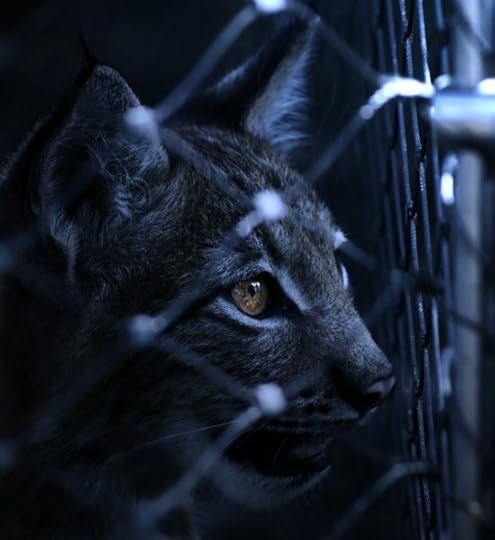
Shelter and rescue homes are the abode of animals victimized by human indecisiveness, cruelty, and insensitivity. Animals in shelter homes are not bad animals, neither are they unlovable. It just so happened that they were neglected by previous owners for reasons that are often unknown. When you come to think of it, these animals are actually the most devoted ones because they still want to be loved despite being unloved by their owners. These are the animals thirsty for the same love and attention they are so willing to give. Adopting an animal from a shelter home is definitely one of the best decisions you’ll make in your life.
When you adopt an animal, you are giving a pure creature a chance at life—a chance to be loved, a chance to be cared for, and a chance to bring happiness to others. You are helping this animal heal from whatever trauma, abuse, and rejection it has encountered. These animals reflect hope for they watch people pass by their cages and not adopt them, yet they remain hopeful that someday someone will choose them.
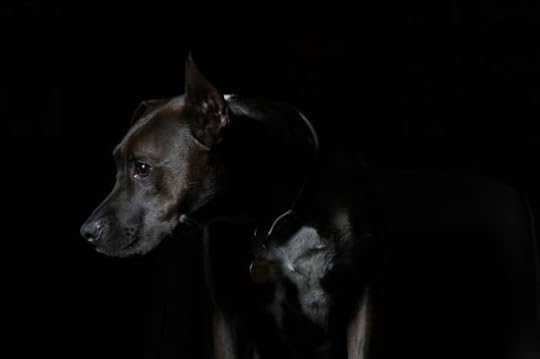
So the next time you decide to get a pet, go to an animal shelter. Go to the place where you know the animals want nothing else but to be adopted. Opting for adoption is better than buying from pet stores. Pet stores also operate puppy mills that use animals for pure profit. This practice not only harms animals but also contributes to animal overpopulation.
Adopt an animal and give it a place to call home. The rest of the world might turn their backs, but your pet never will. They do not live as long as you do, but I can assure you that their whole life would revolve around you alone.

The post Adopt an Animal appeared first on Picky The Marvelous Chicken.
December 14, 2016
Owning Exotic Pets
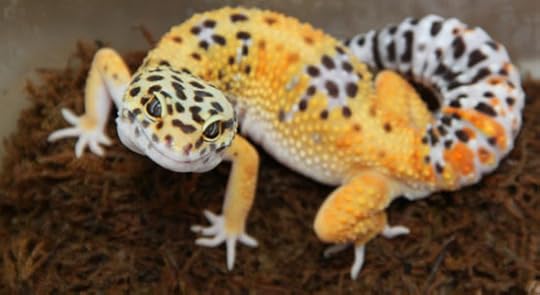
Owning a ferret, lizard, snake, chinchilla, or other uncommon, non-traditional pet is not as complicated or dangerous as people might think. As long as you know how to feed and shelter your pet, identify whether their droppings are normal or not, and more importantly, know a skilled veterinarian that offers general healthcare, diagnostics, surgical care, and emergency care, an average animal-lover is quite capable of housing an interesting creature.
According to Robert Fisher, DVM and chief of medical staff for the Michigan Humane Society, all exotic pets must first acclimatize themselves to their new environment. Avoid getting their space invaded during their transition period to prevent triggering stress. Small mammals like hedgehogs easily get accustomed to their new environment, requiring only a couple of minutes to a few hours. Snakes and bigger reptiles will take a couple of days.
Like simpler house pets such as cats and dogs, diet is another an important factor for exotic animals. Chinchillas, for example, may be fed with guinea pig food or oatmeal flakes and raisins; hedgehogs enjoy a variety of insects from slugs to beetles; iguanas eat dark leafy greens like kale, or even fruits (sliced peaches and bananas). Snakes present a bigger challenge. The Humane Society of the United States’ Captive Wildlife Protection program advises reptile owners to feed their pets freshly killed rodents. A snake’s prey must always be the appropriate size for its type. With ball pythons, for example, hamsters and gerbils are suitable. Do not feed snakes if they are soon to be transferred and housing is just temporary.
When it comes to the right shelter for your exotic pet, be sure to provide them with a lot of space. Of course, this depends on the height and width of your animal. Lizards, for example, will require a wider ground, and creatures that like branches will need a longer tank in terms of height. Security is a prime necessity no matter what type of mammal or amphibian you care for. Snakes, scorpions, and spiders are especially sneaky and slippery types, so be sure to buy a good intact lid. To avoid disease or infestations, hygiene must be maintained. Temperature and lighting are also significant factors to consider.
Hoping for a tiger? You’re lucky if you live in the states of Nevada, Wisconsin, Ohio, West Virginia, Alabama, and North and South Carolina, as they do not regulate or restrict dangerous captive wildlife. However, caution and superb training is advised. Other states such as Texas, Arizona, Idaho, and Pennsylvania do not ban captive wildlife but require permits for specific species. Unfortunately, if you’re a New Yorker, big wild cats are a no-no.
These are just basic tips for owning an exotic pet. If you truly want to be a safe and responsible animal caretaker, consult your local zoo, the herpetological society, or the state veterinary association.
References
Human Society International. 1999. “Caring For Exotic Animals: Between the Front Door and the Cage Door.” Accessed October 18, 2016. http://www.hsi.org/assets/pdfs/eng_caring_for_exotic_animals.pdf.
Keeping Exotic Pets. 2000. “Housing Exotic Pets: FAQ.” Last Modified December 26, 2012. Accessed October 18, 2016. http://www.keepingexoticpets.co.uk/faqs-about-housing-exotic-pets.html.
The post Owning Exotic Pets appeared first on Picky The Marvelous Chicken.
December 7, 2016
Teaching Your Feathered Friend Some Tricks
Here is a simple guide on how to train your bird.
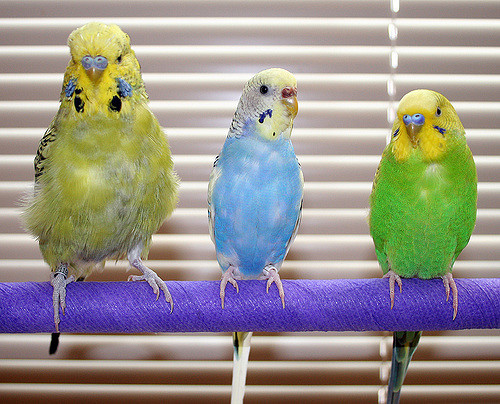
Birds are enthralling creatures, and all bird-lovers would attest to that. In case you don’t know, they are even much more intelligent than other commonly kept pets. Plus, they live long!
To those who have birds as their pets, if you want to build a stronger bond with them, training them is a good idea. Not only can training aid in curbing bird’s undesirable behaviors, but it can also be an enjoyable way to spend time together.
Training your bird may seem strenuous, but once you get the hang of it, you’ll find all your efforts worth it. By starting with fun and easy tricks, you’ll be appalled at how easy it is to train your birds some easy tricks.
To get you started, just follow these basic and essential guidelines for bird training.
 Be patient, don’t get discouraged. Never start a session when you feel disconcerted, impatient, or not in the mood for it. You don’t want to scare your feathered friend. They may take a long time to learn certain tricks; hence, patience is always a virtue.
Teaching your bird some tricks takes a lot of effort. It may take weeks for them to get it, but with patience, commitment, and perseverance, your bird will surely catch up.
Find a suitable place for your training. The training should take place in a quiet room, free of distractions. To make sure that your bird doesn’t get loose, close any windows, doors, and curtains. Provide a safe environment. Turn off any fans, and no other pets should be allowed in the training room. You can also have your bird’s wings clipped to be sure that they do not harm themselves. Use a clip that is specifically designed for wings—you don’t want to hurt your pet.
 Set a schedule for training. Plot a specific time each day for practice. You have to integrate training into your bird’s daily routine. This will give your bird an idea when to anticipate their training session. Each session should be brief and should not take longer than twenty minutes. Make that time a fun one for you and your bird to have a good time!
Talk to them. Birds are very vocal creatures. Take a few minutes at the beginning of your session to talk and play with them. Birds are often soothed by the sound of their owner’s voice. Talking to your bird will assure them that the session is going to be a fun one and that they need not to be anxious. Also, talking to them makes them identify you by voice. This creates a tighter bond between you.
Repeat, repeat, repeat. Remember, repetition is the key! When you teach your pet again and again, it will help them retain the information faster and longer.
This is most effective in teaching your parrot how to talk. By repeating the words, your parrot tends to say it back. Opt for some helping tools, such as tape recorders and CDs.
 Give your bird a special reward. Look for a special reward that you only give to your pet during training. You can set two rewards: one for every after session, and the other for every progress your bird makes.
In this way, your beautiful feathered pet will have something to look forward to every training session. They will also be motivated to learn the tricks so they can finally have their special treat. Tricks for treats!
Birds are playful, making it possible to teach them to do many tricks. But just like other animals, birds need time to get accustomed to changes in its level of mental stimulation. Hence, do not pressure them into learning the tricks immediately. While on training, don’t forget to have fun with your terrific feathered companion.
References
Love That Pet. “Bird Tricks: A Bird Training Guide for Beginners.” Accessed October 17, 2016. https://www.lovethatpet.com/small-pets/birds/bird-tricks-bird-training-guide-beginners/
Instructables. “How to Train Bird 101.” Accessed October 17, 2016. http://www.instructables.com/id/How-to-Train-Birds-101/?ALLSTEPS
Hartz. “Bird Training Basics.” Accessed October 17, 2016. http://www.hartz.com/Birds/Training/Bird_Training_Basics.aspx
Kaplan, Elise. “Pet Bird Training Tips for Owners” Petcha. Accessed October 17, 2016. http://petcha.com/pets/pet-bird-training-tips-for-owners/
WikiHow. “How to Train Your Bird.” Accessed October 17, 2016. http://www.wikihow.com/Train-Your-Bird
The post Teaching Your Feathered Friend Some Tricks appeared first on Picky The Marvelous Chicken.