Linda Shenton Matchett's Blog, page 42
February 2, 2022
Talkshow Thursday: Welcome LeighAnne Clifton!
Talkshow Thursday: Welcome LeighAnne Clifton!
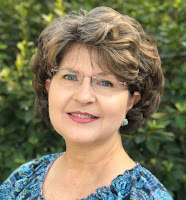 Linda: Welcome to my blog. It’s a pleasure to have you. Congratulations on your debut novel, All Your Heart, last year and the second book in the series coming soon. Tell us about the premise for the series and your inspiration for the plots.
LeighAnne: The Together for Good series follows Alex, a young woman who has to make a difficult decision after she’s assaulted by someone she trusts. Alex runs away, only to encounter a lady who changes her life by taking her in to pregnancy care home and introducing her to the matchless love of Jesus. Ultimately, Alex finds not only the peace and acceptance she longs for, but also love and family.
Together for Good is the name of the pregnancy care home, which the series centers around. It comes from Romans 8:28, “And we know that for those who love God all things work together for good, for those who are called according to His purpose.” The goal of the home is to show the mothers-to-be that God loves them and their unborn children and has a purpose for them.
I feel it’s important for people to know that Christians aren’t immune to the same problems everyone else faces. Sickness, pain, and even crime happen to Christians, too. The difference is we have Jesus to walk through these hard things with us. He promised He would!
LM: Tell us about your writing journey.
LeighAnne: I didn’t do this the normal way! My degree is in chemical engineering, and I worked in the environmental compliance field for over 30 years. Most of my professional career involved technical writing and editing, but I’ve always had a deep-seated love for reading. Several years ago, the Lord began stirring a desire in my heart to create stories, not just consume them.
LM: You published a children’s book in 2018. How is writing adult fiction different? The same?
LeighAnne: The Little Vessel was written as a response to a group of girls I taught in Sunday school to remind them that God creates each of us with a unique and wonderful purpose.
Writing adult fiction is different in that there’s more room to let the story breathe and grow, but that doesn’t necessarily mean the author can just take the reader on some meandering jaunt through unrelated scenes and miraculously expect everything to end up in a nice, neat package. I think writing for adults is like playing Jenga backwards! All of the pieces have to be put in place so that by the end, it’s satisfying and complete.
LM: Research is an important aspect of writing. What sort of research did you do for Ready to Forgive? Was there a particular piece of information you knew you needed to include in the book?
LeighAnne: Not to give away too much of the plot, but there’s a wedding in Ready to Forgive! My research for this was kind of on-the-job since my daughter got married a few years ago. She was still in college, so a lot of the details fell to me (as an engineer, this was in my wheel house!). So, I relied heavily on my experiences from that time.
LM: In addition to your fiction writing, you have a blog, flip furniture, and pursue other crafts. How do you juggle your various responsibilities?
LeighAnne: It’s funny that this is one of the questions! I’ve seen several people on social media choose a “word of the year,” and I kept wondering what that was all about. Recently, though, God impressed on my heart that I should choose “Focus” for 2022. I do have a lot of things pulling me in different directions, including a newly-retired husband and a 3rd grade Sunday school class, but I believe my writing is my worship. It’s hard to stay focused, but I keep my planner handy and rely on the time-management skills I developed over years of juggling a career and motherhood.
But, always, I start the day with God. If something happens to upset this, my day is a mess.
LM: What is one thing you wish you knew how to do?
 Photo: PixabayLeighAnne: With my 57th birthday looming large, I know there are things that are simply unrealistic, and that’s OK. I do wish I could knit.
But, even as I try to think of something, I realize how blessed I am. When God has called me to something, He’s equipped me for it. Like writing my first novel in my 50s!
LM: What is your next project?
LeighAnne: I’m writing the third book in the Together for Good series. It’s actually my favorite so far. Can an author say that, or is it like picking a favorite child? Anyway, I hope that my newly discovered focus for 2022 will produce the best book to date.
LM: Where can folks find you on the web?
LeighAnne: My website is https://alive-leighjourney.com. There’s a Book News tab for readers to keep up with the latest on book releases, launches, cover reveals, etc. There’s also a place to sign up for my monthly newsletter. When readers sign up, they’ll receive In Their Own Words, the prequel to the Together for Good series, just for subscribing.
Twitter: @LeighACliftonInstagram: leighanne_clifton_authorFacebook: https://www.facebook.com/leighanne.clifton
About All Your Heart
 Alex is determined to use college on the other coast to escape her small Southern town and workaholic mother. However, a prom-night assault and the resulting pregnancy require a drastic change of plans. Alex flees with every intention of ending her cross-country trek at an abortion clinic. Instead, finding herself stranded and scared after wrecking her car, Miss Matilda welcomes Alex to town with love and open doors. It just happens that Matilda runs a crisis pregnancy home.
When Alex strikes a deal with Chad, the handsome mechanic with secrets of his own, the citizens of Burton discover Alex’s artistry, prompting a business partnership with Matilda’s nephew. Alex soon discovers the life-altering sweetness of trusting Jesus, but her past hurts make it difficult to trust Chad with her heart. Then, secrets within the pages of an old diary discovered at the home threaten to tear families apart. Can the people of Burton learn to heal the hurts of the past by trusting the Lord with all their hearts?
Ready to Forgive Before she can marry Chad, Alex must forgive the man who changed her life when he attacked her. Meanwhile, Terry decides to finally meet his biological father. The two embark on a trip that changes not only their lives, but also J.T.’s eternity. Despite the hurdles of planning a wedding in less than two months, Alex and Chad’s big day finally arrives. Only to be derailed by Karen and a bombshell announcement. Will the couple, and everyone they love, make it through all the obstacles thrown in their way?
Purchase Link: http://www.amazon.com/dp/B093KK7W69
Linda: Welcome to my blog. It’s a pleasure to have you. Congratulations on your debut novel, All Your Heart, last year and the second book in the series coming soon. Tell us about the premise for the series and your inspiration for the plots. LeighAnne: The Together for Good series follows Alex, a young woman who has to make a difficult decision after she’s assaulted by someone she trusts. Alex runs away, only to encounter a lady who changes her life by taking her in to pregnancy care home and introducing her to the matchless love of Jesus. Ultimately, Alex finds not only the peace and acceptance she longs for, but also love and family.
Together for Good is the name of the pregnancy care home, which the series centers around. It comes from Romans 8:28, “And we know that for those who love God all things work together for good, for those who are called according to His purpose.” The goal of the home is to show the mothers-to-be that God loves them and their unborn children and has a purpose for them.
I feel it’s important for people to know that Christians aren’t immune to the same problems everyone else faces. Sickness, pain, and even crime happen to Christians, too. The difference is we have Jesus to walk through these hard things with us. He promised He would!
LM: Tell us about your writing journey.
LeighAnne: I didn’t do this the normal way! My degree is in chemical engineering, and I worked in the environmental compliance field for over 30 years. Most of my professional career involved technical writing and editing, but I’ve always had a deep-seated love for reading. Several years ago, the Lord began stirring a desire in my heart to create stories, not just consume them.
LM: You published a children’s book in 2018. How is writing adult fiction different? The same?
LeighAnne: The Little Vessel was written as a response to a group of girls I taught in Sunday school to remind them that God creates each of us with a unique and wonderful purpose.
Writing adult fiction is different in that there’s more room to let the story breathe and grow, but that doesn’t necessarily mean the author can just take the reader on some meandering jaunt through unrelated scenes and miraculously expect everything to end up in a nice, neat package. I think writing for adults is like playing Jenga backwards! All of the pieces have to be put in place so that by the end, it’s satisfying and complete.
LM: Research is an important aspect of writing. What sort of research did you do for Ready to Forgive? Was there a particular piece of information you knew you needed to include in the book?
LeighAnne: Not to give away too much of the plot, but there’s a wedding in Ready to Forgive! My research for this was kind of on-the-job since my daughter got married a few years ago. She was still in college, so a lot of the details fell to me (as an engineer, this was in my wheel house!). So, I relied heavily on my experiences from that time.
LM: In addition to your fiction writing, you have a blog, flip furniture, and pursue other crafts. How do you juggle your various responsibilities?
LeighAnne: It’s funny that this is one of the questions! I’ve seen several people on social media choose a “word of the year,” and I kept wondering what that was all about. Recently, though, God impressed on my heart that I should choose “Focus” for 2022. I do have a lot of things pulling me in different directions, including a newly-retired husband and a 3rd grade Sunday school class, but I believe my writing is my worship. It’s hard to stay focused, but I keep my planner handy and rely on the time-management skills I developed over years of juggling a career and motherhood.
But, always, I start the day with God. If something happens to upset this, my day is a mess.
LM: What is one thing you wish you knew how to do?
Photo: PixabayLeighAnne: With my 57th birthday looming large, I know there are things that are simply unrealistic, and that’s OK. I do wish I could knit. But, even as I try to think of something, I realize how blessed I am. When God has called me to something, He’s equipped me for it. Like writing my first novel in my 50s!
LM: What is your next project?
LeighAnne: I’m writing the third book in the Together for Good series. It’s actually my favorite so far. Can an author say that, or is it like picking a favorite child? Anyway, I hope that my newly discovered focus for 2022 will produce the best book to date.
LM: Where can folks find you on the web?
LeighAnne: My website is https://alive-leighjourney.com. There’s a Book News tab for readers to keep up with the latest on book releases, launches, cover reveals, etc. There’s also a place to sign up for my monthly newsletter. When readers sign up, they’ll receive In Their Own Words, the prequel to the Together for Good series, just for subscribing.
Twitter: @LeighACliftonInstagram: leighanne_clifton_authorFacebook: https://www.facebook.com/leighanne.clifton
About All Your Heart
Alex is determined to use college on the other coast to escape her small Southern town and workaholic mother. However, a prom-night assault and the resulting pregnancy require a drastic change of plans. Alex flees with every intention of ending her cross-country trek at an abortion clinic. Instead, finding herself stranded and scared after wrecking her car, Miss Matilda welcomes Alex to town with love and open doors. It just happens that Matilda runs a crisis pregnancy home. When Alex strikes a deal with Chad, the handsome mechanic with secrets of his own, the citizens of Burton discover Alex’s artistry, prompting a business partnership with Matilda’s nephew. Alex soon discovers the life-altering sweetness of trusting Jesus, but her past hurts make it difficult to trust Chad with her heart. Then, secrets within the pages of an old diary discovered at the home threaten to tear families apart. Can the people of Burton learn to heal the hurts of the past by trusting the Lord with all their hearts?
Ready to Forgive Before she can marry Chad, Alex must forgive the man who changed her life when he attacked her. Meanwhile, Terry decides to finally meet his biological father. The two embark on a trip that changes not only their lives, but also J.T.’s eternity. Despite the hurdles of planning a wedding in less than two months, Alex and Chad’s big day finally arrives. Only to be derailed by Karen and a bombshell announcement. Will the couple, and everyone they love, make it through all the obstacles thrown in their way?
Purchase Link: http://www.amazon.com/dp/B093KK7W69


January 31, 2022
Traveling Tuesday: Punxsutawney, Pennsylvania
Traveling Tuesday: Punxsutawney, Pennsylvania
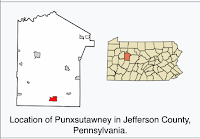 Photo: WikiImagesIn honor of Groundhog Day, I thought it would be fun for us to “travel” to Punxsutawney this week. Located in western Pennsylvania eighty-four miles northeast of Pittsburgh, and fifty files northwest of Altoona, the borough is in the southern portion of Jefferson County. The population is just under 6,000 residents making it the largest incorporated municipality in the county.
According to several sources, the name Punxsutawney derives from a Lenape word Punkwsutenay meaning town of sandflies or mosquitos. Another source claims the word comes from Put’schisk’tey which means poison vine.
Native Americans of the Shawnee and Lenapi/Delaware tribes lived on the banks of the Mahoning Creek beginning in 1754, having moved there to get away from the increasing number of Europeans in the east. The following year a conference was held with the Delawares, Muncy, Shawnees, Naticokes, Tuscaroras, and Mingoes to protest the sale of their land by the “Six Nations” in Albany. There was dissension among them, attempts at peace failed, and some of the tribes banded with the French during the French and Indian War.
In October 1755, fed up with the growth of the population of white settlers, the Delawares attacked at Penn’s Creek and captured two 12-year-old girls. The girls escaped five years later, and the tribe soon left the area. Nearly twenty years later, a Moravian Church missionary arrived with a group of Christianized Delaware Indians. By the end of the Revolutionary War, the tribes had left Pennsylvania and settled in Ohio.
More settlers moved into the area, and the population grew to about one hundred inhabitants. In1849 Punxsutawney incorporated with agriculture and lumbering being the mainstays of the economy. Eventually, coal was discovered and the mining industry and railroads became important parts of the economy. One source says that a person could walk from Punxsutawney to Reynoldsville entirely underground at this time – a distance of fifteen miles. Photo: Pixabay/
Eliza28diamondsAccording to a history of the town: “It {Groundhog day celebrations} all began on February 2, 1886 with a terse paragraph in the local newspaper, The Punxsutawney Spirit, “Today is groundhog day and up to the time of going to press the beast has not seen its shadow.” The report goes on to say that “in the summer of 1887 a group of local hunters held a groundhog hunt and picnic, celebrating the event by barbequing the game. Inspired by the hunt, the editor of the newspaper, Clymer Freas dubbed the picnickers the ‘Punxsutawney Groundhog Club.’ He recalled the Pennsylvania Dutch legend of the groundhog being a weather prophet and claimed for the Punxsutawney groundhog all weather rights. He then created a home for him on Gobbler’s Knob, a wooded area outside of town.” Photo: Pixabay/hangelaIn its heyday, the town saw as many as eighty trains come through each day. A trolley car system was put in place in 1892, and in the early 1900s, Punxsutawney became the shopping center for many of the miners. Industrial growth peaked in the 1920s, but the crash of 1929 impacted the town with the rest of the country. Many businesses closed or declined. After the Depression, the town recovered slowly and gained a carbon plant in the process. A machine shop and manufacturing plants helped shore up the economy. Coal is still mined, although not at the levels of its early days. An annual event is held on February second, and has grown to thousands of visitors attending the festivities each year. The 1993 movie Groundhog Day with Bill Murray and Andie MacDowell created significant interest in the town, although to the residents’ disappointment the film was shot in Illinois.
Do you pay attention to the groundhog’s prediction? _______________
About Gold Rush Tegan
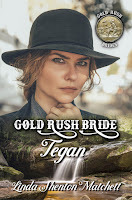 Tegan Llewellyn has always been different than her adopted family, except Grandmother Hannah, a prospector during the 1829 Georgia gold rush. Now, seventy years later there are reports of gold in Nome, and the opportunity is too good to pass up. But Tegan doesn’t count on the dangers that strike from the moment she steps off the steamer, including the threat of losing her heart.
Elijah Hunter has prospected for gold all over the US and Canada and likes being on the move. The last thing he expects to find on his latest search is a lady miner who proves to be nothing but trouble. Can he convince her that leaving is for her own good before it’s too late...for both of them?
Purchase Link: https://amzn.to/3r8FzVe
Photo: WikiImagesIn honor of Groundhog Day, I thought it would be fun for us to “travel” to Punxsutawney this week. Located in western Pennsylvania eighty-four miles northeast of Pittsburgh, and fifty files northwest of Altoona, the borough is in the southern portion of Jefferson County. The population is just under 6,000 residents making it the largest incorporated municipality in the county. According to several sources, the name Punxsutawney derives from a Lenape word Punkwsutenay meaning town of sandflies or mosquitos. Another source claims the word comes from Put’schisk’tey which means poison vine.
Native Americans of the Shawnee and Lenapi/Delaware tribes lived on the banks of the Mahoning Creek beginning in 1754, having moved there to get away from the increasing number of Europeans in the east. The following year a conference was held with the Delawares, Muncy, Shawnees, Naticokes, Tuscaroras, and Mingoes to protest the sale of their land by the “Six Nations” in Albany. There was dissension among them, attempts at peace failed, and some of the tribes banded with the French during the French and Indian War.
In October 1755, fed up with the growth of the population of white settlers, the Delawares attacked at Penn’s Creek and captured two 12-year-old girls. The girls escaped five years later, and the tribe soon left the area. Nearly twenty years later, a Moravian Church missionary arrived with a group of Christianized Delaware Indians. By the end of the Revolutionary War, the tribes had left Pennsylvania and settled in Ohio.
More settlers moved into the area, and the population grew to about one hundred inhabitants. In1849 Punxsutawney incorporated with agriculture and lumbering being the mainstays of the economy. Eventually, coal was discovered and the mining industry and railroads became important parts of the economy. One source says that a person could walk from Punxsutawney to Reynoldsville entirely underground at this time – a distance of fifteen miles.
Photo: Pixabay/Eliza28diamondsAccording to a history of the town: “It {Groundhog day celebrations} all began on February 2, 1886 with a terse paragraph in the local newspaper, The Punxsutawney Spirit, “Today is groundhog day and up to the time of going to press the beast has not seen its shadow.” The report goes on to say that “in the summer of 1887 a group of local hunters held a groundhog hunt and picnic, celebrating the event by barbequing the game. Inspired by the hunt, the editor of the newspaper, Clymer Freas dubbed the picnickers the ‘Punxsutawney Groundhog Club.’ He recalled the Pennsylvania Dutch legend of the groundhog being a weather prophet and claimed for the Punxsutawney groundhog all weather rights. He then created a home for him on Gobbler’s Knob, a wooded area outside of town.”
Photo: Pixabay/hangelaIn its heyday, the town saw as many as eighty trains come through each day. A trolley car system was put in place in 1892, and in the early 1900s, Punxsutawney became the shopping center for many of the miners. Industrial growth peaked in the 1920s, but the crash of 1929 impacted the town with the rest of the country. Many businesses closed or declined. After the Depression, the town recovered slowly and gained a carbon plant in the process. A machine shop and manufacturing plants helped shore up the economy. Coal is still mined, although not at the levels of its early days. An annual event is held on February second, and has grown to thousands of visitors attending the festivities each year. The 1993 movie Groundhog Day with Bill Murray and Andie MacDowell created significant interest in the town, although to the residents’ disappointment the film was shot in Illinois. Do you pay attention to the groundhog’s prediction? _______________
About Gold Rush Tegan
Tegan Llewellyn has always been different than her adopted family, except Grandmother Hannah, a prospector during the 1829 Georgia gold rush. Now, seventy years later there are reports of gold in Nome, and the opportunity is too good to pass up. But Tegan doesn’t count on the dangers that strike from the moment she steps off the steamer, including the threat of losing her heart. Elijah Hunter has prospected for gold all over the US and Canada and likes being on the move. The last thing he expects to find on his latest search is a lady miner who proves to be nothing but trouble. Can he convince her that leaving is for her own good before it’s too late...for both of them?
Purchase Link: https://amzn.to/3r8FzVe
January 27, 2022
Fiction Friday: Around the World in Eighty Days
Fiction Friday: Around the World in Eighty Days
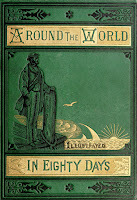 Photo: WikiImages
PBS has been showing an eight-part “adaptation” of Jules Verne’s acclaimed novel Around the World in Eighty Days. I put the word adaptation in quotations because two significant changes were made to the original. The characters of Fix and Passepartout are completely different and seemed to be a nod to political correctness rather than adhering to Verne’s intentions, with Fix being a female journalist and Passepartout being black.
For those of you unfamiliar with this 1872 French novel, Phileas Fogg, a rich Englishman who lives a solitary life in London. He periodically frequents a gentleman’s club called the Reform Club where he seems to be ridiculed for his habitual modest lifestyle and fastidious manner, so fastidious he fires his valet for bringing him shaving water at a lower temperature than desired. He hires Frenchman Jean Passepartout as replacement.
One day, Fogg and several of his friends see an article in The Daily Telegraph that states a new railroad section has opened in India, making it now possible to travel around the world in eighty days. An argument ensues as to the veracity of the claim, and Fogg accepts a bet for 20,000 pounds that he can complete the journey. Experiences in Bombay, Calcutta, Hong Kong, Singapore, Japan, San Francisco, New York, France, Ireland, and finally Liverpool, and the intervening travel keep readers turning pages. At first, Fogg believes he has lost the wager but a series of events reveal that because he has traveled eastward, his days were shortened by four minutes for each of the 360 degrees of longitude they cross, thus they had seen eighty sunrises and sunsets to London’s seventy-nine, therefore winning the bet. Ironically, he has spent nearly 19,000 pounds of his travel money during the trip.
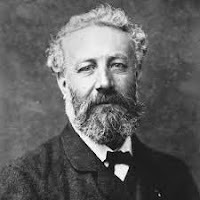 Photo: WikiImagesWritten during the Franco-Prussian war in which Verne was drafted, he struggled with financial difficulties and grief over the recent death of his father. Fascinated by technology, Vern was intrigued by the possibility of such speedy travel. Interestingly, the closing date of the novel, December 21, 1872, was the same date as the serial publication, leading some readers to believe the journal was actually taking place. Bets were placed, and some railroad companies campaigned for Verne to include them and the book.
After the book’s publication as a novel, several people attempted to follow Fogg’s circumnavigation. Here are a few of them:
1889: Nellie Bly did the journey in 72 days and met Verne in Amiens at its completion; 1903: James Willis Sayre’s journey lasted 54 days 1908: Harry Bensley attempted the journey on foot, but it took so long, he had to abandon the trip in 1914 at the commencement of WWI. 1928: A Danish Boy Scout traveled by train and ship, but did not go via India, and his journey lasted 44 days. Since 1979, Verne is the second-most translated author, ranking between William Shakespeare and Agatha Christie. Have you read this classic?
____________________
Rayne's Redemption:
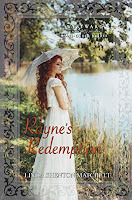 Will she have to lose her identity to find true love?
Twin sisters Rayne and Jessica Dalton have been swapping places their whole lives, so when Jessica dies on the eve of heading west to become a mail-order bride, Rayne decides to fill her sister's shoes. The challenge will be faking Jessica's faith in God. Can Rayne fool her prospective groom without losing her heart...or her soul?
Flynn Ward fled England to escape his parent's attempts at marrying him off, but now that he's ready to wed, locating a woman in the Wyoming mountains is harder than finding a hackney in a rainstorm. Then the Westward Home & Hearts Agency offers him the perfect match. But when his prospective bride arrives, she's nothing like she seemed in her letters. Is he destined to go through life alone?
Can two desperate people overcome their differences to find common ground...and love?
Purchase Link: https://amzn.to/32EJ3Wk
Photo: WikiImagesPBS has been showing an eight-part “adaptation” of Jules Verne’s acclaimed novel Around the World in Eighty Days. I put the word adaptation in quotations because two significant changes were made to the original. The characters of Fix and Passepartout are completely different and seemed to be a nod to political correctness rather than adhering to Verne’s intentions, with Fix being a female journalist and Passepartout being black.
For those of you unfamiliar with this 1872 French novel, Phileas Fogg, a rich Englishman who lives a solitary life in London. He periodically frequents a gentleman’s club called the Reform Club where he seems to be ridiculed for his habitual modest lifestyle and fastidious manner, so fastidious he fires his valet for bringing him shaving water at a lower temperature than desired. He hires Frenchman Jean Passepartout as replacement.
One day, Fogg and several of his friends see an article in The Daily Telegraph that states a new railroad
section has opened in India, making it now possible to travel around the world in eighty days. An argument ensues as to the veracity of the claim, and Fogg accepts a bet for 20,000 pounds that he can complete the journey. Experiences in Bombay, Calcutta, Hong Kong, Singapore, Japan, San Francisco, New York, France, Ireland, and finally Liverpool, and the intervening travel keep readers turning pages. At first, Fogg believes he has lost the wager but a series of events reveal that because he has traveled eastward, his days were shortened by four minutes for each of the 360 degrees of longitude they cross, thus they had seen eighty sunrises and sunsets to London’s seventy-nine, therefore winning the bet. Ironically, he has spent nearly 19,000 pounds of his travel money during the trip.
Photo: WikiImagesWritten during the Franco-Prussian war in which Verne was drafted, he struggled with financial difficulties and grief over the recent death of his father. Fascinated by technology, Vern was intrigued by the possibility of such speedy travel. Interestingly, the closing date of the novel, December 21, 1872, was the same date as the serial publication, leading some readers to believe the journal was actually taking place. Bets were placed, and some railroad companies campaigned for Verne to include them and the book. After the book’s publication as a novel, several people attempted to follow Fogg’s circumnavigation. Here are a few of them:
1889: Nellie Bly did the journey in 72 days and met Verne in Amiens at its completion; 1903: James Willis Sayre’s journey lasted 54 days 1908: Harry Bensley attempted the journey on foot, but it took so long, he had to abandon the trip in 1914 at the commencement of WWI. 1928: A Danish Boy Scout traveled by train and ship, but did not go via India, and his journey lasted 44 days. Since 1979, Verne is the second-most translated author, ranking between William Shakespeare and Agatha Christie. Have you read this classic?
____________________
Rayne's Redemption:
Will she have to lose her identity to find true love?
Twin sisters Rayne and Jessica Dalton have been swapping places their whole lives, so when Jessica dies on the eve of heading west to become a mail-order bride, Rayne decides to fill her sister's shoes. The challenge will be faking Jessica's faith in God. Can Rayne fool her prospective groom without losing her heart...or her soul?
Flynn Ward fled England to escape his parent's attempts at marrying him off, but now that he's ready to wed, locating a woman in the Wyoming mountains is harder than finding a hackney in a rainstorm. Then the Westward Home & Hearts Agency offers him the perfect match. But when his prospective bride arrives, she's nothing like she seemed in her letters. Is he destined to go through life alone?
Can two desperate people overcome their differences to find common ground...and love?
Purchase Link: https://amzn.to/32EJ3Wk
January 26, 2022
Talkshow Thursday: Laura DeNooyer-Moore
Talkshow Thursday: Laura DeNooyer-Moore
 Linda: Welcome to my blog! Congratulations on your debut novel, All That is Hidden. It sounds fantastic. Where did you get your inspiration for the story?
Laura: Thank you for having me, Linda. My inspiration grew from a visit to Mars Hill, North Carolina when I was in college--many years ago! Our professor took 22 education students to be teacher aids in the mountain schools of Buncombe, Madison, and Yancey counties near the Smokies. Turns out the teacher aids had the most to learn. It was culture shock for us midwesterners. That was our first introduction to the mountain culture of southern Appalachia. LM: What sort of research was required for the book?
Laura: I researched everything long before the days of the internet. Besides that first visit during college, I made another trip there to get the lay of the land. A book of southern Appalachian dialect and idioms came in handy. Multiple Foxfire Books by Eliot Wigginton were invaluable for understanding the people, traditions, and lifestyles of the area: spinning, weaving, cooking, planting, crafts, beliefs, superstitions, and more.
This all culminated in hiring a literary consultant, Dr. Steve Eberly of Western Carolina University, to read the manuscript for accuracy, assuring that I’d captured the Appalachian spirit. I published this novel years ago, and recently relaunched it with a new cover and revised content--a tightened version of the same story.
LM: You’re a native of Michigan and have lived in Wisconsin. What made you choose Appalachian as a setting for the book? Laura: In other words, what’s a Midwestern girl like me doing writing southern fiction, right? Fair question! The short answer: I fell in love with the place.
The longer answer: During my first visit, as we explored the area, I was struck by the number of people Photo: Pixabay/
Paulbr75who created meaningful lives by a route much different from those seeking the prosperity of “The American Dream” that I’d grown up with. With little money, few possessions, and no races up the ladder of success, these folks still enjoyed rich lives--a foreign concept to me at the time. That set me to wondering and primed the creative juices: “What would happen with a clash between big-city northern values and southern Appalachian culture?” I wrote a prize-winning short story about it when I got home. Over the years, those characters beckoned me back to their hills until I succumbed and wrote their story in novel form.
LM: You are also a visual artist. How do you find writing different from drawing/painting? The same?
Laura: Great question! There are definite similarities. The right words create pictures in the reader’s head. Instead of wielding colored pencils or a paintbrush and paint, novelists use words alone. I use this “word picture” analogy with my high school and middle school writing students. I ask: how do you visualize the scene before you? What do you want your reader to see? Which words will serve you best in that purpose? However, too many words--like too many brushstrokes or colors all mashed together--can be overkill. A picture on canvas includes details that don’t leave much for the viewer’s imagination. Every pattern, texture, and shape is right there in plain sight. The tricky part of writing is using enough key words and phrases to suggest the scene, action, or character. Each reader’s mind will fill in that word picture differently, yet still carry the essence of what you’re trying to convey.
 Photo: Pixabay/
Rudy and Peter SkitteriansI suppose it’s the difference between writing as a detective or a poet. The detective needs to include every last detail, thinking photographically, whereas the poet picks a few relevant sensory details (or metaphors) to evoke an image and a mood in the reader’s mind—and touch the heart, too. Authors strive to be evocative, like the poet.
Your question makes me think of a John Gardner quote: “We read just five words of a good novel and we forget we’re reading printed words on a page; we begin to see images.”
LM: What advice do you have for fledgling writers?
Laura: Join a writers group that will both stretch you and encourage you. Improvement comes from constant revision, accountability, and teachability.
Read, read, read! Especially in your genre. Read like a writer, not just a reader. Dissect each novel. What makes it tick? What techniques does the author use? What works? What doesn’t?
Persevere. Find joy is in the journey, not just the end product. God is the ultimate Storyteller, and He made us in His image. He delights in our creativity. During frustrating days, that should be inspiration enough. LM: Here are some quickies:
Laura:Favorite childhood book: the Nancy Drew series (can’t recall a title that stands out) Favorite Bible verse: Romans 8 (hard to narrow it down to one verse!) Favorite place to vacation: Lake Macatawa in Holland, Michigan (annual family vacation)
LM: What other projects are on the docket for you this year?
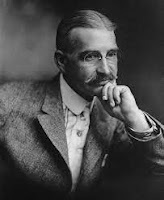 Photo: WikiImagesLaura: Two things, mainly. Continue to host authors on my new Standout Stories blog (launched in November), and find a home for at least two of my unpublished novels, both more historical fiction. One is Biblical fiction, set in the time of Christ, and the other is a split-time story (1980 and early 1900s) with The Wonderful Wizard of Oz author, L. Frank Baum, as a main character. Not southern fiction this time, but set in a small town in Michigan where Baum’s family spent their summers (near Lake Macatawa). I gravitate toward small towns and bygone eras, wherever they happen to be.
I have many irons in the fire. With my kids all grown up, I finally have time to fine-time a plethora of rough drafts and seek publication.
LM: Where can folks find you on the web?
Laura: My website & Standout Stories blog: https://lauradenooyer-author.com/ Join my monthly newsletter, and I'll send you a free gift: http://www.standoutstoriesnewsletter.com/
About All That is Hidden
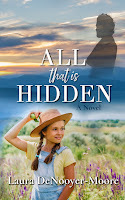 Are secrets worth the price they cost to keep?
Ten-year-old Tina Hamilton finds out the hard way. She always knew her father had a secret. But all of God’s earth to Tina are the streams for fishing, the fields for romping, a world snugly enclosed by the blue-misted Smokies. Nothing ever changed. Until the summer of 1968. Trouble erupts when northern exploitation threatens her tiny southern Appalachian town. Some folks blame the trouble on progress, some blame the space race and men meddling with the moon’s cycles, and some blame Tina’s father. A past he has hidden catches up to him as his secret settles in like an unwelcome guest. The clash of progressive ideas and small town values escalates the collision of a father’s past and present.
Purchase Link: https://amzn.to/3mWbuG6
Linda: Welcome to my blog! Congratulations on your debut novel, All That is Hidden. It sounds fantastic. Where did you get your inspiration for the story? Laura: Thank you for having me, Linda. My inspiration grew from a visit to Mars Hill, North Carolina when I was in college--many years ago! Our professor took 22 education students to be teacher aids in the mountain schools of Buncombe, Madison, and Yancey counties near the Smokies. Turns out the teacher aids had the most to learn. It was culture shock for us midwesterners. That was our first introduction to the mountain culture of southern Appalachia. LM: What sort of research was required for the book?
Laura: I researched everything long before the days of the internet. Besides that first visit during college, I made another trip there to get the lay of the land. A book of southern Appalachian dialect and idioms came in handy. Multiple Foxfire Books by Eliot Wigginton were invaluable for understanding the people, traditions, and lifestyles of the area: spinning, weaving, cooking, planting, crafts, beliefs, superstitions, and more.
This all culminated in hiring a literary consultant, Dr. Steve Eberly of Western Carolina University, to read the manuscript for accuracy, assuring that I’d captured the Appalachian spirit. I published this novel years ago, and recently relaunched it with a new cover and revised content--a tightened version of the same story.
LM: You’re a native of Michigan and have lived in Wisconsin. What made you choose Appalachian as a setting for the book? Laura: In other words, what’s a Midwestern girl like me doing writing southern fiction, right? Fair question! The short answer: I fell in love with the place.
The longer answer: During my first visit, as we explored the area, I was struck by the number of people
Photo: Pixabay/Paulbr75who created meaningful lives by a route much different from those seeking the prosperity of “The American Dream” that I’d grown up with. With little money, few possessions, and no races up the ladder of success, these folks still enjoyed rich lives--a foreign concept to me at the time. That set me to wondering and primed the creative juices: “What would happen with a clash between big-city northern values and southern Appalachian culture?” I wrote a prize-winning short story about it when I got home. Over the years, those characters beckoned me back to their hills until I succumbed and wrote their story in novel form.
LM: You are also a visual artist. How do you find writing different from drawing/painting? The same?
Laura: Great question! There are definite similarities. The right words create pictures in the reader’s head. Instead of wielding colored pencils or a paintbrush and paint, novelists use words alone. I use this “word picture” analogy with my high school and middle school writing students. I ask: how do you visualize the scene before you? What do you want your reader to see? Which words will serve you best in that purpose? However, too many words--like too many brushstrokes or colors all mashed together--can be overkill. A picture on canvas includes details that don’t leave much for the viewer’s imagination. Every pattern, texture, and shape is right there in plain sight. The tricky part of writing is using enough key words and phrases to suggest the scene, action, or character. Each reader’s mind will fill in that word picture differently, yet still carry the essence of what you’re trying to convey.
Photo: Pixabay/Rudy and Peter SkitteriansI suppose it’s the difference between writing as a detective or a poet. The detective needs to include every last detail, thinking photographically, whereas the poet picks a few relevant sensory details (or metaphors) to evoke an image and a mood in the reader’s mind—and touch the heart, too. Authors strive to be evocative, like the poet.
Your question makes me think of a John Gardner quote: “We read just five words of a good novel and we forget we’re reading printed words on a page; we begin to see images.”
LM: What advice do you have for fledgling writers?
Laura: Join a writers group that will both stretch you and encourage you. Improvement comes from constant revision, accountability, and teachability.
Read, read, read! Especially in your genre. Read like a writer, not just a reader. Dissect each novel. What makes it tick? What techniques does the author use? What works? What doesn’t?
Persevere. Find joy is in the journey, not just the end product. God is the ultimate Storyteller, and He made us in His image. He delights in our creativity. During frustrating days, that should be inspiration enough. LM: Here are some quickies:
Laura:Favorite childhood book: the Nancy Drew series (can’t recall a title that stands out) Favorite Bible verse: Romans 8 (hard to narrow it down to one verse!) Favorite place to vacation: Lake Macatawa in Holland, Michigan (annual family vacation)
LM: What other projects are on the docket for you this year?
Photo: WikiImagesLaura: Two things, mainly. Continue to host authors on my new Standout Stories blog (launched in November), and find a home for at least two of my unpublished novels, both more historical fiction. One is Biblical fiction, set in the time of Christ, and the other is a split-time story (1980 and early 1900s) with The Wonderful Wizard of Oz author, L. Frank Baum, as a main character. Not southern fiction this time, but set in a small town in Michigan where Baum’s family spent their summers (near Lake Macatawa). I gravitate toward small towns and bygone eras, wherever they happen to be. I have many irons in the fire. With my kids all grown up, I finally have time to fine-time a plethora of rough drafts and seek publication.
LM: Where can folks find you on the web?
Laura: My website & Standout Stories blog: https://lauradenooyer-author.com/ Join my monthly newsletter, and I'll send you a free gift: http://www.standoutstoriesnewsletter.com/
About All That is Hidden
Are secrets worth the price they cost to keep? Ten-year-old Tina Hamilton finds out the hard way. She always knew her father had a secret. But all of God’s earth to Tina are the streams for fishing, the fields for romping, a world snugly enclosed by the blue-misted Smokies. Nothing ever changed. Until the summer of 1968. Trouble erupts when northern exploitation threatens her tiny southern Appalachian town. Some folks blame the trouble on progress, some blame the space race and men meddling with the moon’s cycles, and some blame Tina’s father. A past he has hidden catches up to him as his secret settles in like an unwelcome guest. The clash of progressive ideas and small town values escalates the collision of a father’s past and present.
Purchase Link: https://amzn.to/3mWbuG6
January 20, 2022
Fiction Friday: Vintage Reads - The Professor by Charlotte Bronte
Fiction Friday: Charlotte Bronte’s The Professor
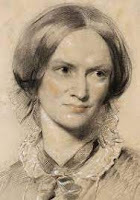 Photo: WikiImagesAuthors are told to write what they know, and British writer Charlotte Brontë did just that. The Professor, which was published by her husband two years after her death was actually Charlotte’s first novel, written well before Jane Eyre. Rejected by the few publishers of the time, the book manuscript was put on the back burner as the author set about crafting her next novel. Parts of the manuscript were later reworked from the prospective of a female teacher and published as Villette. Based on her experiences ten years’ prior as teacher and language student in Belgium, The Professor tells the story of William Crimsworth, a teacher in Brussels. Told in first-person narrative form, the novel describes his maturation, career, and relationships. The story begins with a letter sent from William to a friend and discusses his rejection of an uncle’s proposal that he become a clergyman as well as his first meeting with his rich brother. William obtains a job with Edward who treats him poorly. Leaving the position, William accepts a job at a school in Brussels.
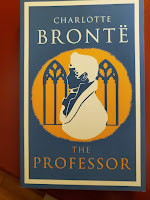 Author photoHis excellent reputation as a “professor” becomes known to a headmistress at a girls school nearby. Sheoffers him a job that he accepts, and slowly falls in love with her. He overhears a conversation with her fiancé about their deceitful treatment of him, and reacts by being cold and distant with her. In a plot line that would make the author of Peyton Place proud, William begins to teach one of the younger instructors and falls in love with her. Jealous of the attention he is paying to the young woman, the headmistress fires her. He searches high and low for her, finally finding her in a graveyard (of all places). Not wanting to cause further dissension at the Williams quits and finds a new position at a college. He and the young teacher marry, open and school together, and have a child – a neatly tied up happily-ever-after. Interestingly, Brontë uses the book as an opportunity to put forward her dislike of Catholics and the Flemish, and there are several negative incidents involving both.
 Photo: Pixabay/
Joaquin AranoaBecause she based the novel on her own experiences, The Professor gives readers a peek into the Charlotte’s life. During her short stint at the school, she fell in love with the headmaster, a married man with children. According to a later biography, she didn’t handle the situation well, and made herself an embarrassment. Additionally, because Charlotte passed away at an early age she didn’t write as many books as she might have if she’d lived longer. Of the book, she said, “The middle and latter portion is as good as I can write...it contains more pith, more substance, more reality, in my judgment, than much of Jane Eyre.” Some find the book slow and plodding, lacking the passion and intrigue of Jane Eyre, but I enjoyed reading the story as it immersed me in the “working man’s life” of the mid-1800s. Consider reading this classic. ______________________
About Dinah's Dilemma
 Will she have to run from the past for the rest of her life?
Dinah Simpkins has no chance of making a good marriage. Her outlaw brothers and her father’s gambling addiction have ruined the family’s reputation. Then the Westward Home and Hearts Matrimonial Agency provides an opportunity for a fresh start. After Dinah arrives in Nebraska, she discovers her brothers played a part in the death of her prospective groom’s first wife.
As a former Pinkerton detective Nathan Childs knows when someone is lying. The bride sent by the matrimonial agency may be beautiful, but she’s definitely hiding something, and he has no intention of marrying her until he uncovers the truth. But an easier solution may be to send her packing. Then his young daughter goes missing. He and Dinah must put aside their mutual hurt and mistrust to find her.
Purchase Link: https://amzn.to/3quggwT
Photo: WikiImagesAuthors are told to write what they know, and British writer Charlotte Brontë did just that. The Professor, which was published by her husband two years after her death was actually Charlotte’s first novel, written well before Jane Eyre. Rejected by the few publishers of the time, the book manuscript was put on the back burner as the author set about crafting her next novel. Parts of the manuscript were later reworked from the prospective of a female teacher and published as Villette. Based on her experiences ten years’ prior as teacher and language student in Belgium, The Professor tells the story of William Crimsworth, a teacher in Brussels. Told in first-person narrative form, the novel describes his maturation, career, and relationships. The story begins with a letter sent from William to a friend and discusses his rejection of an uncle’s proposal that he become a clergyman as well as his first meeting with his rich brother. William obtains a job with Edward who treats him poorly. Leaving the position, William accepts a job at a school in Brussels.
Author photoHis excellent reputation as a “professor” becomes known to a headmistress at a girls school nearby. Sheoffers him a job that he accepts, and slowly falls in love with her. He overhears a conversation with her fiancé about their deceitful treatment of him, and reacts by being cold and distant with her. In a plot line that would make the author of Peyton Place proud, William begins to teach one of the younger instructors and falls in love with her. Jealous of the attention he is paying to the young woman, the headmistress fires her. He searches high and low for her, finally finding her in a graveyard (of all places). Not wanting to cause further dissension at the Williams quits and finds a new position at a college. He and the young teacher marry, open and school together, and have a child – a neatly tied up happily-ever-after. Interestingly, Brontë uses the book as an opportunity to put forward her dislike of Catholics and the Flemish, and there are several negative incidents involving both.
Photo: Pixabay/Joaquin AranoaBecause she based the novel on her own experiences, The Professor gives readers a peek into the Charlotte’s life. During her short stint at the school, she fell in love with the headmaster, a married man with children. According to a later biography, she didn’t handle the situation well, and made herself an embarrassment. Additionally, because Charlotte passed away at an early age she didn’t write as many books as she might have if she’d lived longer. Of the book, she said, “The middle and latter portion is as good as I can write...it contains more pith, more substance, more reality, in my judgment, than much of Jane Eyre.” Some find the book slow and plodding, lacking the passion and intrigue of Jane Eyre, but I enjoyed reading the story as it immersed me in the “working man’s life” of the mid-1800s. Consider reading this classic. ______________________
About Dinah's Dilemma
Will she have to run from the past for the rest of her life? Dinah Simpkins has no chance of making a good marriage. Her outlaw brothers and her father’s gambling addiction have ruined the family’s reputation. Then the Westward Home and Hearts Matrimonial Agency provides an opportunity for a fresh start. After Dinah arrives in Nebraska, she discovers her brothers played a part in the death of her prospective groom’s first wife.
As a former Pinkerton detective Nathan Childs knows when someone is lying. The bride sent by the matrimonial agency may be beautiful, but she’s definitely hiding something, and he has no intention of marrying her until he uncovers the truth. But an easier solution may be to send her packing. Then his young daughter goes missing. He and Dinah must put aside their mutual hurt and mistrust to find her.
Purchase Link: https://amzn.to/3quggwT
January 19, 2022
Talkshow Thursday: Welcome back, Cathe Swanson!
Talkshow Thursday: Welcome back, Cathe Swanson
 Linda: Welcome! I love a good mystery and can’t wait to hear about your book Murder at the Empire which is part of CelebrateLit’s Ever After Mystery series, a set of stories that are loosely based on fairy tales. What was your inspiration for the plot? Cathe: My book is based on the fairy tale, The Nightingale, but I have to admit… when Sandy from Celebrate Lit asked me if I would like to participate in the project, I chose a fairy tale to suit my plot idea. I wanted to write a story about a girl who plays the Mighty Wurlitzer organ to accompany silent movies in a magnificent movie palace. LM: How do you develop your characters? Are they based on people you know...or yourself? How do you decide on their names?
Cathe: Some of these characters were inspired by real people I discovered while researching the 1920’s. There were many fascinating people in that era! Gayle’s mother was a suffragette and member of the Women’s Christian Temperance Union. She’s a social reformer in every way, happily married to a Presbyterian minister who adores her. I wanted to make Gayle a nice, ordinary girl. She lacks the ambition of her mother, but she’s not ready to become a wife and mother like her older sister, either. Lots of things interest her, but she’s not ready to settle down. She likes playing the organ and being a part of the theater, but what Gayle really wants is a motor car of her own.
And I wanted a flapper! Gayle’s childhood friend, Lilian, is a reflection of some of the young people of Photo: Pixabaythat era. She has a tragic past, of course, and she’s saved from her wicked ways at the end of the book.
Gayle is a nod to the Nightingale, of course. Other names were chosen to reflect their ethnic origin and social standing. I usually refer to the Social Security names index to make sure that the names I choose are fitting for the time period.
LM: What did you edit out of this book?
Cathe: Lots of information about life in the 1920’s! The research for this time period was fascinating. I wanted to include everything! It was a time of social, technological, and political change. Opportunities for women and people of color expanded. Affordable motorcars transformed the middle-class culture. I wanted to include everything!
LM: What was the hardest scene in the book to write?
Cathe: The denouement, for sure. I’ve been reading mysteries my whole life, so I knew what I wanted, but it was important to have every detail right. LM: What was your favorite childhood book and why?
Cathe:. I read everything as a child, and I had different favorites at different ages. I have especially fond memories of the Anne of Green Gables series and various books by Louisa May Alcott.
LM: What one piece of advice would you give to fledgling writers?
 Photo: Pixabay
Cathe: Just do it. Write it all out without stopping to edit. It’s too easy to stop and start, always fixing things instead of letting the story flow uninterrupted. You need to WRITE! Polishing it up comes later. As a famous author once said, “You can’t edit a blank page.”
LM: What writing projects are on your plate right now?
Cathe: I am working on Book 3 in my Serenity Hill series and on a book for another Celebrate Lit collection. I’ve also just started a fun series I’m co-writing with my good friend Chautona Havig.
Linda: Where can folks connect with you?
Cathe: Website: http://catheswanson.com Facebook: http://www.facebook.com/CatheSwanson Pinterest: http://www.pinterest.com/catheswanson Instagram: http://instagram.com/CatheSwanson Goodreads: http://www.goodreads.com/CatheSwanson BookBub Author Page: http://www.bookbub.com/authors/cathe-swanson Amazon Author Page: http://www.amazon.com/author/catheswanson
About Murder at the Empire:
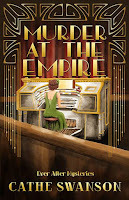 Gayle Wells is a killer organist, but does a killer have her in his sights?
They call him the Emperor. John Starek fills his theater with fine artwork and treasures. He’s particularly pleased to have one of the country’s first female organists – and he thinks Gayle Wells is the bee’s knees.
Despite pressure from her social crusader mother, Gayle isn’t interested in changing the world. She just wants a car of her own – and a career playing the organ at the Empire movie palace would be especially ducky.
Then the Empire’s treasures start disappearing and employees start dying. Are a few pieces of art really enough motive for the string of murders? Will Gayle be next?
Murder at the Empire brings The Nightingale into an elegant movie palace in the roaring 20’s – but the real excitement is all off-screen.
Purchase Link: https://amzn.to/3Km3NmA
Linda: Welcome! I love a good mystery and can’t wait to hear about your book Murder at the Empire which is part of CelebrateLit’s Ever After Mystery series, a set of stories that are loosely based on fairy tales. What was your inspiration for the plot? Cathe: My book is based on the fairy tale, The Nightingale, but I have to admit… when Sandy from Celebrate Lit asked me if I would like to participate in the project, I chose a fairy tale to suit my plot idea. I wanted to write a story about a girl who plays the Mighty Wurlitzer organ to accompany silent movies in a magnificent movie palace. LM: How do you develop your characters? Are they based on people you know...or yourself? How do you decide on their names? Cathe: Some of these characters were inspired by real people I discovered while researching the 1920’s. There were many fascinating people in that era! Gayle’s mother was a suffragette and member of the Women’s Christian Temperance Union. She’s a social reformer in every way, happily married to a Presbyterian minister who adores her. I wanted to make Gayle a nice, ordinary girl. She lacks the ambition of her mother, but she’s not ready to become a wife and mother like her older sister, either. Lots of things interest her, but she’s not ready to settle down. She likes playing the organ and being a part of the theater, but what Gayle really wants is a motor car of her own.
And I wanted a flapper! Gayle’s childhood friend, Lilian, is a reflection of some of the young people of
Photo: Pixabaythat era. She has a tragic past, of course, and she’s saved from her wicked ways at the end of the book. Gayle is a nod to the Nightingale, of course. Other names were chosen to reflect their ethnic origin and social standing. I usually refer to the Social Security names index to make sure that the names I choose are fitting for the time period.
LM: What did you edit out of this book?
Cathe: Lots of information about life in the 1920’s! The research for this time period was fascinating. I wanted to include everything! It was a time of social, technological, and political change. Opportunities for women and people of color expanded. Affordable motorcars transformed the middle-class culture. I wanted to include everything!
LM: What was the hardest scene in the book to write?
Cathe: The denouement, for sure. I’ve been reading mysteries my whole life, so I knew what I wanted, but it was important to have every detail right. LM: What was your favorite childhood book and why?
Cathe:. I read everything as a child, and I had different favorites at different ages. I have especially fond memories of the Anne of Green Gables series and various books by Louisa May Alcott.
LM: What one piece of advice would you give to fledgling writers?
Photo: PixabayCathe: Just do it. Write it all out without stopping to edit. It’s too easy to stop and start, always fixing things instead of letting the story flow uninterrupted. You need to WRITE! Polishing it up comes later. As a famous author once said, “You can’t edit a blank page.”
LM: What writing projects are on your plate right now?
Cathe: I am working on Book 3 in my Serenity Hill series and on a book for another Celebrate Lit collection. I’ve also just started a fun series I’m co-writing with my good friend Chautona Havig.
Linda: Where can folks connect with you?
Cathe: Website: http://catheswanson.com Facebook: http://www.facebook.com/CatheSwanson Pinterest: http://www.pinterest.com/catheswanson Instagram: http://instagram.com/CatheSwanson Goodreads: http://www.goodreads.com/CatheSwanson BookBub Author Page: http://www.bookbub.com/authors/cathe-swanson Amazon Author Page: http://www.amazon.com/author/catheswanson
About Murder at the Empire:
Gayle Wells is a killer organist, but does a killer have her in his sights? They call him the Emperor. John Starek fills his theater with fine artwork and treasures. He’s particularly pleased to have one of the country’s first female organists – and he thinks Gayle Wells is the bee’s knees.
Despite pressure from her social crusader mother, Gayle isn’t interested in changing the world. She just wants a car of her own – and a career playing the organ at the Empire movie palace would be especially ducky.
Then the Empire’s treasures start disappearing and employees start dying. Are a few pieces of art really enough motive for the string of murders? Will Gayle be next?
Murder at the Empire brings The Nightingale into an elegant movie palace in the roaring 20’s – but the real excitement is all off-screen.
Purchase Link: https://amzn.to/3Km3NmA
January 18, 2022
Wartime Wednesday: Johnson County War
Wartime Wednesday: Johnson County War
 Photo: Pixabay/SteppinstarsWhen I think of the Old West, I imagine land as far as the eye can see. On one level that was true, but in another, much of that land was used although not owned, by ranchers. As the American West developed and large portions of the territories were being settled as a result of the Homestead Acts conflicts arose between the immigrants and cattle barons. Interestingly, the land the cattlemen were using to graze their stock was public domain, and as such, it was open for anyone’s use or settlement. Apparently, they felt possession was nine-tenths of the law. By 1884, the entire area was monopolized by about twenty ranches whose cattle roamed freely. Roundups were held in the spring, at which time cows and calves were separated by owner and the calves branded. However, rustlers were known to steal the calves and brand them before they could be rounded up. Some of these rustlers were small ranchers who made off with the calves as a way to growth their herd. The rest of the rustlers were common thieves out to make a buck, however, the cattlemen began to blame the homesteaders for any missing animals. The summer of 1886 saw no rain and was followed by a winter of severe blizzards. Thousands of cattle died, and many were lost to wolves and rustlers. Additionally, prices plunged, causing a huge loss of profit for the cattlemen, some of whom lost their businesses. In an effort to curb the thefts, the barons increased the number of range detectives and drew up new rules that made it difficult for someone to register a new brand. In 1889, the situation came to a head when two homesteaders, Ella Watson, AKA Cattle Kate, and Jim Averell were accused of cattle rustling and hanged. (The charges later proved false.)
 Photo: Pixabay/stokpic
Small ranchers were furious, but intimidation continued. Three years later, they formed their ownassociation called the Northern Wyoming Farmers and Stock Growers Association and hired about fifty men, some of whom were known to be killers, to eliminate the alleged rustlers. In response the cattlemen pulled together their own group of armed men, including Frank Canton, a fugitive who had a career as a deputy US marshal under an assumed name and was said to operate more by assassination than law. The invaders (as they came to be known) stopped at the first homestead, but found only four men at the ranch cabin, the owner Nate Champion and his cowboy Rueben “Nick” Ray who were shot and killed, and two trappers passing through who were captured. The next stop was the TA Ranch where the posse laid siege. The standoff continued through the night. The next day, Jack Flagg, a neighbor and suspected rustler, escaped and headed to Buffalo where he contacted the Wyoming governor. Photo: Pixabay/ArtTowerWithin a short time, the Sixth Cavalry was dispensed from Fort McKinney. Upon their arrival, the cattlemen surrendered. Shortly after obtaining bail most of the gunfighters skipped town. Time passed, and material witnesses disappeared, dead or running from fear is unknown. By all reports finding impartial jurors proved difficult, and the court dismissed the case. Here is an interesting documentary about the incident: https://www.youtube.com/watch?v=l9oH59dgGtI
______________________________
About Dinah's Dilemma
 Will she have to run from the past for the rest of her life? Dinah Simpkins has no chance of making a good marriage. Her outlaw brothers and her father’s gambling addiction have ruined the family’s reputation. Then the Westward Home and Hearts Matrimonial Agency provides an opportunity for a fresh start. After Dinah arrives in Nebraska, she discovers her brothers played a part in the death of her prospective groom’s first wife. As a former Pinkerton detective Nathan Childs knows when someone is lying. The bride sent by the matrimonial agency may be beautiful, but she’s definitely hiding something, and he has no intention of marrying her until he uncovers the truth. But an easier solution may be to send her packing. Then his young daughter goes missing. He and Dinah must put aside their mutual hurt and mistrust to find her.
Purchase link: https://amzn.to/3quggwT
Photo: Pixabay/SteppinstarsWhen I think of the Old West, I imagine land as far as the eye can see. On one level that was true, but in another, much of that land was used although not owned, by ranchers. As the American West developed and large portions of the territories were being settled as a result of the Homestead Acts conflicts arose between the immigrants and cattle barons. Interestingly, the land the cattlemen were using to graze their stock was public domain, and as such, it was open for anyone’s use or settlement. Apparently, they felt possession was nine-tenths of the law. By 1884, the entire area was monopolized by about twenty ranches whose cattle roamed freely. Roundups were held in the spring, at which time cows and calves were separated by owner and the calves branded. However, rustlers were known to steal the calves and brand them before they could be rounded up. Some of these rustlers were small ranchers who made off with the calves as a way to growth their herd. The rest of the rustlers were common thieves out to make a buck, however, the cattlemen began to blame the homesteaders for any missing animals. The summer of 1886 saw no rain and was followed by a winter of severe blizzards. Thousands of cattle died, and many were lost to wolves and rustlers. Additionally, prices plunged, causing a huge loss of profit for the cattlemen, some of whom lost their businesses. In an effort to curb the thefts, the barons increased the number of range detectives and drew up new rules that made it difficult for someone to register a new brand. In 1889, the situation came to a head when two homesteaders, Ella Watson, AKA Cattle Kate, and Jim Averell were accused of cattle rustling and hanged. (The charges later proved false.)
Photo: Pixabay/stokpicSmall ranchers were furious, but intimidation continued. Three years later, they formed their ownassociation called the Northern Wyoming Farmers and Stock Growers Association and hired about fifty men, some of whom were known to be killers, to eliminate the alleged rustlers. In response the cattlemen pulled together their own group of armed men, including Frank Canton, a fugitive who had a career as a deputy US marshal under an assumed name and was said to operate more by assassination than law. The invaders (as they came to be known) stopped at the first homestead, but found only four men at the ranch cabin, the owner Nate Champion and his cowboy Rueben “Nick” Ray who were shot and killed, and two trappers passing through who were captured. The next stop was the TA Ranch where the posse laid siege. The standoff continued through the night. The next day, Jack Flagg, a neighbor and suspected rustler, escaped and headed to Buffalo where he contacted the Wyoming governor.
Photo: Pixabay/ArtTowerWithin a short time, the Sixth Cavalry was dispensed from Fort McKinney. Upon their arrival, the cattlemen surrendered. Shortly after obtaining bail most of the gunfighters skipped town. Time passed, and material witnesses disappeared, dead or running from fear is unknown. By all reports finding impartial jurors proved difficult, and the court dismissed the case. Here is an interesting documentary about the incident: https://www.youtube.com/watch?v=l9oH59dgGtI ______________________________
About Dinah's Dilemma
Will she have to run from the past for the rest of her life? Dinah Simpkins has no chance of making a good marriage. Her outlaw brothers and her father’s gambling addiction have ruined the family’s reputation. Then the Westward Home and Hearts Matrimonial Agency provides an opportunity for a fresh start. After Dinah arrives in Nebraska, she discovers her brothers played a part in the death of her prospective groom’s first wife. As a former Pinkerton detective Nathan Childs knows when someone is lying. The bride sent by the matrimonial agency may be beautiful, but she’s definitely hiding something, and he has no intention of marrying her until he uncovers the truth. But an easier solution may be to send her packing. Then his young daughter goes missing. He and Dinah must put aside their mutual hurt and mistrust to find her. Purchase link: https://amzn.to/3quggwT
January 12, 2022
Talkshow Thursday: Welcome Terry Garner
Talkshow Thursday: Welcome Terry Garner
 LM: Thanks for joining me today. Congratulations on your recent release Magi Journey - Assyria. You had an extensive career in finance as well as teaching at the college level. In addition, you’ve written two commentaries. What made you decide to try your hand at fiction and this particular subject?
Terry: I was General Manager of a manufacturing plant in China in 2013. While studying the Word one evening, God put it on my heart to reach a broader audience with the story of hope and redemption by telling the story through the eyes of the Magi. I had never dreamed of writing a book. It was the strangest thing. God gave me the outline for the Magi Journey series. When I sat down to write, everything fell in place.
LM: What is your favorite aspect of writing?
Terry: I’m rather a free-form writer. I begin with a rough outline of the book and then develop a firm outline for the next three chapters. I have no outline for the chapter. I start writing and see where God takes it. Some of the chapters in Magi Journey – Assyria were a complete surprise to me. In the middle of the chapter, I would change direction, which impacted the book outline in some cases. I love that freedom.
LM: What sort of research did you conduct for the book?
Terry: In historical fiction, that is the best part. I used “On Ancient Warfare” by Richard Gabriel quite a bit, two books on Israel’s history and battles, a book on the Parthians, and two books on the Babylonians. The Bible was my primary reference source, but I found an invaluable number of articles on the JSTOR site on the web. I highly recommend JSTOR to anyone doing historical research. I used Wikipedia also, but never as a primary source.
Naturally, there are always discrepancies between secular texts and Scripture. In those cases, I always used Scripture. For example, Scripture reports 185,000 Assyrians were killed by the Angel of the Lord when Sennacherib sent a portion of his army to Jerusalem, and secular texts blame the deaths on a plague borne by mice. For any number of reasons, Scripture wins, the plague theory is unsupportable, but even if it were reasonably plausible, I would still use the account found in Scripture.
LM: How do you prepare yourself for writing? (e.g. set up in a particular location, turn on music, etc.)
Terry: I always write in my office – I am surrounded by my research materials. I begin every writing session with Scripture, usually, on the period I am developing that day, and Scripture leads me to prayer. Then I am ready to write. I cannot write with music or television in the background. I begin writing at 4 AM and get in four solid hours before my wife starts her day. She begins with her quiet time, which gives me another two hours of writing. It works for us.
LM: You’ve accomplished quite a lot. What is one thing you wish you could do?
Terry: Travel. I was ill for several years and could not go to Israel before writing this book. I regret that, and I still want to make that trip, hopefully in 2022.
LM: What is your next project? Photo: Pixabay/Jim Black
Terry: Magi Journey – Assyria is the first book in a three-book series. I am 20,000 words into Magi Journey – Babylon, and the final book will be Magi Journey – Persia. The three books tell the story of prophecy – of Isaiah, Jeremiah, Ezekiel, and Daniel, and how that prophecy was fulfilled from 734 BC to 0 AD. It is the story of judgment, hope, and redemption.
LM: Where can folks find you on the web?
Terry: My website is http://www.magijourney.com
About Magi Journey – Assyria
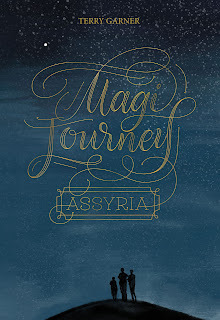 About Magi Journey – Assyria is a book with two storylines. The first story is the journey of the Magi, who see the Messiah’s star. They begin a trip from Persepolis, Persia, to Bethlehem. In book one of this series, the Magi Family makes it to the ruins of Babylon. This is a story of faith. Matthew 2 tells us the Magi had a single purpose, to worship. These are Gentiles who know the Scriptures. The men and women of the family live their lives based on the Scriptures. During the journey, when they stop at night, the children’s teachers teach the children the history of the family, which dates back to 734 BC. They read from ancient scrolls recorded by their ancestors. The story they read is story 2.
Two POVs tell story two. One POV is Baildan, a member of the Magi and also an Assyrian warrior. Through his eyes, we experience the Syro/Ephraimite War, the three campaigns of Tiglath-Pilese III from 734-732 BC against the Levant, and finally, the campaign of Sennacherib against Judah in 701 BC. The second POV is Baildan’s brother, Meesha, the ambassador to Judah in 734 BC. Meesha meets Isaiah and begins to read the Scriptures with Isaiah’s disciples. Meesha becomes a believer and begins to copy the Scriptures. He intends to share them with his family when he returns to Nineveh, Assyria. Prophecy and judgment are told through their POV.
Purchase Links:Amazon: https://amzn.to/3r9bF2hBookbaby: https://store.bookbaby.com/book/magi-journey
LM: Thanks for joining me today. Congratulations on your recent release Magi Journey - Assyria. You had an extensive career in finance as well as teaching at the college level. In addition, you’ve written two commentaries. What made you decide to try your hand at fiction and this particular subject? Terry: I was General Manager of a manufacturing plant in China in 2013. While studying the Word one evening, God put it on my heart to reach a broader audience with the story of hope and redemption by telling the story through the eyes of the Magi. I had never dreamed of writing a book. It was the strangest thing. God gave me the outline for the Magi Journey series. When I sat down to write, everything fell in place.
LM: What is your favorite aspect of writing?
Terry: I’m rather a free-form writer. I begin with a rough outline of the book and then develop a firm outline for the next three chapters. I have no outline for the chapter. I start writing and see where God takes it. Some of the chapters in Magi Journey – Assyria were a complete surprise to me. In the middle of the chapter, I would change direction, which impacted the book outline in some cases. I love that freedom.
LM: What sort of research did you conduct for the book?
Terry: In historical fiction, that is the best part. I used “On Ancient Warfare” by Richard Gabriel quite a
bit, two books on Israel’s history and battles, a book on the Parthians, and two books on the Babylonians. The Bible was my primary reference source, but I found an invaluable number of articles on the JSTOR site on the web. I highly recommend JSTOR to anyone doing historical research. I used Wikipedia also, but never as a primary source. Naturally, there are always discrepancies between secular texts and Scripture. In those cases, I always used Scripture. For example, Scripture reports 185,000 Assyrians were killed by the Angel of the Lord when Sennacherib sent a portion of his army to Jerusalem, and secular texts blame the deaths on a plague borne by mice. For any number of reasons, Scripture wins, the plague theory is unsupportable, but even if it were reasonably plausible, I would still use the account found in Scripture.
LM: How do you prepare yourself for writing? (e.g. set up in a particular location, turn on music, etc.)
Terry: I always write in my office – I am surrounded by my research materials. I begin every writing session with Scripture, usually, on the period I am developing that day, and Scripture leads me to prayer. Then I am ready to write. I cannot write with music or television in the background. I begin writing at 4 AM and get in four solid hours before my wife starts her day. She begins with her quiet time, which gives me another two hours of writing. It works for us.
LM: You’ve accomplished quite a lot. What is one thing you wish you could do?
Terry: Travel. I was ill for several years and could not go to Israel before writing this book. I regret that, and I still want to make that trip, hopefully in 2022.
LM: What is your next project?
Photo: Pixabay/Jim BlackTerry: Magi Journey – Assyria is the first book in a three-book series. I am 20,000 words into Magi Journey – Babylon, and the final book will be Magi Journey – Persia. The three books tell the story of prophecy – of Isaiah, Jeremiah, Ezekiel, and Daniel, and how that prophecy was fulfilled from 734 BC to 0 AD. It is the story of judgment, hope, and redemption.
LM: Where can folks find you on the web?
Terry: My website is http://www.magijourney.com
About Magi Journey – Assyria
About Magi Journey – Assyria is a book with two storylines. The first story is the journey of the Magi, who see the Messiah’s star. They begin a trip from Persepolis, Persia, to Bethlehem. In book one of this series, the Magi Family makes it to the ruins of Babylon. This is a story of faith. Matthew 2 tells us the Magi had a single purpose, to worship. These are Gentiles who know the Scriptures. The men and women of the family live their lives based on the Scriptures. During the journey, when they stop at night, the children’s teachers teach the children the history of the family, which dates back to 734 BC. They read from ancient scrolls recorded by their ancestors. The story they read is story 2. Two POVs tell story two. One POV is Baildan, a member of the Magi and also an Assyrian warrior. Through his eyes, we experience the Syro/Ephraimite War, the three campaigns of Tiglath-Pilese III from 734-732 BC against the Levant, and finally, the campaign of Sennacherib against Judah in 701 BC. The second POV is Baildan’s brother, Meesha, the ambassador to Judah in 734 BC. Meesha meets Isaiah and begins to read the Scriptures with Isaiah’s disciples. Meesha becomes a believer and begins to copy the Scriptures. He intends to share them with his family when he returns to Nineveh, Assyria. Prophecy and judgment are told through their POV.
Purchase Links:Amazon: https://amzn.to/3r9bF2hBookbaby: https://store.bookbaby.com/book/magi-journey
January 10, 2022
Traveling Tuesday: The Orient Express
Traveling Tuesday: The Orient Express
 Photo: WikiImagesFor over 125 years, the Orient Express traveled the length of continental Europe into western Asia. Founded in 1883 by the Belgian company Compagnie Internationale des Wagons-Lits (CIWL) at a time when traveling was still dangerous and uncomfortable, the Orient Express was the epitome of luxury. The original endpoints were Paris and Istanbul, and the route has changed many times over the years. CIWL expanded its trains, travel agencies, and hotels all over Europe, Asia, and North Africa, but the Orient Express remains their most famous. The first menu served onboard is reported to have been oysters, soup with Italian pasta, turbot with green sauce, chicken a la chasseur, fillet of beef with chateau potatoes, chaud-froid (literally hot-cold, but a sauce) of game animals, lettuce, chocolate pudding, and a buffet of desserts. On June 5, 1883, the first “Express d’Orient” left Paris for Vienna, with Vienna being the terminus until
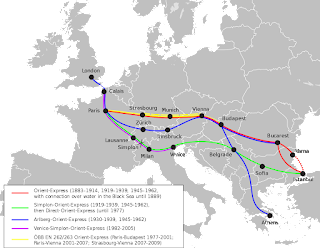 October of that year. The original route began in Paris to Giurgiu in Romania via Munich and Vienna. At Giurgiu, passengers were ferried across the Danube to Ruse, Bulgaria where they boarded another train to Varna, completing their journey to Constantinople (renamed Istanbul around 1930) also by ferry. By 1885 another route began that reached Constantinople via rail. Varna became the eastern terminus in 1889. World War I caused the company to suspend Orient Expresses services until 1918 after the conflict ended. In 1919, the opening of the Simplon Tunnel allowed another route to be added that went through Milan, Venice, and Trieste. Interestingly, a clause was included in the Treaty of Saint-Germain that required Austria to allow the train. During the 1930s, the Orient Express was at its most popular and had three services running: the Simplon Orient Express, the Arlberg Orient Express, and the original Orient Express. It was at this time that the train acquired its reputation for opulence and richness. Patrons included royalty, nobles, diplomats, business people, as well as more well-to-do members of the middle class. By this time sleeping cars had been added.
 Photo: WikiImagesService was disrupted again during WWII and did not resume until 1945. The closure of the border between Yugoslavia and the Kingdom of Greece prevented the resumption of the Athens leg of the journey. The border reopened in 1951, but the Bulgarian-Turkish border closed during this period. By 1962, the original Orient Express and the Arlberg Orient Express stopped running. The Simplon Orient express ran daily cars from Paris to Belgrade, but only when to Istanbul and Athens twice each week. In 1971, CIWL stopped running carriages itself, instead selling or leasing them to various national railway companies. On May 19, 1977, the last Paris—Istanbul train made its run.
______________________ Happy book birthday, Under Ground It’s been six months since Ruth Brown followed clues to England and discovered the identity of her sister’s killer. War continues to rage as Ruth reports on food shortages, the black market, the evacuation of London’s children, and the bravery of the British people. When a bombing raid destroys her home and unearths a twenty-year-old skeleton in the cellar, her reporter’s senses tingle in anticipation of solving another mystery. Unfortunately, the by-the-book detective inspector assigned to the case is not interested in her theories. As Ruth investigates the case on her own, she butts heads with the handsome policeman. Will she get to the bottom of the story before the killer strikes again? Purchase Link: https://amzn.to/3qUJnbr
Photo: WikiImagesFor over 125 years, the Orient Express traveled the length of continental Europe into western Asia. Founded in 1883 by the Belgian company Compagnie Internationale des Wagons-Lits (CIWL) at a time when traveling was still dangerous and uncomfortable, the Orient Express was the epitome of luxury. The original endpoints were Paris and Istanbul, and the route has changed many times over the years. CIWL expanded its trains, travel agencies, and hotels all over Europe, Asia, and North Africa, but the Orient Express remains their most famous. The first menu served onboard is reported to have been oysters, soup with Italian pasta, turbot with green sauce, chicken a la chasseur, fillet of beef with chateau potatoes, chaud-froid (literally hot-cold, but a sauce) of game animals, lettuce, chocolate pudding, and a buffet of desserts. On June 5, 1883, the first “Express d’Orient” left Paris for Vienna, with Vienna being the terminus until
October of that year. The original route began in Paris to Giurgiu in Romania via Munich and Vienna. At Giurgiu, passengers were ferried across the Danube to Ruse, Bulgaria where they boarded another train to Varna, completing their journey to Constantinople (renamed Istanbul around 1930) also by ferry. By 1885 another route began that reached Constantinople via rail. Varna became the eastern terminus in 1889. World War I caused the company to suspend Orient Expresses services until 1918 after the conflict ended. In 1919, the opening of the Simplon Tunnel allowed another route to be added that went through Milan, Venice, and Trieste. Interestingly, a clause was included in the Treaty of Saint-Germain that required Austria to allow the train. During the 1930s, the Orient Express was at its most popular and had three services running: the Simplon Orient Express, the Arlberg Orient Express, and the original Orient Express. It was at this time that the train acquired its reputation for opulence and richness. Patrons included royalty, nobles, diplomats, business people, as well as more well-to-do members of the middle class. By this time sleeping cars had been added.
Photo: WikiImagesService was disrupted again during WWII and did not resume until 1945. The closure of the border between Yugoslavia and the Kingdom of Greece prevented the resumption of the Athens leg of the journey. The border reopened in 1951, but the Bulgarian-Turkish border closed during this period. By 1962, the original Orient Express and the Arlberg Orient Express stopped running. The Simplon Orient express ran daily cars from Paris to Belgrade, but only when to Istanbul and Athens twice each week. In 1971, CIWL stopped running carriages itself, instead selling or leasing them to various national railway companies. On May 19, 1977, the last Paris—Istanbul train made its run. ______________________ Happy book birthday, Under Ground
It’s been six months since Ruth Brown followed clues to England and discovered the identity of her sister’s killer. War continues to rage as Ruth reports on food shortages, the black market, the evacuation of London’s children, and the bravery of the British people. When a bombing raid destroys her home and unearths a twenty-year-old skeleton in the cellar, her reporter’s senses tingle in anticipation of solving another mystery. Unfortunately, the by-the-book detective inspector assigned to the case is not interested in her theories. As Ruth investigates the case on her own, she butts heads with the handsome policeman. Will she get to the bottom of the story before the killer strikes again? Purchase Link: https://amzn.to/3qUJnbr
January 9, 2022
Mystery Monday: Murder on the Orient Express
Mystery Monday: Murder on the Orient Express
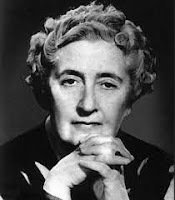 Photo: WikiImagesPublished eighty-eight years ago this month, Agatha Christie’s Murder on the Orient Express is still one of her most popular books. Additionally, the book regularly appears in lists denoting the top one hundred mysteries of all time. The story was originally titled Murder on the Calais Coach. Orient Express was Christie’s twelfth novel and inspiration for the book came from several places, the first of which was the kidnapping and subsequent murder of Charles Lindberg’s son that occurred two years prior to her writing. In 1928, Christie took her first trip on the Orient Express and a few months later, the train was marooned in Turkey during a six-day blizzard. On a later journey the train was halted for twenty-four hours because of flooding, and Christie’s experience also served as inspiration, especially with regard to passengers. For those unfamiliar with the book, Murder on the Orient Express features Hercule Poirot, the "world-
 famous” sleuth from Belgium. He is approached by American businessman Samuel Ratchett who asks for protection because of threats he’s received. Poirot refuses the case, and that evening the train is stopped because of heavy snowfall. The following morning, he is informed that Ratchett has been murdered. With the train unable to go anywhere (or for anyone to reach them), Poirot is tasked with finding the murderer. Much of the book involved the suspects being interviewed and the detective searching various parts of the train. The book was highly successful, with critics lauding it with statements such as the book “keeps her readers enthralled to the end,” and “what more can a mystery addict desire?” One website comments that “Agatha Christie has been hailed as the queen of crime fiction, and Murder on the Orient Express might just be her crown jewel.
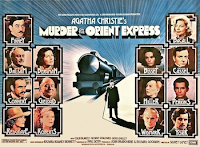 Christie’s story had been adapted to radio (1992-1993), film (1974: starring Albert Finney, and 2017: starring Kenneth Branagh), stage (2017) and television, including a 1955 German and 2015 Japanese version. In 1985, a board game based on the novel was released as well as a 2006 computer game featuring David Suchet’s voice as Poirot. The book has never been out of print.
Have you read this classic? _______________________ Happy book birthday, Under Ground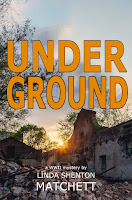 It’s been six months since Ruth Brown followed clues to England and discovered the identity of her sister’s killer. War continues to rage as Ruth reports on food shortages, the black market, the evacuation of London’s children, and the bravery of the British people. When a bombing raid destroys her home and unearths a twenty-year-old skeleton in the cellar, her reporter’s senses tingle in anticipation of solving another mystery. Unfortunately, the by-the-book detective inspector assigned to the case is not interested in her theories. As Ruth investigates the case on her own, she butts heads with the handsome policeman. Will she get to the bottom of the story before the killer strikes again?
Purchase Link: https://amzn.to/3qUJnbr
Photo: WikiImagesPublished eighty-eight years ago this month, Agatha Christie’s Murder on the Orient Express is still one of her most popular books. Additionally, the book regularly appears in lists denoting the top one hundred mysteries of all time. The story was originally titled Murder on the Calais Coach. Orient Express was Christie’s twelfth novel and inspiration for the book came from several places, the first of which was the kidnapping and subsequent murder of Charles Lindberg’s son that occurred two years prior to her writing. In 1928, Christie took her first trip on the Orient Express and a few months later, the train was marooned in Turkey during a six-day blizzard. On a later journey the train was halted for twenty-four hours because of flooding, and Christie’s experience also served as inspiration, especially with regard to passengers. For those unfamiliar with the book, Murder on the Orient Express features Hercule Poirot, the "world-
famous” sleuth from Belgium. He is approached by American businessman Samuel Ratchett who asks for protection because of threats he’s received. Poirot refuses the case, and that evening the train is stopped because of heavy snowfall. The following morning, he is informed that Ratchett has been murdered. With the train unable to go anywhere (or for anyone to reach them), Poirot is tasked with finding the murderer. Much of the book involved the suspects being interviewed and the detective searching various parts of the train. The book was highly successful, with critics lauding it with statements such as the book “keeps her readers enthralled to the end,” and “what more can a mystery addict desire?” One website comments that “Agatha Christie has been hailed as the queen of crime fiction, and Murder on the Orient Express might just be her crown jewel.
Christie’s story had been adapted to radio (1992-1993), film (1974: starring Albert Finney, and 2017: starring Kenneth Branagh), stage (2017) and television, including a 1955 German and 2015 Japanese version. In 1985, a board game based on the novel was released as well as a 2006 computer game featuring David Suchet’s voice as Poirot. The book has never been out of print. Have you read this classic? _______________________ Happy book birthday, Under Ground
It’s been six months since Ruth Brown followed clues to England and discovered the identity of her sister’s killer. War continues to rage as Ruth reports on food shortages, the black market, the evacuation of London’s children, and the bravery of the British people. When a bombing raid destroys her home and unearths a twenty-year-old skeleton in the cellar, her reporter’s senses tingle in anticipation of solving another mystery. Unfortunately, the by-the-book detective inspector assigned to the case is not interested in her theories. As Ruth investigates the case on her own, she butts heads with the handsome policeman. Will she get to the bottom of the story before the killer strikes again?Purchase Link: https://amzn.to/3qUJnbr