
Linda Brooks Davis's Blog, page 26
September 7, 2016
GIVE-AWAY TIME!
It’s Give-Away Time!
Who doesn’t enjoy a give-away?
 To celebrate my birthday on September 5 and the recent ACFW Carol Award for The Calling of Ella McFarland, I’m giving away 2 signed copies in print* or ebook** version.
Here’s the deal:
Starting today, the 8th, your name will go into the give-away hat for EACH mention of The Calling of Ella McFarland or Linda Brooks Davis on EACH of the following: 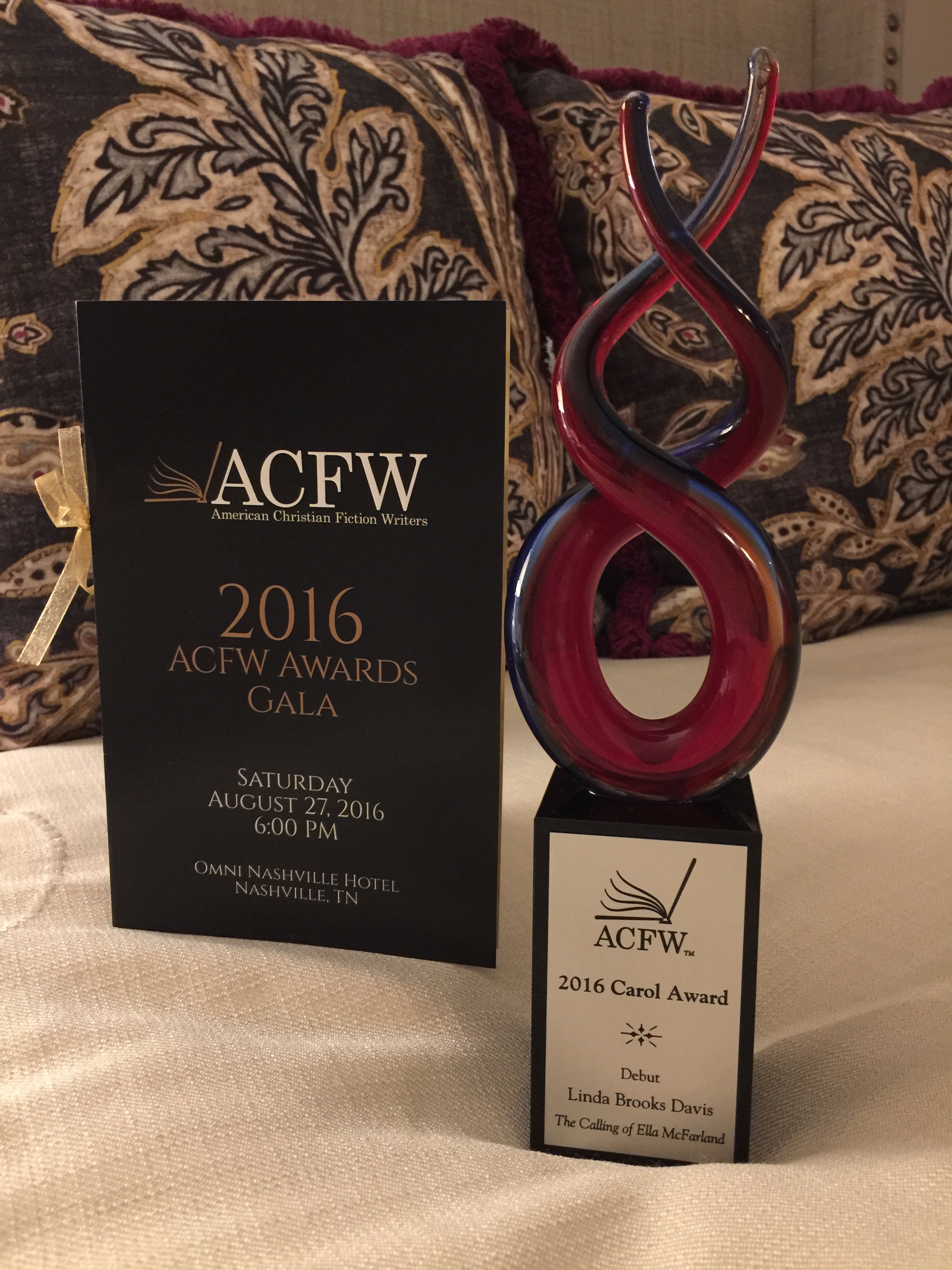
1) Linda Brooks Davis, my Facebook author page
2) Linda B Davis, my personal page
3) this blog
4) reviews on Amazon or Goodreads
5) mentioning Ella McFarland on your social media, including blogs (tag me)
The more mentions in the more places, the more chances. Who knows? If the response is stupendous, there might be something else waiting for someone …
If you’ve already purchased the novel, think gifts, maybe?
 Check Facebook and this blog for announcement of winners on Monday, the 12th.
 P.S. *Print copies sent to addresses within the United States only. **You can request an autograph to accompany the ebook by clicking on this authorgraph badge on the Home page.
Here’s a tidbit from The Calling of Ella McFarland:
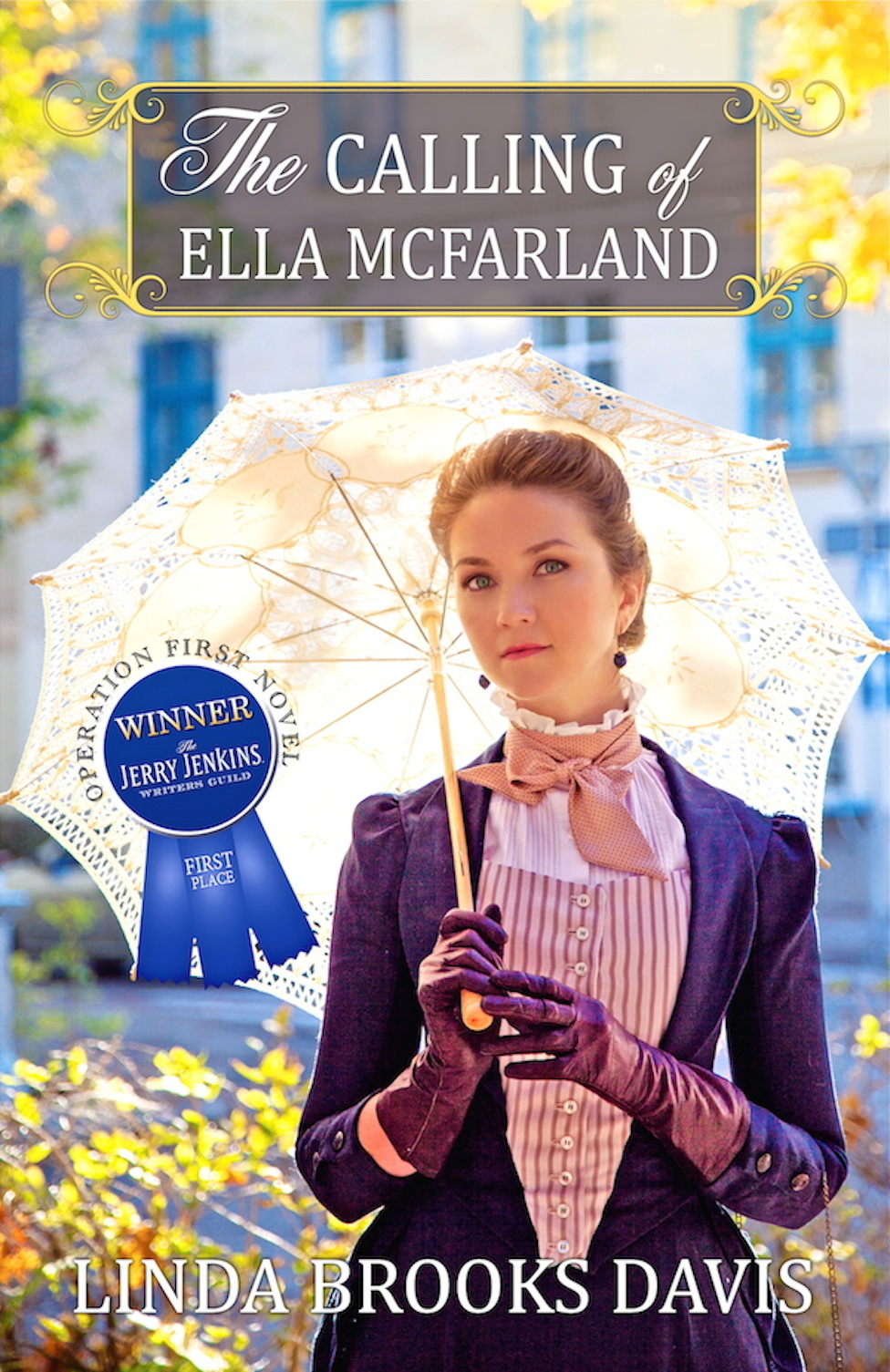
Cicadas and frogs created a racket. Dragonflies and their tiny cousins, the damselflies, dipped and flicked the water. Even insects created ripples. Yet Ella McFarland—her family’s best hope, with all her passion and learning—could not wrap her hands around her one solitary dream.
The post GIVE-AWAY TIME! appeared first on Linda Brooks Davis.


August 31, 2016
Ever Try to Earn Your Worth?
Anybody out there been worth weary?
 I have. I’ve worn myself out, clawing my way through one more task, one more chore, one more word. Truth be told, to earn my worth.
Have I done enough?
Written enough?
Spoken enough?
Enough for what? Another pat on the back or smile? An award? A sense of worth?
 For years I sewed, sometimes until 3:00 a.m. (That’s what Super Mom does, right?) I grabbed a couple hours of sleep and trotted off to work by 7:00 a.m. Trouble is, I had nothing left for my employer. And by 6:00 p.m. I possessed not a shred of energy for my husband or my children.
 I‘ve been known to write for twelve hours straight. But by bedtime my back aches, my eyes are crossed, and I can’t think straight. It’s all I can do to stumble past my husband and into bed. At those times, I’ve closed my ears to God’s voice
  through His divine megaphone: “Enough, already!”
It’s easier to express my thoughts and emotions in writing than with the spoken word. So at times I regret not speaking up or speaking out enough. I have yet to figure out what’s enough. But God isn’t stumped.
What Does God’s Word Say?
And let us not be weary in well-doing:
for in due season we shall reap, if we faint not.
Galatians 6:9 (ASV)
The Apostle Paul encourages the Galatian church not to be weary in well-doing. In the past I thought that meant to concentrate on the well-doing and push aside the weary.
But I have a different take today. God created us to grow weary. Weariness has a purpose. Like pain, a la C.S. Lewis,  weariness can be God’s megaphone.
How am I to Respond?
Rio’s 2016 Olympic rowing competition brought these concepts to mind. The coxswains didn’t hold megaphones as in the old days. They spoke a language of their own. Their teammates recognized their voices and listened to their calls.
Winners have built more than muscle strength. They’ve honed their listening skills, response time, and output. Winners respond to the coxswains in ways that achieve the goal without depleting their strength.
I’m immensely honored to have received ACFW‘s Carol Award in the Debut Novel category for The Calling of Ella McFarland, As I look back on the years of mulling over the idea and researching the subject matter, I can relive a sense of weariness. But unlike my younger days, I recall stopping the press, if you will, to rest. My goal wasn’t to win the Carol Award. It was to leave a legacy of faith in writing for my grandchildren. For Jesus’ sake.
Not to earn my worth but to show God’s.
My spine is crooked from years of bending over a sewing machine or a desk. Had I heeded God’s voice in my weariness, no doubt I would sit straighter and experience less pain at the end of a day of writing. I can’t undo the past, but I can adjust my behavior in the present and consider the future without anxiety. 
I can’t earn my worth … only cling to Jesus’. Trust Him with my labor. And obey when He shouts, “You’re weary. Rest!”
P.S. Excuse me while I take a holy nap.
The post Ever Try to Earn Your Worth? appeared first on Linda Brooks Davis.
August 24, 2016
First-Hand, one way or Another
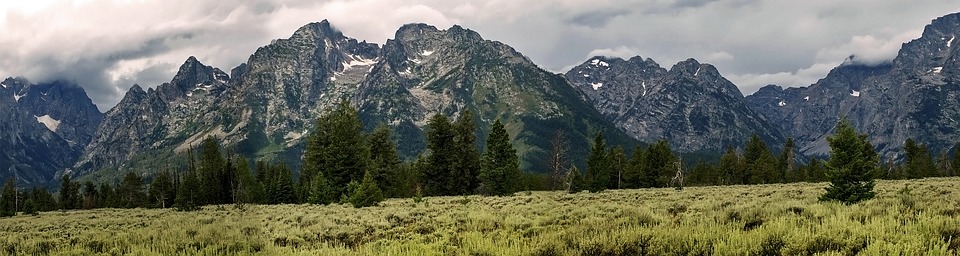
As I attempt to develop believable fictional characters with whom I have nothing in common, I’m reminded of how important first-hand experiences are to a writer. For example, how do I create a believable character who endured crossing the Rockies and the threat of scalping?
 The closest I’ve come first-hand to scalping was when as a girl my mother used a comb to detangle my fine, rat’s-nest hair the morning after I’d fallen asleep with gum in my mouth. Or just after a home perm. Ouch.
The roughest travel I’ve experienced first-hand was a vacation from the Rio Grande Valley of Texas through the western U.S. as a child of the 1950s. Our Chevy had no air conditioning, so around the Panhandle of Texas, we had to roll down the windows. Sweat had pasted our shirts and shorts to the vinyl seats,  and gale-force winds whipped through the open windows. My two brothers weren’t bothered in the least. I, on the other hand, endured the horror with clenched teeth. My neatly brushed and pony-tailed hair-do (I was OCD-ish about my hair,
 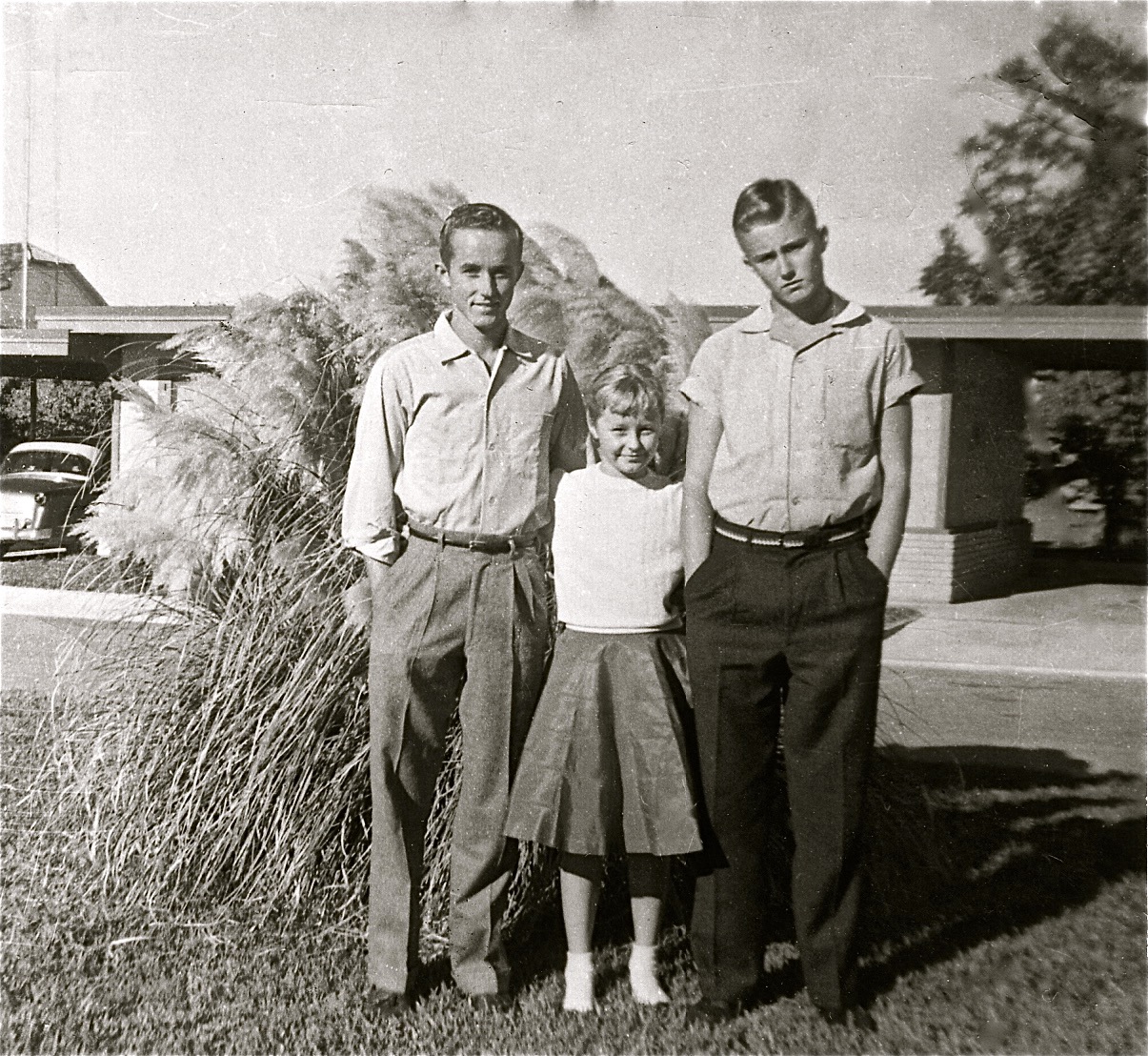 actually) swept into my eyes and around my head, stinging my face like a wild Texas sand storm.
I don’t know what winning the West by foot, on horseback, or in wagons did to bodies, young or old. Covered wagons weren’t known for their comfy spring systems or plush upholstered seats. But something tells me I wouldn’t have made a hearty Westward 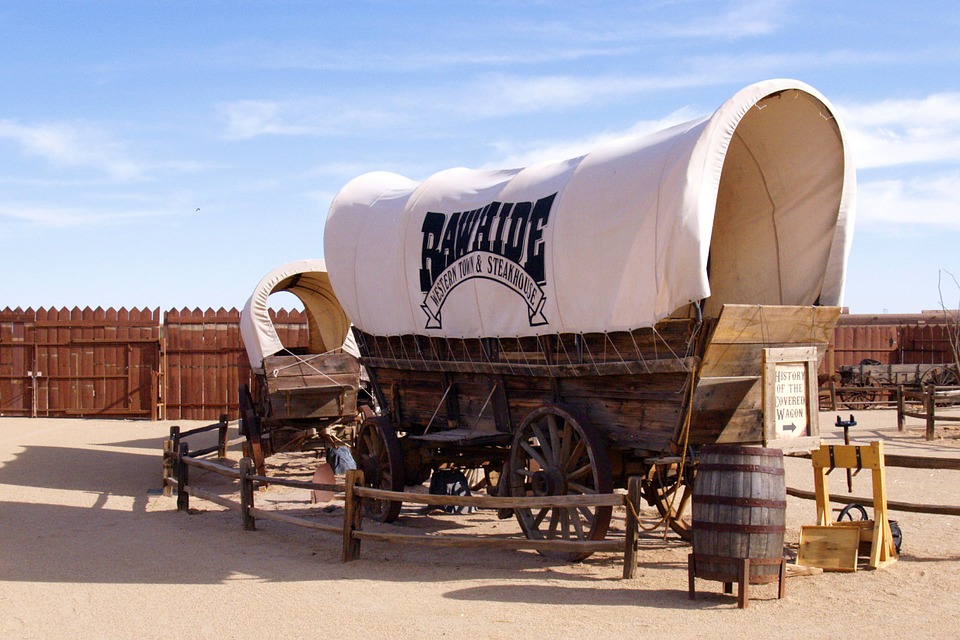 Ho traveler.
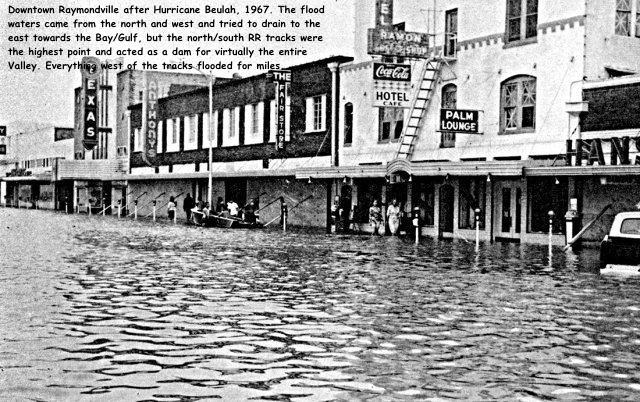 Another flood twelve years after “the flood” of ’55
The closest I’ve come was an event we locals called “the flood” of 1955. Raymondville, Texas had had a lot of rain, to be sure. But the reason our town flooded had more to do with the railroad tracks built down the center of town without proper drainage than what the rain gauge read. The results were the same, either way. From the railroad tracks all the way past our farm four miles outside the city limits, everything was flooded.
We lived on a dirt, unpaved road, so when it rained, we groaned. We knew what getting into town and back home would mean. Our car slipped and slid (sometimes into the ditch) when the road was muddy. (Daddy was called out of a deep sleep more times than once by an embarrassed teenaged boy who had “gotten lost” out in the country with his date beside him. Funny how it always seemed to happen on Saturday nights.)
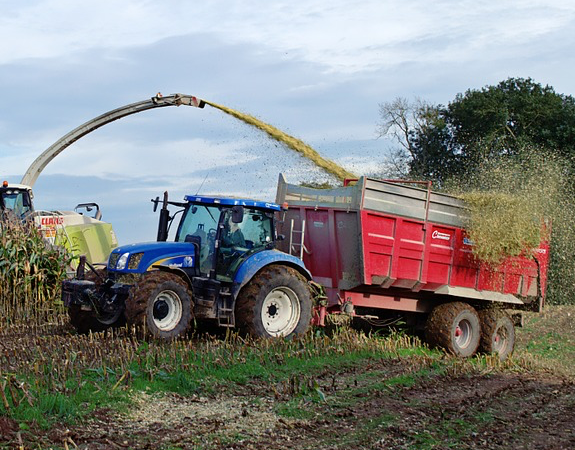 Compared to our tractor and trailer of the ’50s, this get-up is fancy.
Needless to say, the road was a tad muddier than usual during the flood of ’55. We couldn’t see the road. So Daddy hooked up a cotton trailer to a tractor and we piled inside. It would have been a bit of an adventure, had we not had the unpleasant experience of typhoid shots administered in the high school auditorium, leaving our arms red, swollen, and h-u-r-t-i-n-g. The ride into town for school or church was ex-cru-ci-at-ing! (Yep, we donned go-to-meetin’ clothes every time the doors opened–rain or pain or nay.) Mother and I held onto our arms and bawled both ways.
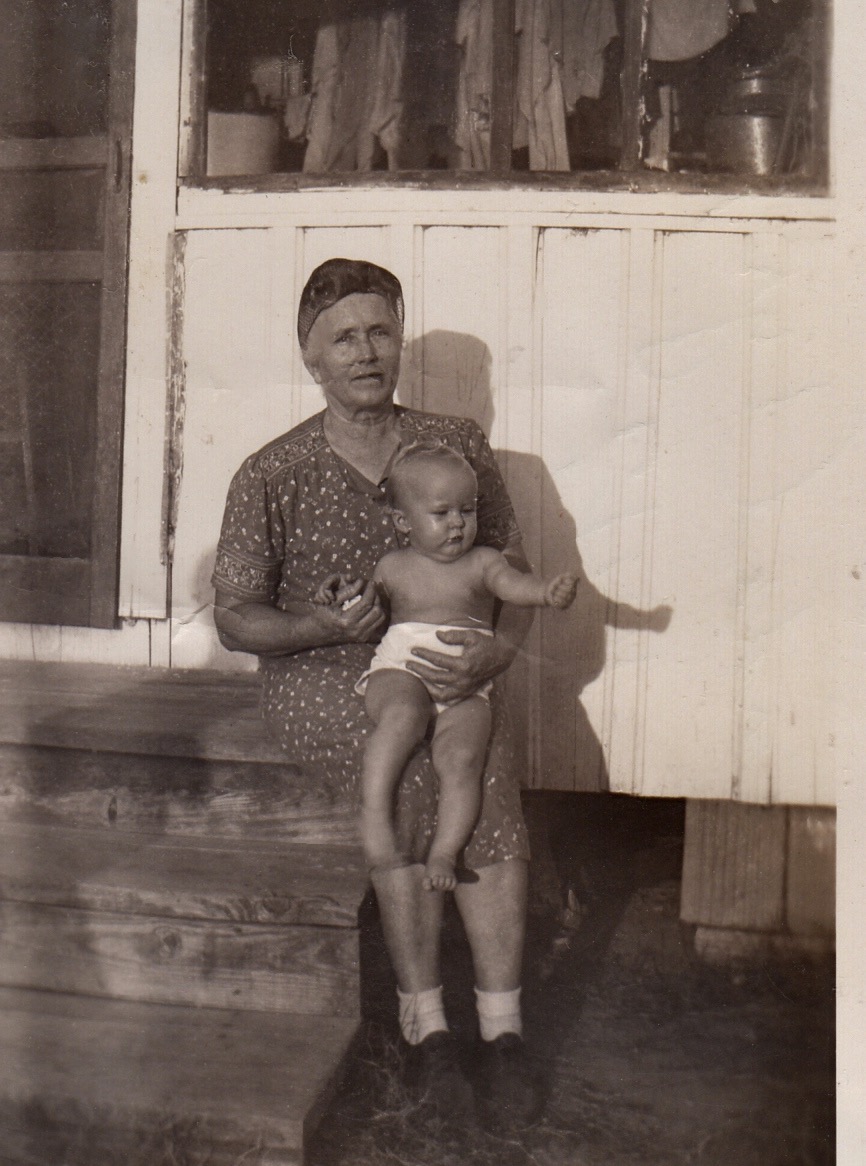 I don’t know what the 1800s settlers experienced sleeping outside under the stars after grueling 16+-hour days on foot or in wagons without benefit of springs. The closest I’ve come is my grandmother’s screened porch without benefit of air conditioning or fans–in as hot and humid a climate as exists on planet Earth–the Rio Grande Valley. I have no experience with critters crawling over me as I sleep, curling up with me, or taking my life. For that I must rely on the fear-inducing Valley mosquito and the giant, flying roaches. But then I can pull out
  my Off and be done with ’em.
The closest my life experiences take me to cooking meals over an open fire and consuming them under the blazing sun is sitting on a blanket for a picnic set on a sandy slope. Or a  backyard barbecue using plastic utensils that we threw away.
All of which is to say “Thank the good Lord for the Internet.” There’s the Online Handbook of Texas and the Oklahoma Historical Society and university archives and historical newspapers and a slew of other resources at my fingertips. I reckon He figured I’d be challenged enough as a virtual traveler without setting me down in the Rockies in the 1800s.
So there you have it. First-hand, one way or another.
Remember how the Lord your God led you all the way in the wilderness these forty years, to humble and test you in order to know what was in your heart, whether or not you would keep his commands … Your clothes did not wear out and your feet did not swell during these forty years.
Deuteronomy 8:2,4
The post First-Hand, one way or Another appeared first on Linda Brooks Davis.
August 17, 2016
Writing Hurts
Writing what an author knows isn’t simple. Writing hurts. (Tweet That!)
Has anyone out there experienced a broken heart? Rejection? Betrayal? Desertion?
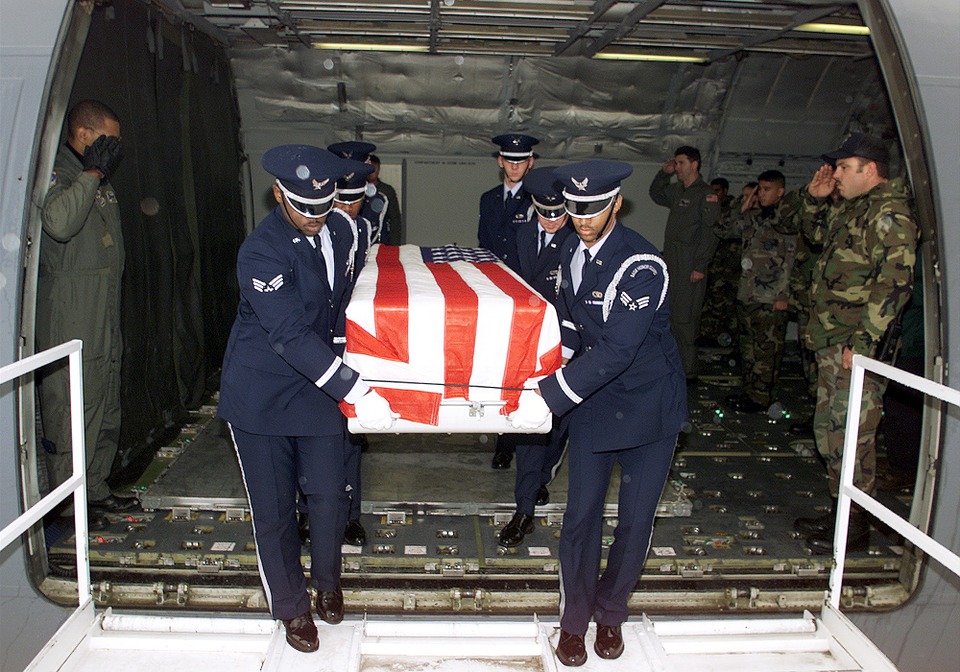
How about the death of one so dear you can’t imagine living another day yourself?
Or the burial of all your dreams and plans alongside your child?
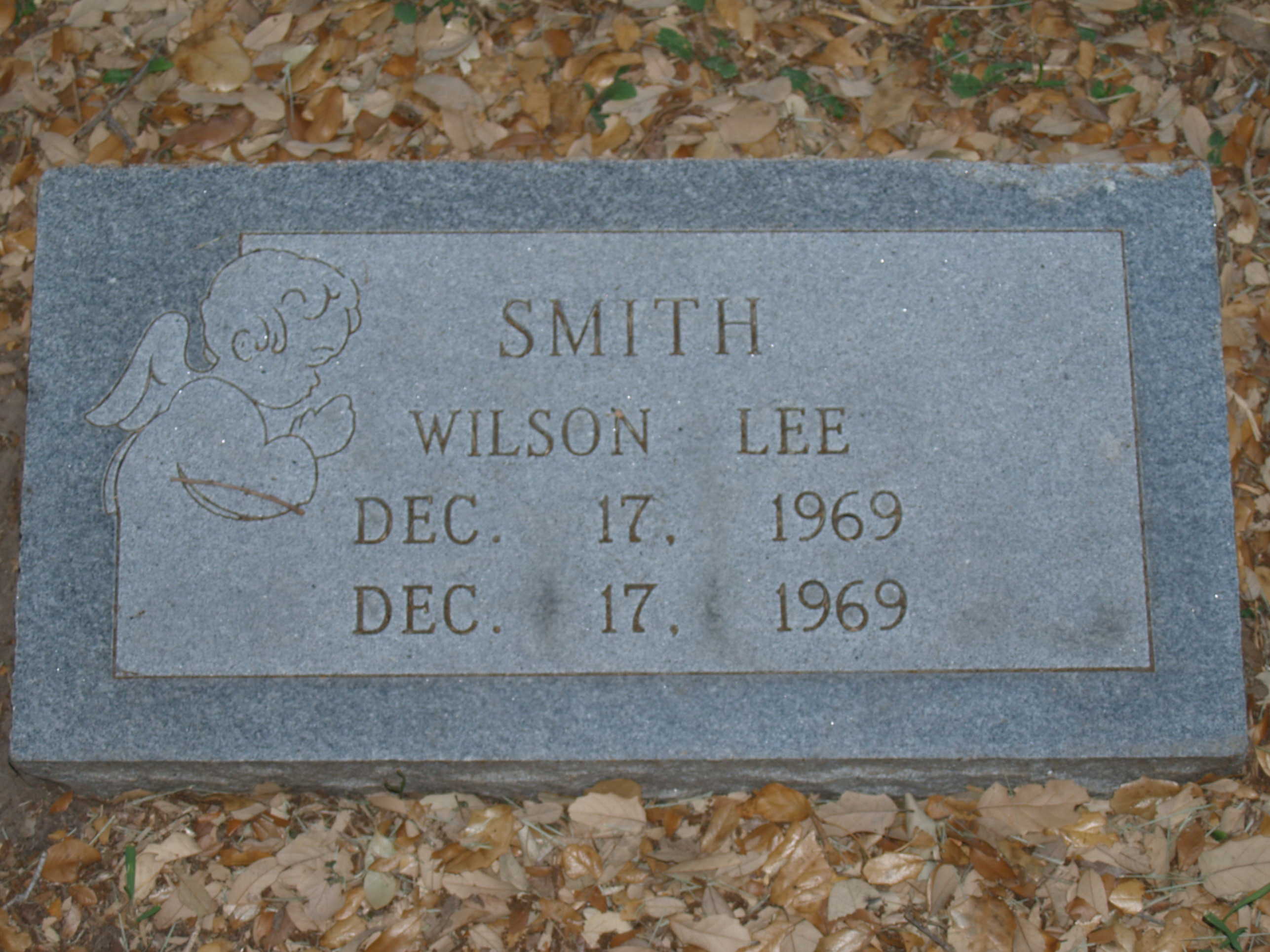 Don’t we long to move from the shock and denial of grief to the ultimate stage of acceptance? Who wants to go back?
How does revisiting pain sit with you as either a writer or a reader? Can you watch such memories morph from black and white to Technicolor without flipping off the switch? How does any author set it out there in all its bitterness and leave it for the world to  view?
view?
Writers have a choice when writing. They can revisit innocence, fulfillment, success, love, laughter alone … all the aspects of life that bring us joy and peace … and experience delight again and again and again.
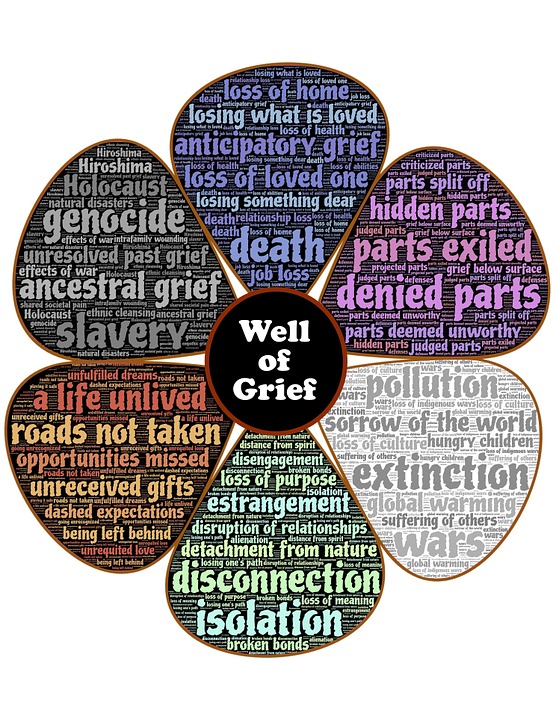 Or they can tackle hard places. For words to touch the depths of readers’ hearts, authors must revisit guilt, shame, misery, dissatisfaction, failure, loss, lovelessness, loneliness, depression, grief, and tears.
 Laura Ingalls Wilder *[Public Domain]
As a writer of historical fiction, I appreciate authors like Laura Ingalls Wilder, who wrote Little House in the Big Woods and the stories that followed, and Catherine Marshall, who penned Christy.
Would the “Little House” stories be remembered today without the struggles involved in homesteading on the prairie? Danger from Indians, illness, death, drought, crop destruction, and the foibles of characters like Nellie Oleson?
What effect would Christy have on readers if Catherine Marshall hadn’t exposed Appalachian poverty, illiteracy,
lack of proper hygiene and medical care, challenges to faith, and the destructive nature of family feuds and revenge?
Such hard realities aren’t easy to consider, dwell on, and communicate. Harder still, the “heart” issues that result: rejection, unworthiness, estrangement, hatred, and grief.
But wrestling in hard places produces richer fare. It shows the depth of  darkness and the desperate need for light. (Tweet That!) It reveals pathways the darkness hid. It brings into focus human frailties and our need for power outside ourselves.
As an author it isn’t easy to write what I know. It hurts. But it’s rewarding. Because it grows me. It forces me to plug into the only Source of Power outside myself, the Light Himself.
 So, writers, we must take heart. It’s worth it. And, readers, thank authors who take you to hard and dark places and then scatter the darkness with the Light, who is Jesus. It isn’t easy. It hurts.
When Jesus spoke again to the people, he said, “I am the light of the world. Whoever follows me will never walk in darkness, but will have the light of life.
*[Public Domain] Laura Ingalls Wilder, circa 1885
Unknown photographer – Public Domain, https://commons.wikimedia.org/w/index...
File:Laura Ingalls Wilder cropped sepia2.jpg
Created: circa 1885
The post Writing Hurts appeared first on Linda Brooks Davis.
August 10, 2016
Humor in All Things, Great and Small
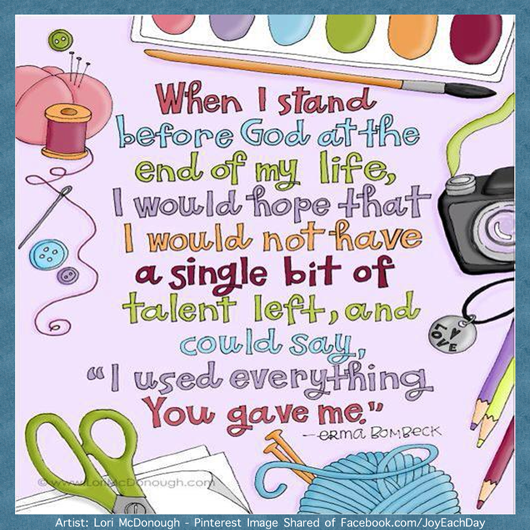
Humor in All Things, Great and Small
Erma Bombeck Found Them All
The world lost a strong, clear–need I say, hilarious–voice when talented, syndicated newspaper humorist and best-selling author Erma Bombeck died in 1996. I chuckled, laughed, and cried at her humor for over 30 years.
Why did Bombeck write housewife humor?
“Because “being a housewife was the only thing in life I could discuss for more than 10 minutes.”
What was the secret to Bombek’s success?
“My type of humor is almost pure identification. A housewife reads my column and says, ‘But that’s happened to me! I know just what she’s talking about!’ “
Bombeck’s slapstick humor was couched in housekeeping and family relations, but it was packed with wisdom. See if you don’t agree:
 Dirty ovens: “If it won’t catch fire today, clean it tomorrow.”
Housework: “My second favorite household chore is ironing, my first being hitting my head on the top bunk bed until I faint.”
More Housework: “Ironed sheets are a health hazard.”
Marriage: “Spend Mother’s Day with your future MIL before you decide on marriage. If a man gives his mother a gift certificate for a flu shot, dump him.”
 Men and Football: “If a man watches 16 consecutive quarters of football, he can be declared legally dead.”
More Men and Football: “Thanksgiving dinners take 18 hours to prepare. They are consumed in 12 minutes. Half-times take 12 minutes. This is not coincidence.” (Tweet!)
Miscellany: “Never go to a doctor whose office plants have died.”
Motherhood: “My kids always perceived the bathroom as a place where you wait it out until all the groceries are unloaded from the car.”
Sibling rivalry: “Who gets the fruit cocktail with the lone cherry on top?”
Success: “Don’t confuse fame with success. Madonna is one; Helen Keller is the other.”
God seemingly blessed Bombeck with a bigger-than-life funny bone. Which begs some questions …
Did God give everyone a funny bone?
Did He set a leg-shaped funny bone in one person and a stapes- shaped funny bone in another?
Can a funny bone break? If so, can it mend? And if it mends, is it weaker or stronger at the breaking point?
Why is one person’s funny bone sensitive to household humdrum–like messy bathrooms … child mishaps … grocery shopping … holiday messes … and all the rest–while another’s is annoyed?
Why is nothing funnier than words spoken when laughing’s not allowed–like church?
I don’t know. Do you?
 I recall lots of laughter in college days over my pre-college days on the farm. Funny family names. Embarrassing mishaps. My naïveté. But I don’t remember ever laughing while cleaning a toilet bowl. Have you?
“Where does she come up with stories like these?” I’ve asked.
“Duh. From God, of course,” my wiser self has answered with an I-coulda-had-a-V-8 slap on the forehead.
P.S. I may be showing my age by bringing up Erma Bombeck, but–hey–why should someone approaching her 70th birthday care? If my mind had worked like Bombeck’s the past 7 decades, I would have cried less and laughed more. I want to laugh often in days and years to come, even if I must pull up an Erma Bombeck article.
The post Humor in All Things, Great and Small appeared first on Linda Brooks Davis.
August 3, 2016
Author Chat: James Pence
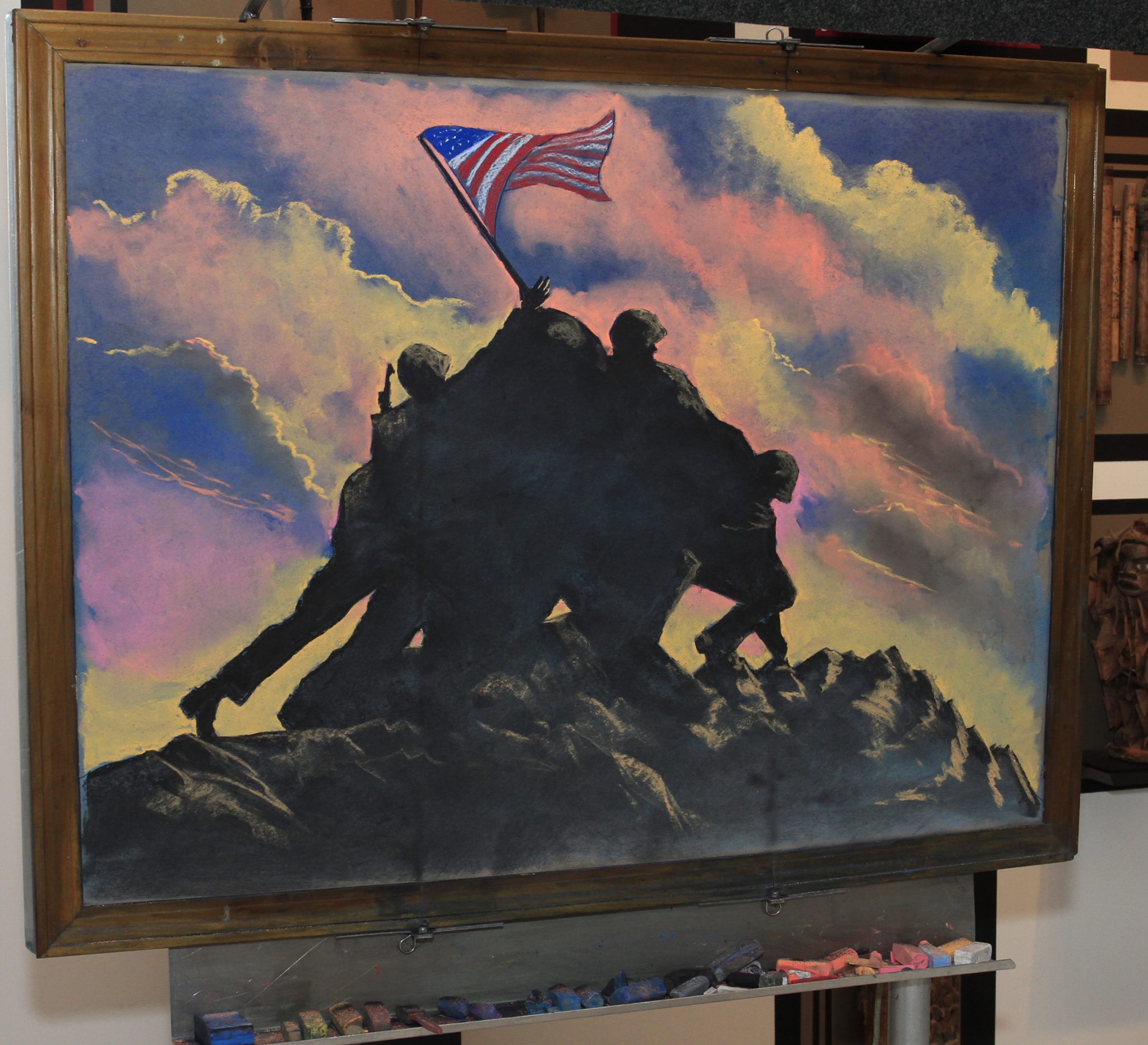
Thank you, James Pence, for joining our chat circle today. This chalk art drawing of a lion is totally beautiful.

Stand up and praise the Lord your God, who is from everlasting to everlasting. Blessed be your glorious name, and may it be exalted above all blessing and praise.
Nehemiah 9:5
~~~
Welcome, Readers.
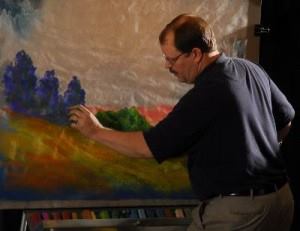
Today we are chatting with author James Pence, author of ten books, fiction and non-fiction and a chalk artist extraordinaire. (The lion above is my favorite!) Check out others at jamespence.com. 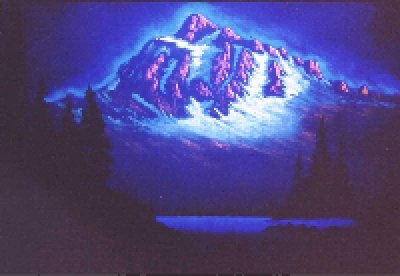
Gather ’round as we get to know this multi-talented author/artist/musician who claims he lives “out in the boonies.”
Sounds very interesting …
~~~
Welcome, James Pence. I know you’re a busy man, so accept my gratitude for finding the time for another item on your to-do list.
Tell us about how you came to be a writer.
Our daughter Michelle died when she was only a week old. We learned via sonogram, about 20 weeks into my wife’s pregnancy that she would not survive long after she was born. The next several months were a deep emotional and spiritual struggle, and I told myself that someday I’d write a book about our experience. I never did write 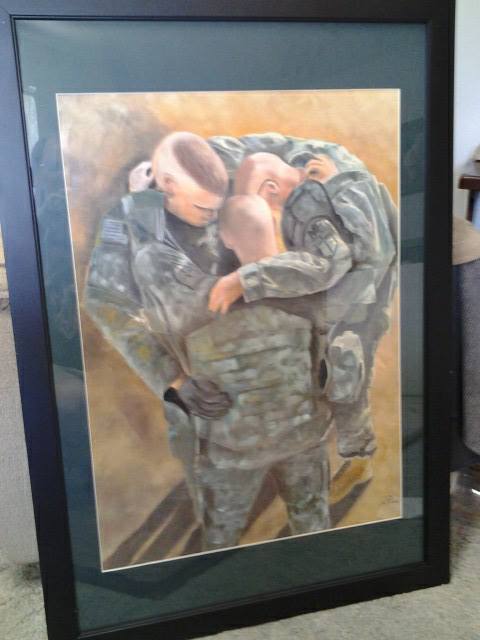 that book (although I did write an article), but the loss of our daughter set me on the path to becoming a writer.
Have you had formal writing education? Have you had mentors?
Sort of. When I decided to begin writing, I took the Writer’s Digest Writing to Sell Fiction course. I also did a lot of reading and studying on my own. When I worked on my master’s degree at Dallas Seminary, I took their journalism and creative writing courses.
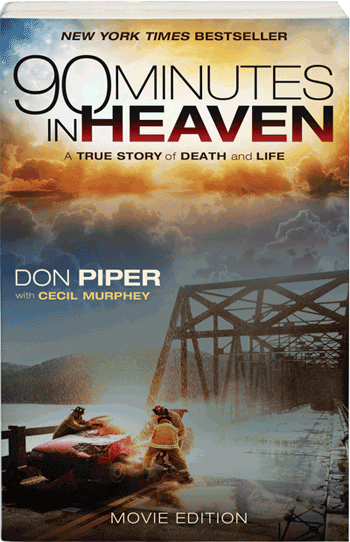 I’ve had several mentors over the years. The three I remember most are Dr. Reg Grant from Dallas Seminary, Becky (Freeman) Johnson, and Cecil Murphey, co-author of 90 Minutes in Heaven. Cec is a dear friend and has been a huge influence in my life and work in recent years.
Are you in a writing group?
Many years ago I was, but I’m not currently involved with a group. I live out in the boonies, and connecting with other writers regularly is a bit of a challenge.
James Pence, the non-fiction author:
Give us the scoop on your first book.
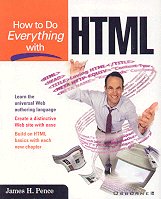 My first book was How to Do Everything with HTML. I’d been trying to break in as a fiction writer with no success. It’s a long story, but I was in the process of trying to develop a class on HTML and I noticed that most books on the subject were written by technical writers who didn’t know how to communicate to “regular” people. On a whim I sent off 13 query letters to computer book publishers, pitching a book on HTML written for non-techies by a non-techie. McGraw-Hill liked the idea and the rest is history.
Please tell us about your other books.
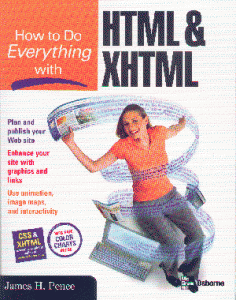 I’ve written ten books to date. Three were computer books on HTML, XHTML, and CSS, and all of those were published by Osborne/McGraw-Hill.
James Pence, the novelist and collaborator:
I’ve released three novels with Mountainview Books, all of which are enjoying their second life:
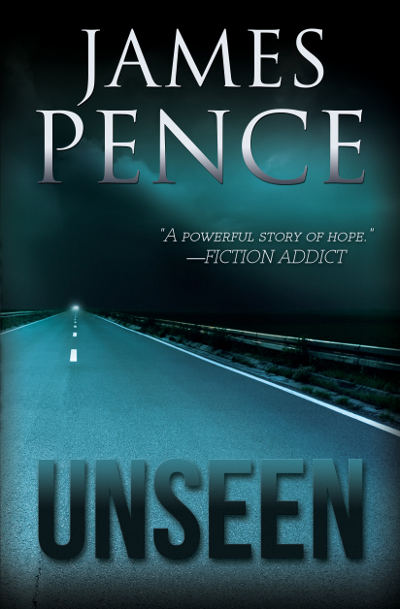
Unseen (originally published by Tyndale as Blind Sight)
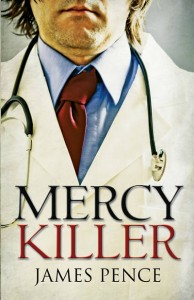
Mercy Killer (originally published by Kregel as The Angel)
Friendly Revenge (ori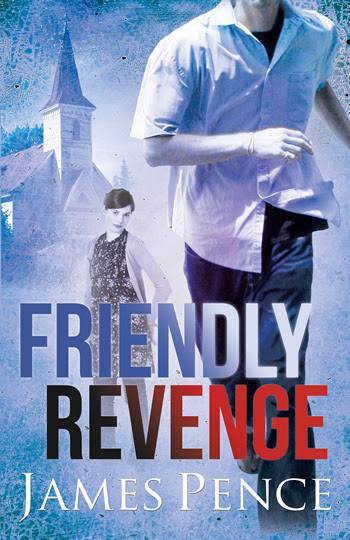 ginally released by Hard Shell Word Factory under the same title).
I also work as a collaborator. I ghostwrote a novella,
The Encounter, for Stephen Arterburn (Thomas Nelson). 
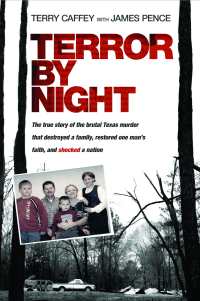
I co-authored two memoirs: Terror by Night, with Terry Caffey (Tyndale)
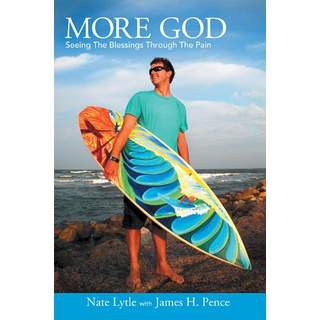
More God with Nate Lyle (Westbow).
I also collaborated with pastor Bill Cornelius on the motivational book  Today is the Day (Baker). I have three other collaborations, all nonfiction, in various stages of development.
What genre do you write and why?
When I’m writing fiction, I gravitate toward suspense/thriller. I write those kinds of stories because that’s what I enjoy reading. I like a novel that will keep me turning the pages until late in the evening.
Now that I mostly work as a collaborator, and so I don’t do much fiction writing. I enjoy helping people tell their stories. I strictly do nonfiction collaborations, though. I tried working with someone else on a novel and it didn’t work for me at all. When I write fiction, I just go where the story takes me, and it’s difficult to do that with another person in the mix.
How much of these stories comes from your life or someone you know? Have some ideas come from headlines or media reports? Or something else?
There’s something of me in every one of my novels, but you would have to know me well to know what those elements are. When my wife read Unseen (Blind Sight), she was shocked at how much personal information was in the book. But, again, unless you know me you won’t be able to pick out what is from my life.
Unseen was directly inspired by the Heaven’s Gate cult mass suicide back in the late 90s.
Have you received feedback that your book(s) have impacted someone?
Yes. And in an amazing way. The story is too long to tell here, but my book Terror by Night tells how a single page from my novel Blind Sight (Unseen), changed the life of Terry Caffey, a man whose family was murdered and his daughter implicated in the crime. The killers (his daughter’s boyfriend and another man) killed Terry’s wife and two sons, and shot Terry five times. Then they burned the house down. Terry escaped but was severely wounded.
He learned in the hospital that his daughter had survived, but then learned that she had been arrested as the mastermind. Terry was crushed and lost the will to live. But about six weeks later he returned to his property and found a burned piece of paper leaning up against a tree. The paper was a single page from my novel that had survived the fire and subsequent clean-up, but it wasn’t just any page. It was the page where my character came to grips with God’s goodness in the face of his loss.
The first line that Terry saw when he picked up the paper was, “I couldn’t understand why you would take my family and leave me to struggle along without them, and I guess I still don’t understand that part of it. But I do believe you’re sovereign. You’re in control.”
That page turned Terry’s life around, and now he goes into churches and schools and shares Christ with kids all over the country.
How do you advertise your books?
Mostly through my speaking engagements. I do the  usual online things: blog, Facebook, Twitter, etc., but I’m not a particularly good marketer. However, whenever I speak or do a chalk art program somewhere, I try to take books with me and make them available.
What have been your high and low points along the way?
Unquestionably, the high point has to be learning about how the burned page from Blind Sight (Unseen) put Terry Caffey on the road to recovery emotionally and spiritually. After that happened, I told my wife, “If I never write another word, I’ll still be fulfilled as a writer.”
As for the low point? I don’t know that I can identify a particular low, other than the uncomfortable realization that writing isn’t remotely glamorous as a career. It’s mostly a lot of hard work and long hours for not very much pay. I came to that realization early on, and I’m still writing, so I guess the low wasn’t too bad.
Tell us about your interests and involvements apart from writing. (You’re an artist. Cool.)
 I’m a performance chalk artist and have been drawing for 38 years. I’ve drawn in venues as large as the Anaheim Convention Center and as small as a family’s living room. I also sing and play guitar and keyboard. I’m a former pastor and do prison ministry when I can. I’m an avid rock collector and just recently began tumbling rocks. I live on six acres in North Texas with my wife Laurel, two dogs, and two cats. We have two grown children, Chris (27) and Charlene (23); a wonderful daughter-in-love, Betsy; and an amazing seven-year-old granddaughter, Elly.
How amazing, James. Your involvement in the Terry Caffey story makes your journey live and breathe in ways few authors can point to. Thank you for sharing a bit of your inspiring life journey with us.
~~~
Readers,
James Pence is a man worth knowing and a writer/speaker/artist of note. He can be found in cyberspace at http://jamespence.com. Check out his chalk drawings, book table, and writing/editing/speaking services. Check out James’s current project, Nate Lyle’s story.
Lord, blessed is Your name in all the earth. How marvelous–how beyond understanding–are Your ways. Give us eyes to see Your fingerprints in our lives and in the lives of others, ears to hear Your voice in storms and in quiet places, hearts that long to know and follow You, and minds that seek Your perfect and holy will. For Jesus’ sake …
The post Author Chat: James Pence appeared first on Linda Brooks Davis.
July 27, 2016
Some What-Ifs of Language
As a writer, I deal in language and what-if.
I speak and write everyday but until this moment don’t remember ever thinking to myself But for … (whatever) … I could be speaking a  different language–like French. (I’m quite content with English, thank you.)
Matter of fact, I thought little about where and when spoken language and its cousin writing began. Until today.
I love any What-If or Did-You- Know that emerges from considering things like language.
Did you know …
Cuneiform , the world’s first instance of written language, emerged in Sumeria of Mesopotamia in 3200 BCE? And all the great Mesopotamian civilizations used cuneiform (the Sumerians,
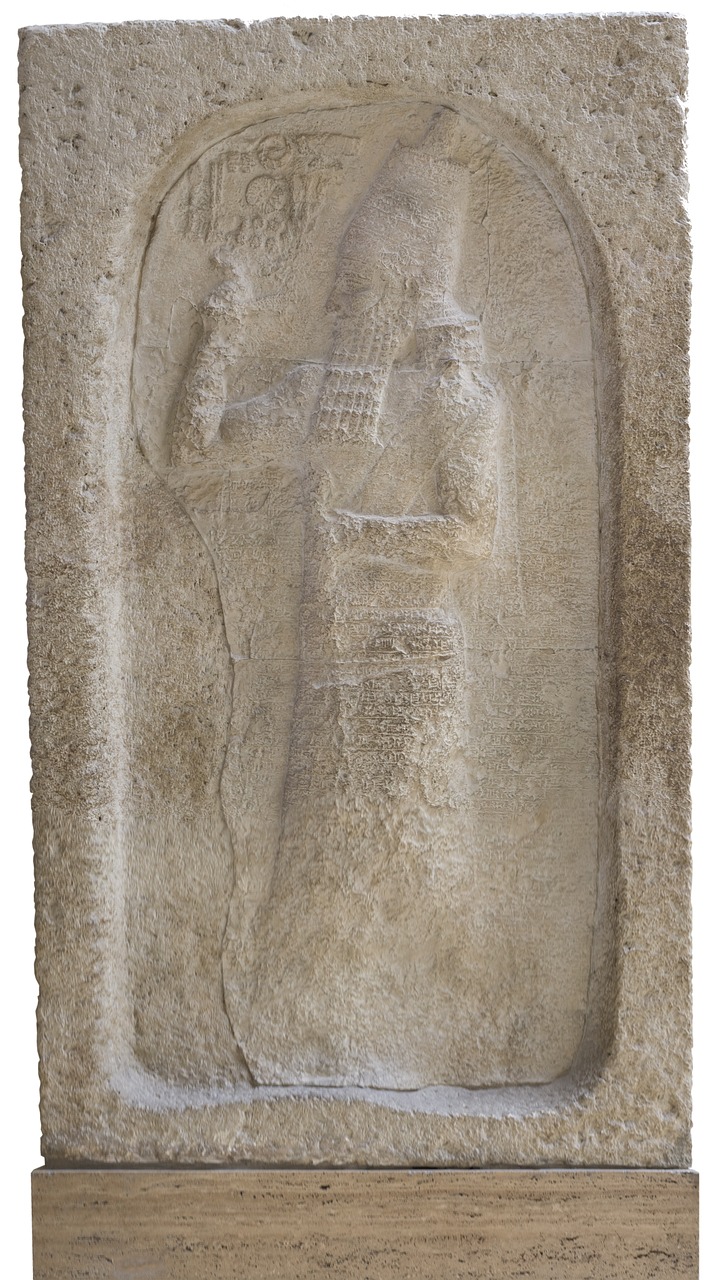 Akkadians, Babylonians, Elamites, Hatti, Hittites, Assyrians, Hurrians and others)?
 Enheduanna, a priestess in ancient Sumeria of Mesopotamia, was the world’s first author known by name?
So …
What if those creative Sumerians hadn’t figured out how to communicate by writing? Would I be typing at my keyboard today?
What if ol’ Enheduanna hadn’t waxed poetic all those millennia ago? Would I be creating fictitious stories in the English language?
Speaking of language …
I speak English. More precisely, I speak U.S. English.
Actually I speak Southern U.S. English.
But then again, if you want to be exact, I speak Texan Southern U.S. English.
Even more precisely, I speak Mexican-peppered South Texan Southern U.S. English.
What does any of this have to do with anything? Patience, reader. All will be made clear.
You see, I was reared way, way down in the southernmost tip of Texas–the Rio Grande Valley, where Mexican culture and the Spanish  language are woven into the fabric of life. My earliest playmates were the children of Mexican workers on our farm. I never learned their language, and as far as I know, they never learned mine. Playing house and chase and marbles, spinning tops and making mud pies and rocking baby dolls required only basic sign language and facial expressions.
I did learn a few words and could spit them out like a native speaker.
¡Buenos dias!
¡Vamos a la casa!
¡Pronto!
I could roll an r with the best of them, accent the right syllables, and inflect to get across exactly how I felt.
Here’s a what-if for you. What if I had become a fluent Spanish speaker when I had the chance? Would I have cared about learning another language? Such as French? Would I be a writer in Spanish rather than English? And would you be reading this post now?
I grew up with a romantic notion about the French language. So in my freshman year of college, I signed up for French I.
I knew I was in trouble when I read a passage and the instructor asked, “Where were you reared?”
I smiled. Proud. “The Rio Grande Valley.”
He nodded. “That explains it. You read French with the best Spanish accent I’ve ever heard.”
Ouch.
I didn’t make my best grades in French. Or does that go without saying? But I made straight As in another form of language called phonetics.
Which takes me back to language Did-You-Knows …
Did you know our language can be broken down into individual spoken sounds called phonemes or written symbols called phonetic symbols?
As a speech pathology major, I took a class entitled Phonetics. I  learned to write so well in phonetic symbols I mentally transcribed conversations in the symbols. Which can be a bit distracting on a date. “I had a good time” becomes something akin to hieroglyphics.
Speaking of hieroglyphics, did you know hieroglyphics developed because of a major drawback of the cuneiform system of writing in ancient Mesopotamia–its inability to provide a way to communicate feelings or other intangibles?
Did you know because of this drawback along came the first alphabet-of-sorts in ancient Egypt around 2700 BCE? In hieroglyphs? And that with it, all sorts of intangibles could be communicated?
Did you know hieroglyphs were abandoned in favor of the alphabetic script at some point after 100 BCE?
All of which brings up another language What-If or two …
What if the ancient Sumerians of Mesopotamia hadn’t figured out cuneiform millennia ago? Would we be using sign language and grunts and facial contortions to communicate today?
What if those clever Egyptians hadn’t figured out a system of phonics and created an alphabet? Would we still be unable to communicate love, faith, and hope?
Without cuneiform, would the Code of Hammurabi been written?
 What if
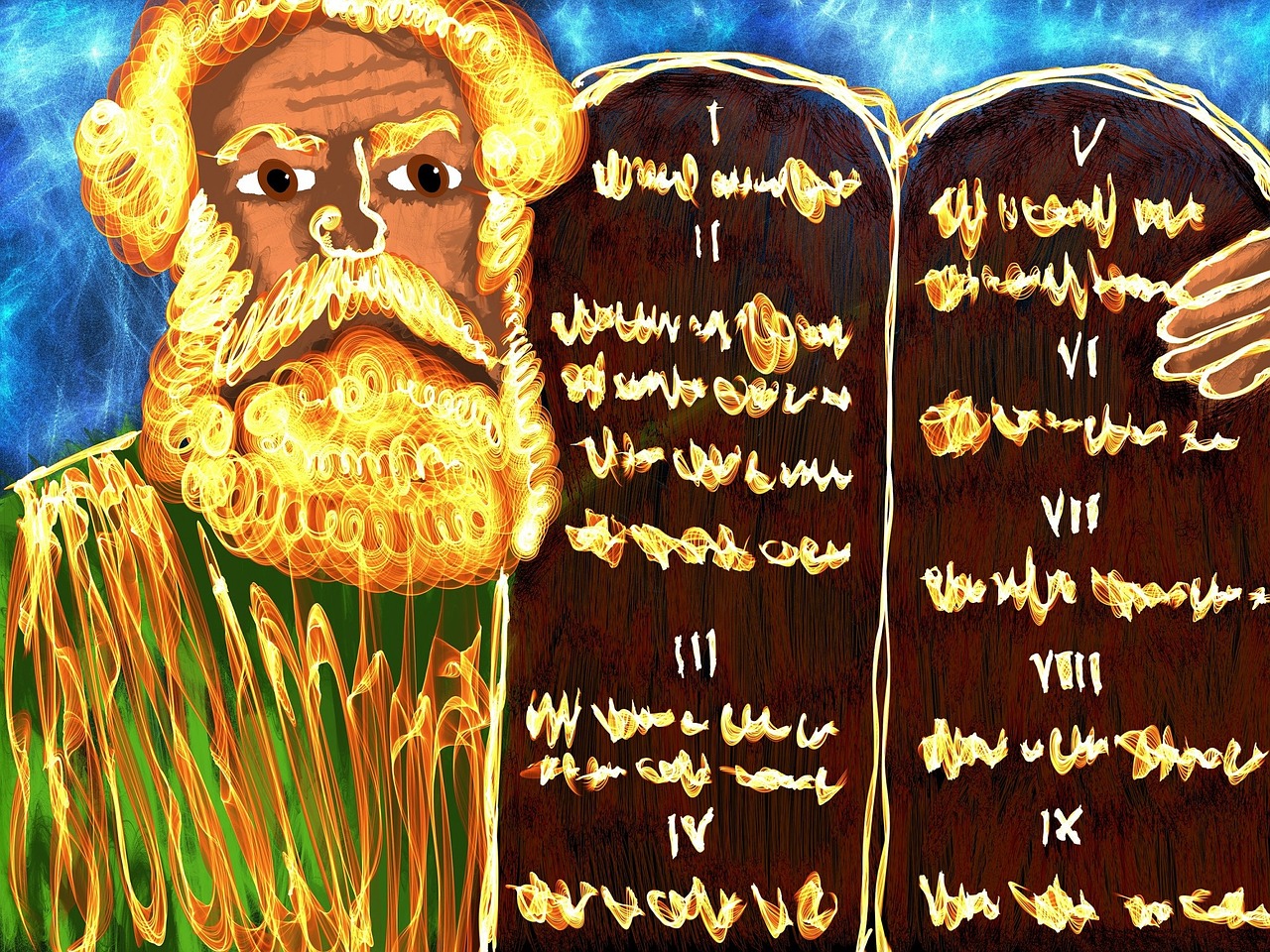
the Code of Hammurabi hadn’t been written? Would the Ten Commandments have made any sense to the ancient Hebrews?
What if
the Code of Hammurabi hadn’t been written? Would the Ten Commandments have made any sense to the ancient Hebrews?What if the Ten Commandments hadn’t made any sense to the ancient Hebrews? Would the Old Testament exist? Or the New? Would the life of Christ been written down?
What if the process of hand copying the Bible hadn’t been so laborious? Would the printing press have been invented?
Or the Bible made available to the masses?

What if the Bible had not been put into the hands of common people? Would Puritans have resisted the Church of England?
Or emigrated to the New World?
Or established Jamestown?
Therefore …
If cuneiform had not been developed in ancient Sumerian of Mesopotamia around 3500 CBE, the 13 British colonies would have never formed.
Or revolted.
No America.
Or U.S. Constitution.
America would still be British and we’d be speaking British English, not American English … and my phonetic doodling in college would have looked a bit different.
But then … if France had won the French and Indian War … Holy Moley. I could be speaking a different language–like French. And I’d be wondering What-If along different strands.
Therefore, ancient cuneiform created America. Who knew?
The post Some What-Ifs of Language appeared first on Linda Brooks Davis.
July 20, 2016
Another Thirteen Kids Reasons to Laugh
A cheerful heart [a good laugh] is a good medicine;
But a broken spirit drieth up the bones.
Proverbs 17:22
There hasn’t been much in the news to laugh about recently. So today again is devoted to laughter a la kids.
Art Linkletter got it right. Kids do say the darnedest things.
Take, for instance, the next 13 jewels of wisdom by first grade kids who were shown the first part of some well-known proverbs and were asked to complete them.
These kids told the unvarnished truth. And gave some good advice.
(14) Love all, trust ………… me.
(15) Happy the bride who ………………………….. gets all the presents.
 (16) A penny saved is ……………. not much.
(17) Two’s company; three’s ……………………. the Musketeers.
(18) Don’t put off until tomorrow what ………….. you put on to go to bed.
(19) Laugh and the whole world laughs with you; cry and ………… you have to blow your nose.
(20) There are none so blind as ……….. Stevie Wonder.
(21) Children should be seen and not ………………….. spanked or grounded.
(22) If at first you don’t succeed ……………….. get new batteries.
(23) You get out of something only what you ………………… see in the picture on the box.
(24) When the blind lead the blind ……………………get out of the way.
(25) A bird in the hand ……………… is going to poop on you.
(26) Better late than ………………….. pregnant.
Kids do say the darnedest things. Do you have any to add?
Lord, remind us that You want us to be joyful, even in suffering. And to laugh. Give us the innocent hearts of children. And bring restoration and reconciliation to our great land. Bring us back to You.
The post Another Thirteen Kids Reasons to Laugh appeared first on Linda Brooks Davis.
July 13, 2016
Thirteen Reasons to Laugh
A cheerful heart [a good laugh] is a good medicine;
But a broken spirit drieth up the bones.
Proverbs 17:22
There hasn’t been much in the news to laugh about recently. So today is devoted to laughter.
Art Linkletter got it right. Kids do say the darnedest things.
Take, for instance, the jewels of wisdom by first graders who were shown the first part of some well-known proverbs and were asked to complete them.
The kids told the unvarnished truth. And gave some good advice.
(1) Don’t change horses …………until they stop running.
(2) Strike while the …………………………..bug is close.
(3) It’s always darkest before ……………. Daylight Savings Time
(4) Never underestimate the power of ……………………. termites.
(5) Don’t bite the hand that………….. looks dirty.
(6) You can’t teach an old dog new ………… math.
(7) If you lie down with dogs, you’ll ……….. stink in the morning.
(8) The pen is mightier than the…………………..pigs.
(9) An idle mind is ……………….. the best way to relax.
(10) Where’s there’s smoke there’s …………………pollution.
(11) You can lead a horse to water but ……………………how.
(12) A miss is as good as a ……………… Mr.
(13) No news is ………………….. impossible.
Tune in next week for another thirteen proverbs. And thirteen reasons to laugh.
Kids do indeed say the darnedest things. Do you have any to add?
Lord, remind us that You want us to be joyful, even in suffering. And to laugh. Give us the innocent hearts of children.
The post Thirteen Reasons to Laugh appeared first on Linda Brooks Davis.
July 6, 2016
The Good and Not-so-Good About the Good-old-Days?
Some would say 1905, the year The Calling of Ella McFarland takes place, was the good-old-days.
Really?
Let’s consider …
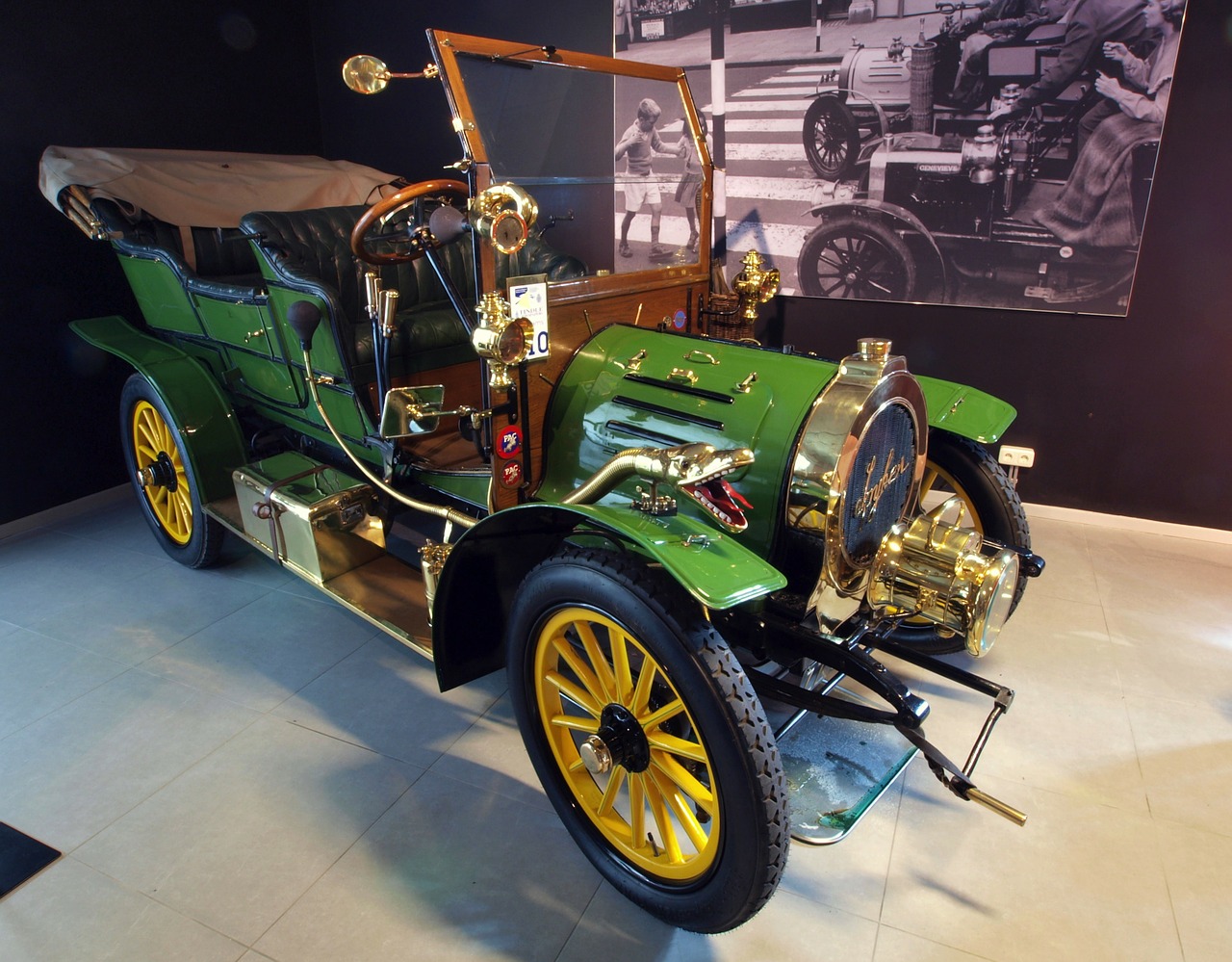
Automobiles. See that hand crank? One false move, and it could break a man’s arm.

A far cry from today’s simple turn of a key, flip of a switch, even a voice command.

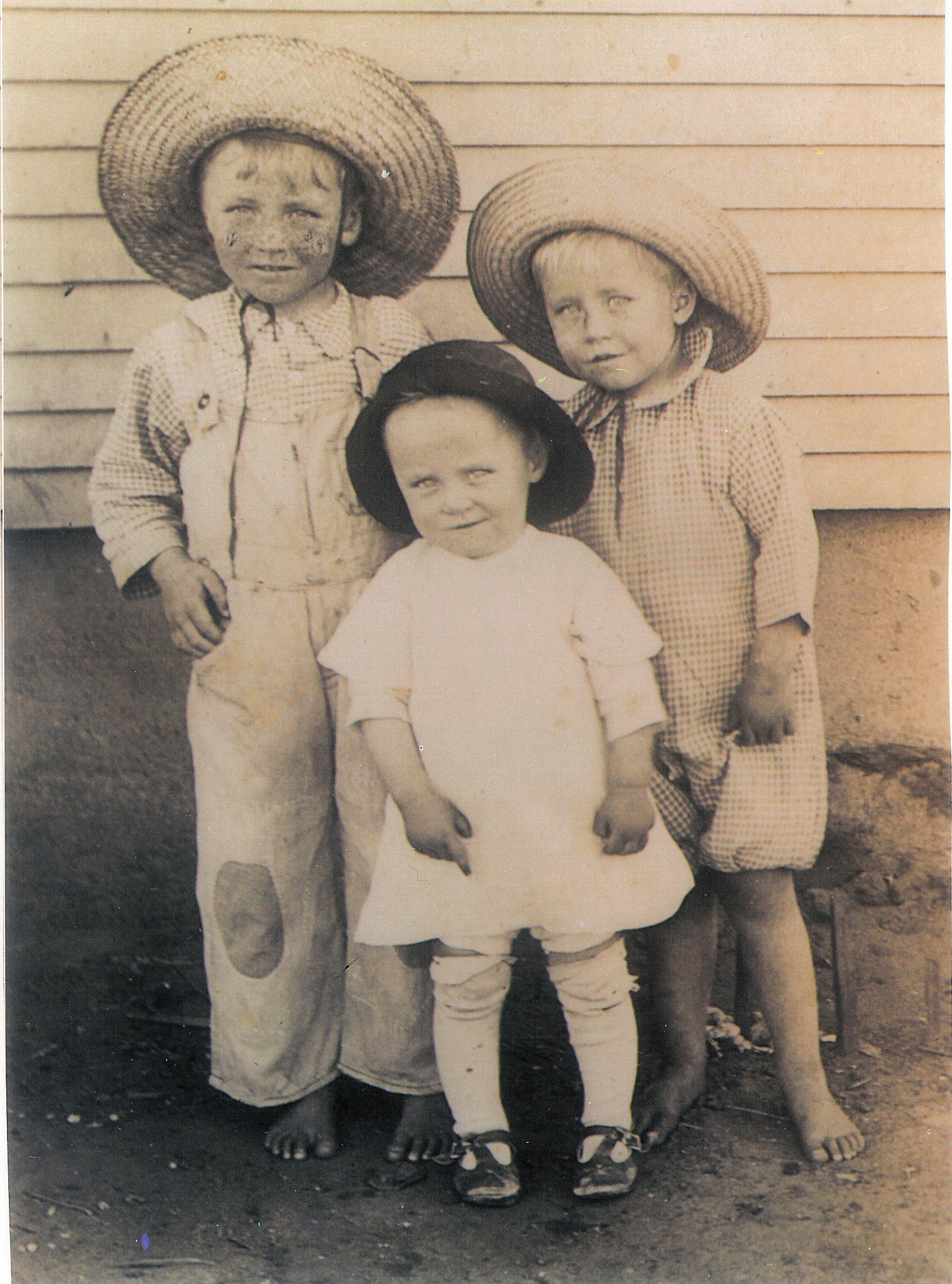
Child mortality. Children’s deaths occurred about 400 times more often in 1905 than today–a very good thing.
Weddings. Weddings in the good-ol-days were often simple–and grim–affairs.
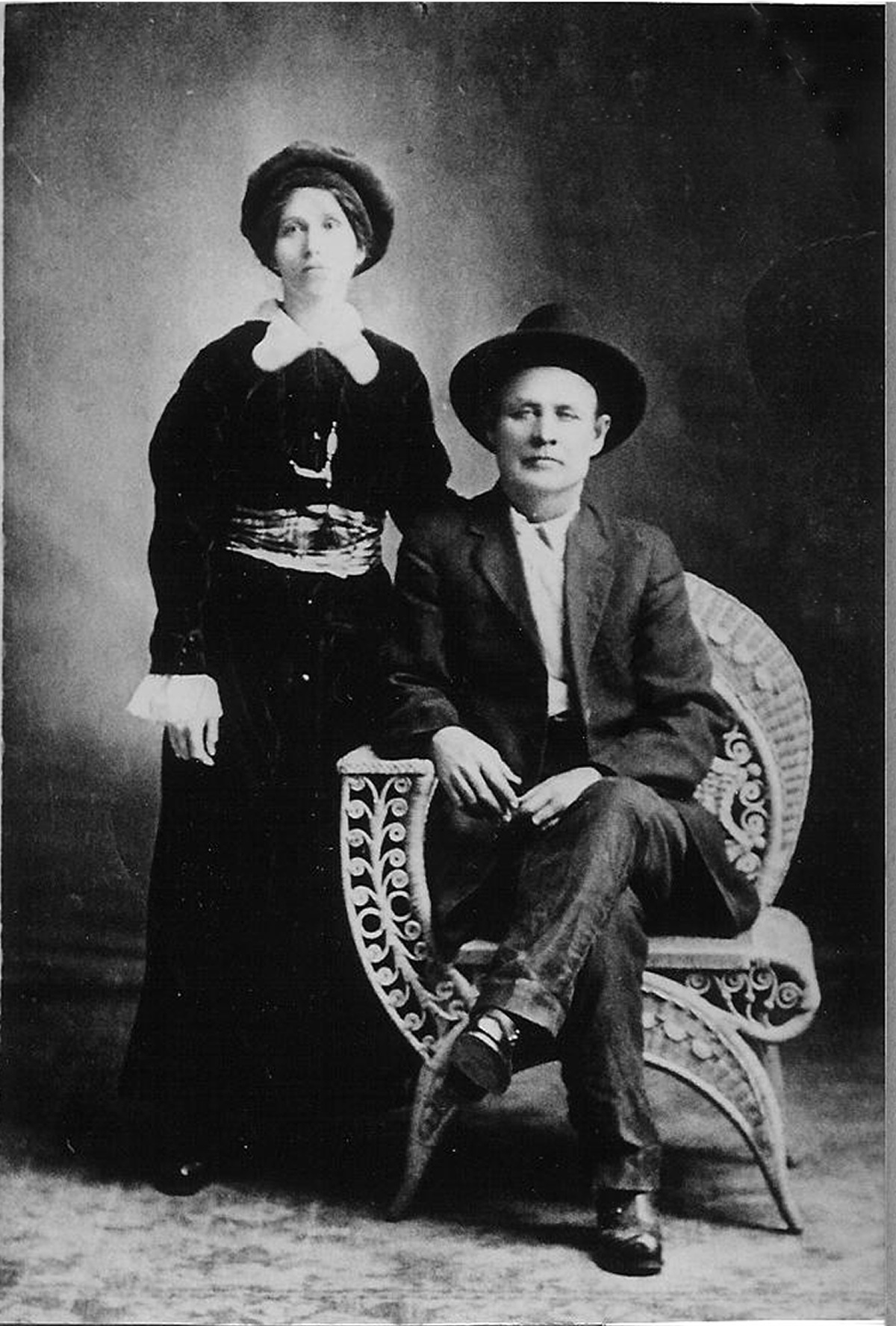

Today? The more exuberant, the better. I’ll take exuberant over grim anyway.

The divorce rate. This unhappy statistic? About 5 times greater today than in the good-op-days Do we need to go back to simple and grim?
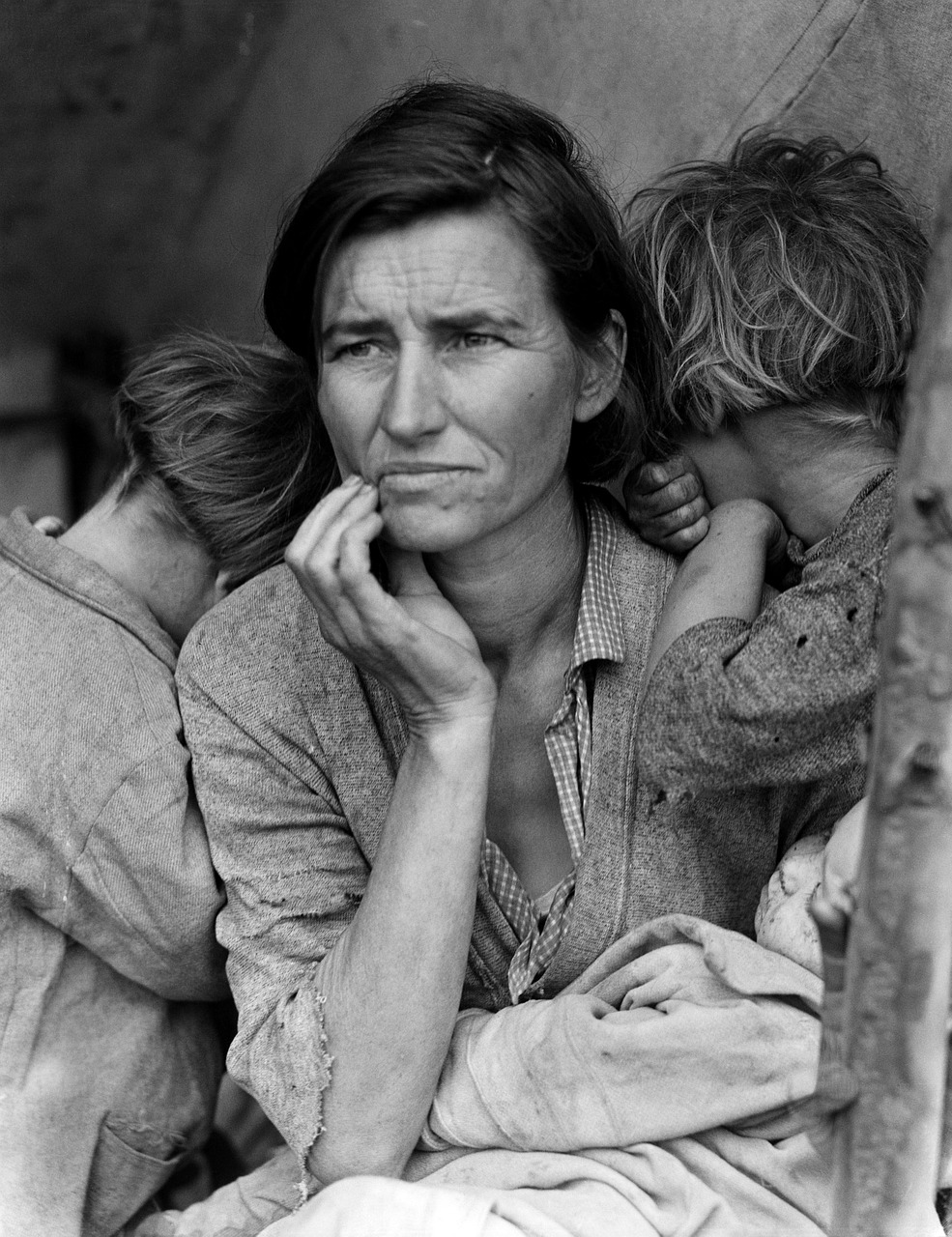
The number of divorces fell dramatically during the Great Depression. What does that tell us about the effect true hardship can have on marriages?

 Communication: Would you rather carry around pen and ink bottle as folks did in the good-old-days?
Or a tablet or smart phone? 
Public facilities. Would you rather be directed to an outhouse?

Or a modern ladies’ or men’s room?
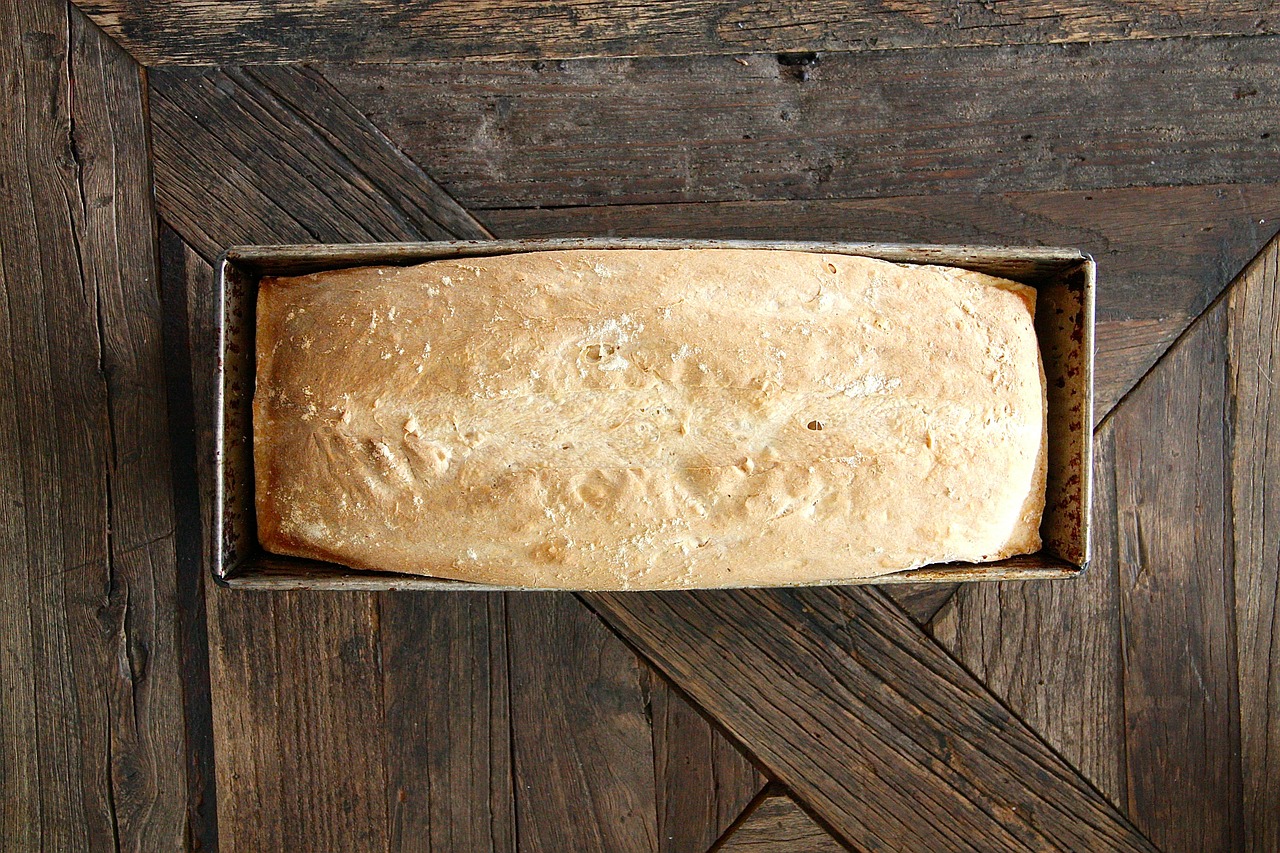 Foodstuffs. What would you think about baking your own bread … or have no bread at all?
And jam. Ever prepare the soil … plant the seed … tend the plants … harvest, clean, peel, slice and boil the fruit?
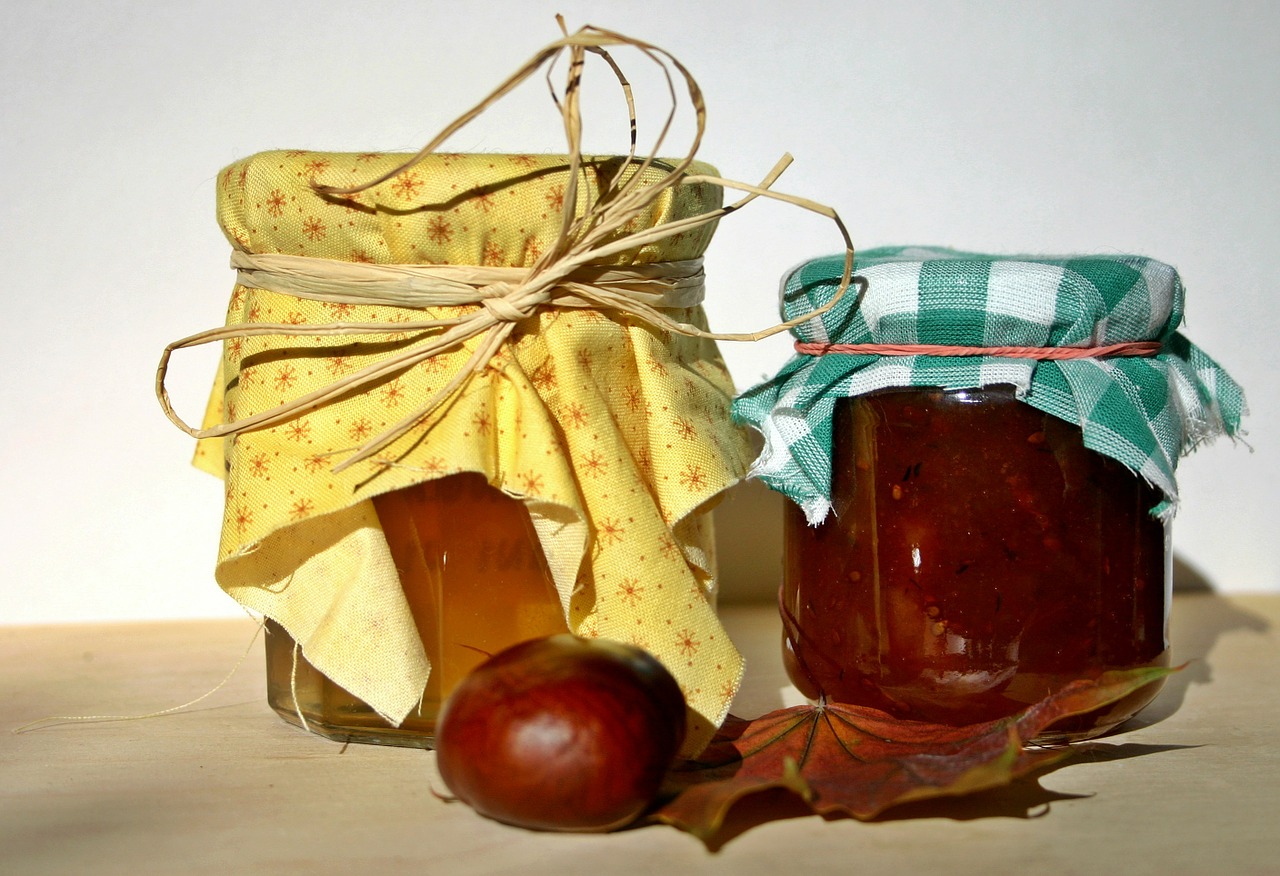 Stand over a boiling canning pot, remove the jars from scalding water, and put them away–backache or nay?
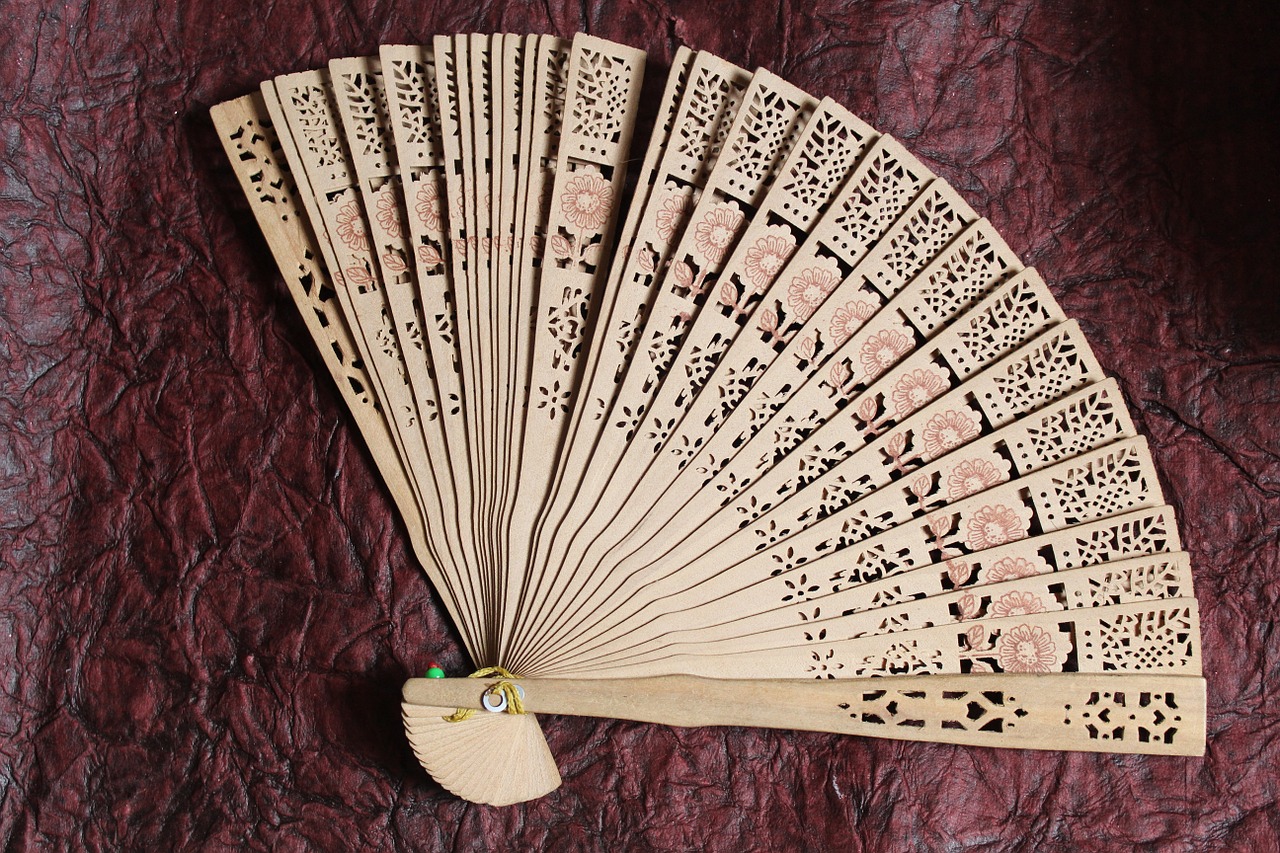
Creature Comforts. How about hand fans to replace air conditioning?
Ladies depended on hand fans in the good-ol’ days.

Home appliances. Want to use clothes pins–rain or shine? Neither would I.
So I’m thanking God I enjoy air conditioning, clothes dryers, sliced bread, and ladies’ rooms. And I’m singing a tune of gratitude that I’m not living in the days of my grandparents–the good-old-days
How ’bout you?
Sing and make music from your heart to the Lord, always giving thanks to God the Father for everything,
in the name of our Lord Jesus Christ.
Ephesians 5:19-20 (NIV)
The post The Good and Not-so-Good About the Good-old-Days? appeared first on Linda Brooks Davis.



![[image error]](http://lindabrooksdavis.com/wp-content/uploads/2016/08/writing_sad-woman-1055083_960_720.jpg)
![[image error]](http://lindabrooksdavis.com/wp-content/uploads/2015/09/1920_Brooks_Ona-and-four-sons_Joe-Wilson-Steve-Benton.jpg)