
Rosa Fedele's Blog, page 3
April 27, 2017
“ENTER PROPERTY AT OWN RISK”
Hallå!
It’s been a massive month here at Atelier Fedele – between wrangling the naughty nautical and the budding Blanchett (exciting news there, but our lips are zipped for now!), I decided to:
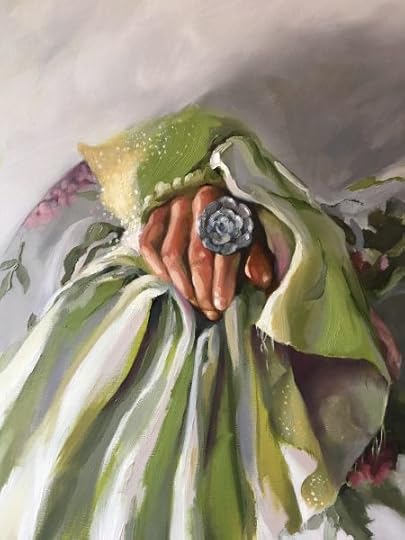
Plunge further into my current work-in-progress, here’s a sneak peek:
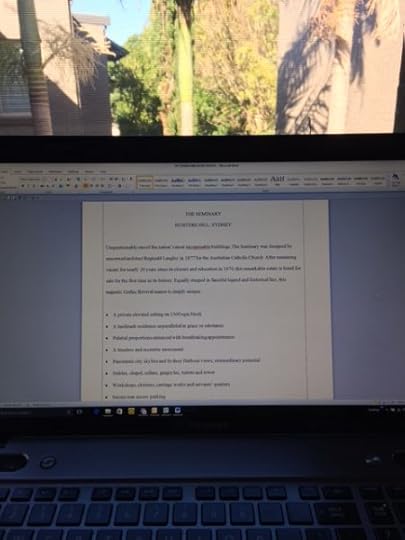
Launch into a complete read-through and re-edit of the manuscript for book two (exhausting!)
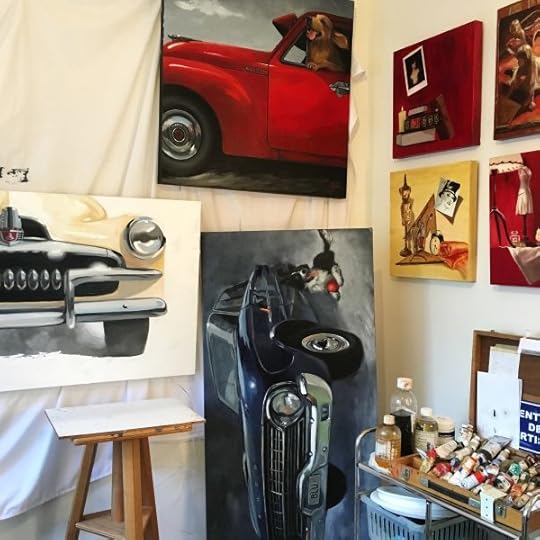
Start planning my new series of Dream Machines (no, seriously, why do I do this to myself?):
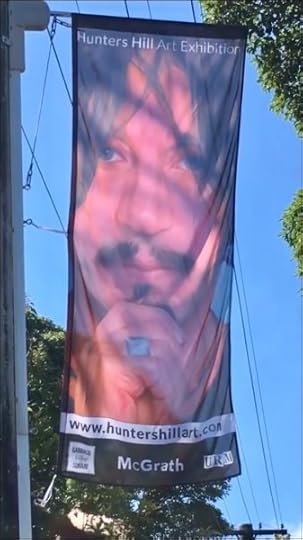
And, to top it all off, this weekend I ‘m honoured and so terribly excited to be a judge at this years Hunters Hill Art Exhibition, alongside gallerist Brenda Colahan and sculptor Mitsou Shoji.
And here’s something really eerie … guess where the next book is set?
For now, I’ll leave you with another little taste … in which we enter The Seminary for the first time and meet Stuart.
Stu is sweet and shy, a builder’s labourer. He is also a talented singer and songwriter, adored by the nation … and shortlisted to win a prominent singer/songwriting competition.
It’s also where we first meet that little bugger, Ratty – remember him? No? You can read more about him here: “Ratty’s banter and tomfoolery charmed and disarmed the unwary, drawing his victims in.”
“ENTER PROPERTY AT OWN RISK
The sign, provided by a real estate agent long ago, hung askew from a length of rusted chain. It swayed back and forth in the breeze, no longer barring the entrance to The Seminary.
“Due to age and condition of this property please be aware of some of the possible following hazards:
Uneven surfaces
Overgrown garden
Venomous spiders
Snakes
Certain parts of the house are deemed unsafe.”
Stuart Steele followed his uncle Ernie up the steep stairs which climbed to the forecourt at the front of the property. Once a beautiful structure, the old loggia was now piles of brittle sandstone with the sad remains of what once would have been a decorative floor of mosaic tiles. The loggia led to the grand entrance hall. It didn’t look particularly grand today, with graffiti plastered across the walls and the ceiling caved in. They stood and looked around at the structural walls, joists and what little was left of the floors. ‘It’s gunna be a big job,’ Ernie said to Stu.
Ernie Doherty was the owner of the company engaged to restore The Seminary. Stu, who had worked for his uncle as a labourer on several projects since leaving school, was starting today, along with a full construction team. It was indeed a big job – a complete restoration – to transform what was once the central training college for all the priests in Australia into a massive family home.
‘The entrance hall,’ Ernie told them at dinner the previous week, ‘is bigger than this entire flat.’ He waved his arms around to indicate how vast it actually was.
‘Really?’ exclaimed Stu’s mum Laine, as she ladled more peas onto Ernie’s plate.
‘There’s a separate chapel, with its own entrance. They’re turning that into a ballroom.’
Laine’s mouth fell open in disbelief. ‘No!’
‘Biggest place I’ve ever seen,’ Stu nodded, his mouth full of potato.
‘And, guess what else?’ continued Ernie, ‘Maurice Ellis, from that home reno show, is gunna be filming the whole thing from scratch.’
‘Maurice Ellis? Oh, my, how exciting! Feel my heart,’ breathed Laine, patting her hand against her chest, ‘it’s palpitating!’
‘Had to clean up a couple of the rooms in the tower for the owners,’ Ernie grunted, ‘Didn’t like it up there, though. Couldn’t wait to finish up and get out, quite frankly.’ He shook his head and made a deep rumbling noise in his throat.
Stu vibrated with laughter. His uncle sounded like Lurch from The Addams Family.
‘They say there’s a ghost, yer know,’ Ernie added, ‘living in the tower.’
‘A ghost?’ Stu’s cousin Ratty sat up, interested.
‘That’s what they say.’
‘What sort of ghost exactly?’ Ratty pressed.
‘Oh, I dunno. They reckon some lunatic chucked himself out of the tower and landed right in the middle of the courtyard.’
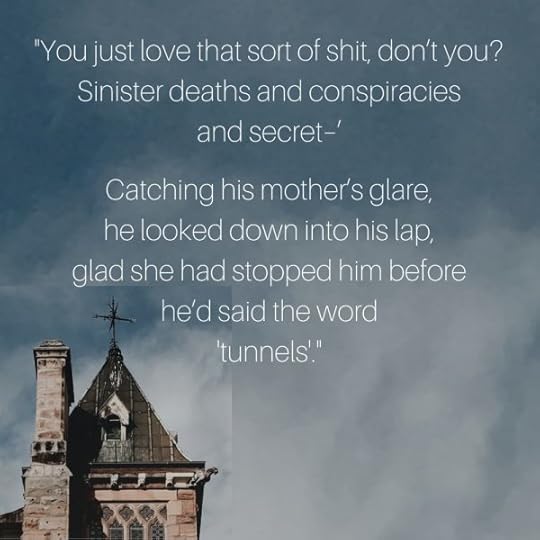
Stu rolled his eyes at his cousin. ‘You just love that sort of shit, don’t you? Sinister deaths and conspiracies and secret–’ Catching his mother’s glare, he looked down into his lap, glad she had stopped him before he’d said the word “tunnels”.
Now Stu and Ernie passed through into the rubbled mess which was once the courtyard. A forest of lantana and sowthistle infested the grounds. ‘Probably sheltering a hundred funnelweb spiders,’ thought Stu. A dilapidated structure stood adjacent to the cloisters at the back of the block, indicated on the original plans as a kitchen, but now a swampy pit awash with oily black sludge. ‘That’s probably full of redbacks!’ Stu shuddered. A magnificent old Red Bloodwood reached its arms protectively over the old building.
The tower, the only part of The Seminary which remained solid and true, was boarded off from the rest of the site. The new owner planned to supervise the build from the top room. ‘Which might be a problem,’ pondered Stu, ‘there’s nothing worse than owners turning up on site every day, looking over your shoulder and poking their noses in.’ He knew his uncle hoped the architect from Melbourne would be able to do his job properly and keep them out of the way.
‘Aye, this is gunna be a big job,’ Ernie repeated to Stu. ‘But, by the time we’re finished, it’s gunna look grand.’
Vic, the foreman, and his gang of builders stood in a huddle, sucking on cigarettes.
‘Stuey!’
‘MAAATE!’
‘You bloody legend!’
They crowded around Stu, offering handshakes, man-hugs and slaps across the back. Stu smiled stupidly back at them.
‘Surprised you even turned up fer work,’ Ratty sniggered, ‘skiving off every other week to ponce about on the telly!’
‘Just until I get knocked out, mate,’ Stu assured him.
His stomach still fluttered with thrills and trepidation; thrills at the recollection of hearing his name announced as the one of the five New South Wales representatives in the nation-wide talent competition, “Search for the Stars”, and trepidation, for he would be performing his song in front of hundreds of people at the next elimination round.
‘Won’t take long, matey, y’sound like a frog!’
‘You prick!’ Stuart laughed good-humouredly and punched his cousin in the shoulder.
He had entered the competition on his cousin’s dare, and for, as Ratty so eloquently expressed it, “shits and giggles”. His success so far was astonishing and unexpected and his performance on the weekend left the audience standing, clapping hard and stomping on the floors. Television cameras zoomed in on his grinning face and girlish shrieks could be heard from the back of the studio where a waving banner read in huge crooked, spangly letters “We Love Stuey!” His mother was still ringing everyone and anyone, crowing loudly and proudly. It was bloody embarrassing.
‘… only twenty three?’ one of the judges had said. ‘You’ve got plenty of time to improve … what’s showing up in your voice is an immaturity … what I mean by immaturity is tone. Tone and phrasing, perhaps it’s nerves as well …’
You betcha it was nerves. Throughout the performance great circles of sweat had bloomed on the optimistically bright shirt his mother had chosen, and his heart thudded so loudly it was a wonder the microphone hadn’t picked up the reverb.
‘So, Stuart,’ the judge had gone on, ‘you’re breathing between phrases and it’s throwing your intervals out. Like any musical instrument, which your voice is, you need practice and exercise. Now you have to either get a vocal coach or …’
‘Well, that wasn’t going to happen,’ Stu thought glumly. He had barely enough to cover the rent on his room and a bit of beer money, without splashing out on a vocal coach. However, the next song was picked out and he was already having doubts as to its merit. Would it be captivating enough? Would the judges like it? Moreover, would he be able to remember all the chords?
Ernie finally managed to bring everyone’s attention back to the business at hand and began issuing instructions about site offices and safety barriers and Portaloos.”
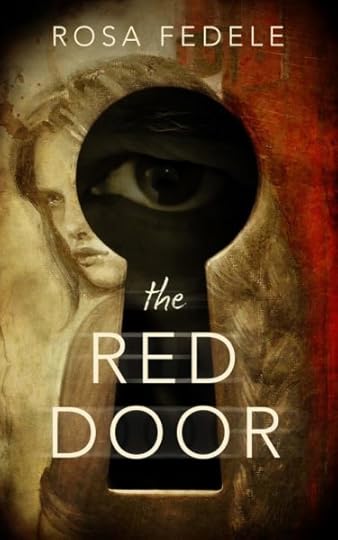
Missed reading the first of the series, The Red Door? Head over to Amazon or iBooks to grab your copy (here’s the links):
Have a great weekend everyone. Hej Hej! Rx
Email *
First name
Last name


March 31, 2017
“She’d never been able to look at sparrows without a faint sickness in her stomach, but she’d long forgotten why. Until now.”
Ciao art- and book-lovers!
It’s been a long while between portraits, mainly because it’s a total hoot writing and illustrating books. And painting vintage cars, of course  But earlier this year I discovered a remarkable young person who inspired me to lift my portraitist’s brush once again. I won’t tell you her name just yet, but here’s a sneak peek of my first brushstrokes and, of course, you can check in to Facebook or Instagram @rosafedele for regular WIP updates.
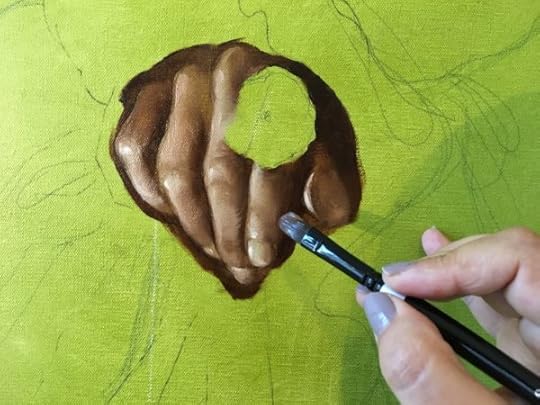
Underpainting, first brushstrokes.
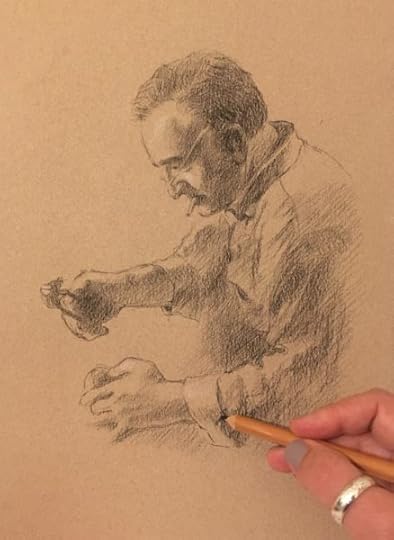
It’s also been a while since I gave you a snippet from Book Two. Look at this character below … seemingly benign, yes? Ha! Read on.
“The dreams, no … nightmares, were more frequent now. And then, last night, an old memory, insidious like a cancer, seeped in at the edges of her mind … hundreds of tiny wings fluttering and flying at her face, claws scratching, sharp grey-brown feathers clogging her throat. Strange, she’d never been able to look at sparrows without a faint sickness in her stomach, but she’d long forgotten why. Until now.
It had been a game, she thought at first. A game, which entailed lying prone on the ground and waiting for hours, or so it had seemed to a seven-year-old girl. A game, involving a cage built of wood from an old orange crate and leftover wire netting from the chicken coop. It was a game … and a test. A test of patience, a test of silence.
Obediently, she had rested her hand, motionless, on the end of the long string attached to the stick which propped up the trap. The ground had begun to cool, for by then the afternoon sun had passed over, and the rough grass prickled and itched against her bare legs. A cramp started to set in her shoulder, but she dared not move. Not during the test of patience and of silence.
The bird swooped down, unmindful of the human child poised behind the wall of runner beans. Pert and alert, it hopped towards the cage. It stopped, head tilted to one side. There! The tasty crumbs from the stale pane di casa, delicious! Hop. Hop. She held her breath. ‘Go inside, pretty little sparrow,’ she had urged silently, ‘Hop, hop.’
She could feel her father’s presence as he waited at the window, arms crossed and a wilted yellow cigarette drooping from his lip. ‘Come, pretty sparrow, do this for me,’ she begged silently. The bird paused beside the stick, head on one side, considering. Only a few centimetres, a hands-width, no more. It sprang once again, drawn by the white morsels and in one smooth movement she yanked on the string, dislodging the prop, and the cage came down. The fluttering began, frantic and frenzied, as it threw itself against the sides, battering the wooden walls with its tiny wings, feathers pressing urgently against the wire in its bid for freedom. The twittering was painful to hear, but she sat beside the cage and spoke quietly to the creature, comforting and reassuring words, she thought, until eventually the sun dropped behind the fence and the yard was shrouded in shadow. Her hands reached through the wire and stroked the bird gently, her fingertips learning the smooth feathers, its quivering skin and beating heart. Skittle, she named it, Skittle the Sparrow, and childishly began to plan which ribbon she would place about its neck – a blue one, for she was sure it was a boy sparrow – and it would live in a splendid cage and spoiled with tidbits from the pannettone in the cupboard, and soon learn to perch on her finger. The creature eventually quietened. It didn’t touch the bread, but cowered in the corner of the box, quivering.
Her father wandered over. Dragging on his cigarette, he stood and watched them thoughtfully. She imagined he was thinking on how to adapt the little trap into a birdcage, perhaps make a pedestal for the bird from old timber and twist a coathanger into a makeshift swing; he was clever like that – he had a knack for making, for devising, and his hands were deft and capable. He bent over and peeled back a small hatch he had fashioned into the wire and dipped his hand into the cage. Swift and sure, his fingers closed around the creature and lifted it out. She rose up onto her knees and cupped her hands, expectant and keen to receive her tiny, new companion. But, with one movement, he grasped its body and wrenched its head, sharp and sure. She heard the crack, as its little neck broke.
She could hardly remember what happened next; there was sure to have been tears, for she was an emotional child, but she could remember what came after – sitting at the kitchen table, green Formica and a loaf of bread, pasta in a bowl and mismatched knives and forks. It was her favourite plate, the one with the dancing maidens around the edge, their full skirts swirling and garlands of flowers threaded between. And upon it the bird was presented, de-feathered and charred. Its head was still intact and its legs drawn close to its body, delicate toes curled up in a ball. When he parted the chest cavity with the sharp knife, she could see the tiny organs; the little heart which, until a few moments ago, had beat so furiously. The flesh, which felt so firm and warm and springy beneath its feathers, was grey and gamey and she chewed dully on the shred that was forced upon her.
The sparrow’s blistered eye (her sister’s eye) stared reproachfully, accusingly. The beak was open, a lump of blackened tongue inside.
Her sister’s mouth had been open, too … how is your sister, anyway? She had an accident, you say? Slipped and hit her head, and drowned? Did she, now?
She woke screaming. A neighbour banged on the adjoining wall. Gagging, she ran to the toilet, actually tasting the flesh, charred and pungent, in her mouth.
I’d forgotten about the sparrow.”
Missed reading the first of the series, The Red Door? Head over to Amazon or iBooks (links below) and grab your copy, and follow me on Instagram @rosafedele as I illustrate book two.
Ciao Ciao! Rx
Email *
First name
Last name
March 28, 2017
Dutch masterpieces, Nazi blackmailers, mist-filled canals and looted art!
Hello lovelies!
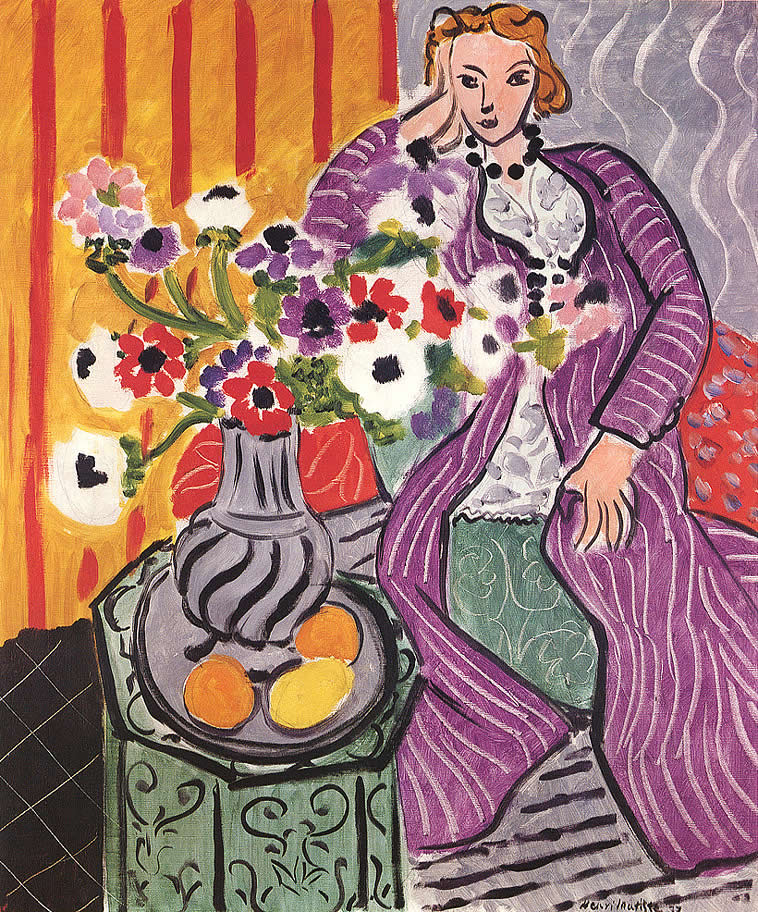
‘Portrait of a Woman in Purple Dress with Vase” Henri Matisse
A couple of months ago I had the pleasure of introducing you to journalist and art historian Jennifer S. Alderson, author of The Lover’s Portrait, an art mystery about an American art history student who finds clues to the whereabouts of a collection of masterpieces hidden somewhere in Amsterdam, secreted away in 1942 by a homosexual art dealer who’d rather die than turn his collection over to a Nazi blackmailer.
Well, all I can say is … do yourselves a favour and download a copy of this book NOW!
I was riveted from the first page and couldn’t wait to email Jennifer afterwards with a list of questions (obviously all art-related). Here’s what she had to say about her inspiration for her character “Lex Wederstein” and the fictional painting “Irises”:
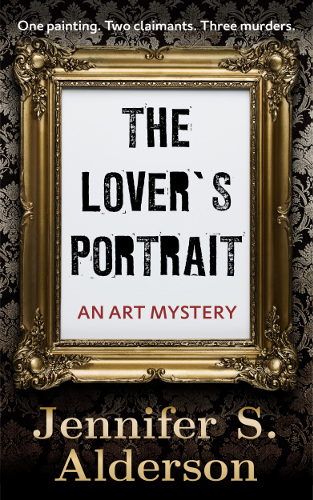
In my novel The Lover’s Portrait: An Art Mystery, the character Lex Wederstein is a young, talented Jewish artist whose career is cut short by the Nazis occupation of the Netherlands. Lex is based on a real person, the Dutch Jewish painter Moos Cohen. Because I am an American writing about sensitive topics in Dutch history, I didn’t dare make up any historical events or characters yet based them all on actual events and people I learned about while conducting archival research for the novel.
Though most of the characters in my book are based on a conglomeration of several real people, Lex Wederstein shares Moos Cohen’s professional and artistic background and talent. Lex attended the same schools and was a member of the same organizations as Moos. He was also named a rising star by several important art schools and upon graduation was awarded a three-year-long stipend based on the quality of his portraits and landscapes.
In 1939, Moos Cohen participated in the exhibition, ‘Contemporary Artists’ (Onze Kunst van Heden) held at the Rijksmuseum. That was his last public exhibition. When the Nazis began deporting Jewish citizens in 1942, he and his wife fled the country, hoping to make it to neutral Switzerland. They were arrested at the French-Swiss border and deported to Auschwitz. He was gassed on November 7, 1942. Three of his paintings are still part of the Stedelijk Museum Amsterdam’s collection.
The most important difference between Moos Cohen and Lex Wederstein is their use of color. Moos Cohen was known for using a darker palette, I decided Lex would prefer paintings with vibrant, rich colors. Jan Sluitjers, a Dutch artist working in the Netherlands during the war, did use the bright colors my Lex would have. He is also one of my favorite painters, making him a natural choice for the inspiration behind Lex’s palette. The Jan Sluitjers mentioned at the end of the book is a combination of an actual Sluitjers hanging in the Jewish Historical Museum (Maannacht IV or Moon Night IV) and my favorite painting by Edvard Munch, Girls on the Bridge. Those two paintings merged in my mind to form the watercolor important to the last chapters of The Lover’s Portrait.
In my novel, a portrait of a young woman sitting next to a vase of flowers entitled Irises is central to the plot. Of course the composition is not unique, a woman sitting next to a vase has been painted many times throughout history. However, the first poster I ever bought for my dorm room was of Henri Matisse’s Woman in Purple Dress with Vase of Flowers. The way she looks at the painter, with a mix of defiance and love, has stayed with me and was the inspiration for my model’s pose in the portrait Irises.
Thank you, Rosa, for your interest and questions!
Links:
Stedelijk Museum: http://www.stedelijk.nl/persoon/1273-cohen-moos
Family background (in Dutch): http://www.collectiegelderland.nl/verhalen/moos-cohen/
His CV (in Dutch): http://www.artindex.nl/noordholland/default.asp?id=6&num=0571900087017090033010097007880900501631
Great to have you as a guest again Jennifer! You can catch up with Jennifer here:

Website: http://www.jennifersalderson.com
Blog: http://jennifersalderson.com/blog/
Goodreads: https://www.goodreads.com/JennifeSAlderson
Facebook: http://www.facebook.com/jenniferSAldersonauthor
Twitter: https://twitter.com/JSAauthor
Amazon Author Page: https://www.amazon.com/Jennifer-S.-Alderson/e/B019H079RA/
Rx
February 16, 2017
MTW2017 feat. Jerri Schlenker and “The Mystery of Sally”
February is the month of celebrating Mystery Thriller Week 2017 – a collaboration of over two hundred authors, mystery and thriller fans, bloggers, podcasters and book enthusiasts from around the world. Last month I had the pleasure of introducing you to Jennifer S Alderson and her intriguing article about Amsterdam, Dutch masterpieces, mysterious mist-filled canals and looted art.
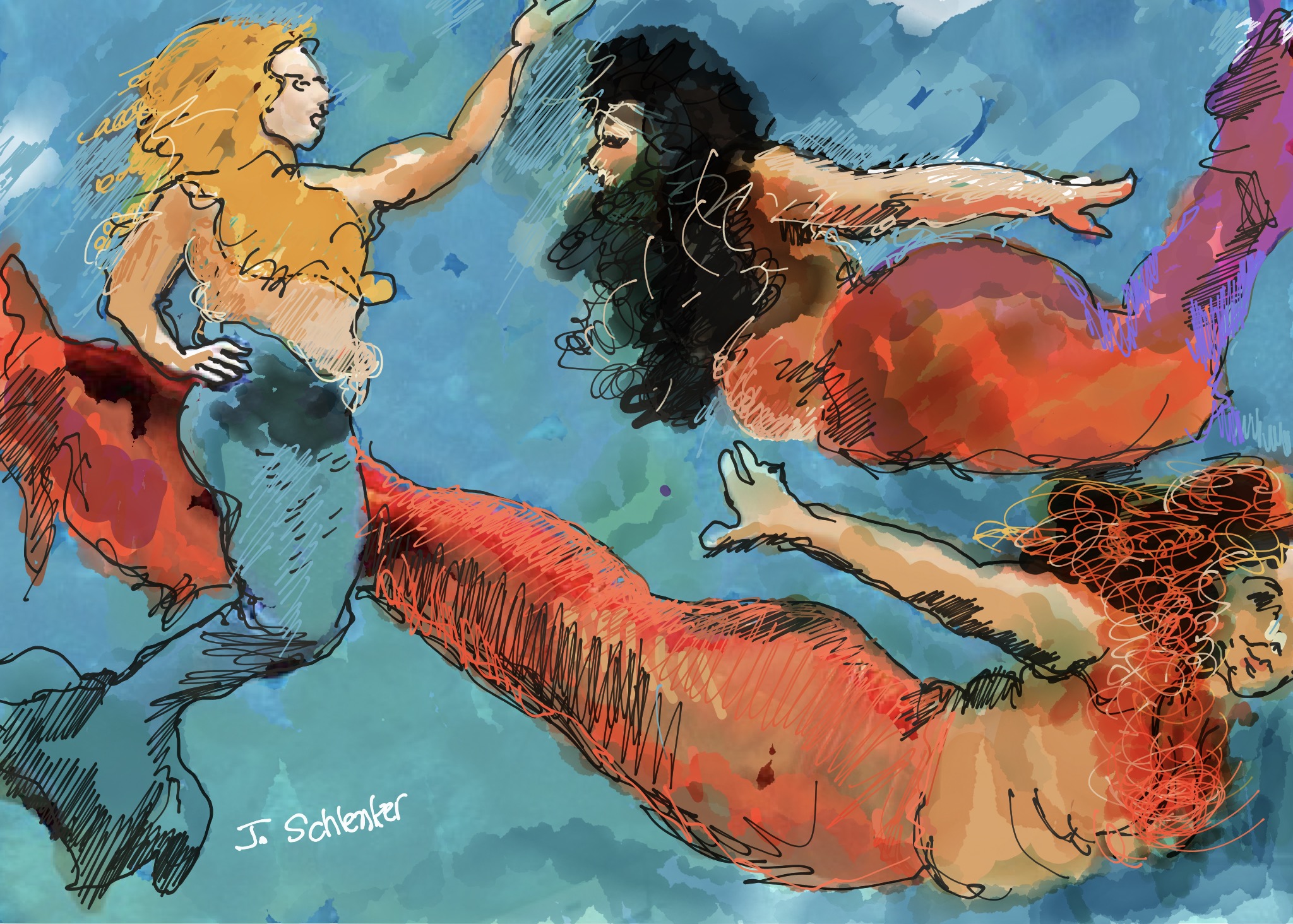
This month, we shoot over to the opposite side of the globe, Appalachia in Kentucky, to an author who also illustrates her own books (Yay!) and I just love her mermaids illustration so much that it’s this month’s featured image! May I introduce my guest host: Jerri Schlenker. Welcome to Oz, Jerri!

The Mystery of Sally
The most excitement is always the project at hand. And that project is Sally. Sally is a mystery that started around age six. I first heard about Sally from my aunt when I was that age. Sally was born in 1858 into slavery. She lived to be 110. I was fascinated to hear my aunt talk of her. I was amazed that my family even knew someone who had been a slave, or even a black person for that matter, because I grew up in the country, attending a small school where there were only whites. As far as I know my small town to this day consists only of whites. Maybe one reason I was so enthralled with the idea of Sally was that I would be writing about her one day.
Nearing retirement, I was at a loss when it came to how I should spend my time. My husband, the kind man that he is, said do whatever you want to do. I had no idea. But one day, we were cleaning out a bookshelf and he came upon an old notebook, poems I had written in high school. He said, “Why don’t you write?” My immediate thought was but what do I have to write about? When we ask the universe a question, the universe answers. That answer was Sally.
For some reason Sally was one of the pivotal moments of my life. After pumping my aunt and other family members with questions about her I was elated when at age eight my father and uncle decided to pay her a visit. I sat in the back seat while we drove for over an hour before the benefit of an interstate to the house where Sally resided with two bachelors. She had taken care of them as babies and ended up living with them in her later years. I’ll never forget the moment when I walked through the back kitchen door. At 103 years of age she was stooped over, mopping the floor. She lifted her head to say hello. I think our souls touched on some level at that moment. I swear I saw a halo. It wouldn’t be until decades later that I would learn some of the gruesome details of how she earned that halo.
Now, if only I had kept pursuing Sally’s life, but my own life happened. You know, those teenage years. And then marrying and having a daughter. I do remember hearing my father say later she was in a nursing home. I remember even where we were when he told me. It was sort of like remembering where you were when John F. Kennedy was assassinated. I remember both. She died in 1969. I only saw her that one time, but she must have remained in the back of my mind ready to spring forward when the time was right. Sadly, time had erased many of the people who had really known her by the time I was inspired to write about her.
My husband was more than encouraging in my pursuit of Sally. At first I thought it would be easy. I found that not to be the case. I started with ancestry records – nothing. Trying to find out about an African American born into slavery is almost impossible. There was nothing online. There was a lot of travel involved. There was also hiking.
My husband did the driving. When I think back on it, it was like Driving Miss Daisy. We found Sally’s obituary. I was elated. The elation didn’t last that long. It was wrong. There were two Sallys. I made blind phone calls and traveled to talk to people. People opened up more in person than over the phone. It was always: “I don’t remember much. I don’t know what I could tell you”. But after much perseverance the conversation turned to: “Well, there was this one thing, but I don’t think you would want to write this…” Visiting old people was a reward in itself. This happened about ten years ago and lasted off and on for three. Now, I’m on the verge of old myself.
Everything conflicted in some way. There had to be two of Sally. At the same time the people I interviewed said, no. Information came in trickles. I grasped for any tidbit. It was hard making people understand that even something mundane would help me to understand her life. Most of the information was mundane, but on some days something big would come my way, in some cases, some game changers.
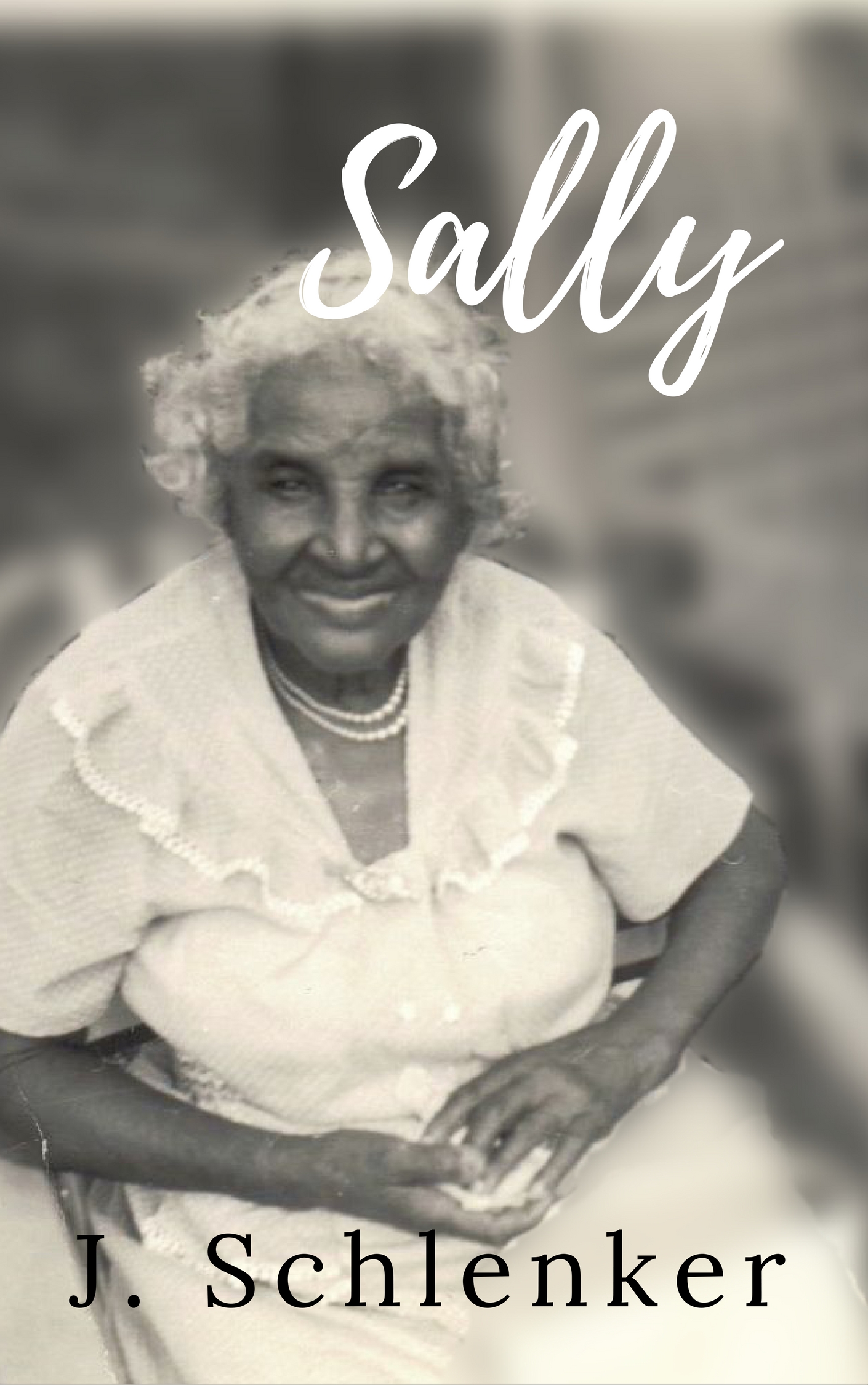
My proposed book cover for Sally. This is the altered picture that Rebecca gave me.
One such day was finding Rebecca who was a year younger than me. Her family knew Sally and went to family reunions, the ones Sally attended. The thing was, Rebecca, had hyperthymesia – she possessed the ability to remember most details of anything she had ever seen or heard. Before talking to Rebecca I had almost given up on the idea of there being two Sallys.
But Rebecca said: “It depends on which Sally you’re talking about.” I felt like Columbo at that moment. There was Sally the mother and Sally the daughter.
Rebecca had a picture of Sally seated at a family reunion. She was 101 at the time the picture was taken.
At the time I was researching Sally I wrote pieces on my blog about her and a few newspaper articles. I kept writing, but filed my notes away. I did three NaNoWriMo’s. It was time for a fourth. The universe one again said, Sally.
Sally will be a work of fiction because I can never know the exact truth of her life.
Schlenker, a late blooming author, lives with her husband, Chris, out in the splendid center of nowhere in the foothills of Appalachia in Kentucky where the only thing to disturb her writing is croaking frogs and the occasional sounds of hay being cut in the fields. Before embarking on writing, Schlenker wove in her weaving studio in the same quiet foothills.
Her first novel, Jessica Lost Her Wobble, published in December 2015, was selected as a finalist in the William Faulkner – William Wisdom Creative Writing Competition and won a Five Star Readers’ Choice Award. It has also been a book club selection and has a Reader’s Discussion section at the end.
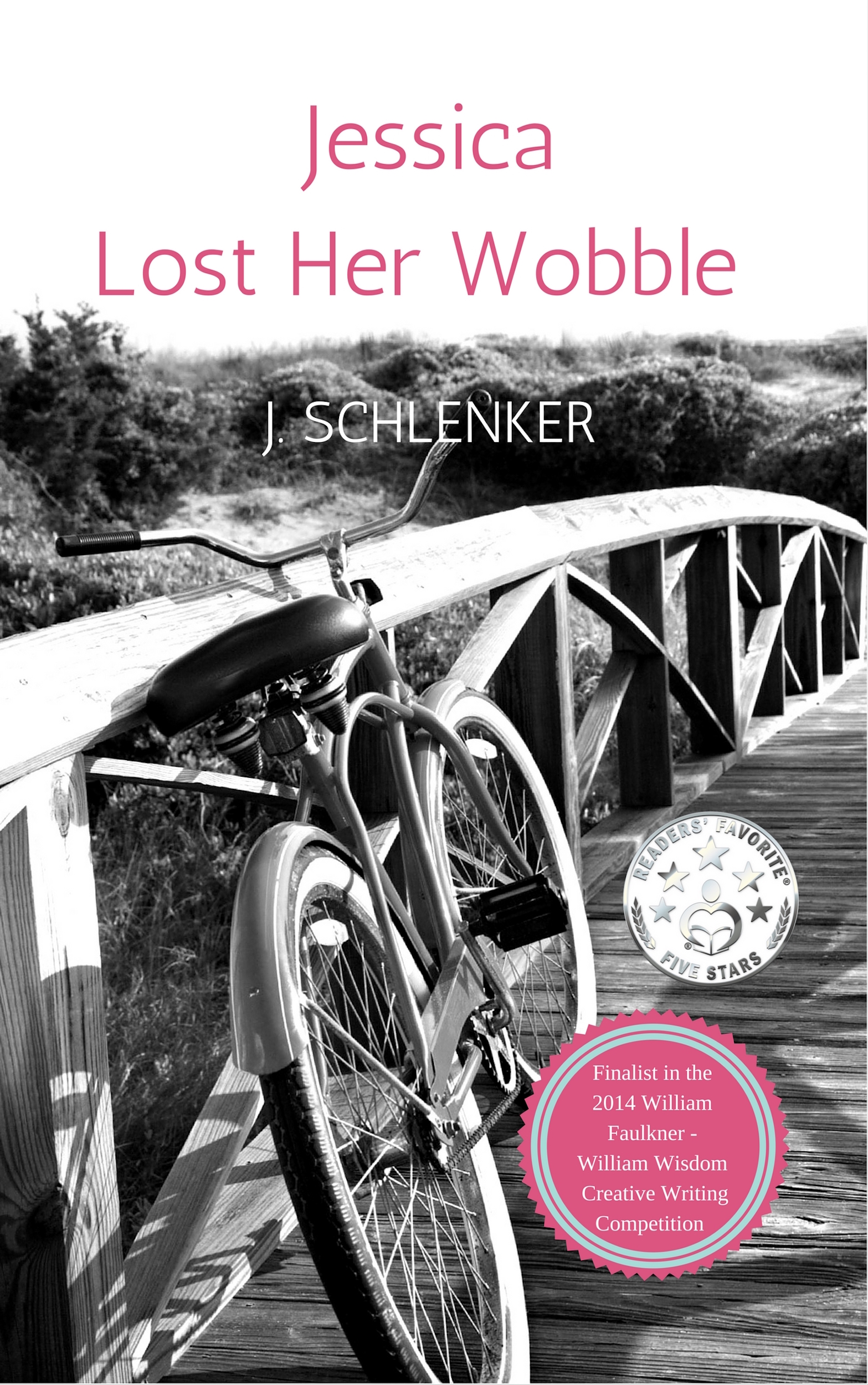
The Color of Cold and Ice is her second novel, and was born out of her love of art and her favorite artist, Van Gogh.
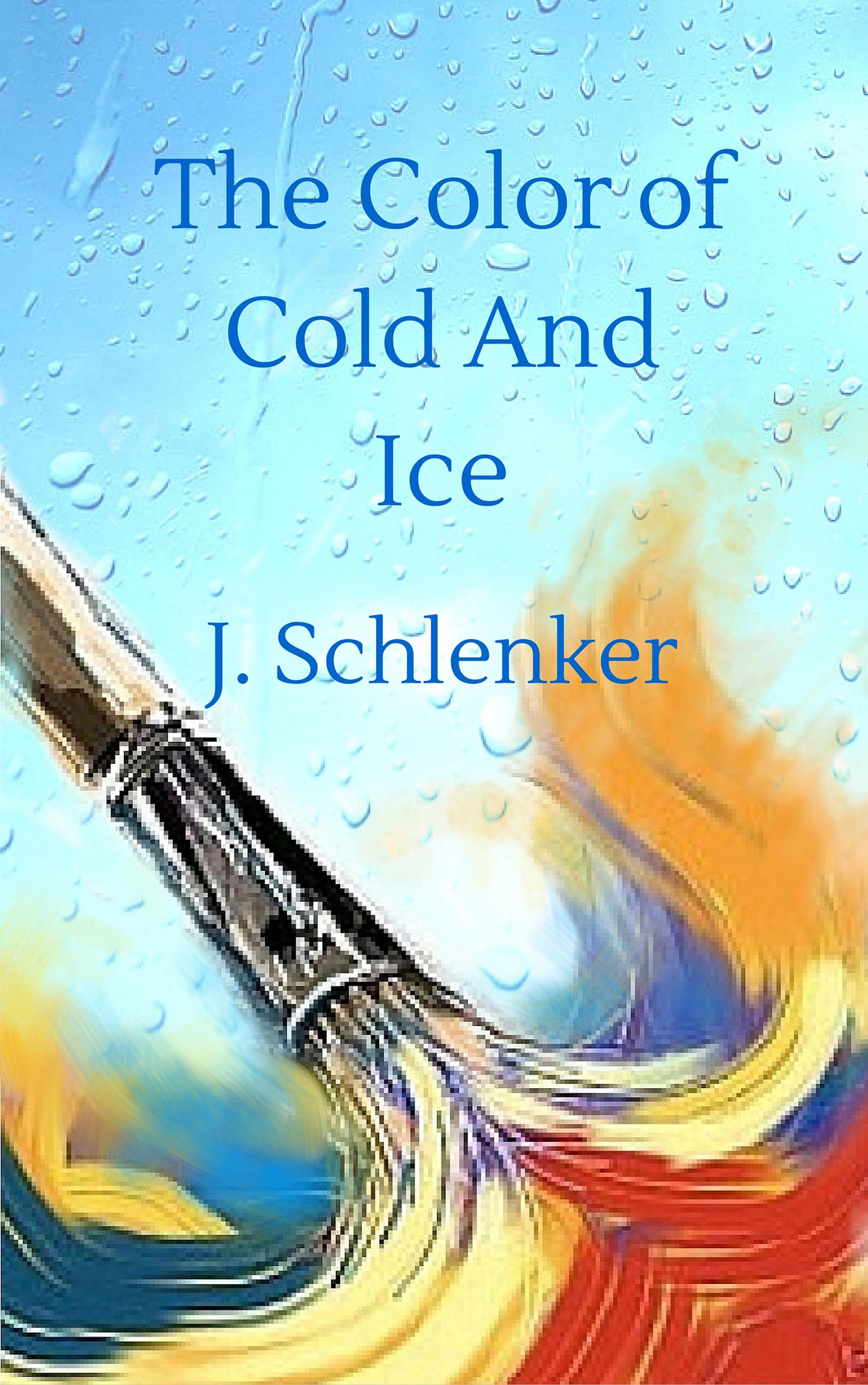
One of her short stories, The Missing Butler, received honorable mention in the first round of the NYC Competition, and is the opening story in her collection of short stories, The Missing Butler and Other Life Mysteries.
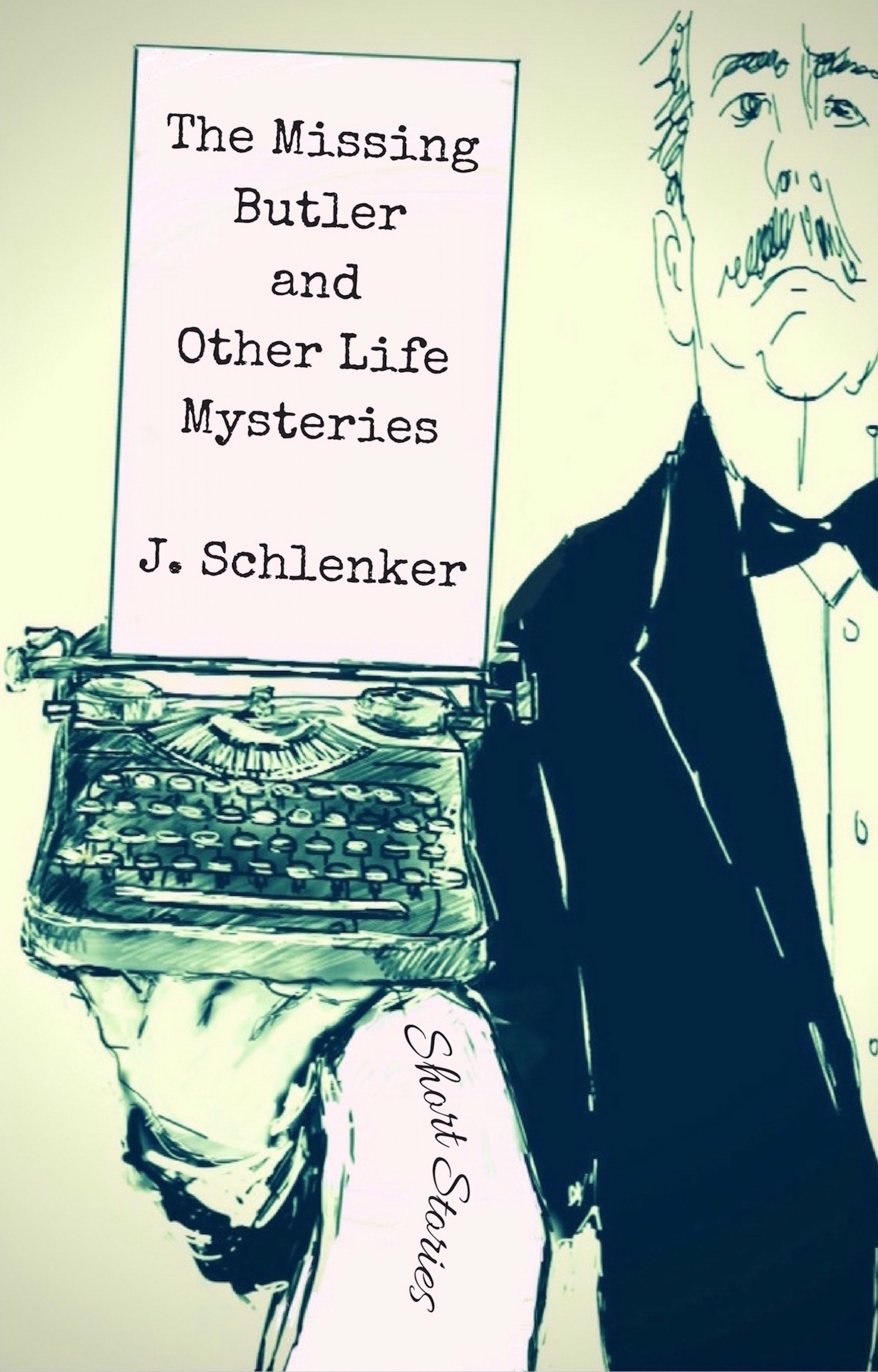
The collection of short stories was also an excuse to create whimsical drawings to go along with the stories. Mermaids is the artist’s/author’s favorite. This book is featured in Mystery Thriller Week, February 12 – 22, 2017.
All three books can be found on Amazon, Barnes and Noble (Nook), iBooks, Kobo and most outlets in electronic and paperback versions.
You can grab your copy of Jerri’s books here: J Schlenker on Amazon
Anyone can join in and participate in Mystery Thriller Week, and it all hots up during the week of February 12 – 22, 2017 at www.mysterythrillerweek.com. Check out the amazing books, talented authors, personal interviews, new releases, upcoming events and lots of giveaways, prizes and free stuff too!

January 21, 2017
MTW2017 feat. Jennifer S. Alderson and “The Lover’s Portrait”

This month, and for something a little different, I’m chuffed to share with you a little event I’m part of – Mystery Thriller Week 2017 – a collaboration of over two hundred authors, mystery and thriller fans, bloggers, podcasters and book enthusiasts from around the world.
Now, of course, you can guess that my personal favourites would be psychological thrillers and art-related mysteries … and I’m excited to introduce my guest host this month: journalist, art historian and author Jennifer S. Alderson
Jennifer was born in San Francisco, raised in Seattle and currently lives in Amsterdam (how jealous are we!). Her love of travel, art and culture has inspired her on-going series of mysteries which follow the adventures of her intrepid protagonist Zelda Richardson around the globe. Welcome to Oz, Jennifer!
Amsterdam: the Perfect Setting for an Art Mystery
By Jennifer S. Alderson
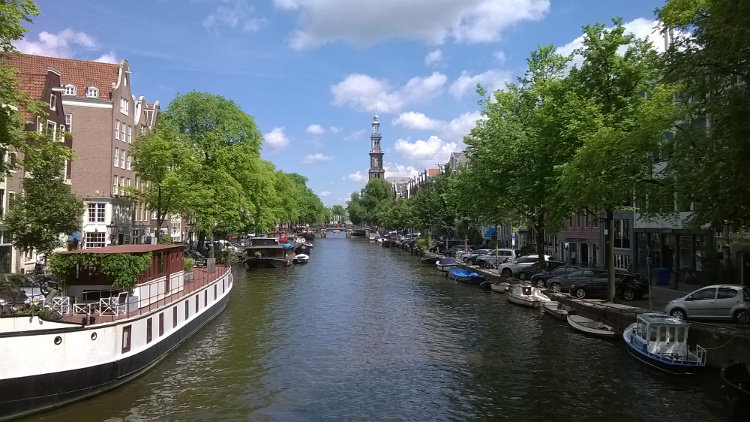
Amsterdam Prinsengracht. The Prinsengracht and the Westerkerk. Courtesy of Jennifer S. Alderson
Amsterdam is the perfect setting for an art-related mystery, especially one in which the looting of artwork by the Nazis during World War Two plays a central role. My second novel, The Lover’s Portrait: An Art Mystery is about an American art history student who finds clues to the whereabouts of a collection of masterpieces hidden somewhere in Amsterdam, secreted away in 1942 by a homosexual art dealer who’d rather die than turn his collection over to his Nazi blackmailer.
I can safely say if I hadn’t moved to Amsterdam to study art history twelve years ago, I never would have written this novel. My life here as an expat and art history student, as well as the turbulent history of this amazing city and its many museums, directly inspired the storyline and several of the characters.
A Museum for Every Taste
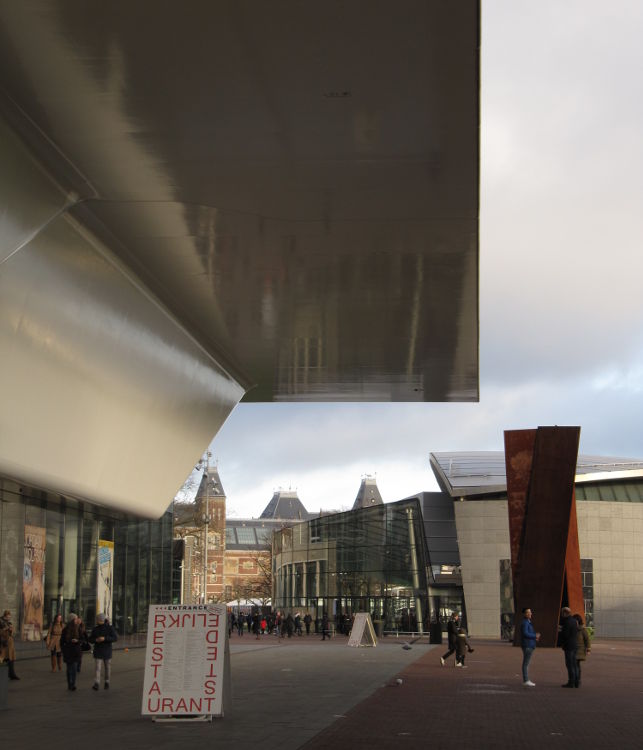
Stedelijk VanGogh Rijksmuseum. From here, you can see the entrances to the Stedelijk Museum (foreground), Van Gogh Museum (middle) and Rijksmuseum (background). Courtesy of Jennifer S. Alderson
Art history is what brought me to the Netherlands. Though I’d planned on completing a two-year degree and then moving back to the States, once I got here and started my studies I found it impossible to leave. I ended up earning a four-year master’s degree in art history and museum studies and had the privilege of working for some of the most prestigious museums in the world, all located in this fine city I now call home.
Amsterdam is an art and museum lover’s paradise. There is a saying here that Amsterdam has more museums than in any other city in the world. It might be true – there are more than seventy-five registered museums within the city limits, and a whopping four hundred if you count all of the galleries, private museums and cultural institutions. The Van Gogh Museum, Stedelijk Museum and Rijksmuseum are all situated on one relatively small grassy square in the heart of the city. Though most tourists come for the ‘Big Three’, there is literally a museum for everyone here: from the touristy marijuana, torture and sex museums, to prestigious photography, film and modern art museums, to well-preserved canal houses offering a peek into a bygone era, and specialty ones dedicated to hats, hand bags, eyeglasses, and pipes.
Looted Art and the Restitution Process

Amsterdam Rjksmuseum 1950. Part of the 7907 pieces of looted art stored at the Rijksmuseum in 1950. Courtesy of Ilibrariana (WordPress)
Like most European capitals, Amsterdam is drenched in World War Two relics, plaques, monuments, museums and memorials. It is a period that is still tangible for the older generation and its consequences are felt by many daily.
A novel about Nazi-looted artwork could have taken place in Brussels, London, or Paris. Several famous books about the war are set in these cities, also deeply marked by the Nazis’ atrocious actions and policies. However, I’ve tried to create a plot and characters unique to the Netherlands by including details about the Nazis’ strict rules regarding what Dutch artists could paint and gallery owners could display, their underhanded attempts to decimate the local Jewish community without the rest of the population noticing, and their sickening mental and physical abuse of homosexual men and women. I’ve also worked hard to provide a Dutch perspective on the often complex process of art restitution.
While I was studying art history and museology at the University of Amsterdam, the Dutch government organized an exhibition of unclaimed artwork entitled Looted, but from whom? The exhibition was held in the Amsterdam’s Hollandsche Schouwburg, once a popular theatre the Nazis used as a ‘collection point’ for Dutch ‘undesirables’ before transporting to concentration camps abroad.
The restitution of Nazi-looted art was a hot topic during my time at the University of Amsterdam and the intricacies were often discussed by prominent guest speakers directly involved in the exhibition at the Hollandsche Schouwburg, or in such controversial cases as the ‘Goudstikker collection’, an extraordinarily discombobulated, multimillion-dollar claim on an extensive collection of masterpieces once owned by the preeminent Amsterdam art dealer, Jacques Goudstikker. That case alone has spawned two fascinating non-fiction novels.
At the same time, several important non-fiction books and documentaries about Dutch art dealers active during the war and their controversial connections with Nazi officers, were published and featured prominently on regional television shows and in the local media. Newspapers and magazines printed long articles explaining the details of several specific restitution cases, highlighting the complexities and legalities involved even when there is no doubt as to whom the last legal owner was.
During my internships, I watched first-hand as several museums conducted the same archival research Zelda’s team at the Amsterdam Museum does in my novel, while trying to locate the rightful owners to artwork laying unclaimed in Dutch depots for more than seventy years.
Amsterdam: a gorgeous and thriving metropolis

The Homomonument on the Keizersgracht. Behind it are the Westerkerk on the left and the Anne Frank house on the right. Courtesy of Jennifer S. Alderson
Anyway you cut it, Amsterdam is a gorgeous city. The centuries-old canal houses, boat-filled waterways, perfect puffy clouds and striking Northern light make it one of the most photogenic metropolises in the world, as attested to by the high number of films and television shows filmed here. During the summer, it’s impossible to ride through the center without having to take a detour because a film crew has taken over a street or city block. The city’s canals, many bicycles, tiny alleyways, maze-like streets, centuries-old homes, distinctive churches, and hidden squares lend itself as the setting for many a book as well.
There is a constant flux of tourists here – from day trippers to backpacking loungers – looking to get stoned, take a bike tour, pop into a church, visit an art museum, the Anne Frank House and the Heineken Brewery, often in that order.
Yet the center is also alive and bustling with rich locals and expats who reside in the monumental canal houses, as well as the lucky tenants who scored a rent-controlled apartment, as part of the government’s social housing program. Parents teach their kids to ride bikes on the narrow, brick-paved streets, even allowing them to play soccer or skip rope in-between bikes, scooters, and cars racing by.
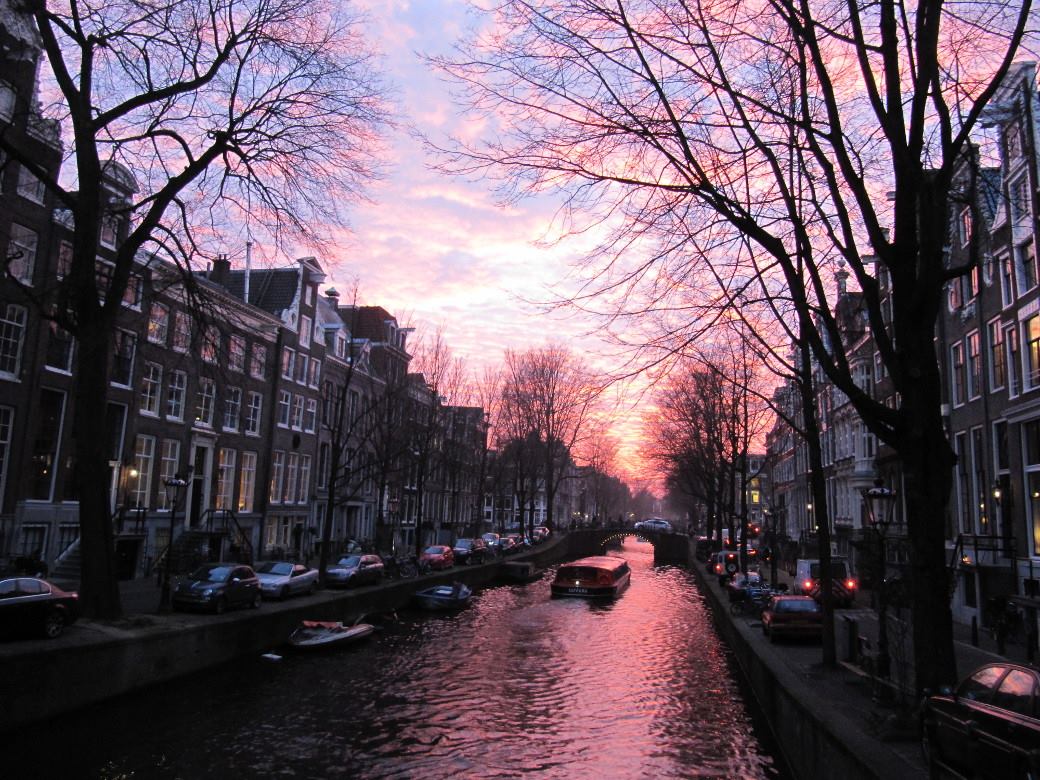
Photo courtesy of Jennifer S. Alderson
This mix of tourist, expat and locals all jammed into a ringed city center you can bike across in a half-hour, makes for an interesting mix of stories and is a constant source of inspiration for me as a writer. In fact, several of the characters in The Lover’s Portrait and my current work-in-progress are reminiscent of people I’ve encountered here.
This city continues to spark new ideas. My next novel, another art-mystery about Asmat bis poles, missionaries and anthropologists – was conceived during my time as a collection researcher at the Tropenmuseum in Amsterdam East. I know this city – its museums, culture, architecture, colorful locals and even public transportation – will remain my creative muse for as long as I live here.
The Lover’s Portrait: An Art Mystery
When a homosexual Dutch art dealer hides the stock from his gallery – rather than turn it over to his Nazi blackmailer – he pays with his life, leaving a treasure trove of modern masterpieces buried somewhere in Amsterdam, presumably lost forever. That is, until American art history student Zelda Richardson sticks her nose in.
After studying for a year in the Netherlands, Zelda scores an internship at the prestigious Amsterdam Museum, where she works on an exhibition of paintings and sculptures once stolen by the Nazis, lying unclaimed in Dutch museum depots almost seventy years later. When two women claim the same portrait of a young girl entitled Irises, Zelda is tasked with investigating the painting’s history and soon finds evidence that one of the two women must be lying about her past. Before she can figure out which one it is and why, Zelda learns about the Dutch art dealer’s concealed collection. And that Irises is the key to finding it all.
Her discoveries make her a target of someone willing to steal – and even kill – to find the missing paintings. As the list of suspects grows, Zelda realizes she has to track down the lost collection and unmask a killer if she wants to survive.
You can grab your copy of The Lover’s Portrait here:
The Lover’s Portrait on Amazon
and also available on iBooks, Kobo, Barnes and Noble etc.
About the Author
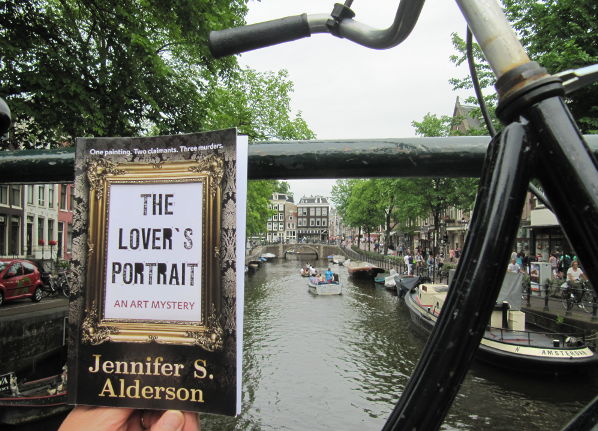
Jennifer S. Alderson was born in San Francisco, raised in Seattle and currently lives in Amsterdam. Her love of travel, art and culture has inspired her on-going series of ‘culturally-inspired’ mysteries which follow the adventures of Zelda Richardson around the globe. Her first book, Down and Out in Kathmandu: Adventures in Backpacking follows Zelda to Nepal and Thailand. While volunteering in Kathmandu as an English teacher, she gets entangled with an international gang of smugglers whose Thai leader believes she’s stolen their diamonds. The Lover’s Portrait: An Art Mystery follows Zelda to Amsterdam, where she discovers clues to the whereabouts of a cache of missing masterpieces buried somewhere in the city, hidden away in 1942 by an art dealer who’d rather die than turn his collection over to his Nazi blackmailer. Her third novel, another art mystery centered around on Papua New Guinean Bijspoles, missionaries and anthropologists, will be released in the summer of 2017.
Catch up with Jennifer here:
Website: http://www.jennifersalderson.com
Blog: http://jennifersalderson.com/blog/
Goodreads: https://www.goodreads.com/JennifeSAlderson
Facebook: http://www.facebook.com/jenniferSAldersonauthor
Twitter: https://twitter.com/JSAauthor
Amazon Author Page: https://www.amazon.com/Jennifer-S.-Alderson/e/B019H079RA/
Smashwords: https://www.smashwords.com/profile/view/jennifersalderson
I’m so intrigued by this novel, it’s just my cup of tea and I’ve just downloaded it onto my Kindle. Happy reading book- and art-lovers!
Anyone can join in and participate in Mystery Thriller Week, and it all hots up during the week of February 12 – 22, 2017 at www.mysterythrillerweek.com. Check out the amazing books, talented authors, personal interviews, new releases, upcoming events and lots of giveaways, prizes and free stuff too!
December 26, 2016
“A dirty book is rarely dusty” – Anon.
This month, in my last post for 2016, I’m going a bit fangirl over this artist: CINDY LANE.
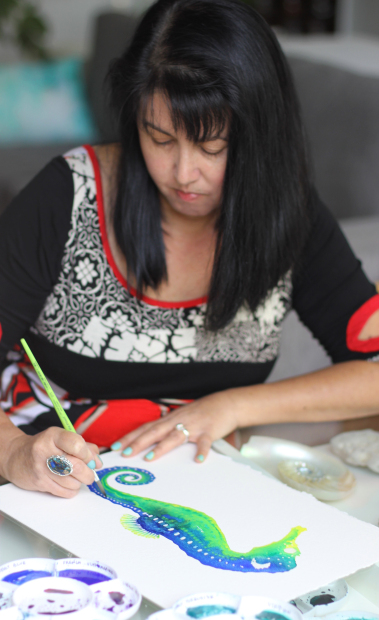
Now, I’m not going to repeat what you’ll find in Cindy’s bio: about her studio in Perth, right beside the Indian Ocean, and her stunning portrayals of beaches and oceans and every living thing.
I’m not going to rave about the incredible way she drops or injects pigment into water droplets, sometimes even using seawater, and how she creates remarkable images of marine life – sea horses, whales, rays and dolphins, and even jelly fish.
And I’m certainly not going to go on and on about how the natural world is Cindy’s inspiration, and that through her art she seeks to promote a peaceful respect and awareness for the planet and all its creatures.
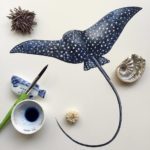





Nope, none of that. Instead I’m going to tell you about how we both met in high school, bonded over Dr Who and Star Trek, Split Enz and Spandau Ballet … how we squandered away every lesson sitting in the back row, jet black hair falling over our faces, endlessly drawing pictures for each other (all of which Cindy has allegedly preserved, stashed deep in the darkest corner of her basement, to be brought out one day soon for maximum embarrassment), and how we left school and parted ways, meandering in completely different directions, and how, years later – BOOM! – suddenly and to our great surprise, we discovered that in the meantime, we’d both become artists!
Her work is hypnotic … you can watch videos of Cindy’s extraordinary painting methods here:
And here is her website: Cindy Lane Art

I conclude, Lovely Reader, with a great big Happy New Year’s kiss … and, of course, another tidbit from Book Two. Just a short piece this month, but a cheeky one, based on my observations at a real house of pleasure here in Sydney town … enjoy.

“The Peach Pit’s front door was painted with blackboard paint, a new saying chalked on afresh every week. The best one so far had been: “A dirty book is rarely dusty.” This week’s maxim was: “The only thing wrong with being an atheist is there’s nobody to talk to during an orgasm.”
‘Hello there, love!’ Madame Pam floated over to Dan, a cloud of blonde curls and Elizabeth Arden’s Red Door, patted him on the cheek and waved him straight down the corridor and through to the ladies’ common room. ‘I’d stop to chat,’ she said, ‘but it’s busier than the Cahill Expressway on a Tuesday morning!’
The Peach Pit was one of Dine’s regular clients. On any night of the week a big order was phoned in, and it varied from restaurant to restaurant. The ladies were charming and they tipped generously – this was one business which knew the value of gratuities and were unstinting with their cash – and yet Dan always felt ill at ease in the house. Eyes glued to the carpet, he walked down the long hall.
Tonight, the common room was quiet but for one woman clad in a leather bustier and ruffled tutu. She sat at the large dining table with her implements laid out, a spray bottle of disinfectant and soft cloth in her hands.
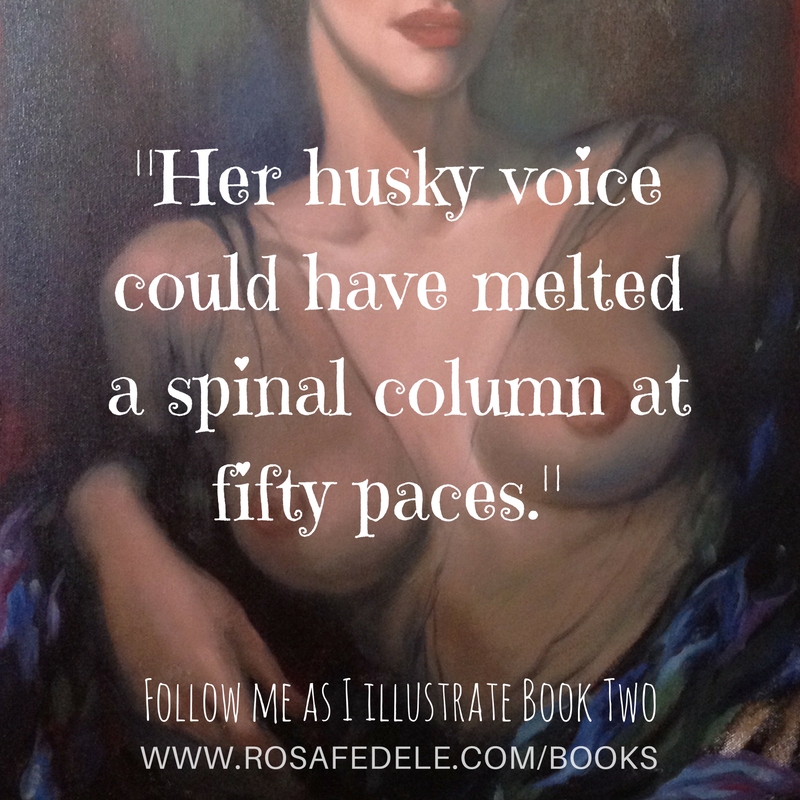
‘Hello, gorgeous boy,’ she purred. Her husky voice could have melted a spinal column at fifty paces. ‘It’s a bit wet out there for you tonight, isn’t it?’
Dan smiled nervously and slowly began to unpack the foil trays from his Esky. He knew exactly what bondage mistresses specialised in and it was hard not to look at her as she worked; she might as well have been cleaning her make-up brushes or polishing silverware, she was so matter of fact. She wiped the riding crop carefully, and placed it down beside the steel, fur-lined manacles. Then she took up a sponge, dipped it into a pot, and began to buff various pieces of harness. Mesmerised, he watched her bring a lustrous gleam to a studded dog collar. ‘What a night!’ she said as she worked, ‘I’m glad to put my feet up for a mo … they’re lining up like lemmings out there.’
Dan didn’t know how to answer, only gawked as she set to work polishing a leather hood with a muzzle. He jumped as two more girls flounced into the room. One kicked off her stiletto heels and began to rummage frantically amongst her skirts. Finally locating a packet of cigarettes, she tried to light one with shaking hands. ‘I’m starving! What have you got in the basket, Dan? Is it Italian?’
Dan left as quickly as possible, with a crisp roll of notes tucked into the money pouch and another twenty in his jeans, slid suggestively into his back pocket by Madame Pam with a grin and a cheeky wink.”
Missed reading the first of the series, The Red Door? Head over to Amazon or iBooks (links below) and grab your copy, and follow me on Instagram @rosafedele as I illustrate book two.
Au Revoir! Rx
Email *
First name
Last name
November 24, 2016
“Ratty’s banter and tomfoolery charmed and disarmed the unwary, drawing his victims in.”
Hello lovelies,
A few international artists (204 to be precise) joined forces (like superheroes!) and created something really small in support of something REALLY BIG!
I’m so privileged to be part of “A Small World” International Art Show for Cancer Research – these are postcard sized paintings 10cm x 15cm (or 4″ x 6″ for you Imperials) – and this is your chance to BID and OWN an original from an amazing array of award-winning artists (that’s alliteration).
Here’s the link to register and bid now: “A Small World” Exhibition for Cancer Research
This show is the brainchild of Avril Thomas of Magpie Springs Gallery Winery in South Australia and is being promoted on all social media platforms. Cancer has touched everyone, so please make sure you re-post or share in support of this remarkable fundraiser wherever you can. This is my entry in the show “Red Shoes feat. 1954 FJ Holden” and here’s how I painted it.
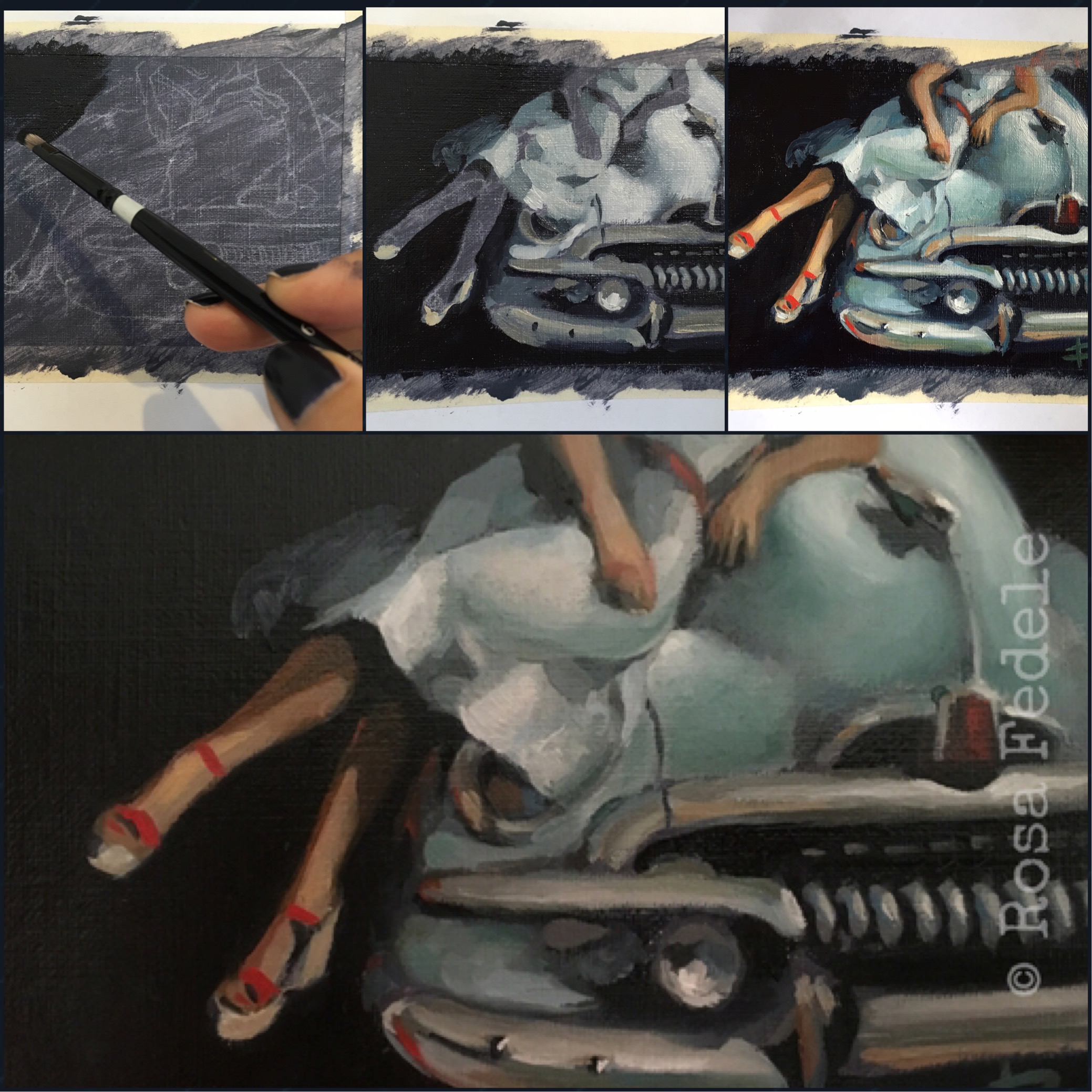
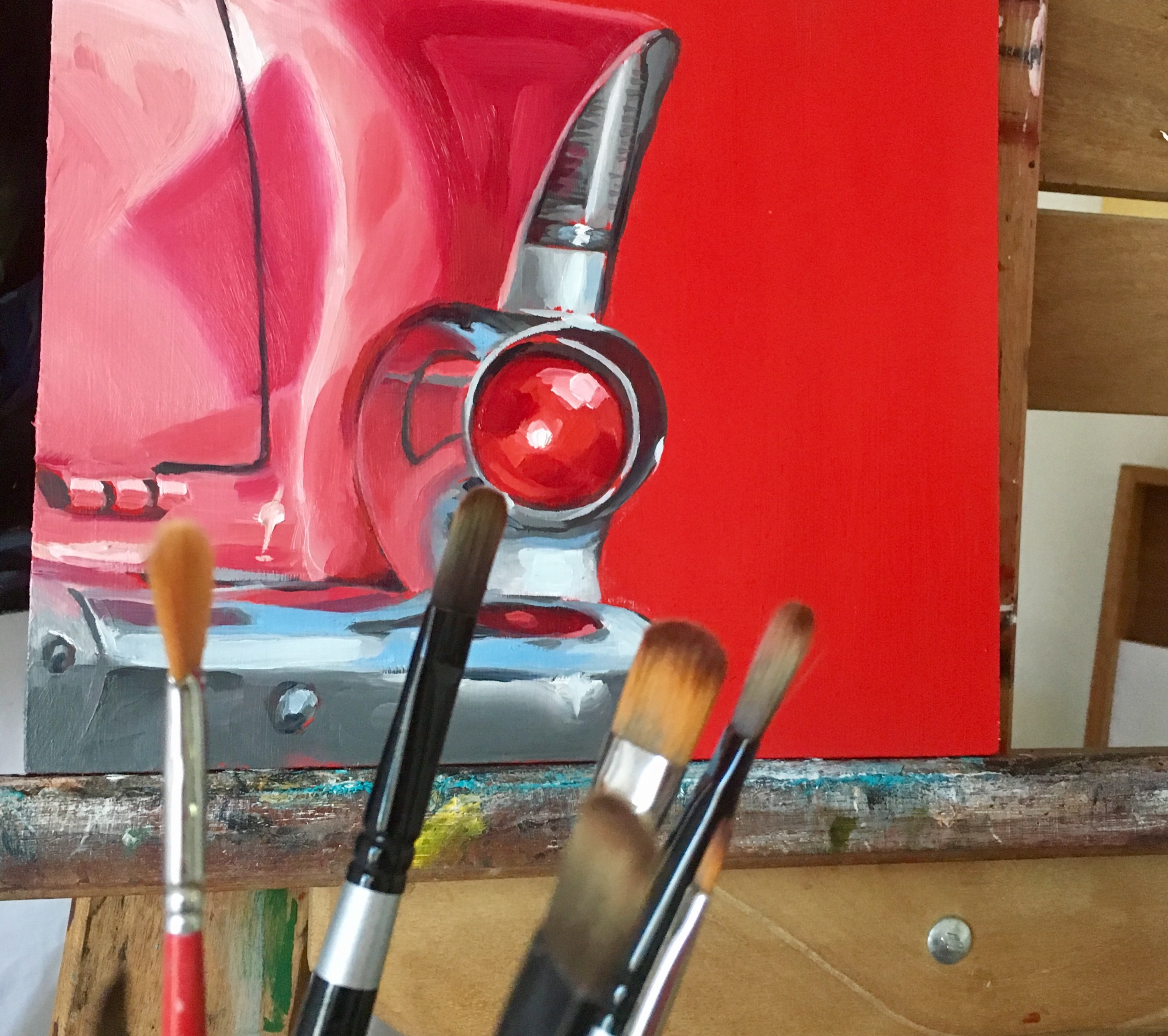
As the end of the year rapidly approaches, I’ve laid Book Two aside and painted like a madwoman so that I could offer you all a handful of new vintage classics for your viewing (and owning) pleasure. These will be available from 1st December as cards, prints, digital downloads, on iPhone & iPad cases, tshirts … you name it, we got it! Perfect pressie really, n’est-ce pas? (Oh Morticia, you spoke French!)
Here are the links, and here’s a sneaky peek of one little guy, almost finished:
For prints and merchandise from $2.90 Rosa Fedele on Redbubble
For digital downloads and original art from $6.99 Rosa Fedele on ETSY
Of course, I won’t leave without sharing another little tidbit from Book Two.
This is Stu talking about his cousin Ratty, who is actually a right little s***. I bet you’ll all recognise the “type” once you’ve read the passage … we’ve all got one of these in our lives, don’t we? Rx
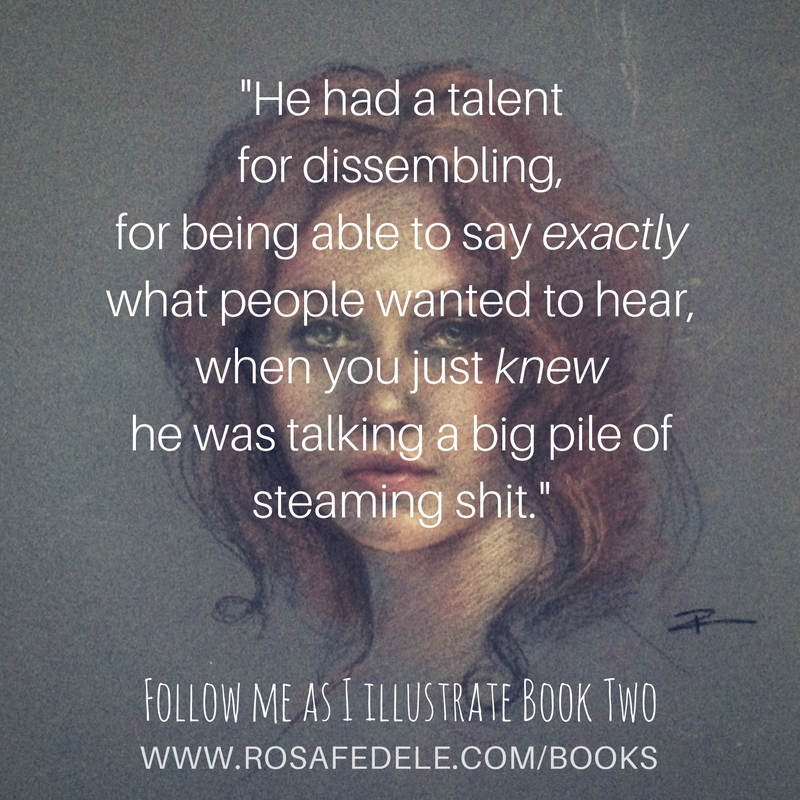
“Only Stu knew Ratty’s real name was Arthur. Arthur Conan Doherty, to be precise.
Happy he would finally have a cousin near his own age to mess about with, the fifteen-year-old Stuart had looked forward to the arrival in Sydney of his Irish cousin. Passport in hand and face creased anxiously, a young Ratty had emerged from the Arrivals Gate. He scanned the crowd for the faces of his aunt and his cousin, the only family now remaining to him. Stu had been jumping out of his skin with excitement and bolted over to the gate, punching his cousin on the arm as a greeting. Ratty was a little shorter than Stu, his dark, almost black, hair a negative to Stu’s sun-bleached blond.
Stu wanted to see his cousin’s passport photo, so he snatched it away from him playfully, waving the booklet about in the air just out of his reach. ‘Oh, Mister Arthur Conan Doherty, your passport. Sir Arthur Conan Doherty, your car is ready. Lord Arthur Conan Doherty, aperitifs will be served in the drawing room!’
Stu fell about laughing and Ratty snatched the document back roughly. ‘Fark off, yer little shit.’
‘It’s just a joke, mate.’
‘Well, fark off, anyway.’
It had been only an instant, but Stu saw the flash of savagery which momentarily twisted Ratty’s face. He backed off, and the incident was forgotten.
Five years on, Stu often found himself wishing his cousin had stayed in Belfast, family or no family. He was weary of having to cover for him, defend him or apologise for his behaviour. In truth, Ratty was the little shit. A big shit, actually.
Ratty’s banter and tomfoolery, delivered with boyish good looks and a lop-sided grin, charmed and disarmed the unwary; his silken tongue lured and flattered, drawing his victims in. He had a talent for dissembling, for being able to say exactly what people wanted to hear, when you just knew he was talking a big pile of steaming shit. And in the next breath, the silken tongue could turn razor sharp; finding a way to deliver the nastiest and most cutting insult. Even Stu, who had known Ratty the longest, sometimes dropped his guard and gave his cousin the benefit of the doubt. And almost every time, like a stinging slap on the face, Ratty would manage to offend or disappoint him.
‘He drives me fucking nuts, Mum,’ Stu wailed.
‘He’s family, Stuey, and blood is blood. You know he’s had a hard time of it, what with all the troubles his poor family had over in Ireland. He needs family more than anything, and we’re it. And mind your language.’
Some people caught on quickly, others took a little longer but, eventually, everyone ended up distrusting, despising or avoiding Ratty altogether. Even with the knowledge that he managed to get himself sacked from every job he started, Stu’s mother, who felt an almighty responsibility for her nephew, finally asked her brother-in-law Ernie to take him on as a casual labourer. And, despite Stu’s urgent warnings (‘Start being more reliable, mate, put a stopper in your smart mouth, and enough with the constant bullshit!’) Ratty was soon shunned by everyone on the building site as well.
‘I swear, one of these days someone’s going to pop him,’ Stu had said to his mother last week. ‘Or he’s going to end up as landfill.’
Stu swallowed the last of the beer he had been dragging out while he sat waiting for Ratty at the pub. His cousin was over an hour late and Stu just knew he wouldn’t be showing up at all. Tomorrow he would front up with another elaborate, and farfetched, excuse and Stu would let it go. Again.
He didn’t even know why he bothered.”
Missed reading the first of the series, The Red Door? Head over to Amazon or iBooks and grab your copy!
October 29, 2016
“It was the Irish accent which stopped my breath.”
Hi all!
Can you believe it’s been a year since the release of The Red Door? As Annie would have said: ‘Bollocks!’ and as Claudia would have said: ‘Durr!’
I know I’ve thanked everyone via Facebook and Instagram, but I’m going to do it again. THANK YOU to every single person who came to the launch, bought an ebook (or a real book!), shared, talked or promoted the book in any way – you are all super Ninja legends and huge hug to every one of you! I never dreamed that the last year would bring so many beautiful new people into my world ? Maddie thanks you, Annie thanks you and Claudia thanks you most of all ?
Special mentions to Jennifer and Ally Mosher, Sekneh Hammoud Beckett and Allan Goldsworthy, and, of course, my super supportive family who travelled faithfully and loyally on the journey.
In answer to your next question, Book Two (or as I’ve been calling it, the Untitled Little Bugger) is out with beta readers at the moment (two in the US and one in the UK) and I’m crossing my fingers they’re not hating my favourite bits. Like this one, for instance:
Don’t forget, you can follow me as I illustrate the book on Instagram @rosafedele or Facebook and, of course, subscribe to my newsletter for all the sneak peeks.
I don’t do spam, recipes or horoscopes.
I DO do arty-farty-literary things and the occasional photo of kittehs.
Sydney-siders, it’s that time of year again – the Balmain Art Show, 12 & 13 November, 2 Eaton Street, Balmain. Further indulging my inexplicable love of vintage cars, there will be several on exhibit, like this one:

Now, to business. Guess what? It’s official. Thanks in no small part to Jamie Dornan and, of course, Liam Neeson, in 2016 the Northern Irish Accent was voted the sexiest in the world. But I’d already started writing my character’s part long before that. I pictured him more as a dark-haired River Phoenix (remember him?). Here’s a bit from the very beginning of the story, raw and unedited:
“It was the Irish accent, a lilting brogue, weaving up and around and between, like a silvery spell-binding song, which stopped my breath.
‘Are ye all right there, miss?’
He stood at my gate, smiling, watching me heave and retch. The tool belt and muddy boots indicated he was one of the labourers from the massive building site across the lane. That was the first time I met Arthur, on the morning of the attack.
My supervisor had driven me home. It took him an age to find a park, finally stopping in front of an old ute and walking me to my door, waiting as I fumbled to insert my key into the lock. Poor Al, how flustered he was! He didn’t know what to do, or how to help. Although horrified at what had happened that morning, it wasn’t something he could simply write up in the case report for the Department of Community Services. They would laugh at him; he would be called in to account for himself, and for me, and we’d both likely be referred for psychological assessment.
I clung to the doorframe, eyes squeezed shut and my body shaking. Don’t vomit again, don’t vomit again.
Hesitant, and without wanting to appear too familiar, he reached forward and patted my back. ‘The boyfriend?’ he asked. His face was creased with worry.
‘The boyfriend.’
‘Are you sure?’
‘Yes,’ I said with conviction.
The frantic call had been received the night before, yet again about the young family from Lane Cove, the ones who lived in one of the thousands of apartments in what Al called “Flat City”, this time from an elderly woman reporting screams and crashing. We planned to make the visit to the block early, before the boyfriend could disappear. I’d made the mistake of skipping breakfast; stupid thing to forget, because the worst always happened when I was tired or distracted, or hungry.
When we arrived at the flat, it was again a muddled and filthy mess. Stacks of unwashed pots teetered on the cooktop, and the reek of rancid milk and rum permeated the small space. Unattended, the toddler squalled in the playpen. The mother, mute and with her arms crossed, glued her eyes to the ground and ignored the insistent whine of the baby.
‘I don’t suppose you want a cuppa?’ the boyfriend had offered ingratiatingly. He stood close to his mate; his manner caring and watchful, his hand resting gently on the girl’s shoulder. The baby’s fouled nappy sagged. My nostrils flared. I eyed the girl’s puffy mouth and long sleeves and sighed to myself. The child would not withstand another pummeling, and the mother probably couldn’t either. Al asked the usual questions, a drone of voices. I watched on silently, trying to take in as much detail as possible but actually wanting to get far away. The boyfriend answered Al’s questions casually, coolly, but his eyes darted about, not once meeting ours. I shuffled my feet uneasily on the sticky carpet.
I didn’t see him turn to look at me while Al’s head was turned away. I didn’t notice the bullying set of his chin, nor the smug glint in his eyes … I was, in truth, pondering the merits of poached eggs over scrambled when it happened … the blast of pure venom and hatred taking me completely by surprise:
HATE-you-you-slut-you-interfering-whore-and-your-FUCK-buddy-get-out-of-my-house-she’s-mine-and-I’ll-do-what-I-like-lazy-bitch-whinging-baby-hate-you-bitch-HURT-you-NOWWW!
The blow slammed into me. I doubled over, winded, and promptly vomited onto the carpet. The boyfriend started to yell. I staggered towards the door, desperate to leave the murky darkness.
Al carried me back to the car. ‘What am I looking for?’ he asked, as he sped along Burns Bay Road.
‘He burns them,’ I said. ‘Cigarette burns. Check the baby.’
My teeth were beginning to chatter. That’s how it worked: first the massive fit of vomiting, then the thudding headache, followed by chills and shivering. I clutched at the doorhandle as he took the sharp left towards Hunters Hill.
I never expect my work with Community Services to be a doddle, indeed, many would describe it as the most thankless profession in the world. But it was my calling, my vocation. I wouldn’t have been happy attending to the over-privileged and indulged like Grandmama Beatriz had; the spoiled and pampered middle class, with time on their hands to over-think and over-analyse, fretting about wealth and self-image, and straying husbands. Don’t get me wrong – I’m sure those people need counselling and guidance as well, and, of course, it would have been an exceedingly lucrative pursuit – but my gut led me a different way. With Al as my supervisor, I was thankful to finally see results; he didn’t pull back and look at me with raised eyebrows or embarrassed discomfit like the others had, he didn’t try to change the subject or even show any skepticism at all.
You see, the thing is – I hear. I hear and I understand, even if I don’t want to. It’s something I was born with, something I have always known. El legado, Grandmama called it. The legacy. I hardly needed to learn how to use the gift – Grandmama said I was especially talented, a master. But then, it didn’t take much – most people are crying out to be heard, the world is full of tortured minds, twisted and suffering, screaming out their disappointments, their vanities, their anguish. They exhausted and dehydrated me, these emotions – the wildly rocketing hopes, the agonising anxieties, and the sinking wretched fears. Even more alarming were the invidious – spite, malevolence – which caused nausea to rise in my throat and jabs to slash across my brain.
‘Disengage!’ Grandmama had cautioned over and over. ‘Disengage! Or you risk derangement.’
I tried. I really did. Mostly.
‘Are you okay?’ Al asked me again when we reached the door.
‘I’ll be fine,’ I lied, ‘A lie down, with a cold cloth over my eyes, is what I need.’ The back of my neck throbbed unbearably and I knew the only way was to throw up again.
‘You can take tomorrow off, if you like,’ Al offered.
‘No,’ I answered firmly, ‘I’ll be in first thing. And you need to warn the old lady in the flat next door,’ I added as he turned to leave. ‘He will punish her.’
Al’s eyes widened and his mouth fell open. He hurried back to his car. When the vehicle had disappeared, I allowed myself to throw up again.
It was as I lifted my head and wiped the scum from my mouth with a tissue, that I saw the man with his hand on the gate, watching me with what I believed, at the time, was concern. He repeated his question to me: ‘Are you all right, there, miss?’
‘I’m okay.’
‘Would you like me to call for some help?’
I didn’t notice his startling blue eyes, or his square jaw, because in that moment all I could hear was his melodic voice.
‘Let me get you a chair.’ He hastened up the path, lifted one of my heavy iron garden seats easily and placing it down beside me. ‘What you need is a strong cup of tea with a shot of whiskey.’
‘I’m all right, really,’ Gratitude at his small show of kindness surged over me and I smiled up at him. ‘Thank you.’
‘Well, if I can do anything fer you, you’ve only to give a holler. Aym just over t’road.’ And the man with the mesmerising Irish burr was gone.
I don’t know if the vicious attack that morning weakened me, leaving my brain scrambled and confused, or if I was simply tired of being alone. The man’s rolling accent entranced me. It charmed and dazzled, and left me unprepared for what came later, the sort of aberrant behaviour I expected from other people; troubled folk who struggled with depression or schizophrenia, victims of drug abuse or domestic violence. The sort of behaviour I didn’t anticipate from the fine looking specimen with the long curling lashes and dancing dimples who eased me onto the garden chair, and waited patiently until the colour had returned to my cheeks.”
Have a great November everyone … I think it’s gunna be a hot one here in Sydney.
Rx
September 29, 2016
That stuff I’m writing? They’re calling it Urban Noir.
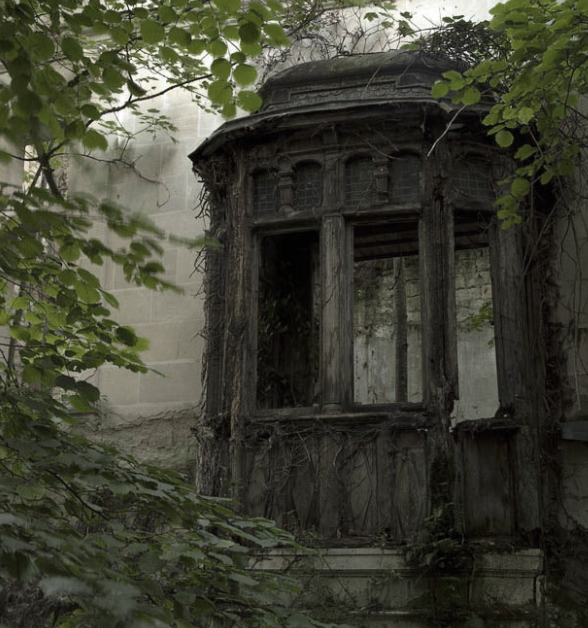
That stuff I’m writing? They’re calling it Urban Noir. Who knew? But that’s what the wise ones from Hachette Australia told me … and I suppose they oughta know!
Urban noir in urban Sydney. Here’s a bit more:
“Every day, Gordana found new ways to avoid her husband. She didn’t think she could stand any more of his whinging about The Seminary, his whining about the constant presence of the film crew and his endless complaints of how much the whole undertaking was costing.
‘We already agreed on the budget for the project!’ she shot back at him after his latest tirade, ‘You told me it wasn’t a problem. You told me we had the funds put aside!’
‘Eighty thousand fucking dollars for a … a … light!’ he spluttered. ‘Have you lost your mind? How am I supposed to come up with that sort of money?’
Gordana sulked for two days after the argument. She unfolded the sofa bed, made it up with her lovely new bedlinen and slept in her room at the top of the tower.
Being in the Tower, alone, at night, wasn’t creepy at all … actually, it was wonderful. She’d heard the rumours. One couldn’t help but overhear, the workmen didn’t even try to be tactful. The Grey Ghost, or The Grey Priest, they called him. They said he had locked himself in the tower for months and months, before finally flinging himself from the window; the curious seventh window, sitting squat and solitary in the west wall and looking out over the courtyard. There was no reasoning as to why only one window had been built in that particular wall, instead of two.
When Gordana broached the subject of installing double windows to match those in the other three walls with her architect, Zach shook his head and mumbled something about ‘the Hysterical Society never allowing it through.’ Zach mumbled a lot lately; whenever she asked how council permission for the pool was going or about the demolition of the old kitchens, whenever she raised the subject of closing off the back lane to make a private road, and even more so after his recent closed-door meeting with Richard. Mumble-dy, she began to call him, Mumble-dy Monroe.
And no one seemed to know exactly why, long ago, the priest had thrown himself from the window – I mean, why would you? – such a beautiful room, with the morning sun playing on the diamond paned leaded glass and tossing glimmers of gold across the stone walls. She cracked open the window to gaze across the neighbours’ gardens. Stretched out in front of her lay a quilted display of flower-beds and hedges and lawns and, looking further across the rooftops and steeples and cupolas, was the shining harbour. A currawong swooped past. Rosellas flashed bright amongst the grevilleas below.
Gordana was happy in her tower, for the first time in her life she felt truly safe and sheltered … and secure.”
Missed reading the first of the series? Wander over to @Amazon or @iBooks to grab your copy of #TheRedDoor
Here’s the links: http://rosafedele.com/books/
August 30, 2016
Hallå everyone! Happy last day of winter!
Hallå everyone!
Happy last day of winter … the winter during which I’ve been painting furiously for an upcoming art show and totally ignoring the First Draft of the Manuscript for Book Two.
I can pinpoint the day I left the manuscript exactly … the thirty first of May … ‘twas that day I backed up the document, put a spare copy onto a USB, locked it away and told myself to joyfully go forth, ignoring the damn thing utterly and completely for as long as possible.
In the meantime, I had a Big Birthday:
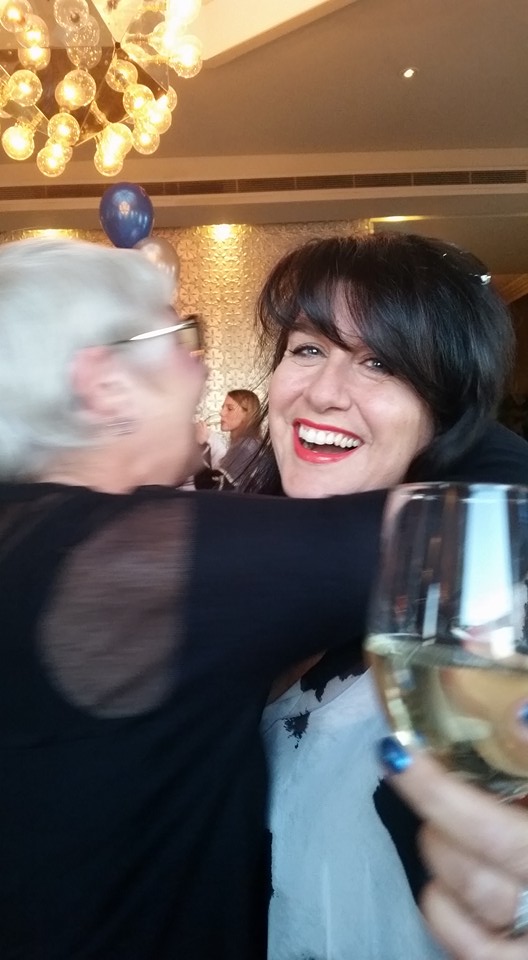
Toasting you all whilst being hugged by the beautiful Gwen
Travelled to the Land of the Long White Hobbit Cloud:

Fulfilling a hobbitish dream!
We planted lots of bamboo:
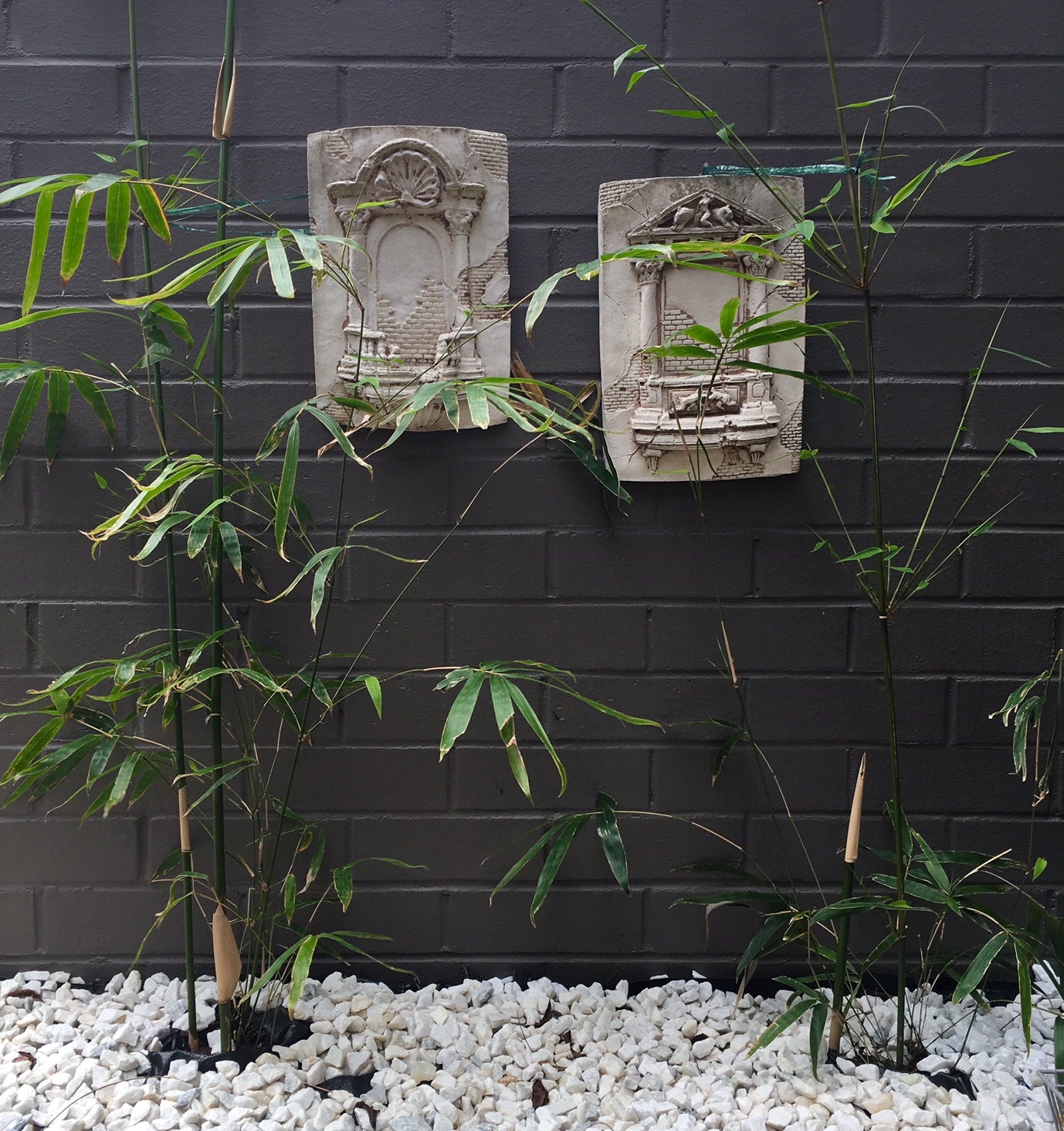
There’s more than this. No, literally rows of it.
Our family adopted a pair of shelter kitties:
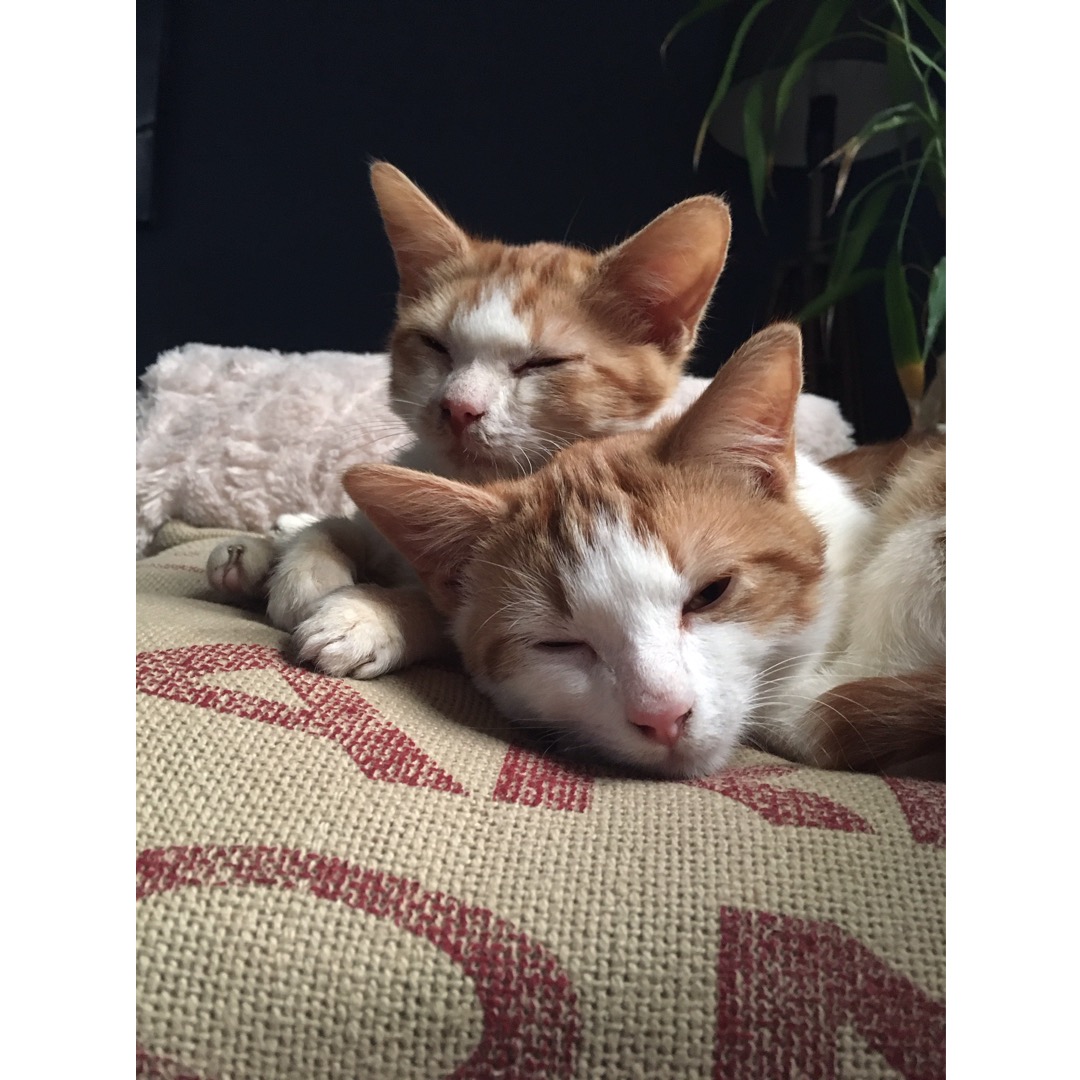
Oscar and Felix, the Odd Couple
And I painted lots of vintage cars and puppy dogs:
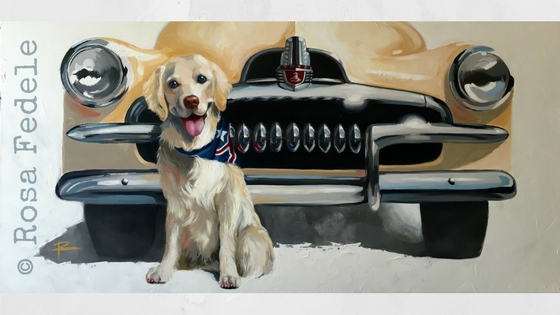
Fresh off the easel … Fergus and His FJ
Here’s a detail shot of Fergus:
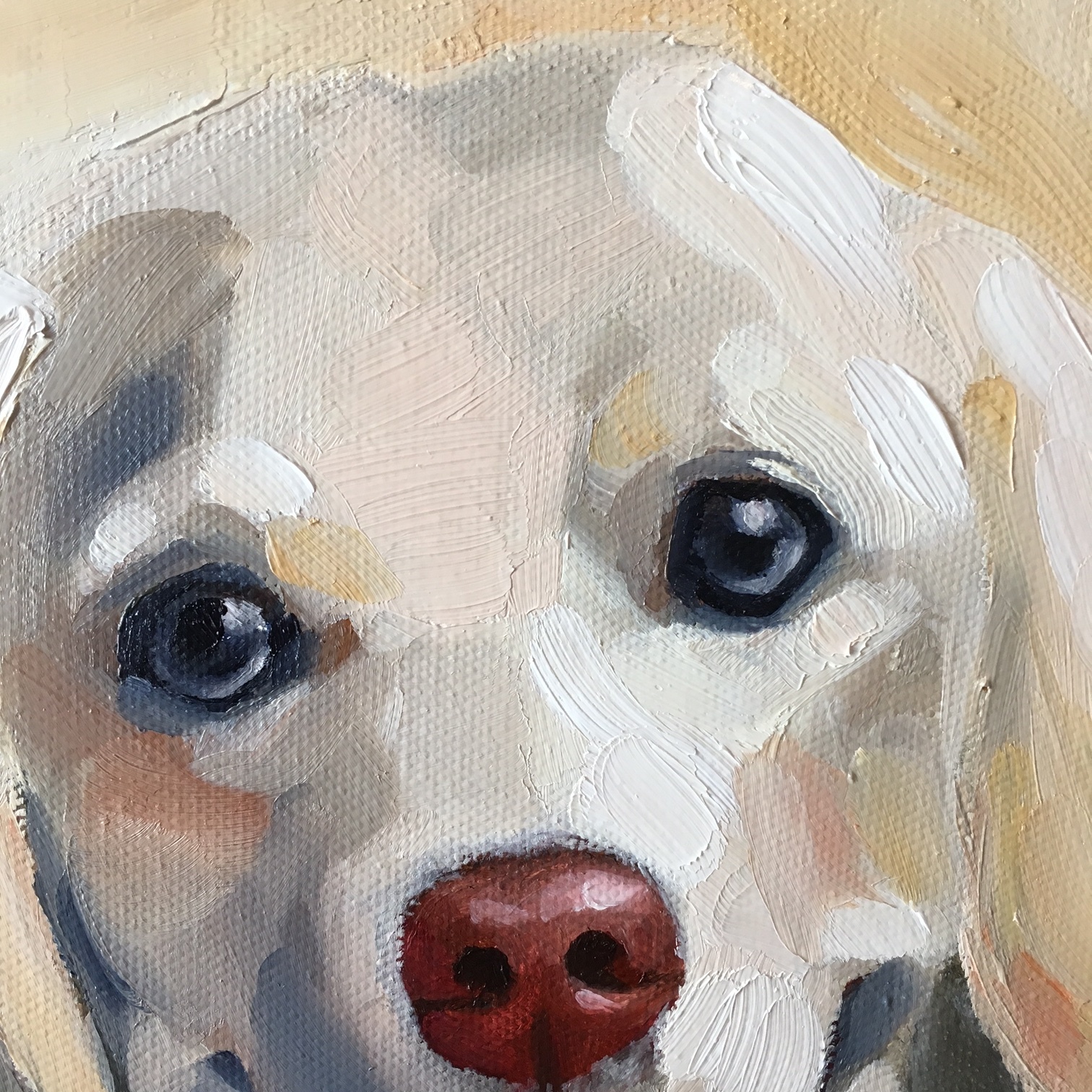
Am in love with painting doggies!
So, now it’s time to begin ploughing through every single one of those 90,115 words before the manuscript is sent off for The Dreaded Structural Edit.
Stand by for lots of sneak peeks over the next few months – some of which might make the final cut and some which may die a sad but noble death.
Thanks for sticking with me, see ya soon,
Rx


