
Karis Waters's Blog, page 5
September 30, 2016
ENARA: Fusing Fashion and Faith
I love to be inspired by young men and woman who are on the cutting edge of creative pursuits, allowing their God-given creative gifts to bless others, while supporting themselves doing what they love. I believe we can and should support each other across the creative mediums, and allow each others’ work to inspire our own.
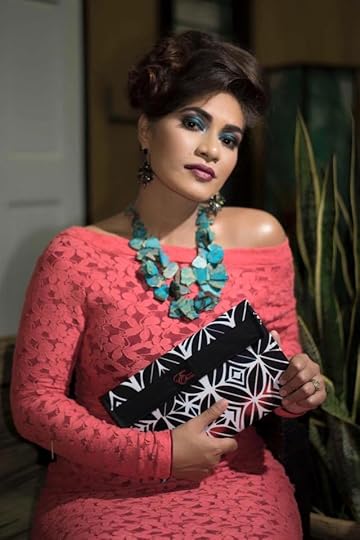
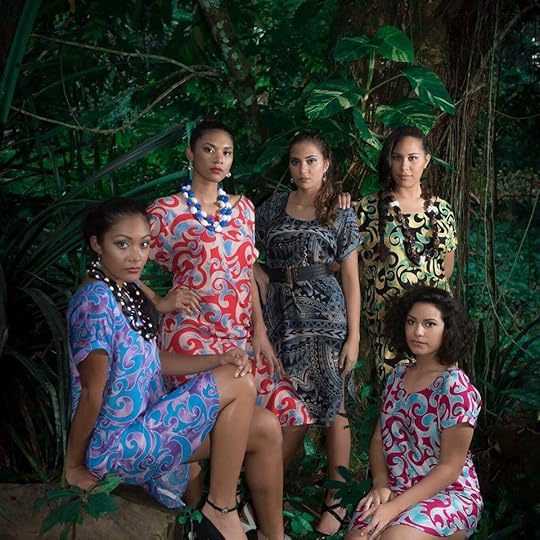
Today it’s my privilege to introduce to you Enid Westerlund, founder of ENARA, a Samoan-based fashion line featuring apparel and accessories in the style of local art. Enid collaborates with her sister, award-winning artist Elizabeth Westerlund.
I first met Enid nearly nine years ago on a missions trip to New Zealand, where she was studying at the time. She went into aviation, but four years ago left that career to pursue her passion for fashion.
Why did you choose fashion as a creative medium? Why is it your passion?
Fashion is something I stumbled across, as I was never really a girly girl. I was more into the arts and business. Fashion is my second passion after aviation, and it started from learning how to hand paint Samoan prints onto materials. The hand-painted materials turned into clothing, but all I wanted was a Samoan-themed clutch!
Why is your art important in your culture and in people’s lives?
My art inspires others to think ahead of our time. I’d like to think people want to buy these products because they are practical and they are “us.” It’s not just Samoans buying ENARA, it’s different cultures.
How do you want people to respond to/interact with your work?
I’d like people to love our products. Of course, some will like some products and some have different preferences. What we think of our work also matters, because once we create something and put it on the market, we have to first be pleased with it ourselves before someone else likes it. I test most of my creations whether it’s a clutch/tote or outfit, because I want to know what my customer is getting when they buy my products. If something doesn’t feel right, I change it or improve it.
How do you overcome self-doubt or criticism?
Being an artist, an entrepreneur, and a young businesswoman are challenges in themselves. We live in a world dominated by men and those who don’t share your vision, so it’s human nature to criticize others, while sitting on the sideline.
I already know I have critics and that’s a great thing. How else can I learn and be challenged if everyone agrees with me? I welcome constructive criticism. The negative, I read it, I deal with it, and put it in a box under the ocean where no one fishes!
Those negative people do not define who I am, they don’t create my vision, and that’s OK.
What words of encouragement or advice do you have for other artists/artisans and entrepreneurs?
God is your guide and he will lead you to where you should be if you let him. He knows your every step before you plan them. Don’t be fearful to be counted, to create and to think 100 years ahead. We can’t help but be like that! We were made by a God who created your cells.
Own your ideas, act on them, and be courageous. It’s what leaders do.


What inspires your work? How does your relationship with God influence your work and business practices?
Inspiration itself inspires my work. ENARA for me is a hobby. I don’t really see it as work. It’s something I love to do and working with other creative people drives me more.
God is the master creator, the majestic artist, He is everything who is and will be. He wills everything in His hand and my relationship with Him, living as a Christian, cements my work, business, and life. ENARA is just a small part of what He can do in my life.
You can browse and purchase ENARA products on their Facebook page.
Photos by Jordan Kwan. All rights reserved.



September 23, 2016
Preventing creative burn-out
Burn-out.
Such an ugly phrase. I prefer to use other, nicer words like tired or stressed or encountering writers’ block, but the result is the same.
I end up discouraged and depressed, banging my head on a mental wall and desperately squeezing every last drop of creativity from my soul to meet real (or self-imposed) deadlines and expectations.
The quality of my work suffers, which brings my creative energy spiraling downwards and starts the whole cycle over again. It’s that point in time why I wonder why I chose writing instead of something easier–like dragon hunting or wrangling 30 kindergartners.
I want off the not-so-merry-go-round, but life is whirling so fast I can’t see to jump without risking serious damage.
What’s a creative workaholic perfectionist to do?
Set realistic goals. I know. I hate it when reality intrudes upon my idealistic dreams. Don’t get me wrong–using your imagination is great. The creative’s tendency to think in a different galaxy than the box is what fuels amazing discoveries and achievements.
But, every creative must learn to evaluate their capacity with clear vision. Your kids come down with the flu. Your husband loses his job. You end up moving across the country (or world) a month before a major project is do (been there, done that). Life happens.
If your goals doesn’t reflect this reality, you’ll constantly be frustrated and discouraged by sub-par work and missed deadlines that could have been prevented by more realistic goals.
Make creative space. When you’re already feeling stretched to the limit and pressured for greater productivity, scheduling margin into your agenda seems counter-intuitive. But making space for times to refuel creatively and be inspired actually enable you to operate at a much higher capacity the rest of the time, both in quality and productivity.
Even if it’s just 10 minutes between projects to make a cup of tea or play with your cat, intentionally making space to feed your soul is a life-saver, both for yourself and your creative muse.
Mind the basics. I’m convinced the starving artist stereotype comes less from said artist being too poor to buy food and more from the artist simply forgetting to eat.
It’s true, isn’t it? Creatives have a tendency to become so absorbed in their work that they neglect basic healthy habits like a good diet, plenty of sleep, and a regular exercise.
Yet studies have shown that those who are healthy physically are also more healthy mentally and can work at a higher capacity. Focus on long-term goals of sustainable grown rather than what seems urgent at the moment.
Learn to say no. Especially in the early stages, it’s easy to get swept away by enthusiasm and the potential of each new idea. Yet the reality is that saying “Yes” to one thing is saying “No” to something else, even if it isn’t immediately obvious.
Focusing on who you really are and what you want to do, as well as realistically evaluating your capacity, will help you prioritize and know when to say “Yes” and when “No” is the wiser answer.
Stay connected. The creative zone can swallow us whole, rendering us oblivious to the fact we haven’t had a meaningful conversation with another human being in weeks (months, forever). Making time for the important people in your life not only makes sure you have a support team when discouragement hits, it also provides fresh inspiration and new ideas.
Burn-out will suck all the joy out of your creative work if you let it, and creatives are particularly vulnerable to its effects. Don’t let over-commitment and unhealthy work habits keep you from reaching your full potential. Prioritize, take care of yourself, and live in community with God and others. Then you – and your creativity – will flourish.


September 16, 2016
Why dressing professionally is like writing a book
Can I make a confession?
I love fashion. Yes, I’m a slightly nerdy tomboy who loves action movies and rolls my eyes at drama. But I also love fashion.
For artsy “free expression” types (that means me, by the way) “fashion” is usually whatever we feel like wearing. For introverts, fashion is often just another word for camouflage that allow us to blend into the wall (preferably in house plant brown). Sometimes fashion is functional (I work from my couch in my yoga pants). Sometimes it’s fun and flirty. And sometimes it has to be professional.
Because, like it or not (usually not), prospective clients and publishers base their perception of your competence on their first impression of your appearance. To adopt a writer-ly analogy, a book can have engaging characters and a riveting story, but if has a cheaply-made cover and is riddled with typos, a reader probably won’t pick it up long enough to find out it’s actually a fantastic book!
But striking the balance between personal and professional can be a challenge – at least, it was for me for many years.
When I dressed too fashion-forward and professional, I didn’t feel like me. When I just threw something together from the confines of my closet, it didn’t look professional. When I tried to dress fashionably like “everyone else,” it failed hopelessly. What’s a nerdy introvert girl to do?
Good news! Fashion can be learned. And while balancing fun and professionalism in fashion can be tricky, I know you can do it. Believe it or not, putting together an outfit isn’t that different from putting together the next bestseller.
DO YOU. Not anyone else. Learn from others, steal awesome ideas, but remember that you make you unique. So, you have curves? Own them. Flat as a board. Own that, too. Find clothes that fit and flatter you. Find a look that works for you.
STEP OUTSIDE YOUR COMFORT ZONE. This is a biggie. After all, no one wants to look or feel ridiculous! But nothing ventured, nothing gained. Maybe you never thought you could write in a different genre, but discovered you loved it. Be willing to try fresh looks – a new style, a new haircut, a bolder print than you’d normally choose – that you may just discover you love.
BUILD FROM BASICS. Sometimes classic outfits and cuts are classic for a reason. Because they work! Be willing to pay a little extra for quality, great-fitting basics like dress pants and/or a skirt, a solid-colored top, and a nice pair of comfortable dress shoes.
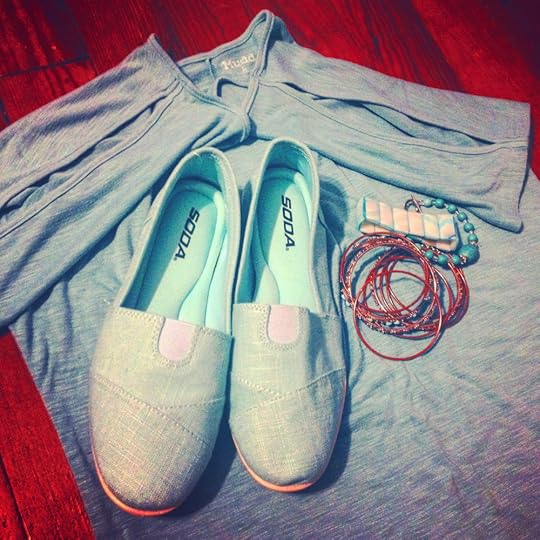
Just like you have to check off the fundamentals for your novel structure, great basics are the backbone of a fun and professional outfit.
DO YOUR RESEARCH. Dressing professionally doesn’t have to break the bank. Create a Pinterest board. Know your style and what fits you (there are numerous great blogs on this topic online, so I won’t bore you with details here). Then, you can shop for deals and still get a great look! All three of my dress heels were either free or bought at thrift stores for under $5.
KNOW YOUR AUDIENCE. The eternal conflict for the author is staying true to yourself, while always keeping your reader in mind. The same is true when dressing for professional situations. Most book events or conferences encourage “business casual” dress. Others are more casual, while some awards banquets and such require formal dress. Ask ahead of time! It will give you time to prepare and feel more confident.
LET THE INSIDE OUT. Most writers I know are stunningly creative, funny, quirky and imaginative. Ironically, most of them are also introverts who prefer to blend in with the wallpaper. Do us all a favor? Don’t.
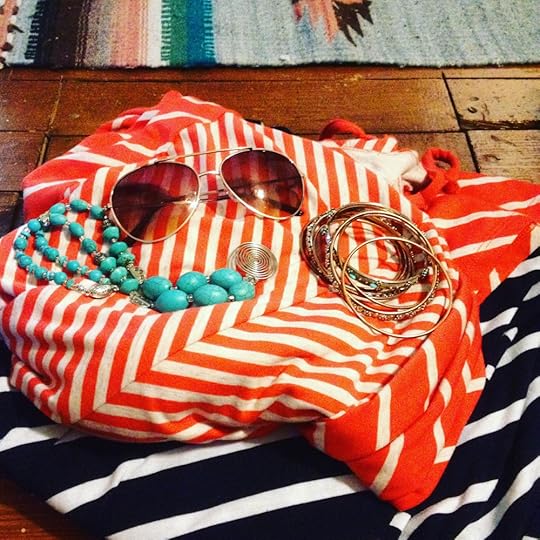
You were created with vibrant personalities that spill out onto the page. Just like emotion in writing feels flat if you’re not putting your heart out there for others to see, your outfits will feel flat if you don’t let some of those beautiful inner worlds out for the rest of us to enjoy.
IT’S ALL IN THE DETAILS. Great writing nails the basics and adds sensory details to bring it to life. If your basics say, “I’m a professional,” all the details and accessories say, “I’m a creative professional.” So, go for the Firefly earrings. Wear those bracelets you got in Africa. Pick a top with slits in the sleeves. Choose a necklace with a pop of bright color to go with your neutrals. Let everyone know there’s more to you than meets the eye!
ASK A TRUSTED FRIEND. Not the friend who tried to get you to wear a neon pink leopard print mini-dress to your graduation party. Ask someone whose look you like, or who just seems to be a few steps ahead of you in the “fun and professional” fashion journey. If you’d ask trusted friends and colleagues for their opinions on your novel, why wouldn’t you ask their advice on something as important as making a great first impression? Ask those who know you best how to represent your personality. Odds are, they’d love to help.
EMBRACE THE PROCESS. You won’t always get it right. And that’s okay. You wouldn’t expect to write a flawless novel on your first draft, right? So, you realize, upon looking around, that perhaps your favorite rock band t-shirt wasn’t the right choice. Live and learn, and move on. Just because you tried something and ended up not liking it, doesn’t mean the next thing you try won’t knock it out of the park!
DON’T FORGET TO HAVE FUN. Let your inner child out to play. Try on the most ridiculous outfit you can find and text a picture to your girlfriends. Go for a classy, vintage look. Treat yourself to that pretty scarf you’ve been eyeing. Just because we have to be professional doesn’t mean we can’t have fun in the process!
So, there you have it. If you can write a 150,000 word novel about imaginary worlds and people that only exist in your head, you can definitely put together an outfit that works for you, and conveys to everyone, friends and colleagues alike, that you’re fun, fabulous and oh-so-professional!
Now’s your chance to share your fashion tips (and flubs) with our writerly tribe. ‘Fess up!


September 9, 2016
Musical Cues for the Creative Writer
Few creative mediums instantly set the tone and affect our emotions so immediately and powerfully as music. Think about the Indiana Jones theme. Now the Imperial March from Star Wars. You’re humming it, aren’t you?
How did they make you feel? Were they different emotions, or the same? Now think about Lily’s theme from the last Harry Potter movies. How do you feel now?
Music has a mysterious, yet undeniable power to transport the listener to a particular place or time, play on their memories, and stir up emotions and imagery. I find it an extremely useful tool to mentally “set the stage” for whatever type of scene or culture I happen to be writing.
Here are a few of my favorite scene-writing songs to get you started:
Action/fight scene: Anything Skillet (“Hero” and “Rise” are at the top of my list).
Sad/poignant scene: “Lily’s Theme” from Harry Potter and the Deathly Hallows, Part 2; “The Grey Havens” and “Breath of Life” from The Lord of the Rings: The Two Towers and The Return of the King; “Now We Are Free” from Gladiator.
Happy/celebration: “Concerning Hobbits” from Lord of the Rings: The Fellowship of the Ring and “Kingdom Celebration” from the Tangled soundtrack.
Epic/Triumphant: “Main Theme” from The Hobbit: An Unexpected Journey; “The Ring Goes South” from Lord of the Rings: The Fellowship of the Ring.
Culture and setting plays such a critical role in establishing the mood and personality of a character or place. I use these songs or soundtracks to “cue” my brain to write from a particular cultural perspective and to evoke imagery.
Asian: The Memoirs of a Geisha and Last Samurai soundtracks; “Blossoms” from Disney’s Mulan.
Norse/Germanic: “The Riders of Rohan” and “The King of the Golden Hall” from Lord of the Rings: The Two Towers; “The Song of Durin” by Peter Hollens.
Arab/Middle Eastern: The Prince of Persia soundtrack, especially, “Journey Through the Desert.”
Scottish/Celtic: The Outlander soundtrack, specifically, “The Skye Boat Song“; the soundtrack from Disney’s Brave; “The Voice” by Eimear Quinn.
Indian/Latin: The 2016 live-action Jungle Book soundtrack, especially, “Jungle Run” and “Trust in Me” by Scarlett Johansson.
Appalachia/Historical: “The Hunger Games,” “Katniss Afoot” and “Rue’s Farewell” from the first Hunger Games movie; “Hanging Tree” by Jennifer Lawrence from The Hunger Games: Mockingjay, Part 1; “Kingdom Come” by The Civil Wars, Songs from District 12.
Historical/Western: The Firefly tv show soundtrack by Joss Whedon, especially the main theme; “Roundtable Rival” by Lindsey Stirling; songs featured on the Longmire tv show.
At the 2016 Realm Makers conference prolific writer T. Davis Bunn/Thom Locke spoke on “cue-ing” yourself to help your brain transition into the right mindset for your story. He told how he used music, a particular book that he always read from before starting writing, and other cues.
Music works for me. Something else may work for you. But if you’re struggling with immersing yourself in your story’s characters and culture, musical cues might just be exactly what you need.
Have you tried listening to certain types of music as you write? What are your favorites? Share so we can all enjoy!
Feature photo by Clem Onojeghuo.


September 2, 2016
10 Tips for Working with an Editor
Congratulations! You’ve completed your manuscript, chosen your editor, and are ready to make your baby shine. In fact, a good edit (or several) are all that stand between you and glorious publication. Right? Well, it’s not quite that simple.
Editing is a lot of work. Re-writing is a lot of work. And working with an editor can definitely be a difficult and emotional process if you don’t know what to expect.
That’s where I come in. As a published author and full-time editor, both freelance and for Crosshair Press, I’ll be sharing with you some tips to make the experience as painless and beneficial as possible. Before you know it, you might even be excited to get those edits back!
1. Expect edits. This may sound obvious, but every writing client I’ve worked with seems to harbor an unvoiced hope that their work is, somehow, perfect just the way it is. It might comfort you to remember that every author worth their salt – yes, even NY Times Bestselling authors – goes through multiple edits. It doesn’t make you a failure. It’s just part of the process.
2. Be patient. I know, it’s nerve-wracking to just sit and wait for someone else – a stranger, even – to critique your work. But you really can’t rush genius, and a quality content edit takes time. I specialize in developmental content edits, and it can take me 40 hours or more to edit a very clean, solid, 100,000 word manuscript.
3. Remember: it’s not about you. This is especially true of Christian writers, as we write everything for the glory of God, not our personal gratification. As prolific author T. Davis Bunn says, the first draft is for you. It’s your baby. The subsequent drafts are for everyone else. Your editor might want to take out a scene you think is hilarious, when the reality is, the scene really doesn’t fit with the feel or the flow of the story.
4. Don’t respond right away. After you receive and read through edits on your manuscript, take some time before you come back to it. Every writing client I’ve worked with has had a strong negative reaction upon receiving back their first edit. It’s tough and emotional when someone else criticizes something you’ve poured hours and heart and tears into. But resist the urge to lash out and give yourself time to work through the emotions, so you can approach it in a productive and professional way.
5. Ask questions. A good editor isn’t just focused on correcting what is “wrong” with your manuscript. They also want to help you learn to avoid common problems and improve as a writer. If you don’t understand a suggested change or comment, respectfully ask for clarification. Always be ready to learn something new.
6. Resist the urge to defend your genius. This happens more often than you might think. After a writer receives their first content edit, they usually vacillate between a despairing sense of utter failure, and righteous indignation that their editor doesn’t understand their genius. Few things make you appear less professional. Refer to the previous tips to resist the urge and instead turn it into a positive, productive experience.
7. View your editor as your ally. That character that’s been giving you fits and refusing to talk? Ask your editor for help. That scene you’ve been struggling with? Maybe your editor has some ideas to fix your plot problem. The whole point of hiring an editor is to get a different perspective and a fresh look at your story. Take advantage of it.
8. Know your story. Know your audience. Know your message. Know your characters inside and out. Then, you’ll know what edits to keep, what editor suggestions to set aside, and what needs more explanation and development. If your editor is reading a story that’s very different than the one in your mind, maybe you didn’t communicate it as well as you thought. Knowing the fundamentals of your story will help you know what to change and when to stand firm and stay true to your story.
9. Don’t take yourself too seriously. Embrace the fun and ridiculous. Enjoy the warm fuzzies from every smiley face or “Well done” mark from your editor. I used code words with one of my editing clients. I used “banana” for “show, don’t tell,” “peaches,” for “needs more snark” and “fruit salad” for paragraphs that needed both!
10. Remember why you write. Receiving feedback and re-writing your story can make you feel like a failure or like you’ll never accomplish your writing goals. Don’t give in to that voice. Remind yourself of why you love to write. Remember why your story needed to be told. And, most of all, remember that God loves you unconditionally and made you a storyteller. Embrace every stage of the process.
So, there you have it! A few tips and tricks I’ve learned along the way guaranteed to smooth your professional writing path and improve your working relationship with editors and everyone else along your publishing journey.
Have you ever worked with an editor or had a content edit? What was the experience like for you? How did you learn or grow from the experience?


August 31, 2016
Planning a “Workation” on a Budget
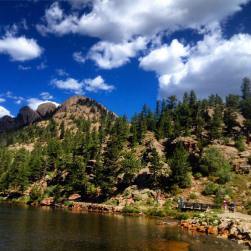
I curled up in an overstuffed armchair with a mug of my mostly-milk Mexican chocolate brew, editing an Appalachian-themed historical novel in the shadow of the Rocky Mountains. Fifty pages later, I set aside my work for a jaunt to the stunningly gorgeous Lily Lake outside of Estes, Colorado, to stretch my legs, enjoy the views, and gain new inspiration.
 I and my best friend and business partner, Amy Williams, faced an overwhelming pile of edits and manuscript reviews.
The travel bug was also biting hard, so we decided it was time for a “workation.”
Few of us creative business folks can afford the time or money to actually take a week-long vacation to the Rockies. There’s simply too much to do! But with a little creative finagling you can balance your projects and budget with your need for some R&R and make your “workation” a reality.
Share costs: Amy and I split almost everything during our week-long vacation. Splitting gas, meals, and other costs dramatically reduced the individual cost and allowed us to eat out at some really delicious restaurants without breaking the bank.
Phone a friend: A mutual friend owns and rents out a vacation cottage right smack dab in the middle of Estes Park, Colorado. They graciously let us come stay in their cottage and only charged us the cleaning fee. Ask around! A friend or family member might give you a discount on their cabin or lake home.
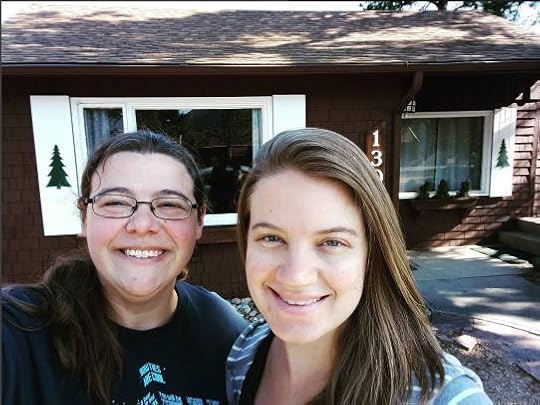
Cook your own meals: To avoid eating out every meal at pricey restaurants, we brought dry goods with us and purchased refrigerated food at a local grocery store. Instead of paying for a hotel room, rent a small place with a kitchenette (Air BnB is a great place to look!) and cook for yourself.
 Plan ahead: Often restaurants or attractions have lower-cost lunch menus or discounts for off-peak hours. Going on the edge of the peak season (we went to Estes right after most folks were back in school) means smaller crowds and reduced costs with all the benefits of great weather. Bear in mind that in some climates (such as the Rockies) it rains nearly every afternoon. We went for a hike almost every morning, returning refreshed for a few hours of work in the rainier afternoons.
Balance your time: If you’re a workaholic perfectionist like me, it can be hard to set aside a project and make time to go outside and play. Conversely, if you’re in “vacation mode” you may not feel like doing anything! Strike a healthy balance by making realistic work goals and setting a time limit. For example, I needed to edit 50 pages (or work 3-4 hours) a day to meet my edit deadline goals, but then I made myself stop and go play. Ironically, these “play times” were so refreshing and inspiring that I was dramatically more productive during my work hours. Quality – not quantity – of time is money!
I highly recommend quarterly “workations” for every creative businessperson. Maybe you have a massive writing or editing project to finish. Maybe you’re just burnt out and overwhelmed and need a change of scenery. A workation could be just what you need to finish that project and still come away refreshed, inspired, and once again loving your craft!
Have you ever gone on a “workation” before? Where would you go?


August 5, 2016
RealmMakers 2016: Steampunk Princesses and Creative Space
I sat around a table with three steampunked Disney princesses, a Zelda princess and Kylo Ren (complete with lightsaber), watching a room of geeky introverts turn into extreme extroverts. In the buffet line, Capt. Jack Sparrow mingled with Molly Weasley, River Song, Agent Carter and an Amish zombie.
This is the creative craziness that is Realm Makers.
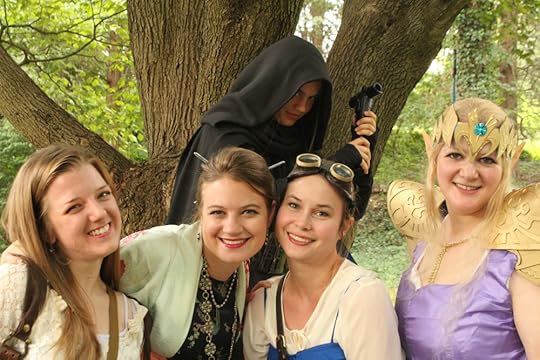
What is it, anyway?
I first came to Realm Makers, a Christian conference for speculative fiction writers, in Philadelphia, Penn., two years ago. It’s a smorgasbord of the creative and crazy, embracing nerddom with unashamed exuberance (there might have been a Kylo Ren and Rey lightsaber battle with pens).
Underneath all the geekery and fun, however, is an environment dedicated to developing writers to tell stories with creativity, depth and spiritual insight in a form and medium that is extremely popular with today’s readers.
I had a bit different Realm Makers experience than most. First, because I drove over 3,000 miles there and back with four other women in a little Malibu (actually a fun experience, even if we did have in-car waterfalls when it rained). But primarily, because I attended in my role as managing editor for Crosshair Press.


What did you do?
This is the first year Crosshair Press has been accepting outside submissions, so it was a wonderful, exhausting and eye-opening experience to participate in over 20 pitch sessions from Realm Makers writers. I can say one thing for certain–they’re a creative bunch!
It was a tremendous privilege to hear writer after writer share about their story and their writing journey (if that’s you, thank you!). As an author who’s been on the other side of the table, it takes great courage to share something so close to your heart with a stranger.
I enjoyed some very refreshing sessions and conversations with industry leaders during my time at Realm Makers. T. Davis Bunn challenged me to intentionally create space in my schedule (and my home) for writing so the everyday tasks don’t crowd out what God designed me to do. T. Davis Bunn also shared the refreshing reminder that how others respond to our work is completely outside our control, so we must focus on fulfilling God’s calling on our lives regardless of “success” or “results.”
My Crosshair Press colleagues and I were also tremendously inspired and encouraged by Steve Laube‘s continuing sessions on the formation of the Christian writer.
The most enjoyable session, however, goes to Carla (think little Southern Tinkerbell in pink and lace) for her hardcore fight workshop, whipping our fight scenes into shape and keeping us rolling with laughter in the process!
What are you taking home?
Hands-down the most valuable aspect of my Realm Makers experience was the opportunity to connect (and re-connect) with others in my profession who are passionate about Christ and telling quality stories that point people to Him.
A big highlight was gleaning advice and sharing stories and laughter at the sponsorship dinner with so many talented and experienced people. I will definitely take the wisdom and encouragement from that time home to breathe life into my work.
God really challenged me through the speakers and my conversations to make space for Him, for creativity, for rest. I’ve been running crazy for as long as I can remember (when you’re running two businesses and moving countries it gets to you) and in the midst of the rush He really spoke to me about depth and creativity in my work coming from time spent in His word, in contemplation and silence.
It seems counter-intuitive, like rest and silence would be the opponent of productivity, but God enjoys doing life backward, so I’m going to give it a try!
Here’s to silence and space…space for Him…space for creativity…space to take a deep breath and see life again and be thankful.
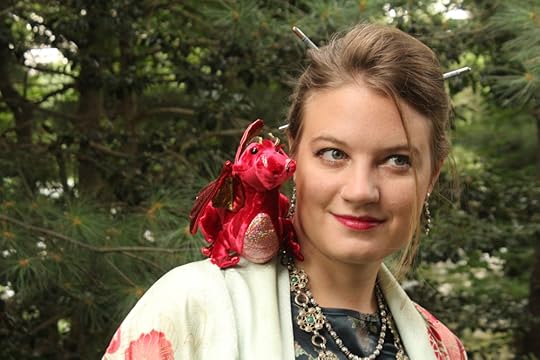
And also space for fun. Because, why wouldn’t you want to dress up like a steampunked Mulan, complete with your own shoulder dragon?
P.S. For more stories and pictures from Realm Makers, check out the Crosshair Facebook page, website, and Instagram.
P.P.S. If you’re a Realmie, this coming week I’m offering 15 percent off my eight-week fiction writing mentorship course and/or your editing package of choice. Because ya’ll are that awesome. Just mention it when you contact me to sign up!


July 22, 2016
Explore: The Outer Banks
The Outer Banks of North Carolina.
The very name makes me think of lighthouses and bird cries, the salty tang of sea air and the mysterious rhythm of murmuring surf.
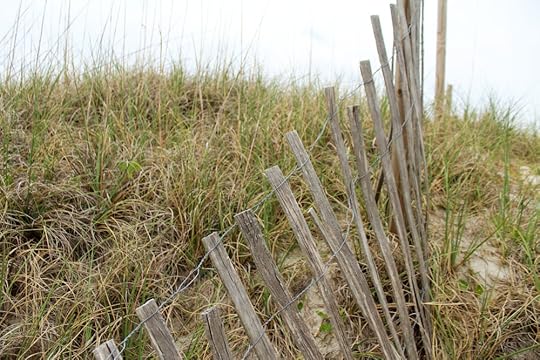

The Outer Banks is a regional term for a collection of barrier islands off the Atlantic coast of North Carolina famed for its dangerous ports (the “graveyard of the Atlantic”), rich history (including a great deal of pirate lore) and variety of marine life. It’s a very popular holiday destination for families and sportsmen alike during the peak summer season.
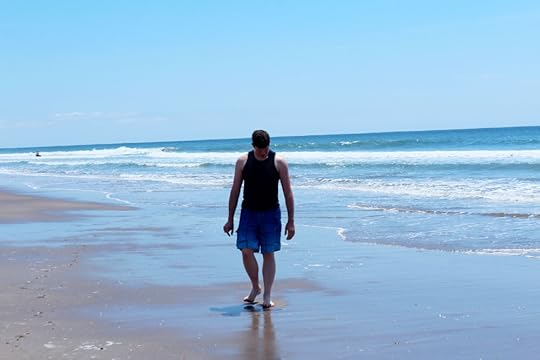
A landlocked Kansas girl myself, I loved exploring the quaint historic houses and boardwalks of Beaufort, a small historic town on the North Carolina coastline, as well as taking in the local aquarium and just enjoying walking the beach and singing to the dolphins (yes, it’s a thing).
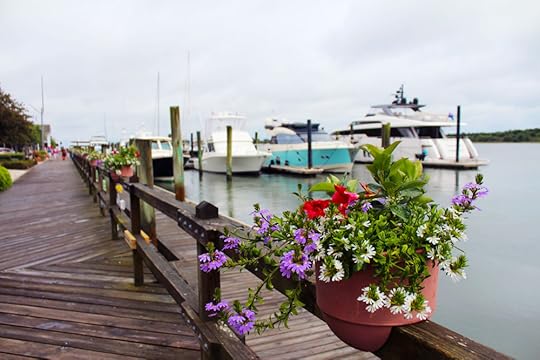
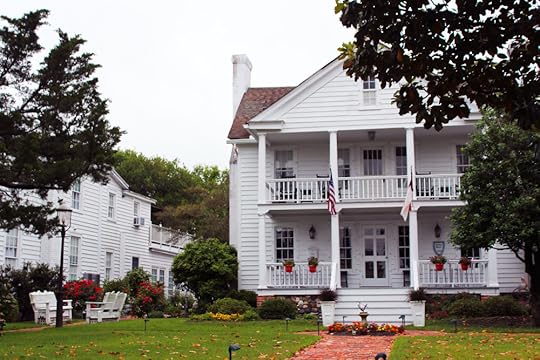
A definite highlight for me was a sailboat cruise out to the “Bite,” a hook of land jutting into the ocean that protects the Beaufort harbor, and the Lookout lighthouse, a local landmark.
Brightly-colored flowers native to the island stand out against a backdrop of green seagrass and white sands, contrasting with the black and white pattern of the lighthouse that’s iconic in the area.
Thankfully the ocean cooperated with calm seas for the sailboat cruise and I didn’t get seasick, instead enjoying the slap of sails and a peaceful afternoon out on the water. Several others on the cruise saw a green sea turtle (alas, I wasn’t quick enough) and we laughed at the dolphins running along in the wake of the shrimp boats.


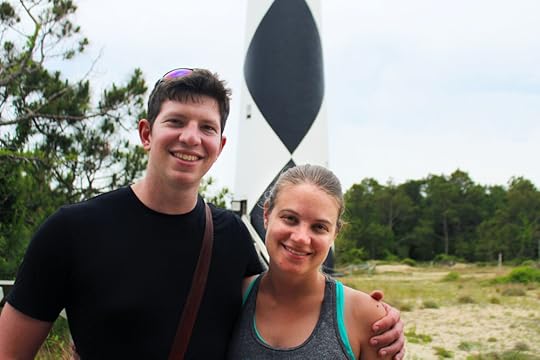 By far the true beauty of the Outer Banks lies not in its scenic views, historic architecture, marine life or southern charm. For me, the true beauty of my trip to the Emerald Isle was its unassuming invitation to relax, soak in nature and beauty, take a slow night walk on the beach and listen to the waves come in, and just be.
There are plenty of places around the world with flash and color and excitement, engaging the mind and senses with the exotic and unfamiliar. But the Outer Banks feels like a warm fuzzy blanket on a cold day, like biting into your Grandma’s freshly-baked chocolate chip cookies.
Authentic, homey, and comfortable, it’s the perfect place to sip a cup of coffee with family and friends and still have an adventure at your fingertips, waiting just beyond the shoreline.

Please note: All photography on this site is original unless noted otherwise and copyrighted to Katie Morford. Please do not use without written permission.


July 11, 2016
Pottery – Where Art and Daily Life Intersect
I first met the fabulous Rachael Wright on a rooftop restaurant in Abu Dhabi, the United Arab Emirates (we were both there for my cousin’s wedding). For her day job, Rachael devotes her time to others as a counselor.
But on her own time, she’s a talented artist with a unique perspective on the intersection of art and everyday life.
“I love clay because of its amazing ability to become so many different forms,” Rachael says. “I love how no two handmade pots are ever the same and each one has its own character.”
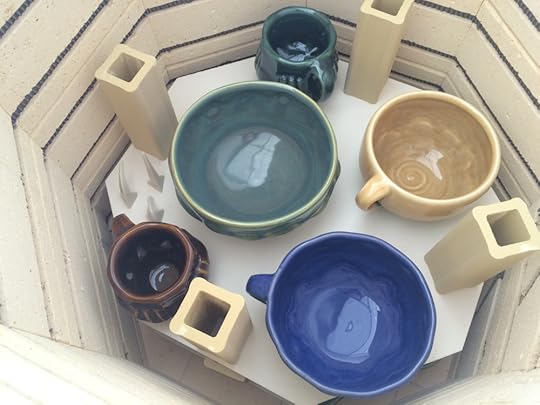 Rachael didn’t choose pottery as her medium so much as she stumbled across it and fell in love with clay during a required college pottery class.
“Each potter has their own unique style and way of working that comes out in their pots. I love searching for my style and voice in pottery to create pots that fit my personality.”
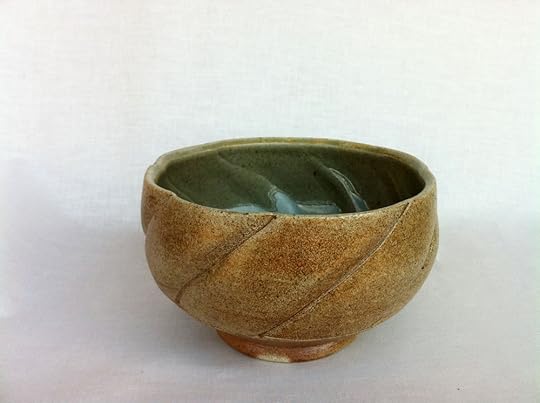
Rachael said she loves being inspired by nature and how each work of art is slightly different and has its own personality, whether it’s a sculptural piece or dishware that she uses in her own kitchen.
“It is very satisfying to drink out of my favorite mug or eat from a plate a good friend made. I love using art as I go through my day and enjoy making work that other people can use in their daily lives.”
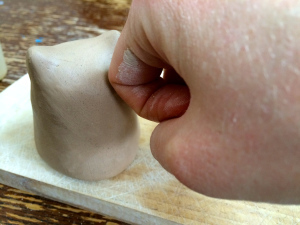
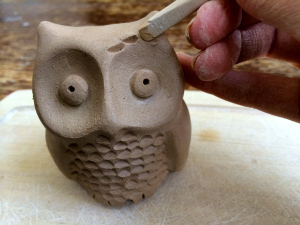
Creating beautiful pieces of pottery, both functional and decorative, can be a challenging process. Essential to her work is an attitude of playfulness, Rachael said, a truth she learned from a workshop sponsored by the Dallas Craft Guild.
For Rachael, collaborating with various artists and instructors through the Guild has been key to her continued growth as an artist. They encourage each other and help each other push through the inherent difficulties, as well as inspiring her to try new ideas and techniques.
“Two major challenges for me are continuing to create better work, and finding the audience who appreciates and wants to buy pottery,” Rachael said. “I enjoy informing people about pottery and how it is made, but it can be discouraging at shows when people do not understand the time it took to make pieces, develop the skills, and supply costs.”
In those times when self-doubt and criticism threaten to overwhelm her desire to create, Rachael says she always has to remember to go back to the basics and enjoy the process.
“My fellow artists are always encouraging me to create better and better work,” Rachael says. “When I start to feel negative I always go back to the playful aspect of clay and remember to have fun with what I do.
It is easy to get bogged down with making a living or pleasing other people and lose the joy of creating art. I would encourage [Creatives] to make what they enjoy making and continue to find playfulness as they create. Joy is found in playfulness, which will show in your work.”
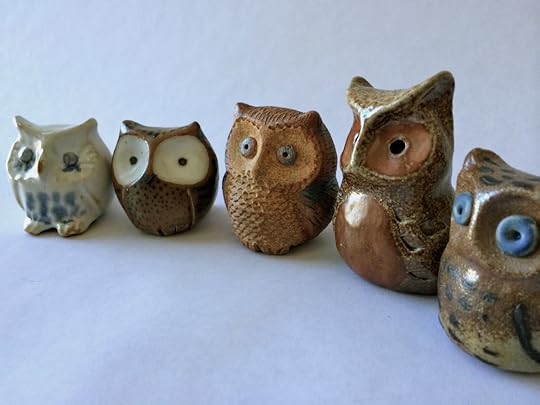
“I want people to use my work in their daily lives,” Rachael says. “I love to receive pictures of people drinking their tea in my mugs, eating their dinner on my plates, and putting my animal sculptures around their homes.”
Rachael encourages people to appreciate art and support local artists, incorporating art into every aspect of their every day lives. In a mass-produced society, there’s just something special about using items hand-crafted with love.
“Pottery connects us to art in our daily lives,” she said. “Drinking your morning coffee out of a mug that fits comfortably in your hand, is beautiful, and was made by techniques that have been around thousands of years is very different than drinking from a paper cup.”
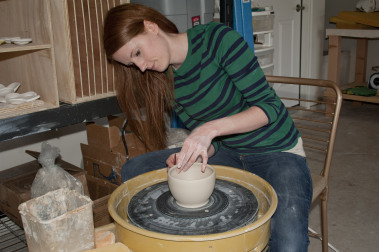 Rachel Wright is a full-time counselor and part-time potter who lives with her husband in Plano, Texas. She has loved art from a young age and experimented in many different mediums before devoting her spare time to making pottery.
For more details about her pottery and information on purchasing her pieces, go to her website, www.rawpottery.wordpress.com or check out the Dallas Craft Guild.


June 3, 2016
Janyre Tromp: Zentangles and Interactive Drawing
This post is the first of hopefully many profiles featuring amazing Creatives who are growing in their craft, innovating in creative business, and pursuing their dreams in the arts. My aim is to highlight how each Creative’s relationship with Jesus inspires and compels their creativity in many different places and mediums. Let’s support and encourage each other on our journeys!
I first had the privilege of meeting Janyre as a shy, 19-year-old bookworm working on finishing my first manuscript. Janyre had the dubious honor of guiding and encouraging me through the process of completing my science fiction/alternate universe novel.
I gained invaluable lessons in writing, book publishing, and how to be one of the nicest and most helpful editors in the world, but Janyre’s talents aren’t just limited to writing and editing books. She dabbles in multiple creative mediums, which have a tendency, as she puts it, to “drip into other areas.”
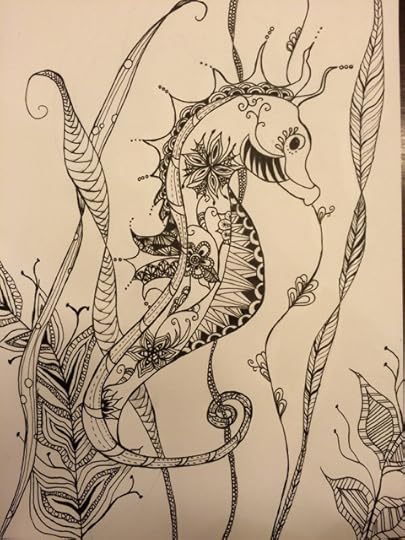
Her latest venture into zentangle drawings, perhaps more recognizable as the style common in the “adult coloring books” that are all the rage, came out of a unique motivation. She began drawing a year or so ago with her daughter, who loves visual art, saying she’s always looking for new art forms to tackle with her.
“I like the connection drawing gives me to my girl, but it also pushes me to see things in a new way,” Janyre says. “Drawing something and then seeing the shapes inside it gives me new vocabulary to study the beauty I’m surrounded in every day.”
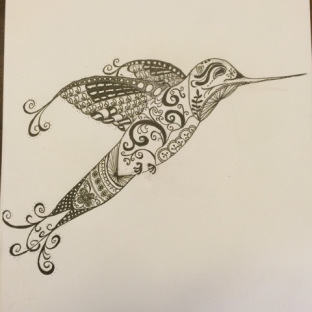 Janyre’s current zentangle project is a combination of coloring pages and a collection of meditations from Scripture for her friend’s upcoming non-fiction book, “Control Girl.”
Each of the pages she’s creating comes from the visuals she sees while reading the Scripture or lessons in the book.
“The interplay between meditation and scripture is one that has stood the test of time and I can’t wait to see how it influences other women in their journeys.”
Janyre finds inspiration for her work all around her – in the curve of a leaf or the grain of her kitchen table. Once she decides on her subject, she sketches the shape and digs for patterns and shapes inside the sketch.
“Sometimes the shapes are already there because I’ve used them to draw the actual focal point,” she says, adding that there’s a multitude of “tangle” designs online that she employs, using darker tangles for shadows and lighter tangles for highlights.
“The drawings are something that takes seeming randomness and creates order, shape, and color value—a more classic beauty,” she says. “The Zentangles are ultimately something people can respond and interact with directly. They can color, meditate, and find their own bit of art inside themselves.”
The road to creative exploration is not without its bumps, namely the usual culprits of criticism and self-doubt. It can be hard to take herself seriously as an artist in a culture that values the bottom line. But Janyre says her years as an editor has helped her understand how to evaluate criticism, and turn her self-doubt into a force that encourages greater creativity.
“Self-doubt is something that I hope will always push me to be better, keep processing, and never give in to complacency.“
Our art is a direct reflection of our worldview—how we see and interpret the world we live in, Janyre says.
But we’ve lost what makes us human in our essence. It is art’s place to recapture that and find a way to communicate that to others.
The challenge is that the “blank space” necessary to give dimension to an artist’s work is not necessarily valued in our culture. Being a Creative takes time and space to be purposeful in reflection and study.
“Your gift is a reflection of the creator himself,” Janyre says. “Your celebration of beauty (even when it isn’t pretty) is not only a significant indicator of humanity, but also one of the greatest arguments for a loving God.
“It’s a huge honor, but also an enormous responsibility. Hone your skill, use it with purpose and dignity, tell your story, paint your picture and be aware of the message you tell.”
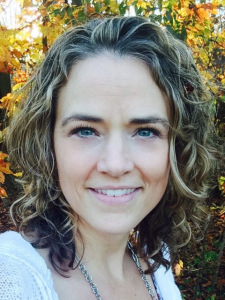 Janyre Tromp works from her kitchen table as a book editor for Kregel Publications by day and a wife, mom and general creative all hours of the day and night. She enjoys hanging out with her husband, two children, and slightly eccentric Shetland Sheepdog.
You can follow her exploits on her blog, or via social media on Facebook, Twitter, Pinterest and Instagram.
Janyre Tromp works from her kitchen table as a book editor for Kregel Publications by day and a wife, mom and general creative all hours of the day and night. She enjoys hanging out with her husband, two children, and slightly eccentric Shetland Sheepdog.
You can follow her exploits on her blog, or via social media on Facebook, Twitter, Pinterest and Instagram.



