Jamie Parsley's Blog, page 88
May 5, 2013


May 4, 2013
Memorial Service for Jackie Parsley
The memorial service for

Jackie M. Parsley(April 11, 1971-April 19, 2013)Saturday, May 4, 2013
+ As we gather this morning, I think most of us can agree: None of us want to be here this morning. After all, how can we even be here, now, in this moment, saying good-bye to Jackie? How can Jackie—Jackie!—be gone?
In these last two weeks, I can’t tell you how many times I have asked myself—and others—that same question: How can Jackie be gone?
As many of you might know, I am Jackie’s cousin. She was a year younger than me. And, certainly in our late teens and early twenties, with her being the celebrity she was at NDSU (she would’ve hated me calling her a “celebrity”), I would often joke about the fact that anywhere I went at that time, someone would invariably ask, “So, are you related to Jackie Parsley?”
Whenever I would bring that up to Jackie—and I often did—she would smile that smile of hers and shrug her shoulders in that way she did, and act all embarrassed about it.
But the fact is, we all have to admit this: she was special. Those of us who knew her and loved her knew she was special. Special, not perfect. I can tell you, if she were here this morning—and she is here this morning with us—she would take issue with me if I made her out to be anything close to perfect. She knew she wasn’t perfect. But she was special. There was truly something special about her.
In these last two weeks, I thought a lot of about what it was. And I have heard from others about that specialness. So many people in these last few weeks have shared their thoughts and their feelings about that specialness—that extra something she had—that made her who she was. And I think it was some kind of brightness about her.
Anyone who knew her, saw that brightness in her eyes. It was a sparkling there in her eyes. It wasn’t always there. She had her moments. But when it was there, it was so bright. And thinking of that brightness, that life that was within her, I have to admit: that makes today harder for me, and I’m sure for many of you as well.
How can that brightness, that life, be gone? And so quickly and so suddenly? It just doesn’t make sense.
But the fact is, that brightness, that life, isn’t gone. It is still here with us. It is with us in the love we felt—and still feel—for her. It is with us when we think of her in those good and special moments. It is with us when we miss her and wish we could have a bit of that brightness back with us.
In moments like this, I get asked quite often: why? Why do things like this happen? Why do things like this happen to people like Jackie? And although people seem to expect people like me—people who are priests and clergy—to know, we don’t. I don’t know why this happened.
But I do know this, without a doubt. I do know that despite these bad things, we can’t say that God was somehow absent. God was not absent in any way in Jackie’s life. That light and brightness and life we saw shining in her eyes was God’s light. It was God shining through her. And I believe and know in my heart of hearts that when Jackie passed from this world two weeks ago yesterday, she did so in the loving and caring Presence of her God, and that she awoke from this world in that loving Presence, enfolded and loved.
For us, however, it isn’t easy to believe that at times. At times like this, this world seems cold and dark and unfair and chaotic.
In moments like this, I often refer to the very common image of a carpet. Maybe you’ve heard this image used before. If we take a look at a carpet, we know there are two sides to it. The bottom of the carpet is kind of ugly. It’s all matted and full of glue and stray strands of yarn. It’s not very pleasant. But the topside of the carpet can be beautiful. It all comes together on the topside of the carpet.
Life is like that carpet. We, here, now, in this moment, are looking at life—and at Jackie’s death— from the underside of the carpet. It doesn’t seem to make any sense sometimes. Especially if we don’t know what’s on the other side of the carpet.
For God—and for Jackie, in this moment—they are viewing the carpet from the topside. For them, it is complete. It all, somehow, makes sense. And for us, left on the underside of the carpet, all we can do is guess and conjecture and hope in the completeness we will one day see on the topside of the carpet.
In our reading from the Book of Revelation this morning, we get his wonderful glimpse of the topside of the carpet. We heard,
“See, the home of God is among mortals. [God] will dwell with them; they will be [God’s] people, and God…will be with them; [God] will wipe every tear from their eyes. Death will be no more; mourning and crying and pain will be no more, for the first things have passed away.”
We are still living in this time in which there is death. We are still living in this time of mourning and crying and pain. We still living in this valley of tears. This morning, we all know what it is like to live in that sad place.
But we know—and Jackie herself knew—that ultimately, these things will pass away. Ultimately, death will truly be no more. Mourning and crying and pain will truly be no more. And God will, one day, wipe every tear from our faces, and we will never cry again, except, maybe with joy.
Jackie is there now in that place. And we too will be there one day.
So, yes, today we are sad. Yes, we are mourning today. Yes, we are struggling with these questions and these tears and this gnawing ache within us. But this is temporary. That joy, that light, that brightness is eternal. And one day—one very glorious day—it will never be taken from us.
I will miss Jackie. I will miss her vibrancy and her joy and her specialness. But I know that one day, I will see her again, as we all will.
So, for now, let us, who here, now, celebrate her life. Let us give thanks for her and for all she gave us in this life. And let us know, as we go from here today, that her brightness goes with each of us. Amen.

Jackie M. Parsley(April 11, 1971-April 19, 2013)Saturday, May 4, 2013
+ As we gather this morning, I think most of us can agree: None of us want to be here this morning. After all, how can we even be here, now, in this moment, saying good-bye to Jackie? How can Jackie—Jackie!—be gone?
In these last two weeks, I can’t tell you how many times I have asked myself—and others—that same question: How can Jackie be gone?
As many of you might know, I am Jackie’s cousin. She was a year younger than me. And, certainly in our late teens and early twenties, with her being the celebrity she was at NDSU (she would’ve hated me calling her a “celebrity”), I would often joke about the fact that anywhere I went at that time, someone would invariably ask, “So, are you related to Jackie Parsley?”
Whenever I would bring that up to Jackie—and I often did—she would smile that smile of hers and shrug her shoulders in that way she did, and act all embarrassed about it.
But the fact is, we all have to admit this: she was special. Those of us who knew her and loved her knew she was special. Special, not perfect. I can tell you, if she were here this morning—and she is here this morning with us—she would take issue with me if I made her out to be anything close to perfect. She knew she wasn’t perfect. But she was special. There was truly something special about her.
In these last two weeks, I thought a lot of about what it was. And I have heard from others about that specialness. So many people in these last few weeks have shared their thoughts and their feelings about that specialness—that extra something she had—that made her who she was. And I think it was some kind of brightness about her.
Anyone who knew her, saw that brightness in her eyes. It was a sparkling there in her eyes. It wasn’t always there. She had her moments. But when it was there, it was so bright. And thinking of that brightness, that life that was within her, I have to admit: that makes today harder for me, and I’m sure for many of you as well.
How can that brightness, that life, be gone? And so quickly and so suddenly? It just doesn’t make sense.
But the fact is, that brightness, that life, isn’t gone. It is still here with us. It is with us in the love we felt—and still feel—for her. It is with us when we think of her in those good and special moments. It is with us when we miss her and wish we could have a bit of that brightness back with us.
In moments like this, I get asked quite often: why? Why do things like this happen? Why do things like this happen to people like Jackie? And although people seem to expect people like me—people who are priests and clergy—to know, we don’t. I don’t know why this happened.
But I do know this, without a doubt. I do know that despite these bad things, we can’t say that God was somehow absent. God was not absent in any way in Jackie’s life. That light and brightness and life we saw shining in her eyes was God’s light. It was God shining through her. And I believe and know in my heart of hearts that when Jackie passed from this world two weeks ago yesterday, she did so in the loving and caring Presence of her God, and that she awoke from this world in that loving Presence, enfolded and loved.
For us, however, it isn’t easy to believe that at times. At times like this, this world seems cold and dark and unfair and chaotic.
In moments like this, I often refer to the very common image of a carpet. Maybe you’ve heard this image used before. If we take a look at a carpet, we know there are two sides to it. The bottom of the carpet is kind of ugly. It’s all matted and full of glue and stray strands of yarn. It’s not very pleasant. But the topside of the carpet can be beautiful. It all comes together on the topside of the carpet.
Life is like that carpet. We, here, now, in this moment, are looking at life—and at Jackie’s death— from the underside of the carpet. It doesn’t seem to make any sense sometimes. Especially if we don’t know what’s on the other side of the carpet.
For God—and for Jackie, in this moment—they are viewing the carpet from the topside. For them, it is complete. It all, somehow, makes sense. And for us, left on the underside of the carpet, all we can do is guess and conjecture and hope in the completeness we will one day see on the topside of the carpet.
In our reading from the Book of Revelation this morning, we get his wonderful glimpse of the topside of the carpet. We heard,
“See, the home of God is among mortals. [God] will dwell with them; they will be [God’s] people, and God…will be with them; [God] will wipe every tear from their eyes. Death will be no more; mourning and crying and pain will be no more, for the first things have passed away.”
We are still living in this time in which there is death. We are still living in this time of mourning and crying and pain. We still living in this valley of tears. This morning, we all know what it is like to live in that sad place.
But we know—and Jackie herself knew—that ultimately, these things will pass away. Ultimately, death will truly be no more. Mourning and crying and pain will truly be no more. And God will, one day, wipe every tear from our faces, and we will never cry again, except, maybe with joy.
Jackie is there now in that place. And we too will be there one day.
So, yes, today we are sad. Yes, we are mourning today. Yes, we are struggling with these questions and these tears and this gnawing ache within us. But this is temporary. That joy, that light, that brightness is eternal. And one day—one very glorious day—it will never be taken from us.
I will miss Jackie. I will miss her vibrancy and her joy and her specialness. But I know that one day, I will see her again, as we all will.
So, for now, let us, who here, now, celebrate her life. Let us give thanks for her and for all she gave us in this life. And let us know, as we go from here today, that her brightness goes with each of us. Amen.
April 23, 2013
Memorial Service for Jackie Parsley

The memorial service for my cousin, Jackie Parsley, 42, will be Saturday, May 4 at 10:00 am at St. Stephen’s Episcopal Church.
A reception will be held following the service.Private committal of ashes will be at a later date.
Jacquelynn Marie Parsley, 42, Milwaukee, WI, formerly of Kindred, ND, died in her home Friday, April 19, 2013.
Jackie was born April 11, 1971 in Fargo, ND to James and Anna (Bordt) Parsley. She attended school in Kindred, graduating from Kindred High School in 1989. She went on to attend North Dakota State, and was part of two national Bison women’s basketball championship teams. She earned a bachelor’s degree in business from NDSU and a master’s degree from Valley City State in education. She carried her love for basketball over to the next generation. Jackie was the head girl’s basketball coach for several high school in North Dakota and Minnesota. She finished her coaching career at the University of Wisconsin- Platteville.
She is survived by three sisters, Deb (Paul) Arnason, Grand Forks, ND, Geraldene (Rob) Bodin, Medina, ND, and Jenelle (Bart) Hughes, Colorado Springs, Co. Jackie was also survived by a plentitude of extended family to include nieces, nephews, aunts, uncles and cousins. She also had close friends spreading from Fargo to Milwaukee that will miss her dearly.
She was preceded in death by her parents.
April 21, 2013
4 Easter
Good Shepherd Sunday
 April 21, 2013
John 10.22-30
+ This past week of course we have been, collectively, through a true spectrum of emotions with all the events which have unfolded in Boston. It was hard to maneuver them at times. I couldn’t keep up with it all as times. And there were moments when letting fear win out, when letting fear reign, was almost too easy.
For me personally this past week was particularly hard. On Friday morning, one of my closest cousins, Jackie, committed suicide in Milwaukee. Jackie was only a year younger than me. She was a very successful basketball player in her college days at NDSU and was one of the first members of the family (after me) to get a Master’s Degree in our family. I was particularly close to her and her death has hit me very hard.
In moments in which innocent people die in horrible acts of terrorism and violence, when loved ones succumb to despair, it is hard in this Easter season to say, with any real enthusiasm, “Alleluia.”
Last Wednesday, at the Wednesday night Mass at St. Stephen’s, I mentioned that I had just finished a wonderful book about the great Leonard Cohen song, “Hallelujah.”
If you do not know this song, I highly recommend you listen to it sometime. It is an incredible song. The book, called The Holy and the Broken: Leonard Cohen, Jeff Buckley and the Unlikely Ascent of “Hallelujah” by Alan Light, is a fascinating look at this one song that has taken on so many different interpretations over the last almost fifty years. I still cannot listen to the Jeff Buckley version of the song to this day, with its one long exhale at the beginning, without crying.
At one point in the book , a Presbyterian pastor, who utilized the song in a service in Canada (Cohen’s home country), said this.
There are days, I am sure, when you and I and even the great King David could only muster the cold and lonely Hallelujah. It may be that the cold and lonely Hallelujah is a turning point that marks our salvation... The cold and lonely Hallelujah is a surrender to the mystery and backhanded glory of God.”“There are days, I am sure, when you and I and even the great King David could only muster the cold and lonely Hallelujah. It may be that the cold and lonely Hallelujah is a turning point that marks our salvation... The cold and lonely Hallelujah is a surrender to the mystery and backhanded glory of God.”
This past week, many of us have truly experienced the backhanded glory of God. And doing so, is not easy. In fact, it is hard. But, this backhand glory of God is a reality.
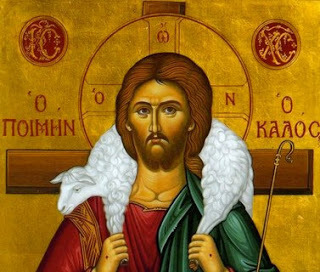
This morning, on this co-called Good Shepherd Sunday—the Sunday in which we encounter this wonderful reading about Jesus being the Good Shepherd—we also encounter the compassion of our God. Yes, even in the backhanded glory of God, we also experience the compassion of God. This encounter with the Good Shepherd makes all the difference in how we go forward, after that “turning point in our salvation.”
This image of the Good Shepherd is probably one of the most perfect images Jesus could have used for the people listening to him at that time. They would have understood what a good shepherd was and what a bad shepherd was. The good shepherd was the shepherd who actually cared for his flock. He looked out for them, he watched them. The Good Shepherd guided the flock and led the flock. He led the flock to a place to eat.
This is an important aspect of the role of the Good Shepherd. The Good Shepherd didn’t feed the flock. Rather the good shepherd led the flock to the choicest green pastures and helped them to feed themselves. In this way, the Good Shepherd is more than just a coddling shepherd. He is not the co-dependent shepherd. The Good Shepherd doesn’t take each sheep individually, pick them up, and hand-feed each one of them. Rather, he guides and leads the sheep to green pastures and allows them to feed themselves. The Good Shepherd also protects the flock against the many dangers out there. He protects the flock from the wolves, from getting too near cliffs, or holes, or falling into places of water
Let’s face it, there are many dangers out there. This past week, with all the events unfolding steadily in Boston, and in our own personal lives, we know there are dangers out there. And frightening dangers, nonetheless. There are many opportunities for us to trip ourselves, to get lost, to get hurt.
If we follow the Good Shepherd, if we allow ourselves to be led by him, we realize that those pitfalls are difficult, yes, but they don’t defeat us. Of course, the journey isn’t an easy one. We can still get hurt along the way. Bad things can still happen to us. There are predators out there, waiting to hurt us. There are storms brewing in our lives, waiting to rain down upon us.
But, with our eyes on the Shepherd, we know that the bad things that happen to us will not destroy us, because the Shepherd is there, close by, watching out for us. We know that in those bad times—those times of darkness when predators close in, when storms rage—he will rescue us.
Most importantly the Good Shepherd knows his flock.
“I know them and they follow me,” Jesus says in today’s Gospel reading.
If one is lost, he knows it is lost and will not rest until it is brought back into the fold. This is the kind of relationship we have with Jesus as the Good Shepherd. We are know him because he knows us. He knows us and calls us each by our name.
In Jesus, we don’t have some vague, distant God. We don’t have a God who lets us fend for ourselves. We instead have a God who leads us and guides us, a God who knows us each by name, a God who despairs over the loss of even one of the flock. We have a God who even, in God’s backhanded glory, knows us and loves and cares for us. All these are important images, vital images to explain the relationship God has with us and we with God.
But the Good Shepherd doesn’t end there. This isn’t just about me as an individual and Jesus. The image of the Good Shepherd must be taken and applied by anyone. Any of us who follow Jesus are called to be good shepherds in turn.. We must love and love fully those who around us. We must care for those people who walk this path with us. We must look out for our loved ones and even our enemies, and we must shepherd them in whatever ways we can in our own lives.
Again, this is not easy, especially when it seems we are lost at times, when we are falling into the traps life sets before us, when we feel aimless in that backhanded glory of God, when our alleluias feels cold and lonely. But, that’s the way God’s backhanded glory works, sometimes. Sometimes, God’s works through our brokenness and helps us to guide others in their brokenness. Sometimes the best Good Shepherd is the one who has known fully what a lost sheep feels like, who knows the coldness and loneliness of being that lost sheep.
So, on this day in which we celebrate the Shepherd who leads and guides, let us not only be led, but let us also lead. On this day that we look to the Shepherd who guides, let us be guided and let us guide others. And let our alleluia on this Good Shepherd Sunday, even if it is a cold and lonely Alleluia, still be an Alleluia nonetheless. Let it be the sound we make, even in the cold and lonely places we sometimes find ourselves in. And let us, in that place, know that, even there, even there in the backhanded glory of God, we are still experiencing the glory of God.
Amen.
 April 21, 2013
John 10.22-30
+ This past week of course we have been, collectively, through a true spectrum of emotions with all the events which have unfolded in Boston. It was hard to maneuver them at times. I couldn’t keep up with it all as times. And there were moments when letting fear win out, when letting fear reign, was almost too easy.
For me personally this past week was particularly hard. On Friday morning, one of my closest cousins, Jackie, committed suicide in Milwaukee. Jackie was only a year younger than me. She was a very successful basketball player in her college days at NDSU and was one of the first members of the family (after me) to get a Master’s Degree in our family. I was particularly close to her and her death has hit me very hard.
In moments in which innocent people die in horrible acts of terrorism and violence, when loved ones succumb to despair, it is hard in this Easter season to say, with any real enthusiasm, “Alleluia.”
Last Wednesday, at the Wednesday night Mass at St. Stephen’s, I mentioned that I had just finished a wonderful book about the great Leonard Cohen song, “Hallelujah.”
If you do not know this song, I highly recommend you listen to it sometime. It is an incredible song. The book, called The Holy and the Broken: Leonard Cohen, Jeff Buckley and the Unlikely Ascent of “Hallelujah” by Alan Light, is a fascinating look at this one song that has taken on so many different interpretations over the last almost fifty years. I still cannot listen to the Jeff Buckley version of the song to this day, with its one long exhale at the beginning, without crying.
At one point in the book , a Presbyterian pastor, who utilized the song in a service in Canada (Cohen’s home country), said this.
There are days, I am sure, when you and I and even the great King David could only muster the cold and lonely Hallelujah. It may be that the cold and lonely Hallelujah is a turning point that marks our salvation... The cold and lonely Hallelujah is a surrender to the mystery and backhanded glory of God.”“There are days, I am sure, when you and I and even the great King David could only muster the cold and lonely Hallelujah. It may be that the cold and lonely Hallelujah is a turning point that marks our salvation... The cold and lonely Hallelujah is a surrender to the mystery and backhanded glory of God.”
This past week, many of us have truly experienced the backhanded glory of God. And doing so, is not easy. In fact, it is hard. But, this backhand glory of God is a reality.
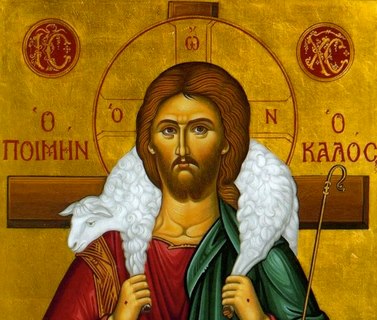
This morning, on this co-called Good Shepherd Sunday—the Sunday in which we encounter this wonderful reading about Jesus being the Good Shepherd—we also encounter the compassion of our God. Yes, even in the backhanded glory of God, we also experience the compassion of God. This encounter with the Good Shepherd makes all the difference in how we go forward, after that “turning point in our salvation.”
This image of the Good Shepherd is probably one of the most perfect images Jesus could have used for the people listening to him at that time. They would have understood what a good shepherd was and what a bad shepherd was. The good shepherd was the shepherd who actually cared for his flock. He looked out for them, he watched them. The Good Shepherd guided the flock and led the flock. He led the flock to a place to eat.
This is an important aspect of the role of the Good Shepherd. The Good Shepherd didn’t feed the flock. Rather the good shepherd led the flock to the choicest green pastures and helped them to feed themselves. In this way, the Good Shepherd is more than just a coddling shepherd. He is not the co-dependent shepherd. The Good Shepherd doesn’t take each sheep individually, pick them up, and hand-feed each one of them. Rather, he guides and leads the sheep to green pastures and allows them to feed themselves. The Good Shepherd also protects the flock against the many dangers out there. He protects the flock from the wolves, from getting too near cliffs, or holes, or falling into places of water
Let’s face it, there are many dangers out there. This past week, with all the events unfolding steadily in Boston, and in our own personal lives, we know there are dangers out there. And frightening dangers, nonetheless. There are many opportunities for us to trip ourselves, to get lost, to get hurt.
If we follow the Good Shepherd, if we allow ourselves to be led by him, we realize that those pitfalls are difficult, yes, but they don’t defeat us. Of course, the journey isn’t an easy one. We can still get hurt along the way. Bad things can still happen to us. There are predators out there, waiting to hurt us. There are storms brewing in our lives, waiting to rain down upon us.
But, with our eyes on the Shepherd, we know that the bad things that happen to us will not destroy us, because the Shepherd is there, close by, watching out for us. We know that in those bad times—those times of darkness when predators close in, when storms rage—he will rescue us.
Most importantly the Good Shepherd knows his flock.
“I know them and they follow me,” Jesus says in today’s Gospel reading.
If one is lost, he knows it is lost and will not rest until it is brought back into the fold. This is the kind of relationship we have with Jesus as the Good Shepherd. We are know him because he knows us. He knows us and calls us each by our name.
In Jesus, we don’t have some vague, distant God. We don’t have a God who lets us fend for ourselves. We instead have a God who leads us and guides us, a God who knows us each by name, a God who despairs over the loss of even one of the flock. We have a God who even, in God’s backhanded glory, knows us and loves and cares for us. All these are important images, vital images to explain the relationship God has with us and we with God.
But the Good Shepherd doesn’t end there. This isn’t just about me as an individual and Jesus. The image of the Good Shepherd must be taken and applied by anyone. Any of us who follow Jesus are called to be good shepherds in turn.. We must love and love fully those who around us. We must care for those people who walk this path with us. We must look out for our loved ones and even our enemies, and we must shepherd them in whatever ways we can in our own lives.
Again, this is not easy, especially when it seems we are lost at times, when we are falling into the traps life sets before us, when we feel aimless in that backhanded glory of God, when our alleluias feels cold and lonely. But, that’s the way God’s backhanded glory works, sometimes. Sometimes, God’s works through our brokenness and helps us to guide others in their brokenness. Sometimes the best Good Shepherd is the one who has known fully what a lost sheep feels like, who knows the coldness and loneliness of being that lost sheep.
So, on this day in which we celebrate the Shepherd who leads and guides, let us not only be led, but let us also lead. On this day that we look to the Shepherd who guides, let us be guided and let us guide others. And let our alleluia on this Good Shepherd Sunday, even if it is a cold and lonely Alleluia, still be an Alleluia nonetheless. Let it be the sound we make, even in the cold and lonely places we sometimes find ourselves in. And let us, in that place, know that, even there, even there in the backhanded glory of God, we are still experiencing the glory of God.
Amen.
April 19, 2013
Prayers for the repose of the soul of my cousin, Jackie Parsley
I ask your prayers for the repose of the soul of my cousin, Jackie Parsley, who died today very suddenly and unexpectedly.
Prayers also for her partner, Jen; her sisters and their families; and for all her friends
Rest eternal grant to her, O Lord; and let light perpetual shine upon her. May she rest in peace and rise in glory.
Prayers also for her partner, Jen; her sisters and their families; and for all her friends
Rest eternal grant to her, O Lord; and let light perpetual shine upon her. May she rest in peace and rise in glory.
April 14, 2013
3 Easter
John 21: 1-19
+ Now I know this is a strange questions to ask on a Sunday morning. And I know the answer I’m going to receive before I ask. But…have you ever had one of times in which you seem to have a bunch of excess energy? The answer is probably a big fat no. I know many of us would kill to have excess energy in their lives.
But, I’ve got to say it, I am experiencing that excess energy right now in my life. I feel like I’m revving with energy all the time. I don’t now if it’s because I’m a vegetarian or what, but I am just like some kind of mini tornado.
In addition to all the work I was doing during Holy Week and since in being your priest, I also have been working like crazy at the Rectory. I’ve been painting cupboards. I’ve been cleaning. I bought a pair of 1950s chairs this past week and they looks soooo cool in the rectory. But of course that meant rearranging and changing around. You can see some of these changes I’ve made on my blog: http://jamieparsley.blogspot.com/2013/04/rectory-renovations.html
Often times in my life, anyway, I find myself feeling much more comfortable doing something, rather than just sitting around. Especially when the big things happen. For example, when my father died, I found that the worst thing could’ve done is just sit around. I ended doing something everyone tells us we shouldn’t do in situations like that. I drowned myself in work. I don’t recommend that toany of you. But it was good for me. I found doing some thing helped me deal with that shock and loss.
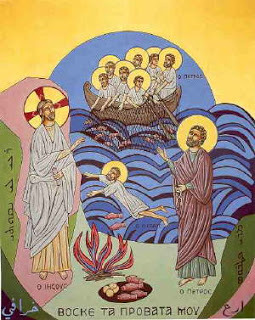
In this morning’s Gospel, we find the Apostles doing something very much like that. They aren’t sitting around doing nothing. They are doing some thing. They are keeping busy.
In the wake of the murder of Jesus, in the wake of his resurrection, in the wake of his appearing to them—in the wake of this unusual, extraordinary activity in their lives—they do the most ordinary thing in their lives. They go fishing. They pick up their nets and they go out onto the water. No doubt, considering all that had happened to them in the previous days and weeks, their minds were reeling. But, now, are doing something they knew how to do Something that gave them some comfort, no doubt.
This what they did after all. This what their fathers did and no doubt what their grandfathers and great-grandfathers did as well. Fishing was in their blood. It was all they knew until Jesus came into their lives. And, no doubt, when the extraordinary events of Jesus’ murder and resurrection happened, the only way they could find some normalcy in their life was by going fishing.
The fact is, this is probably the last time they would ever go fishing together. Their old life had once and for all passed away with the voice that calls to them from the shore. Their jobs as fishermen would change with the words “Feed my sheep.”
No longer would they be fishing for actual fish. They would be fishing from now on for humans. That symbolic number of 153 seems to convey to us that the world now has become their lake.
And what is particularly poignant about all of this is Jesus doesn’t come into their lives to change them into something else. He comes into their lives and speaks to them in language they understand. He could have said to them: “Go out and preach and convert.” But to fishermen, that means little or nothing. They are fishermen, not priests or pastors. They are not theologians.
Instead, Jesus says, “Feed my sheep.” This they would understand. In those simple words, they would have got it. And when he says “feed my sheep,” Shepherd my sheep,” it was not just a matter of catching and eating. It was a matter of catching and nurturing.
In a sense, we are called by Jesus as well to be shepherds like Peter and the fellow apostles to feed. And those around us—those that share this world with us—are the ones Jesus is telling us to feed as well.
It isn’t enough that we come here to church on a Sunday morning to be fed. We, in turn, must go out and feed. And this command of Jesus is important. Jesus asks it of Peter three times—one time for each time Peter denied him only a few weeks before. Those words of Jesus to Peter are also words to us as well.
In the wake of the devastating things that happen in our lives, the voice of Jesus is a calm center. Amid the chaos of the world, the calm, cool voice of Jesus is still saying to us, as we cope in our ordinary ways, “feed my sheep.” Because, it is in these strange and difficult times that people need to be fed and nourished. It is in times like these that we need to be fed, and it is in times like these that we need to feed others as well. That, in a sense, is what it means to be a Christian.
Following Jesus, as we all know, is not easy. The fact is: it’s probably the hardest thing one can do. Christ—God in the flesh—is not present to us as he was present to those fishermen in this morning’s gospel. He is not cooking us a breakfast when we come back from ordinary work. Loving a God who is not visible—who is not standing before us, in flesh and blood, is not easy. And I’m sure I don’t have to tell anyone here this morning: loving our neighbors—those people who share our world with us—as ourselves, is not easy by any means.
It takes constant work to love. It takes constant discipline to love as Jesus loved. It takes constant work to love ourselves—and most of us don’t love ourselves—and it takes constant work to love others.
But look at the benefits. Look at what our world would be like if we loved God, if we loved ourselves and loved others as ourselves. It was be ideal. It would truly be the Kingdom of God, here on earth. It would be exactly what Jesus told us it would be like. But to do this—to bring this about—to love God, to love ourselves, to love each other, is hard work.
Some would say it’s impossible work. Certainly, it seems overwhelming at times. It seems too much for us to even consider in times when the world seems out of control, when hatred and violence seem to reign supreme, when crazy dictators threaten to launch nuclear missiles as a show of might and power. It seems impossible when we realize that what we are asked to do is love and serve something that we don’t see.
Let’s face it, to live as Jesus expects us to live, to serve as Jesus calls us to serve, to love as Jesus loves, is not easy. Being a Christian means living one’s life fully and completely as a follower of Jesus. It means being a reflection of God’s love and goodness in the world.
A quote you’ve heard me share many, many time is this one of St. Augustine: “Being a Christian means being an Alleluia from head to toe.”
It means being an Alleluia even when the bad things in life happen. It means being an Alleluia—in our service to others—when we would rather go fishing. It means, occasionally, going and feeding the sheep rather than going off fishing when the bad things in life happen.
In the midst of all the things in the world that confuse us—as we struggle to make sense of the world—the voice of Jesus is calling to us, is telling us to “feed his sheep. Because in feeding those sheep, we too will be fed. In nurturing Christ’s sheep, we will be nurtured. In finding the Alleluia amidst the darkness, we—in our bodies and in our souls—become—from our head to our toes—an Alleluia.

+ Now I know this is a strange questions to ask on a Sunday morning. And I know the answer I’m going to receive before I ask. But…have you ever had one of times in which you seem to have a bunch of excess energy? The answer is probably a big fat no. I know many of us would kill to have excess energy in their lives.
But, I’ve got to say it, I am experiencing that excess energy right now in my life. I feel like I’m revving with energy all the time. I don’t now if it’s because I’m a vegetarian or what, but I am just like some kind of mini tornado.
In addition to all the work I was doing during Holy Week and since in being your priest, I also have been working like crazy at the Rectory. I’ve been painting cupboards. I’ve been cleaning. I bought a pair of 1950s chairs this past week and they looks soooo cool in the rectory. But of course that meant rearranging and changing around. You can see some of these changes I’ve made on my blog: http://jamieparsley.blogspot.com/2013/04/rectory-renovations.html
Often times in my life, anyway, I find myself feeling much more comfortable doing something, rather than just sitting around. Especially when the big things happen. For example, when my father died, I found that the worst thing could’ve done is just sit around. I ended doing something everyone tells us we shouldn’t do in situations like that. I drowned myself in work. I don’t recommend that toany of you. But it was good for me. I found doing some thing helped me deal with that shock and loss.
In this morning’s Gospel, we find the Apostles doing something very much like that. They aren’t sitting around doing nothing. They are doing some thing. They are keeping busy.
In the wake of the murder of Jesus, in the wake of his resurrection, in the wake of his appearing to them—in the wake of this unusual, extraordinary activity in their lives—they do the most ordinary thing in their lives. They go fishing. They pick up their nets and they go out onto the water. No doubt, considering all that had happened to them in the previous days and weeks, their minds were reeling. But, now, are doing something they knew how to do Something that gave them some comfort, no doubt.
This what they did after all. This what their fathers did and no doubt what their grandfathers and great-grandfathers did as well. Fishing was in their blood. It was all they knew until Jesus came into their lives. And, no doubt, when the extraordinary events of Jesus’ murder and resurrection happened, the only way they could find some normalcy in their life was by going fishing.
The fact is, this is probably the last time they would ever go fishing together. Their old life had once and for all passed away with the voice that calls to them from the shore. Their jobs as fishermen would change with the words “Feed my sheep.”
No longer would they be fishing for actual fish. They would be fishing from now on for humans. That symbolic number of 153 seems to convey to us that the world now has become their lake.
And what is particularly poignant about all of this is Jesus doesn’t come into their lives to change them into something else. He comes into their lives and speaks to them in language they understand. He could have said to them: “Go out and preach and convert.” But to fishermen, that means little or nothing. They are fishermen, not priests or pastors. They are not theologians.
Instead, Jesus says, “Feed my sheep.” This they would understand. In those simple words, they would have got it. And when he says “feed my sheep,” Shepherd my sheep,” it was not just a matter of catching and eating. It was a matter of catching and nurturing.
In a sense, we are called by Jesus as well to be shepherds like Peter and the fellow apostles to feed. And those around us—those that share this world with us—are the ones Jesus is telling us to feed as well.
It isn’t enough that we come here to church on a Sunday morning to be fed. We, in turn, must go out and feed. And this command of Jesus is important. Jesus asks it of Peter three times—one time for each time Peter denied him only a few weeks before. Those words of Jesus to Peter are also words to us as well.
In the wake of the devastating things that happen in our lives, the voice of Jesus is a calm center. Amid the chaos of the world, the calm, cool voice of Jesus is still saying to us, as we cope in our ordinary ways, “feed my sheep.” Because, it is in these strange and difficult times that people need to be fed and nourished. It is in times like these that we need to be fed, and it is in times like these that we need to feed others as well. That, in a sense, is what it means to be a Christian.
Following Jesus, as we all know, is not easy. The fact is: it’s probably the hardest thing one can do. Christ—God in the flesh—is not present to us as he was present to those fishermen in this morning’s gospel. He is not cooking us a breakfast when we come back from ordinary work. Loving a God who is not visible—who is not standing before us, in flesh and blood, is not easy. And I’m sure I don’t have to tell anyone here this morning: loving our neighbors—those people who share our world with us—as ourselves, is not easy by any means.
It takes constant work to love. It takes constant discipline to love as Jesus loved. It takes constant work to love ourselves—and most of us don’t love ourselves—and it takes constant work to love others.
But look at the benefits. Look at what our world would be like if we loved God, if we loved ourselves and loved others as ourselves. It was be ideal. It would truly be the Kingdom of God, here on earth. It would be exactly what Jesus told us it would be like. But to do this—to bring this about—to love God, to love ourselves, to love each other, is hard work.
Some would say it’s impossible work. Certainly, it seems overwhelming at times. It seems too much for us to even consider in times when the world seems out of control, when hatred and violence seem to reign supreme, when crazy dictators threaten to launch nuclear missiles as a show of might and power. It seems impossible when we realize that what we are asked to do is love and serve something that we don’t see.
Let’s face it, to live as Jesus expects us to live, to serve as Jesus calls us to serve, to love as Jesus loves, is not easy. Being a Christian means living one’s life fully and completely as a follower of Jesus. It means being a reflection of God’s love and goodness in the world.
A quote you’ve heard me share many, many time is this one of St. Augustine: “Being a Christian means being an Alleluia from head to toe.”
It means being an Alleluia even when the bad things in life happen. It means being an Alleluia—in our service to others—when we would rather go fishing. It means, occasionally, going and feeding the sheep rather than going off fishing when the bad things in life happen.
In the midst of all the things in the world that confuse us—as we struggle to make sense of the world—the voice of Jesus is calling to us, is telling us to “feed his sheep. Because in feeding those sheep, we too will be fed. In nurturing Christ’s sheep, we will be nurtured. In finding the Alleluia amidst the darkness, we—in our bodies and in our souls—become—from our head to our toes—an Alleluia.
April 13, 2013
Rectory renovations
I have the great fortune of living in the St. Stephen's rectory, a lovely home built in 1959. I love that era of style and archetecture, so living here has been a pleasure for me.
Of course, the rectory has been remodeled at least once (in the 1980s) over those 50 years. With the blizzards of these last several weeks, I have found myself doing some inexpensive renovations, especially to the kitchen and bathroom.

 I started out with this cupboard. Originally, it was the same ugly brown as the rest fo the wooden cupboards. The problem with the cupboard was that there was no much that could be stored in it becaue it was so narrow. So, I took off the door, filled the holes, painted it white and the interiors red and placed these wonderful aqua-colored pieces in them.
 Next I painted this wonderful little shelf. It also was the same dark, chipped wood as the rest of the cupboards. I painted the shelves white and the backs a light gray.



 I then painted the panels of all the cupboards, which lightened up the room tremendously. It also brought out the wood.
 This is the table and chairs in the kitchen. I had a sinble polka-dot curtain that I couldn't use anywhere else, so I used it as a table cloth (with the addition of a runner)

 Then came the bathroom. I painted the cabinets first and attached new handles. I left it like that for a day or two, but quickly realized I always hated the 1980s-looking mirror frame. So, I painted the edges of both the mirror and the row of lights above it. Again, it definitely lightened up the room!


This past week I bought a matching pair of chairs from circa 1958. I love them!

 The chairs definitely made the living room pop!
 I bought this Rothko print on Friday and put it above the couch. It's the perfect touch!
 Here's the ultra-cool purple vinyl chair I got some time ago. That end table came from Target of all places.

 Then, finally I decided to paint the front door red.
 This is the little table I made from a some 1950s table legs. That art piece came from Wal-Mart. Who'd a thunk?

 A very ugly 1980s chandelier hung in the dining room. I took this great 1940s red shade that came from a standing lamp I bought at a garage sale and wired it upside down to the lamp (I didn't feel like taking the whole lamp down and replacing it with something else). It looks so cool in the dining room.
 The aluminum Christmas tree (with an original color wheel in the lower right corner) looked great in the living room this past Christmas.
 I found this great clock in February when I was on vacation in Florida. It's been updated to that it's battery powered, so it actually works!


Here are the two mobiles I made for the entry way (top) and the living room (bottom).
Of course, the rectory has been remodeled at least once (in the 1980s) over those 50 years. With the blizzards of these last several weeks, I have found myself doing some inexpensive renovations, especially to the kitchen and bathroom.

 I started out with this cupboard. Originally, it was the same ugly brown as the rest fo the wooden cupboards. The problem with the cupboard was that there was no much that could be stored in it becaue it was so narrow. So, I took off the door, filled the holes, painted it white and the interiors red and placed these wonderful aqua-colored pieces in them.
  Next I painted this wonderful little shelf. It also was the same dark, chipped wood as the rest of the cupboards. I painted the shelves white and the backs a light gray.


 I then painted the panels of all the cupboards, which lightened up the room tremendously. It also brought out the wood.
  This is the table and chairs in the kitchen. I had a sinble polka-dot curtain that I couldn't use anywhere else, so I used it as a table cloth (with the addition of a runner)
 Then came the bathroom. I painted the cabinets first and attached new handles. I left it like that for a day or two, but quickly realized I always hated the 1980s-looking mirror frame. So, I painted the edges of both the mirror and the row of lights above it. Again, it definitely lightened up the room!

This past week I bought a matching pair of chairs from circa 1958. I love them!

 The chairs definitely made the living room pop!
  I bought this Rothko print on Friday and put it above the couch. It's the perfect touch!Here's the ultra-cool purple vinyl chair I got some time ago. That end table came from Target of all places.

 Then, finally I decided to paint the front door red.
 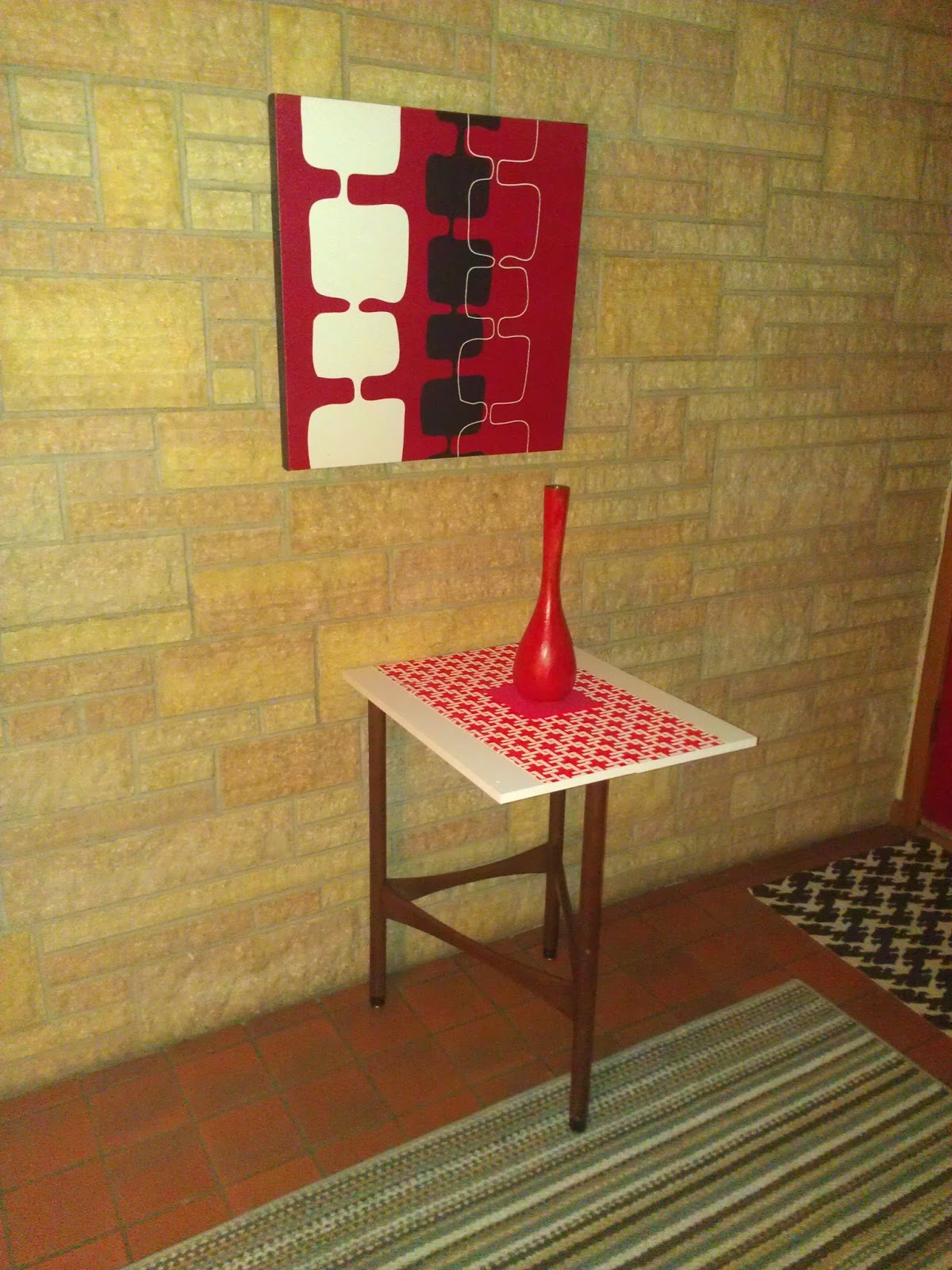 This is the little table I made from a some 1950s table legs. That art piece came from Wal-Mart. Who'd a thunk?
 A very ugly 1980s chandelier hung in the dining room. I took this great 1940s red shade that came from a standing lamp I bought at a garage sale and wired it upside down to the lamp (I didn't feel like taking the whole lamp down and replacing it with something else). It looks so cool in the dining room.
  The aluminum Christmas tree (with an original color wheel in the lower right corner) looked great in the living room this past Christmas.
  I found this great clock in February when I was on vacation in Florida. It's been updated to that it's battery powered, so it actually works!

Here are the two mobiles I made for the entry way (top) and the living room (bottom).
April 7, 2013
March 31, 2013
Easter
March 31, 2013
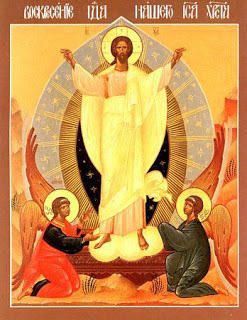
+ In the last seven days, here at St. Stephen’s, we have had ten services. And tomorrow evening, we’ll have one more—the funeral Eucharist for Sarah Jacobson. We call that a liturgical gauntlet. And it’s very true. I’m sure, James, our organist, can agree wholeheartedly.
One person on Facebook this past week said, “...st. stephen's probably has a busier holy week schedule this year than the national cathedral in d.c. or st. john the divine in new york. just sayin'. “
I think we might have.
And one of the parishioners from St. Mark’s Lutheran Church, who joined us for Holy Week services this year, said to Pastor Mark Strobel,
“So, is Fr. Jamie is seeking Episcopal sainthood with all these services they’re doing at St. Stephen’s?”
No…I am not seeking Episcopal sainthood. Though, that would be nice. (Though I wonder what I be the patron saint of, if I were)
The reason we do what we do—the reason we go through this during Holy Week—isn’t because we’re gluttons for punishment, or we want to show off, or we want to be liturgically fancy. We do this because that’s what we do as Christians and Episcopalians. We worship. We do this during Holy Week because in the services we do during Holy Week, we experience a true emotional roller coaster. We hit very deep emotional lows—with the betrayal and death of Jesus. And we hit the emotional highs.
This morning—Easter morning—we are at the GREATEST emotional high. This morning is why we are Christians. This is why we follow Jesus. Yes, I know that what we are celebrating today seems almost too incredible to be true. We are faced with something just as difficult to believe in sometimes as God is sometimes difficult to believe in. We are faced with a mystery that is just as difficult to wrap our minds around as the mystery of God.
I am, of course, speaking the Resurrection. I am speaking of that moment—that moment when everything changed—when Jesus, broken and battered and murdered, rose up from the tomb.
The Jesus who appears to us on this Easter morning is not a ghost. He is not a figment of our imagination. He is not an illusion. And this story isn’t a fairy tale.
Every so often, someone will come up to me and ask that age-old question: “Do you really believe in the Resurrection? Do really you believe that Jesus rose again from the grave?”
And my answer is always this: “Why not?”
Why couldn’t God do this? And if we look long and hard at what happened on that Easter morning, we realize that what happened there was more than some vague experience for some ancient people.
What happened on that morning changed everything. Everything since that point has been broken open for us. Our fear of death and dying is gone. Because now we know that what we once held to be a mystery, is no longer a mystery.
What happens to us when we die? We know now, because Someone—Someone we know and love—has been there already. Someone has gone there and by going there has defeated death. What seemed to be the end—the bleak and horrible end on that previous Friday afternoon—has been broken apart. And what we are faced with is life. Life that never ends.
Now, when people ask me if I believe in the Resurrection, I say that I do, but I usually leave it there. Anything beyond my belief that it happened—and that it will happen for us—is beyond me. I don’t understand it fully. I still find bits and pieces of it being revealed to me. I find on bad days or skeptical days that I’m, not certain I believe in it. And to be brutally honest, the idea of unending life doesn’t always appeal to me.
But what I have discovered is that, mostly, I find one deep, strong emotion coming forth in me when I ponder the Resurrection. And that emotion is: joy.
In our Gospel reading for today, we find joy. Joy comes to the women at the tomb when they realizes that it is Jesus, resurrected, standing before them. We can almost feel that joy emanating from them as they proclaim this to the others.
Joy is an emotion we seem to overlook. We think, maybe of joy as some kind of warm, fuzzy feeling. But joy is more than just feeling warm and fuzzy. Joy is a confident emotion. It is an emotion we can’t manufacture. We can’t make joy happen within us. Joy comes to us and comes upon us and bubbles up within us. Joy happens when everything comes together and we know that all is good.
This morning we are feeling joy over the Resurrection—over the fact that today we celebrate the destruction of everlasting death. We also celebrate today the joy of new life. And we are joyful over a life renewed in baptism.
Today little Oscar is going to be baptized. This morning he too will be washed in the waters of baptism. In his baptism, on this wonderful day, we get to see a glimpse of that glorious life that waits all of us.
Baptism is a way of saying “yes” to the glory that awaits us. Baptism is a way of saying “yes” to the Resurrection. Baptism is a way of saying “yes” and affirming this joy that we have within us on this morning.
Those of us who have already been baptized get to share in this joy too, when we renew our own baptismal vows and, maybe, for a moment, ponder and think about our own baptisms and all that it has been given us in our baptisms, whether we are fully aware of it or not. This is what Easter is all about. And I guess that’s maybe why Easter is, by far, my favorite feast day in the Church Year.
And if anyone asks me what I love most about being a Christians, I almost always answer: Easter! By Easter, I don’t mean bunnies and Easter eggs. I don’t mean that I particular care for any of those fluffy, bright things we celebrate on this day, though I do think it’s sweet. What I talk about when I talk about Easter is that fact that today is truly the embodiment of the joy we should all feel as Christians.
Today is a day of joy. Today, we are all filled with joy at the resurrection and our baptism into that resurrection. This is a joy that sustains us and lifts us up when we need lifting up. It is a joy that causes us to see what others cannot see. We don’t need to see God out there—floating around like one of us. God dwells withus. God dwells within us. And to see God, all we have to do is look around and see God in the faces of those around us.
God is here with us, this morning. God is dwelling with us. And, in this Easter light nothing seems like we thought it was.
Christ is not only what his followers thought he was, but much more. He wasn’t defeated. In fact, even despite his betrayal, his torture, his murder, he arose, the ultimate victor. He arose, and by his rising, he destroyed everything we feared the most. By rising, he destroyed death. By rising, he destroyed our fears of an uncertain future. By rising, he brought victory to all of our defeats and failures.
See, there is a reason for joy on this Easter morning. In fact, it is joy that dwells with us and among us as we gather here.
So, on this Easter morning, don’t let this joy we feel at this moment be a fleeting emotion. Rather, let it live in us and grow in us. Let it provoke us and motivate us. Let it flow forth from us. And when we live into this joy—when we let this joy fully consume us—every day with be Easter day to us. Every day will be a day of resurrection. Every day will be a day of renewed life.
Alleluia! Christ is risen.The Lord is risen indeed!
Alleluia!

+ In the last seven days, here at St. Stephen’s, we have had ten services. And tomorrow evening, we’ll have one more—the funeral Eucharist for Sarah Jacobson. We call that a liturgical gauntlet. And it’s very true. I’m sure, James, our organist, can agree wholeheartedly.
One person on Facebook this past week said, “...st. stephen's probably has a busier holy week schedule this year than the national cathedral in d.c. or st. john the divine in new york. just sayin'. “
I think we might have.
And one of the parishioners from St. Mark’s Lutheran Church, who joined us for Holy Week services this year, said to Pastor Mark Strobel,
“So, is Fr. Jamie is seeking Episcopal sainthood with all these services they’re doing at St. Stephen’s?”
No…I am not seeking Episcopal sainthood. Though, that would be nice. (Though I wonder what I be the patron saint of, if I were)
The reason we do what we do—the reason we go through this during Holy Week—isn’t because we’re gluttons for punishment, or we want to show off, or we want to be liturgically fancy. We do this because that’s what we do as Christians and Episcopalians. We worship. We do this during Holy Week because in the services we do during Holy Week, we experience a true emotional roller coaster. We hit very deep emotional lows—with the betrayal and death of Jesus. And we hit the emotional highs.
This morning—Easter morning—we are at the GREATEST emotional high. This morning is why we are Christians. This is why we follow Jesus. Yes, I know that what we are celebrating today seems almost too incredible to be true. We are faced with something just as difficult to believe in sometimes as God is sometimes difficult to believe in. We are faced with a mystery that is just as difficult to wrap our minds around as the mystery of God.
I am, of course, speaking the Resurrection. I am speaking of that moment—that moment when everything changed—when Jesus, broken and battered and murdered, rose up from the tomb.
The Jesus who appears to us on this Easter morning is not a ghost. He is not a figment of our imagination. He is not an illusion. And this story isn’t a fairy tale.
Every so often, someone will come up to me and ask that age-old question: “Do you really believe in the Resurrection? Do really you believe that Jesus rose again from the grave?”
And my answer is always this: “Why not?”
Why couldn’t God do this? And if we look long and hard at what happened on that Easter morning, we realize that what happened there was more than some vague experience for some ancient people.
What happened on that morning changed everything. Everything since that point has been broken open for us. Our fear of death and dying is gone. Because now we know that what we once held to be a mystery, is no longer a mystery.
What happens to us when we die? We know now, because Someone—Someone we know and love—has been there already. Someone has gone there and by going there has defeated death. What seemed to be the end—the bleak and horrible end on that previous Friday afternoon—has been broken apart. And what we are faced with is life. Life that never ends.
Now, when people ask me if I believe in the Resurrection, I say that I do, but I usually leave it there. Anything beyond my belief that it happened—and that it will happen for us—is beyond me. I don’t understand it fully. I still find bits and pieces of it being revealed to me. I find on bad days or skeptical days that I’m, not certain I believe in it. And to be brutally honest, the idea of unending life doesn’t always appeal to me.
But what I have discovered is that, mostly, I find one deep, strong emotion coming forth in me when I ponder the Resurrection. And that emotion is: joy.
In our Gospel reading for today, we find joy. Joy comes to the women at the tomb when they realizes that it is Jesus, resurrected, standing before them. We can almost feel that joy emanating from them as they proclaim this to the others.
Joy is an emotion we seem to overlook. We think, maybe of joy as some kind of warm, fuzzy feeling. But joy is more than just feeling warm and fuzzy. Joy is a confident emotion. It is an emotion we can’t manufacture. We can’t make joy happen within us. Joy comes to us and comes upon us and bubbles up within us. Joy happens when everything comes together and we know that all is good.
This morning we are feeling joy over the Resurrection—over the fact that today we celebrate the destruction of everlasting death. We also celebrate today the joy of new life. And we are joyful over a life renewed in baptism.
Today little Oscar is going to be baptized. This morning he too will be washed in the waters of baptism. In his baptism, on this wonderful day, we get to see a glimpse of that glorious life that waits all of us.
Baptism is a way of saying “yes” to the glory that awaits us. Baptism is a way of saying “yes” to the Resurrection. Baptism is a way of saying “yes” and affirming this joy that we have within us on this morning.
Those of us who have already been baptized get to share in this joy too, when we renew our own baptismal vows and, maybe, for a moment, ponder and think about our own baptisms and all that it has been given us in our baptisms, whether we are fully aware of it or not. This is what Easter is all about. And I guess that’s maybe why Easter is, by far, my favorite feast day in the Church Year.
And if anyone asks me what I love most about being a Christians, I almost always answer: Easter! By Easter, I don’t mean bunnies and Easter eggs. I don’t mean that I particular care for any of those fluffy, bright things we celebrate on this day, though I do think it’s sweet. What I talk about when I talk about Easter is that fact that today is truly the embodiment of the joy we should all feel as Christians.
Today is a day of joy. Today, we are all filled with joy at the resurrection and our baptism into that resurrection. This is a joy that sustains us and lifts us up when we need lifting up. It is a joy that causes us to see what others cannot see. We don’t need to see God out there—floating around like one of us. God dwells withus. God dwells within us. And to see God, all we have to do is look around and see God in the faces of those around us.
God is here with us, this morning. God is dwelling with us. And, in this Easter light nothing seems like we thought it was.
Christ is not only what his followers thought he was, but much more. He wasn’t defeated. In fact, even despite his betrayal, his torture, his murder, he arose, the ultimate victor. He arose, and by his rising, he destroyed everything we feared the most. By rising, he destroyed death. By rising, he destroyed our fears of an uncertain future. By rising, he brought victory to all of our defeats and failures.
See, there is a reason for joy on this Easter morning. In fact, it is joy that dwells with us and among us as we gather here.
So, on this Easter morning, don’t let this joy we feel at this moment be a fleeting emotion. Rather, let it live in us and grow in us. Let it provoke us and motivate us. Let it flow forth from us. And when we live into this joy—when we let this joy fully consume us—every day with be Easter day to us. Every day will be a day of resurrection. Every day will be a day of renewed life.
Alleluia! Christ is risen.The Lord is risen indeed!
Alleluia!
March 30, 2013
Fr. Jamie's Easter letter
Easter, 2013
“Rise heart; thy Lord is risen.” —George Herbert
Greetings St. Stephen’s family!
Anyone who knows me knows this: Easter is, by far, my favorite Season in the Church Year. I love it not only for the Paschal Mystery we celebrate and contemplate; I love it as well because of its promise of renewal and rebirth.
We, at St. Stephen’s, understand fully what renewal and rebirth are. We are currently in the midst of this new life. And we know how wonderful and truly miraculous it can be at times.
During this Easter Season I would like to extend to you my blessings and deepest gratitude. St. Stephen’s has become a place and community in which I am finding myself rejoicing and giving thanks on a daily basis. Truly I have seen here in church community, the miracle of renewal and rebirth every Sunday and oftentimes every day.
So, please do celebrate the Paschal Mystery of Christ’s victory over death, as well as all the ways in which we have experienced rebirth and renewal in our lives by worshipping at St. Stephen’s this Easter Season.
And again, please know of my deepest gratitude and joy in being able to serve alongside you at St. Stephen’s.
Peace,
Fr. Jamie ParsleyPriest-in-Charge
“Rise heart; thy Lord is risen.” —George Herbert
Greetings St. Stephen’s family!
Anyone who knows me knows this: Easter is, by far, my favorite Season in the Church Year. I love it not only for the Paschal Mystery we celebrate and contemplate; I love it as well because of its promise of renewal and rebirth.
We, at St. Stephen’s, understand fully what renewal and rebirth are. We are currently in the midst of this new life. And we know how wonderful and truly miraculous it can be at times.
During this Easter Season I would like to extend to you my blessings and deepest gratitude. St. Stephen’s has become a place and community in which I am finding myself rejoicing and giving thanks on a daily basis. Truly I have seen here in church community, the miracle of renewal and rebirth every Sunday and oftentimes every day.
So, please do celebrate the Paschal Mystery of Christ’s victory over death, as well as all the ways in which we have experienced rebirth and renewal in our lives by worshipping at St. Stephen’s this Easter Season.
And again, please know of my deepest gratitude and joy in being able to serve alongside you at St. Stephen’s.
Peace,
Fr. Jamie ParsleyPriest-in-Charge