
M.C. Frank's Blog, page 417
October 16, 2017
No Vain Loss + feeling discouraged
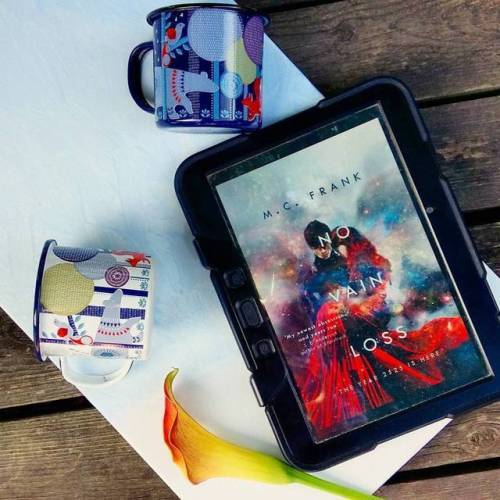
No Vain Loss + feeling discouraged


Repost @find.me.in.fairytales
No Vain Loss by M.C....

Repost @find.me.in.fairytales
No Vain Loss by M.C. Frank
.
.
**CONTEST TIME**
Want to be entered to win 1 of 5 signed copies of No Vain Loss? Here’s how!
Pre-order the Kindle edition for $0.99 at amzn.to/2gNO7zi and email @mcfrank_author a screen shot of your receipt to be automatically entered!
.
.
#bookish #bibliophile #noordinarystar #noplainrebel #novainloss #currentlyreading #bookblogger #bookreviewer #blogging #becauseofreading #findmeinfairytales #nosstreetteam #bookphotography #booksandflowers #covercrush
Repost @velutlunabooks
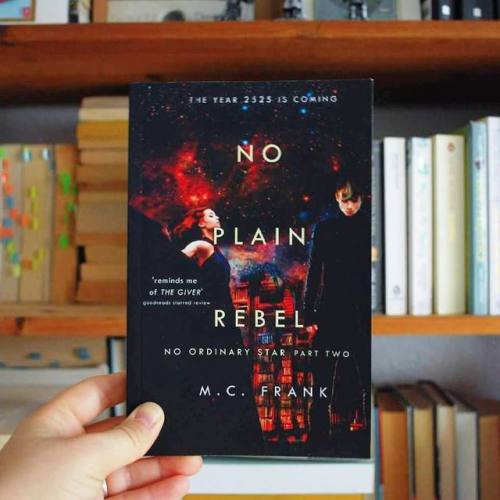
Repost @velutlunabooks
Repost @dogeared_pages1980 Hey book nerds!

Repost @dogeared_pages1980 Hey book nerds!
Repost @darquedreamer “She heard his heart beat,...

Repost @darquedreamer “She heard his heart beat, too… Wild, erratic, fierce. Human.”
October 15, 2017
brynwrites:
How do you categorize, analyze and prepare beta reader and critique partner feedback for...
How do you categorize, analyze and prepare beta reader and critique partner feedback for an editing round?
1. Have already read the feedback as it was given to you. There are a few key reasons why you should do this:
You can ask for clarification while you go. Sometimes feedback is too vague, or just plain confusing. If a reader tells you something didn’t do it for them, you need to know why. For any piece of feedback you read and don’t immediately have a vague idea of how to fix, you should gather more information from your reader, as soon as possible so things are still fresh in their mind.
Your subconscious can mull over things. Some edits may take ruminating before you reach a solution. The further in advance you’re aware of what might need to change, the easier it will be to fix things.
You aren’t surprised by anything. It’s never good for your emotional health when you’ve known for weeks or months that these readers are critiquing your story, and then you try to digest the feedback you’ve been anticipating all in one go.2. Write down and categorize what you think needs to change without rereading any feedback. These should be the things you knew in your heart needed to be fixed the moment someone first pointed them out. Personally, I like to format these changes in this way, though you may have an entirely different method…
Chapter number (if chapter specific fix), scene number (if scene specific fix): Subject or title.
- Bullet point about what this fix is, what will need to change, and why it benefits the story.
- Because I love bullet points. If that wasn’t already obvious. They are my life.
- But they might not be yours, so do what works for you.Alternate version, for full book changes:
Major Classification (world building, specific character, plot thread, etc)- Specific attribute:
- All the points that will need changing.
- Don’t forget to add details.
- You might not remember them otherwise.3. Read through feedback. I like to go chronologically, but there isn’t any wrong way to go about it. As you go…
Add things into the notes you already have. If a beta reader made a worthwhile comment about something you already know you want to change, copy and paste it into that note section. I like to put it in quotations and add the name of the beta at the end.
Add any chapter specific feedback notes into a new section for that chapter. I use scrivener, so for beta reader feedback I like to make a whole new document for each chapter, and then look over those notes again as I edit that particular chapter. For critique partner feedback, I highlight the exact lines where the critique was made, and then add both their comment and my plans to fix it. For in-text edits, I either change them right as I’m rereading feedback, or highlight the sentences in a color that I know means “awkward, please reword.”
Categorize notes based on: (a) What you definitely want to change, (b) things you think might be worth looking into but aren’t set on, © things you don’t think you want to make any changes for, but would like to double check on. (If you come across any feedback you outright don’t want to use, then don’t bother including it.)But, how do we know for sure which feedback is important?
Pay close attention to feedback which:
Is given by a critique partner you trust.
Is given to you by 1/3rd or more of your beta readers.
Rings true to you, personally.Keep around, but pick and choose whether to use feedback which:
Seems to be your critique partner’s unique preference.
Is repeated by more then one, but less then 1/3rd, of your betas.
Is given by a beta whose opinions you trust but who contradicts another beta of similarly trustworthy opinion.
Isn’t terribly important but has an easy fix.Discard any feedback which:
Directly contradicts the majority of your other feedback.
Doesn’t seem logical to you, especially if it’s given by a beta who often contradicts other betas and CPs you trust more.
Comes with blatantly incorrect advice or facts.
Would cause changes that turn your story, writing style, or themes into something outside what you intend for the book.Learn more about beta readers and critique partners, and their differences, or read about the rest of Bryn’s writing process posts.
thelonelyrainbowgirl:
galangrants:
favorite character...





favorite character moodboards → noah czerny
“goodbye,” noah said. “don’t throw it away.”
But I get so many feels whenever I see these mood boards like i can’t my heart is bursting
Hi! If you were to date any of your characters, which one would it be?
Wes from Lose Me! British actor with a golden heart? Gimme

Books +time
.
Instagram Sunday appreciation post for the...
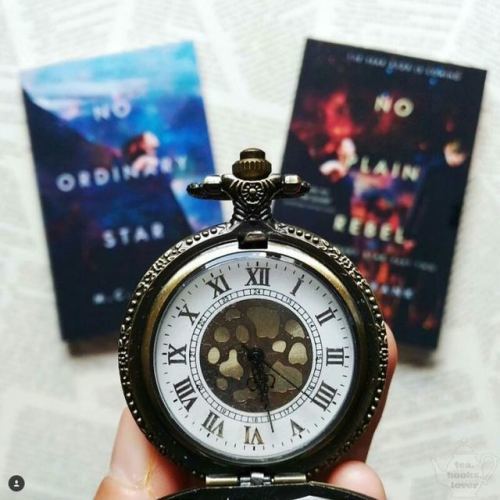
Books +time
.
Instagram Sunday appreciation post for the #NosStreetTeam Repost @tea.books.lover


