Heather Hummel Gallagher's Blog, page 3
June 25, 2015
Why Agents Reject 96% of Author Submissions
Did you know that 96% of authors seeking agents are rejected? Flip it around, and it can be said that only 4% of them land an agent. Peruse through Writer's Market and you'll see that right alongside an agent's address is their acceptance rate.
The reason for rejections typically comes down to a few key issues. Follow these solutions, and my bet is doors will start opening.

Photo Credit: Heather Hummel Photography
1. Problem: Failure to Follow Submission Guidelines.
Every literary agent has their own, specific submission guidelines. Failure to adhere to these guidelines will often put your query letter in the trashcan, either the virtual one or the metal one, faster than a shooting star disappears into the galaxy.
Solution:
Pay close attention to each agent's individual submission guidelines. Visit their website and click on Submission Guidelines. Read them in detail and find out the answer to these types of questions: Do they only want a query letter? Do they want a query with the first five pages? Do they want a query and the first three chapters? Do they only accept queries via e-mail or via snail mail? Are the submission guidelines the same for e-mail as they are for snail mail?
Once you know their guidelines, follow them to a T. Remember that each agent has different guidelines, so expect to spend a lot of time researching them.
2. Problem: Genre Confusion.
Not all men prefer blonds and not all women prefer tall, dark and handsome. The same rings true here. Not all agents want whatever genre you're selling. Sending a query for a romance novel to an agent who only accepts nonfiction genres is a huge waste of time. Not finding out what genres grab an agent's attention will only set you up for rejection.
Solution:
Use resources such as Writer's Market or AgentQuery.com and perform a search of agents who represent your specific genre. From there, visit your selected agents' website and verify that their bio matches what the resource says. Agent information from an outside resource can differ from the agent's website; therefore, always defer to the agent's website.
3. Problem: Let's Face It: Your Query Letter Sucks.
A bit harsh? Consider that in a recent informal survey I did on Facebook, 10 out of 10 people said they hate writing query letters. The reason was unanimous...because they simply aren't good at writing them. If someone is not good at writing them, I am certain agents will agree.
I am the minority in that I embrace the query letter challenge like a kangaroo to her joey in the pouch.
Solution:
A rock solid query letter needs a few components to grab the attention of an agent.
The opening paragraph should not rave about how your book is the next (fill in the blank famous book/author). Instead, the opening paragraph is meant to stylistically make a pitch regarding your protagonist and book in a way that the agent will fall in love with them.
The second paragraph ought to provide the synopsis. Do not include every little detail like the color of the protagonist's hair, what day of the week she gets her manicure, or all the friends she meets along the way. The synopsis is meant to summarize the essence of the obstacles she overcomes. Stick to the big picture details.
The third paragraph is all about you. What relevant credentials, honors, and awards have you or your books achieved? In other words, why you and not the next author in their inbox?
Lastly, the closing paragraph should recognize the agent's submission guidelines, why you felt they were a good fit for your novel, and an action to take...i.e. requesting the full manuscript.
Note: Include all of your contact information: address, e-mail address, and phone number.
4. Problem: Nonfiction is a Different Beast than Fiction.
Did you know that 70% of nonfiction books are ghostwritten? What most people don't know is that rather than hiring a ghostwriter to write their entire book, what they really need first is a complete book proposal, three sample chapters, and a cover letter. A book proposal is made up of many components, such as an overview, competitive titles, marketing, etc., and runs at least 10 pages.
The problem in this case is that most people don't know that to pitch to an agent, they need a proposal and only three chapters written, not the entire manuscript. Once the book sells to a publisher, the rest of the book is written.
Solution:
If a nonfiction author is going to write their book rather than hire a ghostwriter, they're best served educating themselves on how to write and pitch a proposal to an agent. Alternatively, they can hire a professional ghostwriter to write their proposal and sample chapters. Because 70% of nonfiction books are ghostwritten, agents expect a nonfiction author with a big platform to hire a ghostwriter for their book(s).
5. Problem: Spelling and Grammar
I shouldn't have to state this, but I will. If you're submitting a query letter to agents, ensure that all spelling and grammar issues are resolved. This industry thrives on the written word, and typos or shortcuts are a turnoff.
Solution:
Hire a professional (not your Aunt Rose) to read your letter. You should also read it out loud. It is amazing how many errors you can catch when you read material out loud.
The query letter editing and reworking that I have done with clients has increased their agent response rate from almost 0% to at least 75%. Many of them have gone on to land agents and multi-book deals. Following these five guidelines ought to help increase your odds of landing an agent.
One last note. Patience and persistence are a huge part of being successful in this industry. I'm sure you've read enough about all the big authors who were rejected, but, it was their persistence that paid off in the long run.
Follow Heather Hummel on Twitter: www.twitter.com/HeatherHummel
This post originally appeared on the Huffington Post.
The reason for rejections typically comes down to a few key issues. Follow these solutions, and my bet is doors will start opening.

Photo Credit: Heather Hummel Photography
1. Problem: Failure to Follow Submission Guidelines.
Every literary agent has their own, specific submission guidelines. Failure to adhere to these guidelines will often put your query letter in the trashcan, either the virtual one or the metal one, faster than a shooting star disappears into the galaxy.
Solution:
Pay close attention to each agent's individual submission guidelines. Visit their website and click on Submission Guidelines. Read them in detail and find out the answer to these types of questions: Do they only want a query letter? Do they want a query with the first five pages? Do they want a query and the first three chapters? Do they only accept queries via e-mail or via snail mail? Are the submission guidelines the same for e-mail as they are for snail mail?
Once you know their guidelines, follow them to a T. Remember that each agent has different guidelines, so expect to spend a lot of time researching them.
2. Problem: Genre Confusion.
Not all men prefer blonds and not all women prefer tall, dark and handsome. The same rings true here. Not all agents want whatever genre you're selling. Sending a query for a romance novel to an agent who only accepts nonfiction genres is a huge waste of time. Not finding out what genres grab an agent's attention will only set you up for rejection.
Solution:
Use resources such as Writer's Market or AgentQuery.com and perform a search of agents who represent your specific genre. From there, visit your selected agents' website and verify that their bio matches what the resource says. Agent information from an outside resource can differ from the agent's website; therefore, always defer to the agent's website.
3. Problem: Let's Face It: Your Query Letter Sucks.
A bit harsh? Consider that in a recent informal survey I did on Facebook, 10 out of 10 people said they hate writing query letters. The reason was unanimous...because they simply aren't good at writing them. If someone is not good at writing them, I am certain agents will agree.
I am the minority in that I embrace the query letter challenge like a kangaroo to her joey in the pouch.
Solution:
A rock solid query letter needs a few components to grab the attention of an agent.
The opening paragraph should not rave about how your book is the next (fill in the blank famous book/author). Instead, the opening paragraph is meant to stylistically make a pitch regarding your protagonist and book in a way that the agent will fall in love with them.
The second paragraph ought to provide the synopsis. Do not include every little detail like the color of the protagonist's hair, what day of the week she gets her manicure, or all the friends she meets along the way. The synopsis is meant to summarize the essence of the obstacles she overcomes. Stick to the big picture details.
The third paragraph is all about you. What relevant credentials, honors, and awards have you or your books achieved? In other words, why you and not the next author in their inbox?
Lastly, the closing paragraph should recognize the agent's submission guidelines, why you felt they were a good fit for your novel, and an action to take...i.e. requesting the full manuscript.
Note: Include all of your contact information: address, e-mail address, and phone number.
4. Problem: Nonfiction is a Different Beast than Fiction.
Did you know that 70% of nonfiction books are ghostwritten? What most people don't know is that rather than hiring a ghostwriter to write their entire book, what they really need first is a complete book proposal, three sample chapters, and a cover letter. A book proposal is made up of many components, such as an overview, competitive titles, marketing, etc., and runs at least 10 pages.
The problem in this case is that most people don't know that to pitch to an agent, they need a proposal and only three chapters written, not the entire manuscript. Once the book sells to a publisher, the rest of the book is written.
Solution:
If a nonfiction author is going to write their book rather than hire a ghostwriter, they're best served educating themselves on how to write and pitch a proposal to an agent. Alternatively, they can hire a professional ghostwriter to write their proposal and sample chapters. Because 70% of nonfiction books are ghostwritten, agents expect a nonfiction author with a big platform to hire a ghostwriter for their book(s).
5. Problem: Spelling and Grammar
I shouldn't have to state this, but I will. If you're submitting a query letter to agents, ensure that all spelling and grammar issues are resolved. This industry thrives on the written word, and typos or shortcuts are a turnoff.
Solution:
Hire a professional (not your Aunt Rose) to read your letter. You should also read it out loud. It is amazing how many errors you can catch when you read material out loud.
The query letter editing and reworking that I have done with clients has increased their agent response rate from almost 0% to at least 75%. Many of them have gone on to land agents and multi-book deals. Following these five guidelines ought to help increase your odds of landing an agent.
One last note. Patience and persistence are a huge part of being successful in this industry. I'm sure you've read enough about all the big authors who were rejected, but, it was their persistence that paid off in the long run.
Follow Heather Hummel on Twitter: www.twitter.com/HeatherHummel
This post originally appeared on the Huffington Post.


June 23, 2015
What Compels an Agent to Sign an Author? Q&A With Literary Agents Jeff Kleinman and Michelle Brower (Part III of III)
In this Part III of the series from my interview with literary agents Jeff Kleinman and Michelle Brower of Folio Literary Management; they continue to shed light on the industry by discussing what compels them to sign an author and how willing they are to edit.
Q: What compelled you to make offers to the last authors you signed?

Michelle Brower
Photo Credit: Folio Literary Management
Michelle: I have two very different examples of authors who came to me, and they are both really great in their own ways. One author I signed earlier this year came through my slush pile. Her novel is literary women's fiction, and we are in the process of selling it now. The great part is that we didn't know each other at all. She really was a blind submission. The one thing that made me sign her was that the quality of her novel really drew me in. It worked in terms of pacing and plot, and it had a really interesting concept. All of those pieces came together and made me pull it out of the slush pile, read it and decide to offer on it. She has a career, but being a novelist is what she always wanted to do, and now we are making it happen. I really love when that happens because I do think there are a lot of very talented writers out there who aren't living in New York or attending the same parties or know colleagues who referred them to me or who don't have that kind of connectedness to the industry; and yet, they are good writers who have an excellent book. I hope to be the person who helps get them out there into the world.
The other example, which is a very different way of going about landing an agent, occurred while I was working with an author who published her first novel with a major publisher 10 years ago. It didn't do very well and her agent has since left the industry. She wrote a new novel and hired a freelance editor for it, and that editor contacted me and suggested I read it. I read it. I loved it. I offered representation and found out that there were seven other agents who also offered her representation! So, I had to really, really fight for her to choose me. I fought very hard, and so I'm very, very excited about that one as well. She wrote a great book, and as I said earlier, that's the heart of what is really important.
Having connections is better than a platform because, honestly, when one of my authors recommends a friend who's in their writing group, I pay attention, even if they're not always for me. There's something about having somebody I already know, like, and whose work I respect pass me something to look at.
For self-published books, I don't know that it takes an immediate platform, but what it takes is a lot of engagement, especially community engagement. We certainly encourage all of our authors to be on Facebook, Twitter, GoodReads and Instagram. It's really important to actually connect with a reading community, and for self-published authors that's pretty much the best and only way they can get the word out about their book.
I have definitely picked up authors who have been self-published because I've seen that they've managed to find an audience without anyone's help. Then I read their book, and I can see where I can actually be of help to that author. That's when it works.
Q: Do you edit clients' work?
 Jeff Kleinman
Photo Credit: Folio Literary Management
Jeff: I have been known to sit down with an author, develop the concept with characters and an outline, and then they send me three chapters at a time. That kind of incredible micro-level attention, however, is only the case for clients I already represent. For example, I was reading a revised version of a novel, and while reading it I got lightheaded, my fingers went numb, and I was hyperventilating! It was amazing. But, about halfway through it disintegrated. We had a long discussion about it, and he is now sitting down and reworking the outline. So, yes, I will work incredibly hands-on, but almost only ever for someone I have a relationship with.
Ultimately, an author needs to submit the best manuscript they can possibly deliver. The worst that can happen is when I pass on a submission, and I tell the author that I liked everything except X, Y and Z. and they respond with, "Gosh, I was afraid of that." Or "I hoped you wouldn't notice." Believe me, we notice. So, although we are willing to work with people, we want to work with people who are ready to be worked with.
Q:If you had one message for Indie authors, what would it be?
Michelle: We are not here to be mean to them. We are not here to keep them out. We are here to let in the books we think can work with. We are gatekeepers, but it's not because we don't like an author, and it's not because we don't think their work is good or that we don't think it has an audience. We just don't know how to find that specific audience. We're not out to say no to authors, we actually want to say yes. But, if you look back at the numbers I gave you about my slush pile (see Part II) we just can't. There are a lot of Indie authors who want to stay Indie. I think that's a great choice for many of them. However, some want to use the fact that they found their audience as a way to break into traditional publishing. I think both of those scenarios can work.
Jeff: The reality is, it's a brave new world of publishing, and agents are only one part of it.
Thank you to Jeff and Michelle for sharing their industry expertise, views, and stories!
Read Part I of the series
Read Part II of the series
Follow Heather Hummel on Twitter: www.twitter.com/HeatherHummel
This post originally appeared on the Huffington Post.
Q: What compelled you to make offers to the last authors you signed?

Michelle Brower
Photo Credit: Folio Literary Management
Michelle: I have two very different examples of authors who came to me, and they are both really great in their own ways. One author I signed earlier this year came through my slush pile. Her novel is literary women's fiction, and we are in the process of selling it now. The great part is that we didn't know each other at all. She really was a blind submission. The one thing that made me sign her was that the quality of her novel really drew me in. It worked in terms of pacing and plot, and it had a really interesting concept. All of those pieces came together and made me pull it out of the slush pile, read it and decide to offer on it. She has a career, but being a novelist is what she always wanted to do, and now we are making it happen. I really love when that happens because I do think there are a lot of very talented writers out there who aren't living in New York or attending the same parties or know colleagues who referred them to me or who don't have that kind of connectedness to the industry; and yet, they are good writers who have an excellent book. I hope to be the person who helps get them out there into the world.
The other example, which is a very different way of going about landing an agent, occurred while I was working with an author who published her first novel with a major publisher 10 years ago. It didn't do very well and her agent has since left the industry. She wrote a new novel and hired a freelance editor for it, and that editor contacted me and suggested I read it. I read it. I loved it. I offered representation and found out that there were seven other agents who also offered her representation! So, I had to really, really fight for her to choose me. I fought very hard, and so I'm very, very excited about that one as well. She wrote a great book, and as I said earlier, that's the heart of what is really important.
Having connections is better than a platform because, honestly, when one of my authors recommends a friend who's in their writing group, I pay attention, even if they're not always for me. There's something about having somebody I already know, like, and whose work I respect pass me something to look at.
For self-published books, I don't know that it takes an immediate platform, but what it takes is a lot of engagement, especially community engagement. We certainly encourage all of our authors to be on Facebook, Twitter, GoodReads and Instagram. It's really important to actually connect with a reading community, and for self-published authors that's pretty much the best and only way they can get the word out about their book.
I have definitely picked up authors who have been self-published because I've seen that they've managed to find an audience without anyone's help. Then I read their book, and I can see where I can actually be of help to that author. That's when it works.
Q: Do you edit clients' work?
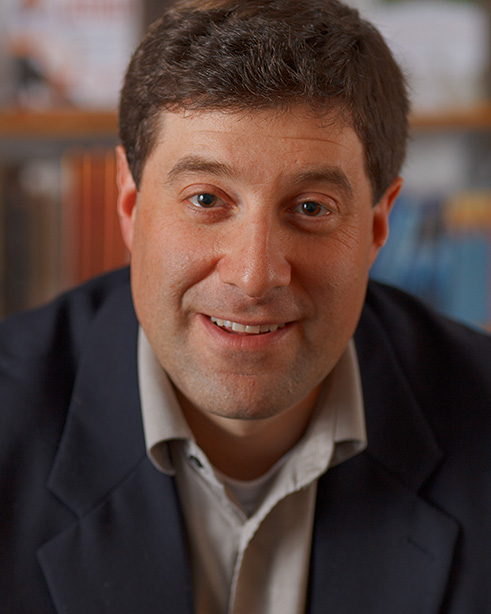 Jeff Kleinman
Photo Credit: Folio Literary Management
Jeff: I have been known to sit down with an author, develop the concept with characters and an outline, and then they send me three chapters at a time. That kind of incredible micro-level attention, however, is only the case for clients I already represent. For example, I was reading a revised version of a novel, and while reading it I got lightheaded, my fingers went numb, and I was hyperventilating! It was amazing. But, about halfway through it disintegrated. We had a long discussion about it, and he is now sitting down and reworking the outline. So, yes, I will work incredibly hands-on, but almost only ever for someone I have a relationship with.
Ultimately, an author needs to submit the best manuscript they can possibly deliver. The worst that can happen is when I pass on a submission, and I tell the author that I liked everything except X, Y and Z. and they respond with, "Gosh, I was afraid of that." Or "I hoped you wouldn't notice." Believe me, we notice. So, although we are willing to work with people, we want to work with people who are ready to be worked with.
Q:If you had one message for Indie authors, what would it be?
Michelle: We are not here to be mean to them. We are not here to keep them out. We are here to let in the books we think can work with. We are gatekeepers, but it's not because we don't like an author, and it's not because we don't think their work is good or that we don't think it has an audience. We just don't know how to find that specific audience. We're not out to say no to authors, we actually want to say yes. But, if you look back at the numbers I gave you about my slush pile (see Part II) we just can't. There are a lot of Indie authors who want to stay Indie. I think that's a great choice for many of them. However, some want to use the fact that they found their audience as a way to break into traditional publishing. I think both of those scenarios can work.
Jeff: The reality is, it's a brave new world of publishing, and agents are only one part of it.
Thank you to Jeff and Michelle for sharing their industry expertise, views, and stories!
Read Part I of the series
Read Part II of the series
Follow Heather Hummel on Twitter: www.twitter.com/HeatherHummel
This post originally appeared on the Huffington Post.
June 22, 2015
Indie Authors Seeking an Agent: Take Note! Q&A With Literary Agents Jeff Kleinman and Michelle Brower (Part II of III)
"If a book has 250 reviews with 4 and 5 stars, and 70,000 in sales, this author has a lot of promise." -- Michelle Brower
If you're an Indie author looking for an agent, take note! In this Part II of my interview with literary agents Jeff Kleinman and Michelle Brower of Folio Literary Management, they open up about industry numbers that tend to grab their attention by sharing the importance of Amazon rankings, reviews, price points, and book sales.

Michelle Brower: Photo Courtesy of Folio Literary Management
Q: How many book sales does it take to impress an agent?
Michelle: It definitely depends on genre because an author would need more romance sales to actually impress an editor in that market; whereas in women's fiction, historical fiction, or literary fiction, an author doesn't need quite as many sales. What I'm ultimately looking for is sales north of 60,000. But, a book's price point is also important. I cross-reference those two numbers to calculate about how many sales a publisher would be able to reasonably expect.
Price point matters because 50,000 sales is not just 50,000 sales. 50,000 sales at $.99 is one thing. 50,000 sales at $3.99 is another. 50,000 sales at $6.99 is entirely another. We can't sell books at $.99 and make money. Because of these factors, we find the e-book market to be very price sensitive.
As for free, if an author had 30,000 free downloads, we can't really use that as a number to determine whether or not it would translate well into the traditional market.
Q: How important are Amazon rankings?
Michelle: Amazon rankings are important for different reasons. I actually think they are really important if you want to grab the attention of an agent because that's mostly how someone would see a book... when it pops up higher in rankings. Those could have halo effects. For self-published authors, I would generally recommend starting with a little bit higher price point, but getting sales so that the rankings improve. The more readers hear about and buy a book, the more the book gets reviews, and it sort of all snowballs.
Ultimately, the ranking for us is really not what we are looking at though. Why? Because it doesn't matter at the end of the day if a book ranks #2 on Amazon because it sold 1,000 copies in one day but it never sold anymore or very few.
Q: How important is it for an author to have more than one book?
Michelle: It's critical for an author to create a relationship with their readers by having more than one piece of material. I always look at the relationship between the author and their readers. Most of the successful self-published authors will get a new reader on their second book who will go back and read the first one.
If an author has a series, that can definitely help, but I also think it's just the book. If a reader likes an author, they are more likely to go back and purchase something else or wait for the next release. I think that that's something in publishing that's not really considered the brand. It's actually the author who is the brand. If an author is doing well, readers will come back whether they are sci-fi, fantasy, or romance.

Jeff Kleinman: Photo Courtesy of Folio Literary Management
Jeff: Michelle is right because readers who like an author's Book X would also be interested in Book Y. I had an author who wrote three books, and the first two were stand-alone. The third one has a really, really great character that everybody wanted to read about. However, readers didn't necessarily read the other two books because the character wasn't in it. So, it's not going to be just about the author. It depends on how strong a character is. That is something any author should be thinking about as they write because in order to have a loyal fan base, you need to make a character who is strong, quirky, and interesting enough to support multiple books.
Keep in mind that readers buy the successor books for one of two reasons. One is an author whose name they start to trust and the other is because of a character they start to trust. For example, a lot of times they won't know the author, and they just want to read more because of the character. Jack Reacher is a great example. A reader can know Jack Reacher, but they might not know Lee Child is the author.
Q: How influential are reviews?
Michelle: We tend to put reviews into two sections: customer reviews from Amazon or GoodReads only and "other reviews," because we know there are a lot of services out there providing reviews. Some of those "other reviews" have made a big difference for authors. For example, Darcie Chan had a Kirkus Review that ended up really launching her.
Reviews are intensely important for visibility. I'm generally looking for a book with upwards of 100 reviews, and that they're good reviews because certainly if a book has 200 reviews with several 2 star reviews, that won't interest me. So even though I'm looking at upwards of 100, I'm more comfortable somewhere in the 300 range. I think that at 100 reviews, a book doesn't have the sales yet to necessarily translate into traditional publishing.
Reviews are important because they affect visibility in the Amazon system. Amazon has algorithms I don't pretend to begin to understand, but one of the pieces is the number of reviews and at what level. It's important for self-publishers to work at increasing reviews and hopefully having them snowball into more reviews and sales.
Ultimately, when presenting to a publisher, I provide a cross-section. If a book has 250 reviews with 4 and 5 stars, and 70,000 in sales, this author has a lot of promise. Alternatively, if a book has 200 reviews and only 10,000 sales, it's going to be so much more challenging to present them and say, "You should invest money in this author."
***
Did you miss Part I? Click here.
Follow Heather Hummel on Twitter: www.twitter.com/HeatherHummel
This post originally appeared on the Huffington Post.
If you're an Indie author looking for an agent, take note! In this Part II of my interview with literary agents Jeff Kleinman and Michelle Brower of Folio Literary Management, they open up about industry numbers that tend to grab their attention by sharing the importance of Amazon rankings, reviews, price points, and book sales.

Michelle Brower: Photo Courtesy of Folio Literary Management
Q: How many book sales does it take to impress an agent?
Michelle: It definitely depends on genre because an author would need more romance sales to actually impress an editor in that market; whereas in women's fiction, historical fiction, or literary fiction, an author doesn't need quite as many sales. What I'm ultimately looking for is sales north of 60,000. But, a book's price point is also important. I cross-reference those two numbers to calculate about how many sales a publisher would be able to reasonably expect.
Price point matters because 50,000 sales is not just 50,000 sales. 50,000 sales at $.99 is one thing. 50,000 sales at $3.99 is another. 50,000 sales at $6.99 is entirely another. We can't sell books at $.99 and make money. Because of these factors, we find the e-book market to be very price sensitive.
As for free, if an author had 30,000 free downloads, we can't really use that as a number to determine whether or not it would translate well into the traditional market.
Q: How important are Amazon rankings?
Michelle: Amazon rankings are important for different reasons. I actually think they are really important if you want to grab the attention of an agent because that's mostly how someone would see a book... when it pops up higher in rankings. Those could have halo effects. For self-published authors, I would generally recommend starting with a little bit higher price point, but getting sales so that the rankings improve. The more readers hear about and buy a book, the more the book gets reviews, and it sort of all snowballs.
Ultimately, the ranking for us is really not what we are looking at though. Why? Because it doesn't matter at the end of the day if a book ranks #2 on Amazon because it sold 1,000 copies in one day but it never sold anymore or very few.
Q: How important is it for an author to have more than one book?
Michelle: It's critical for an author to create a relationship with their readers by having more than one piece of material. I always look at the relationship between the author and their readers. Most of the successful self-published authors will get a new reader on their second book who will go back and read the first one.
If an author has a series, that can definitely help, but I also think it's just the book. If a reader likes an author, they are more likely to go back and purchase something else or wait for the next release. I think that that's something in publishing that's not really considered the brand. It's actually the author who is the brand. If an author is doing well, readers will come back whether they are sci-fi, fantasy, or romance.
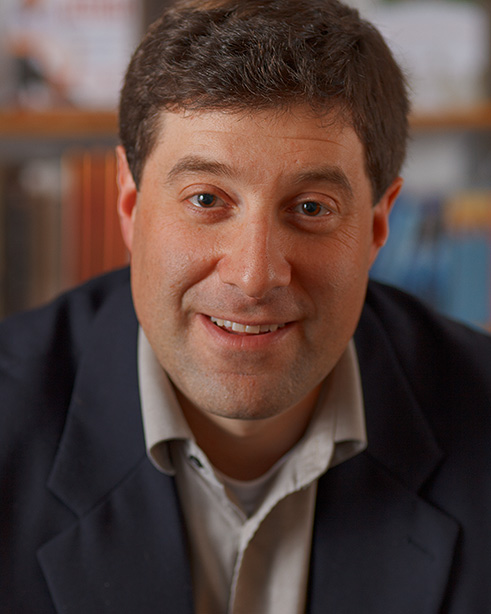
Jeff Kleinman: Photo Courtesy of Folio Literary Management
Jeff: Michelle is right because readers who like an author's Book X would also be interested in Book Y. I had an author who wrote three books, and the first two were stand-alone. The third one has a really, really great character that everybody wanted to read about. However, readers didn't necessarily read the other two books because the character wasn't in it. So, it's not going to be just about the author. It depends on how strong a character is. That is something any author should be thinking about as they write because in order to have a loyal fan base, you need to make a character who is strong, quirky, and interesting enough to support multiple books.
Keep in mind that readers buy the successor books for one of two reasons. One is an author whose name they start to trust and the other is because of a character they start to trust. For example, a lot of times they won't know the author, and they just want to read more because of the character. Jack Reacher is a great example. A reader can know Jack Reacher, but they might not know Lee Child is the author.
Q: How influential are reviews?
Michelle: We tend to put reviews into two sections: customer reviews from Amazon or GoodReads only and "other reviews," because we know there are a lot of services out there providing reviews. Some of those "other reviews" have made a big difference for authors. For example, Darcie Chan had a Kirkus Review that ended up really launching her.
Reviews are intensely important for visibility. I'm generally looking for a book with upwards of 100 reviews, and that they're good reviews because certainly if a book has 200 reviews with several 2 star reviews, that won't interest me. So even though I'm looking at upwards of 100, I'm more comfortable somewhere in the 300 range. I think that at 100 reviews, a book doesn't have the sales yet to necessarily translate into traditional publishing.
Reviews are important because they affect visibility in the Amazon system. Amazon has algorithms I don't pretend to begin to understand, but one of the pieces is the number of reviews and at what level. It's important for self-publishers to work at increasing reviews and hopefully having them snowball into more reviews and sales.
Ultimately, when presenting to a publisher, I provide a cross-section. If a book has 250 reviews with 4 and 5 stars, and 70,000 in sales, this author has a lot of promise. Alternatively, if a book has 200 reviews and only 10,000 sales, it's going to be so much more challenging to present them and say, "You should invest money in this author."
***
Did you miss Part I? Click here.
Follow Heather Hummel on Twitter: www.twitter.com/HeatherHummel
This post originally appeared on the Huffington Post.
June 20, 2015
The Author Success Story Behind ABC's Resurrection: Q&A With Literary Agents Jeff Kleinman and Michelle Brower (Part I of III)
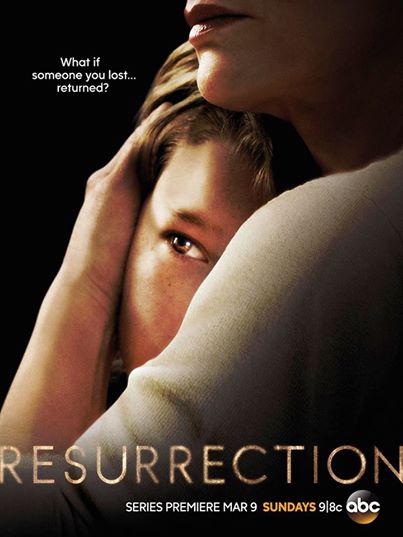 Photo: ABC
What began as an interview with literary agents Jeff Kleinman, Founding Partner, and Michelle Brower, Senior Vice President, of Folio Literary Management turned into enough material for a three part Q&A series on what agents really want from authors. The forthcoming second and third parts of the interview touch on what they're looking for in both a manuscript and an author, as well as advice for self-published authors looking for an agent. This part, however, dives into the incredible story behind author Jason Mott, whose best-selling novel The Returned became ABC's breakout success, Resurrection. I've decided to start with Mott's story because it exemplifies how good things really do happen to good people.
Q: We all love a great author success story, and the one of Jason Mott's novel, The Returned, turning into the hit ABC series, Resurrection, is now at the top of my list of favorite breakout successes. How did Mott transition from his job as a customer service representative for Verizon to the best-selling author success story he is today?

Michelle Brower: Photo Courtesy of Folio Literary Management
Michelle: I'm actually looking at the Resurrection poster on my office wall right now. Jason is a great example of how traditional publishing can work out best for an author. He was working at Verizon as a customer service representative at the time. He had an MFA in poetry, so he really had committed himself to writing.
I found his novel, The Returned, in my slush pile, making him an unsolicited author. I read it. I loved it. We worked together on it by doing lots of edits. When I sent it out, it turned out that it was very popular. Mira bought it for a significant deal. We then took the manuscript and connected with a co-agent who specializes in film and television. They then sold it to Plan B in an auction where other TV production companies were involved. That was when we made the pilot. After that, we hoped and prayed! ABC decided to order the series, which meant it launched on air, and the book became a best-seller. As evidenced by Mott, everything can hit on all cylinders.
Q: What was the time frame from book publishing to television launch?
Michelle: The Returned actually became a TV show before it came out in paperback. It never happens that fast. We had a lot of luck and a good set of circumstances. They bought the book before it was actually published and then produced it shortly after the hardcover came out, which was when we moved into making the pilot. I doubt it will ever happen like that for me again. It was just so good, and all the right things happened. That's not the typical experience, but we are all really thrilled about it. Jason is the nicest man. I have to be completely honest... he is so sweet; he is kind; he's hard-working; he is a dream author.
Q: For fiction authors, how important is platform over good writing?
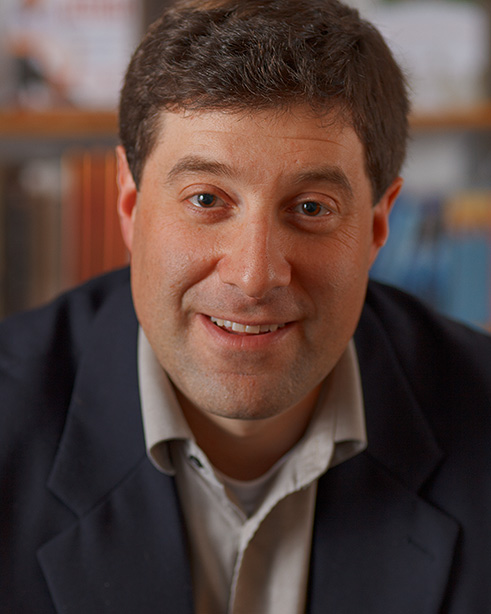
Jeff Kleinman: Photo Courtesy of Folio Literary Management
Jeff: I can't reiterate enough the impact of a great concept, as evidence with Mott, who is a really talented writer. He has an MFA in poetry, so he knows how to craft words. I am going to sound like a broken record, but it really does come down to excellent writing. Too many authors try to find a "formula" or the "key" that will get things through. I am afraid authors will think too much about platforms and connections and then they'll go out and do LinkedIn with every celebrity. That's not what it's about. The bottom line is you have to have some housewife in Dayton, Ohio, pick up your book and say, "Oh, my God, I love this book!" and pass it to their friend, also in Dayton, who then passes it to a friend in Indianapolis. That's how books sell. Word-of-mouth. Ultimately, to do this, a book has to deliver.
Q: How often do books go to auction?
Jeff: It is not unusual to have a battle over books. Michelle will get a book, and then she'll say, "You won't believe this, but six other agents have it!"
She is always fighting for an author. This happens with the publishers, too. If we send them a book that publishers are excited about, there will be multiple offers. The problem is the authors think it's through some kind of formula: that it's about platform or the exact right query letter. They don't think it's because they actually wrote a book worth reading. A query letter can be really good, but if there isn't a good book behind it, it doesn't mean anything. Authors can't jockey into the system. They sit down one day and decide to write a book, but they must think about the voice and developing quality characters.
Michelle: For me, a fiction writer with a platform is icing on the cake. If the author has a platform, that's great, that helps me sell the book better. But what really counts is how good the book is.
Q: What are your slush pile statistics?
Michelle: I primarily work with literary fiction, which takes a lot more work editorially; whereas, a romance agent might have more volume overall.
A few years ago I did the math for my slush pile when I created a database for a blog post. I receive about 15 query letters daily and request between 10 and 15 full or partial manuscripts in a year. The maximum number of authors I sign out of my slush pile per year is four. That would be maximum; I usually only sign between two and four.
Discouraged? Don't be. Jeff and Michelle give great advice on landing an agent in the next two articles.
Also see my previous article: "Why Agents Reject 96% of Author Submissions"
Follow Heather Hummel on Twitter: www.twitter.com/HeatherHummel
This post originally appeared on the Huffington Post.
June 19, 2015
Wrestling with the Wrath of Writer's Block
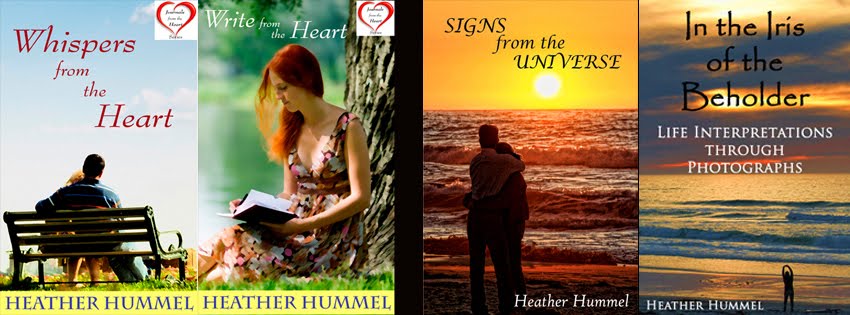 Staring at a blank page and not having the words flow the way they did last week, or even yesterday, is every writer's nightmare. Writer's block can feel paralyzing, especially with a deadline fast approaching, and it can often leave writers wondering if they should give up on their craft. Some would say it's a rite of passage. Others would argue it just takes shaking things up.
 To help out, I tracked down willing writers of various genres who have faced the plague of writer's block, and who were willing to share their cures or tips for preventative maintenance.
Novelist: Hildie McQueen
Writer's Block, or "Where was I going with this" syndrome affects all authors at some point. While working on my latest book The Rancher, I became so frustrated. My poor hero, Grant Gentry, sat on his horse without a clear destination and I thought, well crud, nobody wants to read this boring crap. So I did what I normally do, I walked away from the story.
That is my secret. When you hit a brick wall, turn around and walk away. For me there's nothing like a drive down long country roads to clear the mind and get the story back on the right path. Sometimes I even invite the hero or heroine along.
It's amazing what drives in rural Georgia does to the characters in my head. They loosen up and start talking. Maybe it's the fresh air, or maybe they're afraid I'm going to kill them off?
Playwright: Everett Robert
As a playwright, the most important thing for me to write is dialogue. When I'm struggling to hear a character's voice, I'll often stop whatever I'm doing, turn off the music or noise and go to a coffee shop, walk around a college campus, or go to a retail store. I find that writer's block doesn't come from a lack of "ideas," but rather a lack of "voice." Listening to other voices helps me tune in my muse to the character voices I'm struggling to hear.
Novelist: Julie Benson
When I wrote Bet On a Cowboy I suffered from writer's block. The charismatic man I loved enough to give his own story clammed up on me. My heroine wouldn't share her internal conflict with me. I feared I'd miss my deadline for my first book written under contract. At a workshop I attended with Jayne Ann Krentz and Susan Elizabeth Phillips, they said to keep writing until the story makes sense. Trusting them, that's what I did. When I hit the major love scene on page 137, suddenly everything made sense. I knew the answer -- my heroine wanted children but didn't think she'd ever have a meaningful relationship. I added a scene at the beginning with her checking into having a child through artificial insemination. The rest of the book practically wrote itself from there. Now when writer's block hits I know that as long as I keep writing, eventually everything will make sense.
Fiction Writer: Daniel Sherrier
Exercise is a wonderful remedy for writer's block. Writing, obviously, is a sedentary activity, but being sedentary is how cobwebs form in your brain. That might help if you're writing about cobwebs, but otherwise, they'll just get you stuck. So, go out for a run, take a kickboxing class, or even just a brisk walk might do the trick. You'll come back to your work feeling energized, and you'll have done something your body needs anyway. Your entire self wins -- and your book does, too.
Ghostwriter and Novelist: Heather Hummel
As a ghostwriter, my clients often provide me with the basic concepts for their books, sometimes even an outline and some material. However, it's up to me to organize and write the rest of the material to complete their book for them. To do this, and to write my own novels, I've always had two effective muses that prevent writer's block.
One is cycling, as I have been known to write entire chapters in my head while pedaling on long bike rides. I see my laptop as the tool for putting the words down, but much of my writing actually formulates in my head while riding. (The trick is remembering them later when I go to type the words on my laptop.) For this reason, I tend to ride alone, so I can quiet my mind with only the whirl of tires on the pavement beneath me.
My other muse is photography. Because I'm also a land and seascape photographer, I find the cross-creative roles feed on one another. If I'm feeling stuck with a chapter, I load up my car with my camera gear and my two dogs (they make great assistants) and head out to spend time photographing Mother Nature. By the time I return home, I am always refreshed and ready to write again. Having the mix of visual and written careers keeps me motivated on both fronts.
If you have a favorite muse, please share them in the comments below.
Follow Heather Hummel on Twitter: www.twitter.com/HeatherHummel
This post originally appeared on the Huffington Post.
Q&A With Author Darcie Chan

Darcie Chan is the famed author of the eBook breakaway sensation The Mill River Recluse and the sequel, The Mill River Redemption. Set in the fictional sleepy town of Mill River, Vermont both novels portray the deep complexities of its small town characters and their bigger than life problems. I read both books back to back, and quite frankly, I was glad to have waited to read Recluse until right before I was given an ARC of The Mill River Redemption because I don't know how fans waited for the sequel! Darcie was kind enough to put her author pen down for a few moments to answer some of my have-to-know question.
HH: What do you think is the real reason there is a trend of attorneys who become successful authors?
DC: Probably the main reasons that lots of attorneys become authors are that attorneys are required to do a huge amount of writing, and that people inclined to pursue a career in law (as opposed to a career in the sciences) are more likely to enjoy it. Some lawyers do more writing than others, of course, but when I was working as an attorney, my job was primarily to draft environmental and natural resource legislation. Writing was something I did about 90 percent of each work day, and I really loved that part of my job.
That said, legal writing is very different than writing fiction. Both require creativity (which is something that many people might find surprising, given how "dry" and rigid legal language can be), but writing fiction is far more freeing and fun for the imagination. At least, that's how it was for me, and that's the reason I started working on a novel once I'd settled into my legal job. I wanted to spend more time with a different kind of creative outlet, one that I'd always enjoyed.
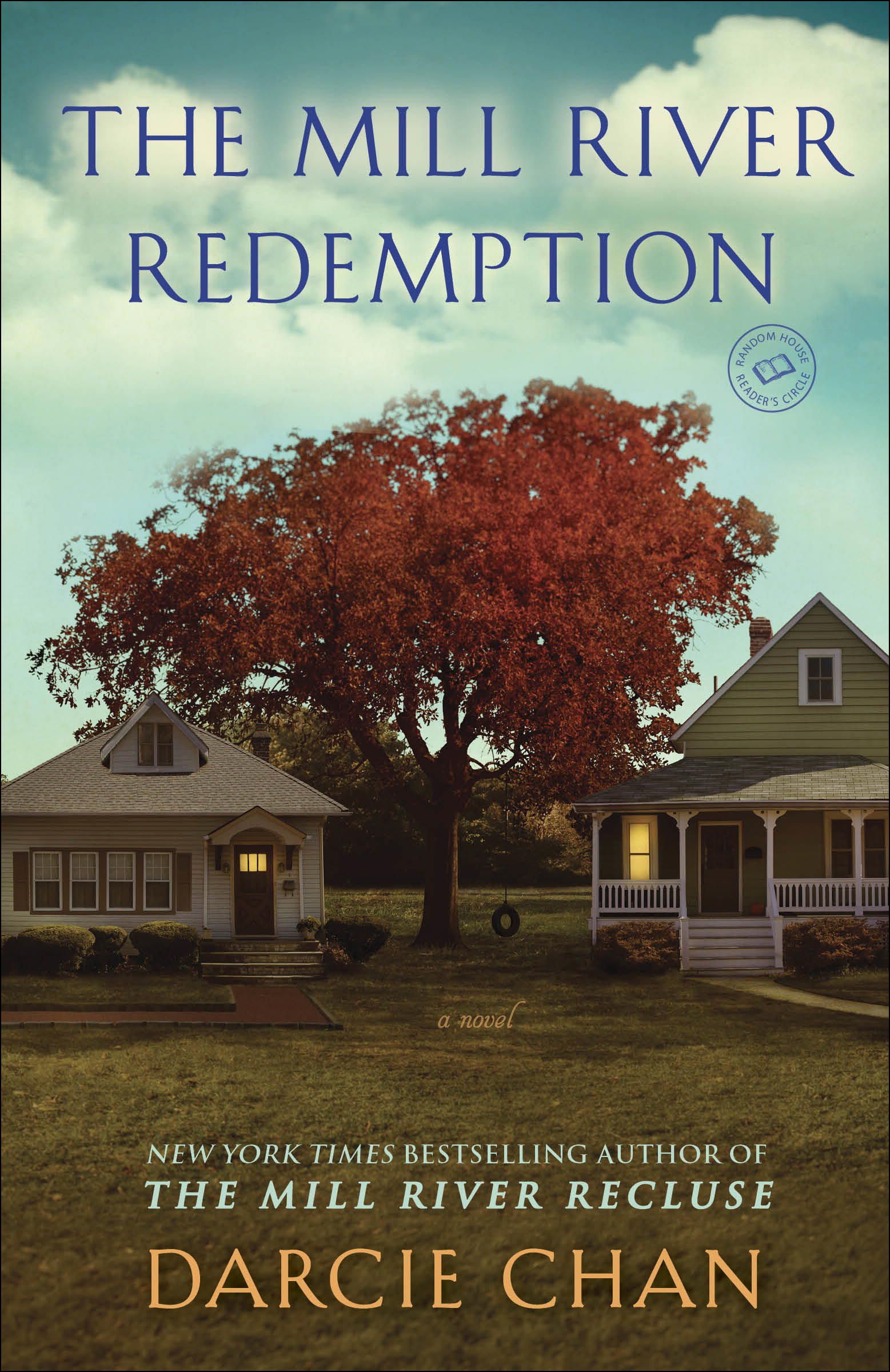 HH: Father O'Brien...a priest with a penchant for pilfering silver spoons? How did that concept come to you?
DC: Strangely, I remember the exact moment I thought of it. I was in the process of thinking through my concept for a first novel, working out the plot and naming characters. I liked the idea of an older priest being involved, since he would be an ideal person to know what was going on with lots of people in a small town, but I wanted him to be quirky. I'd just eaten a yogurt, and I was staring at the spoon in my hand while I pondered what quirk the priest should have. The "spoon problem" suddenly seemed so obvious and funny, particularly because a spoon is such a mundane object to most people, but to Father O'Brien, it would be simultaneously precious and a source of shame.
HH: The Mill River Recluse was one of the unusual breakaway Indie hits. Has your approach changed with both writing and marketing The Mill River Redemption via Ballantine?
DC: In terms of writing the first draft, it wasn't all the different, except that Redemption flowed onto the page in about six months (versus the 2.5 years it took me to finish a first draft of Recluse). I was working under a contract deadline for Redemption, but the story took shape and came out so much easier, which I attribute to having been through the process of writing a novel once before. The editing, though, was much improved for Redemption. (It was basically nonexistent for Recluse, which wasn't professionally edited until Ballantine picked up the rights to it and reissued it.) I could see how my editor's suggestions really improved my writing and the story. For that and other reasons, I truly believe Redemption is a stronger book than my first.
The marketing of The Mill River Redemption is being handled largely by Ballantine, which is a great relief, because I'm no marketing expert! The marketing that I did for The Mill River Recluse as a self-published e-book was basically a series of cheap trial-and-error features and online ads that I designed myself. I had no idea what would be effective, if anything. This time around, I have a wonderful marketing manager assigned by my publisher who is coordinating a whole campaign for my books. I appreciate her so much, as well as everyone else at Ballantine who has worked to introduce my second novel to the world!
I should also add that I'm still heavily involved in doing publicity for my books. I'm finding that now, though, my publicist is able to access many more review sources and media outlets than I could have as a self-published author. She's also taken charge of arranging and coordinating appearances and interviews. The happy result is that I've had more time to focus on writing and more time for my family. I truly couldn't be more thrilled with the supportive and collaborative team I have at Ballantine!
HH: There are mixed reviews, so to speak, about Kirkus Reviews, who were instrumental in helping The Mill River Recluse gain recognition. What advice do you have for authors about approaching them for their own reviews?
DC: I used a Kirkus review because, for indie authors, very few professional review services exist. Yes, there are lots of great and popular blogs that review self-published books, but I was looking for a review of the same caliber as a traditionally published book might receive. Kirkus uses the same standards and reviewers for both traditionally published and self-published books. I was also interested in using pull-quotes from my review (if it turned out to be positive, which was not guaranteed) for marketing purposes, because Kirkus has a highly recognizable and respected name in the book world.
I think a Kirkus review can be very useful for authors, both in the credibility it gives a story and in the industry-wide exposure it provides. I don't have data to quantify how many additional sales of The Mill River Recluse might have been attributable to having the review, but I do believe that the review provided some measure of reassurance to readers who might not otherwise have taken a chance on a first novel by an unknown author.
HH: I appreciated your approach to The Mill River Redemption as a sequel in that it didn't streamline where Recluse left off. Instead, Redemption weaves over, under, around, backwards and forwards in a very well-crafted manner. What advice do you have for authors who are working on a series?
DC: I'm glad you liked the structure of Redemption! I crafted it that way because I wanted to tell a new story while imparting the "feel" of Mill River from my first book. I also wanted to involve several of the town's residents in this new novel. I thought the best way to do both of those things was to write a new story that partially overlapped, and was interwoven, with the one in my first novel.
Since I've only written two books and the first draft of a third, I'm not sure I have solid advice for a series just yet, but I'm very concerned with character progression and consistency. I'd like for my characters -- if they're featured in more than one book -- to learn and grow as people from one story to the next, but it's also important that their personalities are consistent, without any dramatic or unexplained shifts in their thoughts or behavior.
The other aspect I tried to focus on was storytelling. I tried to build a fresh, new, emotion-filled story around strong characters -- both new ones and the holdovers from Recluse. As a reader, I find that compelling, interesting stories, coupled with characters and a setting I love, keep me returning to books in a series. As a writer, I'm hoping with everything in me that readers find my Mill River books to have those same characteristics.
Thank you, Darcie!
Read my review of The Mill River Redemption on the New York Journal of Books.
Follow Heather Hummel on Twitter: www.twitter.com/HeatherHummel
This post originally appeared on the Huffington Post.
November 14, 2014
Friends Rally Support for Author's Third Open-Heart Surgery
The NBC29 news story is now on YouTube.
Friends of 49-year-old Heather Hummel are raising funds to support the Charlottesville author and UVA
alum through her third open-heart surgery to repair effects of a congenital heart defect.
November 30, 2013

March 22, 2013
Guest Q&A with Author Van Heerling
 I invited author Van Heerling to my blog as a special guest today to celebrate the release of his second novel
Dreams of Eli
. Thank goodness he agreed to show up!
I invited author Van Heerling to my blog as a special guest today to celebrate the release of his second novel
Dreams of Eli
. Thank goodness he agreed to show up!Q. DREAMS OF ELI completely deviates from your first book, MALAIKA. What traits, if any, carry over between the two?
Dreams of Eli takes place during the 1800s while MALAIKA is present day Africa. They are indeed far apart, however, I would say that the general tone of the stories carry over. The protagonists in each story are deeply lost and flawed in their own ways. Although Dreams of Eli is quite disturbing in some parts, I have had readers contact me, bawling their eyes out after each story. I mean this in the best of ways.
Q. You have over 100 reviews for MALAIKA. What good/bad/ugly advice do you have for authors regarding reviews?
Reviews are interesting. The advice I would appreciate hearing would be as follows: don’t get hung up on the unpleasant reviews. Read them once. Allow them to ruffle your feathers if this is the case, and then go back once you are cooled off and read them once more. During this second read, look for legitimate criticism. If there is any, allow it to improve your future work. I do this with my bad reviews. It takes some discipline. Ease into it. Above all else never respond in a negative way to someone that has left a bad review. Doing this reflects badly upon the author. Take your lumps.
 As for the good reviews, remember them for when you doubt your talents. Go back and read them as many times as you feel is necessary. Know that these are YOUR readers. These are the people that want you to write. So write to them. If your readers contact you directly, make it a point to respond and thank them.
Q. If you could take 6 months off and travel anywhere you wanted to write your next novel, where would you go?
Mars.
Q. Which do you prefer to write: narrative or dialog?
Narrative. First person narrative in fact. My absolute favorite way to tell a story is from the perspective of an untrustworthy narrator. What I mean by untrustworthy is unpredictable even to the character itself. For me it is unapologetic and allows the human condition to take hold.
Q. If you wrote a children's book, would the main character be a human or animal or otherwise?
Human. I actually have two children’s books finished but not released. The first is of a little boy, called “The Bee Stomper.” The other is of an eight-year-old girl. One day I will release them, maybe. The latter will be a thirty book series. Yes, thirty.
Q. We both pride ourselves on being original thinkers. Which original quote of yours will become famous?
“In this life, seek your own answers, and quote yourself for a change.” It’s funny because people quote me.
Heather, thank you for the chat. It’s no secret that I think you are one of the lights in our darkening world. Shine.
Visit Van's website/blog at: http://www.vanheerlingbooks.com/
March 19, 2013
Query Letters: Why Agents Reject 96% of Author Submissions
 Did you know that the rejection rate from agents and editors averages 96%? Flip it around, and it can be said that only 4% of authors land an agent. Take a few minutes and read through Writer's Market and you'll see that right along with an agent's address is their acceptance rate. Read enough of them and you'll see exactly what I'm saying. The reasons for rejection can vary from author to author, but generally it comes down to these reasons:1. Problem: Submission guidelines were not followed.Each agent has their own, specific submission guidelines. Not following these guidelines will often put your query letter in the trashcan, either the virtual one or the real one, faster than a shooting star goes out of sight.Solution: Read each agent's individual website and their submission guidelines in detail. Do they want a query letter only? Do they want a query and 5 sample pages? Do they want a query and the first 25 pages? Do they want a query and the first three chapters? Do they only accept queries via e-mail or via snail mail? Both? Are the submission guidelines the same for e-mail as they are for snail mail? You won't know these answers until you carefully read an agent's specific guidelines. When you do, follow them to a T.2.Problem: Genre confusion. In dating, not all men like blonds and not all women prefer tall, dark and handsome. With agents, not all agents want whatever genre you're selling. Sending a query for romance novel to an agent who only accepts nonfiction genres is a huge waste of time for both of you. This is an extreme example, but I use it to make a point. Hearing the name of a popular agent and submitting to them based on their reputation, but without finding out what genres grab their attention, will only set you up for rejection. Solution: Use resources such as Writer's Market or AgentQuery.com and perform a search of agents who represent your specific genre. From there, go to the agents' websites and verify that their bio matches what the resource says. Sometimes the agent information from an outside resource will differ compared to the agent's website. Always go by the agent's website.3. Problem: Let's Face It: Your Letter Sucks. Maybe that's a bit harsh, but in a recent informal survey I did on Facebook, 10 out of 10 people said they hate writing query letters, cover letters, and proposals because they're no good at writing them. They thought I was beyond crazy for actually enjoying it. Well, yes, perhaps I am a bit crazy for enjoying writing query letters. But, I mostly do it as a service to the clients I ghostwrite for, and I embrace the challenge. In one case, a client sent me her query letter that someone else had written for her. I won't reprint it here, in order to protect the innocent, but within the first paragraph I found multiple issues. Even more issues carried on through the entire two page query. Rather than feeling bad for her, I took the two page letter, scrapped 80% of it, and rewrote it to fit into a concise, one page query letter that she was more than happy with. In her case, it was fiction. Most of my clients are nonfiction, and I'll address that in a minute. But first, the solution to a bad query letter:Solution: A rock solid query letter needs a few components to grab the attention of an agent. The opening paragraph should not rave about how your book is the next (fill in the blank famous book/author). Instead, the opening paragraph is meant to stylistically make a pitch regarding your protagonist and book in a way that the agent fall in love with them. The second paragraph ought to provide the synopsis...however, and that's a BIG however, this does not mean you should include every little detail like the color of the protagonist's hair, what day of the week she gets her manicure, or all the friends she meets along the way. The synopsis is meant to express the plot and the essence of the obstacles she overcomes. Stick to the big picture details and the hurdle she has to jump that would challenge even Jackie Joyner Kersee. Inform and intrigue...those are your goals.The third paragraph is all about you. What relevant credentials, honors, and awards have you or your books achieved that's going to grab the attention of the agent? Do you have huge numbers (i.e. social media followers) that will make them pick up the phone and dial your number? In other words, why you and not the next author in their inbox? Lastly, the closing paragraph should recognize their submission guidelines, state why you picked them as a possible agent, and leave them with an action to take...i.e. request the full manuscript. Then, sign off with a kind salutation, of course. Note: Be sure that all of your contact information is included: address, e-mail address, and phone number.4.Problem: Nonfiction is a Different Beast than FictionAs a ghostwriter, the clients who come to me want me to write their books for them. My first question to a new client is, "What publishing route do you want to take?" At least 80% of the time, they want to go traditional. In fact, all of my current clients want to go traditional. The reason I ask this question is because of the answer I know is coming, "I want to go traditional because..." What they don't know prior to calling me is that rather than hiring a ghostwriter to write their entire book, what they really need at first is a complete book proposal, three sample chapters, and a cover letter. A book proposal is made up of many components that I won't go into here, but I will say that they run at least 10 pages and have a number of sections that need to be written.So, the problem in this case is that they don't know that they have to go an agent with only three chapters, not the entire manuscript, and a complete proposal. Once the book sells to a publisher, the rest of the book is written.Solution: If a nonfiction author is going to go it alone rather than hire a ghostwriter, they're best served educating themselves on how to write and pitch a proposal to an agent. Then, go back to numbers 1 and 2 of this post and be certain they've done those properly as well! Alternatively, they can hire a professional ghostwriter to write their proposal and sample chapters. If they hire a notable ghostwriter, include their bio in the proposal, as it will likely bode well. 70% of nonfiction books are ghostwritten. Agents and editors expect a nonfiction author with a big platform to hire a ghostwriter for their book(s). 5. Problem: Spelling and GrammarI shouldn't have to state this, but I will because it still happens out there. If you're submitting a query letter to agents, be sure that all spelling and grammar issues are resolved. This industry thrives on the written word and your ability to master it is clearly what an agent wants to see. Typos are a turnoff. This isn't text messaging. Solution: Hire a professional (not your Aunt Rose) to read your letter. A second pair of eyes is a must. Following these guidelines ought to help increase your odds of landing an agent. Patience and persistence are a huge part of being successful in this industry. I'm sure you've read enough about all the big authors who were rejected, yada yada yada, but, it was their persistence that paid off in the long run. And, good writing! ***
 Heather Hummel is an award winning, bestselling ghostwriter for public figures, corporations, politicians, and individuals. Her books have appeared on television, including: the Today Show and several regional shows; in newspapers such as: Publishers Weekly, USA Today and the Washington Post; and in magazines that include: Body & Soul, First, and Spry Living, a combined print circulation of nearly 15 million. Visit Heather's Websites:
 Books: www.heatherhummelauthor.com
Facebook Fan Page Photography: www.Facebook.com/HeatherHummelPhotography
Facebook Fan Page Author: www.Facebook.com/HeatherHummelFanPage
Twitter: www.Twitter.com/#HeatherHummel
Photography : www.HeatherHummelPhotography.com