Heather Hummel Gallagher's Blog, page 2
July 12, 2016
Adorable Dog Performs "Which Hand" Dog Trick
My pup Julie wanted to show you that you can teach an old dog new tricks...although she's been doing this trick for a while now. :) Give Julie a round of applause for her trick - or for at least being adorable. #DogsRule


October 3, 2015
Want to Take a Writing Class from James Patterson? Now You Can...
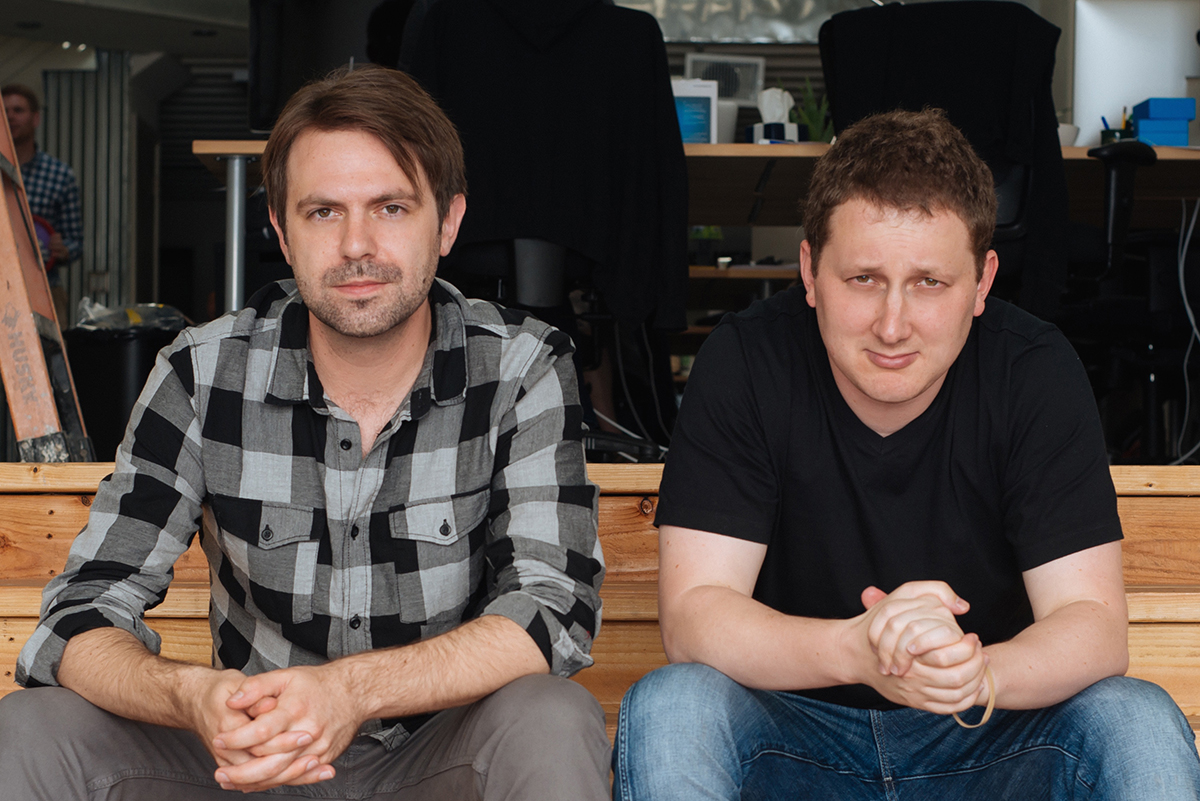 David Rogier and Aaron Rasmussen Photo Credit: MasterClassCelebrities and public figures are often thought of as "untouchable." If you're lucky, you'll run into one at the airport or a restaurant and get an autograph or selfie with them. So, imagine having the opportunity to have Dustin Hoffman better your acting skills or James Patterson hone your manuscript or Serena Williams enhance your backhand? Need a voice coach without trying out for the television show The Voice? Take voice lessons from Christina Aguilera and performance coaching from Usher. Annie Leibovitz explains light, shutter speeds, apertures and more in her photography class.
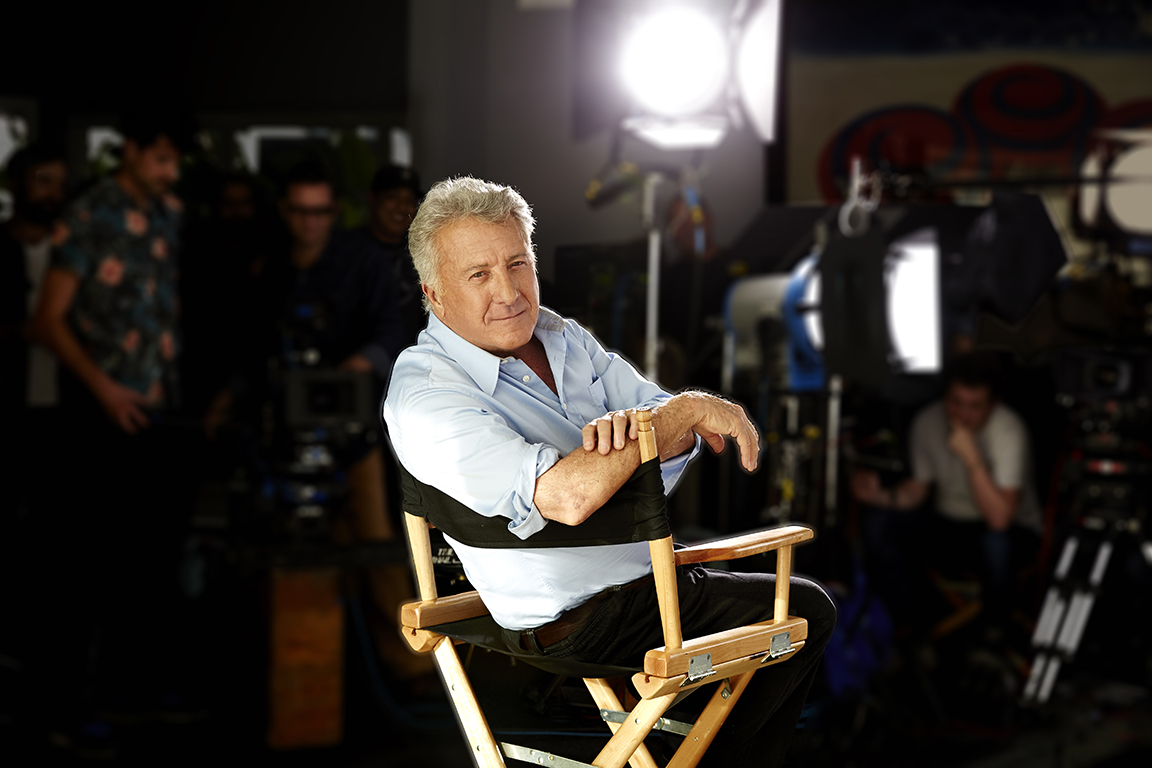 Photo Credit: MasterClassYes, thanks to a new platform for educating niche genres by the best in their fields, all of those scenarios are possible. MasterClass founders David Rogier and Aaron Rasmussen took time out from their hectic schedules to answer some questions.
HH: Explain how was this idea born, let alone executed?
"Aaron and I knew we wanted to work together since we first met.. We both shared a passion for learning and neither of us had a great school experience growing up. I was always getting in trouble for being so inquisitive, and Aaron kept running out of classes to take in the tiny town he grew up in. We decided our mission was to make the kind of classes we wish we had growing up -- classes with riveting and engaging lessons taught by the world's best. When we reached out to our ideal potential instructors, we were thrilled they were excited to be a part of MasterClass!" - David
 Photo Credit: MasterClassHH: How did you get all of these experts/talents on board with the idea?
"When we started reaching out to potential instructors, we found that that many of them were excited to teach. All of our instructors really want to share what they've learned along the way, and most of the time they'd come to our first meeting with exciting and brilliant ideas for their classes." - Aaron
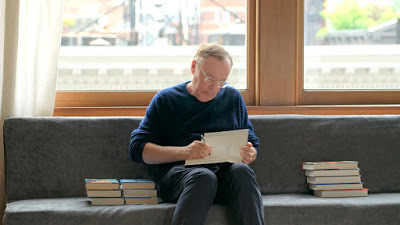 Photo Credit: MasterClass"One funny story from when we were first starting out...we knew we wanted James Patterson to teach, but didn't have any connection to him. So, we sent a few cold emails to his representatives. We didn't hear anything back, then a few weeks later I'm walking down the street and my phone rings, and I hear, "Hi, this is James Patterson." I almost fell over with shock. Before I could process what was happening I blurted out, "The author?" Luckily, James laughed and we had a great conversation. He had seen our email, loved the idea, and just called us up to find out more." - David
HH: Is there anyone you wanted that you couldn't get?
"We have been very fortunate to work with some really great and well respected instructors for the launch of MasterClass. We also have many more instructors on board that we have yet to announce. David and I each have people that we would personally love to learn from. For me, it would be amazing to have James Cameron and Christopher Nolan as instructors. Both are fantastic storytellers and visionaries." - Aaron
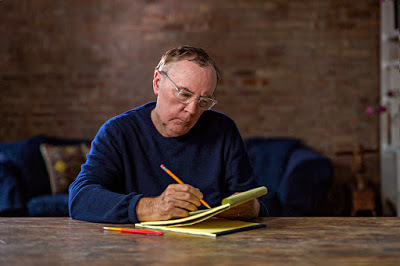 Photo Credit: MasterClassHH: How do you see this concept expanding as technology advances?
"All of our classes include opportunities for instructors to connect with students and for students to connect with one another. We're constantly testing new ways to forge these connections to enhance the learning experience, and technology plays a huge role in this process. We recently hosted an office hours session with Dustin Hoffman in LA where he Skyped with a student in Sweden and critiqued his performance in real-time. This wouldn't have been possible several years ago." - David
 Photo Credit: MasterClass"Each class has interactive assignments to encourage students to practice the skills they learn. For example, James Patterson's class includes a tool we call the "delete-o-matic" which enables students to make edits to several lines of text then compare how their edits differ from those of James himself. We're excited to create more technologies that help our students learn." - Aaron
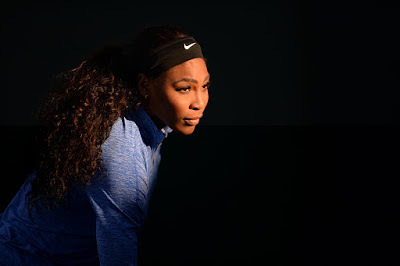 Photo Credit: MasterClassHH: What kind of response are students having to your classes?
 "The response has been amazing. Our students are learning and improving their skills every day. As an example, we got an email from the mother of a young student in Dustin Hoffman's class. The tips Dustin gave in his class helped her daughter get cast in her first big role! We had a mini-celebration for her in our office when we heard the news. Similarly, we have students who are beating the best players in their tennis leagues and having their writing published for the first time. It's amazing to see the impact our instructors are having on the lives of their students! Our ultimate wish is to have one of our current students come back to teach their own MasterClass someday." - Aaron
Thank you, David and Aaron.
For more information or to take a class on MasterClass, visit their website.
Follow Heather Hummel on Twitter: www.twitter.com/HeatherHummel
This post originally appeared on the Huffington Post
August 18, 2015
Q&A with Best-Selling Author Renee Carlino
 If you love a good New York City love story, you will fall in love with Matt and Grace.
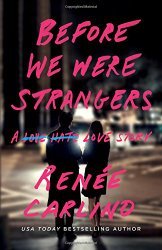
Before We Were Strangers
(Atria Books, August 18, 2015) by Renee Carlino is a complicated love story of missed opportunities and the influence that outside factors have on a couple’s journey…or is it all really just part of their journey? I pulled Renee away from her writing desk to answer a few questions for her ever-growing fan base.
If you love a good New York City love story, you will fall in love with Matt and Grace.
Before We Were Strangers
(Atria Books, August 18, 2015) by Renee Carlino is a complicated love story of missed opportunities and the influence that outside factors have on a couple’s journey…or is it all really just part of their journey? I pulled Renee away from her writing desk to answer a few questions for her ever-growing fan base.
HH: What was your inspiration in using New York City as the backdrop to Grace and Matt's story?
RC: When people normally ask me what BEFORE WE WERE STRANGERS is about, I say it's about a guy who sees "the girl who got away" on a New York subway fifteen years after they last saw each other. But I think BWWS is really about how people, rather than places or things, can color our experiences. I thought Matt and Grace would fall in love with New York together. Through their exploration of the city, they got to know each other, so NYC made for a great backdrop. There is an undeniable energy there, but I also thought it could be a place where one might feel extremely isolated among the masses, which is how we find an older Matt at the beginning of the book. I've been to a lot of cities in the US, but every time I visit New York, I get a sense of vitality and togetherness, yet at the same time I feel extremely small. I see New York City as a versatile character that I can use in many different ways to help tell a story.
 HH: Both Grace and Matt are complex, deep characters...do you spend a lot of time character sketching before writing? RC: I usually know the big pieces before I start the book. Through the writing process other characteristics will develop, like the way Grace smells her food or swings a door open wider than the average person to accommodate her cello case, even when she's not carrying it. They are alive in my head and not based on a real person, so I suppose I am sketching them but not necessarily on paper. I do flesh the characters out much more in revisions so I enjoy the editorial process and find it extremely beneficial and rewarding.
 HH: On a Saturday night would you rather be home in sweats or out in a LBD and heels? RC: I love my sweats and being a writer allows me to be in them an awful lot. I don't know any writers who get ready, do their hair and put on make-up to sit at the computer for six hours, so on a Saturday night I enjoy getting dressed up and going out when I can.
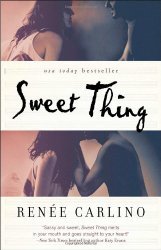
 HH: Explain the muse of music as a prominent theme in your novels. RC: I just cannot live without music, so it finds its way into all of my books and it is the best food for my imagination. For BBWS, I remembered watching Nirvana Unplugged on MTV and thinking about the cello player. I wished that I could play like her. When I started researching this book, I found a more recent youtube video of Lori Goldston, the same cellist. She was playing in a station in Seattle. As soon as the music began, I got chills. The way she describes her instrument in the video is inspiring.
 HH: If you could meet one of your characters in person, which one would it be? RC: I would want to meet Matt from BEFORE WE WERE STRANGERS. He's closer to my age, he and I share a passion for photography and I think I would have a lot of questions about his work for National Geographic. He seems like he would be a great conversationalist, which is high on my list of good qualities.Thank you, Renee!Click here to read my New York Journal of Books review for Before We Were Strangers: A Love Story .
August 14, 2015
Q&A with Best-Selling Author K.A. Tucker
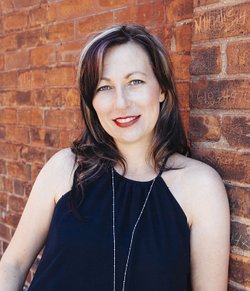 With over a dozen novels under her pen, K.A. Tucker recently added a new novel, Chasing River: A Novel (The Burying Water Series), to her Burying Waterseries.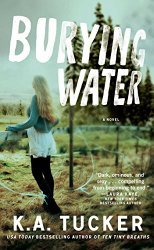
 I caught up with K.A. just before its release to chase down some answers about her fascination with Ireland, the depth of her characters, and her dream automobile.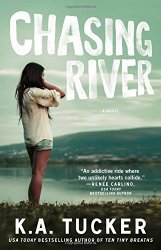
 HH: Your passion for Ireland is palpable inChasing River: A Novel; what is your connection to it?KA: I dreamed of visiting Ireland long before I ever set foot there. I have Irish roots (as so many people do, it seems.) I finally made the trip last summer and, though I was there for less than a week, I fell in love with the people, the culture, and the countryside. I plan on visiting again, and braving the “wrong side of the road” driving in order to see the rest of the countryside.HH: Amber’s character is complex in a common theme—torn between striving for independence and living up to her father’s standards; was it a conscious choice to downplay the role of her mother?KA: I don’t know that it’s so much about downplaying the role of her mother as it is that Gabe Welles has always been such a strong and authoritative figure in his children’s lives. We first see this in Burying Water, with the situation that Amber’s brother, Jesse, finds himself in. Gabe Welles is the sheriff, after all. It felt only natural that it would be Sheriff Welles who would come running to Amber’s rescue in Ireland, just as he did for his son. Plus, Amber is still very much daddy’s little girl.HH: Chasing River: A Novel has so many layers—love, friendship, family—and yet the landscape around these relationships is painted with great historic detail; how much research did it take versus innate knowledge?KA: Before beginning this book, I spent weeks delving into both Ireland’s history and its current political situation. I knew that I wanted to weave the IRA into the story, but I didn’t have a good grasp of what that would entail. So I began digging… and digging… and digging… and so many dots in my knowledge base began connecting—the religious strife between Protestant and Catholic, the political strife between England and Ireland, the mass exodus of Irish to North America. Ireland has a rich history (much richer than I anticipated) and having a handle on it made spinning an authentic story much easier.HH: What is your dream automobile?KA: A Hummer (deer have a tendency to jump out in front of me on the road and tanks are illegal.)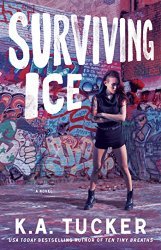
 HH: With over a dozen and counting novels under your pen, which character was the hardest to create? KA: I struggled with both main characters in
Surviving Ice: A Novel
(Ivy and Sebastian), because they’re quite similar to each other. Ivy is not necessarily “likeable” as far as suspenseful romance characters go, and going out of my way to make her softer didn’t feel like the right thing to do. Her character does grow and change, but it’s done in a more subtle way. I hope readers see and appreciate that.Click here to read my NewYork Journal of Books review for Chasing River. Thank you, K.A.!
HH: With over a dozen and counting novels under your pen, which character was the hardest to create? KA: I struggled with both main characters in
Surviving Ice: A Novel
(Ivy and Sebastian), because they’re quite similar to each other. Ivy is not necessarily “likeable” as far as suspenseful romance characters go, and going out of my way to make her softer didn’t feel like the right thing to do. Her character does grow and change, but it’s done in a more subtle way. I hope readers see and appreciate that.Click here to read my NewYork Journal of Books review for Chasing River. Thank you, K.A.!
July 7, 2015
Suicide Notes: Notable Writers Who Committed Suicide
 Photo Credit: Heather Hummel Photography
"What do you write?" Any writer will tell you that this is the first question asked when people find out what they do for a living. It's not like identifying yourself as a doctor because most doctors will indicate their specialty, such as "I'm a cardiologist," or "I'm a chiropractor." But when writers' tell people that they are a writer, they prepare to explain what kind of writing they do.
My writing career can't be pigeon-holed because I write both nonfiction and fiction books as well as articles. "I've written two novels and am working on my third. Oh, and I'm ghostwriting four books for clients," is my current explanation-in-a-box.
It's easy to forget that authors started writing out of their known genre as well. Stephen King submitted several short stories to publications and tacked the rejection slips to his wall for several years before selling his book (and later the movie), Carrie . His book On Writing: 10th Anniversary Edition: A Memoir of the Craft , now in its 10th anniversary, intertwines his biography with advice for writers that many wannabe writers pay hundreds of dollars to learn in workshops. Very few people knew that lawyer turned author, David Baldacci, was writing a novel until he had already signed a contract with a publisher. He was a closet writer who spent much of his childhood and "free" time while in law school writing stories. Later, he penned Absolute Power late at night and on weekends. Even now his work is published in several different genres...there is no pigeon-holing David's work.
 Photo Credit: Heather Hummel Photography
 Every writer's story about their struggles, their early days, and when they broke through varies. Sadly, some became bigger than life authors after their lives ended. Sylvia Plath's work shadowed her husband's, Ted Hughes, until after the event of her suicide. Sylvia's suicide brings up an interesting reality -- Wikipedia has a link that lists hundreds of seasoned writers who committed suicide. One of them, Jean Amery, penned a book titled, On Suicide: A Discourse on Voluntary Death . In 1978 he followed his own advice and suicided. Evidently the philosophies on the pages he wrote were validated in his mind to the point of taking his own life.
In reading about the lives and deaths of the writers in this category, the reasons for suicide were evident -- medical or mental. I suppose that would be true of anyone who suicides, yet in reading the biographies of these writers, many of them felt that they set themselves free when they died. Some were unable to continue writing due to their medical or mental restraints; therefore, perhaps, they felt their lives were not worth living beyond that point, as evident in the letters they left behind. (I now wonder if any writer who has suicided did not leave a written note?)
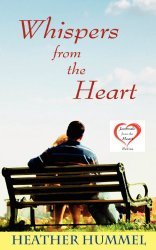
 My first novel,
Whispers from the Heart
, portrays a high school English teacher who copes with the suicidal death of one of her students. She uses journal writing in the classroom as a tool for the students to heal and try to understand why someone with so much life ahead of them would cut it short deliberately. This is a question rarely answered by the people left behind to grieve. It becomes about coping more than understanding.
My first novel,
Whispers from the Heart
, portrays a high school English teacher who copes with the suicidal death of one of her students. She uses journal writing in the classroom as a tool for the students to heal and try to understand why someone with so much life ahead of them would cut it short deliberately. This is a question rarely answered by the people left behind to grieve. It becomes about coping more than understanding.In Sylvia Plath's case, she fought clinical depression for several years, but before ending her life, she realized and admitted to a friend that through her thoughts she created the distressing aspects of her life. In the biographical movie, Sylvia, Gwyneth Paltrow plays Sylvia and tells her friend, "You see, if you fear something enough you can make it happen." Unfortunately, she felt she learned this lesson too late.
Follow Heather Hummel on Twitter: www.twitter.com/HeatherHummel
This post originally appeared on my Huffington Post blog.
July 2, 2015
If Everyone Is Working for Free, How Is Anyone Supposed to Earn a Living?
Have you or your company ever hired someone from a website such as Freelancer, oDesk, Fiverr, eLance, or another popular site for outsourcing gigs? Alternatively, have you or your company offered services on one or more of these sites? If so, you are a part of the Global Online Employment trend that has been booming for quite a while now.
I personally have used a few of these sites as a resource to clients seeking a ghostwriter for their books and bios. Yet, I found that the competition was too willing to bid low dollar amounts for their work or they lived in areas where the cost of living was significantly less than mine, thereby being able to bid lower and still earn a significant living. As such, my bids were frequently four and five times higher than most (except on Fiverr, which is a fixed amount). Sometimes I landed the gig anyway, sometimes I didn't.
I also recently posted a photo captured in a chain restaurant and Tweeted it via Instagram. Within moments, I heard from the restaurant, which wanted full rights to my image to use for their social media campaigns. The catch was, they didn't want to open their wallets to pay me for it. My thought was, "I go into their establishment and open my wallet for their product. They come to my establishment and request full rights to my product, but don't want to pay me for it?" As a professional photographer, this aggravated me. So, I began to question, If everyone is giving away their work, how is anyone supposed to earn a living?
To find the answer, I reached out to Freelancer's Nikki Parker, Regional Director, North America & Oceania.

Photo Courtesy of Freelancer
Q: Let's start with some statistics. How many people actively use Freelancer?
Freelancer currently has 10.7 million members. The term "active" varies for each user, as we have people who spend their entire work day bidding on projects or we have employers that need to use Freelancer.com at specific times of the year, e.g. tax time, end of financial year, annual reports, etc.
Q: There are many websites like Freelancer that create a marketplace for creative entrepreneurs. How have they impacted the way entrepreneurs earn a living?
Thanks to the internet the way that we connect, collaborate and work has changed quite dramatically and it is opening up a world of new opportunities.
When working online in a global marketplace like Freelancer.com there is the opportunity for employers and freelancers to barter and enter into an agreement to work on specific projects that suit both parties. An employer will choose to work with a freelancer after they have weighed up the freelancers skill, past experience, online reputation, length of time required to complete the project and the overall price and a freelancer can decide what projects they work on.
Q: How do creative entrepreneurs compete in such a competitive environment?
On Freelancer.com there are freelancers who are charging an hourly rate significantly higher than those they could command in their countries and for freelancers from the developing world they are able to earn their weeks wage in just one hour. Freelancers working on Freelancer.com certainly do not give away their work for free, in fact, it is quite the opposite and they are able to sell their services and work with global clients they would not previously had access to. Freelancers working on the site are not only able to make a living for themselves, but they are also able to lift their families out of poverty. A freelancer can choose what work they bid for and work on and if they deem a price range too low for that service they can focus on other projects.
Q: Isn't this highly competitive environment more difficult for those who live where the cost of living is higher?
We are seeing a lot of savvy entrepreneurs and business owners who have typically sold services, e.g. web design or development, and have now realized that there are others around the world who are offering more competitive rates. Rather than see this as a challenge they are seeing this as a huge opportunity. They are now outsourcing pieces of work to global freelancers and refocusing their efforts elsewhere, e.g. building up a client base, sales or marketing for their business.
Businesses who recognize that the way we do work is changing and who adapt to these changes will be able to take advantage of the world of opportunities and a global workforce that they have at their fingertips.
Q: Is there a place in Freelancer.com for entrepreneurs who are accustomed to billing higher dollars for their work?
Yes I definitely see high quality freelancers charging well above the "average" bid price and landing the job! Ultimately if I need to get work done as an employer I have to pick someone who can do the work, irrespective of price. I genuinely believe marketplaces like Freelancer.com are opening up incredible opportunities for both freelancers and employers to get great work done, earn a good income and collaborate with clients from around the world.
I admit that Nikki opened my eyes to a different angle. However, I still won't give my photographs away for free to an establishment that will profit from them, and yet where I pay (make that "paid") for their products.
This post originally appeared on the Huffington Post.
Follow Heather Hummel on Twitter: www.twitter.com/HeatherHummel
I personally have used a few of these sites as a resource to clients seeking a ghostwriter for their books and bios. Yet, I found that the competition was too willing to bid low dollar amounts for their work or they lived in areas where the cost of living was significantly less than mine, thereby being able to bid lower and still earn a significant living. As such, my bids were frequently four and five times higher than most (except on Fiverr, which is a fixed amount). Sometimes I landed the gig anyway, sometimes I didn't.
I also recently posted a photo captured in a chain restaurant and Tweeted it via Instagram. Within moments, I heard from the restaurant, which wanted full rights to my image to use for their social media campaigns. The catch was, they didn't want to open their wallets to pay me for it. My thought was, "I go into their establishment and open my wallet for their product. They come to my establishment and request full rights to my product, but don't want to pay me for it?" As a professional photographer, this aggravated me. So, I began to question, If everyone is giving away their work, how is anyone supposed to earn a living?
To find the answer, I reached out to Freelancer's Nikki Parker, Regional Director, North America & Oceania.
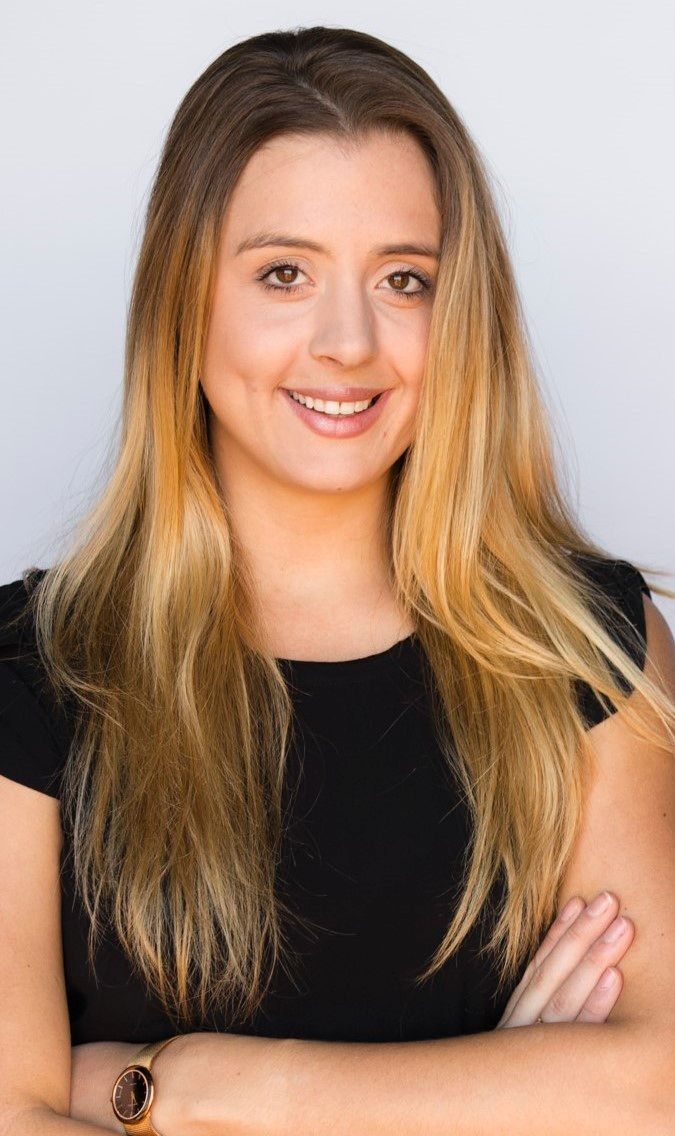
Photo Courtesy of Freelancer
Q: Let's start with some statistics. How many people actively use Freelancer?
Freelancer currently has 10.7 million members. The term "active" varies for each user, as we have people who spend their entire work day bidding on projects or we have employers that need to use Freelancer.com at specific times of the year, e.g. tax time, end of financial year, annual reports, etc.
Q: There are many websites like Freelancer that create a marketplace for creative entrepreneurs. How have they impacted the way entrepreneurs earn a living?
Thanks to the internet the way that we connect, collaborate and work has changed quite dramatically and it is opening up a world of new opportunities.
When working online in a global marketplace like Freelancer.com there is the opportunity for employers and freelancers to barter and enter into an agreement to work on specific projects that suit both parties. An employer will choose to work with a freelancer after they have weighed up the freelancers skill, past experience, online reputation, length of time required to complete the project and the overall price and a freelancer can decide what projects they work on.
Q: How do creative entrepreneurs compete in such a competitive environment?
On Freelancer.com there are freelancers who are charging an hourly rate significantly higher than those they could command in their countries and for freelancers from the developing world they are able to earn their weeks wage in just one hour. Freelancers working on Freelancer.com certainly do not give away their work for free, in fact, it is quite the opposite and they are able to sell their services and work with global clients they would not previously had access to. Freelancers working on the site are not only able to make a living for themselves, but they are also able to lift their families out of poverty. A freelancer can choose what work they bid for and work on and if they deem a price range too low for that service they can focus on other projects.
Q: Isn't this highly competitive environment more difficult for those who live where the cost of living is higher?
We are seeing a lot of savvy entrepreneurs and business owners who have typically sold services, e.g. web design or development, and have now realized that there are others around the world who are offering more competitive rates. Rather than see this as a challenge they are seeing this as a huge opportunity. They are now outsourcing pieces of work to global freelancers and refocusing their efforts elsewhere, e.g. building up a client base, sales or marketing for their business.
Businesses who recognize that the way we do work is changing and who adapt to these changes will be able to take advantage of the world of opportunities and a global workforce that they have at their fingertips.
Q: Is there a place in Freelancer.com for entrepreneurs who are accustomed to billing higher dollars for their work?
Yes I definitely see high quality freelancers charging well above the "average" bid price and landing the job! Ultimately if I need to get work done as an employer I have to pick someone who can do the work, irrespective of price. I genuinely believe marketplaces like Freelancer.com are opening up incredible opportunities for both freelancers and employers to get great work done, earn a good income and collaborate with clients from around the world.
I admit that Nikki opened my eyes to a different angle. However, I still won't give my photographs away for free to an establishment that will profit from them, and yet where I pay (make that "paid") for their products.
This post originally appeared on the Huffington Post.
Follow Heather Hummel on Twitter: www.twitter.com/HeatherHummel
July 1, 2015
Is Your Author Bio Up to Par? 10 Tips on How to Write an Author Bio
Kind of like kids knowing they need to eat their veggies, authors know the importance of a well-crafted bio, but that still doesn't mean they like writing one.
Several years ago when I taught writing workshops through Barnes & Noble in Charlottesville, VA, the first exercise I had students do was write their author bio. The cringing, seat shifting, pen-tapping task gets them every time, and every single one of them groaned in unison. And yet, by the end of that first class, they proudly took home a well-crafted bio to stick on their refrigerator. To my surprise, each one returned the next week to see what hoops I'd make them jump through next.
That teaching experience taught me that authors really, truly despise writing their own bios. To help the medicine go down a little easier, I came up with my top 10 tips for writing a quality author bio:
1. You will need up to three versions of your bio. (Yes, I thought you'd love to hear that!) Write an extended bio for your website, proposals, interview sheets and media kits; a medium length bio for queries, guest spots on other websites and shorter marketing material; and a brief bio as a byline or for limited character social media websites.
2. Go ahead -- brag! Start with your greatest writing achievement. As an aspiring author, even one published article in the local paper counts and should be highlighted.
3. Leave your demographics for the end and keep it brief. Though the mere fact that you were born is awesome, as a new author, it's more important to establish yourself as a writer first.
4. When listing book publications, should you have any, italicize the title and do not put in quotation marks. Include the publisher and year published in parentheses after the title: i.e. Title of Your Book (Publisher, 20_ _).
5. Refer to yourself in the third person. On the longer bios, I personally like to interject "Heather" a few more times rather than using the pronoun.
6. The credibility an award gives a book can change the life of it! However, note only awards that are relevant to your writing. For example, if you write nonfiction gardening books and you won an award for your outstanding garden, then brag about it. Alternatively, if you won a blue ribbon for your brownies, but you write science fiction, leave out the blue ribbon (but feel free to send me the brownies!). Be sure to update your bio as the awards come in. When two of my books won awards within the same month, I immediately updated my author bios on my website and other places.
7. BS? BA? BIS? MBA? Ph.D.? When it comes to education, much like awards, if your degree is relevant, then note it. If you have a Ph.D. in psychology and are writing a book on teenage bullying, then certainly note it -- it's a credential. Alternatively, if your degree is in architecture and you changed careers to write children's books, unless your book is about how to build the coolest Lincoln Log cabin on your block, you can leave the degree out (especially in the short bio). I have a BIS degree in English and Secondary Education from the University of Virginia. These credentials support me as a writer, writing coach and workshop instructor, so I use it in my long bio.
 8. Your bio will change dramatically as your career advances. In that same Barnes & Noble class, I showed student my 2007 bio and my then 2010 bio. It's amazing what a difference three years can make. I started my 2007 bio with the fact that I "reside in the midst of the Blue Ridge Mountains" because I thought it sounded really cool and literary at the time. I learned that where you live isn't so important. It was my publishing credits that advanced my career and changed my bio. Think of it like this -- it's not where you write, it's what you write!
Bonus: If you haven't read Stephen King's On Writing: 10th Anniversary Edition: A Memoir of the Craft, I highly recommend it.
9. If you can, have a professional (or at least a really good) photographer take a quality author photo of you. I used a photographer in Colorado and it took more shots than words on a page to capture the perfect shot. Once you have it, use it shamelessly. Most authors are not recognized by what they look like unless they're John Grisham, who resides here in the midst of the Blue Ridge Mountains, and author of dozens of books including, A Time to Kill: A Novel and Rogue Lawyer. But, an author photo is needed for your book's jacket, your website, social media and press kit (at the very least). Take the time to do it right. (You can read my previous article titled "The Relevance of a Professional Author Photo.")
10. Browse the Internet and look in the books on your bookshelves for ideas. Especially read the bios of authors who write in your genre.
11. Bonus tip: Read your bio aloud when you finish writing it. You'll know immediately if something doesn't sound right.
Follow Heather Hummel on Twitter: www.twitter.com/HeatherHummel
This post originally appeared on the Huffington Post.
Several years ago when I taught writing workshops through Barnes & Noble in Charlottesville, VA, the first exercise I had students do was write their author bio. The cringing, seat shifting, pen-tapping task gets them every time, and every single one of them groaned in unison. And yet, by the end of that first class, they proudly took home a well-crafted bio to stick on their refrigerator. To my surprise, each one returned the next week to see what hoops I'd make them jump through next.
That teaching experience taught me that authors really, truly despise writing their own bios. To help the medicine go down a little easier, I came up with my top 10 tips for writing a quality author bio:
1. You will need up to three versions of your bio. (Yes, I thought you'd love to hear that!) Write an extended bio for your website, proposals, interview sheets and media kits; a medium length bio for queries, guest spots on other websites and shorter marketing material; and a brief bio as a byline or for limited character social media websites.
2. Go ahead -- brag! Start with your greatest writing achievement. As an aspiring author, even one published article in the local paper counts and should be highlighted.
3. Leave your demographics for the end and keep it brief. Though the mere fact that you were born is awesome, as a new author, it's more important to establish yourself as a writer first.
4. When listing book publications, should you have any, italicize the title and do not put in quotation marks. Include the publisher and year published in parentheses after the title: i.e. Title of Your Book (Publisher, 20_ _).
5. Refer to yourself in the third person. On the longer bios, I personally like to interject "Heather" a few more times rather than using the pronoun.
6. The credibility an award gives a book can change the life of it! However, note only awards that are relevant to your writing. For example, if you write nonfiction gardening books and you won an award for your outstanding garden, then brag about it. Alternatively, if you won a blue ribbon for your brownies, but you write science fiction, leave out the blue ribbon (but feel free to send me the brownies!). Be sure to update your bio as the awards come in. When two of my books won awards within the same month, I immediately updated my author bios on my website and other places.
7. BS? BA? BIS? MBA? Ph.D.? When it comes to education, much like awards, if your degree is relevant, then note it. If you have a Ph.D. in psychology and are writing a book on teenage bullying, then certainly note it -- it's a credential. Alternatively, if your degree is in architecture and you changed careers to write children's books, unless your book is about how to build the coolest Lincoln Log cabin on your block, you can leave the degree out (especially in the short bio). I have a BIS degree in English and Secondary Education from the University of Virginia. These credentials support me as a writer, writing coach and workshop instructor, so I use it in my long bio.
8. Your bio will change dramatically as your career advances. In that same Barnes & Noble class, I showed student my 2007 bio and my then 2010 bio. It's amazing what a difference three years can make. I started my 2007 bio with the fact that I "reside in the midst of the Blue Ridge Mountains" because I thought it sounded really cool and literary at the time. I learned that where you live isn't so important. It was my publishing credits that advanced my career and changed my bio. Think of it like this -- it's not where you write, it's what you write! Bonus: If you haven't read Stephen King's On Writing: 10th Anniversary Edition: A Memoir of the Craft, I highly recommend it.
9. If you can, have a professional (or at least a really good) photographer take a quality author photo of you. I used a photographer in Colorado and it took more shots than words on a page to capture the perfect shot. Once you have it, use it shamelessly. Most authors are not recognized by what they look like unless they're John Grisham, who resides here in the midst of the Blue Ridge Mountains, and author of dozens of books including, A Time to Kill: A Novel and Rogue Lawyer. But, an author photo is needed for your book's jacket, your website, social media and press kit (at the very least). Take the time to do it right. (You can read my previous article titled "The Relevance of a Professional Author Photo.")
10. Browse the Internet and look in the books on your bookshelves for ideas. Especially read the bios of authors who write in your genre.
11. Bonus tip: Read your bio aloud when you finish writing it. You'll know immediately if something doesn't sound right.
Follow Heather Hummel on Twitter: www.twitter.com/HeatherHummel
This post originally appeared on the Huffington Post.
June 30, 2015
Ghostwriting: Q&A with Ghostwriter Heather Hummel
 "So, what exactly doesa ghostwriter do?"
That question has been asked of me repeatedly during my over decade long career as a ghostwriter. Some already have guesses or an idea of what the career entails, while others have not a clue. Therefore, when David Wogahn approached me about including a chapter in his eBook titled Successful eBook Publishing: The Complete How-to Guide for Creating and Launching Your Amazon Kindle eBook , I jumped at the chance. The following is an excerpt from his book, a Q&A with yours truly that takes the mystique out of ghostwriting.

For the Time or Writing Challenged
Let's face it, as much as we recognize the value of being called an author and basking in the expert status it conveys not all of us have the time or skills to write a book. In these situations it makes sense to work with a ghostwriter--someone with the skills and qualifications to write on your behalf.
For this topic I sought out the advice of my friend Heather Hummel, a ghostwriter and successful author in her own right. Heather has worked with a number of professionals to help them either write their book or shape what they already have into a book. As an author she also brings a strong sense of marketing and what it takes to produce something commercially viable.
David Wogahn:What is ghostwriting?
Heather Hummel:In my role as a novelist, the characters in my fictional Journals from the Heart series come into my head and tell me how it's going to be! They show up in my mind and take me along each step of their journey...in other words, my protagonists own me while I write their novel!
But, my role as a ghostwriter is quite different. I wear a different pen for each client. Despite what might be envisioned, being a ghostwriter does not mean hiding away behind the scenes pounding words out for a client. It's a very interactive approach that requires give and take on both sides. That means I adapt my technique to match the client's needs.
Some clients are able to write and simply need editing and coaching on the direction of their book, others need help writing, but know the direction of their book. Clients hire me for my expertise in writing, formula and format of a manuscript. But, I still need a gist of their story, their message and purpose. It truly becomes such a collaborative effort that by time the first draft is complete, I have to step aside and touch base with Heather Hummel again.
DW: What is the hardest part about ghostwriting?
Heather Hummel:The number one challenge is writing in the client's voice. This means leaving any personal agenda (i.e. ego) aside while stepping into their shoes, learning their voice, their message, and their agenda for delivering it. In fact, one of my first paid writing gigs was for Albemarle Family magazine in 2005. I went on to write over a dozen feature articles for them, and even though I hadn't been married, let alone birthed any kids, I was the top writer for this family focused magazine.
DW: How did you get started?
Heather Hummel:The ghostwriting project that landed me an agent and a book deal, essentially launching my career, was Gracefully: Looking and Being Your Best at Any Age (McGraw-Hill, 2008), co-written with Valerie Ramsey (my mother), who became a model at the age of 63. It's often assumed that it was easy for me to write from my mother's voice. But it's not that simple, especially when penning a self-help book. The key is to constantly think about the reader and what they would get out of the message. In this case it was to seek new challenges at any age while staying healthy in body, mind and spirit. As the ghostwriter, I interviewed nutritionists, healthy aging experts and a Pilates instructor.
DW: How or does a ghostwriter receive writing credit? Heather Hummel:There are varying levels of ghostwriting--from pure ghost where no one knows you wrote it (this is often the case with politicians) to "with" credit to "coauthor." In Gracefully's case, I received public recognition as coauthor "with Heather Hummel" acknowledgment on the book's cover. Each has its advantages and can be negotiated in different ways. Some clients might benefit from their association with an award winning coauthor because the coauthor may have their own following. Other clients may not wish to publicize they did not actually write the book themselves. This is usually to protect their personal or corporate branding. In cases such as these, where a ghostwriter doesn't receive public credit, they can negotiate higher royalties and pay in trade for nondisclosure. It's the old adage...do you want the fame or the fortune?
DW: What should someone expect to pay a ghostwriter?
Heather Hummel:The ghostwriter's fee depends on the type of project, the advance [upfront financial payment from the publisher], and whether or not they receive royalties and a portion of the advance. Some ghostwriters, such as myself, charge a flat fee of $100 per page. This includes all of the time spent researching, performing relevant interviews, writing, and editing. For a book, a general fee would range between $20,000 and $75,000 if no royalties or percentage of advance. However, there are so many ways to negotiate different options, that there really is no "average fee." Since royalties and advances vary greatly per book and client, it's always a risk for the ghostwriter to write based solely on these two factors. This is why I've gone to a flat fee or per page fee.
DW: Are there ghostwriter "associations"? How do you find a ghostwriter?
Heather Hummel:
Association of Ghostwriters
International Association of Ghostwriters
And, of course you can visit my own website at www.HeatherHummelAuthor.com
*Originally published in Successful eBook Publishing: The Complete How-to Guide for Creating and Launching Your Amazon Kindle eBook; by David Wogahn
June 29, 2015
The Relevance of a Professional Author Photo
Due to social media, an author photo connects authors with their audience now more than ever. Since these images are not only long lasting on books, but are also shared on social media outlets, isn't it worth making sure they're great? The answer ought to be an obvious: "yes!" So, why are there so many unprofessional author photos out there, when it is the one visual expression that says: "This is the person who created the work you're about to read,"?
A quality author photo is one of the most important aspects of becoming an author, and yet it often slips through the cracks. Indeed, there are some very professional, well done author photos out there, but for as many great ones, there are a plethora of faulty ones. I am not one to use clichés, but as a photographer, I completely agree that a picture does say a thousand words. I look at it this way: If an author is trying to attract readers to read the tens of thousands of words they've spent months or years writing, they should use their best author photo possible.
This is where my experience as a photographer lets me address the author photo from both sides of the lens.
If you spend months or years writing a book, spend at least a day preparing for your author photo, because it is a critical part of your brand. Here is my take on some common problems and their solutions.
Problem: Too serious of an expression.
Some authors' facial expressions are overly serious -- as though such an expression depicts intelligence and print worthiness. Yet, depending on their genre, a serious expression isn't always appropriate.
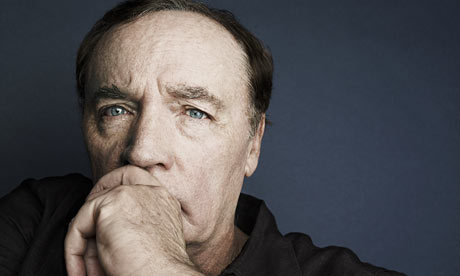 Photo Credit: Rankin
For James Patterson, author of Truth or Die , Zoo
, Zoo , and countless other books, it completely works. But, if you are a romance author, it won't work.
Solution: Genre considerations.
Before going into a photo shoot, consider your genre and what overall tone it depicts. If you are indeed a romance author, a pleasant expression of contentment is more acceptable than an intense and serious expression. This is one genre that the head tilted to the side and looking off into the distance, works. If you're a thriller writer, go for the intense, James Patterson-type expression. No matter what, keep your expression as natural as possible. A forced expression of any kind will be picked up by the camera.
Problem: Unflattering pose or posture.
When the camera is on you, pay attention to your body language. An author with their arms crossed will come off as defensive. Not everyone is "a natural" in front of the camera, but simple body language concepts go a long way with author photos.
Solution: Depict an inviting image.
A simple change in position can make a big difference. For example, a person's arms crossed over their lap, while leaning into the camera, is more inviting than arms crossed over a chest and standing upright.
One common pose that works is when an author candidly places their hand on their chin or temple. This is surely an expression of thinking, which is true -- thinking about what to write next is a huge part of being an author. Be sure the look is authentic and not forced, which borders on cliché.
Women, as mentioned above, have the habit of tilting their head to the side, gazing at the camera or off into the distance. This does work for certain genres.
Problem: Photo processing.
An image that is off in tone, color, exposure and contrast/brightness, will look unprofessional. These are common problems that are usually fixable by someone who is talented with Photoshop. The ones that frighten me the most, however, are photos where the flash lights up the author's face in all the wrong areas (i.e. forehead and nose).
Solution: Hire a professional photographer.
A professional photographer will help with not only producing a quality image, but they should also be able to assist with body language and posing.
In terms of a color versus black and white image, many old school male authors tend to lean toward black and white. This can be a great choice, and is often more flattering for those who have a few decades behind them. However, if you are a romance author, I believe your photo should be in color. If you're starting to see a trend between the relevance between genre and your author photo, give yourself a pat on the back.
Problem: Cluttered background.
The backgrounds that scream amateur are the ones with merely a white wall behind the author, or worse yet, but still a popular pick, the author standing in front of shrubbery (oops, did I just describe your own author photo?) Don't get me started on the backgrounds with too many distractions, like a plate hanging on the wall next to their head, or curtains that have busy patterns or aren't framed right in the image.
Solution: Find a background that enhances, not distracts from, your portrait.
For the most professional results, it makes sense to hire a professional photographer. One great example is that they will know how to work with depth of field. Using "shallow depth of field" in your image will blur out your background, making you pop. "Large depth of field" keeps everything in the background in focus. A busy background, especially one that is in focus, competes with the main subject -- you!
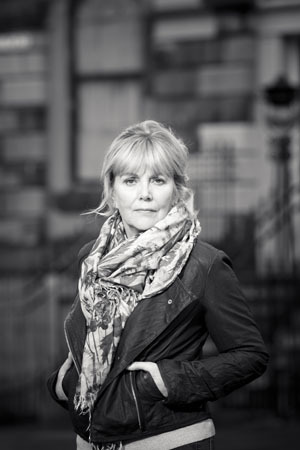
Photo Credit: Euan Myles
I love this photo of Kate Atkinson, author of Life After Life: A Novel , among others . The background is relevant and doesn't compete with, but enhances, her image.
Final thoughts: An unprofessional author photo sends the wrong message.
I realize that I have mentioned hiring a professional photographer as the solution for some of these problems. The reason is that I strongly feel that being an author is a business, and much like you would hire a CPA to do your books, you should hire a professional photographer to take care of your looks. There are several reasonably priced photographers out there who can do a great job. Don't ask a friend or family member to do it unless they have experience as a photographer.
Lastly, I recommend spending some time browsing Amazon for authors in your genre. Take notice of what their images depict, and use it to create the visual you want to send to your readers.
Note: My own author photo was captured by the talented Doug Ellis at Ribera Beach, C.A.
Follow Heather Hummel on Twitter: www.twitter.com/HeatherHummel
This post originally appeared on the Huffington Post.
A quality author photo is one of the most important aspects of becoming an author, and yet it often slips through the cracks. Indeed, there are some very professional, well done author photos out there, but for as many great ones, there are a plethora of faulty ones. I am not one to use clichés, but as a photographer, I completely agree that a picture does say a thousand words. I look at it this way: If an author is trying to attract readers to read the tens of thousands of words they've spent months or years writing, they should use their best author photo possible.
This is where my experience as a photographer lets me address the author photo from both sides of the lens.
If you spend months or years writing a book, spend at least a day preparing for your author photo, because it is a critical part of your brand. Here is my take on some common problems and their solutions.
Problem: Too serious of an expression.
Some authors' facial expressions are overly serious -- as though such an expression depicts intelligence and print worthiness. Yet, depending on their genre, a serious expression isn't always appropriate.
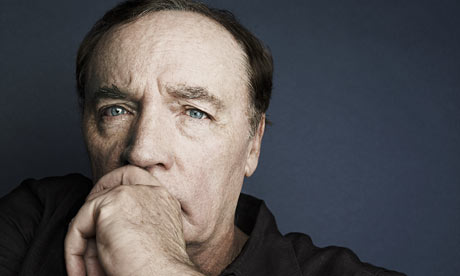 Photo Credit: Rankin
For James Patterson, author of Truth or Die
, Zoo, and countless other books, it completely works. But, if you are a romance author, it won't work. Solution: Genre considerations.
Before going into a photo shoot, consider your genre and what overall tone it depicts. If you are indeed a romance author, a pleasant expression of contentment is more acceptable than an intense and serious expression. This is one genre that the head tilted to the side and looking off into the distance, works. If you're a thriller writer, go for the intense, James Patterson-type expression. No matter what, keep your expression as natural as possible. A forced expression of any kind will be picked up by the camera.
Problem: Unflattering pose or posture.
When the camera is on you, pay attention to your body language. An author with their arms crossed will come off as defensive. Not everyone is "a natural" in front of the camera, but simple body language concepts go a long way with author photos.
Solution: Depict an inviting image.
A simple change in position can make a big difference. For example, a person's arms crossed over their lap, while leaning into the camera, is more inviting than arms crossed over a chest and standing upright.
One common pose that works is when an author candidly places their hand on their chin or temple. This is surely an expression of thinking, which is true -- thinking about what to write next is a huge part of being an author. Be sure the look is authentic and not forced, which borders on cliché.
Women, as mentioned above, have the habit of tilting their head to the side, gazing at the camera or off into the distance. This does work for certain genres.
Problem: Photo processing.
An image that is off in tone, color, exposure and contrast/brightness, will look unprofessional. These are common problems that are usually fixable by someone who is talented with Photoshop. The ones that frighten me the most, however, are photos where the flash lights up the author's face in all the wrong areas (i.e. forehead and nose).
Solution: Hire a professional photographer.
A professional photographer will help with not only producing a quality image, but they should also be able to assist with body language and posing.
In terms of a color versus black and white image, many old school male authors tend to lean toward black and white. This can be a great choice, and is often more flattering for those who have a few decades behind them. However, if you are a romance author, I believe your photo should be in color. If you're starting to see a trend between the relevance between genre and your author photo, give yourself a pat on the back.
Problem: Cluttered background.
The backgrounds that scream amateur are the ones with merely a white wall behind the author, or worse yet, but still a popular pick, the author standing in front of shrubbery (oops, did I just describe your own author photo?) Don't get me started on the backgrounds with too many distractions, like a plate hanging on the wall next to their head, or curtains that have busy patterns or aren't framed right in the image.
Solution: Find a background that enhances, not distracts from, your portrait.
For the most professional results, it makes sense to hire a professional photographer. One great example is that they will know how to work with depth of field. Using "shallow depth of field" in your image will blur out your background, making you pop. "Large depth of field" keeps everything in the background in focus. A busy background, especially one that is in focus, competes with the main subject -- you!
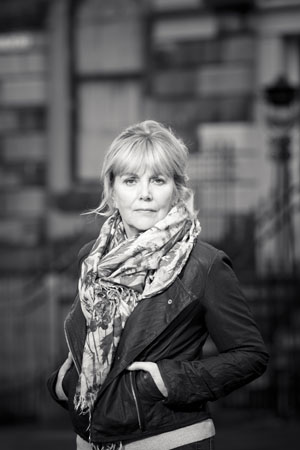
Photo Credit: Euan Myles
I love this photo of Kate Atkinson, author of Life After Life: A Novel
, among others . The background is relevant and doesn't compete with, but enhances, her image.Final thoughts: An unprofessional author photo sends the wrong message.
I realize that I have mentioned hiring a professional photographer as the solution for some of these problems. The reason is that I strongly feel that being an author is a business, and much like you would hire a CPA to do your books, you should hire a professional photographer to take care of your looks. There are several reasonably priced photographers out there who can do a great job. Don't ask a friend or family member to do it unless they have experience as a photographer.
Lastly, I recommend spending some time browsing Amazon for authors in your genre. Take notice of what their images depict, and use it to create the visual you want to send to your readers.
Note: My own author photo was captured by the talented Doug Ellis at Ribera Beach, C.A.
Follow Heather Hummel on Twitter: www.twitter.com/HeatherHummel
This post originally appeared on the Huffington Post.
June 26, 2015
Two Facebook Features Every Author Should Be Using
The number of titles available on Amazon has increased at an unfathomable rate. For example, when I first published through McGraw-Hill in 2008, there were two million books on Amazon. Kindle wasn't a contender at the time, so this number represented paperback and hardcovers. Today, there are over 24 million paperbacks, over 8.5 million hardcovers, and almost 1.3 million Kindle titles. At the time of writing this post: in the last 30 days, 104,606 new Kindle titles were released. That's a lot of authors.
With the need to make their book stand out against tens of millions of others, an author needs every tool in their toolbox. So, image my surprise when many of them weren't taking advantage of two critical Facebook features.
Works At
I continued to be amazed by the number of times I went to a Facebook friend's "About" section on their timeline only to discover they didn't have their Facebook author fan page linked as their "Works At." Worse yet, many times it simply gave the generic term of "Writer at Author" and when clicked, it went through to a generic "Author" page.
I realized rather quickly that too any authors simply didn't know about the Facebook feature that allows them to link their fan page as their "Works At" on their personal profile. When I posted both on my timeline and in one of my writing groups asking if authors knew about this option, the responses in the comments confirmed that many of my friends and fellow writers hadn't known about this option, and they quickly went and added it.
Michelle Miles, a romance author of well over a dozen novels and two new releases on the horizon, was one of those authors who took the tip to heart and quickly updated her "Works At" to lead her friends to her fan page. Miles is the perfect example of the point I was making. She has nearly 3,000 personal Facebook friends and just over 800 Likes on her author fan page (rather than the other way around). Now that her "Works At" reads "Michelle Miles, Romance Author," rather than "Author," the expectation is to drive those few thousand friends who haven't already Liked her fan page over to her page as new Likes.
I'm focusing on authors here because they are the ones I interact with the most on Facebook. However, any self-employed individual who has a Facebook fan page should consider doing this.
It's easy to update the "Works At" section. Simply follow these steps to update your profile:
• In the "About" section, click on Edit
• In the box that says, "Where have you worked?" start typing the name of your fan page.
• Click on it when it pops up as an option.
• Be sure to also remove any titles that click through to a generic page.
It's that simple.
Cover Photos
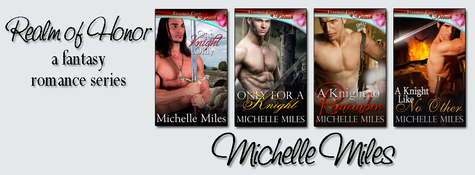
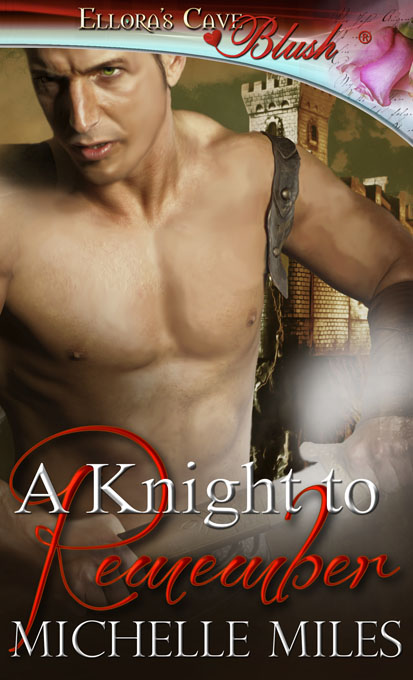
While we are on the subject of fan pages, I should point out that one of the features Michelle Miles was already taking advantage of was optimizing her cover photo. While Miles has over a dozen books in publication, her fan page's cover photo strictly features her Realm of Honor series. Had she used more, let alone all 15 book covers, she would have overwhelmed visitors with visual overload. Reducing it to the Realm of Honor series attracts readers to that series who will likely go on to find and read her other books as well.
For best results, your cover photo should be sized at 851 pixels wide and 315 pixels tall. Any smaller and the image will be stretched. Any larger and part of the image will be hidden. Your cover photo essentially works as a billboard for your books (or service/product). As a professional author, your cover photo should be professional in design and branding.
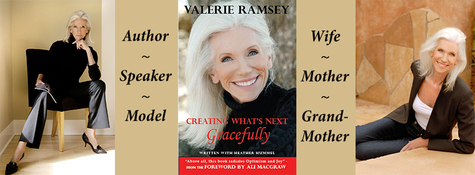
Author and public speaker, Valerie Ramsey, utilizes her cover photo with images of her book cover and two of her modeling images with a few keywords laid in to describe her. In this cover photo, her brand is represented and visitors instantly establish a feel for who she is when they visit her fan page.
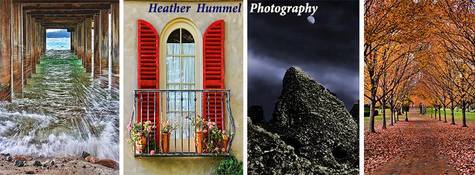
All photographers should be utilizing both of these Facebook features as well. One example is my own Heather Hummel Photography fan page, which has this image as my cover photo. The four images used in the cover photo showcase a sample of my work that is represented by Agora Gallery in New York City. I intentionally chose four images that shows both the diversity of my subjects as well as the continuity.
These are two simple features that should be used by every author, public, speaker, photographer, and anyone else with a business they are promoting. If you aren't sure how to create a cover photo and have a limited budget, go on www.Fiverr.com and hire someone. It's not that difficult with the right tools, and as an author, you already have the graphics -- your book cover and author photo.
Note: Speaking of author photos, be sure to read my article on the Relevance of a Professional Author Photo.
Follow Heather Hummel on Twitter: www.twitter.com/HeatherHummel
This post originally appeared on the Huffington Post.
With the need to make their book stand out against tens of millions of others, an author needs every tool in their toolbox. So, image my surprise when many of them weren't taking advantage of two critical Facebook features.
Works At
I continued to be amazed by the number of times I went to a Facebook friend's "About" section on their timeline only to discover they didn't have their Facebook author fan page linked as their "Works At." Worse yet, many times it simply gave the generic term of "Writer at Author" and when clicked, it went through to a generic "Author" page.
I realized rather quickly that too any authors simply didn't know about the Facebook feature that allows them to link their fan page as their "Works At" on their personal profile. When I posted both on my timeline and in one of my writing groups asking if authors knew about this option, the responses in the comments confirmed that many of my friends and fellow writers hadn't known about this option, and they quickly went and added it.
Michelle Miles, a romance author of well over a dozen novels and two new releases on the horizon, was one of those authors who took the tip to heart and quickly updated her "Works At" to lead her friends to her fan page. Miles is the perfect example of the point I was making. She has nearly 3,000 personal Facebook friends and just over 800 Likes on her author fan page (rather than the other way around). Now that her "Works At" reads "Michelle Miles, Romance Author," rather than "Author," the expectation is to drive those few thousand friends who haven't already Liked her fan page over to her page as new Likes.
I'm focusing on authors here because they are the ones I interact with the most on Facebook. However, any self-employed individual who has a Facebook fan page should consider doing this.
It's easy to update the "Works At" section. Simply follow these steps to update your profile:
• In the "About" section, click on Edit
• In the box that says, "Where have you worked?" start typing the name of your fan page.
• Click on it when it pops up as an option.
• Be sure to also remove any titles that click through to a generic page.
It's that simple.
Cover Photos
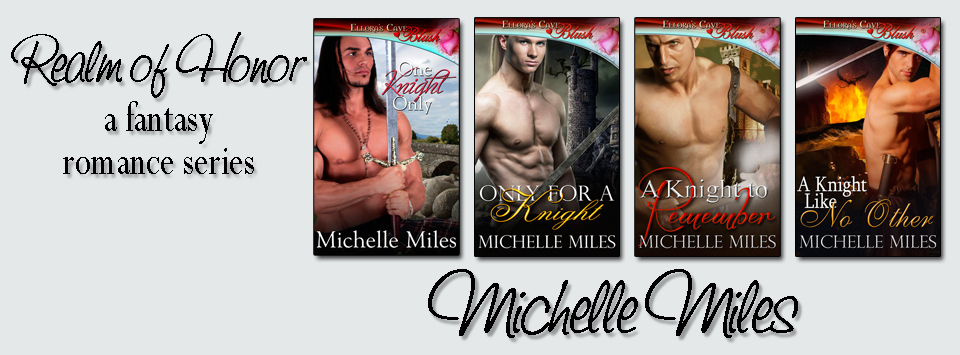
While we are on the subject of fan pages, I should point out that one of the features Michelle Miles was already taking advantage of was optimizing her cover photo. While Miles has over a dozen books in publication, her fan page's cover photo strictly features her Realm of Honor series. Had she used more, let alone all 15 book covers, she would have overwhelmed visitors with visual overload. Reducing it to the Realm of Honor series attracts readers to that series who will likely go on to find and read her other books as well.
For best results, your cover photo should be sized at 851 pixels wide and 315 pixels tall. Any smaller and the image will be stretched. Any larger and part of the image will be hidden. Your cover photo essentially works as a billboard for your books (or service/product). As a professional author, your cover photo should be professional in design and branding.

Author and public speaker, Valerie Ramsey, utilizes her cover photo with images of her book cover and two of her modeling images with a few keywords laid in to describe her. In this cover photo, her brand is represented and visitors instantly establish a feel for who she is when they visit her fan page.

All photographers should be utilizing both of these Facebook features as well. One example is my own Heather Hummel Photography fan page, which has this image as my cover photo. The four images used in the cover photo showcase a sample of my work that is represented by Agora Gallery in New York City. I intentionally chose four images that shows both the diversity of my subjects as well as the continuity.
These are two simple features that should be used by every author, public, speaker, photographer, and anyone else with a business they are promoting. If you aren't sure how to create a cover photo and have a limited budget, go on www.Fiverr.com and hire someone. It's not that difficult with the right tools, and as an author, you already have the graphics -- your book cover and author photo.
Note: Speaking of author photos, be sure to read my article on the Relevance of a Professional Author Photo.
Follow Heather Hummel on Twitter: www.twitter.com/HeatherHummel
This post originally appeared on the Huffington Post.