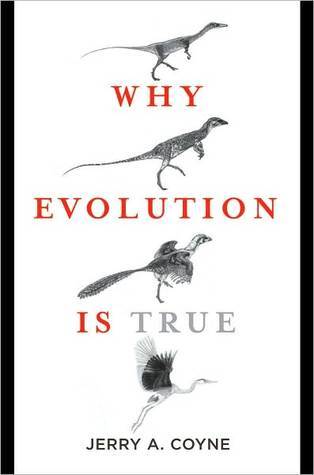
Millions of years later, and after more splitting events, one of the descendant dinosaur species, node Y, itself split into two more species, one eventually producing all the bipedal, carnivorous dinosaurs and the other producing all living birds.

CAUTION - SWITCH-A-ROO: Notice the trick here again. He used actual reasonable observation when describing how species might split. But then he goes into the realm of imagination and says, ok, in millions of years later - those species turn into new animals. NOTE - an animal that breaks into two different "species" are always the same kind of animal. There are many species of birds - but that just means they can't reproduce together. It doesn't mean they turn into lizards. We observe speciation. And it happens when the animal LOSES information - essentially downgrading it's overall informational capabilities. The mutation or whatever causes the inability to breed, is not additional useful information, it is a loss of information or broken DNA. If you extrapolate this over millions of years you get something more broken with less information. You do not get a new kind of animal with new features. This is the biggest fallacy of evolution and is used to support all of their "evidence".