
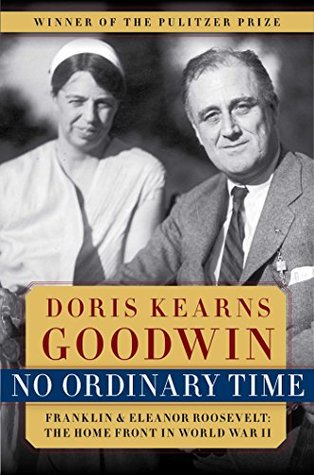
More on this book
Community


Kindle Notes & Highlights


“We do not have to become heroes overnight,” Eleanor once wrote. “Just a step at a time, meeting each thing that comes up, seeing it is not as dreadful as it appears, discovering that we have the strength to stare it down.”
“The thing always to remember,” she said, is that “you must do the thing you think you cannot do.”
it takes a dramatic thing once in a while to recharge us . . . . Being too close to the picture very often dulls one’s appreciation.”
So the battle to save lives by bringing large numbers of refugees into America was lost during the crucial months of 1940, when Germany was still willing to grant exit permits to the Jews. “True, the Nazis wished to be rid of the Jews,” historian David Wyman has written, “but until 1941 this end was to be accomplished by emigration, not extermination. The shift to extermination came only after the emigration method had failed, a failure in large part due to lack of countries open to refugees.”
Roosevelt made up for the defects of an undisciplined mind with a profound ability to integrate a vast multitude of details into a larger pattern that gave shape and direction to the stream of events.
He had kept his own counsel for so long, she observed, that it had become “part of his nature not to talk to anyone of intimate matters.”
“I guess one of the sad things in life,” Eleanor admitted to Joe Lash, “is that rarely do a man and woman fall equally in love with each other and even more rarely do they so live their lives that they continue to be lovers at times and still develop and enjoy the constant companionship of married life.”
I am accustomed to hearing malicious falsehoods about myself . . . but I think I have a right to resent, to object to libelous statements about my dog.”
He dies a hero of the war, for he literally worked himself to death in the service of the American people.”
“They are not dead who live in lives they leave behind. In those whom they have blessed they live a life again.”
