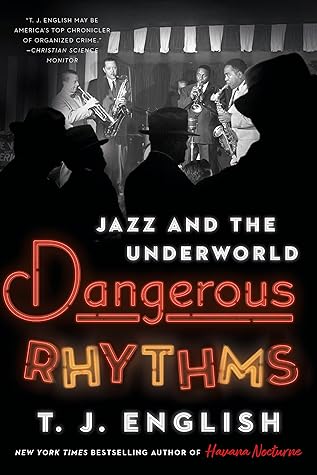
By 1910, there were more than sixty honky-tonks, dancehalls, or private clubs that showcased live music in the district. The musicians were almost exclusively Black, but the clientele was mixed race. From the beginning, jazz became identified as race-mixing music, an unusual development, perhaps unprecedented, where Blacks and whites came together to celebrate what was an authentically African American form of expression. The clubs were all owned by white men. And the type of men who owned the clubs were often associated with vice—prostitution, gambling, opium and cocaine, unfettered drinking,
...more