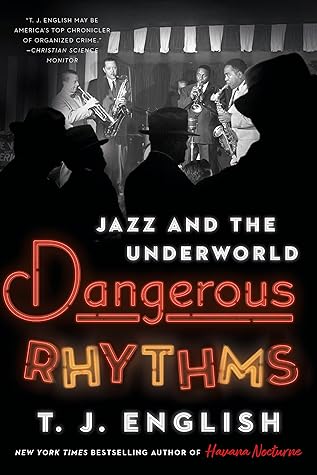
As an art form, the genesis of jazz bore no relation to the historical circumstances of the 1920s. On the other hand, the reality of Prohibition created a framework for the music that would otherwise not have existed. And it wasn’t just that new venues created by the people’s desire to imbibe were ready-made for jazz combos and dangerous rhythms. There was something about the Roaring Twenties itself—the clandestine social interactions, the pushing of racial boundaries, the hoodlums, the musicians—that turned jazz from a subculture into a telling representation of the national psyche.