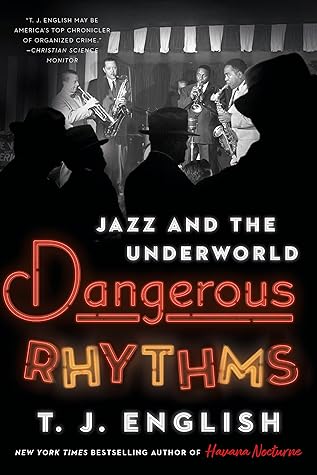
The average Black musician had less to fear from an Italian mafioso inside a club than he did from the average white cracker out on the street. The early twentieth-century musician had less to fear from a gangster than he did from a policeman. For people in the jazz world, the bordello and the honky-tonk were a source of refuge from a society where, among other threats and indignities, lynching was an ongoing nightmare, and had been for generations.