
More on this book


Kindle Notes & Highlights

Read between
March 16 - June 5, 2021

Love-centered parenting is not about making all the
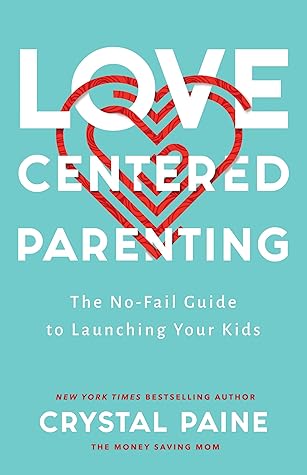
right choices, doing everything perfectly, or never making mistakes. Love-centered parenting is about wholeheartedly loving our kids because we know how much we are wholeheartedly loved by God.
Did you catch that? If you have a cup filled with sweet water (or your favorite sweet beverage—I’ll take a yummy decaf chai tea latte myself) and you bump it, the only thing that’s going to spill out of it is the sweet beverage. Bitter water or some other nasty drink can’t come out of a cup filled with sweet water (or chai tea latte), because that’s not what’s in it. The same is true in our own lives. If we are filled up with the knowledge of how much we are loved by God, when we are bumped, poked, or prodded by others or by situations, only kindness, love, and truth can slosh out of us.
My goal is to soak up so much truth in my everyday life that there isn’t any space for lies to take up residence in my mind and heart.
“Struggle builds strength.” If I always protect my kids from heartache and hurt, I’m doing them a disservice. I’m teaching them to be weak and wimpy, and I’m raising them to be children who rely on their mom instead of adults who rely on God. I don’t want to see my kids fail, but I know that letting them try new things, mess up, or experience failure will help them develop character that success never will. I don’t want to see them get hurt by others, and yet if I swoop in and rescue them from
every hurtful situation, they’ll never learn how to work through disagreements, have difficult conversations, stand up for themselves, and love people who are challenging to love. I don’t want them to make mistakes, and yet I know that some of my greatest life lessons have been the result of mistakes I’ve made.
It’s so tempting to spend our days as parents trying to save our kids from hard things, but our job is not to be our kids’ rescuer but to point them to Jesus. We can set an example and teach them right from wrong, but we can’t ultimately make them do the righ...
This highlight has been truncated due to consecutive passage length restrictions.
When our kids are going through hard times, what they need most is for us to lean in and love them.
Listening well also involves thinking before you speak, learning to hear what your child is trying to communicate (with their actions, attitudes, and behaviors), interacting instead of reacting, and becoming a student of your child.
Leading with humility involves setting a great example for our kids—on the good days and the hard days. It means being willing to ask for forgiveness when we’ve messed up, acknowledging our shortcomings and failures, and focusing on parenting our kids out of a heart to develop a relationship with them instead of trying to uphold our reputation with others.
Letting go means not only allowing our kids space to grow up, to take more responsibility, and to have more freedom, it also means letting go of what we thought life
might look like, what our hopes and dreams might have been for our family, and loving our kids even when they make big mistakes or have different viewpoints than we do.
The beauty of these choices to lean in and love, to listen well, to lead with humility, and to let go are that they are not dependent upon our kids’ choices, responses, or actions. Loving well doesn’t require our child to obey, to be kind, or to love us back.
“You don’t yell at a flower that isn’t thriving; you water it.”1
Every child has his or her own personality and set of strengths, weaknesses, struggles, abilities, and interests.
Start paying attention to how God has uniquely wired your kids. Look for what makes them come alive. Notice what they are most interested in, what they ask questions about and talk about most often.
Parents, God has equipped you too to be the best parent for the kids He has given you. You won’t get all the small stuff right. You will make wrong choices. You will miss the mark some days. You will need to ask forgiveness. And you won’t always respond perfectly or ask the right questions. The beautiful thing is that the hard stuff is meant to drive us to deeper dependence on God. Best of all, God can use your inadequacies and your missteps
What matters is that you seek the Lord, seek His wisdom for your child, and seek to love your kids well—even if that means other people look down on you, criticize your parenting, or question your decisions. I’d rather have a strong relationship with my child at the expense of my reputation with others.
