
More on this book
Community


Kindle Notes & Highlights

Read between
February 5 - February 9, 2022

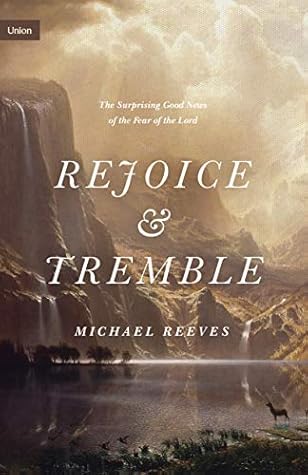
I want you to rejoice in this strange paradox that the gospel both frees us from fear and gives us fear. It frees us from our crippling fears, giving us instead a most delightful, happy, and wonderful fear. And I want to clear up that often off-putting phrase “the fear of God,” to show through the Bible that for Christians it really does not mean being afraid of God.
When your culture is hedonistic, your religion therapeutic, and your goal a feeling of personal well-being, fear will be the ever-present headache.
our moral confusion today and our general state of heightened anxiety are both the fallout of a cultural loss of God as the proper object of human fear.5 That fear of God (as I hope to show) was a happy and healthy fear that shaped and controlled our other fears, thus reining in anxiety.
the loss of the fear of God is what ushered in our modern age of anxiety, but the fear of God is the very antidote to our fretfulness.
Anxiety grows best in the soil of unbelief. It withers in contact with faith. And faith is fertilized by the fear of God,
Some Christians see the clear lack of reverence and awe of God in our Christian circles and seem to think the answer is to make people afraid of God. As if our love for God needs to be tempered by being afraid of him.
Moses here sets out a contrast between being afraid of God and fearing God: those who have the fear of him will not be afraid of him. Yet he uses the same “fear” word root (ירא, yr’) for both terms (יָרֵא, yare’ / יִרְאָה, yir’ah). Evidently there are different types of fear. Indeed, there are different types of fear of God. There is a fear of God that is good and desirable, and there is a fear of God that is not.
sinful fear drives you away from God. This is the fear of the unbeliever who hates God, who remains a rebel at heart, who fears being exposed as a sinner and so runs from God.
It is, Bunyan says, the devil’s work to promote a fear of God that makes people afraid of God such that they want to flee from God. The Spirit’s work is the exact opposite: to produce in us a wonderful fear that wins and draws us to God.
What we can already say, though, is that the fear of God commended in Scripture “does not arise from a perception of God as hazardous, but glorious. In other words, it flows from an appreciation of God.”
It can come as quite a shock to see the God who is love described as “the Fear.” But in Genesis, when briefly listing some divine titles, Jacob speaks to Laban of “the God of my Father, the God of Abraham and the Fear of Isaac” (Gen. 31:42; see also v. 53). This startling title speaks of the profound impression left upon Jacob by his father’s faith. Evidently, Jacob had been taught that the Lord God is so intrinsically “fearful” by nature and identity that he can be known simply as “the Fear.” (And in Ps. 19, among the various descriptions of the word of God—the “law of the Lord,” “the
...more
All the evidence suggests that he feared and trembled because of all the good the Lord provided for him (just as we find in Jer. 33:8–9).
In a sense, then, the trembling “fear of God” is a way of speaking about the intensity of the saints’ love for and enjoyment of all that God is.
True fear of God is true love for God defined: it is the right response to God’s full-orbed revelation of himself in all his grace and glory.
Our natural problem as sinners, Luther explained, is that “we were totally unable to come to a recognition of the Father’s favor and grace except through the Lord Christ, who is the mirroring image of the Father’s heart. Without Christ we see nothing in God but an angry and terrible Judge.”13
Men are by nature afraid of the heavens; the superstitious dread the signs in the sky, and even the bravest spirit is sometimes made to tremble when the firmament is ablaze with lightning, and the pealing thunder seems to make the vast concave of heaven to tremble and to reverberate; but I always feel ashamed to keep indoors when the thunder shakes the solid earth, and the lightnings flash like arrows from the sky. Then God is abroad, and I love to walk out in some wide space, and to look up and mark the opening gates of heaven, as the lightning reveals far beyond, and enables me to gaze into
...more
In fact, the fear of the Lord is the reason Christianity is the most song-filled of all religions. It is the reason why, from how Christians worship together to how they stream music, they are always looking to make melody about their faith. Christians instinctively want to sing to express the affection behind their words of praise, and to stir it up, knowing that words spoken flatly will not do in worship of this God. Knowing that our God rejoices over us with gladness and exults over even us with loud singing (Zeph. 3:17) makes us rejoice and exult over him in heartfelt, melodic return.
Jesus spoke of her love, but the intense physicality of her demonstration of affection fits Scripture’s picture of fear. Hers was an intensely fearful love.
Every believer should daily read Scripture and seek out books and fellowship that will be cross-centered and God-glorifying so that he or she might grow in this delighted fear.
For the fear of the Lord is precisely that “assurance of God’s benevolence toward us.”
Pastors or not, all of us are temperamentally inclined to lean one way or another. Some are natural rhinos: strong and thick-skinned, but not gentle. Others are more like deer: sweet and gentle, to be sure, but nervous and flighty. The fear of the Lord corrects and beautifies both temperaments, giving believers a gentle strength. It makes them—like Christ—simultaneously lamblike and lionlike.
