
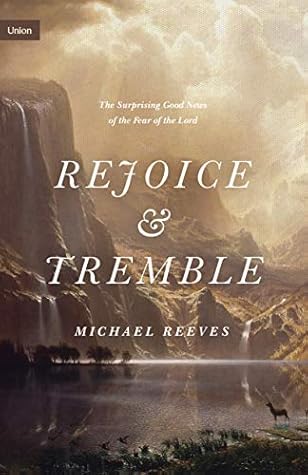
More on this book
Community


Kindle Notes & Highlights

Read between
April 29 - May 1, 2022

My aim now is to cut through this discouraging confusion. I want you to rejoice in this strange paradox that the gospel both frees us from fear and gives us fear. It frees us from our crippling fears, giving us instead a most delightful, happy, and wonderful fear.
When your culture is hedonistic, your religion therapeutic, and your goal a feeling of personal well-being, fear will be the ever-present headache.
our moral confusion today and our general state of heightened anxiety are both the fallout of a cultural loss of God as the proper object of human fear.5 That fear of God (as I hope to show) was a happy and healthy fear that shaped and controlled our other fears, thus reining in anxiety.
the loss of the fear of God is what ushered in our modern age of anxiety, but the fear of God is the very antidote to our fretfulness.
Anxiety grows best in the soil of unbelief. It withers in contact with faith. And faith is fertilized by the fear of God,
Moses here sets out a contrast between being afraid of God and fearing God: those who have the fear of him will not be afraid of him. Yet he uses the same “fear” word root (ירא, yr’) for both terms (יָרֵא, yare’ / יִרְאָה, yir’ah). Evidently there are different types of fear. Indeed, there are different types of fear of God. There is a fear of God that is good and desirable, and there is a fear of God that is not.
sinful fear drives you away from God. This is the fear of the unbeliever who hates God, who remains a rebel at heart, who fears being exposed as a sinner and so runs from God.
It is, Bunyan says, the devil’s work to promote a fear of God that makes people afraid of God such that they want to flee from God. The Spirit’s work is the exact opposite: to produce in us a wonderful fear that wins and draws us to God.
The living God is infinitely perfect and quintessentially, overwhelmingly beautiful in every way: his righteousness, his graciousness, his majesty, his mercy, his all. And so we do not love him aright if our love is not a trembling, overwhelmed, and fearful love. In a sense, then, the trembling “fear of God” is a way of speaking about the intensity of the saints’ love for and enjoyment of all that God is.
True fear of God is true love for God defined: it is the right response to God’s full-orbed revelation of himself in all his grace and glory.
This right fear of God, then, is not the minor-key, gloomy flip side to proper joy in God. There is no tension between this fear and joy. Rather, this trembling “fear of God” is a way of speaking about the sheer intensity of the saints’ happiness in God. In other words, the biblical theme of the fear of God helps us to see the sort of joy that is most fitting for believers. Our desire for God and delight in him are not intended to be lukewarm. As our love for God is a trembling and wonder-filled love, so our joy in God is, at its purest, a trembling and wonder-filled—yes, fearful—joy. For the
...more
The Lord looks on the heart and is pleased when he finds it quaking in wonder, love, and praise.
the nature of the living God means that the fear which pleases him is not a groveling, shrinking fear. He is no tyrant. It is an ecstasy of love and joy that senses how overwhelmingly kind and magnificent, good and true God is, and that therefore leans on him in staggered praise and faith.
The first sort of right fear is the weak-kneed and trembling response to the fact that God is the Creator. It appreciates—indeed, it enjoys—that God is splendid in his transcendence, above and beyond creation. God is holy, majestic, perfect, all-powerful, and dazzling in all his perfections.
And it is right that trembling fear should be the right reaction to the Creator. It shows that the holiness of the Creator is not a quiet, anemic thing to be received with stained-glass voices and simpers. The holiness of the sovereign Lord is tremendous, vivid, and dazzling.
In the splendor of the Creator’s majesty, we should be abased. In the brightness of his purity, we should be ashamed.
knowledge of the Creator produces a fear that leads to humility, repentance, and contempt for all self-complacency and self-conceit.
Eternal power, whose high abode Becomes the grandeur of a God, Infinite lengths beyond the bounds Where stars resolve their little rounds. The lowest step around Thy seat, Rises too high for Gabriel’s feet; In vain the tall archangel tries To reach Thine height with wondering eyes. Thy dazzling beauties whilst he sings, He hides his face behind his wings, And ranks of shining thrones around Fall worshiping, and spread the ground. Lord, what shall earth and ashes do? We would adore our maker, too; From sin and dust to Thee we cry, The Great, the Holy, and the High! Earth from afar has heard Thy
...more
Edwards’s experience of the creation was different because his knowledge of the Creator had been infused with the knowledge that the high and holy one is the most gracious Redeemer. It meant that as he looked around creation, he saw it not only as the work of the Creator but as the work of the one who was both his Creator and his Redeemer.
“Great God, how terrible art thou!”—not afraid, but full of delight, like a child who rejoices to see his father’s wealth, his father’s wisdom, his father’s power,—happy, and at home, but feeling oh, so little!
But “this is eternal life, that they know you, the only true God, and Jesus Christ whom you have sent” (John 17:3). Amid our hectic lives, amid all our challenges and trials, it is the fresh contemplation of the glory of God that will bring the right, bigger, healthier, happier perspective to all we are going through.
God is arrayed with an infinite brightness, a brightness that doesn’t create pain as the light of the sun pains the eyes to behold it, but rather fills with excess of joy and delight. Indeed, no man can see God and live, because the sight of such glory would overpower nature, . . .’tis because the joy and pleasure in beholding would be too strong for a frail nature.25 According to Edwards, God is dazzling in his holiness and overwhelmingly fascinating—but not simply because of his overpowering might.
above all God’s omnipotence, he is dazzling in the superfluence and superabundance of his very being and blessedness.
The deepest revelation of God’s glory and nature is found in his identity as Redeemer.
Having a right knowledge of God is inextricably bound up with having a right fear of God. Those who do not know God as a merciful Redeemer and compassionate Father can never have the delight of a truly filial fear.
sinful fear is not merely a matter of sinful actions: it hates God, despising him as a revenging Judge, and therefore acts sinfully. In contrast, a right fear loves God, cherishing him as a holy Father, and therefore has a sincere longing to be like him.
“To fear the Lord and his goodness, and to fear him for his goodness; to trust in his power and faithfulness; to obey his authority; to delight in his will and grace; to love him above all, because of his excellencies and beauty;—this is to glorify him.”6
the fear of the Lord brings a knowledge beyond the grasp of any of those great philosophers. For the fear of the Lord is precisely that “assurance of God’s benevolence toward us.” In the fear of the Lord is found a true knowledge of God, as Creator and as Redeemer, as majestic and as merciful. Any “knowledge of God” that is devoid of such fearful and overwhelmed wonder is actually blind and barren. The living God is so wonderful that he is not truly known where he is not worshiped and heartily adored.
The fear of God is the only possible foundation upon which true knowledge is built: all knowledge acquired elsewhere is counterfeit and will eventually prove itself as such.
And therein lies a challenge for those conscious of their own ability, and a comfort for all who feel daunted by the talents of others. It is only this wonderful fear of God that can steer us wisely through life. This—not IQ—is the beginning of wisdom. Therefore, says Psalm 115:13, He will bless those who fear the Lord, both the small and the great. For it is not talent that God blesses so much as the fear of God.
The knowledge of God that the fear of the Lord brings is not a sterile knowledge. Those who fear God come to know him in such a way that they actually become holy, faithful, loving, and merciful, like him.
To fear God is to enter that blessed divine life.
“So the church throughout all Judea and Galilee and Samaria had peace and was being built up. And walking in the fear of the Lord and in the comfort of the Holy Spirit, it multiplied” (Acts 9:31). For to fear God is to know the Spirit’s consolation and Christ’s own happiness and satisfaction in God.
For the fear of the Lord is the precise opposite of hard-heartedness.
righteous jealousy should not be confused with selfish envy: it is a love that will not let go of the beloved or make do with substitutes.
Joyful, loving, humble, and jealous for God, the right fear of God makes the difference between hollow, devilish religiosity and beautiful, Christlike believers.
When describing the Lord as his stronghold, refuge, and joy, David focuses on the beauty of the Lord: The Lord is my light and my salvation; whom shall I fear? The Lord is the stronghold of my life; of whom shall I be afraid? When evildoers assail me to eat up my flesh, my adversaries and foes, it is they who stumble and fall. Though an army encamp against me, my heart shall not fear; though war arise against me, yet I will be confident. One thing have I asked of the Lord, that will I seek after: that I may dwell in the house of the Lord all the days of my life, to gaze upon the beauty of
...more
Where hell is the dreadful sewer of all sinful fears, heaven is the paradise of unconfined, maximal, delighted filial fear.
As the radiant angels now fall on their faces in fearful, ecstatic joy and adoration before God, so one day will all the saints.
